Backpacking in Afghanistan is not a normal travel experience right now—and it’s important to be clear:
⚠️ Safety Reality
Most governments strongly advise against all travel to Afghanistan due to:
- Ongoing instability and security risks
- High risk of terrorism and kidnapping
- Lack of reliable infrastructure and emergency support
👉 In short: independent backpacking is extremely dangerous at present.
🌍 What Afghanistan is known for (historically & culturally)
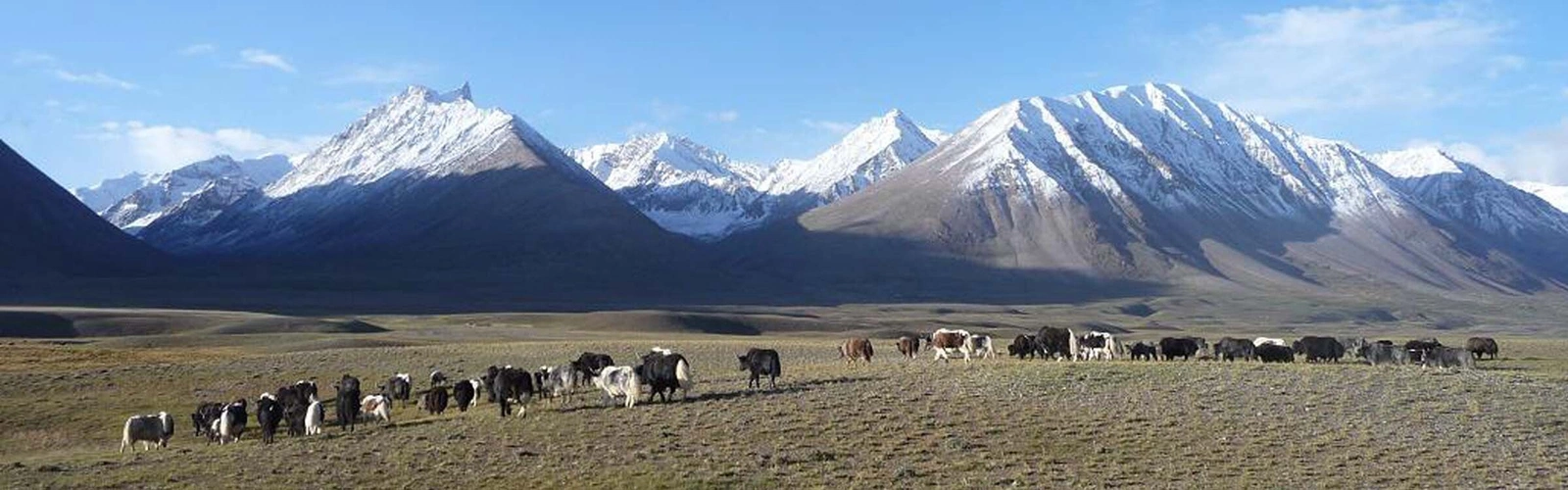
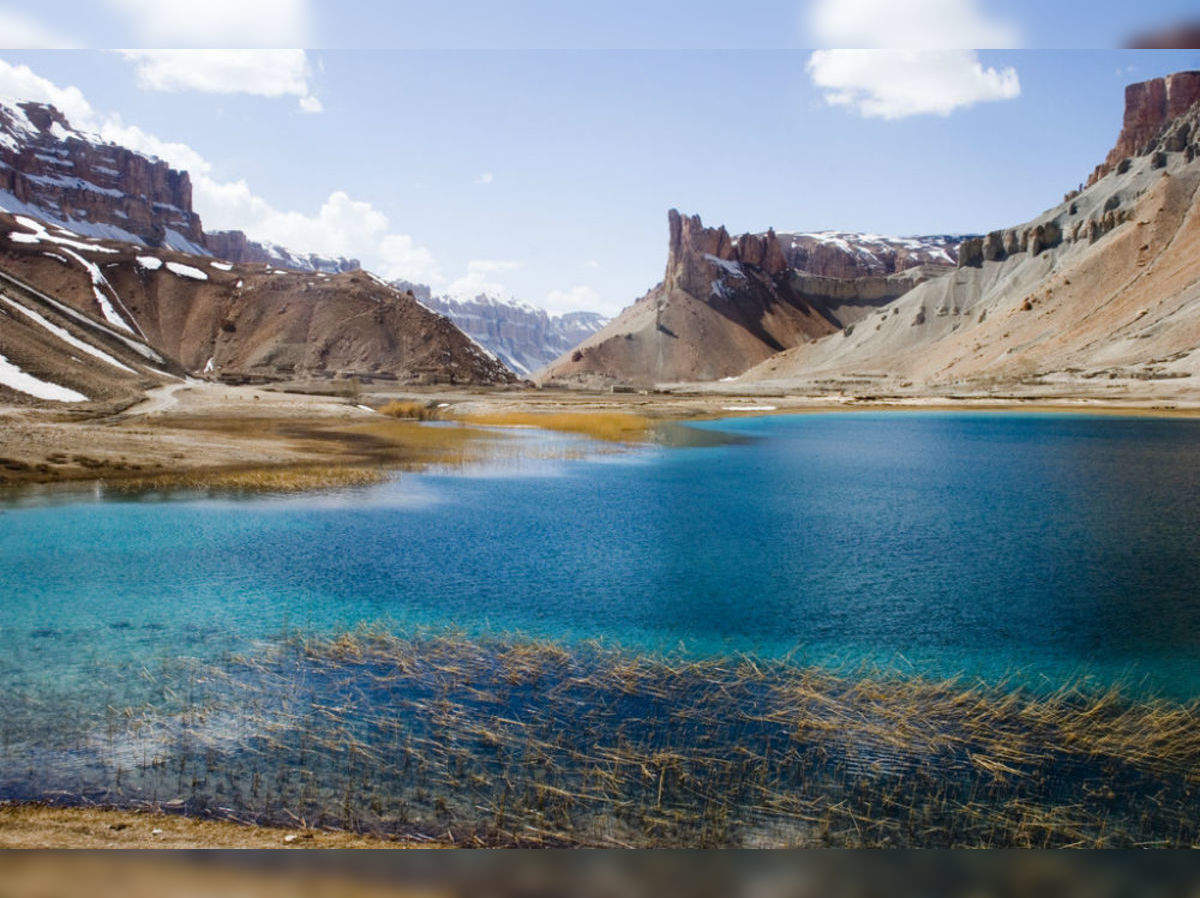
🏔️ Dramatic Mountains

4
- Wakhan Corridor – remote high-altitude region
- Hindu Kush
- Band-e Amir National Park – striking blue lakes
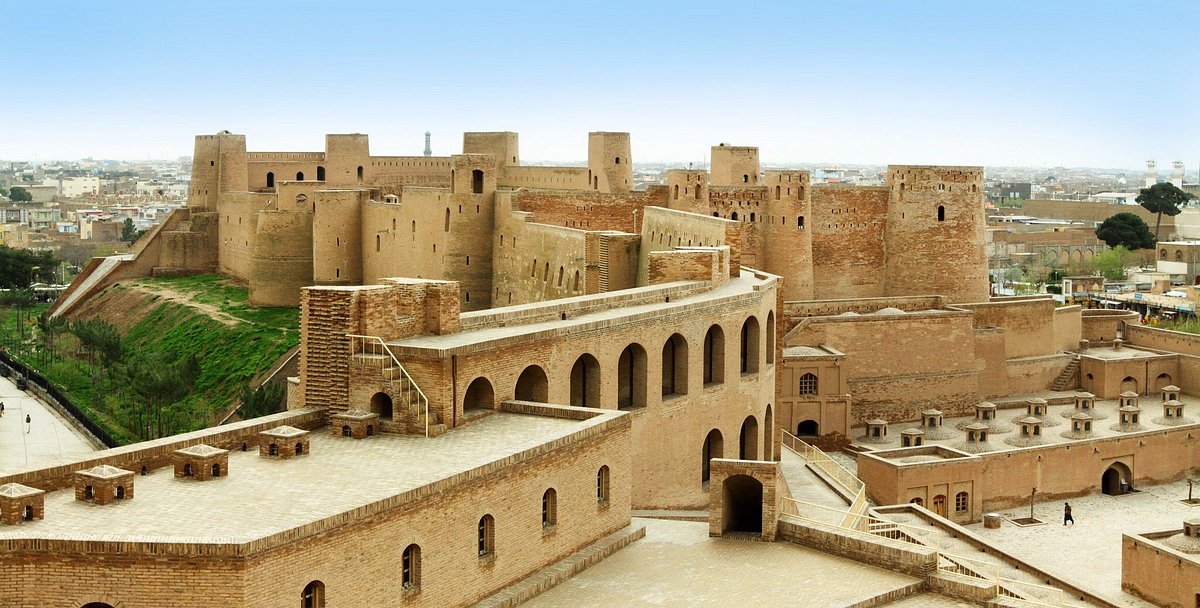
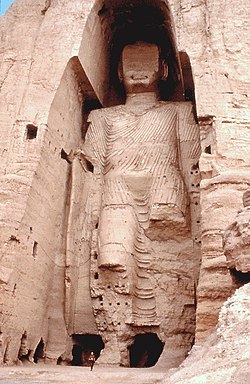
🏛️ History & Heritage

4
- Minaret of Jam – remote UNESCO site
- Herat – historic Silk Road city
- Bamiyan – famous Buddha niches
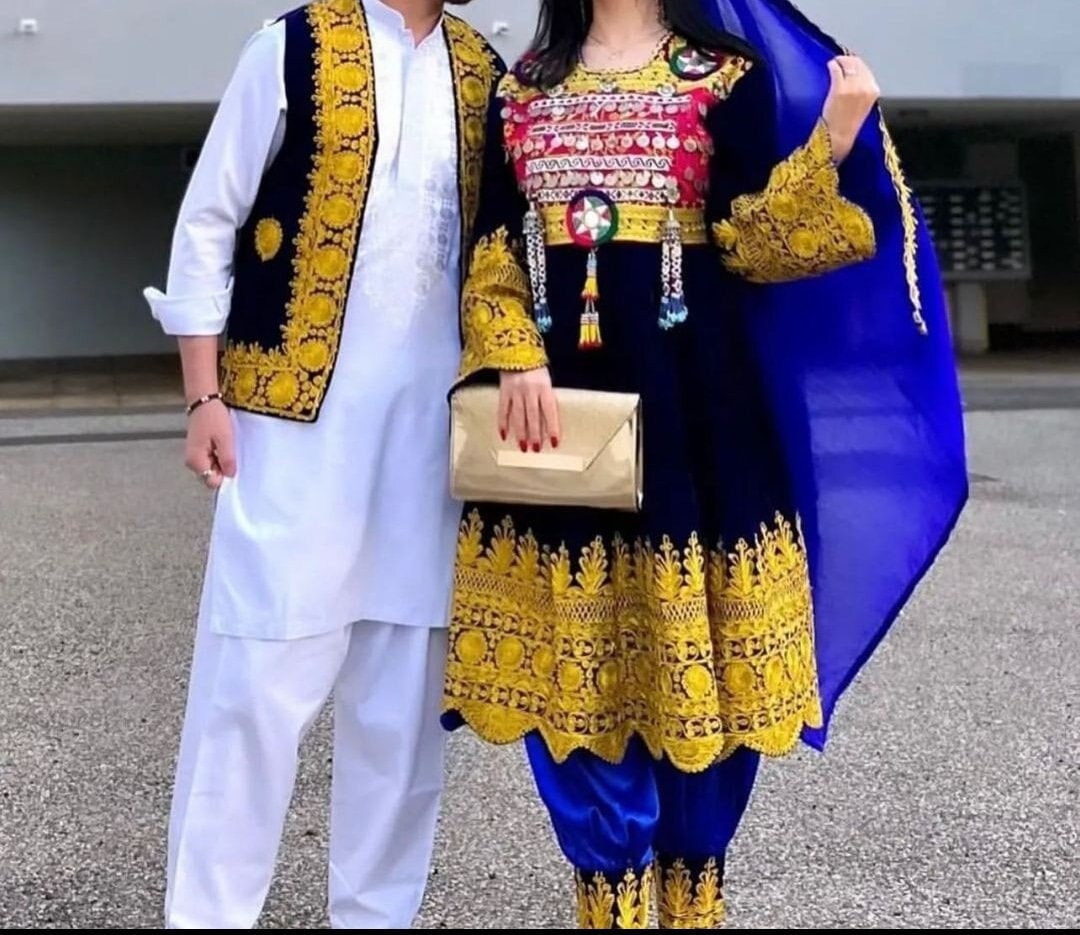
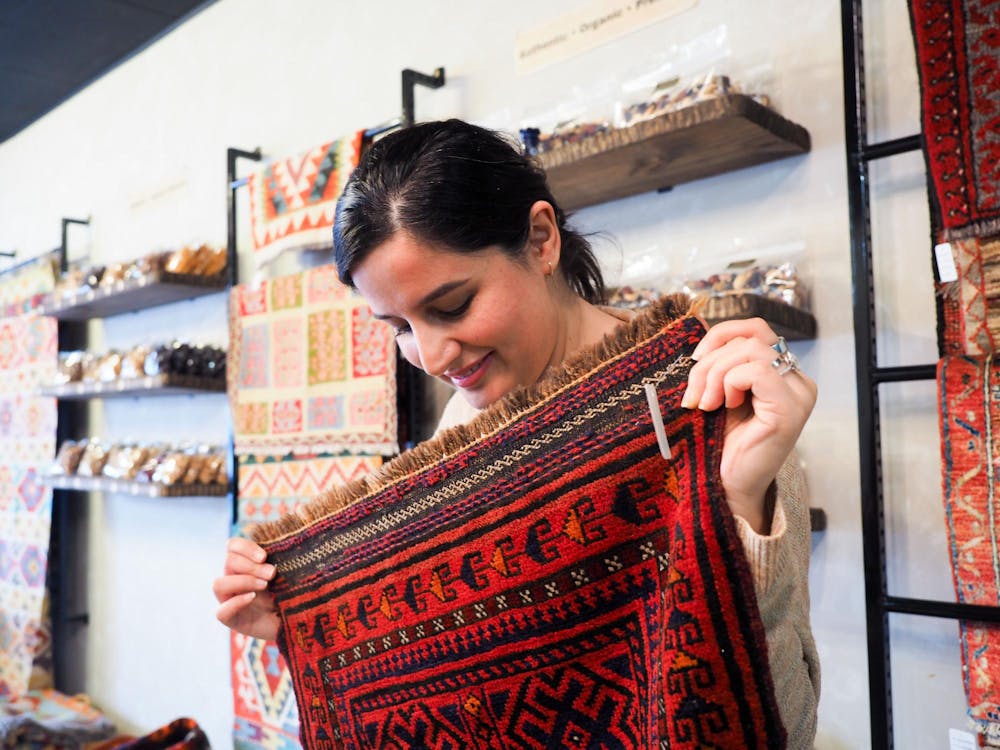
🧕 Culture & Traditions

4
- Deeply rooted traditions and hospitality
- Historic role on the Silk Road
- Rich crafts, carpets, and cuisine
🧭 Travel Reality (2026)
- Tourism infrastructure is very limited
- Independent travel is not recommended
- Movement can be restricted and unpredictable
- Access to consular help is extremely limited
Some travelers do visit with:
- Organized, security-managed trips
- Local contacts and guides
…but this is not typical backpacking.
✅ Safer Alternatives (similar vibes)
If you’re drawn to mountains + culture + Silk Road history, consider:
- Kyrgyzstan → nomadic culture + mountains
- Uzbekistan → Silk Road cities (Samarkand, Bukhara)
- Pakistan (north) → stunning mountains (more accessible, but still requires planning)
- Tajikistan → Pamir Highway adventure
💬 Bottom line
Afghanistan is culturally and geographically incredible, but right now it’s not a safe or practical backpacking destination. It’s more of a future possibility if conditions improve.