Backpacking in Mali is not a typical travel experience right now—and I need to be very clear upfront:
⚠️ Safety First
Many governments (including EU countries) strongly advise against all travel to large parts of Mali due to:
- Ongoing conflict and instability
- Terrorism risk (especially in the north and central regions)
- Kidnapping risk targeting foreigners
👉 In short: independent backpacking in Mali is currently considered high-risk.
🌍 What Mali is known for (when conditions are stable)
🏜️ Sahara & Desert Landscapes

4
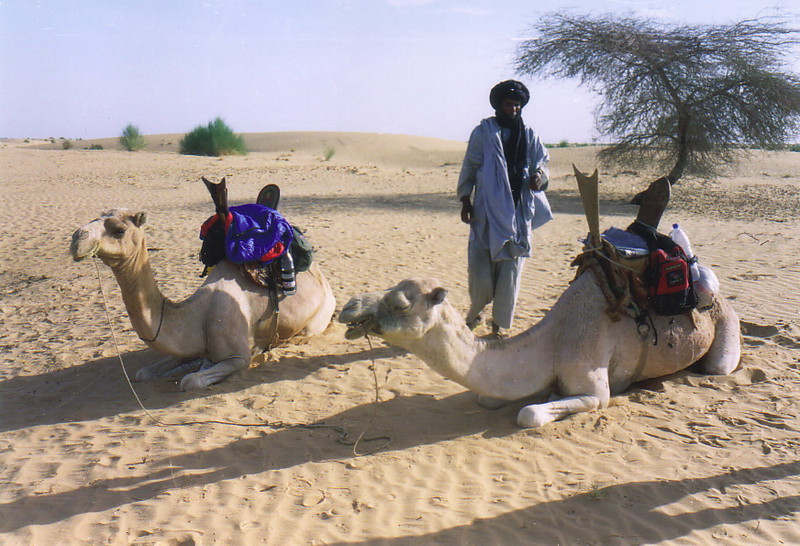
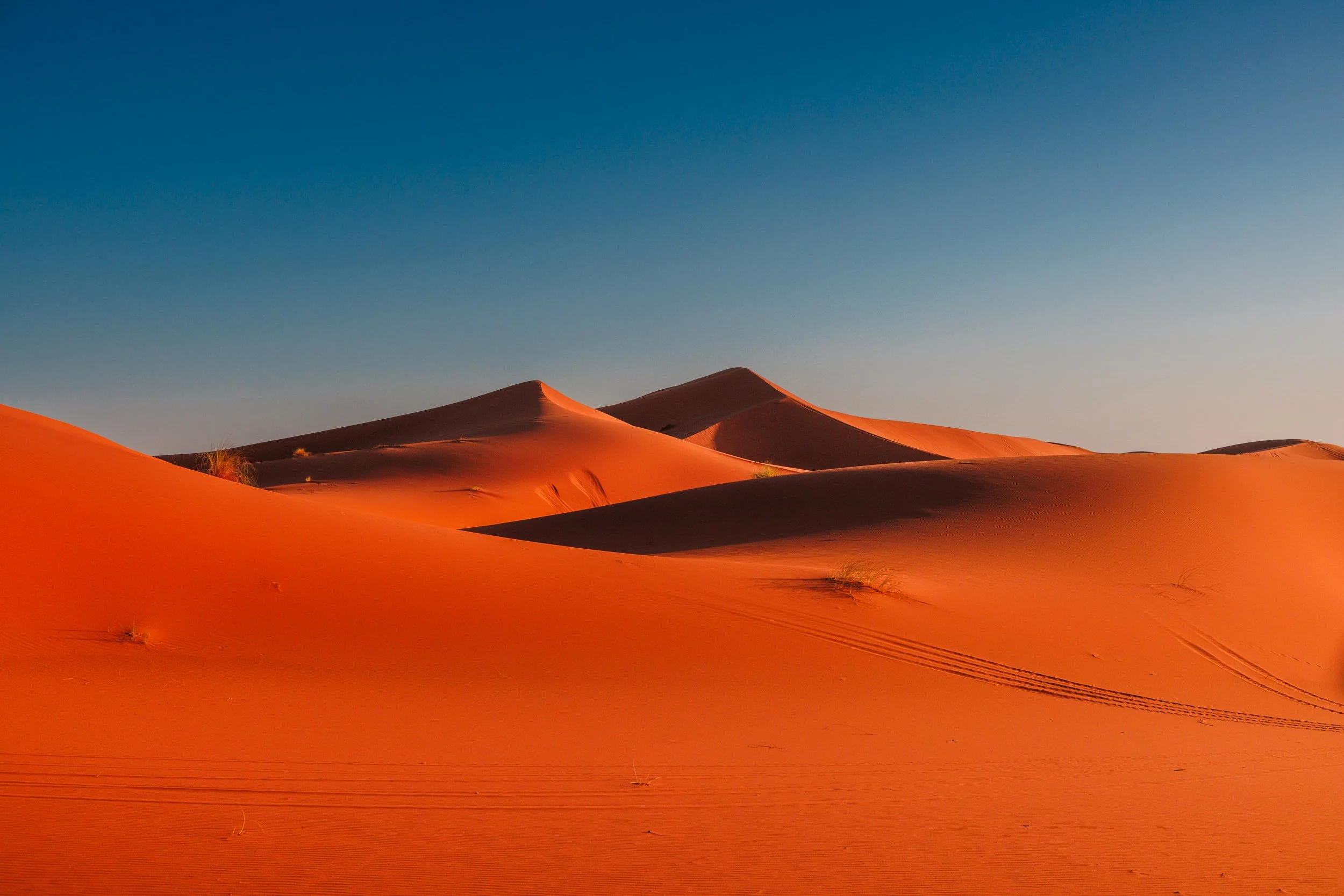
- Vast Sahara dunes in the north
- Historic caravan routes
- Legendary cities like Timbuktu
🏛️ Historic Architecture


4
- The Great Mosque of Djenné (largest mud-brick building in the world)
- Ancient Islamic learning centers in Timbuktu
- Unique Sudano-Sahelian architecture
🎶 Music & Culture


4
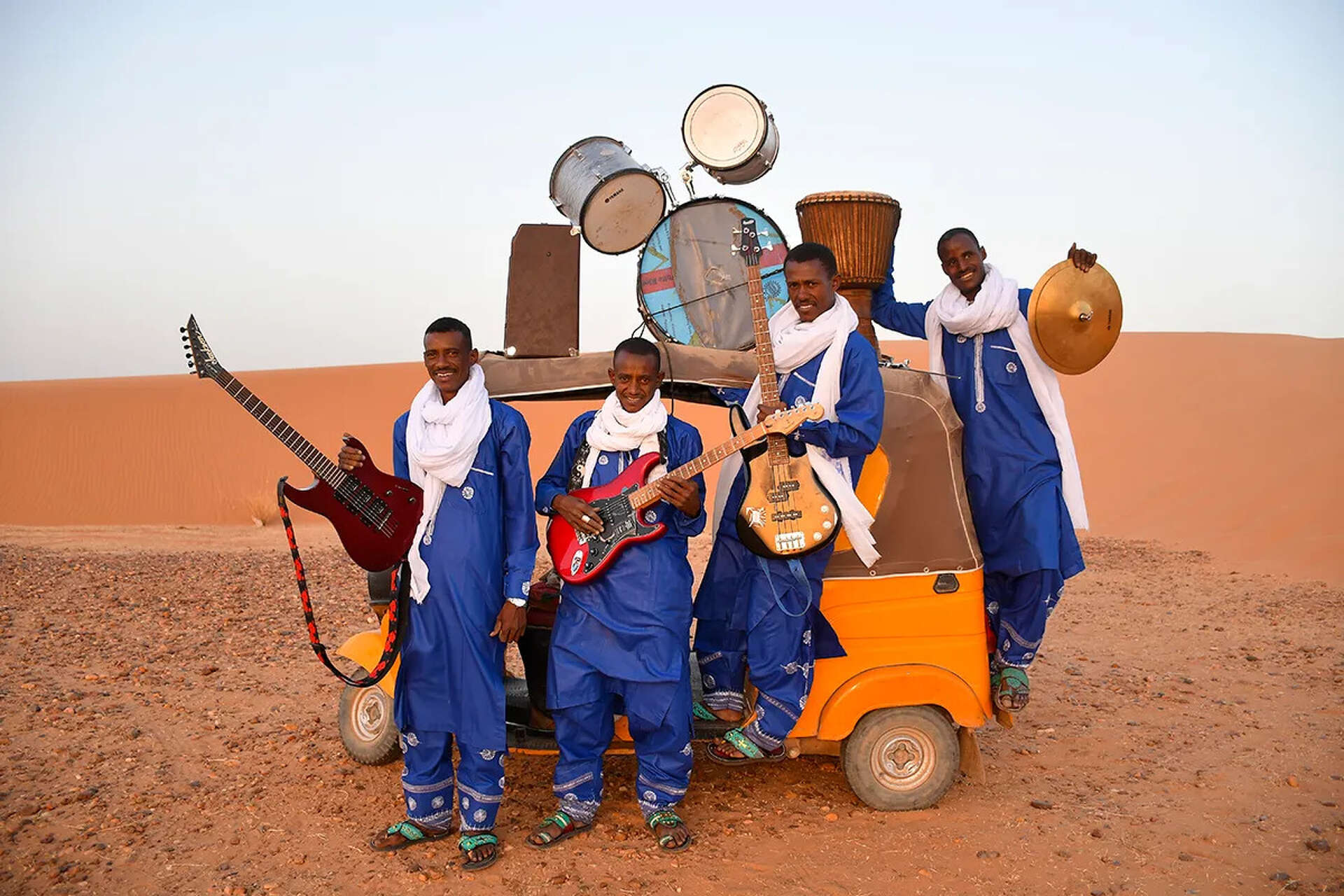
- Famous for traditional music (kora, griots)
- Influential artists like Ali Farka Touré
- Rich oral storytelling traditions
🧭 If travel becomes safer (or for future planning)
Popular backpacking route (historically):
- Bamako (capital) → Djenné → Mopti → Timbuktu → Dogon Country
Things travelers used to love:
- River journeys on the Niger
- Visiting Dogon villages and cliffs
- Local markets and street life
⚠️ Practical Reality (2026)
- Infrastructure for tourism is very limited right now
- Travel often requires local guides and security planning
- Some regions are effectively inaccessible
✅ Safer Alternatives (similar vibes)
If you’re after West African culture + adventure, consider:
- Senegal (music, culture, safer infrastructure)
- Ghana (very backpacker-friendly)
- Morocco (desert + historic cities)
💬 Bottom line
Mali is culturally incredible, but not a safe destination for backpacking at the moment. It’s more of a “maybe someday” trip unless conditions change.