Backpacking in Papua New Guinea is one of the most adventurous (and challenging) travel experiences you can have. It’s raw, culturally rich, and largely untouched by mass tourism—but it requires serious planning and awareness.
🌿 Why Papua New Guinea Is So Unique

4
- Over 800 languages and hundreds of distinct cultures
- Remote tribal traditions still very much alive
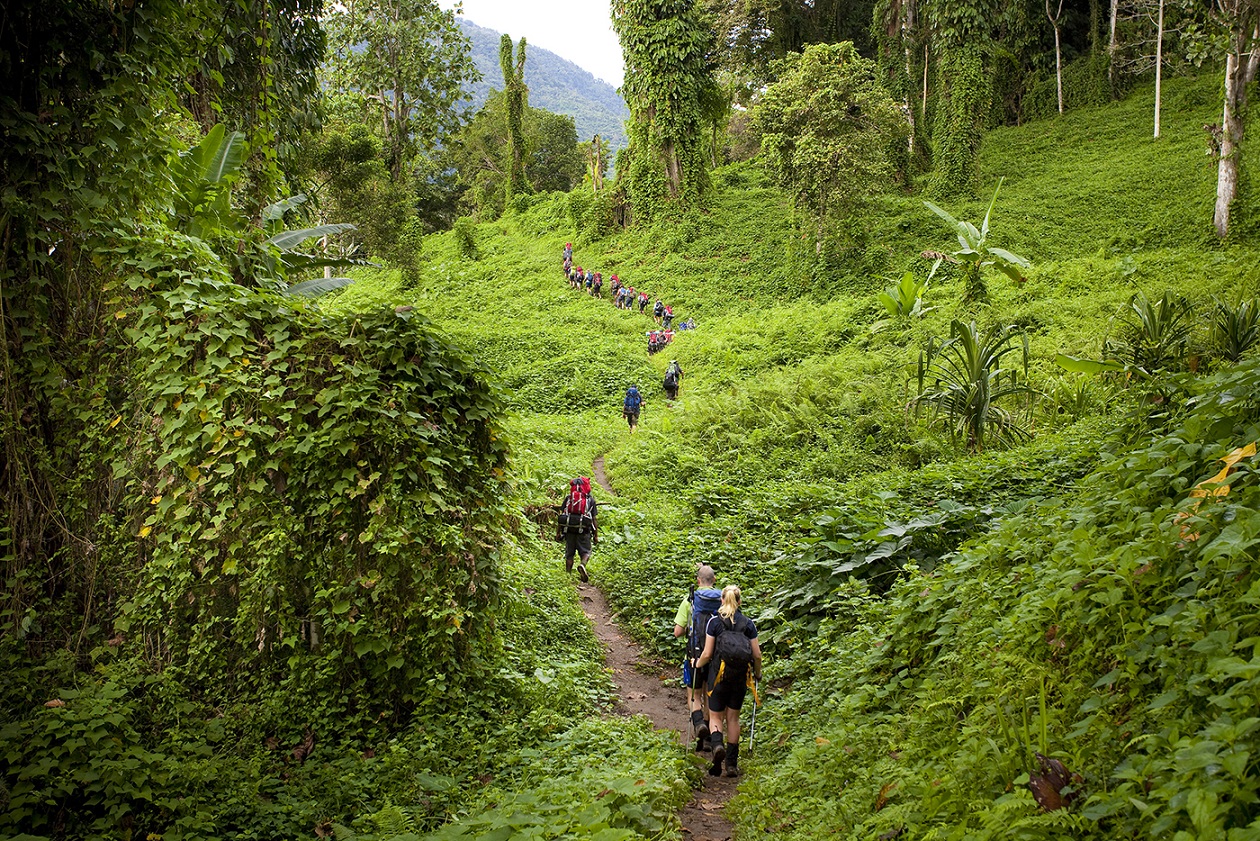
- Dense jungles, active volcanoes, and pristine reefs
- Feels like stepping into a different world
⚠️ First — Reality Check
PNG is not a typical backpacker destination like Thailand or Bali.
Challenges:
- Safety concerns in cities (especially after dark)
- Limited infrastructure (transport, internet, healthcare)
- Expensive internal travel (flights often required)
- Few hostels / budget accommodations
👉 That said: if you’re experienced and prepared, it’s incredibly rewarding.
🧭 Key Backpacking Areas
1. Port Moresby (Entry Point)

4
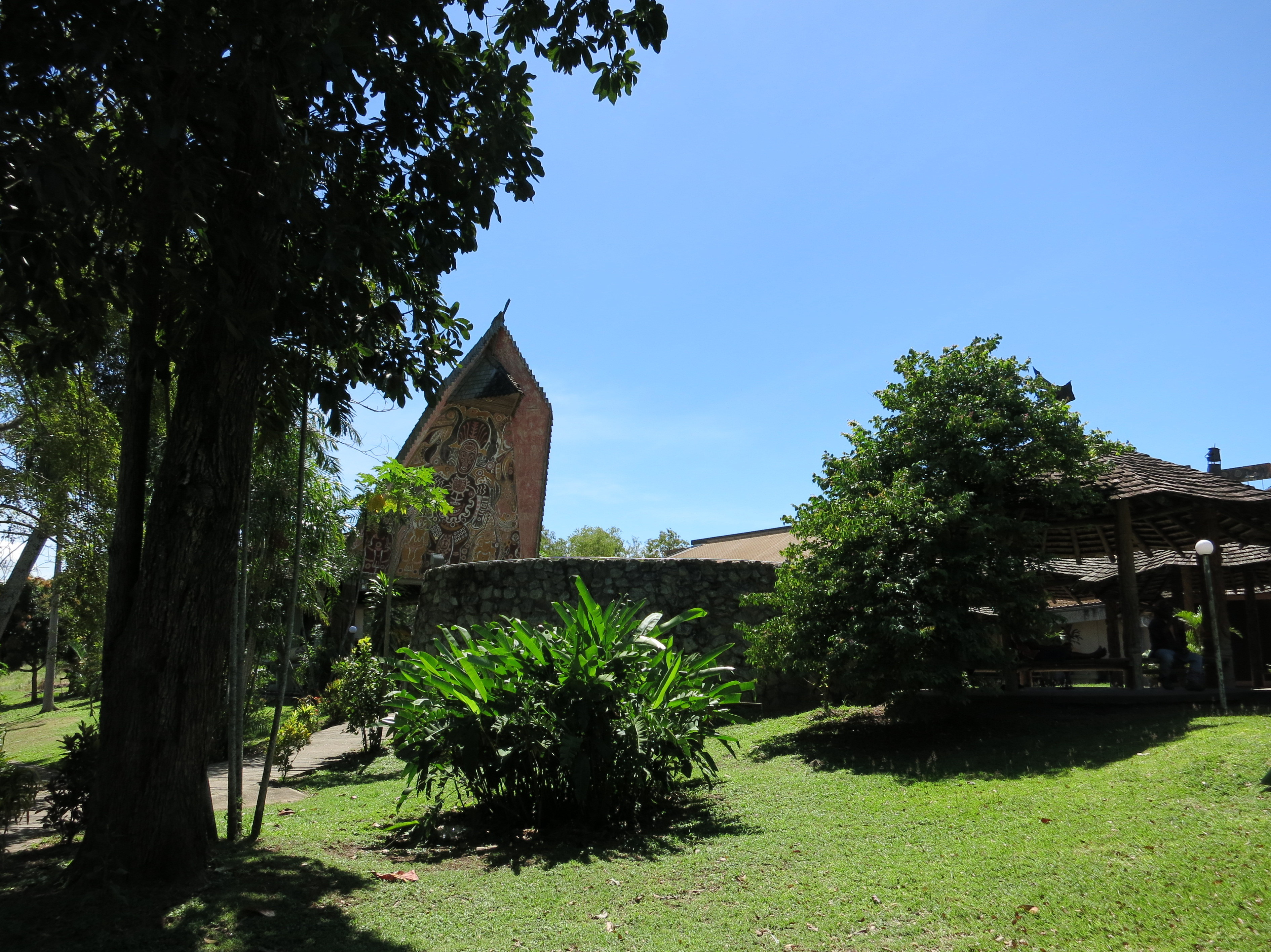
- Port Moresby is where you’ll likely land
- Not very backpacker-friendly
- Stay in secure accommodation and arrange transport in advance
2. Sepik River Region (Cultural Heart)
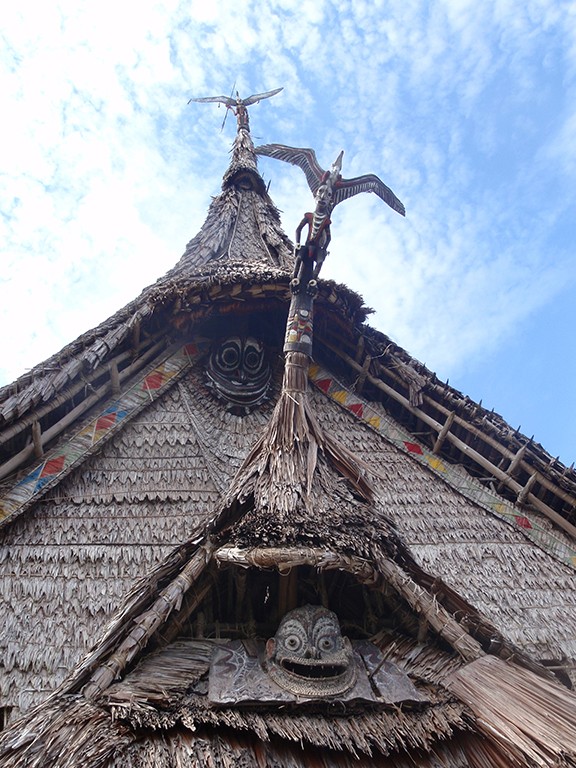
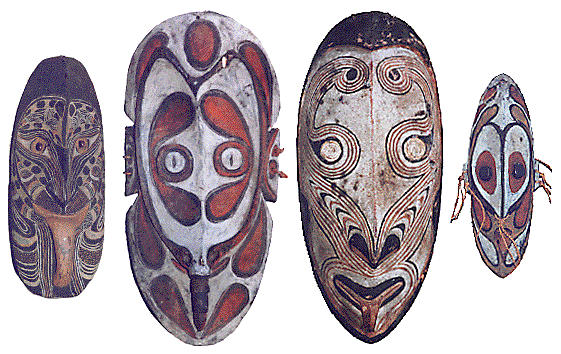
4
- One of the most authentic cultural regions in the world
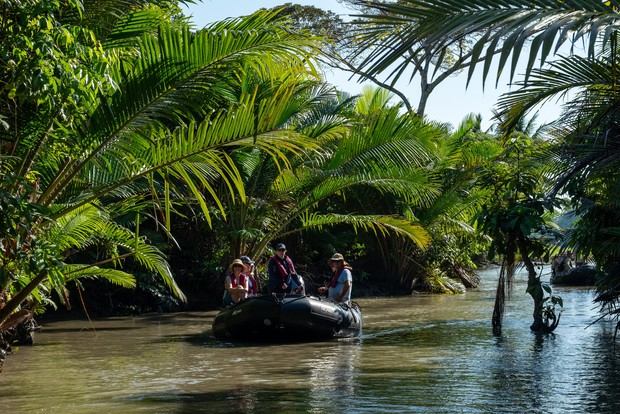
- Visit remote villages, spirit houses, and traditional ceremonies
- Usually requires a guided trip
3. Kokoda Track (Legendary Trek)


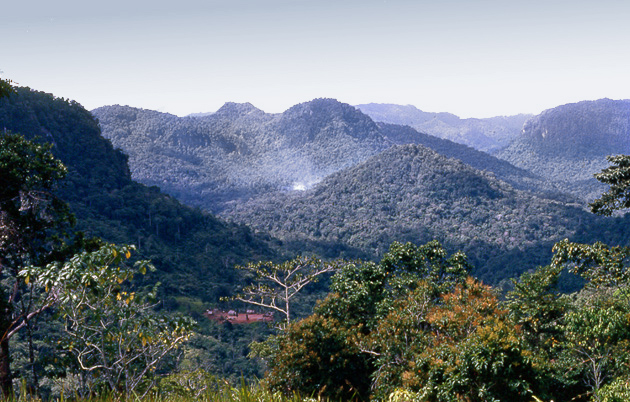
4
- Kokoda Track
- 8–12 day jungle trek across mountains
- Physically demanding + historical (WWII significance)
4. New Britain (Volcanoes & Diving)

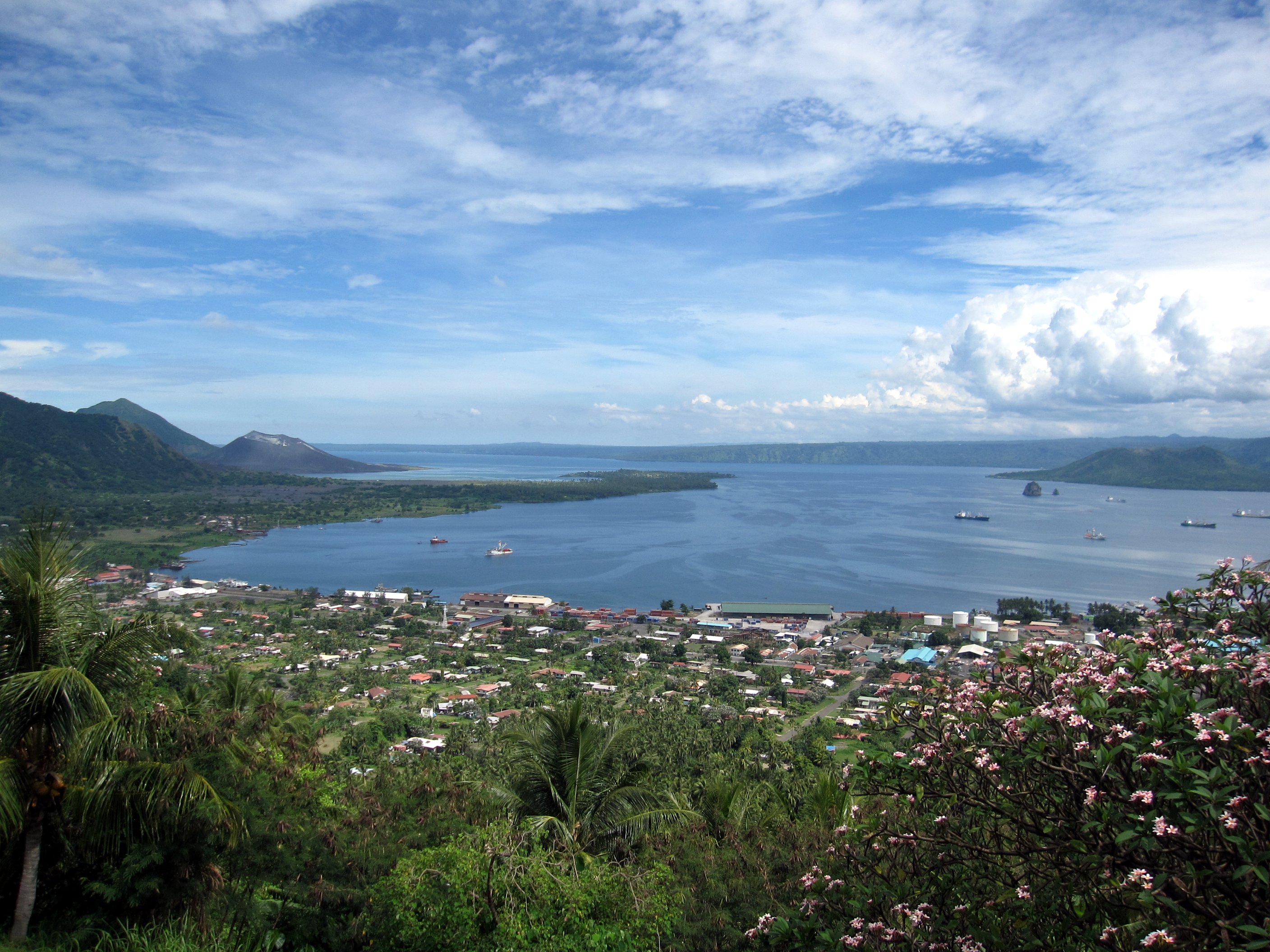

4
- Base yourself in Rabaul
- Active volcanoes + incredible WWII wreck diving
- Less crowded than anywhere else in the Pacific
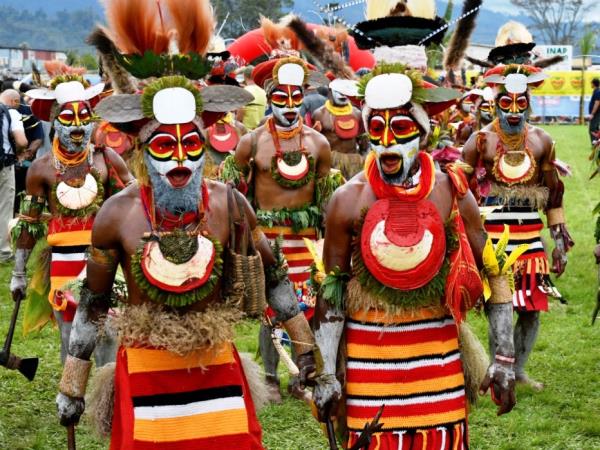
5. Highlands (Tribal Festivals)

4
- Attend a Sing-Sing festival (tribal gathering)
- Best known: Mount Hagen Cultural Show
- Vibrant costumes, dances, and rituals
💸 Budget Reality
PNG is surprisingly expensive:
- Basic guesthouse: €30–80/night
- Meals: €5–15
- Domestic flights: €100–300+
- Guided tours/treks: €100+/day
👉 Backpacking tip: This is more like “expedition-style travel” than budget backpacking.
🚐 Getting Around
- Domestic flights (main method between regions)
- PMVs (shared minibuses) — cheap but unpredictable
- Boats in river/coastal areas
- Roads are limited and often rough
🛑 Safety Tips (Very Important)
- Avoid walking alone in cities, especially at night
- Use hotel-arranged transport
- Travel with local guides in rural areas
- Keep valuables hidden
- Stay informed locally (conditions vary a lot by region)
📅 Best Time to Visit
- May–October (drier season, best for trekking & festivals)
🎒 Is PNG Worth Backpacking?
✔️ Go if you want:
- Deep cultural immersion
- Extreme adventure
- Off-the-grid travel
❌ Avoid if you want:
- Easy logistics
- Cheap travel
- Solo carefree backpacking
🧠 Final Honest Take
Papua New Guinea is one of the last truly wild travel destinations. It’s not about ticking sights—it’s about experiences you won’t find anywhere else.