Belgrade City Guide – The Perfect 3-Day Itinerary
Destination: Belgrade, Serbia
Recommended Stay: 2–3 days
Travel Style: City Trip
Guide Format: PDF / Print
Languages: EN / DE / FR / ES
Belgrade, the capital of Serbia, is one of Europe’s most dynamic and underrated cities. Located at the confluence of the Danube and Sava rivers, Belgrade has a long and fascinating history shaped by many different civilizations including the Romans, Ottomans, and Austro-Hungarians. Today the city combines historic landmarks, lively nightlife, welcoming cafés, and a growing cultural scene.
Visitors to Belgrade will discover a city full of contrasts: ancient fortresses stand beside modern neighborhoods, quiet parks lie near bustling streets, and traditional Balkan cuisine blends with international restaurants and contemporary cafés. Whether you are interested in history, architecture, local food, or vibrant nightlife, Belgrade offers an exciting destination for a short city trip.
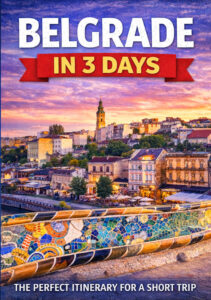
This Belgrade city guide presents a carefully planned 3-day itinerary that highlights the city’s most important attractions while also allowing time to explore local neighborhoods and enjoy the relaxed atmosphere of the Serbian capital.
Buttons:
- Buy the Ebook Guide
- Download Sample
What’s Inside This Guide
This travel guide is designed to help visitors explore Belgrade efficiently, combining major landmarks with authentic local experiences.
Highlights include:
- A complete 3-day Belgrade itinerary
- Walking routes connecting the historic center and major attractions
- Insider tips for discovering local restaurants and cafés
- Suggestions for scenic viewpoints and riverfront walks
- Hidden neighborhoods and cultural highlights
- Practical travel advice for first-time visitors
Belgrade is a city that rewards curiosity. Beyond its historic sites, visitors will find lively streets, welcoming locals, and a vibrant cultural scene that reflects both its Balkan traditions and modern European influences.
Suggested 3-Day Itinerary
Day 1 – Historic Highlights
Begin your first day in Belgrade at Kalemegdan Fortress, the most important historic landmark in the city. The fortress stands on a hill overlooking the meeting point of the Danube and Sava rivers, offering one of the best views in Belgrade.
The site has been used as a defensive fortress for more than two thousand years. Today visitors can walk along its ancient walls, explore historic gates and towers, and visit several monuments located within the fortress complex.
Highlights include:
- Victor Monument, one of Belgrade’s most famous landmarks
- Military Museum
- Scenic viewpoints overlooking the rivers
The surrounding Kalemegdan Park is a pleasant green space where locals come to relax, walk, or enjoy the view of the rivers.
After exploring the fortress, walk toward Knez Mihailova Street, Belgrade’s main pedestrian boulevard. This elegant street is lined with historic buildings, cafés, shops, and galleries. It is one of the liveliest places in the city and a perfect location for people-watching.
Nearby attractions include:
- National Museum of Serbia
- Republic Square
- Historic 19th-century architecture
In the afternoon explore the charming Dorćol district, one of the oldest neighborhoods in Belgrade. Dorćol combines historic buildings, small cafés, and creative spaces that reflect the city’s artistic scene.
Finish your first day with dinner in one of Belgrade’s traditional restaurants where you can try Serbian dishes such as ćevapi, pljeskavica, and grilled meats.
Day 2 – Culture & Museums
Your second day focuses on Belgrade’s cultural and historical attractions.
Start at the impressive Saint Sava Temple, one of the largest Orthodox churches in the world. The enormous white structure dominates the skyline and is an important religious and cultural symbol for Serbia.
The interior of the church features magnificent mosaics and impressive architectural details. Visitors are often surprised by the scale and beauty of the building.
From Saint Sava Temple walk through the nearby Vračar district, a pleasant residential area known for its cafés, restaurants, and small boutiques.
Next visit the Nikola Tesla Museum, dedicated to the famous Serbian-American inventor. The museum displays original documents, models, and interactive exhibits that explain Tesla’s groundbreaking work in electricity and science.
In the afternoon head toward Tašmajdan Park, a popular park where locals relax, walk, or enjoy outdoor activities. Nearby you can also visit Saint Mark’s Church, another important Orthodox church with distinctive architecture.
Later explore the Skadarlija district, often described as Belgrade’s bohemian quarter. The cobblestone streets are filled with traditional restaurants, live music, and historic buildings that create a charming and nostalgic atmosphere.
Spend your evening here enjoying Serbian cuisine and live folk music.
Day 3 – Neighborhoods & Local Life
Your final day focuses on experiencing the modern life and diverse neighborhoods of Belgrade.
Start your morning along the Sava River waterfront, where a modern redevelopment project known as Belgrade Waterfront has created new promenades, cafés, and viewpoints.
From here you can take a relaxing walk along the river while enjoying views of boats and bridges.
Next visit the Zemun district, located across the Danube River. Once a separate town within the Austro-Hungarian Empire, Zemun still retains a distinctive atmosphere with colorful houses, narrow streets, and charming riverfront cafés.
Climb to Gardos Tower, a historic tower that offers excellent views across the Danube and the surrounding area.
After exploring Zemun, return to the city center and visit Ada Ciganlija, a popular recreational area often called “Belgrade’s Sea.” The lake and surrounding park are perfect for cycling, walking, or relaxing by the water.
In the evening explore Belgrade’s famous nightlife. The city is well known for its floating river clubs known as splavovi, which offer music, dancing, and lively entertainment along the rivers.
Explore the City Map
Belgrade’s main attractions are spread across several districts but can easily be reached using walking routes and public transport.
Suggested routes include:
Day 1 Route
Kalemegdan Fortress → Knez Mihailova Street → Republic Square → Dorćol
Day 2 Route
Saint Sava Temple → Vračar → Nikola Tesla Museum → Tašmajdan Park → Skadarlija
Day 3 Route
Belgrade Waterfront → Zemun → Gardos Tower → Ada Ciganlija
Using a map or navigation app can help you discover additional viewpoints, cafés, and hidden streets during your exploration of the city.
Why Visit Belgrade
Belgrade is one of Europe’s most vibrant and energetic capitals. The city’s unique history and welcoming atmosphere make it a fascinating destination for travelers.
Reasons to visit Belgrade include:
- Historic fortresses and landmarks
- Beautiful riverfront views
- Excellent Balkan cuisine
- Friendly local culture
- Famous nightlife and entertainment
Belgrade’s location at the meeting point of two major rivers also creates spectacular viewpoints and scenic waterfront areas.
Who This Guide Is For
This guide is ideal for:
- First-time visitors to Belgrade
- Travelers planning a 2–3 day city trip
- Culture lovers interested in Balkan history
- Visitors who enjoy walking through historic neighborhoods
- Travelers looking for authentic local experiences
Get the Complete Belgrade Guide
Download the full guide to access:
- detailed walking itineraries
- attraction descriptions
- restaurant recommendations
- travel tips and practical advice
Buttons:
- Buy PDF Guide
- Buy Print Guide
- Preview Sample Pages
More City Guides
You may also enjoy:
- Paris City Guide
- Barcelona City Guide
- Vienna City Guide
- Prague City Guide
Frequently Asked Questions
How many days do you need in Belgrade?
Two to three days is usually enough to explore the main attractions and neighborhoods.
What is the best time to visit Belgrade?
Spring and autumn offer pleasant weather and are excellent times for exploring the city.
Is Belgrade walkable for tourists?
Yes. Many attractions in the city center are within walking distance.