Cairo to Cape Town Overland Route – Complete Travel Guide


4
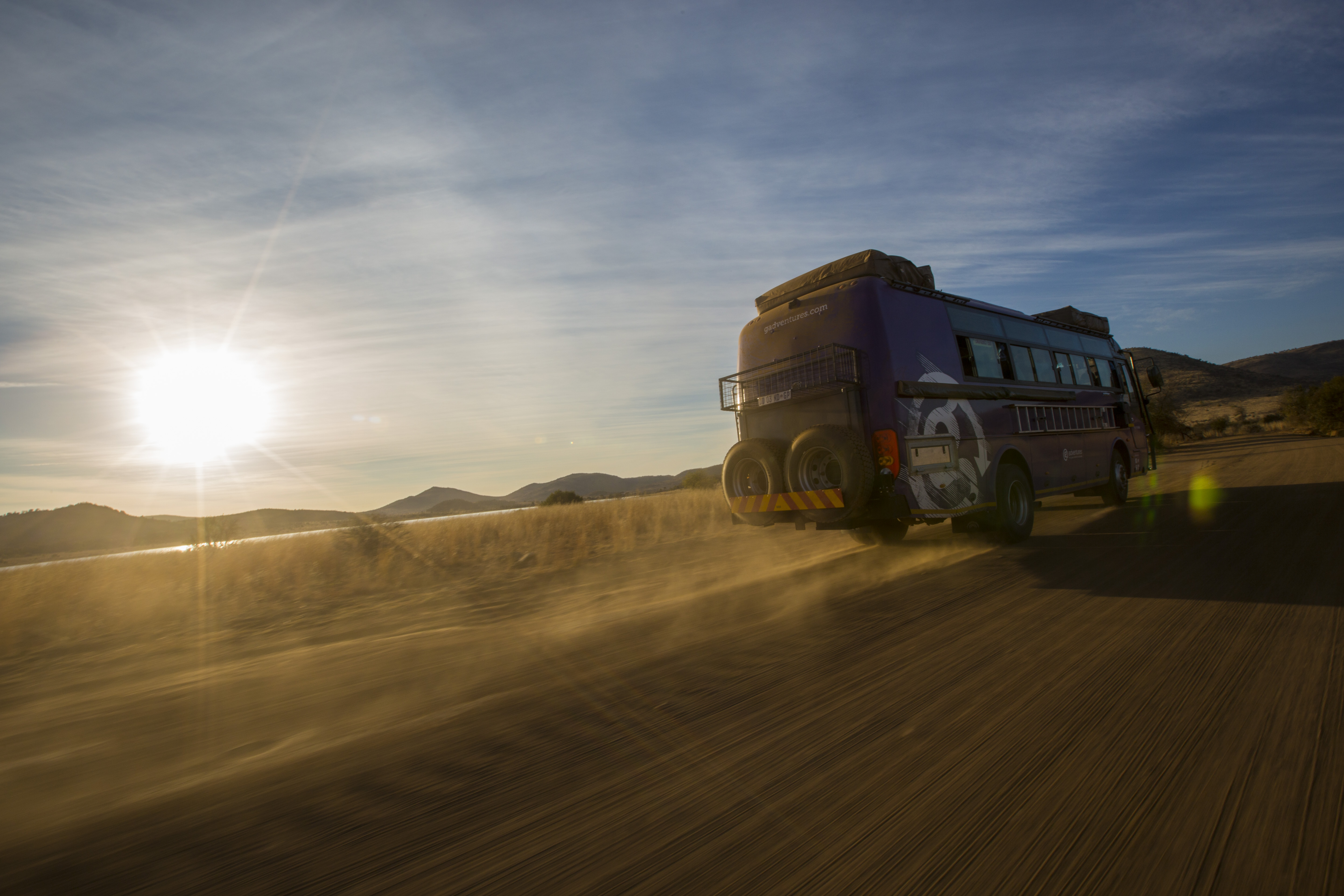
The Cairo to Cape Town route is one of the greatest overland journeys on Earth. Stretching from northern Africa to the southern tip of the continent, the route covers thousands of kilometers through deserts, mountains, savannahs, and wildlife-rich landscapes.
For many overlanders, driving from Cairo in Egypt to Cape Town in South Africa represents the ultimate adventure across Africa. The journey passes through numerous countries and cultures while offering some of the most spectacular scenery on the continent.
This guide explains how to plan the Cairo to Cape Town expedition, including routes, countries, visas, vehicles, and practical travel advice.
Overview of the Cairo to Cape Town Route
The Cairo to Cape Town route runs north to south across eastern Africa. It roughly follows the eastern side of the continent because political conditions and road networks make this route the most practical for overlanders.
Typical route:
Egypt
→ Sudan
→ Ethiopia
→ Kenya
→ Tanzania
→ Zambia
→ Botswana or Zimbabwe
→ South Africa
Total distance:
Approximately 10,000 to 13,000 kilometers, depending on the route and detours.
Most travelers complete the journey in three to six months, although many spend longer exploring different regions.
1. Egypt – Starting Point of the Journey


4
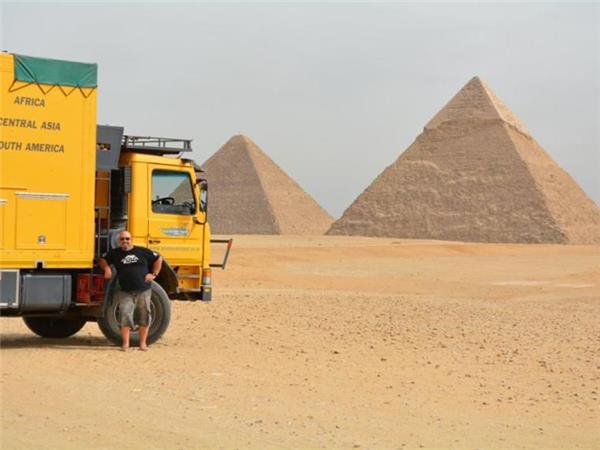
Most Cairo to Cape Town expeditions begin in Cairo, Egypt’s capital and one of the most historic cities in the world.
Highlights in Egypt include:
- the Pyramids of Giza
- the Nile River
- the temples of Luxor
- the desert landscapes of the Sahara.
However, traveling south from Egypt requires careful planning because the Egypt–Sudan border crossing is not straightforward.
Crossing from Egypt to Sudan
Travelers must usually take a ferry across Lake Nasser between Egypt and Sudan.
Vehicle ferries typically operate between:
- Aswan (Egypt)
- Wadi Halfa (Sudan)
Border procedures can take several days, so patience is required.
2. Sudan – Desert Landscapes and Ancient Pyramids

Sudan is often one of the most surprising countries on the route. Despite its reputation, many travelers report that Sudanese people are extremely friendly and welcoming.
Highlights of Sudan include:
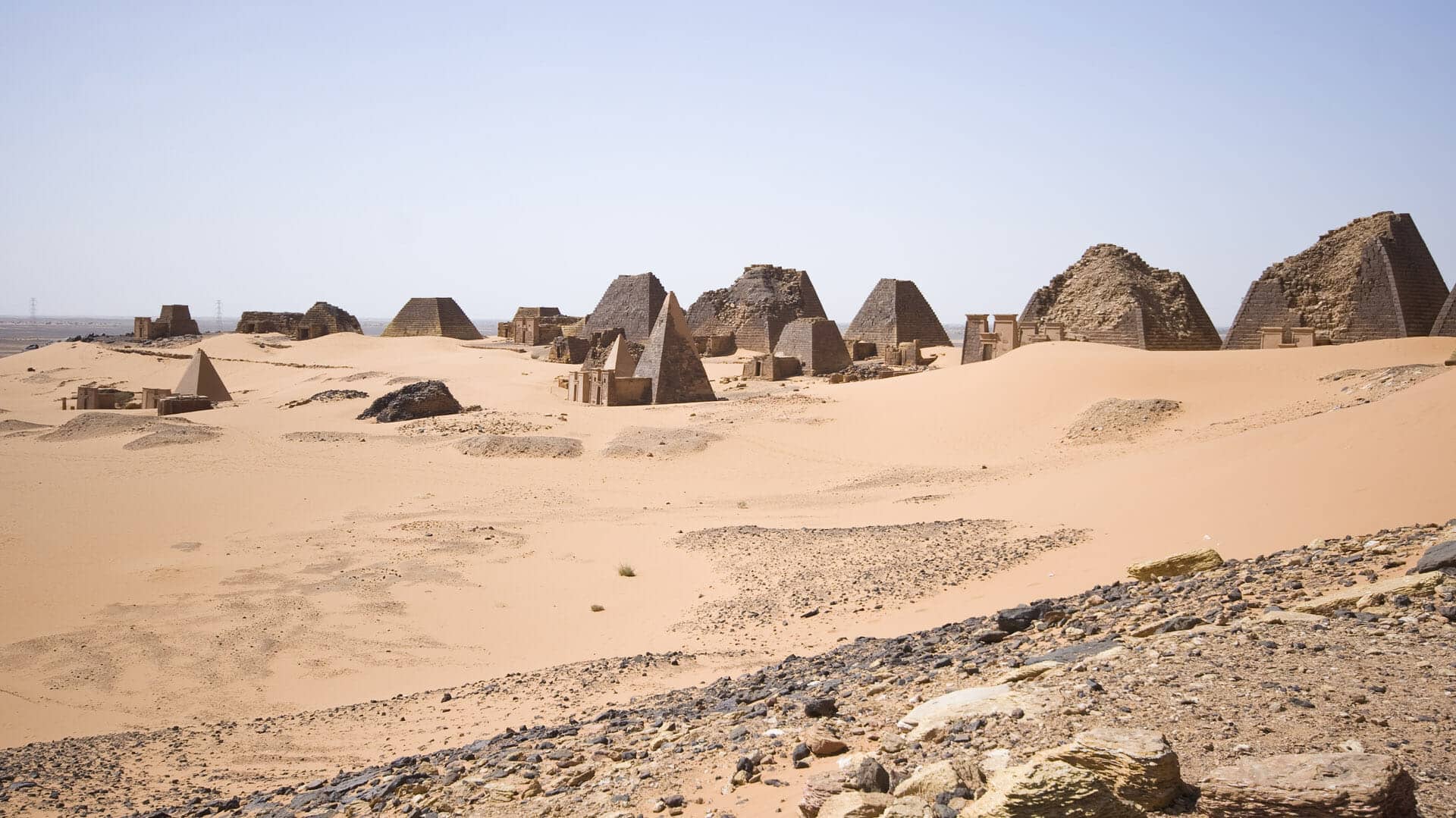
- the Nubian pyramids of Meroe
- remote desert landscapes
- traditional villages along the Nile.
The main route through Sudan follows the Nile south toward the Ethiopian border.
Road conditions are generally good, although services can be limited in remote areas.
3. Ethiopia – Mountains and Culture



Ethiopia is one of the most culturally unique countries in Africa. It offers dramatic landscapes and a long history that predates many civilizations.
Highlights include:
- the Simien Mountains
- rock-hewn churches of Lalibela
- traditional markets and villages
- the Rift Valley lakes.
Roads can be rough in some areas, and travelers should drive carefully in mountain regions.
Ethiopia also has many livestock and pedestrians on the roads, which can slow travel.
4. Kenya – Wildlife and National Parks


Kenya is one of Africa’s most famous safari destinations and a highlight of the Cairo to Cape Town journey.
Major attractions include:
- Masai Mara National Reserve
- Mount Kenya
- Lake Naivasha and Lake Nakuru
- Nairobi National Park.
Road conditions vary from modern highways to rough rural tracks.
Kenya has good tourism infrastructure, making it easier for travelers to find campsites and supplies.
5. Tanzania – National Parks and Wildlife


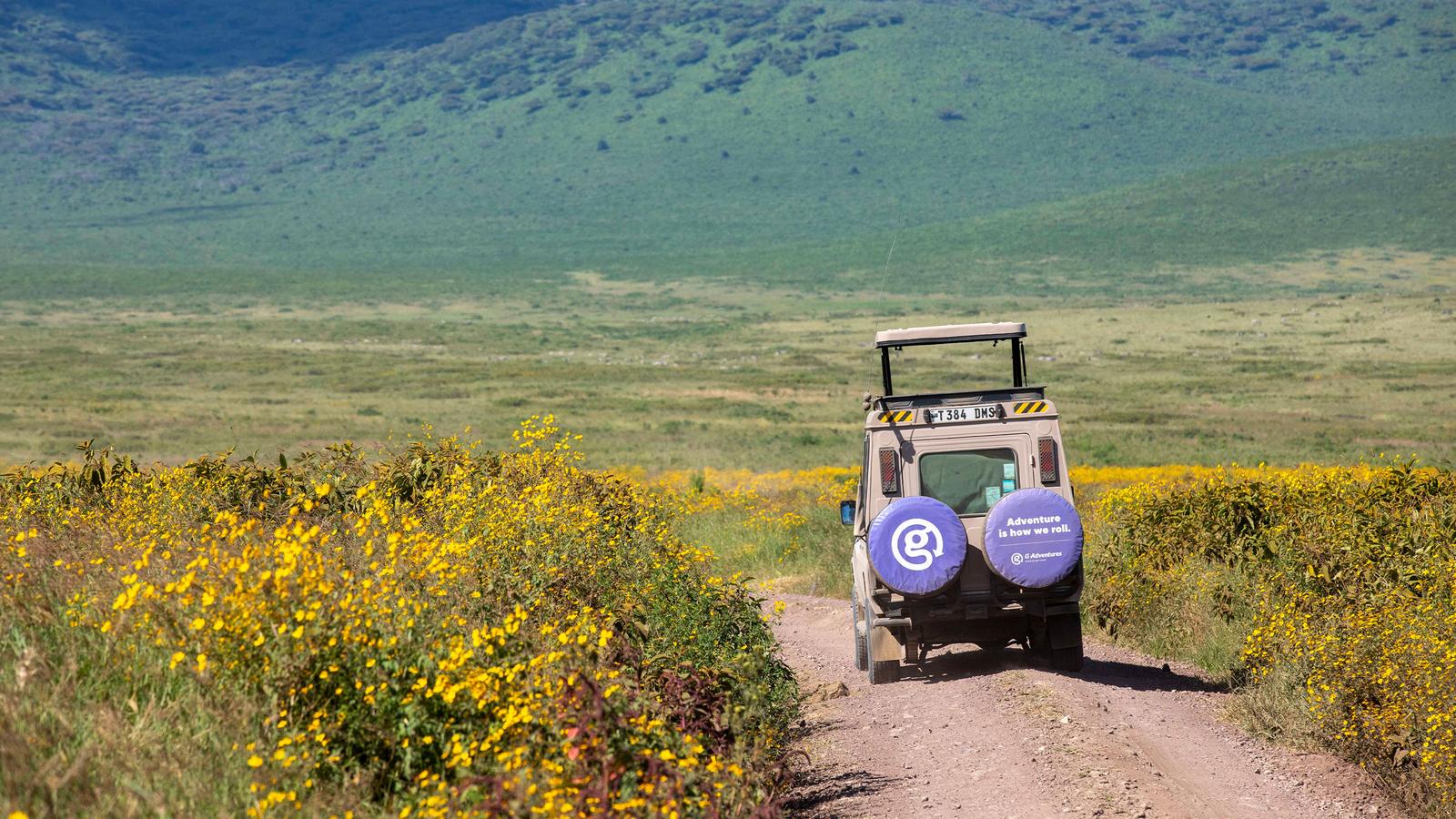
Tanzania offers some of the most spectacular wildlife experiences in Africa.
Famous destinations include:
- Serengeti National Park
- Ngorongoro Crater
- Mount Kilimanjaro
- Zanzibar island.
The Serengeti ecosystem hosts the Great Migration, where millions of wildebeest and zebras move across the plains.
While park entrance fees can be expensive, the wildlife viewing is unforgettable.
6. Zambia – Waterfalls and Rivers


4
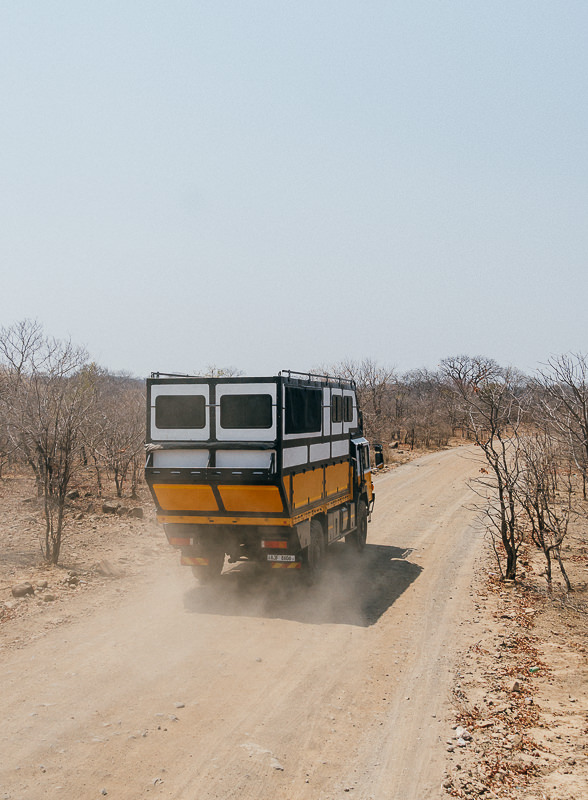
Zambia is famous for one of Africa’s greatest natural wonders.
Victoria Falls
Located on the border between Zambia and Zimbabwe, Victoria Falls is one of the largest waterfalls in the world.
Activities around the falls include:
- rafting on the Zambezi River
- scenic helicopter flights
- hiking viewpoints around the falls.
Zambia also offers excellent national parks such as South Luangwa.
7. Botswana or Zimbabwe
Travelers usually continue south through either Botswana or Zimbabwe.
Botswana route
Botswana is famous for:
- the Okavango Delta
- Chobe National Park
- vast wilderness areas.
Wildlife viewing here is exceptional.
Zimbabwe route
Zimbabwe offers attractions such as:
- Great Zimbabwe ruins
- Victoria Falls
- scenic highlands.
Both routes eventually lead toward South Africa.
8. South Africa – Final Destination


4
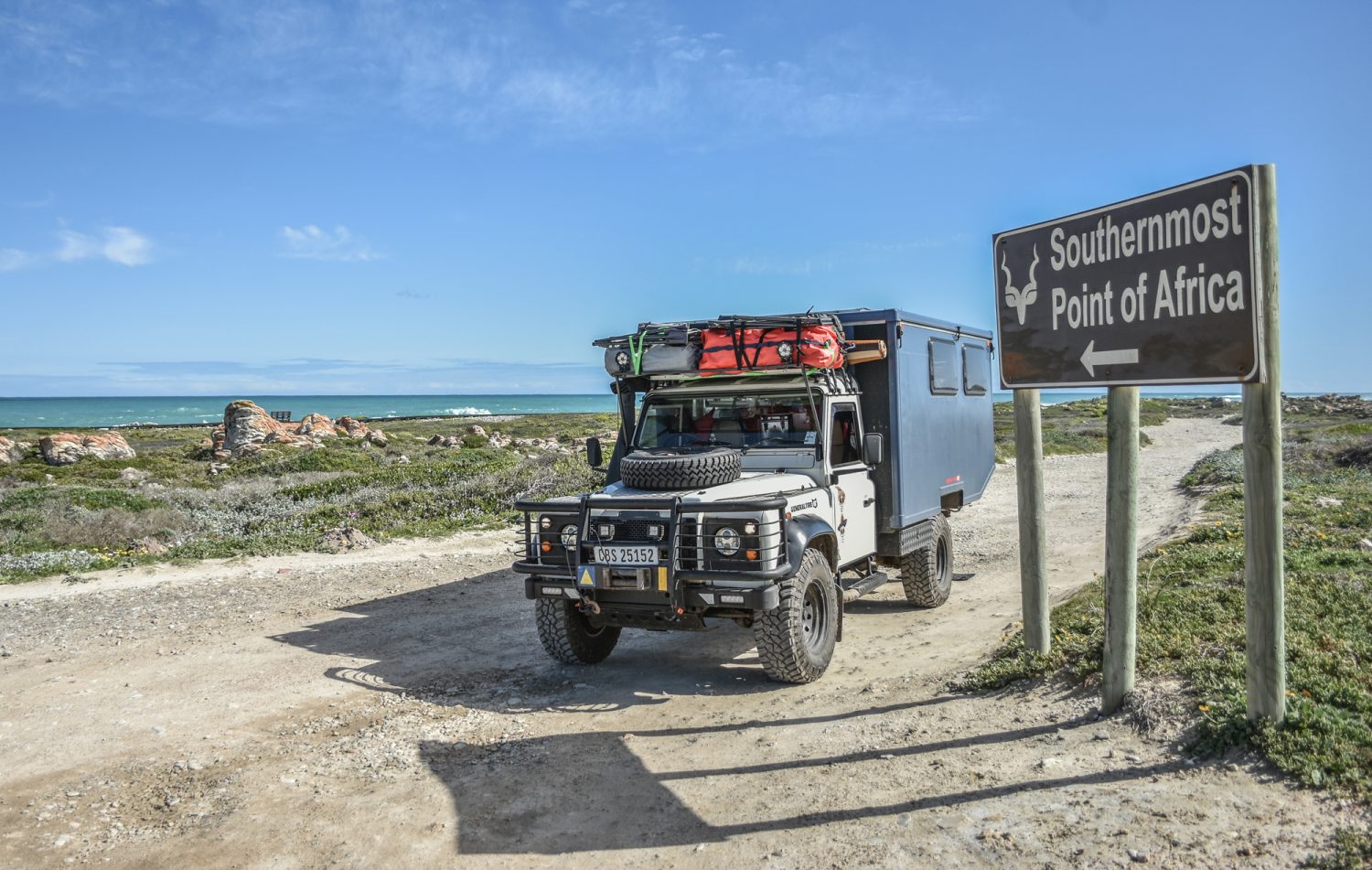
The journey ends in Cape Town, one of the most beautiful cities in the world.
Highlights include:
- Table Mountain
- Cape of Good Hope
- the Garden Route
- nearby vineyards and coastal scenery.
Cape Town is a fitting end to one of the world’s greatest road trips.
Vehicles for the Cairo to Cape Town Journey
Most travelers choose reliable vehicles suitable for rough roads.
Popular options include:
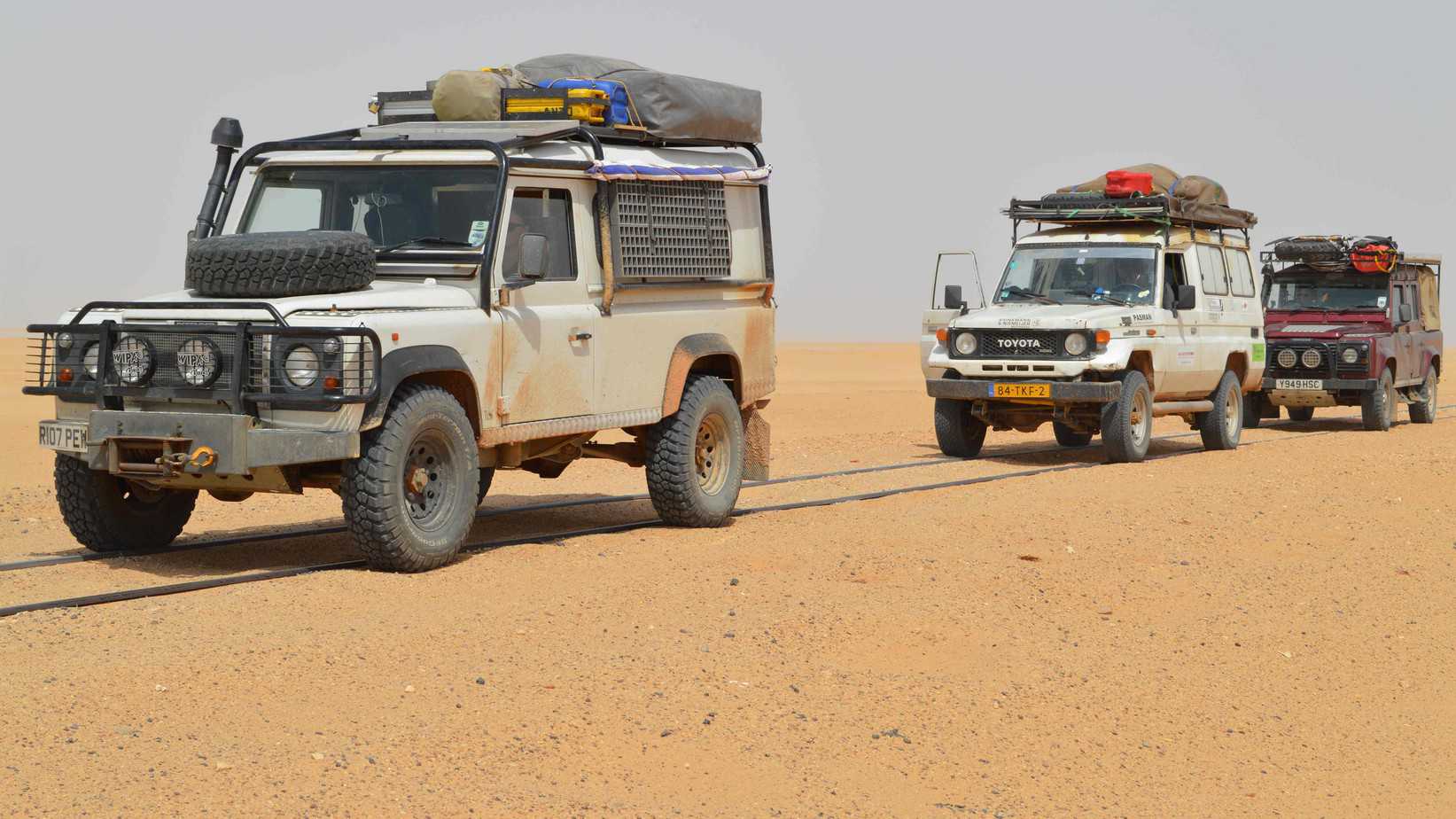
- Toyota Land Cruiser
- Toyota Hilux
- Land Rover Defender
- expedition trucks
- motorcycles.
A 4×4 vehicle is recommended for some remote areas and national parks.
Documents Required
Important travel documents include:
- passport valid for at least six months
- visas for several countries
- vehicle registration papers
- Carnet de Passage (required in some countries)
- international driving permit.
Visa rules change frequently, so travelers should check requirements before departure.
Travel Time
Travel time depends on your pace.
Typical durations:
Fast trip: 2–3 months
Relaxed journey: 4–6 months
Exploration trip: 8–12 months
Many overlanders choose to travel slowly to experience more of each country.
Costs of the Journey
Typical monthly costs for two travelers include:
Fuel: €300–€700
Food: €200–€400
Campsites: €100–€300
Visas and border fees: €100–€300
Activities and parks: €100–€300
Average monthly budget:
€1,000 – €1,500
Costs can vary depending on travel style.
Safety and Travel Tips
Overlanding Africa is generally safe with good preparation.
Important tips include:
- avoid driving at night
- research border crossings
- carry spare vehicle parts
- bring extra water and fuel
- respect local customs and cultures.
Planning ahead and staying flexible makes the journey smoother.
Final Thoughts
The Cairo to Cape Town route is one of the greatest overland adventures in the world. Crossing Africa from north to south offers unforgettable landscapes, wildlife encounters, and cultural experiences.
From the pyramids of Egypt to the coastline of South Africa, the journey covers thousands of kilometers and dozens of unforgettable destinations.
For travelers seeking adventure, independence, and exploration, the Cairo to Cape Town overland expedition remains one of the ultimate travel experiences on Earth.