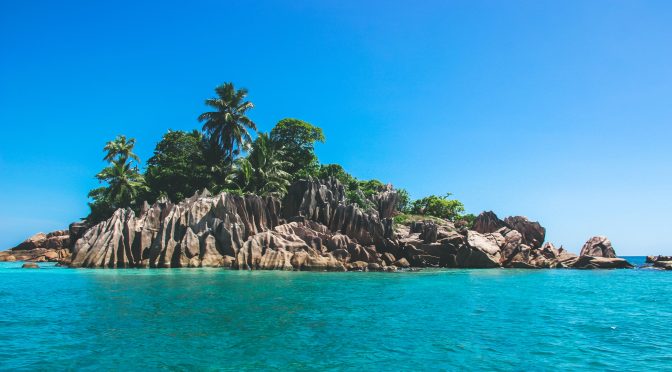
Backpacking in the Maldives is very different from the luxury-resort image you see online. You can do it on a budget—but it requires the right islands and expectations.
Here’s how it really works 👇
🏝️ Is Backpacking the Maldives Worth It?
7
✅ YES if you want:
Unreal turquoise water + white sand
Snorkeling with turtles, sharks, manta rays
Chill, slow island life
⚠️ BUT:
Not as cheap as Southeast Asia
Alcohol is banned on local islands
Limited nightlife
🗺️ Budget Backpacking = Local Islands
Forget private resorts ❌ Stay on local inhabited islands ✅
Best Backpacker Islands
1. Maafushi (most popular)
6
📍 Maafushi
Easiest + cheapest
Lots of guesthouses & tours
“Bikini beach” for tourists
💡 Best for first-time backpackers
2. Thulusdhoo (surf + chill vibes)
6
📍 Thulusdhoo
Surfing (famous “Cokes” wave)
Less crowded than Maafushi
Laid-back atmosphere
3. Dhigurah (nature + whale sharks)
6
📍 Dhigurah
Longest beach in Maldives
Whale shark snorkeling 🐋
More remote, quieter
💰 Budget (realistic)
Guesthouse: $30–80
Food: $10–20
Boat transfers: $5–50
Snorkel/diving trips: $25–100
👉 Total: ~$50–120/day
💡 Biggest costs = accommodation + excursions
🚤 Getting Around
Public ferries (cheap but slow, limited days)
Speedboats (faster, more expensive)
👉 From Malé you’ll transfer to your island.
🐠 What You Actually Do
Snorkeling (often straight from beach!)
Diving (world-class reefs)
Sandbank trips
Dolphin cruises 🐬
Island hopping
🍛 Food Situation
Mostly local + simple tourist menus
Tuna, rice, curry
Some Western food in guesthouses
⚠️ Alcohol only available at resort islands or “floating bars”
Backpacking in India is intense, chaotic, beautiful—and for many travelers, unforgettable. It’s not always easy, but the depth of culture, landscapes, and experiences is unmatched.
Backpacking in Vietnam is one of the best value, most diverse trips you can do—epic landscapes, incredible food, and a super well-trodden backpacker route from north to south.
Here’s a clear, real-world guide 👇
Planning your trip?
For a detailed route, accommodation suggestions, transport tips and day-by-day itinerary, see:
Backpacking in East Timor (Timor-Leste) is a true off-the-beaten-path adventure—raw, beautiful, and far less developed than most of Southeast Asia. If you’re looking for something authentic and untouched, this is it.
🌏 Why Backpack East Timor?
8
🌊 World-class diving & coral reefs
🏝️ Empty beaches (no crowds!)
🧭 Undiscovered feel (very few tourists)
🤝 Friendly locals
🏔️ Wild landscapes (mountains + jungle + coast)
⚠️ But: infrastructure is basic, travel takes time, and planning matters more than in places like Thailand or Taiwan.
🗺️ Core Backpacking Route (7–12 days)
1. Dili (2–3 days)
7
📍 Dili
Walk the waterfront promenade
Climb to Cristo Rei of Dili
Beach time at Areia Branca
Visit local markets
💡 This is your base for organizing transport + permits.
2. Atauro Island (2–4 days) – HIGHLIGHT
5
📍 Atauro Island
Some of the most biodiverse reefs on Earth
Snorkel straight from the beach
Stay in eco-lodges or homestays
💡 Ferry from Dili (~2–3 hrs depending on boat)
3. Jaco Island (2–3 days)
7
📍 Jaco Island
Unreal white sand + turquoise water
No accommodation on the island (stay in nearby Tutuala)
Cross by small boat
💡 Very remote—expect basic conditions.
4. Inland Mountains & Culture (1–3 days)
7
📍 Maubisse
Cooler climate in the highlands
Coffee plantations ☕
Traditional villages and culture
💰 Budget Reality
East Timor is not super cheap compared to SEA due to imports.
Guesthouse: $15–40
Food: $5–15
Transport: variable (can be expensive privately) 👉 Total: ~$30–70/day
🚐 Getting Around
🚕 Shared taxis (main method between towns)
🛵 Motorbike rental (in Dili)
🚐 Private drivers (costly but sometimes necessary)
⛴️ Ferry to Atauro
💡 Roads can be rough → travel takes longer than expected.
🍛 Food & Drink
Grilled fish 🐟
Rice + vegetables
Simple Indonesian/Portuguese-influenced dishes
Great local coffee ☕
👉 Don’t expect huge variety—keep it simple.
⚠️ Challenges (Know Before You Go)
Limited internet & infrastructure
Healthcare is basic
Transport schedules are unreliable
Few ATMs outside Dili
English is not widely spoken (Tetum & Portuguese common)
⏱️ Best Time to Visit
🌤️ May–November (dry season) → best
🌧️ Dec–April → heavy rains, tough travel
🎒 Backpacking Tips
Bring cash (USD is used)
Book nothing too tight—be flexible
Pack snorkel gear (worth it!)
Bring essentials (sunscreen, meds, etc.)
Respect local culture (this is a very traditional country)
🔥 Is It Worth It?
If you want:
polished travel → ❌
raw adventure → ✅
East Timor feels like Southeast Asia 30–40 years ago.
Backpacking in Taiwan is one of the best travel experiences in Asia—compact, safe, affordable, and incredibly diverse. You can go from bustling cities to high mountains to tropical beaches in just a few hours.
Here’s a practical, inspiring guide to get you started 👇
🧭 Why Backpack Taiwan?
4
🚄 Easy transport (fast trains + buses everywhere)
💰 Budget-friendly (hostels, cheap food)
🥟 Food paradise (night markets!)
🏞️ Nature + city mix in a small area
🛵 Safe & traveler-friendly
🗺️ Classic Backpacking Route (10–14 days)
1. Taipei (2–3 days)
7
📍 Taipei
Visit Taipei 101
Eat at Shilin Night Market
Day trip to Jiufen
Hike Elephant Mountain for skyline views
💡 Tip: Get an EasyCard for transport + convenience stores.
2. Taroko Gorge (1–2 days)
5
📍 Taroko Gorge
Marble canyon hikes
Bike or scooter through tunnels
Must-see: Eternal Spring Shrine
💡 Stay in Hualien for budget options.
3. Hualien → Taitung (East Coast) (2–3 days)
6
One of Asia’s most underrated coastal routes
Rent a scooter or bike
Chill, slow travel vibes
📍 Taitung
4. Kenting (2 days)
6
📍 Kenting National Park
Beaches, surfing, warm weather
Night market + laid-back vibe
5. Kaohsiung (1–2 days)
6
📍 Kaohsiung
Visit Dragon & Tiger Pagodas
Chill art scene at Pier-2
6. Alishan (1–2 days)
7
📍 Alishan
Famous sunrise + “sea of clouds”
Scenic forest railway
💰 Budget (per day)
Hostel: €10–25
Food: €10–20
Transport: €5–15 👉 Total: ~€30–60/day
🚄 Getting Around
TRA trains (cheap, scenic)
HSR (fast but pricier)
Buses (cover remote areas)
Scooter rental (popular on east coast & islands)
🍜 Must-Try Food
Beef noodle soup
Xiao long bao (try Din Tai Fung)
Bubble tea 🧋
Night market snacks (stinky tofu, fried chicken)
🏕️ Backpacking Tips
Book trains early on weekends
Carry cash (some places don’t take cards)
Learn basic Mandarin phrases (helpful but not essential)
Use 7-Eleven / FamilyMart for EVERYTHING (seriously)
Backpacking Venezuela is one of the most complicated travel decisions in South America right now. It can be incredible—but you need to understand the risks first.
I’ll be very direct so you don’t go in blind.
⚠️ First: Is Venezuela safe to backpack in 2026?
👉 Most governments say: DO NOT TRAVEL
Austria (relevant for you): highest-level warning
UK / Canada / Australia: “Do not travel” due to crime + instability
Risks include:
Violent crime (robbery, kidnapping, carjacking)
Political instability & protests
Limited medical care & shortages
Possible detention of foreigners
👉 Even in 2026, the situation is unpredictable and can change fast.
🤔 So… can you still backpack Venezuela?
👉 Technically yes—but NOT like normal backpacking.
This is NOT Peru or even Suriname:
No classic backpacker route
No hostel network like other countries
You often need:
Local contacts or guides
Pre-arranged transport
Careful planning
➡️ Think “expedition-style travel,” not casual backpacking.
🌍 Why people still go
Because Venezuela is insanely beautiful:
🌊 Angel Falls (world’s highest waterfall)
6
🏝️ Los Roques (Caribbean paradise)
6
⛰️ Mount Roraima
7
👉 These are some of the most unique landscapes on Earth.
🗺️ Typical route (if people go)
Most travelers stick to controlled routes:
Caracas (arrival, minimal time)
Canaima → Angel Falls (guided tour only)
Los Roques (flight + island stay)
Optional: Mérida (Andes region, calmer)
🚫 Avoid:
Border regions (especially Colombia border)
Remote states with armed groups
Night travel
💸 Budget
Surprisingly not super cheap anymore
$40–100/day basic
Tours (Angel Falls, Roraima): expensive packages
👉 Cash (USD) is often preferred
🚍 Getting around
Infrastructure is inconsistent
Fuel shortages still happen
Domestic flights unreliable
➡️ You’ll rely heavily on organized transport
⚠️ Real risks (don’t ignore these)
Armed robbery and theft targeting tourists
Kidnapping risk (even short “express kidnappings”)
Corruption / police issues
Sudden political unrest
Limited embassy help if something goes wrong
There are even recent reports of foreign travelers being detained at checkpoints
🎒 Who should (and shouldn’t) go
👉 Consider it ONLY if you:
Have serious travel experience
Speak Spanish
Are comfortable in high-risk environments
Can plan everything carefully
👉 Avoid it if you:
Are a first-time backpacker
Want easy, social travel
Prefer predictable logistics
🌎 Honest comparison
Peru → best overall backpacking country
Uruguay → easy & safe
Suriname → remote but manageable
Venezuela → most beautiful and most risky
👉 Venezuela = high reward, high risk
🧠 Bottom line
Venezuela is not a normal backpacking destination right now.
Backpacking Uruguay is all about relaxed coastal vibes, safe cities, and a slower pace. It’s not packed with “bucket-list sights” like Peru—but it’s one of the nicest, easiest countries to travel in South America.
Backpacking Suriname is a totally different kind of South America trip—wild, tropical, culturally unique, and far less developed for tourism. It’s not the easiest destination, but if you’re into nature and off-the-grid travel, it’s seriously rewarding.
🌍 Why backpack Suriname?
🌴 80–90% rainforest → untouched jungle
🌎 Cultural mix → African, Indian, Javanese, Dutch influences
🚫 Almost no mass tourism
🐒 Wildlife + river life instead of cities and ruins
👉 It feels more like the Caribbean meets the Amazon.
📍 Best places to visit
🏙️ Paramaribo (capital)
6
UNESCO-listed colonial center
Famous for mosque + synagogue next to each other
Chill riverside vibe
👉 Most trips start here
🌿 Brownsberg Nature Park
6
Easy jungle intro
Waterfalls + viewpoints
Wildlife spotting (monkeys, birds)
🐒 Galibi Nature Reserve
7
Sea turtle nesting (seasonal 🐢)
Remote river villages
Strong indigenous culture
🌊 Upper Suriname River (jungle lodges)
7
Stay in jungle lodges
Visit Maroon communities (descendants of escaped slaves)
Backpacking Peru is one of the best travel experiences in the world—epic landscapes, rich history, amazing food, and a well-developed backpacker route. It’s much easier (and more rewarding for most travelers) than Paraguay.
Backpacking Paraguay is a very different vibe compared to places like Peru or Brazil—less touristy, cheaper, and more “raw South America.” Here’s a practical, no-BS guide so you know exactly what to expect.
🎒 Why backpack Paraguay?
Super off-the-beaten-path → very few tourists
Cheap → one of the most affordable countries in South America
Authentic culture → strong mix of Spanish + Guaraní traditions
Relaxed pace → not overloaded with attractions
👉 It’s ideal if you like slow travel, culture, and exploring places most backpackers skip.
💸 Budget (very backpacker-friendly)
$30–50/day → realistic backpacker budget
Hostels: $10–25
Meals: $3–5
Buses: super cheap ($0.50 city / $10–15 long distance)
➡️ It’s significantly cheaper than Brazil or Argentina.
📍 Best places to visit
🏙️ Asunción (capital)
7
Colonial buildings + modern chaos
Good food + nightlife
Base for day trips (Areguá, San Bernardino)
🌊 Encarnación
8
Chill river beaches
Nearby Jesuit ruins (UNESCO-style vibes without crowds)
More relaxed than the capital
🌿 The Chaco (Filadelfia region)
6
Remote, wild, and unique
Wildlife + indigenous culture
Harder to access → true adventure
🛍️ Ciudad del Este
6
Border city (Brazil + Argentina)
Cheap shopping (often chaotic, not very scenic)
🗺️ Simple backpacking route (1–2 weeks)
Option A – 1 week (fast trip):
Day 1–3: Asunción
Day 4–6: Encarnación + Jesuit ruins
Day 7: Return / exit country
Option B – 2 weeks (better):
Asunción (3 days)
Encarnación (3–4 days)
Ciudad del Este (1–2 days)
Chaco region (3–4 days)
Back to Asunción
➡️ Paraguay is small but transport can be slow.
🚍 Getting around
Buses are cheap but basic
Rural areas = limited transport (sometimes none)
Many travelers end up renting a car for flexibility