Did you know that Mali is a landlocked country in West Africa known for its rich cultural history and diverse landscapes? With a population of over 19 million people, Mali relies heavily on its transportation infrastructure to connect its cities, towns, and villages.
Transport in Mali has always played a crucial role in the country’s development and economic growth. From the ancient caravan routes that crossed the Sahara desert to the modern road and rail networks that crisscross the country, transportation has been vital in connecting Mali with the rest of the world.
However, despite the importance of transportation in Mali, the country still faces significant challenges in terms of infrastructure and accessibility. According to the World Bank, only 36% of Mali’s roads are paved, making it difficult for people and goods to move efficiently across the country.
One solution to improve transportation in Mali is to invest in upgrading and expanding the existing road and rail networks. By improving infrastructure, Mali can better connect its isolated communities, stimulate economic development, and reduce poverty.
Another compelling statistic is that over 70% of the population in Mali relies on agriculture for their livelihood. Improved transportation infrastructure can help farmers transport their goods to markets more efficiently, increasing their income and improving food security for the country.
By addressing these transportation challenges and investing in infrastructure improvements, Mali can continue to develop and thrive in the years to come.
What are the various modes of transportation available in Mali?
Transport in Mali involves a variety of options such as road, rail, air, and waterways. Each mode of transportation has its own advantages and disadvantages when it comes to accessibility, cost, and efficiency. To learn more about these different modes of transportation in Mali and how they contribute to the overall infrastructure of the country, continue reading below.
Transport in Mali
Transport in Mali plays a crucial role in the country’s economy and daily life. With an extensive road network, railways, airports, and navigable rivers, Mali has various modes of transportation that contribute to the movement of goods and people across the vast and diverse landscape of the country.
Road Transport
Road transport is the most common mode of transportation in Mali, accounting for the majority of passenger and freight movement. The country has a total road network of approximately 15,100 kilometers, with most roads being unpaved. The major highways in Mali include the Trans-Sahelian Highway and the Bamako-Koulikoro-Kayes Corridor. Despite efforts to improve the road infrastructure, many roads remain in poor condition, particularly during the rainy season when some roads become impassable.
Rail Transport
Mali has a railway system operated by the Sitarail company, connecting the capital city of Bamako to the port city of Dakar in Senegal. The railway system plays a vital role in transporting goods such as agricultural produce, minerals, and other commodities across the region. However, the railway system has faced challenges such as insufficient maintenance, leading to a decline in operational efficiency over the years.
Air Transport
Air transport in Mali is primarily served by Bamako-Senou International Airport, which is the country’s main international gateway. The airport handles both domestic and international flights, connecting Mali to various destinations in Africa and beyond. Domestic air transport plays a crucial role in overcoming the vast distances within the country, particularly in remote and hard-to-reach areas.
Water Transport
Mali is landlocked, but it has a navigable stretch of the Niger River, providing an important waterway for transportation. The Niger River is used for various activities, including ferry services, fishing, and transportation of goods. The river also serves as a vital source of water for irrigation and other agricultural activities along its banks.
Statistic: According to the World Bank, road transport accounts for approximately 80% of passenger traffic and 90% of freight traffic in Mali.
How is transportation in Mali?
Transportation in Mali primarily relies on roads, as the country has an extensive road network that connects major cities and regions. However, public transportation options are limited, with most people relying on buses, taxis, and shared vans for travel.
Are there trains in Mali?
Yes, Mali has a limited railway network operated by the Mali Railways Corporation. The train system primarily serves freight transportation, but there are also passenger services available on certain routes.
Is it safe to travel by road in Mali?
While road conditions in Mali can vary, it is generally safe to travel by road. However, it is important to exercise caution and be aware of the potential for hazards such as potholes, livestock on the roads, and erratic driving behavior.
How is public transportation in Mali?
Public transportation options in Mali are limited, with most people using buses, shared vans (known as “bush taxis”), and taxis for travel within cities and between regions. These options can be crowded and unreliable at times.
Are there airports in Mali?
Yes, Mali has several airports, including the Modibo Keita International Airport in Bamako, the country’s capital. These airports serve domestic and international flights, connecting Mali to other countries in the region and beyond.
What is the most common mode of transportation in Mali?
The most common mode of transportation in Mali is by road, with the majority of the population relying on buses, shared vans, and taxis for travel. Motorcycles are also a popular mode of transportation for shorter distances.
Are there waterways used for transportation in Mali?
Yes, Mali has several navigable rivers, including the Niger River, which is an important transportation route for both goods and people. Boats and ferries are commonly used for travel along these waterways.
Do I need a special permit to drive in Mali?
Foreign visitors to Mali are required to have an International Driving Permit (IDP) in addition to their home country’s driver’s license in order to legally drive in the country. It is recommended to check the specific requirements before traveling to Mali.
Can I rent a car in Mali?
Car rental services are available in major cities in Mali, such as Bamako. However, it is important to note that driving conditions can be challenging, so it is recommended to carefully consider whether renting a car is the best option for your travel needs.
What are the major challenges faced by the transportation sector in Mali?
The transportation sector in Mali faces several challenges, including inadequate infrastructure, limited public transportation options, and reliance on outdated vehicles. These challenges can impact the efficiency and safety of transportation in the country.
Conclusion
Transport in Mali faces numerous challenges due to the country’s vast size, poor road infrastructure, and lack of access to economic opportunities for rural communities. The government has made efforts to improve the transportation sector through investments in infrastructure, including roads, railways, and airports. However, significant progress is still needed to address the issues of road safety, accessibility, and maintenance. The lack of reliable transport options in Mali not only hinders economic development but also limits access to essential services such as healthcare and education for many communities.
Overall, the transportation system in Mali requires a multifaceted approach to overcome the various challenges it faces. Improving road infrastructure, investing in public transportation, and implementing road safety measures are crucial steps to enhance transportation efficiency and safety in the country. Additionally, addressing the needs of rural communities by providing better access to transportation services will help promote economic growth and reduce the existing disparities between urban and rural areas. It is essential for the government and other stakeholders to work together in developing sustainable solutions to ensure that the transportation system in Mali meets the needs of its people and supports the country’s overall development goals.
Cairo to Cape Town Overland Route – Complete Travel Guide
4
The Cairo to Cape Town route is one of the greatest overland journeys on Earth. Stretching from northern Africa to the southern tip of the continent, the route covers thousands of kilometers through deserts, mountains, savannahs, and wildlife-rich landscapes.
For many overlanders, driving from Cairo in Egypt to Cape Town in South Africa represents the ultimate adventure across Africa. The journey passes through numerous countries and cultures while offering some of the most spectacular scenery on the continent.
This guide explains how to plan the Cairo to Cape Town expedition, including routes, countries, visas, vehicles, and practical travel advice.
Overview of the Cairo to Cape Town Route
The Cairo to Cape Town route runs north to south across eastern Africa. It roughly follows the eastern side of the continent because political conditions and road networks make this route the most practical for overlanders.
Typical route:
Egypt → Sudan → Ethiopia → Kenya → Tanzania → Zambia → Botswana or Zimbabwe → South Africa
Total distance:
Approximately 10,000 to 13,000 kilometers, depending on the route and detours.
Most travelers complete the journey in three to six months, although many spend longer exploring different regions.
1. Egypt – Starting Point of the Journey
4
Most Cairo to Cape Town expeditions begin in Cairo, Egypt’s capital and one of the most historic cities in the world.
Highlights in Egypt include:
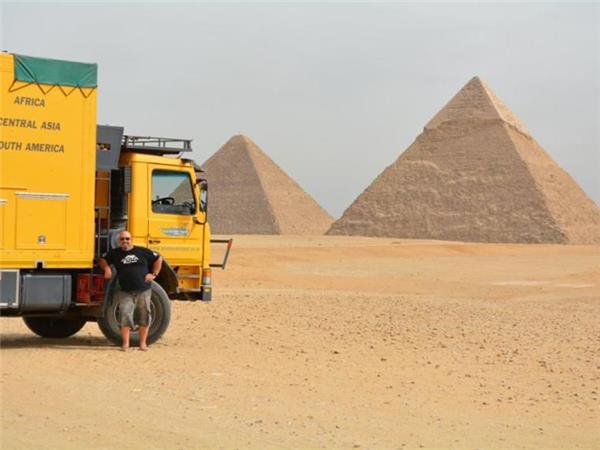
the Pyramids of Giza
the Nile River
the temples of Luxor
the desert landscapes of the Sahara.
However, traveling south from Egypt requires careful planning because the Egypt–Sudan border crossing is not straightforward.
Crossing from Egypt to Sudan
Travelers must usually take a ferry across Lake Nasser between Egypt and Sudan.
Vehicle ferries typically operate between:
Aswan (Egypt)
Wadi Halfa (Sudan)
Border procedures can take several days, so patience is required.
2. Sudan – Desert Landscapes and Ancient Pyramids
Sudan is often one of the most surprising countries on the route. Despite its reputation, many travelers report that Sudanese people are extremely friendly and welcoming.
Highlights of Sudan include:
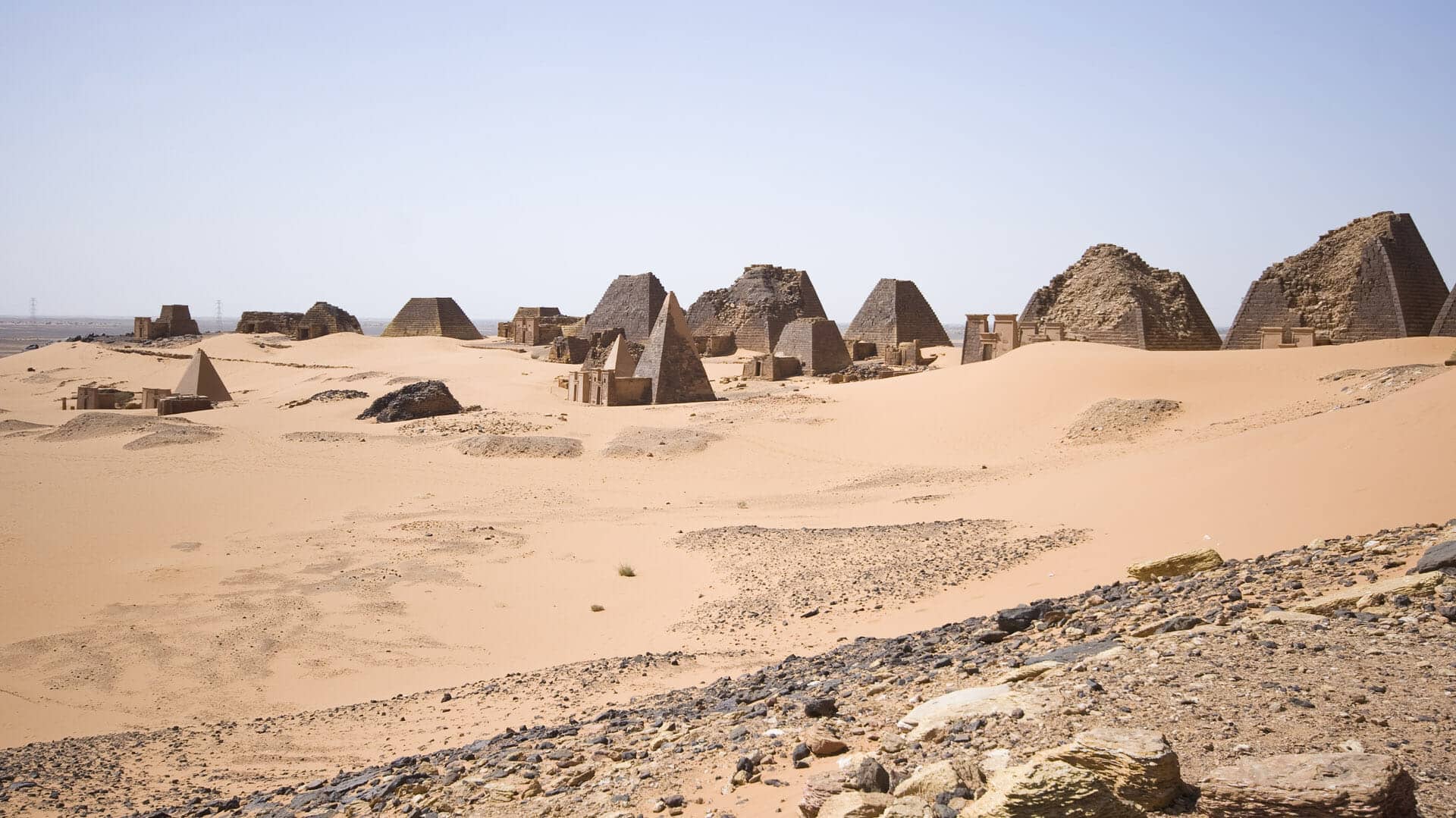
the Nubian pyramids of Meroe
remote desert landscapes
traditional villages along the Nile.
The main route through Sudan follows the Nile south toward the Ethiopian border.
Road conditions are generally good, although services can be limited in remote areas.
3. Ethiopia – Mountains and Culture
Ethiopia is one of the most culturally unique countries in Africa. It offers dramatic landscapes and a long history that predates many civilizations.
Highlights include:
the Simien Mountains
rock-hewn churches of Lalibela
traditional markets and villages
the Rift Valley lakes.
Roads can be rough in some areas, and travelers should drive carefully in mountain regions.
Ethiopia also has many livestock and pedestrians on the roads, which can slow travel.
4. Kenya – Wildlife and National Parks
Kenya is one of Africa’s most famous safari destinations and a highlight of the Cairo to Cape Town journey.
Major attractions include:
Masai Mara National Reserve
Mount Kenya
Lake Naivasha and Lake Nakuru
Nairobi National Park.
Road conditions vary from modern highways to rough rural tracks.
Kenya has good tourism infrastructure, making it easier for travelers to find campsites and supplies.
5. Tanzania – National Parks and Wildlife
Tanzania offers some of the most spectacular wildlife experiences in Africa.
Famous destinations include:
Serengeti National Park
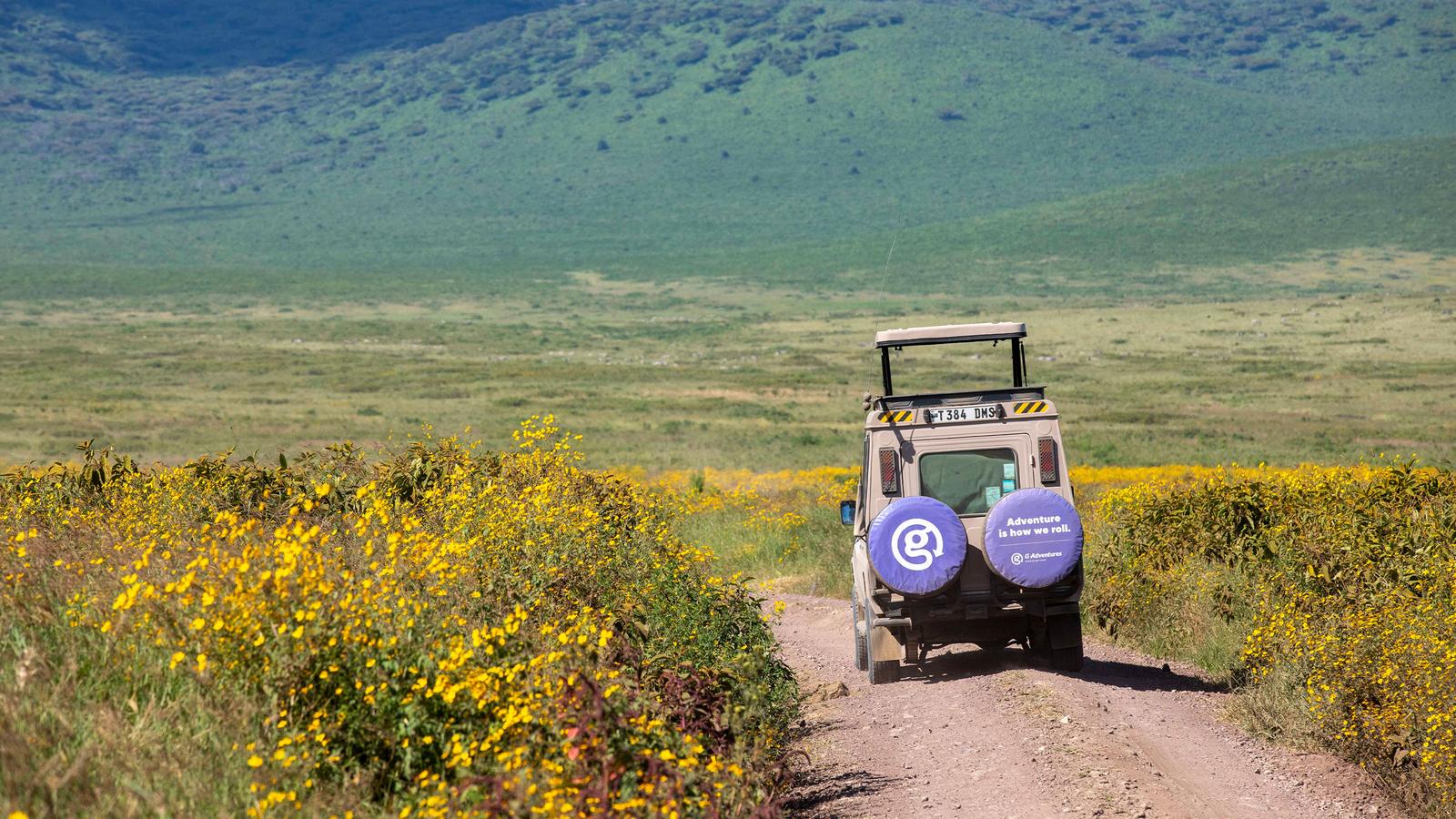
Ngorongoro Crater
Mount Kilimanjaro
Zanzibar island.
The Serengeti ecosystem hosts the Great Migration, where millions of wildebeest and zebras move across the plains.
While park entrance fees can be expensive, the wildlife viewing is unforgettable.
6. Zambia – Waterfalls and Rivers
4
Zambia is famous for one of Africa’s greatest natural wonders.
Victoria Falls
Located on the border between Zambia and Zimbabwe, Victoria Falls is one of the largest waterfalls in the world.
Activities around the falls include:
rafting on the Zambezi River
scenic helicopter flights
hiking viewpoints around the falls.
Zambia also offers excellent national parks such as South Luangwa.
7. Botswana or Zimbabwe
Travelers usually continue south through either Botswana or Zimbabwe.
Botswana route
Botswana is famous for:
the Okavango Delta
Chobe National Park
vast wilderness areas.
Wildlife viewing here is exceptional.
Zimbabwe route
Zimbabwe offers attractions such as:
Great Zimbabwe ruins
Victoria Falls
scenic highlands.
Both routes eventually lead toward South Africa.
8. South Africa – Final Destination
4
The journey ends in Cape Town, one of the most beautiful cities in the world.
Highlights include:
Table Mountain
Cape of Good Hope
the Garden Route
nearby vineyards and coastal scenery.
Cape Town is a fitting end to one of the world’s greatest road trips.
Vehicles for the Cairo to Cape Town Journey
Most travelers choose reliable vehicles suitable for rough roads.
Popular options include:
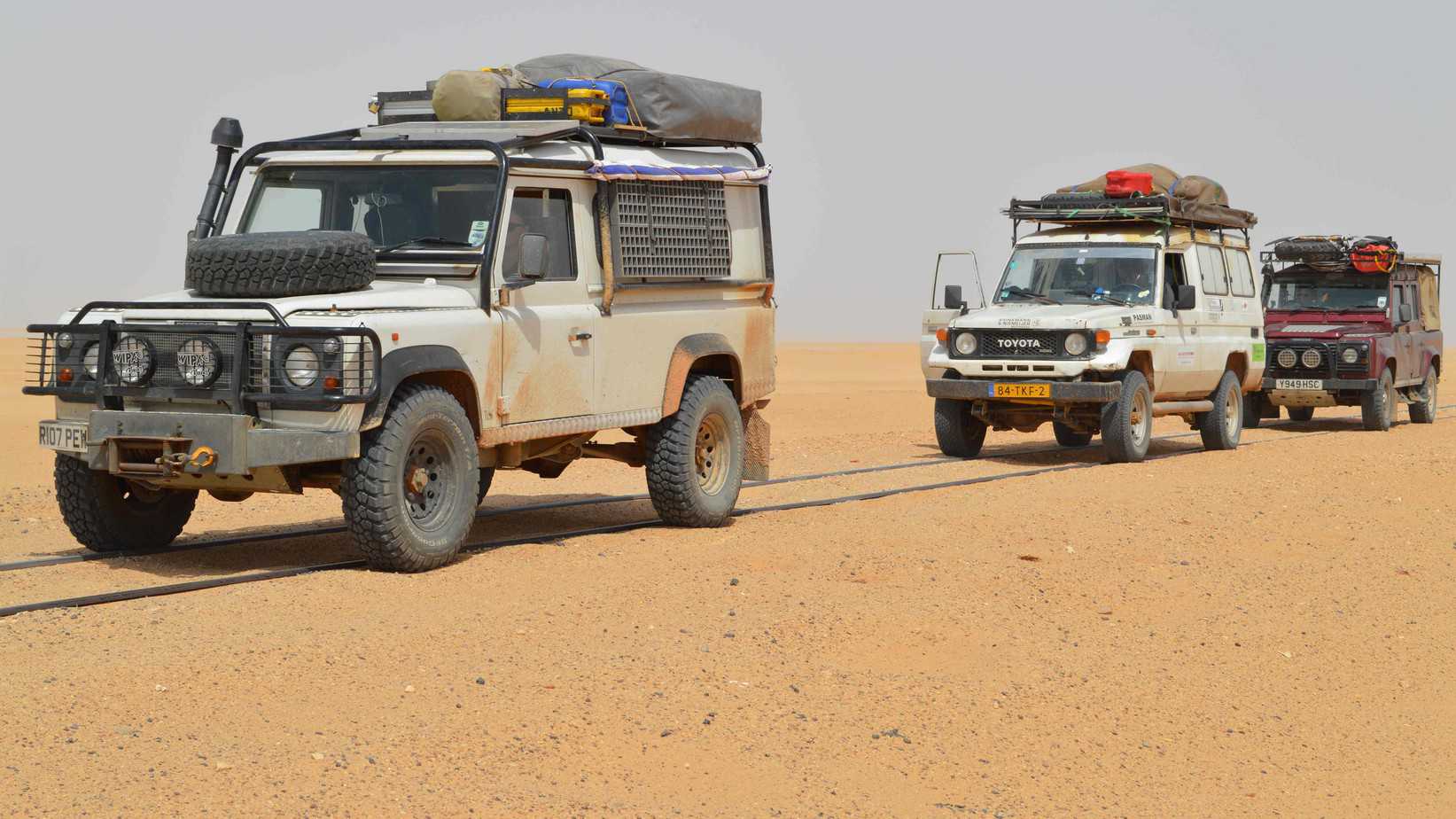
Toyota Land Cruiser
Toyota Hilux
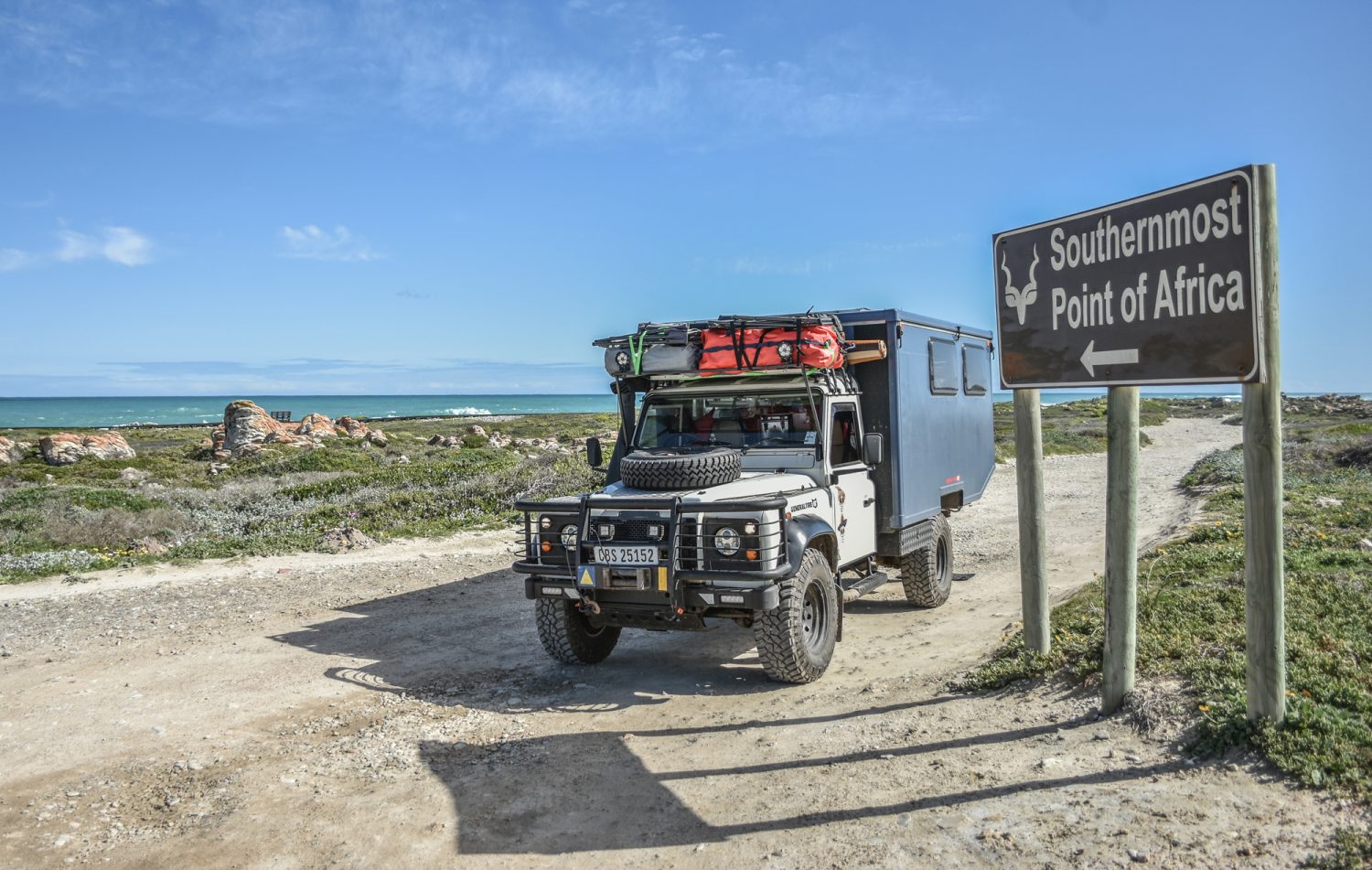
Land Rover Defender
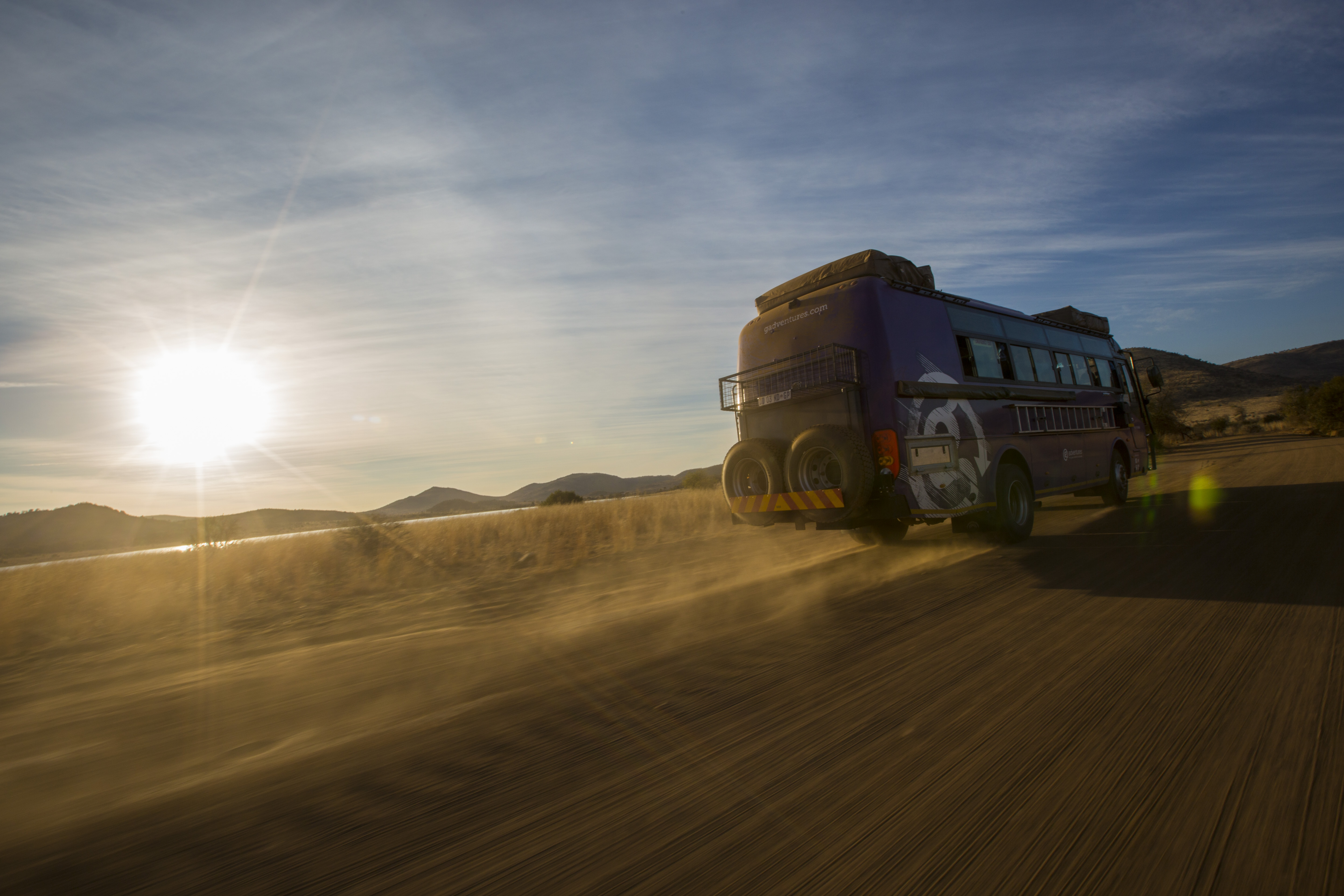
expedition trucks
motorcycles.
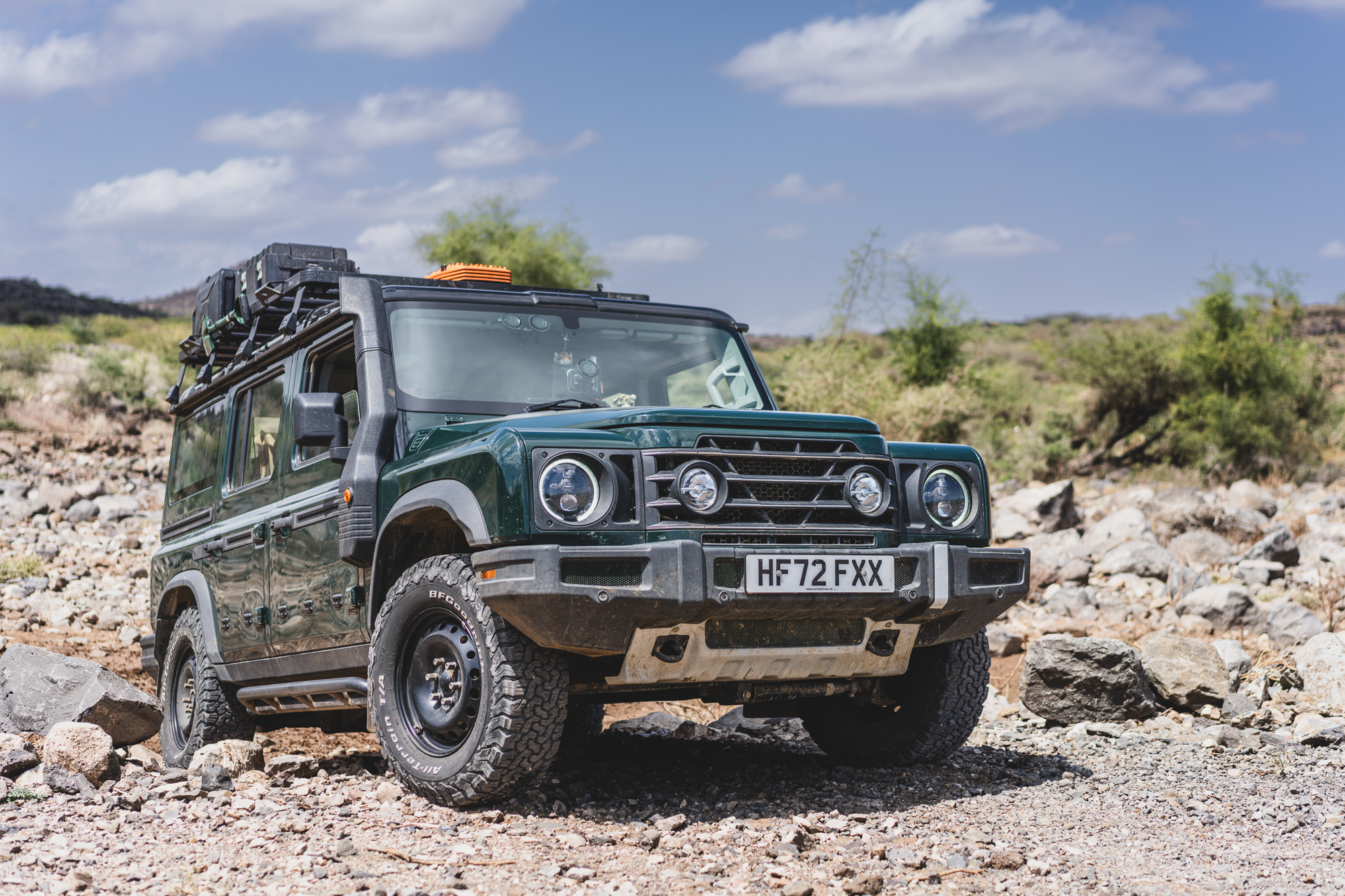
A 4×4 vehicle is recommended for some remote areas and national parks.
Documents Required
Important travel documents include:
passport valid for at least six months
visas for several countries
vehicle registration papers
Carnet de Passage (required in some countries)
international driving permit.
Visa rules change frequently, so travelers should check requirements before departure.
Many overlanders choose to travel slowly to experience more of each country.
Costs of the Journey
Typical monthly costs for two travelers include:
Fuel: €300–€700 Food: €200–€400 Campsites: €100–€300 Visas and border fees: €100–€300 Activities and parks: €100–€300
Average monthly budget:
€1,000 – €1,500
Costs can vary depending on travel style.
Safety and Travel Tips
Overlanding Africa is generally safe with good preparation.
Important tips include:
avoid driving at night
research border crossings
carry spare vehicle parts
bring extra water and fuel
respect local customs and cultures.
Planning ahead and staying flexible makes the journey smoother.
Final Thoughts
The Cairo to Cape Town route is one of the greatest overland adventures in the world. Crossing Africa from north to south offers unforgettable landscapes, wildlife encounters, and cultural experiences.
From the pyramids of Egypt to the coastline of South Africa, the journey covers thousands of kilometers and dozens of unforgettable destinations.
For travelers seeking adventure, independence, and exploration, the Cairo to Cape Town overland expedition remains one of the ultimate travel experiences on Earth.
Cost of Overlanding Africa – Real Budget from 8 Years on the Road
4
One of the most common questions people ask when planning an expedition is: How much does it cost to overland Africa?
The answer depends on several factors such as travel style, vehicle type, route, and how long you stay in each country. However, after spending years traveling across Africa by vehicle, it is possible to estimate a realistic monthly budget.
This guide explains the real costs of overlanding Africa, including fuel, visas, border fees, campsites, food, and vehicle maintenance. It will help you plan a realistic budget before starting your journey.
How Much Does It Cost to Overland Africa?
For most travelers, the cost of overlanding Africa ranges between:
€800 and €1,500 per month for two people
Budget travelers may spend less, while travelers staying in lodges or hotels can spend significantly more.
Typical monthly budget example:
Expense
Monthly Cost
Fuel
€300 – €700
Food
€200 – €400
Campsites
€100 – €300
Visas & borders
€100 – €300
Vehicle maintenance
€50 – €200
Activities & parks
€50 – €200
Total monthly budget:
€800 – €1,500
This assumes you are traveling with your own vehicle and camping most nights.
1. Fuel Costs
Fuel is usually the largest expense during an overland journey.
Prices vary widely across Africa depending on the country.
Average fuel prices (approximate):
Morocco: €1.30 per liter
Mauritania: €1.20 per liter
Kenya: €1.40 per liter
Tanzania: €1.35 per liter
South Africa: €1.25 per liter
Your fuel consumption depends on your vehicle.
Typical consumption:
4×4 vehicle: 10–14 liters per 100 km
Expedition truck: 20–30 liters per 100 km
Motorcycle: 4–6 liters per 100 km
If you drive around 2,000 km per month, fuel costs may range between:
€250 and €700 per month
Driving less and staying longer in one place can significantly reduce fuel costs.
2. Food Costs
Food costs in Africa can be relatively low, especially if you cook your own meals.
Many overlanders travel with:
gas stoves
refrigerators
portable kitchens.
Typical grocery prices in many African countries are lower than in Europe.
Examples:
Bread: €0.50 – €1 Local vegetables: €1 – €3 Rice or pasta: €1 – €2 Chicken: €3 – €5
If you cook most meals yourself, food costs for two people often range between:
€200 and €400 per month
Eating at local restaurants is also affordable in many countries.
This is a realistic mid-range budget for long-term overlanding.
How to Reduce Overlanding Costs
Traveling Africa does not need to be expensive. Many travelers keep costs low by following a few simple strategies.
1. Travel slowly
Driving less reduces fuel and maintenance costs.
2. Cook your own meals
Cooking instead of eating at restaurants saves a lot of money.
3. Use wild camping
Wild camping eliminates accommodation costs.
4. Avoid expensive tourist areas
Major tourist destinations can be much more expensive.
5. Share travel costs
Traveling with a partner or friend reduces expenses significantly.
Unexpected Costs
Every long journey includes surprises.
Common unexpected expenses include:
vehicle breakdowns
emergency repairs
medical costs
changing visa rules.
A good rule is to keep an emergency fund of €1,000–€3,000 for unexpected situations.
Is Overlanding Africa Expensive?
Compared to many long-term travel styles, overlanding Africa can actually be very affordable.
Because you travel with your own vehicle and accommodation, you avoid many hotel and transport costs.
Many travelers find that overlanding Africa costs less than traveling in Europe or North America.
Final Thoughts
Overlanding Africa is an incredible adventure that combines exploration, independence, and cultural discovery.
For most travelers, a realistic budget is around:
€800 to €1,500 per month for two people
With careful planning, it is possible to travel for months or even years across Africa while keeping costs manageable.
The key to successful overlanding is not just budgeting money, but also planning routes, maintaining your vehicle, and staying flexible throughout the journey.
Africa rewards travelers who move slowly, explore deeply, and embrace the unexpected experiences that make overland travel so special.