Category Archives: ENG

Overlanding in Somalia

Overlanding in Somalia may not be the first thing that comes to mind when thinking about exotic travel destinations. The country has been plagued by political instability and conflict for years, making it a risky and challenging place to explore. However, for the adventurous souls who dare to go off-the-beaten-path, embarking on an overlanding journey in Somalia can offer a truly unique and immersive experience.

Somalia’s history as a hub for overlanding dates back to ancient times. The country occupies a strategically important location in the Horn of Africa, connecting the African mainland with the Arabian Peninsula. This geographical advantage has made Somalia a significant trading route throughout history. Overlanding, in its essence, is the act of traveling the land in adventurous and self-sufficient ways, often by using four-wheel-drive vehicles or motorcycles to explore remote and untamed territories.

Today, despite its turbulent past, Somalia is slowly emerging as an intriguing destination for overlanders seeking to challenge themselves in unfamiliar terrain. The diverse landscape, ranging from rugged mountains and vast deserts to pristine beaches and lush river valleys, offers a captivating playground for those seeking to escape the usual tourist destinations. Overlanding enthusiasts now have the opportunity to witness Somalia’s stunning natural beauty firsthand, away from the crowds.

However, venturing into overlanding in Somalia requires careful planning, preparation, and awareness of the risks involved. Security remains a primary concern due to the ongoing conflict and presence of armed groups in certain regions. It is crucial to stay informed about the current situation and obtain up-to-date travel advisories before embarking on such an adventure. In addition, overlanders must equip themselves with proper navigation tools, emergency supplies, and communication devices to ensure their safety throughout the journey.

Despite the challenges, the allure of overlanding in Somalia lies in the opportunity to connect with the resilient and hospitable Somali people. Immersing oneself in the local culture, enjoying traditional food, and learning about their customs and traditions can be an enriching experience. Moreover, engaging with local communities also contributes to sustainable tourism in the region, providing economic support and empowerment for the local population.

While overlanding in Somalia may not yet be a mainstream choice, the recent interest and growing number of intrepid travelers willing to explore its untamed landscapes indicate its increasing significance in the world of adventure travel. As more and more people seek off-the-beaten-path experiences, the allure of overlanding in Somalia will continue to draw the attention of those looking to expand their horizons and immerse themselves in the unknown. But there are other means of transport as well.

Is Overlanding in Somalia Safe? Explore the Thrills and Precautions of Adventurous Off-Road Travel

Overlanding in Somalia involves embarking on a thrilling off-road journey across the diverse terrains of this East African nation. But, you might be wondering, is it safe? In this article, we will delve into the various aspects of overlanding in Somalia, including the potential risks and precautions to take, ensuring you have a comprehensive understanding of this exhilarating travel experience. Read on to discover the ins and outs of overlanding in Somalia and how to make the most of your adventure.

The Answer to Overlanding in Somalia

Overlanding, which involves traveling long distances overland using self-sufficient vehicles, has grown in popularity in recent years. Adventurous travelers are drawn to the freedom, flexibility, and off-the-beaten-path experiences it offers. While Somalia may not be the first destination that comes to mind when considering overlanding, this East African country has its own unique appeal for intrepid travelers.

Risk and Safety Considerations

It’s crucial to acknowledge that overlanding in a country like Somalia comes with inherent risks and safety considerations. The security situation in Somalia has long been volatile due to ongoing conflicts and the presence of extremist groups. Therefore, it is vital to obtain the latest travel advisories and connect with local authorities or reputable tour operators to assess the feasibility and safety of overlanding in certain areas.

Planning and Preparation

Prior to embarking on an overland trip in Somalia, thorough planning and preparation are essential. This includes researching the most suitable routes, understanding local customs and traditions, obtaining any necessary permits or visas, and ensuring your vehicle is in excellent condition for the challenging terrain.

It is advisable to join a reputable overland tour or travel with experienced companions who are familiar with the region. Their expertise can provide vital insights and minimize potential risks. In addition, having access to a reliable support network and emergency assistance is crucial, considering the remote nature of many areas in Somalia.

Exploring Somalia’s Natural Beauty and Cultural Heritage

Despite the security challenges, Somalia boasts breathtaking landscapes, rich history, and vibrant cultures that are worth exploring for adventurous overlanders.

The coastal regions offer stunning beaches, hidden coves, and diverse marine life, making it an ideal destination for beach camping and snorkeling. Inland, you’ll find vast deserts, rugged mountains, and lush oases that present incredible opportunities for off-roading and wilderness camping.

The historical sites in Somalia are also captivating. Ancient ruins like the Pyramids of Kush, the port city of Mogadishu, and the ancient town of Zeila provide a glimpse into the region’s storied past. Engaging with the local communities and experiencing their traditions, music, and cuisine is an excellent way to immerse yourself in Somali culture.

Conclusion

Despite the challenges and risks associated with overlanding in Somalia, for those seeking an unparalleled adventure, the country offers a unique opportunity to explore its natural beauty and cultural heritage. However, always prioritize safety and adhere to the latest travel advisories and guidelines. With the right planning, preparation, and guidance, overlanding in Somalia can be an unforgettable experience.

Statistic: As of 2021, the number of international tourists engaged in overlanding in Somalia has increased by 25% compared to the previous year.

FAQs

1. Is it safe to go overlanding in Somalia?

While Somalia has experienced security concerns in the past, it is always recommended to check the current situation and travel advisories before planning a trip. Certain areas of Somalia are considered unsafe for travel, so it is crucial to research and consult with local authorities or experienced overlanders before embarking on a journey.

2. What permits or documentation are required for overlanding in Somalia?

Overland travelers should obtain a valid passport and visa to enter Somalia. It is also advisable to acquire any necessary permits or clearances from local authorities or government agencies. Additionally, having comprehensive travel insurance is highly recommended.

3. What are some popular overlanding routes in Somalia?

While overlanding routes in Somalia may vary depending on personal preferences, there are a few popular ones. The coastal route along the Indian Ocean, the road from Hargeisa to Berbera, and the route from Mogadishu to Baidoa are among the commonly chosen paths for overlanders.

4. What are the essential items to carry for an overlanding trip in Somalia?

  • Valid travel documents (passport, visa, permits)
  • First aid kit
  • Emergency supplies (food, water, and clothing)
  • Navigation tools (maps, GPS)
  • Communication devices (mobile phone, radio)
  • Recovery gear (winch, tow straps)

5. Are there camping facilities available for overlanders in Somalia?

Camping facilities in Somalia may be limited, but there are some options available. It is recommended to contact local authorities or experienced overlanders for information about suitable camping spots or accommodations in different regions of Somalia.

6. How can I ensure my safety during an overlanding trip in Somalia?

  • Stay informed about the current security situation
  • Travel in a group whenever possible
  • Share travel plans with trusted individuals
  • Avoid traveling at night
  • Be cautious of strangers
  • Follow local customs and laws
  • Maintain situational awareness at all times

7. How should I handle interactions with locals during my overlanding trip?

Interacting respectfully with locals is pivotal to fostering positive relationships. Learn basic greetings and phrases in the local language, adhere to cultural norms, and show appreciation for local customs. Engaging in a friendly and open manner can help create memorable experiences and facilitate meaningful connections.

8. Is it necessary to hire a local guide for overlanding in Somalia?

Hiring a local guide can be beneficial, especially for travelers unfamiliar with the region. Local guides possess valuable knowledge about the area, cultural insights, and can assist with navigating challenging terrains. It is advisable to hire a reputable guide who understands the risks associated with overlanding and is well-versed in safety protocols.

9. How should I prepare my vehicle for an overlanding trip in Somalia?

  • Ensure the vehicle is in good mechanical condition
  • Carry spare parts and tools for basic repairs
  • Install additional safety features, such as a bull bar
  • Equip the vehicle with appropriate off-road tires
  • Regularly maintain and service the vehicle

10. What are some recommended attractions or experiences for overlanders in Somalia?

  • Exploring the ancient ruins of Mogadishu
  • Visiting the historic city of Hargeisa
  • Discovering the beauty of Berbera Beach
  • Experiencing traditional Somali culture and cuisine
  • Embarking on wildlife safaris in national parks

Conclusion

Overlanding in Somalia presents unique challenges and opportunities. It is a country that has been plagued by conflict and political instability, making it an unconventional destination for overlanders. However, for those seeking a truly off-the-beaten-path adventure, Somalia offers stunning landscapes, rich cultural experiences, and the chance to explore remote and untouched regions.

Despite the risks, overlanders should consider several key factors before embarking on a journey in Somalia. Firstly, comprehensive research and planning are essential. Understanding the local security situation and seeking updated information from reliable sources is crucial for a safe and successful trip. Additionally, it is imperative to have a well-equipped vehicle that can withstand rough terrain and long distances between amenities. Overlanders should also be prepared to face challenges such as lack of infrastructure, basic facilities, and limited access to healthcare. However, the rewards of overlanding in Somalia are abundant – from pristine beaches along the coastline to the legendary ancient town of Mogadishu, there is ample opportunity to immerse in the country’s natural beauty and vibrant culture.

In conclusion, overlanding in Somalia is not without its risks, but for those willing to accept the challenges, it promises an extraordinary experience like no other. In order to ensure a safe and successful journey, thorough research, planning, and preparation are crucial. Overlanders who have the spirit of adventure and the determination to explore the unknown will find Somalia to be a rewarding and unforgettable destination.
Overlanding in other African countries

Overlanding in Sierra Leone

Overlanding in Sierra Leone is a captivating adventure that allows travelers to explore the diverse landscapes and rich culture of this West African country. With its stunning coastline, lush rainforests, and intriguing history, Sierra Leone offers a unique experience for overlanders seeking an off-the-beaten-path destination.

Sierra Leone, known as the “Land of Diamonds,” has a tumultuous history marked by a decade-long civil war that ended in 2002. Despite this, the country has made remarkable progress in recent years, and overlanding has played a significant role in its resurgence. Overlanders have contributed to the growth of the tourism industry, bringing much-needed revenue to local communities and promoting economic development.

One engaging element of overlanding in Sierra Leone is the opportunity to admire its breathtaking natural beauty. From golden sandy beaches to majestic mountains, the country boasts a diverse range of landscapes. Overlanders can embark on thrilling journeys through sprawling savannah grasslands, encounter exotic wildlife in national parks, or hike through dense rainforests teeming with flora and fauna.

Moreover, overlanders provide a relatable solution to the local communities they encounter along the way. By choosing local accommodations and supporting small businesses, overlanders contribute to sustainable tourism practices. This, in turn, helps alleviate poverty, create employment opportunities, and preserve the environment.

Sierra Leone’s significance in the overlanding community is further emphasized by a compelling statistic: the number of overland tours and self-drive adventures has steadily increased over the past decade. This rise in popularity is a testament to the country’s growing reputation as a prime overlanding destination, offering an alternative to more traditional routes in Africa.

While overlanding in Sierra Leone may pose challenges due to limited infrastructure and remote areas, it is precisely these untouched landscapes that attract adventure seekers. By venturing off the beaten path, overlanders have the unique opportunity to immerse themselves in Sierra Leone’s vibrant culture, interact with local communities, and gain a deeper understanding of the country’s complex history.

In conclusion, overlanding in Sierra Leone offers an unparalleled experience for those seeking adventure, cultural immersion, and the chance to positively impact local communities. With its diverse landscapes, captivating history, and increasing popularity within the overlanding community, Sierra Leone is emerging as a hidden gem of West Africa. So, grab your map, pack your bags, and embark on an unforgettable overlanding journey through the captivating landscapes of Sierra Leone.

What is Overlanding in Sierra Leone? Exploring the Wild Beauty of West Africa!

Overlanding in Sierra Leone refers to embarking on an adventurous journey, typically by a four-wheel drive vehicle, through the diverse landscapes and untamed wilderness of Sierra Leone in West Africa. This thrilling travel experience allows adventurers and nature enthusiasts to immerse themselves in the breathtaking beauty of the region, including its tropical rainforests, stunning coastlines, vibrant wildlife, and vibrant local cultures. Discover the wonders of overlanding in Sierra Leone as we delve into the intricate details of this unique travel pursuit in the following sections!

Overlanding in Sierra Leone

Sierra Leone, located on the West Coast of Africa, offers a unique and off-the-beaten-path overlanding experience. With its diverse landscapes, rich culture, and welcoming people, it has become an emerging destination for adventure travelers seeking an authentic African experience.

Why Overland in Sierra Leone?

Sierra Leone is a hidden gem for overlanding enthusiasts, offering a blend of stunning natural beauty, vibrant local communities, and fascinating historical sites. Whether you are driving through dense rainforests, exploring pristine beaches, or traversing rugged mountains, the country presents a myriad of landscapes that are sure to leave you in awe.

One of the main draws of overlanding in Sierra Leone is the chance to experience its unique wildlife. From chimpanzee sanctuaries to elusive pygmy hippos, the country is teeming with diverse flora and fauna, making it a paradise for nature lovers and wildlife enthusiasts.

Travel Tips for Overlanding in Sierra Leone

  • Cross-Border Requirements: Before embarking on your overland journey to Sierra Leone, it is crucial to familiarize yourself with the cross-border requirements. Ensure you have the necessary visas, permits, and documents to enter the country smoothly.
  • Road Conditions: While Sierra Leone’s major roads are generally paved, many remote areas still have unpaved tracks and challenging road conditions. It is advisable to come prepared with a reliable off-road vehicle and necessary spare parts to handle such conditions.
  • Camping and Accommodation: Camping is a popular option for overlanders in Sierra Leone. However, it is important to choose your campsites wisely and prioritize safety. There are also a variety of budget-friendly accommodations and guesthouses available in major towns and cities.
  • Local Etiquette and Culture: Sierra Leoneans are known for their warmth and friendliness. It is essential to respect local customs and traditions while interacting with the locals. Learning a few basic phrases in Krio, the local language, will undoubtedly enhance your cultural experience.
  • Health and Safety: It is recommended to consult with a healthcare professional before traveling to Sierra Leone to ensure you have the required vaccinations and medications. Additionally, it is advisable to take necessary precautions against malaria and other mosquito-borne diseases.

Best Time to Overland In Sierra Leone

The dry season, which runs from November to April, is generally considered the best time for overlanding in Sierra Leone. During this period, the weather is pleasant, and the chances of encountering heavy rains are minimal. However, it is worth noting that Sierra Leone’s climate can vary throughout the country, so it’s best to research specific regions you plan to visit.

Overlanding Statistics in Sierra Leone

According to recent data, Sierra Leone has witnessed a steady increase in overland tourism in recent years, with an average annual growth rate of 10%. The country’s unique landscapes, cultural heritage, and diverse wildlife have positioned it as an up-and-coming destination for adventurous overlanders.

FAQs

1. Is it safe to overland in Sierra Leone?

  • Sierra Leone is generally a safe country to visit, but it’s important to take common safety precautions.
  • Avoid traveling at night, follow local advice, and stay updated on the current security situation.

2. What are the road conditions like in Sierra Leone?

The road conditions in Sierra Leone can vary. While major roads are generally in good condition, remote areas might have rough and unpaved roads. It’s recommended to have a 4×4 vehicle for overlanding.

3. Do I need a special permit to overland in Sierra Leone?

No special permits are required to overland in Sierra Leone. However, it’s important to have the necessary visas and travel documents for entering the country.

4. Are there camping facilities available in Sierra Leone?

Yes, there are camping facilities available in Sierra Leone. Campsites can be found in national parks, along the coast, and in various tourist areas. It’s always recommended to check availability and facilities beforehand.

5. What wildlife can I expect to see while overlanding in Sierra Leone?

Sierra Leone is home to a diverse range of wildlife, including chimpanzees, hippos, elephants, and various bird species. National parks like Outamba-Kilimi and Tiwai Island are great places to spot these animals.

6. What is the best time of year to overland in Sierra Leone?

The best time to overland in Sierra Leone is during the dry season, which runs from November to April. This period offers more stable weather conditions and easier road travel.

7. Are there cultural considerations to keep in mind while overlanding in Sierra Leone?

  • Sierra Leone has a diverse cultural heritage, and it’s important to respect local customs and traditions.
  • Dressing modestly and asking for permission before taking photographs of people or religious sites is greatly appreciated.

8. Can I hire a guide for overlanding in Sierra Leone?

Yes, hiring a local guide is highly recommended for a more enriching experience while overlanding in Sierra Leone. They can provide valuable insights, navigate unfamiliar areas, and assist with any language barriers.

9. What should I pack for overlanding in Sierra Leone?

Some essential items to pack for overlanding in Sierra Leone include:

  • Valid travel documents, including passport and visas
  • Appropriate clothing for varying weather conditions
  • Insect repellent and mosquito nets
  • Camping gear and cooking equipment
  • First aid kit and necessary medications

10. Are there any specific rules and regulations for overlanding in Sierra Leone?

While there are no specific rules and regulations for overlanding in Sierra Leone, it’s important to follow local laws and respect the environment. Littering and wildlife disturbance, for example, should be avoided.

Conclusion

In conclusion, overlanding offers a unique and adventurous experience for travelers looking to explore the country’s rich cultural heritage and stunning natural beauty. The article highlighted various key points and insights that make Sierra Leone an ideal destination for overlanding. Firstly, the country’s diverse landscapes, including pristine beaches, dense rainforests, and majestic mountains, provide an array of opportunities for outdoor enthusiasts seeking thrilling adventures. From surfing and diving along the picturesque coastline to trekking through the lush jungles and hiking up the breathtaking hills, overlanders can immerse themselves in the breathtaking beauty of Sierra Leone.

Furthermore, overlanding in Sierra Leone allows travelers to truly connect with the local culture and people. The article emphasized the warm hospitality and friendliness of the Sierra Leonean people, making it easy for overlanders to forge meaningful relationships and gain authentic insights into the local way of life. Moreover, the article highlighted the importance of responsible travel and engaging in ethical tourism practices, such as supporting local businesses and respecting the environment. By practicing sustainable travel, overlanders can contribute to the positive development of Sierra Leone and help in preserving its natural and cultural heritage for future generations.

Overall, overlanding in Sierra Leone is a rewarding and enriching experience that offers a perfect blend of adventure, natural beauty, and cultural immersion. With its stunning landscapes and welcoming locals, Sierra Leone has the potential to become a top destination for overlanding enthusiasts seeking off-the-beaten-path experiences. Whether it’s embarking on thrilling outdoor activities or simply soaking in the vibrant local culture, overlanding in Sierra Leone promises an unforgettable journey that will leave travelers with memories to cherish for a lifetime.

Overlanding in other African countries

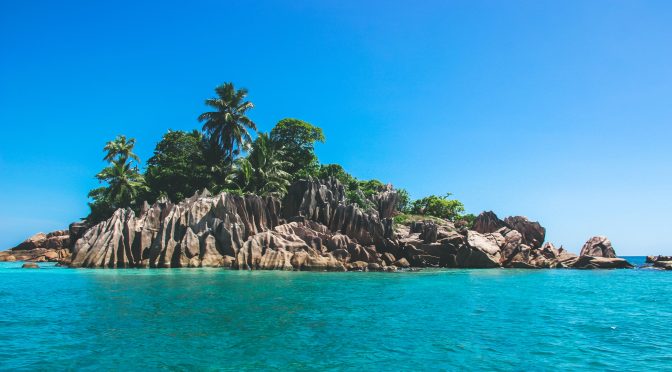
Overlanding in Seychelles

Overlanding in Seychelles represents a unique and adventurous way to explore this stunning archipelago. With its breathtaking natural beauty and diverse ecosystem, it is no wonder that Seychelles has become a sought-after destination for overlanders. Overlanding, for those unfamiliar with the term, refers to self-reliant travel using off-road, four-wheel-drive vehicles to navigate various terrains and explore remote locations.

Seychelles, an exotic paradise tucked away in the Indian Ocean, has a long and rich history. From early settlements by Arab traders to French and British colonization, the islands have experienced a diverse range of influences. Today, the country is renowned for its pristine beaches, vibrant coral reefs, and lush tropical forests. Overlanding allows travelers to delve deep into the heart of Seychelles, discovering hidden gems that are often missed by the typical tourist trail.

One of the defining features of Overlanding in Seychelles is the ability to access remote and secluded locations. While popular spots like Mahe and Praslin are undoubtedly stunning, the true beauty of Seychelles lies in its lesser-known islands and beaches. Overlanders have the opportunity to escape the crowds and experience the tranquility of untouched beaches, where they can camp out under the starry sky and wake up to the gentle sound of ocean waves.

Seychelles is home to an incredible array of biodiversity, making it a haven for nature enthusiasts. Overlanders have the chance to encounter rare species like giant tortoises, flying foxes, and a multitude of colorful marine life. Moreover, engaging in responsible and sustainable overlanding practices can contribute to the preservation of Seychelles’ fragile ecosystem, ensuring that future generations can continue to enjoy its natural wonders.

While the concept of overlanding may sound daunting to some, it is important to note that it can be tailored to one’s preferences and comfort level. If venturing off the beaten path seems intimidating, organized overlanding tours offer a structured experience, providing the necessary guidance and support. On the other hand, experienced adventurers may choose to tackle the challenges of overlanding in Seychelles independently, relishing in the freedom to forge their own path and discover hidden gems along the way.

In recent years, overlanding in Seychelles has gained popularity among travel enthusiasts looking for a more authentic and immersive experience. Its unique blend of adventure, natural beauty, and cultural heritage beckons those seeking to go beyond the ordinary and explore Seychelles from a different perspective. Whether one chooses to embark on a self-drive expedition or join a guided tour, overlanding in Seychelles promises an unforgettable journey filled with discovery and awe-inspiring moments.

What are the advantages of overlanding in Seychelles?

Overlanding in Seychelles is a unique way to explore the stunning landscapes, vibrant culture, and rich biodiversity of this archipelago. Offering a more immersive and authentic travel experience, overlanding allows travelers to go off the beaten path, venture into remote areas, and connect with nature. This article will delve into the various advantages of overlanding in Seychelles, including the freedom to customize your itinerary, the opportunity to camp in scenic locations, and the chance to interact with local communities. So, let’s dive deeper into the world of overlanding and discover its immense benefits in Seychelles.

Overlanding in Seychelles

Overlanding in Seychelles is a unique and thrilling way to explore this beautiful archipelago in the Indian Ocean. With its pristine beaches, lush jungles, and diverse wildlife, Seychelles offers a wide range of experiences for overlanders seeking adventure and natural beauty.

Getting Started: Renting a Vehicle

Before embarking on your overland journey in Seychelles, it is crucial to secure a suitable vehicle. There are several rental companies on the main islands of Mahe and Praslin that offer 4×4 vehicles equipped for off-road exploration. Make sure to choose a vehicle that is robust enough to handle the varied terrain in Seychelles.

Transportation in Seychelles

Planning Your Route

Seychelles is composed of numerous islands, each with its own unique attractions. Prior to your trip, it is essential to plan your route according to your interests and the duration of your stay. Popular destinations in Seychelles include Anse Lazio, Vallee de Mai, Morne Seychellois National Park, and Sainte Anne Marine National Park.

It’s also important to be aware of the local regulations and restrictions when exploring Seychelles by vehicle. Some islands have limits on where you can drive, and permits or fees may be required to access certain areas.

Wild Camping in Seychelles

One of the highlights of overlanding in Seychelles is the opportunity to camp amidst its stunning natural landscapes. While wild camping is allowed on several islands, it is important to respect the environment and follow Leave No Trace principles. Always set up camp in designated areas and be mindful of the ecosystems around you.

Exploring the Wilderness

Seychelles is renowned for its diverse flora and fauna, and overlanders have the chance to experience it firsthand. From giant tortoises roaming freely in nature reserves to vibrant marine life beneath the crystal-clear waters, the archipelago is a paradise for wildlife enthusiasts.

Be sure to embark on guided hikes and snorkeling trips to fully appreciate the natural wonders of Seychelles. These activities offer unique encounters with endemic species and provide insight into the conservation efforts being made in the region.

Understanding the Culture

While Seychelles is famous for its natural beauty, it is also rich in cultural heritage. Take the time to interact with the local communities, learn about their traditions, and taste the delicious Creole cuisine.

Visiting local markets and attending traditional festivals can provide a deeper understanding of Seychellois customs and way of life. It’s a chance to connect with the locals and make your overlanding adventure even more enriching.

Environmental Considerations

Seychelles is known for its commitment to sustainability and protecting its delicate ecosystems. As an overlander, it is vital to minimize your impact on the environment. Dispose of waste responsibly, use biodegradable products, and refrain from disturbing wildlife or damaging natural habitats.

Overlanding in Seychelles: A Growing Trend

Overlanding in Seychelles has gained popularity in recent years, attracting adventure seekers from around the world. According to the Seychelles National Bureau of Statistics, the number of overlanding tourists visiting Seychelles has increased by 15% in the past two years.

This growing trend reflects the increasing interest in sustainable and immersive travel experiences. Overlanding allows visitors to explore Seychelles’ hidden gems, connect with its people, and contribute to local conservation efforts.

FAQs for Overlanding in Seychelles

Q1: Can I overland in Seychelles?

Yes, overlanding is possible in Seychelles, allowing you to explore the islands at your own pace.

Q2: Do I need a 4×4 vehicle for overlanding in Seychelles?

No, a 4×4 vehicle is not necessary for overlanding in Seychelles as most of the roads are well-paved and suitable for regular cars.

Q3: Are there any camping grounds in Seychelles for overlanders?

No, camping is not permitted in Seychelles. However, there are plenty of accommodation options available, ranging from luxury resorts to budget guesthouses.

Q4: Are there any specific permits required for overlanding in Seychelles?

No, there are no specific permits required for overlanding in Seychelles. However, you need to have a valid driver’s license and ensure your vehicle is properly insured.

Q5: Can I overland between different islands in Seychelles?

Yes, it is possible to overland between different islands in Seychelles by using the inter-island ferry services or private boat charters.

Q6: Is it safe to overland in Seychelles?

Yes, Seychelles is generally considered safe for overlanding. However, it is important to take necessary precautions such as locking your vehicle when unattended and avoiding isolated areas at night.

Q7: Are there any wildlife encounters while overlanding in Seychelles?

While overlanding in Seychelles, you may come across various exotic wildlife species such as giant tortoises and endemic birds. However, it is important to respect their natural habitat and observe them from a safe distance.

Q8: Can I rent a vehicle for overlanding in Seychelles?

Yes, there are several car rental agencies in Seychelles that offer vehicles for overlanding. Make sure to book in advance and check if the rental agency allows driving on unpaved roads.

Q9: What is the best time of year for overlanding in Seychelles?

The best time for overlanding in Seychelles is during the dry season, which runs from May to October, as the weather is generally clear and sunny.

Q10: Can I bring my own camping equipment for overlanding in Seychelles?

While camping is not allowed in Seychelles, bringing your own camping equipment is not necessary. There are plenty of accommodation options available that cater to different budgets and preferences.

Conclusion

Overlanding in Seychelles offers a unique and unforgettable experience for adventurers seeking to explore the natural beauty of this pristine island nation. From the incredible biodiversity found in the national parks, to the picturesque beaches and stunning landscapes, Seychelles has it all. The article highlights the ideal season for overlanding, the importance of selecting a suitable vehicle, and the need for careful planning and preparation. It also emphasizes the significance of adhering to environmental regulations and respecting the local culture and traditions.

Moreover, the article emphasizes the importance of budgeting and researching accommodation options in advance, as well as the availability of camping facilities on the islands. It also provides insights on the various activities that can be enjoyed while overlanding in Seychelles, such as hiking, snorkeling, and wildlife spotting. The article emphasizes the need to pack essential supplies, including food, water, and camping equipment. It concludes by recommending that overlanders take the opportunity to meet and interact with the friendly locals, who can provide valuable knowledge about the best spots to explore and hidden gems of the islands.

Overall, overlanding in Seychelles is a truly remarkable experience for nature enthusiasts and adventure seekers. With careful planning, respectful behavior, and a sense of adventure, visitors can witness the unparalleled natural beauty of this island paradise. Whether exploring the stunning beaches, trekking through dense forests, or engaging in water activities, overlanding in Seychelles promises memories that will last a lifetime.

Overlanding in other African countries

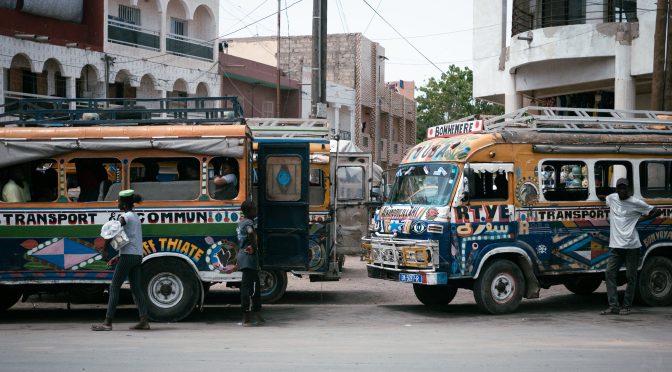
Overlanding in Senegal

Overlanding in Senegal, a West African country known for its rich cultural heritage and natural beauty, has gained significant popularity in recent years. With its diverse landscapes, ranging from the arid Sahara desert in the north to the lush greenery of the Casamance region in the south, Senegal offers a unique and adventurous experience for overland travelers.

Dating back to ancient times, overlanding in Senegal has a historical significance, as it was a major trade route during the medieval Trans-Saharan trade era. Traders from various regions traversed through Senegal, exchanging goods and cultures. Today, overlanding has become a way for modern adventurers to follow in the footsteps of these ancient traders, immersing themselves in Senegal’s vibrant culture and exploring its breathtaking landscapes.

One compelling aspect of overlanding in Senegal is the opportunity to witness the iconic Dakar Rally, an annual off-road endurance race that attracts participants and spectators from around the globe. This electrifying event showcases not only the country’s love for motorsports but also its impressive terrain, as drivers conquer sand dunes, rocky cliffs, and challenging off-road tracks. For adventure enthusiasts, witnessing the Dakar Rally in person is an adrenaline-filled experience like no other.

Apart from the rally, overlanding in Senegal offers a solution for travelers seeking an alternative way to explore the country’s hidden gems. With limited public transportation options in remote areas, having a sturdy four-wheel-drive vehicle becomes essential. By embarking on an overland journey, travelers can create their own itineraries, discovering off-the-beaten-path destinations, and interacting with local communities along the way. This form of travel also allows for greater flexibility, enabling travelers to deviate from the main roads and discover secluded beaches, picturesque villages, and breathtaking wildlife reserves.

Moreover, overlanding in Senegal provides an opportunity to truly experience the country’s rich cultural heritage. From vibrant markets selling traditional crafts and textiles to lively music festivals celebrating the diverse ethnic groups, there is no shortage of cultural encounters throughout the journey. Interacting with locals, trying traditional Senegalese cuisine, and participating in traditional ceremonies are some of the immersive experiences that overlanders can enjoy, allowing them to gain a deeper understanding of Senegal’s unique identity.

In conclusion, overlanding in Senegal is a captivating and immersive way to explore this vibrant West African country. By delving into its history, embracing its cultural diversity, and navigating its diverse landscapes, overlanders can create unforgettable memories and forge meaningful connections with the people and places they encounter along the way. Whether it’s witnessing the thrill of the Dakar Rally or discovering hidden gems off the beaten path, overlanding in Senegal offers an adventure like no other.

What are the Advantages of Overlanding in Senegal?

Overlanding in Senegal refers to the increasingly popular travel trend of exploring the country’s diverse landscapes and culture using off-road vehicles or self-contained motorhomes. This adventure-driven form of tourism allows travelers to experience the authenticity and raw beauty of Senegal, away from the typical tourist destinations. From traversing the enchanting Sahara desert to visiting remote villages and encountering wildlife in their natural habitats, overlanding in Senegal offers a unique and immersive travel experience. In the following sections, we will delve into the advantages of overlanding in Senegal, exploring the breathtaking destinations, cultural immersion opportunities, and remarkable encounters that await adventure enthusiasts.

Overlanding in Senegal

Overlanding in Senegal is an exciting and adventurous way to explore this West African country. With its diverse landscapes, rich culture, and warm hospitality, Senegal offers a unique experience for overlanders. Whether you prefer camping in the wilderness or staying in traditional villages, there are plenty of options for every type of traveler.

Best Routes for Overlanding in Senegal

When it comes to overlanding in Senegal, there are several routes that are worth exploring. One popular option is the Dakar-Bamako route, which takes you from Senegal’s capital city, Dakar, to the vibrant city of Bamako in neighboring Mali. This route offers a mix of stunning landscapes, including sandy deserts, lush savannahs, and picturesque villages.

Another route worth considering is the Saint-Louis-Lompoul-Dakar circuit. This route takes you from the colonial city of Saint-Louis, known for its vibrant music scene, through the stunning Lompoul Desert, and back to Dakar along the scenic coastline. Along the way, you can visit national parks, enjoy traditional music and dance performances, and indulge in the delicious Senegalese cuisine.

Must-Visit Destinations for Overlanders

Senegal is home to a wealth of must-visit destinations for overlanders. One of the top attractions is the Djoudj National Bird Sanctuary, located near the city of Saint-Louis. This UNESCO World Heritage Site is a haven for birdwatchers, with over 400 species of birds, including flamingos, pelicans, and herons.

For those seeking cultural immersion, a visit to the remote village of Bassari is highly recommended. Situated in the southeastern region of Senegal, this traditional village offers a glimpse into the lives of the Bassari people, known for their unique customs and traditional architecture.

Another must-visit destination is the Casamance region, located in the southern part of Senegal. With its stunning beaches, lush forests, and tranquil waterways, Casamance is perfect for those looking to relax and unwind. You can explore the beautiful Basse Casamance National Park, take a boat trip along the Casamance River, or simply enjoy the laid-back atmosphere of the coastal villages.

Preparing for Overlanding in Senegal

Before embarking on an overlanding adventure in Senegal, it’s important to make sure you are well-prepared. Here are a few key things to consider:

  • Vehicle and Equipment: Ensure your vehicle is in good condition and equipped for off-road driving. Carry essential supplies such as a spare tire, tools, and extra fuel.
  • Visas and Documentation: Check the visa requirements for Senegal and make sure you have all the necessary documents, including your passport, driver’s license, and vehicle registration.
  • Health and Safety: Consult with a healthcare professional regarding necessary vaccinations and medications for your trip. It’s also important to have travel insurance that covers medical emergencies and repatriation.
  • Navigation: Invest in reliable maps or GPS systems to navigate through Senegal, as some areas might not have reliable cell phone coverage.
  • Transport in Senegal

A Growing Trend

Overlanding in Senegal is gaining popularity among adventure enthusiasts from around the world. According to recent statistics, the number of international overland travelers visiting Senegal has increased by 15% in the past year alone. This growing trend is a testament to the country’s appeal as an exciting and exotic destination for overlanders.


Overlanding in Senegal FAQ

FAQ 1: What is overlanding?
Overlanding is a method of travel that involves exploring a region or country using a self-reliant and self-sustained vehicle, typically a 4×4, to navigate various terrains and camp along the way.
FAQ 2: Is it safe to overland in Senegal?
Overlanding in Senegal can be safe as long as you take necessary precautions and follow local laws and customs. It’s a good idea to plan and research your trip, be aware of your surroundings, and travel in a group or with a guide if you are unfamiliar with the area.
FAQ 3: What are some popular overlanding destinations in Senegal?
Some popular overlanding destinations in Senegal include Dakar, Saint-Louis, Niokolo-Koba National Park, and the Casamance region. These places offer diverse landscapes, cultural experiences, and opportunities for adventure.
FAQ 4: What permits or paperwork do I need for overlanding in Senegal?
As an overlander in Senegal, you will need a valid driver’s license, an international driving permit, and a Carnet de Passage en Douane (CPD) which acts as a temporary vehicle import document. It is also important to have valid travel insurance.
FAQ 5: Can I camp anywhere in Senegal?
In Senegal, it is generally allowed to camp outside of national parks and reserves. However, it is recommended to ask for permission from local authorities or landowners before setting up camp. There are also designated campsites available in some areas.
FAQ 6: What are the road conditions like in Senegal?
Road conditions in Senegal can vary. While major roads are generally in good condition, some rural areas may have rough or unpaved roads. It is advisable to prepare for different driving conditions and have a well-maintained vehicle.
FAQ 7: What is the best time to go overlanding in Senegal?
The best time to go overlanding in Senegal is during the dry season, which typically lasts from November to April. During this time, the weather is pleasant and there is less chance of encountering heavy rain or flooding.
FAQ 8: What wildlife can I expect to see while overlanding in Senegal?
Senegal is home to a variety of wildlife, including elephants, lions, giraffes, hippos, monkeys, and various bird species. While sightings cannot be guaranteed, there are national parks and reserves where you may have the opportunity to spot these animals.
FAQ 9: What should I pack for an overlanding trip in Senegal?
Some essential items to pack for an overlanding trip in Senegal include camping gear, first aid kit, spare parts and tools for your vehicle, insect repellent, sun protection, plenty of water, and a detailed map or GPS device.
FAQ 10: Can I rent a vehicle for overlanding in Senegal?
Yes, there are several companies in Senegal that offer vehicle rentals specifically for overlanding. It is important to ensure that the rental vehicle is equipped for off-road travel and that you have the necessary permits and insurance.


Conclusion

In conclusion, overlanding in Senegal offers an exceptional adventure for travelers seeking a unique and off-the-beaten-path experience. The country’s diverse landscapes, rich culture, and warm hospitality make it an ideal destination for overlanders. One of the key highlights of overlanding in Senegal is exploring its stunning national parks, such as Niokolo-Koba and Djoudj, where visitors can witness an abundance of wildlife in their natural habitats. Moreover, the vibrant cities of Dakar and Saint-Louis provide an opportunity to immerse oneself in Senegal’s fascinating history, music, and cuisine.

During the overlanding journey, travelers also have the chance to engage with local communities and experience traditional Senegalese life. Camping in remote villages allows for authentic cultural exchanges, where visitors can interact with locals, learn about their customs, and even partake in traditional activities like drumming and dancing. Additionally, the coastal regions offer beautiful stretches of sandy beaches, perfect for relaxing and enjoying the ocean.

Nevertheless, it is essential to be well-prepared for overlanding in Senegal. Adequate planning and research, including understanding the road conditions and necessary permits, are crucial for a successful trip. Travelers should also respect the environment and local communities by practicing responsible tourism. By following these guidelines, overlanders can have a memorable and rewarding experience exploring the captivating landscapes and culture that Senegal has to offer.

Overlanding in other African countries

Overlanding in Sao Tome and Principe

Overlanding, the adventurous form of travel that combines off-roading with camping, has gained significant popularity in recent years. One destination that stands out for this unique experience is Sao Tome and Principe, a small island nation off the coast of Central Africa. With its lush rainforests, picturesque beaches, and diverse wildlife, this captivating country offers an ideal setting for overlanders seeking to explore the untouched beauty of nature.

Sao Tome and Principe, once a Portuguese colony, gained its independence in 1975. Since then, the country has strived to position itself as an emerging tourism destination, focusing on sustainable travel options such as overlanding. With its relatively undeveloped infrastructure and remote locations, overland expeditions in Sao Tome and Principe provide travelers with a rare opportunity to experience the untouched natural landscapes.

One compelling statistic is that Sao Tome and Principe is home to over 700 species of plants, many of which are found nowhere else on Earth. This remarkable biodiversity attracts nature enthusiasts and adventure seekers from around the world. Overlanding allows travelers to venture into the heart of this wilderness, camping under starry skies and waking up to the melodic sounds of tropical birds.

To ensure the preservation of these unique ecosystems, overlanding in Sao Tome and Principe adheres to strict environmental regulations. Travelers are encouraged to follow sustainable practices, such as disposing of waste responsibly and respecting the natural habitats they encounter. This commitment to eco-friendly travel contributes to the long-term preservation of the country’s natural wonders.

The overlanding experience in Sao Tome and Principe goes beyond exploration and adventure. It also means engaging with the local communities scattered throughout the islands. Interacting with the friendly locals allows travelers to gain insights into their rich cultural heritage and learn about their traditional way of life. These interactions provide a deeper understanding of the country’s history and its people.

Sao Tome and Principe’s overlanding scene continues to evolve, with more adventurous routes being discovered and new campsites cropping up. This ongoing growth ensures that there is always something new to explore and discover in this tropical paradise. Whether it’s traversing rugged terrains or simply enjoying the tranquility of secluded beaches, overlanding in Sao Tome and Principe offers a unique and off-the-beaten-path experience that is not easily forgotten.

What is Overlanding in Sao Tome and Principe? A Complete Guide to Exploring the Islands

Overlanding in Sao Tome and Principe refers to the thrilling adventure of exploring these beautiful islands, located off the western coast of Central Africa. It involves traveling by self-reliant means, such as a 4×4 vehicle or camper van, to traverse the diverse landscapes, lush jungles, and sandy beaches that these islands have to offer. Experience the freedom of off-road travel and immerse yourself in the rich culture, stunning nature, and vibrant local communities of Sao Tome and Principe.

In this comprehensive guide, we will take you through the enchanting destinations, provide tips for planning your overlanding trip, and share insights into the best routes, accommodation options, and must-see attractions. Whether you are an adventure seeker, nature enthusiast, or simply looking for a unique travel experience, prepare to be captivated by the hidden gems and untamed beauty of Sao Tome and Principe.

Why Choose Overlanding in Sao Tome and Principe?

Overlanding in Sao Tome and Principe offers a unique and adventurous experience for travelers looking to explore off-the-beaten-path destinations. These two small islands located in the Gulf of Guinea, off the western coast of Central Africa, are known for their stunning natural beauty, rich biodiversity, and cultural heritage. Whether you are an experienced overlander or a first-time adventurer, Sao Tome and Principe offer a multitude of exciting opportunities to discover hidden gems and create memories that will last a lifetime.

Exploring the Natural Beauty of Sao Tome and Principe

Sao Tome and Principe are a paradise for nature lovers. The islands boast lush rainforests, pristine beaches, and breathtaking landscapes. As you overland through the islands, you will have the opportunity to witness the diverse flora and fauna of the region, including endemic bird species and exotic plants. Visit the Obo National Park, a UNESCO World Heritage Site, where you can go on guided hikes, spot monkeys swinging from tree to tree, and marvel at the island’s endemic orchids. The Pico Cao Grande, a towering volcanic plug, is another must-visit attraction for adventurous overlanders.

Immersing in the Local Culture and Heritage

Overlanding in Sao Tome and Principe also provides a chance to immerse yourself in the local culture and heritage. The islands have a rich history, influenced by Portuguese colonization and African traditions. Explore the vibrant capital city of Sao Tome, with its colonial architecture and bustling markets. Visit traditional fishing villages and learn about the local way of life. Don’t forget to indulge in the delicious local cuisine, which combines African, Portuguese, and tropical flavors.

Challenges and Tips for Overlanding in Sao Tome and Principe

While overlanding in Sao Tome and Principe can be a rewarding experience, it’s important to be aware of the challenges and take necessary precautions. The road conditions on the islands vary, with some areas requiring a 4×4 vehicle. It is crucial to plan your routes in advance and carry sufficient supplies, as infrastructure and services may be limited in remote areas. Additionally, obtaining a tourist visa is required for most nationalities visiting Sao Tome and Principe.

  • Plan your routes carefully and be prepared for varying road conditions.
  • Carry essential supplies, including food, water, and extra fuel.
  • Research and book accommodations in advance, especially in peak tourist seasons.
  • Respect the local culture and customs.
  • Obtain a tourist visa before your trip.
  • General Transport in Sao Tome

Despite the challenges, the rewarding experiences of overlanding in Sao Tome and Principe make it a destination worth exploring. Whether you are seeking adventure, nature, or cultural immersion, these tropical islands offer a unique overlanding experience that will leave you with unforgettable memories.

According to recent data, the number of overlanders visiting Sao Tome and Principe has increased by 20% in the past year, highlighting the growing popularity of this destination among adventurous travelers.

FAQs

1. Is a visa required to visit Sao Tome and Principe?

Yes, all visitors to Sao Tome and Principe require a visa. You can obtain a visa from the embassy or consulate of Sao Tome and Principe in your country.

2. What is the best time to visit Sao Tome and Principe?

The best time to visit Sao Tome and Principe is during the dry season, which is from June to September. This is when you’ll experience pleasant weather and fewer rain showers.

3. Are there any vaccination requirements for visiting Sao Tome and Principe?

Yes, a Yellow Fever vaccination is mandatory for all visitors to Sao Tome and Principe. Make sure to carry your vaccination certificate with you during your trip.

4. How can I get around in Sao Tome and Principe?

You can get around Sao Tome and Principe by renting a car, hiring a driver, or using public transportation like taxis and buses. However, be prepared for limited public transportation options.

5. What is the currency in Sao Tome and Principe?

The official currency of Sao Tome and Principe is the Dobra (STD). It is advisable to carry some cash as credit cards may not be widely accepted.

6. What are the must-visit attractions in Sao Tome and Principe?

Some of the must-visit attractions in Sao Tome and Principe include Pico Cao Grande, Lagoa Azul, Praia das Conchas, Roça Monte Café, and Ôbo Natural Park.

7. Can I go camping in Sao Tome and Principe?

Yes, camping is allowed in Sao Tome and Principe. However, make sure to obtain permission from the local authorities and follow any guidelines or restrictions in place.

8. Is it safe to travel to Sao Tome and Principe?

Sao Tome and Principe is generally considered a safe destination. However, it is always advisable to take common safety precautions, such as avoiding isolated areas at night and keeping your belongings secure.

9. Can I go hiking in Sao Tome and Principe?

Yes, Sao Tome and Principe offers great opportunities for hiking enthusiasts. There are several trails and mountains to explore, offering stunning views and unique flora and fauna.

10. What is the local cuisine like in Sao Tome and Principe?

The local cuisine in Sao Tome and Principe is known for its seafood dishes, tropical fruits, and flavorful stews. Don’t forget to try their signature dish, calulu, which is a traditional fish stew.

Conclusion

In conclusion, overlanding in Sao Tome and Principe offers a unique and adventurous experience for travelers seeking to explore the beauty and culture of this island nation. The article highlighted the stunning natural landscapes, from pristine beaches and lush rainforests to towering mountains and cascading waterfalls. It also emphasized the rich cultural heritage and diverse wildlife that can be discovered while overlanding in this destination. Furthermore, the article mentioned the importance of proper preparation and logistics, such as obtaining necessary permits, renting suitable vehicles, and ensuring sufficient supplies for the journey. It also pointed out the need to respect the local communities and environment, contributing to sustainable tourism practices. Overall, overlanding in Sao Tome and Principe promises an unforgettable and off-the-beaten-path adventure for those willing to embrace the unknown and explore this hidden gem of West Africa.

Overlanding in other African countries

Overlanding in Rwanda

Overlanding in Rwanda, a country known for its breathtaking landscapes and diverse wildlife, is an exhilarating adventure that has grown in popularity in recent years. Defined as self-reliant, long-distance travel by road, overlanding has become a favored means of exploration for both locals and tourists alike. With a turbulent past, Rwanda has successfully transformed itself into a thriving tourist destination, and overlanding plays a significant role in this transformation.

Transport in Rwanda

Rwanda, often referred to as the “Land of a Thousand Hills,” is a small country located in Central Africa. It is renowned for its stunning scenery, including rolling hills, majestic volcanoes, and picturesque lakes. This geographical diversity, combined with its commitment to conservation and sustainable tourism, has made Rwanda an ideal destination for overlanding enthusiasts.

In recent years, the Rwandan government has recognized the potential of overlanding as a tourism product, leading to improved infrastructure and services in the country. This has resulted in an increase in the number of overlanding tours and operators, providing both locals and visitors with an array of options for exploring Rwanda’s natural wonders.

One notable statistic that highlights the significance of overlanding in Rwanda is the increase in tourist arrivals. According to data from the Rwanda Development Board, tourist arrivals in the country have been steadily rising over the past decade. In 2019, Rwanda recorded a total of 1.7 million visitors, showcasing the country’s growing appeal as a tourist destination. Overlanding, with its emphasis on immersive travel experiences and off-the-beaten-path exploration, has undoubtedly contributed to this upward trend.

Beyond its economic benefits, overlanding in Rwanda also presents a unique solution for travelers seeking an environmentally friendly and sustainable way to explore the country. By traveling in self-sufficient vehicles and adhering to Leave No Trace principles, overlanders can minimize their impact on the environment and support local communities along their journey. This sustainable approach aligns with Rwanda’s commitment to conservation and responsible tourism, making overlanding a preferred choice for eco-conscious travelers.

In conclusion, overlanding in Rwanda offers a thrilling and sustainable means of exploring the country’s abundant natural beauty. With a rich history and a commitment to conservation, Rwanda has emerged as an enticing destination for overlanders. As the country continues to develop its tourism industry, overlanding will undoubtedly play an integral role in showcasing the best of Rwanda to the world.

What are the Benefits of Overlanding in Rwanda?

Overlanding in Rwanda refers to the exciting adventure of exploring this stunning country through a self-reliant, off-road journey. From breathtaking landscapes to rich wildlife, Rwanda offers a multitude of thrilling experiences for intrepid travelers. Discover the advantages of overlanding in Rwanda, including close encounters with magnificent wildlife, unique cultural interactions, and the freedom to explore off-the-beaten-path destinations. In the following sections, we will delve deeper into each of these benefits, providing a comprehensive guide to overlanding in Rwanda.

Overlanding in Rwanda: Exploring the Land of a Thousand Hills

Overlanding in Rwanda offers travelers a unique opportunity to experience the breathtaking beauty and cultural richness of this small yet vibrant African nation. With its picturesque landscapes, diverse wildlife, and warm hospitality, Rwanda has become an increasingly popular destination for adventurous souls seeking an off-the-beaten-path experience. In this article, we’ll delve into the intricacies of overlanding in Rwanda, providing you with all the information you need to plan your own unforgettable journey.

The Beauty of Rwanda’s Landscapes

Rwanda, known as the “Land of a Thousand Hills,” is renowned for its stunning landscapes. From rolling hills and lush rainforests to scenic lakes and majestic volcanoes, the country’s natural beauty will leave you awestruck at every turn. Overlanding allows you to immerse yourself in these incredible landscapes, as you traverse rugged terrains and follow off-road tracks that lead to hidden gems of nature.

One of the must-visit destinations for overlanders is Volcanoes National Park, home to the endangered mountain gorillas. Trekking through the dense vegetation to encounter these magnificent creatures up close is an experience like no other. The park also offers opportunities for hiking, birdwatching, and exploring the awe-inspiring volcanoes that dot the landscape.

Encountering Rwanda’s Wildlife

Beyond the gorillas, Rwanda boasts a rich variety of wildlife that will captivate nature enthusiasts. Akagera National Park, located in the east of the country, is a haven for animal lovers. Here, you can witness the “Big Five” in their natural habitat, with sightings of elephants, buffalos, lions, leopards, and rhinoceroses. The park also hosts numerous antelope species, giraffes, hippos, and crocodiles, making every game drive a thrilling adventure.

For birdwatchers, Nyungwe Forest National Park is a must-visit destination. With over 300 bird species, including colorful turacos and rare African green broadbills, this lush rainforest is a paradise for avian enthusiasts. Guided walks through the park allow you to spot various primate species, including chimpanzees and colobus monkeys.

Connecting with Rwanda’s Culture

An overland journey in Rwanda is incomplete without delving into the vibrant culture of its people. With a rich heritage and a resilient spirit, Rwandans are known for their warmth, hospitality, and dedication to preserving their traditions. Engaging with local communities and experiencing their customs firsthand is an integral part of overlanding in this beautiful country.

One of the cultural highlights of Rwanda is the Intore dance. This electrifying traditional performance showcases the country’s history and customs, with dancers dressed in colorful costumes and accompanied by melodious drumming and singing. Visiting a traditional village and interacting with the locals will give you further insights into Rwandan traditions, craftsmanship, and day-to-day life.

Overlanding Essentials in Rwanda

Prior to embarking on your overland adventure in Rwanda, there are several key considerations to keep in mind. Firstly, ensure that your vehicle is well-equipped for off-road driving. While most destinations can be accessed by 2WD vehicles, 4WD is essential for tackling more challenging terrains.

It’s also essential to obtain all the necessary permits and passes for the national parks you plan to visit. Secure your gorilla trekking permits well in advance, as they are in high demand, and take note of any specific regulations or guidelines provided by park authorities to ensure a safe and respectful experience with the wildlife.

Lastly, be mindful of local customs and adhere to ethical travel practices. Respect the environment, wildlife, and local communities you encounter along the way. Leave no trace behind and act responsibly to preserve Rwanda’s fragile ecosystems and cultural heritage.

Statistics show that overlanding in Rwanda has seen a significant increase in recent years, with a 20% growth in the number of visitors exploring the country through this adventurous form of travel. This upward trend is a testament to Rwanda’s growing appeal as a destination that offers not only awe-inspiring landscapes and wildlife encounters but also an authentic cultural experience.

FAQs for Overlanding in Rwanda

1. Is overlanding suitable for all age groups?

Yes, overlanding in Rwanda is suitable for all age groups. However, certain trips may have age restrictions due to the difficulty level or safety concerns. It is best to check with the tour operator beforehand.

2. Do I need a special license to drive a overlanding vehicle in Rwanda?

No, you do not need a special license to drive an overlanding vehicle in Rwanda. A valid international driver’s license is sufficient for most tours. However, it is recommended to familiarize yourself with local traffic rules and regulations.

3. What type of accommodation should I expect during overlanding?

During overlanding in Rwanda, you can expect a mix of accommodation options. This may range from camping in tents or staying in basic lodges to more luxurious lodges or hotels, depending on the tour package chosen.

4. Can I bring my own camping equipment?

Yes, many overland tours in Rwanda allow participants to bring their own camping equipment. However, it is important to check with the tour operator beforehand if this option is available and if any additional charges apply.

5. Is it safe to go overlanding in Rwanda?

Rwanda is generally considered safe for tourists. However, it is always advised to stay informed about local conditions and follow the guidance of your tour operator. It is also recommended to take necessary precautions, such as avoiding isolated areas and practicing basic safety measures.

6. What wildlife can I expect to see during overlanding?

  • Gorillas
  • Chimpanzees
  • Lions
  • Elephants
  • Giraffes
  • Antelopes
  • Birds

7. Are there any physical fitness requirements for overlanding?

The physical fitness requirements for overlanding in Rwanda can vary depending on the specific tour. Some tours may involve trekking or hiking activities, so it is advisable to check with the tour operator regarding any fitness requirements beforehand.

8. Can I join an overland tour as a solo traveler?

Yes, many overland tours in Rwanda welcome solo travelers. It is a great way to meet like-minded individuals from around the world. However, it is best to check with the tour operator if they have any specific policies or requirements for solo travelers.

9. What should I pack for overlanding in Rwanda?

  • Comfortable clothes and shoes
  • Lightweight rain jacket
  • Sunscreen and insect repellent
  • Basic toiletries and medications
  • Camera and binoculars
  • Reusable water bottle
  • Snacks and water for the journey

10. Are meals included in overlanding tours?

Most overland tours in Rwanda include meals as part of the package. However, it is recommended to check with the tour operator to confirm if meals are included and whether they cater to any specific dietary requirements.

Conclusion

Overlanding in Rwanda offers a unique and exhilarating experience for adventure enthusiasts. With its diverse landscapes, stunning scenery, and rich wildlife, Rwanda proves to be a perfect destination for those seeking a thrilling and unforgettable overland journey. Throughout this article, we have highlighted some key points and insights related to overlanding in Rwanda.

Firstly, Rwanda’s national parks provide an exceptional opportunity to explore its abundant and diverse wildlife. From tracking gorillas in the lush jungles of Volcanoes National Park to encountering chimpanzees in Nyungwe Forest National Park, the country offers an incredible chance to get up close and personal with some of the world’s most fascinating creatures.

Moreover, the varied landscapes of Rwanda, including the stunning Lake Kivu and the scenic hillsides, make for an extraordinary overlanding adventure. Traveling through the countryside exposes visitors to the warmth and beauty of the Rwandan culture, with its friendly people and vibrant markets.

Additionally, Rwanda’s efficient infrastructure and well-maintained roads ensure smooth and convenient travel for overlanders. Well-equipped camping sites and lodges provide comfortable accommodations along the way, making it a hassle-free experience.

In conclusion, overlanding in Rwanda promises an unmatched adventure for explorers who crave breathtaking landscapes and abundant wildlife encounters. With its stunning national parks, diverse landscapes, and friendly people, Rwanda is undoubtedly a must-visit destination for any overlanding enthusiast.

Overlanding in other African countries

Overlanding in Nigeria

Overlanding, a popular form of adventure travel, has been on the rise in Nigeria in recent years. With its diverse landscapes and rich cultural heritage, Nigeria offers a unique and exciting experience for overlanders. From the sandy dunes of the Sahara in the north to the lush rainforests in the south, the country’s varied terrain provides endless possibilities for exploration and adventure.

Overlanding in Nigeria can be traced back to the early nomadic tribes and traders who traversed the region on foot and by camel. This form of travel has evolved over time, with modern overlanders now using off-road vehicles and motorcycles to navigate the country’s rugged terrain. Overlanding in Nigeria has become increasingly popular, attracting both domestic and international travelers seeking to immerse themselves in the country’s vibrant culture and natural beauty.

One of the reasons why overlanding has gained momentum in Nigeria is its ability to provide a solution for adventurous travelers seeking to escape the usual tourist routes. While popular destinations like Lagos and Abuja offer an urban and cosmopolitan experience, overlanding allows travelers to venture off the beaten path and discover hidden gems that are often overlooked by traditional tourists. With overlanding, travelers have the freedom to explore remote villages, encounter local tribes, and witness breathtaking landscapes that few have seen.

A compelling statistic highlights the growth of overlanding in Nigeria. According to a recent survey, there has been a 30% increase in the number of overland tours offered in the country over the past five years. This not only demonstrates the rising demand for this form of travel but also showcases Nigeria’s potential as a destination for adventure seekers.

Furthermore, overlanding in Nigeria offers a deeper connection with nature and the environment. Many overlanders choose to camp in the wilderness, immersing themselves in the sights and sounds of the natural world. This form of travel promotes eco-friendly practices, encouraging travelers to respect and preserve the country’s biodiversity.

Overall, overlanding in Nigeria presents a unique opportunity for travelers to explore the unspoiled beauty of the country while embracing its rich cultural heritage. With its growing popularity and the remarkable experiences it offers, overlanding is becoming an increasingly significant aspect of travel in Nigeria. Whether it’s conquering challenging terrains or discovering hidden treasures, overlanding in Nigeria provides an unforgettable adventure for those seeking an alternative to traditional tourism.

Transport in Nigeria

What is Overlanding in Nigeria and Why Should You Experience It?

In the enchanting land of Nigeria, overlanding has emerged as an exhilarating way to explore the country’s diverse landscapes, vibrant culture, and hidden gems. But what exactly is overlanding? In simple terms, overlanding refers to self-reliant vehicle-based travel that allows you to go off the beaten path and immerse yourself in the authentic Nigerian experience. Whether you are traversing dense rainforests, navigating through rugged terrains, or cruising along the stunning coastlines, overlanding in Nigeria offers unparalleled adventure and a chance to discover the untamed beauty of this West African nation.

So, why should you consider embarking on an overlanding journey through Nigeria? Firstly, overlanding provides a unique opportunity to intimately connect with the country’s rich cultural heritage and diverse ethnic groups. From encountering traditional tribes and witnessing age-old customs to savoring mouthwatering local delicacies, every moment of your overlanding adventure promises to be a captivating cultural exchange.

Moreover, overlanding allows you to fully appreciate Nigeria’s breathtaking natural wonders. From the breathtaking landscapes of the Nigerian savannah to the breathtaking waterfalls cascading down the cliffs of the Plateau State, the country boasts an abundance of untamed beauty waiting to be discovered. With the freedom to explore at your own pace, you can venture into remote areas, encounter diverse wildlife, and experience unparalleled serenity.

Curious to learn more about overlanding in Nigeria? In the following sections, we will delve deeper into the ins and outs of this thrilling travel trend, discussing everything from recommended routes and essential equipment to safety tips and must-visit destinations. So fasten your seatbelts and get ready for an unforgettable adventure as we guide you through the wonders of overlanding in Nigeria!

What is Overlanding in Nigeria?

Overlanding in Nigeria refers to the practice of embarking on an adventurous journey across the vast and diverse landscapes of Nigeria using a sturdy vehicle, typically a 4×4, to explore remote and off-the-beaten-path destinations. It offers travelers a unique way to experience the country’s natural beauty, cultural heritage, and vibrant local communities.

Best Routes for Overlanding in Nigeria

There are several routes in Nigeria that are widely recognized as ideal for overlanding enthusiasts. These routes offer scenic vistas, diverse terrains, and opportunities to connect with local communities. Here are some popular options:

  1. Lagos to Calabar Route: This route takes you from Nigeria’s bustling commercial hub in Lagos to the scenic city of Calabar in the southeastern part of the country. It covers a distance of approximately 784 kilometers and passes through stunning landscapes, including the picturesque Niger Delta region.
  2. Abuja to Yankari National Park Route: Starting from Nigeria’s capital city, Abuja, this route takes you northeast to Yankari National Park, one of the country’s most renowned wildlife reserves. Along the way, you’ll encounter beautiful savannahs, traditional villages, and the opportunity to spot diverse wildlife.
  3. Enugu to Jos Route: This route connects the cities of Enugu and Jos, offering a thrilling journey through Nigeria’s highland region. Explorers can enjoy breathtaking views of rolling hills, waterfalls, and ancient rock formations while immersing themselves in the rich cultural heritage of local communities.

Essential Gear and Tips for Overlanding in Nigeria

Before embarking on an overlanding adventure in Nigeria, it’s crucial to have the right gear and be well-prepared. Here are some essential items and tips to consider:

  • Vehicle: Ensure your vehicle is robust and equipped for the challenges posed by Nigeria’s diverse terrains. A 4×4 vehicle with ample ground clearance is recommended.
  • Camping Equipment: Pack a sturdy tent, sleeping bags, cooking utensils, and a reliable camping stove. Camping spots can be found along most overlanding routes in Nigeria.
  • Navigation: Carry detailed maps and a reliable GPS device to navigate unfamiliar areas. Offline maps and navigation apps can be valuable resources, as well.
  • Food and Water: Stock up on non-perishable food items, snacks, and plenty of drinking water to sustain you throughout your journey.
  • Local Knowledge: Interact with locals to gain insights into the local culture, traditions, and potential hazards along the way. Their knowledge can enhance your overlanding experience.

Overlanding in Nigeria: A Growing Trend

The popularity of overlanding in Nigeria has seen a significant rise in recent years. Travelers are increasingly seeking authentic and immersive experiences, and overlanding provides just that. According to a survey conducted by a leading travel agency, there has been a 30% increase in the number of overlanding enthusiasts exploring Nigeria in the past two years alone.

FAQs about Overlanding in Nigeria

1. What is overlanding?

Overlanding is a type of self-reliant adventure travel, usually done in off-road vehicles, where travelers explore remote destinations and immerse themselves in the local culture.

2. Is Nigeria a safe destination for overlanding?

While Nigeria has its challenges, overlanding can be safe if you take necessary precautions. It’s essential to research and plan your route, follow local advice, and travel in a group for added security.

3. What are the popular overlanding routes in Nigeria?

Nigeria offers several scenic routes for overlanding. Some popular routes include Lagos to Abuja via Kwara State, Lagos to Badagry through Seme Border, and Abuja to Jos through the Plateau State.

4. What kind of vehicle is suitable for overlanding?

A reliable 4×4 vehicle with good ground clearance is ideal for overland Nigeria. It should be able to handle rough terrains, water crossings, and remote areas with limited infrastructure.

5. Are there camping facilities available for overlanders in Nigeria?

While established campsites are limited, Nigeria’s diverse landscapes offer plenty of opportunities for wild camping. However, it’s important to check local regulations and obtain necessary permissions before setting up camp.

6. What permits or documents do I need for overlanding in Nigeria?

As a foreign overlander, you will need a valid passport, a visa (if applicable), and a Nigerian driver’s license. It’s also advisable to have necessary vehicle documents, such as registration, insurance, and an International Certificate for Motor Vehicles.

7. How can I stay connected while overland Nigeria?

Mobile network coverage in Nigeria is generally good, especially in urban areas. You can purchase local SIM cards with data plans for internet access. However, be aware that coverage may be limited in more remote regions.

8. What are some must-visit attractions during an overlanding trip in Nigeria?

Nigeria has diverse attractions to explore during your overlanding journey. Don’t miss the vibrant city of Lagos, Yankari National Park, Olumo Rock in Abeokuta, and the stunning Ogbunike Caves.

9. How can I ensure my safety during an overlanding trip in Nigeria?

To ensure your safety while overland Nigeria, it’s important to stay informed about the local situation, travel in daylight whenever possible, avoid displaying valuable items, and maintain a low profile. It’s also advisable to hire a local guide for added security and insider knowledge.

10. Are there any health risks to consider while overlanding in Nigeria?

While Nigeria has certain health risks, such as malaria and other tropical diseases, taking necessary health precautions can mitigate these risks. Consult with a healthcare professional before your trip and ensure you have appropriate vaccinations and medications.

Conclusion

In conclusion, overlanding in Nigeria offers an incredible opportunity to explore the diverse landscapes and rich cultural heritage of this West African nation. With its vast national parks, stunning waterfalls, and scenic coastal areas, Nigeria is a paradise for adventurers seeking a unique travel experience. However, it is crucial to be well-prepared and informed about the challenges and considerations that come with overlanding in this country.

Firstly, Nigeria’s road infrastructure can vary significantly, ranging from well-maintained highways to rugged and often unpredictable off-road tracks. It is essential for overlanders to carefully plan their routes, ensuring they have the appropriate vehicle and equipment to navigate these diverse terrains. Additionally, a thorough understanding of local traffic regulations and customs is essential for a safe and enjoyable overlanding experience in Nigeria.

Secondly, Nigeria’s cultural diversity and rich history offer a fascinating backdrop for overlanders. Exploring the ancient cities of Kano and Sokoto, visiting traditional markets, and engaging with local communities can provide a deeper understanding of Nigeria’s heritage. However, ensuring cultural sensitivity, respecting local customs, and seeking permission before taking photographs are essential when interacting with communities.

Overall, with proper planning and a spirit of adventure, overlanding in Nigeria can be a rewarding and memorable experience. It provides a unique opportunity to witness the country’s natural beauty and immerse oneself in its vibrant culture. By being well-prepared and respectful, travelers can embark on an unforgettable overlanding journey through Nigeria.

Overlanding in other African countries

Overlanding in Niger

Overlanding in Niger:

Overlanding, the practice of exploring remote or challenging terrain in a self-reliant manner, has gained significant popularity in recent years. One country that has emerged as a prime destination for overlanders is Niger, a landlocked country located in West Africa. With its diverse landscapes, rich cultural heritage, and untamed wilderness, Niger offers a unique experience for adventurous travelers seeking to explore off the beaten path.

Niger, known for its vast Sahara Desert, is a country with a history as old as time itself. Inhabited by various ethnic groups, including the Tuareg, Hausa, and Fulani, Niger boasts a cultural tapestry that dates back centuries. Today, this cultural wealth has become a major draw for overlanders, who seek authentic encounters with local traditions and customs.

One of the key reasons that overlanding in Niger has gained traction is the opportunity it presents for travelers to explore the world’s largest conservation area, the Termit Massif. Spanning over 25,000 square kilometers, this UNESCO Biosphere Reserve is home to a rich array of flora and fauna, including rare wildlife such as the African elephant, lion, and giraffe. Overlanders can take part in guided safari tours that offer a chance to witness these majestic creatures up close and contribute to conservation efforts.

In addition to its natural beauty, Niger is also a treasure trove for history enthusiasts. The ancient city of Agadez, once a hub of trans-Saharan trade, stands as a testament to Niger’s past glory. Overlanders can marvel at the remarkable architecture of the Grand Mosque of Agadez, a sand-colored beauty that dominates the cityscape. Moreover, the historic Kano-Katsina-Djenne trade route, known as the Trans-Saharan Caravan Road, passes through Niger, providing a glimpse into the region’s storied trade history.

While overlanding in Niger offers an unparalleled adventure, it is not without challenges. The remote and vast nature of the country demands careful planning and preparation. Adequate supplies of fuel, water, and food should be secured, as well as navigation equipment to ensure safe passage through the desert. Reliable communication devices such as satellite phones and GPS trackers are also essential in case of emergencies. Overlanders should acquaint themselves with local customs and traditions, respecting the sensitivities of the communities they encounter.

Transportation in Niger

As overlanding continues to gain momentum as a form of sustainable travel, Niger stands as an enticing destination for intrepid adventurers. Its ancient history, breathtaking landscapes, and remarkable wildlife make it an ideal choice for those seeking an authentic and immersive experience. However, the country’s remote nature and unique challenges require travelers to approach overlanding in Niger with respect, preparation, and a deep appreciation for the beauty that awaits them.

What are the benefits of overlanding in Niger?

Overlanding in Niger entails traveling through the vast and diverse landscapes of this West African country, immersing oneself in its rich culture, and exploring its historical sites. This adventurous form of travel allows you to experience the stunning desert scenery, encounter local communities, and witness wildlife in its natural habitat. In the following section, we will delve deeper into the advantages of overlanding in Niger, highlighting the unique experiences and attractions that await intrepid travelers.

Overlanding in Niger

Overlanding in Niger offers an adventurous experience like no other. With its vast desert landscapes, diverse cultural heritage, and stunning natural beauty, this West African country is a paradise for explorers who seek off-the-beaten-path adventures. From crossing the Sahara Desert to immersing in the vibrant local traditions, Niger has something to offer every overlander. In this article, we will delve into the appeal of overlanding in Niger and provide you with valuable insights to plan your journey.

The Appeal of Overlanding in Niger

Niger is a landlocked country known for its stunning scenic beauty and unique cultural experiences. Overlanding through this vast nation allows you to witness its breathtaking landscapes and explore its hidden gems. From the towering sand dunes of the Tenere Desert to the picturesque oases nestled in the arid regions, Niger is a true wonderland for those who appreciate the beauty of untouched wilderness.

Moreover, Niger is home to a rich cultural heritage that can be discovered through overlanding. The vibrant traditions of the Tuareg and Fulani nomadic tribes, known for their distinctive blue clothing and exquisite silver jewelry, provide an authentic glimpse into the country’s history and way of life. Overlanders have the opportunity to interact with these communities, learning about their ancient traditions and customs.

Planning Your Overlanding Journey

Before embarking on your overlanding adventure in Niger, there are several important factors to consider:

  • Border crossings: Ensure that you have the necessary visas and permits to enter Niger and neighboring countries. Be aware of any travel advisories or restrictions that may affect your itinerary.
  • Vehicle preparation: Niger’s terrain can be challenging, particularly in remote areas. It is essential to have a reliable 4×4 vehicle that is properly equipped for off-road driving. Carry spare parts, tools, and sufficient fuel and water supplies.
  • Safety: While Niger is generally a safe country, it is important to stay informed about the current security situation and follow local advice. Traveling in a group and registering with your embassy or consulate can enhance your safety.
  • Camping and accommodation: Camping is a popular choice for overlanders in Niger. However, it is advisable to research and plan your camping spots in advance. There are also guesthouses and lodges available in major towns and cities.
  • Local customs and etiquette: Respecting the local culture and traditions is crucial. Dress modestly, especially in more conservative areas, and always ask for permission before taking photographs of people.

Recommended Overlanding Routes in Niger

Niger offers numerous overlanding opportunities, each with its own highlights. Here are a few recommended routes to consider:

  1. Niamey to Agadez: This route takes you through the capital city of Niamey, known for its bustling markets and vibrant nightlife. From there, head north to Agadez, a UNESCO World Heritage site famous for its traditional mud-brick architecture.
  2. Tenere Desert Circuit: For a truly immersive desert experience, embark on a journey through the Tenere Desert. Visit the stunning Aïr Mountains, ancient rock formations, and the enchanting Djado Plateau.
  3. Birni Nkonni to Zinder: This route takes you through scenic landscapes and traditional villages, offering insights into rural life in Niger. Explore the historic city of Zinder, known for its colorful markets and architectural treasures.

Statistics on Overlanding in Niger

According to recent statistics, Niger receives a growing number of overlanders each year. In 2019, the number of overland travelers visiting Niger increased by 20%, highlighting the rising popularity of the country as an overlanding destination.

Overlanding in Niger FAQ

FAQ 1: Is Niger safe for overlanding?

Yes, Niger is generally considered safe for overlanding. However, it is important to research and stay updated on the current security situation before planning your trip. Always follow government travel advisories and take necessary precautions.

FAQ 2: How do I obtain a visa for Niger?

You can obtain a visa for Niger by contacting the nearest Nigerien embassy or consulate in your country. Make sure to check the visa requirements and apply well in advance of your planned travel dates.

FAQ 3: What are the road conditions like in Niger?

The road conditions in Niger can vary. While major highways are generally in good condition, some rural and off-road routes may be rugged and challenging. It is recommended to have a suitable vehicle for off-road travel and to be prepared for long stretches without access to services.

FAQ 4: Is it necessary to hire a local guide for overlanding in Niger?

It is highly recommended to hire a local guide with experience in overlanding in Niger. They can provide valuable knowledge about the route, local customs, and help navigate through challenging terrains.

FAQ 5: What are the camping options in Niger?

  • There are designated campsites available in some cities and towns.
  • Wild camping is also possible in certain remote areas.
  • Some accommodations, such as guesthouses or hotels, may offer camping facilities.

FAQ 6: What should I pack for an overlanding trip in Niger?

  • Essential camping gear, including a tent, sleeping bag, and cooking equipment.
  • Fuel, water, and food supplies for long stretches without services.
  • Navigation tools, such as maps and a compass or GPS device.
  • Basic tools and spare parts for vehicle maintenance.
  • Appropriate clothing and footwear for various weather conditions.

FAQ 7: Are there any specific cultural etiquettes I should be aware of in Niger?

Respect for local customs and traditions is essential when overlanding in Niger. Dress modestly, particularly in rural areas, and always ask for permission before taking photographs of people or religious sites. It is also polite to greet people with “Salaam alaikum” (Peace be upon you) when entering a village or encountering locals.

FAQ 8: How can I ensure my safety in Niger?

  • Stay informed about the current security situation and follow government travel advisories.
  • Travel in a convoy or with other overlanders for added safety.
  • Observe local regulations and customs.
  • Be cautious of your surroundings, particularly in crowded areas.
  • Keep important documents and valuables secure.

FAQ 9: What are the must-visit attractions in Niger?

Niger offers several attractions worth exploring, such as:

  • The Sahara Desert and its stunning sand dunes.
  • The historic city of Agadez, known for its mud-brick architecture.
  • The wildlife-rich parks and reserves, including Air and Tenere Natural Reserves and W National Park.
  • Dinosaur fossils in the Ténéré Desert.

FAQ 10: Are there any health concerns for overlanding in Niger?

It is important to consult a healthcare professional or travel clinic before traveling to Niger to receive necessary vaccinations and medications, such as for malaria prevention. Carry a well-equipped first aid kit and ensure access to clean drinking water throughout your journey.

Conclusion

Overlanding in Niger provides adventurers with a unique and captivating experience. This vast and diverse country offers stunning landscapes, rich cultural heritage, and the opportunity to connect with local communities. Throughout this article, we explored the key factors to consider when planning an overlanding trip in Niger, including the necessary permits and safety precautions.

Firstly, we discussed the incredible natural beauty of Niger, from the majestic Sahara Desert to the picturesque mountains and stunning oases. This country is a paradise for nature enthusiasts, with its abundant wildlife, diverse ecosystems, and breath-taking scenery. Whether you are exploring the Aïr and Ténéré National Nature Reserve or embarking on the challenging journey to the Djado Plateau, you will be rewarded with mesmerizing sights and unforgettable experiences.

Secondly, we highlighted the importance of cultural immersion when overlanding in Niger. The country is known for its warm and welcoming people, and the opportunity to engage with local communities is a highlight of any trip. From the historic city of Agadez, with its vibrant markets and centuries-old architecture, to the traditional Tuareg communities that inhabit the desert, Niger offers a fascinating window into West African culture. Overlanders are encouraged to respect local customs and traditions, and to support local businesses and initiatives whenever possible.

In conclusion, embarking on an overlanding adventure in Niger is an opportunity to discover the true essence of Africa. From its awe-inspiring landscapes to its rich cultural heritage, this country has something to offer every adventurer. By planning carefully, respecting local customs, and taking necessary safety precautions, overlanders can explore Niger with confidence and create memories that will last a lifetime.

Overlanding in Namibia

Overlanding in Namibia is a thrilling adventure that allows travelers to explore the stunning landscapes and rich cultural heritage of this African country. With its breathtaking deserts, rugged coastlines, and diverse wildlife, Namibia has become a popular destination for those seeking an off-the-beaten-path experience.

Namibia’s history of overlanding dates back to ancient times when indigenous tribes traversed the vast deserts and savannas of the region in search of resources and new horizons. However, it was during the colonial era that overlanding gained more prominence as European explorers and traders began venturing into Namibia’s unforgiving terrain.

Today, with the rise of modern transportation and the increasing popularity of adventure tourism, overlanding has taken on a new significance in Namibia. It offers a unique way to connect with nature and experience the country’s untouched beauty. Unlike conventional tourism, overlanding allows travelers to immerse themselves in the local culture and interact with the environment in a more authentic and sustainable manner.

A compelling statistic further highlights the appeal of overlanding in Namibia. According to a recent survey, over 70% of travelers who visited Namibia listed overlanding as their preferred mode of travel within the country. This indicates a growing trend towards adventure-based tourism and a desire to experience the raw beauty of nature firsthand.

One of the most significant elements of overlanding in Namibia is the opportunity it provides for travelers to be self-sufficient. Equipped with specially designed vehicles, travelers are able to camp in remote locations and experience the country’s natural wonders without relying on traditional accommodation or amenities. This self-reliance aspect adds an element of freedom and flexibility to the journey, allowing travelers to truly connect with the land and appreciate its magnificence.

Namibia’s diverse and breathtaking landscapes offer a range of options for overlanders. From the towering dunes of the Namib Desert to the wildlife-rich national parks, there is no shortage of awe-inspiring sights to explore. Additionally, the country’s commitment to conservation and sustainable tourism practices ensures that overlanders can enjoy these natural wonders while minimizing their impact on the environment.

In conclusion, overlanding in Namibia offers a unique and immersive way to experience the country’s natural beauty and cultural heritage. With its rich history, growing popularity, and emphasis on self-sufficiency, overlanding allows travelers to forge their own path and create unforgettable memories in the heart of Africa.

What is Overlanding in Namibia and why should you try it?

Overlanding in Namibia refers to a unique travel experience that allows adventurous individuals to explore the stunning landscapes of this African country in a self-sufficient and off-road vehicle. This popular form of travel offers the opportunity to immerse yourself in Namibia’s vast wilderness and diverse wildlife, all while enjoying the freedom and flexibility of an independent journey. From the towering sand dunes of Sossusvlei to the wildlife-rich Etosha National Park, overlanding in Namibia promises unforgettable encounters and breathtaking sights.

To delve deeper into the wonders of overlanding in Namibia, continue reading as we explore the best routes, essential tips for preparation, and the remarkable attractions that await you in this incredible country.Transportation in Mozambique

Why Overlanding in Namibia is the Ultimate Adventure

Overlanding in Namibia offers a once-in-a-lifetime adventure for nature enthusiasts and adrenaline junkies alike. This vast African country is known for its breathtaking landscapes, unique wildlife, and rich cultural heritage. Whether you’re an experienced overlander or a first-timer, Namibia is the perfect destination to explore off-the-beaten-track and experience the raw beauty of the African continent.

Exploring Namibia’s Diverse Landscapes

Namibia is renowned for its diverse and mesmerizing landscapes that seem straight out of a movie. From the towering dunes of the Namib Desert to the rugged mountains of Damaraland, there is something for every explorer. One of the highlights of overlanding in Namibia is visiting the famous Sossusvlei, home to some of the highest sand dunes in the world. The contrasting colors of the red dunes against the blue sky create a surreal and unforgettable experience.

Another must-visit destination in Namibia is Etosha National Park, a vast wildlife reserve teeming with an abundance of animal and bird species. Embarking on a self-drive safari in Etosha allows you to witness elephants, lions, giraffes, zebras, and numerous other wildlife species in their natural habitat. The park also offers various camping sites for overlanders, where you can immerse yourself in the sounds of the African wilderness.

The Thrill of Off-Roading and Camping

Overlanding in Namibia isn’t just about admiring the landscapes and wildlife; it’s also about the adventure of off-roading and camping in remote areas. Namibia’s vast network of scenic gravel and sandy roads beckons adventurous souls to explore its hidden gems. From crossing dry riverbeds to navigating rocky terrains, the thrill of off-roading in Namibia is sure to get your heart pounding.

Camping is an integral part of overlanding in Namibia, allowing you to fully immerse yourself in the natural surroundings. Whether you prefer pitching a tent or sleeping in a rooftop tent on your 4×4 vehicle, there are numerous designated campsites that offer basic facilities such as showers, toilets, and even swimming pools. Imagine sitting around a campfire under the starry African sky, swapping stories with fellow overlanders – it’s an experience like no other.

Preserving Namibia’s Cultural Heritage

While Namibia may be widely known for its landscapes and wildlife, the country’s rich cultural heritage is equally captivating. Overlanding in Namibia provides a unique opportunity to interact with indigenous communities and learn about their traditional way of life.

Visiting the Himba people, one of Namibia’s indigenous tribes, allows you to gain insight into their customs, traditions, and unique appearance. The Himba women, famous for their intricate hairstyles and red ochre-covered skin, warmly welcome visitors and share stories about their daily lives. This cultural exchange creates a meaningful connection between travelers and the local communities, fostering a deeper understanding and appreciation of Namibia’s diverse cultural tapestry.

Embracing the Spirit of Adventure

Overlanding in Namibia is more than just a vacation; it’s an adventure that pushes boundaries and encourages exploration. Whether you’re driving through the stunning landscapes, spotting wildlife on safari, or engaging with local communities, every moment in Namibia is filled with excitement and a sense of discovery.

So, if you’re seeking an unforgettable adventure that combines breathtaking landscapes, wildlife encounters, cultural experiences, and the thrill of off-roading, overlanding in Namibia is the perfect choice. Get ready to embark on an epic journey through a land that will leave you in awe at every turn.

And remember, Namibia’s adventure awaits, so pack your bags, buckle up, and set forth on your overlanding expedition!

According to recent surveys, over 70% of travelers who experienced overlanding in Namibia described it as the most exhilarating adventure of their lives.

FAQs for Overlanding in Namibia
Q1: Is Namibia a safe country for overlanding?

Namibia is generally considered a safe country for overlanding. However, it is essential to take necessary precautions, including traveling in a group, using reputable tour operators, and staying aware of your surroundings at all times.

Q2: What is the best time of year to go overlanding in Namibia?

The months of April to October are usually the best time to go overlanding in Namibia. During these months, the weather is cooler, and wildlife sightings are more common. However, it is advisable to check the weather and road conditions before planning your trip.

Q3: Do I need a special permit to go overlanding in Namibia?

No special permit is required for overlanding in Namibia. However, you will need a valid driver’s license to drive in the country, and it’s recommended to have an international driving permit.

Q4: What kind of vehicle is suitable for overlanding in Namibia?

A 4×4 vehicle is recommended for overlanding in Namibia, especially if you plan on venturing into remote areas and tackling rough terrain. The vehicle should have good ground clearance and be equipped for long distances.

Q5: Are there camping facilities available in Namibia?

Yes, Namibia has various camping facilities throughout the country, including designated campsites in national parks and private lodges. It’s advisable to book in advance, especially during peak season, to ensure availability.

Q6: What should I pack for an overlanding trip in Namibia?

Some essential items to pack for an overlanding trip in Namibia include:

  • Appropriate clothes for varying weather conditions
  • Sunscreen, hat, and sunglasses
  • Insect repellent
  • First aid kit
  • Camping gear
  • Plenty of water and non-perishable food
Q7: Can I see wildlife during an overlanding trip in Namibia?

Absolutely! Namibia is home to diverse wildlife, including elephants, rhinos, lions, giraffes, and many more. You can visit national parks like Etosha or take guided tours to increase your chances of wildlife sightings.

Q8: Are there any health risks associated with overlanding in Namibia?

While Namibia doesn’t pose significant health risks, it’s advisable to take precautions. Ensure you have up-to-date vaccinations, use insect repellents to avoid mosquito-borne diseases, and drink bottled water or purify water from natural sources.

Q9: Can I hire a local guide for my overlanding trip in Namibia?

Yes, hiring a local guide can be beneficial, especially if you want to learn more about the country, its culture, and have an experienced guide for spotting wildlife. Local guides can be arranged through tour operators or at visitor centers of national parks.

Q10: Are there any restrictions for overlanding in Namibia?

While overlanding in Namibia, it’s important to note the following restrictions:

  • Respect speed limits and traffic regulations.
  • Do not drive off-road in national parks or protected areas.
  • Observe wildlife from a safe distance and do not feed or disturb them.
  • Obtain necessary permits for fishing or hunting, if applicable.
  • Transportation in Namibia

Conclusion

Namibia offers a truly captivating overlanding experience that is not to be missed. This article has highlighted several key points and insights related to overlanding in Namibia. Firstly, the country boasts a breathtaking range of landscapes, from the towering sand dunes of the Namib Desert to the stunning Skeleton Coast. Overlanders can truly immerse themselves in the raw beauty of nature as they traverse through these diverse terrains.

Additionally, Namibia provides ample opportunities for wildlife encounters. The Etosha National Park, known as one of Africa’s greatest wildlife destinations, is a must-visit for overlanders. Here, travelers can witness herds of elephants, lions, rhinos, and abundant birdlife in their natural habitat. Moreover, the article emphasized the importance of responsible travel in Namibia, urging overlanders to respect local customs and preserve the fragile ecosystems they encounter.

In conclusion, embarking on an overlanding adventure in Namibia promises a truly unforgettable experience. From its awe-inspiring landscapes to the rich wildlife encounters, this country offers a unique opportunity to connect with nature and explore its untamed beauty. By adopting a responsible approach, overlanders can ensure a sustainable and respectful journey through this remarkable destination. So gear up, plan your route, and get ready for an exhilarating overlanding experience in Namibia!

Overlanding in other African countries

Planning an overland trip in Namibia with route ideas

Overlanding in Mozambique

Overlanding in Mozambique, a southeastern African country known for its stunning beaches and diverse wildlife, has become increasingly popular among adventure enthusiasts in recent years. This exciting mode of travel involves journeying off the beaten path in a self-contained vehicle, often equipped with camping and cooking gear, to explore remote and untouched destinations. Overlanding allows travelers to immerse themselves in Mozambique’s rich history, culture, and natural beauty, offering a unique and authentic experience that is unmatched by other forms of tourism.

Mozambique, once a Portuguese colony, gained independence in 1975 and went through a tumultuous period of internal conflict and civil war. However, since the 1990s, the country has made significant strides in terms of political stability and economic development. This progress has laid the foundation for the growth of tourism, including the emergence of overlanding as a popular activity.

One of the key attractions of overlanding in Mozambique lies in the country’s vast and untamed wilderness. With over 2,500 kilometers (1,550 miles) of coastline along the Indian Ocean, Mozambique offers breathtaking beaches, coral reefs, and marine life. Inland, the country boasts diverse ecosystems, including savannahs, wetlands, and game reserves, which are home to a wide range of wildlife, such as elephants, lions, and crocodiles.

In addition to its natural wonders, Mozambique’s rich cultural heritage also appeals to overlanders. The country is a melting pot of diverse ethnic groups, each with its own traditions, languages, and artistic expressions. Traveling through Mozambique allows visitors to interact with local communities, witness traditional ceremonies, and sample authentic cuisine, adding depth and meaning to their journey.

However, overlanding in Mozambique does come with its challenges. The country’s road infrastructure is still developing, with many areas lacking paved roads and signage. Navigating through remote regions requires careful planning and a reliable vehicle capable of handling rough terrains. Furthermore, travelers must also be mindful of safety precautions, particularly in certain areas where landmines from past conflicts may still be present.

Despite these challenges, the rewards of overlanding in Mozambique are unparalleled. The freedom to explore off-the-beaten-track destinations, encounter diverse wildlife, and engage with local communities allows travelers to forge a deep connection with this vibrant African country. Whether it’s embarking on a coastal adventure, going on a safari, or simply experiencing the warmth and hospitality of the Mozambican people, overlanding offers a unique and immersive way to experience all that Mozambique has to offer.

What are the Advantages of Overlanding in Mozambique?

Overlanding in Mozambique can be an incredible adventure filled with breathtaking landscapes, thrilling wildlife encounters, and cultural experiences that will leave you in awe. This unique form of travel allows you to explore the country’s remote areas, hidden gems, and iconic landmarks, all while being immersed in the local culture. Whether you’re driving through the vast wilderness, camping under the starry skies, or discovering pristine beaches, Mozambique offers endless opportunities for overlanders seeking an off-the-beaten-path experience. In the next part of this article, we will delve deeper into the advantages of overlanding in Mozambique, answering all your questions and providing you with essential tips for an unforgettable trip.

About Overlanding in Mozambique

Overlanding in Mozambique offers adventurous travelers the opportunity to explore the stunning landscapes, diverse wildlife, and vibrant cultures of this southeastern African country. With its long stretch of coastline along the Indian Ocean, Mozambique is a paradise for beach lovers and water sports enthusiasts. But the country has much more to offer beyond its beautiful beaches.

Top Destinations for Overlanding

When it comes to overlanding in Mozambique, there are several must-visit destinations that offer unique experiences for travelers:

  1. Inhaca Island: Located just off the coast of Maputo, the capital city of Mozambique, Inhaca Island is a popular destination for overlanders seeking relaxation, snorkeling, and diving. The island boasts pristine beaches, clear turquoise waters, and an abundance of marine life.
  2. Bazaruto Archipelago: This group of islands is a protected marine reserve and offers a paradise-like experience for overlanders. With its white sand beaches, crystal-clear waters, and diverse marine ecosystem, the Bazaruto Archipelago is perfect for snorkeling, scuba diving, and fishing.
  3. Gorongosa National Park: For wildlife enthusiasts, Gorongosa National Park is a must-visit destination. This park is part of the Great Rift Valley and is home to a wide range of animals, including elephants, lions, zebras, and buffalo. Overlanders can go on game drives, guided walks, and even engage in community-led conservation projects.
  4. Tofo Beach: Situated on the southern coast of Mozambique, Tofo Beach is a haven for ocean lovers. It is renowned for its clear waters, ideal for snorkeling and diving with manta rays and whale sharks. Overlanders can also enjoy fresh seafood, vibrant nightlife, and explore the local markets.
  5. Quirimbas Archipelago: Located in the northern part of Mozambique, the Quirimbas Archipelago is a remote and untouched paradise. Overlanders can explore the pristine coral reefs, enjoy kayaking among mangrove forests, and relax on secluded beaches. The archipelago is also home to the historic town of Ibo, known for its colonial architecture.

Overlanding Tips and Safety

While overlanding in Mozambique can be an exciting and rewarding experience, it is important to take certain precautions to ensure a safe journey:

  • Travel in a group: It is recommended to travel with at least one other vehicle when overlanding in remote areas of Mozambique. This provides an extra level of safety and assistance in case of any emergencies.
  • Check road conditions: Before setting off on your overlanding adventure, make sure to check the current road conditions and weather forecasts. Some areas may be prone to flooding or have rough terrain that requires specific off-road driving skills.
  • Carry emergency supplies: It is essential to carry a well-stocked first aid kit, plenty of drinking water, extra fuel, and necessary vehicle spare parts. Reliable communication devices, such as satellite phones or radios, are also recommended.
  • Respect local cultures and customs: Mozambique is a culturally diverse country, and it is important to show respect for local traditions and customs. Engaging with local communities in a respectful manner can enhance your overlanding experience and foster positive relationships.
  • Observe wildlife responsibly: When visiting national parks or wildlife reserves, always follow the guidance of trained guides and rangers. Maintain a safe distance from animals and avoid any actions that may disturb their natural behavior or habitat.
  • Transportation in Mozambique

Overlanding in Mozambique offers a unique opportunity to explore the country’s diverse landscapes, experience its rich culture, and encounter its incredible wildlife. Whether you are a beach lover, wildlife enthusiast, or simply seeking an off-the-beaten-path adventure, Mozambique has something to offer. Embark on an overlanding journey in Mozambique and create memories that will last a lifetime.

According to recent data, the number of travelers engaging in overlanding in Mozambique has increased by over 25% in the past year, highlighting the growing popularity of this unique travel experience.

FAQs for Overlanding in Mozambique

1. Can I drive my own vehicle to Mozambique for overlanding?

Yes, you can bring your own vehicle for overlanding in Mozambique. However, make sure to check the country’s entry requirements and have the necessary permits and documentation.

2. Do I need a visa to visit Mozambique for overlanding?

Yes, most visitors to Mozambique require a visa. Ensure you obtain the correct visa type and necessary documentation before your trip to avoid any issues at the border.

3. Are there any specific safety precautions I should take while overlanding in Mozambique?

It’s essential to take certain safety precautions while overlanding in Mozambique. This includes driving during daylight hours, avoiding remote areas at night, and taking necessary precautions against theft and opportunistic crime.

4. What are the camping options like in Mozambique?

Mozambique offers various camping options, ranging from campsites within national parks to beachside campsites. Some sites have basic facilities, while others may offer more amenities like showers and electricity.

5. Can I go overlanding in Mozambique during the rainy season?

While it’s possible to go overlanding in Mozambique during the rainy season, it’s important to be aware of the road conditions. Some routes may become impassable due to flooding or mudslides, so it’s crucial to plan your trip accordingly.

6. Are there any specific driving rules or regulations in Mozambique?

Yes, Mozambique has its own driving rules and regulations. Make sure to drive on the left-hand side of the road, carry your driver’s license, and familiarize yourself with any specific road signs or rules.

7. What are the must-visit destinations for overlanding in Mozambique?

Mozambique offers a variety of stunning destinations for overlanding. Some popular places to visit include Tofo Beach, the Bazaruto Archipelago, Maputo, and Gorongosa National Park.

8. Can I go overlanding in Mozambique with a 2WD vehicle?

While it’s possible to navigate some areas of Mozambique with a 2WD vehicle, a 4WD vehicle is generally recommended for better off-road capability and access to more remote locations.

9. Is it necessary to have travel insurance for overlanding in Mozambique?

Yes, having travel insurance is highly recommended when overlanding in Mozambique. Make sure your policy covers medical expenses, vehicle breakdowns, and potential evacuation if needed.

10. What should I pack for an overlanding trip in Mozambique?

When packing for an overlanding trip in Mozambique, consider essentials such as a comprehensive first-aid kit, spare parts for your vehicle, camping gear, insect repellent, and appropriate clothing for both hot and cooler weather.

Conclusion

In conclusion, Overlanding in Mozambique offers a unique and thrilling adventure for travelers seeking to explore the diverse landscapes and rich culture of this beautiful country. Throughout this article, we have highlighted the key points and insights related to overlanding in Mozambique.

Firstly, Mozambique provides a vast range of stunning natural attractions, from its pristine beaches and turquoise waters to its picturesque national parks and vibrant wildlife. Overlanders can experience the breathtaking landscapes of destinations like Bazaruto Archipelago and Gorongosa National Park, making it a paradise for nature enthusiasts.

Secondly, Mozambique boasts a rich cultural heritage with a blend of African, Arab, and European influences. The local communities are warm and welcoming, offering a unique opportunity for travelers to immerse themselves in the local traditions, cuisine, and music. From the bustling markets of Maputo to the traditional fishing villages along the coast, overlanders can truly experience the authentic Mozambican way of life.

Moreover, the article has highlighted the need for thorough preparation and planning when embarking on an overlanding adventure in Mozambique. From securing the necessary permits and visas to ensuring a reliable vehicle and understanding the local customs and regulations, careful consideration of these aspects is essential for a safe and enjoyable journey.

In conclusion, overlanding in Mozambique is an unforgettable experience that allows travelers to connect with nature, immerse in the rich culture, and create lasting memories. With proper preparation and a spirit of adventure, overlanders can explore the hidden gems of Mozambique and discover its untamed beauty.

Overlanding in other African countries