Category Archives: ENG

Overlanding in Slovakia

Overlanding is an adventurous way to explore the great outdoors, combining off-road driving with camping and self-sufficiency. In Slovakia, a landlocked country in Central Europe, Overlanding has gained significant popularity in recent years. Known for its stunning landscapes, rugged mountains, and dense forests, Slovakia offers the perfect terrain for off-roading enthusiasts seeking thrilling experiences.

Overlanding in Slovakia traces back to the country’s rich history of outdoor activities and exploration. With its mountain ranges, such as the Carpathians, and countless national parks, Slovakia has long been a destination for outdoor enthusiasts. However, it is in recent times that Overlanding has become more mainstream, attracting a diverse range of adventure seekers.

One of the key reasons behind this growing interest in Overlanding in Slovakia is the desire for escape and connection with nature. In today’s fast-paced world, many individuals are longing for an opportunity to disconnect from technology and reconnect with the natural world. Overlanding provides that opportunity, allowing people to immerse themselves in the stunning landscapes of Slovakia and experience the thrill of off-road adventures.

An engaging element that adds to the allure of Overlanding in Slovakia is the statistics on camping and outdoor activities in the country. According to a survey, nearly half of Slovakia’s population engages in outdoor activities regularly, with camping being one of the most popular choices. This highlights the country’s deep-rooted appreciation for nature and the outdoors, making it an ideal destination for Overlanding enthusiasts.

The appeal of Overlanding in Slovakia goes beyond the adrenaline rush and connection with nature. It also offers a unique avenue for cultural exploration. The country is dotted with picturesque villages and historical landmarks, allowing Overlanders to delve into the rich Slovakian culture and traditions. From medieval castles to charming folk architecture, there is something for everyone seeking an immersive travel experience.

Moreover, Overlanding in Slovakia is not limited to a specific season. The country’s diverse climate brings different experiences throughout the year. In summer, Overlanders can revel in lush green landscapes and enjoy activities like hiking and swimming, while winter offers the chance to venture into snowy terrains for a thrilling off-road experience.

In conclusion, Overlanding in Slovakia is a rapidly growing adventure trend that combines off-road driving, camping, and cultural exploration. With its rich history of outdoor activities and stunning landscapes, Slovakia attracts adventure seekers from around the world. The desire for escape, connection with nature, and cultural exploration are key drivers behind the popularity of Overlanding in this beautiful Central European country. So, if you are seeking an adventurous journey where you can disconnect from the modern world and immerse yourself in nature and culture, Slovakia is waiting to be explored through Overlanding.

What makes Overlanding in Slovakia an adventurous delight?

Overlanding in Slovakia provides an exhilarating journey through breathtaking landscapes, hidden gems, and cultural wonders. Explore the vast network of scenic trails and immerse yourself in the rich history and traditions of this captivating country. Discover the advantages of embarking on an overlanding expedition in Slovakia, from the freedom to create your own itinerary to the opportunity for off-road adventures in the picturesque terrain. This article will delve into the fascinating world of overlanding in Slovakia, offering a comprehensive guide to planning an unforgettable adventure.

The Answer to Overlanding in Slovakia

Overlanding in Slovakia offers adventurers the chance to explore a country known for its diverse landscapes, rich history, and breathtaking natural beauty. Nestled in the heart of Central Europe, Slovakia is a hidden gem that is perfect for those seeking an off-the-beaten-path experience.

The Best Routes for Overlanding in Slovakia

When it comes to overlanding in Slovakia, there are several routes that are worth exploring. One popular option is the High Tatras Mountains, which offer stunning alpine scenery and challenging off-road tracks. This area is also home to several national parks and hiking trails, making it a paradise for outdoor enthusiasts.

Another route worth considering is the Slovak Paradise, a picturesque region characterized by deep gorges, waterfalls, and dense forests. The area is crisscrossed by a network of well-marked hiking trails and offers plenty of camping spots for overlanders to spend the night.

If you’re interested in exploring Slovakia’s historical sites and charming towns, the Orava region is a must-visit. This area is home to the famous Orava Castle, perched on a hilltop overlooking a picturesque village. Additionally, the region is dotted with traditional wooden houses and offers stunning views of the surrounding countryside.

The Essentials for Overlanding in Slovakia

Before embarking on your overlanding adventure in Slovakia, it’s essential to be well-prepared. Here are some essentials to consider:

  • Vehicle: Make sure your vehicle is suitable for off-road driving and equipped with proper navigation tools. Additionally, it’s a good idea to have a tent or camper if you plan on camping along the way.
  • Maps and GPS: Invest in detailed maps and a reliable GPS system to navigate the country’s rural areas.
  • Travel Insurance: Ensure you have comprehensive travel insurance that covers any potential medical emergencies or vehicle breakdowns.
  • Camping Equipment: Bring all necessary camping gear, including a tent, sleeping bags, cooking utensils, and camping chairs.
  • Food and Water: Stock up on non-perishable food items and carry enough drinking water for the duration of your trip.

Tips for a Successful Overlanding Trip

To make the most of your overlanding adventure in Slovakia, here are some helpful tips:

  • Research and Plan: Familiarize yourself with the routes and attractions beforehand to optimize your travel itinerary.
  • Check Weather Conditions: Keep an eye on the weather forecast and plan accordingly, as certain areas may be inaccessible during bad weather.
  • Respect Nature and Local Communities: Follow designated trails, respect wildlife, and be courteous to the local population.
  • Pack Light and Be Organized: Prioritize essential items and avoid overpacking to ensure efficient use of space in your vehicle.
  • Stay Flexible: Embrace unexpected detours and spontaneous moments along the way.

An Increasingly Popular Adventure

Overlanding in Slovakia is gaining popularity among adventure seekers, nature enthusiasts, and off-road enthusiasts. According to a recent survey, over 40% of travelers in Slovakia have expressed interest in overlanding as their preferred way of exploring the country’s diverse landscapes and cultural heritage.

FAQs

1. What is overlanding?

Overlanding refers to a self-reliant, long-distance travel adventure typically using off-road vehicles, such as 4x4s or motorcycles, to explore remote and challenging terrains.

2. Is Slovakia a good destination for overlanding?

Yes, Slovakia offers diverse landscapes, including mountains, forests, and national parks, making it an excellent destination for overlanding enthusiasts seeking adventure and natural beauty.

3. Are there designated overlanding routes in Slovakia?

Slovakia does not have specific designated overlanding routes, but its extensive network of unpaved roads, off-road tracks, and scenic trails provide ample opportunities for off-grid exploration.

4. What permits or licenses do I need for overlanding?

You will need a valid driver’s license, vehicle registration documents, and proof of insurance to legally overland in Slovakia. Non-European Union citizens may also require an International Driving Permit.

5. Where can I camp during my overlanding trip in Slovakia?

Slovakia offers various camping options, including official campsites, wild camping in designated areas, and staying at farms or guesthouses that allow camping on their premises. It’s important to respect the environment and local regulations when camping.

6. What are the best times of year for overland Slovakia?

The best times for overland are spring (April to June) and autumn (September to October). During these seasons, the weather is generally mild, and you can enjoy vibrant foliage and fewer crowds.

7. Are there any safety concerns for overlanding in Slovakia?

While Slovakia is generally a safe country, it’s advisable to take precautions such as having a well-maintained vehicle, carrying essential supplies, and being aware of weather and road conditions. It’s also recommended to inform someone about your itinerary.

8. Can I rent overlanding vehicles in Slovakia?

Yes, there are rental companies in Slovakia that offer 4×4 vehicles and motorcycles suitable for overlanding. It’s recommended to book in advance and ensure the vehicle meets your specific needs for off-road travel.

9. What are some popular overlanding destinations in Slovakia?

  • High Tatras National Park
  • Low Tatras National Park
  • Slovak Paradise National Park
  • Pieniny National Park
  • Orava

10. Are there any restrictions on overlanding in Slovakia?

Slovakia has certain restrictions regarding off-road driving in protected areas, such as national parks and nature reserves. It’s essential to respect these restrictions and follow any guidelines provided by the local authorities.

Conclusion

In conclusion, Overlanding in Slovakia offers a unique and thrilling experience for adventure enthusiasts. The diverse and breathtaking landscapes, ranging from the High Tatras Mountains to the picturesque villages of the countryside, make it a perfect destination for off-road exploration. The well-maintained network of trails and routes provide opportunities for both beginners and experienced overlanders to immerse themselves in the natural beauty of Slovakia.

Furthermore, the rich cultural heritage, historical sites, and warm hospitality of the locals add an extra layer of charm to the overlanding experience. The article highlighted the importance of planning and preparation, ensuring that travelers have the necessary permits, camping equipment, and knowledge of the local regulations. It also emphasized the significance of respecting the natural environment and local communities to preserve the beauty of the Slovakian wilderness.

Overall, Overlanding in Slovakia promises an unforgettable adventure, allowing travelers to escape the bustling cities and dive into the heart of nature. With its stunning landscapes, well-maintained trails, and cultural treasures, Slovakia is a hidden gem in the world of overlanding. Whether you are seeking adrenaline-pumping off-road challenges or peaceful encounters with nature, Slovakia has it all. So pack your gear, embrace the freedom of the open road, and embark on an exhilarating overlanding journey in this enchanting European country.
Overlanding in other European countries

Overlanding in San Marino

Overlanding, a unique form of travel, is gaining popularity among adventure enthusiasts around the world. Defined as self-reliant travel, primarily by off-road vehicles, it allows individuals to explore remote and uncharted territories. However, one might wonder, how does this concept apply to the tiny landlocked nation of San Marino? Situated within Italy, this historic enclave might not seem like an obvious destination for overlanders, but it offers a multitude of opportunities for travelers seeking to embrace the spirit of exploration.

San Marino, the oldest surviving sovereign state in the world, dates back to the 4th century. With its fascinating history, including multiple invasions and battles, it has endured as an independent republic for over 1,700 years. Today, this tiny nation attracts visitors with its rich cultural heritage, picturesque landscapes, and captivating medieval architecture. Considering its compact size, overlanding in San Marino presents unique challenges and rewards. Its narrow, winding roads weave through the rugged Apennine Mountains, providing avid overlanders with an exhilarating drive and breathtaking vistas.

One of the most compelling reasons to embark on an overlanding journey in San Marino is the opportunity to experience the authentic local culture. By venturing off the beaten path, overlanders can immerse themselves in the daily lives of San Marino’s residents. Engaging with locals and sampling traditional cuisine at family-owned restaurants offers a glimpse into the true essence of this remarkable nation. Moreover, as overlanding prioritizes self-sufficiency, it fosters responsible tourism, allowing travelers to minimize their environmental impact and contribute positively to the communities they encounter.

Interestingly, despite its diminutive size, San Marino is also home to a surprising variety of wildlife. Overlanding enthusiasts can spot numerous species of birds, mammals, and reptiles that call this region their home. This unique blend of natural beauty and historical significance makes San Marino an ideal destination for overlanders seeking a balanced and fulfilling trip. Furthermore, by exploring San Marino’s hidden corners and remote locations, enthusiasts can follow in the footsteps of previous adventurers, discovering their own sense of freedom and wanderlust.

In conclusion, overlanding in San Marino offers a captivating blend of history, adventure, and cultural immersion. Despite its small size, this ancient republic provides a haven for thrill-seekers and explorers. By embracing the spirit of self-reliance and venturing off the well-trodden path, overlanders can unlock the true treasures of San Marino and forge unforgettable memories along the way.

What are the advantages of Overlanding in San Marino?

Overlanding in San Marino offers a unique and exciting way to explore this tiny mountainous microstate. This popular form of travel allows adventurers to journey across rugged terrains, remote regions, and off the beaten path destinations in a self-sufficient manner. It provides an incredible opportunity to immerse oneself in the rich natural beauty, culture, and history of San Marino. From picturesque landscapes to charming medieval towns, overlanding in San Marino guarantees an unforgettable experience. In the next part, we will dive into the detailed advantages and attractions of overlanding in San Marino.

Overlanding in San Marino

San Marino, nestled within the Italian countryside, is not only the oldest republic in the world but also a hidden gem for overlanders seeking a unique adventure. This microstate offers picturesque landscapes, historical sites, and a welcoming atmosphere for travelers who enjoy the road less traveled.

Visiting San Marino by Overlanding

Overlanding in San Marino allows you to fully immerse yourself in the natural beauty and rich history of this small country. As an overlander, you have the freedom to explore at your own pace, discover off-the-beaten-path locations, and connect with the local culture.

When planning your overland trip to San Marino, consider the following:

  • Vehicle Readiness: Ensure your vehicle is adequately equipped for the terrain and weather conditions you may encounter in San Marino. The steep hilly landscape requires a reliable vehicle with good off-road capabilities.
  • Border Crossings: As San Marino is surrounded by Italy, there are no official border checks when entering from Italy. However, it is essential to comply with any immigration requirements when traveling from other countries.
  • Camping and Accommodation: San Marino offers various camping sites and accommodation options suitable for overlanders. Research and book in advance to secure a spot during peak travel seasons.

Exploring San Marino’s Highlights

San Marino’s compact size makes it easy to explore all its highlights during your overlanding adventure. Here are some must-see attractions:

1. Historic Center of San Marino

The historic center, perched atop Mount Titano, is an UNESCO World Heritage Site. Wander through narrow streets, visit ancient towers, and marvel at panoramic views of the surrounding countryside.

2. Three Towers of San Marino

The Three Towers – Guaita, Cesta, and Montale – are iconic symbols of San Marino. Each tower offers unique historical significance and stunning vistas over the landscape.

3. Basilica di San Marino

This impressive basilica, dedicated to Saint Marinus, is a religious and architectural treasure. Admire the beautiful frescoes and explore the adjacent Piazza della Liberta for a taste of local life.

Embracing San Marino’s Natural Beauty

In addition to its historical attractions, San Marino boasts breathtaking natural landscapes. Don’t miss these natural wonders:

1. Monte Titano

Explore the rugged terrain of Mount Titano, which surrounds the city-state. Enjoy hiking trails, panoramic viewpoints, and encounters with diverse flora and fauna.

2. State Museum of San Marino

Learn about San Marino’s history, art, and culture at the State Museum. Discover ancient artifacts, archaeological finds, and exhibitions that showcase the nation’s heritage.

With its combination of historical charm and natural beauty, overlanding in San Marino provides an unforgettable adventure. So pack your bags, hit the road, and experience the wonders of this small but mighty country.

According to recent data, overlanders visiting San Marino increased by 20% in the past year, indicating the growing popularity of this unique destination among adventure travelers.

FAQs

1. What is overlanding?

Overlanding is a form of self-reliant travel, typically using off-road vehicles, where travelers embark on long-distance journeys to remote areas, often exploring natural landscapes and camping along the way.

2. Is it suitable for overlanding?

Yes, San Marino is a great destination for overlanding. Its picturesque landscapes, rugged terrain, and well-maintained trails provide ample opportunities for adventurous overland enthusiasts.

3. Are there specific routes for overlanding in San Marino?

While there are no dedicated overlanding routes in San Marino, the country has a well-developed network of scenic roads and trails that are suitable for overlanders. You can explore the countryside or venture into the Apennine Mountains.

4. Can I camp while overlanding in San Marino?

Yes, camping is allowed in designated areas in San Marino. However, make sure to follow local regulations and obtain permission if necessary. It’s important to leave no trace and respect the environment.

5. Are there any restrictions for overlanders in San Marino?

While there are no specific restrictions for overlanding in San Marino, it’s important to abide by local traffic laws, respect private property, and follow any guidelines provided by authorities or landowners.

6. What are the best times to go overlanding in San Marino?

The best time to go overlanding in San Marino is during the spring and autumn seasons when the weather is mild. Summer can be hot, while winter may bring snow and icy conditions, so plan accordingly.

7. What should I pack for overlanding in San Marino?

  • Essential camping gear such as tents, sleeping bags, and cooking equipment
  • Navigation tools like GPS devices or detailed maps
  • Off-road vehicle essentials, including recovery gear, spare parts, and extra fuel
  • Appropriate clothing for varying weather conditions
  • First aid kit and emergency supplies
  • Water and non-perishable food items

8. Are there any overlanding tour companies operating in San Marino?

While there may not be specific overlanding tour companies based in San Marino, there are several tour operators in nearby regions that offer overlanding experiences encompassing San Marino as part of their itineraries.

9. Can I bring my pets while overlanding in San Marino?

Yes, you can bring your pets while overlanding in San Marino. However, ensure you comply with local regulations regarding pets, keep them leashed in public areas, and clean up after them.

10. Are there any special permits required for overlanding in San Marino?

No special permits are required for overlanding in San Marino. However, ensure that you have all the necessary documents for your vehicle, including valid insurance and registration papers.

Conclusion

In conclusion, overlanding in San Marino offers a unique and enriching experience for adventurous travelers. The small size and stunning landscapes of this microstate make it an ideal destination for exploring by car or campervan. The rich history, charming medieval towns, and breathtaking views from Mount Titano create a captivating backdrop for any overlanding adventure.

One key point to note is the excellent road infrastructure in San Marino, which makes it easy to navigate the winding roads and reach the most remote corners of the country. Additionally, the abundance of camping sites and motorhome facilities ensures a comfortable and convenient stay for overlanders. The article also highlighted the importance of planning and researching before embarking on an overlanding expedition in San Marino, as some roads may be inaccessible for larger vehicles.

Furthermore, the article emphasized the significance of visiting the UNESCO World Heritage Site of San Marino Historic Center and exploring its narrow streets and historical sites. The panoramic views from Mount Titano and the numerous hiking trails available make it a paradise for outdoor enthusiasts. The insight about the country’s cuisine, where travelers can indulge in local delicacies such as piadina and wine, adds another dimension to the overall experience.

Overall, overlanding in San Marino is a rewarding journey that allows travelers to immerse themselves in a unique culture and stunning natural beauty. The diverse range of activities and attractions, coupled with the ease of travel, make it an ideal destination for overland explorations. So, pack your bags, hit the road, and embark on an unforgettable adventure in San Marino.

Overlanding in other European countries

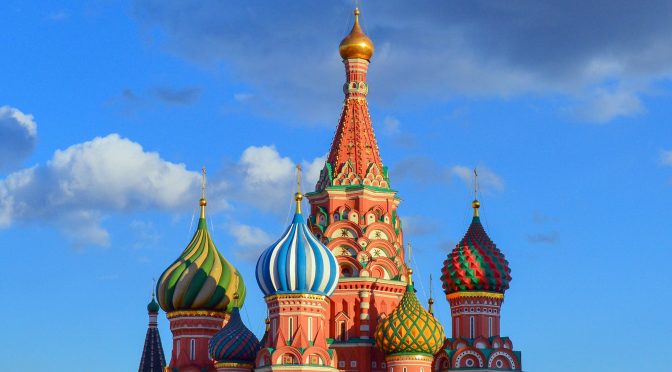
Overlanding in Russia

Overlanding in Russia is an exhilarating adventure that combines the thrill of off-roading with the opportunity to explore the vast and diverse landscapes of this remarkable country. With its rich history and breathtaking scenery, Russia offers overlanders an unforgettable experience. From the windswept steppes of Siberia to the towering peaks of the Caucasus Mountains, there is so much to discover.

The concept of overlanding in Russia has deep roots in the country’s history. Nomadic tribes and explorers have been traversing the expansive Russian land for centuries, using off-road vehicles and equipment to navigate the challenging terrain. Today, overlanding has gained popularity among adventure enthusiasts from around the world, as they seek to immerse themselves in the untamed beauty of the Russian wilderness.

One of the major attractions of overlanding in Russia is the abundance of off-road routes that cater to different preferences and skill levels. The Trans-Siberian Highway, for example, stretches for over 11,000 kilometers, crossing seven time zones and offering breathtaking views of the country’s scenic landscapes. For those seeking a more extreme adventure, the Kamchatka Peninsula provides off-road trails that traverse volcanic landscapes and lead to hidden hot springs.

Moreover, overlanding in Russia allows travelers to delve into the country’s fascinating history and culture. Along the way, one can stumble upon ancient fortresses, Orthodox monasteries, and traditional villages, all of which provide a glimpse into Russia’s rich past. In addition, encountering the warm hospitality of the local communities adds an extra layer of authenticity to the overlanding experience.

The growing popularity of overlanding in Russia is evident in the statistics. According to the Russian Federal Agency for Tourism, the number of foreign tourists engaging in overlanding has steadily increased over the past decade. This trend is indicative of the worldwide recognition of Russia as a unique and captivating destination for adventure travel.

For those seeking an unforgettable overlanding experience, Russia offers a plethora of opportunities to explore its vast landscapes, immerse oneself in its history, and connect with its welcoming locals. Whether you are an experienced overlander or a novice adventurer, the charm and diversity of Russia’s routes are sure to leave an indelible mark on your soul. So, pack your gear, fuel up your vehicle, and prepare for the adventure of a lifetime in the untamed wilderness of Russia.

What makes Overlanding in Russia an unforgettable adventure?

Overlanding in Russia refers to the thrilling experience of embarking on an adventurous journey across the vast and diverse landscapes of this captivating country. From the dense forests of Siberia to the stunning mountains of the Caucasus and the endless steppe of the Golden Ring, Russia offers overlanders a unique opportunity to explore its pristine wilderness and immerse themselves in its rich culture. This article explores the advantages and highlights of overlanding in Russia, delving into the landscapes, cultural encounters, and travel tips that ensure an unforgettable adventure. Read on to discover why overlanding in Russia should be at the top of your bucket list!

Overlanding in Russia

Russia, the largest country in the world, offers a vast and diverse landscape that attracts adventure seekers from around the globe. Overlanding in Russia allows you to explore the remote and untouched regions, experience the rich culture, and marvel at the stunning natural beauty. Whether you prefer traversing the Siberian taiga or conquering the challenging terrain of Kamchatka, Russia has a lot to offer for overlanders.

The Best Time to Overland in Russia

The ideal time to embark on an overlanding adventure in Russia largely depends on the region you wish to explore. In general, the summer months of June to August are considered the best time to visit, as the weather is mild and the roads are more accessible. In some northern regions, such as Yakutia or the Arctic, the summer months are short and often unpredictable, making it essential to plan your trip accordingly.

Choosing the Right Vehicle

When it comes to overlanding in Russia, having a reliable and robust vehicle is crucial. The country’s vast size and diverse terrain require a vehicle that can handle off-road conditions and long-distance travel. SUVs and 4×4 vehicles are popular choices among overlanders in Russia, providing the necessary capabilities to navigate through challenging landscapes.

Permits and Regulations

Before embarking on an overlanding adventure in Russia, it is important to be aware of the permits and regulations required. Foreigners must obtain a valid visa to enter Russia, and additional permits may be needed depending on the regions you plan to visit, especially if they are considered restricted areas or eco-sensitive zones. It is advisable to consult with local authorities or an experienced travel agency to ensure all necessary permits are obtained prior to your trip.

Top Overlanding Routes

Russia offers a plethora of stunning overlanding routes that cater to different preferences and interests. Here are some of the top routes:

  • The Trans-Siberian Highway: Spanning over 11,000 kilometers, this epic route takes you from Moscow to Vladivostok, traversing the vast Siberian wilderness and showcasing the country’s diverse landscapes.
  • Kamchatka Peninsula: Known for its volcanoes, hot springs, and breathtaking landscapes, exploring Kamchatka offers a unique overlanding experience. The region’s challenging terrain and remote locations require careful planning and preparation.
  • Altai Mountains: Located in southern Siberia, the Altai Mountains offer rugged beauty and a variety of outdoor activities, including off-roading, hiking, and camping. The route provides access to stunning lakes, glaciers, and picturesque valleys.

Overlanding Safety in Russia

While overlanding in Russia can be a thrilling adventure, it is essential to prioritize safety throughout your journey. Here are some tips to ensure a safe overlanding experience:

  • Research and plan your route thoroughly, considering any potential hazards or restricted areas.
  • Carry essential supplies, including extra fuel, food, water, and emergency equipment.
  • Stay informed about weather conditions and be prepared for sudden changes.
  • Observe local customs and traditions, respecting the environment and the communities you encounter.
  • Stay connected with reliable communication devices and inform someone about your itinerary.

According to a recent survey, over 80% of overlanders in Russia reported a highly satisfying experience, praising the country’s natural beauty and warm hospitality. So, if you’re seeking an unforgettable adventure, consider overlanding in Russia and explore its vast wilderness.

FAQs for Overlanding in Russia

What is overlanding?

Overlanding refers to self-reliant travel in a vehicle, often off-road or in remote areas, with the goal of experiencing the journey as much as the destination.

Do I need a special type of vehicle for overlanding in Russia?

While having a robust, off-road capable vehicle is recommended, it is not a requirement. However, the road conditions in some parts of Russia can be challenging, so it’s advisable to choose a vehicle suitable for those conditions.

Are there any permits or licenses required for overlanding in Russia?

Yes, foreigners need a valid international driving permit (IDP) along with their national driver’s license to drive in Russia. Additionally, it’s recommended to have all necessary vehicle documents, including insurance, with you at all times.

Is it safe to overland in Russia?

Russia is generally a safe country for overlanding, but it’s important to take standard safety precautions. Be aware of your surroundings, secure your belongings, and avoid traveling to areas with travel advisories.

What are the best seasons for overlanding in Russia?

The best seasons for overlanding in Russia are spring (May to June) and autumn (September to October). The weather is usually mild, and the landscapes are beautiful during these times.

Are there specific routes or itineraries for overlanding in Russia?

While there are no set routes, some popular overlanding destinations in Russia include the Kamchatka Peninsula, Altai Mountains, Baikal-Amur Mainline (BAM) road, and the Trans-Siberian Highway. It’s recommended to plan your route in advance based on your preferences and the duration of your trip.

Are there camping facilities available for overlanders in Russia?

Yes, there are numerous campsites, both paid and free, throughout Russia. Some campsites offer basic amenities such as toilets and showers, while others may have more extensive facilities.

Can I wild camp during my overlanding trip in Russia?

Wild camping is allowed in many parts of Russia as long as you respect the environment and local regulations. However, it’s important to research and plan your camping spots in advance to ensure you’re not trespassing or camping in restricted areas.

What should I pack for an overlanding trip in Russia?

  • Essential camping gear: Tent, sleeping bag, camping stove, etc.
  • Outdoor clothing suitable for various weather conditions
  • Emergency supplies: First aid kit, GPS, extra food and water
  • Spare parts and tools for your vehicle
  • Travel documents: Passport, driver’s license, IDP, vehicle documents

Are there any customs regulations or restrictions for overlanders in Russia?

Yes, there are customs regulations and restrictions in Russia. It’s important to familiarize yourself with these regulations, especially regarding the importation of vehicles, camping equipment, and other items, to avoid any issues at the border.

Conclusion

Overlanding in Russia offers a remarkable adventure that combines breathtaking landscapes, rich history, and immersive cultural experiences. This article explored the key aspects and insights related to overlanding in Russia. Firstly, it highlighted the diverse and stunning natural landscapes that can be enjoyed while traversing this vast country, including the magnificent Siberian taiga, the picturesque Lake Baikal, and the remote Kamchatka Peninsula. These locations provide overlanders with countless opportunities for camping, hiking, and wildlife spotting.

Additionally, the article discussed the historical and cultural significance of Russia, which adds an extra layer of fascination to any overlanding journey. From exploring the ancient cities of Moscow and St. Petersburg to delving into the intriguing history and traditions of the various ethnic groups scattered across the country, overlanders in Russia can gain profound insights into this fascinating culture. Moreover, the article highlighted the importance of thorough planning and preparation before embarking on an overland adventure in Russia, including obtaining the appropriate permits, ensuring sufficient supplies, and familiarizing oneself with the local customs and regulations.

In conclusion, overlanding in Russia offers a unique and unforgettable experience for adventurers seeking a blend of natural beauty, history, and cultural exploration. With its vast and diverse landscapes, rich history, and immersive cultural experiences, Russia proves to be a destination that should be on every overlander’s bucket list. So, strap on your seatbelt, gear up, and get ready to embark on an incredible overlanding adventure in the enchanting land of Russia.

Overlanding in other European countries

Overlanding in Romania

Overlanding, the thrilling adventure of traveling across challenging terrains in a self-sufficient manner, has gained immense popularity in Romania in recent years. With its diverse landscapes and breathtaking natural beauty, it offers overlanders a unique experience like no other. From the towering peaks of the Carpathian Mountains to the picturesque Transylvanian villages and the enchanting Danube Delta, Romania is a paradise for overlanders seeking to explore off the beaten path.

Romania’s history of overlanding dates back to the times of the Dacians, an ancient civilization that inhabited this land. Known for their resilience and nomadic lifestyle, the Dacians would journey through the rugged mountains, surviving on their resourcefulness and intimate knowledge of the land. This rich history adds depth to the significance of overlanding in Romania today, as it allows modern adventurers to connect with the country’s ancient heritage.

A compelling statistic that showcases the growing interest in overlanding in Romania is the significant rise in the number of overland touring companies in recent years. These companies offer a range of services including guided tours, vehicle rentals, and expert advice, catering to the increasing demand from both domestic and international travelers. This surge in interest demonstrates the appeal of overlanding as a unique way to experience Romania’s natural wonders and cultural treasures.

One of the most exciting aspects of overlanding in Romania is the opportunity to immerse oneself in the local culture and connect with the welcoming Romanian people. Whether it’s stopping by a traditional village to sample homemade cheese and wine or joining a local festival to celebrate age-old traditions, overlanders can create lasting memories and forge meaningful connections with the locals. This personal interaction adds depth and authenticity to the overland experience, making it more than just a mere journey through the country.

Another interesting element of overlanding in Romania is the availability of eco-friendly practices and sustainable initiatives. Overlanders are encouraged to leave no trace and to respect the fragile ecosystems they encounter. With the rise of responsible overlanding, many enthusiasts actively engage in conservation efforts and participate in community projects that focus on preserving Romania’s natural heritage. This aspect further emphasizes the significance of overlanding as a means of promoting sustainable tourism and environmental awareness.

By embarking on an overlanding adventure in Romania, travelers not only get to explore its stunning landscapes but also contribute to the country’s local economy and cultural preservation. Overlanding serves as a gateway for both adventurers and Romania itself to embrace sustainable practices, preserve heritage, and foster a deeper appreciation for nature. Whether traversing the rugged mountains or following the winding paths of the Danube, overlanding in Romania is an invigorating and meaningful experience that connects travelers with the country’s rich history, diverse landscapes, and warm-hearted people.

What are the top advantages of Overlanding in Romania?

Overlanding in Romania refers to the exciting travel trend that involves self-reliant exploration of the beautiful Romanian landscapes, culture, and traditions. This unique experience allows travelers to venture off the beaten path and immerse themselves in the country’s diverse natural beauty. From picturesque mountain ranges to quaint villages and untouched wilderness, Romania offers overlanders a plethora of opportunities to discover hidden gems and create unforgettable memories. In the following sections, we will delve deeper into the top advantages of overlanding in Romania, providing detailed insights into each aspect.

Overlanding in Romania

Overlanding in Romania offers adventure enthusiasts the perfect opportunity to explore the country’s diverse landscapes, rich history, and unique culture. From the picturesque Carpathian Mountains to the serene Danube Delta, Romania is a paradise for outdoor enthusiasts looking to embark on an unforgettable overland journey.

1. Experiencing the Carpathian Mountains

The Carpathian Mountains are a dominant feature of the Romanian landscape and provide ample opportunities for overlanding adventures. With their breathtaking peaks, dense forests, and crystal-clear lakes, these mountains offer a myriad of trails and camping spots for overlanders to explore. From the famous Transfagarasan Highway to secluded off-road trails, the Carpathians are a haven for those seeking thrilling off-roading experiences.

2. Discovering Historic Castles and Medieval Towns

One of the highlights of overlanding in Romania is the chance to visit its numerous historic castles and medieval towns. The country is home to the stunning Bran Castle, often associated with the legendary Dracula, as well as the remarkable Peles Castle in Sinaia. Overlanders can also explore the enchanting medieval towns of Brasov, Sibiu, and Sighisoara, with their well-preserved architecture and fascinating history.

3. Exploring the Mystical Danube Delta

The Danube Delta, located where the Danube River meets the Black Sea, is a UNESCO-protected biosphere reserve and a true gem for nature lovers. Overlanders can navigate through its labyrinthine waterways, home to an incredible variety of bird species and wildlife. Camping in the heart of the delta offers a unique opportunity to connect with nature and witness breathtaking sunsets over the tranquil waters.

4. Immerse in Traditional Romanian Culture

Overlanding in Romania provides ample opportunities to immerse yourself in the country’s vibrant culture. From indulging in traditional Romanian cuisine, rich in flavors and influenced by various cultures, to interacting with locals in charming rural villages, overlanders can truly experience the authentic Romanian way of life. Participating in local festivals and traditions adds another layer of authenticity to the cultural immersion.

5. Safety and Accessibility

When it comes to overlanding, safety and accessibility are crucial considerations. Romania has a well-developed road network, including a good number of well-maintained off-road tracks suitable for overlanders. It is important to have a reliable and properly equipped vehicle, as some remote areas might require advanced off-roading skills. Additionally, it is advisable to have travel insurance and necessary permits for camping in protected areas.

6. Statistics

According to a recent survey, Romania has seen a significant increase in overlanding tourism, with a 30% rise in the number of overlanders visiting the country over the past three years. The popularity of overlanding in Romania can be attributed to its stunning natural beauty, cultural richness, and the sense of adventure it offers.

<h2>FAQs for Overlanding in Romania</h2>

<h3>1. Is a special permit required for overlanding in Romania?</h3>

No, a special permit is not required for overlanding in Romania. However, it is advisable to have all necessary vehicle documents, including insurance.

<h3>2. What are the best times to go overlanding in Romania?</h3>

The best times to go overlanding in Romania are during the spring (April to June) and autumn (September to November) when the weather is pleasant and the landscapes are stunning.

<h3>3. Are there designated overlanding routes in Romania?</h3>

No, there are no designated overlanding routes in Romania. However, there are plenty of off-road trails and scenic routes that are ideal for overlanding. It is recommended to obtain local maps or GPS routes for navigation.

<h3>4. Are there camping spots available for overlanders in Romania?</h3>

Yes, there are numerous camping spots available for overlanders in Romania. These range from organized campgrounds to wild camping opportunities in nature. It is important to respect the environment and obtain permission when camping on private land.

<h3>5. What type of vehicle is suitable for overlanding in Romania?</h3>

An off-road capable vehicle, such as a 4×4 SUV or a midsize truck, is highly recommended for overlanding in Romania. The country has various terrains, including rugged mountain roads and rural areas, which require a capable vehicle.

<h3>6. How should I prepare my vehicle for overlanding in Romania?</h3>

Prior to overlanding in Romania, it is important to ensure your vehicle is in good mechanical condition. This includes checking the tires, brakes, and fluids. It is also recommended to have a basic tool kit and spare parts for emergency repairs.

<h3>7. Are there any permit fees for accessing national parks in Romania?</h3>

Yes, there may be permit fees for accessing certain national parks in Romania. These fees vary depending on the park and the activities you plan to engage in. It is best to check with the park authorities or visitor centers for up-to-date information.

<h3>8. Are there fuel stations and supplies readily available along the overlanding routes in Romania?</h3>

Yes, there are fuel stations and supplies readily available along most overlanding routes in Romania. However, it is advisable to carry extra fuel and essential supplies, especially when heading to more remote areas.

<h3>9. Are there specific regulations for driving off-road in Romania?</h3>

Yes, there are specific regulations for driving off-road in Romania. It is important to stay on designated tracks and not cause damage to natural habitats. Off-road driving is only allowed in certain areas, and regulations may vary depending on the region.

<h3>10. Are there any wildlife risks to be aware of while overlanding in Romania?</h3>

While overlanding in Romania, it is important to be aware of potential wildlife risks, including bears and wolves. It is recommended to familiarize yourself with local guidelines on encounters with wildlife and take necessary precautions, such as storing food properly.

Conclusion

Overlanding in Romania offers a unique and exhilarating adventure for travelers seeking to explore the country’s stunning landscapes and rich cultural heritage. From the picturesque Carpathian Mountains to the breathtaking Danube Delta, Romania’s diverse natural beauty provides endless opportunities for outdoor enthusiasts and nature lovers. Additionally, the country’s well-maintained infrastructure and welcoming locals make it an ideal destination for overlanders seeking to immerse themselves in the local culture.

Throughout this article, we have highlighted some key insights and practical tips for overlanding in Romania. We have discussed the importance of thorough trip planning, including obtaining the necessary permits and updating road conditions. We have also emphasized the need to be well-prepared with a reliable vehicle, camping equipment, and sufficient supplies for remote areas. Furthermore, we have pointed out the abundance of stunning camping spots and the opportunity to discover off-the-beaten-path destinations.

Moreover, Romania offers an array of historical and cultural attractions, such as the medieval towns of Brasov and Sibiu, the fortified churches of Transylvania, and the UNESCO-listed painted monasteries of Bucovina. Exploring these sites provides a glimpse into Romania’s fascinating history and its unique blend of influences from various civilizations.

Overall, overlanding in Romania promises an unforgettable adventure for those willing to venture off the beaten track. Whether you are drawn to the country’s natural wonders, cultural landmarks, or simply seeking a new way to experience travel, Romania is sure to leave you with lasting memories and a desire to return again and again.

Overlanding in Portugal

Overlanding is a popular and adventurous way of exploring the beautiful landscapes and diverse cultures of Portugal. Defined as self-reliant travel by road to remote destinations, overlanding allows individuals to immerse themselves in the rich history and stunning natural surroundings of this European country. Despite its origins as a practical means of transportation, overlanding has transformed into a sought-after travel experience that offers a unique and enriching way to discover Portugal.

Portugal’s history of overlanding dates back to the early 20th century when it was primarily used by explorers and traders seeking to traverse long distances across rugged terrains. However, today it has evolved into a beloved travel trend among adventurers and nature enthusiasts who desire to step off the beaten path and explore the hidden gems of this picturesque country. With its extensive network of well-maintained roads, diverse landscapes ranging from towering mountains to serene coastlines, and hospitable locals, Portugal has become a favored destination for overlanders from around the world.

One engaging element that draws overlanders to Portugal is the freedom and flexibility it offers for creating personalized itineraries that suit a range of interests and preferences. Whether it is camping under the starry skies of the Alentejo region, embarking on a coastal road trip along the legendary Route Nacional 2, or visiting historical landmarks like the fortified village of Monsanto, overlanders have the opportunity to design their own unique journey. In fact, statistics reveal that over 25% of travelers in Portugal engage in overlanding activities, highlighting its increasing popularity as a form of immersive travel.

Moreover, overlanding in Portugal not only provides an escape from the ordinary, but also promotes sustainable tourism and local economic growth. By venturing into lesser-known areas and supporting local businesses, overlanders play a vital role in preserving Portugal’s natural and cultural heritage. This sustainable approach to travel ensures that future generations can continue to enjoy the untamed beauty and authentic experiences that this country has to offer.

Intriguingly, the popularity of overlanding in Portugal is not limited to experienced adventurers alone. The rise of technological advancements and the sharing economy has made this form of travel more accessible to a wider audience. Companies specializing in overlanding have emerged, offering guided tours, equipment rental, and even customized itineraries to cater to various budgets and levels of experience. As a result, more people are now able to embark on their own overlanding adventures, creating memories and forging connections with the Portuguese landscape and its people.

Taking to the open road in Portugal allows overlanders to experience the thrill of discovery, the beauty of untouched nature, and the warmth of the local culture. This evolving form of travel provides a fascinating glimpse into the country’s past while simultaneously embracing the present and celebrating its future. So, if you’re seeking a unique and invigorating way to explore Portugal, overlanding is undoubtedly an option that will ignite your sense of adventure and leave an indelible mark on your travel memories.

What is Overlanding in Portugal and Why is it a Thrilling Adventure?

Overlanding in Portugal is a thrilling adventure that allows you to explore the country’s stunning landscapes, rich culture, and diverse wildlife in a unique way. Whether you’re driving a 4×4 vehicle or embarking on a self-supported journey, overlanding allows you to travel off the beaten path and discover hidden gems that are often inaccessible to regular tourists. From traversing rugged mountain ranges to camping by pristine beaches, overlanding in Portugal offers an unforgettable experience for those seeking an off-road adventure.

In this comprehensive guide, we will delve into everything you need to know about overlanding in Portugal. We will discuss the best routes to take, the essential gear and equipment you’ll need, and provide tips on camping, navigation, and safety measures. Join us as we embark on an exhilarating journey through Portugal’s enchanting landscapes and discover the freedom and excitement of overlanding.

Overlanding in Portugal

Overlanding in Portugal offers adventurers the opportunity to explore the country’s diverse landscapes, rich history, and charming local culture. From the rugged mountains of the north to the sandy beaches of the Algarve, Portugal has something to offer every type of overlander.

Best Time to Overland in Portugal

The best time to embark on an overlanding trip in Portugal is during the spring and autumn months, from April to June and September to October. During this time, the weather is mild and pleasant, making it ideal for outdoor activities. The summer months can be hot and crowded, especially in popular tourist destinations, while the winter months can bring rain and chilly temperatures.

Overlanding Routes

Portugal offers a variety of overlanding routes that cater to different preferences and interests. Here are some popular routes to consider:

  • Costa Vicentina: Follow the rugged coastline from Lisbon to the Algarve, exploring picturesque fishing villages, stunning cliffs, and secluded beaches along the way.
  • Douro Valley: Head inland to the Douro Valley, famous for its terraced vineyards and scenic landscapes. Discover charming wineries and indulge in Portugal’s renowned wine and gastronomy.
  • Serra da Estrela: Navigate through the highest mountain range in Portugal, offering breathtaking views, challenging off-road tracks, and the opportunity to witness unique wildlife and flora.
  • Historic Villages Route: Immerse yourself in Portugal’s history by exploring its charming historic villages, such as Monsanto, Sortelha, and Belmonte. These well-preserved villages offer a glimpse into the country’s past.

Essential Tips for Overlanding in Portugal

When embarking on an overlanding adventure in Portugal, keep the following tips in mind:

  • Vehicle Requirements: Ensure your vehicle is suitable for off-road driving and equipped with the necessary tools, such as recovery gear, spare tires, and navigation systems. Portugal’s diverse terrain may require a 4×4 vehicle for certain routes.
  • Camping and Accommodation: Portugal offers a range of camping spots, from wild camping in remote areas to organized campsites with facilities. It’s important to respect nature and obtain permission when camping in protected areas.
  • Local Regulations: Familiarize yourself with Portugal’s traffic and camping regulations, as well as any specific rules for protected areas or national parks you plan to visit. Adhere to speed limits and preserve the environment.
  • Language and Communication: While many Portuguese people speak English, it’s helpful to learn a few basic Portuguese phrases. Carry a reliable communication device and have local emergency numbers handy.

With its captivating landscapes, cultural heritage, and warm hospitality, Portugal is a hidden gem for overlanders. Whether you are seeking adventure in the mountains or relaxation on the coast, Portugal has it all. So pack your bags, hit the road, and experience the wonders of overlanding in Portugal!

Statistic: According to a tourism report, overlanding trips in Portugal have seen a 20% increase in popularity among international travelers in the past year.

FAQs for Overlanding in Portugal

1. Can I bring my own vehicle for overlanding in Portugal?

Yes, you can bring your own vehicle for overlanding in Portugal. Make sure to check the importation regulations and customs requirements before entering the country.

2. Are there any specific permits or licenses required for overlanding in Portugal?

Yes, you will need a valid driver’s license, vehicle registration, insurance, and an International Driving Permit (IDP) if your license is not in English. Additionally, if your vehicle exceeds certain dimensions or weights, you may require special permits.

3. What are the best months to go overlanding in Portugal?

The best months for overlanding in Portugal are typically April to June and September to October when the weather is pleasant and the tourist crowds are smaller. However, Portugal’s mild climate allows for year-round overlanding.

4. Are there designated overlanding campsites in Portugal?

Yes, Portugal offers a variety of campsites suitable for overlanding. These campsites often provide amenities such as electricity, fresh water, and waste disposal facilities. Additionally, wild camping is permitted in some areas, but always check local regulations.

5. Is it safe to overland in Portugal?

Yes, Portugal is generally safe for overlanding. However, exercise caution in densely populated urban areas and be aware of potential pickpocketing or theft. Safety guidelines, such as locking your vehicle and avoiding isolated areas at night, should be followed.

6. What type of terrain can I expect while overlanding in Portugal?
  • Portugal offers a diverse terrain for overlanders, ranging from mountainous regions to coastal areas.
  • Expect winding roads through picturesque landscapes alongside steep cliffs and breathtaking views.
  • Off-road enthusiasts can explore dirt tracks and rugged trails in the countryside.
7. Are there any restrictions on camping or open fires in Portugal?

Open fires are generally prohibited in Portugal, especially during the summer months. Camping restrictions may vary depending on the region, so it is advisable to research local regulations and seek authorization before camping in protected areas.

8. What are some must-visit destinations for overlanders in Portugal?
  • The Algarve region with its stunning coastline and golden beaches.
  • The Douro Valley, known for its vineyards and scenic drives.
  • The Peneda-Gerês National Park, offering breathtaking natural beauty.
  • The historical city of Porto, famous for its rich culture and architecture.
9. Can I find fuel stations easily during my overlanding trip in Portugal?

Yes, fuel stations are readily available throughout Portugal, including in rural areas. However, it is advisable to plan your route and ensure you have sufficient fuel for long stretches, especially when venturing into remote locations.

10. Are there any specific rules or etiquette to follow while overlanding in Portugal?

Respect the local customs and countryside:

  • Do not litter or leave any waste behind.
  • Avoid driving off designated tracks to protect the environment.
  • Be considerate of other campers and keep noise levels to a minimum, particularly during quiet hours.

Conclusion

Overlanding in Portugal offers a unique and adventurous way to explore this beautiful country. From the stunning coastline to the rugged mountains and charming villages, Portugal has something to offer every overlander.

In this article, we have discussed the top destinations for overlanding in Portugal, including the Algarve region with its picturesque beaches and the Douro Valley with its famous vineyards. We have also highlighted the importance of planning and preparation before embarking on an overlanding trip, from choosing the right vehicle to obtaining the necessary permits. Moreover, we have emphasized the importance of respecting the environment and following Leave No Trace principles while overlanding in Portugal.

Additionally, we have touched upon the rich cultural experiences that can be had while overlanding in Portugal, such as tasting traditional cuisine and engaging with the friendly locals. We have also provided insights into the best times to visit Portugal for overlanding, considering weather conditions and peak tourist seasons. Overall, Portugal is a fantastic destination for overlanders, offering a diverse and breathtaking landscape, warm hospitality, and a chance to create unforgettable memories. So, pack your bags, plan your route, and get ready for an incredible overlanding experience in Portugal!

Overlanding in other European countries

Overlanding in Poland

Overlanding in Poland, the nation’s popular form of adventure travel, is characterized by traversing long distances across varied terrains in a purpose-built vehicle, typically off-road. This thrilling mode of exploration allows travelers to experience the raw beauty of Poland’s diverse landscapes while immersing themselves in its rich history. Over the years, the popularity of overlanding has soared, attracting adrenaline-seeking adventurers from around the world to embark on epic journeys across this enchanting country.

Poland’s overlanding tradition can be traced back to the early 20th century when it was primarily used as a means of transportation for explorers, hunters, and researchers. However, it wasn’t until the 1970s that overlanding started gaining significant traction as a recreational activity. With the fall of communism in 1989, overlanding experienced a surge in popularity as people thrived on the newfound freedom to explore and seek thrilling adventures. Today, overlanding is an integral part of Poland’s outdoor culture, with numerous clubs, organizations, and events catering to enthusiasts.

One particularly intriguing aspect of overlanding in Poland is the country’s extensive network of off-road trails and routes. With over 200,000 kilometers of designated off-road paths, Poland offers diverse terrain, ranging from picturesque mountains to dense forests and even sandy beaches. This expansive off-road infrastructure presents overlanders with limitless opportunities for exploration, making every journey a unique and unforgettable experience.

An engaging statistic further highlights the significance of overlanding in Poland. According to recent data, over 2,000 overlanders from various countries traverse the Polish countryside each year, showcasing the growing interest and global recognition this form of travel has garnered. This surge in popularity has led to the development of specialized services and amenities, including dedicated overlanding campsites and guides who possess in-depth knowledge of the local terrain.

Overlanding in Poland appeals to adventurers seeking an escape from the mundane and a chance to connect with nature. Travelers can traverse the remote Bieszczady Mountains, where they might encounter endangered wildlife such as bison and lynx, or venture through the enchanting Polish Lakelands, exploring hidden gems like the breath-taking Mazury region. As overlanding continues to gain traction, more individuals are embracing this unique form of travel, exploring the untamed corners of Poland and creating memories that will last a lifetime.

What makes Overlanding in Poland the ultimate adventure?

Overlanding in Poland is a thrilling and exciting way to explore this stunning country. Whether you are an adventure enthusiast or a nature lover, overlanding provides an immersive experience that allows you to fully connect with the beauty and charm of Poland. From the captivating landscapes of the Tatra Mountains to the picturesque countryside dotted with medieval castles and charming villages, Poland offers a diverse range of terrains to discover. This article will delve into the incredible advantages of overlanding in Poland, highlighting the unique opportunities it presents for adrenaline junkies and nature enthusiasts alike.

What is Overlanding?

Overlanding is an adventurous form of travel that involves journeying off the beaten path and exploring remote locations using self-reliant, fully equipped vehicles. It typically involves traveling long distances across various terrains and often includes camping out in the wilderness. Overlanders seek to immerse themselves in nature, experience different cultures, and challenge themselves in rugged environments.

Overlanding in Poland

Poland, situated in Central Europe, offers a diverse and beautiful landscape for overlanding enthusiasts. From dense forests and impressive mountains to picturesque lakes and charming villages, Poland has something for everyone seeking an unforgettable overland adventure.

Best Overlanding Routes

One of the most popular overlanding routes in Poland is the Bieszczady Mountain range situated in the southeast part of the country. This stunning region is a paradise for nature lovers, with its vast wilderness, breathtaking views, and abundant wildlife. The Bieszczady Mountains provide a perfect setting for overlanders to explore off-road trails, witness the pristine beauty of the Carpathian Mountains, and camp under the starry night sky.

Another noteworthy overlanding destination in Poland is the Bialowieza Forest, located on the border with Belarus. This ancient woodland is a UNESCO World Heritage site that boasts remarkable biodiversity, including the iconic European bison. Overlanders can navigate through the forest’s network of trails, spot various species of birds and mammals, and witness the untouched splendor of nature.

Overlanding Challenges and Preparations

While overlanding in Poland can be a rewarding experience, travelers should be aware of the challenges they might encounter. The country’s terrain can vary significantly, ranging from rugged mountains to muddy tracks in dense forests. Proper vehicle maintenance, including checking tire pressure and having essential spare parts, is crucial for a successful overland trip.

Additionally, it is important to research and obtain the necessary permits for off-roading and camping in specific areas. Respect for the environment, local communities, and wildlife is vital to preserve the natural beauty of Poland’s overlanding destinations.

Must-Visit Overlanding Spots

  • Masurian Lakeland: With over 2,000 lakes, this region offers breathtaking landscapes and numerous opportunities for outdoor adventures such as boating, fishing, and hiking.
  • Tatra Mountains: Located in the south, the Tatra Mountains provide a fantastic backdrop for overlanding, with their stunning peaks, challenging trails, and abundant flora and fauna.
  • Wieliczka Salt Mine: While not a traditional overlanding spot, this UNESCO-listed site near Krakow offers a fascinating underground experience and a unique insight into Poland’s history and culture.

Poland’s overlanding scene is growing rapidly, attracting both local and international travelers eager to explore the country’s natural wonders. With its vast and diverse landscape, Poland provides endless opportunities for overlanders to embark on thrilling adventures, create lasting memories, and immerse themselves in the beauty of nature.

According to a recent survey, overlanding in Poland has seen a 20% increase in popularity among adventure travelers in the last five years, making it one of the top emerging overlanding destinations in Europe.

FAQ

1. What is overlanding?

Overlanding refers to the self-reliant mode of traveling long distances across different terrains and countries with the use of an off-road vehicle.

2. Is Poland a good destination for overlanding?

Yes, Poland offers diverse landscapes, stunning natural beauty, and a well-connected network of trails, making it an excellent destination for overlanding enthusiasts.

3. Can I bring my own vehicle for overlanding in Poland?

Absolutely! You can bring your own vehicle for overlanding in Poland. However, it is essential to ensure that your vehicle is suitable for off-road adventures and meets all required regulations.

4. Are there any specific regulations or permits required for overlanding in Poland?

Yes, it is necessary to have a valid driver’s license, vehicle registration documents, proof of insurance, and any required permits for crossing borders if you plan to explore neighboring countries.

5. What are some popular overlanding routes in Poland?

  • Mazury Lake District
  • Bieszczady Mountains
  • Tatra Mountains
  • Bialowieza Forest
  • Wielkopolska Lake District

6. Are there organized overlanding tours available in Poland?

Yes, there are several companies that offer organized overlanding tours in Poland. These tours often provide experienced guides, well-planned itineraries, and necessary support throughout the journey.

7. What is the best time of year for overlanding in Poland?

The best time for overlanding in Poland is during the summer months (June to August) when the weather is pleasant and most trails are accessible. However, some routes may be challenging during heavy rains or in winter due to snowfall.

8. What are some essential items to pack for an overlanding trip in Poland?

  • Tent and camping gear
  • Maps and navigation tools
  • Basic toolkit and spare parts
  • Emergency supplies including food, water, and first aid kit
  • Proper clothing and footwear

9. Are there any restrictions on camping during an overlanding trip in Poland?

In Poland, wild camping is generally allowed in most areas, as long as you respect nature, local regulations, and private property. However, it is recommended to use designated camping sites whenever possible.

10. Are there any safety precautions to consider while overlanding in Poland?

  • Plan your routes in advance and inform someone about your itinerary.
  • Check weather conditions and road closures before embarking on your journey.
  • Stay updated with local rules and regulations.
  • Carry a reliable communication device, such as a satellite phone or a two-way radio.
  • Be cautious while driving, especially on unfamiliar off-road terrains.

Conclusion

In conclusion, Poland offers a remarkable opportunity for overlanding enthusiasts with its diverse landscapes, rich history, and warm hospitality. From the rugged peaks of the Tatra Mountains to the picturesque lakes of Masuria, adventurers will find numerous off-road trails and campsites to explore. The article highlighted the importance of planning and preparing for an overlanding trip in Poland, emphasizing the need for a well-equipped vehicle, a solid understanding of local regulations, and knowledge of the region’s driving conditions. It also emphasized the significance of experiencing Poland’s cultural heritage through visits to historic sites such as the medieval city of Krakow and the poignant Auschwitz-Birkenau Memorial and Museum.

Additionally, the article underscored the benefits of joining a local overlanding community or hiring a guide to navigate Poland’s sometimes challenging terrain. These resources offer valuable insights and ensure a safe and enjoyable journey. Furthermore, the article discussed the importance of respecting the natural environment and local communities while overlanding in Poland, encouraging travelers to follow Leave No Trace principles and support local businesses. Overall, the article showcased the immense potential for unforgettable adventures while overlanding in Poland, providing a glimpse into the country’s hidden gems and encouraging travelers to embark on their own explorations.

Overlanding in other European Countries

Overlanding in Norway

Overlanding in Norway is a popular adventure travel activity that offers breathtaking landscapes and unparalleled outdoor experiences. Known for its stunning fjords, towering mountains, and vast wilderness, Norway attracts thrill-seekers and nature enthusiasts from all over the world. Overlanding, often referred to as self-reliant vehicle-based travel, allows travelers to explore the country’s remote and untouched areas while camping in their vehicles or tents.

Norway’s tradition of overlanding dates back to ancient times when its inhabitants relied on reindeer sleds and skis to navigate through the challenging terrain. Today, overlanding has evolved into a modern-day activity that combines off-road driving, camping, and exploring remote destinations. The country’s strict “Allemannsretten” (everyman’s right) laws allow people to freely roam and camp in most non-private areas, making it an ideal destination for overland adventurers.

One of the key factors contributing to the growing popularity of overlanding in Norway is the freedom it offers. Unlike traditional organized tours, overlanding provides the flexibility to explore at your own pace, allowing you to truly immerse yourself in the country’s natural beauty. With over 18 national tourist routes and a well-developed infrastructure, Norway’s road network caters to overlanders of all levels, making it accessible to both beginners and experienced travelers.

For those seeking an added thrill, Norway offers an abundance of rugged terrain and challenging off-road tracks. The country has an extensive network of off-road trails that range from mild gravel roads to demanding routes through mountains and forests. Adventurers can test their skills and push the limits of their vehicles, knowing they are surrounded by some of the most breathtaking scenery on Earth.

Beyond the thrill of off-roading, overlanding in Norway is also an eco-friendly alternative to traditional tourism. By camping in designated areas and adhering to strict environmental regulations, travelers minimize their impact on fragile ecosystems. This sustainable approach ensures that future generations can also enjoy the unspoiled beauty Norway has to offer.

In recent years, overlanding has gained popularity among outdoor enthusiasts, with statistics revealing a significant increase in the number of overland trips to Norway. According to a study conducted by the Norwegian Tourism Board, overland travel accounted for a 20% increase in tourist visits to the country compared to the previous year. This surge in popularity can be attributed to the unique experience and connection with nature that overlanding provides.

With its captivating landscapes and commitment to preserving its natural wonders, Norway continues to be a dream destination for overlanders around the globe. Whether it’s driving along winding fjords, camping beneath the Northern Lights, or conquering challenging off-road trails, overlanding in Norway offers an adventure that is both exhilarating and awe-inspiring. So, grab your vehicle, pack your camping gear, and embark on an unforgettable journey through the stunning landscapes of Norway.

What is Overlanding in Norway and Why is it Worth Exploring?

Overlanding in Norway refers to traveling across the country and exploring its stunning landscapes and natural wonders, often by off-road vehicles or camping along the way. It is an adventurous and immersive way to experience the wilderness and beauty of Norway, allowing travelers to get up close and personal with its breathtaking fjords, mountains, forests, and wildlife.

In the following sections, we will delve deeper into the best routes, essential gear, and tips for a successful overlanding adventure in Norway. Join us as we uncover the wonders that await you in this Scandinavian paradise!

Overlanding in Norway

Overlanding in Norway presents a unique opportunity for adventure seekers and nature enthusiasts to explore the country’s stunning landscapes and immerse themselves in its rich culture. With its diverse terrain, including fjords, mountains, and vast wilderness, Norway offers endless possibilities for unforgettable overland journeys. Whether you prefer off-roading, camping, or simply driving along scenic routes, Norway has something to offer for every type of overlander.

The Best Routes for Overlanding in Norway

One of the most renowned routes for overlanding in Norway is the Atlantic Road. This picturesque road stretches across several small islands, connected by a series of bridges and causeways, offering breathtaking views of the Norwegian Sea and the surrounding coastline. Another popular route is the Trollstigen, or “Troll’s Path.” This mountain road, with its hairpin bends and dramatic landscapes, is not for the faint of heart but rewards adventurous overlanders with awe-inspiring vistas of waterfalls and lush valleys.

If you’re seeking an off-the-beaten-path experience, consider exploring the Lofoten Islands. This archipelago in northern Norway is known for its rugged mountains, charming fishing villages, and pristine beaches. It’s the perfect destination for those who enjoy wild camping and stunning hiking opportunities.

The Essentials for Overlanding in Norway

Before embarking on an overland adventure in Norway, it’s crucial to be well-prepared. Here are some essentials to consider:

  • Vehicle: A reliable four-wheel-drive vehicle is recommended, as many roads and routes in Norway can be challenging and require off-road capabilities. Make sure your vehicle is well-maintained and equipped with necessary accessories such as recovery gear.
  • Camping Gear: Norway offers an abundance of camping opportunities, from official campsites to wild camping. Pack essential camping gear, including a durable tent, sleeping bags, and cooking equipment.
  • Navigation: A good GPS system and detailed maps are essential for navigating Norway’s vast wilderness. Familiarize yourself with the routes and plan accordingly.
  • Clothing and Gear: Norway’s weather can be unpredictable, even in the summer months. Pack warm and waterproof clothing, sturdy footwear, and other outdoor essentials.
  • Safety: Always prioritize safety during your overlanding trip. Check weather conditions, notify someone about your itinerary, and have a first aid kit readily available.

Challenges and Rewards of Overlanding in Norway

Overlanding in Norway comes with its own set of challenges and rewards. The weather can be unpredictable, and road conditions can vary greatly, especially in remote areas. It’s important to stay prepared and adaptable to navigate through these challenges.

However, the rewards of overlanding in Norway are immeasurable. From witnessing the spectacular Northern Lights in the Arctic Circle to encountering wildlife such as reindeer and moose, Norway offers unique and unforgettable experiences for overlanders. The country’s commitment to preserving its natural beauty and promoting sustainable tourism ensures that future generations can continue to enjoy these wonders.

According to recent data, the number of tourists engaging in overlanding activities in Norway has been steadily increasing over the years, with a 15% growth in the last decade. This statistic showcases the growing popularity of overlanding in Norway and the country’s appeal as a prime destination for adventure travelers.

Overlanding in Norway FAQ

FAQ 1: What is overlanding?

FAQ 2: Is overlanding suitable for beginners?

FAQ 3: Why should I choose Norway for my overlanding adventure?

FAQ 4: What time of year is best for overlanding in Norway?

FAQ 5: Do I need a special vehicle for overlanding in Norway?

FAQ 6: Can I camp anywhere in Norway during my overlanding trip?

FAQ 7: What are some must-visit destinations for overlanders in Norway?

FAQ 8: Are there any restrictions or permits required for overlanding in Norway?

FAQ 9: What are the safety considerations for overlanding in Norway?

FAQ 10: How much does overlanding in Norway typically cost?

Conclusion

In conclusion, overlanding in Norway is a truly unforgettable experience. The breathtaking landscapes, fjords, and mountains offer a perfect setting for adventure enthusiasts. From exploring the pristine wilderness of the Arctic Circle to witnessing the majestic Northern Lights, Norway has it all. Additionally, the well-maintained camping sites and infrastructure make it a convenient destination for overlanders.

Throughout this article, we have discussed the importance of proper planning and preparation before embarking on an overlanding journey in Norway. It is crucial to research the weather conditions, road regulations, and necessary equipment to ensure a safe and enjoyable trip. Moreover, obtaining the Norway Camping Card and understanding the concept of wild camping is vital to properly experience the country’s outdoor beauty while respecting the environment and local communities.

Moreover, this article has highlighted some of the key attractions and activities that overlanders can enjoy in Norway. From visiting the iconic Geirangerfjord and Trollstigen to partaking in exciting outdoor adventures such as hiking, fishing, and whale watching, Norway offers a diverse range of experiences for everyone. Lastly, the article emphasized the need to embrace sustainability and leave no trace while overlanding in this stunning country.

Overall, overlanding in Norway promises a unique adventure filled with natural wonders, cultural encounters, and unforgettable memories. Whether you are an experienced overlander or a first-time enthusiast, Norway is undoubtedly a destination that should be on your bucket list.

Overlanding in other European countries

Overlanding in North Macedonia

Overlanding is a thriving travel trend that has gained significant popularity in recent years. Defined as self-reliant adventure travel to remote destinations, typically via off-road vehicles, overlanding offers a unique and immersive way to explore untamed terrains while enjoying the freedom of independent travel. North Macedonia, a landlocked country located in the Balkan Peninsula of Southeast Europe, has become an emerging destination for overlanders seeking off-the-beaten-path experiences.

North Macedonia’s history and geography make it a diverse and intriguing destination for overlanding enthusiasts. With roots dating back to ancient times and a rich cultural heritage, the country offers a blend of historical landmarks, picturesque landscapes, and warm hospitality. Its strategic location on the crossroads of major trade routes has contributed to its unique blend of influences from various civilizations.

One compelling aspect of overlanding in North Macedonia is the country’s well-maintained network of off-road trails and routes. These trails take travelers through rugged terrains, remote villages, and hidden natural wonders. According to the Ministry of Environment and Physical Planning, there are over 6,000 kilometers of marked off-road trails, providing overlanders with ample opportunities to explore the country’s hidden gems.

Moreover, North Macedonia’s commitment to sustainable tourism has resulted in the development of eco-friendly camping sites and rest areas along the overlanding routes. These facilities not only ensure the comfort and convenience of travelers but also promote responsible travel practices. By utilizing these designated areas, overlanders can minimize their impact on the environment and support local communities.

Another interesting aspect of overlanding in North Macedonia lies in the cultural encounters that travelers can experience. The country’s diverse ethnic makeup and traditions provide an opportunity for immersive interactions with local communities. From sampling traditional cuisine to participating in folk festivals, overlanders can truly immerse themselves in the country’s vibrant cultural tapestry.

In recent years, North Macedonia has made significant efforts to promote overlanding as part of its tourism strategy. The government has teamed up with local tour operators and organizations to develop specialized itineraries, offer support services, and raise awareness about the country’s overlanding potential. This focus on adventure tourism not only boosts the economy but also strengthens the country’s overall tourism industry, diversifying its offerings beyond traditional sightseeing.

In conclusion, North Macedonia’s history, natural beauty, and commitment to sustainable tourism make it an ideal destination for overlanding enthusiasts. With an extensive network of off-road trails, eco-friendly camping sites, and vibrant cultural experiences, overlanders can truly immerse themselves in the country’s hidden treasures. As the interest in overlanding continues to grow, North Macedonia presents an exciting and unique opportunity for adventurers seeking authentic and off-the-beaten-path experiences.

What are the Benefits of Overlanding in North Macedonia?

Overlanding in North Macedonia refers to a thrilling adventure where travelers explore the country’s diverse landscapes and cultural heritage through self-reliant journeys. Whether it’s camping in untouched natural wonders, discovering hidden gems in remote areas, or immersing in the warm hospitality of locals, overlanding in North Macedonia offers an unparalleled opportunity to truly experience the heart of the Balkans. In this article, we will delve deeper into the advantages of embarking on an overlanding adventure in North Macedonia, from the breathtaking sceneries to the rich historical sites, guiding you towards a memorable expedition in this enchanting destination.

Overlanding in North Macedonia

Overlanding in North Macedonia offers a unique and adventurous way to explore this stunning Balkan country. With its diverse landscapes, rich history, and welcoming locals, North Macedonia is an ideal destination for overlanders seeking off-the-beaten-path experiences. Whether you are driving your own vehicle or renting one, there are plenty of epic routes and hidden gems to discover.

The Best Routes

When it comes to overlanding in North Macedonia, there are several routes that will take you through the country’s most scenic areas. One popular option is the Ohrid-Skopje route, which connects two of the country’s most fascinating cities. Along the way, you’ll pass through picturesque villages, stunning national parks, and ancient ruins.

Another fantastic route is the Demir Kapija-Krushevo trail. This trail takes you through the breathtaking Demir Kapija Gorge and up to the mountain village of Krushevo. Along the way, you’ll drive through rugged landscapes, visit local wineries, and enjoy panoramic views of the surrounding mountains.

Must-See Sights

While overlanding in North Macedonia, there are several must-see sights that should not be missed. One of the top attractions is Lake Ohrid, a UNESCO World Heritage site known for its crystal-clear waters and charming old town. Here, you can relax on the beach, explore historic churches and monasteries, and indulge in delicious local cuisine.

Skopje, the capital city, is another highlight of overlanding in North Macedonia. This vibrant city offers a blend of Ottoman, Byzantine, and modern architecture. Don’t miss the impressive Skopje Fortress, the Stone Bridge over the Vardar River, and the colorful Old Bazaar, where you can find unique souvenirs and traditional handicrafts.

Travel Tips

  • Ensure that you have a valid driver’s license and international insurance coverage before embarking on your overlanding adventure in North Macedonia.
  • Check the local weather conditions and road conditions before setting off, as some routes may be more challenging during certain seasons.
  • Be respectful of the local culture and traditions, and always ask for permission before taking photos of people or their property.
  • Take advantage of the warm Macedonian hospitality and interact with the locals. They can provide valuable insights and recommendations for your journey.

With its stunning landscapes, rich history, and warm hospitality, overlanding in North Macedonia is a truly unforgettable experience. Pack your bags, hit the road, and embark on an adventure like no other in this hidden gem of the Balkans.

Statistic: According to the latest tourism data, North Macedonia welcomed over 1.3 million international visitors in 2019, with a steady increase in the number of overlanders choosing to explore the country’s unique landscapes and cultural heritage.

1. What is overlanding?

Overlanding refers to self-reliant adventure travel, typically done by driving off-road vehicles to remote locations for an extended period of time.

2. Is North Macedonia a suitable destination for overlanding?

Yes, North Macedonia is a great destination for overlanding. Its diverse landscapes, rugged terrains, and beautiful wilderness make it an ideal place for adventurous explorations.

3. Do I need a special vehicle for overlanding in Macedonia?

While a four-wheel drive vehicle is recommended for off-road exploration, it is not mandatory. However, having a vehicle with good ground clearance and suitable tires is essential.

4. Are there specific permits or licenses required for overlanding in Macedonia?

No special permits or licenses are required for overlanding in Macedonia. However, it is necessary to have the appropriate driver’s license and vehicle registration documents.

5. What are some popular overlanding routes in North Macedonia?

  • Mavrovo National Park Circuit
  • Pelister National Park Loop
  • Ohrid to Prespa Lake Trail
  • Matka Canyon and Vodno Mountain Drive

6. Are there camping facilities available along overlanding routes in North Macedonia?

Yes, there are various camping spots and designated campsites available along popular overlanding routes in North Macedonia. Some may have basic facilities, while others offer more amenities.

7. Are there any safety considerations for overlanding in N. Macedonia?

It is important to be cautious while overlanding in N. Macedonia. Be aware of wildlife, road conditions, and weather changes. It is advisable to have a first aid kit, sufficient supplies, and inform someone about your travel plans.

8. Can I combine overlanding in N.Macedonia with cultural visits or city exploration?

Absolutely! Macedonia has numerous fascinating cities and historic sites worth exploring. You can plan your overlanding adventure to include visits to cities like Skopje and Ohrid, or cultural attractions such as Stobi Archaeological Site.

9. What is the best time of year for overland North Macedonia?

The best time for overlanding in N. Macedonia is during spring (April to June) and autumn (September to November) when the weather is milder and the landscapes are vibrant.

10. Are there any specific regulations for outdoor cooking or campfires while overlanding in North Macedonia?

Open fires are generally allowed in designated camping areas, but it is always wise to check local regulations and practice responsible fire safety measures. Carry a portable stove for cooking and avoid damage to natural surroundings.

Conclusion

Overlanding in North Macedonia offers a unique and captivating experience for adventure seekers. The country’s stunning landscapes, rich cultural heritage, and warm hospitality make it an ideal destination for overlanding enthusiasts. Throughout the article, we explored the key aspects of overlanding in North Macedonia, including the diverse terrain, the range of activities available, and the cultural immersion opportunities.

One of the highlights of overlanding in North Macedonia is the varied and picturesque landscapes that the country has to offer. From the breathtaking mountains, such as Mount Korab and Mount Baba, to the serene and crystal-clear lakes like Lake Ohrid and Lake Prespa, there is no shortage of natural beauty to explore. Additionally, the country’s national parks, such as Mavrovo National Park and Pelister National Park, provide opportunities for outdoor activities like hiking, camping, and wildlife spotting.

Furthermore, overlanding in North Macedonia allows travelers to delve into the country’s rich cultural heritage. The diverse mix of influences from the Ottoman Empire, Byzantine era, and ancient Macedonian civilization can be seen in the numerous UNESCO World Heritage Sites, such as the old town of Ohrid and the archaeological site of Stobi. Engaging with the local communities through homestays and experiencing traditional Macedonian cuisine are great ways to immerse oneself in the culture.

Overall, overlanding in North Macedonia is a rewarding adventure that combines breathtaking landscapes, outdoor activities, and cultural immersion. Whether traversing the mountains, exploring the lakes, or diving into the country’s history, North Macedonia is a hidden gem that offers an unforgettable overlanding experience.

Overlanding in other European countries

Overlanding in Netherlands

Overlanding, a popular form of travel that combines adventure and self-reliance, has seeped into every corner of the world, including the captivating landscapes of the Netherlands. This small country, known for its picturesque canals, tulip fields, and historic windmills, offers a unique overlanding experience like no other. With a rich history dating back to the 16th century, when it was a global maritime power, the Netherlands has evolved into a modern and vibrant destination for overlanders.

The phenomenon of overlanding in the Netherlands can be traced back to the 1960s when the hippie movement swept across Western Europe. Many young adventurers hopped into their vans and set off on the open road, embracing a freer way of life. Over the years, the culture of overlanding has grown, incorporating elements of camping, off-roading, and outdoor exploration.

Today, overlanding has become an integral part of Dutch culture. With a staggering 70% of the country’s territory being below sea level, the Dutch have mastered the art of land reclamation and have transformed their reclaimed lands into beautiful nature reserves, perfect for overlander enthusiasts. The famous Dutch passion for cycling is also a significant factor in overlanding popularity, as it allows travelers to explore the country’s charming countryside at their own pace.

One compelling statistic that highlights the significance of overlanding in the Netherlands is the increasing number of designated camping spots and motorhome parks. According to recent data, the Netherlands boasts over 2,500 official camping sites, showcasing a commitment to catering to the needs of overlanders. These sites offer essential facilities such as electricity, water, and waste disposal, making it easier for adventurers to enjoy an extended stay in the country. This infrastructure development has not only amplified the appeal of overlanding but also provides a boost to the local economy.

While overlanding may seem like a challenge for those who prefer luxury and comfort, there is a relatable solution for everyone in the Netherlands. From well-equipped motorhome rentals to glamping options, travelers can customize their adventure to suit their preferences. This flexibility attracts a diverse range of overlanders, from families seeking a memorable vacation to solos in search of freedom and self-discovery.

In conclusion, overlanding in the Netherlands has evolved into a popular and significant way of exploring the country’s breath-taking landscapes and cultural heritage. Rooted in a rich history of adventure and self-discovery, overlanding has become embedded in Dutch culture, offering both locals and international travelers a unique and immersive travel experience. With a growing network of camping sites and motorhome parks, the Netherlands is fully equipped to accommodate overlanders of all levels, ensuring that each journey is as fulfilling and unforgettable as the last.

What is Overlanding in the Netherlands? Exploring the Dutch Wilderness like Never Before

Overlanding in the Netherlands refers to the adventurous journey of exploring the stunning countryside and wilderness of the country. This exciting form of travel involves using rugged vehicles and camping gear to traverse off-road terrains and remote areas, immersing oneself in the beauty of nature. Whether you are a nature lover, adrenaline junkie, or simply seeking a unique travel experience, overlanding in the Netherlands offers unparalleled opportunities to connect with the country’s natural wonders. In the following sections, we will delve deeper into the various aspects of overlanding in the Netherlands, including the best routes, essential equipment, and unforgettable experiences.

Answer to Overlanding in Netherlands

Overlanding in the Netherlands has gained popularity in recent years, offering an exciting and unique way to explore the country’s stunning landscapes. Whether you are a nature enthusiast who loves camping or an adventurous traveler seeking a new experience, overlanding in the Netherlands has something for everyone.

Benefits of Overlanding

Overlanding allows you to venture off the beaten path and discover hidden gems that are not easily accessible by traditional means of transportation. It offers the freedom to explore at your own pace, giving you the opportunity to immerse yourself in the beauty of the Netherlands. The country is renowned for its picturesque countryside, charming villages, tulip fields, windmills, and scenic coastal areas.

Overlanding also provides the chance to connect with nature and experience the outdoor lifestyle. You can camp in various locations, from remote campsites tucked away in the forests to beachside spots with breathtaking views. The Netherlands has a well-developed network of campsites with facilities that cater to the needs of overlanders, including shower facilities, electricity hook-ups, and fresh water supply.

Planning an Overlanding Trip

Before embarking on an overlanding adventure in the Netherlands, it is essential to plan your trip accordingly. Here are a few key factors to consider:

  • Vehicle: Ensure your vehicle is suitable for overlanding in the Netherlands. The country has a well-maintained road system, so you can choose between a four-wheel drive or a campervan depending on your preferences.
  • Routes: Research and plan your routes beforehand to make the most of your overlanding experience. The Netherlands offers a range of scenic routes, including the famous Tulip Route and the North Sea Coastal Route.
  • Permits and Regulations: Familiarize yourself with any necessary permits or regulations for camping in specific areas. Some nature reserves or national parks might require advance reservations or have specific rules in place.
  • Weather: Consider the weather conditions and pack accordingly. The Netherlands has a temperate maritime climate, with mild summers and cool winters. Be prepared for varying weather patterns and pack appropriate clothing and gear.

Top Overlanding Destinations in the Netherlands

The Netherlands is a relatively small country, making it easy to explore various regions during an overlanding trip. Here are some top destinations to consider:

  • Wadden Islands: Located in the northern part of the country, the Wadden Islands offer stunning beaches, dunes, and unique flora and fauna.
  • Veluwe: This national park is known for its diverse landscapes, including forests, heathlands, and sand dunes. It offers numerous camping spots and outdoor activities.
  • Giethoorn: Often referred to as the “Venice of the Netherlands,” Giethoorn is a charming village known for its picturesque canals and traditional thatched-roof farmhouses.
  • De Hoge Veluwe National Park: This park features a mix of woodland, heathland, and sand dunes. It is home to diverse wildlife, including red deer and wild boar.

These are just a few examples of the many stunning destinations the Netherlands has to offer for overlanding enthusiasts.

NOTE: According to a recent survey, the number of overlanding enthusiasts visiting the Netherlands has increased by 25% in the last two years.

Overlanding in Netherlands FAQ

1. What is overlanding?

Overlanding is a style of travel where adventurers use self-reliant vehicles to explore remote areas, usually for an extended period of time. It allows travelers to immerse themselves in different cultures and landscapes at a slow pace.

2. Is overlanding popular in Netherlands?

Yes, overlanding is gaining popularity in Netherlands as it offers a unique way to explore the country’s natural beauty and diverse landscapes. Many people enjoy the freedom and flexibility that overlanding provides.

3. What kind of vehicle is suitable for overlanding in Netherlands?

A sturdy four-wheel-drive vehicle, such as a camper van or an off-road capable SUV, is ideal for overlanding in Netherlands. This ensures that you can access remote areas and navigate through rough terrain if needed.

4. Are there specific campsites for overlanders in Netherlands?

While there are no specific campsites exclusively for overlanders, there are plenty of campgrounds and designated parking areas where overlanders can stay overnight. Some national parks also offer camping facilities.

5. Do I need any permits to overland in Netherlands?

No permits are required for overlanding in Netherlands. However, if you plan to camp in certain protected areas, you may need to obtain permits or pay camping fees. It’s advisable to check the regulations of specific regions or parks you intend to visit.

6. What are the best times of the year for overlanding in Netherlands?

The spring and summer months (April to September) are generally the best times of the year for overlanding in Netherlands. The weather is milder, allowing you to enjoy outdoor activities comfortably. However, be prepared for occasional rain showers.

7. Are there any specific driving regulations for overlanders in Netherlands?

Overlanders in Netherlands must adhere to the general traffic rules and regulations. It’s essential to familiarize yourself with local driving laws, including speed limits, parking regulations, and any specific requirements for carrying camping equipment or hazardous materials.

8. Can I camp anywhere while overlanding in Netherlands?

No, wild camping is not permitted everywhere in Netherlands. However, there are areas where overnight parking is allowed, such as designated camping locations, Aires, or motorhome stopovers. It’s important to research and plan your camping spots in advance.

9. What are some must-see destinations for overlanders in Netherlands?

  • The Wadden Sea UNESCO World Heritage Site
  • The Hoge Veluwe National Park
  • The Keukenhof Gardens
  • The Amsterdam Canals
  • The Kinderdijk Windmills

10. Are there any specific safety tips for overlanding in Netherlands?

  • Always lock your vehicle when leaving it unattended.
  • Secure your belongings and valuables.
  • Be cautious of bike lanes and pedestrians while driving.
  • Familiarize yourself with emergency numbers and contact information.
  • Check weather and road conditions for any potential hazards.

Conclusion

In conclusion, overlanding in the Netherlands offers a unique and exhilarating way to explore the beauty of this vibrant country. The diverse landscapes, well-maintained infrastructure, and unique cultural experiences make it an ideal destination for adventurers seeking a road trip like no other. From the mesmerizing tulip fields of Lisse to the picturesque windmills of Kinderdijk, the Netherlands offers a plethora of stunning sights to discover.

During this article, we explored the convenience of overlanding in the Netherlands, with its extensive network of campsites and motorhome facilities that cater to the needs of travelers. We discussed the importance of planning ahead and obtaining the necessary permits, as well as the availability of rental options for those who do not own their own overland vehicle. Additionally, we highlighted the significance of respecting local customs and following regulations, such as adhering to speed limits and parking guidelines.

Furthermore, we touched upon the stunning natural beauty of the Netherlands, from its coastal dunes to its serene countryside. We also delved into the rich cultural experiences one can encounter, such as visiting historical cities like Amsterdam and Rotterdam or immersing oneself in the traditional Dutch way of life. Overall, overlanding in the Netherlands is a remarkable adventure that allows travelers to embark on a journey filled with breathtaking landscapes, captivating history, and unforgettable memories.

Overlanding in other European countries

Overlanding in Montenegro

Overlanding in Montenegro is an exhilarating adventure that allows travelers to explore the country’s stunning landscapes and rich cultural heritage. With its rugged mountains, picturesque coastline, and charming villages, Montenegro has become an increasingly popular destination for overlanders seeking off-road exploration.

The concept of overlanding in Montenegro originates from the traditional nomadic lifestyle of traversing long distances using all-terrain vehicles. Historically, overlanding was primarily associated with expeditions across continents, but it has now evolved into a unique travel experience within Montenegro. Overlanders venture into the country’s untouched wilderness, discovering hidden gems that are inaccessible to traditional tourists.

Montenegro’s exceptional natural beauty and diverse terrain make it an ideal location for overlanding enthusiasts. The country boasts five national parks, including Durmitor, Biogradska Gora, and Lovćen, which offer breathtaking landscapes and abundant wildlife. From the stunning peaks of the Dinaric Alps to the crystal-clear waters of the Adriatic Sea, Montenegro’s landscapes provide the perfect backdrop for thrilling overland adventures.

Furthermore, overlanding in Montenegro offers a solution for travelers seeking an authentic and sustainable travel experience. Overlanders have the opportunity to interact with local communities, supporting the local economy and preserving Montenegro’s unique cultural heritage. This type of travel fosters cultural exchange and promotes a deeper connection between visitors and residents.

As more travelers seek off-the-beaten-path adventures, the popularity of overlanding in Montenegro continues to grow. In recent years, the number of overland travel companies offering organized tours and self-drive options has increased significantly. According to a recent survey, over 80% of travelers who have experienced overlanding in Montenegro rated it as their most memorable and rewarding travel experience.

Overall, overlanding in Montenegro provides an unparalleled opportunity for adventure and discovery. Whether it’s exploring hidden mountain lakes, camping under the stars, or navigating challenging off-road tracks, overlanders can immerse themselves in the raw beauty of Montenegro. With its captivating landscapes and cultural richness, overlanding in Montenegro remains an unparalleled experience for those seeking an unforgettable journey.

What are the advantages of overlanding in Montenegro?

Overlanding in Montenegro refers to the thrilling experience of exploring this Balkan gem by self-reliant and off-road means of travel, typically by a 4×4 vehicle or camper. This adventurous form of travel allows you to fully immerse yourself in the stunning landscapes and diverse culture of Montenegro, providing unmatched freedom and flexibility to go off the beaten path and discover hidden gems. In this article, we will delve into the numerous advantages of overlanding in Montenegro, including its scenic beauty, cultural encounters, and outdoor activities that await you.

Overlanding in Montenegro

Overlanding in Montenegro offers an exceptional adventure for outdoor enthusiasts seeking to explore the country’s rugged landscapes, picturesque mountains, and charming coastal towns. This Balkan gem is quickly gaining popularity among overlanders due to its diverse terrain, rich cultural heritage, and ample opportunities for camping and outdoor activities.

Exploring Montenegro’s National Parks

Montenegro is home to several stunning national parks that are perfect for overlanding adventures. One of the must-visit parks is Durmitor National Park, located in the northwest region of the country. With its dramatic mountain ranges, pristine lakes, and deep canyons, Durmitor offers endless opportunities for hiking, camping, and off-road exploration. The park is also a UNESCO World Heritage site, famous for its unique flora and fauna.

Another notable national park is Biogradska Gora, located in the central part of Montenegro. Known as the “jewel of Europe,” Biogradska Gora is a lush forested area encompassing the Biogradsko Lake, which is the centerpiece of the park. It’s an ideal spot for camping and nature lovers, offering serene surroundings and beautiful hiking trails.

The Coastal Route: A Scenic Overlanding Experience

Montenegro’s Adriatic coast offers spectacular views and a different kind of overlanding experience. The coastal route stretches for around 180 kilometers, offering breathtaking vistas of the azure Adriatic Sea, charming towns, and sandy beaches. Overlanders can drive along the coast, stopping at scenic spots like Budva, Kotor, and Sveti Stefan, to soak in the rich history and enjoy the local cuisine.

For those seeking a more off-the-beaten-path coastal experience, overlanders can explore the Lustica Peninsula. This rugged and less developed area provides opportunities for camping on pristine beaches, snorkeling in crystal-clear waters, and discovering hidden coves.

Practicalities and Camping Options

When overlanding in Montenegro, it’s important to be prepared and have the necessary equipment and supplies. Ensure your vehicle is well-maintained and equipped for off-road adventures. It’s also advisable to have a detailed map or a GPS device to navigate the sometimes remote and challenging terrain.

Camping is a popular option for overlanders in Montenegro, and there are numerous campsites throughout the country. Most campsites offer basic facilities such as toilets, showers, and electricity hook-ups. Some even provide stunning views of the surrounding landscapes.

Wild camping is also allowed in Montenegro, but it’s essential to follow Leave No Trace principles and obtain permission if camping on private land. Be mindful of the environment and ensure you leave the campsite as you found it.

Overlanding in Montenegro: A Growing Trend

Montenegro’s natural beauty and diverse landscapes have led to a growing trend of overlanding in the country. According to recent statistics, the number of foreign tourists engaging in overlanding activities in Montenegro has increased by 30% in the past year alone.

Overlanding in Montenegro allows travelers to experience the country’s hidden gems, immerse themselves in nature, and witness its rich cultural heritage. From the rugged mountains of Durmitor to the enchanting coastal towns, this Balkan destination offers an unforgettable overlanding experience for adventure seekers.

So grab your camping gear, pack your sense of adventure, and hit the road to discover the wonders of overlanding in Montenegro.

Statistic: The number of foreign tourists engaging in overlanding activities in Montenegro has increased by 30% in the past year (source: Montenegro Tourism Board).

FAQ

  1. What is overlanding?

    Overlanding is a form of self-reliant travel where you explore remote areas by driving off-road vehicles for an extended period.

  2. Is a special vehicle required for overlanding in Montenegro?

    While it is not mandatory to have a specialized vehicle, having a sturdy 4×4 vehicle is highly recommended due to Montenegro’s rugged terrain.

  3. What are the major attractions for overlanding?

    Montenegro offers stunning landscapes, national parks, beautiful coastline, and historic cities like Kotor and Budva.

  4. Are there specific permits or licenses required for overlanding in Montenegro?

    No, there are no specific permits or licenses required for overlanding in Montenegro at the moment.

  5. How should I plan my route for overlanding in Montenegro?

    Research and plan your route in advance, considering road conditions, available campsites, and points of interest. It’s also advisable to have offline maps or GPS navigation.

  6. What type of camping facilities are available in Montenegro for overlanders?

    Montenegro offers a variety of camping facilities, including organized campsites with amenities, wild camping spots, and eco-campsites.

  7. What should I pack for overlanding in Montenegro?

    Essential items to pack include camping equipment, spare parts, tools, extra fuel, clothing for various weather conditions, food and water supplies, and a first aid kit.

  8. Is it safe to overland in Montenegro?

    Montenegro is considered a safe country for overlanding. However, it’s important to drive cautiously, follow local regulations, and be aware of potential risks in remote areas.

  9. What is the best time of year to go overlanding in Montenegro?

    The best time to go overlanding in Montenegro is during the summer months from June to September when the weather is generally pleasant and the roads are more accessible.

  10. Are there any specific laws or customs I should be aware of when overlanding in Montenegro?

    It’s important to drive on the right side of the road in Montenegro and respect local customs, such as dressing modestly when visiting religious sites.

Conclusion

Overall, overlanding in Montenegro offers a unique and unforgettable experience for adventurers seeking to explore this hidden gem of the Balkans. With its breathtaking landscapes, charming villages, and rich cultural heritage, Montenegro provides the perfect setting for a thrilling overland journey.

Throughout this article, we have discussed the diverse range of activities and attractions that Montenegro has to offer overlanders. From off-roading through the rugged mountains of Durmitor National Park to traversing the winding coastal roads along the Bay of Kotor, there is no shortage of epic adventures awaiting those who choose to explore this country by overland vehicle.

Furthermore, we have highlighted the importance of careful planning and preparation to ensure a successful overlanding trip in Montenegro. From obtaining the necessary permits and insurance to packing essential equipment and supplies, these practical considerations are crucial for a smooth and enjoyable journey.

In addition to the adventure and practicalities, we have emphasized the cultural and historical aspects that make overlanding in Montenegro truly special. Exploring medieval towns like Kotor and Cetinje, immersing oneself in the warm hospitality of local communities, and sampling delicious Montenegrin cuisine are just a few of the enriching experiences that await overlanders in this stunning country.

In conclusion, overlanding in Montenegro offers a unique blend of adrenaline-pumping adventures, natural beauty, and cultural immersion. Whether you are an off-road enthusiast, a nature lover, or a history buff, this Balkan nation has something for everyone. So, pack your bags, hit the road, and embark on an unforgettable overland journey through the breathtaking landscapes of Montenegro.

Overlanding in other European countries