Category Archives: PIN

Dubrovnik City Trip

Dubrovnik City Guide – The Perfect 3-Day Itinerary

Destination: Dubrovnik, Croatia
Recommended Stay: 2–3 days
Travel Style: City Trip
Guide Format: PDF / Print
Languages: EN / DE / FR / ES

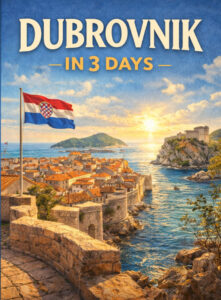
Dubrovnik, located on Croatia’s spectacular Adriatic coast, is one of the most beautiful historic cities in Europe. Often called the “Pearl of the Adriatic,” the city is famous for its well-preserved medieval walls, elegant stone streets, historic churches, and breathtaking views of the turquoise sea.

The city’s Old Town, surrounded by massive defensive walls, has been a UNESCO World Heritage Site since 1979. Over the centuries Dubrovnik developed as an independent maritime republic and became one of the most prosperous trading centers in the Mediterranean.

Today visitors come to Dubrovnik to explore its historic architecture, relax by the sea, enjoy Croatian cuisine, and experience the atmosphere of one of the Mediterranean’s most picturesque destinations. Dubrovnik also gained worldwide fame as a filming location for the television series Game of Thrones, which used many locations in the Old Town.

This Dubrovnik city guide presents a carefully planned 3-day itinerary that helps visitors discover the city’s most important landmarks while also enjoying its coastal beauty and local culture.
Buttons:


What’s Inside This Guide

This travel guide helps visitors explore Dubrovnik efficiently, combining historic landmarks with scenic viewpoints and local experiences.

Highlights include:

  • A complete 3-day Dubrovnik itinerary
  • Walking routes through the historic Old Town
  • Insider tips for exploring the city walls and viewpoints
  • Restaurant and café recommendations
  • Beautiful beaches and coastal walks
  • Practical travel advice for first-time visitors

Dubrovnik’s historic center is compact and easy to explore on foot, making it ideal for a short city trip.


Suggested 3-Day Itinerary

Day 1 – Historic Highlights

Begin your exploration at Pile Gate, the main entrance to Dubrovnik’s Old Town. As you pass through the gate, you step directly into one of Europe’s most impressive medieval city centers.

Your first stop should be Stradun, the main street of Dubrovnik. This beautiful limestone-paved avenue runs through the heart of the Old Town and connects many of the city’s most important landmarks.

As you walk along Stradun, you will pass several historic buildings including:

  • Onofrio’s Fountain, built in the 15th century to provide water to the city
  • Franciscan Monastery, home to one of the oldest pharmacies in Europe

Continue toward Luza Square, the central square of Dubrovnik. Here you will find important landmarks such as:

  • Sponza Palace, a beautiful Gothic-Renaissance building
  • Orlando’s Column, a historic symbol of the city’s independence
  • Church of St. Blaise, dedicated to Dubrovnik’s patron saint

Nearby you can visit the Dubrovnik Cathedral, an elegant Baroque church with impressive artwork and relics.

In the afternoon walk along the famous City Walls, one of Dubrovnik’s most spectacular attractions. The walls stretch for nearly two kilometers around the Old Town and offer incredible views of the city’s rooftops, the Adriatic Sea, and nearby islands.

Finish your day with dinner at a restaurant in the Old Town where you can enjoy fresh seafood and local Croatian dishes.


Day 2 – Culture & Museums

Your second day focuses on Dubrovnik’s cultural attractions and historical heritage.

Start at the Rector’s Palace, a historic building that once served as the seat of government for the Republic of Dubrovnik. Today the palace houses a museum displaying artifacts from the city’s past.

Next visit the Dubrovnik Maritime Museum, located within the historic fortress of St. John. The museum highlights Dubrovnik’s long history as an important maritime power.

After exploring the museum, take a short walk to the Dubrovnik Cable Car, which takes visitors to the top of Mount Srđ.

The panoramic views from the summit are truly spectacular. From here you can see the entire Old Town, the Adriatic Sea, and the surrounding islands.

At the top of Mount Srđ you can also visit the Homeland War Museum, which explains Dubrovnik’s role during the Croatian War of Independence in the 1990s.

In the evening return to the Old Town and explore its narrow streets and hidden squares. Many small restaurants and wine bars offer traditional Dalmatian cuisine.


Day 3 – Neighborhoods & Local Life

Your final day focuses on exploring Dubrovnik beyond the Old Town.

Start your morning at Lokrum Island, located just a short boat ride from the city harbor. The island is a peaceful nature reserve filled with walking paths, botanical gardens, and historic ruins.

Visitors can swim in the island’s clear waters or explore the ruins of a Benedictine monastery.

After returning to Dubrovnik, head toward Banje Beach, one of the most popular beaches near the Old Town. The beach offers beautiful views of the city walls and crystal-clear water.

In the afternoon explore the Lapad district, a relaxed coastal area known for its promenade, cafés, and beaches. The Lapad Promenade is a pleasant place for a walk along the sea.

Later visit Gruž Harbor, where you can experience everyday life in Dubrovnik and visit local markets and restaurants.

End your trip with dinner overlooking the Adriatic Sea while enjoying Croatian wine and seafood.


Explore the City Map

Dubrovnik’s Old Town is compact and easy to explore on foot.

Suggested routes include:

Day 1 Route

Pile Gate → Stradun → Franciscan Monastery → Luza Square → Dubrovnik Cathedral → City Walls

Day 2 Route

Rector’s Palace → Maritime Museum → Dubrovnik Cable Car → Mount Srđ

Day 3 Route

Lokrum Island → Banje Beach → Lapad Promenade → Gruž Harbor

Using a map or navigation app will help you explore additional viewpoints, cafés, and historic streets.


Why Visit Dubrovnik

Dubrovnik is one of the most stunning coastal cities in Europe.

Reasons to visit Dubrovnik include:

  • Beautiful medieval city walls
  • Spectacular Adriatic Sea views
  • Historic Old Town architecture
  • Scenic beaches and islands
  • Excellent Croatian cuisine

The combination of historic beauty and coastal scenery makes Dubrovnik a truly unforgettable destination.


Who This Guide Is For

This guide is ideal for:

  • First-time visitors to Dubrovnik
  • Travelers planning a 2–3 day city trip
  • Culture lovers interested in history and architecture
  • Visitors who enjoy scenic viewpoints and coastal walks
  • Travelers looking for a structured itinerary

Get the Complete Dubrovnik Guide

Download the full guide to access:

  • detailed walking itineraries
  • attraction descriptions
  • restaurant recommendations
  • travel tips and practical advice

Buttons:

  • Buy PDF Guide
  • Buy Print Guide
  • Preview Sample Pages

More City Guides

You may also enjoy:

  • Paris City Guide
  • Barcelona City Guide
  • Vienna City Guide
  • Prague City Guide

Frequently Asked Questions

How many days do you need in Dubrovnik?
Two to three days is enough to explore the Old Town and enjoy nearby beaches and viewpoints.

What is the best time to visit Dubrovnik?
Late spring and early autumn offer pleasant weather and fewer crowds.

Is Dubrovnik walkable for tourists?
Yes. The Old Town is compact and best explored on foot.
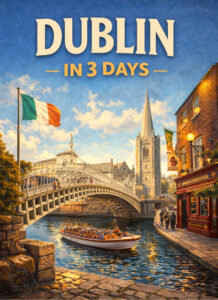
Dublin City Trip

Dublin City Guide – The Perfect 3-Day Itinerary

Destination: Dublin, Ireland
Recommended Stay: 2–3 days
Travel Style: City Trip
Guide Format: PDF / Print
Languages: EN / DE / FR / ES

Dublin, the lively capital of Ireland, is a city rich in history, culture, and friendly atmosphere. Located on Ireland’s east coast along the River Liffey, Dublin blends historic landmarks, literary heritage, cozy pubs, and vibrant neighborhoods into a memorable travel experience. The city is famous for its welcoming locals, traditional music, and centuries-old traditions that continue to shape everyday life.

Visitors to Dublin can explore medieval cathedrals, elegant Georgian squares, and world-class museums while enjoying lively pubs and restaurants that showcase Irish cuisine and hospitality. Dublin is also closely associated with famous writers such as James Joyce, Oscar Wilde, and Samuel Beckett, whose works helped shape modern literature.

This Dublin city guide offers a carefully planned 3-day itinerary designed to help travelers experience the highlights of the Irish capital while also discovering its neighborhoods, culture, and traditions.

Buttons:


What’s Inside This Guide

This travel guide helps visitors explore Dublin efficiently, connecting historic landmarks with authentic local experiences.

Highlights include:

  • A complete 3-day Dublin itinerary
  • Walking routes through historic neighborhoods
  • Insider tips for pubs, cafés, and Irish cuisine
  • Cultural highlights and literary landmarks
  • Scenic parks and river walks
  • Practical travel advice for first-time visitors

Dublin is a compact city, making it ideal for walking tours and short city trips. Many of the most important attractions are located within the city center along the River Liffey.


Suggested 3-Day Itinerary

Day 1 – Historic Highlights

Begin your first day in Dublin at Trinity College, Ireland’s oldest university and one of the city’s most famous landmarks. Founded in 1592, the university features beautiful historic buildings and peaceful courtyards.

The highlight of Trinity College is the Book of Kells, an illuminated manuscript created by Celtic monks around the 9th century. The manuscript is displayed in the Old Library, which also houses the stunning Long Room, one of the most impressive libraries in the world.

After visiting Trinity College, walk toward O’Connell Street, Dublin’s main boulevard. Here you will see the Spire of Dublin, a modern monument that rises high above the city.

Continue your walk across the Ha’penny Bridge, one of Dublin’s most charming pedestrian bridges crossing the River Liffey.

In the afternoon explore the historic Temple Bar district, a lively area known for its cobblestone streets, colorful buildings, traditional pubs, and live music. Temple Bar is one of the most popular places in Dublin to experience Irish culture and nightlife.

Nearby attractions include:

  • Dublin Castle, a historic complex that once served as the seat of British rule in Ireland
  • Christ Church Cathedral, one of Dublin’s oldest and most impressive churches

End your first day with dinner in Temple Bar or one of the nearby traditional pubs where you can enjoy Irish music and cuisine.


Day 2 – Culture & Museums

Your second day focuses on Dublin’s cultural and historical attractions.

Start your morning at St. Patrick’s Cathedral, the largest cathedral in Ireland. Built in the 12th century, the cathedral is dedicated to Ireland’s patron saint and is closely associated with Irish history.

Nearby you can visit St. Patrick’s Park, a pleasant green space ideal for a short walk.

Next head to the famous Guinness Storehouse, one of Dublin’s most visited attractions. Located in a historic brewery building, the museum tells the story of Ireland’s most famous beer and the history of brewing in Dublin.

Visitors can explore several interactive floors before finishing the tour at the Gravity Bar, which offers panoramic views across the city.

In the afternoon explore the National Museum of Ireland, which houses fascinating collections related to Irish history, archaeology, and culture.

Another excellent cultural attraction is the Irish Museum of Modern Art, located in the historic Royal Hospital Kilmainham.

Later stroll through the elegant Georgian district, where beautiful 18th-century houses line wide streets and squares.


Day 3 – Neighborhoods & Local Life

Your final day focuses on experiencing everyday life and exploring some of Dublin’s charming neighborhoods.

Start your morning in Phoenix Park, one of the largest urban parks in Europe. The park is home to wide green spaces, walking paths, and several attractions including the Dublin Zoo and the official residence of the President of Ireland.

You may even spot wild deer that roam freely throughout the park.

Next visit the Kilmainham Gaol, a historic prison that played an important role in Ireland’s struggle for independence. Guided tours provide insight into Irish history and the lives of the revolutionaries who were imprisoned here.

In the afternoon explore the stylish Grafton Street area, a lively pedestrian shopping street known for street performers, cafés, and boutiques.

Nearby you will find St. Stephen’s Green, a beautiful public park in the heart of Dublin. The park’s gardens, ponds, and walking paths make it a relaxing place to spend time.

Later explore the vibrant Camden Street area, which has become one of Dublin’s most exciting districts for restaurants, cafés, and nightlife.

End your visit with dinner at a traditional Irish pub where you can enjoy dishes such as Irish stew, fish and chips, or boxty.


Explore the City Map

Dublin’s historic center is compact and ideal for exploring on foot.

Suggested routes include:

Day 1 Route

Trinity College → O’Connell Street → Ha’penny Bridge → Temple Bar → Dublin Castle → Christ Church Cathedral

Day 2 Route

St. Patrick’s Cathedral → Guinness Storehouse → National Museum → Georgian District

Day 3 Route

Phoenix Park → Kilmainham Gaol → Grafton Street → St. Stephen’s Green → Camden Street

Using a city map or navigation app can help you explore additional streets, pubs, and cultural landmarks.


Why Visit Dublin

Dublin is one of Europe’s most welcoming capitals and offers visitors a unique combination of culture, history, and lively atmosphere.

Reasons to visit Dublin include:

  • Historic cathedrals and landmarks
  • Rich literary heritage
  • Traditional Irish pubs and music
  • Beautiful parks and Georgian architecture
  • Friendly and welcoming locals

The city’s vibrant culture and relaxed atmosphere make it an ideal destination for a memorable city trip.


Who This Guide Is For

This guide is ideal for:

  • First-time visitors to Dublin
  • Travelers planning a 2–3 day city trip
  • Culture lovers interested in Irish history
  • Visitors who enjoy exploring historic neighborhoods
  • Travelers looking for a clear and structured itinerary

Get the Complete Dublin Guide

Download the full guide to access:

  • detailed walking itineraries
  • attraction descriptions
  • restaurant recommendations
  • travel tips and practical advice

Buttons:

  • Buy PDF Guide
  • Buy Print Guide
  • Preview Sample Pages

More City Guides

You may also enjoy:

  • Paris City Guide
  • Barcelona City Guide
  • Vienna City Guide
  • Prague City Guide

Frequently Asked Questions

How many days do you need in Dublin?
Two to three days is usually enough to see the main attractions and explore the historic center.

What is the best time to visit Dublin?
Spring and early autumn offer pleasant weather and fewer crowds.

Is Dublin walkable for tourists?
Yes. Most attractions in the city center are within walking distance.

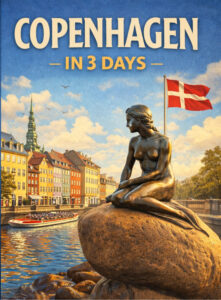
Copenhagen City Trip

Copenhagen City Guide – The Perfect 3-Day Itinerary

Destination: Copenhagen, Denmark
Recommended Stay: 2–3 days
Travel Style: City Trip
Guide Format: PDF / Print
Languages: EN / DE / FR / ES

Copenhagen, the capital of Denmark, is one of Europe’s most charming and livable cities. Known for its colorful waterfront houses, royal palaces, bicycle-friendly streets, and world-class culinary scene, Copenhagen offers visitors a perfect combination of historic heritage and modern Scandinavian design.

Located on the islands of Zealand and Amager, the city has a long maritime history and a relaxed atmosphere that makes exploring enjoyable. From historic castles and elegant squares to innovative architecture and cozy cafés, Copenhagen provides a memorable city trip experience.

Visitors will discover a city that values sustainability, culture, and quality of life. Whether you are exploring the historic harbor of Nyhavn, visiting royal palaces, or cycling through scenic neighborhoods, Copenhagen offers something for every traveler.

This Copenhagen city guide presents a carefully planned 3-day itinerary that highlights the most important attractions while also introducing visitors to the city’s unique culture, neighborhoods, and lifestyle.

Buttons:


What’s Inside This Guide

This travel guide helps visitors explore Copenhagen efficiently, combining historic landmarks with authentic local experiences.

Highlights include:

  • A complete 3-day Copenhagen itinerary
  • Walking and cycling routes connecting major attractions
  • Insider tips for cafés, restaurants, and Danish cuisine
  • Scenic waterfront walks and viewpoints
  • Hidden neighborhoods and cultural highlights
  • Practical travel advice for first-time visitors

Copenhagen is a compact city where many attractions are located close together. Walking or cycling is often the best way to explore the historic center and waterfront districts.


Suggested 3-Day Itinerary

Day 1 – Historic Highlights

Begin your first day at the picturesque harbor of Nyhavn, one of Copenhagen’s most famous landmarks. This historic waterfront area is lined with colorful 17th-century houses, historic ships, and lively cafés.

Nyhavn was once a busy commercial port, but today it is a popular gathering place where visitors can enjoy the vibrant atmosphere and beautiful views along the canal.

From Nyhavn walk toward Amalienborg Palace, the official residence of the Danish royal family. The palace complex consists of four elegant buildings surrounding a large square.

If you arrive around midday, you may be able to watch the Changing of the Royal Guard, a traditional ceremony that takes place daily.

Continue toward the nearby Frederik’s Church, also known as the Marble Church. The impressive dome of this church is one of the largest in Scandinavia and offers stunning architecture.

Next visit the famous Little Mermaid statue, one of Copenhagen’s most iconic symbols. Inspired by the fairy tale by Danish author Hans Christian Andersen, the statue sits on a rock overlooking the harbor.

In the afternoon explore Strøget, one of Europe’s longest pedestrian shopping streets. The street stretches from City Hall Square to Kongens Nytorv and is filled with shops, cafés, and restaurants.

End your day by returning to Nyhavn, where many restaurants offer excellent Danish and international cuisine.


Day 2 – Culture & Museums

Your second day focuses on Copenhagen’s cultural attractions and museums.

Start your morning at Christiansborg Palace, located on the small island of Slotsholmen. This historic palace houses the Danish Parliament, the Prime Minister’s office, and the Supreme Court.

Visitors can explore parts of the palace including the royal reception rooms, the historic ruins beneath the building, and the tower, which offers panoramic views across Copenhagen.

Next visit the National Museum of Denmark, which provides fascinating insight into Danish history from the Viking Age to modern times.

Another interesting museum nearby is the Ny Carlsberg Glyptotek, a museum known for its impressive collection of sculptures and classical art. The museum’s beautiful winter garden is a peaceful place to relax.

In the afternoon head to Tivoli Gardens, one of the oldest amusement parks in the world. Opened in 1843, Tivoli is famous for its historic rides, gardens, and charming atmosphere.

Visitors can enjoy rides, concerts, restaurants, and evening entertainment. At night the park is beautifully illuminated, creating a magical atmosphere.

Spend your evening exploring Tivoli or enjoying dinner in the surrounding city center.


Day 3 – Neighborhoods & Local Life

Your final day focuses on exploring Copenhagen’s vibrant neighborhoods and experiencing everyday life in the Danish capital.

Start your morning in the trendy Vesterbro district, an area that has transformed from an industrial neighborhood into one of the city’s most creative districts. Today Vesterbro is known for its cafés, design shops, and restaurants.

Nearby you will find the lively Meatpacking District (Kødbyen), where former industrial buildings now house restaurants, galleries, and nightlife venues.

Next head toward Frederiksberg Gardens, one of Copenhagen’s most beautiful parks. The park features lakes, bridges, and tree-lined paths that create a peaceful environment in the middle of the city.

Nearby you can also visit Frederiksberg Palace, an elegant royal residence located on a hill overlooking the gardens.

In the afternoon explore the unique district of Christiania, an alternative community known for its artistic culture and colorful buildings. Founded in the 1970s, Christiania has developed its own distinctive atmosphere and attracts many curious visitors.

Later return to the waterfront area and take a relaxing canal boat tour, which offers a different perspective of Copenhagen’s historic buildings and bridges.

End your trip with dinner in one of Copenhagen’s excellent restaurants, where you can try Danish specialties such as smørrebrød, seafood dishes, and Nordic cuisine.


Explore the City Map

Copenhagen is a compact and well-organized city that is easy to navigate.

Suggested routes include:

Day 1 Route

Nyhavn → Amalienborg Palace → Marble Church → Little Mermaid → Strøget

Day 2 Route

Christiansborg Palace → National Museum → Glyptotek → Tivoli Gardens

Day 3 Route

Vesterbro → Meatpacking District → Frederiksberg Gardens → Christiania → Canal Cruise

Cycling is one of the most popular ways to move around the city, and visitors will find bicycle lanes throughout Copenhagen.


Why Visit Copenhagen

Copenhagen offers a perfect combination of historic charm and modern Scandinavian lifestyle.

Reasons to visit Copenhagen include:

  • Colorful waterfront districts such as Nyhavn
  • Elegant royal palaces and historic landmarks
  • World-class restaurants and Nordic cuisine
  • Beautiful parks and waterfront promenades
  • Bicycle-friendly streets and relaxed atmosphere

The city’s unique blend of history, design, and quality of life makes it one of Europe’s most attractive destinations.


Who This Guide Is For

This guide is ideal for:

  • First-time visitors to Copenhagen
  • Travelers planning a 2–3 day city trip
  • Culture lovers interested in Scandinavian history
  • Visitors who enjoy walking or cycling through cities
  • Travelers looking for a structured itinerary

Get the Complete Copenhagen Guide

Download the full guide to access:

  • detailed walking itineraries
  • attraction descriptions
  • restaurant recommendations
  • travel tips and practical advice

Buttons:

  • Buy PDF Guide
  • Buy Print Guide
  • Preview Sample Pages

More City Guides

You may also enjoy:

  • Paris City Guide
  • Barcelona City Guide
  • Vienna City Guide
  • Prague City Guide

Frequently Asked Questions

How many days do you need in Copenhagen?
Two to three days is usually enough to explore the main attractions and neighborhoods.

What is the best time to visit Copenhagen?
Late spring and summer offer the best weather and long daylight hours.

Is Copenhagen walkable for tourists?
Yes. The city center is compact and easy to explore on foot or by bicycle.

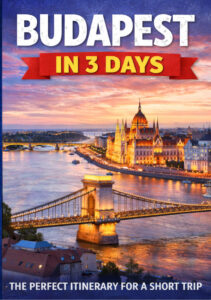
Budapest City Trip

Budapest City Guide – The Perfect 3-Day Itinerary

Destination: Budapest, Hungary
Recommended Stay: 2–3 days
Travel Style: City Trip
Guide Format: PDF / Print
Languages: EN / DE / FR / ES

Budapest, the capital of Hungary, is one of Europe’s most beautiful cities. Divided by the majestic Danube River, the city combines two historic districts: Buda, known for its hills and historic castle, and Pest, the lively cultural and commercial center. Elegant architecture, grand boulevards, thermal baths, and vibrant cafés give Budapest a distinctive charm that attracts visitors from around the world.

Often called the “Paris of the East,” Budapest offers a unique blend of history, culture, and modern urban life. Visitors can admire magnificent parliament buildings, relax in historic thermal baths, explore medieval streets, and enjoy Hungarian cuisine and nightlife.

This Budapest city guide provides a carefully planned 3-day itinerary designed to help visitors experience the highlights of the Hungarian capital while also discovering its unique neighborhoods and cultural atmosphere.

Buttons:


What’s Inside This Guide

This travel guide helps visitors explore Budapest efficiently, connecting historic landmarks with local neighborhoods and scenic viewpoints.

Highlights include:

  • A complete 3-day Budapest itinerary
  • Walking routes connecting major attractions
  • Insider tips for visiting thermal baths and historic sites
  • Restaurant and café recommendations
  • Scenic viewpoints overlooking the Danube
  • Practical travel advice for first-time visitors

Budapest is a city filled with spectacular architecture and cultural landmarks. From historic castles and churches to lively markets and cafés, the city offers a wide variety of experiences for travelers.


Suggested 3-Day Itinerary

Day 1 – Historic Highlights

Start your first day in Budapest on the Buda side of the city, which offers some of the most spectacular historic landmarks and viewpoints.

Begin at Buda Castle, a historic palace complex that sits on Castle Hill overlooking the Danube River. The castle has been rebuilt several times over the centuries and today houses important museums and galleries.

From the castle area you can enjoy magnificent views of the river and the city skyline.

Nearby attractions include:

  • Matthias Church, a beautiful Gothic church with colorful roof tiles
  • Fisherman’s Bastion, one of Budapest’s most famous viewpoints

The terraces of Fisherman’s Bastion offer breathtaking panoramic views of the Hungarian Parliament Building across the river.

After exploring Castle Hill, cross the famous Chain Bridge, the first permanent bridge connecting Buda and Pest. The bridge is one of Budapest’s most iconic landmarks and offers excellent views of the Danube.

In the afternoon explore the Pest side, starting with the magnificent Hungarian Parliament Building. This impressive neo-Gothic building is one of the largest parliament buildings in the world and a symbol of Hungary’s national identity.

Later take a relaxing walk along the Danube Promenade, where you can enjoy scenic river views and visit the moving Shoes on the Danube Bank memorial.

End your day with dinner in central Pest, where you can sample traditional Hungarian dishes such as goulash, paprikash, or chimney cake.


Day 2 – Culture & Museums

Your second day focuses on Budapest’s cultural attractions and grand boulevards.

Start the morning at St. Stephen’s Basilica, one of the largest churches in Hungary. Visitors can climb to the dome for panoramic views across the city.

Next walk along Andrássy Avenue, a beautiful boulevard lined with elegant buildings, theaters, and cafés. The avenue is a UNESCO World Heritage Site and often compared to the great boulevards of Paris.

Along Andrássy Avenue you will find several important attractions including:

  • Hungarian State Opera House
  • Luxury shops and historic cafés

Continue to Heroes’ Square, one of Budapest’s most impressive public squares. The monument in the center commemorates the leaders of the seven Hungarian tribes that founded the country.

Behind the square lies City Park (Városliget), a large green park filled with attractions.

Here you can visit:

  • Vajdahunyad Castle, a picturesque complex inspired by various Hungarian architectural styles
  • Széchenyi Thermal Bath, one of the most famous thermal baths in Europe

The thermal bath experience is one of Budapest’s most unique attractions. Visitors can relax in warm mineral pools while enjoying the historic surroundings.

Spend the evening exploring the Jewish Quarter, one of the most vibrant areas in Budapest. The district is known for its unique ruin bars, creative nightlife venues located in historic buildings.


Day 3 – Neighborhoods & Local Life

Your final day focuses on exploring Budapest’s neighborhoods and experiencing local culture.

Begin your morning at the Great Market Hall, the largest indoor market in Budapest. The market offers fresh produce, Hungarian spices, souvenirs, and traditional foods.

It is an excellent place to try local specialties such as:

  • Hungarian sausages
  • Paprika spices
  • Traditional pastries

After visiting the market, walk toward the Liberty Bridge, one of the most beautiful bridges across the Danube.

Next visit Gellért Hill, which offers one of the best panoramic views of Budapest. The hill is crowned by the Citadel and the Liberty Statue, both important landmarks.

The viewpoint from Gellért Hill provides spectacular views of the Danube, the Parliament Building, and the city skyline.

In the afternoon explore the charming Margaret Island, located in the middle of the Danube River. The island is a peaceful green oasis filled with gardens, walking paths, fountains, and historic ruins.

Later return to the city center and enjoy a relaxing Danube river cruise, which offers beautiful views of Budapest’s illuminated landmarks.

End your visit with dinner in one of Budapest’s traditional restaurants or modern bistros.


Explore the City Map

Budapest’s main attractions are divided between the Buda and Pest sides of the city but are easily connected by bridges and public transportation.

Suggested routes include:

Day 1 Route

Buda Castle → Matthias Church → Fisherman’s Bastion → Chain Bridge → Parliament → Danube Promenade

Day 2 Route

St. Stephen’s Basilica → Andrássy Avenue → Heroes’ Square → City Park → Széchenyi Baths → Jewish Quarter

Day 3 Route

Great Market Hall → Liberty Bridge → Gellért Hill → Margaret Island → Danube Cruise

Using a city map or navigation app will help you explore additional viewpoints, cafés, and historic streets.


Why Visit Budapest

Budapest is one of Europe’s most beautiful capitals and offers visitors a rich cultural experience.

Reasons to visit Budapest include:

  • Stunning architecture along the Danube River
  • Historic castles, churches, and monuments
  • Unique thermal baths and spa culture
  • Excellent Hungarian cuisine
  • Vibrant nightlife and ruin bars

The city’s romantic atmosphere, impressive landmarks, and lively cultural scene make it one of the most rewarding destinations in Central Europe.


Who This Guide Is For

This guide is ideal for:

  • First-time visitors to Budapest
  • Travelers planning a 2–3 day city trip
  • Culture lovers interested in history and architecture
  • Visitors who enjoy scenic viewpoints and historic streets
  • Travelers looking for a structured itinerary

Get the Complete Budapest Guide

Download the full guide to access:

  • detailed walking itineraries
  • attraction descriptions
  • restaurant recommendations
  • travel tips and practical advice

Buttons:

  • Buy PDF Guide
  • Buy Print Guide
  • Preview Sample Pages

More City Guides

You may also enjoy:

  • Paris City Guide
  • Barcelona City Guide
  • Vienna City Guide
  • Prague City Guide

Frequently Asked Questions

How many days do you need in Budapest?
Two to three days is usually enough to explore the main attractions and neighborhoods.

What is the best time to visit Budapest?
Spring and autumn offer pleasant weather and are ideal for sightseeing.

Is Budapest walkable for tourists?
Yes. Many attractions are walkable, though public transport is useful for crossing the Danube and reaching distant areas.

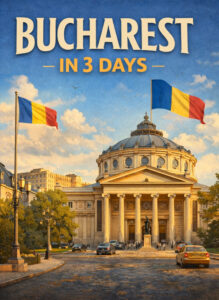
Bucharest City Trip

Bucharest City Guide – The Perfect 3-Day Itinerary

Destination: Bucharest, Romania
Recommended Stay: 2–3 days
Travel Style: City Trip
Guide Format: PDF / Print
Languages: EN / DE / FR / ES

Bucharest, the capital of Romania, is one of Eastern Europe’s most intriguing and dynamic cities. Often called the “Paris of the East”, Bucharest combines grand 19th-century architecture with wide boulevards, historic churches, lively cafés, and modern urban culture. Over the centuries the city has been influenced by Ottoman, French, and Soviet traditions, creating a fascinating mix of styles and cultures.

Visitors to Bucharest can explore historic palaces, wander through charming old streets, discover excellent museums, and enjoy vibrant nightlife and restaurants. The city is also a gateway to Romania’s famous regions such as Transylvania and the Carpathian Mountains.

This Bucharest city guide offers a carefully planned 3-day itinerary that helps travelers experience the city’s most important landmarks while also discovering its neighborhoods, parks, and hidden corners.

Buttons:


What’s Inside This Guide

This travel guide helps visitors explore Bucharest efficiently, combining historic landmarks with authentic local experiences.

Highlights include:

  • A complete 3-day Bucharest itinerary
  • Walking routes connecting the historic center and major attractions
  • Insider tips for discovering local cafés and restaurants
  • Scenic parks and viewpoints
  • Hidden neighborhoods and cultural highlights
  • Practical travel advice for first-time visitors

Bucharest is a city full of contrasts. Elegant Belle Époque buildings stand next to modern structures and communist-era architecture. This guide focuses on the best areas for visitors while helping travelers understand the city’s fascinating history.


Suggested 3-Day Itinerary

Day 1 – Historic Highlights

Begin your exploration of Bucharest in the charming Old Town (Centrul Vechi), the historic heart of the city. This lively district is filled with cobblestone streets, colorful buildings, restaurants, and historic landmarks.

Start at Lipscani Street, the most famous street in the Old Town. In the past this area was the commercial center of Bucharest, where merchants from across Europe traded goods.

Nearby you will find several important landmarks:

  • Stavropoleos Monastery, a beautiful Orthodox church built in the early 18th century
  • National Bank of Romania, an impressive historic building
  • Cărturești Carusel, one of the most beautiful bookstores in Europe

Continue your walk toward University Square, a major cultural and historic area surrounded by important buildings and monuments.

In the afternoon visit the impressive Palace of the Parliament, one of the largest administrative buildings in the world. Built during the communist era under Nicolae Ceaușescu, the enormous structure is an extraordinary example of monumental architecture.

Guided tours allow visitors to explore parts of the palace’s lavish interiors and learn about the history of Romania during the communist period.

Later take a walk through Calea Victoriei, one of Bucharest’s most elegant boulevards. Along this historic avenue you will find beautiful buildings, luxury shops, and cultural institutions.

Finish your first day by returning to the Old Town, where restaurants and cafés create a lively evening atmosphere.


Day 2 – Culture & Museums

Your second day focuses on Bucharest’s cultural attractions and museums.

Start at the Romanian Athenaeum, one of the most famous landmarks in the city. This beautiful concert hall was built in the late 19th century and is home to the George Enescu Philharmonic Orchestra.

Nearby you will find Revolution Square, an important historic site where the Romanian Revolution of 1989 began.

Next visit the National Museum of Art of Romania, located in the former Royal Palace. The museum contains impressive collections of Romanian and European art.

In the afternoon head to Herăstrău Park, one of the largest parks in Bucharest. The park surrounds Lake Herăstrău and offers scenic walking paths, gardens, and lakeside cafés.

Within the park you can visit the Dimitrie Gusti National Village Museum, an open-air museum displaying traditional houses and buildings from different regions of Romania. The museum provides fascinating insight into Romanian rural culture and architecture.

Later explore the Dorobanți district, a stylish neighborhood known for its restaurants, wine bars, and cafés.


Day 3 – Neighborhoods & Local Life

Your final day focuses on discovering Bucharest’s diverse neighborhoods and everyday life.

Start your morning in Cotroceni, one of the most charming residential districts in the city. The area features quiet streets, colorful houses, and small cafés.

Nearby you can visit the Cotroceni Palace, the official residence of the President of Romania. Parts of the palace are open to visitors as a museum.

Next head toward the Carol Park, a large historic park located in the southern part of the city. The park contains monuments, gardens, and beautiful walking paths.

In the afternoon visit the Obor Market, one of the largest and most authentic markets in Bucharest. Here you can experience local culture while tasting traditional Romanian foods such as:

  • Mici (grilled sausages)
  • Fresh pastries
  • Local cheeses and fruits

Later explore the creative Floreasca district, which has become a popular area for modern restaurants, cafés, and nightlife.

End your Bucharest visit with dinner in the Old Town or along Calea Victoriei, enjoying Romanian cuisine and local wine.


Explore the City Map

Bucharest is a large city, but many of its main attractions are located in central districts that can easily be reached by walking or public transportation.

Suggested routes include:

Day 1 Route

Old Town → Stavropoleos Monastery → Palace of the Parliament → Calea Victoriei

Day 2 Route

Romanian Athenaeum → Revolution Square → National Museum of Art → Herăstrău Park → Village Museum

Day 3 Route

Cotroceni District → Carol Park → Obor Market → Floreasca

Using a city map or navigation app helps visitors explore the city more easily and discover additional attractions along the way.


Why Visit Bucharest

Bucharest is one of Eastern Europe’s most exciting capitals, offering visitors a unique combination of history, culture, and modern urban life.

Reasons to visit Bucharest include:

  • Grand historic architecture
  • Fascinating communist-era history
  • Beautiful parks and gardens
  • Vibrant cafés and nightlife
  • Excellent Romanian cuisine

The city’s welcoming atmosphere and relatively affordable prices make it an attractive destination for travelers.


Who This Guide Is For

This guide is ideal for:

  • First-time visitors to Bucharest
  • Travelers planning a 2–3 day city trip
  • Culture lovers interested in history and architecture
  • Visitors who enjoy exploring authentic local neighborhoods
  • Travelers looking for an organized itinerary

Get the Complete Bucharest Guide

Download the full guide to access:

  • detailed walking itineraries
  • attraction descriptions
  • restaurant recommendations
  • travel tips and practical advice

Buttons:

  • Buy PDF Guide
  • Buy Print Guide
  • Preview Sample Pages

More City Guides

You may also enjoy:

  • Paris City Guide
  • Barcelona City Guide
  • Vienna City Guide
  • Prague City Guide

Frequently Asked Questions

How many days do you need in Bucharest?
Two to three days is usually enough to explore the main attractions and neighborhoods.

What is the best time to visit Bucharest?
Spring and autumn offer pleasant weather and are ideal for sightseeing.

Is Bucharest walkable for tourists?
Many attractions in the historic center are within walking distance, though public transport is useful for longer distances.

Brussels City Trip

Brussels City Guide – The Perfect 3-Day Itinerary

Destination: Brussels, Belgium
Recommended Stay: 2–3 days
Travel Style: City Trip
Guide Format: PDF / Print
Languages: EN / DE / FR / ES

Brussels, the capital of Belgium and the administrative center of the European Union, is a fascinating city that blends medieval charm with modern international culture. Famous for its grand architecture, world-class chocolate, waffles, and beer, Brussels offers visitors a rich combination of history, gastronomy, and vibrant urban life.

While many travelers pass through Brussels quickly, the city rewards those who take time to explore its historic squares, museums, elegant boulevards, and lively neighborhoods. From the stunning Grand Place to the futuristic Atomium, Brussels presents a unique mix of medieval heritage and contemporary culture.

This Brussels city guide provides a carefully designed 3-day itinerary that helps visitors discover the city’s most important landmarks while also exploring its hidden corners, charming neighborhoods, and famous culinary traditions.

Buttons:


What’s Inside This Guide

This travel guide helps visitors explore Brussels efficiently, combining major attractions with authentic local experiences.

Highlights include:

  • A complete 3-day Brussels itinerary
  • Walking routes connecting historic landmarks
  • Insider tips for discovering the best Belgian chocolate and waffles
  • Restaurant and café recommendations
  • Hidden neighborhoods and scenic viewpoints
  • Practical travel advice for first-time visitors

Brussels is a compact city, and many of its main attractions are located within walking distance of each other. This guide focuses on the highlights while allowing time to enjoy the relaxed atmosphere of the city.


Suggested 3-Day Itinerary

Day 1 – Historic Highlights

Begin your first day in Brussels at the Grand Place, one of the most beautiful squares in Europe and a UNESCO World Heritage Site. Surrounded by ornate guild houses and historic buildings, the Grand Place has been the heart of Brussels for centuries.

The most impressive building on the square is the Brussels Town Hall, a magnificent Gothic structure dating back to the 15th century. The square is particularly stunning in the evening when the buildings are illuminated.

Just a short walk away is the famous Manneken Pis, a small bronze statue that has become one of Brussels’ most iconic and humorous landmarks.

Nearby streets are filled with chocolate shops, souvenir stores, and cafés where visitors can sample Belgian specialties.

Next visit the Galeries Royales Saint-Hubert, an elegant 19th-century shopping arcade with glass ceilings and beautiful architecture. The galleries contain luxury boutiques, cafés, and famous chocolate shops such as Neuhaus and Pierre Marcolini.

In the afternoon explore the Saint Catherine district, an area known for its lively restaurants and seafood markets. This neighborhood is an excellent place to enjoy fresh Belgian seafood and traditional dishes.

End your day by returning to the Grand Place for dinner in one of the nearby restaurants and enjoy the vibrant atmosphere of the historic center.


Day 2 – Culture & Museums

Your second day focuses on Brussels’ cultural attractions and museums.

Start the morning at the Royal Palace of Brussels, the official palace of the Belgian monarchy. Although the royal family does not live here, the palace is used for official events and is open to visitors during certain periods of the year.

Nearby you will find Brussels Park, a large green space perfect for a relaxing walk.

Continue to the Magritte Museum, dedicated to the famous Belgian surrealist painter René Magritte. The museum houses a large collection of paintings, drawings, and photographs that explore Magritte’s imaginative artistic style.

Next visit the Musical Instruments Museum, located in a beautiful Art Nouveau building. The museum contains thousands of instruments from around the world and offers interactive exhibits where visitors can listen to their sounds.

In the afternoon head to the European Quarter, where many institutions of the European Union are located. Visitors can explore the European Parliament and learn about European politics and history at the Parlamentarium Visitor Centre.

Later explore the lively Ixelles district, known for its multicultural atmosphere, restaurants, and cafés.


Day 3 – Neighborhoods & Local Life

Your final day focuses on discovering the diverse neighborhoods and modern attractions of Brussels.

Begin your morning at the famous Atomium, one of Belgium’s most recognizable landmarks. Built for the 1958 World Expo, this futuristic structure represents an iron crystal magnified billions of times.

Visitors can take elevators to several spheres of the Atomium, where exhibitions and panoramic viewpoints offer impressive views of the city.

Nearby you can also visit Mini-Europe, a park featuring miniature models of famous European landmarks.

In the afternoon return to the city center and explore the Marolles district, one of the most authentic neighborhoods in Brussels. Known for its flea markets, vintage shops, and artistic atmosphere, the area offers a glimpse of everyday life in the city.

The Place du Jeu de Balle flea market is particularly popular with visitors and locals looking for antiques and unique items.

Later climb to the Mont des Arts, a cultural complex offering one of the best viewpoints in Brussels. From here you can enjoy beautiful views of the city skyline and surrounding historic buildings.

End your trip by enjoying Belgian cuisine at a traditional restaurant. Popular dishes include:

  • Moules-frites (mussels with fries)
  • Belgian waffles
  • Chocolate desserts
  • Belgian craft beer

Explore the City Map

Brussels’ main attractions are concentrated in the historic center and can easily be explored on foot.

Suggested walking routes:

Day 1 Route

Grand Place → Manneken Pis → Galeries Saint-Hubert → Saint Catherine District

Day 2 Route

Royal Palace → Brussels Park → Magritte Museum → European Quarter → Ixelles

Day 3 Route

Atomium → Mini-Europe → Marolles District → Mont des Arts

Using a city map or navigation app helps visitors explore additional streets, cafés, and viewpoints along the way.


Why Visit Brussels

Brussels is a city that combines historic beauty with modern international culture.

Reasons to visit Brussels include:

  • Stunning historic squares and architecture
  • Famous Belgian chocolate and waffles
  • Excellent museums and art galleries
  • Lively markets and neighborhoods
  • Unique European political and cultural significance

The city also serves as an excellent base for exploring other Belgian cities such as Bruges, Ghent, and Antwerp.


Who This Guide Is For

This guide is ideal for:

  • First-time visitors to Brussels
  • Travelers planning a 2–3 day city trip
  • Food lovers interested in Belgian cuisine
  • Visitors who enjoy walking through historic cities
  • Travelers who want a structured itinerary for a short stay

Get the Complete Brussels Guide

Download the full guide to access:

  • detailed walking itineraries
  • attraction descriptions
  • restaurant recommendations
  • travel tips and practical advice

Buttons:

  • Buy PDF Guide
  • Buy Print Guide
  • Preview Sample Pages

More City Guides

You may also enjoy:

  • Paris City Guide
  • Barcelona City Guide
  • Vienna City Guide
  • Prague City Guide

Frequently Asked Questions

How many days do you need in Brussels?
Two to three days is usually enough to see the main attractions and explore the historic center.

What is the best time to visit Brussels?
Spring and early autumn offer pleasant weather and are ideal for sightseeing.

Is Brussels walkable for tourists?
Yes. The historic center is compact and most attractions can easily be reached on foot.

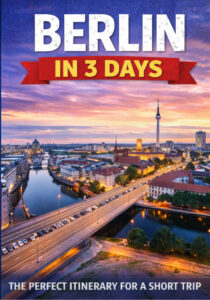
Berlin City Trip

Berlin City Guide – The Perfect 3-Day Itinerary

Destination: Berlin, Germany
Recommended Stay: 2–3 days
Travel Style: City Trip
Guide Format: PDF / Print
Languages: EN / DE / FR / ES

Berlin is one of Europe’s most fascinating capitals, a city where history, culture, creativity, and modern urban life blend together. From iconic historical landmarks and world-class museums to vibrant neighborhoods and cutting-edge art scenes, Berlin offers an unforgettable experience for visitors.

Once divided by the Berlin Wall during the Cold War, the city has transformed into a dynamic cultural center known for its diversity, innovative spirit, and welcoming atmosphere. Travelers can explore centuries of history, discover unique neighborhoods, and enjoy Berlin’s famous nightlife and culinary culture.

This Berlin city guide provides a carefully planned 3-day itinerary designed to help visitors experience the highlights of the German capital while also exploring some of its distinctive districts and hidden corners.

Buttons:


What’s Inside This Guide

This travel guide helps visitors explore Berlin efficiently, connecting historic landmarks with modern cultural districts and local neighborhoods.

Highlights include:

  • A complete 3-day Berlin itinerary
  • Easy walking routes through the historic center
  • Insider tips for visiting major landmarks and museums
  • Restaurant and café recommendations
  • Scenic parks and viewpoints
  • Practical travel advice for first-time visitors

Berlin is a large city, but many of its most important attractions are located in central districts that are well connected by public transportation. This guide focuses on the most interesting places to visit during a short stay while introducing visitors to Berlin’s unique atmosphere.


Suggested 3-Day Itinerary

Day 1 – Historic Highlights

Begin your first day in Berlin at the city’s most famous landmark: the Brandenburg Gate. Built in the late 18th century, this neoclassical monument has become a powerful symbol of German unity and European history.

Nearby you will find Pariser Platz, an elegant square surrounded by historic buildings and embassies.

From here walk toward the Reichstag Building, home of the German Parliament. Visitors can enter the famous glass dome designed by architect Norman Foster. The dome offers panoramic views of Berlin and represents transparency in modern German democracy.

Continue your walk through the large green space of Tiergarten, Berlin’s central park. This peaceful area is ideal for relaxing and offers several monuments and scenic paths.

Next visit the Holocaust Memorial, officially known as the Memorial to the Murdered Jews of Europe. The monument consists of thousands of concrete blocks arranged in a grid, creating a powerful and reflective experience.

In the afternoon explore Unter den Linden, one of Berlin’s most historic boulevards. This grand avenue connects several major landmarks including:

  • Berlin Cathedral (Berliner Dom)
  • Museum Island
  • Humboldt University

Finish your day by exploring Alexanderplatz, one of Berlin’s most famous squares. Nearby you will find the Berlin TV Tower (Fernsehturm), the tallest structure in Germany. Visitors can take an elevator to the observation deck for spectacular views across the city.


Day 2 – Culture & Museums

Day two focuses on Berlin’s remarkable museums and cultural attractions.

Start your morning on Museum Island, a UNESCO World Heritage Site located in the Spree River. This unique complex contains five internationally renowned museums.

Highlights include:

  • Pergamon Museum, famous for the Pergamon Altar and the Ishtar Gate of Babylon
  • Neues Museum, home to the famous bust of Queen Nefertiti
  • Altes Museum, featuring classical antiquities

Visitors interested in art and history could easily spend several hours exploring the collections.

In the afternoon visit the Berlin Wall Memorial or the famous East Side Gallery, the longest remaining section of the Berlin Wall. The East Side Gallery features colorful murals created by international artists and has become one of Berlin’s most popular open-air galleries.

Next head toward Checkpoint Charlie, one of the most famous crossing points between East and West Berlin during the Cold War. Today the area includes historical exhibits explaining the dramatic history of the divided city.

Later explore the lively Kreuzberg district, known for its multicultural atmosphere, street art, cafés, and restaurants. Kreuzberg has become one of Berlin’s most creative neighborhoods.

Enjoy dinner in this area where you can find everything from traditional German food to international cuisine.


Day 3 – Neighborhoods & Local Life

Your third day focuses on discovering Berlin’s unique neighborhoods and local culture.

Begin your morning in the stylish Prenzlauer Berg district. Once part of East Berlin, this area has transformed into one of the city’s most attractive neighborhoods, filled with cafés, boutiques, and beautifully restored historic buildings.

Nearby you can visit Mauerpark, a popular public park known for its flea market and lively Sunday karaoke events.

Next explore the charming Hackesche Höfe, a series of historic courtyards located near Hackescher Markt. These beautifully restored courtyards contain art galleries, shops, restaurants, and small theaters.

In the afternoon head to the Charlottenburg district, home to the magnificent Charlottenburg Palace. Built in the 17th century, this elegant baroque palace is the largest palace in Berlin and is surrounded by beautiful gardens.

Visitors can explore the palace interiors and stroll through the landscaped park.

Later enjoy a walk along Kurfürstendamm, one of Berlin’s most famous shopping avenues. Here you will find luxury boutiques, department stores, cafés, and theaters.

End your trip with dinner in one of Berlin’s many restaurants and experience the city’s lively evening atmosphere.


Explore the City Map

Berlin is a large city, but its major attractions are well connected by public transportation, including the U-Bahn (subway) and S-Bahn (urban rail) systems.

Suggested routes include:

Day 1 Route

Brandenburg Gate → Reichstag → Tiergarten → Holocaust Memorial → Unter den Linden → Museum Island → Alexanderplatz

Day 2 Route

Museum Island → Berlin Wall Memorial → East Side Gallery → Checkpoint Charlie → Kreuzberg

Day 3 Route

Prenzlauer Berg → Mauerpark → Hackesche Höfe → Charlottenburg Palace → Kurfürstendamm

Using a city map or navigation app makes it easy to move between districts and discover additional attractions along the way.


Why Visit Berlin

Berlin is one of Europe’s most exciting and culturally diverse cities. Its history, creativity, and vibrant urban atmosphere make it a unique destination for travelers.

Reasons to visit Berlin include:

  • Historic landmarks connected to world history
  • World-class museums and art galleries
  • Beautiful parks and green spaces
  • Creative neighborhoods and street art
  • Excellent food and nightlife scene

Berlin is also known for its open-minded culture and welcoming atmosphere, attracting visitors from all over the world.

[Insert 3 city photos]


Who This Guide Is For

This guide is ideal for:

  • First-time visitors to Berlin
  • Travelers planning a 2–3 day city trip
  • History and culture enthusiasts
  • Visitors interested in museums and architecture
  • Travelers who enjoy exploring diverse neighborhoods

Get the Complete Berlin Guide

Download the full guide to access:

  • detailed walking itineraries
  • attraction descriptions
  • restaurant recommendations
  • travel tips and practical advice

Buttons:

  • Buy PDF Guide
  • Buy Print Guide
  • Preview Sample Pages

More City Guides

You may also enjoy:

  • Paris City Guide
  • Barcelona City Guide
  • Vienna City Guide
  • Prague City Guide

Frequently Asked Questions

How many days do you need in Berlin?
Two to three days is usually enough to see the main landmarks and explore several neighborhoods.

What is the best time to visit Berlin?
Spring and early autumn offer pleasant weather and are ideal for sightseeing.

Is Berlin walkable for tourists?
Many central attractions are walkable, but public transportation is often the fastest way to travel between districts.

Belgrade City Trip

Belgrade City Guide – The Perfect 3-Day Itinerary

Destination: Belgrade, Serbia
Recommended Stay: 2–3 days
Travel Style: City Trip
Guide Format: PDF / Print
Languages: EN / DE / FR / ES

Belgrade, the capital of Serbia, is one of Europe’s most dynamic and underrated cities. Located at the confluence of the Danube and Sava rivers, Belgrade has a long and fascinating history shaped by many different civilizations including the Romans, Ottomans, and Austro-Hungarians. Today the city combines historic landmarks, lively nightlife, welcoming cafés, and a growing cultural scene.

Visitors to Belgrade will discover a city full of contrasts: ancient fortresses stand beside modern neighborhoods, quiet parks lie near bustling streets, and traditional Balkan cuisine blends with international restaurants and contemporary cafés. Whether you are interested in history, architecture, local food, or vibrant nightlife, Belgrade offers an exciting destination for a short city trip.

This Belgrade city guide presents a carefully planned 3-day itinerary that highlights the city’s most important attractions while also allowing time to explore local neighborhoods and enjoy the relaxed atmosphere of the Serbian capital.

Buttons:


What’s Inside This Guide

This travel guide is designed to help visitors explore Belgrade efficiently, combining major landmarks with authentic local experiences.

Highlights include:

  • A complete 3-day Belgrade itinerary
  • Walking routes connecting the historic center and major attractions
  • Insider tips for discovering local restaurants and cafés
  • Suggestions for scenic viewpoints and riverfront walks
  • Hidden neighborhoods and cultural highlights
  • Practical travel advice for first-time visitors

Belgrade is a city that rewards curiosity. Beyond its historic sites, visitors will find lively streets, welcoming locals, and a vibrant cultural scene that reflects both its Balkan traditions and modern European influences.


Suggested 3-Day Itinerary

Day 1 – Historic Highlights

Begin your first day in Belgrade at Kalemegdan Fortress, the most important historic landmark in the city. The fortress stands on a hill overlooking the meeting point of the Danube and Sava rivers, offering one of the best views in Belgrade.

The site has been used as a defensive fortress for more than two thousand years. Today visitors can walk along its ancient walls, explore historic gates and towers, and visit several monuments located within the fortress complex.

Highlights include:

  • Victor Monument, one of Belgrade’s most famous landmarks
  • Military Museum
  • Scenic viewpoints overlooking the rivers

The surrounding Kalemegdan Park is a pleasant green space where locals come to relax, walk, or enjoy the view of the rivers.

After exploring the fortress, walk toward Knez Mihailova Street, Belgrade’s main pedestrian boulevard. This elegant street is lined with historic buildings, cafés, shops, and galleries. It is one of the liveliest places in the city and a perfect location for people-watching.

Nearby attractions include:

  • National Museum of Serbia
  • Republic Square
  • Historic 19th-century architecture

In the afternoon explore the charming Dorćol district, one of the oldest neighborhoods in Belgrade. Dorćol combines historic buildings, small cafés, and creative spaces that reflect the city’s artistic scene.

Finish your first day with dinner in one of Belgrade’s traditional restaurants where you can try Serbian dishes such as ćevapi, pljeskavica, and grilled meats.


Day 2 – Culture & Museums

Your second day focuses on Belgrade’s cultural and historical attractions.

Start at the impressive Saint Sava Temple, one of the largest Orthodox churches in the world. The enormous white structure dominates the skyline and is an important religious and cultural symbol for Serbia.

The interior of the church features magnificent mosaics and impressive architectural details. Visitors are often surprised by the scale and beauty of the building.

From Saint Sava Temple walk through the nearby Vračar district, a pleasant residential area known for its cafés, restaurants, and small boutiques.

Next visit the Nikola Tesla Museum, dedicated to the famous Serbian-American inventor. The museum displays original documents, models, and interactive exhibits that explain Tesla’s groundbreaking work in electricity and science.

In the afternoon head toward Tašmajdan Park, a popular park where locals relax, walk, or enjoy outdoor activities. Nearby you can also visit Saint Mark’s Church, another important Orthodox church with distinctive architecture.

Later explore the Skadarlija district, often described as Belgrade’s bohemian quarter. The cobblestone streets are filled with traditional restaurants, live music, and historic buildings that create a charming and nostalgic atmosphere.

Spend your evening here enjoying Serbian cuisine and live folk music.


Day 3 – Neighborhoods & Local Life

Your final day focuses on experiencing the modern life and diverse neighborhoods of Belgrade.

Start your morning along the Sava River waterfront, where a modern redevelopment project known as Belgrade Waterfront has created new promenades, cafés, and viewpoints.

From here you can take a relaxing walk along the river while enjoying views of boats and bridges.

Next visit the Zemun district, located across the Danube River. Once a separate town within the Austro-Hungarian Empire, Zemun still retains a distinctive atmosphere with colorful houses, narrow streets, and charming riverfront cafés.

Climb to Gardos Tower, a historic tower that offers excellent views across the Danube and the surrounding area.

After exploring Zemun, return to the city center and visit Ada Ciganlija, a popular recreational area often called “Belgrade’s Sea.” The lake and surrounding park are perfect for cycling, walking, or relaxing by the water.

In the evening explore Belgrade’s famous nightlife. The city is well known for its floating river clubs known as splavovi, which offer music, dancing, and lively entertainment along the rivers.


Explore the City Map

Belgrade’s main attractions are spread across several districts but can easily be reached using walking routes and public transport.

Suggested routes include:

Day 1 Route

Kalemegdan Fortress → Knez Mihailova Street → Republic Square → Dorćol

Day 2 Route

Saint Sava Temple → Vračar → Nikola Tesla Museum → Tašmajdan Park → Skadarlija

Day 3 Route

Belgrade Waterfront → Zemun → Gardos Tower → Ada Ciganlija

Using a map or navigation app can help you discover additional viewpoints, cafés, and hidden streets during your exploration of the city.


Why Visit Belgrade

Belgrade is one of Europe’s most vibrant and energetic capitals. The city’s unique history and welcoming atmosphere make it a fascinating destination for travelers.

Reasons to visit Belgrade include:

  • Historic fortresses and landmarks
  • Beautiful riverfront views
  • Excellent Balkan cuisine
  • Friendly local culture
  • Famous nightlife and entertainment

Belgrade’s location at the meeting point of two major rivers also creates spectacular viewpoints and scenic waterfront areas.


Who This Guide Is For

This guide is ideal for:

  • First-time visitors to Belgrade
  • Travelers planning a 2–3 day city trip
  • Culture lovers interested in Balkan history
  • Visitors who enjoy walking through historic neighborhoods
  • Travelers looking for authentic local experiences

Get the Complete Belgrade Guide

Download the full guide to access:

  • detailed walking itineraries
  • attraction descriptions
  • restaurant recommendations
  • travel tips and practical advice

Buttons:

  • Buy PDF Guide
  • Buy Print Guide
  • Preview Sample Pages

More City Guides

You may also enjoy:

  • Paris City Guide
  • Barcelona City Guide
  • Vienna City Guide
  • Prague City Guide

Frequently Asked Questions

How many days do you need in Belgrade?
Two to three days is usually enough to explore the main attractions and neighborhoods.

What is the best time to visit Belgrade?
Spring and autumn offer pleasant weather and are excellent times for exploring the city.

Is Belgrade walkable for tourists?
Yes. Many attractions in the city center are within walking distance.

Barcelona City Trip

Barcelona City Guide – The Perfect 3-Day Itinerary

Destination: Barcelona, Spain
Recommended Stay: 2–3 days
Travel Style: City Trip
Guide Format: PDF / Print
Languages: EN / DE / FR / ES

Barcelona is one of Europe’s most exciting cities, combining stunning architecture, Mediterranean beaches, world-class art, and a lively cultural atmosphere. Located on Spain’s northeastern coast, the capital of Catalonia is famous for its unique blend of historic neighborhoods, modernist architecture, and vibrant street life.

Visitors come to Barcelona to admire the extraordinary works of architect Antoni Gaudí, wander through medieval streets, relax on the beach, and enjoy excellent Catalan cuisine. Whether you are interested in art, history, or simply enjoying the Mediterranean lifestyle, Barcelona offers an unforgettable city trip experience.

This Barcelona city guide provides a carefully designed 3-day itinerary that highlights the most important attractions while also introducing visitors to local neighborhoods and hidden corners of the city.

Buttons:


What’s Inside This Guide

This travel guide helps visitors explore Barcelona efficiently while experiencing both its famous landmarks and authentic local culture.

Highlights include:

  • A complete 3-day Barcelona itinerary
  • Walking routes connecting major attractions
  • Insider tips for visiting Gaudí landmarks
  • Restaurant and café recommendations
  • Hidden neighborhoods and viewpoints
  • Practical travel advice for first-time visitors

Barcelona is a city that rewards exploration. From its medieval old town to the wide boulevards of the modernist district, every area offers a different atmosphere and unique discoveries.


Suggested 3-Day Itinerary

Day 1 – Historic Highlights

Begin your first day in Barcelona in the Barri Gòtic (Gothic Quarter), the historic heart of the city. This atmospheric district dates back to medieval times and is characterized by narrow streets, hidden squares, and historic buildings.

Start at the impressive Barcelona Cathedral, a magnificent Gothic structure dedicated to Saint Eulalia. The cathedral’s beautiful cloister and rooftop views make it one of the most important religious landmarks in the city.

Nearby you will find charming squares such as:

  • Plaça Reial
  • Plaça del Rei
  • Plaça Sant Jaume

These historic squares are surrounded by elegant buildings and lively cafés.

Next walk toward La Rambla, Barcelona’s famous pedestrian boulevard that stretches from Plaça de Catalunya to the waterfront. Along this lively street you will find street performers, cafés, shops, and flower stalls.

A must-visit stop here is La Boqueria Market, one of Europe’s most famous food markets. Visitors can sample fresh fruit, tapas, seafood, and traditional Spanish dishes.

In the afternoon head to the waterfront area and explore Port Vell, Barcelona’s historic harbor. From here you can enjoy views of the Mediterranean Sea and stroll along the seaside promenade.

End your day with dinner in the El Born district, a lively neighborhood filled with tapas bars, restaurants, and art galleries.


Day 2 – Culture & Architecture

Day two focuses on the artistic and architectural highlights of Barcelona.

Start your morning at the world-famous Sagrada Família, Antoni Gaudí’s masterpiece and the most iconic landmark in Barcelona. Construction began in 1882 and continues today, making it one of the most extraordinary architectural projects in the world.

The basilica’s intricate façades and colorful stained-glass windows create a breathtaking interior unlike any other church.

After visiting the Sagrada Família, continue to Passeig de Gràcia, one of Barcelona’s most elegant avenues. This boulevard is home to several famous modernist buildings designed by Gaudí.

Highlights include:

  • Casa Batlló
  • Casa Milà (La Pedrera)

These buildings showcase Gaudí’s imaginative architectural style and are among the most photographed landmarks in the city.

In the afternoon visit Park Güell, another of Gaudí’s remarkable creations. Located on a hill overlooking Barcelona, the park features colorful mosaics, whimsical structures, and panoramic views of the city.

Later return to the city center and explore the stylish Eixample district, known for its wide streets, modernist architecture, and excellent restaurants.

Spend your evening enjoying Catalan cuisine in one of the district’s many restaurants or wine bars.


Day 3 – Neighborhoods & Local Life

Your final day focuses on experiencing the everyday life and diverse neighborhoods of Barcelona.

Start your morning on Montjuïc Hill, which offers some of the best panoramic views of the city and the Mediterranean Sea. Attractions here include:

  • Montjuïc Castle
  • Magic Fountain
  • Olympic Stadium

The area also contains several museums and beautiful gardens.

After exploring Montjuïc, head to the Poble-sec neighborhood, known for its lively tapas bars and relaxed local atmosphere.

In the afternoon visit Barceloneta, Barcelona’s traditional fishing district located near the beach. Today Barceloneta is famous for its sandy beach, seafood restaurants, and seaside promenade.

Relax at Barceloneta Beach, where locals and visitors enjoy swimming, sunbathing, and cycling along the waterfront.

Later return to the city center to explore the vibrant Gràcia district, a former independent village that has retained its unique character. Gràcia’s charming squares, small boutiques, and local cafés make it one of the most pleasant neighborhoods to explore.

Finish your trip with dinner in Gràcia or El Born, enjoying tapas and local wine.


Explore the City Map

Barcelona is a large city but many major attractions are easily connected by public transport and walking routes.

Suggested routes include:

Day 1 Route

Gothic Quarter → Barcelona Cathedral → La Rambla → La Boqueria Market → Port Vell → El Born

Day 2 Route

Sagrada Família → Passeig de Gràcia → Casa Batlló → Casa Milà → Park Güell → Eixample

Day 3 Route

Montjuïc Hill → Poble-sec → Barceloneta Beach → Gràcia District

Using a city map or navigation app will help you navigate the city’s neighborhoods and discover hidden streets and scenic viewpoints.


Why Visit Barcelona

Barcelona is one of Europe’s most vibrant cities, offering a unique combination of culture, architecture, beaches, and nightlife.

Reasons to visit Barcelona include:

  • Extraordinary architecture by Antoni Gaudí
  • Beautiful Mediterranean beaches
  • Lively historic neighborhoods
  • Excellent food and tapas culture
  • World-class museums and cultural attractions

Barcelona’s relaxed Mediterranean atmosphere makes it an ideal destination for both sightseeing and enjoying local life.


Who This Guide Is For

This guide is ideal for:

  • First-time visitors to Barcelona
  • Travelers planning a 2–3 day city trip
  • Culture lovers interested in architecture and art
  • Visitors who enjoy walking through historic neighborhoods
  • Travelers who want a structured itinerary for a short stay

Get the Complete Barcelona Guide

Download the full guide to access:

  • detailed walking itineraries
  • attraction descriptions
  • restaurant recommendations
  • travel tips and practical advice

Buttons:

  • Buy PDF Guide
  • Buy Print Guide
  • Preview Sample Pages

More City Guides

You may also enjoy:

  • Paris City Guide
  • Vienna City Guide
  • Prague City Guide
  • Rome City Guide

Frequently Asked Questions

How many days do you need in Barcelona?
Two to three days is enough to see the main attractions and explore several neighborhoods.

What is the best time to visit Barcelona?
Spring and autumn offer pleasant weather and fewer crowds.

Is Barcelona walkable for tourists?
Many central areas such as the Gothic Quarter and El Born are easy to explore on foot.

Athens City Trip

Athens City Guide – The Perfect 3-Day Athens Itinerary

Destination: Athens, Greece
Recommended Stay: 2–3 days
Travel Style: City Trip
Guide Format: PDF / Print
Languages: EN / DE / FR / ES

Planning 3 days in Athens? This Athens city guide provides a complete itinerary to help you explore the Greek capital efficiently. Athens is one of Europe’s most historic cities and offers an incredible combination of ancient monuments, lively neighborhoods, outstanding museums, and Mediterranean culture.

Visitors can walk through thousands of years of history in a single day—from the ancient temples of the Acropolis to vibrant districts filled with cafés, markets, and local restaurants.

This guide helps travelers discover the best things to do in Athens, with practical walking routes, travel tips, and recommended neighborhoods to explore.

Buttons:


What’s Inside This Athens Travel Guide

This Athens travel guide is designed for travelers who want to see the highlights of the city in a short visit. The itinerary connects the most famous historic landmarks with authentic neighborhoods where you can experience local Greek culture.

The guide includes:

  • A complete 3-day Athens itinerary
  • Walking routes linking major attractions
  • Insider tips for visiting the Acropolis and museums
  • Restaurant and café recommendations
  • Hidden neighborhoods and scenic viewpoints
  • Practical travel advice for first-time visitors

Whether you are visiting Athens for the first time or returning to explore more deeply, this guide will help you discover the best places in the city.


Suggested 3-Day Athens Itinerary

Day 1 – Ancient Athens and the Acropolis

Your first day focuses on the most famous historical attractions in Athens. Start early in the morning to avoid crowds at the city’s most popular sites.

The highlight of any Athens itinerary is the Acropolis, the ancient citadel that dominates the skyline of the city. This UNESCO World Heritage Site contains some of the most important monuments of classical Greece.

The main attraction here is the Parthenon, a magnificent temple dedicated to the goddess Athena. Built in the 5th century BCE, the Parthenon represents the artistic and architectural achievements of ancient Athens.

Other notable monuments on the Acropolis include:

  • Erechtheion, famous for its Caryatid statues
  • Temple of Athena Nike
  • Spectacular panoramic views over Athens

After visiting the Acropolis, continue to the Acropolis Museum, one of the most impressive museums in Europe. The museum houses sculptures and artifacts discovered on the Acropolis and provides fascinating insight into ancient Greek civilization.

In the afternoon explore Plaka, Athens’ historic old town. This charming district features narrow streets, colorful houses, and traditional tavernas.

Nearby highlights include:

  • Roman Agora
  • Tower of the Winds
  • Ancient Agora of Athens

End your day in Monastiraki Square, where rooftop restaurants offer beautiful sunset views of the illuminated Acropolis.


Day 2 – Museums, Culture and Historic Landmarks

Day two of your Athens travel itinerary focuses on museums and major landmarks.

Begin your morning at Syntagma Square, the political center of modern Greece. Here you can watch the famous Changing of the Guard ceremony in front of the Greek Parliament.

From Syntagma Square, walk through the peaceful National Garden of Athens, a green oasis in the center of the city.

Your next stop should be the National Archaeological Museum, one of the world’s greatest museums dedicated to ancient Greek history. Highlights include:

  • The Mask of Agamemnon
  • Bronze statues from the classical era
  • The mysterious Antikythera Mechanism

In the afternoon visit the impressive Panathenaic Stadium, the site of the first modern Olympic Games in 1896.

Nearby attractions include:

  • Temple of Olympian Zeus
  • Hadrian’s Arch
  • Zappeion Hall

For the evening explore the vibrant Psiri district, known for its lively nightlife, traditional tavernas, and street art.


Day 3 – Athens Neighborhoods and Local Life

Your third day focuses on exploring neighborhoods that reveal the modern character of Athens.

Start in Kolonaki, one of the most elegant districts in the city. Stylish cafés, art galleries, and boutiques make it an ideal place for breakfast or coffee.

Next climb Mount Lycabettus, the highest hill in Athens. From the summit you can enjoy spectacular panoramic views across the city and the Aegean Sea.

Continue to the bustling Monastiraki Flea Market, where visitors can browse antique shops, souvenirs, and traditional Greek products.

In the afternoon visit Kerameikos, an ancient cemetery and archaeological site that offers a quieter historical experience away from the crowds.

Finish your Athens city trip in Koukaki, a local neighborhood filled with excellent restaurants, cafés, and small bars. It is a perfect place to enjoy traditional Greek cuisine such as souvlaki, grilled seafood, and meze.


Explore the Athens City Map

Athens is surprisingly compact and many of the best things to do in Athens are located within walking distance of each other.

Suggested walking routes include:

Day 1 Route

Acropolis → Acropolis Museum → Ancient Agora → Plaka → Monastiraki

Day 2 Route

Syntagma Square → National Garden → Archaeological Museum → Panathenaic Stadium → Temple of Olympian Zeus

Day 3 Route

Kolonaki → Mount Lycabettus → Monastiraki Market → Kerameikos → Koukaki

Using a digital map or navigation app makes it easy to explore Athens while discovering interesting streets and viewpoints along the way.


Why Visit Athens

Athens is one of the oldest cities in the world and the birthplace of democracy, philosophy, and classical theater. Its cultural influence has shaped Western civilization for more than two millennia.

Today the city offers a fascinating combination of ancient ruins and modern Mediterranean lifestyle. Visitors can explore historic monuments during the day and enjoy lively nightlife and traditional cuisine in the evening.

Reasons to visit Athens include:

  • World-famous ancient monuments such as the Acropolis
  • Excellent museums and archaeological sites
  • Authentic Greek food and vibrant café culture
  • Beautiful historic neighborhoods
  • Stunning viewpoints across the city

Athens also serves as an ideal starting point for trips to the Greek islands.

[Insert 3 city photos]


Who This Athens Guide Is For

This guide is ideal for:

  • First-time visitors planning a short Athens city trip
  • Travelers searching for a 3-day Athens itinerary
  • Culture lovers interested in ancient history
  • Independent travelers who prefer walking routes
  • Visitors with limited time who want to see the highlights

Get the Complete Athens Travel Guide

Download the full guide to access:

  • detailed walking itineraries
  • attraction descriptions
  • restaurant recommendations
  • travel tips and local advice

Buttons:

  • Buy PDF Guide
  • Buy Print Guide

More City Guides

You may also enjoy these guides:

  • Paris City Guide
  • Barcelona City Guide
  • Vienna City Guide
  • Prague City Guide

Frequently Asked Questions

How many days do you need in Athens?
Most travelers spend 2–3 days in Athens, which is enough time to visit the Acropolis, major museums, and historic neighborhoods.

What is the best time to visit Athens?
Spring and autumn offer the most comfortable weather and fewer crowds.

Is Athens walkable for tourists?
Yes. The historic center is compact and many attractions are within walking distance.

Does this guide include maps?
Yes. The complete guide includes detailed route maps to help you explore Athens easily.