Recommended Guide
Namibia Overlanding — Route Guide
Available on Google Play Books.
Quick Facts
Best time to visit: May–October
Difficulty: 3.5/5
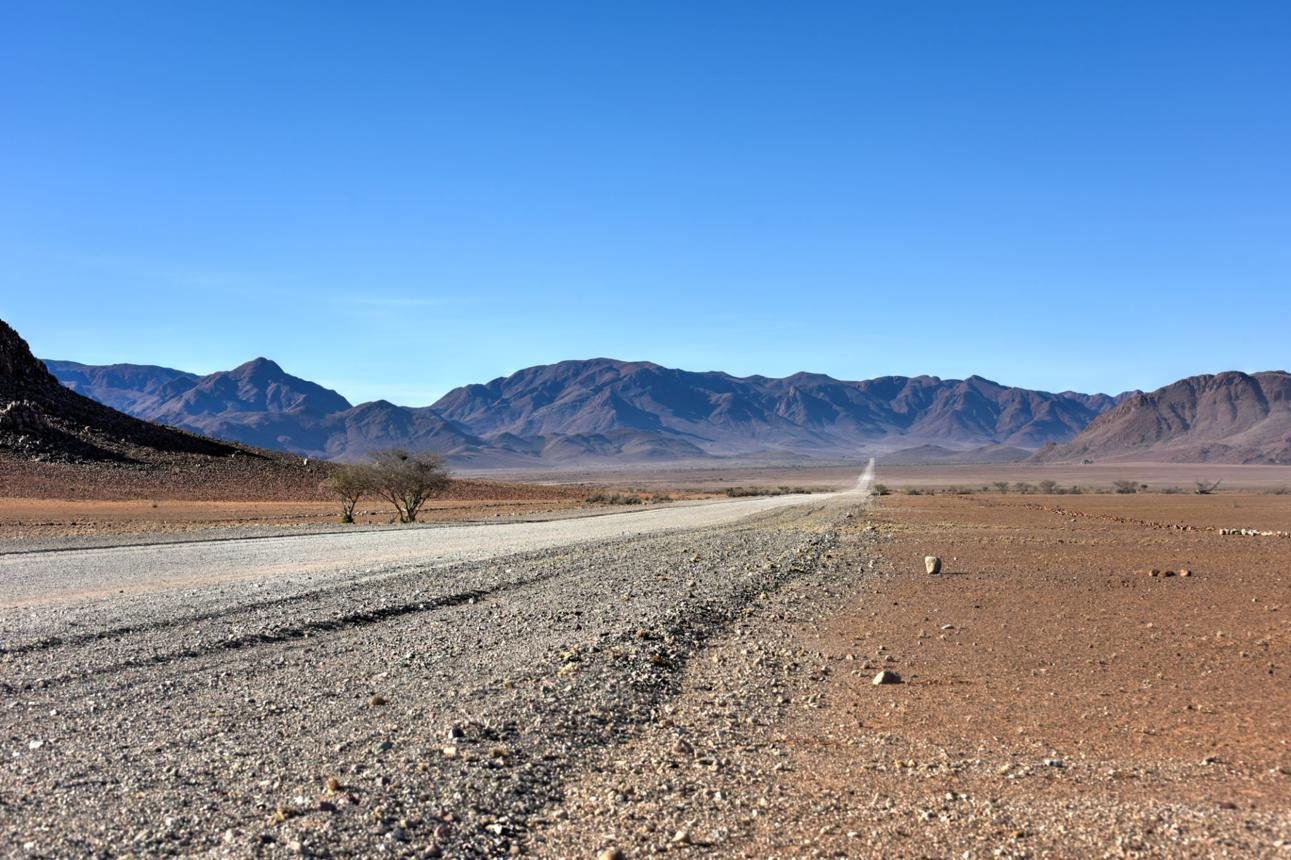
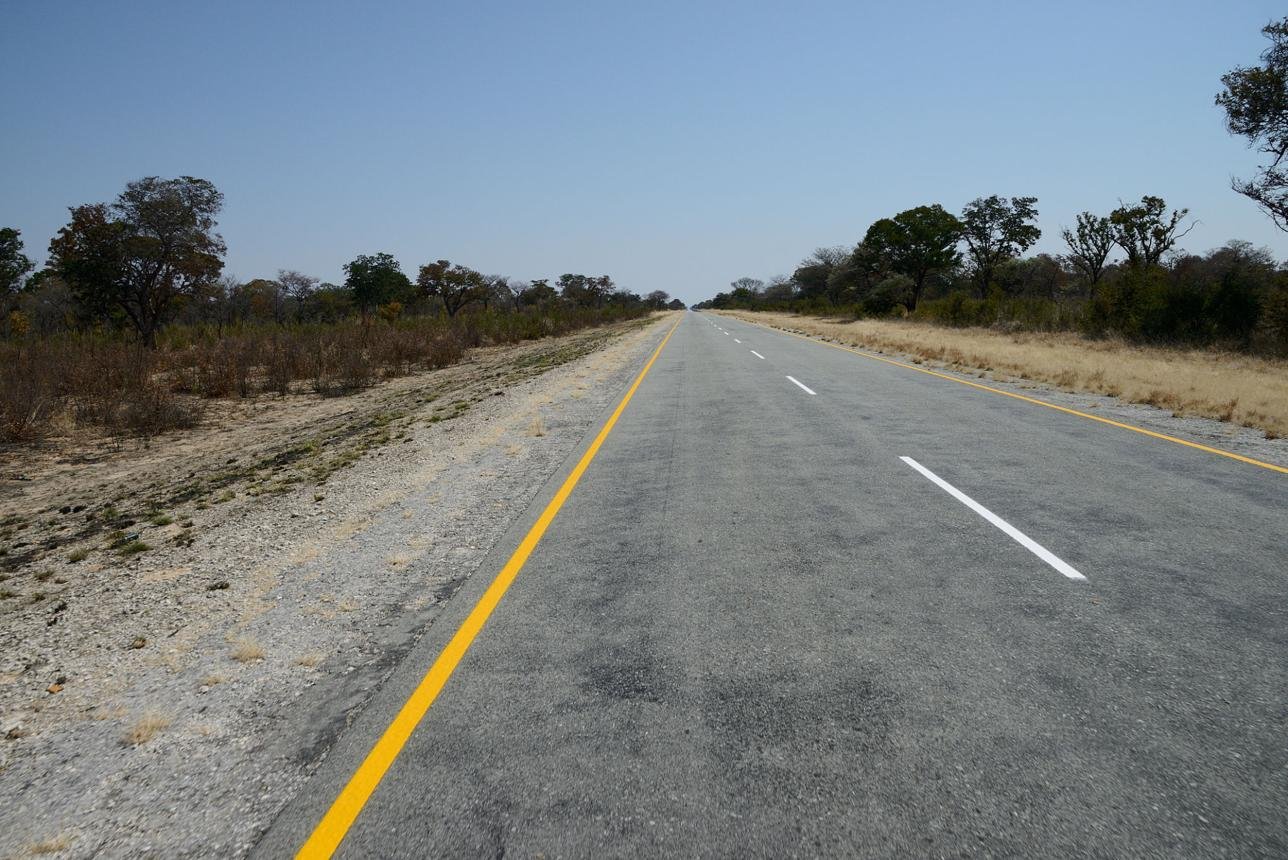
Road conditions: Excellent gravel roads, good paved highways, remote sand tracks in expedition regions
Visa situation: Straightforward for many travelers; vehicle paperwork required for cross-border overlanding
Why Overland Namibia?
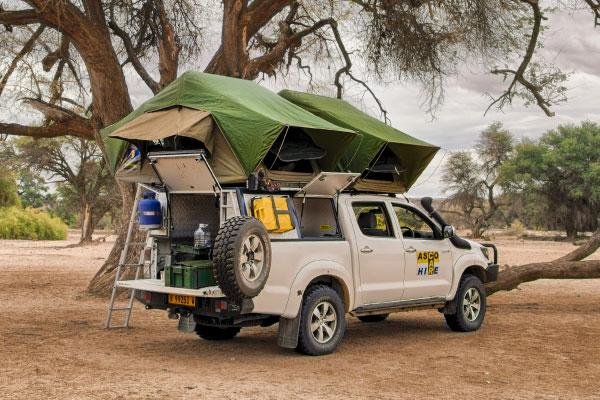
Namibia is one of the world’s greatest overlanding destinations.
Few countries are as perfectly suited to self-drive adventure travel.
Massive open landscapes, legendary gravel roads, desert wilderness, easy wildlife viewing, and strong camping infrastructure make Namibia a dream for overlanders.
Why it stands out:
- giant desert scenery
- excellent self-drive safari routes
- remote expedition possibilities
- wild camping opportunities
- superb overlanding infrastructure
- low traffic outside major towns
- dramatic Atlantic coastline
- easy route planning
Namibia combines accessibility with genuine adventure better than almost anywhere in Africa.
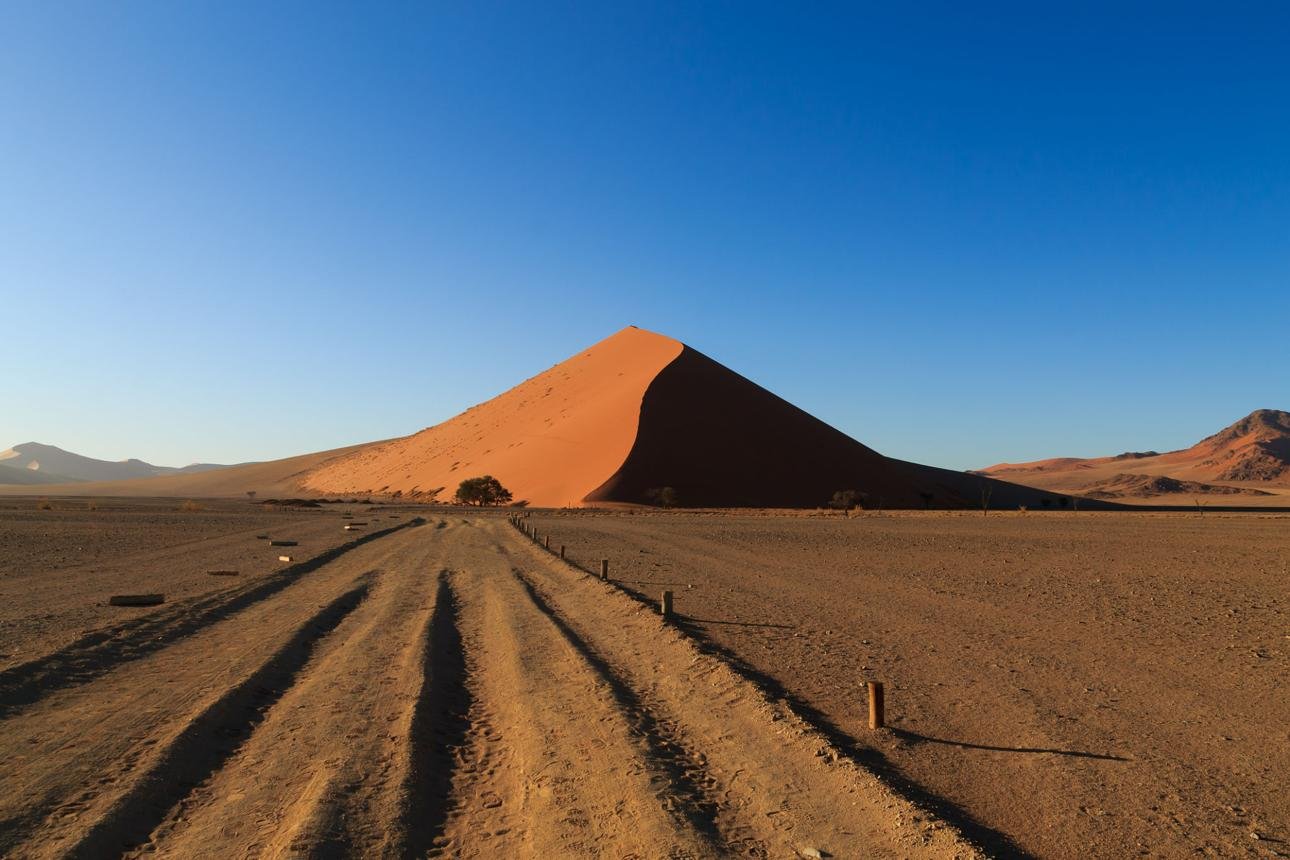
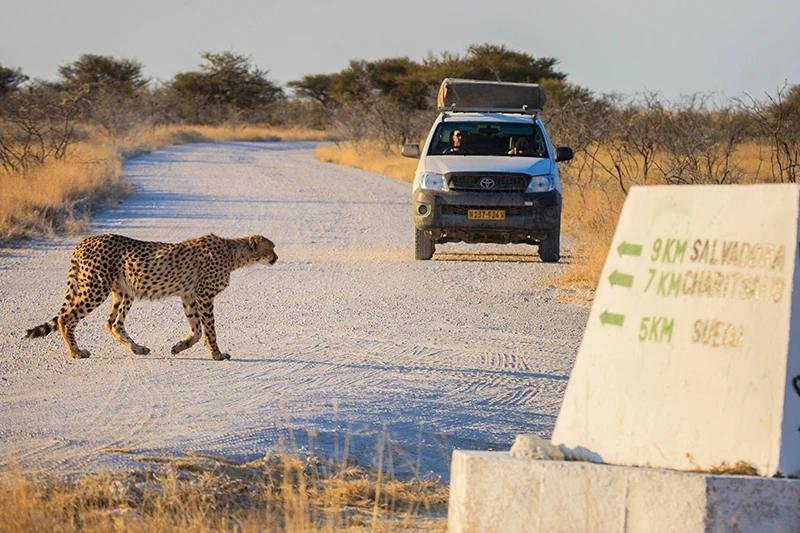
One day you can be climbing the giant dunes of Sossusvlei, the next watching elephants at a waterhole in Etosha, and later driving the foggy emptiness of the Skeleton Coast.
Main Overlanding Routes
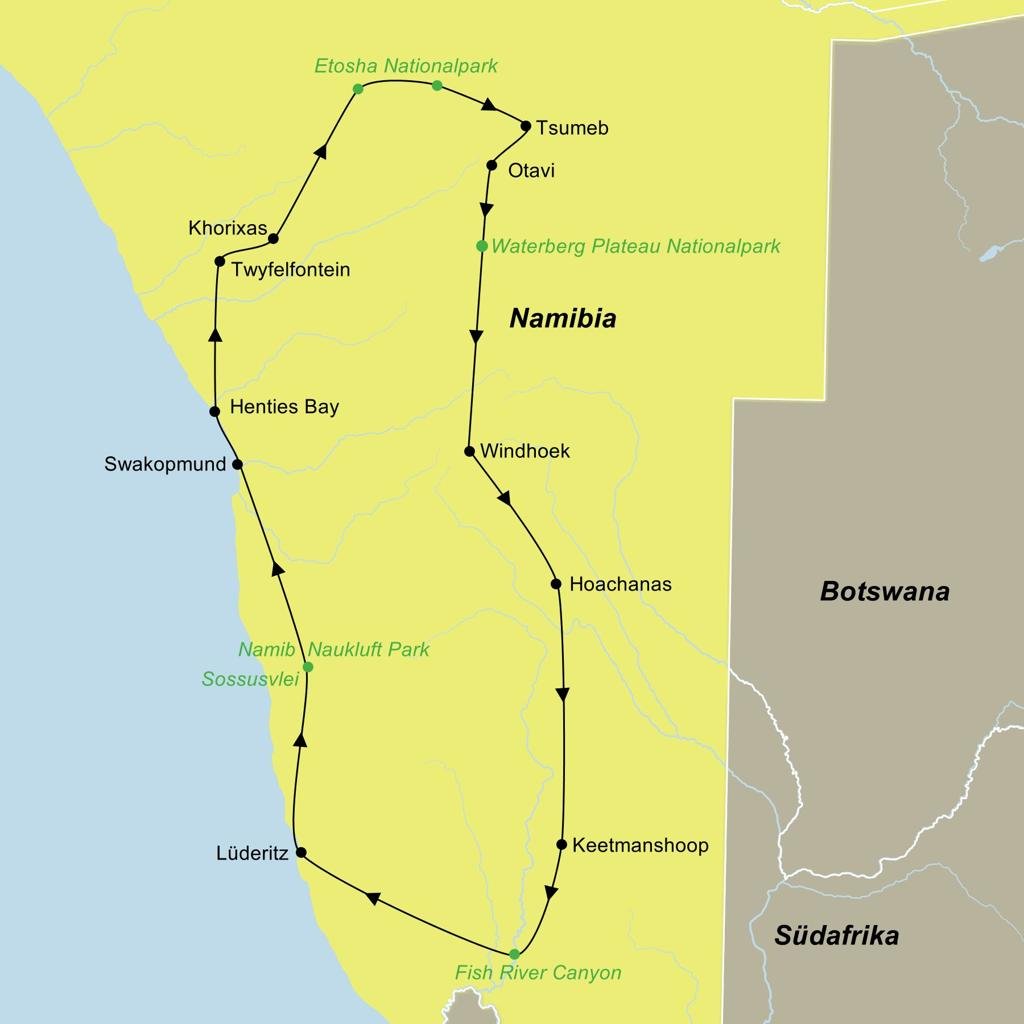
1. Classic Namibia Loop
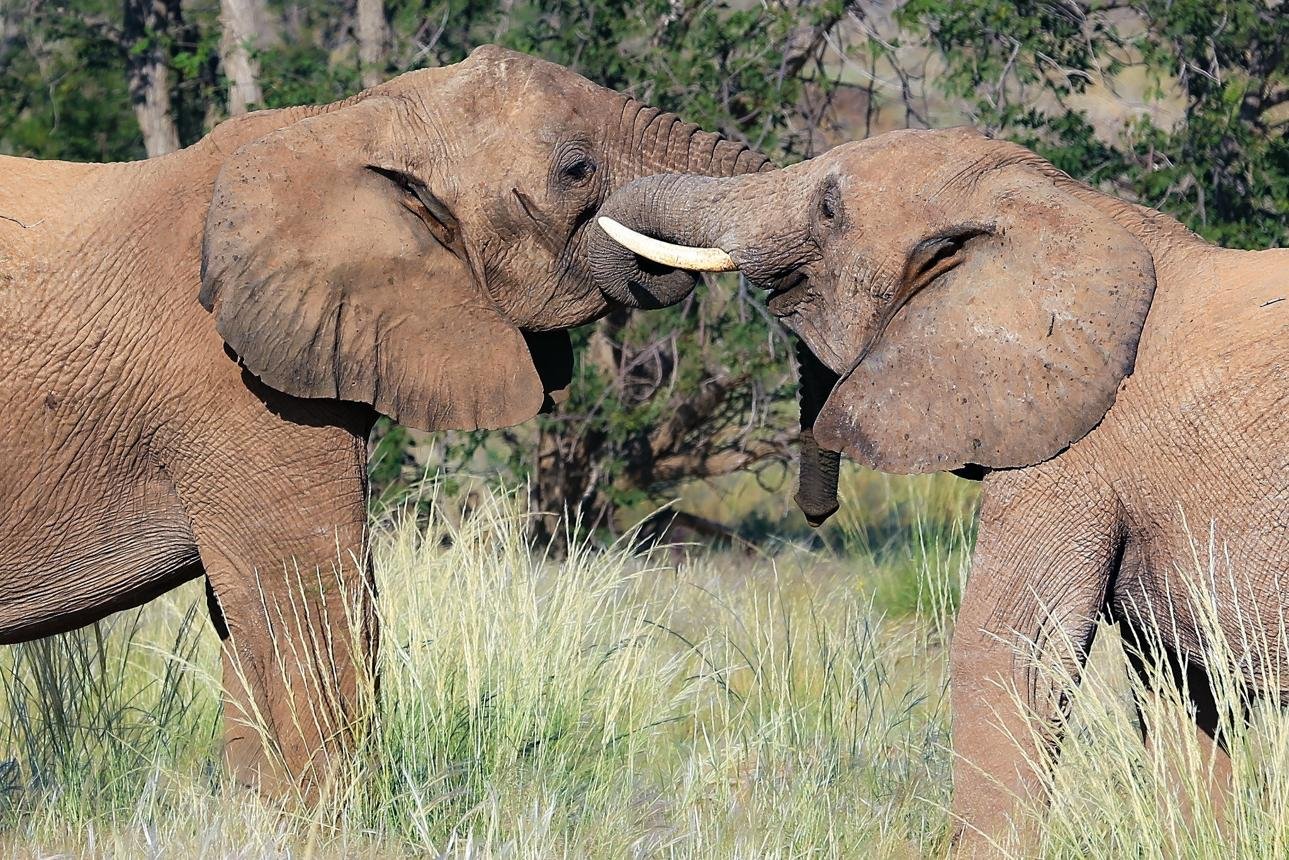
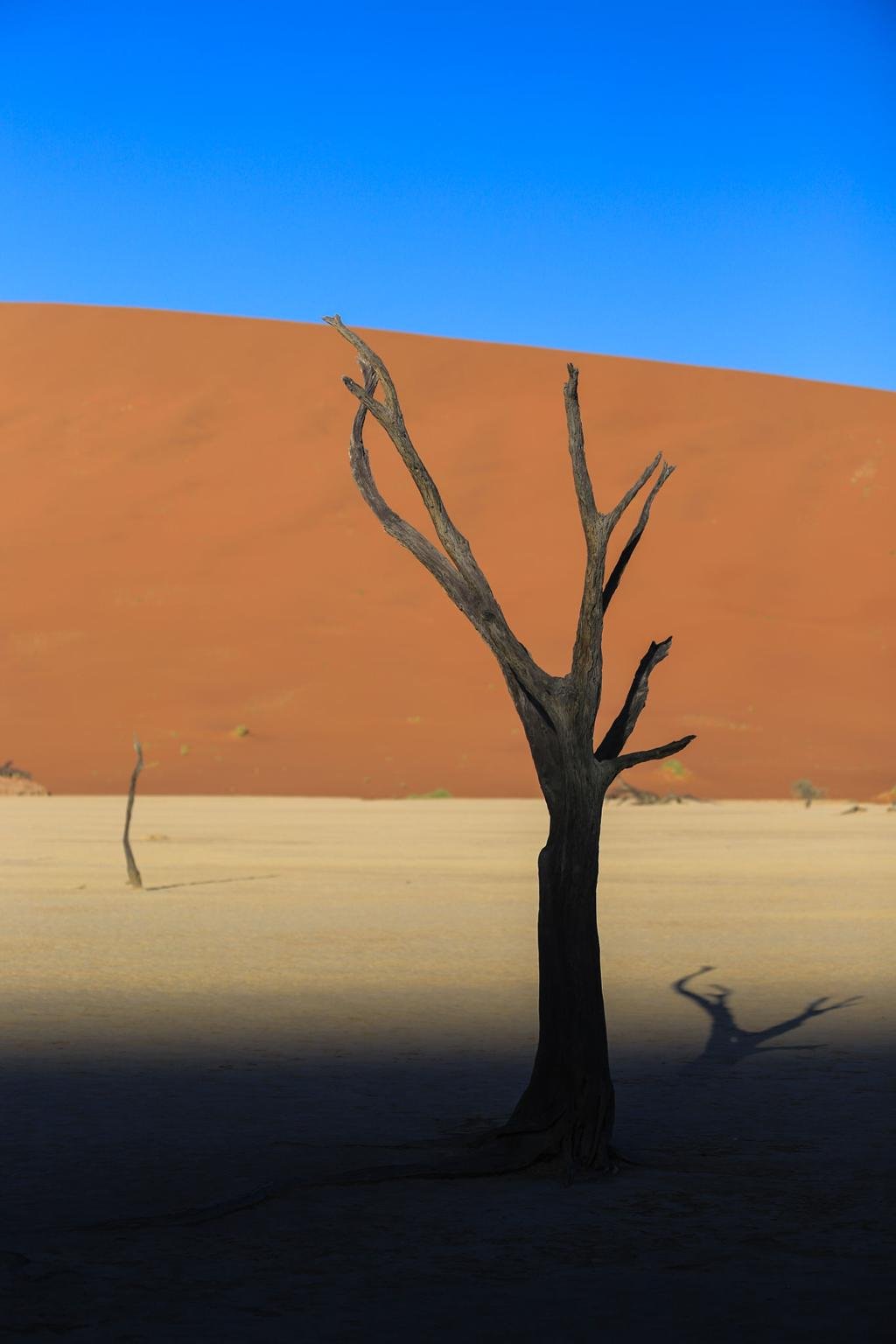
Route: Windhoek – Sesriem – Swakopmund – Skeleton Coast – Etosha – Windhoek
Distance: approx. 2,000–3,000 km
Road type: gravel + paved
Fuel: reliable
This is Namibia’s classic overlanding route and the best first-time itinerary.
Highlights:
- Windhoek logistics hub
- Sossusvlei dunes
- Namib Desert driving
- Atlantic coast
- Skeleton Coast
- Etosha safari
- classic gravel-road adventure
The route combines Namibia’s biggest highlights in one manageable expedition loop.
2. Southern Namibia Expedition
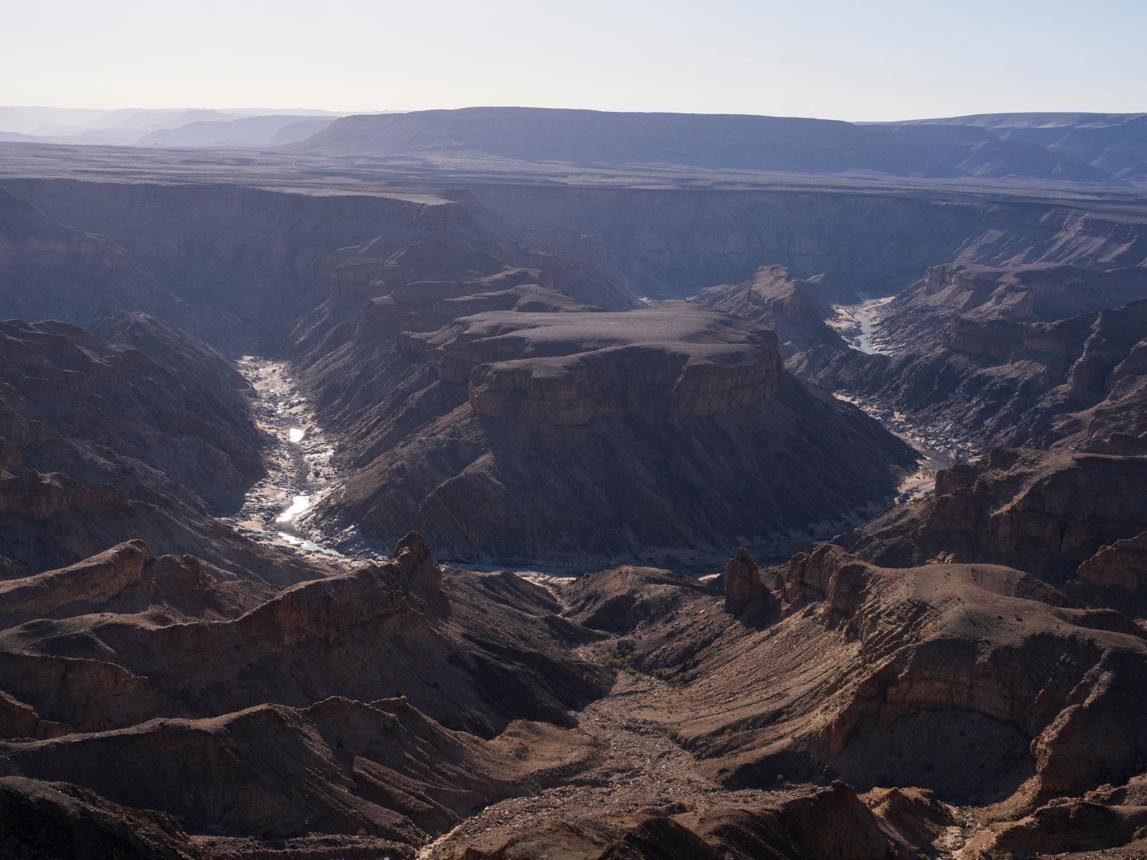
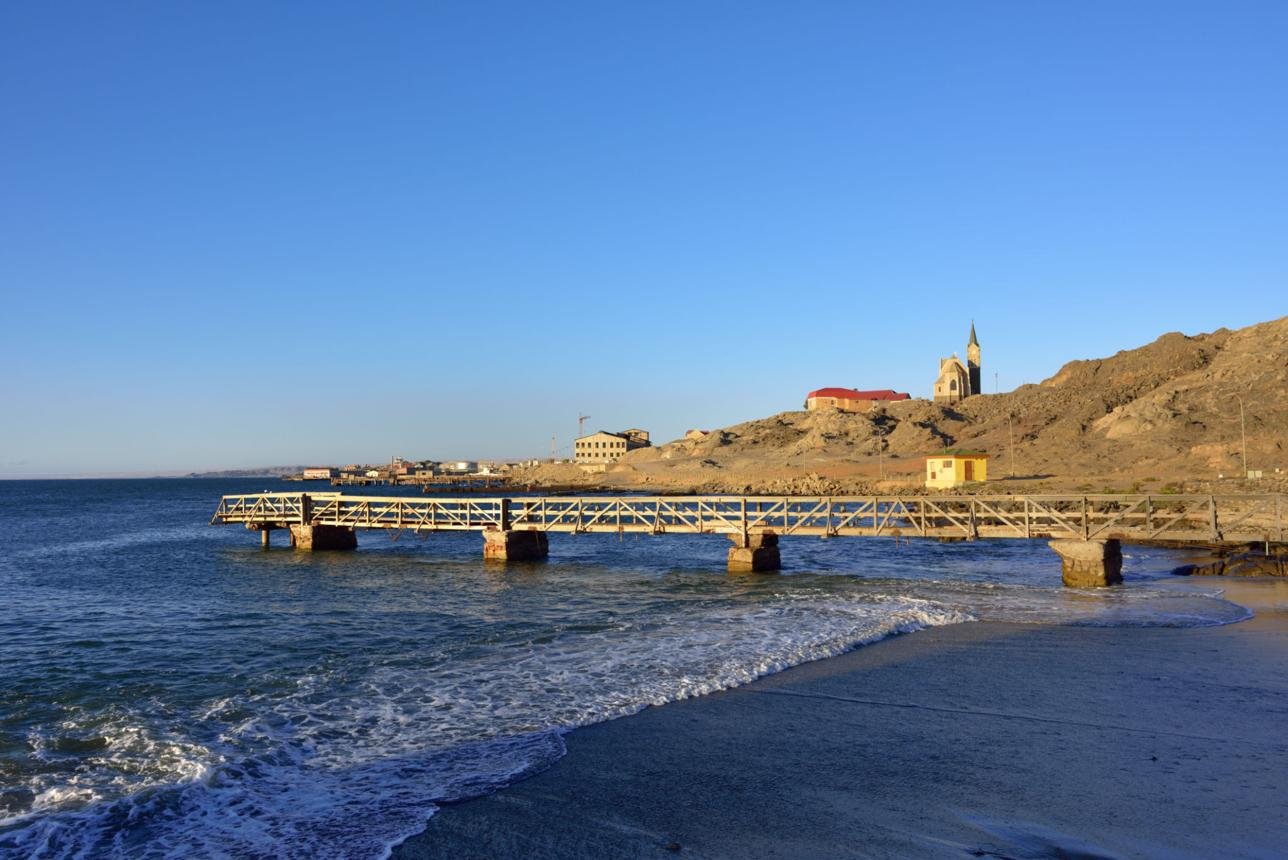
5
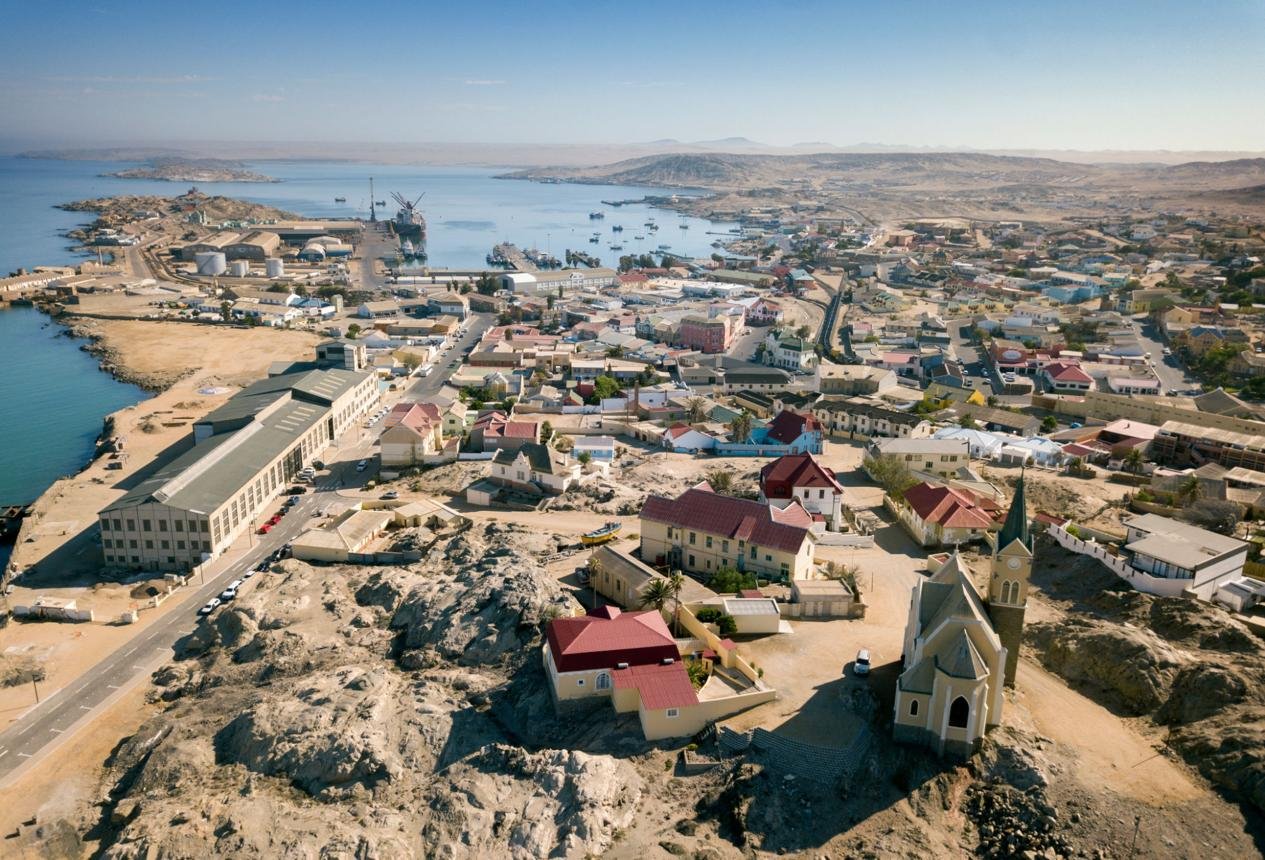
Route: Windhoek – Keetmanshoop – Fish River Canyon – Lüderitz – Namib return
A quieter scenic route for slower exploration.
Highlights:
- Fish River Canyon
- desert roads
- ghost-town history
- Atlantic coastline
- remote camps
Excellent for overlanders who prefer emptier routes.
3. Kaokoland Expedition Route
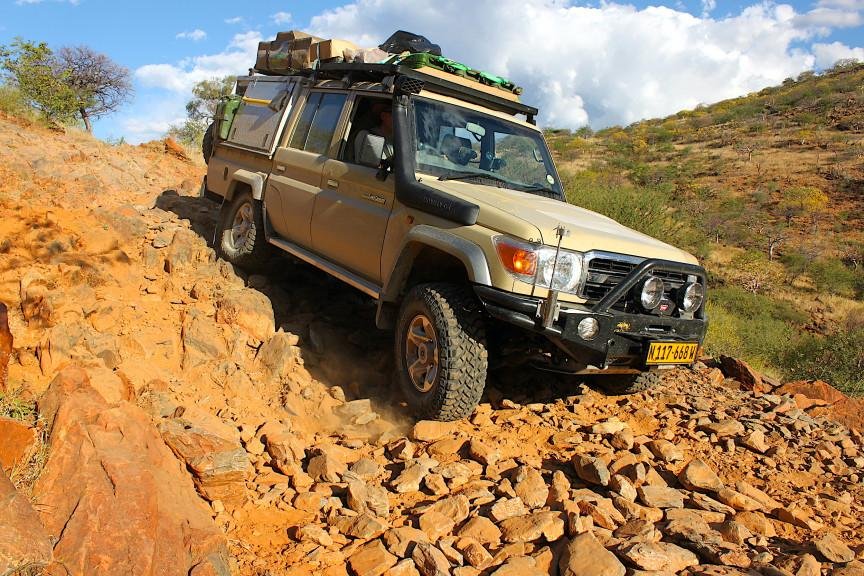
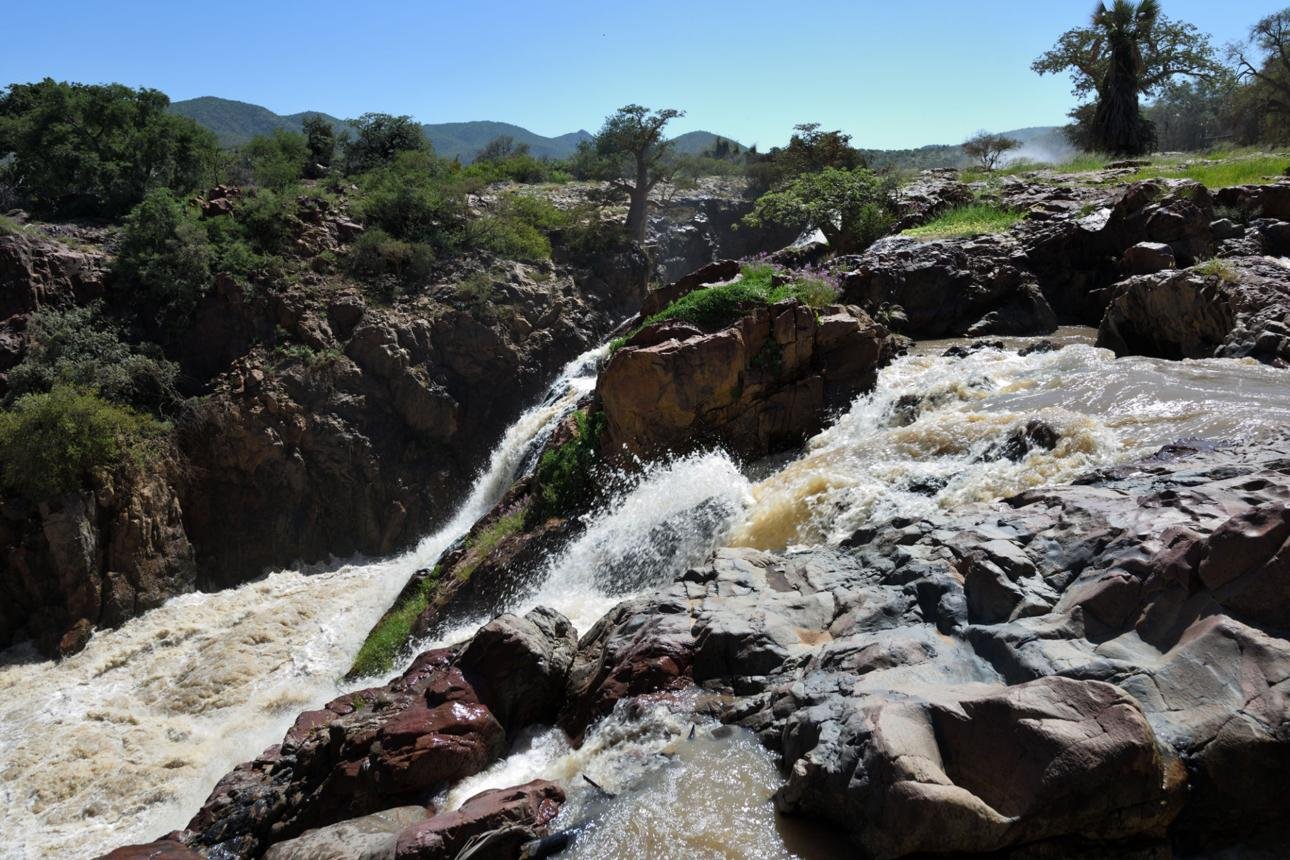
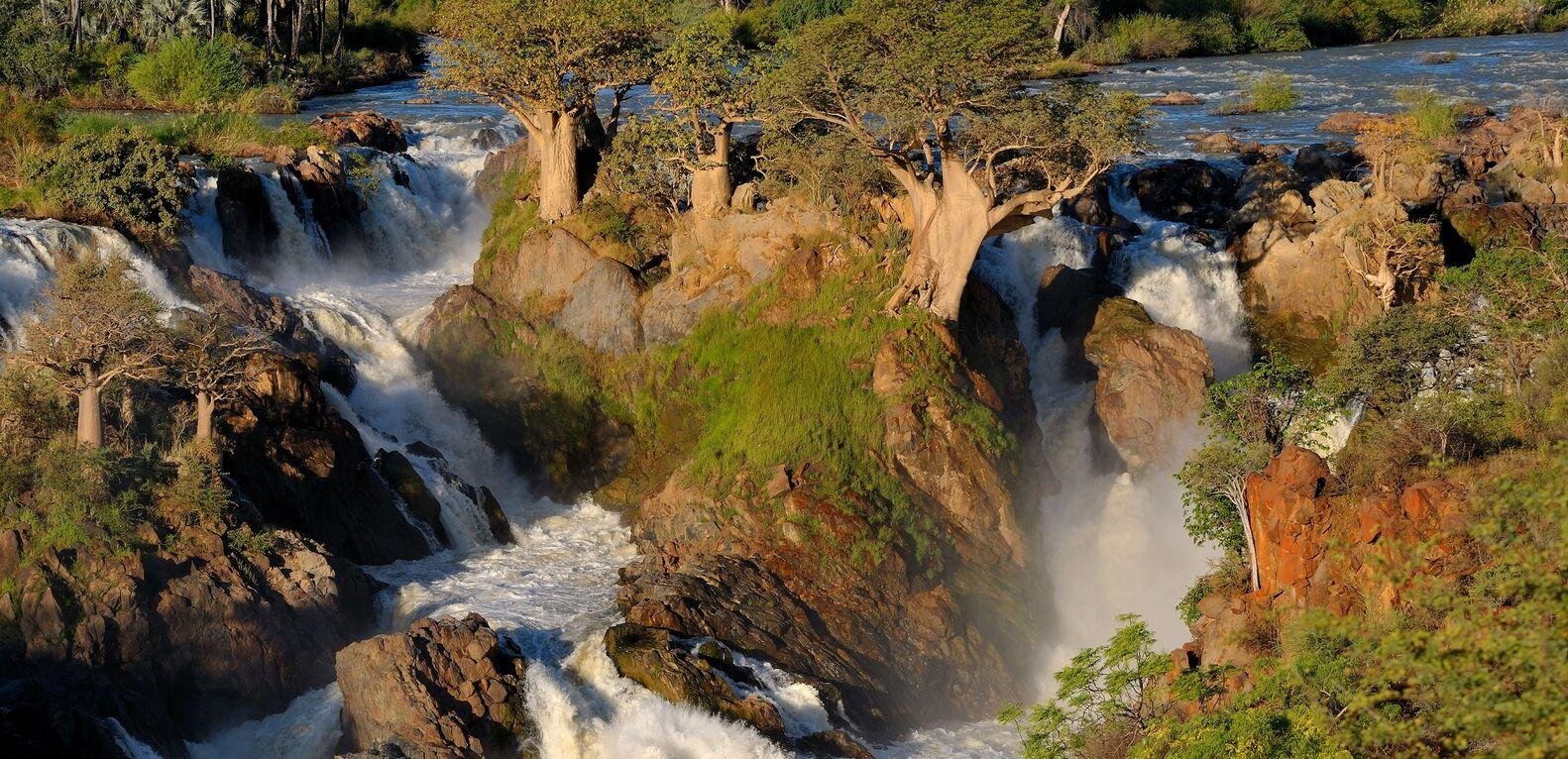
Route: Etosha – Opuwo – Epupa – remote northwest Namibia
Namibia’s true expedition route.
Expect:
- rough roads
- riverbeds
- isolation
- limited fuel
- Himba communities
- serious self-sufficiency
Best for:
- experienced overlanders
- 4×4 vehicles
- expedition campers
4. Zambezi / Caprivi Route
Route: Grootfontein – Rundu – Divundu – Katima Mulilo
Completely different from desert Namibia.
Highlights:
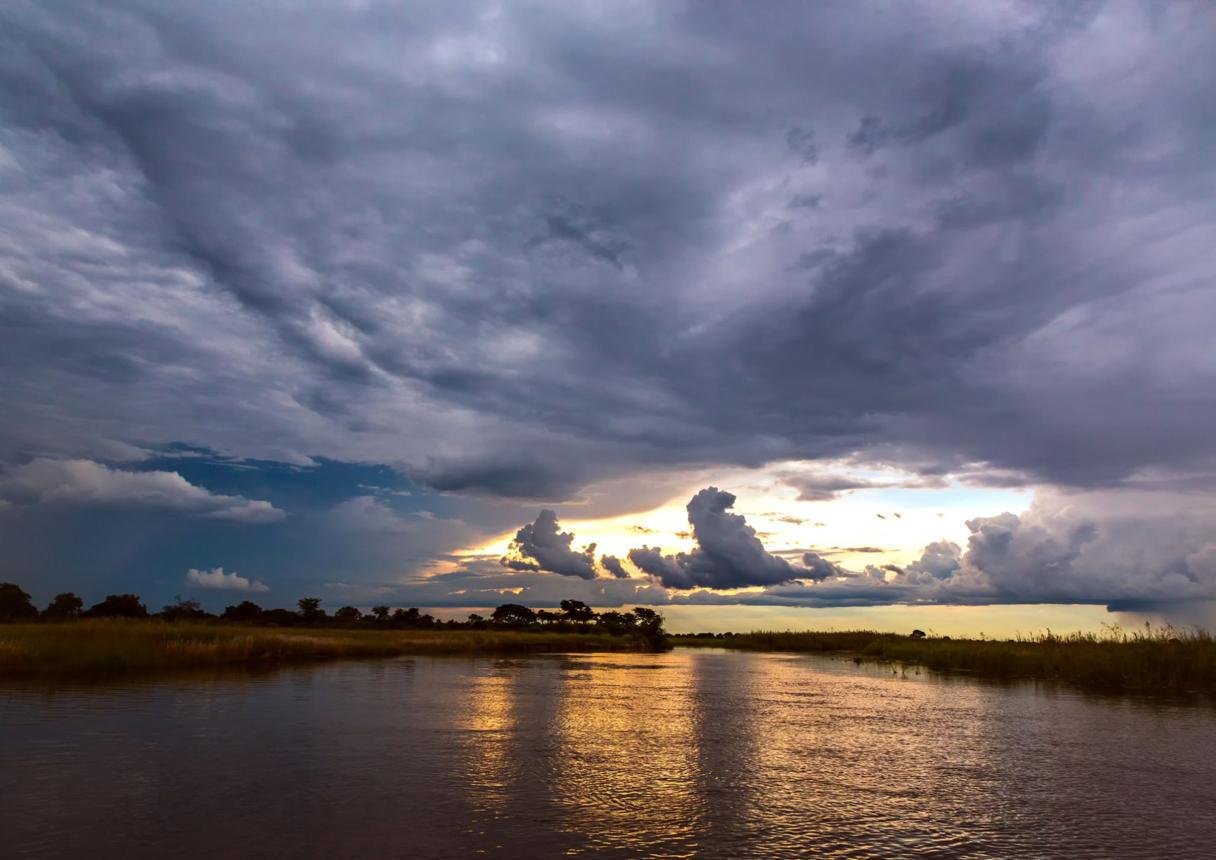
- river landscapes
- wetlands
- elephants
- birdlife
- cross-border safari connections
Ideal onward route toward Botswana, Zambia, or Angola.
Planning a bigger African overland journey?
Our detailed Africa Overland Travel Guide covers routes, borders, campsites, logistics and real-world expedition experience across the continent.
Available as print book and ebook.
Explore the Africa Overland Travel Guide
Borders & Entry Points
Namibia borders:
- South Africa
- Botswana
- Zambia
- Angola
South Africa
Most common overland entry.
Excellent road infrastructure.
Ideal for southern Africa loops.
Botswana
Popular safari overlanding connection.
Easy combination with Chobe and Okavango routes.
Zambia
Useful for longer regional expeditions.
Angola
More adventurous expedition connection.
Better suited to experienced overlanders.
Vehicle Entry Requirements
Usually required:
- passport
- vehicle registration
- insurance
- temporary import paperwork
- driver’s license
Cross-border travelers should prepare paperwork carefully.
Driving Conditions
Namibia is easy by African standards—but distances are serious.
Easy:
- major highways
- maintained gravel tourism routes
- classic circuits
Moderate:
- remote gravel roads
- corrugations
- long-distance fatigue
Difficult:
- soft sand
- Kaokoland
- isolated expedition tracks
Main risks:
- punctures
- gravel-speed accidents
- wildlife
- fatigue
- dehydration
Fuel & Logistics
Namibia is highly overlander-friendly.
Advantages:
- reliable fuel on major routes
- mechanics in larger towns
- supermarkets
- mobile coverage in populated areas
- excellent camping infrastructure
Remote expeditions require extra preparation.
Bring:
- spare tires
- compressor
- water reserves
- recovery gear
- fuel backup
Camping & Accommodation
Wild Camping
One of Namibia’s major attractions.
Possible in some remote areas with caution and route awareness.
Campsites
Excellent infrastructure.
Options include:
- budget camps
- safari camps
- national park camping
- wilderness camps
- lodge camping
Namibia is one of Africa’s best camping destinations.
Budget Accommodation
Available in towns and tourism regions.
Safety & Risks
Namibia is generally one of Africa’s safer and easier overlanding countries.
Main concerns:
- remote breakdowns
- dehydration
- gravel road accidents
- wildlife hazards
- isolation
Urban petty crime exists but expedition risks matter more.
Best Time to Visit
Ideal
May–October
Dry season.
Best for wildlife and road conditions.
Shoulder Season
April / November
Still workable.
Summer
Hotter with occasional rain.
Remote roads may become more difficult.
Sample 3-Week Itinerary
Days 1–2: Windhoek
Days 3–5: Sesriem / Sossusvlei
Days 6–8: Swakopmund / Walvis Bay
Days 9–11: Skeleton Coast
Days 12–15: Etosha
Days 16–21: Kaokoland or Zambezi extension
FAQ
Is Namibia beginner-friendly?
Yes—one of Africa’s best first overlanding destinations.
Do you need 4×4?
Not for classic routes, recommended for expedition routes.
Can you wild camp?
Often possible in remote regions with caution.
Is Namibia good for campervans?
Excellent.
Best self-drive safari country?
One of the very best globally.
Related Pages
- Namibia Campsites
- Backpacking Namibia
- Getting Around Namibia
- Further Reading
- Etosha National Park
- Namib-Naukluft National Park
- Skeleton Coast National Park
- Windhoek
- Swakopmund
- Namibia 2012