Vienna City Guide – The Perfect 3‑Day Itinerary
Destination: Vienna, Austria
Recommended Stay: 2–3 days
Travel Style: City Trip
Guide Format: PDF / Print
Languages: EN / DE / FR / ES
Vienna is Europe’s grand capital of music, cafés, imperial palaces, and elegant streets. Built along the Danube, the city is famous for its rich cultural heritage—from Habsburg grandeur and classical music to modern design and coffeehouse culture. The historic core is a UNESCO World Heritage site, notable for Baroque castles and gardens, the late‑19th‑century Ringstrasse, and a continuing tradition as a music capital.
Visitors arrive to find a beautifully preserved city center, world‑class museums, lush parks, and a relaxed, sophisticated atmosphere. Despite its imperial history, Vienna feels walkable and welcoming, with lots of public spaces, elegant boulevards, and a strong café culture that makes it easy to enjoy the city at any pace.
This Vienna city guide presents a carefully planned 3‑day itinerary that covers the most iconic landmarks, neighborhoods, and cultural experiences, while also giving you time to soak in local life and world‑renowned food.
Hero Section
Title: Vienna City Guide – The Perfect 3‑Day Itinerary
Destination: Vienna, Austria
Recommended Stay: 2–3 days
Travel Style: City Trip
Guide Format: PDF / Print
Languages: EN / DE / FR / ES
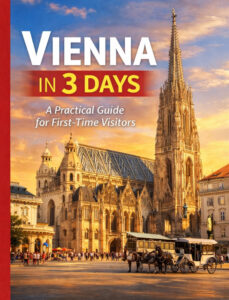
Buttons:
- Buy the Ebook Guide
- Download Sample
What’s Inside This Guide
This travel guide includes a detailed itinerary for exploring Vienna efficiently, combining historic landmarks with scenic walks, café breaks, and cultural highlights.
Highlights:
- Complete 3‑day Vienna itinerary
- Walking routes through the historic center and modern districts
- Insider tips for museums, palaces, and classical music venues
- Café, market, and restaurant recommendations
- Hidden attractions and scenic viewpoints
- Practical travel advice for first‑time visitors
Vienna is compact enough that you can walk between many sights, while a reliable public transport system fills the gaps to museums, gardens, and outlying attractions.
Suggested 3‑Day Itinerary
Day 1 – Historic center and imperial highlights
Start your visit in the historic inner city, the heart of Vienna’s identity and culture.
Morning — St. Stephen’s Cathedral and historic core
Begin at St. Stephen’s Cathedral in Stephansplatz. This Gothic landmark is Austria’s tallest church, with its south tower rising 136 meters, and is considered Vienna’s symbolic center.
- If you’re up for a climb, the south tower has 343 steps leading to a dramatic city view.
- Guided tours and rooftop or catacomb experiences are regularly offered; schedules vary by season.
From the cathedral, wander Vienna’s narrow historic streets for a sense of the city’s centuries‑old fabric—stone facades, small shops, and classic Viennese cafés.
Midday — Imperial squares, shops, and lunch
Walk toward Graben and Kohlmarkt, two of Vienna’s most famous pedestrian streets. Graben often features outdoor seating, street musicians, and baroque façades that reflect the city’s grandeur.
Lunch tip: try a traditional Wiener schnitzel or tafelspitz at a nearby restaurant, or stop in a historic café for light fare and coffee—ideal for people‑watching.
Afternoon — Hofburg palace complex and museums
From the pedestrian area, head to the Hofburg, the former imperial palace complex. The sprawling grounds contain several museums, the Imperial Apartments, and the Spanish Riding School.
- If you want a deep dive into imperial history, plan a visit to the Imperial Apartments or the Sisi Museum, but even a walk around the plazas and courtyards is rewarding.
Nearby is the Spanish Riding School; for a seasonal performance or practice viewing, check schedules in advance. It’s one of Vienna’s most unique cultural traditions.
Evening — Classical music or evening stroll
End Day 1 with a choice:
- Attend a classical concert, opera, or chamber music performance. Venues around the center often host evening shows that showcase Vienna’s musical legacy.
- Or take a relaxed evening stroll along Ringstrasse, admiring illuminated buildings such as the Vienna State Opera, parliament, and museums, which line this grand boulevard.
Day 2 — Palaces, museums, and gardens
A day that leans into Vienna’s art, culture, and green spaces outside the very center.
Morning — Schönbrunn Palace or Belvedere
Option A: Schönbrunn Palace
- Travel to Schönbrunn, the former summer residence of the Habsburgs, a short ride from the center. Explore the palace’s opulent rooms, then stroll the extensive gardens, visit the Gloriette viewpoint, or relax at a café on the grounds.
- Schönbrunn is a highlight for anyone interested in imperial daily life, architecture, and formal gardens.
Option B: Belvedere Palace
- If you prefer staying closer to the inner city, visit Belvedere, a beautiful baroque palace complex housing significant Austrian art collections, including works by Gustav Klimt.
- The gardens between the upper and lower Belvedere buildings offer scenic views over the city and well‑maintained grounds for a peaceful walk.
Midday — Museum visit and lunch
After the palace, head to a nearby museum depending on your option:
- From Belvedere, you’re already in art‑rich territory. Explore the historical galleries or temporary exhibits, then enjoy lunch in a café nearby.
- From Schönbrunn, consider returning toward the center or enjoying lunch at the palace’s surroundings with typical Austrian dishes or pastries.
Afternoon — MuseumsQuartier and modern culture
Return to the city core and spend the afternoon in the MuseumsQuartier (MQ), one of the world’s largest cultural complexes. MQ blends baroque buildings with modern architecture, and features:
- Contemporary art exhibitions, design showcases, and cultural events.
- Popular outdoor seating areas where residents gather in good weather.
Nearby, explore the Leopold Museum or MUMOK (Museum of Modern Art Ludwig Foundation), depending on your interests. Both are within walking distance inside MQ.
Evening — Café culture, dessert, and a walk
Vienna’s café scene is essential. Choose a historic café—perhaps one near the city center—and savor an iconic dessert such as Sachertorte, apple strudel, or a coffee specialty.
After dessert, head toward a nearby park or square for a quiet evening. Volksgarten near the Hofburg is especially pleasant at dusk, offering rose gardens and a calm atmosphere.
Day 3 — Neighborhoods, markets, and local life
A deeper dive into Vienna’s local flavor, markets, and less crowded neighborhoods.
Morning — Naschmarkt and culinary discovery
Begin at Naschmarkt, Vienna’s famous food market stretching along a lively thoroughfare.
- Sample cheeses, meats, fresh produce, and international foods, or stop for breakfast at a market stall offering local specialties.
- It’s a great place for short bites, people watching, and soaking up the everyday atmosphere of the city.
From Naschmarkt, explore nearby streets in the Wieden or Margareten districts—areas known for a mix of traditional eateries and newer, creative shops.
Midday — Danube Canal or Prater park
Option A: Danube Canal area
- Stroll along the canal banks, where hip cafés, street art, and casual bars line the water.
- It’s a pleasant contrast to the historic core—more modern, youthful, and open air.
Option B: Prater
- Visit Prater, the large public park northeast of the center.
- Ride the historic Ferris wheel at the entrance for panoramic city views, or simply walk through the park’s green spaces and tree‑lined avenues.
- In warmer months, enjoy outdoor concerts, small food stalls, or cycling.
Lunch in either area can be quick and casual—market food at Naschmarkt, a snack near the canal, or a picnic in Prater.
Afternoon — Hidden gems and viewpoints
After lunch, choose one of the following:
- City view from a rooftop or tower: Seek out a rooftop terrace or viewpoint that offers a different perspective on Vienna’s skyline, rooftops, and historic domes.
- Hidden courtyards and small museums: Explore lesser‑known courtyards, artisan workshops, or small museums near the ring or in the inner districts. These can offer calm, local atmosphere and unique finds.
Evening — Last Viennese meal and farewell
Cap your trip with a final dinner at a traditional Viennese restaurant or Heuriger-style wine tavern in a nearby wine village district. Enjoy local wine, hearty meals, and tranquil surroundings away from the main tourist areas. It’s a memorable way to finish your visit with authentic local hospitality.
Explore the City Map
Insert a map showing the main attractions and walking routes.
Examples:
Day 1 walking route
St. Stephen’s Cathedral → Graben / Kohlmarkt → Hofburg area → Ringstrasse (Opera, museums)
Day 2 museum and palace route
Belvedere or Schönbrunn → MuseumsQuartier → nearby gardens or city center cafés
Day 3 neighborhood exploration
Naschmarkt → Danube Canal or Prater → hidden streets and viewpoints
Vienna’s public transport—U-Bahn, trams, and buses—makes it easy to move between districts, especially for longer legs like the palace or Prater.
Why Visit Vienna
Vienna offers an extraordinary blend of history, culture, and everyday life. Visitors can experience imperial architecture, world‑famous art, classical music, and vibrant modern neighborhoods—all within a city that feels gracious and manageable.
Reasons to visit Vienna include:
- UNESCO‑listed historic center with Baroque architecture and Ringstrasse grandeur.
- Iconic landmarks such as St. Stephen’s Cathedral with its rich history and view opportunities.
- World‑class museums, classical music venues, and palace gardens.
- Engaging café culture, markets, and elegant dining.
- Scenic parks, riverfronts, and neighborhoods that feel both historic and contemporary.
Vienna’s balance of majestic past and lively present makes it rewarding for first‑time visitors and seasoned travelers alike.
Who This Guide Is For
Ideal for:
- First‑time visitors
- Weekend or short‑trip travelers
- Independent explorers who enjoy walking itineraries
- Culture lovers, music fans, and architecture enthusiasts
- Visitors seeking a mix of iconic attractions and local life
Get the Complete Vienna Guide
Download the full guide to access the complete itinerary, detailed maps, and practical travel advice.
Buttons:
- Buy PDF Guide
- Buy Print Guide
- Preview Sample Pages
More City Guides
You may also enjoy:
- Prague City Guide
- Budapest City Guide
- Salzburg City Guide
- Lisbon City Guide
Frequently Asked Questions
How many days do you need in Vienna?
2–3 days is enough to see the main attractions, though more time lets you explore museums and neighborhoods at a relaxed pace.
What is the best time to visit Vienna?
Spring and autumn are ideal for pleasant weather, fewer crowds, and vibrant outdoor café life. Winter has festive charm and concerts, but can be cold.
Is Vienna walkable for tourists?
Yes. The inner city is compact, and many landmarks lie within walking distance. Public transport fills in for longer trips to palaces, parks, or distant districts.