
Overland from Africa
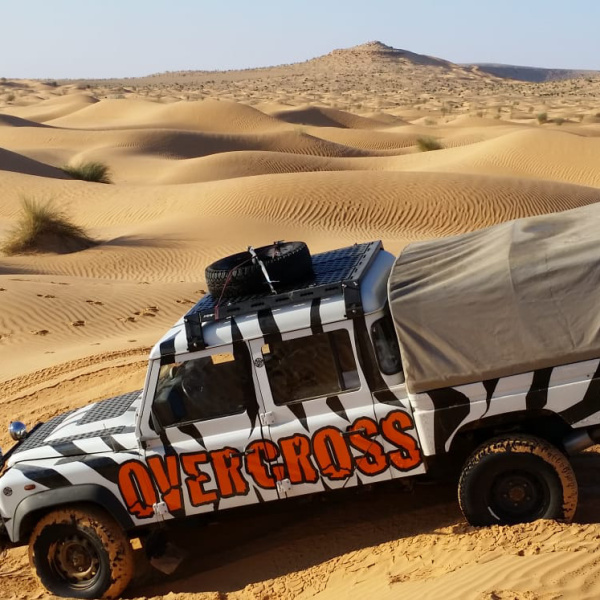


Driving from Europe to Africa is one of the most exciting overland adventures. With proper preparation, you can travel thousands of kilometers across deserts, mountains, and diverse cultures. This guide explains the main steps to plan a successful Europe-to-Africa overland trip.
1. Choose Your Route
The first decision is where you will enter Africa. There are two main options.
Spain → Morocco (Most Common)
Ferry routes:
- Algeciras → Tangier Med
- Tarifa → Tangier Ville
Travel time: about 1–2 hours.
Advantages:
- cheapest crossing
- frequent ferries
- Morocco is very overlander-friendly.
Italy → Tunisia
Ferry route:
- Palermo (Sicily) → Tunis
Travel time: about 10–12 hours.
Advantages:
- quieter entry point
- easy access to the Sahara
- good starting point for North Africa.
2. Decide How Far You Want to Travel
Africa is enormous, so decide early how long and how far you want to go.
Common overland routes:
North Africa Explorer
Morocco
→ Western Sahara
→ Mauritania
→ Senegal
Good for shorter trips (1–3 months).
East Africa Route
Egypt
→ Sudan
→ Ethiopia
→ Kenya
→ Tanzania
A classic expedition route.
Cairo to Cape Town
One of the world’s most famous overland journeys:
Egypt
→ Sudan
→ Ethiopia
→ Kenya
→ Tanzania
→ Zambia
→ Botswana
→ South Africa
This route can take 6–12 months.
3. Choose the Right Vehicle
Your vehicle is the heart of an overland trip.
Popular choices:
4×4 Vehicles
Examples:
- Toyota Land Cruiser
- Toyota Hilux
- Land Rover Defender
Advantages:
- reliable
- strong suspension
- excellent for rough roads.
Camper Vans
Advantages:
- comfortable living space
- good for paved routes
- ideal for long trips.
Motorcycles
Many travelers cross Africa by motorcycle.
Advantages:
- low fuel consumption
- easier border crossings.
4. Prepare Important Documents
Border crossings require proper paperwork.
Essential documents include:
Passport
Valid for at least 6 months.
Visas
Many African countries require visas. Some can be obtained at borders.
Vehicle registration
Original registration documents are required.
Carnet de Passage
Some countries require this vehicle import document.
Common countries requiring it include:
- Egypt
- Kenya
- Tanzania
International Driving Permit
Useful for police checks.
5. Plan Your Budget
Costs vary widely depending on your travel style.
Typical monthly costs for two people:
- fuel: €300–€700
- food: €200–€400
- campsites: €100–€300
- visas and borders: €200+
Estimated monthly budget:
€800–€1,500
Repairs or unexpected costs can increase this.
6. Pack the Right Equipment
Good preparation prevents many problems.
Essential gear:
Navigation
- GPS device
- offline maps
- paper maps.
Recovery gear
- recovery boards
- tow straps
- shovel.
Camping equipment
- roof tent or ground tent
- cooking equipment
- water containers.
Safety equipment
- first aid kit
- satellite communicator
- fire extinguisher.
7. Research Border Crossings
Border crossings in Africa can be slow and confusing.
Tips:
- arrive early in the day
- carry multiple passport copies
- remain patient and polite
- expect several checkpoints.
Reading recent traveler reports can help.
8. Learn Basic Safety Tips
Africa is generally welcoming, but preparation is important.
Key tips:
- avoid driving at night
- watch road conditions
- secure valuables
- respect local customs.
Local advice from other travelers is extremely helpful.
9. Plan Your Timeline
Africa travel takes longer than expected.
Examples:
- Europe → Morocco: 1 week
- North Africa: 3–6 weeks
- Cairo → Cape Town: 6–12 months
Allow flexibility because borders, weather, or vehicle issues may cause delays.
10. Stay Flexible and Enjoy the Journey
Overlanding is about freedom and exploration.
Some of the best experiences happen when you:
- change plans
- take smaller roads
- stay longer in interesting places.
Africa offers incredible landscapes, wildlife, and cultures that make the journey unforgettable.