Backpacking in Guatemala is one of the best-value, most rewarding trips in Central America—think volcano hikes, jungle ruins, colorful towns, and super cheap travel.
🇬🇹 Why Guatemala Is a Backpacker Favorite
4
Very affordable 💸
Compact → easy to travel around
Mix of Mayan culture + Spanish colonial history
Epic nature: volcanoes, lakes, jungles
🧭 Classic Backpacking Route
1. Antigua (Colonial Base + Volcano Hub)
4
Antigua Guatemala
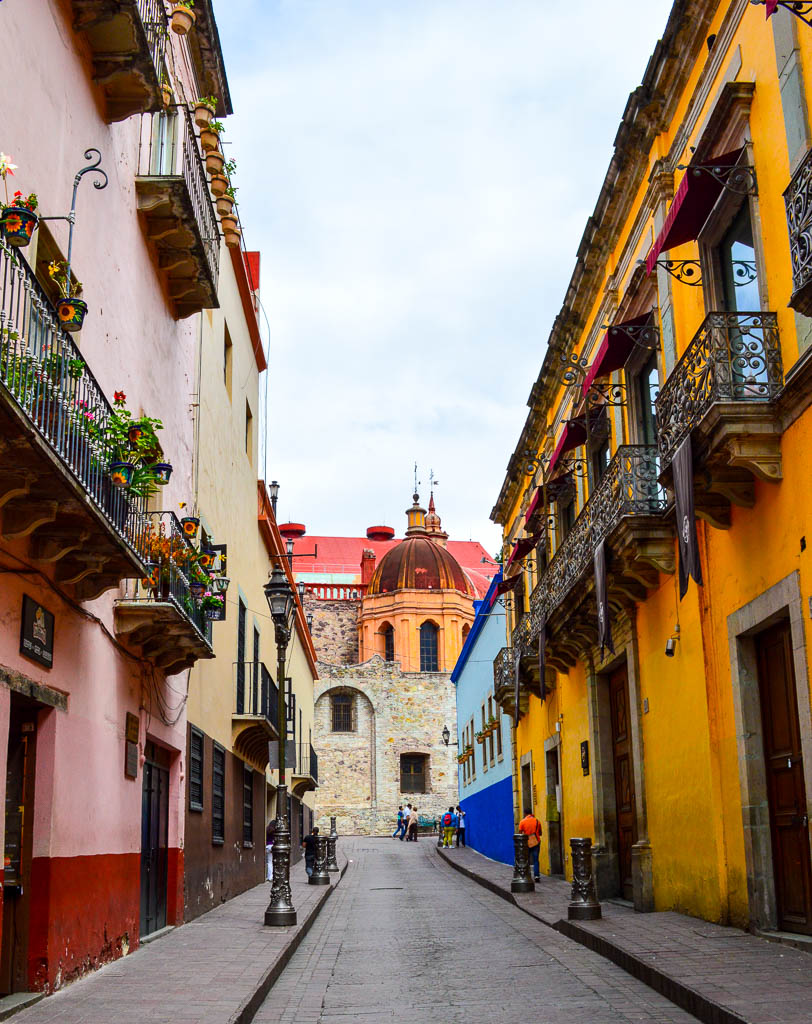
Beautiful, safe, and full of backpackers
Base for volcano hikes
👉 Must-do:
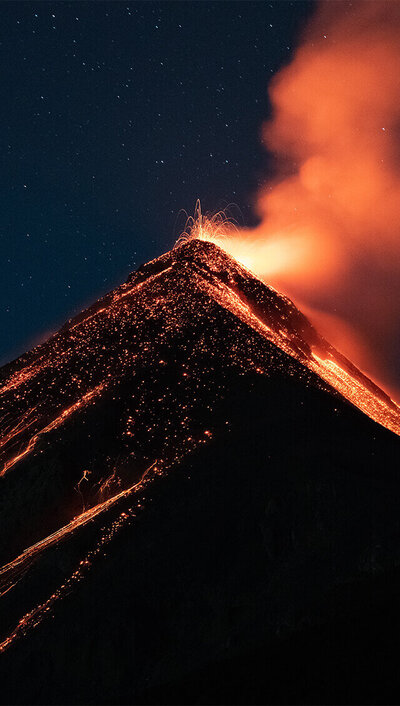
Hike Acatenango Volcano (overnight!) → You’ll watch nearby Volcán de Fuego erupt at night 🌋
2. Lake Atitlán (Chill + Views)
4
Lake Atitlán
Surrounded by volcanoes and small villages
Best towns:
San Pedro → backpacker + nightlife
San Marcos → yoga, chill vibes
Panajachel → transport hub
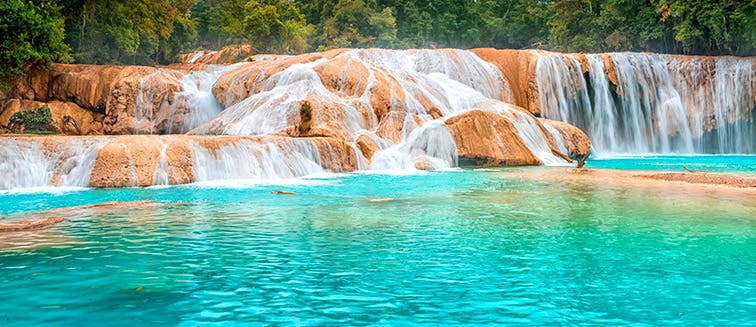
3. Semuc Champey (Hidden Jungle Paradise)
4
Semuc Champey
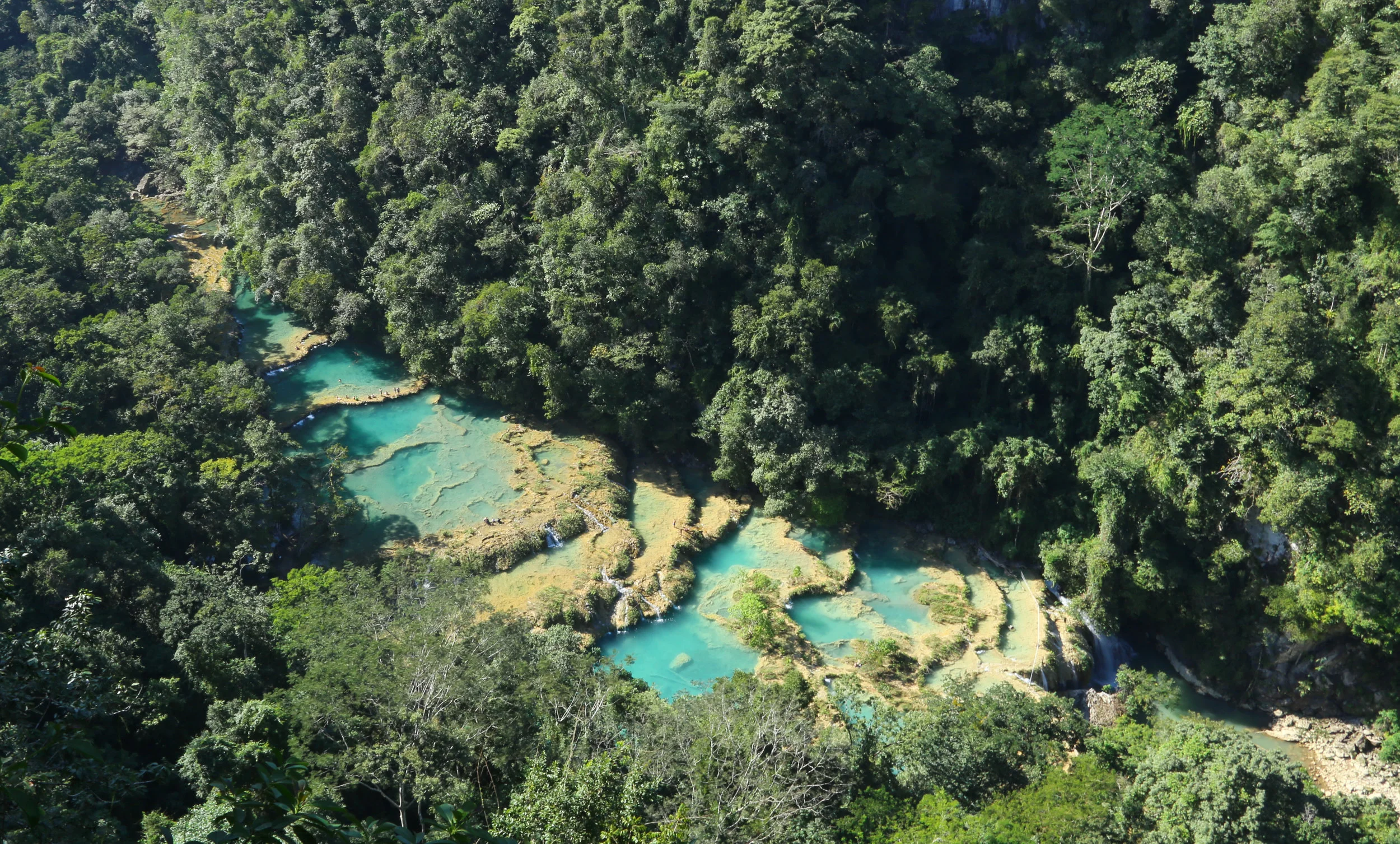
Bright turquoise limestone pools in the jungle
Remote—but worth it
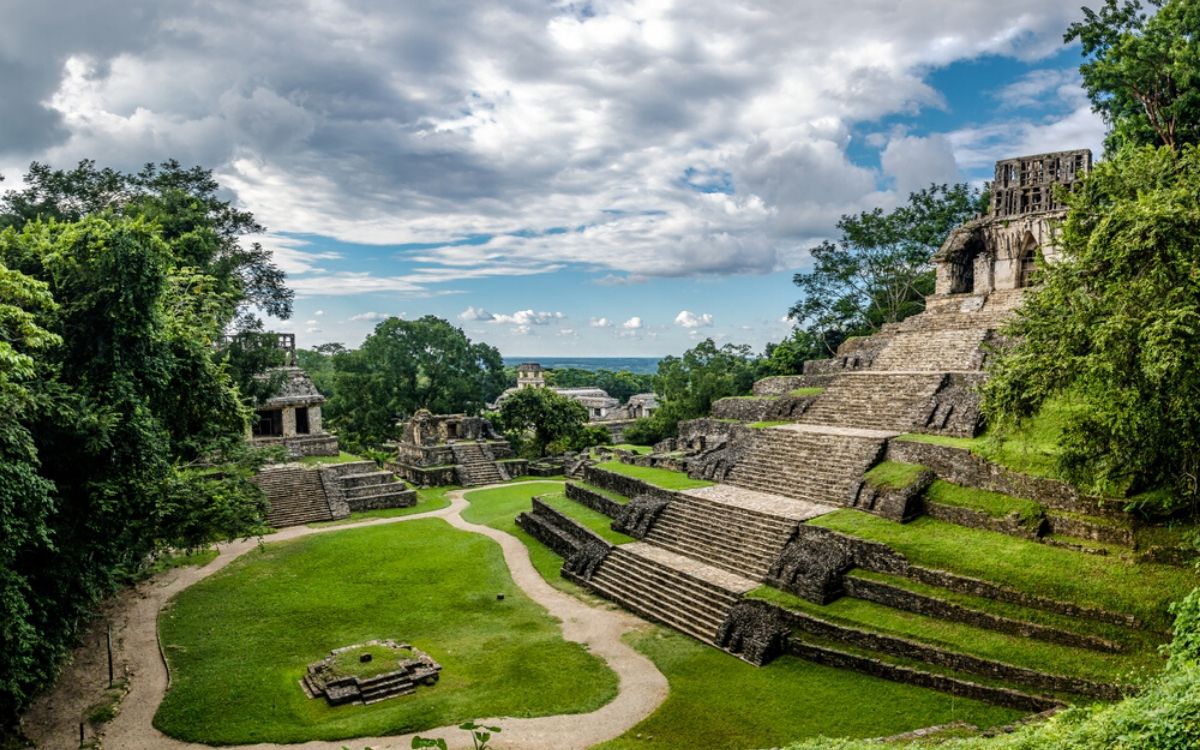
4. Flores & Tikal (Mayan Ruins)
4
Stay in Flores
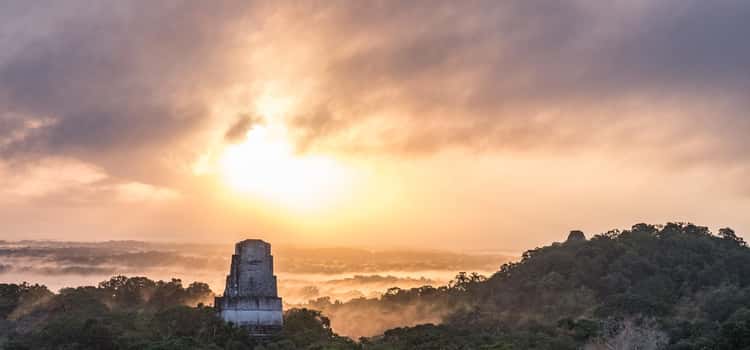
Visit Tikal
👉 Sunrise at Tikal = unforgettable (monkeys howling in the jungle)
💸 Budget (Very Backpacker-Friendly)
Hostel dorm: €5–15/night
Meals: €2–6
Shuttle transport: €10–25
Tours: €10–50
👉 You can travel on €20–40/day
🚐 Getting Around
Tourist shuttles (most common)
Chicken buses (super cheap, very local experience 🐔)
Night buses to Flores
🌮 Food to Try
Pepián (traditional stew)
Tamales
Pupusas (from nearby El Salvador, but common)
Fresh fruit & smoothies
⚠️ Safety Tips
Stick to main backpacker routes
Avoid walking alone at night in unfamiliar areas
Use shuttles instead of random taxis
Keep valuables secure
👉 Overall: safe if you travel smart
📅 Best Time to Visit
Nov–April (dry season) = best weather
Rainy season (May–Oct) = greener + fewer tourists
🎒 Why Guatemala Is So Good
✔️ Super affordable ✔️ Easy to meet other travelers ✔️ Mix of adventure + chill ✔️ Unique cultural experiences
🧠 Quick Verdict
If Mexico is the “easy classic,” Guatemala is: 👉 Cheaper, more raw, more adventurous
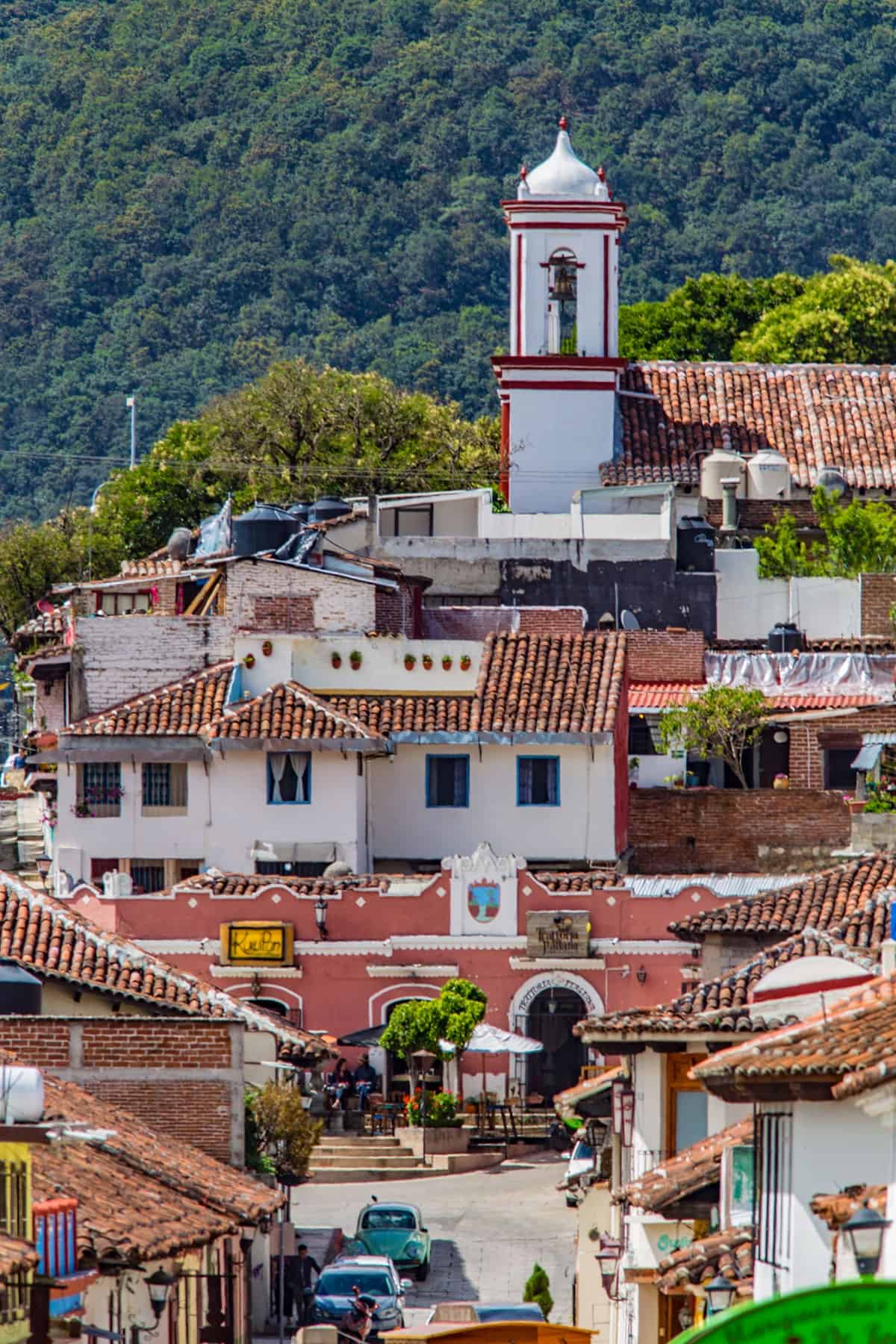
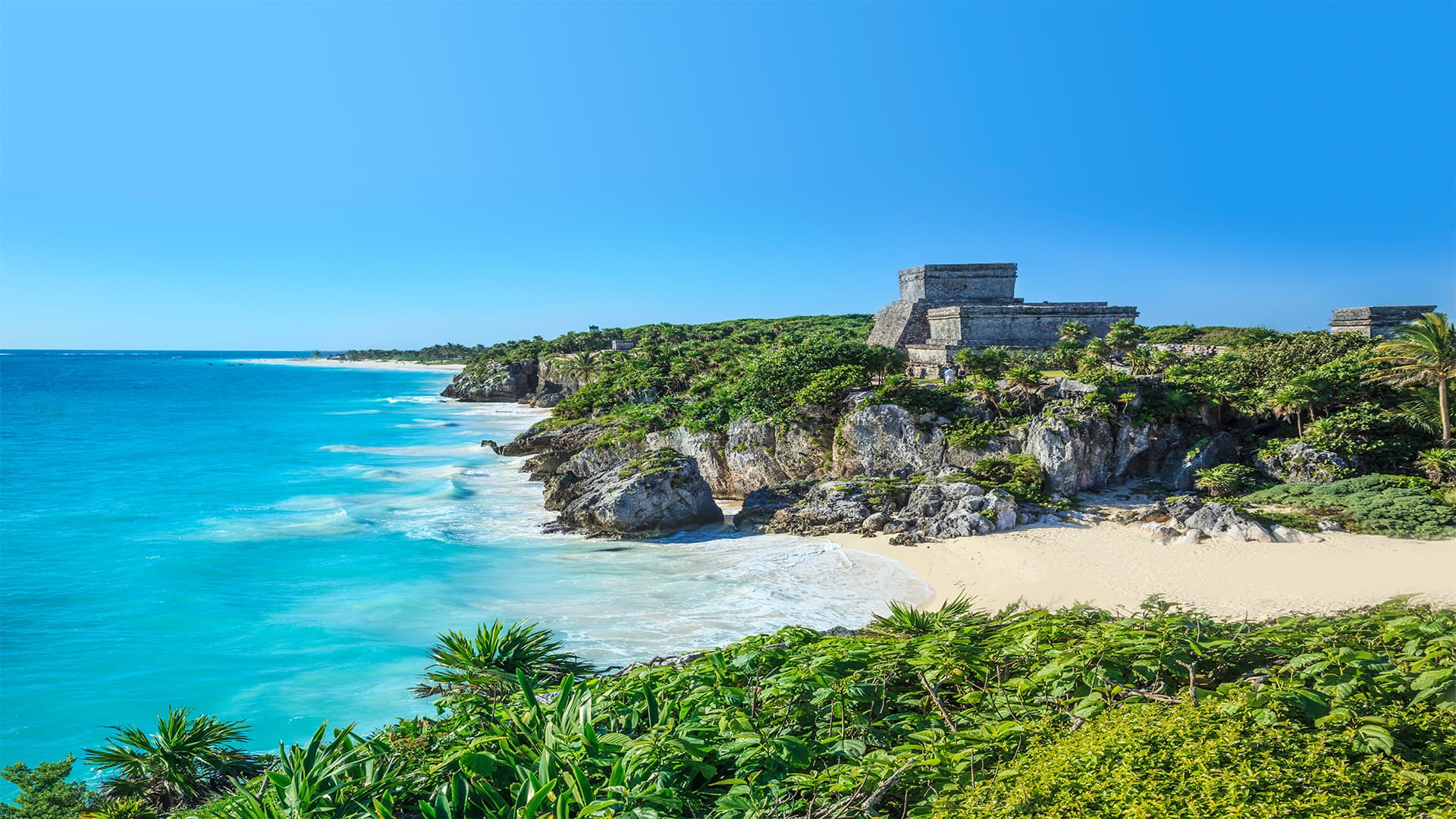
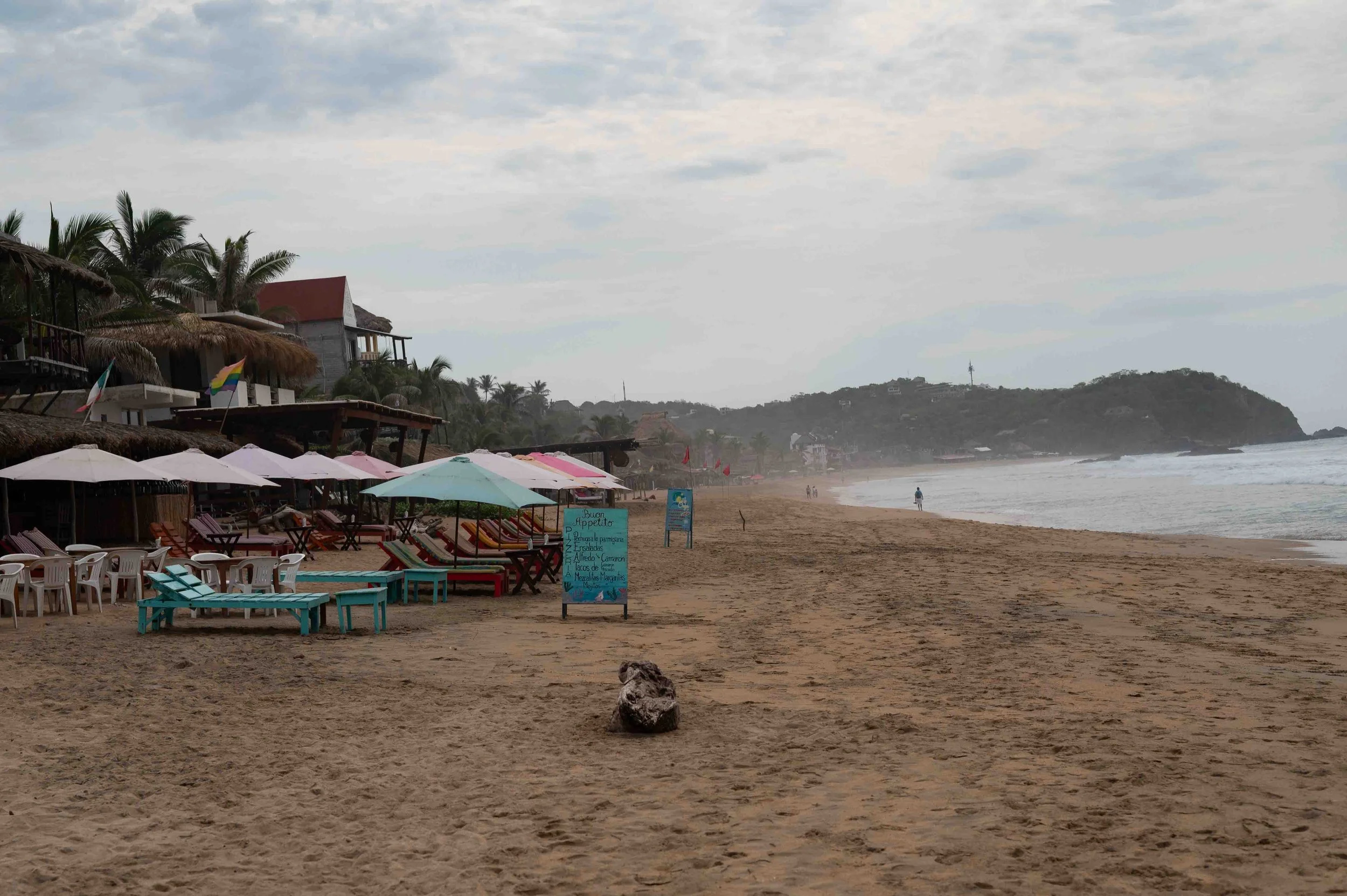
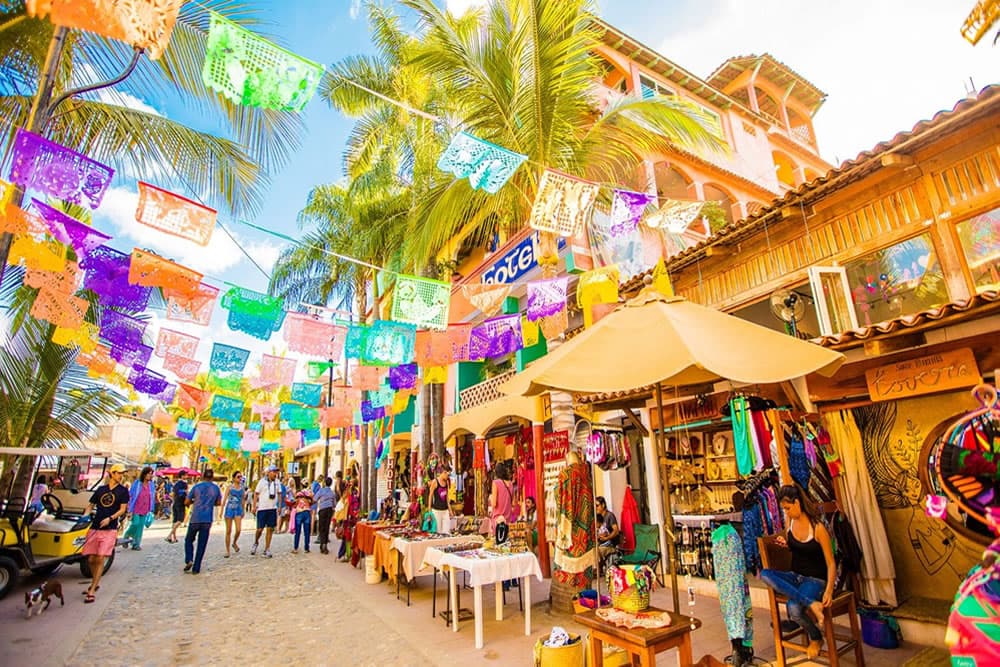
Backpacking in Mexico is one of the best mixes of culture, food, beaches, history, and affordability you can get—much easier and cheaper than places like Papua New Guinea, but still full of adventure.
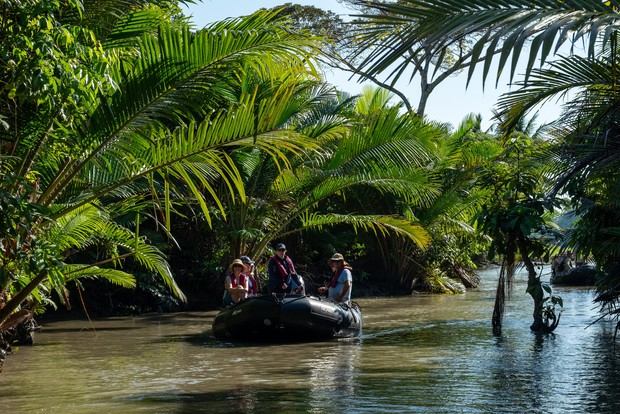
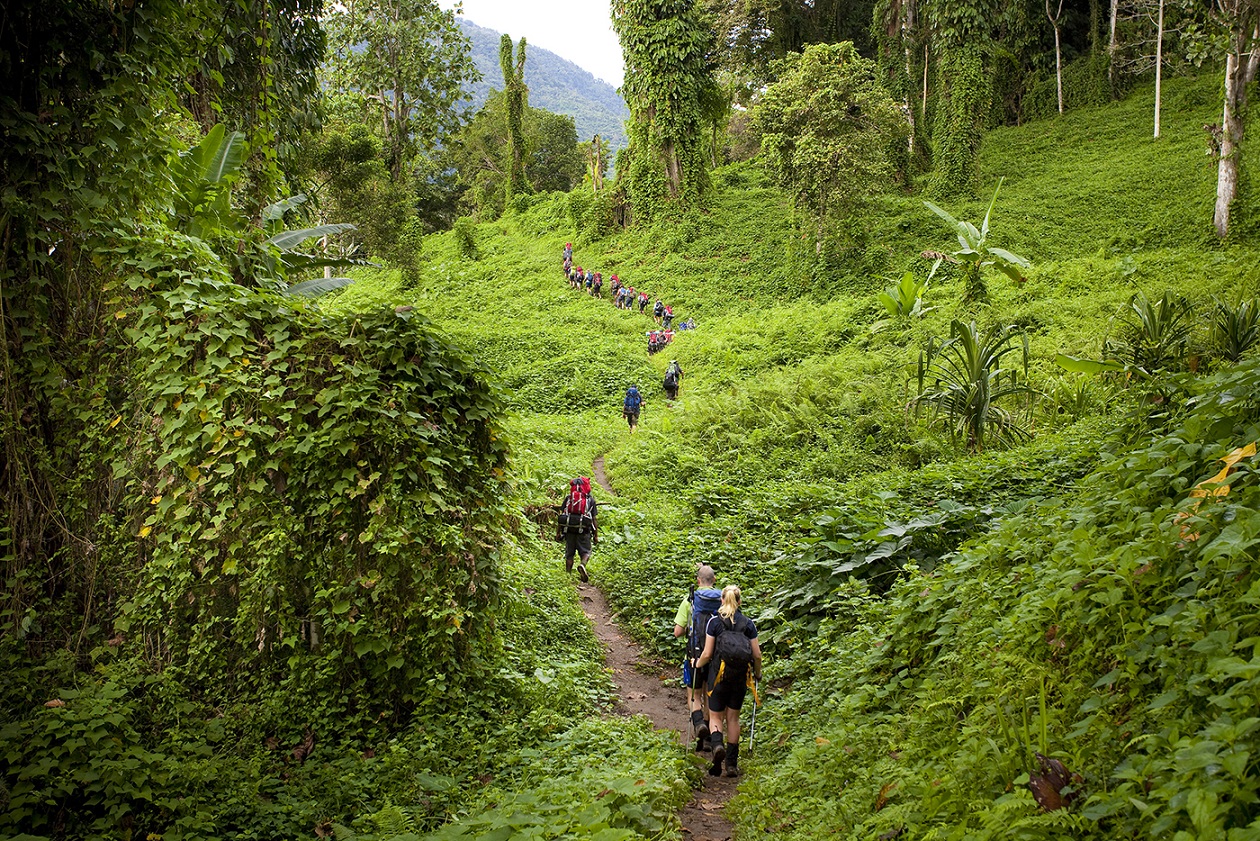
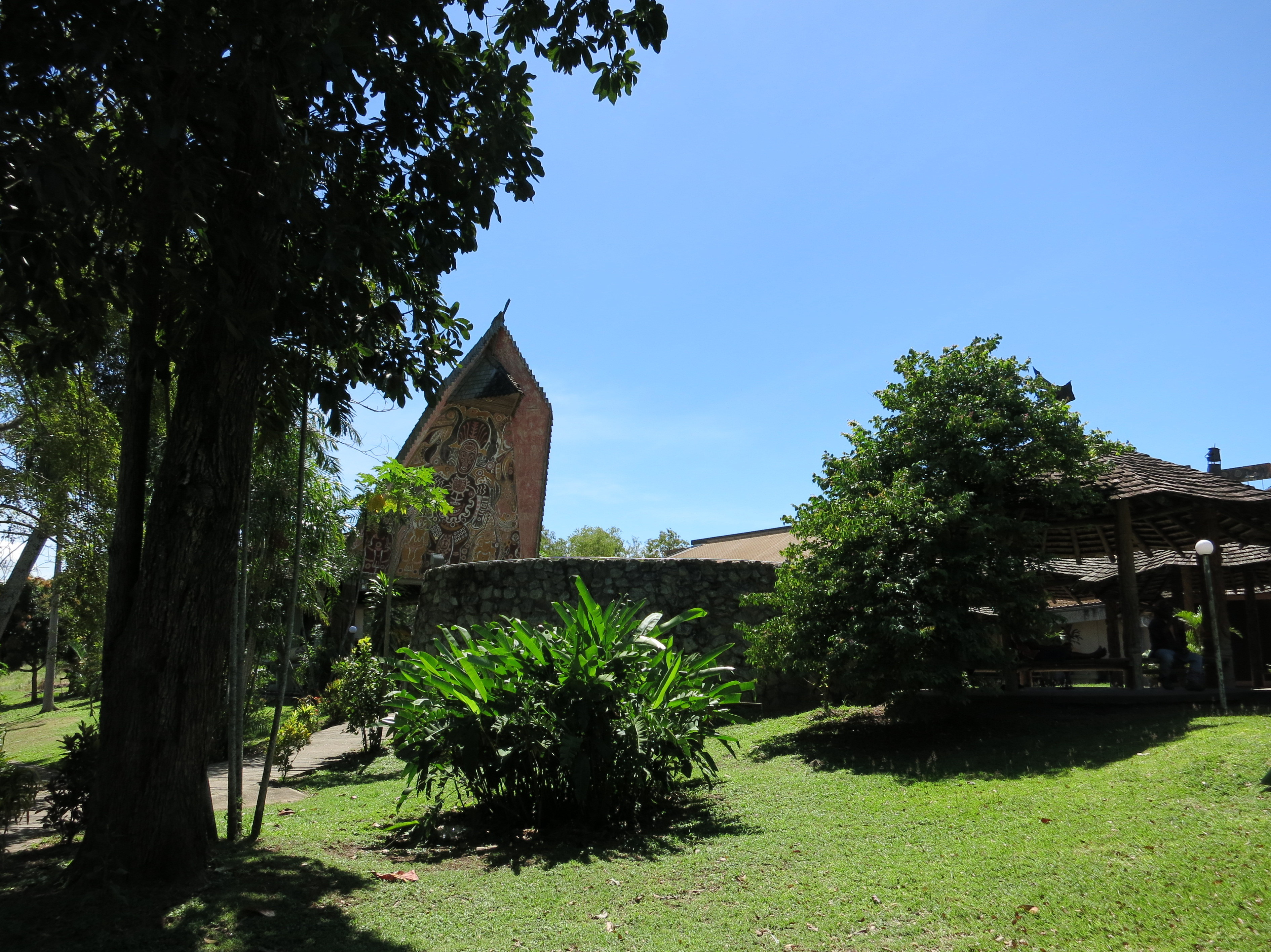
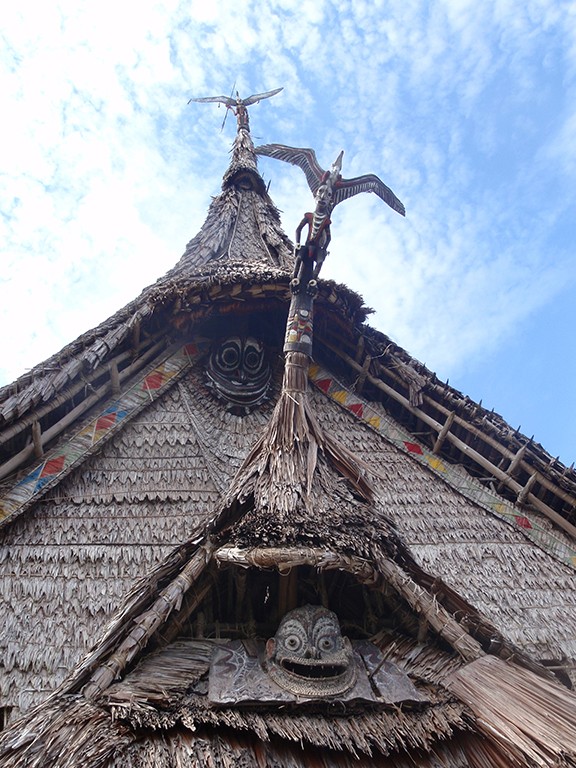
Backpacking in Papua New Guinea is one of the most adventurous (and challenging) travel experiences you can have. It’s raw, culturally rich, and largely untouched by mass tourism—but it requires serious planning and awareness.
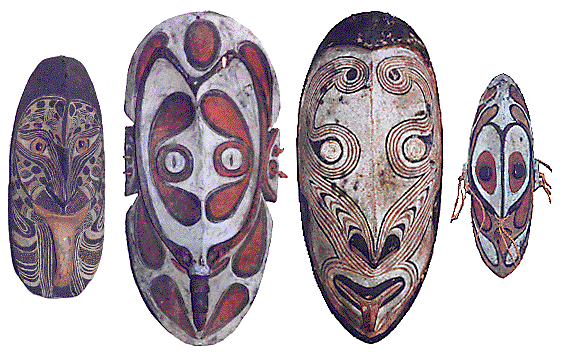
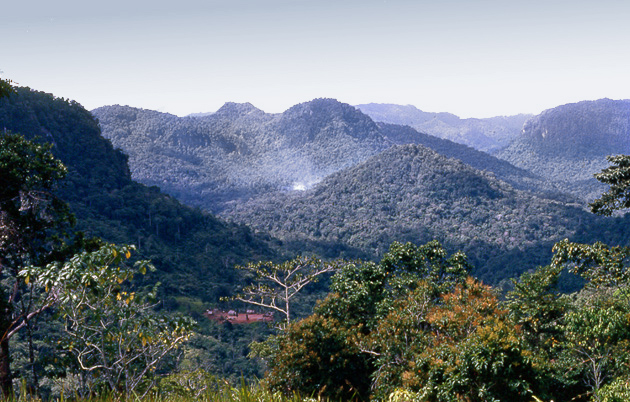
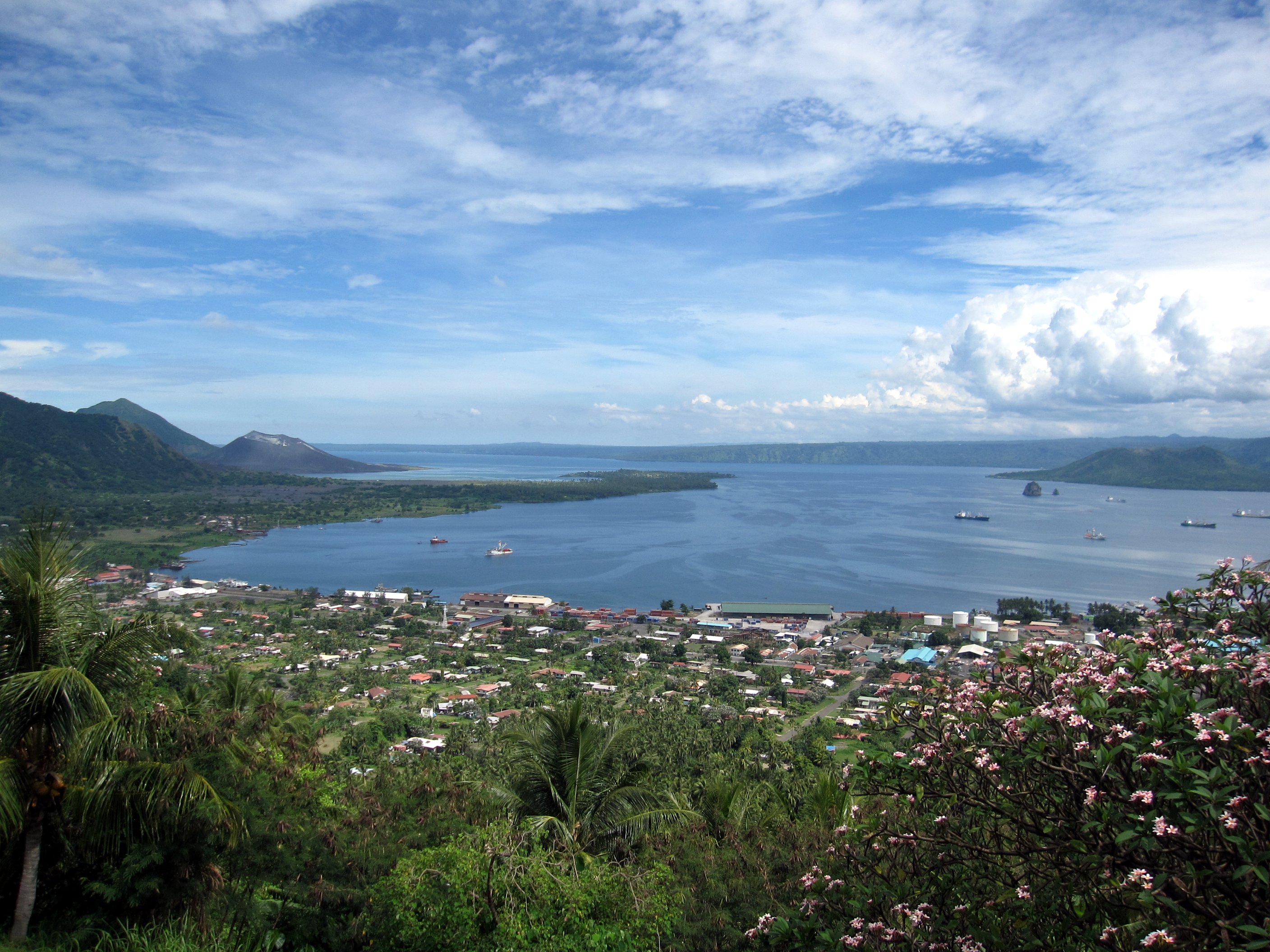
🌿 Why Papua New Guinea Is So Unique
4
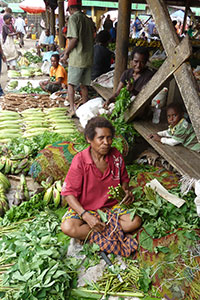
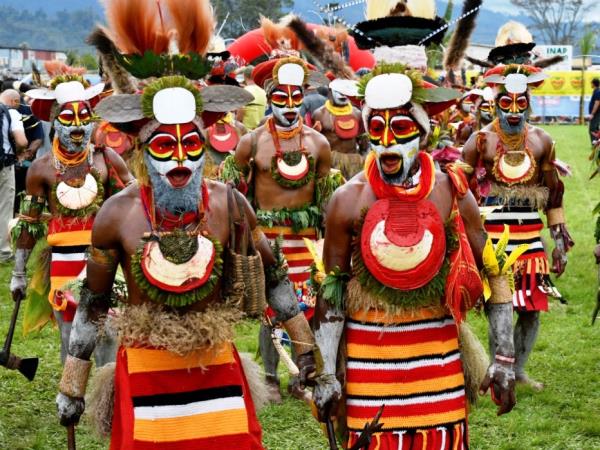
Over 800 languages and hundreds of distinct cultures
Remote tribal traditions still very much alive
Dense jungles, active volcanoes, and pristine reefs
Feels like stepping into a different world
⚠️ First — Reality Check
PNG is not a typical backpacker destination like Thailand or Bali.
Backpacking in Palau is a dream for ocean lovers—think turquoise lagoons, WWII relics, and some of the world’s best snorkeling and diving. It’s not the cheapest backpacking destination, but with the right approach, you can absolutely do it on a budget.
🌴 What Makes Palau Special
4
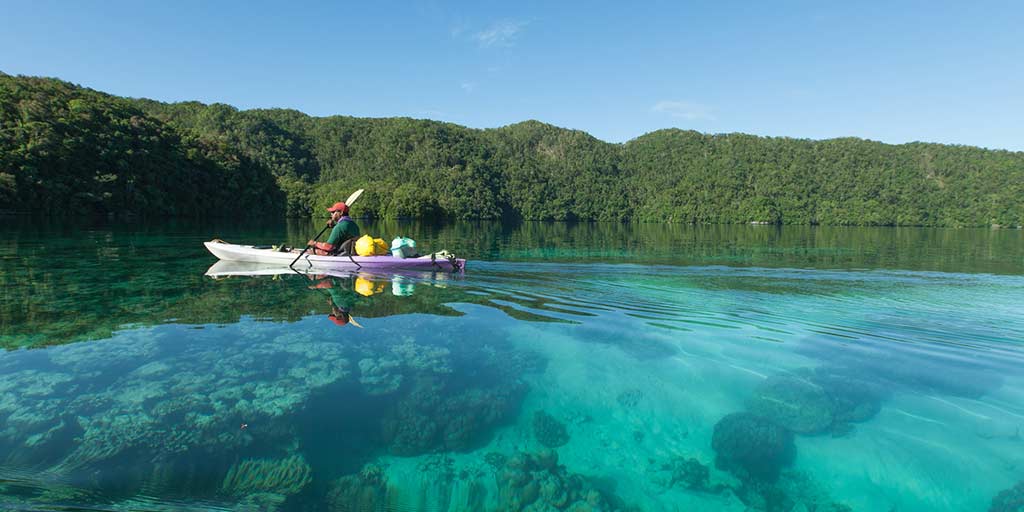
Over 300 limestone islands (Rock Islands) scattered in bright blue water
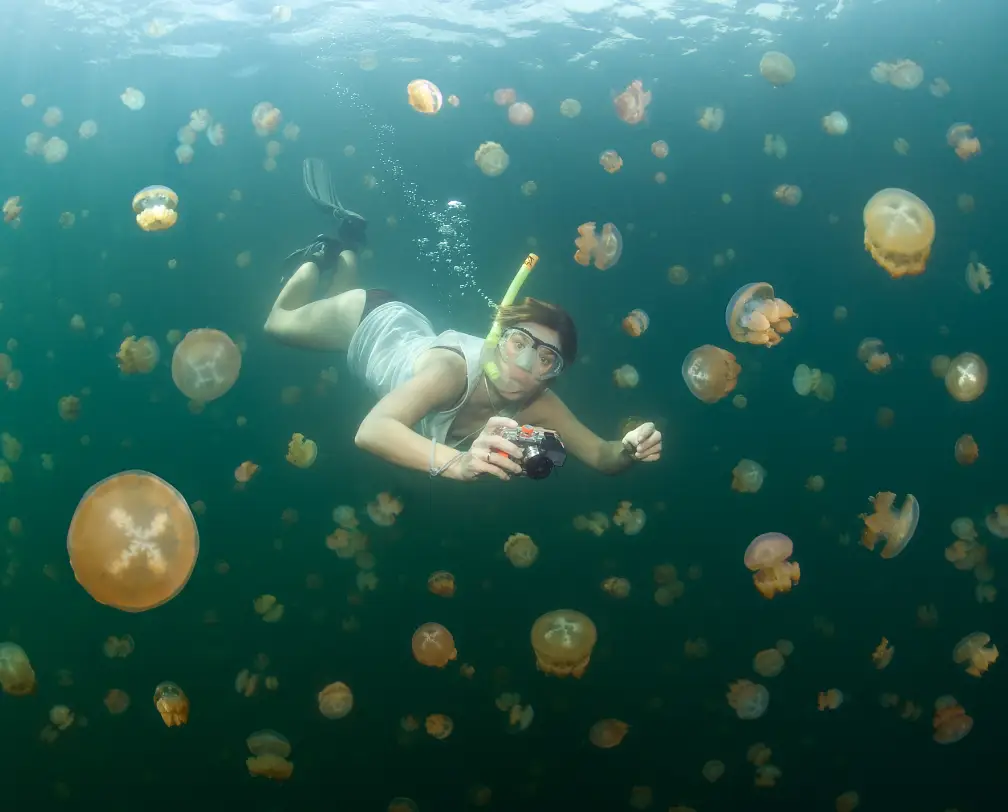
Unique spots like jellyfish-filled lakes (stingless!)
WWII wrecks and relics underwater
Extremely rich marine biodiversity
🧭 Backpacking Basics
💸 Budget Reality
Palau is not Southeast Asia cheap. Expect:
Dorm/guesthouse: €25–60/night
Meals: €8–20
Tours (big cost): €80–150/day
Entry permits (Rock Islands): ~$50
👉 Budget tip: Travel slower, share tours, cook when possible.
🏝️ Where to Stay
Koror – main hub, cheapest stays, dive shops, restaurants
Melekeok – quieter, closer to nature
Peleliu – historic WWII island, fewer tourists
🤿 Top Experiences
1. Rock Islands & Lagoons
4
Kayak between jungle-covered islands
Swim in the famous Milky Way lagoon
Snorkel in unreal coral gardens
2. Jellyfish Lake
4
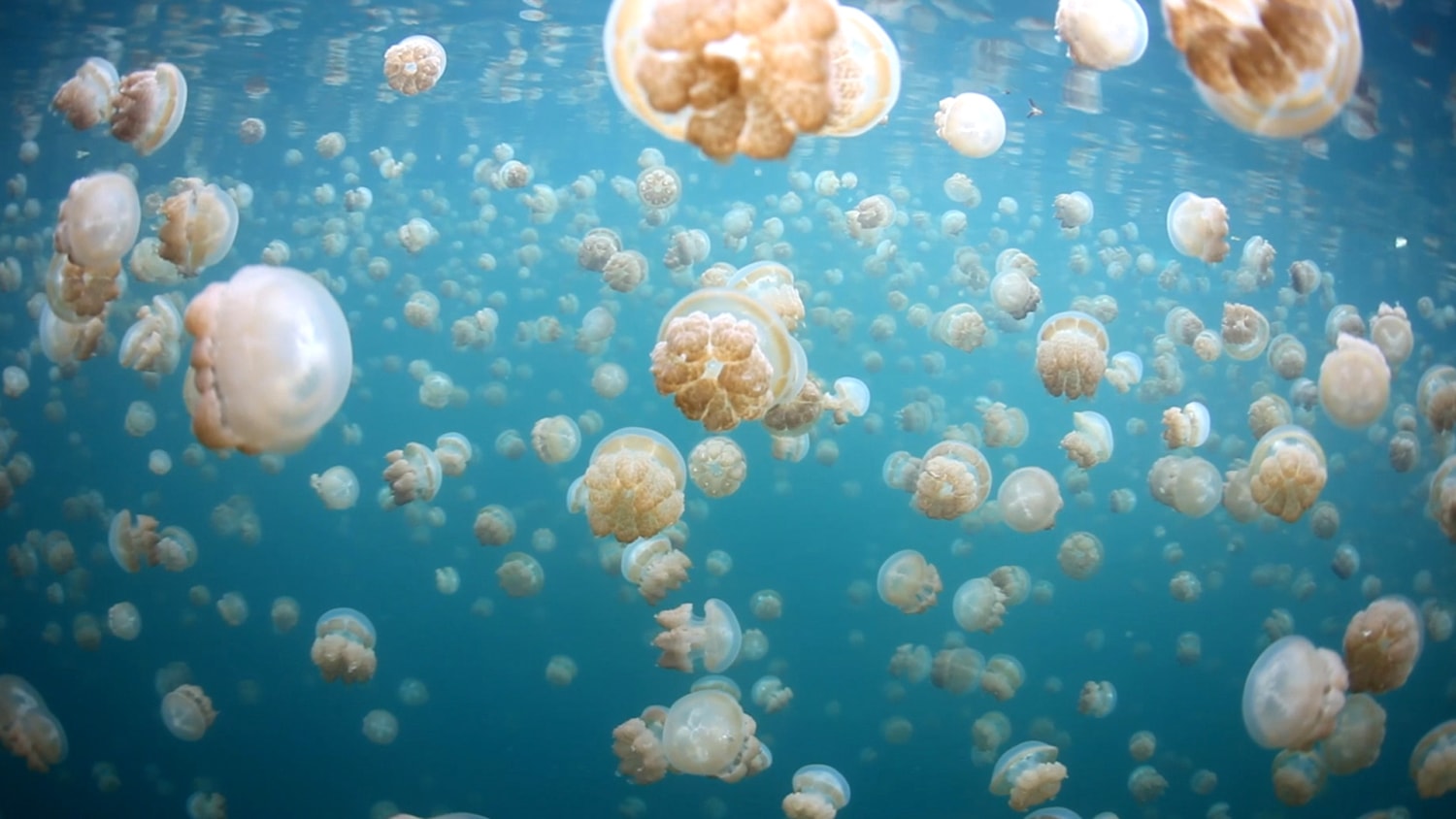
Swim among thousands of harmless golden jellyfish
One of the most unique ecosystems on Earth
3. Diving & Snorkeling
Sites like Blue Corner and German Channel are world-famous
Even snorkeling is insane—crystal visibility and vibrant reefs
4. WWII History (Peleliu)
Tanks, bunkers, and airstrips from the Pacific War
Visit battlefields on Peleliu
5. Jungle & Waterfalls
Hike to Ngardmau Waterfall (largest in Palau)
Explore lesser-visited inland trails
🚤 Getting Around
No public transport system
Rent a scooter/car (~€30–50/day)
Boat tours are essential for island hopping
🍜 Food & Supplies
Mix of local, Filipino, Japanese, and American food
Try fresh tuna, taro, coconut dishes
Supermarkets exist but are pricey (imported goods)
📅 Best Time to Go
Dry season: November–April (best conditions)
Wet season: May–October (cheaper, but more rain)
🎒 Backpacking Tips
Book tours with others to split costs
Bring reef-safe sunscreen (strictly enforced)
Carry cash—ATMs are limited
Respect conservation rules (Palau is very eco-focused)
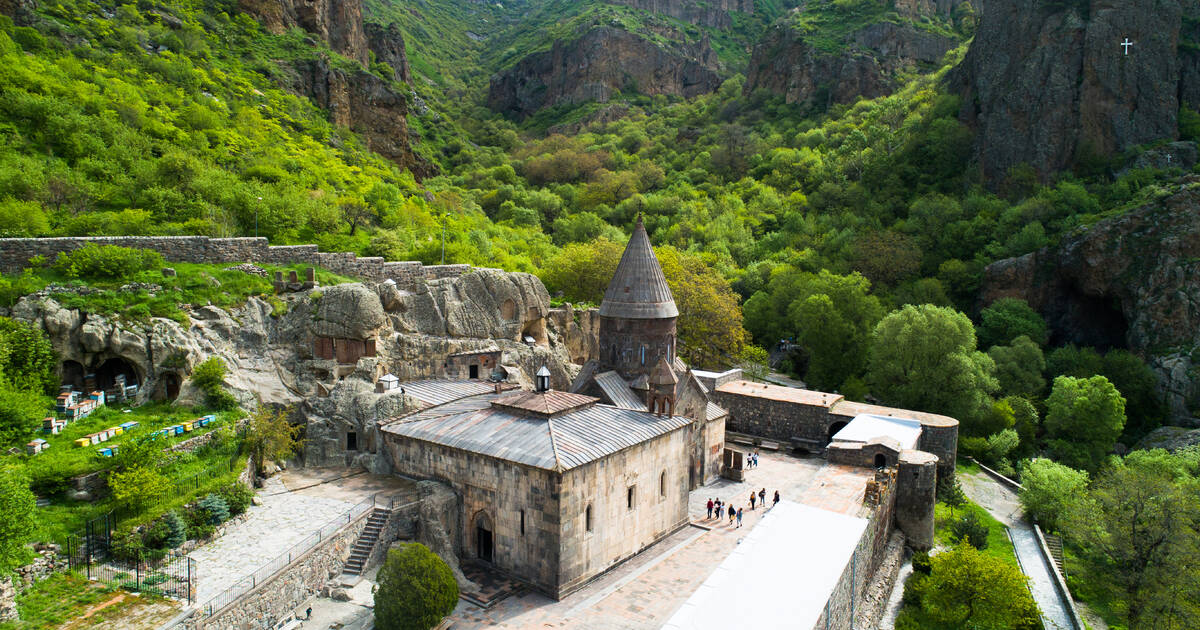
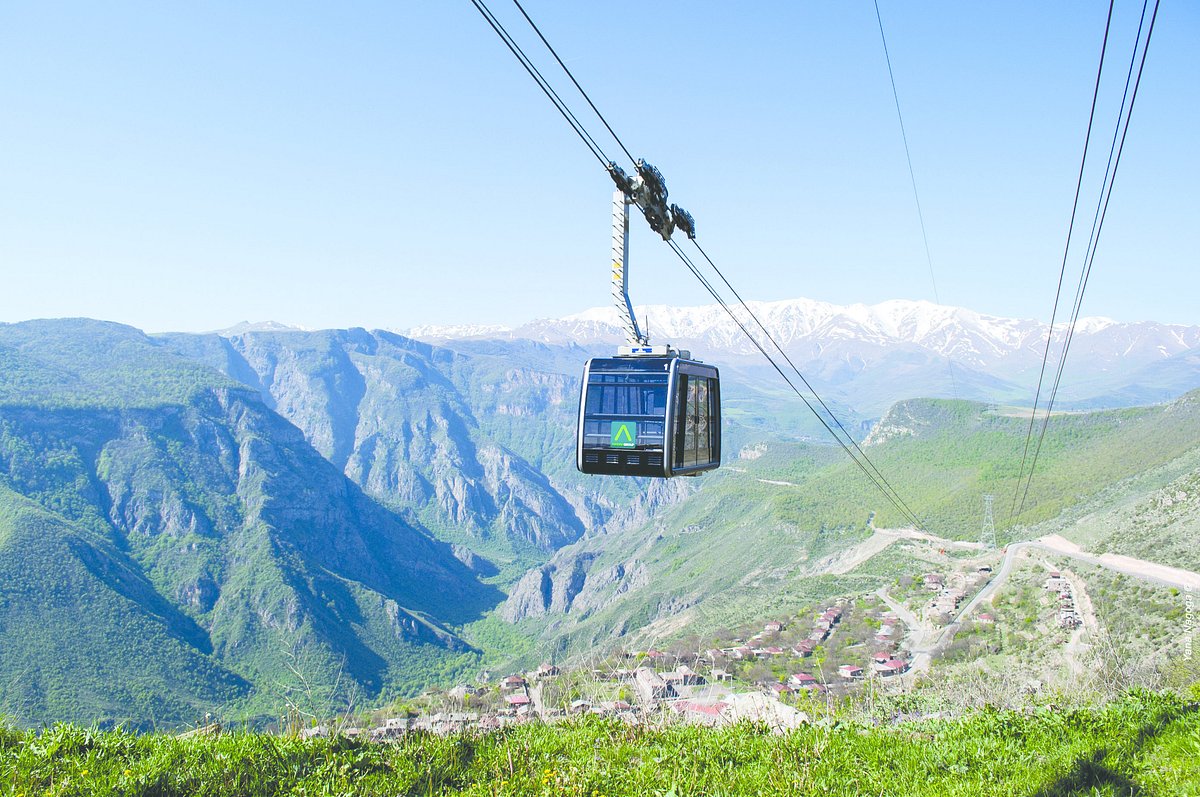
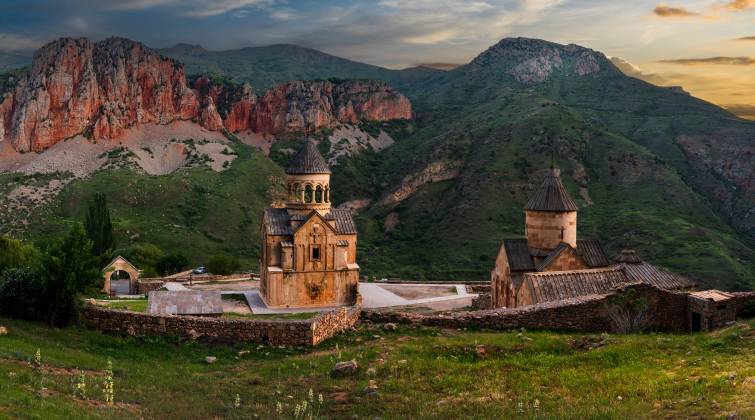
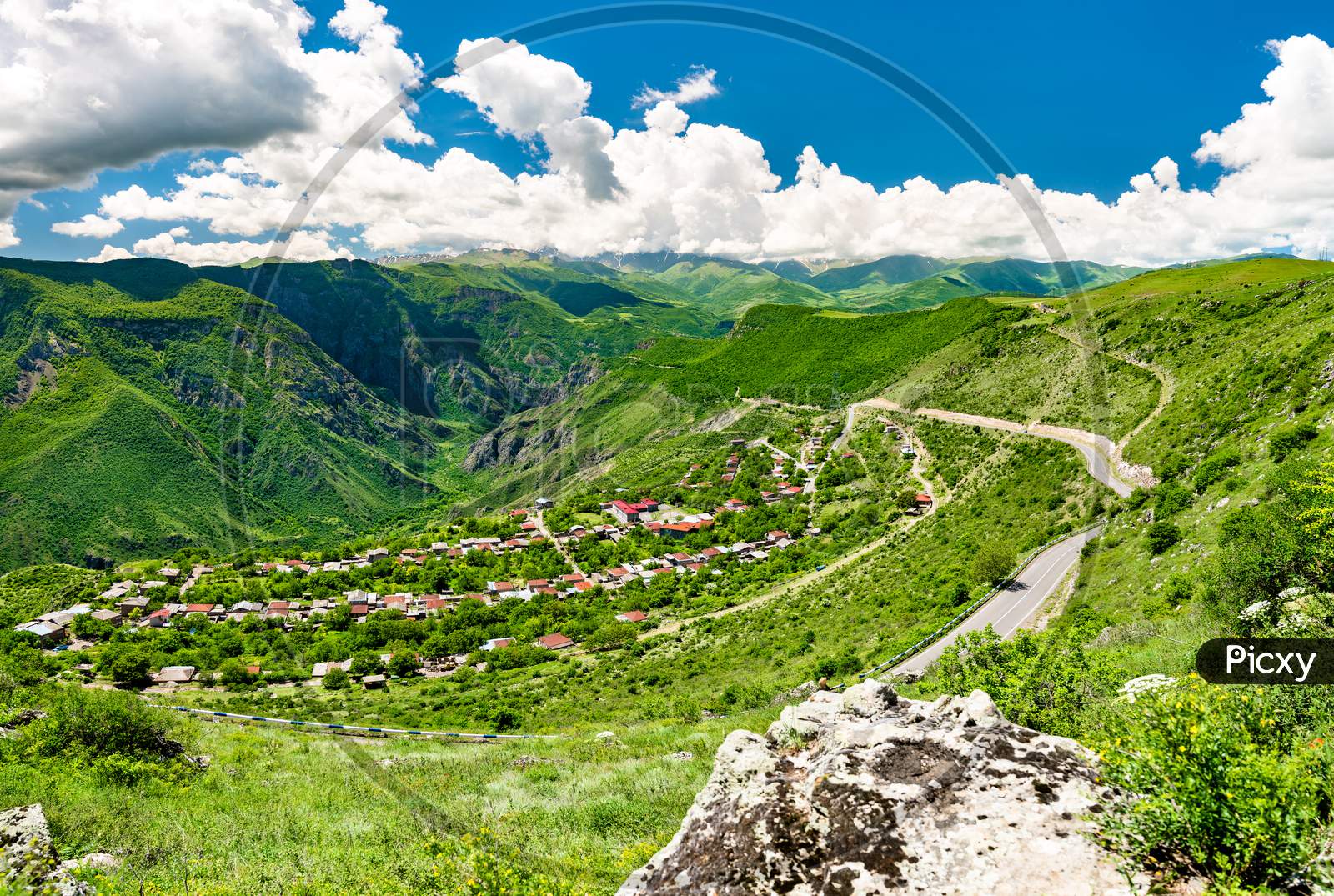
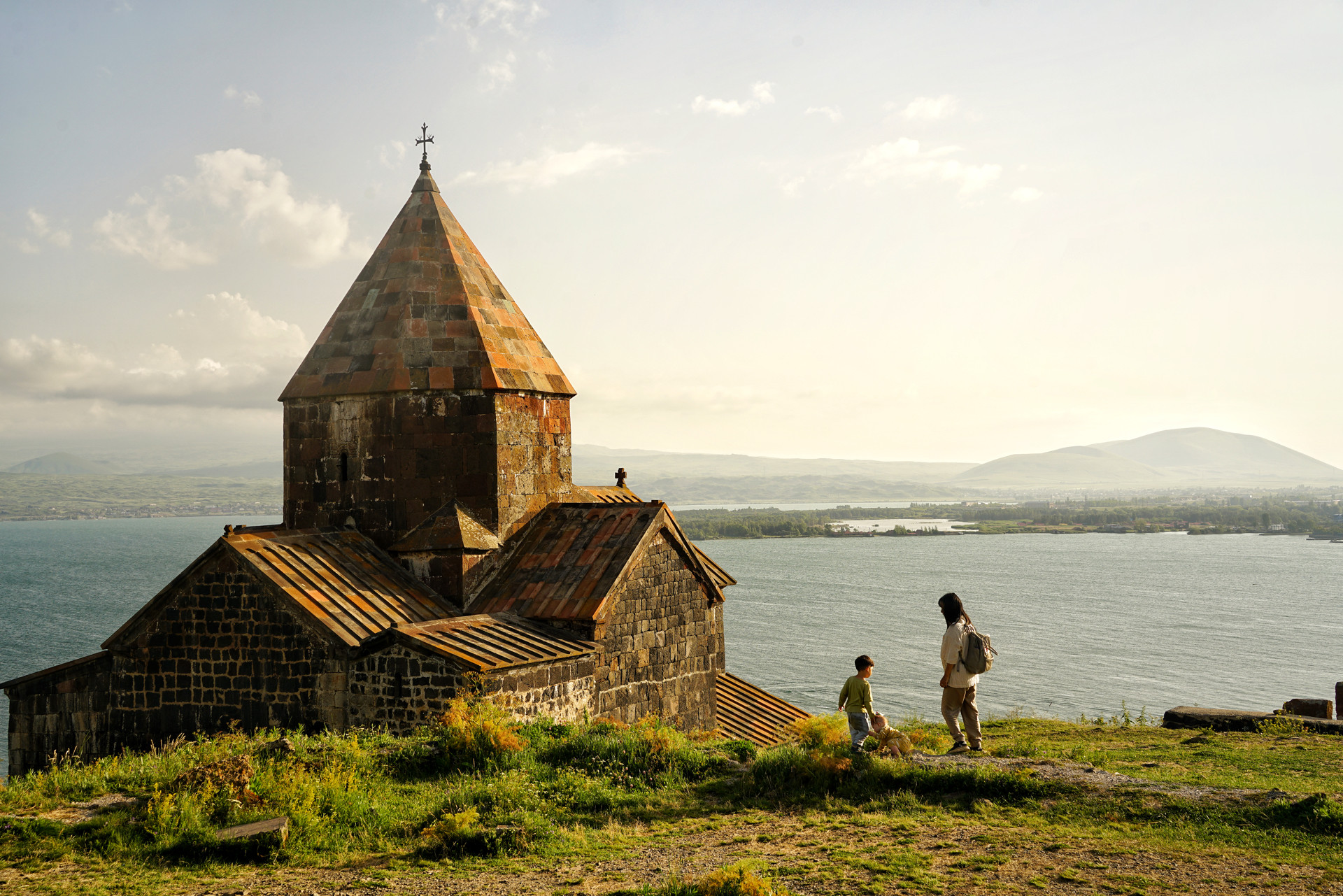
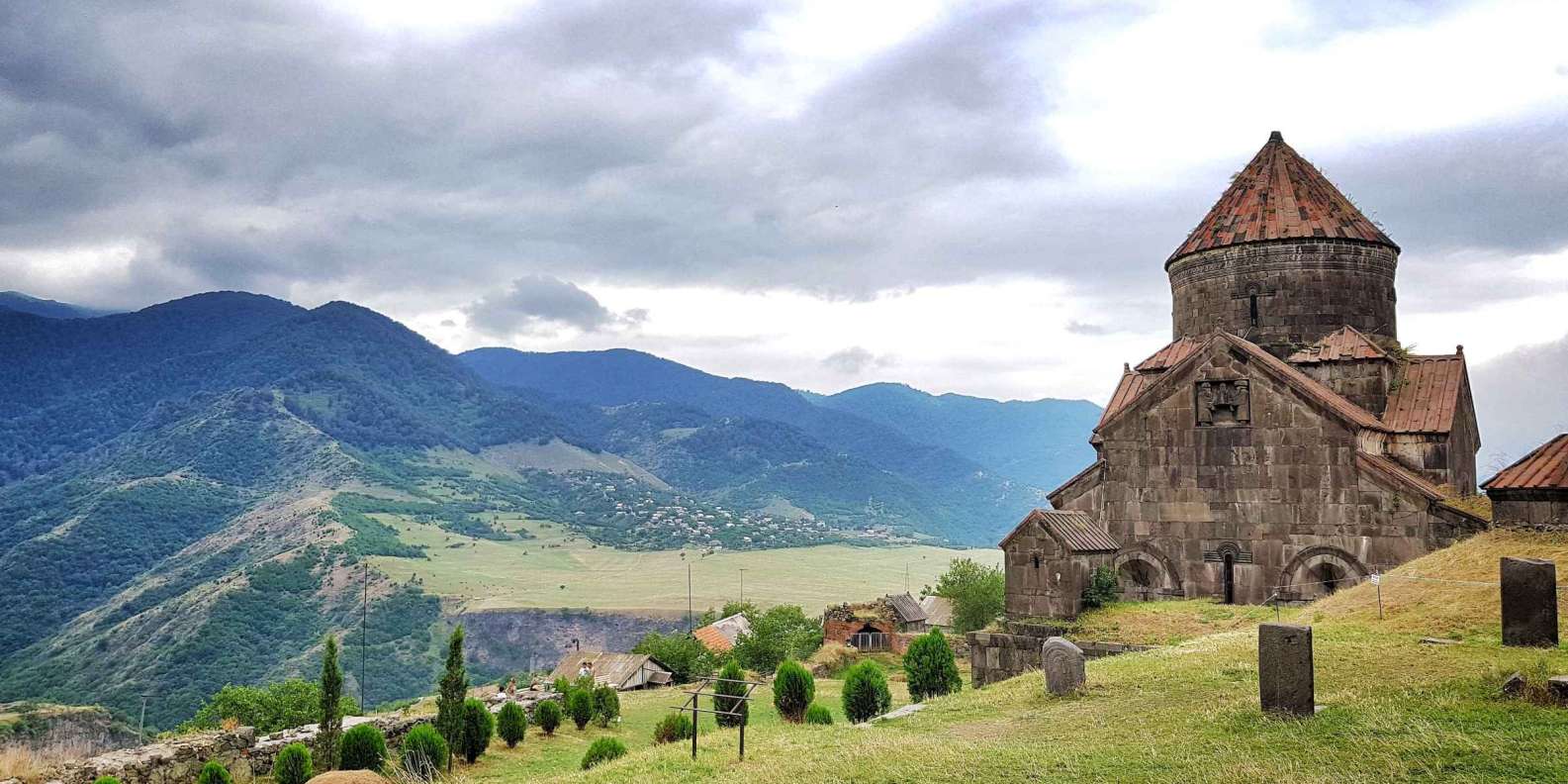
Backpacking in Armenia is one of Europe/Asia’s most underrated adventures—raw mountains, ancient monasteries, super friendly locals, and very low costs.
Backpacking in the Czech Republic is one of the best-value trips in Europe—compact, affordable, and packed with castles, historic towns, and surprisingly great hiking.
Here’s how to plan it 👇
🇨🇿 Why Backpack the Czech Republic?
4
💸 Budget-friendly compared to Western Europe
🏰 Tons of fairytale towns & castles
🌄 Underrated nature areas (sandstone cliffs, forests)
🚆 Easy transport (cheap trains & buses)
🗺️ Best Backpacking Routes
1. Classic Route (Cities + Culture)
4
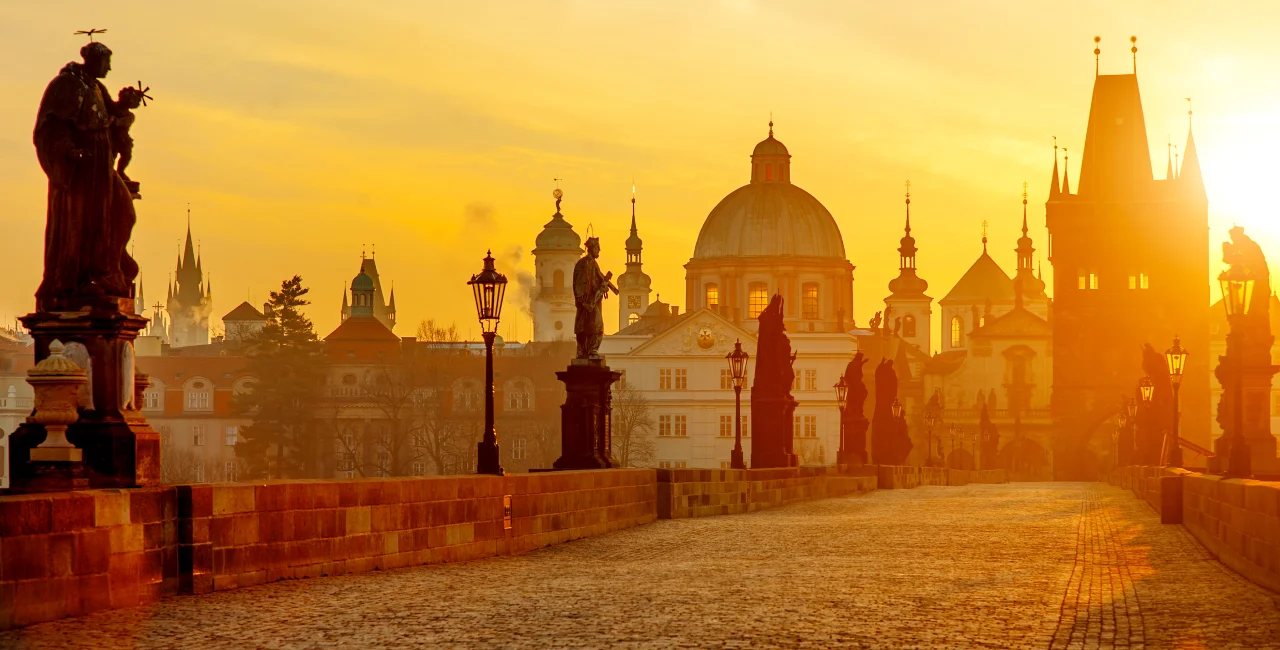
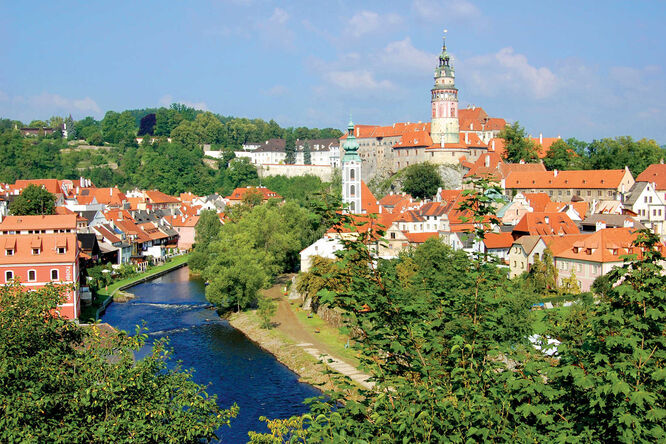
Prague → Kutná Hora → Český Krumlov → Brno
Highlights:
Prague’s Old Town + nightlife
Bone church in Kutná Hora
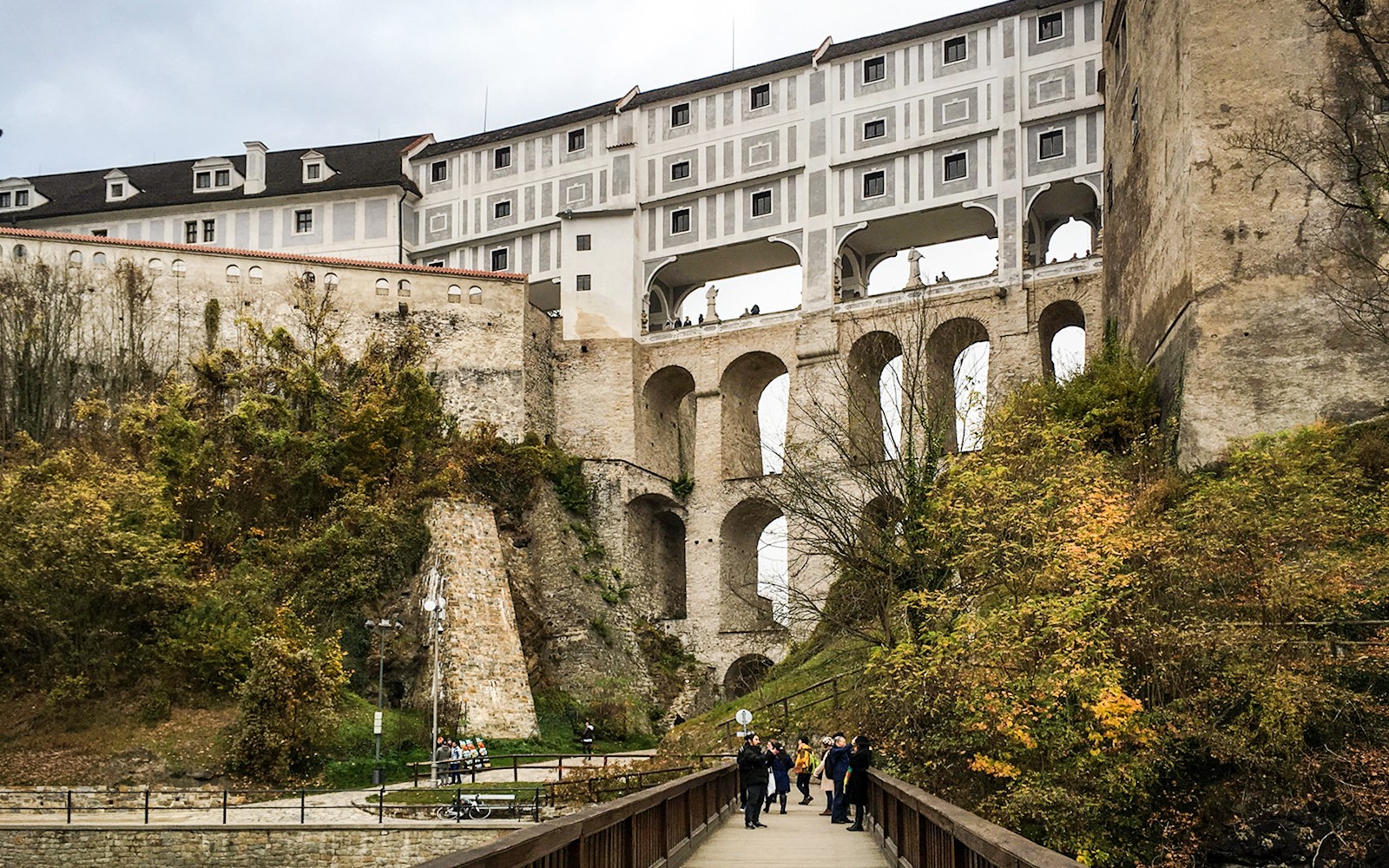
Storybook vibe of Český Krumlov
Chill student energy in Brno
👉 Best for first-time visitors
2. Nature Route (Hiking Focus)
4
Bohemian Switzerland National Park
Adršpach-Teplice Rocks
Šumava National Park
Why go:
Epic sandstone formations
Well-marked trails
Way fewer tourists than Alps
👉 Perfect if you want nature + quiet
3. Beer & Local Culture Route 🍺
4
Plzeň → Moravia → Olomouc
Highlights:
Birthplace of pilsner beer
Wine regions in Moravia
Less touristy cities
💸 Budget Guide
One of the cheapest countries in Central Europe:
Hostel: €10–€25/night
Food: €8–€15/day
Beer: €1.50–€3 🍺
👉 Save more:
Eat lunch menus (“denní menu”)
Use RegioJet or FlixBus
Buy groceries at Lidl / Albert
🚆 Getting Around
Trains are cheap & reliable
Buses often even cheaper
Distances are short (country is compact)
👉 From Vienna:
Prague: ~4–5h train
Brno: ~1.5–2h
🗓️ Best Time to Go
May–June / September (best)
Summer (July–Aug): great weather but busy in Prague
Winter: magical Christmas markets 🎄
⛺ Camping & Hostels
Plenty of hostels in cities
Campsites available in nature areas
Wild camping: technically restricted but sometimes tolerated discreetly
Backpacking in France is a fantastic mix of culture, food, landscapes, and well-connected transport—perfect whether you want cities, mountains, or coastlines.
Here’s a clear, practical guide to get you started 👇
Backpacking in Iceland is one of the most unforgettable travel experiences you can have—think volcanoes, glaciers, waterfalls, and wide-open wilderness. Here’s a practical, no-fluff guide to help you plan it right.
🏔️ What Makes Iceland Special
4
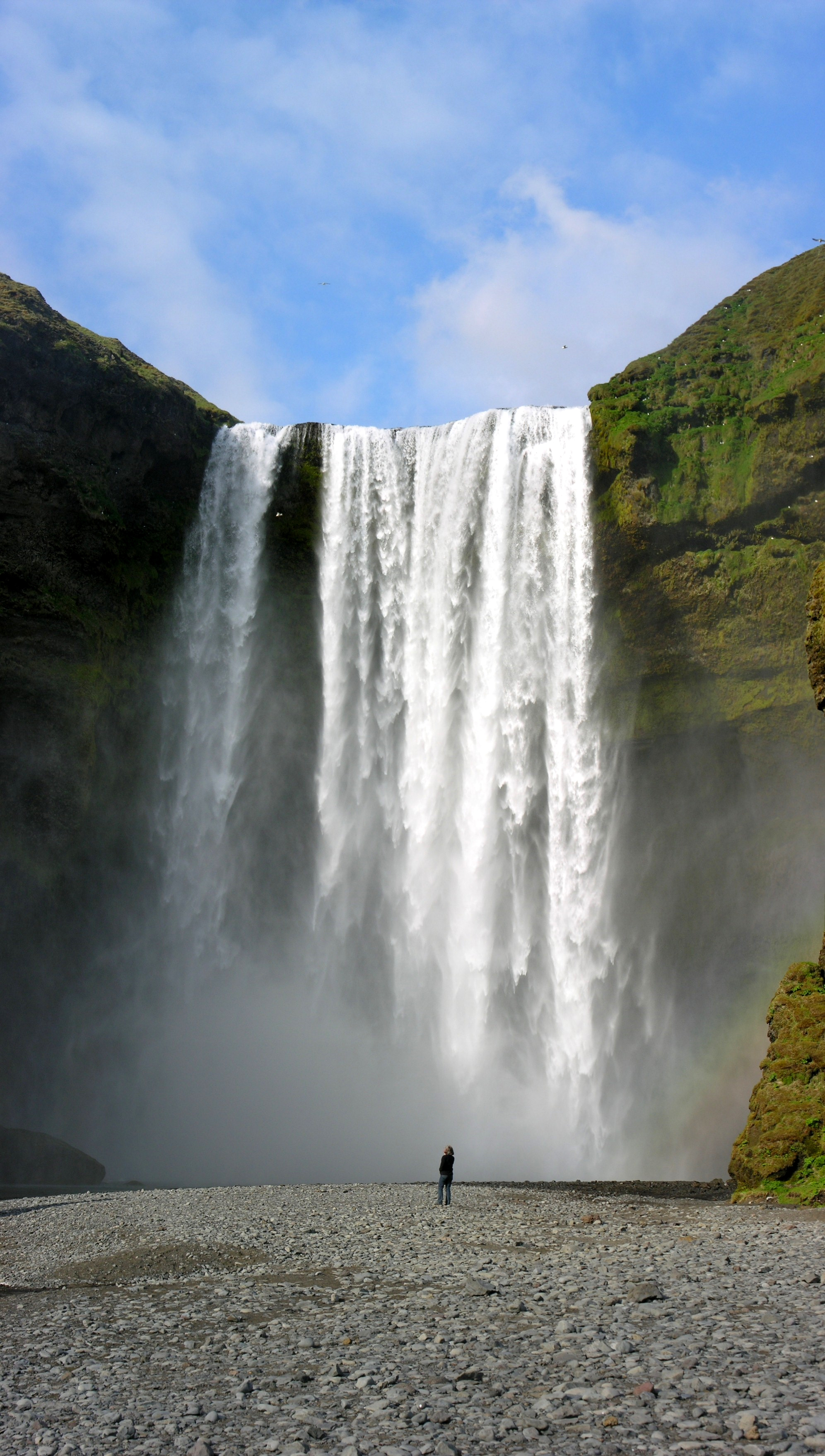
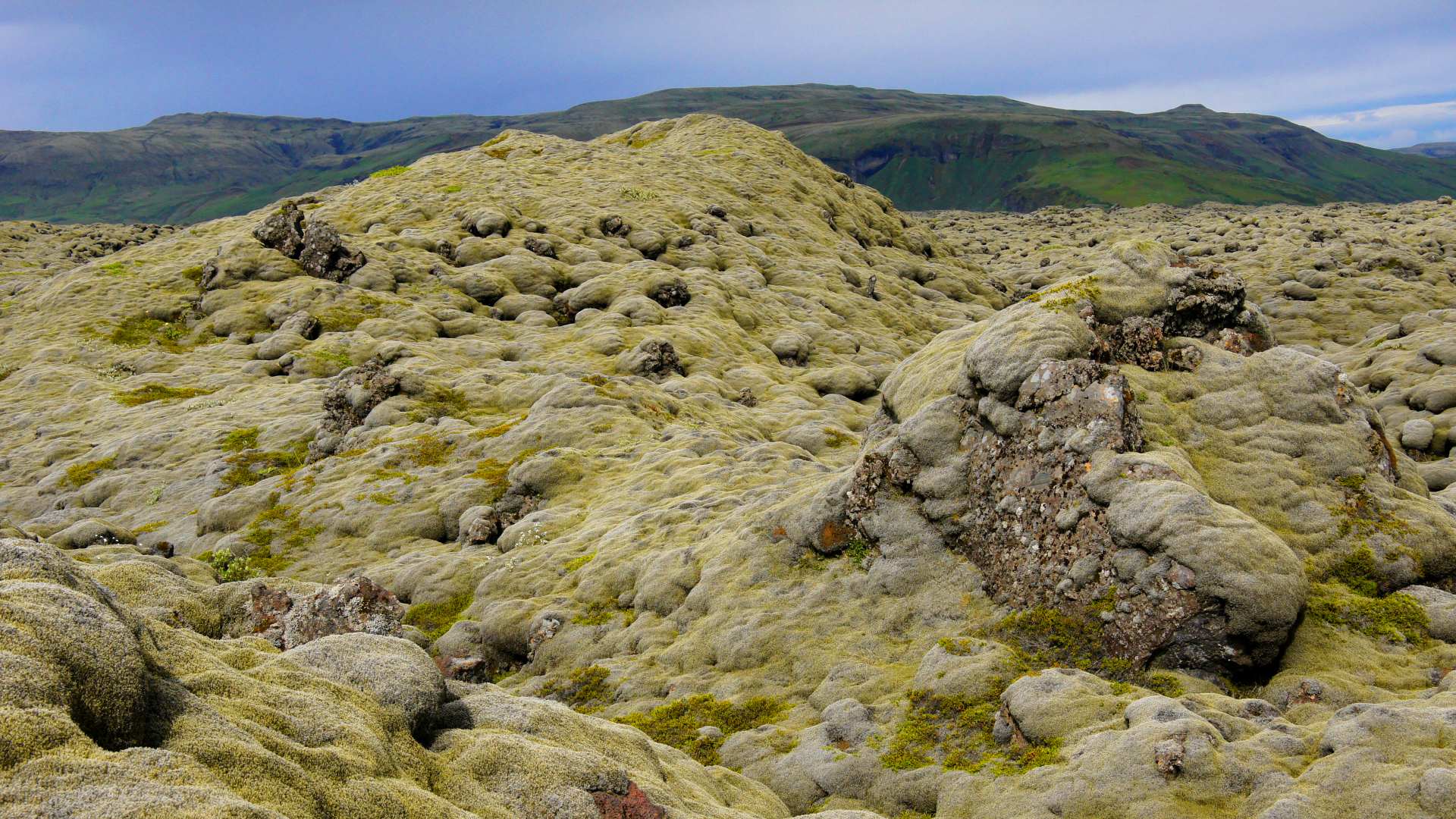
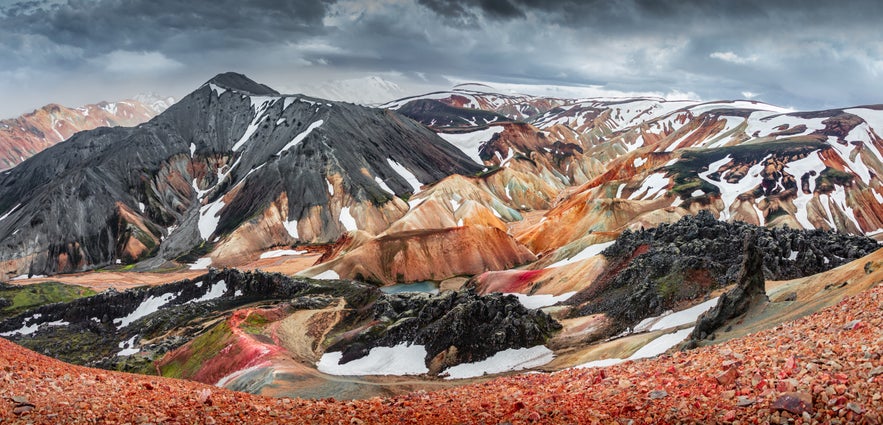
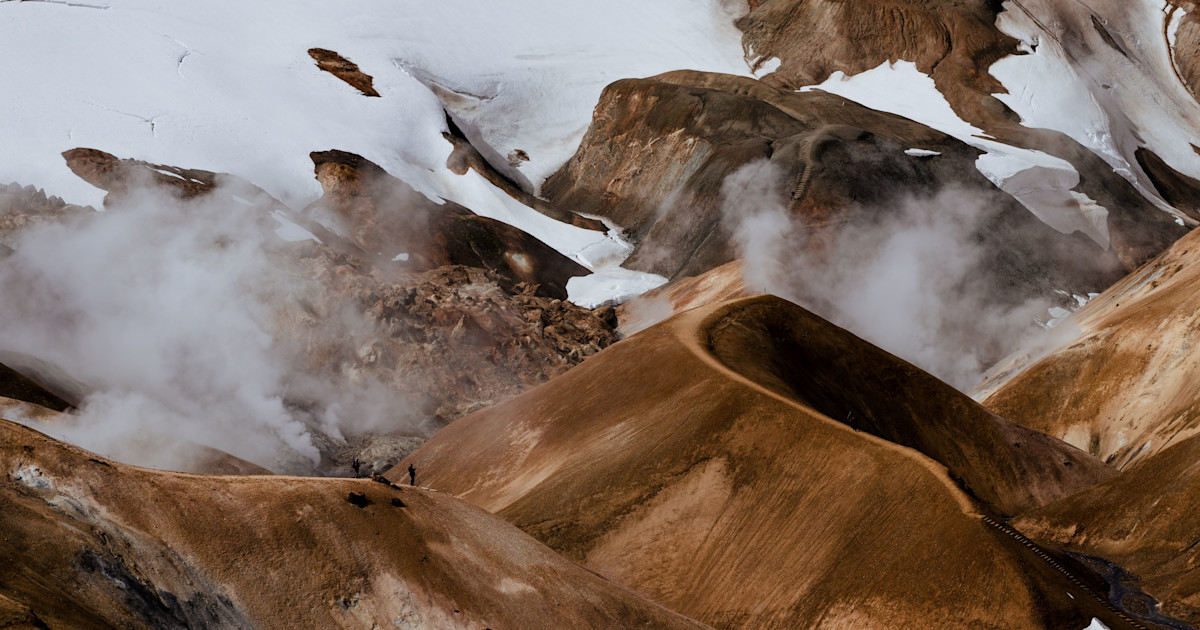
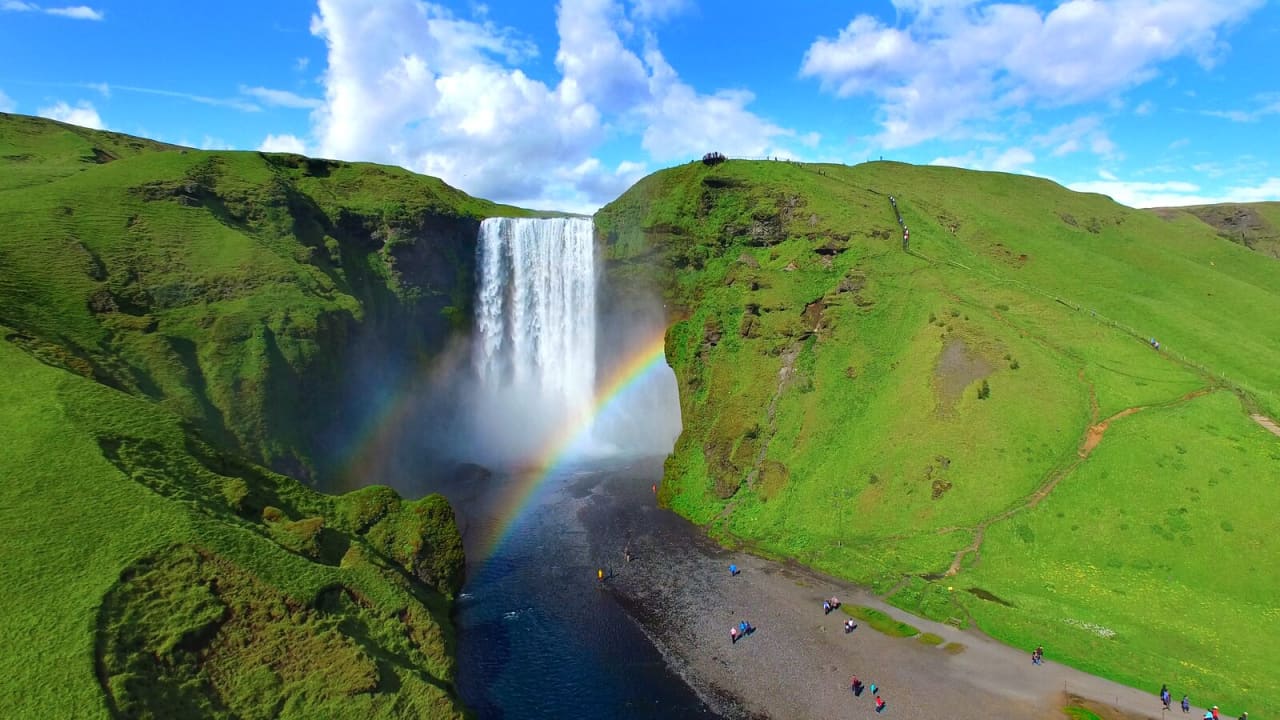
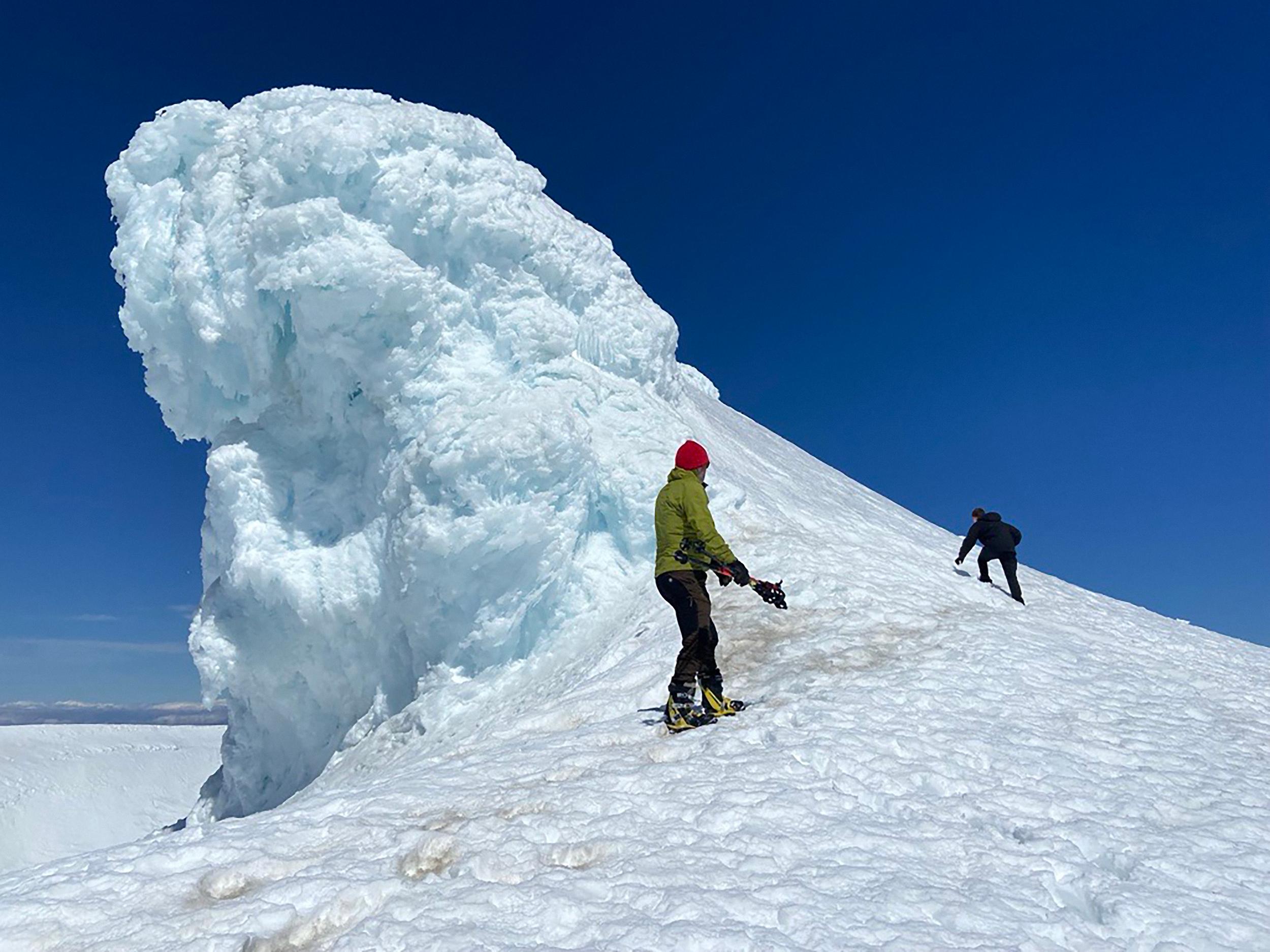
Dramatic landscapes: waterfalls, glaciers, lava fields, black sand beaches
Safe & easy to navigate (one of the safest countries in the world)
Backpacking in Eswatini is a hidden gem experience—safe, compact, affordable, and culturally rich, but often overlooked because it’s surrounded by bigger destinations like South Africa and Mozambique.
🌍 Why Backpack Eswatini
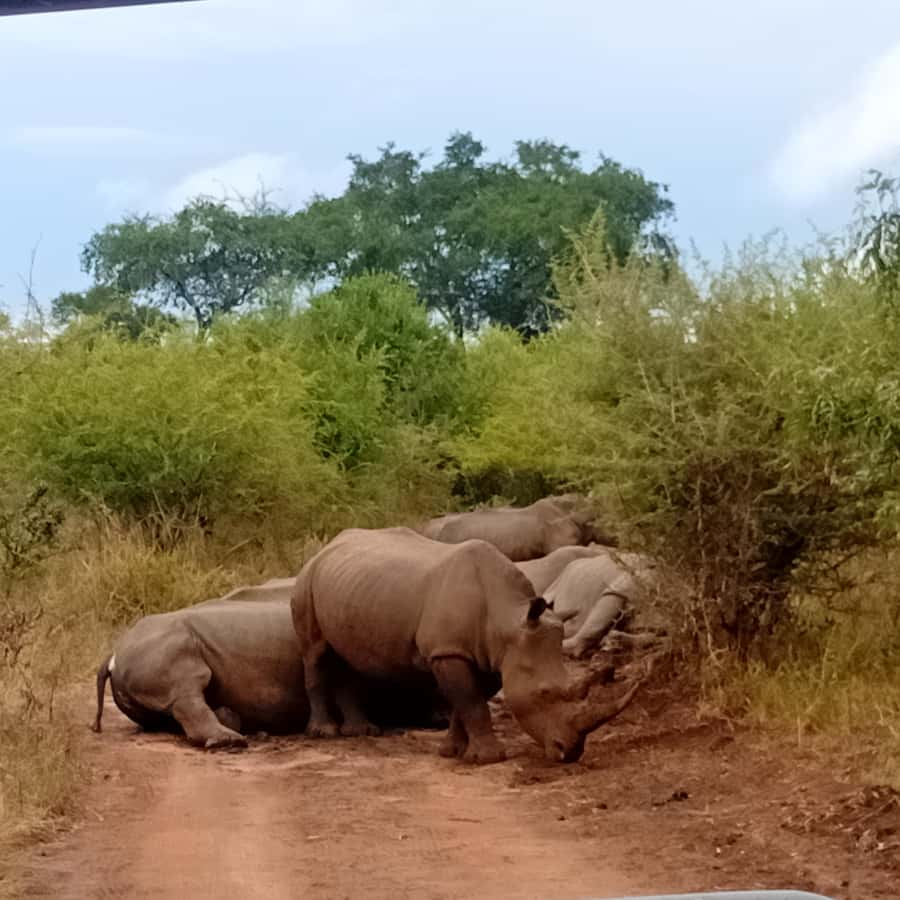
🐘 Wildlife Without the Crowds
4
Hlane Royal National Park → elephants, lions, rhinos
Mlilwane Wildlife Sanctuary → unique: you can walk or cycle among animals
Much cheaper and quieter than big safari countries
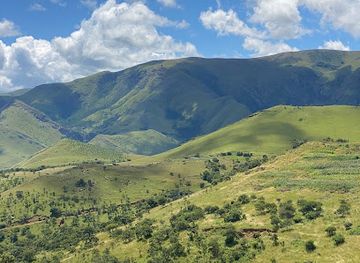
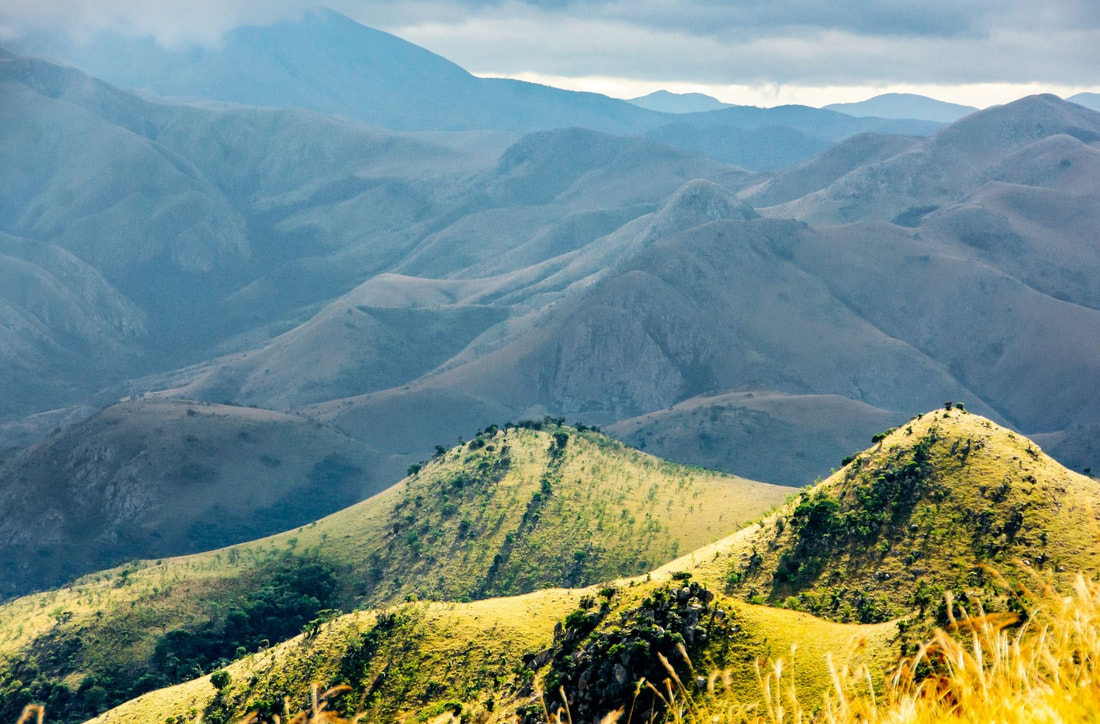
⛰️ Mountains & Scenic Landscapes
4
Rolling hills and dramatic viewpoints
Malolotja Nature Reserve for hiking and ziplining
Cooler climate than lowland Africa
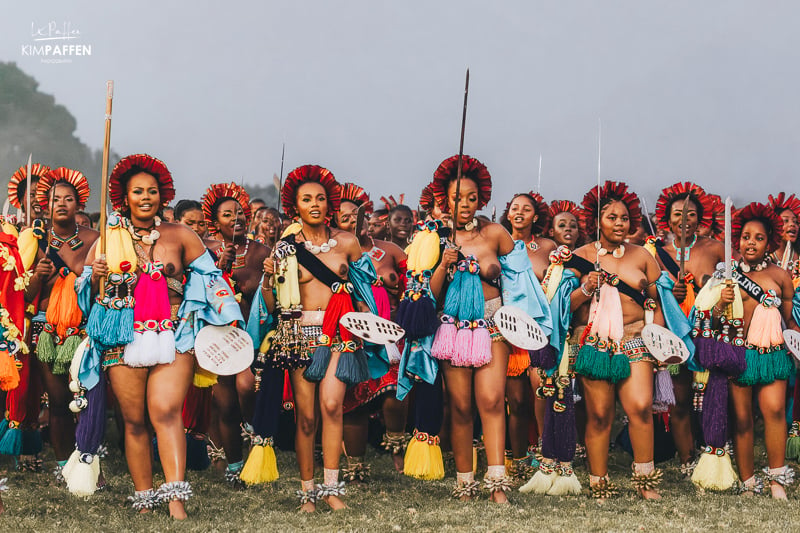
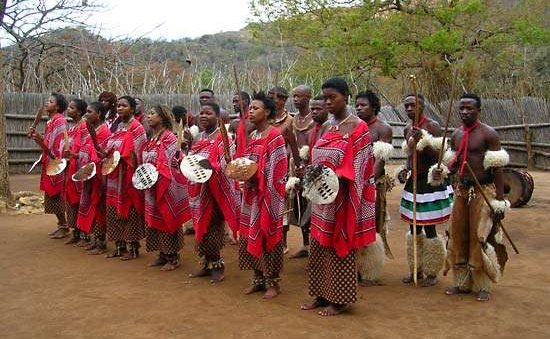
🎭 Strong Cultural Identity
4
One of Africa’s last absolute monarchies
Events like the Umhlanga Reed Dance
Authentic traditions still widely practiced
🎒 Backpacking Basics
💰 Budget
~€25–50/day
Slightly pricier than some African countries, but still good value
🛏️ Accommodation
Backpacker lodges & campsites
Eco-lodges in nature reserves
Social hostels (especially near parks)
🚐 Getting Around
Minibuses connect major towns
Hitchhiking is common and relatively safe
Renting a car = best flexibility
🧭 Easy 5–7 Day Route
Day 1–2: Mbabane / Ezulwini Valley
Base yourself near Mbabane
Markets, culture, crafts
Day 3–4: Mlilwane Wildlife Sanctuary
Walk or bike with zebras & antelope
Day 5: Hlane National Park
Classic safari (lions, elephants)
Day 6–7: Malolotja
Hiking, nature, views
⚠️ Things to Know
🛂 Borders
Often combined with South Africa trips
Easy land border crossings
🔒 Safety
One of the safest countries in Africa
Still use normal precautions
🗣️ Language
English widely spoken
🌡️ Climate
Pleasant year-round
Best: May–September (dry season)
🧠 Is Eswatini Good for Backpackers?
👉 YES if you want:
A relaxed, low-stress African experience
Wildlife without crowds
Culture + nature in a small area
👉 Less ideal if you want:
Big iconic safaris (like Serengeti scale)
Fast-paced nightlife or big cities
🌍 Compared to Nearby Destinations
Easier & quieter than South Africa
Less wild than Mozambique
More intimate than big safari countries
✔️ Final Take
Eswatini is one of Africa’s most underrated backpacking destinations:
Safe
Compact
Authentic
Great for first-time southern Africa trips
👉 Perfect as a 1-week trip or add-on to a bigger journey.