Backpacking in Republic of the Congo (often called Congo-Brazzaville) is a true off-the-grid adventure. This is not typical backpacking—expect raw nature, minimal infrastructure, and a heavy focus on planning—but the reward is access to some of Africa’s most untouched rainforest.
🌍 Why go (and what to expect)
6
Why it’s special:
One of the least-visited countries in Africa
Vast Congo Basin rainforest 🌿
Unique wildlife (forest elephants, gorillas)
Main challenges:
Very limited tourism infrastructure
Expensive logistics (especially parks)
French required
Travel permits and planning needed
👉 This is closer to an expedition than casual backpacking.
🗺️ Key Places to Visit
1. Brazzaville (Capital)
4
Start in Brazzaville
See Basilique Sainte-Anne
Views across the Congo River to Kinshasa
2. Odzala-Kokoua National Park (Highlight)
7
Visit Odzala-Kokoua National Park
One of Africa’s best places to see western lowland gorillas
“Bais” (forest clearings) full of wildlife
⚠️ Reality: This is not cheap backpacking—permits + lodges can cost hundreds per day.
3. Pointe-Noire & the Coast
8
Coastal city vibe
Beaches along the Atlantic Ocean
More relaxed than Brazzaville
4. Lefini Reserve (Closer alternative)
8
Lefini Reserve
Easier access from Brazzaville
Less famous, more budget-friendly wildlife option
🎒 Suggested Route (10–14 days)
Day 1–3: Brazzaville (adjust, explore)
Day 4–6: Lefini Reserve (if budget-conscious)
OR Day 4–10: Odzala-Kokoua expedition
Day 11–14: Pointe-Noire coast
💰 Budget Reality
This is where Congo stands out:
Basic travel (no parks): €30–60/day
With parks (especially Odzala): 👉 €300–1000+ per day (lodges, permits, guides)
👉 It’s not a typical budget backpacking destination.
🚗 Getting Around
Shared taxis & minibuses (limited routes)
Domestic flights (expensive but sometimes necessary)
River transport in some areas
Roads can be rough or impassable in rainy season
⚠️ Safety & Practical Tips
Check current political situation before traveling
Visa required for most travelers (arrange in advance)
French is essential
Limited ATMs → bring cash (EUR/USD)
Travel insurance is critical
🧭 Best Time to Go
Dry seasons: June–September & Dec–Feb
Rainy season → difficult transport, muddy roads
🍽️ Food to Try
Saka-saka
Grilled fish along the Congo River
Plantains, peanuts, stews
🤔 Is It Worth It?
✔️ Go if you want extreme, rare travel + rainforest wildlife
❌ Skip if you want easy logistics, budget travel, or solo simplicity
🧭 Honest Comparison (Quick Take)
Ghana → easiest & beginner-friendly
Guinea → adventurous but doable
Republic of the Congo → hardcore + expensive expedition
Backpacking in Guinea is a very different experience from places like Ghana or Tunisia—this is raw, adventurous travel with incredible nature, but limited infrastructure. It’s best suited if you’re comfortable going off the beaten path.
🌍 Why (and why not) backpack Guinea
6
Why go:
Untouched landscapes (few tourists at all)
Stunning highlands, waterfalls, and mountains
Authentic cultural experiences
Challenges:
Difficult transport & logistics
Limited tourism infrastructure
French required (little English spoken)
👉 This is more expedition-style backpacking than casual travel.
🗺️ Must-Visit Places
1. Conakry (Capital)
6
Entry point to the country
Explore markets and local life
Take a boat to the Îles de Los for beaches
2. Fouta Djallon Highlands (Highlight!)
7
Base yourself in Labé or Dalaba
Famous for waterfalls like Ditinn Falls
Great for trekking, cool climate, and rural villages
3. Mount Nimba Region
6
Around Mount Nimba (UNESCO biosphere)
Remote jungle, rare wildlife
Hard to access → serious adventure
4. Kindia & Bridal Veil Falls
7
Close to Conakry
Visit Voile de la Mariée
Good intro to Guinea’s nature
🎒 Suggested Route (10–14 days)
Day 1–2: Conakry + Îles de Los
Day 3–6: Kindia → Dalaba → Labé (Fouta Djallon)
Day 7–10: Trekking & waterfalls in highlands
Optional: Extend to Mount Nimba (if experienced & prepared)
Backpacking in Ghana is one of the best ways to experience West Africa for the first time—friendly locals, stable infrastructure, rich culture, and a mix of beaches, history, and jungle adventures.
🌍 Why Ghana is great for backpacking
7
Very welcoming (“Akwaaba” = welcome!)
English-speaking → easy communication
Good entry point to West Africa
Diverse experiences: coast, rainforest, cities, culture
🗺️ Must-Visit Places
1. Accra (Capital City)
6
Start in Accra for culture + nightlife
Visit Independence Square
Explore Makola Market & Osu district
Chill at Labadi Beach
2. Cape Coast & Elmina
7
Emotional but important history at Cape Coast Castle
Backpacking in Tunisia is an excellent choice if you want a mix of desert adventure, ancient history, Mediterranean beaches, and relatively affordable travel. It’s also one of the easier North African countries to navigate for first-time backpackers.
🌍 Why Tunisia is great for backpacking
6
Compact & diverse: You can go from Roman ruins to Sahara dunes in a few days
Affordable: Budget-friendly accommodation, food, and transport
Less crowded than Morocco or Egypt
Rich culture blending Arab, Berber, French, and Mediterranean influences
🗺️ Must-Visit Places
1. Tunis & Carthage
7
Explore the historic medina (UNESCO-listed)
Visit ancient Carthage ruins
Check out the Bardo Museum (famous mosaics)
2. Sidi Bou Said
7
Iconic blue-and-white village
Amazing sunset views over the Mediterranean
Perfect chill stop near Tunis
3. Sahara Desert (Douz / Tozeur)
7
Gateway towns: Douz or Tozeur
Camel trekking & desert camping
Visit Chott el Jerid (surreal landscapes)
4. El Djem
6
Home to the massive El Djem Amphitheatre
Comparable to Rome’s Colosseum—but far less crowded
Backpacking Thailand 🇹🇭 is one of the best beginner (and still amazing veteran) backpacking experiences in the world—cheap, social, diverse, and super easy to navigate.
🌴 Why Backpack Thailand?
Planning your trip?
For a detailed route, accommodation suggestions, transport tips and day-by-day itinerary, see:
Backpacking Singapore 🇸🇬 is a bit different from the rest of Southeast Asia—less “budget backpacker jungle adventure,” more ultra-modern city + amazing food + super easy travel. It’s usually a short stop (2–4 days) rather than a long backpacking destination.
🌆 Why Backpack Singapore?
5
🧼 One of the cleanest & safest cities in the world
Backpacking the Philippines 🇵🇭 is all about island-hopping, crystal-clear water, and a laid-back vibe—but it takes a bit more planning than places like Taiwan or Korea. Totally worth it if you love beaches + adventure.
Backpacking Taiwan is one of the best travel choices in Asia—compact, affordable, incredibly friendly, and packed with food, mountains, and culture. Here’s a clear, backpacker-focused guide.
🇹🇼 Why Backpack Taiwan?
4
🚆 Easy to get around (fast trains + buses everywhere)
🍜 World-famous night markets
⛰️ Epic nature (gorges, beaches, mountains)
😊 Super friendly locals
🔒 Very safe—even for solo travel
🗺️ Classic Backpacking Route (10–14 days)
1. Taipei (3–4 days)
6
Base for your trip
Must-see: Taipei 101, Longshan Temple
Hike Elephant Mountain for sunset
Night markets: Shilin, Raohe
👉 Easy day trips:
Jiufen (lantern village in the mountains)
Shifen (waterfalls + sky lanterns)
2. Taroko Gorge / Hualien (2–3 days)
6
One of Asia’s most stunning landscapes 🌄
Marble canyons, turquoise rivers
Rent a scooter or join a tour
3. Sun Moon Lake (1–2 days)
6
Chill, scenic stop
Cycle around the lake 🚴
Visit temples + viewpoints
4. Alishan (1–2 days)
5
Famous for sunrise + sea of clouds ☁️
Ride the historic forest train
Magical mountain forests
5. Tainan (1–2 days)
5
Taiwan’s oldest city
Rich history + best traditional food
6. Kaohsiung (1–2 days)
6
Laid-back southern vibe
Art scene + waterfront
Visit Dragon & Tiger Pagodas
💸 Budget (per day)
🛏️ Hostel: €10–25
🍜 Food: €8–20
🚆 Transport: €5–15 👉 Total: ~€25–60/day
🚆 Getting Around
TRA trains = best for scenic routes
HSR (High-Speed Rail) = fast west coast travel
EasyCard = must-have for transport + convenience stores
Backpacking South Korea is an amazing choice—it’s safe, affordable, easy to navigate, and packed with culture, food, and nature. Here’s a practical, inspiring guide to help you plan.
🇰🇷 Why Backpack South Korea?
6
🚆 Super easy transport (fast trains, buses, metro everywhere)
🍜 Incredible food culture (cheap street food + BBQ)
Backpacking in Cuba is unlike anywhere else—less about ticking sights, more about atmosphere, culture, music, and people. It’s fascinating, sometimes frustrating, but very memorable.
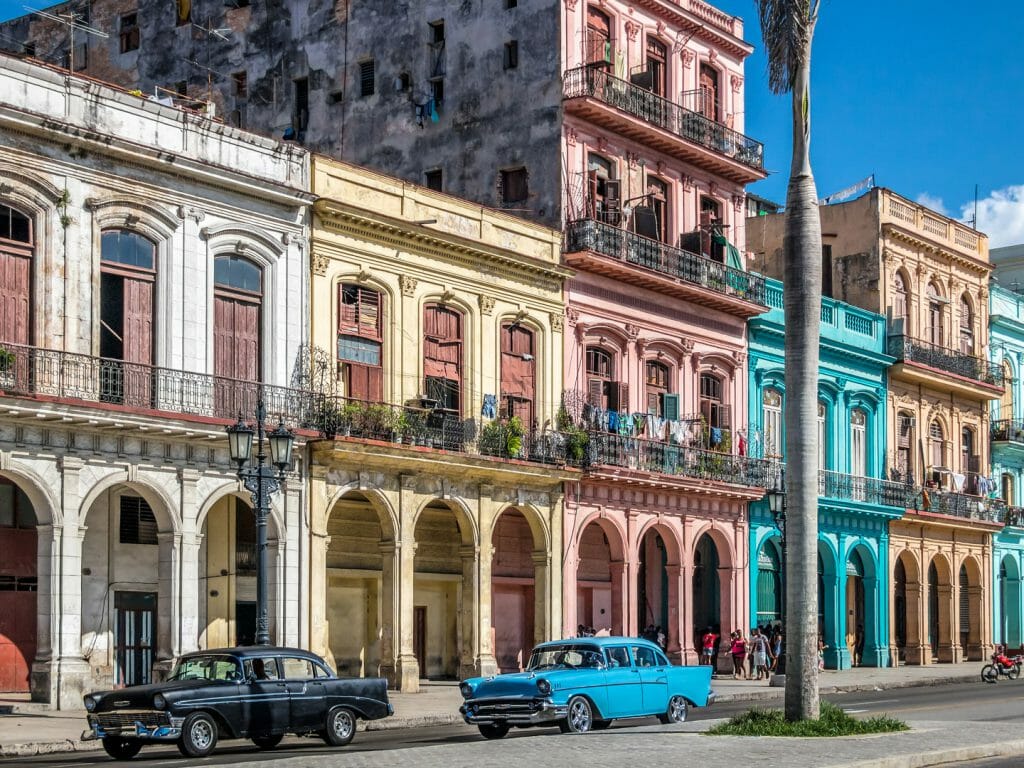
🇨🇺 Why Cuba Is So Unique
4
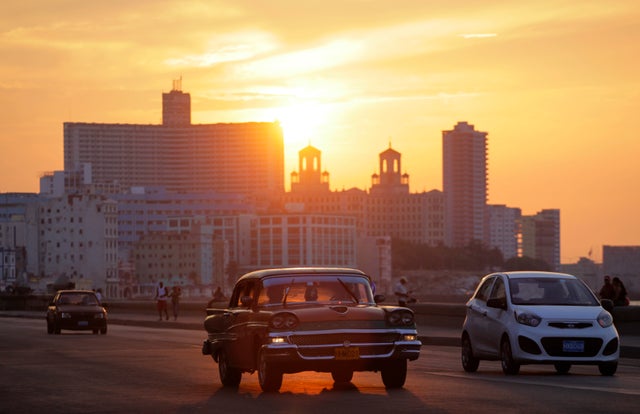
Vintage American cars everywhere 🚗
Colonial towns frozen in time
Strong music + dance culture (salsa, son)
A very different economic system → travel feels old-school
⚠️ First — What Makes Cuba Different
No typical backpacker infrastructure (few hostels)
Limited internet access
Cash-based economy (cards often don’t work)
Logistics can be slow/unpredictable
👉 But that’s also what makes it special.
🧭 Classic Backpacking Route
1. Havana (Culture + Chaos)
4
Havana
Music, history, and crumbling beauty
Walk through Habana Vieja + Malecón
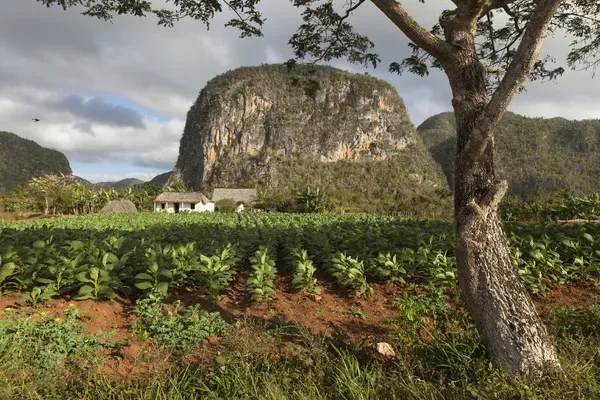
2. Viñales (Nature + Tobacco Farms)
4
Viñales Valley
Limestone hills (“mogotes”) and rural life
Learn how Cuban cigars are made
3. Trinidad (Colonial Gem)
4
Trinidad
Perfectly preserved colorful town
Nearby beaches like Playa Ancón
4. Cienfuegos (Optional Stop)
Cienfuegos
Smaller, calmer, French-influenced architecture
5. Varadero (If You Want Beaches)
4
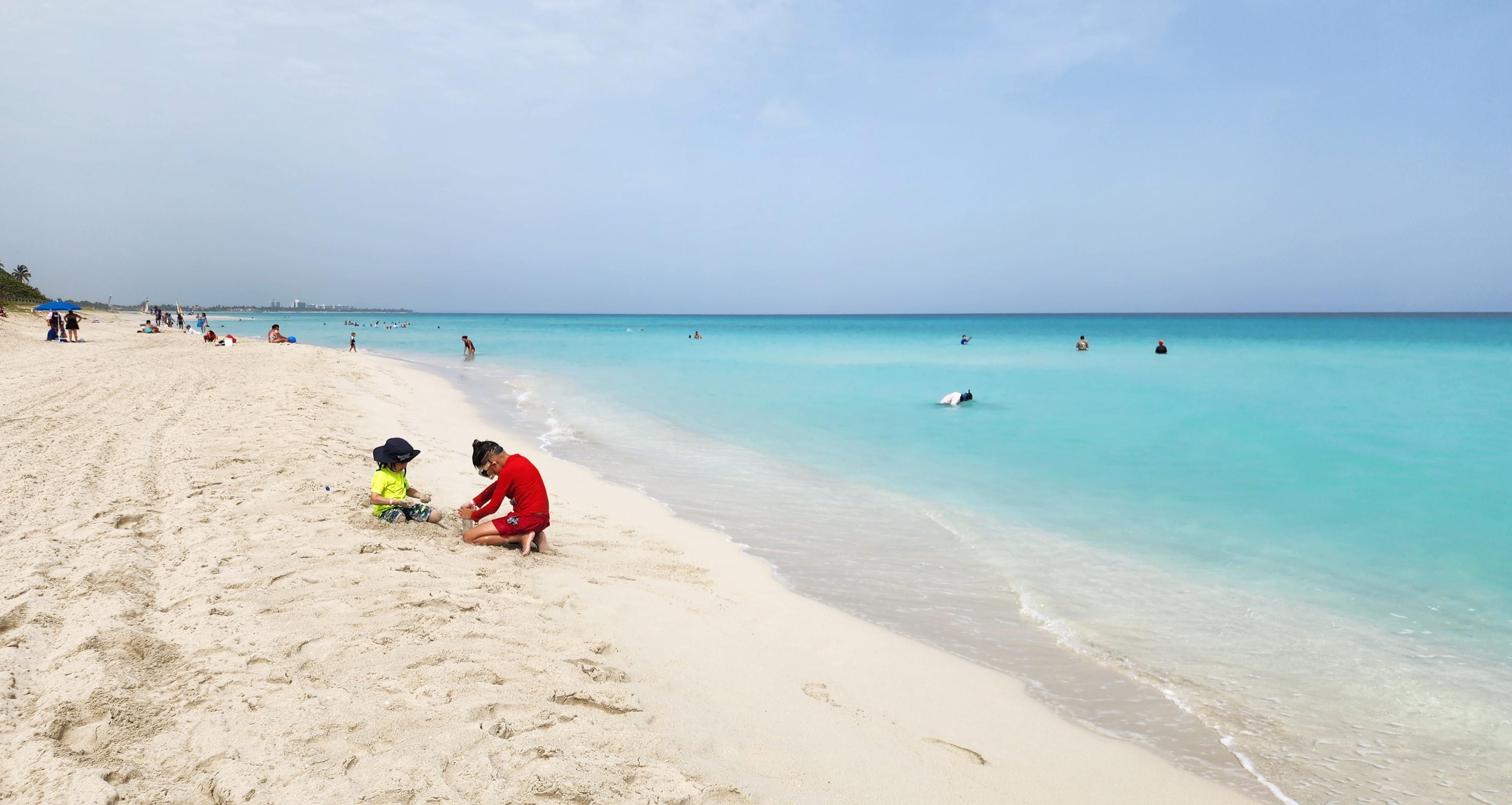
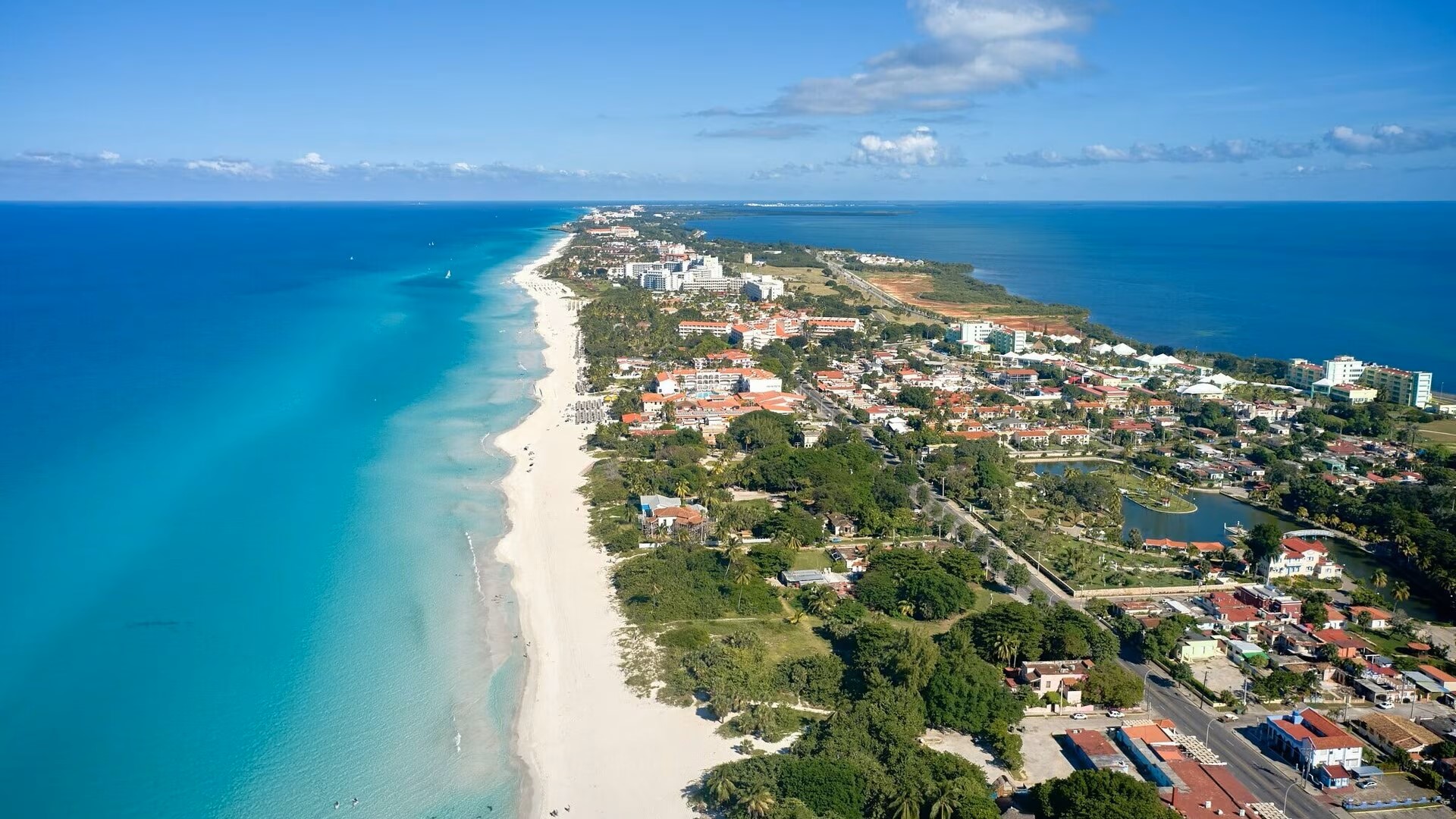
Varadero
Beautiful but more resort-style than backpacker
🏠 Where You’ll Stay (Important)
Instead of hostels, you’ll mostly stay in:
👉 Casas Particulares
Private homestays (licensed by the government)
€10–30/night
Often include breakfast/dinner
💡 This is one of the BEST parts of traveling Cuba.
💸 Budget
Accommodation: €10–30
Meals: €5–15
Transport: €10–30 between cities
👉 Total: €25–60/day
🚐 Getting Around
Tourist buses (Viazul)
Shared taxis (collectivos)
Hitchhiking (common with locals!)
🍛 Food Reality
Food is… not the highlight:
Rice, beans, chicken, pork
Limited variety due to shortages
👉 But meals in casas are usually the best you’ll get.
⚠️ Key Tips (Super Important)
💵 Bring Cash
Euros are best
Cards often don’t work
📶 Internet
WiFi hotspots + prepaid cards
No constant connection
🧠 Plan… but Stay Flexible
Things don’t always run on time
Transport can change last minute
📅 Best Time to Visit
Dec–April (dry season ☀️)
Avoid hurricane season (Aug–Oct)
🎒 Is Cuba Good for Backpacking?
✔️ Go if you want:
Culture, music, history
Unique, “different” travel
Human connections
❌ Maybe not if you want:
Smooth logistics
Fast WiFi / digital nomad setup
Party hostels everywhere
🧠 Honest Verdict
Cuba is not the easiest trip—but it’s one of the most atmospheric and memorable.