Backpacking through Belgium is a fantastic idea—compact, easy to navigate, and packed with medieval towns, great beer, and world-class food. It’s perfect for a short 4–7 day trip or as part of a bigger Europe backpacking route.
Here’s how to do it right 👇
🇧🇪 Why Backpack Belgium?
4
🚆 Super easy transport (everything ~1–2 hours apart)
🍺 Legendary beer culture
🍟 Waffles, fries, chocolate 🍫
🏰 Fairytale cities (Bruges, Ghent)
🌍 Multilingual (Dutch, French, English widely spoken)
🗺️ Perfect Backpacking Route (5–7 days)
1. Brussels (1–2 days)
4
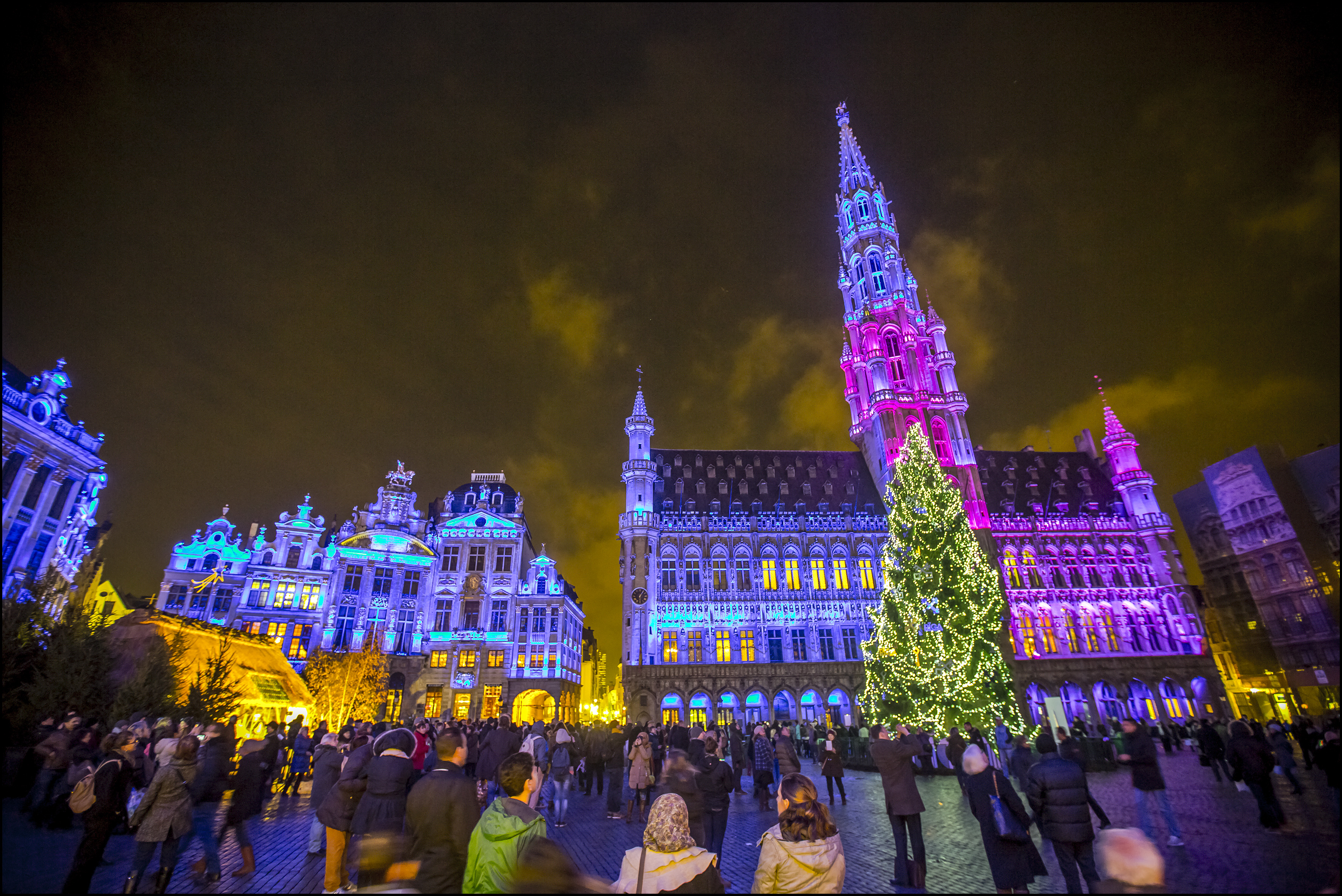
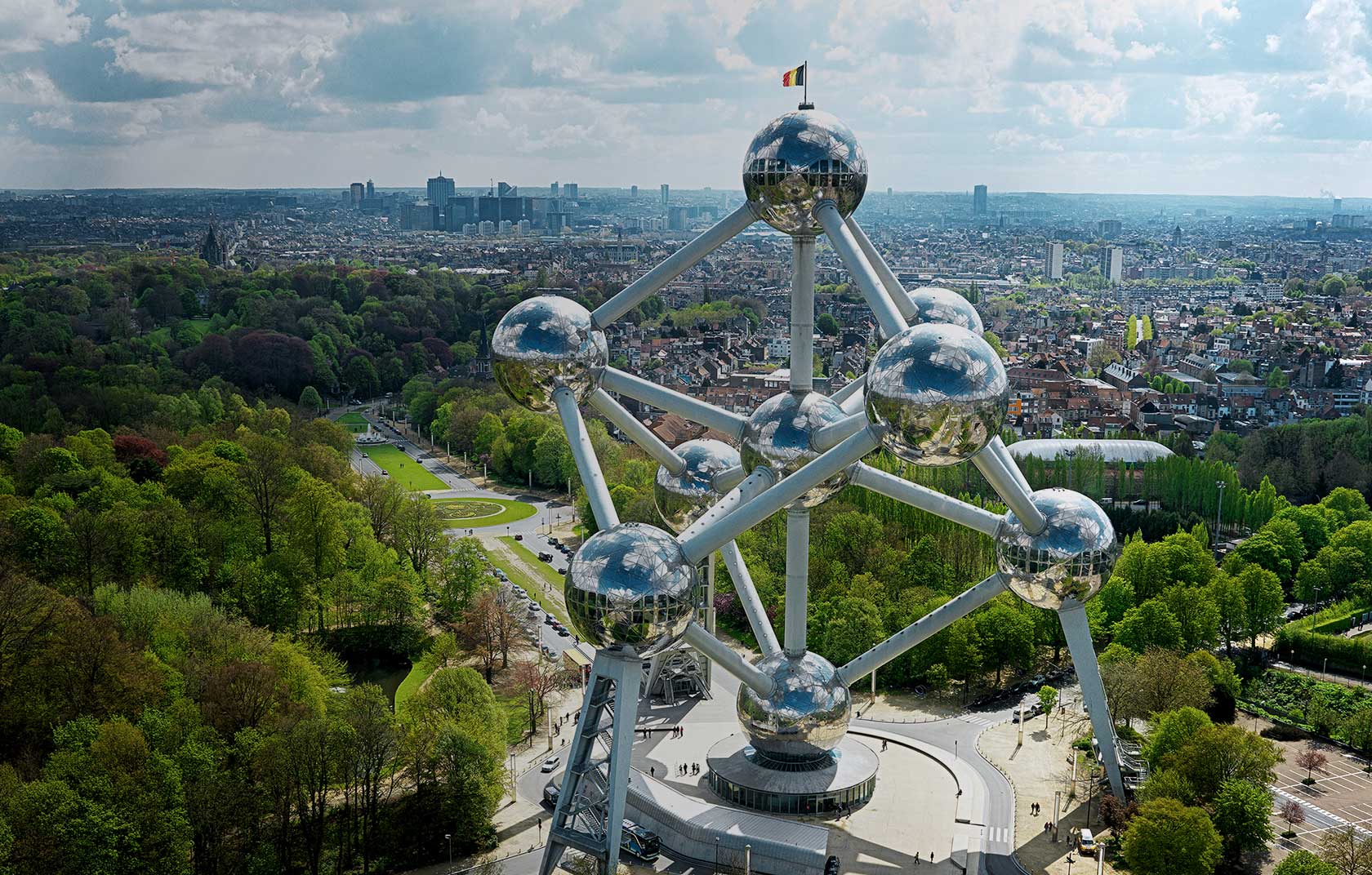
📍 Brussels
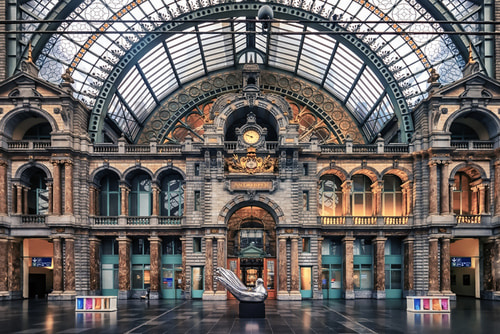
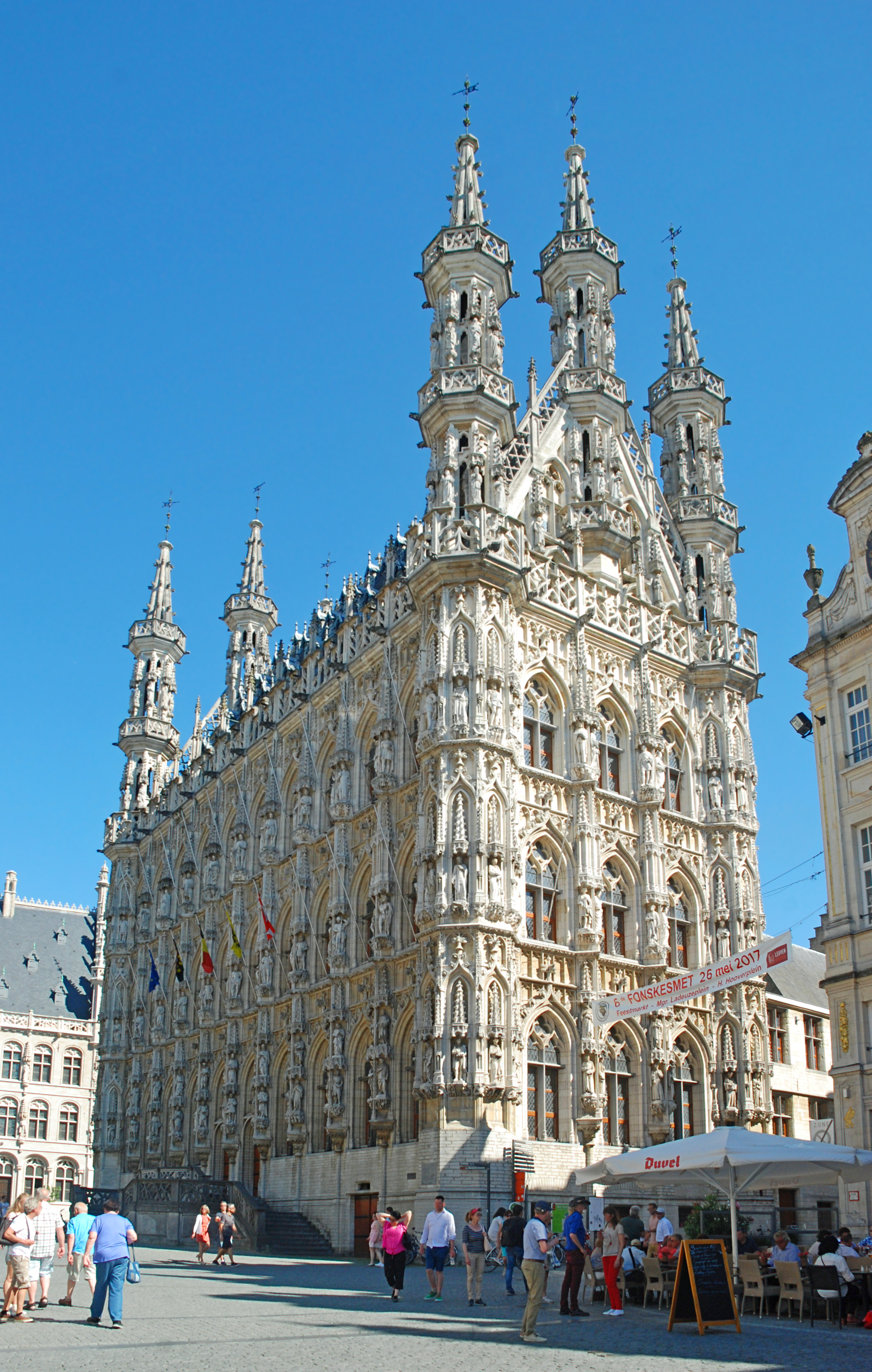
Walk Grand Place
See Manneken Pis
Try waffles + chocolate 🍫
👉 Good base, but don’t stay too long
2. Bruges (2 days)
4
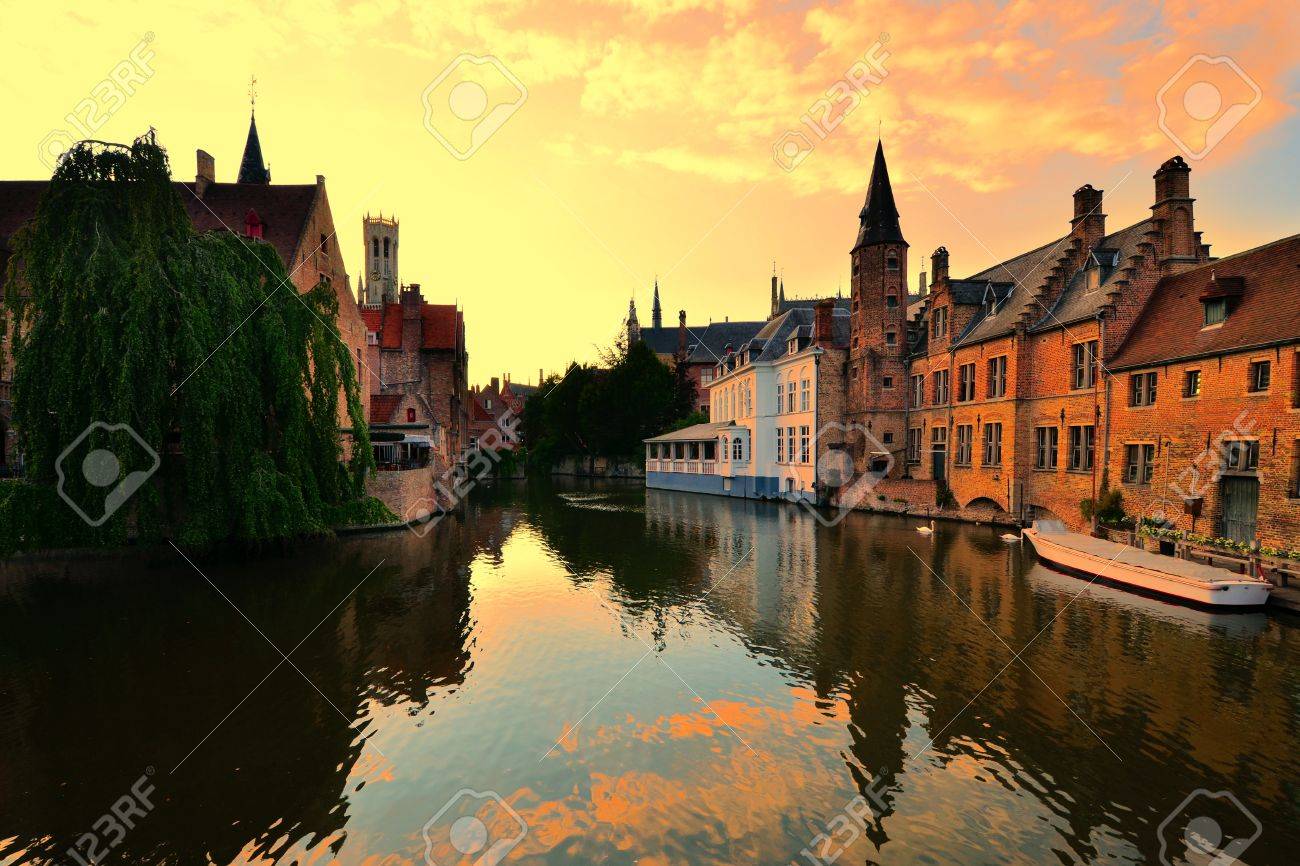
📍 Bruges
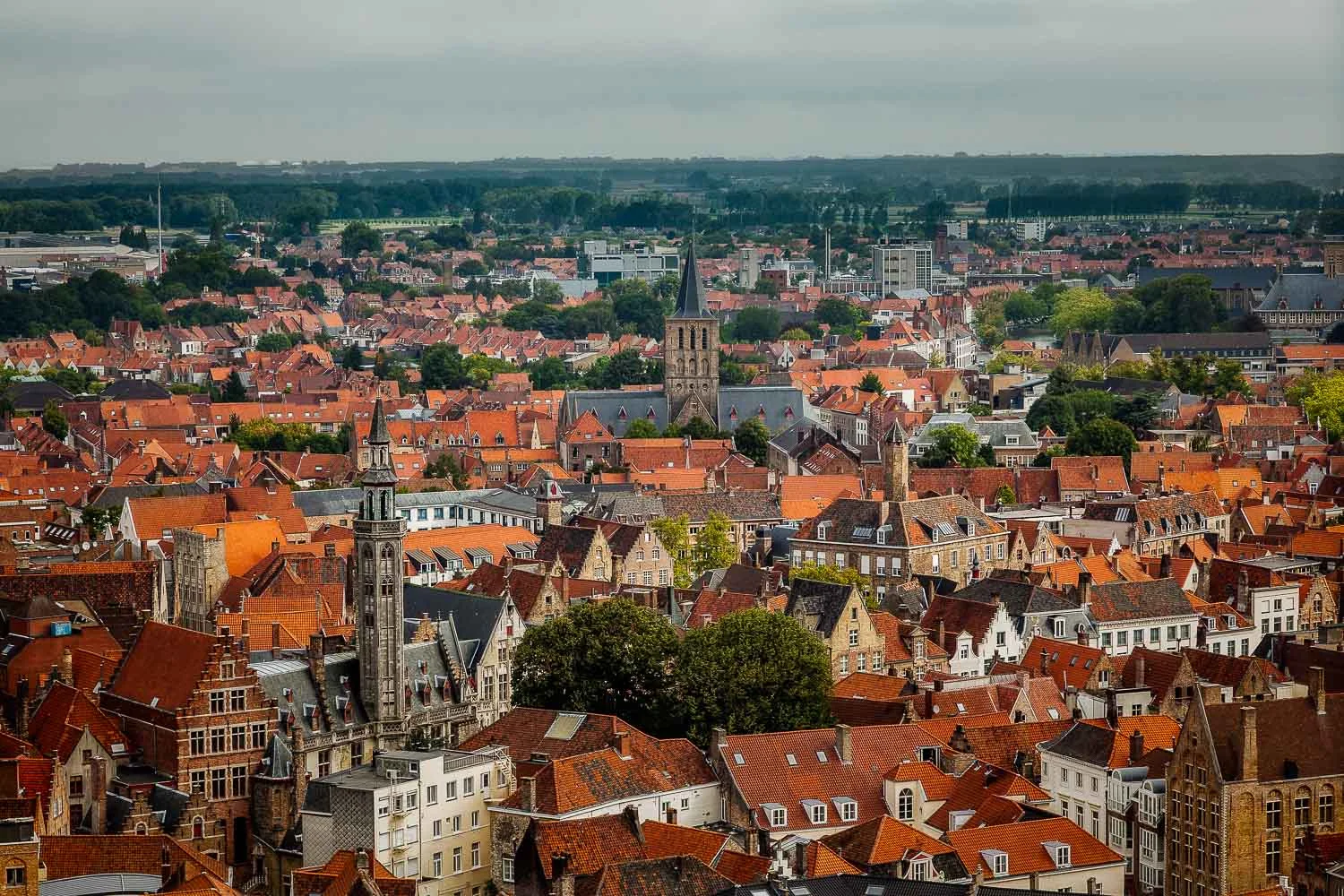
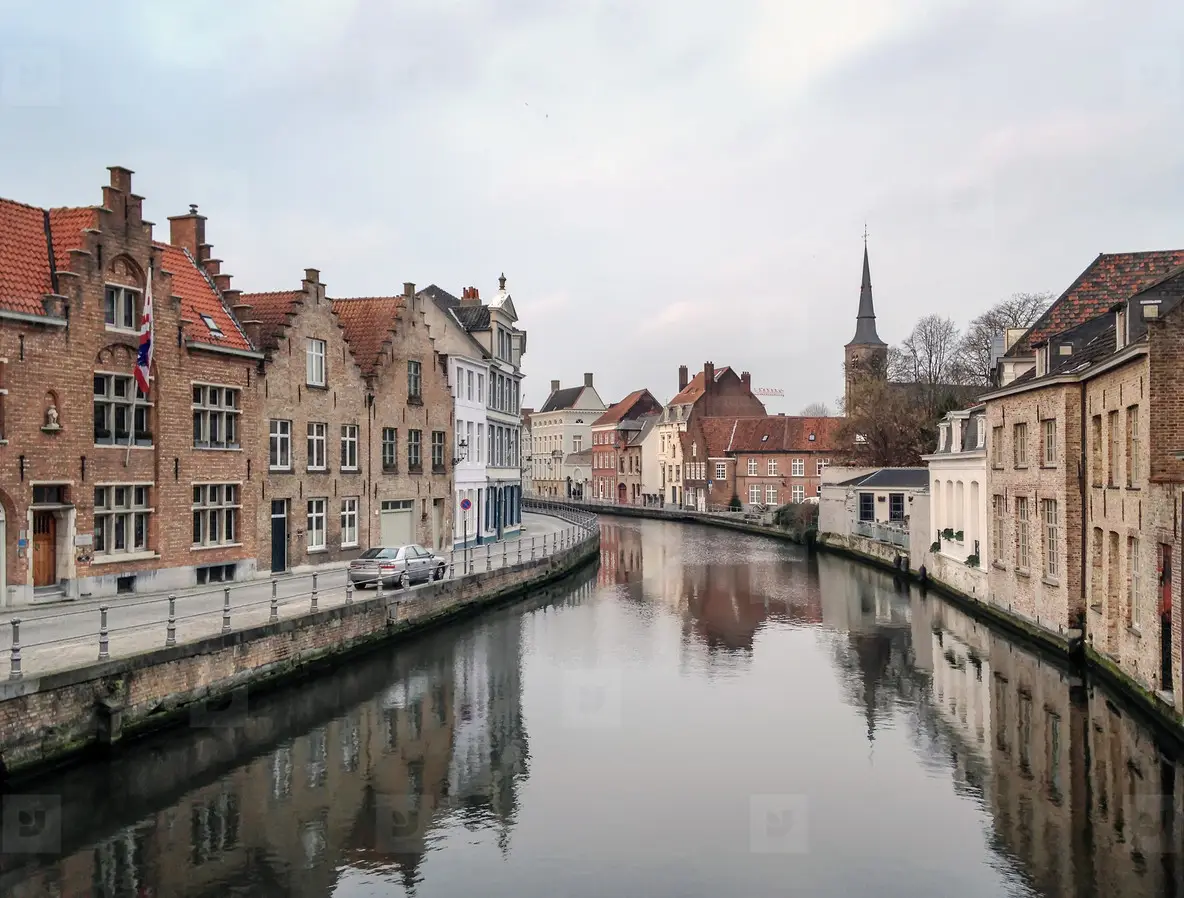
Canals + cobblestone streets 🏰
Climb the Belfry of Bruges
One of Europe’s most photogenic cities
3. Ghent (1–2 days)
4
📍 Ghent
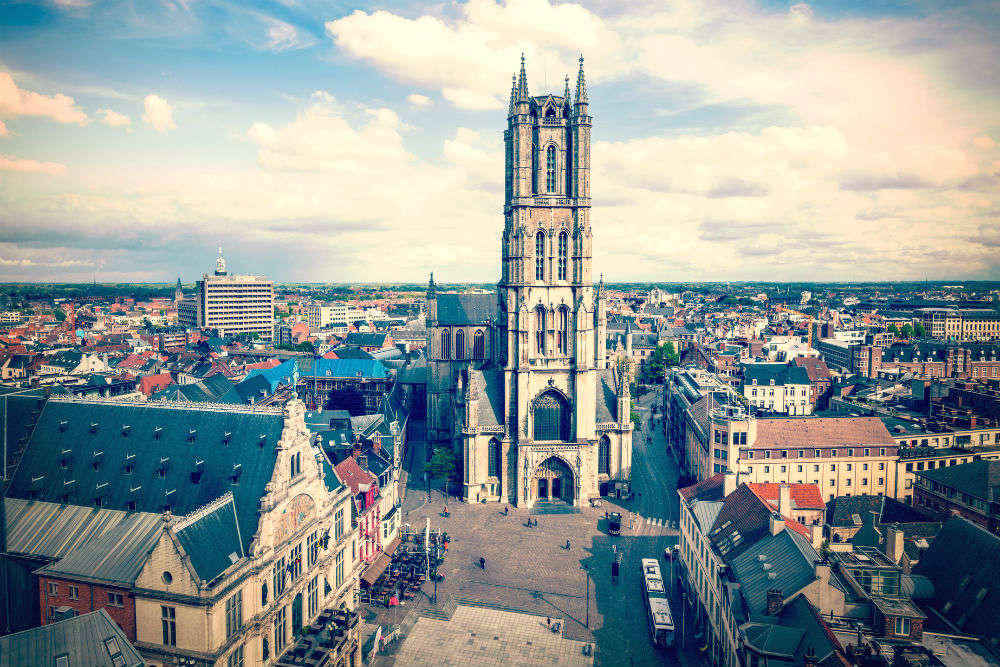
Less touristy than Bruges
Visit Gravensteen
Great nightlife + student vibe
👉 Many travelers actually prefer Ghent over Bruges
Backpacking through Côte d’Ivoire is a very different experience from Southeast Asia—less touristy, more raw, and incredibly rich in culture, music, and nature. It’s not a classic backpacker route, but that’s exactly what makes it special.
Here’s a grounded, realistic guide so you know what to expect 👇
🌍 Why Backpack Côte d’Ivoire?
4
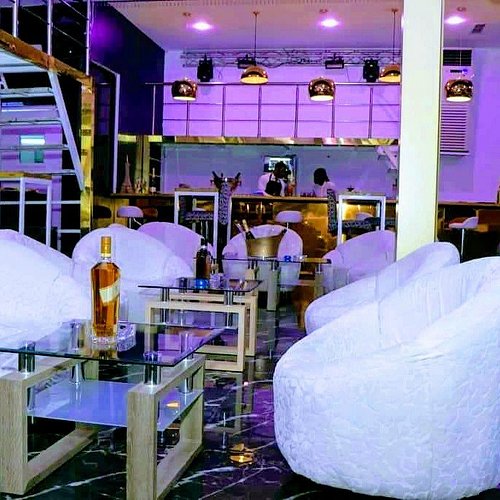
🎶 Vibrant music & nightlife (home of Coupé-Décalé)
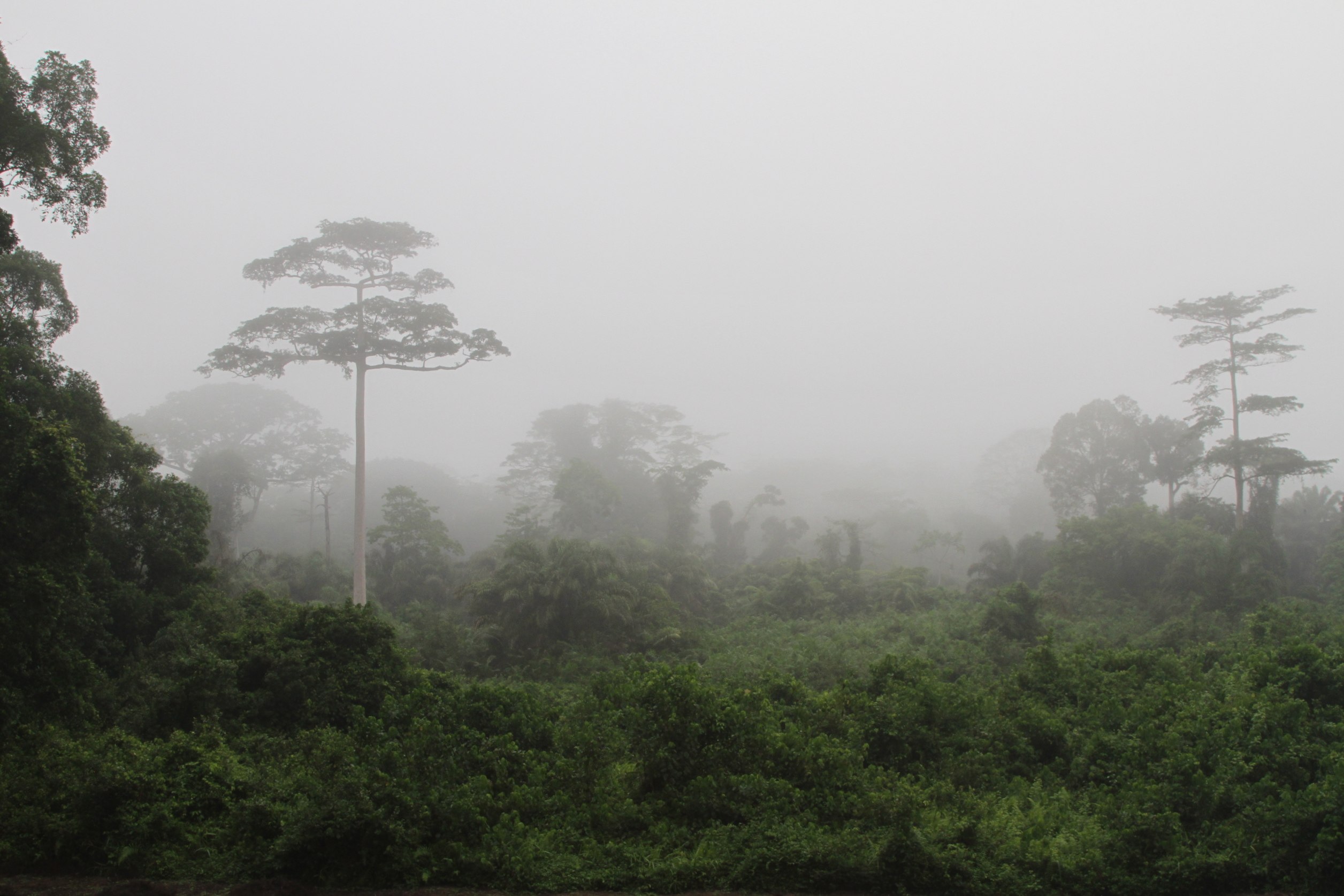
🌴 Mix of beaches, rainforest, and mountains
🍛 Unique West African cuisine
👣 Very few tourists → authentic experience
💬 French-speaking (great if you want immersion)
⚠️ First — Important Reality Check
Côte d’Ivoire is not a typical beginner backpacking destination.
Infrastructure is developing
English is not widely spoken (French is essential 🇫🇷)
Travel logistics can be unpredictable
Some regions require caution
👉 That said: it is absolutely doable if you’re prepared.
🗺️ Suggested Route (10–14 days)
1. Abidjan (2–4 days)
4
📍 Abidjan
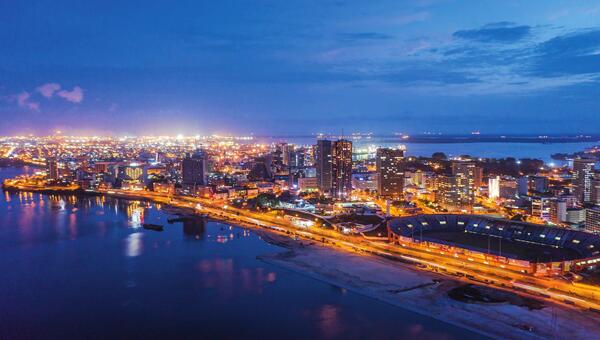
Modern West African megacity
Visit St. Paul’s Cathedral Abidjan
Explore markets in Treichville
Nightlife is some of the best in Africa 🔥
👉 Think: Lagos vibes but more laid-back
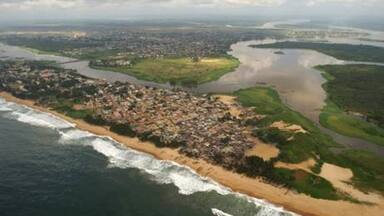
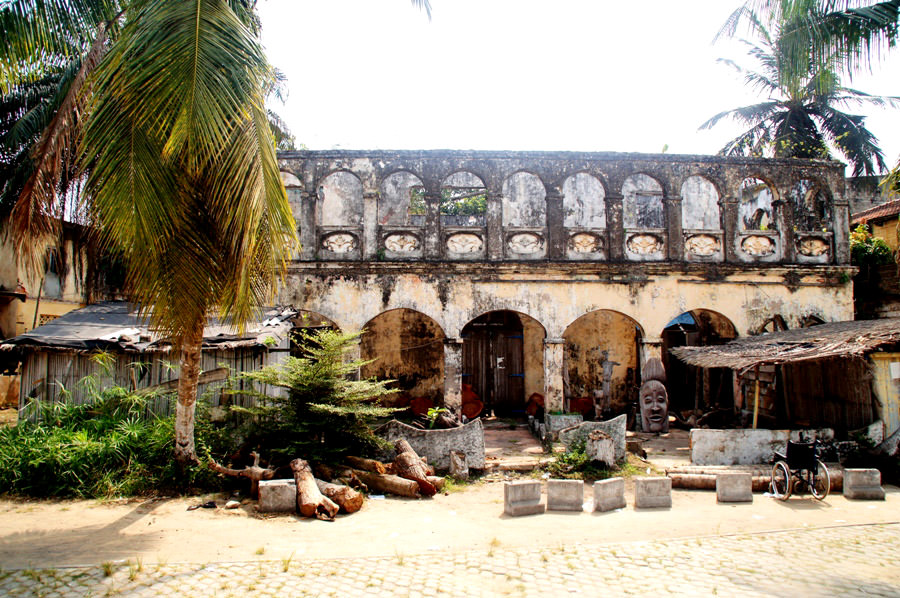
2. Grand-Bassam (1–2 days)
4
📍 Grand-Bassam
UNESCO-listed colonial town
Chill beach vibes
Easy day trip from Abidjan
3. Yamoussoukro (1–2 days)
4
📍 Yamoussoukro
Home to Basilica of Our Lady of Peace
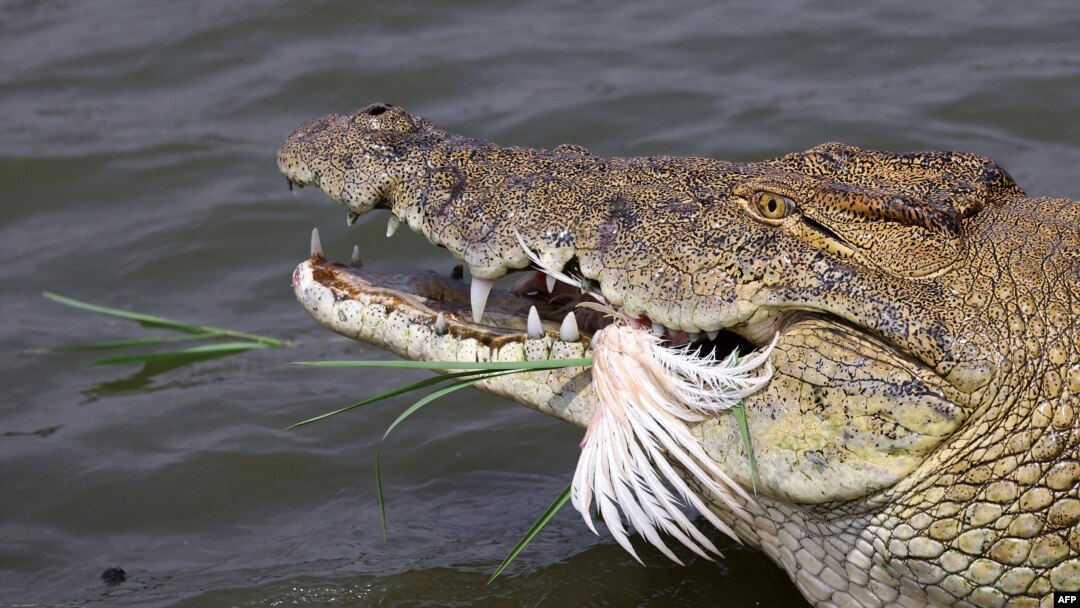
See sacred crocodiles near the presidential palace 🐊
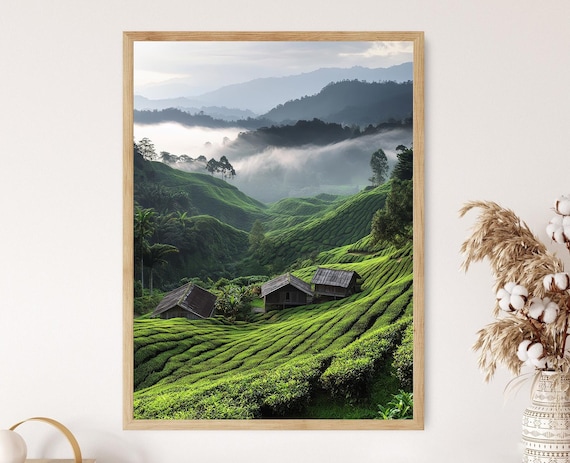
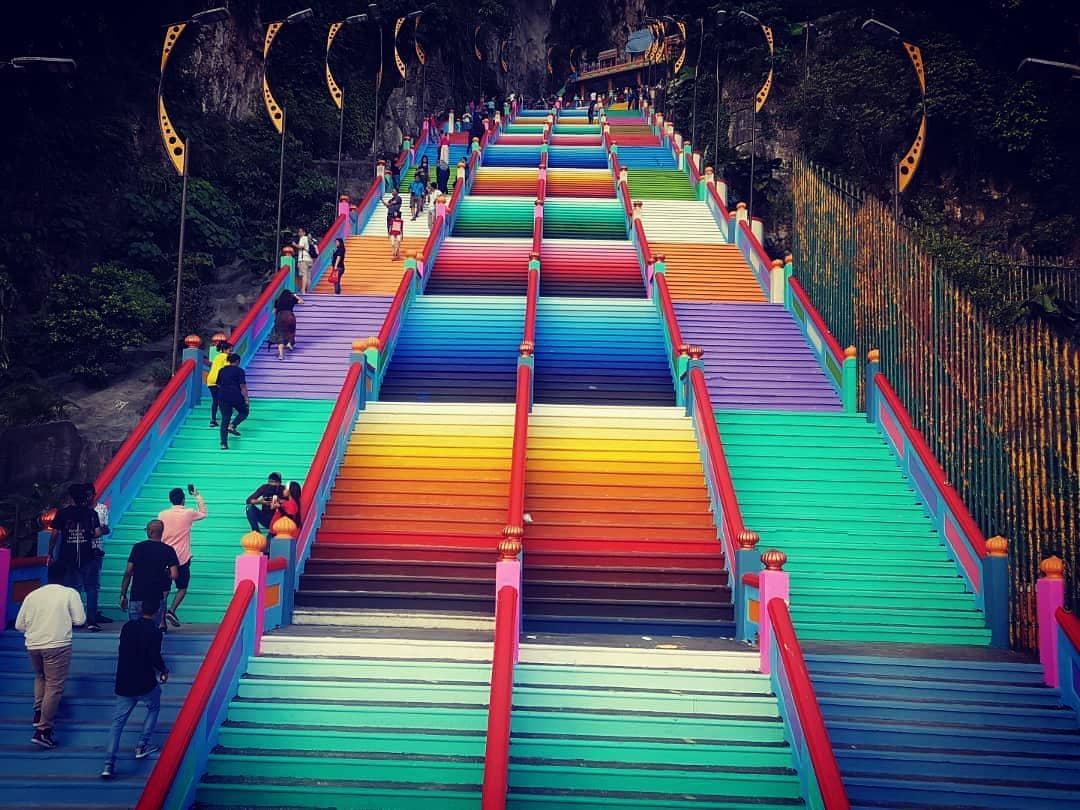
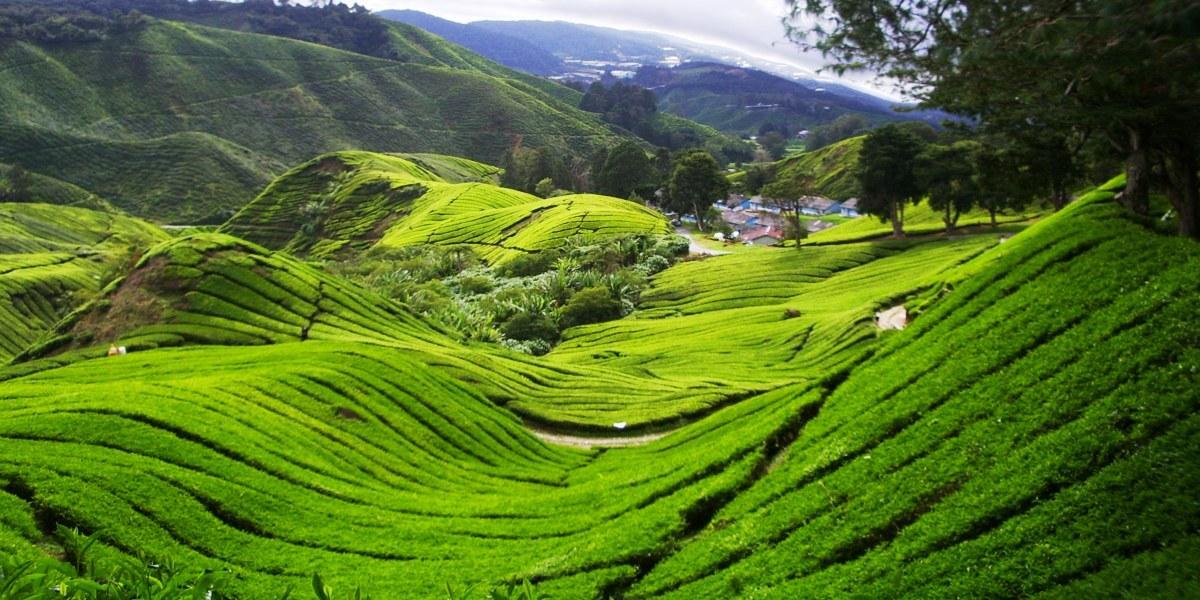
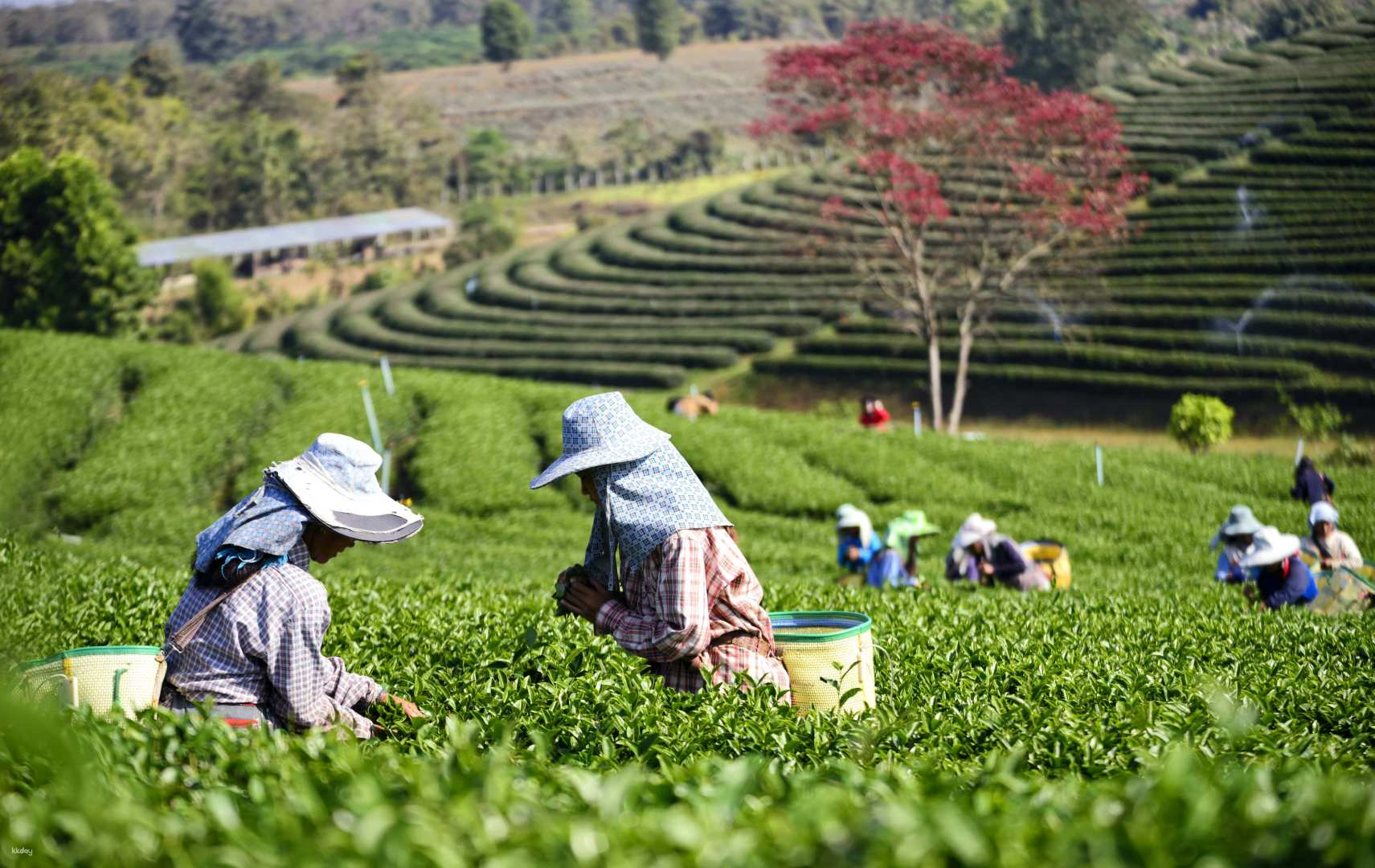
Backpacking through Malaysia is an awesome choice—it’s affordable, diverse, and super beginner-friendly for Southeast Asia. You get beaches, jungles, modern cities, and incredible food all in one trip.
Here’s a clear, practical guide to help you plan 👇
🌴 Why Backpack Malaysia?
4
💸 Budget-friendly (cheaper than Singapore/Thailand in some areas)
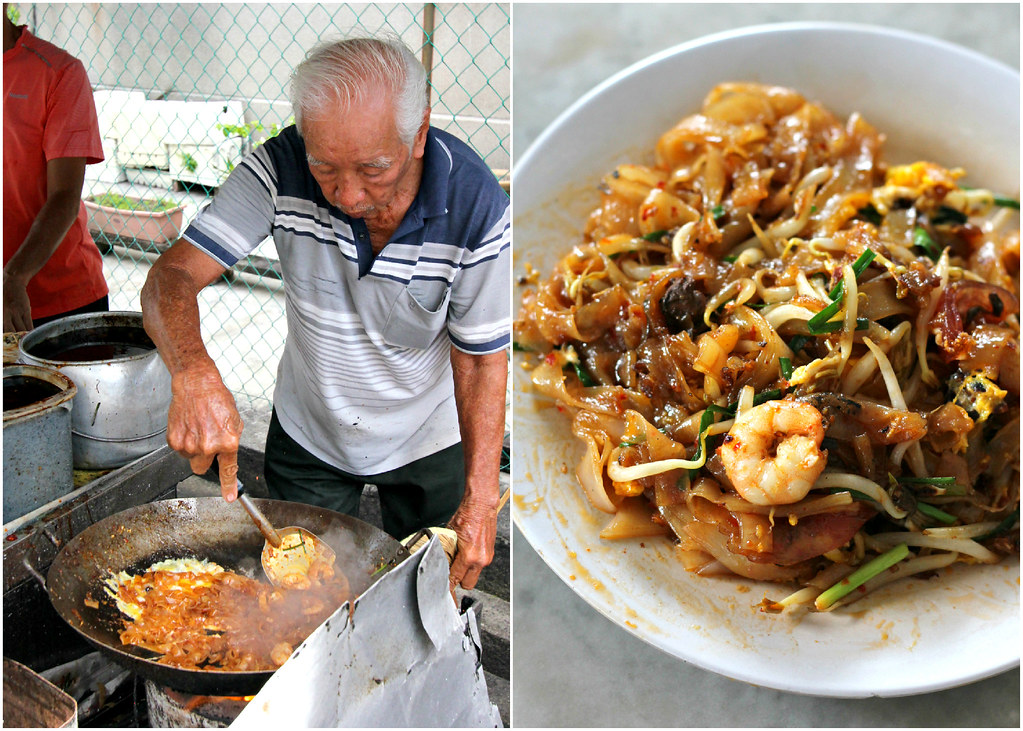
🍜 Food paradise (Malay, Chinese, Indian mix)
🚍 Easy transport (buses, trains, cheap flights)
🗣️ English widely spoken
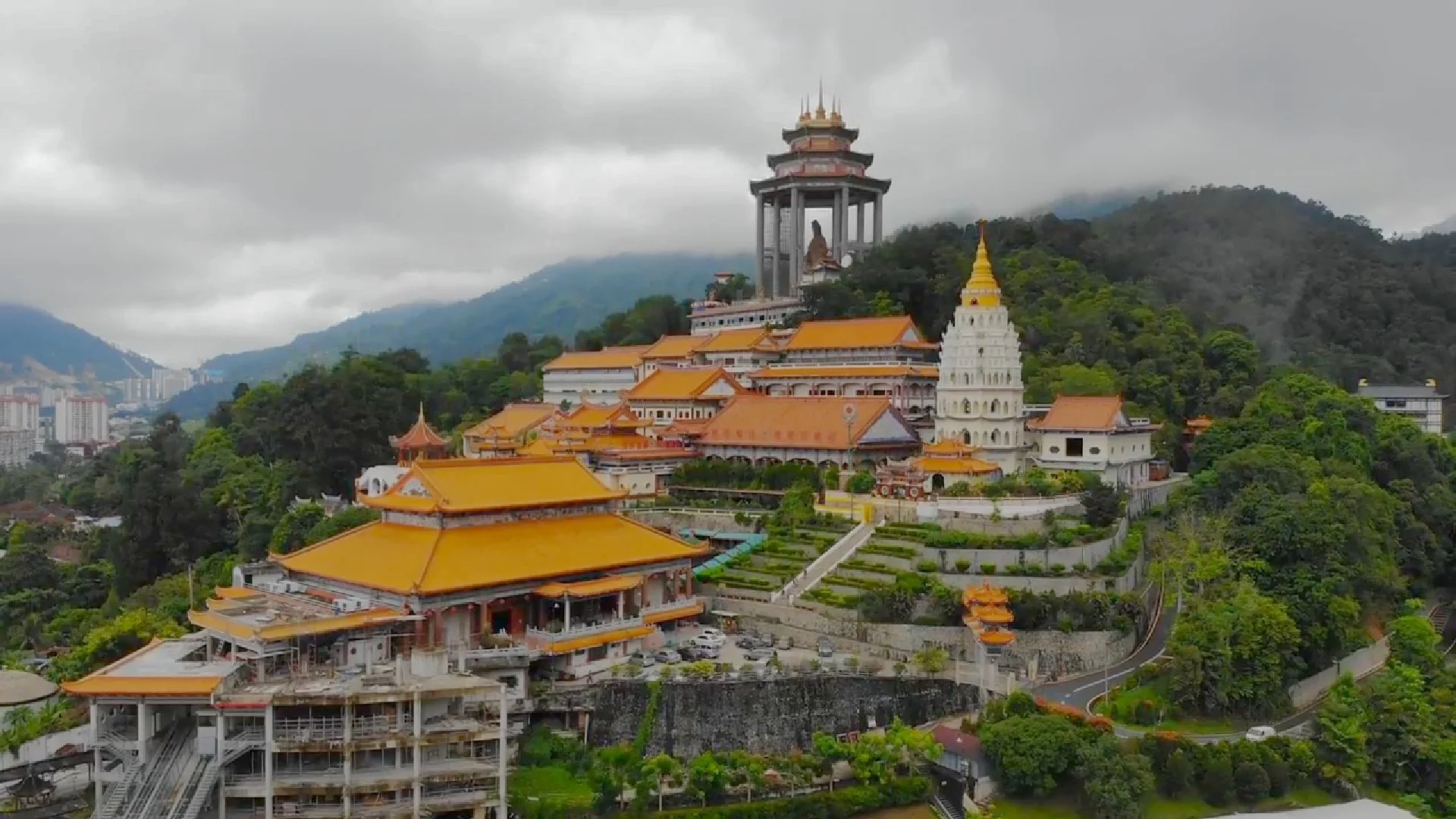
🌏 Cultural diversity (mosques, temples, colonial towns)
Planning a Backpacking Trip to Malaysia?
Our detailed Malaysia Backpacking Guide covers itineraries, transportation, accommodation, budgeting, food, safety, and practical travel tips for independent travelers.
Backpacking Colombia is one of the best all-around backpacking experiences right now—cheap, diverse, social, and packed with culture, nature, and nightlife. It’s especially great if you want a mix of cities + beaches + jungle + mountains.
🇨🇴 Why Backpack Colombia?
4
One of the most fun and social backpacker scenes
Huge variety: Caribbean beaches, Andes mountains, jungle
Very affordable 💰
Friendly locals + strong culture
Big improvement in safety over the years
👉 Think: Latin energy + nature + parties + adventure
🗺️ Classic Backpacking Route (2–3 weeks)
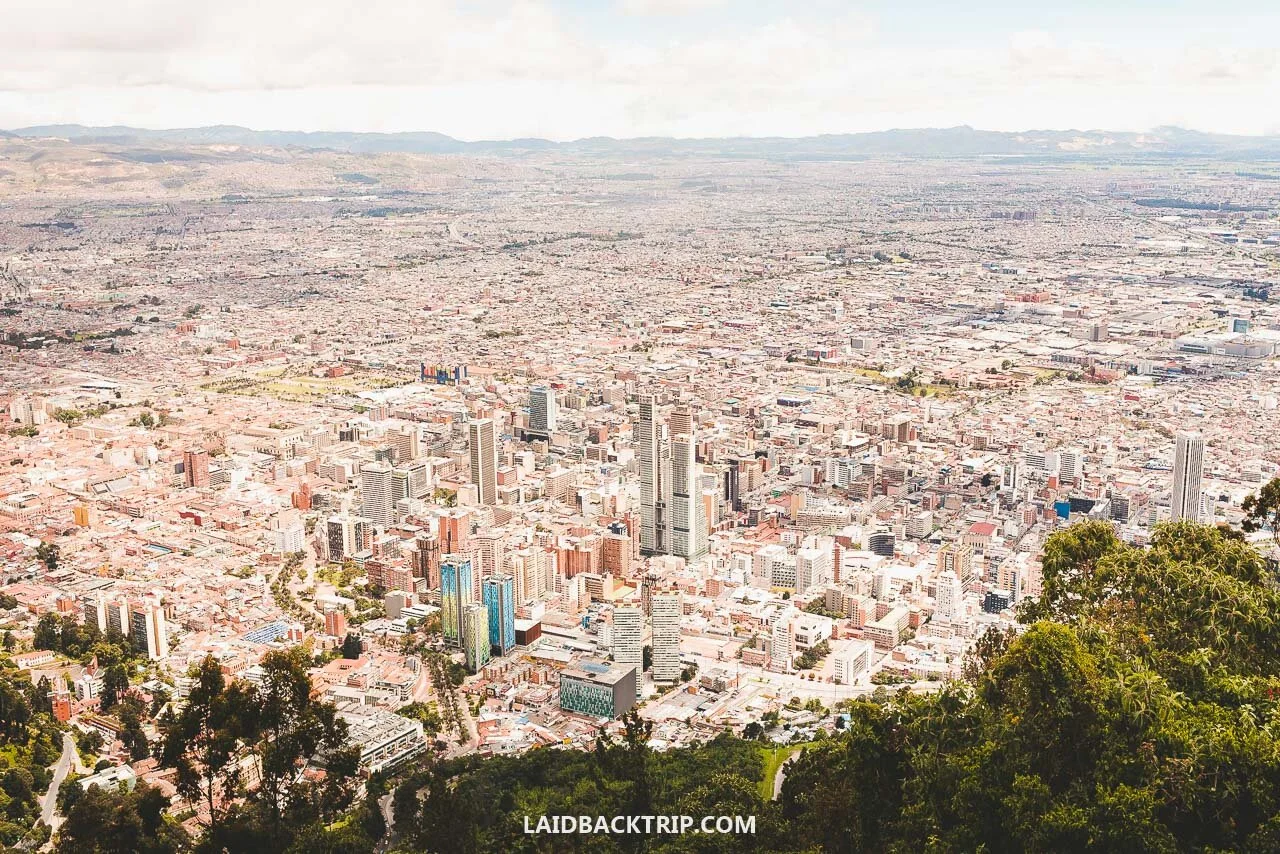
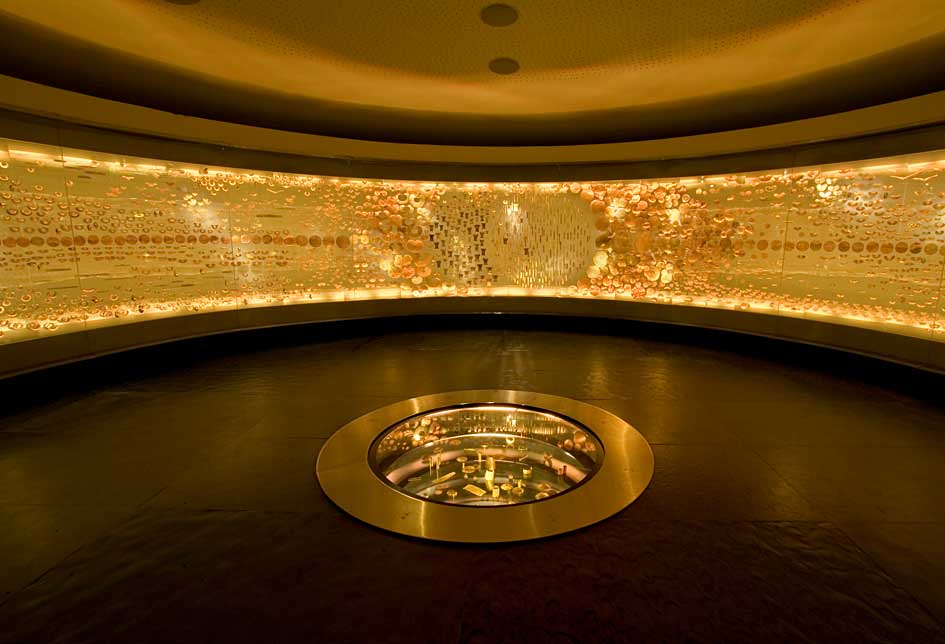
🌆 Bogotá (2–3 days)
4
Highlights:
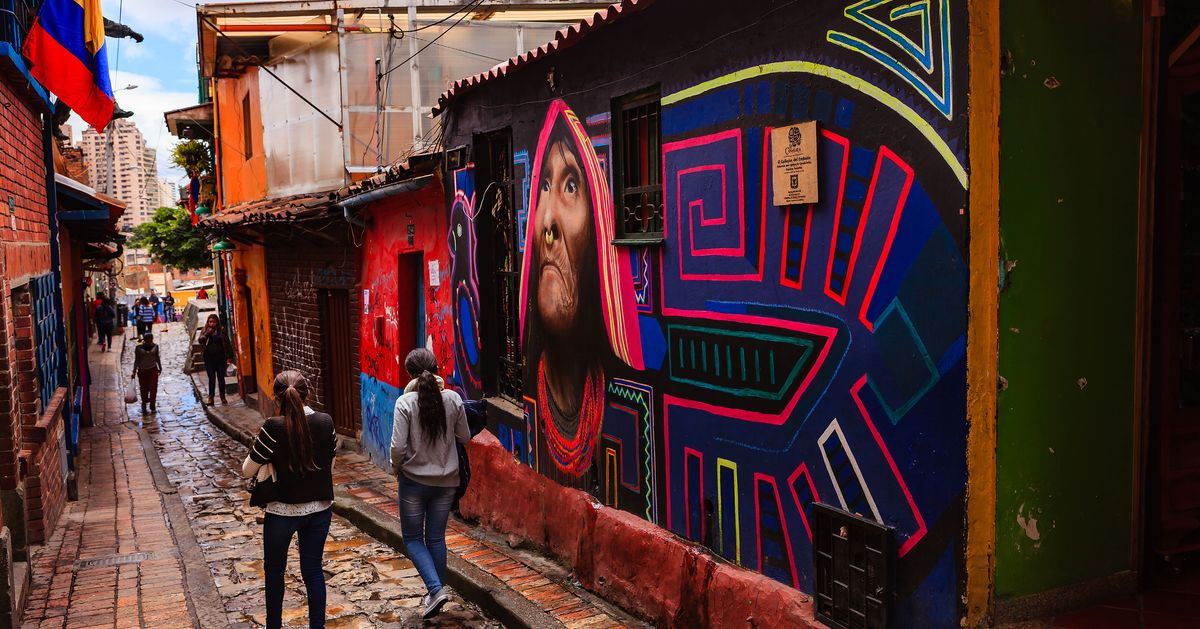
La Candelaria (historic center)
Monserrate views
Gold Museum
👉 Good intro to Colombia
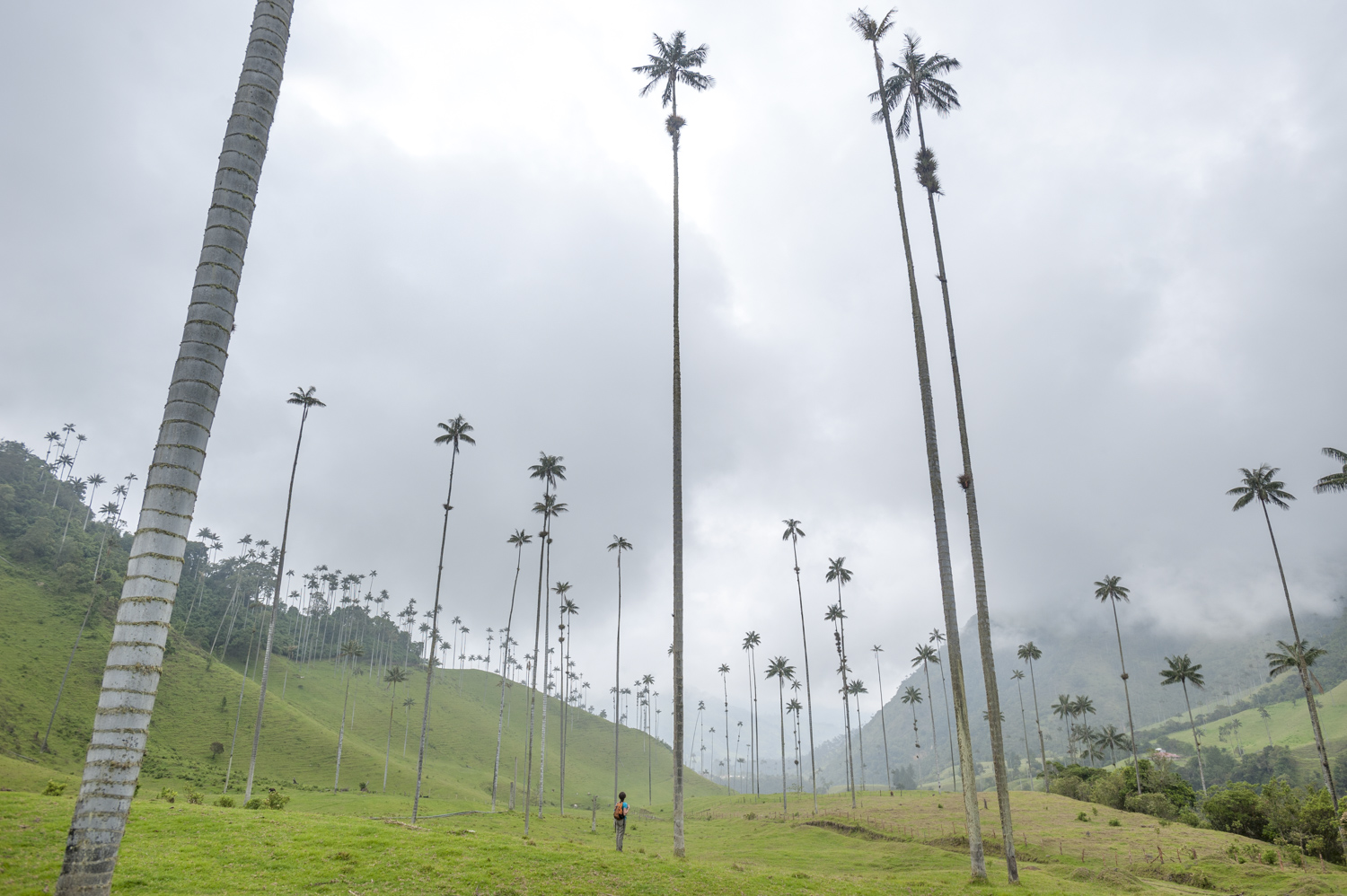
🌿 Salento (2–3 days)
4
Highlights:
Cocora Valley 🌴
Coffee farm tours ☕
Colorful small-town vibe
👉 One of the most beautiful spots in South America
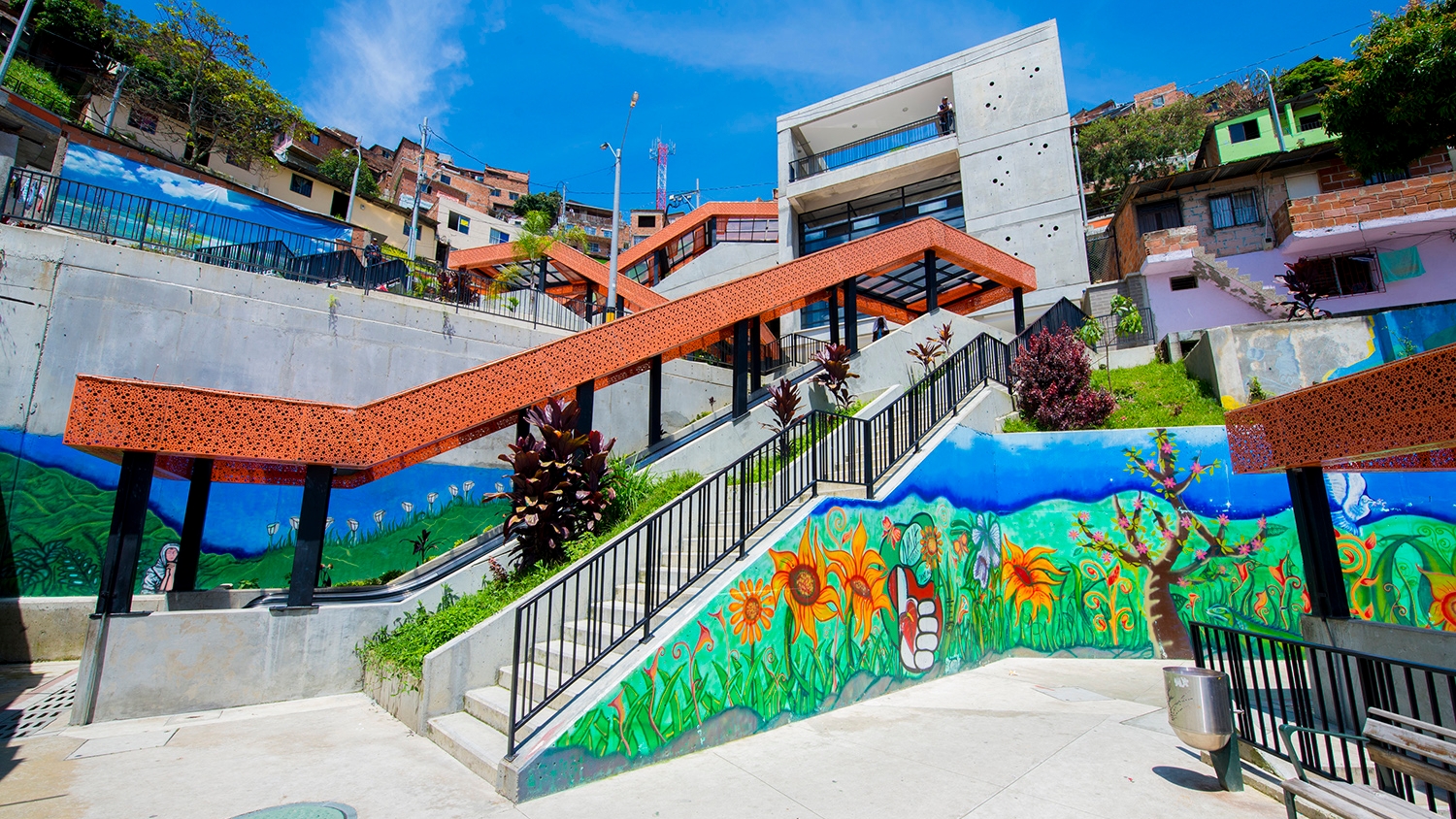
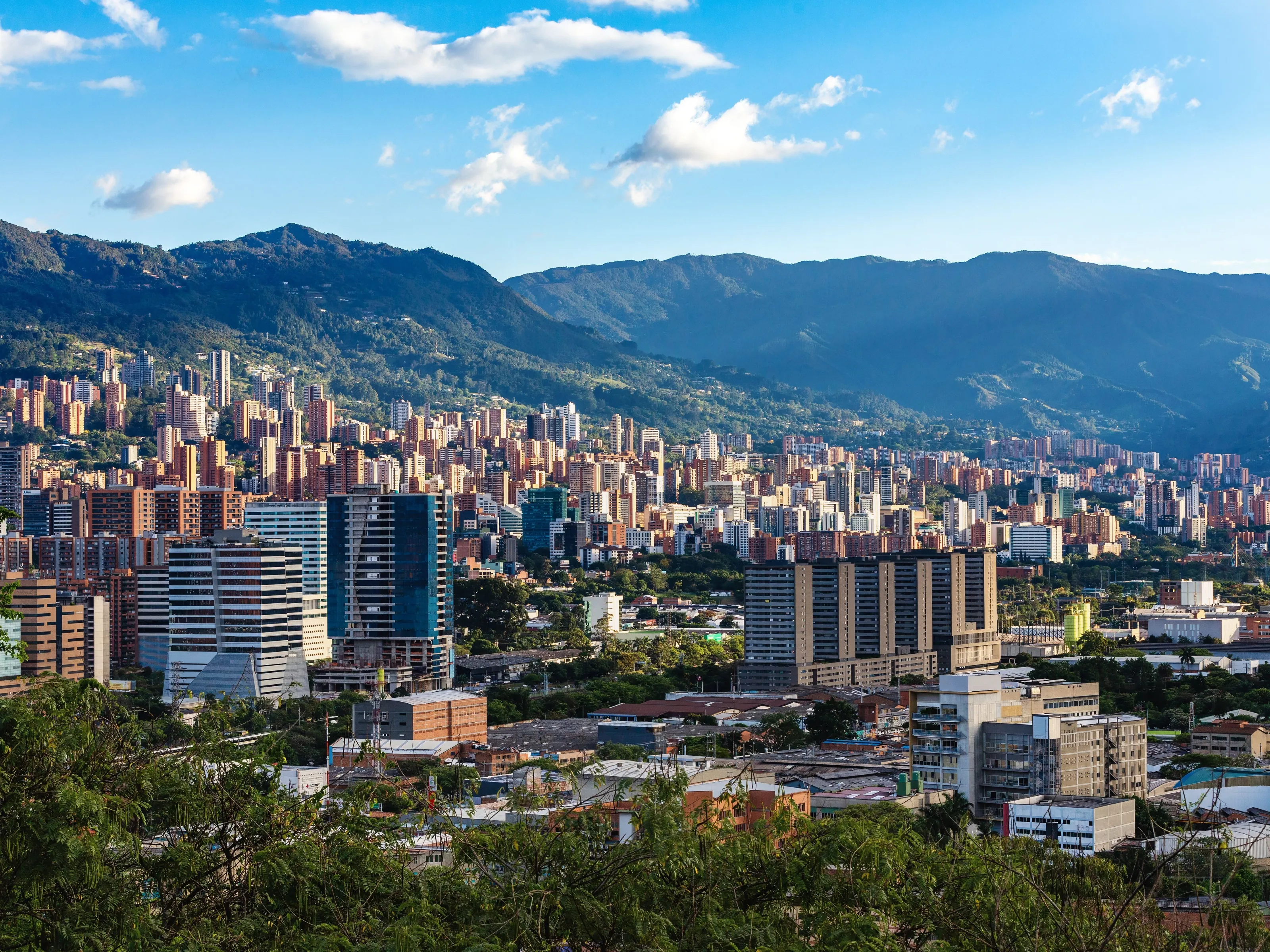
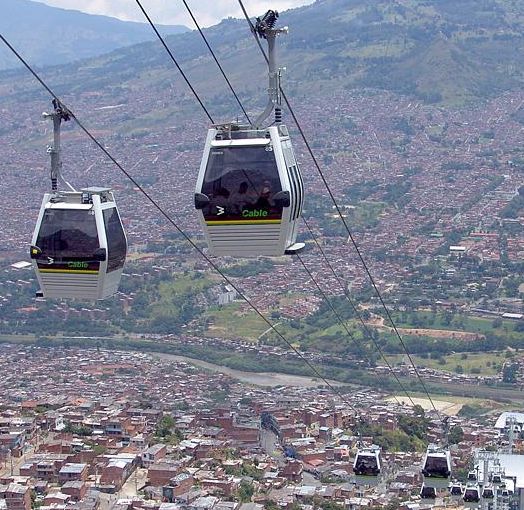
🎉 Medellín (3–5 days)
4
Highlights:
Comuna 13 street art
Cable cars over the city
Nightlife in El Poblado
👉 Backpacker favorite 🔥
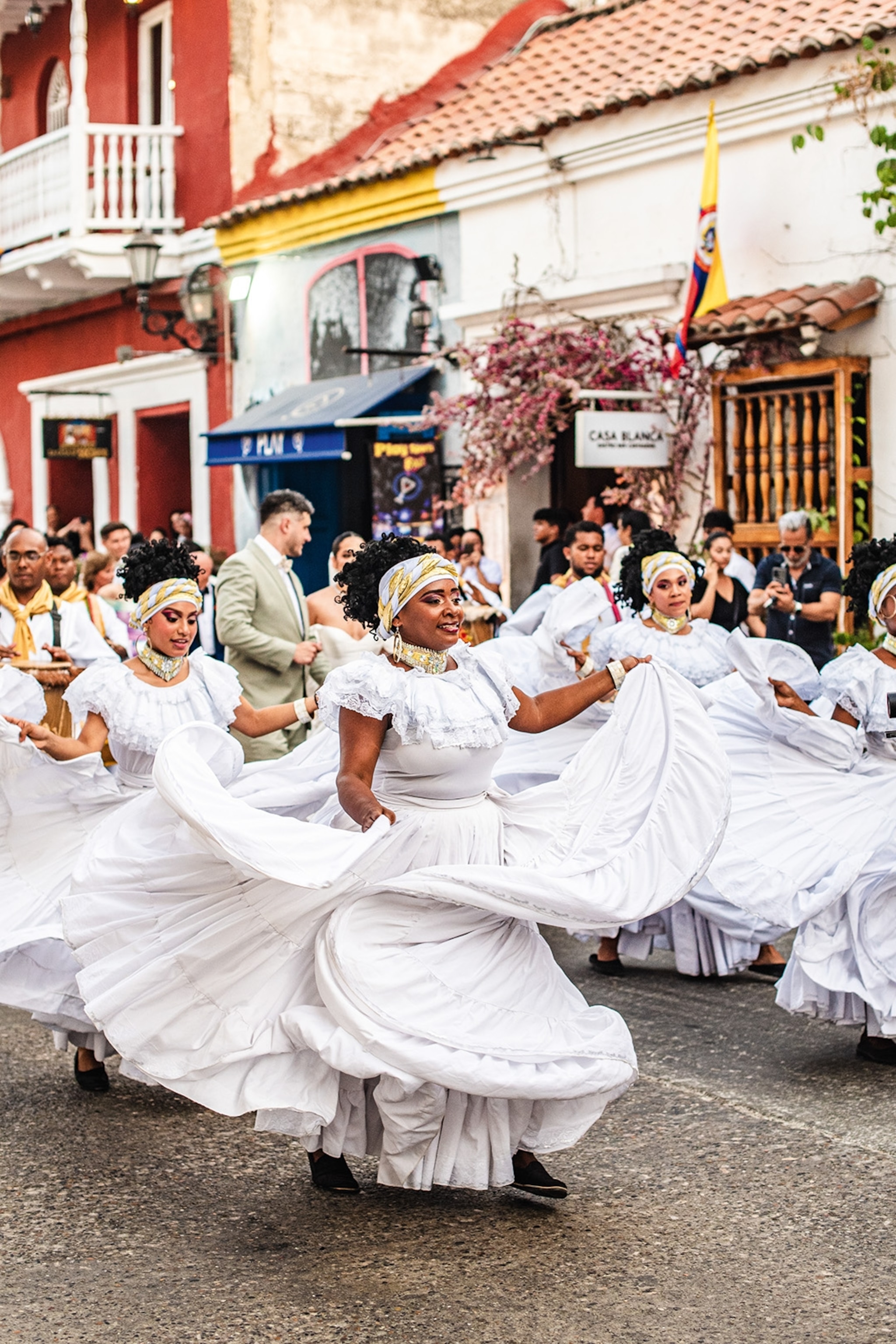
🏝️ Cartagena (2–3 days)
4
Highlights:
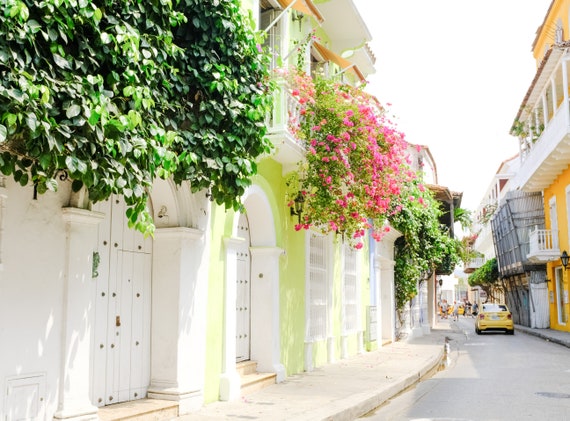
Colonial old town
Caribbean vibes
Great food + nightlife
👉 Beautiful but more expensive
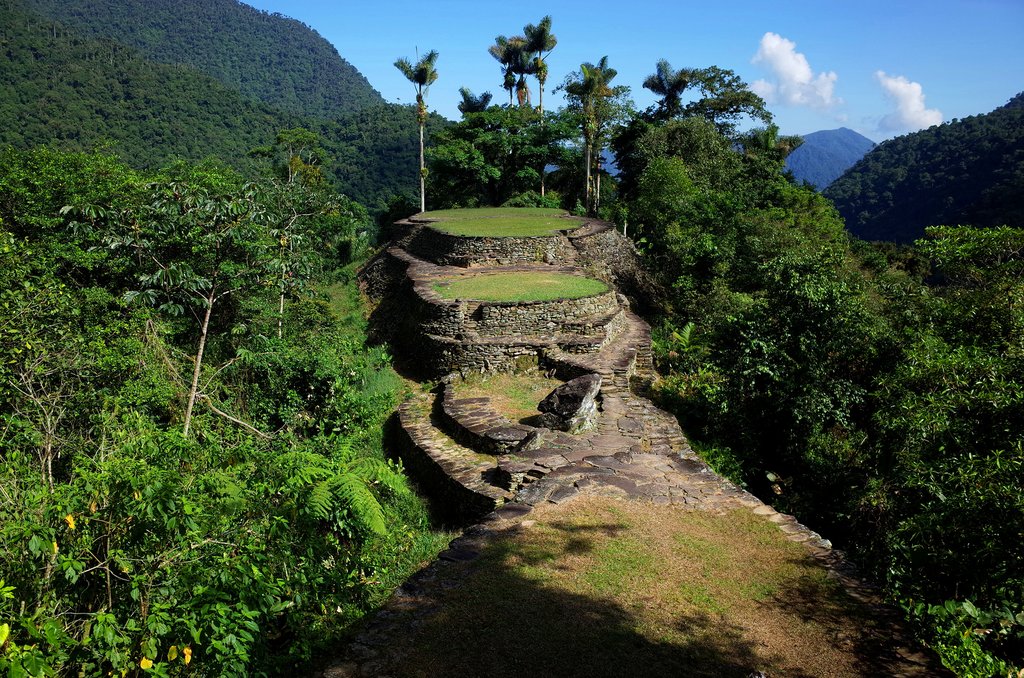
🌴 Tayrona National Park (2–3 days)
4
Highlights:
Jungle + beach combo
Hiking to hidden beaches
Sleeping in hammocks
👉 One of Colombia’s highlights
🏖️ Optional: Santa Marta (1–2 days)
Gateway to Tayrona
Chill base town
💰 Budget (Very Backpacker-Friendly)
Hostel: €5–15
Food: €3–8
Transport: €5–25
👉 Daily budget: €25–45
🚍 Getting Around
Long-distance buses (cheap but long)
Domestic flights (often worth it!)
Shared vans
🗓️ Best Time to Go
Dec–Mar: Dry season ☀️
Jul–Aug: Also good
Rain possible year-round (tropics)
⚠️ Safety (Important but manageable)
Stick to safe neighborhoods (e.g., El Poblado in Medellín)
Avoid flashing valuables
Use Uber/Bolt at night
👉 Colombia is MUCH safer than its old reputation—but stay smart
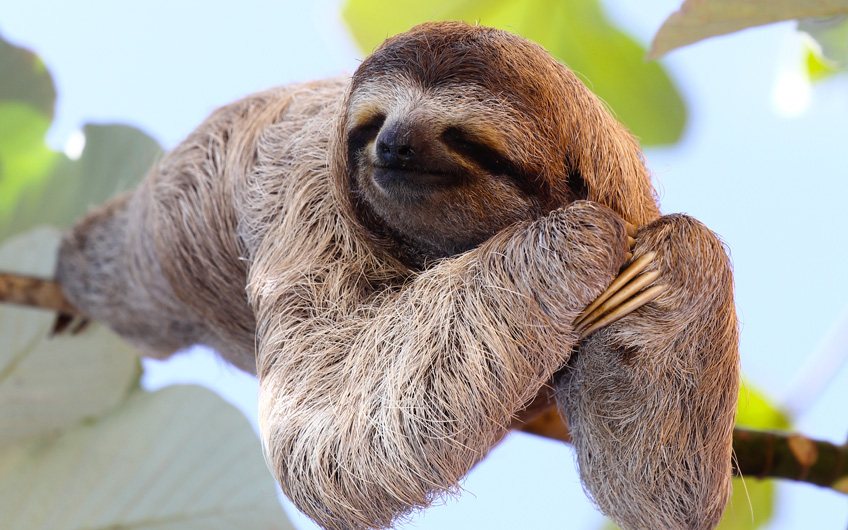
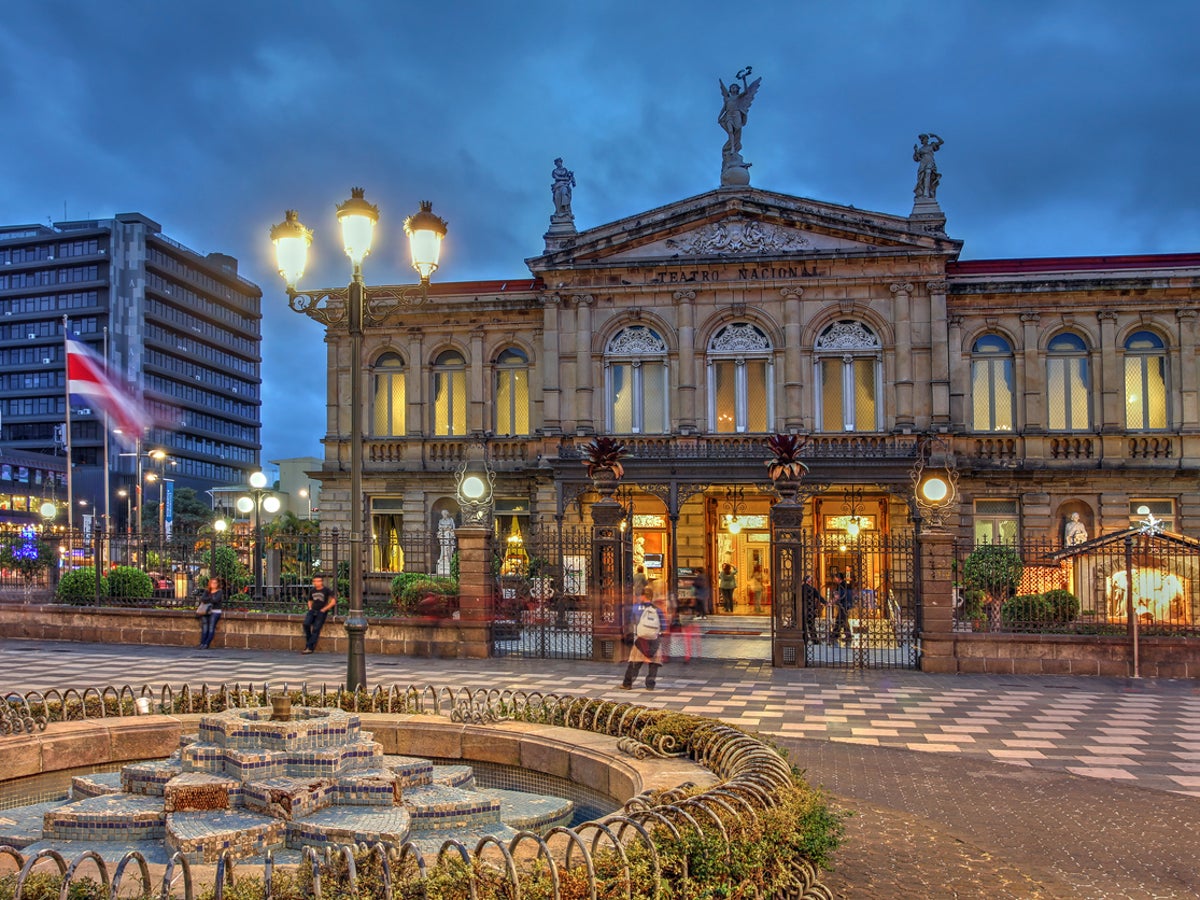
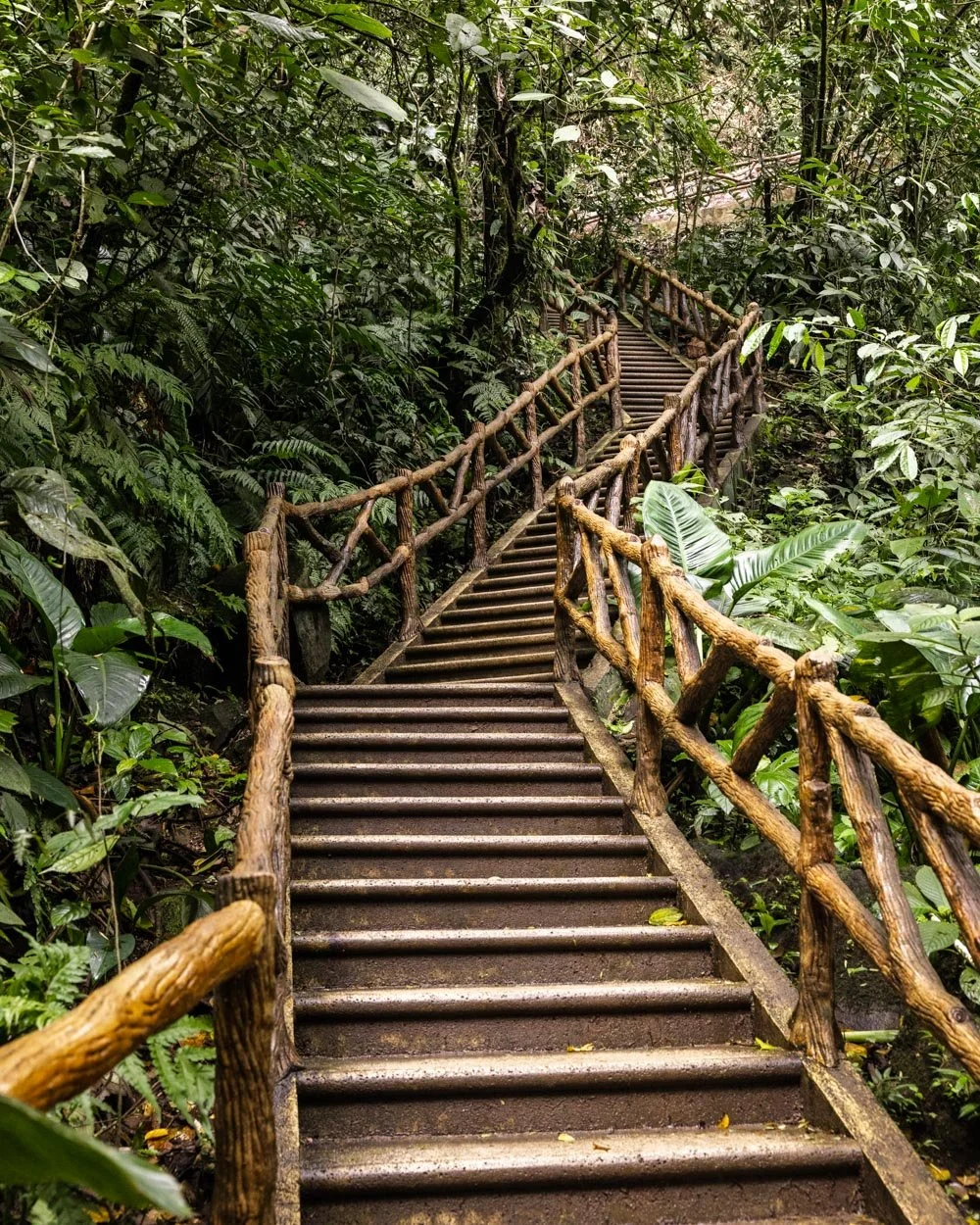
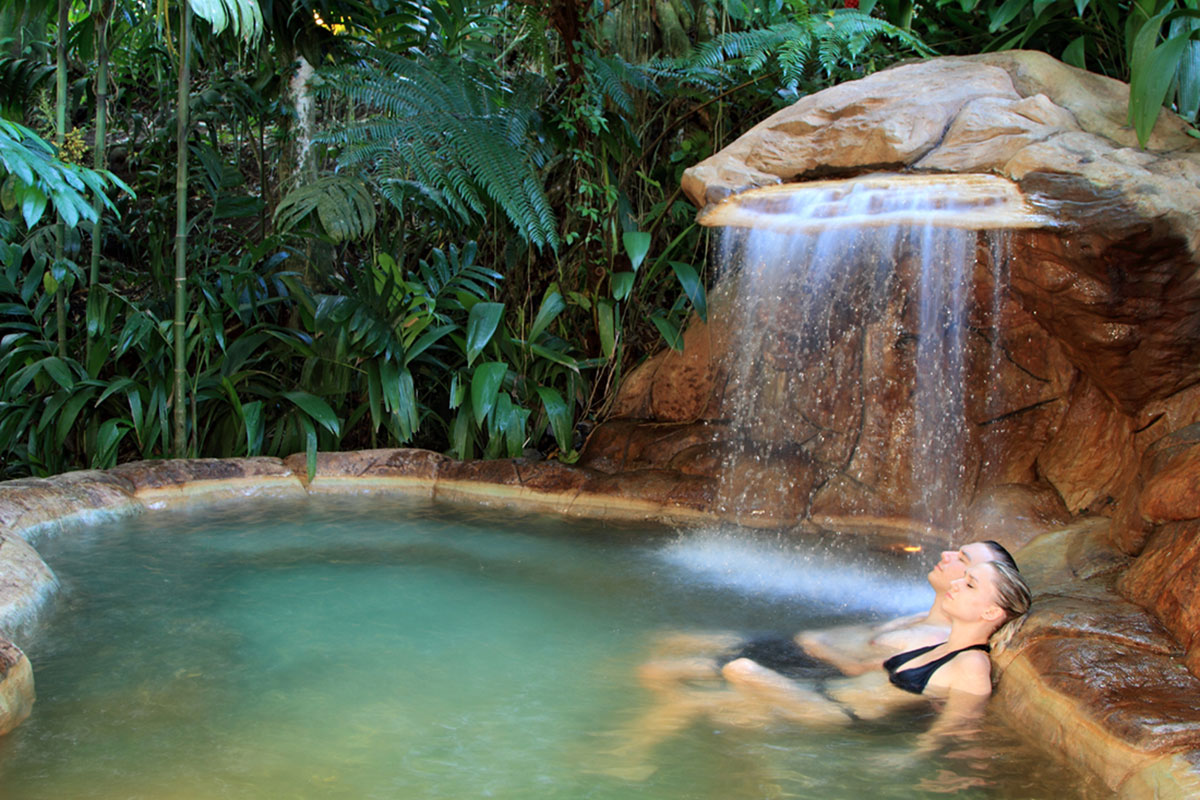
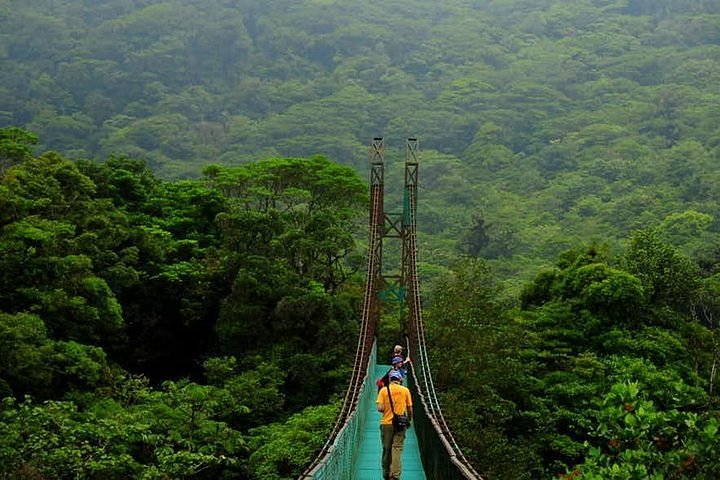
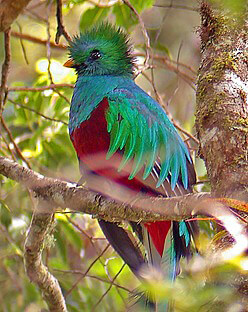
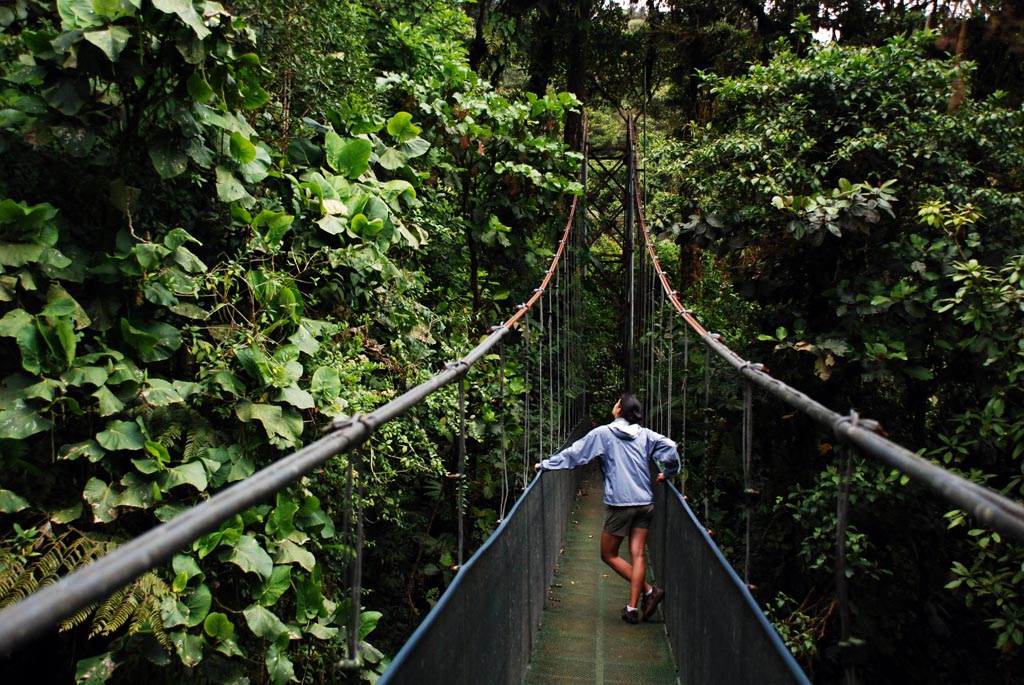
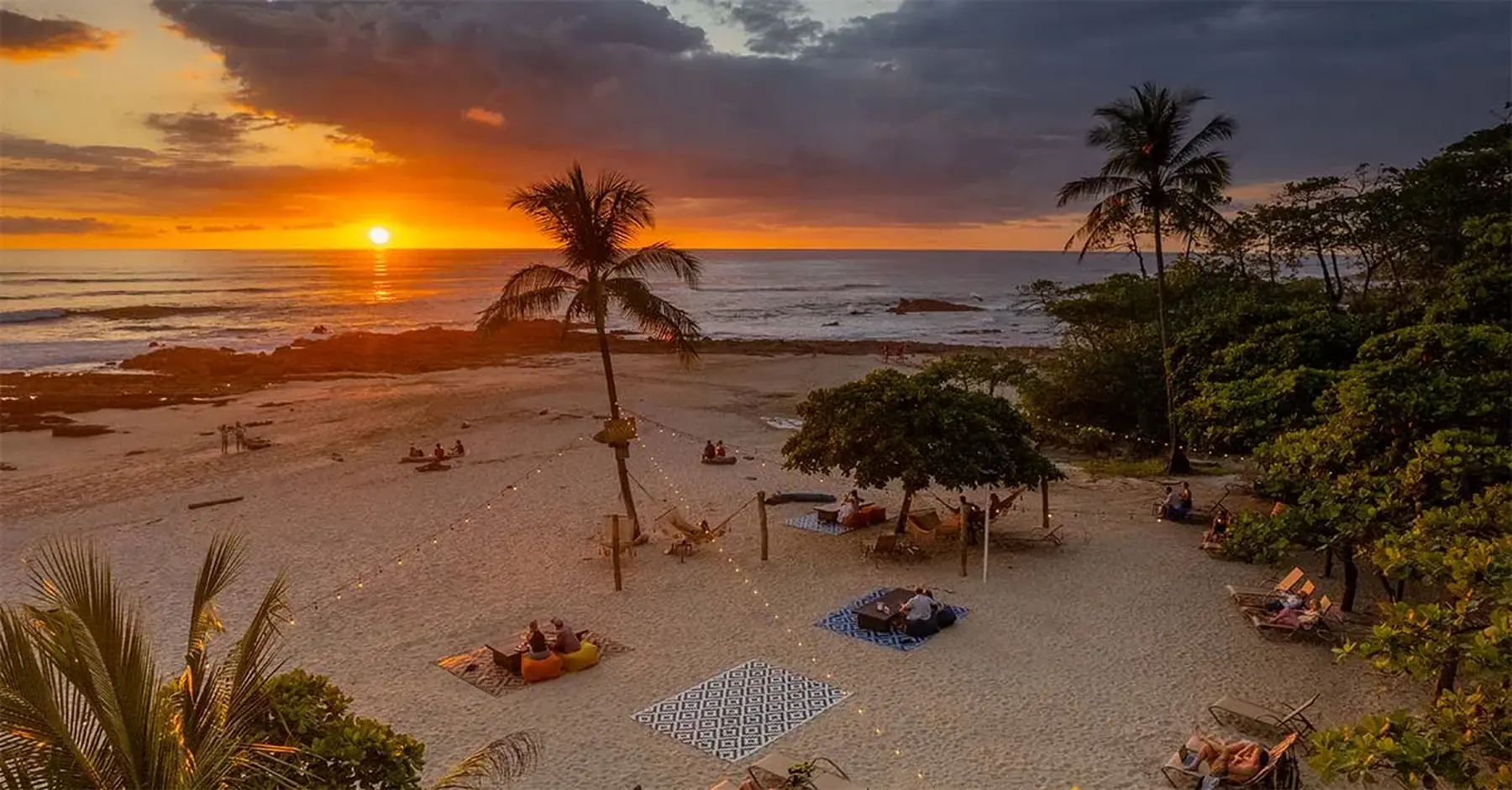
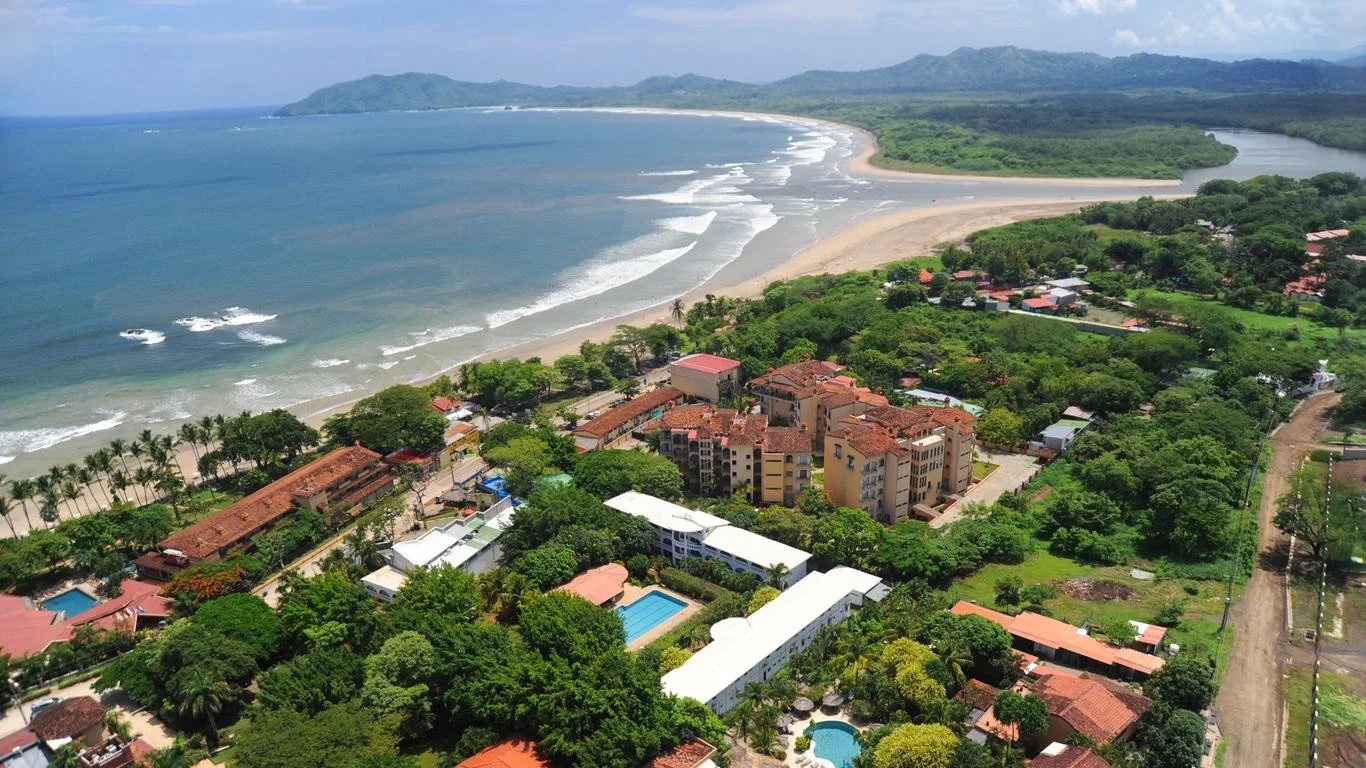
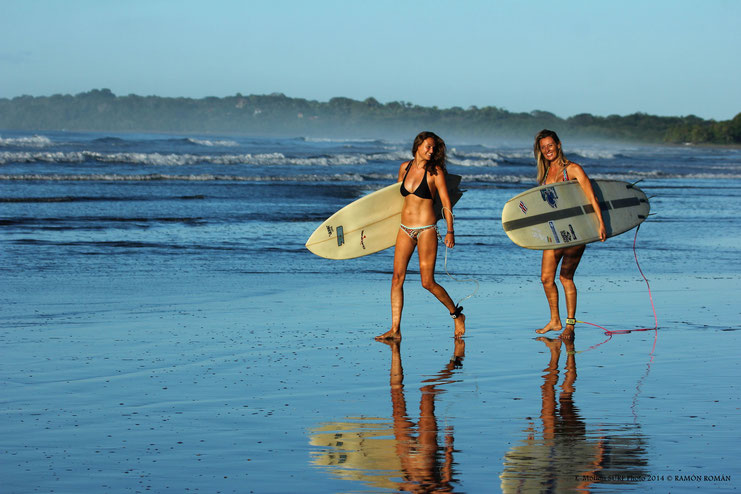
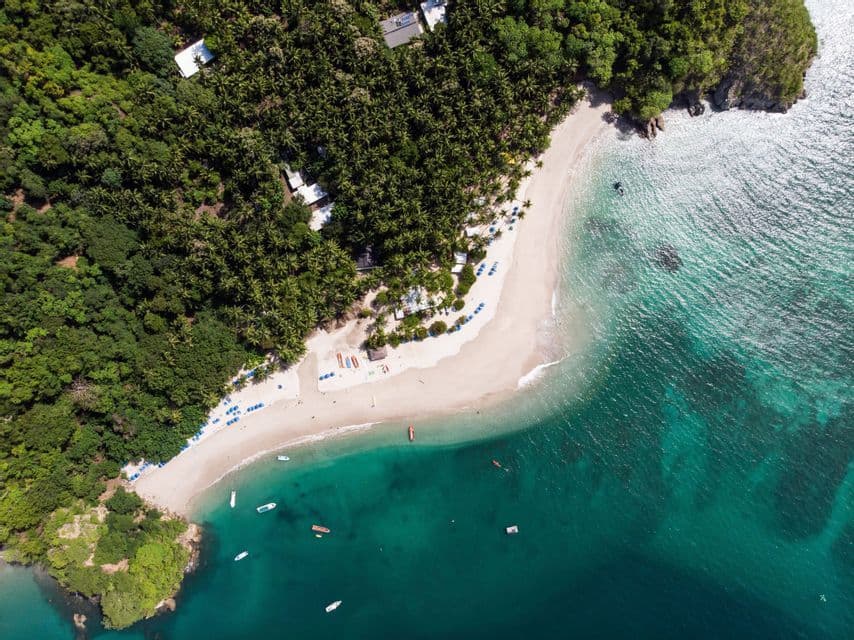
Backpacking Costa Rica is one of the best nature-focused trips in the world—rainforests, volcanoes, beaches, wildlife, and a super easy travel setup. It’s not the cheapest in Central America, but it’s perfect for a first big backpacking adventure.
Backpacking Nauru is about as remote and unusual as it gets—but calling it “backpacking” is a bit misleading. This is a destination for curiosity and exploration, not a typical budget or social travel experience.
Here’s the real picture 👇
🌍 Why Go to Nauru?
4
One of the least visited countries in the world
Tiny island you can explore in a couple of days
Unique history (phosphate mining boom → collapse)
Raw, untouched Pacific feel
👉 This is more about “I’ve been there” than classic travel experiences
🗺️ What to See (2–4 days is enough)
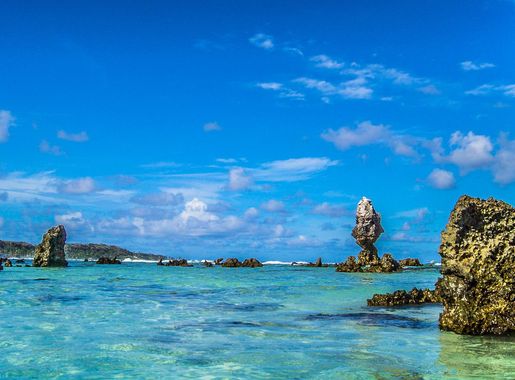
🌴 Anibare Bay
4
Best beach on the island
Completely uncrowded
Strong waves (not ideal for swimming)
🌿 Buada Lagoon
4
Only green inland area
Peaceful and scenic
Surrounded by small settlements
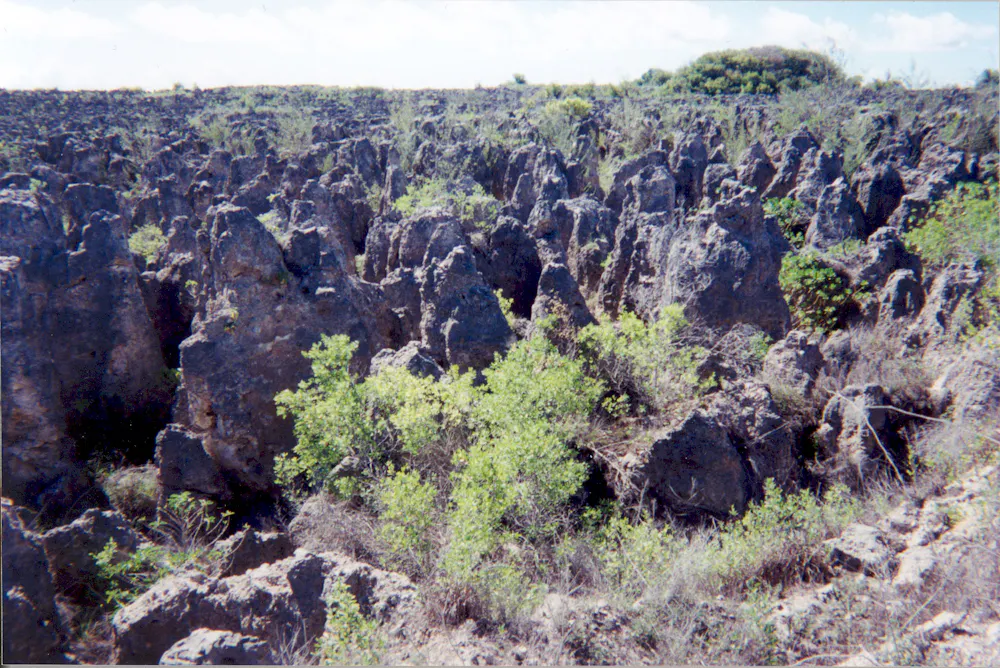
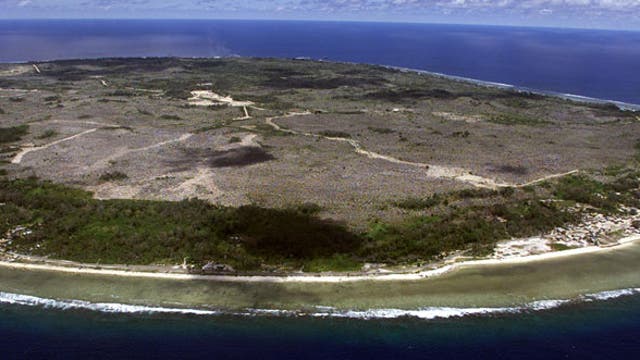
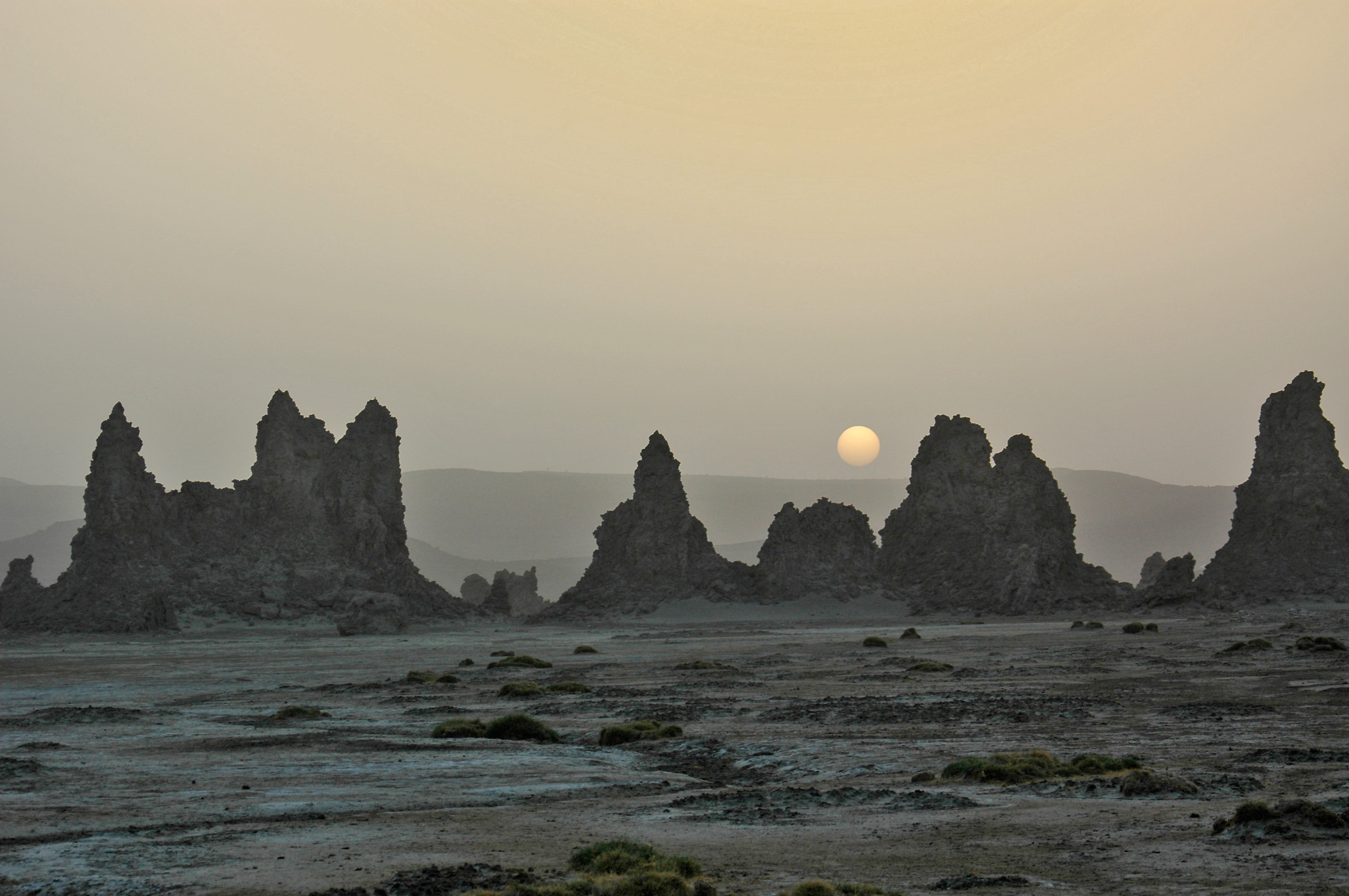
⛏️ Phosphate Interior
4
Strange, jagged “pinnacle” landscape
Result of decades of mining
Feels almost post-apocalyptic
👉 This is what makes Nauru truly unique
💰 Budget Reality
Nauru is expensive and limited:
Flights: very expensive (few routes)
Accommodation: €80–150/night
Food: €10–20 per meal 👉 Daily budget: €100–180+
👉 No real backpacker infrastructure
✈️ Getting There
Flights are infrequent (via Fiji, Brisbane, or Kiribati)
Backpacking Finland is all about wild nature, clean air, lakes, forests, and peaceful solitude. It’s not a classic “cheap backpacker” destination—but if you love hiking, camping, and unique northern experiences, it’s incredible.
🌲 Why Backpack Finland?
4
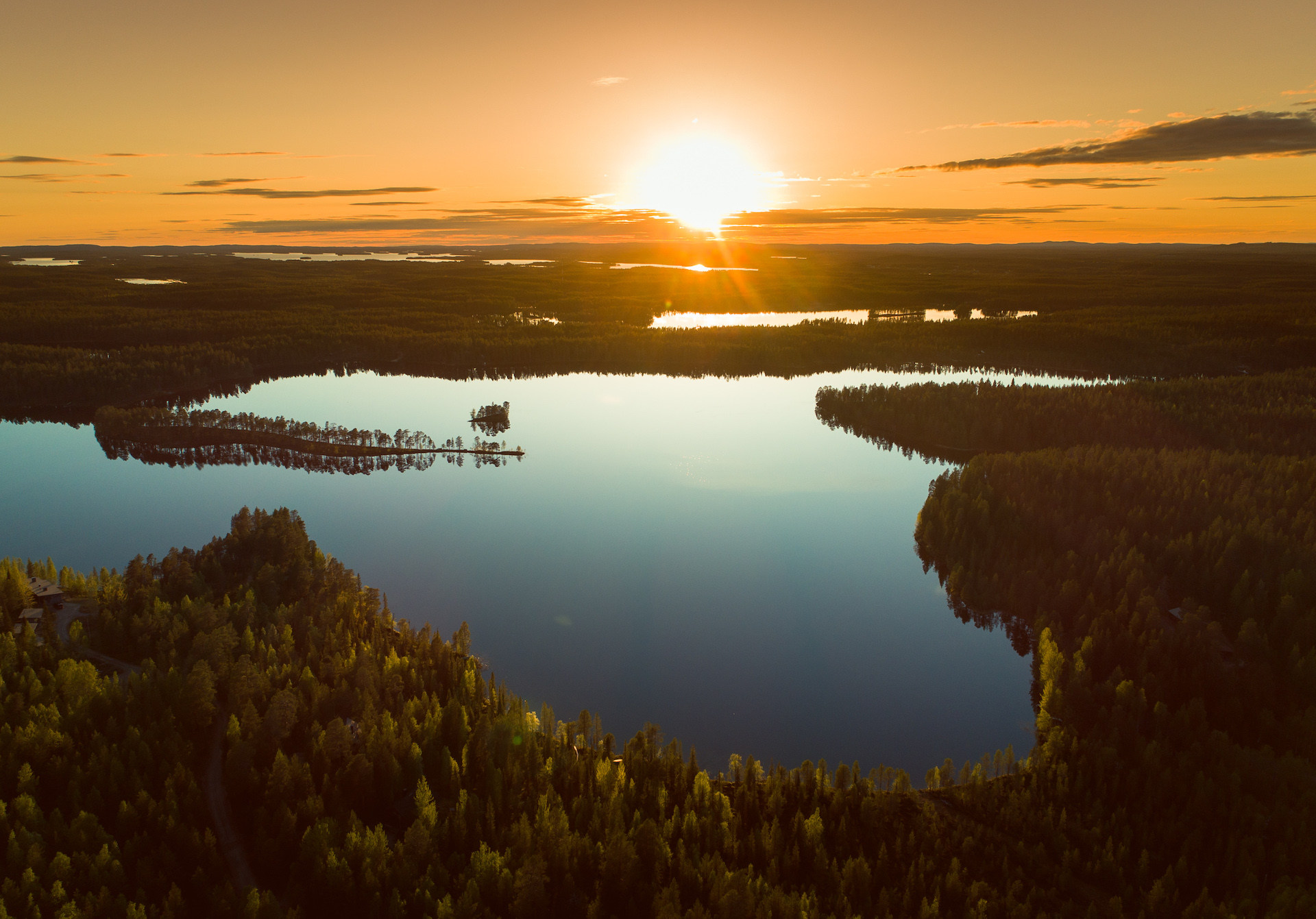
Endless forests + 180,000 lakes 🌊
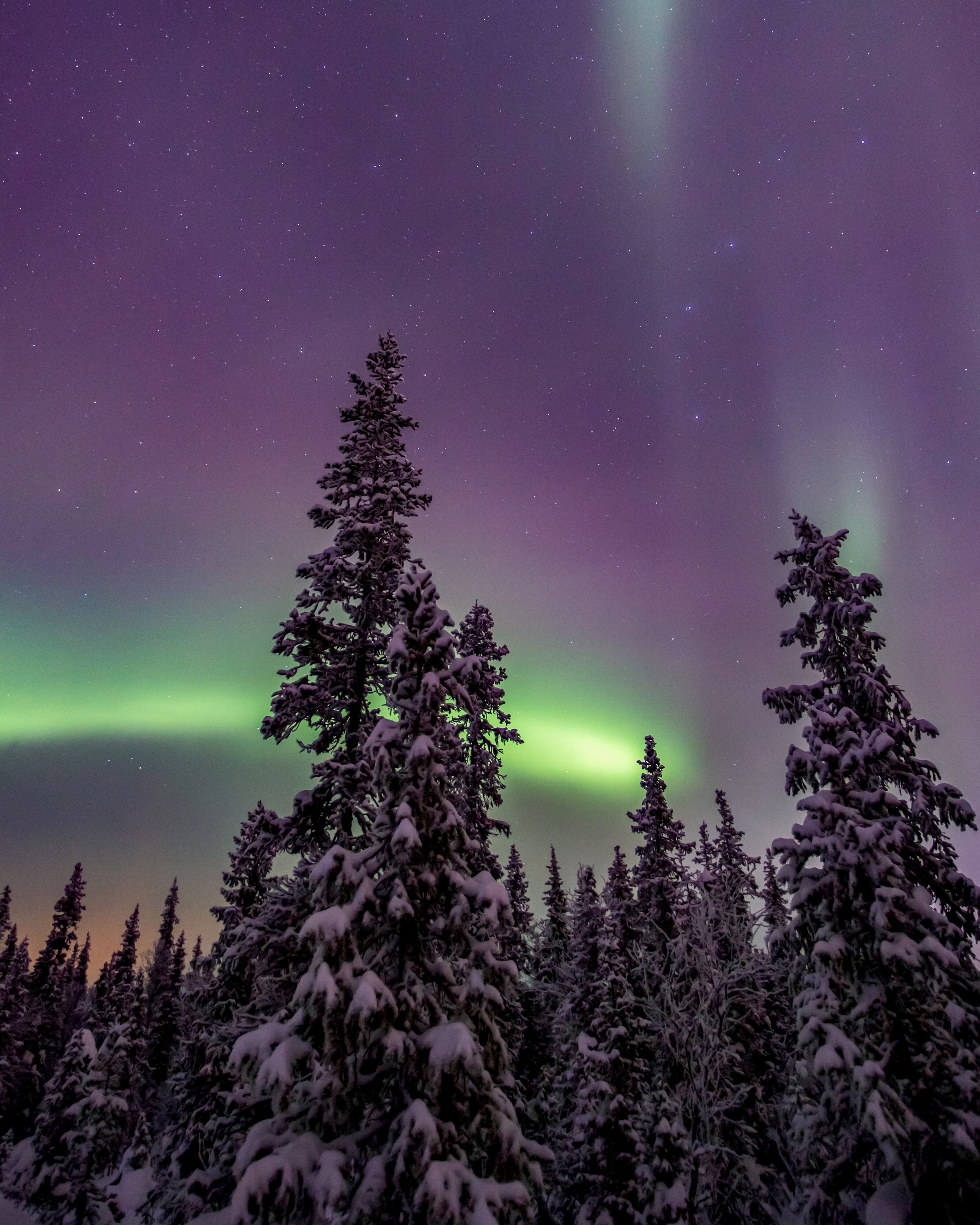
Northern Lights in winter ✨
Midnight sun in summer 🌞
Ultra-safe, clean, and easy to navigate
Unique culture (sauna 🧖 + nature life)
🗺️ Best Backpacking Route (7–14 days)
🏙️ Helsinki (2–3 days)
4
Highlights:
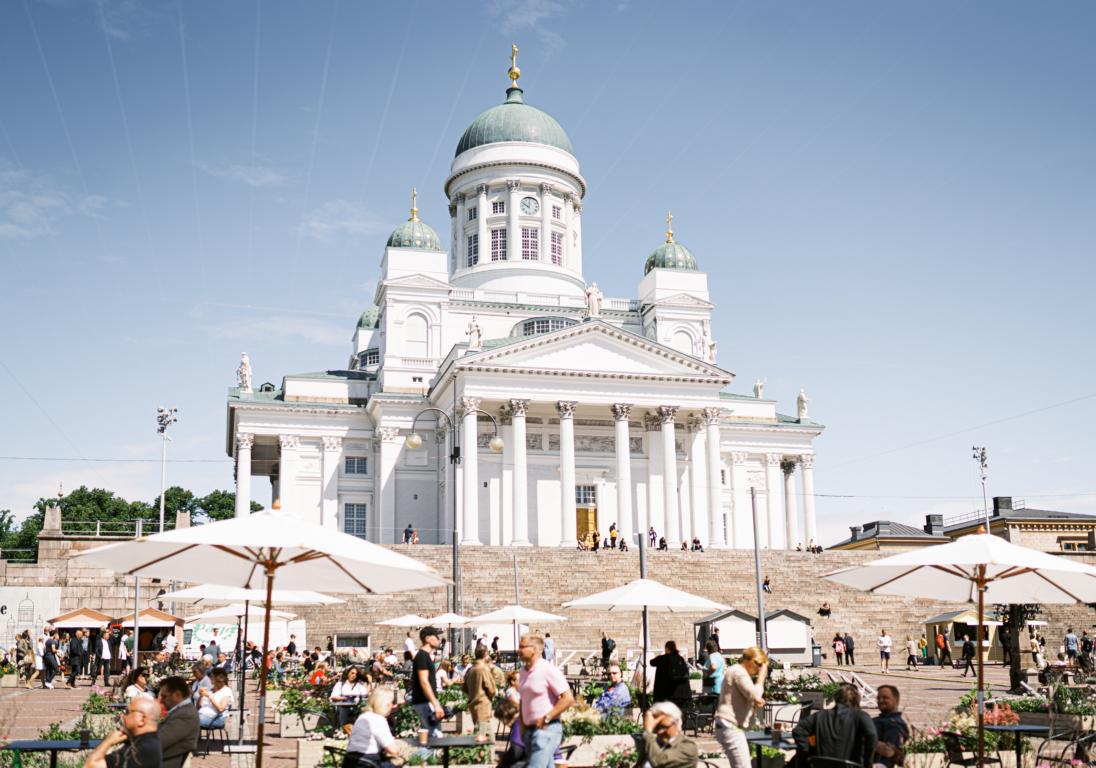
Helsinki Cathedral
Suomenlinna (UNESCO island)
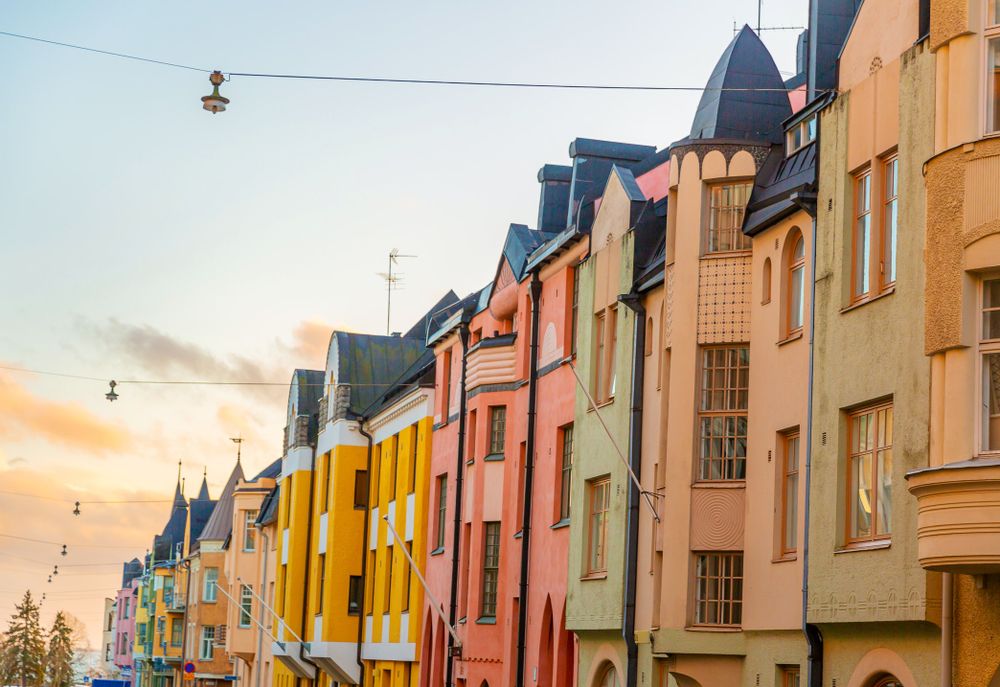
Cool cafés + design district
👉 Chill, compact, and stylish
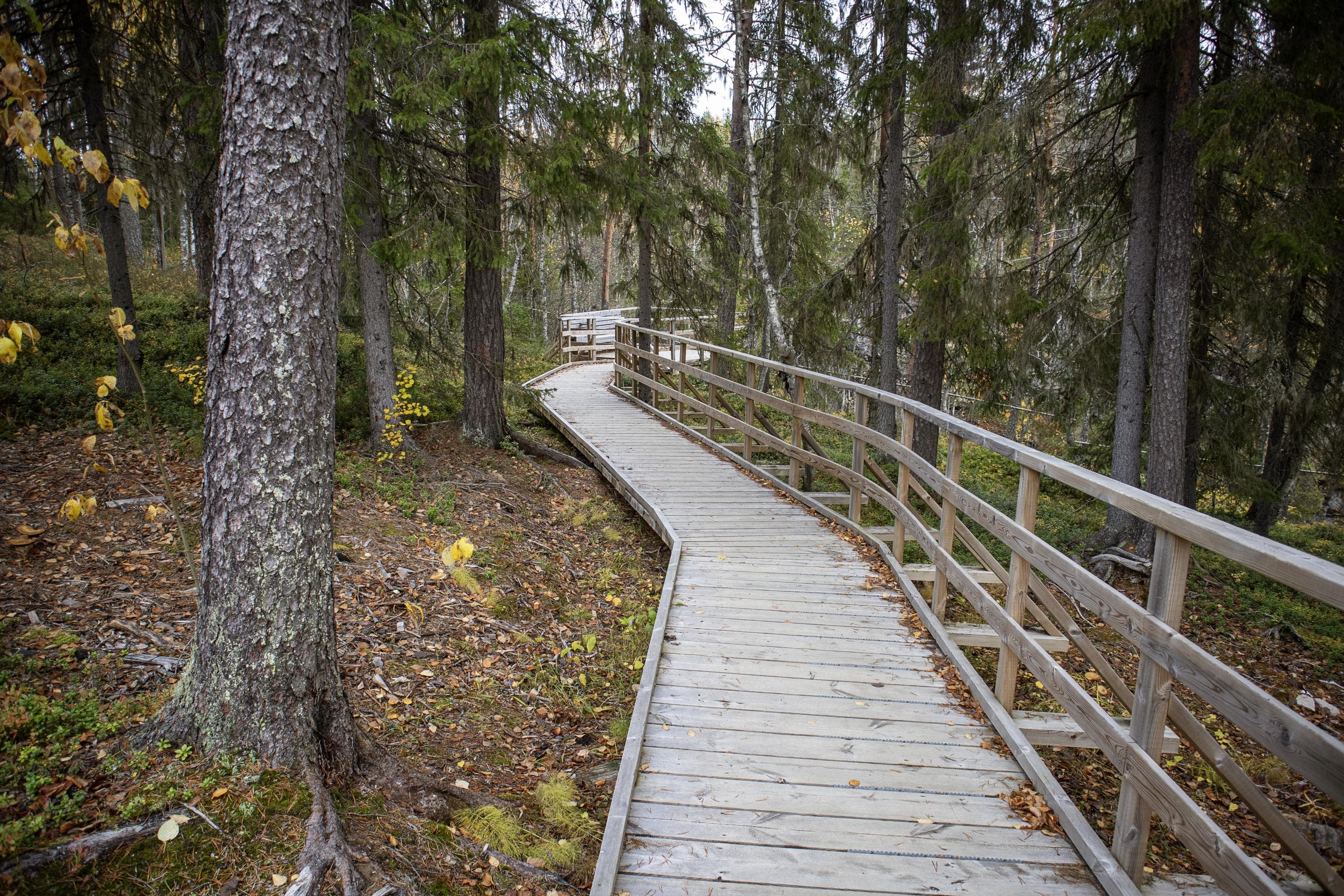
🌲 Finnish Lakeland (2–4 days)
4
Highlights:
Canoeing between lakes
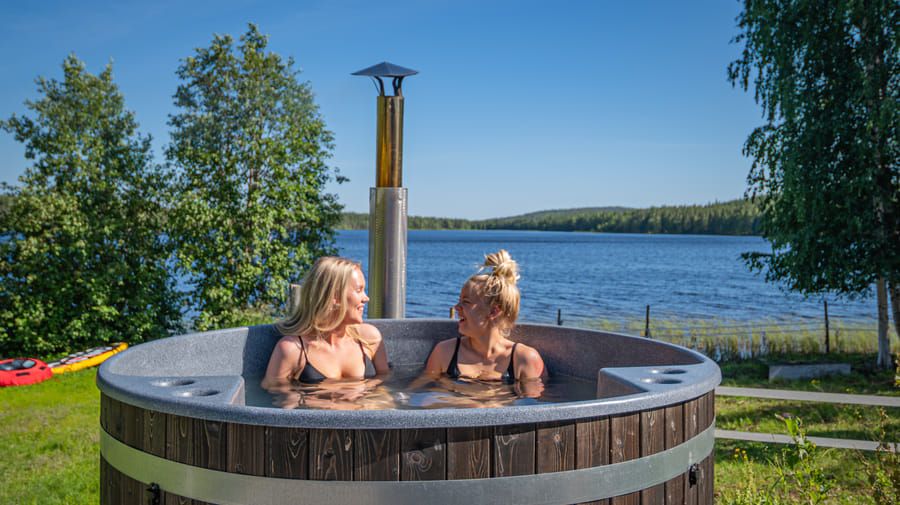
Sauna + swim combo 🧖♂️
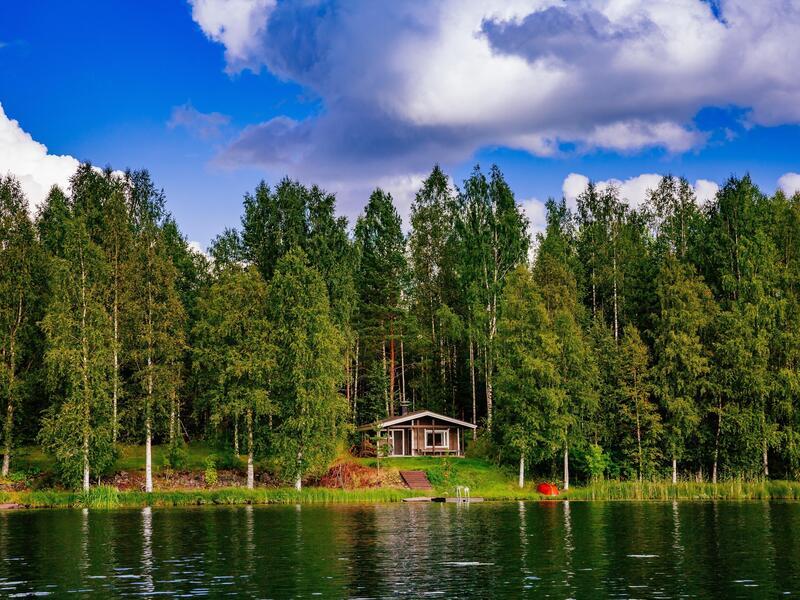
Staying in lakeside cabins
👉 Pure Finnish lifestyle experience
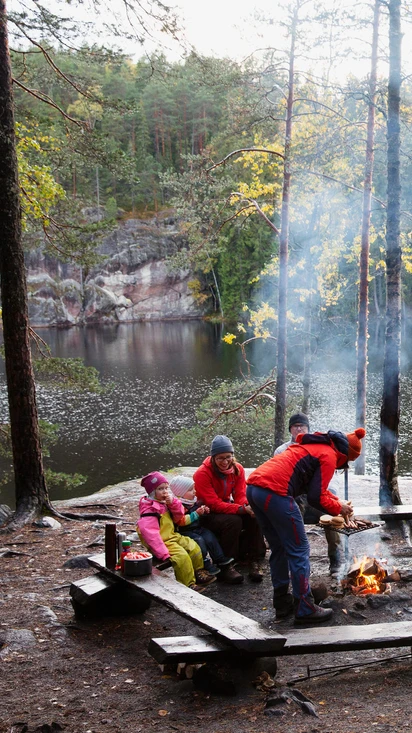
🥾 Nuuksio National Park (1–2 days)
4
Highlights:
Easy access from Helsinki
Hiking + wild camping
Campfires in nature
👉 Perfect intro to Finnish wilderness
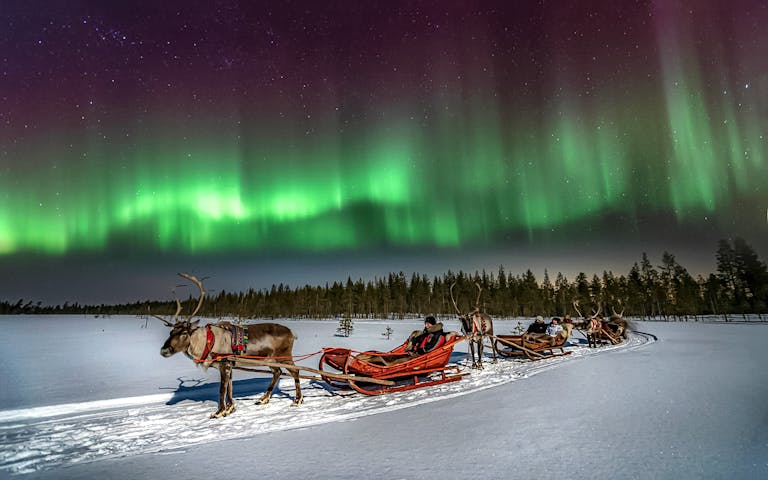
❄️ Lapland (3–5 days)
4
Highlights:
Northern Lights (winter)
Reindeer + Arctic landscapes
Snow activities (or hiking in summer)
👉 Most magical part of Finland
💰 Budget (Reality Check)
Finland is expensive, but manageable if you’re smart.
Hostel: €25–50
Camping: often FREE (see below 👇)
Food: €10–20
Transport: €10–50
👉 Daily budget:
Budget: €40–70 (camping + cooking)
Comfort: €80–120
🏕️ The Game-Changer: “Everyman’s Right”
Finland has Everyman’s Right:
👉 You can:
Camp almost anywhere (respectfully)
Pick berries & mushrooms 🍓
Hike freely
👉 This makes Finland surprisingly backpacker-friendly despite high prices.
🚆 Getting Around
Trains (fast, reliable)
Buses (cover remote areas)
Domestic flights for Lapland
Hitchhiking is possible and safe
🗓️ Best Time to Go
🌞 Summer (Jun–Aug)
Midnight sun
Best for hiking & lakes
Warmer (15–25°C)
❄️ Winter (Dec–Mar)
Snow + Northern Lights
Short daylight
Magical but cold (-10 to -25°C)
👉 Shoulder seasons = cheaper but unpredictable weather
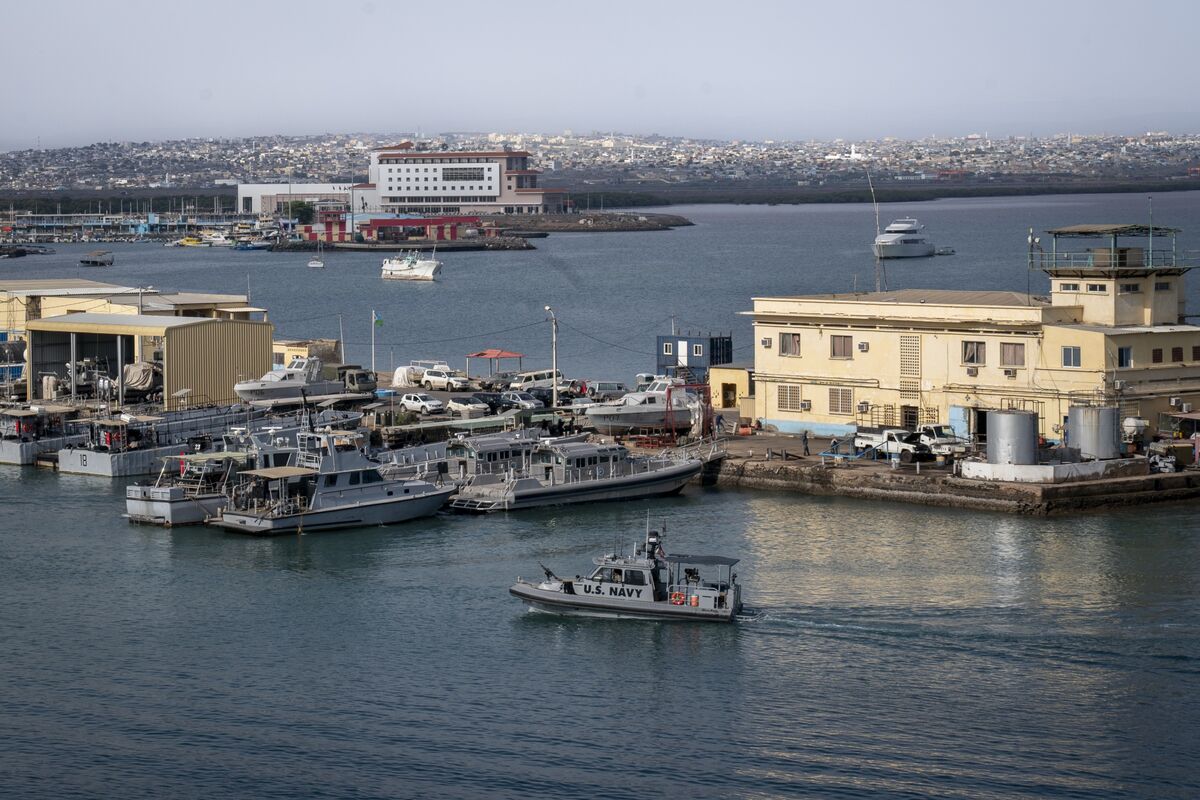
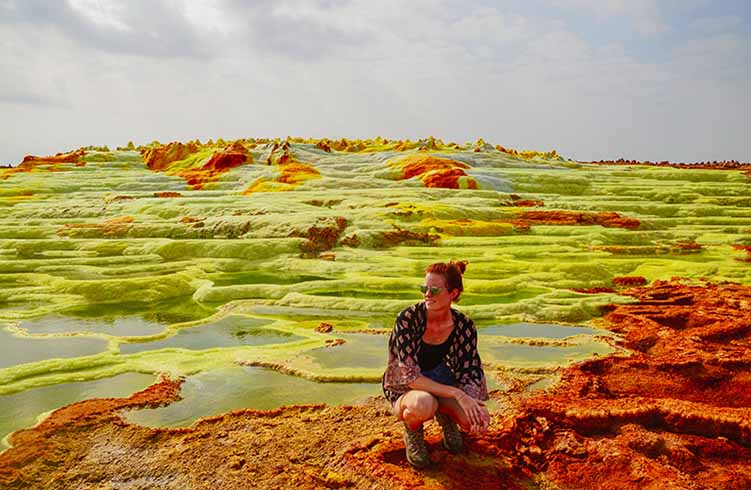
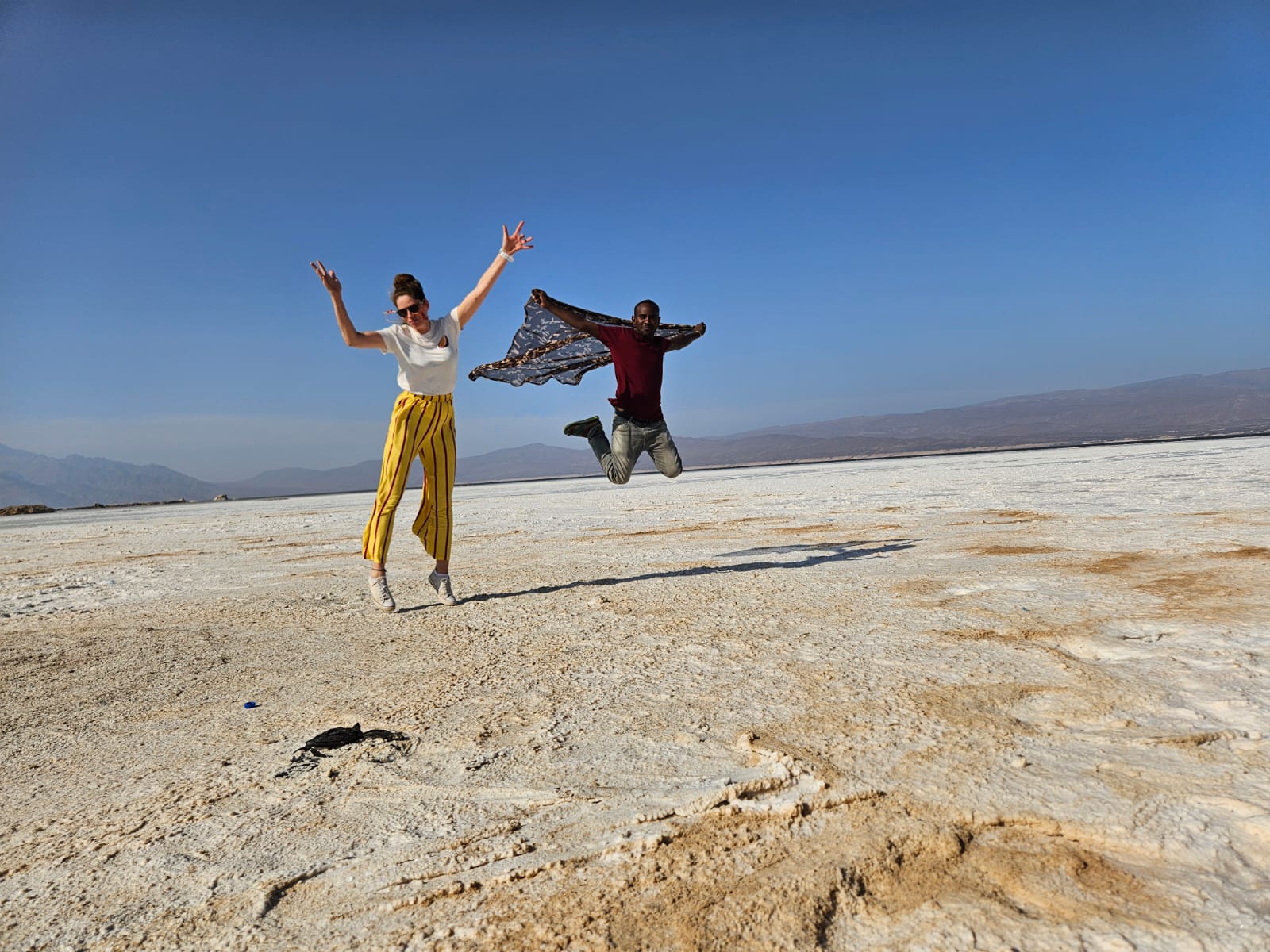
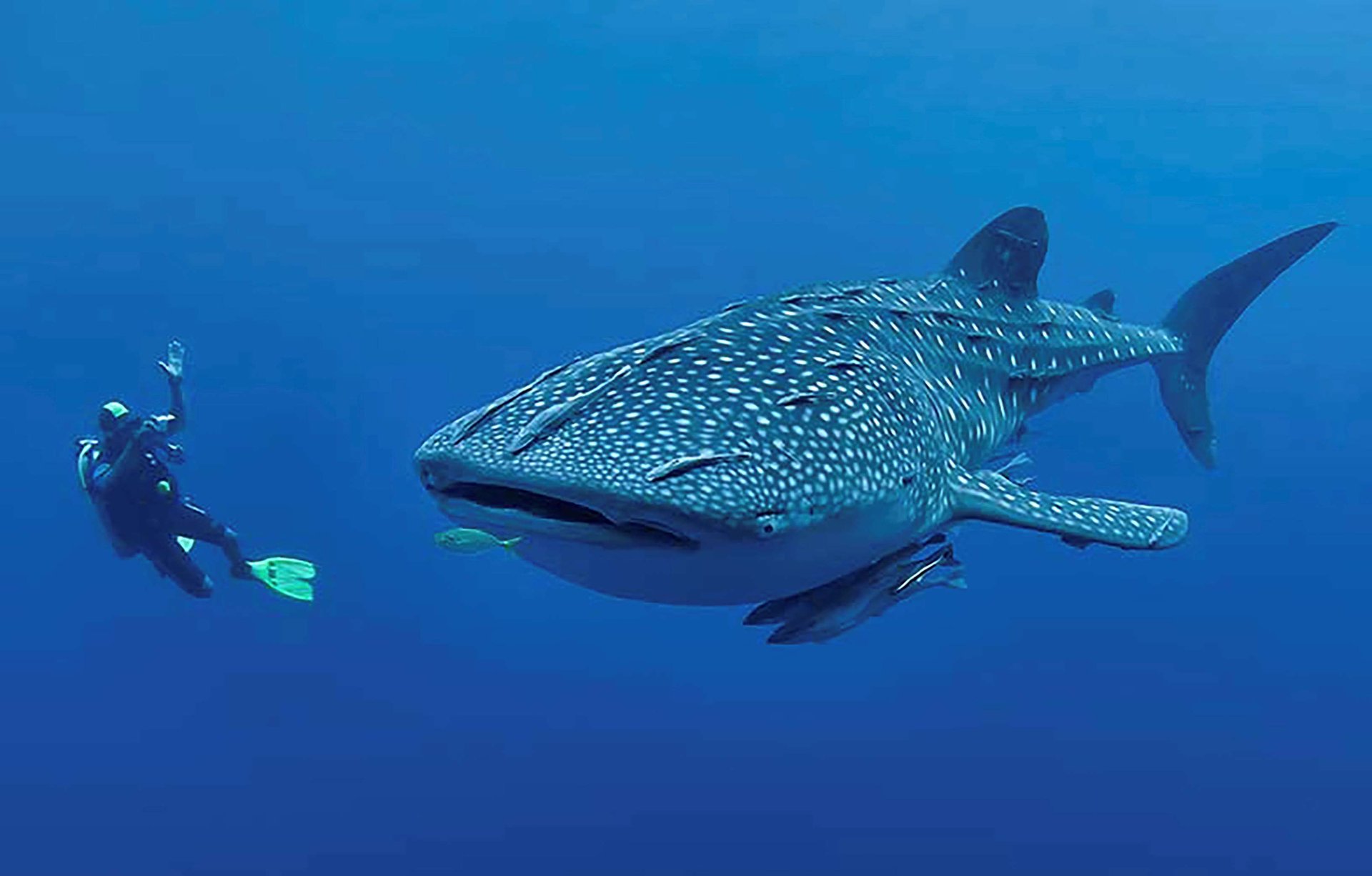
Backpacking Djibouti is about as off-the-grid and surreal as it gets—salt lakes, volcanoes, whale sharks, and Mars-like landscapes. But it’s also logistically tough and relatively expensive, so it suits adventurous travelers more than classic budget backpackers.
Backpacking Central African Republic (CAR) is not a typical or recommended backpacking destination. This isn’t about it being “undiscovered”—it’s about serious safety, infrastructure, and logistical challenges that make independent travel extremely difficult right now.
I’ll give you a clear, honest breakdown so you can understand the reality.
⚠️ Current Situation (Very Important)
4
Many governments (EU countries, US, UK) advise against all travel
Ongoing instability and presence of armed groups
Very limited tourist infrastructure
Healthcare and emergency services are extremely limited
👉 This is not comparable to Morocco, Laos, or even remote parts of Azerbaijan.
🚫 Why Backpacking CAR Is So Difficult
1. Security Risks
Armed conflict in several regions
Unpredictable security situation
Road travel can be dangerous
2. Infrastructure
Very few hotels outside the capital Bangui
Poor roads (many impassable in rainy season)
Limited electricity, internet, and transport
3. Logistics
You typically need:
Special permits
Local guides or fixers
Organized transport
👉 This is closer to an expedition than backpacking.
🌿 The One Major Travel Highlight
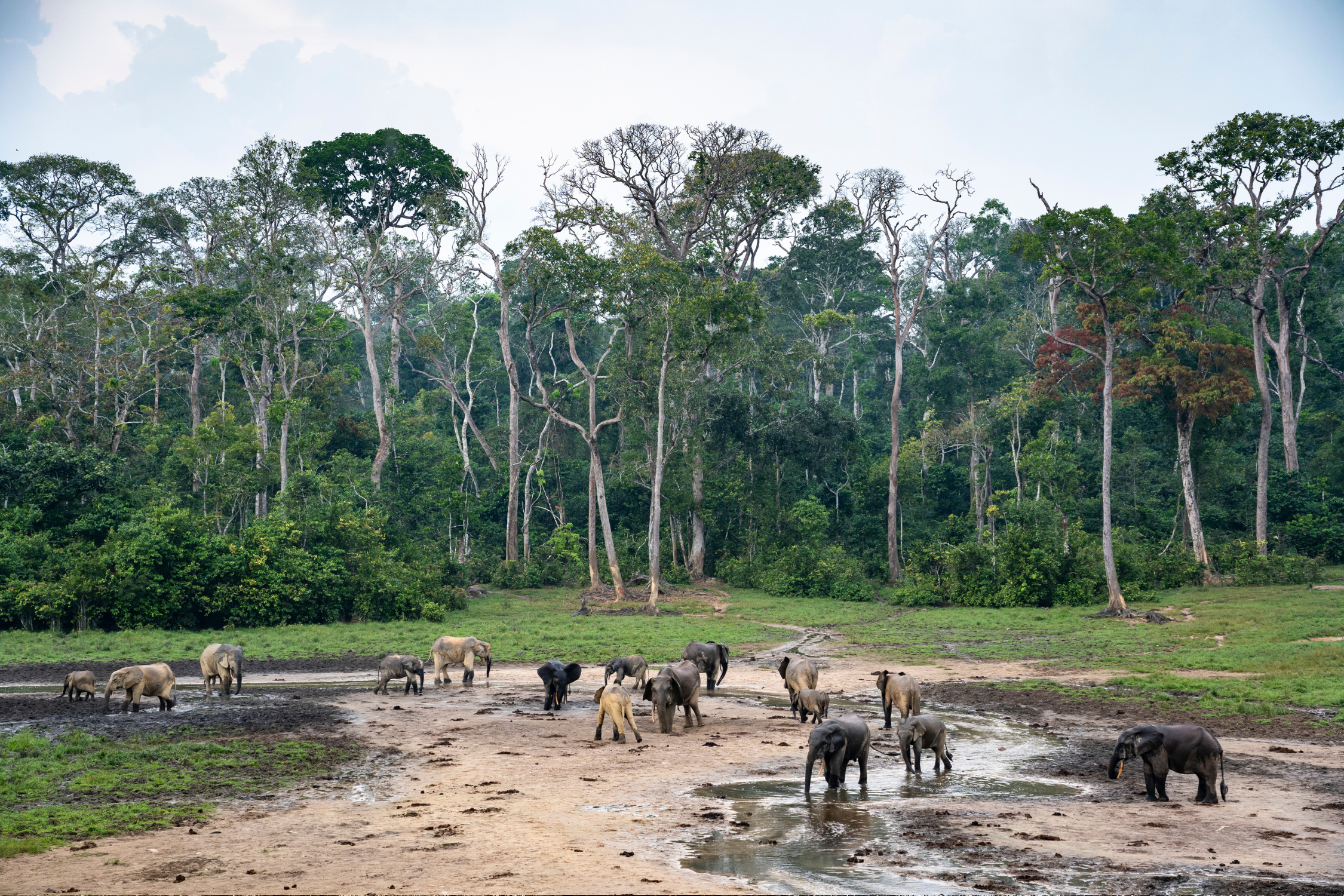
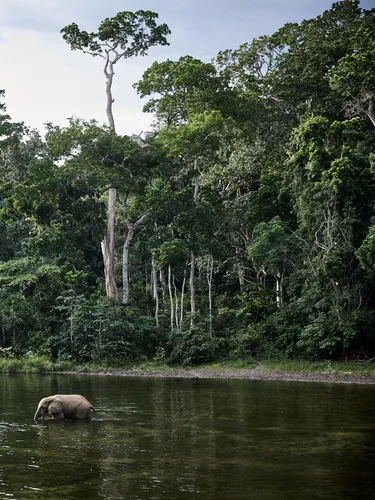
🐘 Dzanga-Sangha Special Reserve
4
Why people go (rarely):
Forest elephants gathering in clearings (bai)
Lowland gorilla tracking 🦍
Deep Congo Basin rainforest
👉 One of Africa’s most unique wildlife experiences
Backpacking Cabo Verde (Cape Verde) is a very different vibe from Morocco or Southeast Asia—think volcanic islands, ocean views, Creole culture, and slow island life. It’s not ultra-cheap, but it’s unique, safe, and perfect if you like nature + beaches + hiking.
🌍 Why Backpack Cabo Verde?
4
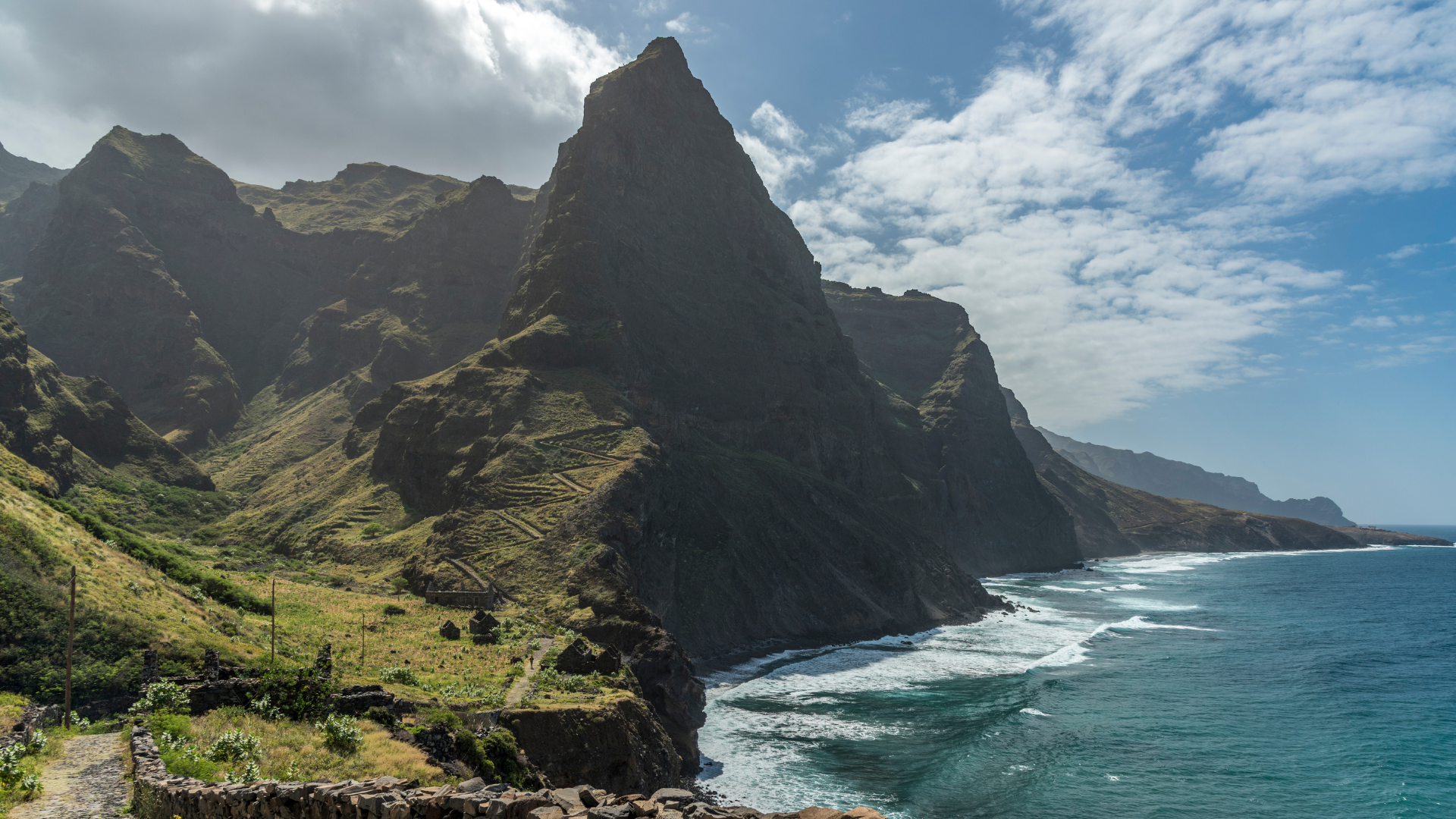
Dramatic landscapes (volcanoes, cliffs, valleys)
African + Portuguese cultural mix
Great hiking (especially Santo Antão)
Warm weather year-round ☀️
Very safe and relaxed
🗺️ Best Islands for Backpackers
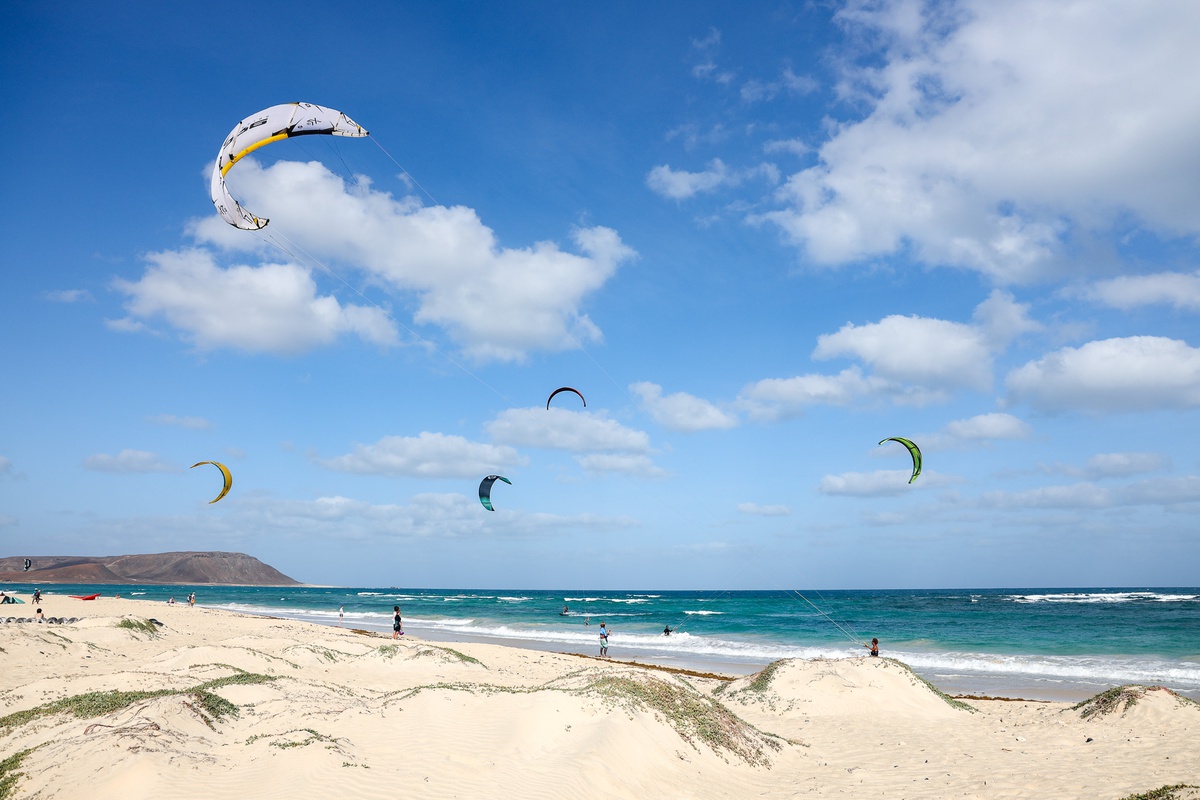
🏝️ Sal (2–4 days)
4
Highlights:
Santa Maria beach (crystal clear water)
Kitesurfing & chill beach life
Pedra de Lume salt crater
👉 Most touristy—but easiest entry point (cheap flights)
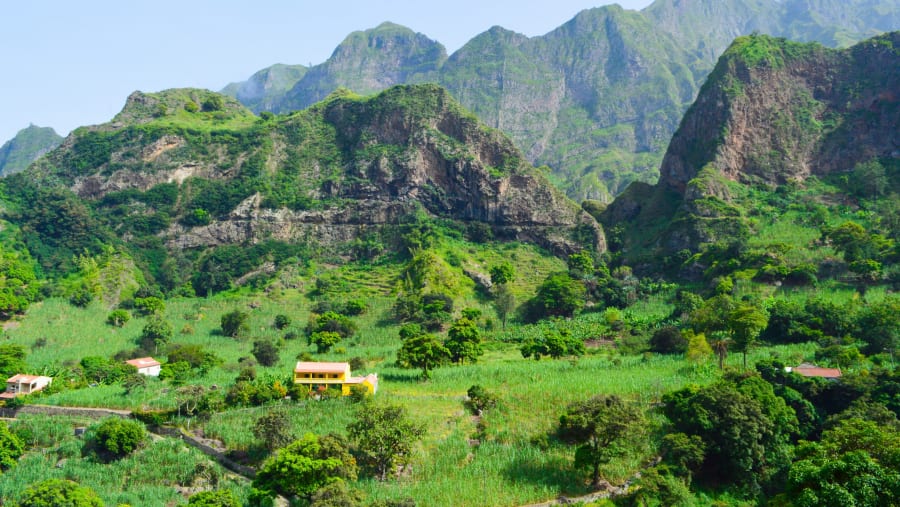
🏔️ Santo Antao (3–5 days)
4
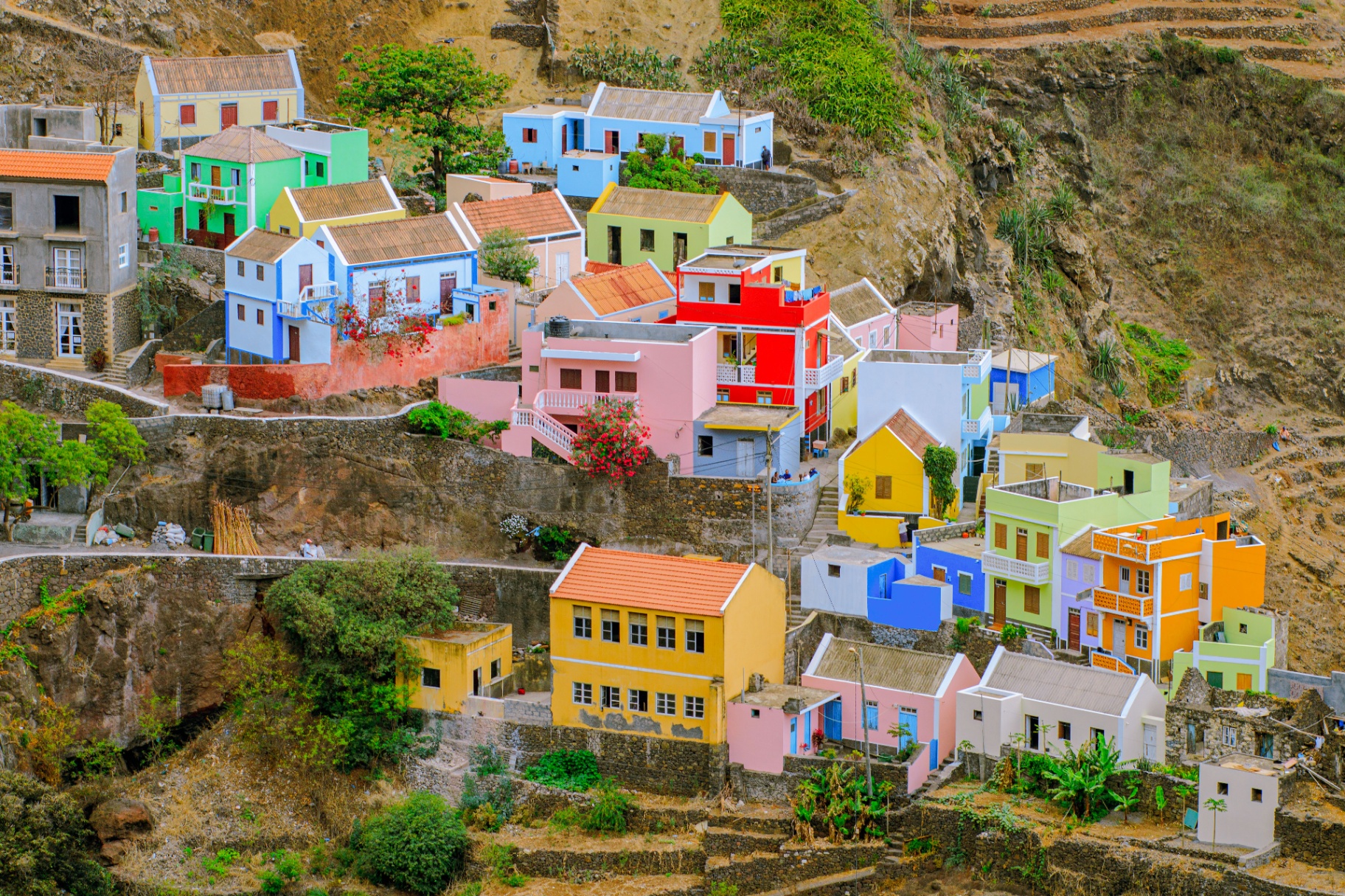
Highlights:
Epic hiking (Paul Valley 🌿)
Cliffside villages like Fontainhas
Lush green landscapes
👉 Best island in Cabo Verde for backpackers
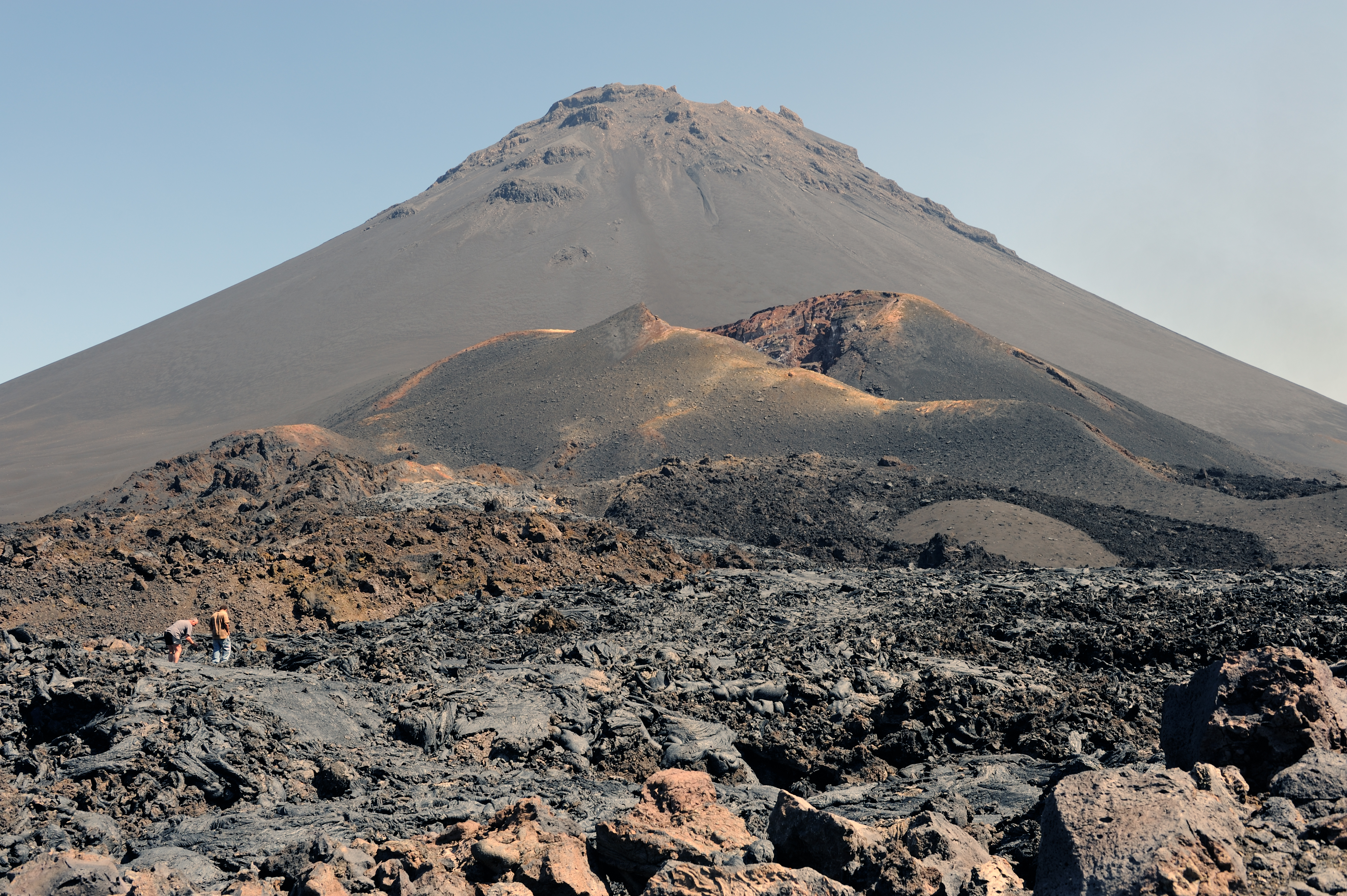
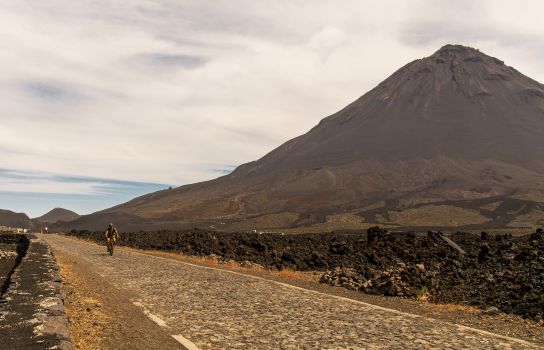
🌋 Fogo (2–3 days)
4
Highlights:
Hike Pico do Fogo 🌋
Stay in a village inside the crater
Black lava landscapes
👉 Feels raw and adventurous
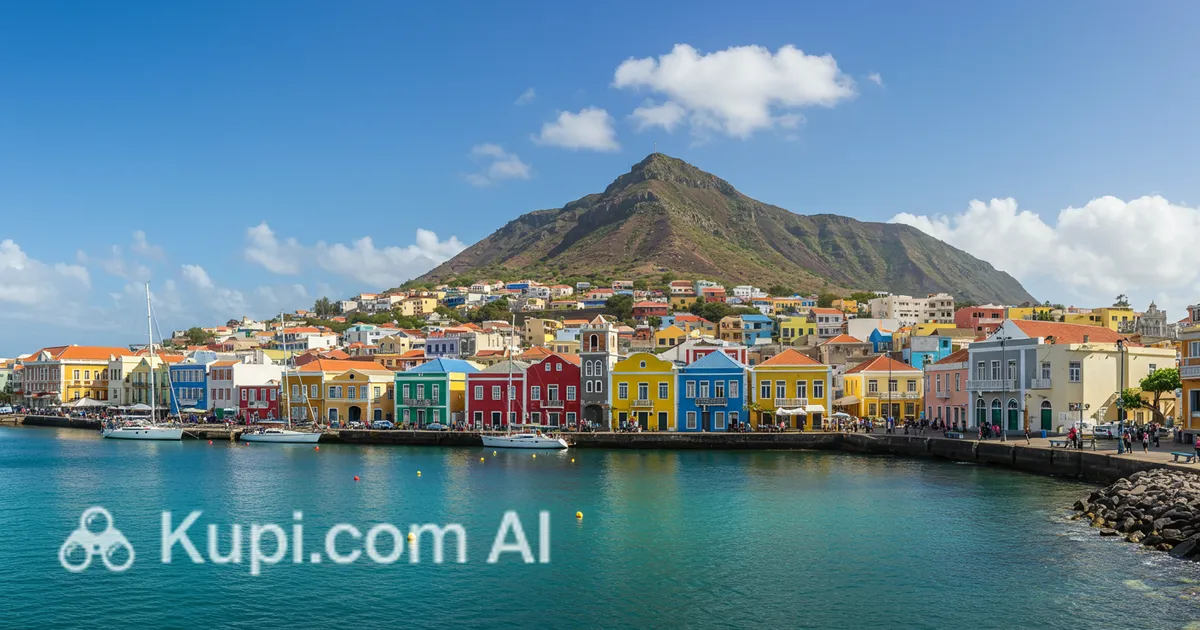
🎶 Mindelo (1–2 days)
4
Highlights:
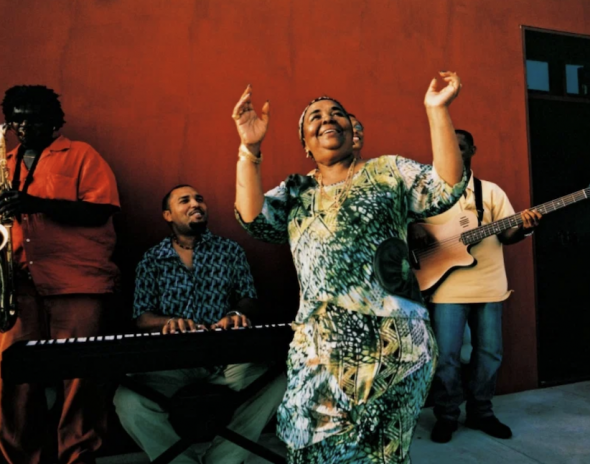
Live music (home of Cesária Évora)
Colonial architecture
Laid-back nightlife
👉 Cultural heart of the islands
💰 Budget (Important!)
Cabo Verde is more expensive than Morocco or Laos.