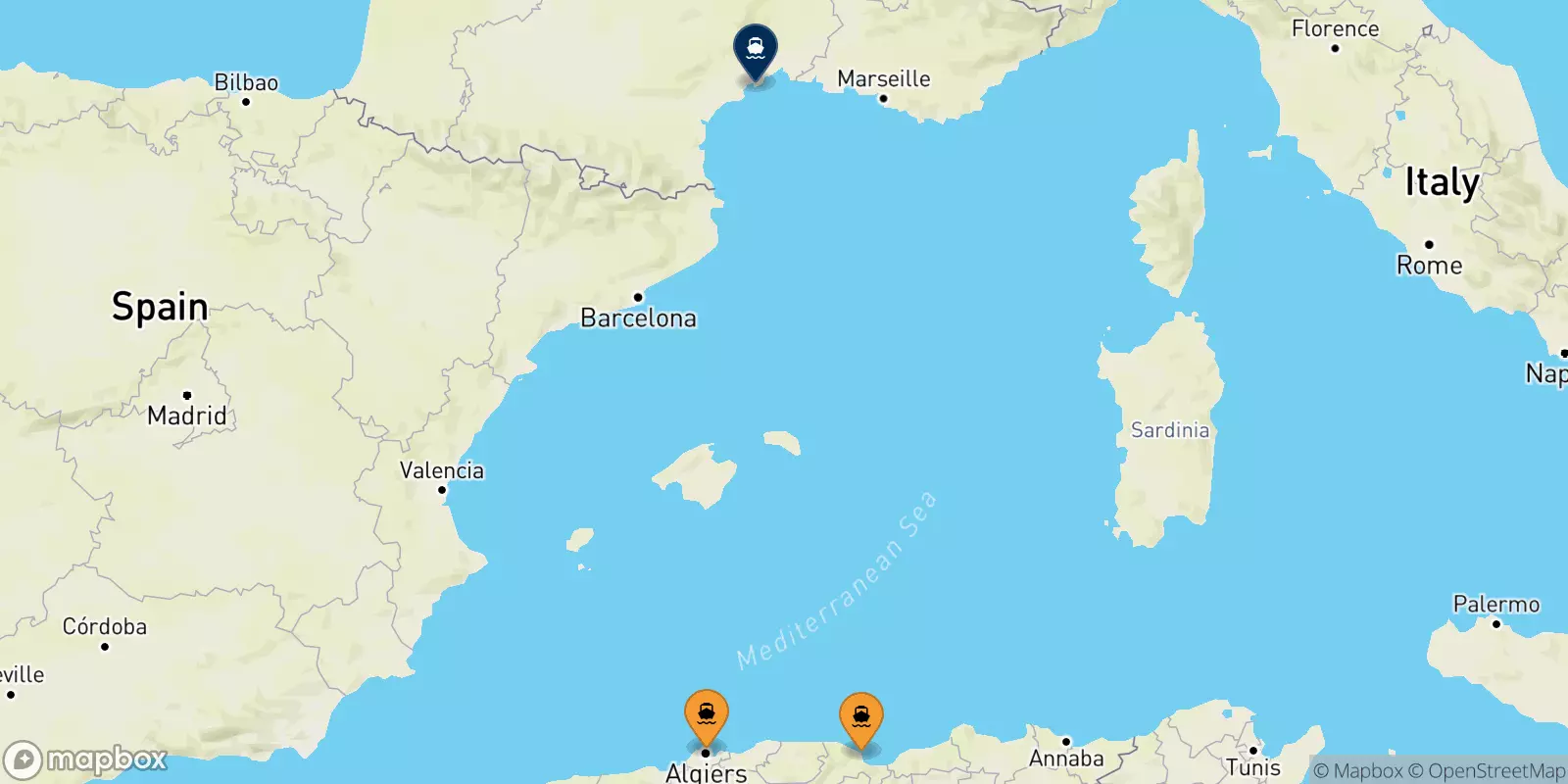
Driving from Europe to Africa is one of the most exciting overland journeys in the world. The adventure combines Mediterranean crossings, desert landscapes, cultural diversity, and thousands of kilometers of open road. Every year, travelers with 4×4 vehicles, camper vans, motorcycles, and expedition trucks cross from Europe into Africa to explore the continent.
This guide explains how to travel from Europe to Africa overland, including the best routes, ferry crossings, border requirements, vehicles, and practical planning tips.
Why Overland from Europe to Africa?
Overlanding means traveling long distances by land using your own vehicle, often combining adventure, exploration, and self-reliance. Africa offers ideal conditions for overlanding because the continent has:
vast deserts like the Sahara
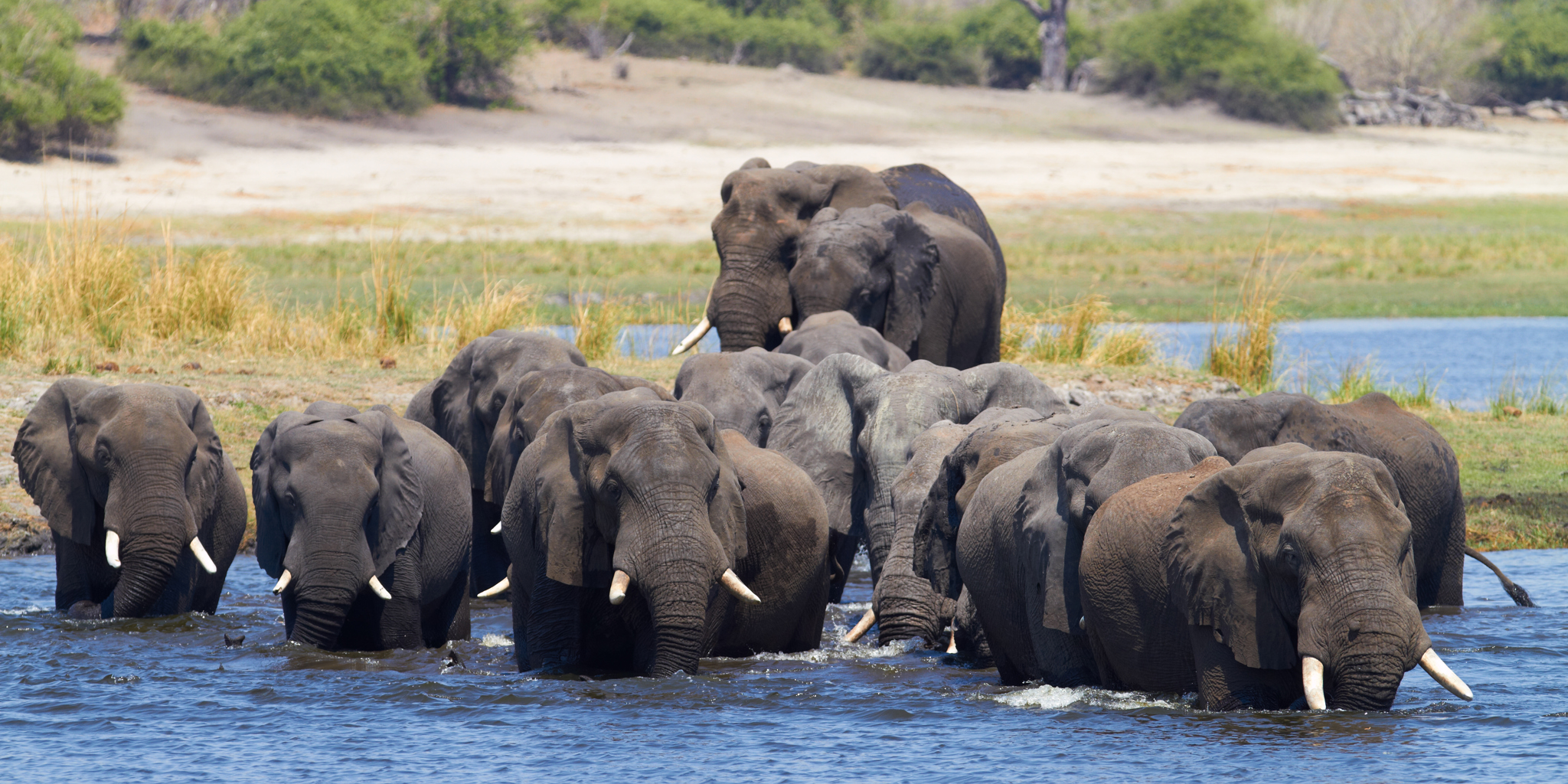
spectacular wildlife regions
remote landscapes
diverse cultures
long open roads perfect for road expeditions
For many travelers, the dream is to drive the legendary Cairo to Cape Town route, but shorter routes through North Africa or West Africa are also popular.
Main Routes from Europe to Africa
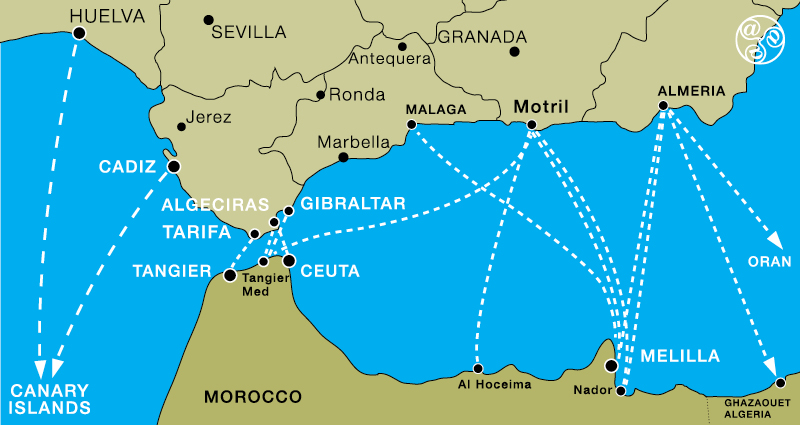
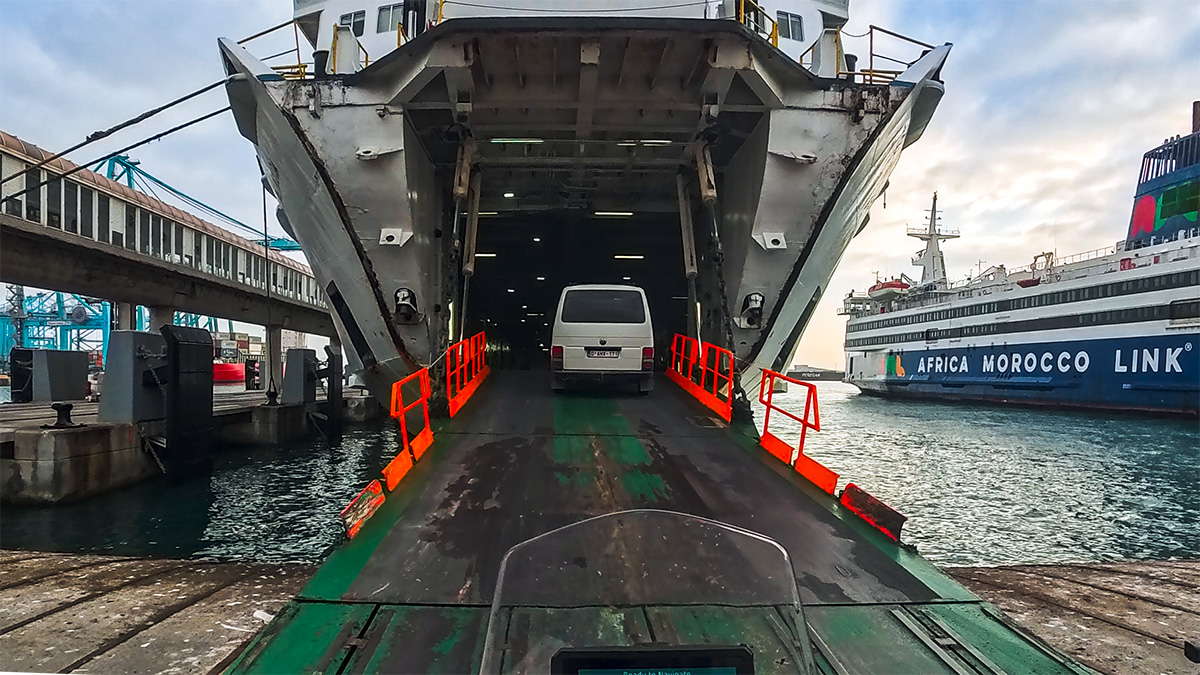
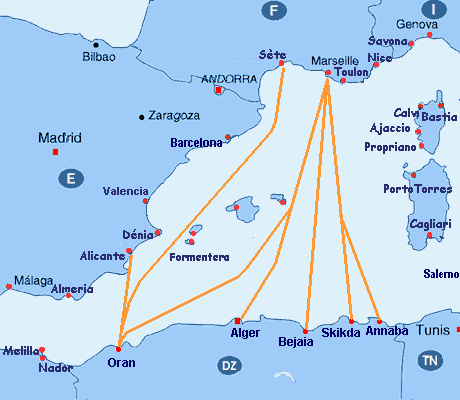
Because the Mediterranean Sea separates the continents, every overland traveler must cross by ferry. There are three main entry routes.
1. Spain to Morocco (Most Popular Route)
The Spain to Morocco crossing is by far the most common route for overlanders.
Why this route is popular
very short crossing (1–2 hours)
frequent ferry departures
relatively low cost
Morocco is easy for travelers
The narrow Strait of Gibraltar separates Europe and Africa by only about 14 kilometers at its narrowest point.
Main ferry routes
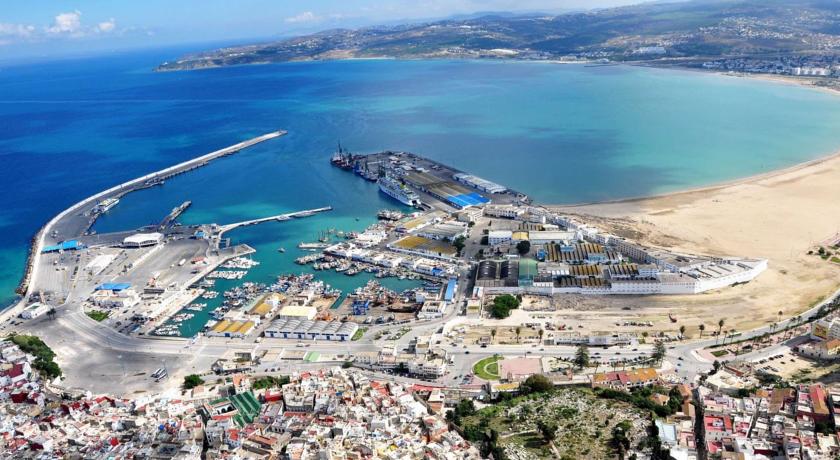
Tarifa → Tangier Ville
fastest crossing
about 1 hour
arrives directly in Tangier city
Algeciras → Tangier Med
about 1.5 hours
main commercial port
ideal for camper vans and trucks
Algeciras → Ceuta
Ceuta is a Spanish enclave in North Africa. Travelers cross into Morocco via the Ceuta border checkpoint.
What happens after arriving in Morocco
Most overlanders travel through Morocco using routes such as:
This route offers spectacular desert scenery but requires careful planning and visas.
Cairo to Cape Town
One of the greatest road journeys on Earth.
Example route:
Egypt → Sudan → Ethiopia → Kenya → Tanzania → Zambia → Botswana → South Africa
Travel time typically ranges from 6 months to one year depending on travel pace.
Best Vehicles for Overlanding Africa
Vehicle choice is extremely important for long-distance travel.
Common vehicles include:
4×4 Vehicles
Popular models:
Toyota Land Cruiser
Toyota Hilux
Land Rover Defender
Advantages:
strong suspension
reliable engines
good spare parts availability.
Toyota vehicles are particularly common across Africa.
Camper Vans
Camper vans offer:
comfortable sleeping space
cooking facilities
storage for equipment.
They are ideal for travelers staying on main roads and established routes.
Motorcycles
Motorcycle travel is also popular.
Advantages include:
low fuel consumption
easier border crossings
ability to navigate rough terrain.
However, motorcycles offer less storage and weather protection.
Documents Needed for Overland Travel
Before entering Africa, make sure you have all required documents.
Passport
Most countries require passports valid for at least six months.
Vehicle Registration
You must carry the original vehicle registration document.
Carnet de Passage
Some African countries require a Carnet de Passage, a customs document allowing temporary vehicle import.
Countries that may require it include:
Egypt
Kenya
Tanzania
Ethiopia.
International Driving Permit
An international driving permit is recommended and often requested during police checks.
Ferry Costs and Travel Expenses
Costs vary depending on vehicle size, season, and ferry operator.
Typical ferry prices:
Spain to Morocco
Car: €150–€250 Camper van: €250–€400
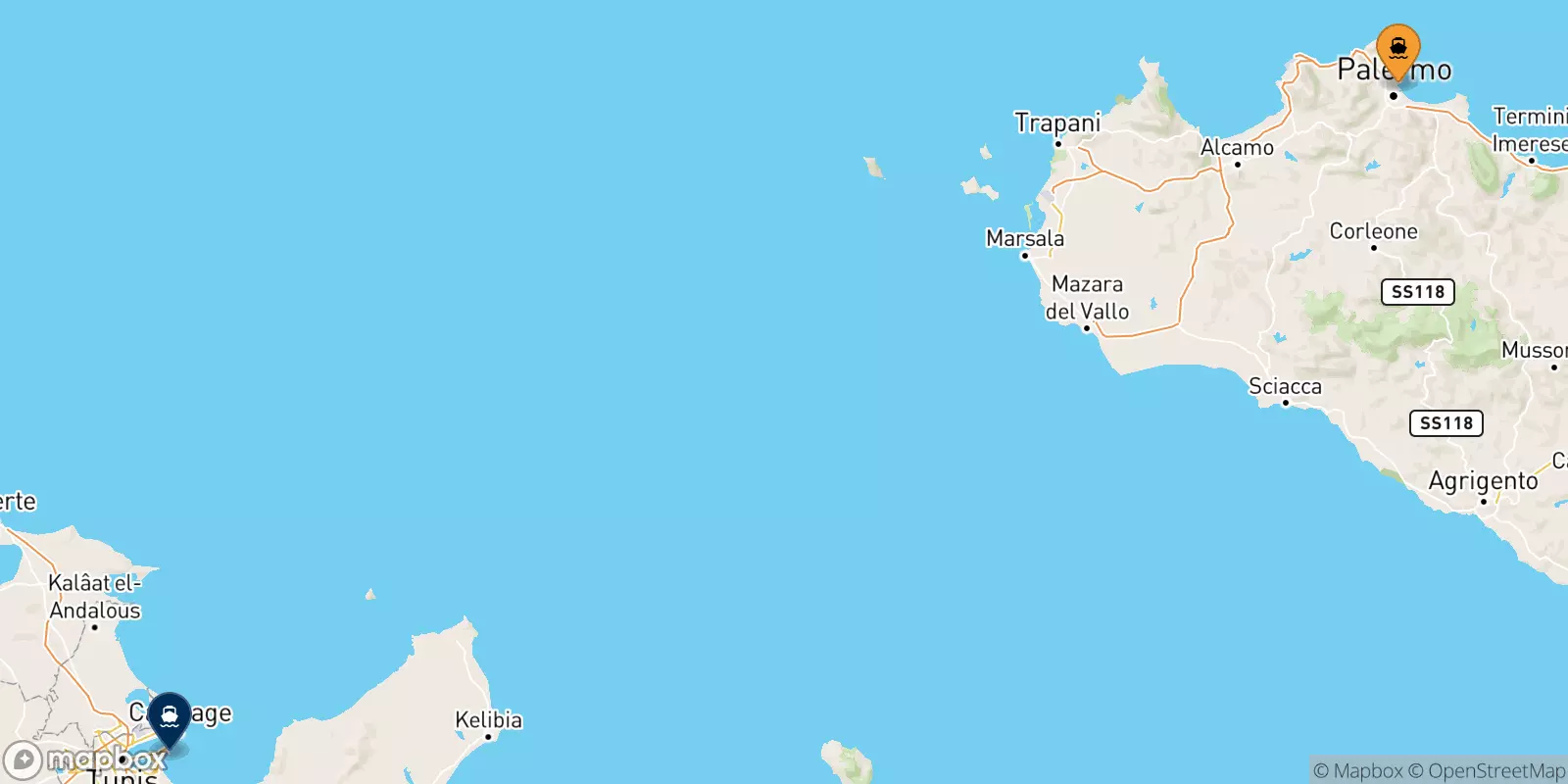
Italy to Tunisia
Car: €300–€500 Camper van: €500–€800
Daily Travel Costs
Typical monthly travel costs for two people might include:
Fuel: €300–€700 Food: €200–€400 Campsites: €100–€300 Visas and borders: €200+
Total monthly budget often ranges between €800 and €1,500 depending on travel style.
Essential Overlanding Equipment
Preparation is essential for a successful overland journey.
Important gear includes:
Navigation Tools
GPS device
offline maps
paper maps.
Recovery Equipment
recovery boards
tow straps
shovel
air compressor.
Camping Equipment
roof tent or ground tent
portable stove
water containers
solar power system.
Safety Equipment
first aid kit
fire extinguisher
satellite communicator.
These items can make a huge difference in remote areas.
Border Crossing Tips
African border crossings can take time and patience.
Helpful tips include:
arrive early in the morning
carry multiple passport copies
keep documents organized
stay calm and polite with officials.
Border procedures often involve several checkpoints including immigration, customs, and vehicle inspection.
Safety Advice for Overlanders
Africa is generally welcoming and friendly to travelers, but preparation is important.
Key safety advice:
avoid driving at night
check road conditions regularly
carry extra water and fuel
follow local advice
respect local cultures.
Planning ahead significantly reduces risks.
Best Time of Year for Overlanding
Weather conditions vary widely across Africa.
North Africa
Best months:
October to April
Summers can be extremely hot, especially in the Sahara.
East and Southern Africa
Dry seasons are usually best for travel because roads are easier to drive.
Final Thoughts
Driving from Europe to Africa overland is a life-changing adventure. Whether you explore the deserts of Morocco, travel through West Africa, or attempt the legendary Cairo to Cape Town journey, the continent offers endless opportunities for exploration.
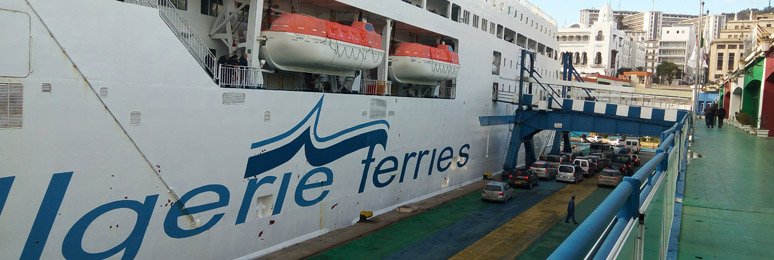
The easiest route begins with a ferry crossing from Spain to Morocco, while other travelers choose Tunisia or Algeria as entry points.
With proper planning, reliable equipment, and a spirit of adventure, overlanding Africa can become one of the most rewarding journeys of a lifetime.