Backpacking in Estonia is a hidden gem in Northern Europe—compact, affordable (by Nordic standards), and full of medieval charm, forests, and digital-modern vibes.
🇪🇪 Why Backpack Estonia?
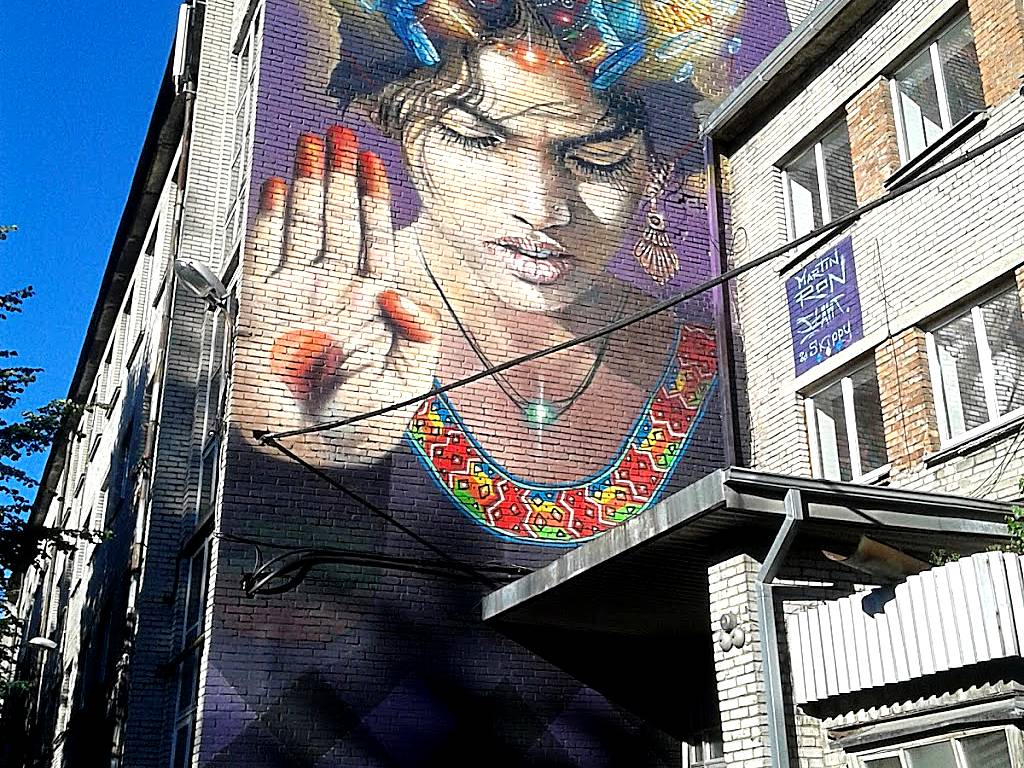
🏰 Tallinn’s Medieval Old Town
4
Tallinn is the highlight
One of Europe’s best-preserved medieval cities
Cobblestone streets, towers, and fairytale views
🌲 Nature & National Parks
4
Lahemaa National Park – forests, bogs, coastline
Unique bog landscapes (very Estonian!)
Peaceful, uncrowded hiking
🌊 Islands & Coast
4
Saaremaa – windmills + slow life
Hiiumaa – remote and wild
Baltic Sea beaches and lighthouses
💻 Digital & Modern Culture
4
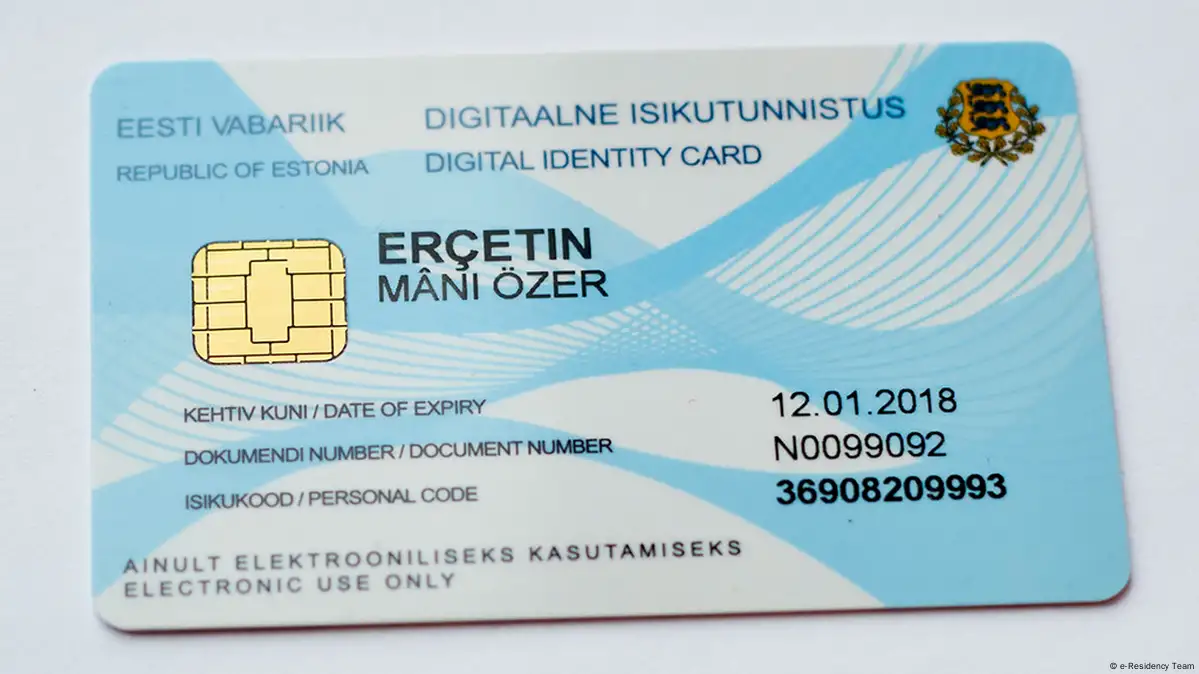
One of the most digitally advanced countries
Cool creative districts like Telliskivi
Fast Wi-Fi everywhere
🧭 Backpacking Route (5–10 days)
Tallinn (2–3 days)
→ Day trip to Lahemaa National Park
→ Ferry to Saaremaa or Hiiumaa
Optional: Head south to Tartu (student city vibe)
💰 Budget
💵 Budget: €40–80/day
🛏️ Hostels: €15–35/night
🍔 Food: €7–15 per meal
💡 Cheaper than Scandinavia, similar to Eastern Europe
🚍 Getting Around
🚌 Buses are cheap and reliable
🚆 Limited train network
🚗 Renting a car is great for islands/nature
🗣️ Language
Estonian (unique language)
English is widely spoken, especially by younger people
⚠️ Things to Know
Weather can be cold and grey 🌫️
Summers = best time (long days, mild weather)
Very safe and easy to travel
🎒 Who It’s Perfect For
Chill backpackers ✔️
History lovers ✔️
Nature + quiet destinations ✔️
Digital nomads ✔️
💬 Bottom line
Estonia is small but surprisingly diverse—a perfect short backpacking trip with medieval cities, peaceful nature, and modern vibes without big crowds.
Backpacking in Egypt is a bucket-list adventure—ancient history, desert landscapes, and chaotic but fascinating cities. It’s relatively affordable and unforgettable, but you need to be prepared for a bit of intensity.
🇪🇬 Why Backpack Egypt?
🏺 Ancient Wonders
4
Pyramids of Giza – one of the Seven Wonders of the Ancient World
Valley of the Kings – tombs of pharaohs
Abu Simbel – massive rock temples
🌊 Nile & Desert Landscapes
4
Sail the Nile on a felucca ⛵
Explore the White Desert
Visit oases like Siwa Oasis
🌆 Cities & Culture
4
Cairo – chaotic, huge, unforgettable
Luxor – open-air museum of temples
Alexandria – Mediterranean vibe
🤿 Red Sea (bonus highlight)
4
World-class diving/snorkeling
Chill backpacker spots like Dahab
🧭 Classic Backpacking Route (2–3 weeks)
Cairo – pyramids + museums
→ Alexandria (optional coastal stop)
→ Night train to Luxor
→ Aswan (Nile + Abu Simbel)
→ Nile felucca trip ⛵
→ Dahab / Red Sea (relax + dive)
💰 Budget
💵 Budget: €20–50/day
🛏️ Hostels: €5–15/night
🍔 Food: €2–8 per meal
🚆 Transport: cheap (trains, buses)
💡 Egypt is very affordable for backpackers
🚍 Getting Around
🚆 Trains (Cairo–Luxor–Aswan route is key)
🚌 Buses for coastal/desert areas
✈️ Cheap domestic flights for long distances
⚠️ Things to Know
Expect hustle culture (people trying to sell you things)
Some sites require guides or have restricted access
Dress modestly (especially outside tourist areas)
Stay aware of scams but don’t be paranoid
👉 Safety is generally okay in tourist areas, but always check current advisories
🎒 Who It’s Perfect For
History lovers ✔️
Budget travelers ✔️
Adventurous travelers ✔️
💬 Bottom line
Egypt is intense but unforgettable—a place where you’ll see some of the most famous sites on Earth while spending very little money. If you can handle the chaos, it’s an amazing backpacking destination.
Backpacking in Japan is a unique mix of tradition, futuristic cities, and incredible food—and it’s much easier than people expect. It’s not the cheapest destination, but it’s super safe, clean, and efficient.
🇯🇵 Why Backpack Japan?
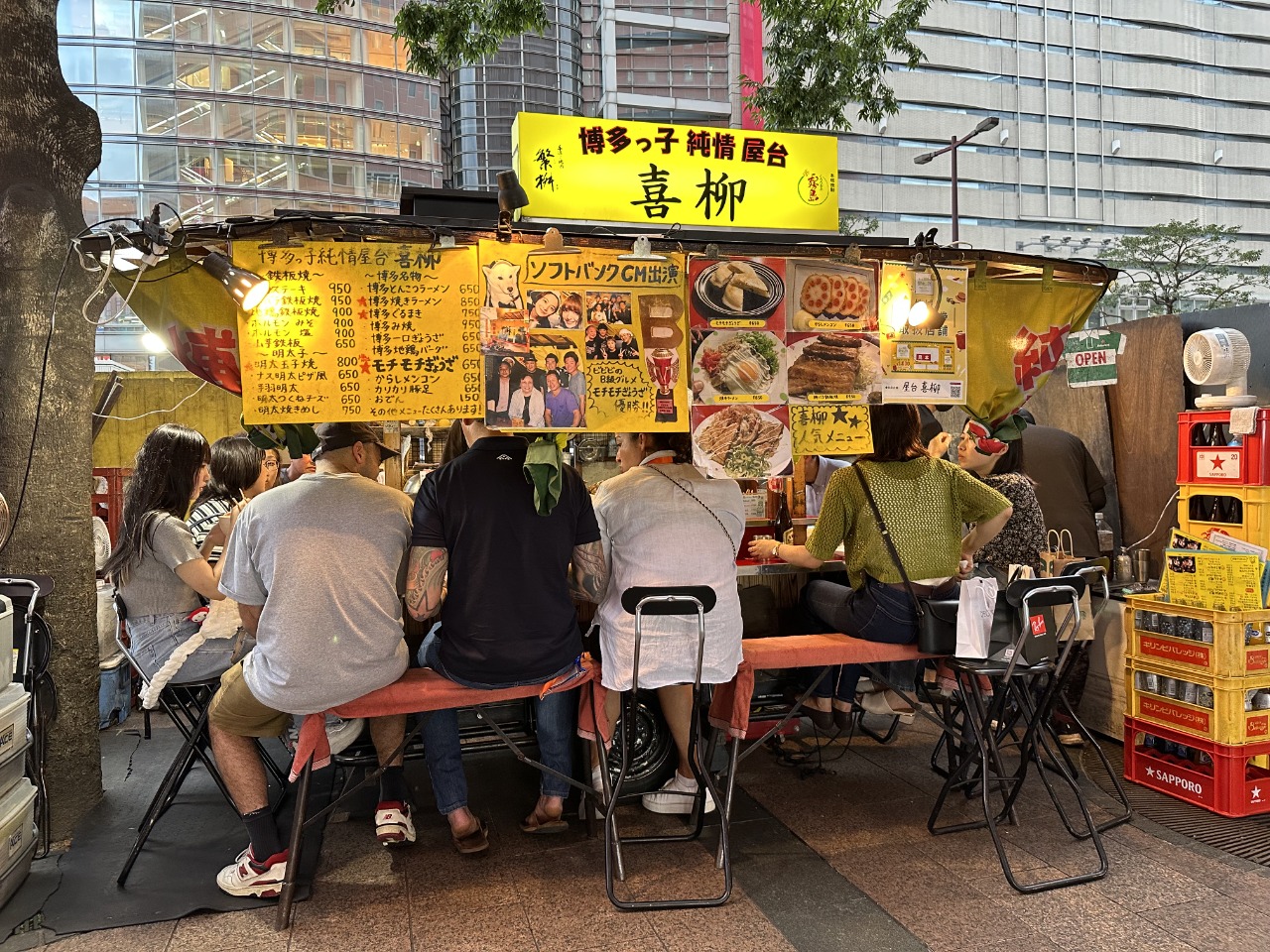
🏙️ Cities: Futuristic + Traditional
Japan Backpacking Page
Planning a backpacking trip through Japan?
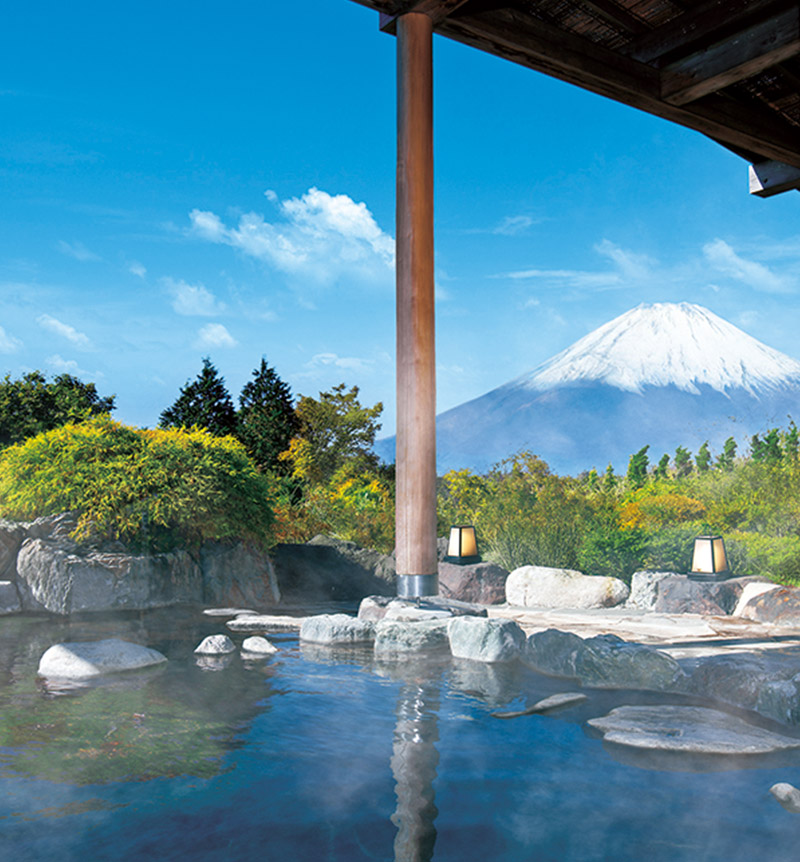
For a complete 30-day itinerary covering Tokyo, Kyoto, Osaka, Hiroshima, Mount Fuji, the Japanese Alps, transport planning, budgets, accommodation, and practical travel tips, see:
🎫 Japan Rail Pass can be worth it (depending on route)
🗣️ Language
Japanese is the main language
English signage is common in cities
People are helpful even with limited English
⚠️ Things to Know
Very safe (one of the safest countries in the world)
Quiet and respectful culture (follow local etiquette)
Trash bins are rare (carry your trash)
Cash is still widely used (though cards are more common now)
🎒 Who It’s Perfect For
Solo travelers ✔️
Culture lovers ✔️
Food lovers ✔️
First-time Asia travelers ✔️
💬 Bottom line
Japan is one of the most rewarding and easiest backpacking destinations—a perfect mix of culture, food, and efficiency. It’s not ultra-cheap, but the experience is worth it.
Backpacking in Argentina is one of the best adventures in South America—huge landscapes, great food, and a mix of culture + wilderness. It’s relatively affordable (depending on inflation) and very rewarding if you plan for the long distances.
🇦🇷 Why Backpack Argentina?
🏔️ Patagonia & Epic Nature
4
Perito Moreno Glacier – massive, walkable glacier
El Chaltén – hiking capital (Fitz Roy views)
Wild, dramatic, and unforgettable
🌆 Cities & Culture
4
Buenos Aires – tango, nightlife, European vibe
Mendoza – wine + Andes views
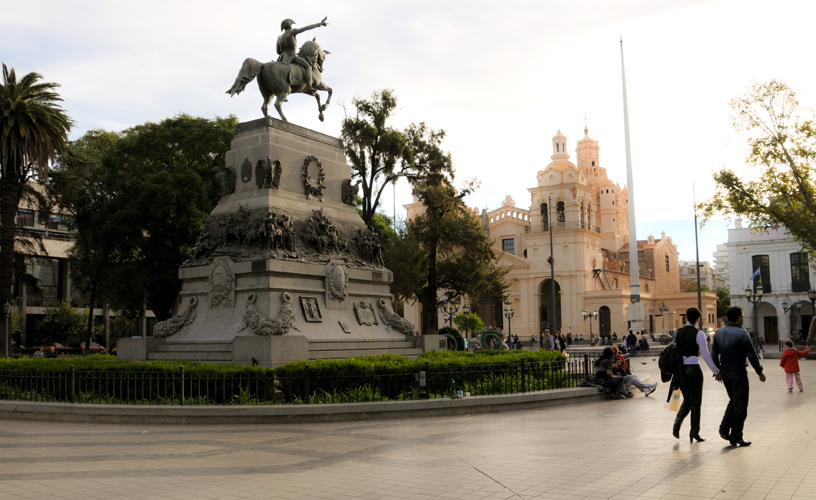
Córdoba – student energy
🌄 Natural Wonders
4
Iguazú Falls – one of the biggest waterfalls on Earth
Salta – desert landscapes + colorful mountains
🥩 Food & Lifestyle
4
Legendary steak (asado) 🥩
Empanadas everywhere
Mate culture (you’ll see it everywhere)
🧭 Classic Backpacking Route (3–6 weeks)
Buenos Aires → Iguazú → Salta → Mendoza → Patagonia
Buenos Aires – culture + nightlife
→ Iguazú Falls – jungle + waterfalls
→ Salta / Jujuy – mountains + deserts
→ Mendoza – wine region
✈️ Fly south → El Calafate & El Chaltén (Patagonia)
💰 Budget
💵 Budget: €30–70/day (can fluctuate due to inflation)
🛏️ Hostels: €8–25/night
🍔 Food: €5–15 per meal
✈️ Domestic flights: often necessary (country is HUGE)
💡 Argentina can feel cheap or expensive depending on exchange rates
🚍 Getting Around
🚌 Long-distance buses are very comfortable (semi-cama/cama seats)
✈️ Flights save huge amounts of time
🚗 Hitchhiking is common in Patagonia
Transport in Argentina
⚠️ Things to Know
Distances are massive (Patagonia is far south!)
Weather varies a lot:
Patagonia = windy & cold
North = hot & dry
Cash situation can be complicated (exchange rates matter)
🎒 Who It’s Perfect For
Nature lovers ✔️
Hikers ✔️
Food & culture fans ✔️
💬 Bottom line
Argentina is one of the most diverse backpacking destinations in the world—from glaciers to jungles to cities. It takes effort to cover, but the payoff is huge.
Backpacking in Canada is all about epic nature, wide-open spaces, and road-trip freedom. It’s not the cheapest destination, but if you love mountains, lakes, and wildlife, it’s absolutely world-class.
🇨🇦 Why Backpack Canada?
🏔️ Mountains & National Parks
4
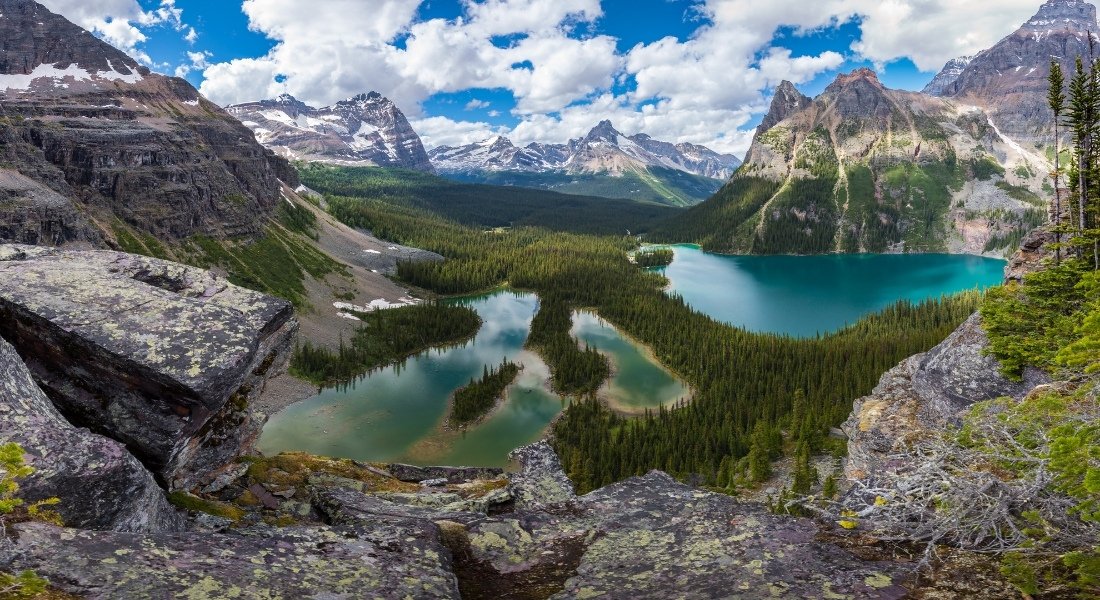
Banff National Park – turquoise lakes + peaks
Jasper National Park – wild and less crowded
Icefields Parkway = one of the most scenic drives in the world
🌲 Wilderness & Wildlife
4
Spot bears, moose, whales, eagles
Northern lights in the right season
Endless forests, lakes, and trails
🌆 Cities & Culture
4
Vancouver – ocean + mountains
Toronto – big, diverse city
Montreal – European vibe + culture
Quebec City – historic charm
🧭 Popular Backpacking Routes
🚐 Western Canada (BEST for nature – 2–4 weeks)
Vancouver → Whistler → Banff → Jasper
Mountains, lakes, hiking, wildlife
Ideal for campervan travel
🚆 Eastern Canada (cities + culture)
Toronto → Ottawa → Montreal → Quebec City
Easier without a car
Mix of history, food, and city life
🐋 Vancouver Island Loop
From Vancouver → Victoria → Tofino
Surfing, whales, forests
💰 Budget
💵 Budget: €60–120/day
🛏️ Hostels: €25–50/night
🍔 Food: €10–20 per meal
🚗 Transport: can be expensive
💡 Save money by:
Cooking your own meals
Camping instead of hostels
Sharing car rentals
🚗 Getting Around
🚐 Campervan = BEST option (freedom + saves accommodation)
🚌 Buses exist but limited in remote areas
🚆 Trains mainly useful in the east
✈️ Flights for long distances
Transport in Canada
🛂 Visa
Many travelers need an eTA (Electronic Travel Authorization)
Working holiday visas available (popular option)
⚠️ Things to Know
Distances are HUGE (seriously)
Weather varies a lot (cold winters, mild summers)
Wildlife safety matters (especially bears 🐻)
Some areas have limited phone signal
🎒 Who It’s Perfect For
Nature lovers ✔️
Road trip fans ✔️
Hikers & outdoor people ✔️
Less ideal if:
You want cheap, dense, easy transport travel
💬 Bottom line
Canada is less about cities and more about nature. If you’re up for big landscapes and road trips, it’s one of the most rewarding backpacking destinations on Earth.
Backpacking in Australia is one of the classic, bucket-list travel experiences—huge distances, epic nature, and a super social backpacker scene. It’s easy to travel, but you’ll need to plan for time and budget.
🇦🇺 Why Backpack Australia?
🌊 Beaches & Coastal Life
4
World-famous beaches everywhere
Highlights:
Bondi Beach
Whitehaven Beach
Byron Bay
🐨 Wildlife & Nature
4
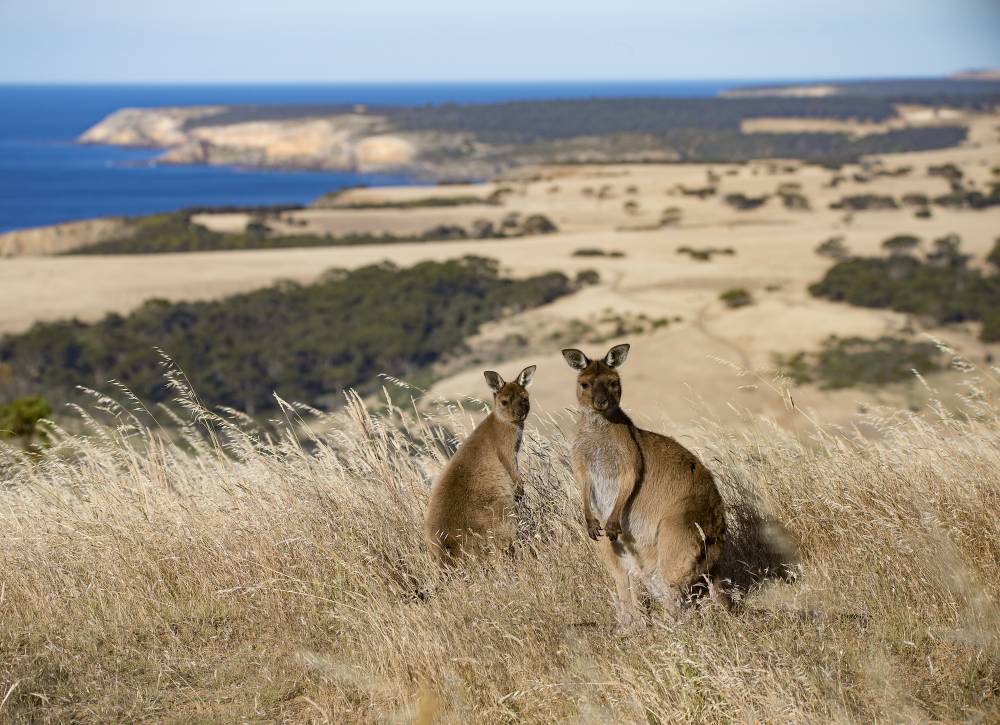
Unique animals: kangaroos, koalas, wombats
Great Barrier Reef – world-class snorkeling/diving
Uluru – iconic red rock
🏙️ Cities & Culture
4
Sydney – beaches + skyline
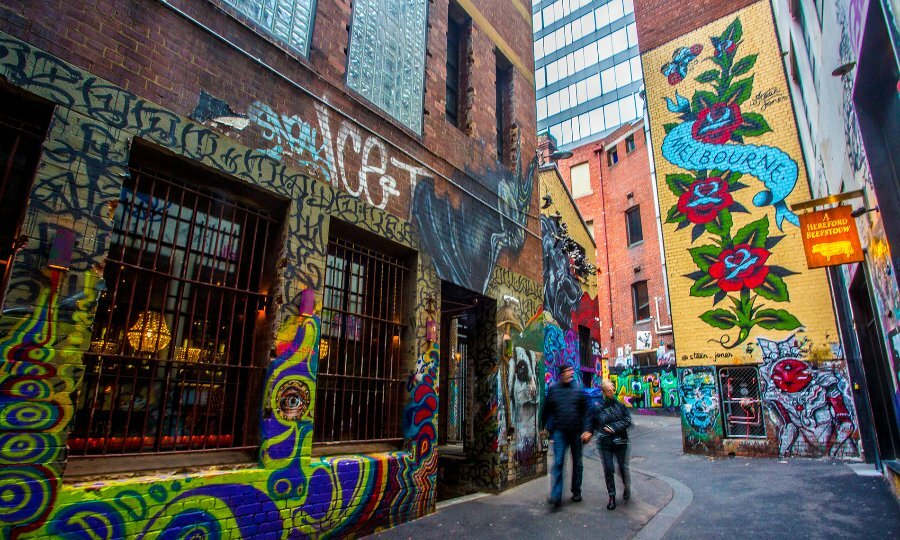
Melbourne – artsy + coffee culture
Brisbane – gateway to the north
🧭 Classic Backpacking Routes
🚐 East Coast (MOST popular – 2–6 weeks)
Sydney → Byron Bay → Gold Coast → Brisbane → Fraser Island → Whitsundays → Cairns
Social, easy, full of hostels
Mix of beaches, parties, and nature
🏜️ Outback Adventure
Fly or road trip to Uluru
Red desert landscapes, Aboriginal culture
Often done as a guided tour
🚗 West Coast (more remote)
Perth → Exmouth → Broome
Fewer people, more wild nature
💰 Budget (Important!)
💵 Budget: €60–120/day
🛏️ Hostels: €20–40/night
🍔 Food: €10–20 per meal
🚌 Tours (Whitsundays, Fraser Island): can be expensive
💡 Money-saving tips:
Cook your own food
Use hostel deals/packages
Consider a working holiday visa to earn money
🚍 Getting Around
🚌 Greyhound buses (popular backpacker option)
🚗 Campervan = ultimate freedom
✈️ Cheap domestic flights for long distances
Transport in Australia
🛂 Visa
Many travelers can get:
eVisitor / ETA (short stays)
Working Holiday Visa (very popular for backpackers)
🎒 Backpacker Culture
Huge international backpacker scene
Easy to meet people in hostels/tours
Lots of social activities
⚠️ Things to Know
Distances are HUGE (bigger than Europe)
Sun is very strong ☀️
Wildlife is mostly safe—but respect it
Prices are high compared to Southeast Asia
🎒 Who It’s Perfect For
First-time long-term travelers ✔️
Social backpackers ✔️
Nature + beach lovers ✔️
💬 Bottom line
Australia is one of the best backpacking countries in the world—easy, social, and full of iconic experiences. Just be ready for big distances and a bigger budget.
Backpacking in Denmark is clean, safe, and incredibly easy—but it’s also one of the most expensive countries in Europe. If you plan smart, though, it can be a fantastic and relaxed trip.
🇩🇰 Why Backpack Denmark?
🏙️ Copenhagen & Urban Life
4
Copenhagen is one of Europe’s coolest capitals
Highlights:
Nyhavn
Tivoli Gardens
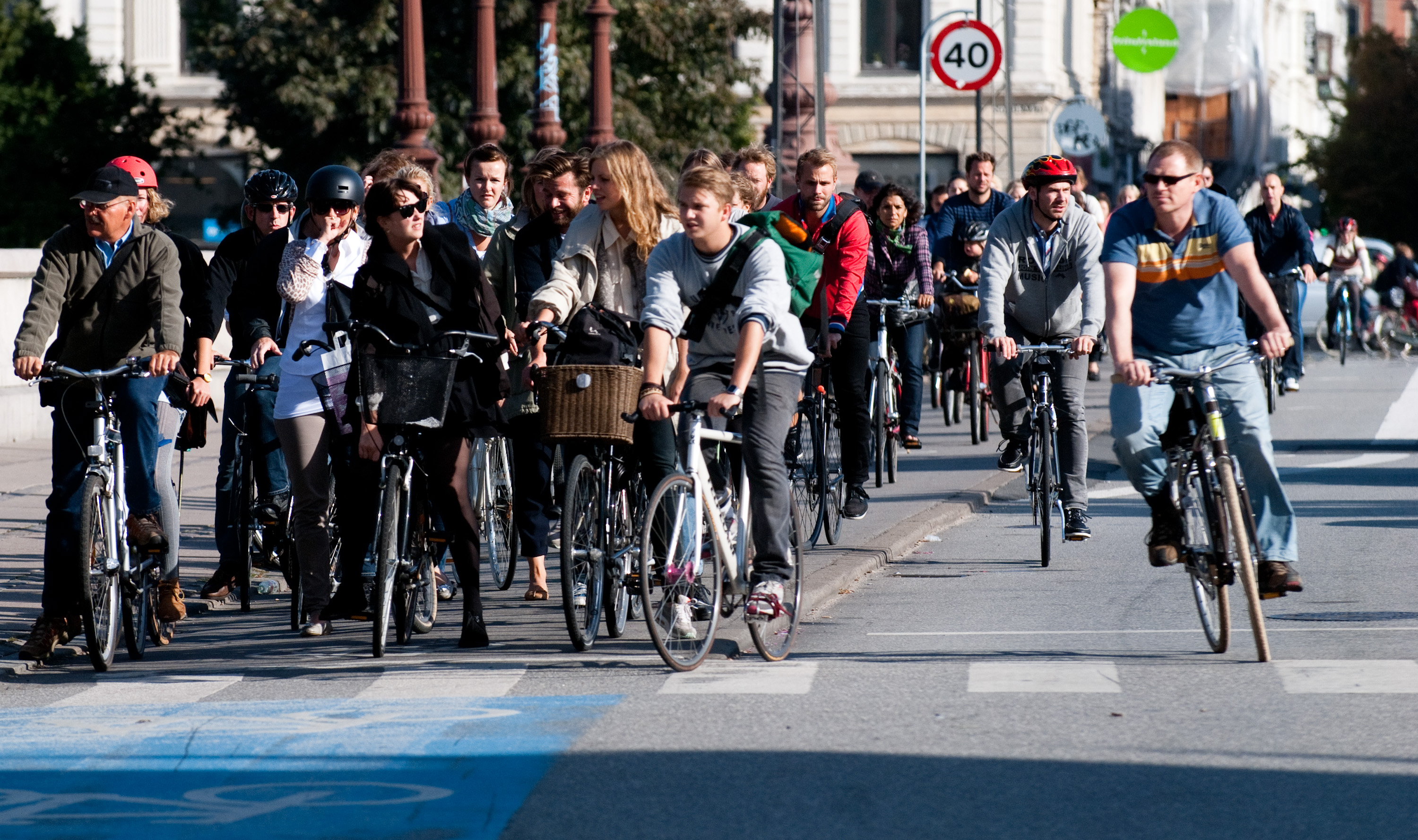
Super bike-friendly 🚲
🌊 Coastal & Island Scenery
4
Skagen – where two seas meet
Bornholm – rugged cliffs + beaches
Endless quiet coastlines
🏰 Castles & History
4
Kronborg Castle – Hamlet’s castle
Frederiksborg Castle – fairytale vibes
🚴 Lifestyle & Vibe
4
“Hygge” culture (cozy, relaxed living)
World-class cycling infrastructure
Clean, calm, and very organized
🧭 Backpacking Route (1–2 weeks)
Copenhagen (3–4 days)
→ Helsingør (Kronborg Castle)
→ Roskilde (Viking Ship Museum)
→ Odense (birthplace of Hans Christian Andersen)
→ Aarhus (cool second city)
→ Skagen (nature + beaches)
Optional: Ferry to Bornholm
💰 Budget (Important!)
💵 Budget: €70–120/day (minimum)
🛏️ Hostels: €25–50/night
🍔 Food: €10–20 per meal
🍺 Beer: €6–10
💡 Money-saving tips:
Cook your own food
Use supermarkets (Netto, Lidl)
Rent bikes instead of transport
Look for free walking tours
🚆 Getting Around
Trains are excellent but pricey
Buses are cheaper
Bikes are often the best option in cities
🗣️ Language
Danish is the official language
Almost everyone speaks perfect English
Transport in Denmark
⚠️ Things to Know
Very safe (one of the safest countries in the world)
Weather can be windy and unpredictable 🌬️
Wild camping is restricted, but campsites are good
🎒 Who It’s Best For
First-time backpackers ✔️
Solo travelers ✔️
People who like easy, stress-free travel ✔️
Less ideal if:
You’re on a super tight budget
💬 Bottom line
Denmark is not the cheapest backpacking destination, but it’s one of the easiest and most comfortable. Think of it as a relaxed, scenic, bike-friendly trip rather than a hardcore budget adventure.
Backpacking in Algeria is a rare and adventurous choice—huge, culturally rich, and largely untouched by mass tourism. But it’s also a place where planning and awareness matter a lot.
🇩🇿 Why Backpack Algeria?
🏜️ Sahara Desert (one of the best in the world)
4
Vast, empty landscapes with dramatic rock formations
Algeria is generally stable in major cities and the north
BUT:
Southern desert regions often require guides/permits
Some border areas are restricted
Independent backpacking is possible but not as free as in Europe or Southeast Asia
👉 Always check current travel advisories before going.
🛂 Visa
Most travelers need a visa (can be paperwork-heavy)
Invitation or hotel booking often required
🚍 Getting Around
🚌 Buses connect major cities
🚆 Trains run along the northern coast
✈️ Domestic flights for long distances (Sahara trips)
💰 Budget
€25–60/day depending on style
Accommodation is affordable, but hostel culture is limited
Food is cheap and good (couscous, tagines, grilled meats)
🗣️ Language
Arabic + French (French is very useful)
English is limited outside tourist areas
🎒 Suggested Route (2–3 weeks)
Algiers – explore Casbah + museums
→ Tipasa (coastal Roman ruins)
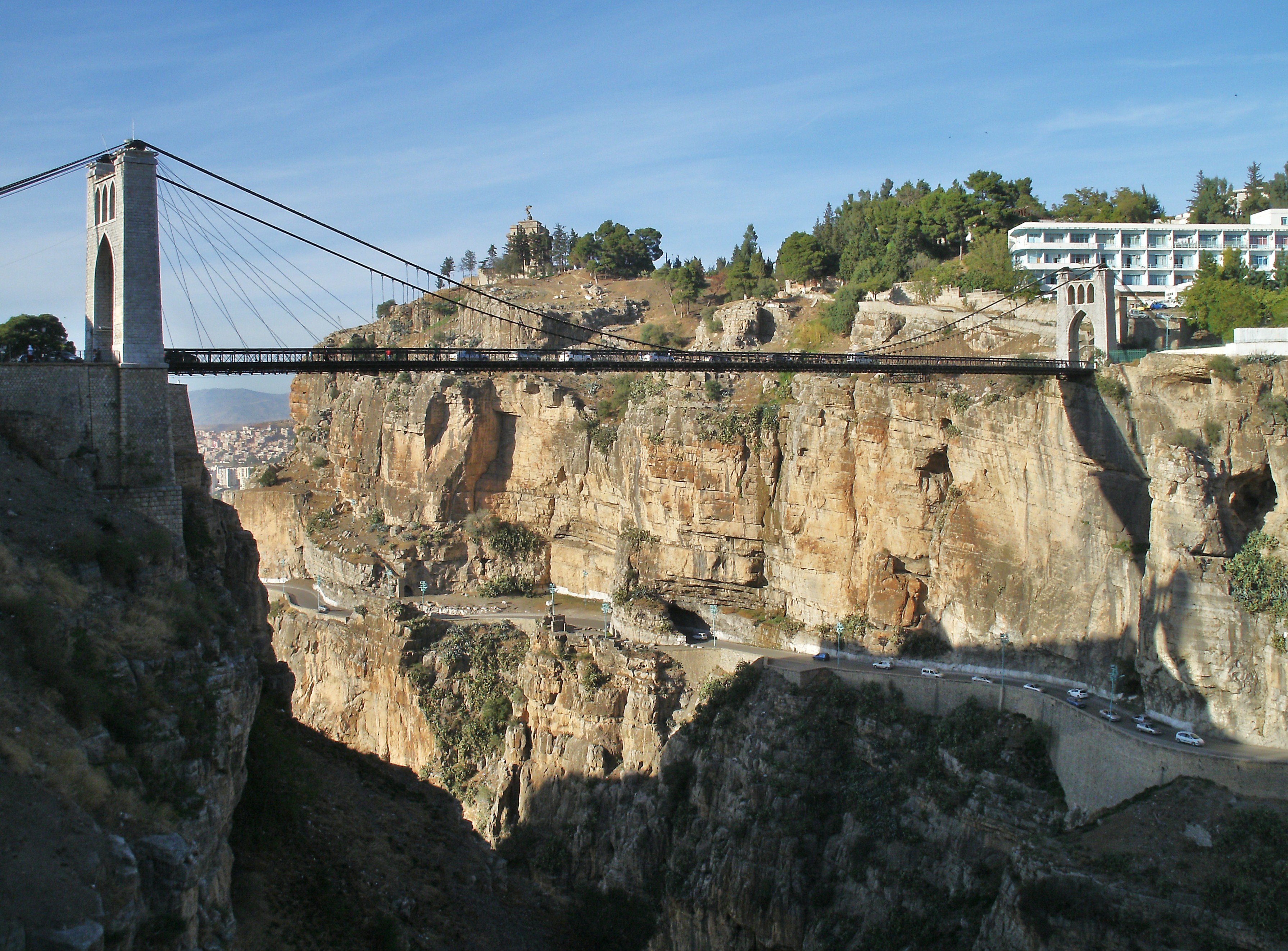
→ Constantine (bridges + dramatic views)
→ Djémila / Timgad (Roman history)
Optional: Fly south → Tamanrasset + Sahara tour
Transport in Algeria
⚖️ Pros & Cons
👍 Pros
Almost no mass tourism
Incredible mix of desert + history + culture
Very authentic experience
👎 Cons
Visa hassle
Limited backpacker infrastructure
Less flexibility (permits/guides needed in some areas)
💬 Bottom line
Algeria is not a beginner backpacking destination, but if you’re experienced and prepared, it offers a unique, raw, and unforgettable journey—especially for desert lovers and history fans.
Backpacking in China can be an incredible, varied, and affordable adventure—but it’s a bit different from typical backpacking destinations. Expect a mix of ancient culture, futuristic cities, epic landscapes, and some logistical hurdles.
Always carry your passport (required for hotels/trains)
Travel slower—distances are huge
💬 Bottom line
China is not the easiest backpacking destination, but it’s one of the most rewarding and diverse. If you’re okay with a bit of friction, you’ll get an unforgettable experience.
Backpacking in Benin is one of West Africa’s most rewarding and underrated travel experiences—and unlike some neighbors, it’s generally considered safe and welcoming for independent travelers.
🇧🇯 Why Backpack Benin?
🌍 Culture & History
4
Birthplace of Vodun (Voodoo) religion
Powerful history tied to the transatlantic slave trade
Historic sites like:
Ouidah (Route of Slaves)
Royal Palaces of Abomey
🌴 Beaches & Coastal Life
4
Relaxed, uncrowded beaches
Best spots:
Grand Popo
Ouidah
🌿 Wildlife & Nature
4
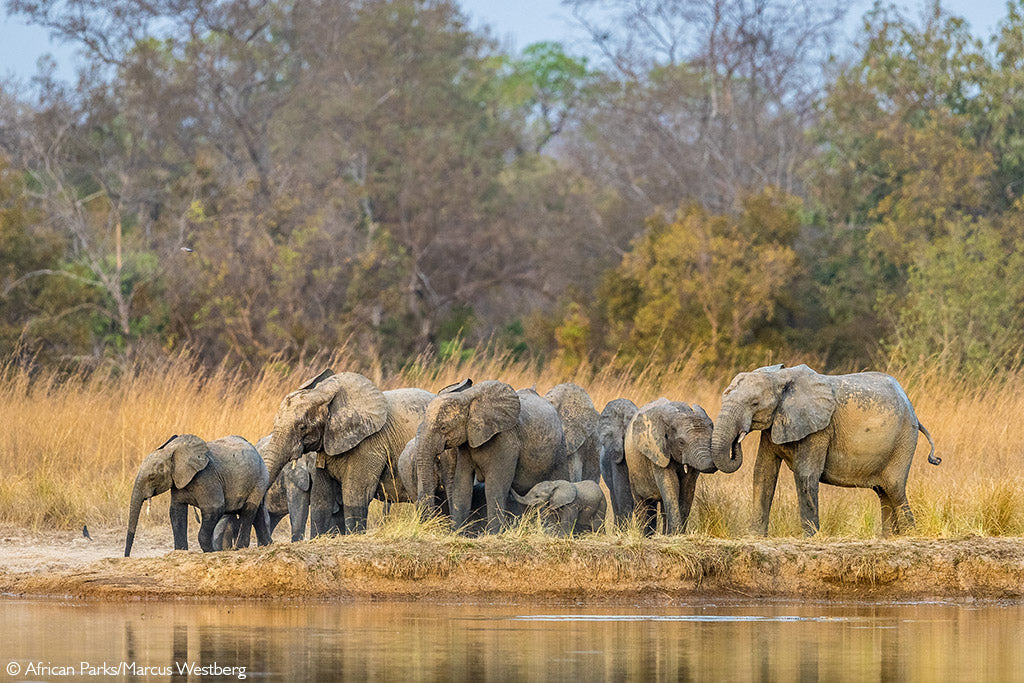
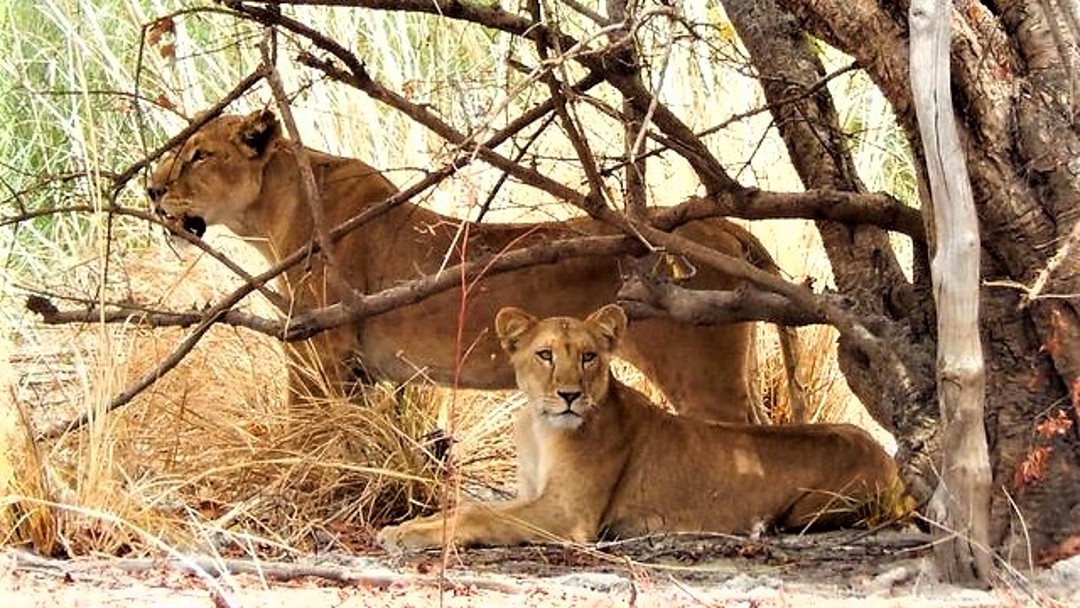
Pendjari National Park is one of West Africa’s best safari parks
See elephants, lions, antelope, and more
Less crowded (and cheaper) than East African safaris
🛶 Unique Experiences
4
Ganvié – a village built entirely on stilts over water
Canoe transport, floating markets
🧭 Backpacking Route (Classic Loop)
Start in Cotonou (main entry point):
Cotonou → Ouidah (history + beach)
Ouidah → Grand Popo (chill coastal stop)
→ Abomey (royal history)
→ Dassa-Zoumé (hills & shrines)
→ Natitingou / Boukoumbé (gateway to north + culture)
→ Pendjari National Park (safari)
💰 Budget & Practical Tips
💵 Budget: ~€20–50/day (cheap by global standards)
🚌 Transport: shared taxis (“bush taxis”) and minibuses
🏠 Accommodation: basic guesthouses to mid-range hotels
🗣️ Language: French (very important)
⚠️ Safety
Generally safe for backpackers
Petty theft can happen → keep valuables secure
Avoid border regions (especially near Burkina Faso/Niger)
Check current travel advisories before going
🎒 What Makes Benin Special
Authentic, untouristed West Africa
Deep spiritual traditions (Vodun culture)
Friendly locals and strong community vibe
Unique mix of history + nature + culture
💬 Bottom line
Benin is a fantastic off-the-beaten-path backpacking destination—especially if you want something raw, cultural, and different from typical tourist routes.