Category Archives: ENG

Milan City Trip

Milan City Guide – The Perfect 3-Day Itinerary

Destination: Milan, Italy
Recommended Stay: 2–3 days
Travel Style: City Trip
Guide Format: PDF / Print
Languages: EN / DE / FR / ES
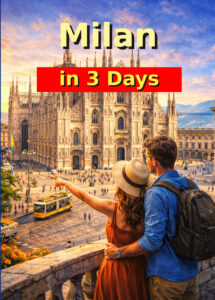
Milan is Italy’s dynamic financial and fashion capital, famous for its elegant architecture, world-class museums, historic churches, and vibrant cultural scene. Located in northern Italy in the region of Lombardy, Milan blends centuries of history with modern innovation. While cities such as Rome and Florence are known primarily for their ancient monuments, Milan offers visitors a fascinating mix of historic landmarks, modern design, and contemporary lifestyle.

The city has been an important center of trade, art, and culture since Roman times. During the Renaissance, Milan flourished under the rule of the powerful Sforza family, who transformed the city into one of Europe’s leading cultural centers. The famous artist Leonardo da Vinci worked in Milan during this period and created one of the world’s most celebrated masterpieces here: The Last Supper.

Today Milan is known globally as a center for fashion, design, and business. Visitors will discover magnificent cathedrals, historic castles, elegant shopping galleries, and lively neighborhoods filled with cafés and restaurants.

This Milan city guide presents a carefully planned 3-day itinerary that highlights the city’s most important landmarks while also allowing visitors to experience Milan’s stylish atmosphere and local culture.


Hero Section

Title: Milan City Guide – The Perfect 3-Day Itinerary

Destination: Milan, Italy
Recommended Stay: 2–3 days
Travel Style: City Trip
Guide Format: PDF / Print
Languages: EN / DE / FR / ES

Buttons:


What’s Inside This Guide

This travel guide includes a detailed itinerary for exploring Milan efficiently, combining historic landmarks with cultural attractions and modern districts.

Highlights:

  • Complete 3-day Milan itinerary
  • Walking routes through the historic center
  • Insider travel tips for museums and attractions
  • Restaurant recommendations for Italian cuisine
  • Hidden attractions and scenic viewpoints
  • Practical travel advice for first-time visitors

Milan is a large city, but many of its major attractions are located close together in the historic center, making it easy to explore on foot and by metro.


Suggested 3-Day Itinerary

Day 1 – Historic Highlights

Start your visit at the magnificent Duomo di Milano, the city’s most famous landmark and one of the largest Gothic cathedrals in the world. Construction of the cathedral began in the 14th century and continued for centuries, resulting in an extraordinary architectural masterpiece.

The cathedral’s façade is decorated with hundreds of statues and intricate marble carvings. Visitors can climb to the rooftop terraces where they can walk among the cathedral’s spires and enjoy spectacular views across Milan.

Next explore Piazza del Duomo, the lively square in front of the cathedral that serves as the heart of the city. The square is surrounded by historic buildings, cafés, and shops.

From the square walk into the elegant Galleria Vittorio Emanuele II, one of the world’s oldest and most beautiful shopping galleries. Built in the 19th century, the gallery features a stunning glass dome and mosaic floors.

Inside the gallery visitors will find luxury boutiques, cafés, and restaurants.

Continue your walk toward La Scala Opera House, one of the most famous opera houses in the world. Since opening in 1778, La Scala has hosted performances by many of the greatest musicians and singers in history.

In the afternoon visit Castello Sforzesco, a large Renaissance castle that once served as the residence of Milan’s ruling family. Today the castle houses several museums and art collections.

Behind the castle lies Parco Sempione, one of Milan’s largest parks and a pleasant place for a walk.

End your day with dinner in the city center where you can try traditional Milanese dishes such as risotto alla milanese or ossobuco.


Day 2 – Culture & Museums

Your second day focuses on Milan’s artistic and cultural heritage.

Start your morning at the Santa Maria delle Grazie church, home to Leonardo da Vinci’s famous mural The Last Supper. Painted in the late 15th century, this masterpiece is considered one of the greatest works of art in the world.

Because access is limited, tickets should be reserved well in advance.

Next visit the Pinacoteca di Brera, one of Italy’s most important art galleries. The museum contains works by renowned artists such as Raphael, Caravaggio, and Tintoretto.

After exploring the gallery, walk through the charming Brera district, known for its narrow streets, art galleries, and cafés. The area has long been associated with artists and intellectuals and still retains a creative atmosphere.

In the afternoon visit the impressive Basilica of Sant’Ambrogio, one of Milan’s oldest churches. The basilica dates back to the 4th century and is dedicated to the city’s patron saint.

Later explore the Navigli district, a lively neighborhood famous for its canals. The canals were originally designed with the help of Leonardo da Vinci to improve Milan’s transportation system.

Today Navigli is one of the city’s most vibrant areas filled with restaurants, bars, and art studios.


Day 3 – Neighborhoods & Local Life

Your final day focuses on experiencing Milan’s modern lifestyle and neighborhoods.

Start your morning at the stylish Porta Nuova district, Milan’s modern financial and business center. The area is known for its innovative architecture and skyscrapers.

One of the most famous buildings here is the Bosco Verticale, a pair of residential towers covered with thousands of trees and plants.

Next visit Corso Como, a lively street filled with boutiques, cafés, and restaurants.

In the afternoon explore the elegant Quadrilatero della Moda, Milan’s famous fashion district. Streets such as Via Montenapoleone and Via della Spiga are home to some of the world’s most famous luxury brands.

Later visit the Fondazione Prada, a contemporary art museum housed in a striking modern complex designed by architect Rem Koolhaas.

Finish your Milan trip with dinner in the Navigli district while enjoying Italian cuisine and wine.


Explore the City Map

Milan’s major attractions are concentrated in several central districts connected by metro and walking routes.

Suggested routes include:

Day 1 walking route

Duomo → Galleria Vittorio Emanuele II → La Scala → Castello Sforzesco → Parco Sempione

Day 2 museum district

Santa Maria delle Grazie → Brera Gallery → Sant’Ambrogio → Navigli

Day 3 neighborhood exploration

Porta Nuova → Corso Como → Fashion District → Fondazione Prada

The Milan metro system makes it easy to travel between neighborhoods.


Why Visit Milan

Milan offers a fascinating mix of culture, architecture, and modern lifestyle. Visitors can experience historic landmarks, stylish neighborhoods, and excellent Italian cuisine within a vibrant European metropolis.

Reasons to visit Milan include:

  • The magnificent Milan Cathedral
  • Leonardo da Vinci’s Last Supper
  • Elegant shopping galleries and fashion districts
  • Historic castles and churches
  • Vibrant restaurants and nightlife

Milan’s unique combination of history, design, and culture makes it one of Italy’s most exciting destinations.


Who This Guide Is For

Ideal for:

  • First-time visitors
  • Weekend travelers
  • Independent explorers
  • Travelers who enjoy walking itineraries
  • Visitors with limited time

Get the Complete Milan Guide

Download the full guide to access the complete itinerary, detailed maps and practical travel advice.

Buttons:

  • Buy PDF Guide
  • Buy Print Guide
  • Preview Sample Pages

More City Guides

You may also enjoy:

  • Paris City Guide
  • Barcelona City Guide
  • Vienna City Guide
  • Prague City Guide

Frequently Asked Questions

How many days do you need in Milan?
2–3 days is usually enough to see the main attractions.

What is the best time to visit Milan?
Spring and autumn usually offer pleasant weather and fewer crowds.

Is Milan walkable for tourists?
Yes. Many attractions are located close together in the historic center.
Madrid City Trip

Madrid City Guide – The Perfect 3-Day Itinerary

Destination: Madrid, Spain
Recommended Stay: 2–3 days
Travel Style: City Trip
Guide Format: PDF / Print
Languages: EN / DE / FR / ES

Madrid, the vibrant capital of Spain, is a city full of energy, culture, and historic charm. Located in the center of the Iberian Peninsula, Madrid combines elegant boulevards, world-class museums, royal palaces, lively plazas, and an outstanding food culture. The city is famous for its passionate nightlife, beautiful parks, and impressive art collections that attract visitors from around the world.

Although Madrid lacks the seaside location of Barcelona or Lisbon, it compensates with its dynamic atmosphere and cultural richness. The city is home to some of Europe’s greatest art museums, including the Prado Museum and the Reina Sofía Museum, which together form part of Madrid’s famous “Golden Triangle of Art.”

Visitors will also find historic neighborhoods filled with tapas bars, traditional markets, and grand squares where locals gather day and night. From royal palaces and historic churches to vibrant nightlife and world-class cuisine, Madrid offers an unforgettable travel experience.

This Madrid city guide presents a carefully planned 3-day itinerary that highlights the city’s most important attractions while also helping visitors discover authentic neighborhoods and local culture.


Hero Section

Title: Madrid City Guide – The Perfect 3-Day Itinerary

Destination: Madrid, Spain
Recommended Stay: 2–3 days
Travel Style: City Trip
Guide Format: PDF / Print
Languages: EN / DE / FR / ES

Buttons:


What’s Inside This Guide

This travel guide includes a detailed itinerary for exploring Madrid efficiently, combining historic landmarks with lively neighborhoods and local experiences.

Highlights:

  • Complete 3-day Madrid itinerary
  • Walking routes through historic districts
  • Insider travel tips for museums and restaurants
  • Restaurant recommendations for Spanish cuisine
  • Hidden attractions and scenic viewpoints
  • Practical travel advice for first-time visitors

Madrid’s historic center is compact and easy to explore on foot, while the city’s excellent metro system makes it simple to reach attractions further away.


Suggested 3-Day Itinerary

Day 1 – Historic Highlights

Start your Madrid adventure at the famous Puerta del Sol, the symbolic center of Spain. This lively square is home to the famous Kilometer Zero marker, from which Spain’s national roads are measured.

Nearby you will find the iconic Bear and Strawberry Tree statue, a symbol of Madrid.

From Puerta del Sol walk toward the magnificent Plaza Mayor, one of the most beautiful historic squares in Spain. Built during the 17th century, the square is surrounded by elegant buildings with arcades and balconies.

Today Plaza Mayor hosts cafés, restaurants, and seasonal markets, making it a lively place to experience Madrid’s atmosphere.

Next visit the impressive Royal Palace of Madrid, the official residence of the Spanish royal family. Although the royal family no longer lives here, the palace is still used for ceremonial events and is open to visitors.

With more than 3,000 rooms, the Royal Palace is one of the largest royal residences in Europe. Visitors can admire the lavish interiors, grand staircases, and historic artworks.

Nearby you can explore the Almudena Cathedral, a striking church located opposite the palace.

In the afternoon walk through the lively La Latina district, one of Madrid’s oldest neighborhoods. Narrow streets and historic buildings create a charming atmosphere filled with tapas bars and restaurants.

End your day with dinner in La Latina while enjoying traditional Spanish dishes such as tapas, jamón ibérico, and paella.


Day 2 – Culture & Museums

Your second day focuses on Madrid’s extraordinary art museums and cultural landmarks.

Start your morning at the famous Prado Museum, one of the greatest art museums in the world. The museum houses masterpieces by artists such as Velázquez, Goya, Titian, and Rubens.

One of the most famous works in the museum is Velázquez’s painting Las Meninas, widely considered one of the most important paintings in Western art.

Next walk along the elegant Paseo del Prado boulevard, a UNESCO World Heritage site known as part of the city’s “Landscape of Light.”

Continue toward the nearby Reina Sofía Museum, which focuses on modern art. The museum’s most famous work is Guernica by Pablo Picasso.

In the afternoon visit the beautiful Retiro Park, one of Madrid’s most popular green spaces. The park features tree-lined avenues, gardens, sculptures, and a large lake where visitors can rent rowing boats.

Inside the park you will also find the stunning Crystal Palace, an elegant glass pavilion used for art exhibitions.

Spend your evening exploring the lively Malasaña district, known for its alternative culture, independent shops, and vibrant nightlife.


Day 3 – Neighborhoods & Local Life

Your final day focuses on discovering Madrid’s authentic neighborhoods and local lifestyle.

Start your morning at the historic Mercado de San Miguel, one of the city’s most famous food markets. Here visitors can sample a wide variety of Spanish dishes including seafood, tapas, cheeses, and desserts.

Next visit the elegant Gran Vía, Madrid’s most famous shopping and entertainment street. The boulevard is lined with impressive early-20th-century buildings, theatres, and restaurants.

Continue to the stylish Chueca district, known for its lively atmosphere, boutiques, and cafés.

In the afternoon explore the historic Lavapiés district, a multicultural neighborhood filled with art galleries, international restaurants, and street art.

Later walk to the scenic Temple of Debod, an ancient Egyptian temple that was gifted to Spain and reconstructed in Madrid. The temple park offers one of the best sunset views in the city.

Finish your Madrid trip with dinner in the city center while enjoying Spanish wine and traditional cuisine.


Explore the City Map

Madrid’s main attractions are concentrated in several central districts connected by walking routes and the metro.

Suggested routes include:

Day 1 walking route

Puerta del Sol → Plaza Mayor → Royal Palace → Almudena Cathedral → La Latina

Day 2 museum district

Prado Museum → Reina Sofía Museum → Retiro Park → Crystal Palace

Day 3 neighborhood exploration

Mercado de San Miguel → Gran Vía → Chueca → Lavapiés → Temple of Debod

Madrid’s metro system makes it easy to travel between neighborhoods.


Why Visit Madrid

Madrid offers a fascinating mix of culture, architecture, and local lifestyle. Visitors can experience historic landmarks, lively neighborhoods, and excellent local food within a vibrant European capital.

Reasons to visit Madrid include:

  • World-class art museums
  • Historic royal palaces and squares
  • Lively nightlife and tapas culture
  • Beautiful parks and boulevards
  • Friendly atmosphere and vibrant local life

Madrid’s passion for food, art, and culture makes it one of Europe’s most exciting travel destinations.


Who This Guide Is For

Ideal for:

  • First-time visitors
  • Weekend travelers
  • Independent explorers
  • Travelers who enjoy walking itineraries
  • Visitors with limited time

Get the Complete Madrid Guide

Download the full guide to access the complete itinerary, detailed maps and practical travel advice.

Buttons:

  • Buy PDF Guide
  • Buy Print Guide
  • Preview Sample Pages

More City Guides

You may also enjoy:

  • Paris City Guide
  • Barcelona City Guide
  • Vienna City Guide
  • Prague City Guide

Frequently Asked Questions

How many days do you need in Madrid?
2–3 days is usually enough to see the main attractions.

What is the best time to visit Madrid?
Spring and autumn usually offer the best weather and fewer crowds.

Is Madrid walkable for tourists?
Yes. Many attractions are located within the historic center.

London City Trip

London City Guide – The Perfect 3-Day Itinerary

Destination: London, United Kingdom
Recommended Stay: 2–3 days
Travel Style: City Trip
Guide Format: PDF / Print
Languages: EN / DE / FR / ES

London is one of the world’s most exciting and historically rich cities. As the capital of the United Kingdom, it has played a central role in European and global history for centuries. Today London blends royal traditions, iconic landmarks, world-class museums, vibrant neighborhoods, and a multicultural food scene into one unforgettable destination.

Visitors can explore medieval castles, royal palaces, historic markets, and modern skyscrapers all within the same city. The River Thames flows through the center of London, connecting many of the city’s most famous landmarks such as Tower Bridge, the Houses of Parliament, and the London Eye.

Despite its size, London offers countless walkable districts filled with parks, museums, cafés, and historic streets. Each neighborhood has its own unique character, from elegant Westminster to trendy Shoreditch and charming Notting Hill.

This London city guide presents a carefully designed 3-day itinerary that highlights the city’s most important attractions while also helping visitors discover local culture, historic neighborhoods, and authentic experiences.


Hero Section

Title: London City Guide – The Perfect 3-Day Itinerary

Destination: London, United Kingdom
Recommended Stay: 2–3 days
Travel Style: City Trip
Guide Format: PDF / Print
Languages: EN / DE / FR / ES

Buttons:


What’s Inside This Guide

This travel guide includes a detailed itinerary for exploring London efficiently, connecting the city’s most famous landmarks with hidden neighborhoods and local experiences.

Highlights include:

  • Complete 3-day London itinerary
  • Walking routes through historic districts
  • Insider travel tips for visiting major attractions
  • Restaurant recommendations and traditional British food
  • Hidden attractions and scenic viewpoints
  • Practical travel advice for first-time visitors

Although London is a large city, many major attractions are concentrated along the River Thames and in central districts that can be easily reached by public transport.


Suggested 3-Day Itinerary

Day 1 – Historic Highlights

Start your London visit in the historic district of Westminster, home to many of the city’s most famous landmarks.

Begin at the magnificent Palace of Westminster, where the British Parliament meets. The building’s iconic clock tower, commonly known as Big Ben, is one of the most recognizable symbols of London.

Nearby stands Westminster Abbey, a Gothic church that has hosted royal coronations and weddings for centuries. The abbey is also the burial place of many famous British figures including scientists, poets, and monarchs.

From Westminster walk toward the River Thames and cross the Westminster Bridge for a view of the London Eye, one of the largest observation wheels in Europe.

Continue your walk through St. James’s Park, one of London’s most beautiful royal parks. The park offers lovely views of Buckingham Palace, the official residence of the British monarch.

If you arrive around midday you may be able to watch the famous Changing of the Guard ceremony at Buckingham Palace.

In the afternoon walk along The Mall, the ceremonial road that connects Buckingham Palace with Trafalgar Square.

Trafalgar Square is one of London’s most famous public spaces and is home to the National Gallery, which contains an outstanding collection of European paintings.

End your day with dinner in nearby Covent Garden, a lively area filled with restaurants, street performers, and historic buildings.


Day 2 – Culture & Museums

Your second day focuses on London’s world-class museums and cultural landmarks.

Start your morning at the British Museum, one of the most important museums in the world. The museum’s vast collection includes artifacts from ancient civilizations, including the Rosetta Stone and sculptures from the Parthenon in Greece.

Next explore the vibrant district of Soho, known for its theatres, cafés, and international restaurants.

Continue toward Piccadilly Circus, a famous intersection known for its bright advertising screens and lively atmosphere.

In the afternoon head to South Kensington, an area known for its outstanding museums.

Important museums here include:

  • Victoria and Albert Museum, dedicated to art and design
  • Natural History Museum, famous for its dinosaur skeletons and natural science exhibits
  • Science Museum, featuring interactive displays and technological history

Later relax in Hyde Park, one of London’s largest and most famous parks. Visitors can walk around the scenic Serpentine Lake or enjoy a picnic on the park’s lawns.

Spend the evening exploring the stylish Notting Hill district, famous for its colorful houses and charming streets.


Day 3 – Neighborhoods & Local Life

Your final day focuses on exploring London’s historic markets and creative neighborhoods.

Start your morning at the famous Tower of London, a medieval fortress located on the banks of the Thames. The tower once served as a royal palace, prison, and treasury.

Today visitors can explore the fortress and see the famous Crown Jewels.

Just outside the tower stands Tower Bridge, one of London’s most iconic landmarks.

Next head to the lively Borough Market, one of the best food markets in London. Here you can taste dishes from around the world while experiencing the city’s vibrant food culture.

In the afternoon visit the modern South Bank area along the River Thames. This lively cultural district features street performers, galleries, and scenic riverside walks.

Continue toward the creative Shoreditch district, known for its street art, independent shops, and trendy cafés.

Later explore the historic Camden Market, a large market famous for its alternative culture, music heritage, and street food.

End your London trip with dinner at a traditional pub where you can enjoy classic British dishes such as fish and chips, Sunday roast, or steak and ale pie.


Explore the City Map

London’s attractions are spread across several central districts but are well connected by the Underground and walking routes.

Suggested routes include:

Day 1 walking route

Westminster → Big Ben → Buckingham Palace → Trafalgar Square → Covent Garden

Day 2 museum district

British Museum → Soho → Piccadilly Circus → South Kensington → Hyde Park

Day 3 neighborhood exploration

Tower of London → Tower Bridge → Borough Market → South Bank → Camden Market

The London Underground makes it easy to move between districts quickly.


Why Visit London

London offers a fascinating mix of culture, architecture, and local lifestyle. Visitors can experience historic landmarks, lively neighborhoods, and excellent local food within a vibrant global city.

Reasons to visit London include:

  • Iconic historic landmarks and royal palaces
  • World-class museums and galleries
  • Beautiful parks and riverfront walks
  • Famous markets and multicultural food
  • Vibrant neighborhoods and nightlife

London’s combination of history and modern culture makes it one of the world’s most exciting travel destinations.


Who This Guide Is For

Ideal for:

  • First-time visitors
  • Weekend travelers
  • Independent explorers
  • Travelers who enjoy walking itineraries
  • Visitors with limited time

Get the Complete London Guide

Download the full guide to access the complete itinerary, detailed maps and practical travel advice.

Buttons:

  • Buy PDF Guide
  • Buy Print Guide
  • Preview Sample Pages

More City Guides

You may also enjoy:

  • Paris City Guide
  • Barcelona City Guide
  • Vienna City Guide
  • Prague City Guide

Frequently Asked Questions

How many days do you need in London?
2–3 days is enough to visit the main landmarks, though many travelers stay longer.

What is the best time to visit London?
Spring and early autumn usually offer pleasant weather and fewer crowds.

Is London walkable for tourists?
Many central areas are walkable, though public transport is useful for longer distances.

Ljubljana City Trip

Ljubljana City Guide – The Perfect 3-Day Itinerary

Destination: Ljubljana, Slovenia
Recommended Stay: 2–3 days
Travel Style: City Trip
Guide Format: PDF / Print
Languages: EN / DE / FR / ES

Ljubljana, the charming capital of Slovenia, is one of Europe’s most pleasant and underrated cities. Located along the banks of the Ljubljanica River, the city combines elegant architecture, vibrant café culture, green parks, and a relaxed atmosphere that makes it ideal for exploring on foot.

Although Ljubljana is relatively small compared with many European capitals, it offers an impressive mix of historic landmarks, creative culture, and lively public spaces. The city center is largely pedestrianized, allowing visitors to enjoy beautiful squares, riverside promenades, and historic streets without traffic.

The city’s architecture reflects a fascinating blend of medieval heritage, Baroque influences, and early modern design shaped by the famous Slovenian architect Jože Plečnik. His works, including bridges, markets, and public buildings, give Ljubljana its distinctive character.

Surrounded by mountains and located near several natural attractions, Ljubljana also serves as an excellent base for exploring Slovenia’s lakes, caves, and national parks.

This Ljubljana city guide presents a carefully planned 3-day itinerary that highlights the city’s most important attractions while also allowing time to explore its neighborhoods, cultural landmarks, and local lifestyle.


Hero Section

Title: Ljubljana City Guide – The Perfect 3-Day Itinerary

Destination: Ljubljana, Slovenia
Recommended Stay: 2–3 days
Travel Style: City Trip
Guide Format: PDF / Print
Languages: EN / DE / FR / ES

Buttons:


What’s Inside This Guide

This travel guide includes a detailed itinerary for exploring Ljubljana efficiently, combining historic landmarks with scenic riverside walks and authentic local experiences.

Highlights include:

  • Complete 3-day Ljubljana itinerary
  • Walking routes through the historic Old Town
  • Insider travel tips for restaurants and cafés
  • Scenic viewpoints and castle panoramas
  • Hidden attractions and cultural highlights
  • Practical travel advice for first-time visitors

Ljubljana is a compact and walkable city, making it easy to discover its main attractions in just a few days.


Suggested 3-Day Itinerary

Day 1 – Historic Highlights

Start your visit in Prešeren Square, the vibrant heart of Ljubljana. The square is named after Slovenia’s national poet France Prešeren and is surrounded by elegant historic buildings.

One of the most recognizable landmarks here is the Franciscan Church of the Annunciation, a striking pink Baroque church that dominates the square.

From Prešeren Square cross the famous Triple Bridge (Tromostovje), one of Ljubljana’s most iconic architectural features designed by Jože Plečnik. The bridge connects the modern part of the city with the historic Old Town.

Once across the river you will enter the charming Ljubljana Old Town, where narrow streets, colorful buildings, and historic landmarks create a picturesque atmosphere.

Important sites in this area include:

  • Town Hall, a Renaissance building located in the main square
  • Robba Fountain, a Baroque fountain representing three rivers of Slovenia

Next walk toward the impressive Ljubljana Cathedral, a beautiful Baroque church known for its ornate interior and impressive bronze doors.

In the afternoon climb or take the funicular to Ljubljana Castle, located on a hill overlooking the city. The castle dates back to the medieval period and offers panoramic views of the rooftops and surrounding mountains.

Inside the castle complex you will find museums, exhibitions, and viewing terraces.

End your first day with dinner at one of the riverside restaurants along the Ljubljanica River.


Day 2 – Culture & Museums

Your second day focuses on Ljubljana’s cultural attractions and creative atmosphere.

Start your morning at the lively Central Market, located near the river. The market complex designed by Jože Plečnik includes outdoor stalls, a covered market hall, and riverside arcades where locals buy fresh produce, cheese, and traditional Slovenian foods.

Next visit the National Gallery of Slovenia, which houses an impressive collection of Slovenian and European art.

Nearby you can also explore the Museum of Modern Art, featuring contemporary works from Slovenian artists.

In the afternoon walk through Tivoli Park, the largest green space in Ljubljana. The park features tree-lined paths, sculptures, and beautiful gardens.

Within the park you will find Tivoli Castle, which houses the International Centre of Graphic Arts.

Later explore the creative Metelkova district, a former military complex that has been transformed into an alternative cultural center filled with street art, music venues, and galleries.

Spend the evening enjoying dinner and drinks in the Old Town or along the riverfront.


Day 3 – Neighborhoods & Local Life

Your final day focuses on discovering Ljubljana’s neighborhoods and local lifestyle.

Start your morning with a walk along the Ljubljanica River promenade, one of the most pleasant areas in the city. Cafés, restaurants, and historic buildings line the riverbanks, creating a lively atmosphere.

Next visit the Dragon Bridge, one of Ljubljana’s most famous landmarks. The bridge features four large dragon statues, which have become symbols of the city.

From here continue toward the Špica Park, a scenic riverside area popular with locals for relaxing and enjoying views of the river.

In the afternoon explore the Trnovo district, a quiet neighborhood known for its traditional houses and charming streets.

Nearby you can visit the historic Church of St. John the Baptist, associated with Slovenia’s national poet France Prešeren.

Later return to the city center and visit one of Ljubljana’s many cafés or wine bars to experience the relaxed lifestyle of the Slovenian capital.

Finish your trip with dinner featuring traditional Slovenian cuisine such as:

  • Kranjska sausage
  • Potica (traditional nut roll)
  • Fresh regional wines

Explore the City Map

Ljubljana’s historic center is compact and easily walkable.

Suggested routes include:

Day 1 walking route

Prešeren Square → Triple Bridge → Old Town → Ljubljana Cathedral → Ljubljana Castle

Day 2 museum district

Central Market → National Gallery → Tivoli Park → Metelkova Cultural District

Day 3 neighborhood exploration

Dragon Bridge → Ljubljanica Promenade → Špica Park → Trnovo District

Public transportation and bicycle paths also make it easy to move around the city.


Why Visit Ljubljana

Ljubljana offers a fascinating mix of culture, architecture, and local lifestyle. Visitors can experience historic landmarks, lively neighborhoods, and excellent local food within a compact and walkable area.

Reasons to visit Ljubljana include:

  • Charming riverside Old Town
  • Beautiful architecture by Jože Plečnik
  • Scenic castle views and hilltop panoramas
  • Excellent cafés and relaxed atmosphere
  • Easy access to Slovenia’s natural attractions

Ljubljana’s friendly atmosphere and beautiful surroundings make it one of Europe’s most enjoyable small capitals.


Who This Guide Is For

Ideal for:

  • First-time visitors
  • Weekend travelers
  • Independent explorers
  • Travelers who enjoy walking itineraries
  • Visitors with limited time

Get the Complete Ljubljana Guide

Download the full guide to access the complete itinerary, detailed maps and practical travel advice.

Buttons:

  • Buy PDF Guide
  • Buy Print Guide
  • Preview Sample Pages

More City Guides

You may also enjoy:

  • Paris City Guide
  • Barcelona City Guide
  • Vienna City Guide
  • Prague City Guide

Frequently Asked Questions

How many days do you need in Ljubljana?
2–3 days is usually enough to see the main attractions.

What is the best time to visit Ljubljana?
Spring and autumn usually offer the best weather and fewer crowds.

Is Ljubljana walkable for tourists?
Yes. The historic center is compact and easy to explore on foot.

Lisbon City Trip

Lisbon City Guide – The Perfect 3-Day Itinerary

Destination: Lisbon, Portugal
Recommended Stay: 2–3 days
Travel Style: City Trip
Guide Format: PDF / Print
Languages: EN / DE / FR / ES

Lisbon, the capital of Portugal, is one of Europe’s most atmospheric cities. Built on seven hills overlooking the Tagus River, Lisbon combines historic neighborhoods, stunning viewpoints, colorful architecture, and a relaxed Mediterranean lifestyle. The city’s narrow streets, historic trams, and tiled buildings create a unique character that attracts visitors from around the world.

Lisbon has a long and fascinating history shaped by explorers, traders, and maritime power. During the Age of Discovery in the 15th and 16th centuries, Portuguese sailors left Lisbon’s harbor to explore Africa, Asia, and the Americas. This rich history is reflected in the city’s architecture, monuments, and museums.

Today Lisbon offers a vibrant cultural scene, excellent cuisine, lively neighborhoods, and scenic viewpoints called miradouros, where visitors can admire spectacular views across the city’s rooftops and the river.

This Lisbon city guide provides a carefully planned 3-day itinerary designed to help visitors experience the city’s historic landmarks while also discovering its charming districts and local lifestyle.


Hero Section

Title: Lisbon City Guide – The Perfect 3-Day Itinerary

Destination: Lisbon, Portugal
Recommended Stay: 2–3 days
Travel Style: City Trip
Guide Format: PDF / Print
Languages: EN / DE / FR / ES

Buttons:


What’s Inside This Guide

This travel guide includes a detailed itinerary for exploring Lisbon efficiently, combining historic landmarks with scenic viewpoints and authentic local experiences.

Highlights:

  • Complete 3-day Lisbon itinerary
  • Walking routes through historic neighborhoods
  • Insider travel tips for restaurants and cafés
  • Restaurant recommendations for Portuguese cuisine
  • Hidden attractions and scenic viewpoints
  • Practical travel advice for first-time visitors

Lisbon’s historic districts are compact but built on hills, which means exploring the city involves both walking and enjoying scenic viewpoints along the way.


Suggested 3-Day Itinerary

Day 1 – Historic Highlights

Start your Lisbon adventure in the historic Baixa district, the elegant downtown area rebuilt after the devastating earthquake of 1755. Baixa features wide boulevards, grand squares, and beautiful architecture.

Begin at Praça do Comércio, one of Lisbon’s most impressive squares. Located directly on the Tagus River, the square is surrounded by elegant yellow buildings and historic arcades.

From here walk through the famous Rua Augusta, a lively pedestrian street filled with shops, cafés, and street performers.

At the end of the street you will reach Rossio Square, another historic square that has been the center of Lisbon’s social life for centuries.

Nearby you can explore the historic Santa Justa Lift, a striking iron elevator built in the early 20th century that connects the Baixa district with the higher Chiado neighborhood.

In the afternoon explore the charming Alfama district, Lisbon’s oldest neighborhood. Alfama survived the 1755 earthquake and still features narrow streets, traditional houses, and small cafés.

Key landmarks here include:

  • Lisbon Cathedral (Sé de Lisboa)
  • São Jorge Castle, which offers spectacular views of the city

Spend the evening in Alfama where many restaurants offer traditional Portuguese music known as Fado.


Day 2 – Culture & Museums

Your second day focuses on Lisbon’s cultural attractions and maritime history.

Start in the historic Belém district, located along the river west of the city center. Belém played an important role during Portugal’s Age of Discovery.

The most famous monument here is the Belém Tower, a beautifully decorated fortress built in the 16th century to defend Lisbon’s harbor.

Nearby you will find the impressive Jerónimos Monastery, a UNESCO World Heritage Site and one of the finest examples of Manueline architecture in Portugal.

Another important attraction is the Monument to the Discoveries, which celebrates Portuguese explorers such as Vasco da Gama.

While in Belém, be sure to visit the famous Pastéis de Belém bakery, where you can taste the city’s famous custard pastries known as pastéis de nata.

In the afternoon visit the modern MAAT – Museum of Art, Architecture and Technology, located along the river.

Later return to the city center and explore the stylish Chiado district, known for its historic cafés, theaters, and boutiques.


Day 3 – Neighborhoods & Local Life

Your final day focuses on experiencing Lisbon’s lively neighborhoods and local culture.

Start your morning at the LX Factory, a creative district built inside former industrial warehouses. Today the area is filled with art studios, bookstores, cafés, and restaurants.

Next head to the scenic Miradouro da Senhora do Monte, one of Lisbon’s most beautiful viewpoints. From here you can enjoy breathtaking views of the city’s rooftops, castle, and river.

In the afternoon visit the lively Time Out Market, a large food hall where visitors can taste dishes from some of Lisbon’s best chefs.

Later explore the charming Bairro Alto district, known for its vibrant nightlife and historic streets.

During the day Bairro Alto offers scenic viewpoints and quiet streets, but at night it becomes one of Lisbon’s most energetic areas filled with bars and restaurants.

Finish your Lisbon trip with dinner overlooking the Tagus River while enjoying Portuguese seafood and local wine.


Explore the City Map

Lisbon’s attractions are spread across several historic districts connected by trams, metro, and walking routes.

Suggested routes include:

Day 1 walking route

Praça do Comércio → Rua Augusta → Rossio Square → Alfama → São Jorge Castle

Day 2 museum district

Belém Tower → Jerónimos Monastery → Monument to the Discoveries → MAAT → Chiado

Day 3 neighborhood exploration

LX Factory → Senhora do Monte Viewpoint → Time Out Market → Bairro Alto

Using Lisbon’s historic trams is also a popular way to travel between districts.


Why Visit Lisbon

Lisbon offers a fascinating mix of culture, architecture, and local lifestyle. Visitors can experience historic landmarks, lively neighborhoods, and excellent local food within a compact and walkable area.

Reasons to visit Lisbon include:

  • Beautiful historic districts and viewpoints
  • Rich maritime history and monuments
  • Famous Portuguese cuisine and pastries
  • Vibrant neighborhoods and nightlife
  • Stunning views of the Tagus River

Lisbon’s warm climate, welcoming atmosphere, and scenic landscapes make it one of Europe’s most appealing destinations.

[Insert 3 city photos]


Who This Guide Is For

Ideal for:

  • First-time visitors
  • Weekend travelers
  • Independent explorers
  • Travelers who enjoy walking itineraries
  • Visitors with limited time

Get the Complete Lisbon Guide

Download the full guide to access the complete itinerary, detailed maps and practical travel advice.

Buttons:

  • Buy PDF Guide
  • Buy Print Guide
  • Preview Sample Pages

More City Guides

You may also enjoy:

  • Paris City Guide
  • Barcelona City Guide
  • Vienna City Guide
  • Prague City Guide

Frequently Asked Questions

How many days do you need in Lisbon?
2–3 days is usually enough to see the main attractions.

What is the best time to visit Lisbon?
Spring and autumn usually offer the best weather and fewer crowds.

Is Lisbon walkable for tourists?
Yes. Most historic districts can be explored on foot, though some hills are steep.

Krakow City Trip

Kraków City Guide – The Perfect 3-Day Itinerary

Destination: Kraków, Poland
Recommended Stay: 2–3 days
Travel Style: City Trip
Guide Format: PDF / Print
Languages: EN / DE / FR / ES

Kraków is one of the most beautiful and historic cities in Central Europe. Located on the banks of the Vistula River in southern Poland, the city served as the royal capital of Poland for centuries and remains a cultural and architectural treasure. Unlike many European cities that were heavily damaged during World War II, Kraków’s historic center survived largely intact, preserving its medieval streets, Renaissance buildings, and magnificent churches.

Today Kraków attracts visitors from around the world with its impressive castles, vibrant squares, historic neighborhoods, and lively cultural scene. The city’s Old Town is a UNESCO World Heritage Site and is considered one of the finest medieval urban centers in Europe.

Visitors will find a city filled with history, but also modern cafés, restaurants, and creative districts. From the grand Main Market Square to the historic Wawel Castle, Kraków offers a fascinating combination of royal heritage, architectural beauty, and vibrant urban life.

This Kraków city guide presents a carefully planned 3-day itinerary that highlights the city’s most important landmarks while also allowing visitors to explore local neighborhoods, historic districts, and authentic Polish culture.


Hero Section

Title: Kraków City Guide – The Perfect 3-Day Itinerary

Destination: Kraków, Poland
Recommended Stay: 2–3 days
Travel Style: City Trip
Guide Format: PDF / Print
Languages: EN / DE / FR / ES

Buttons:


What’s Inside This Guide

This travel guide includes a detailed itinerary for exploring Kraków efficiently, combining the city’s most important historic landmarks with scenic walks and local cultural experiences.

Highlights include:

  • Complete 3-day Kraków itinerary
  • Walking routes through the Old Town and historic districts
  • Insider travel tips for visiting castles and museums
  • Restaurant recommendations for traditional Polish cuisine
  • Hidden attractions and scenic viewpoints
  • Practical travel advice for first-time visitors

Kraków’s historic center is compact and walkable, making it perfect for exploring on foot. Many of the city’s most famous landmarks are located within a short distance of each other.


Suggested 3-Day Itinerary

Day 1 – Historic Highlights

Begin your exploration at Rynek Główny, the Main Market Square of Kraków and one of the largest medieval squares in Europe. The square has been the heart of the city since the 13th century and is surrounded by beautiful historic buildings, cafés, and churches.

The most striking landmark here is the St. Mary’s Basilica, a magnificent Gothic church famous for its twin towers and the hourly trumpet call known as the Hejnał. Inside the basilica you will find the spectacular wooden altarpiece created by sculptor Veit Stoss.

In the center of the square stands the historic Cloth Hall (Sukiennice), a Renaissance market building that once served as a major trading center. Today the building houses shops selling Polish crafts, souvenirs, and artwork.

Nearby you can also visit the Town Hall Tower, one of the few remaining parts of the original medieval town hall.

After exploring the square, walk along the historic Royal Route, which leads south toward Wawel Hill. This historic route was once used by Polish kings during coronation ceremonies.

At the end of the route you will reach the magnificent Wawel Castle, one of Poland’s most important historic landmarks. The castle complex includes royal chambers, museums, and the impressive Wawel Cathedral, where many Polish kings were crowned and buried.

Spend the evening enjoying dinner in the Old Town where you can try traditional Polish dishes such as pierogi, bigos, or żurek soup.


Day 2 – Culture & Museums

Your second day focuses on Kraków’s cultural landmarks and historic districts.

Start the morning in the historic Kazimierz district, which for centuries served as the center of Jewish life in Kraków. Today Kazimierz is one of the most vibrant neighborhoods in the city, filled with cafés, art galleries, and historic synagogues.

Important landmarks in Kazimierz include:

  • Old Synagogue, one of the oldest surviving synagogues in Europe
  • Remuh Synagogue and Cemetery, an important Jewish historical site

Next visit the fascinating Schindler Museum, located in the former factory of Oskar Schindler. The museum presents powerful exhibitions about Kraków during World War II and the Nazi occupation.

In the afternoon head to the scenic Planty Park, a green belt that surrounds the Old Town where the medieval city walls once stood. Walking through the park offers a relaxing way to explore different parts of the historic center.

Later visit the impressive Jagiellonian University, one of the oldest universities in Europe. The university’s historic buildings include the Collegium Maius, a beautiful medieval courtyard.

Spend the evening in Kazimierz, where many restaurants offer modern interpretations of traditional Polish cuisine.


Day 3 – Neighborhoods & Local Life

Your final day focuses on exploring Kraków beyond the main tourist areas.

Start your morning at the lively Stary Kleparz Market, one of the oldest markets in Kraków. Here locals buy fresh fruits, vegetables, cheeses, and regional products.

Next visit the fascinating Wieliczka Salt Mine, located just outside the city. This UNESCO World Heritage Site is one of Poland’s most famous attractions and features underground chambers, tunnels, and even a cathedral carved entirely from salt.

Back in Kraków, take a relaxing walk along the Vistula River, where scenic paths offer views of Wawel Castle and the city skyline.

In the afternoon explore the modern Podgórze district, a neighborhood with historic buildings, parks, and cultural landmarks.

Finish your trip with dinner in the Old Town or Kazimierz district while enjoying Polish cuisine and local beer.


Explore the City Map

Kraków’s historic center is compact and easy to explore on foot.

Suggested routes include:

Day 1 walking route

Main Market Square → St. Mary’s Basilica → Cloth Hall → Royal Route → Wawel Castle

Day 2 museum district

Kazimierz → Old Synagogue → Schindler Museum → Planty Park → Jagiellonian University

Day 3 neighborhood exploration

Stary Kleparz Market → Wieliczka Salt Mine → Vistula River Walk → Podgórze

Public transportation makes it easy to reach attractions outside the city center.


Why Visit Kraków

Kraków offers a fascinating mix of history, architecture, and local culture. The city’s beautifully preserved Old Town, historic castle, and lively neighborhoods make it one of Europe’s most rewarding destinations.

Visitors can experience royal history, medieval architecture, and modern cultural life within a compact and walkable city.

Reasons to visit Kraków include:

  • Beautiful medieval Old Town
  • Historic Wawel Castle and Cathedral
  • Fascinating Jewish heritage in Kazimierz
  • Excellent Polish cuisine and cafés
  • Vibrant cultural and artistic scene

Who This Guide Is For

Ideal for:

  • First-time visitors
  • Weekend travelers
  • Independent explorers
  • Travelers who enjoy walking itineraries
  • Visitors with limited time

Get the Complete Kraków Guide

Download the full guide to access the complete itinerary, detailed maps and practical travel advice.

Buttons:

  • Buy PDF Guide
  • Buy Print Guide
  • Preview Sample Pages

More City Guides

You may also enjoy:

  • Paris City Guide
  • Barcelona City Guide
  • Vienna City Guide
  • Prague City Guide

Frequently Asked Questions

How many days do you need in Kraków?
2–3 days is usually enough to see the main attractions.

What is the best time to visit Kraków?
Spring and autumn usually offer the best weather and fewer crowds.

Is Kraków walkable for tourists?
Yes. The historic center is compact and easy to explore on foot.

Helsinki City Trip

Helsinki City Guide – The Perfect 3-Day Itinerary

Destination: Helsinki, Finland
Recommended Stay: 2–3 days
Travel Style: City Trip
Guide Format: PDF / Print
Languages: EN / DE / FR / ES

Helsinki, the capital of Finland, is a modern Nordic city known for its elegant architecture, seaside location, vibrant design culture, and relaxed atmosphere. Located on the shores of the Baltic Sea, Helsinki spreads across a beautiful archipelago of islands connected by bridges, ferries, and coastal promenades.

Despite being a capital city, Helsinki feels calm and spacious. Parks, waterfront views, and clean urban design give the city a pleasant and welcoming atmosphere. Visitors will discover historic landmarks, fascinating museums, creative neighborhoods, and some of the best examples of modern Scandinavian design.

Helsinki also offers a unique blend of Eastern and Western influences. Throughout its history the city has been shaped by Swedish and Russian rule, which is reflected in its architecture and culture. Today Helsinki is a thriving cultural center where tradition and innovation coexist.

This Helsinki city guide presents a carefully designed 3-day itinerary that highlights the city’s most important landmarks while also introducing visitors to local neighborhoods, waterfront scenery, and Finnish lifestyle.


Hero Section

Title: Helsinki City Guide – The Perfect 3-Day Itinerary

Destination: Helsinki, Finland
Recommended Stay: 2–3 days
Travel Style: City Trip
Guide Format: PDF / Print
Languages: EN / DE / FR / ES

Buttons:


What’s Inside This Guide

This travel guide includes a detailed itinerary for exploring Helsinki efficiently, combining the city’s most important attractions with scenic waterfront walks and authentic local experiences.

Highlights include:

  • A complete 3-day Helsinki itinerary
  • Walking routes through the historic city center
  • Insider tips for restaurants and cafés
  • Scenic harbor views and island excursions
  • Cultural landmarks and museums
  • Practical travel advice for first-time visitors

Helsinki is compact and easy to explore on foot, and the excellent public transportation system makes it simple to reach nearby islands and neighborhoods.


Suggested 3-Day Itinerary

Day 1 – Historic Highlights

Start your first day in Senate Square, the historic heart of Helsinki. The square is surrounded by elegant neoclassical buildings designed by architect Carl Ludvig Engel during the 19th century.

The most impressive landmark here is Helsinki Cathedral, a magnificent white church that dominates the skyline. The cathedral’s green dome and grand staircase make it one of the most recognizable symbols of the city.

From the cathedral steps you can enjoy views across Senate Square and the surrounding historic buildings.

Next walk toward the nearby Market Square (Kauppatori), located on the waterfront. This lively market is one of the best places to experience local culture. Visitors can browse stalls selling Finnish crafts, fresh seafood, berries, and souvenirs.

Nearby you will find the Old Market Hall, an indoor market offering traditional Finnish foods such as salmon soup, pastries, and local cheeses.

In the afternoon visit the Uspenski Cathedral, a striking red-brick Orthodox cathedral located on a hill overlooking the harbor. Built during the period when Finland was part of the Russian Empire, the cathedral reflects the city’s unique cultural history.

Continue your walk through the Esplanadi Park, a beautiful green promenade lined with cafés, restaurants, and boutique shops.

End your first day with dinner in the city center, where you can try traditional Finnish dishes such as salmon, reindeer meat, or local fish.


Day 2 – Culture & Museums

Your second day focuses on Helsinki’s vibrant cultural scene and modern architecture.

Start your morning at the Design District Helsinki, an area filled with design shops, galleries, studios, and creative spaces. Finland is internationally known for its design culture, and this district showcases the best of contemporary Nordic design.

Next visit the Ateneum Art Museum, which houses the most important collection of Finnish art. The museum features works from the 19th century to modern times and provides insight into Finland’s artistic traditions.

In the afternoon explore the spectacular Temppeliaukio Church, also known as the Rock Church. This unique church is carved directly into solid rock and features a copper dome that creates beautiful acoustics.

Another impressive modern landmark is the Oodi Central Library, one of the most innovative public buildings in Europe. The library combines architecture, technology, and community spaces in a unique way.

Later visit the National Museum of Finland, which tells the story of Finnish history from prehistoric times to the present.

Spend the evening in the lively Kallio district, known for its independent cafés, restaurants, and nightlife.


Day 3 – Neighborhoods & Local Life

Your final day focuses on exploring Helsinki’s islands and experiencing everyday life in the city.

Start your morning with a ferry ride to Suomenlinna Fortress, a UNESCO World Heritage Site located on a group of small islands just off the coast. Built in the 18th century, the fortress once protected the city and today offers scenic walking paths, historic buildings, and beautiful sea views.

Visitors can explore museums, tunnels, and coastal fortifications while enjoying the peaceful island atmosphere.

After returning to the city center, visit the Hakaniemi Market Hall, a popular place for locals to buy fresh produce, fish, and traditional foods.

In the afternoon explore the stylish Punavuori district, known for its art galleries, design boutiques, and trendy cafés.

Later take a relaxing walk along the Helsinki waterfront, where walking paths offer beautiful views of the Baltic Sea and nearby islands.

Finish your Helsinki trip with dinner in a traditional Finnish restaurant or a modern Nordic bistro.


Explore the City Map

Helsinki’s main attractions are concentrated in the city center and along the waterfront.

Suggested routes include:

Day 1 walking route

Senate Square → Helsinki Cathedral → Market Square → Uspenski Cathedral → Esplanadi Park

Day 2 museum district

Design District → Ateneum Museum → Temppeliaukio Church → Oodi Library → National Museum

Day 3 neighborhood exploration

Suomenlinna Fortress → Hakaniemi Market → Punavuori → Helsinki Waterfront

Public transportation and ferries make it easy to reach different areas of the city.


Why Visit Helsinki

Helsinki offers a unique combination of culture, nature, and modern design. The city’s relaxed atmosphere and beautiful coastal setting make it one of the most pleasant capitals in Northern Europe.

Visitors can enjoy historic architecture, innovative design, scenic islands, and excellent cuisine within a compact and easy-to-explore city.

Reasons to visit Helsinki include:

  • Beautiful seaside location
  • Unique Nordic architecture and design
  • Historic landmarks and museums
  • Scenic islands and parks
  • Relaxed and friendly atmosphere

Who This Guide Is For

Ideal for:

  • First-time visitors
  • Weekend travelers
  • Independent explorers
  • Travelers who enjoy walking itineraries
  • Visitors with limited time

Get the Complete Helsinki Guide

Download the full guide to access the complete itinerary, detailed maps, and practical travel advice.

Buttons:

  • Buy PDF Guide
  • Buy Print Guide
  • Preview Sample Pages

More City Guides

You may also enjoy:

  • Paris City Guide
  • Barcelona City Guide
  • Vienna City Guide
  • Prague City Guide

Frequently Asked Questions

How many days do you need in Helsinki?
2–3 days is usually enough to see the main attractions.

What is the best time to visit Helsinki?
Spring and summer offer the best weather and long daylight hours.

Is Helsinki walkable for tourists?
Yes. The historic center and many attractions are easy to explore on foot.

Hamburg City Trip

Hamburg City Guide – The Perfect 3-Day Itinerary

Destination: Hamburg, Germany
Recommended Stay: 2–3 days
Travel Style: City Trip
Guide Format: PDF / Print
Languages: EN / DE / FR / ES

Hamburg, Germany’s second-largest city, is one of Europe’s most vibrant maritime capitals. Located on the Elbe River and connected to the North Sea, Hamburg has been a major port and trading center for centuries. The city combines impressive historic architecture, modern waterfront districts, lively neighborhoods, and a rich cultural scene.

Often called the “Gateway to the World,” Hamburg is famous for its large harbor, historic warehouses, canals, and elegant boulevards. Visitors can explore UNESCO-listed districts, enjoy world-class museums, stroll along scenic lakes, and experience the city’s famous nightlife.

Despite being a large metropolis, Hamburg has a relaxed atmosphere and many green spaces, making it an enjoyable city to explore. From historic churches and maritime museums to modern architecture and vibrant markets, Hamburg offers a diverse and exciting travel experience.

This Hamburg city guide presents a carefully planned 3-day itinerary designed to help travelers discover the city’s most important landmarks while also experiencing local neighborhoods and everyday life.

Buttons:


What’s Inside This Guide

This travel guide helps visitors explore Hamburg efficiently, combining historic landmarks with modern attractions and local experiences.

Highlights include:

  • A complete 3-day Hamburg itinerary
  • Walking routes through the historic harbor district
  • Insider tips for restaurants, cafés, and local food
  • Scenic waterfront walks and viewpoints
  • Hidden neighborhoods and cultural highlights
  • Practical travel advice for first-time visitors

Hamburg is a city shaped by water. Rivers, canals, and lakes create beautiful landscapes and make the city ideal for scenic walks and boat tours.


Suggested 3-Day Itinerary

Day 1 – Historic Highlights

Begin your exploration at the impressive Hamburg Rathaus (City Hall), one of the city’s most important landmarks. The neo-Renaissance building stands proudly on Rathausmarkt and serves as the seat of Hamburg’s government.

The Rathaus is richly decorated and contains more than 600 rooms. Guided tours allow visitors to explore its grand halls and learn about the city’s history.

From Rathausmarkt walk toward St. Michael’s Church, one of Hamburg’s most famous churches. Locally known as “Michel,” the church features a beautiful Baroque interior and a tall tower offering panoramic views across the city and harbor.

Next explore the historic Deichstraße, one of the oldest streets in Hamburg. The traditional merchant houses here survived the Great Fire of 1842 and provide a glimpse of Hamburg’s historic architecture.

Continue to the Speicherstadt, the world’s largest warehouse district and a UNESCO World Heritage Site. The red-brick warehouses, canals, and bridges create one of Hamburg’s most photogenic areas.

Here you can visit attractions such as:

  • Miniatur Wunderland, the world’s largest model railway exhibition
  • International Maritime Museum, showcasing Hamburg’s seafaring history

In the evening enjoy dinner in the nearby HafenCity district, where modern architecture meets the historic harbor.


Day 2 – Culture & Museums

Your second day focuses on Hamburg’s cultural attractions and museums.

Start your morning at the spectacular Elbphilharmonie, Hamburg’s famous concert hall located on the waterfront. The building combines a historic warehouse base with a modern glass structure and has become a symbol of the city.

Visitors can access the Plaza observation deck, which offers panoramic views of the harbor and city skyline.

Next explore the modern HafenCity district, one of Europe’s largest urban development projects. The area features striking architecture, waterfront promenades, and new cultural attractions.

Continue toward the historic St. Pauli district, one of Hamburg’s most famous neighborhoods. The district is known for its vibrant atmosphere, street art, and nightlife.

During the day you can explore:

  • Reeperbahn, Hamburg’s famous entertainment street
  • St. Pauli Landungsbrücken, the harbor piers with scenic river views

In the afternoon visit the Hamburg Museum, which presents the city’s history from medieval times to the present.

Later take a relaxing harbor boat tour, one of the best ways to experience Hamburg’s maritime character. The tour passes container terminals, historic warehouses, and impressive ships.


Day 3 – Neighborhoods & Local Life

Your final day focuses on exploring Hamburg’s charming neighborhoods and local culture.

Start your morning at the Alster Lakes, two beautiful lakes located in the heart of the city. The lakes are surrounded by parks, walking paths, and elegant buildings.

A walk around the Binnenalster or Außenalster offers scenic views and a relaxing start to the day.

Next visit the lively Schanzenviertel district, a creative neighborhood known for its cafés, vintage shops, and street art. The area has become one of Hamburg’s most interesting cultural districts.

Nearby you can explore the Isemarkt, one of Europe’s longest outdoor markets, where locals buy fresh food and regional products.

In the afternoon explore the elegant Blankenese district, located along the Elbe River. The neighborhood features charming hillside houses, narrow stairways, and beautiful views of the river.

Visitors can enjoy a peaceful walk along the Elbe beach or relax at one of the riverside cafés.

End your Hamburg trip with dinner at a traditional restaurant where you can try local specialties such as:

  • Fischbrötchen (fish sandwich)
  • Fresh North Sea seafood
  • German beer or regional wines

Explore the City Map

Hamburg is a large city but its main attractions are well connected by public transportation.

Suggested routes include:

Day 1 Route

Rathaus → St. Michael’s Church → Deichstraße → Speicherstadt → HafenCity

Day 2 Route

Elbphilharmonie → HafenCity → St. Pauli → Landungsbrücken → Harbor Tour

Day 3 Route

Alster Lakes → Schanzenviertel → Isemarkt → Blankenese → Elbe River Walk

Using a city map or navigation app can help visitors discover additional viewpoints, cafés, and historic streets.


Why Visit Hamburg

Hamburg is one of Germany’s most exciting cities and offers a unique combination of maritime heritage and modern urban culture.

Reasons to visit Hamburg include:

  • Historic harbor and waterfront districts
  • UNESCO-listed Speicherstadt warehouses
  • World-class museums and cultural venues
  • Beautiful lakes, canals, and parks
  • Vibrant nightlife and restaurants

The city’s maritime atmosphere and relaxed lifestyle make it one of the most attractive destinations in northern Europe.


Who This Guide Is For

This guide is ideal for:

  • First-time visitors to Hamburg
  • Travelers planning a 2–3 day city trip
  • Culture lovers interested in maritime history
  • Visitors who enjoy waterfront walks and city views
  • Travelers looking for a structured itinerary

Get the Complete Hamburg Guide

Download the full guide to access:

  • detailed walking itineraries
  • attraction descriptions
  • restaurant recommendations
  • travel tips and practical advice

Buttons:

  • Buy PDF Guide
  • Buy Print Guide
  • Preview Sample Pages

More City Guides

You may also enjoy:

  • Paris City Guide
  • Barcelona City Guide
  • Vienna City Guide
  • Prague City Guide

Frequently Asked Questions

How many days do you need in Hamburg?
Two to three days is usually enough to explore the main attractions and neighborhoods.

What is the best time to visit Hamburg?
Late spring and summer offer the best weather for exploring the harbor and waterfront.

Is Hamburg walkable for tourists?
Many central attractions are walkable, though public transportation is useful for longer distances.

Florence City Trip

Florence City Guide – The Perfect 3-Day Itinerary

Destination: Florence, Italy
Recommended Stay: 2–3 days
Travel Style: City Trip
Guide Format: PDF / Print
Languages: EN / DE / FR / ES

Florence, the capital of Italy’s Tuscany region, is one of the most beautiful and historically important cities in Europe. Known as the birthplace of the Renaissance, Florence played a central role in shaping European art, architecture, and culture. The city is filled with magnificent churches, grand palaces, world-famous museums, and charming streets lined with cafés and boutiques.

Walking through Florence feels like stepping into a living museum. Masterpieces by artists such as Michelangelo, Leonardo da Vinci, and Botticelli can be found throughout the city. At the same time, Florence remains a vibrant modern city where visitors can enjoy Tuscan cuisine, lively markets, and scenic views along the Arno River.

This Florence city guide offers a carefully planned 3-day itinerary designed to help travelers experience the most important landmarks while also discovering hidden streets, local neighborhoods, and authentic Florentine culture.

Buttons:


What’s Inside This Guide

This travel guide helps visitors explore Florence efficiently, connecting historic landmarks with authentic local experiences.

Highlights include:

  • A complete 3-day Florence itinerary
  • Walking routes through the historic center
  • Insider tips for visiting Florence’s famous museums
  • Restaurant and café recommendations
  • Scenic viewpoints overlooking the city
  • Practical travel advice for first-time visitors

Florence is compact and easily walkable, making it perfect for exploring on foot. Most of the city’s main attractions are located within a small historic center that can be explored in just a few days.


Suggested 3-Day Itinerary

Day 1 – Historic Highlights

Start your exploration of Florence at the magnificent Cathedral of Santa Maria del Fiore, commonly known as the Florence Cathedral or Duomo. This enormous Gothic cathedral dominates the city skyline and is famous for its massive red dome designed by architect Filippo Brunelleschi.

Visitors can admire the cathedral’s stunning marble façade and climb to the top of the dome for spectacular views of Florence.

Next to the cathedral you will find several important landmarks including:

  • Giotto’s Campanile, the cathedral’s elegant bell tower
  • Florence Baptistery, known for its famous bronze doors called the “Gates of Paradise”

After visiting the cathedral complex, walk toward Piazza della Signoria, one of the most famous squares in Florence. The square has served as the political center of the city for centuries.

Here you will find:

  • Palazzo Vecchio, the historic town hall of Florence
  • A collection of impressive sculptures including a replica of Michelangelo’s David

Nearby you can explore the famous Uffizi Gallery, one of the most important art museums in the world. The museum houses masterpieces by Botticelli, Leonardo da Vinci, Raphael, and many other Renaissance artists.

In the afternoon stroll across the historic Ponte Vecchio, Florence’s oldest bridge. The bridge is lined with jewelry shops and offers beautiful views of the Arno River.

Finish your day with dinner in the historic center where you can enjoy traditional Tuscan dishes such as bistecca alla fiorentina or fresh pasta.


Day 2 – Culture & Museums

Your second day focuses on Florence’s remarkable art and cultural heritage.

Start at the Accademia Gallery, home to Michelangelo’s world-famous sculpture David. The statue is considered one of the greatest masterpieces of Renaissance art.

The museum also contains several unfinished sculptures by Michelangelo that reveal the artist’s creative process.

Next visit the impressive Basilica of Santa Croce, one of Florence’s most important churches. The basilica contains the tombs of famous Italians including Michelangelo, Galileo, and Machiavelli.

In the afternoon head toward the Palazzo Pitti, a large Renaissance palace located on the south side of the Arno River. The palace houses several museums and galleries, including the Palatine Gallery, which contains works by Raphael and other Renaissance artists.

Behind the palace you will find the beautiful Boboli Gardens, one of the finest examples of Italian Renaissance garden design. The gardens feature sculptures, fountains, and scenic terraces overlooking Florence.

Spend the evening exploring the lively Oltrarno district, known for its artisan workshops, small restaurants, and local atmosphere.


Day 3 – Neighborhoods & Local Life

Your final day focuses on discovering Florence beyond its main landmarks.

Start your morning at Piazzale Michelangelo, one of the best viewpoints in the city. From this terrace you can enjoy breathtaking panoramic views of Florence’s skyline, including the cathedral dome and historic rooftops.

Nearby you can visit the San Miniato al Monte church, a beautiful Romanesque church located above the city.

Next explore the lively San Lorenzo Market, one of the best places to experience local Florentine culture. The market offers fresh food, traditional products, leather goods, and souvenirs.

In the afternoon visit the charming Santa Maria Novella district, where you can explore historic churches, small boutiques, and quiet streets.

Later take a relaxing walk along the Arno River, enjoying views of the city’s historic bridges and architecture.

End your Florence trip with dinner at a traditional trattoria where you can taste Tuscan specialties such as ribollita soup, pappardelle pasta, and local wines from the Tuscan countryside.


Explore the City Map

Florence’s historic center is compact and easily walkable.

Suggested routes include:

Day 1 Route

Florence Cathedral → Piazza della Signoria → Uffizi Gallery → Ponte Vecchio

Day 2 Route

Accademia Gallery → Santa Croce → Palazzo Pitti → Boboli Gardens → Oltrarno

Day 3 Route

Piazzale Michelangelo → San Miniato al Monte → San Lorenzo Market → Arno River Walk

Using a city map or navigation app can help you discover additional hidden streets, cafés, and viewpoints.


Why Visit Florence

Florence is one of the most culturally rich cities in the world and offers visitors an extraordinary combination of history, art, and architecture.

Reasons to visit Florence include:

  • Renaissance masterpieces and world-class museums
  • Historic churches and palaces
  • Beautiful squares and scenic viewpoints
  • Authentic Tuscan cuisine and wine
  • Charming streets and artisan workshops

Florence’s artistic heritage and romantic atmosphere make it one of the most unforgettable destinations in Italy.


Who This Guide Is For

This guide is ideal for:

  • First-time visitors to Florence
  • Travelers planning a 2–3 day city trip
  • Art and history lovers
  • Visitors interested in Renaissance culture
  • Travelers looking for a structured itinerary

Get the Complete Florence Guide

Download the full guide to access:

  • detailed walking itineraries
  • attraction descriptions
  • restaurant recommendations
  • travel tips and practical advice

Buttons:

  • Buy PDF Guide
  • Buy Print Guide
  • Preview Sample Pages

More City Guides

You may also enjoy:

  • Paris City Guide
  • Barcelona City Guide
  • Vienna City Guide
  • Prague City Guide

Frequently Asked Questions

How many days do you need in Florence?
Two to three days is usually enough to see the main landmarks and explore the historic center.

What is the best time to visit Florence?
Spring and autumn offer pleasant weather and fewer crowds.

Is Florence walkable for tourists?
Yes. The historic center is compact and most attractions are within walking distance.

Dubrovnik City Trip

Dubrovnik City Guide – The Perfect 3-Day Itinerary

Destination: Dubrovnik, Croatia
Recommended Stay: 2–3 days
Travel Style: City Trip
Guide Format: PDF / Print
Languages: EN / DE / FR / ES

Dubrovnik, located on Croatia’s spectacular Adriatic coast, is one of the most beautiful historic cities in Europe. Often called the “Pearl of the Adriatic,” the city is famous for its well-preserved medieval walls, elegant stone streets, historic churches, and breathtaking views of the turquoise sea.

The city’s Old Town, surrounded by massive defensive walls, has been a UNESCO World Heritage Site since 1979. Over the centuries Dubrovnik developed as an independent maritime republic and became one of the most prosperous trading centers in the Mediterranean.

Today visitors come to Dubrovnik to explore its historic architecture, relax by the sea, enjoy Croatian cuisine, and experience the atmosphere of one of the Mediterranean’s most picturesque destinations. Dubrovnik also gained worldwide fame as a filming location for the television series Game of Thrones, which used many locations in the Old Town.

This Dubrovnik city guide presents a carefully planned 3-day itinerary that helps visitors discover the city’s most important landmarks while also enjoying its coastal beauty and local culture.

Buttons:


What’s Inside This Guide

This travel guide helps visitors explore Dubrovnik efficiently, combining historic landmarks with scenic viewpoints and local experiences.

Highlights include:

  • A complete 3-day Dubrovnik itinerary
  • Walking routes through the historic Old Town
  • Insider tips for exploring the city walls and viewpoints
  • Restaurant and café recommendations
  • Beautiful beaches and coastal walks
  • Practical travel advice for first-time visitors

Dubrovnik’s historic center is compact and easy to explore on foot, making it ideal for a short city trip.


Suggested 3-Day Itinerary

Day 1 – Historic Highlights

Begin your exploration at Pile Gate, the main entrance to Dubrovnik’s Old Town. As you pass through the gate, you step directly into one of Europe’s most impressive medieval city centers.

Your first stop should be Stradun, the main street of Dubrovnik. This beautiful limestone-paved avenue runs through the heart of the Old Town and connects many of the city’s most important landmarks.

As you walk along Stradun, you will pass several historic buildings including:

  • Onofrio’s Fountain, built in the 15th century to provide water to the city
  • Franciscan Monastery, home to one of the oldest pharmacies in Europe

Continue toward Luza Square, the central square of Dubrovnik. Here you will find important landmarks such as:

  • Sponza Palace, a beautiful Gothic-Renaissance building
  • Orlando’s Column, a historic symbol of the city’s independence
  • Church of St. Blaise, dedicated to Dubrovnik’s patron saint

Nearby you can visit the Dubrovnik Cathedral, an elegant Baroque church with impressive artwork and relics.

In the afternoon walk along the famous City Walls, one of Dubrovnik’s most spectacular attractions. The walls stretch for nearly two kilometers around the Old Town and offer incredible views of the city’s rooftops, the Adriatic Sea, and nearby islands.

Finish your day with dinner at a restaurant in the Old Town where you can enjoy fresh seafood and local Croatian dishes.


Day 2 – Culture & Museums

Your second day focuses on Dubrovnik’s cultural attractions and historical heritage.

Start at the Rector’s Palace, a historic building that once served as the seat of government for the Republic of Dubrovnik. Today the palace houses a museum displaying artifacts from the city’s past.

Next visit the Dubrovnik Maritime Museum, located within the historic fortress of St. John. The museum highlights Dubrovnik’s long history as an important maritime power.

After exploring the museum, take a short walk to the Dubrovnik Cable Car, which takes visitors to the top of Mount Srđ.

The panoramic views from the summit are truly spectacular. From here you can see the entire Old Town, the Adriatic Sea, and the surrounding islands.

At the top of Mount Srđ you can also visit the Homeland War Museum, which explains Dubrovnik’s role during the Croatian War of Independence in the 1990s.

In the evening return to the Old Town and explore its narrow streets and hidden squares. Many small restaurants and wine bars offer traditional Dalmatian cuisine.


Day 3 – Neighborhoods & Local Life

Your final day focuses on exploring Dubrovnik beyond the Old Town.

Start your morning at Lokrum Island, located just a short boat ride from the city harbor. The island is a peaceful nature reserve filled with walking paths, botanical gardens, and historic ruins.

Visitors can swim in the island’s clear waters or explore the ruins of a Benedictine monastery.

After returning to Dubrovnik, head toward Banje Beach, one of the most popular beaches near the Old Town. The beach offers beautiful views of the city walls and crystal-clear water.

In the afternoon explore the Lapad district, a relaxed coastal area known for its promenade, cafés, and beaches. The Lapad Promenade is a pleasant place for a walk along the sea.

Later visit Gruž Harbor, where you can experience everyday life in Dubrovnik and visit local markets and restaurants.

End your trip with dinner overlooking the Adriatic Sea while enjoying Croatian wine and seafood.


Explore the City Map

Dubrovnik’s Old Town is compact and easy to explore on foot.

Suggested routes include:

Day 1 Route

Pile Gate → Stradun → Franciscan Monastery → Luza Square → Dubrovnik Cathedral → City Walls

Day 2 Route

Rector’s Palace → Maritime Museum → Dubrovnik Cable Car → Mount Srđ

Day 3 Route

Lokrum Island → Banje Beach → Lapad Promenade → Gruž Harbor

Using a map or navigation app will help you explore additional viewpoints, cafés, and historic streets.


Why Visit Dubrovnik

Dubrovnik is one of the most stunning coastal cities in Europe.

Reasons to visit Dubrovnik include:

  • Beautiful medieval city walls
  • Spectacular Adriatic Sea views
  • Historic Old Town architecture
  • Scenic beaches and islands
  • Excellent Croatian cuisine

The combination of historic beauty and coastal scenery makes Dubrovnik a truly unforgettable destination.


Who This Guide Is For

This guide is ideal for:

  • First-time visitors to Dubrovnik
  • Travelers planning a 2–3 day city trip
  • Culture lovers interested in history and architecture
  • Visitors who enjoy scenic viewpoints and coastal walks
  • Travelers looking for a structured itinerary

Get the Complete Dubrovnik Guide

Download the full guide to access:

  • detailed walking itineraries
  • attraction descriptions
  • restaurant recommendations
  • travel tips and practical advice

Buttons:

  • Buy PDF Guide
  • Buy Print Guide
  • Preview Sample Pages

More City Guides

You may also enjoy:

  • Paris City Guide
  • Barcelona City Guide
  • Vienna City Guide
  • Prague City Guide

Frequently Asked Questions

How many days do you need in Dubrovnik?
Two to three days is enough to explore the Old Town and enjoy nearby beaches and viewpoints.

What is the best time to visit Dubrovnik?
Late spring and early autumn offer pleasant weather and fewer crowds.

Is Dubrovnik walkable for tourists?
Yes. The Old Town is compact and best explored on foot.