Category Archives: ENG

Malaria in Africa


Malaria in Africa: A Comprehensive Overview of the Challenge and Progress

Introduction:

Malaria, a mosquito-borne infectious disease caused by the Plasmodium parasite, remains a significant public health concern globally. While malaria affects various regions, its impact is particularly pronounced in Africa. This comprehensive discussion delves into the multifaceted aspects of malaria in Africa, encompassing epidemiology, risk factors, impact on communities, prevention strategies, treatment options, and ongoing efforts for control and eradication.

Epidemiology of Malaria in Africa:

Africa bears the highest burden of malaria cases and deaths worldwide. According to the World Health Organization (WHO), the African continent accounted for approximately 94% of global malaria cases and deaths in 2019. Sub-Saharan Africa is disproportionately affected, with young children and pregnant women being the most vulnerable populations.

The most prevalent and deadly species of the malaria parasite in Africa is Plasmodium falciparum. This species is responsible for the majority of severe malaria cases and fatalities on the continent. The transmission of malaria is closely linked to the presence of Anopheles mosquitoes, which thrive in various African ecosystems.

Regional Variations and Factors Influencing Malaria Transmission:

Malaria transmission varies across different regions of Africa, influenced by factors such as climate, altitude, rainfall patterns, and the availability of suitable mosquito breeding sites. In areas with high transmission intensity, individuals may experience repeated infections throughout their lives, leading to partial immunity in some populations.

Climate change plays a crucial role in malaria dynamics, affecting the distribution of both the malaria parasite and its vectors. Changes in temperature and precipitation patterns can alter the geographical range of malaria transmission, potentially exposing new populations to the disease.

Socioeconomic and Environmental Determinants:

Malaria incidence is intricately linked to socioeconomic and environmental factors. Poverty, inadequate housing, lack of access to healthcare, and limited availability of preventive measures contribute to the high malaria burden in many African communities. Moreover, stagnant water bodies, common in impoverished areas, provide ideal breeding grounds for malaria-transmitting mosquitoes.

Urbanization, while often associated with improved living conditions, can create new challenges. Rapid and unplanned urban growth may lead to the creation of informal settlements with inadequate sanitation, increasing the risk of malaria transmission.

Impact on Communities:

Malaria exerts a profound impact on the social and economic fabric of African communities. The disease places a significant burden on healthcare systems, diverting resources from other essential health services. In endemic regions, households may face recurrent episodes of illness, reducing productivity and perpetuating the cycle of poverty.

Pregnant women and children under five years old are particularly vulnerable. Malaria in pregnancy can lead to severe complications, including maternal anemia and low birth weight, contributing to increased maternal and infant mortality rates.

Education is also affected as children frequently miss school due to illness, further exacerbating the long-term societal impact of malaria.

Preventive Strategies:

Efforts to combat malaria in Africa involve a multifaceted approach that includes preventive measures, vector control, early diagnosis, and prompt treatment. Key preventive strategies include:

  1. Insecticide-Treated Bed Nets (ITNs):
    • The distribution of ITNs, particularly to vulnerable populations like pregnant women and young children, has proven effective in reducing malaria transmission. Long-lasting insecticidal nets (LLINs) are designed to remain effective for several years.
  2. Indoor Residual Spraying (IRS):
    • IRS involves the application of insecticides to the interior walls of houses, targeting Anopheles mosquitoes that rest indoors after feeding. This method has been successful in reducing malaria transmission in specific settings.
  3. Intermittent Preventive Treatment in Pregnancy (IPTp):
    • IPTp involves the administration of antimalarial drugs to pregnant women during scheduled antenatal care visits. This strategy aims to prevent malaria-related complications in both the mother and the unborn child.
  4. Chemoprevention for Children:
    • Seasonal Malaria Chemoprevention (SMC) involves the administration of antimalarial drugs to children under five during the high malaria transmission season. This targeted approach has shown effectiveness in reducing malaria cases in certain areas.
  5. Community Education and Engagement:
    • Community-based interventions, including health education, community mobilization, and the promotion of good hygiene practices, play a crucial role in malaria prevention.
Treatment and Challenges:

Prompt and effective treatment is essential to prevent severe outcomes and reduce malaria transmission. Artemisinin-based combination therapies (ACTs) are the current standard for treating uncomplicated falciparum malaria. However, challenges persist, including:

  1. Antimalarial Drug Resistance:
    • The emergence of resistance to antimalarial drugs, including artemisinin, poses a significant threat to malaria control efforts. Monitoring and addressing drug resistance is crucial for ensuring the continued efficacy of treatment regimens.
  2. Access to Healthcare:
    • Limited access to healthcare facilities, especially in remote or conflict-affected areas, hinders timely diagnosis and treatment. Strengthening health systems and expanding access to diagnostic and treatment services are ongoing challenges.
  3. Vulnerable Populations:
    • Vulnerable populations, such as those living in hard-to-reach areas, face additional barriers to accessing healthcare. Targeted interventions and innovative approaches are necessary to reach these populations effectively.
Research and Innovation:

Ongoing research efforts aim to advance our understanding of malaria transmission dynamics, drug resistance, and the development of new tools for prevention and treatment. Innovations include:

  1. Vaccine Development:
    • The development of a malaria vaccine, such as the RTS,S/AS01 (Mosquirix), marks a significant breakthrough. While not fully protective, the vaccine has demonstrated efficacy in reducing the risk of severe malaria in children.
  2. Gene Drive Technologies:
    • Gene drive technologies, such as CRISPR-based approaches, are being explored to modify mosquito populations and render them incapable of transmitting the malaria parasite. This holds promise for novel vector control strategies.
  3. Point-of-Care Diagnostics:
    • Advances in point-of-care diagnostics enable rapid and accurate malaria diagnosis, even in resource-limited settings. This facilitates timely treatment and surveillance efforts.
Global Initiatives and Partnerships:

Malaria control and elimination require concerted efforts on a global scale. Key initiatives and partnerships include:

  1. Roll Back Malaria (RBM):
    • RBM is a global partnership committed to accelerating progress against malaria. It brings together governments, non-governmental organizations, and the private sector to coordinate and advocate for effective malaria control strategies.
  2. Global Fund to Fight AIDS, Tuberculosis, and Malaria:
    • The Global Fund provides financial resources to support malaria control programs in endemic countries. It plays a pivotal role in funding the procurement of bed nets, antimalarial drugs, and other essential interventions.
  3. President’s Malaria Initiative (PMI):
    • The PMI, led by the United States, focuses on supporting malaria control efforts in African countries through a combination of funding, technical assistance, and capacity-building initiatives.
  4. World Malaria Day:
    • World Malaria Day, observed on April 25th each year, raises awareness about the global efforts to control malaria and mobilizes support for intensified action.
Challenges and Future Perspectives:

Despite significant progress in malaria control, numerous challenges persist. Key challenges and considerations for the future include:

  1. Climate Change and Environmental Factors:
    • Climate change may alter the geographical distribution of malaria, affecting vulnerable populations. Adaptation strategies and resilient health systems are essential for addressing these changes.
  2. Sociopolitical Challenges:
    • Conflict, political instability, and displacement of populations present challenges for malaria control efforts. Integrated approaches that consider sociopolitical contexts are necessary.
  3. Multidrug Resistance:
    • The emergence of multidrug-resistant parasites and mosquitoes resistant to insecticides poses a threat to current control measures. Research and innovation are vital for staying ahead of resistance patterns.
  4. Equity in Access:
    • Ensuring equitable access to malaria interventions, especially for marginalized and hard-to-reach populations, is crucial for achieving sustainable progress.
Conclusion:

Malaria in Africa remains a complex and multifaceted challenge, impacting communities, economies, and healthcare systems. While significant strides have been made in reducing malaria-related morbidity and mortality, concerted efforts are required to address persistent challenges and achieve sustainable control and, ultimately, eradication. Global collaboration, continued research, and innovative approaches are essential for realizing the vision of a malaria-free future for Africa and the world.
Mzuzu Malawi

Mzuzu is the third-largest city in Malawi, situated in the northern part of the country. Here’s a brief overview:

Location and Geography:

Mzuzu is a city located in the northern part of Malawi. Here are key details about the location and geography of Mzuzu:

Geographical Coordinates: Mzuzu is situated at approximately 11.4655° S latitude and 34.0222° E longitude.

Geography:

  1. Elevation: Mzuzu is located on the Viphya Plateau, which is part of the East African Rift System. The city itself has an elevation of around 1,279 meters (4,196 feet) above sea level.
  2. Surrounding Landscape: The city is surrounded by picturesque hills and landscapes, contributing to the scenic beauty of the region. The Viphya Forest Reserve is nearby, enhancing the natural environment.
  3. Proximity to Lake Malawi: While not directly on the shores of Lake Malawi, Mzuzu is relatively close to this massive freshwater lake. Lake Malawi, also known as Lake Nyasa, is one of the Great Rift Valley lakes and is a significant geographical feature in the region.
  4. Climate: Mzuzu experiences a subtropical climate. The elevation contributes to cooler temperatures compared to lower-lying areas. The city has a distinct wet season and dry season, typical of the region.

Location within Malawi:

  1. Northern Region: Mzuzu is the capital of the Northern Region of Malawi. It serves as an administrative, economic, and cultural center for this region.
  2. Distance from Lilongwe: Lilongwe, the capital city of Malawi, is located to the southeast of Mzuzu, and the distance between the two cities is approximately 330 kilometers (205 miles) by road.
  3. Transportation Hub: Mzuzu is a key transportation hub, connecting various districts in the northern part of the country. The city is an important stop for travelers heading to or from neighboring countries.
  4. Proximity to Zambia and Tanzania: Mzuzu is situated relatively close to the borders with Zambia and Tanzania, making it strategically located for regional trade and travel.

In summary, Mzuzu’s geographical location on the Viphya Plateau, surrounded by hills and in proximity to Lake Malawi, contributes to its scenic setting. As the capital of the Northern Region, Mzuzu plays a pivotal role in the economic and administrative landscape of Malawi.

The economy of Mzuzu is primarily based on agriculture, with the region being known for tea and coffee plantations. The city also serves as a commercial center, hosting markets and businesses that cater to the surrounding agricultural communities.

Education and Culture:

Mzuzu is home to Mzuzu University, a significant institution of higher learning in Malawi. The city has a diverse cultural scene, with various events and festivals showcasing the rich traditions of the region.

Tourism:

Mzuzu, while not as widely recognized as some other tourist destinations in Malawi, offers a unique charm and serves as a gateway to the scenic wonders of the Northern Region. Here are some aspects of tourism in Mzuzu:

  1. Natural Beauty and Scenery:
    • Mzuzu, located on the Viphya Plateau, provides stunning views of the surrounding hills and landscapes. The region’s natural beauty makes it a peaceful and picturesque destination.
  2. Nyika National Park:
    • Mzuzu is a starting point for those seeking to explore Nyika National Park, one of Malawi’s most renowned wildlife reserves. Nyika is known for its grassy plains, diverse flora and fauna, and opportunities for game viewing.
  3. Viphya Forest Reserve:
    • The Viphya Forest Reserve, near Mzuzu, offers opportunities for nature walks and hikes. Visitors can explore this vast forested area and appreciate the biodiversity it harbors.
  4. Lake Malawi Excursions:
    • While Mzuzu is not directly on the shores of Lake Malawi, the city’s proximity to the lake allows for day trips or excursions to explore the beaches, water activities, and lakeside communities.
  5. Cultural Exploration:
    • Mzuzu provides a chance to experience the local culture of the Northern Region. Traditional dances, music, and local markets offer insights into the rich cultural heritage of the area.
  6. Local Markets:
    • The city’s markets are vibrant hubs of activity where visitors can interact with locals, sample traditional cuisine, and purchase handmade crafts. Mzuzu Market is particularly known for its diverse array of goods.
  7. Community Initiatives:
    • Various community initiatives in Mzuzu aim to involve tourists in local experiences. These may include cultural exchanges, community-based tourism projects, and opportunities to engage with local artisans.
  8. Gateway to Surrounding Attractions:
    • Mzuzu’s strategic location makes it a convenient starting point for exploring other attractions in the Northern Region, including Livingstonia, with its historical significance and breathtaking views.
  9. Outdoor Activities:
    • The region around Mzuzu offers opportunities for outdoor enthusiasts. Hiking, birdwatching, and camping are popular activities, allowing visitors to connect with nature.
  10. Local Cuisine:
    • Visitors can savor traditional Malawian dishes in Mzuzu, experiencing the local flavors and culinary traditions of the Northern Region.

While Mzuzu may not be a major tourist hub, its role as a gateway to the Northern Region’s natural and cultural attractions makes it a valuable stop for those seeking a more off-the-beaten-path experience in Malawi. Efforts to promote sustainable and community-based tourism contribute to the region’s appeal.

Development Challenges:

Like many urban areas in Malawi, Mzuzu faces development challenges, including issues related to infrastructure, healthcare, and poverty. Efforts are ongoing to address these challenges and improve living conditions in the city.

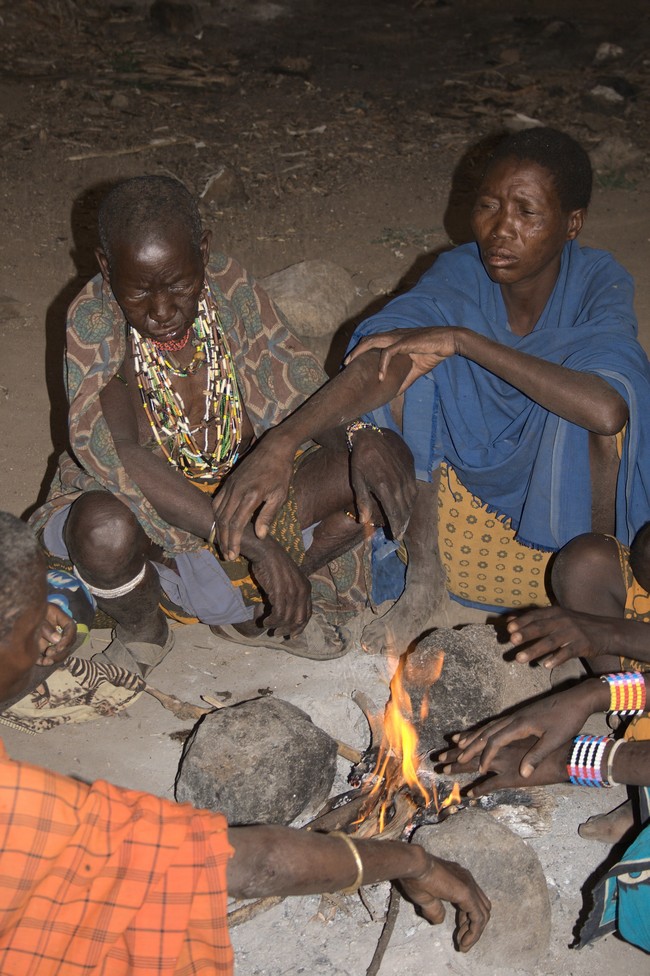
Hadzabe tribe or Hadza people


The Hadza, an indigenous ethnic group residing in the Lake Eyasi region of Tanzania, are a captivating community with a unique way of life that provides a window into humanity’s distant past. With a population ranging from 1,000 to 1,500 individuals, the Hadza are among the last remaining hunter-gatherer societies in East Africa. Their distinctive cultural practices, linguistic nuances, and nomadic lifestyle set them apart, making the Hadza a fascinating subject for exploration.

Hadza tribe

Language is a cornerstone of any culture, and the Hadza language, Hadzane, adds an extra layer of intrigue to their identity. Characterized by the use of click consonants, this linguistic feature distinguishes them from neighboring tribes and reflects a rich cultural heritage. The intricacies of Hadzane, with its unique sounds and structures, encapsulate the essence of Hadza communication, passed down through generations.

The Hadza people traditionally lead a nomadic existence, navigating the vast and varied landscape of their territory. Their movements are dictated by the ever-changing availability of resources, particularly game and wild plant foods. This mobility requires an intimate knowledge of the environment, as well as a deep understanding of animal behavior. The Hadza have honed their hunting and foraging techniques to perfection, showcasing a harmonious relationship with the natural world.

Hunting holds a central role in Hadza life, and the men of the community are typically responsible for this vital activity. Armed with bows and arrows, they embark on forays into the wilderness, relying on skill, knowledge, and teamwork to secure sustenance. The women, equally adept, specialize in foraging for wild plant foods, contributing to the diverse and balanced Hadza diet. This division of labor reflects not only practical considerations but also a cultural harmony with nature.

The Hadza’s hunting techniques are a testament to their deep connection with the environment. Tracking game requires acute observational skills, an understanding of animal tracks and behavior, and the ability to navigate the terrain. The Hadza people’s success in these endeavors stems from a profound respect for the natural world and the creatures they share it with.

Social organization within the Hadza community is characterized by a remarkable egalitarianism. Decision-making is often achieved through consensus, with each member’s voice holding equal weight. While elders are respected for their accumulated wisdom, there is no rigid hierarchical structure. This communal approach ensures that the needs and perspectives of every individual are considered, contributing to a sense of unity within the group.

The role of elders in Hadza society is significant. Their experience and knowledge make them valuable repositories of wisdom, and their guidance is sought in matters of community importance. Yet, even as the elders provide a guiding hand, decisions are ultimately collective, reinforcing the sense of shared responsibility that underpins Hadza social structure.

The Hadza people’s rich oral tradition serves as a powerful tool for the transmission of knowledge and cultural identity. Through storytelling, they pass down their history, myths, and rituals from one generation to the next. These narratives not only provide a connection to the past but also serve as a dynamic and living expression of the Hadza worldview. The oral tradition is a living testament to the resilience of a culture that has survived the test of time.

Rituals and ceremonies play a crucial role in Hadza life, marking significant milestones such as initiation rites, marriage, and hunting celebrations. These events are accompanied by traditional dances, music, and chants that reflect the community’s vibrant cultural heritage. The rituals are not merely performative; they serve as a communal expression of identity, reinforcing the bonds that tie the Hadza people together.

In recent times, the Hadza have faced numerous challenges that threaten their traditional way of life. Encroachment on their ancestral lands, increased contact with neighboring communities, and the influence of external economic forces pose significant hurdles. Efforts are being made, both by the Hadza themselves and external organizations, to protect their land rights and preserve their unique cultural practices.

As the Hadza navigate the complexities of the modern world, there is a delicate balance to be struck between preserving their ancient traditions and adapting to contemporary challenges. The story of the Hadza is not just a historical narrative; it is a living chronicle of resilience and adaptation in the face of change. It highlights the importance of recognizing and safeguarding the diversity of human cultures as we collectively navigate the challenges of the 21st century.

In conclusion, the Hadza people’s journey is a testament to the endurance of indigenous cultures in the face of external pressures. Their unique linguistic heritage, nomadic lifestyle, hunting and foraging techniques, egalitarian social structure, and vibrant cultural practices all contribute to a rich tapestry of human diversity. As we reflect on the Hadza, we are reminded of the importance of preserving and celebrating the myriad ways in which humanity has thrived throughout its history.

Seronera Valley


Seronera Valley: The Heart of the Serengeti National Park

The Serengeti National Park in Tanzania, East Africa, is renowned worldwide for its unparalleled biodiversity, stunning landscapes, and iconic wildlife. Within this vast expanse of wilderness, the Seronera Valley stands out as a geographic feature of great importance.

Introduction to the Serengeti National Park

Before we delve into the specifics of the Seronera Valley, let’s take a moment to understand the broader context of the Serengeti National Park. The park, covering approximately 14,750 square kilometers (5,700 square miles), is located in the northern part of Tanzania. It is a UNESCO World Heritage Site and one of the most celebrated wildlife conservation areas in the world. The name “Serengeti” is derived from the Maasai language and means “endless plains,” which accurately describes the park’s vast grasslands.

The Serengeti is renowned for its diverse ecosystems, which include open savannahs, acacia woodlands, rocky outcrops, and riverine forests. Each of these environments supports a unique range of wildlife, and the park is particularly famous for its annual Great Migration.

The Great Migration

The Great Migration is one of the most remarkable wildlife spectacles on Earth. It involves the seasonal movement of millions of animals, primarily wildebeests and zebras, across the Serengeti ecosystem in search of fresh grass and water. This epic journey spans approximately 1,200 miles and is a continuous cycle, as the herds move from the southern Serengeti to the northern reaches, crossing the perilous Mara River and then returning south. This migration is dictated by the availability of resources and the need for the animals to reproduce, and it is a survival strategy that has been passed down through generations.

The Role of Seronera Valley in the Serengeti Ecosystem

Seronera Valley is a prominent feature within the Serengeti National Park and plays a crucial role in the larger ecosystem. It is situated almost in the heart of the park, and its unique characteristics make it a focal point for both wildlife and tourists.

Geography of Seronera Valley

Seronera Valley is characterized by its lush grasslands and a series of small, meandering rivers and streams. The most prominent of these waterways is the Seronera River, which flows through the valley. The presence of water year-round sets Seronera Valley apart from many other areas in the Serengeti, where water sources can become scarce during the dry season. This constant water supply in the valley is a significant attraction for wildlife, making it an ideal habitat for various species.

The Attraction of Water

Water is one of the most critical resources for wildlife in the African savannah. During the dry season, when other parts of the park become parched and water is scarce, Seronera Valley becomes a magnet for animals from all around. Large herds of herbivores, including wildebeests, zebras, impalas, and elephants, gather in the valley to quench their thirst. Predators, such as lions, cheetahs, leopards, and hyenas, are drawn to the valley to prey on these herbivores.

The presence of water in Seronera Valley also leads to a proliferation of plant life. The abundance of vegetation sustains the herbivore populations, which, in turn, support the carnivores. This interdependence is a fundamental aspect of the Serengeti’s ecological balance.

Abundant Wildlife in Seronera Valley

Seronera Valley’s unique combination of year-round water and rich grasslands creates an environment that supports a wide variety of wildlife. Let’s take a closer look at some of the species that can be found in the valley:

1. Wildebeests and Zebras: These are the stars of the Great Migration, and they play a crucial role in the Serengeti’s ecosystem. During the dry season, vast herds of wildebeests and zebras are drawn to the Seronera Valley by the allure of water and fresh vegetation.

2. Elephants: These magnificent creatures are also known to frequent Seronera Valley. Their size and dietary requirements make them particularly reliant on consistent water sources and abundant food, both of which can be found in the valley.

3. Lions: The Serengeti is famous for its lion populations, and Seronera Valley is no exception. Lions are often spotted in the valley, where they hunt the herbivores that gather near the water sources.

4. Cheetahs: These agile and swift predators are well-suited to the open grasslands of the Serengeti, including Seronera Valley. They can often be seen hunting for prey in this area.

5. Leopards: While leopards are generally known for their elusive nature, they can also be found in the valley’s woodlands and along the banks of the Seronera River.

6. Hyenas: These scavengers and opportunistic hunters are a common sight in the Serengeti and are often seen around the valley, competing with other predators for food.

7. Hippos and Crocodiles: The presence of water in the Seronera Valley attracts other fascinating species, such as hippos and crocodiles. Hippos can be spotted in the river, while crocodiles lurk in the water, waiting for an opportunity to prey on unsuspecting animals that come to drink.

8. A Variety of Birds: The valley is not just a haven for mammals but also a paradise for birdwatchers. Numerous bird species, including eagles, vultures, storks, and herons, are found in the Seronera Valley.

The Circle of Life in Seronera Valley

The Seronera Valley is a microcosm of the broader Serengeti ecosystem, illustrating the delicate balance of life and death in the wild. The constant movement of herds, the hunt for prey, and the cycle of birth and death are all part of the intricate web of life in the valley.

Herbivores and Predators: The herbivores in the valley graze on the lush grasses and drink from the river. This provides a constant food source for the predators who rely on them for sustenance. As lions stalk their prey, cheetahs chase down their meals, and leopards silently wait in the trees, the valley is a theater of life and death.

The Drama of the Hunt: One of the most awe-inspiring experiences for visitors to the Serengeti and Seronera Valley is witnessing a predator in pursuit of its prey. The tension in the air, the chase across the open plains, and the final showdown at the water’s edge create a dramatic spectacle that is both exhilarating and humbling.

Births and Deaths: The Seronera Valley is also a place of birth and renewal. Many herbivores time their pregnancies to coincide with the availability of fresh vegetation in the valley. As a result, it’s not uncommon to witness the birth of baby wildebeests, zebras, or antelopes. However, life in the wild is harsh, and not all young animals survive. The valley bears witness to both the joy of new life and the sorrow of loss.

Ecological Balance: This circle of life in Seronera Valley is a testament to the ecological balance that has existed for millennia. Predators and prey coexist in a delicate equilibrium, each species playing a vital role in the health of the ecosystem.

The Role of Seronera Valley in the Great Migration

The Great Migration, one of nature’s most extraordinary events, is deeply connected to the Seronera Valley. This annual phenomenon involves millions of wildebeests, zebras, and other herbivores making their way across the Serengeti in search of greener pastures and fresh water. The Seronera Valley is a pivotal point in this journey, serving as a significant stopover for the migrating herds.

Calving Season in Seronera Valley: One of the most remarkable aspects of the Great Migration is the calving season. Wildebeests, zebras, and other herbivores time their pregnancies to coincide with the arrival of the rainy season in the southern Serengeti, where they give birth to their young. The Seronera Valley’s lush grasses and available water sources provide a secure and fertile environment for these newborns.

Predator-Prey Dynamics: The calving season is a double-edged sword for the herbivores. While the valley provides abundant resources for the young, it also presents an opportunity for predators to capitalize on the vulnerability of the newborn animals. Visitors to Seronera Valley during this season are often treated to the sight of lionesses and other predators hunting for young prey.

The River Crossing: As the dry season progresses, the herds begin their journey northward, seeking water and fresh pastures. The Seronera Valley, with its permanent water source, becomes a critical destination for the migrating herds. It’s here that the herds often face the treacherous Mara River crossing, where crocodiles lie in wait, adding an element of danger to the migration.

Seronera Valley: A Hub for Wildlife Enthusiasts and Tourists

The Seronera Valley’s accessibility and its concentration of wildlife make it a prime destination for wildlife enthusiasts, photographers, and tourists from around the world. The park authorities have developed an extensive network of roads and trails, allowing visitors to explore the valley and its surroundings. Game drives are a popular activity, offering the chance to witness the valley’s incredible biodiversity up close.

The Thrill of a Safari: Safari-goers can expect to see a diverse range of wildlife during their visit to Seronera Valley. The excitement of spotting lions on the hunt, cheetahs sprinting across the grasslands, and elephants gathering at the riverbanks is an experience that remains etched in memory.

Photography Opportunities: For photographers, Seronera Valley provides an abundance of photographic opportunities. The dramatic landscapes, the play of light and shadow, and the intimate moments of wildlife behavior are all subjects of endless fascination.

Birdwatching: Birdwatchers will be captivated by the rich avian diversity of the valley. Whether it’s the majestic eagles soaring overhead or the colorful plumage of smaller birds in the trees, Seronera Valley offers a wealth of birdwatching opportunities.

The Night Safari: No visit to the Seronera Valley is complete without a night safari. The African night comes alive with the sounds of nocturnal creatures, and the chance to spot elusive species such as leopards and hyenas on the prowl adds an extra layer of excitement to the experience.

Conservation and Protection

Seronera Valley’s importance in the Serengeti ecosystem has led to concerted efforts to conserve and protect this vital area. The Serengeti National Park, in collaboration with conservation organizations, works tirelessly to ensure the valley’s ecological integrity and the sustainability of its wildlife populations.

Anti-Poaching Measures: Poaching remains a significant threat to wildlife in the Serengeti and Seronera Valley. Park rangers and anti-poaching units are on high alert to combat illegal hunting, and measures are continually being strengthened to protect the park’s wildlife.

Sustainable Tourism: Sustainable tourism practices are crucial to preserving Seronera Valley and the Serengeti as a whole. Tourism revenues help fund conservation efforts, and responsible tour operators adhere to strict guidelines to minimize their environmental impact.

Research and Education: The Serengeti National Park also plays a vital role in research and education. Researchers from around the world come to the Seronera Valley to study its wildlife, behavior, and ecology. These studies contribute to a deeper understanding of the ecosystem and aid in the development of conservation strategies.

The Future of Seronera Valley

As we look ahead to the future of Seronera Valley, the challenges of conservation and the coexistence of wildlife and human activities remain central concerns. The balance between preserving the park’s natural beauty and the growing demand for tourism must be carefully maintained.

Challenges:

  1. Human-Wildlife Conflict: The proximity of local communities to the Serengeti can lead to human-wildlife conflict. Efforts are needed to develop strategies that protect the livelihoods of local people while minimizing conflicts with wildlife.
  2. Climate Change: Climate change poses a significant threat to the Serengeti’s ecosystems. It can alter weather patterns, affecting rainfall and vegetation growth, which in turn can impact the movement and behavior of wildlife.
  3. Sustainable Tourism: Striking a balance between promoting tourism, which is essential for conservation funding, and minimizing its impact on the ecosystem remains an ongoing challenge.
  4. Invasive Species: Invasive plant species, if left unchecked, can alter the composition of the valley’s vegetation and disrupt the natural balance.

Conclusion

Seronera Valley is a jewel in the crown of the Serengeti National Park. Its year-round water supply, rich grasslands, and concentration of wildlife make it a vital component of the park’s ecosystem. The valley serves as a hub for wildlife enthusiasts and tourists, offering an unparalleled opportunity to witness the circle of life in the wild.

While the challenges of conservation and sustainable tourism persist, the Serengeti National Park continues to be a testament to the power of protected areas in preserving our planet’s natural wonders. Seronera Valley, with its timeless beauty and abundant wildlife, will undoubtedly remain a symbol of the importance of safeguarding the Earth’s diverse ecosystems for generations to come.

Musoma


Musoma: A City of Vibrant Culture, Natural Beauty, and Untamed Adventures

Nestled amidst the tranquil shores of Lake Victoria, Musoma emerges as a captivating city in the Mara Region of Tanzania. Its rich heritage, pulsating cultural tapestry, and proximity to some of Africa’s most mesmerizing landscapes make it a must-visit destination for intrepid travelers seeking an unforgettable African experience.

A Glimpse into the Past: Unveiling Musoma’s Historical Tapestry

Musoma’s history is as captivating as its present. Founded in the late 19th century by the British, the city initially served as a modest trading post, gradually blossoming into a bustling commercial hub as the 20th century unfolded. During this era, Musoma played a pivotal role as a gateway to the African interior, facilitating trade and cultural exchanges along the trade routes.

Musoma, Tanzania

A Haven for Diverse Cultures: Celebrating Musoma’s Ethnic Mosaic

Musoma’s cultural landscape is as diverse as its topography, reflecting the rich tapestry of ethnicities that have converged within its borders. The Maasai, with their distinctive attire and traditional customs, hold a prominent position in the city’s cultural heritage. Their presence is evident in the Maasai Mara National Reserve, which borders Musoma, offering visitors a glimpse into their nomadic lifestyle and profound connection to the land.

The city also embraces the vibrant cultures of the Luo, Sukuma, and Nyamwezi, each bringing their unique traditions, languages, and artistic expressions to the vibrant cultural mosaic of Musoma. These diverse influences intertwine seamlessly, creating a harmonious blend that reflects the city’s embrace of cultural diversity.

Nature’s Symphony: Embarking on Untamed Adventures

Musoma’s gateway position to some of Africa’s most awe-inspiring natural wonders makes it a paradise for adventure enthusiasts. The Serengeti National Park, renowned for its annual wildebeest migration, lies just beyond the city’s borders, offering visitors the chance to witness this extraordinary spectacle of nature in all its grandeur.

Serengeti National Park, Tanzania

The Masai Mara National Reserve, another natural treasure, provides an unparalleled opportunity to encounter lions, elephants, giraffes, and a plethora of other African wildlife in their natural habitat. The vast expanse of the Masai Mara, with its meandering rivers, lush grasslands, and towering cliffs, offers an immersive experience of the continent’s untamed beauty.

For those seeking a more intimate connection with nature, the Ngorongoro Conservation Area, a UNESCO World Heritage Site, beckons with its breathtaking landscapes and a concentration of wildlife that rivals any in Africa. The majestic crater, a volcanic caldera that plunges over 2,000 feet into the earth’s crust, plays host to a diverse array of species, including black rhinos, lions, and rare birds.

Indulging in Culinary Delights: A Gastronomic Symphony

Musoma’s culinary scene is as diverse as its cultural landscape, reflecting the influences of its inhabitants. From the hearty Maasai stews and grilled meats to the aromatic spices of the Swahili cuisine, Musoma’s flavors tantalize the palate and provide a taste of the region’s culinary heritage.

Exploring Musoma’s Vibrant Markets

No visit to Musoma is complete without immersing oneself in the lively atmosphere of its bustling markets. The bustling Sokoma Market, a treasure trove of traditional handicrafts, fresh produce, and local delicacies, offers a glimpse into the city’s vibrant commerce and the intricate craftsmanship of its artisans.

Nightlife: A Rhythm of Lively Entertainment

As the sun dips below the horizon, Musoma transforms into a hub of lively entertainment. Bars and nightclubs along the waterfront come alive with the rhythmic beats of African music, providing a platform for local talent and a chance for travelers to experience the city’s vibrant nightlife scene.

Musoma: A Destination for Endless Adventures

Musoma, with its blend of vibrant culture, natural beauty, and untamed adventures, stands as a treasure trove of experiences waiting to be discovered. From exploring Maasai villages and traversing the Serengeti to immersing oneself in the cultural richness of the city’s markets and dining on its delectable cuisine, Musoma offers an unforgettable African odyssey.

Nyabikere Crater


Nyabikere Crater: A Hidden Gem in the Rwenzori Mountains

Nestled amidst the towering peaks of the Rwenzori Mountains, Nyabikere Crater stands as a testament to the region’s volcanic past. This serene haven, roughly 10 kilometers (6.2 miles) southeast of Fort Portal, Uganda, offers a captivating blend of natural beauty, rich biodiversity, and historical significance.

Geological Origins: A Volcanic Caldera

Conceived over 250,000 years ago, Nyabikere Crater’s formation traces back to a violent volcanic eruption. The collapse of a once-active volcano gave rise to the impressive caldera, its steep, jagged walls creating a picturesque contrast against the lush montane rainforest that surrounds it.

The crater floor, blanketed in a layer of volcanic ash and rock, fosters a diverse ecosystem teeming with life. This unique microclimate supports a variety of plant species, including ferns, mosses, and wildflowers that thrive in the cool, damp conditions.

Spectacular Flora and Fauna: A Diversified Tapestry of Life

Nyabikere Crater’s biodiversity is a captivating spectacle. As you venture deeper into its embrace, the symphony of life unfolds before you.

Among the feathered inhabitants, the African green broadbill, Rwenzori turaco, and Rwenzori double-collared sunbird are the most prominent, their vibrant plumage adding a touch of color to the verdant surroundings. These exquisite birds, endemic to the Rwenzori Mountains, serve as a constant reminder of the region’s unique ecological heritage.

The crater’s mammalian fauna is no less impressive. The elusive golden monkey, with its distinctive golden fur and black crown, gracefully navigates the canopy, while the black-and-white colobus monkey adds a touch of rhythmic movement to the forest. The Rwenzori turaco, a large, colorful bird with a prominent crest, is a familiar sight in the area.

An Adventurer’s Paradise: Hiking, Birdwatching, and Photography

Nyabikere Crater beckons adventure seekers with its diverse array of activities. For those seeking physical challenges and breathtaking panoramas, a trek to the crater’s rim is a must. The moderate climb, taking approximately two hours, rewards climbers with panoramic vistas of the surrounding mountains and valleys.

Nyabikere Crater hike

The crater floor, a haven for birdwatchers, offers ample opportunities to observe the region’s avian wonders. With patience and a keen eye, you can spot the African green broadbill, Rwenzori turaco, and Rwenzori double-collared sunbird among the lush greenery.

Photographers will find Nyabikere Crater an unparalleled destination. The stunning views from the rim, the vibrant flora carpeting the crater floor, and the array of wildlife provide endless opportunities for capturing breathtaking images.

Reaching Nyabikere Crater: A Journey into the Heart of Nature

To embark on this natural adventure, Fort Portal serves as the gateway to Nyabikere Crater. From Kampala, Uganda’s capital city, regular bus services connect to Fort Portal, a journey that takes approximately four hours. Once in Fort Portal, taxis are readily available to transport you to the trailhead.

Preparation and Respect: Preserving the Crater’s Beauty

Planning your visit during the dry season, from June to September, is advisable, as the trails are less slippery and the weather is generally more pleasant. Comfortable clothing and footwear are essential for the trek, and rain gear is recommended as the Rwenzori Mountains are known for their unpredictable weather.

Remember to pack plenty of water and snacks, as refreshment stations are limited along the way. Respect the delicate ecosystem by minimizing your impact, disposing of waste responsibly, and adhering to the park’s rules and regulations.

Conclusion: A Treasure Trove of Natural Wonders

Nyabikere Crater, a hidden gem nestled amidst the Rwenzori Mountains, offers a glimpse into the region’s volcanic past, a haven for diverse flora and fauna, and a canvas for breathtaking landscapes. As you venture into the crater’s embrace, immerse yourself in its beauty, respect its delicate balance, and leave with memories that will last a lifetime.

Voi


Voi is a town located in the southeastern part of Kenya, within Taita-Taveta County. It is situated in the Taita Hills, near the border with Tanzania. Voi is known for its strategic location as a gateway to several national parks and wildlife reserves, making it a popular stopover for tourists on their way to experience the natural beauty and wildlife of the region. Here are some key aspects of Voi:

1. Gateway to Tsavo National Park: Voi is often referred to as the “Gateway to Tsavo” because it is the primary entrance to Tsavo National Park. Tsavo is one of Kenya’s largest and most iconic national parks, divided into Tsavo East and Tsavo West. Visitors traveling to Tsavo National Park from Nairobi or Mombasa usually pass through Voi.

2. Wildlife and Safari: The proximity of Voi to Tsavo National Park and other wildlife reserves means that the town serves as a hub for safari enthusiasts. Visitors can embark on game drives, guided safaris, and wildlife photography excursions in the Tsavo region. The park is home to a wide variety of wildlife, including elephants, lions, leopards, rhinos, and numerous bird species.

3. Accommodation: Voi offers various accommodation options, ranging from budget-friendly lodges to luxury safari camps and resorts. These accommodations provide an opportunity for visitors to immerse themselves in the natural surroundings and wildlife-rich landscapes.

4. Taita Hills: The town of Voi is located within the Taita Hills, which are part of the Eastern Arc Mountains. These hills are known for their unique biodiversity, including various endemic plant and animal species. The Taita Hills are a haven for birdwatchers and nature enthusiasts.

5. Local Culture: Voi is home to a mix of ethnic communities, including the Taita, Giriama, and Kamba people. This diversity has influenced the local culture and traditions. Visitors can learn about the customs and way of life of these communities.

6. Voi Railway Station: Voi has a railway station that is part of the Kenya Railways network. The railway line connects Voi to Nairobi and Mombasa, playing a significant role in transporting goods and passengers in the region.

7. Agriculture: Agriculture is an important economic activity in and around Voi. The fertile soils of the region support the cultivation of various crops, including maize, beans, and fruits. Farmers in the area also rear livestock.

8. Infrastructure: It has seen infrastructure development over the years, including road improvements, which have enhanced accessibility to the town and the national parks. The Mombasa-Nairobi highway passes through Voi, making it a crucial transportation corridor.

9. Education and Healthcare: The town has schools, health facilities, and other amenities to cater to the needs of the local population and the surrounding communities.

10. Adventure Activities: In addition to wildlife safaris, Voi offers adventure activities such as hiking and trekking in the Taita Hills. The hills provide opportunities for nature walks and exploration of the lush vegetation and unique landscapes.

Voi’s role as a starting point for exploring the wildlife and natural beauty of Tsavo National Park and the surrounding region has made it an essential destination for tourists interested in experiencing Kenya’s remarkable wildlife and landscapes.

Rainy Season in Kenya


The rainy season in Kenya varies depending on the region of the country. Kenya experiences two primary rainy seasons each year: the long rains (also known as the “masika” or “Gu” season) and the short rains (the “vuli” or “deyr” season). Here is an overview of the rainy seasons in Kenya:

  1. Long Rains (Masika): The long rainy season typically occurs from March to May. During this time, most parts of the country experience significant rainfall. It is a crucial season for agriculture and the filling of water reservoirs. The Rift Valley, western Kenya, and parts of central Kenya receive substantial rainfall, which contributes to the lush green landscapes.
  2. Short Rains (Vuli): The short rainy season occurs from October to December. It is shorter in duration and less intense than the long rains. While the short rains are essential for replenishing water sources and supporting agriculture, they are generally less predictable and can vary in intensity from year to year.

Regional Variation:

Kenya’s diverse geography leads to regional variations in rainfall patterns:

  1. Western Kenya: Western Kenya, including regions like Kisumu and Kakamega, receives some of the heaviest rainfall during both the long and short rainy seasons. This area is known for its fertile soils and is a significant agricultural region.
  2. Rift Valley: The Rift Valley, including areas like Nakuru and Eldoret, experiences moderate to heavy rainfall during the long rains. This region is an essential agricultural and horticultural hub.
  3. Central Kenya: Central Kenya, including Nairobi and regions like Nyeri and Murang’a, receives relatively consistent rainfall during both rainy seasons. This region is known for its coffee and tea farming.
  4. Coastal Region: The coastal areas, including Mombasa and Malindi, experience a different pattern of rainfall. The long rains are typically from April to June, while the short rains occur from October to December. The coast generally receives less rainfall compared to other parts of the country.
  5. Northern and Eastern Kenya: Northern and eastern regions like Isiolo, Garissa, and Mandera are more arid and semi-arid, with less predictable and sporadic rainfall during the short rains. These areas are often prone to drought conditions.
  6. Maasai Mara and Rift Valley Lakes: The Maasai Mara and Rift Valley lakes, including Lake Nakuru and Lake Naivasha, experience moderate rainfall during the long rains, which rejuvenate the landscapes and support the rich wildlife found in these areas.

It’s important to note that climate patterns can vary from year to year due to factors like the El Niño and La Niña phenomena. Droughts and floods can also occur, impacting agriculture, water resources, and local communities. The Kenyan government and international organizations work to mitigate the effects of these weather patterns and provide support to affected areas.

Understanding the timing and intensity of Kenya’s rainy seasons is vital for various sectors, including agriculture, tourism, and water resource management. Farmers rely on these seasons to plant and harvest crops, while tourists often plan their visits to take advantage of the lush landscapes and wildlife viewing opportunities that follow the rains.

Nairobi Sights

Introduction of Nairobi sights

Nairobi, the capital city of Kenya, is a vibrant and diverse metropolis that serves as the country’s economic, political, and cultural hub. This bustling city is a melting pot of cultures, offering a wide range of attractions and experiences for both residents and visitors.

1. Nairobi National Park: A Safari in the City

Nairobi National Park is a unique wildlife sanctuary located just outside the city’s center, making it one of the few places in the world where you can embark on a safari without leaving the city. The park is home to a variety of wildlife, including lions, zebras, giraffes, buffalo, and diverse bird species. Visitors can take game drives to observe these animals against the backdrop of Nairobi’s skyline, creating a striking contrast between urban and natural landscapes. One of the most famous Nairobi sights.

2. David Sheldrick Wildlife Trust: Elephant Orphanage

The David Sheldrick Wildlife Trust is a remarkable conservation organization known for its efforts to rescue and rehabilitate orphaned elephants. Visitors to Nairobi can witness the trust’s incredible work firsthand by visiting the elephant orphanage in the Nairobi National Park. You can see baby elephants being fed and playing, and learn about the challenges these majestic animals face in the wild. Another of the most famous Nairobi sights.

3. Giraffe Centre: Get Up Close with Rothschild’s Giraffes

The Giraffe Centre in Nairobi is a conservation and educational center that focuses on the endangered Rothschild’s giraffe. Here, you can feed and interact with these gentle giants from a raised platform. It’s a unique opportunity to get up close and personal with these magnificent creatures while also learning about giraffe conservation efforts.

4. Karen Blixen Museum: Step into “Out of Africa”

The Karen Blixen Museum, located in the former home of the famous Danish author Karen Blixen, offers visitors a chance to step back in time to the early 20th century. The museum is dedicated to the life and works of Karen Blixen, who penned the memoir “Out of Africa.” Touring her beautifully preserved house and gardens provides insight into the colonial history of Kenya and the author’s life. Famous but less visited Nairobi sights.

5. Kazuri Beads Women’s Cooperative: Handmade Ceramic Crafts

The Kazuri Beads Women’s Cooperative is a women’s empowerment project that produces high-quality, handmade ceramic beads and pottery. Visitors can tour the workshop and shop for unique, handcrafted souvenirs, including jewelry, pottery, and ceramics, all while supporting local women artisans.

6. Nairobi National Museum: Kenya’s Cultural and Natural Heritage

The Nairobi National Museum is a treasure trove of Kenya’s cultural and natural heritage. It houses a wide range of artifacts, artwork, and exhibits, including paleontological discoveries, ethnographic displays, and contemporary Kenyan art. The museum is a great place to learn about Kenya’s rich history and diverse cultures.

7. Nairobi Railway Museum: A Glimpse into Kenya’s Rail History

For train enthusiasts and history buffs, the Nairobi Railway Museum is a fascinating destination. It showcases a collection of vintage locomotives and railcars that played a significant role in Kenya’s transportation history. The museum offers a unique perspective on the country’s development and its connection to the railway system.

8. Karura Forest: A Green Oasis in the City

Karura Forest is a lush urban forest and nature reserve located within Nairobi. It offers a peaceful escape from the hustle and bustle of the city. Visitors can explore its walking and cycling trails, visit waterfalls, and observe a variety of bird species. The forest is a haven for nature lovers and a prime spot for picnics and relaxation.

9. Maasai Market: Shop for Traditional Crafts

The Maasai Market is a vibrant and bustling market where you can find a wide array of traditional Maasai crafts, including beadwork, clothing, jewelry, and woodcarvings. It’s an excellent place to shop for authentic Kenyan souvenirs and engage with local artisans. Very interesting to visit this Nairobi sights but be careful.

10. Nairobi National Park Animal Orphanage: Conservation and Education

The Nairobi Animal Orphanage, located within Nairobi National Park, is a rescue and rehabilitation center for animals. It provides a home for orphaned or injured animals, including lions, cheetahs, and monkeys. The orphanage serves as an educational facility and offers guided tours to raise awareness about wildlife conservation and rehabilitation efforts.

11. Ngong Hills: Scenic Hiking and Breathtaking Views

Ngong Hills, situated just outside Nairobi, is a series of rolling hills that offer fantastic opportunities for hiking and enjoying breathtaking panoramic views of the Great Rift Valley and Nairobi. The hills are a popular spot for outdoor enthusiasts and nature lovers, providing an escape into nature without venturing far from the city.

12. Bomas of Kenya: Cultural Heritage and Diverse Traditions

Bomas of Kenya is a cultural center that offers visitors a chance to explore the diverse traditions and cultures of Kenya’s various ethnic groups. The center showcases traditional Kenyan dances, music, and crafts. A visit to Bomas of Kenya provides insight into the country’s rich cultural tapestry.

13. Nairobi Snake Park: Slithering Spectacles

The Nairobi Snake Park is an educational center dedicated to reptiles and amphibians. It houses a wide variety of snake species, as well as turtles, crocodiles, and lizards. The park plays a crucial role in educating the public about these often misunderstood creatures.

14. Kibera Slum Tours: A Glimpse into Urban Life

Kibera is one of Africa’s largest slums, and guided tours offer an opportunity to learn about the challenges and resilience of the people living in this densely populated area. These tours provide valuable insights into urban life, community projects, and the social issues faced by residents.

15. Kenyatta International Conference Centre: Nairobi’s Iconic Landmark

The Kenyatta International Conference Centre (KICC) is a prominent Nairobi landmark known for its distinctive architecture. Visitors can take an elevator to the top for panoramic views of the city. The center also hosts conferences, exhibitions, and cultural events.

16. Nairobi Arboretum: A Serene Botanical Garden

The Nairobi Arboretum is a peaceful botanical garden in the heart of the city, offering a tranquil escape from urban life. The arboretum features a wide variety of indigenous and exotic tree species, making it a lovely place for picnics, birdwatching, and leisurely strolls.

17. All Saints Cathedral: Architectural Beauty and Spiritual Serenity

All Saints Cathedral, an iconic religious structure in Nairobi, boasts stunning neo-gothic architecture. Visitors can appreciate the cathedral’s intricate stained glass windows, peaceful atmosphere, and its significance as a place of worship and reflection.

18. Matbronze Art Gallery and Foundry: Bronze Artistry

Matbronze Art Gallery and Foundry is a unique art space dedicated to bronze sculpture. Visitors can admire a wide range of bronze sculptures and watch artists at work in the foundry. The gallery showcases the intersection of art and craftsmanship in Nairobi.

19. Nairobi Gallery: Celebrating Kenyan Art

The Nairobi Gallery is housed in a historic building that was once the Old Provincial Commissioner’s office. It showcases Kenyan contemporary art and features rotating exhibitions of both local and international artists. The gallery offers a glimpse into the modern art scene in Nairobi.

20. Mamba Village: Crocodile Farm and Botanical Garden

Mamba Village is a unique attraction in Nairobi, featuring a crocodile farm, botanical gardens, and a nature trail. Visitors can witness crocodile feeding sessions, explore the lush gardens, and enjoy boat rides on the man-made lake.

21. Paradise Lost: An Oasis of Nature and Adventure

Paradise Lost is a nature and recreation park located on the outskirts of Nairobi. The park features lush gardens, caves, a lake for boat rides, a picnic area, and various outdoor activities. It’s a perfect spot for a day of family-friendly fun and relaxation. Nairobi sights for relaxation.

22. Maasai Ostrich Farm: Encounter with the Fastest Birds

The Maasai Ostrich Farm is an intriguing attraction where you can get up close and personal with these enormous, flightless birds. Guided tours provide insights into ostrich farming and the ostrich’s role in Maasai culture. You can even ride an ostrich, making for a memorable experience.

23. Village Market: Premier Shopping and Entertainment

Village Market is a modern shopping and entertainment complex in Nairobi that offers a wide range of retail stores, restaurants, a water park, and a cultural market. It’s an ideal destination for shopping, dining, and leisure activities.

Lake Turkana


Lake Turkana, also known as Lake Rudolf, is a remarkable body of water located in the East African Rift Valley. With its unique geological and ecological features, this lake is a UNESCO World Heritage Site and a vital natural resource for the people and wildlife of the region. In this 2000-word article, we will explore the many aspects of Lake Turkana, including its formation, geography, biodiversity, cultural significance, and the challenges it faces.

Formation and Geography:

Lake Turkana is the world’s largest desert lake, covering an area of approximately 6,405 square kilometers (2,473 square miles). It is situated in the northern part of Kenya, near the border with Ethiopia. This striking lake has a distinctive elongated shape, with a length of about 290 kilometers (180 miles) and a width that varies between 20 to 30 kilometers (12 to 19 miles). The lake’s formation is closely tied to the tectonic forces shaping the East African Rift Valley.

The East African Rift Valley is a geologically active region where the African tectonic plate is slowly pulling apart, causing the Earth’s crust to stretch and create rifts. Lake Turkana is located in the southernmost part of this rift, which is known as the Gregory Rift. This geological process has played a crucial role in shaping the landscape around the lake.

The lake is fed primarily by the Omo River, which flows from the Ethiopian highlands to the north, and a few smaller seasonal rivers. The Omo River is a lifeline for Lake Turkana, and its flow greatly influences the lake’s water levels and the surrounding ecosystem.

Biodiversity and Ecology:

Lake Turkana is renowned for its remarkable biodiversity and unique ecological features. The lake is often referred to as the “Jewel of the Desert” due to the incredible diversity of life it supports. Here are some of the key ecological features of the lake:

  1. Aquatic Life: The lake is home to a wide variety of fish species, including tilapia, catfish, and Nile perch. Some of these species are endemic to Lake Turkana, meaning they are found nowhere else in the world. The Nile perch, in particular, is a prized catch for local fishermen and a significant economic resource for the region.
  2. Birdlife: Lake Turkana is a critical stopover point for migratory birds, making it a birdwatcher’s paradise. It is home to numerous bird species, including flamingos, pelicans, and various waterfowl. The flamingos are particularly iconic, turning the lake’s shores into a pink-hued spectacle during the breeding season.
  3. Vegetation: The lake’s surrounding landscape is arid, with sparse vegetation, but there are unique plant species adapted to the harsh conditions. Acacia trees, doum palms, and other hardy plants can be found in the region.
  4. Wildlife: The Lake Turkana area is inhabited by a range of terrestrial wildlife, including crocodiles, hippopotamuses, and various reptiles and mammals. These animals are adapted to the harsh desert environment and are often seen near the lake’s shores.

The lake’s unique characteristics have led to its designation as a UNESCO World Heritage Site, recognizing its ecological importance and the need to protect it for future generations.

Cultural Significance:

Lake Turkana holds immense cultural significance for the indigenous communities in the region. Several ethnic groups, including the Turkana, El Molo, and Rendille people, have lived around the lake for generations. These communities have developed unique cultures and traditions that are closely tied to the lake and its resources.

  1. Fishing: Fishing is a primary livelihood for many people living near Lake Turkana. Local fishermen use traditional methods, such as nets and spears, to catch fish. The Nile perch, in particular, is a valuable resource and provides both sustenance and income to the fishing communities.
  2. Nomadic Herding: The Turkana people are traditionally nomadic pastoralists, and they rely on their livestock, such as cattle, goats, and camels, for survival. These animals graze on the sparse vegetation in the region, and the lake serves as a vital water source for both the livestock and the people.
  3. Ceremonies and Rituals: The indigenous communities have rich cultural ceremonies and rituals that are associated with the lake. These may include celebrations, dances, and religious ceremonies that reflect the close relationship between the people and their environment.
  4. Trade: Lake Turkana has historically been a hub for trade between different communities. Goods such as beads, salt, and other essential items are exchanged among the various ethnic groups, fostering cultural exchange and cooperation.
  5. Ornamentation: Indigenous people have developed intricate ornamentation and body adornment using natural materials found in the region. These adornments are an essential part of their cultural identity and often reflect their connection to the lake and its resources.

Lake Turkana’s cultural significance is deeply intertwined with its ecological importance, and the survival and well-being of the local communities are closely linked to the health of the lake and its surrounding ecosystem.

Challenges and Conservation Efforts:

Despite its ecological and cultural significance, Lake Turkana faces several challenges and threats that endanger its fragile ecosystem and the livelihoods of the people who depend on it. Some of the key challenges include:

  1. Dams and Irrigation Projects: The construction of dams and large-scale irrigation projects upstream, especially in Ethiopia, has significantly reduced the flow of the Omo River into Lake Turkana. This reduced inflow affects the lake’s water levels and disrupts its ecosystem, making it difficult for local fishermen to sustain their livelihoods.
  2. Overfishing: The Nile perch, a voracious predator, has caused imbalances in the lake’s ecosystem by preying on native fish species. Overfishing of Nile perch has also led to concerns about the sustainability of fish stocks in the lake.
  3. Climate Change: The region is experiencing the impacts of climate change, including increased temperatures and decreased rainfall. These changes can lead to increased evaporation from the lake, further reducing water levels.
  4. Pollution: Pollution from agricultural runoff, mining activities, and other human-related factors can have detrimental effects on the water quality and the health of the lake.
  5. Conflict and Insecurity: The region around Lake Turkana has faced various security and conflict challenges, including competition over resources and tensions between different ethnic groups.

In response to these challenges, various conservation efforts and initiatives have been launched to protect Lake Turkana and its unique ecosystem. These efforts include:

  1. International Collaboration: The governments of Kenya and Ethiopia, along with international organizations and non-governmental groups, are working together to address the issues affecting the lake. Collaborative initiatives aim to find sustainable solutions for the region.
  2. Environmental Education: Conservation organizations are conducting educational programs to raise awareness about the importance of the lake’s ecology and the need for sustainable resource management.
  3. Community-Based Conservation: Engaging local communities in conservation efforts is essential. Projects that empower and involve indigenous people in the management of the lake and its resources can be highly effective.
  4. Sustainable Fishing Practices: Promoting sustainable fishing practices and regulating fishing activities to protect native fish species and the lake’s delicate ecosystem.
  5. Policy Advocacy: Advocacy efforts are ongoing to influence government policies and international agreements that impact the lake and the people living in the region.

Lake Turkana remains a critical area of concern for both conservationists and local communities, and efforts to address the challenges it faces are ongoing.

Conclusion:

Lake Turkana, also known as Lake Rudolf, is a remarkable natural wonder that holds deep cultural and ecological significance. It is a testament to the complex interplay between geological forces, the environment, and the people who call the region home. The challenges it faces, including reduced water flow, overfishing, climate change, and pollution, are of concern, but various conservation efforts and collaborative initiatives are working to protect this vital resource.

Preserving the ecological integrity of Lake Turkana is not only important for the unique biodiversity it supports but also for the well-being of the indigenous communities who rely on it for their livelihoods and cultural identity. As we continue to learn more about this extraordinary lake and its challenges, it is crucial that we prioritize its conservation to ensure a sustainable future for both the environment and the people connected to it.