Category Archives: ENG

Mago National Park

Introduction to Mago National Park

Mago National Park, located in the southwestern part of Ethiopia, stands as a testament to the nation’s rich and diverse natural and cultural heritage. This vast national park, nestled in the Omo Valley, is a treasure trove of unique wildlife, stunning landscapes, and vibrant indigenous communities. Spanning a wide range of ecosystems, from savannahs to forests, Mago National Park is a place of ecological significance, and it is home to various animal and bird species. Moreover, it serves as a living museum of indigenous cultures, where the Mursi, Karo, Hamar, and other tribes continue to maintain their traditional lifestyles. This essay delves into the intricacies of Mago National Park, exploring its geography, biodiversity, cultural diversity, the significance of its indigenous communities, and the conservation efforts that aim to protect this Ethiopian jewel.

Geography and Landscape

Mago National Park is situated in the Southern Nations, Nationalities, and People’s Region (SNNPR) of Ethiopia, near the country’s borders with South Sudan and Kenya. It covers a vast expanse of approximately 2,162 square kilometers (835 square miles). The park’s location in the Omo Valley, along the eastern bank of the Omo River, provides it with a unique geographical setting.

The park encompasses a diverse range of landscapes and ecosystems, making it a hotspot for biodiversity. These landscapes include:

  1. Savannahs: The park features extensive grasslands and savannahs, characterized by sprawling plains where various herbivores graze and predators hunt. These areas provide crucial feeding grounds for the park’s wildlife.
  2. Forests: Mago National Park is not limited to savannahs alone. It also includes pockets of lush, riverine forests that follow the course of the Mago River. These forests harbor unique flora and fauna, adding to the park’s ecological richness.
  3. Mountainous Terrain: The park is home to hilly and mountainous areas that offer panoramic views of the surrounding landscapes. These elevations provide a habitat for a different set of plant and animal species adapted to higher altitudes.
  4. Wetlands: The Mago River, which flows through the park, creates wetland areas and marshes. These wetlands are important for local wildlife and serve as crucial watering holes.
  5. The Mago River: The Mago River is a lifeline for the park, providing water to the various inhabitants, both wildlife and human. It meanders through the park, adding to the region’s scenic beauty.

Biodiversity

Mago National Park boasts an impressive array of wildlife species, making it a paradise for wildlife enthusiasts and researchers. The park’s diverse ecosystems support a wide variety of fauna, ranging from iconic African mammals to numerous bird species. Some of the noteworthy aspects of Mago National Park’s biodiversity are as follows:

  1. Large Mammals: The park is home to a rich assembly of large mammals, including elephants, giraffes, zebras, buffalos, kudus, oryx, leopards, baboons, and various species of antelope. These charismatic creatures roam the savannahs, forests, and wetlands, creating unique opportunities for wildlife observation.
  2. African Crocodiles and Hippos: The presence of the Mago River in the park contributes to the establishment of suitable habitats for African crocodiles and hippos. These aquatic giants can often be spotted basking along the riverbanks or submerging themselves in the water, making the riverbanks an interesting spot for wildlife viewing.
  3. Birdlife: Mago National Park is also a birdwatcher’s delight. The park is home to numerous bird species, both resident and migratory. Visitors can catch glimpses of colorful feathered residents and enjoy the seasonal arrivals of migratory birds, adding to the park’s avian diversity.

Cultural Diversity and Indigenous Communities

Mago National Park is not just a sanctuary for wildlife; it is also a cradle of cultural diversity, primarily due to the presence of indigenous communities that have inhabited the Omo Valley for centuries. Several ethnic groups live in the park’s vicinity, with distinct languages, traditions, and ways of life. These communities include the Mursi, Karo, Hamar, and others, each of which contributes to the rich cultural tapestry of the region.

  1. Mursi: The Mursi people are one of the most renowned indigenous groups in the Omo Valley. They are known for their distinctive lip plates, a practice that signifies beauty and status. The Mursi are skilled cattle herders and cultivate crops in the region’s fertile lands.
  2. Karo: The Karo people are famous for their body painting, which they use as a form of self-expression and decoration. Their intricate designs and use of natural pigments are emblematic of their cultural identity.
  3. Hamar: The Hamar people are also known for their cattle herding and have their unique customs, including the bull-jumping ceremony, which marks a significant rite of passage in their society.

The indigenous communities living around Mago National Park maintain their traditional lifestyles, relying on the land and its resources for sustenance. These communities engage in subsistence farming, cattle herding, and maintain strong cultural ties with the natural world. The coexistence of these indigenous groups with the park’s wildlife and landscapes offers a unique insight into their traditional knowledge, practices, and their intricate relationship with the environment.

Cultural Significance

The indigenous communities of the Omo Valley have preserved their traditional customs, languages, and ways of life for generations. These cultures are deeply connected to the land and the natural resources of the region. The traditional practices and rituals of these communities have cultural and historical significance, and they are of interest to both researchers and tourists who visit the area.

  1. Body Adornments: The various forms of body adornments, such as lip plates, body painting, and scarifications, hold cultural and social meanings among the indigenous communities. These practices are often rooted in identity, social status, and community rituals.
  2. Rituals and Ceremonies: Indigenous communities in the Omo Valley conduct numerous ceremonies and rituals, such as bull-jumping, marriage ceremonies, and initiation rites. These ceremonies are significant for marking various life stages and events.
  3. Cattle Herding: Cattle are a central part of the culture and economy of the indigenous communities in the Omo Valley. These communities have intricate relationships with their livestock, and cattle play a significant role in social and economic systems.
  4. Connection to Nature: Indigenous cultures in the Omo Valley are deeply connected to the natural world. Their belief systems often involve spiritual connections to the land, water, and wildlife. These cultural connections underscore the importance of conserving the environment.

Cultural significance goes hand in hand with the protection of these indigenous communities’ traditions and the preservation of their cultural heritage. Cultural tourism in the area is growing, providing opportunities for visitors to engage with and learn from these unique cultures.

Ecotourism

Mago National Park is an important destination for ecotourism in Ethiopia. The park’s breathtaking landscapes, diverse wildlife, and vibrant indigenous cultures attract travelers from around the world. Ecotourism activities in the park are designed to provide visitors with opportunities to experience the natural beauty and cultural richness of the region while supporting conservation efforts and the livelihoods of the local communities.

  1. Wildlife Safaris: One of the primary attractions for tourists visiting Mago National Park is the opportunity to go on wildlife safaris. Guided tours take visitors through the park, allowing them to observe the park’s remarkable fauna in their natural habitats.
  2. Birdwatching: Bird enthusiasts flock to the park to witness the diverse birdlife. The park offers excellent opportunities for birdwatching, with a chance to spot resident and migratory species in different ecosystems.
  3. Cultural Encounters: Ecotourism activities often include cultural encounters with the indigenous communities of the Omo Valley. Visitors can engage with local people, learn about their traditions, and witness their unique way of life.
  4. Hiking and Trekking: Mago National Park’s mountainous terrain and scenic vistas provide excellent opportunities for hiking and trekking. These activities allow visitors to explore the park’s diverse landscapes and experience its natural beauty up close.
  5. Photography: The park’s captivating landscapes, diverse wildlife, and vibrant cultures offer incredible opportunities for photography. It is a haven for amateur and professional photographers alike.

Tourism in the Omo Valley has grown significantly in recent years, contributing to the local economy and creating awareness about the importance of protecting the park’s natural and cultural heritage.

Conservation Efforts

The conservation of Mago National Park is of paramount importance to safeguard its ecological and cultural assets. Several conservation initiatives and strategies are in place to ensure the preservation of the park’s natural beauty and the traditional lifestyles of its indigenous inhabitants.

  1. Park Management: The Ethiopian Wildlife Conservation Authority is responsible for the management and protection of the nation’s national parks, including Mago National Park. Efforts are made to address challenges related to habitat conservation, wildlife protection, and sustainable tourism practices.
  2. Ecotourism Regulations: Tourism activities in the park are regulated to minimize their impact on the environment and the local communities. Permits and guidelines are in place to ensure that visitors respect the park’s delicate ecosystems and cultural traditions.
  3. Indigenous Rights: Initiatives are being developed to engage indigenous communities in the conservation and management of the park. Recognizing their rights and including them in decision-making processes are key aspects of these efforts.
  4. Research and Monitoring: Ongoing research and monitoring activities are conducted to assess the health of the park’s ecosystems and the status of its wildlife. This data informs conservation strategies and helps adapt management practices.
  5. Awareness and Education: Educational programs are in place to raise awareness about the park’s ecological and cultural value. Both local communities and tourists are educated about the significance of conservation and sustainable practices.

Conclusion

Mago National Park in Ethiopia is a natural and cultural treasure, offering a harmonious blend of stunning landscapes, diverse wildlife, and vibrant indigenous communities. The park’s vast savannahs, lush forests, wetlands, and mountainous terrains provide a habitat for an impressive array of wildlife, from elephants and giraffes to crocodiles and hippos. Furthermore, the presence of indigenous cultures, such as the Mursi, Karo, and Hamar, adds to the region’s cultural richness, offering a unique window into their traditional practices and ways of life.

The conservation of Mago National Park is vital to ensure the continued protection of its ecological and cultural assets. The sustainable use of natural resources, respect for indigenous rights, and responsible tourism practices are essential components of the park’s long-term preservation. As ecotourism in the Omo Valley grows, it is crucial that the park’s beauty and cultural diversity are celebrated and safeguarded for generations to come. Mago National Park is a testament to the wonders of nature and the resilience of indigenous cultures, making it a destination of significance and intrigue for travelers and researchers alike.
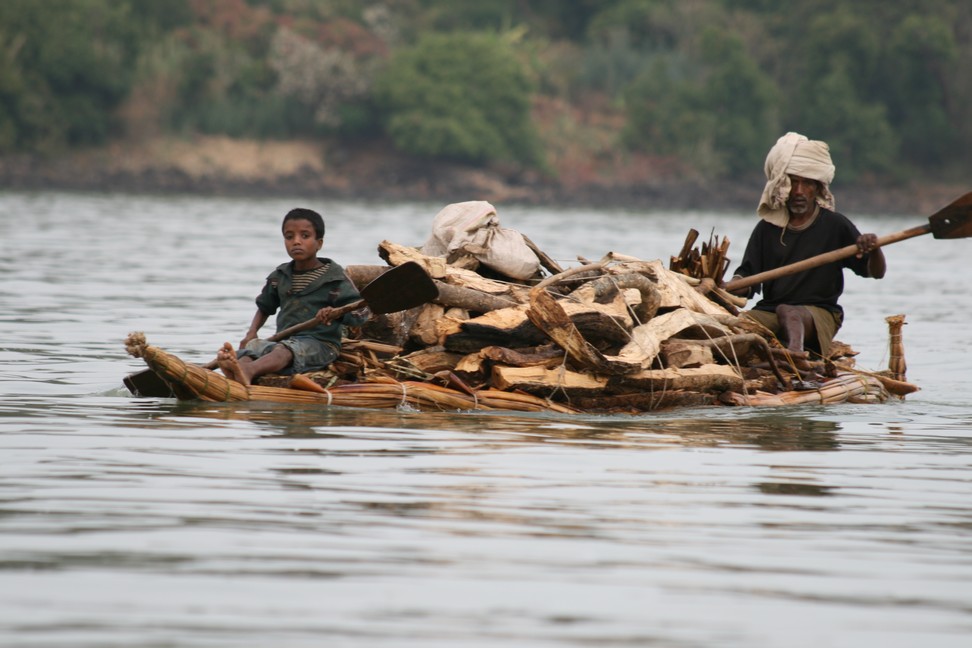
Papyrus boats in Ethiopia


Papyrus boats in Ethiopia have a unique history and cultural significance, particularly in the region of Lake Tana and its surrounding areas. Lake Tana, located in the Ethiopian Highlands, is the largest lake in Ethiopia and a source of the Blue Nile River.

Papyrus boats in Ethiopia

Here are some key points about papyrus boats in Ethiopia:

  1. Lake Tana: Lake Tana is known for its abundant growth of papyrus reeds along its shores and in its shallow waters. Papyrus is an essential resource in the region and has been used for various purposes, including boat construction.
  2. Boat Construction: Papyrus boats in Ethiopia are traditionally constructed by binding and bundling papyrus reeds together. These boats typically have a flat-bottomed design and are well-suited for navigating the shallow and reed-filled waters of Lake Tana.
  3. Uses: Papyrus boats are used for transportation, fishing, and various other purposes on Lake Tana. They are a common sight on the lake and are integral to the livelihoods of the local communities living in the area.
  4. Cultural Significance: Papyrus boats hold cultural significance in the region, and their construction and use are often passed down through generations. These boats are not only practical but are also a part of the cultural identity of the people living around Lake Tana.
  5. Fishing: Many local fishermen use papyrus boats for fishing on Lake Tana. The design of the boats allows them to navigate the narrow channels, reed beds, and open waters of the lake with ease.
  6. Ecotourism: Papyrus boats have become a part of the ecotourism industry in the Lake Tana region. Tourists often enjoy rides on these traditional boats to explore the lake and its picturesque landscapes.
  7. Conservation: The sustainable use of papyrus reeds and the preservation of Lake Tana’s natural environment are important for maintaining the availability of this traditional resource and the cultural practices associated with it.

Papyrus boats in Ethiopia, particularly in the Lake Tana region, are a testament to the resourcefulness and adaptability of local communities. They represent a sustainable and culturally significant practice that continues to be an integral part of the daily life and traditions of the people living around the lake.

White Nile and the Blue Nile


The White Nile and the Blue Nile are two major tributaries that merge in Sudan to form the Nile River, one of the world’s longest and most iconic rivers. Here are some key details about the White Nile and the Blue Nile:

  1. White Nile:
    • Source: The White Nile is one of the two main headwaters of the Nile River. It originates from Lake Victoria in East Africa, which is shared by Uganda, Tanzania, and Kenya.
    • Course: The White Nile flows northward from Lake Victoria, passing through Uganda and South Sudan. It is characterized by its relatively slow and meandering course, with vast wetlands and swamps along its path.
    • Contribution to the Nile: The White Nile contributes to a significant portion of the Nile River’s flow, although it is generally less turbulent and carries fewer sediments compared to the Blue Nile.
    • Merging Point: The White Nile and the Blue Nile converge near the Sudanese capital, Khartoum, to form the main Nile River, which continues its journey northward through Sudan and Egypt before emptying into the Mediterranean Sea.
    • Economic Importance: The White Nile plays a crucial role in the economic and agricultural activities of the regions it traverses, as it provides water for irrigation, transportation, and sustains the livelihoods of local communities.
  2. Blue Nile:
    • Source: The Blue Nile is the other primary tributary of the Nile River. It originates from Lake Tana in the Ethiopian Highlands. The Blue Nile is known for its fast-flowing and turbulent nature, especially during the rainy season.
    • Course: The Blue Nile flows from Ethiopia into Sudan. It is characterized by its steep and rugged terrain, which contributes to its rapid flow and the erosion of sediments.
    • Contribution to the Nile: Although the Blue Nile carries a smaller volume of water compared to the White Nile, it is responsible for supplying a significant portion of the Nile’s sediments, making it essential for replenishing the Nile Delta’s fertile soils in Egypt.
    • Merging Point: The Blue Nile and the White Nile meet in Khartoum, Sudan, where their waters combine to form the main Nile River.
    • Historical Significance: The Blue Nile has played a significant role in the history and development of the region, as well as the construction of various dams and irrigation projects.

The confluence of the White Nile and the Blue Nile in Khartoum is a crucial point in the Nile’s journey, where the two distinct tributaries merge to create one of the most famous and important rivers in the world. The Nile River has been a lifeline for countless civilizations and continues to be of paramount importance for the nations through which it flows.

Sudanese Cemeteries

Introduction

Sudanese cemeteries are not merely resting places for the deceased but are repositories of the nation’s rich history, diverse culture, and religious traditions. With a history that spans millennia, Sudan’s cemeteries hold profound significance, reflecting the tapestry of its various ethnic, religious, and cultural influences. This essay explores Sudanese cemeteries, their historical roots, their connection to religious practices, and their role in preserving Sudan’s unique heritage.

Sudanese Cemeteries
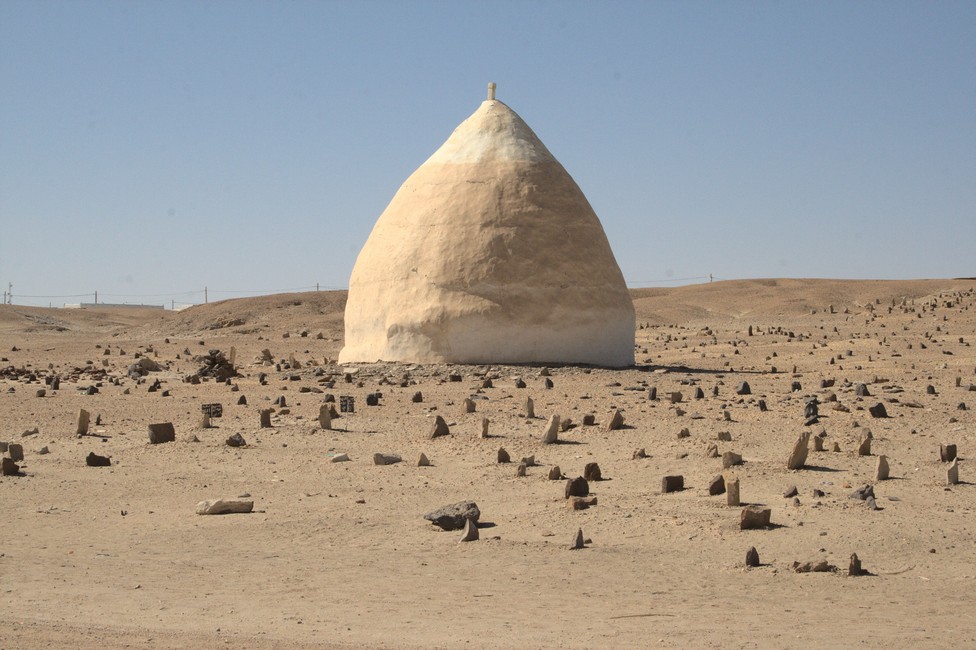
Grave Markers

Historical Roots of Sudanese Cemeteries

Sudan’s history is characterized by ancient civilizations, diverse ethnic groups, and a blend of cultures that have shaped the country’s cemeterial landscape. These historical roots provide an understanding of the evolution of Sudanese cemeteries.

  1. Ancient Civilizations: Sudan has been home to several ancient civilizations, such as the Kingdom of Kush, the Kingdom of Meroë, and the Christian kingdoms of Nubia. The burial practices of these civilizations have left an indelible mark on Sudanese cemeteries. For example, the pyramids and burial chambers of Meroë, reminiscent of the Egyptian pyramids, are a testament to the historical grandeur of the region.
  2. Nubian Burial Sites: The Nubian people have their distinctive burial traditions, which are evident in the intricate tombs and pyramids of the Nubian Desert. These burial sites provide insights into Nubian culture and the veneration of the dead.
  3. Islamic Influence: With the spread of Islam across Sudan, Islamic burial customs have influenced cemeteries throughout the country. Islamic cemeteries adhere to the tradition of burying the deceased as soon as possible, facing the body towards Mecca, and marking graves with simple headstones.

Cultural and Religious Significance

Sudanese cemeteries are significant not only from a historical perspective but also from cultural and religious viewpoints. They are a reflection of the rich diversity of the nation’s cultural and religious fabric.

  1. Islamic Cemeteries: In Sudan, the majority of the population practices Islam, and Islamic cemeteries are a prominent feature. These cemeteries are meticulously organized, following Islamic customs, and are often adorned with ornate mausoleums and shrines of revered religious figures.
  2. Christian Cemeteries: Christianity has a long history in Sudan, particularly in the Nubian regions of the country. Christian cemeteries reflect the Christian faith’s practices, with crosses and Christian symbols adorning graves and headstones.
  3. Traditional Sudanese Cemeteries: In addition to Islamic and Christian cemeteries, Sudan has cemeteries that reflect indigenous traditions and diverse ethnic groups. These cemeteries may feature unique burial practices, grave markers, and cultural elements specific to the local communities.
  4. Sufi Shrines: Sudan has a strong Sufi presence, and the cemeteries often include the tombs and shrines of Sufi saints and leaders. These shrines are places of pilgrimage and devotion for Sufi adherents.

Funerary Traditions

Funerary traditions in Sudanese cemeteries are deeply rooted in cultural and religious practices. These traditions play a crucial role in honoring the deceased and providing solace to the bereaved.

  1. Islamic Burial Customs: Islamic burial customs in Sudan involve washing the deceased, shrouding the body in a simple white cloth, and burying it in a grave facing the Qibla (the direction of Mecca). These customs are carried out with reverence and are often performed swiftly after death.
  2. Traditional Practices: Various ethnic groups in Sudan have their unique funerary traditions, which may include ceremonies, rituals, and songs. These traditions are passed down through generations and serve to celebrate the life of the departed.

Cemetery Architecture

Sudanese cemeteries are not only about the resting places but also the architectural elements that adorn them, creating a distinct visual identity.

  1. Mausoleums: Many Sudanese cemeteries, especially those with Islamic significance, feature mausoleums and shrines. These structures are often elaborately designed and serve as places of veneration for religious figures and saints.
  2. Grave Markers: Different cemeteries in Sudan use various grave markers, from simple headstones to ornate sculptures. These markers can offer insights into the cultural and religious affiliations of the deceased.
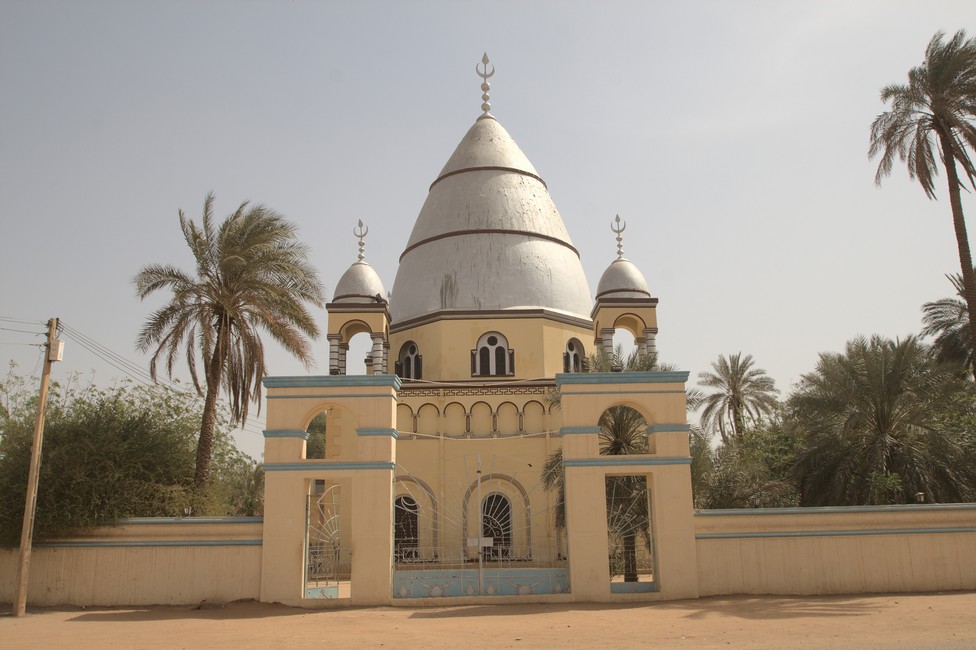
Tomb of the Mahdi
Tomb of the Mahdi

Cultural Heritage and Preservation

Sudanese cemeteries are an integral part of the nation’s cultural heritage, reflecting its history, diversity, and religious pluralism. Preserving these cemeteries is crucial for safeguarding Sudan’s unique legacy.

  1. Cultural Diversity: Sudan is home to a mosaic of cultures, languages, and traditions. Its cemeteries showcase this diversity, serving as a testament to the coexistence of different communities and their respective practices.
  2. Conservation Efforts: Efforts are underway to preserve and protect Sudanese cemeteries, especially those at risk of deterioration or destruction. These efforts often involve partnerships between local communities, heritage organizations, and government authorities.

Conclusion

Sudanese cemeteries are not merely places for burial but repositories of history, culture, and religious significance. They reflect the country’s rich and diverse heritage, with influences from ancient civilizations, religious practices, and indigenous traditions. These cemeteries are living testaments to the past and are essential for preserving Sudan’s unique cultural legacy.

Bawiti


Bawiti is a town located in the Bahariya Oasis, which is one of the seven major oases in the Western Desert of Egypt. The Bahariya Oasis is situated about 370 kilometers southwest of Cairo, making it a popular destination for travelers seeking a unique desert experience in Egypt. Bawiti is the largest town and the administrative center of the Bahariya Oasis and serves as the main point of entry for visitors exploring the area. Here are some key points about Bawiti and the Bahariya Oasis:

Bawiti
Bawiti
  1. Geographical Location: Bawiti is located in the heart of the Bahariya Oasis, surrounded by desert landscapes. The town is nestled amidst palm groves, which provide a stark contrast to the arid desert surroundings.
  2. Access and Transportation: Bawiti is accessible by road from Cairo, and it serves as the gateway to the Bahariya Oasis. Travelers can reach Bawiti by taking a bus, private car, or joining guided tours from the capital.
  3. History and Culture: The Bahariya Oasis has a rich history, with evidence of human settlement dating back thousands of years. Bawiti, like other towns in the oasis, has a mix of modern and traditional elements, and visitors can explore local culture, sample traditional cuisine, and visit historic sites.
  4. Agriculture: The Bahariya Oasis is known for its agricultural activities, and Bawiti plays a significant role in this regard. The oasis is famous for its date palms, olive groves, and cultivation of various fruits and vegetables.
  5. Tourist Attractions: Bawiti and the surrounding area offer a range of attractions for visitors. Some of the notable places to explore include the Black Desert, Crystal Mountain, White Desert, and Valley of the Golden Mummies, which is an archaeological site containing well-preserved mummies.
  6. Desert Adventures: The Bahariya Oasis is a hub for desert adventures. Visitors can enjoy activities such as jeep safaris, camel treks, and sandboarding in the dunes. Exploring the unique desert landscapes, including the White Desert with its surreal rock formations, is a highlight for many.
  7. Hot Springs: Bawiti and the Bahariya Oasis are known for their hot springs, which are believed to have therapeutic properties. Relaxing in these natural springs is a popular activity for travelers looking to unwind.
  8. Cultural Experiences: Visitors can interact with the local Bedouin communities and learn about their traditional way of life. Bedouin guides often lead desert excursions, sharing their knowledge of the land.
  9. Stargazing: The desert skies around Bawiti are known for their clarity, making stargazing a magical experience. The absence of light pollution allows for excellent views of the night sky.
  10. Accommodations and Services: It offers a range of accommodations, from budget-friendly guesthouses to more upscale hotels and desert camps. Travelers can find amenities and services that cater to their needs.

Bawiti and the Bahariya Oasis provide a unique opportunity for travelers to explore Egypt’s Western Desert and experience a combination of natural beauty, cultural richness, and adventure. Whether you’re interested in exploring ancient archaeological sites, enjoying desert activities, or simply appreciating the tranquil oasis environment, Bawiti serves as an excellent base for an unforgettable desert adventure.

Geography and Location:

The Bahariya Oasis, where Bawiti is situated, is one of several oases scattered across the vast expanse of Egypt’s Western Desert. This oasis is known for its lush palm groves, verdant agricultural fields, and an abundance of freshwater springs. Bawiti is strategically located in the oasis, making it an ideal starting point for exploring the surrounding natural wonders and historical sites.

The Western Desert itself is a captivating region characterized by endless sand dunes, rocky plateaus, and unique geological formations. Bawiti’s location in this desert paradise provides visitors with a rare opportunity to immerse themselves in a landscape of unparalleled beauty while enjoying the comfort and hospitality of a welcoming oasis town.

History and Archaeological Significance:

Bawiti and the Bahariya Oasis have a rich history that dates back thousands of years. Evidence of human habitation in the oasis can be traced to ancient times, with archaeological findings revealing traces of settlements dating back to the Old Kingdom of Egypt (circa 2686-2181 BCE). These ancient inhabitants relied on the fertile land of the oasis for agriculture and as a crucial stop along trade routes.

One of the most significant historical sites in Bawiti is the Temple of Alexander the Great, known locally as “Qasr el-Migysbah.” This temple is believed to have been constructed during the Ptolemaic period (circa 323-30 BCE) and is dedicated to Alexander the Great and the Egyptian god Amun. The temple’s well-preserved ruins offer a glimpse into the fusion of Egyptian and Hellenistic architectural styles.

Another notable archaeological site in the Bahariya Oasis is the Valley of the Golden Mummies, located a short distance from Bawiti. This extraordinary burial site, discovered in the 1990s, contains numerous mummies adorned with gold masks and jewelry, providing valuable insights into the funerary practices of the oasis’s ancient inhabitants.

Local Culture and Traditions:

The inhabitants of Bawiti and the Bahariya Oasis have a unique and distinct culture that reflects their connection to the desert environment. The oasis people, known as the “Awlad Ali,” have a rich tradition of agriculture, relying on the fertile soil and natural springs to cultivate crops such as dates, olives, and various fruits and vegetables.

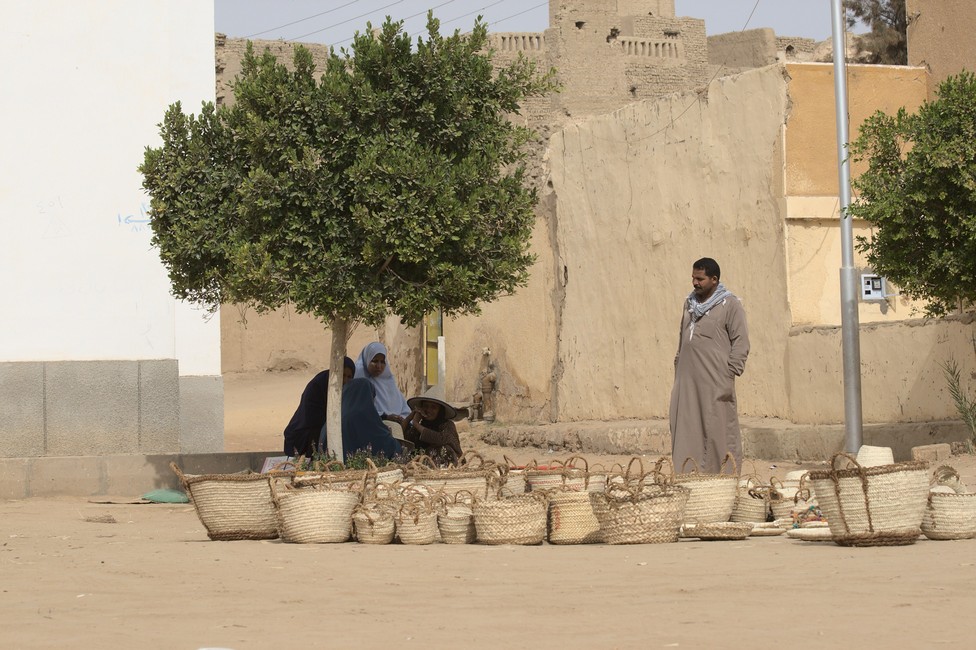
Traditional crafts are an integral part of the local culture in Bawiti. Visitors can explore markets and shops in the town to find handmade products like woven baskets, pottery, and traditional Bedouin jewelry. These crafts often showcase the artistic skills passed down through generations.

Hospitality is a hallmark of the oasis culture, and visitors to Bawiti can experience warm and genuine interactions with the locals. Traditional music and dance performances are also part of the cultural experience, offering a glimpse into the artistic heritage of the Bahariya Oasis.

Natural Wonders:

While the history and culture of Bawiti are captivating, the surrounding natural wonders of the Bahariya Oasis are equally enticing. Exploring the desert landscape and its unique features is an integral part of any visit to Bawiti.

  1. White Desert: One of the most famous natural attractions near Bawiti is the White Desert, known locally as “Sahara el Beyda.” This surreal landscape is characterized by its white chalk rock formations, sculpted by wind and erosion over millions of years. These otherworldly shapes create a mesmerizing and eerie landscape that makes the White Desert a must-visit destination for travelers.
  2. Black Desert: In contrast to the White Desert, the nearby Black Desert is known for its dark volcanic rocks and dramatic scenery. The black volcanic cones create a stark contrast against the golden sands, making it a fascinating destination for photography and exploration.
  3. Crystal Mountain: Another natural wonder near Bawiti is the Crystal Mountain, named for the sparkling quartz crystals that adorn its surface. This geological marvel is a testament to the forces that have shaped the desert landscape over eons.
  4. Agabat Valley: The Agabat Valley, with its towering rock formations and narrow canyons, offers adventurous hiking opportunities for those looking to immerse themselves in the rugged beauty of the Western Desert.
  5. Hot and Cold Springs: The Bahariya Oasis is also home to several hot and cold springs, including Bir Ramla and Bir al-Ghaba. These natural springs provide a refreshing break for travelers and are believed to have therapeutic properties.

Activities and Adventures:

Bawiti and the Bahariya Oasis offer a wide range of activities and adventures for travelers of all interests. Whether you seek relaxation or adrenaline-pumping experiences, there’s something for everyone.

  1. Desert Safaris: Guided desert safaris are a popular way to explore the natural wonders of the oasis. Experienced guides lead travelers on off-road adventures, allowing them to witness the stunning landscapes, visit archaeological sites, and enjoy traditional Bedouin meals under the stars.
  2. Camel Trekking: For a more traditional experience, camel trekking is a serene way to traverse the desert, offering a deeper connection with the landscape and an opportunity to experience the desert as ancient travelers did.
  3. Stargazing: The clear desert skies make stargazing a mesmerizing experience in the Bahariya Oasis. Bawiti’s remote location and low light pollution create ideal conditions for astronomy enthusiasts to observe celestial wonders.
  4. Bird Watching: The oasis’s fertile lands and freshwater springs attract a variety of bird species, making it a haven for birdwatchers. Many migratory birds visit the oasis, providing excellent opportunities for ornithological exploration.
  5. Relaxation: If you prefer a more leisurely pace, you can relax in one of the many hot springs or enjoy the serene ambiance of the palm groves. Bawiti offers a tranquil environment for unwinding and escaping the hustle and bustle of city life.

Cuisine and Dining:

The cuisine of Bawiti and the Bahariya Oasis reflects the agricultural abundance of the region. Visitors can savor traditional Egyptian dishes prepared using locally sourced ingredients. Dates, olives, and various fruits play a central role in the cuisine, and many dishes incorporate these fresh, flavorful ingredients.

One of the signature dishes of the region is “Tagine,” a slow-cooked stew typically made with lamb, chicken, or vegetables. The use of aromatic spices like cumin, coriander, and saffron adds depth and flavor to these hearty dishes. Accompanying the meal, you’ll often find freshly baked bread and a variety of salads.

For dessert, don’t miss out on trying “Basbousa,” a sweet semolina cake soaked in a fragrant sugar syrup. It’s a delightful treat that provides a perfect ending to a meal.

Accommodation:

Bawiti offers a range of accommodation options to suit different preferences and budgets. From traditional desert camps to modern hotels, visitors can find comfortable places to stay while exploring the oasis and its surroundings.

  1. Desert Camps: Many travelers choose to stay in desert camps for a more authentic experience. These camps often consist of traditional Bedouin-style tents equipped with basic amenities, providing an opportunity to sleep under the starlit desert sky.
  2. Hotels and Resorts: Bawiti also has hotels and resorts that offer comfortable rooms with modern amenities. These establishments provide a relaxing retreat after a day of desert exploration.
  3. Eco-Lodges: Some eco-lodges in the Bahariya Oasis focus on sustainable tourism and offer eco-friendly accommodations. These lodges blend into the natural surroundings and provide an immersive experience for nature enthusiasts.

Conclusion:

Bawiti, Egypt, and the Bahariya Oasis are a captivating blend of history, culture, and natural beauty. This oasis town serves as a gateway to the mesmerizing landscapes of the Western Desert, from the surreal White Desert to the rugged Agabat Valley. The rich history and culture of the oasis people, along with their warm hospitality, make Bawiti a unique destination that offers a glimpse into the heart of Egypt.

Visitors to Bawiti can immerse themselves in ancient history by exploring archaeological sites like the Temple of Alexander the Great and the Valley of the Golden Mummies. They can also experience the vibrant local culture, with traditional crafts, music, and dance performances. Whether you’re seeking adventure in the desert, relaxation in hot springs, or a taste of traditional Egyptian cuisine, Bawiti and the Bahariya Oasis have something to offer every traveler.

Bawiti invites you to embark on a journey through time and nature, where the wonders of the past and the beauty of the desert landscape combine to create an unforgettable experience.

Overland travel trip to Bawiti

Cheops Pyramid


The Great Pyramid of Giza, also known as the Pyramid of Khufu or Cheops Pyramid, is one of the most iconic and mysterious structures in human history. Located on the Giza Plateau, just outside Cairo, Egypt, this ancient monument is one of the Seven Wonders of the Ancient World and the only one still standing. Standing at a staggering 481 feet (146.6 meters) in height when it was originally built, it held the title of the world’s tallest man-made structure for over 3,800 years. The Great Pyramid continues to captivate the imagination of people worldwide and has been a subject of fascination, research, and debate for centuries. This article delves into the fascinating world of the Great Pyramid, exploring its history, construction, purpose, mysteries, and enduring significance.

1. Historical Background

The Great Pyramid is one of three pyramids located on the Giza Plateau, just outside modern-day Cairo. The other two pyramids belong to Pharaohs Khafre and Menkaure. The Great Pyramid, however, was constructed for Pharaoh Khufu, also known as Cheops in Greek.

Khufu reigned during the Fourth Dynasty of the Old Kingdom of Egypt, around 2580–2560 BCE. During this era, the construction of pyramids reached its zenith, and monumental pyramids like the Great Pyramid of Giza were built as elaborate tombs for pharaohs. These pyramids were constructed as a part of a larger mortuary complex that included temples, causeways, and smaller satellite pyramids.

2. Architectural Marvel

The Great Pyramid’s construction is an architectural marvel that continues to baffle experts and researchers. Its main characteristics and attributes are as follows:

A. Monumental Size and Dimensions

The Great Pyramid originally stood 146.6 meters (481 feet) tall, making it the tallest man-made structure in the world for millennia. It covers an area of approximately 5.3 hectares (13.1 acres) and consists of an estimated 2.3 million limestone and granite blocks, each weighing several tons. The sides of the Great Pyramid face the cardinal points of the compass with incredible precision.

B. Interior Chambers and Passageways

The Great Pyramid contains three main interior chambers: the King’s Chamber, the Queen’s Chamber, and a subterranean chamber. These chambers are accessed through a network of passageways, including the Ascending and Descending Passages. The King’s Chamber, constructed from red granite, holds an empty, lidless granite sarcophagus, while the purpose of the Queen’s Chamber remains a subject of debate.

C. Alignment and Precision

The Great Pyramid’s precision in alignment is a testament to the exceptional engineering skills of the ancient Egyptians. The sides of the pyramid are incredibly aligned to the cardinal points, with very small deviations. The precision of these alignments is a topic of fascination for astronomers and archaeologists.

3. Construction Theories

The methods and techniques used to construct the Great Pyramid remain the subject of intense debate and speculation. Several theories have been proposed over the years, and while there is no definitive answer, the following are some of the most prominent theories:

A. Slave Labor

One of the more traditional theories suggests that the Great Pyramid was built using a massive workforce of slave labor. This theory implies that thousands of laborers, both skilled and unskilled, worked on the pyramid for an extended period of time.

B. Skilled Egyptian Workforce

In contrast to the slave labor theory, some experts believe that the pyramid was constructed by a well-organized and skilled Egyptian workforce. These workers were not slaves but were likely laborers and craftsmen who were conscripted or hired for the construction project.

C. Ramp Theory

The ramp theory suggests that a massive external ramp was constructed to transport the heavy stone blocks to the upper levels of the pyramid during its construction. The exact design of this ramp has been the subject of various proposals and reconstructions.

D. Internal Spiral Ramp

Another theory, proposed by French architect Jean-Pierre Houdin, suggests the existence of an internal spiral ramp that facilitated the movement of the massive stone blocks to the upper levels of the pyramid. This theory accounts for the precision in the alignment of the pyramid’s sides.

E. Waterways and Counterweight Systems

Some alternative theories propose the use of waterways, canals, or counterweight systems to aid in the transportation and lifting of stone blocks. These ideas are based on the idea that the Great Pyramid’s construction required ingenious engineering solutions.

The construction methods of the Great Pyramid remain a topic of active research and debate, and there is no consensus on which theory is correct.

4. Purpose and Function

The purpose of the Great Pyramid has been a subject of speculation for centuries. While it is widely accepted that it served as a tomb for Pharaoh Khufu, there are various theories about its additional functions:

A. Tomb of Pharaoh Khufu

The most widely accepted theory is that the Great Pyramid was primarily constructed as a grand tomb for Pharaoh Khufu. The King’s Chamber was intended to house his sarcophagus, and the pyramid was designed to facilitate his journey to the afterlife.

B. Astronomical Significance

Some researchers suggest that the Great Pyramid had astronomical significance and was built with precise alignments to celestial events or constellations. Others argue that it was used as an astronomical observatory.

C. Symbol of Power and Authority

The sheer size and grandeur of the Great Pyramid may have been intended to symbolize the authority and power of the pharaoh, as well as the might of ancient Egypt.

D. Religious and Spiritual Significance

The pyramid’s design may have held religious and spiritual significance, possibly associated with the ancient Egyptian belief in the pharaoh’s divine connection and his journey to the afterlife.

E. Multipurpose Complex

Some researchers propose that the Great Pyramid may have served multiple functions, including religious, astronomical, and architectural significance. Its purpose could have been multifaceted.

5. Historical Significance and Legacy

The Great Pyramid of Giza is not only a remarkable architectural achievement but also a symbol of the ancient Egyptian civilization’s greatness. Its construction required advanced engineering and mathematical knowledge. The pyramid’s alignment with the cardinal points and the precise execution of its dimensions continue to amaze researchers and enthusiasts.

The legacy of the Great Pyramid extends beyond its physical presence. It has captured the imaginations of countless people throughout history, from ancient times to the present day. The Pyramid of Giza is a source of fascination for scientists, historians, archaeologists, architects, and amateur enthusiasts who seek to uncover its secrets and mysteries.

6. Unresolved Mysteries

The Great Pyramid of Giza has posed many unanswered questions and mysteries, which continue to intrigue scholars and enthusiasts alike. Some of the enduring mysteries include:

A. Construction Techniques

The exact methods used to construct the Great Pyramid, including how the massive stone blocks were transported and lifted to great heights, remain a subject of debate and fascination.

B. Alignment Precision

The incredible precision in the alignment of the pyramid’s sides, which faces the cardinal points, has left experts wondering how such accuracy was achieved.

C. Interior Chambers and Purpose

The purpose of the Queen’s Chamber and the various passageways within the pyramid remains a topic of debate. Some theories suggest that these chambers held specific functions beyond their initial interpretations.

D. Mathematical Significance

The pyramid’s dimensions, proportions, and mathematical relationships have been the subject of ongoing study. Some researchers propose that the pyramid encodes mathematical and geometric information that is yet to be fully understood.

E. Lost Knowledge

Some believe that the Great Pyramid holds knowledge or secrets that have been lost to time, which could potentially unlock new insights about ancient Egypt, its technology, and its connection to the cosmos.

7. Conservation and Preservation

The Great Pyramid, along with the other pyramids on the Giza Plateau, has faced various challenges over the centuries. These challenges include natural wear and tear, as well as modern issues such as air pollution, urban development, and tourism. Preservation efforts are ongoing to ensure that this ancient wonder of the world continues to be accessible and intact for future generations.

8. Visitor Experience

Today, the Great Pyramid is a major tourist attraction in Egypt. Visitors from around the world come to marvel at its grandeur and learn about its history and mysteries. The site includes a visitor center, allowing tourists to explore the pyramids and the surrounding area. The inside of the Great Pyramid is accessible to tourists, and some choose to enter the King’s Chamber to experience its unique atmosphere.

9. Conclusion

The Great Pyramid of Giza, also known as the Pyramid of Khufu or Cheops Pyramid, stands as an enduring testament to the capabilities and knowledge of the ancient Egyptians. Its construction, purpose, and mysteries continue to captivate the human imagination, and it remains a symbol of Egypt’s rich history and cultural heritage. As scholars and enthusiasts continue to study and explore this remarkable monument, it is likely that new insights and revelations will continue to emerge, further enriching our understanding of this ancient wonder of the world. The Great Pyramid’s legacy endures, reminding us of the remarkable achievements of ancient civilizations and the enduring fascination of the human spirit with the mysteries of the past.

Watamu Beach: A Slice of Paradise on the Kenyan Coast

The allure of Watamu Beach lies in its pristine shoreline, azure waters, vibrant marine life, and the harmonious coexistence of nature and culture. Nestled along the Indian Ocean coast of Kenya, this coastal gem is a place of tranquil beauty, offering a retreat from the hustle and bustle of everyday life. Watamu Beach has captured the hearts of travelers seeking an idyllic tropical escape, and in the following 2,000 words, we will explore the magic that makes it one of Kenya’s most beloved coastal destinations.

Chapter 1: The Geography of Watamu

Watamu Beach is located on the southeastern coast of Kenya, situated about 105 kilometers north of Mombasa. It falls under the Kilifi County, known for its stunning coastline and lush landscapes. The beach stretches approximately 7 kilometers along the Watamu Bay and Turtle Bay, both of which are part of the Watamu Marine National Park and Reserve.

1.1: Watamu Marine National Park and Reserve

One of the remarkable aspects of Watamu Beach is its proximity to the Watamu Marine National Park and Reserve. Established in 1968, this protected area encompasses a coral reef, seagrass beds, and an array of marine life. The park provides a sanctuary for fish, corals, turtles, and other underwater creatures. Snorkeling and diving enthusiasts are drawn to the crystal-clear waters, where they can explore the vibrant coral gardens and observe the rich marine biodiversity.

1.2: The Mida Creek

Apart from its coastal beauty, Watamu is home to the Mida Creek, a tidal inlet situated on the western side of the Watamu Peninsula. The creek is an essential part of the local ecosystem, providing habitat for various bird species and mangrove forests. It serves as a serene spot for nature lovers, birdwatchers, and kayakers.

Chapter 2: The Beach and Its Natural Splendors

Watamu Beach boasts some of the most stunning natural features that have made it a coveted destination for travelers seeking unspoiled beauty and outdoor adventures.

2.1: Pristine White Sands

The beach’s most striking feature is its soft, powdery, and brilliantly white sand that stretches for miles along the shoreline. It’s the perfect canvas for long strolls and peaceful moments of beachcombing.

2.2: Azure Waters

The waters that kiss the shores of Watamu Beach are clear and shimmering shades of blue. Whether you’re standing at the shoreline or venturing into the sea, the waters are a mesmerizing sight.

2.3: Coral Reefs

Watamu is renowned for its coral reefs that sit just offshore. These living underwater gardens are home to a myriad of colorful fish, fascinating marine creatures, and intricate coral formations. Snorkelers and divers have the privilege of exploring these reefs, where they can witness the wonders of the underwater world.

2.4: Beachcombing

Watamu Beach is a treasure trove for beachcombers. Visitors can spend hours searching for unique seashells, delicate coral fragments, and other natural mementos that the sea has left behind.

2.5: Turtle Nesting and Hatching

The beach plays a vital role in the lifecycle of sea turtles, particularly the Green and Hawksbill turtles. These turtles nest on the shores of Watamu Beach, and from May to September, visitors can witness the remarkable sight of baby turtles hatching and making their first journey to the sea. Conservation efforts are in place to protect these endangered species.

Chapter 3: Activities and Adventures

Watamu Beach offers a wide range of activities and adventures for travelers of all interests and ages.

3.1: Water Sports

Water sports enthusiasts can indulge in activities such as kite surfing, windsurfing, paddleboarding, and jet skiing. The beach’s consistent breeze and ideal conditions make it a haven for wind-powered water sports.

3.2: Snorkeling and Diving

Watamu Beach is a paradise for snorkelers and divers. The coral reefs are teeming with marine life, including colorful fish, turtles, and even dolphins. There are numerous dive operators and centers in the area that cater to all levels of expertise, from beginners to experienced divers.

3.3: Deep-Sea Fishing

Fishing enthusiasts can partake in deep-sea fishing expeditions. The waters off Watamu are known for abundant game fish, including marlin and sailfish. The experience of reeling in a big catch while surrounded by the beauty of the Indian Ocean is truly unforgettable.

3.4: Nature Trails

For those who prefer to keep their feet on solid ground, Watamu offers several nature trails that allow you to explore the coastal forests, mangroves, and the Mida Creek. These trails are excellent for birdwatching, photography, or simply immersing yourself in the natural beauty of the area.

3.5: Cultural Encounters

Watamu Beach is not just about natural beauty; it’s also about the rich culture of the coastal communities. Visitors can engage in cultural experiences, including visits to nearby villages, where they can interact with the local people, learn about their traditions, and even watch traditional dances.

3.6: Dolphin Watching

Dolphin-watching tours are a popular activity in Watamu. The waters off the coast are frequented by pods of dolphins, and boat tours offer a chance to see these intelligent creatures in their natural habitat.

3.7: Turtle Rehabilitation Centers

In addition to witnessing turtle nesting and hatching, visitors can also learn about turtle conservation efforts at rehabilitation centers. These centers rescue and rehabilitate injured or sick turtles before releasing them back into the sea.

Chapter 4: Accommodations and Hospitality

Watamu Beach offers a range of accommodations that cater to different preferences and budgets.

4.1: Beachfront Resorts

For those seeking a luxurious beachfront experience, there are several upscale resorts that offer stunning ocean views, top-notch amenities, and spa facilities.

4.2: Boutique Hotels and Lodges

Watamu is home to charming boutique hotels and lodges that provide a more intimate and personalized experience. These accommodations often feature unique architecture and lush gardens.

4.3: Vacation Rentals

Visitors who prefer a home-away-from-home experience can rent beachfront villas and cottages. These properties offer privacy and the opportunity to prepare your meals, ideal for families and groups.

4.4: Budget Accommodations

Budget-conscious travelers can find affordable guesthouses and hostels in Watamu. These options allow you to enjoy the beauty of the beach without breaking the bank.

Chapter 5: Culinary Delights

Watamu Beach has a diverse dining scene that caters to various tastes.

5.1: Fresh Seafood

As a coastal destination, Watamu naturally offers a plethora of fresh seafood options. Visitors can savor delicious dishes made with locally caught fish, prawns, crabs, and more. Many restaurants offer a ‘catch of the day’ selection.

5.2: International Cuisine

In addition to Kenyan and Swahili dishes, you can find a variety of international cuisines, including Italian, Mediterranean, and Indian. These restaurants provide an array of options for global palates.

5.3: Street Food and Local Eateries

For a taste of authentic Kenyan and Swahili flavors, exploring local eateries and street food vendors is a must. Enjoy dishes like pilau (spiced rice), biryani, and samosas, often with a side of coconut chutney.

5.4: Beachside Dining

Many restaurants in Watamu offer the opportunity to dine right on the beach, allowing you to enjoy your meal with your toes in the sand and the sound of the ocean as your soundtrack.

Chapter 6: Conservation and Sustainability

Watamu Beach is not only a place of beauty and adventure but also a hub for conservation and sustainability efforts.

6.1: Marine Conservation

The Watamu Marine Association and various conservation organizations work diligently to protect the marine life and coral reefs. Conservation initiatives include beach clean-ups, coral restoration, and educational programs.

6.2: Turtle Conservation

The beach plays a crucial role in the conservation of sea turtles. Various organizations and rehabilitation centers are dedicated to the protection of these magnificent creatures.

6.3: Sustainable Tourism

Watamu is committed to sustainable tourism practices. Many accommodations and tour operators follow eco-friendly principles, ensuring that the natural beauty of the area is preserved for generations to come.

Chapter 7: The Best Time to Visit Watamu

To fully enjoy the beauty and activities that Watamu Beach has to offer, it’s essential to plan your visit during the best time of the year.

7.1: Dry Season (June to October)

The dry season, particularly from June to October, is considered the best time to visit Watamu. During this period, the weather is pleasant, with minimal rainfall and low humidity. The clear skies and calm seas create perfect conditions for water-based activities.

7.2: Turtle Hatching Season (May to September)

If you’re interested in witnessing the remarkable sight of turtle nesting and hatching, consider visiting during the turtle nesting season, which occurs from May to September. It’s a unique and heartwarming experience for nature lovers.

7.3: Migratory Bird Season (November to April)

For birdwatchers, the migratory bird season from November to April is ideal. During this time, the area welcomes a diverse range of bird species, making it a birdwatching paradise.

Chapter 8: Accessibility and Getting to Watamu

Reaching Watamu Beach is relatively straightforward, with several transportation options available.

8.1: By Air

The nearest airport to Watamu is Malindi Airport, located approximately 20 kilometers away. This airport serves domestic flights, with connections to Nairobi and other Kenyan cities.

8.2: By Road

Watamu is accessible by road from Mombasa and Nairobi. The journey by road offers the opportunity to enjoy scenic views of the Kenyan countryside and coastal landscapes.

8.3: Transportation within Watamu

Once in Watamu, getting around is convenient. Taxis, tuk-tuks, and rental cars are readily available. Many accommodations offer airport transfers, and some even provide shuttle services to nearby attractions.

Chapter 9: Conclusion – Watamu Beach: A Paradise to Explore

In conclusion, Watamu Beach is a coastal paradise that combines natural beauty, adventure, and cultural richness. Whether you seek relaxation on its pristine shores, thrilling underwater exploration, or encounters with the local communities, Watamu has something to offer every traveler. It’s a place where the rhythm of the waves and the beauty of nature create an enchanting melody, inviting you to immerse yourself in the wonders of this Kenyan coastal gem. Watamu Beach is more than a destination; it’s an experience that lingers in your heart long after you’ve left its shores.

Bio-Ken Snake Farm


The Bio-Ken Snake Farm is a renowned snake research and education center located near Watamu, on the coast of Kenya. This unique facility is dedicated to the study, conservation, and education related to reptiles, particularly snakes. Here’s what you can expect when visiting the Bio-Ken Snake Farm:

1. Location: The Bio-Ken Snake Farm is located in the coastal town of Watamu, which is part of the larger Malindi region on the Indian Ocean coast of Kenya. It’s easily accessible and makes for an informative and educational visit.

2. Research and Conservation: The primary focus of the Bio-Ken Snake Farm is snake research and conservation. They conduct research on various snake species, including venomous snakes, and work on developing snakebite treatments and antivenom. The facility plays a crucial role in reducing snakebite-related deaths in the region.

3. Guided Tours: Visitors to the snake farm can take guided tours, during which knowledgeable guides provide detailed information about various snake species found in Kenya. The guides share insights into snake behavior, habitats, and the importance of snake conservation.

4. Venom Extraction Demonstrations: One of the highlights of visiting the Bio-Ken Snake Farm is the venom extraction demonstrations. These demonstrations are typically part of the guided tours, during which trained experts extract venom from some of the resident snakes. This educational experience offers a close-up view of how venom is collected for medical research and antivenom production.

5. Collection of Snake Species: The farm houses a collection of various snake species, including both venomous and non-venomous snakes. This collection serves educational and research purposes. Visitors have the opportunity to see these snakes up close and learn about their biology and characteristics.

6. Reptile Handling and Education: In addition to snakes, the farm also houses other reptiles, such as lizards and chameleons. The guides provide information about these reptiles as well, enhancing the educational experience.

7. Safety Measures: The Bio-Ken Snake Farm places a strong emphasis on safety. Visitors are provided with safety instructions, and the farm adheres to strict safety standards to ensure the well-being of both visitors and the animals.

8. Educational Programs: The facility offers educational programs for schools and groups, designed to raise awareness about snake safety and the importance of snake conservation. These programs are often tailored to different age groups.

9. Snakebite First Aid Training: In addition to research and conservation, the Bio-Ken Snake Farm provides training in snakebite first aid. This is crucial in a region where snakebites are a significant health concern. Visitors can learn how to respond to snakebite emergencies and provide initial treatment.

10. Souvenirs and Gifts: The Bio-Ken Snake Farm typically has a gift shop where visitors can purchase snake-themed souvenirs, clothing, and educational materials.

11. Visitor Center: The farm often has a visitor center with informative displays and exhibits related to snakes and snakebite prevention.

12. Accessibility: The Bio-Ken Snake Farm is accessible to the public and is often included as a stop in tours of the Watamu area. It’s a unique and educational attraction for those interested in reptiles and wildlife conservation.

13. Donations and Support: The facility relies on donations and support to continue its research and conservation efforts. Visitors who are passionate about wildlife conservation can consider contributing to the farm’s mission.

A visit to the Bio-Ken Snake Farm is not only an opportunity to learn about snakes but also to understand their critical role in the ecosystem and the efforts being made to reduce the impact of snakebites in the region. It’s an informative and eye-opening experience for visitors interested in reptiles and wildlife conservation.

What to do in Malindi?


Malindi, a coastal town in Kenya, is a hidden gem with a rich tapestry of history, culture, and natural beauty. Nestled along the Indian Ocean, this picturesque destination offers an array of activities for travelers of all interests. Whether you’re a history enthusiast, an adventure seeker, a nature lover, or simply looking for a relaxing beach getaway, Malindi has something to offer. In this comprehensive guide, we’ll explore a multitude of activities and experiences that you can enjoy during your visit to Malindi.

Explore Pristine Beaches: Malindi boasts some of the most stunning and pristine beaches in Kenya. Relax on soft, white sandy shores, soak up the sun, and swim in the crystal-clear waters of places like Silversands Beach, Marine Park Beach, and Malindi Beach. These beaches are perfect for sunbathing, swimming, and beachcombing.

Dive into Marine Life: Malindi is home to a vibrant underwater world. Snorkeling and scuba diving are popular activities in the region. Explore the colorful coral reefs and encounter a diverse range of marine life, including tropical fish, rays, and even the occasional sea turtle. The Malindi Marine Park and Watamu Marine National Park are excellent spots for underwater exploration.

Visit the Gede Ruins: The Gede Ruins are an essential stop for history enthusiasts. These ancient ruins offer a glimpse into the life of the Swahili people in the 13th century. Wander through the well-preserved architecture, including mosques, houses, and a palace, all nestled in a lush forest.

Learn About Vasco da Gama: Vasco da Gama, the famous Portuguese explorer, left his mark on Malindi. Visit the Vasco da Gama Pillar, erected in his honor. This historical site offers fantastic views of the Indian Ocean and an opportunity to reflect on the town’s colonial history.

Enjoy Water Sports: For water sports enthusiasts, Malindi is a paradise. Try your hand at kite surfing, windsurfing, and paddleboarding. Local schools and operators offer equipment rental and lessons, making it accessible for beginners and experts alike.

Deep-Sea Fishing Adventures: Malindi is known for its deep-sea fishing, and there are various fishing charters available. Test your angling skills and aim to catch prized fish such as marlin, sailfish, and tuna in the deep waters of the Indian Ocean.

Discover Local Markets: Explore the bustling markets of Malindi to experience the local culture. The Malindi Market, in particular, is a vibrant place where you can shop for fresh produce, spices, handcrafted items, and souvenirs. Engage with local vendors for a true cultural immersion.

Trek in the Arabuko Sokoke Forest: This remarkable coastal forest is home to a diverse array of wildlife, including rare bird species, butterflies, and mammals. Guided nature walks and treks in the Arabuko Sokoke Forest provide a fantastic opportunity to explore the unique ecosystem and learn about local conservation efforts.

Indulge in Swahili Cuisine: Experience the flavors of Swahili and Kenyan cuisine by sampling local dishes at restaurants and street food stalls. Be sure to try Swahili specialties such as biryani, pilau, and samosas. Seafood lovers will relish the fresh catches of the day, including prawns and snapper.

Explore Historical Mambrui: Mambrui is a historical village near Malindi that offers insights into the Swahili culture and its history. Visit historical sites, including Swahili ruins, colonial architecture, and the Mambrui Jumaa Mosque.

Kilifi Creek: A short drive from Malindi, Kilifi Creek is a serene and picturesque inlet of the Indian Ocean. It’s an ideal spot for kayaking, canoeing, and boat trips. Explore the meandering waters and hidden mangrove forests, and marvel at the stunning sunsets over the creek.

Witness the Marafa Depression: Also known as “Hells Kitchen” due to its striking sandstone formations, the Marafa Depression is a geological wonder. Visit this unique site to explore the canyons, gorges, and sandstone pillars. The landscape is particularly captivating during sunrise and sunset.

Golfing in Malindi: If you’re a golf enthusiast, Malindi offers a beautiful 9-hole golf course at the Malindi Golf and Country Club. Enjoy a round of golf while taking in scenic views of the surrounding area.

Day Trip to Watamu: A short drive from Malindi, Watamu is another coastal town worth exploring. It’s known for its pristine beaches and the Watamu Marine National Park, a protected area for marine life. Snorkeling in the park’s coral gardens is a must.

Visit Bio-Ken Snake Farm: For a unique experience, visit the Bio-Ken Snake Farm in Watamu. Learn about the importance of snake conservation and see various snake species. The farm is actively involved in snakebite research and antivenom production.

Relax in Swahili Spas: Pamper yourself at one of the town’s Swahili spas, where you can enjoy massages and beauty treatments. The soothing ambiance and local techniques make for a relaxing escape.

Support Local Conservation Efforts: Malindi is a hub for wildlife and marine conservation efforts. Consider volunteering with local organizations dedicated to protecting sea turtles, coral reefs, and other local species. Your support will make a positive impact.

Visit Local Art Galleries: Malindi has a vibrant arts scene, and you can explore local art galleries to appreciate the talents of Swahili artists and their contemporary creations.

Participate in Marine Turtle Conservation: Get involved in marine turtle conservation programs to help protect these endangered creatures. Many local organizations offer volunteer opportunities and guided activities.

Volunteer with Wildlife Conservation: Consider dedicating some time to volunteer with local wildlife conservation organizations, where you can directly contribute to the protection of the region’s natural resources.

Take Part in Cultural Workshops: Participate in workshops that offer hands-on experiences in Swahili culture. Learn traditional dance, drumming, or fabric dyeing from local experts.

Support Local Schools and Education: Contribute to local schools and educational initiatives by providing supplies, participating in tutoring programs, or engaging in educational outreach efforts.

Learn About Coastal Ecosystems: Educational programs on coastal ecosystems and marine biology are available at various institutions. Explore the unique flora and fauna of the region through guided educational tours.

Participate in Beach Yoga: Join beach yoga classes to find tranquility by the sea. The calming sounds of the ocean provide a perfect backdrop for yoga and meditation sessions.

Join Eco-Friendly Initiatives: Participate in eco-friendly initiatives such as tree planting, wildlife monitoring, or beach clean-up events. These activities promote sustainability and conservation in the area.

Beach Picnics: Pack a picnic and enjoy a meal on the beach with family and friends. It’s a simple yet delightful way to savor the coastal atmosphere.

Malindi for History Buffs: History enthusiasts can explore the town’s rich heritage, from ancient ruins to colonial landmarks.

Attend Historical Lectures and Talks: Check for local lectures and talks on the history of Malindi, the Swahili coast, and the region’s colonial past. These events offer valuable insights into the town’s heritage.

Participate in Archaeological Excavations: Some archaeological projects in the area accept volunteers to participate in excavations and learn about the region’s history firsthand.

Explore Historical Forts: In addition to Gede Ruins, you can explore other historical sites and forts in the area, including Mambrui and Jumba la Mtwana.

Learn About Swahili Architecture: Swahili architecture is distinctive and characterized by intricate designs and craftsmanship. Take guided tours to learn about the architectural history and influences of the region.

Participate in Local Heritage Festivals: If your visit coincides with local heritage festivals or celebrations, make sure to attend. These events often feature cultural displays, reenactments, and historical exhibitions.

Explore Colonial-Era Buildings: Discover colonial-era buildings, including churches, homes, and government structures that showcase the European influence on the region’s architecture.

Learn About the Slavery Era: Malindi has a history tied to the slave trade. You can visit sites and museums dedicated to educating visitors about this dark period in the town’s history.

Malindi for Watersports Enthusiasts: Watersports enthusiasts can indulge in a wide range of activities, from kite surfing to jet skiing.

Learn Kite Surfing: Take kite surfing lessons if you’re a beginner, or rent equipment if you’re experienced. Malindi’s reliable winds make it an ideal spot for this exhilarating sport.

Windsurfing and Paddleboarding: Windsurfing and stand-up paddleboarding are also popular water sports in the area, with schools and rental options available.

Scuba Diving and Snorkeling Expeditions: Explore the underwater world through scuba diving and snorkeling trips, which offer the opportunity to discover the rich marine life and coral reefs.

Jet Ski Safaris: Enjoy the thrill of jet skiing by taking part in jet ski safaris, where you can explore the coastline and its hidden coves.

Parasailing Adventures: Get a bird’s-eye view of the coastline with parasailing adventures. This exhilarating activity provides stunning vistas of the ocean and the town.

Fishing Competitions: If you’re an experienced angler, consider participating in local fishing competitions. These events are not only competitive but also a fun way to connect with the fishing community.

Learn Water Polo: Some resorts and water sports centers offer water polo lessons, a dynamic sport that provides both exercise and entertainment.

Try Bodyboarding: For a water sport that’s a bit easier to get into than surfing, consider bodyboarding. Local instructors can help you get started.

Malindi for Art and Craft Lovers: Art and craft enthusiasts will find a vibrant creative scene in Malindi, with opportunities to explore and create.

Art Exhibitions and Gallery Tours: Visit local art galleries and exhibitions to view the works of Swahili and Kenyan artists. Many artists also offer gallery tours.

Craft Workshops: Participate in craft workshops to create your own handcrafted items, from beadwork to batik fabric designs.

Learn about Traditional Music and Dance: Swahili culture is rich in music and dance. Attend music and dance workshops to learn traditional rhythms and moves.

Discover Wood Carving Studios: Explore wood carving studios and workshops to witness the process of creating intricate wooden sculptures and art pieces.

Malindi for Food Enthusiasts: Food lovers can savor the diverse flavors of Swahili and Kenyan cuisine.

Culinary Tours and Cooking Classes: Embark on culinary tours to taste local dishes, or enroll in cooking classes to learn how to prepare Swahili and Kenyan specialties.

Local Food Markets: Visit local food markets to experience the vibrant atmosphere and sample street food, fresh produce, and local snacks.

Coffee and Tea Tasting: Discover the world of Kenyan coffee and tea by participating in tastings at local cafes and farms.

Try Unique Flavors: Be adventurous and sample dishes made with unique ingredients like coconut milk, cassava, and exotic fruits.

Visit Local Bakeries: Experience the delightful aroma of freshly baked bread, pastries, and snacks at local bakeries.

Food Festivals: Keep an eye out for local food festivals that showcase regional delicacies and offer the chance to indulge in various dishes.

Traditional Swahili Breakfast: Start your day with a traditional Swahili breakfast, complete with chapati, mahamri, and spiced tea.

Malindi for Romance and Couples: Couples can enjoy the romantic ambiance and activities that Malindi has to offer.

Sunset Beach Dinners: Reserve a beachfront table and enjoy a romantic dinner while watching the sun set over the Indian Ocean.

Private Boat Cruises: Charter a private boat for a romantic cruise, complete with a picnic or champagne, for a memorable experience.

Couples’ Spa Treatments: Indulge in couples’ spa treatments at local wellness centers, where you can relax and rejuvenate together.

Starlit Strolls on the Beach: Take evening walks on the beach under the starlit sky, enjoying the tranquil and romantic atmosphere.

Sunrise Breakfasts: Wake up early and have a romantic breakfast on the beach to witness the sunrise together.

Stay at a Romantic Resort: Choose a romantic, beachfront resort or boutique hotel for an intimate and luxurious experience.

Cultural Experiences for Two: Participate in cultural experiences such as traditional dance, drumming, or craft workshops together.

Sundown at Vasco da Gama Pillar: Visit the Vasco da Gama Pillar in the evening to enjoy a quiet and intimate moment while watching the sunset.

Horseback Riding on the Beach: Embark on a horseback riding adventure on the beach, hand in hand, to create a romantic memory.

Malindi for Solo Travelers: Solo travelers can take advantage of the diverse experiences that Malindi has to offer.

Yoga Retreats: Participate in solo or group yoga retreats to relax, recharge, and connect with like-minded individuals.

Join Group Tours: Opt for group tours and activities to meet fellow travelers and make new friends during your solo adventure.

Language Learning: Learn some basic Swahili phrases and engage in language exchange with locals to enhance your cultural experience.

Historical and Archaeological Exploration: Spend your time exploring the historical and archaeological sites to immerse yourself in the region’s history.

Local Photography Expeditions: Join local photographers for photography expeditions to capture the essence of Malindi through your lens.

Ecotourism Adventures: Engage in ecotourism activities and support sustainable initiatives that promote conservation and community development.

Participate in Cultural Workshops: Attend cultural workshops and events to gain insight into Swahili traditions, music, and dance.

Take Solo Nature Walks: Explore the natural beauty of the region on solo nature walks and discover the unique flora and fauna.

Engage in Watersports: Solo travelers can join group watersports activities like snorkeling, scuba diving, or kite surfing to meet others who share their interests.

Culinary Exploration: Discover the flavors of Swahili and Kenyan cuisine by trying local dishes at restaurants and food markets.

Visit Local Art Galleries: Solo travelers interested in art can explore local art galleries and interact with Swahili artists.

Enjoy Sunset and Sunrise Moments: Witness the beauty of the Malindi coast during sunset and sunrise, offering serene and peaceful moments for solo reflection.

Malindi for Budget Travelers: Budget travelers can make the most of their trip to Malindi with affordable and free activities.

Visit Free Attractions: Explore free attractions like the Vasco da Gama Pillar and enjoy the natural beauty of the beaches at no cost.

Picnics on the Beach: Pack your own picnic and enjoy meals on the beach for a cost-effective dining option.

Stay in Budget Accommodations: Choose budget-friendly accommodations, such as hostels or guesthouses, to save on lodging expenses.

Travel by Tuk-Tuk: Use tuk-tuks, the affordable local taxis, for transportation within the town.

Shop at Local Markets: Purchase souvenirs and gifts at local markets, which often offer unique and inexpensive items.

Share Costs with Fellow Travelers: If you’re traveling with others, share the costs of accommodations, meals, and transportation to reduce expenses.

Cook Your Own Meals: Opt for accommodations with kitchen facilities to prepare your own meals and save on dining expenses.

Hike and Explore on Foot: Embark on self-guided hikes and explore the town and its surroundings on foot to minimize transportation costs.

Attend Free Cultural Events: Check the local event calendar for free cultural events, concerts, and performances.

Engage in Budget Watersports: Participate in budget-friendly watersports such as snorkeling, paddleboarding, or bodyboarding.

Plan a Self-Guided Tour: Create your own self-guided tour to visit historical sites and landmarks without the cost of guided tours.

Enjoy Free Nature Walks: Take advantage of free nature walks in the region’s natural reserves and parks.

Choose Budget-Friendly Excursions: Participate in budget excursions to explore nearby attractions without breaking the bank.

Use Local Transportation: Utilize local transportation options, like matatus (shared minibusses), for affordable travel within the region.

Volunteer for Free Activities: Consider volunteering with local organizations for a rewarding and cost-free way to engage with the community.

Malindi for Adventure and Thrill-Seekers: Adventure enthusiasts can experience adrenaline-pumping activities in the Malindi region.

Kite Surfing Adventures: Take kite surfing lessons or ride the waves with your own gear to satisfy your thirst for adventure.

Deep-Sea Fishing: Challenge yourself by participating in deep-sea fishing excursions to catch large game fish.

Quad Biking: Explore the coastal landscapes and sand dunes on a thrilling quad biking adventure.

Rock Climbing: Climbing enthusiasts can seek out rock climbing opportunities in the nearby Chyulu Hills.

Parasailing Excursions: Soar high above the Indian Ocean with parasailing excursions that offer a bird’s-eye view of the coastline.

Sandboarding on Dunes: Feel the rush of sandboarding on the dunes in the Marafa Depression, experiencing a unique adventure.

Adventure Tours: Join adventure tours that combine various activities such as hiking, water sports, and wildlife encounters.

Skydiving: For the ultimate adrenaline rush, consider skydiving experiences with breathtaking views of the coast.

Bungee Jumping: Adventurous travelers can take on the challenge of bungee jumping at select locations in the region.

Jet Ski Safari: Zoom across the ocean on a jet ski safari, exploring the coastline and hidden coves.

Safaris and Game Drives: Embark on thrilling safaris and game drives to witness Africa’s iconic wildlife in their natural habitat.

Canoeing and Kayaking Adventures: Navigate the serene waters of mangroves, creeks, and lagoons by joining canoeing and kayaking expeditions.

Hiking in the Chyulu Hills: Enjoy challenging hikes and treks in the Chyulu Hills, which offer breathtaking vistas and volcanic landscapes.

Mountain Biking: Seek out mountain biking trails to explore the terrain around Malindi and experience off-road adventures.

Malindi for Nature and Wildlife Enthusiasts: Nature and wildlife enthusiasts can immerse themselves in the diverse ecosystems of the region.

Birdwatching Excursions: Participate in birdwatching excursions to observe the numerous bird species in the coastal and wetland areas.

Visit Malindi Crocodile Farm: Experience the fascinating world of crocodiles and learn about their behavior and conservation.

Guided Nature Walks: Explore the lush landscapes and natural reserves surrounding Malindi on guided nature walks.

Sustainable Overland Travel in Africa


Sustainable Overland Travel in Africa: A Journey Towards Environmental Responsibility

Introduction

Africa is a continent of unparalleled beauty and ecological diversity, attracting travelers from around the world who seek to explore its stunning landscapes, wildlife, and cultures. Overland travel in Africa, often done by road in vehicles such as trucks or 4x4s, is a popular way to experience the continent’s wonders. However, with increasing concerns about environmental impact and conservation, it is crucial to consider sustainable practices while embarking on an overland journey. In this 2000-word essay, we will explore the concept of sustainable overland travel in Africa, focusing on responsible travel practices, eco-friendly vehicles, and community engagement.

Sustainable Overland Travel in Africa
Sustainable Overland Travel in Africa – Stay in Lodge
The Importance of Sustainable Overland Travel

As the travel industry continues to grow, so does the potential for negative environmental and social impacts. Overland travel, in particular, presents unique challenges and opportunities for sustainability. The importance of sustainable overland travel in Africa is evident in several key areas:

1. Environmental Preservation

Africa boasts some of the world’s most ecologically diverse and fragile ecosystems, including savannas, rainforests, deserts, and wetlands. The impact of overland travel on these environments can be significant, with potential issues such as habitat destruction, soil erosion, and pollution. Sustainable practices are essential to preserve these ecosystems and the countless species that call them home.

2. Climate Change Mitigation

The transportation sector is a significant contributor to greenhouse gas emissions. Sustainable overland travel involves reducing carbon footprints through fuel-efficient vehicles, alternative fuels, and responsible driving practices. Climate change mitigation is a global concern, and the travel industry must do its part.

3. Cultural Respect and Community Benefit

Sustainable overland travel goes beyond environmental considerations; it also encompasses responsible interactions with local communities. Engaging with local cultures respectfully and supporting local economies benefits both travelers and the communities they visit.

4. Responsible Wildlife Viewing

Overland travelers often seek opportunities for wildlife viewing. Sustainable travel practices ensure that encounters with animals are respectful, adhere to ethical guidelines, and do not disrupt natural behaviors.

5. Future Generations

Sustainable overland travel is not only about the present but also the legacy we leave for future generations of travelers. Responsible practices help ensure that the natural beauty of Africa can be enjoyed by generations to come.

Key Principles of Sustainable Overland Travel

Sustainable overland travel in Africa is guided by several key principles:

1. Reduce Environmental Impact

Minimizing the environmental footprint is paramount. Travelers should strive to leave no trace of their presence, reduce waste, and adhere to environmentally friendly practices.

2. Respect Local Cultures

Interacting with local communities respectfully, learning about their cultures, and supporting local businesses help ensure that travel benefits, rather than harms, these communities.

3. Support Conservation Efforts

Engaging in conservation initiatives and financially supporting projects that protect and restore ecosystems and wildlife is crucial.

4. Travel Ethically and Responsibly

Sustainable travelers prioritize ethical wildlife viewing, responsible driving, and following established travel regulations and guidelines.

5. Minimize Carbon Emissions

Choosing fuel-efficient vehicles, considering alternative fuels, and practicing eco-friendly driving behaviors are all steps to minimize the carbon footprint of overland travel.

Eco-Friendly Vehicles for Overland Travel

Sustainable overland travel begins with the choice of the vehicle. The type of vehicle used plays a significant role in reducing environmental impact. Several factors should be considered when selecting eco-friendly vehicles:

1. Fuel Efficiency

Choosing vehicles with high fuel efficiency reduces carbon emissions and fuel consumption. Smaller, more compact vehicles tend to be more fuel-efficient and are preferable for overland travel.

2. Alternative Fuels

Exploring options for alternative fuels, such as biodiesel or vehicles powered by electricity, can significantly reduce the carbon footprint of overland travel. Some overland tour operators are already incorporating these options into their fleets.

3. Low-Impact Vehicles

Selecting vehicles with low-impact features, such as those designed to minimize soil compaction or equipped with advanced suspension systems, is essential when traveling through sensitive ecosystems.

4. Proper Maintenance

Regular vehicle maintenance ensures optimal fuel efficiency and minimizes the risk of pollution from oil leaks or exhaust emissions.

5. Vehicle Upgrades

Investing in eco-friendly upgrades, such as solar panels for power generation or low-impact tires, can further reduce environmental impact during overland travel.

6. Eco-Tours and Companies

Choosing to travel with tour companies that prioritize eco-friendly vehicles and practices is an excellent way to ensure that your journey aligns with sustainable principles.

Community Engagement in Sustainable Overland Travel

Engaging with local communities is an integral part of sustainable overland travel in Africa. Responsible community engagement benefits travelers by offering authentic cultural experiences and benefits local populations by supporting their livelihoods. Here are some key aspects of community engagement in sustainable travel:

1. Learning and Respect

Travelers should approach interactions with local communities as opportunities to learn and show respect. Understanding local customs, traditions, and etiquette is essential.

2. Support Local Businesses

Spending money on locally owned and operated businesses, such as guesthouses, restaurants, and markets, ensures that economic benefits stay within the community.

3. Participating in Cultural Experiences

Participating in cultural activities and events organized by local communities, such as traditional dance performances or craft workshops, fosters cultural exchange and provides direct support.

4. Responsible Souvenir Purchases

Choosing souvenirs that are locally made and not sourced from endangered or protected species helps protect local ecosystems and wildlife.

5. Volunteering and Supporting Community Projects

Travelers can contribute to community development projects, such as education initiatives, environmental conservation, and healthcare, to make a positive impact during their journey.

6. Leave No Trace

Leaving no trace of your presence extends to communities as well. This means being mindful of your impact on local resources and respecting the community’s cultural and environmental values.

Examples of Sustainable Overland Travel Practices

Several African countries and overland tour operators are already implementing sustainable practices. Here are some examples:

1. Kenya’s Eco Rating Certification

Kenya introduced an Eco Rating Certification system for lodges, camps, and operators to assess their environmental practices and provide travelers with eco-friendly accommodation options.

2. Botswana’s Responsible Travel Initiative

Botswana’s government and tourism industry collaborate on initiatives that prioritize low-impact tourism, community-based tourism, and wildlife conservation.

3. South Africa’s Fair Trade Tourism Certification

This certification ensures that tourism businesses adhere to fair trade principles, promoting responsible and sustainable travel practices.

4. Overland Tour Operators’ Initiatives

Many overland tour operators in Africa are adopting sustainable practices. They use eco-friendly vehicles, minimize waste, and engage in conservation efforts. Some also support local communities by investing in education, healthcare, and job creation.

Conclusion

Sustainable overland travel in Africa is a journey toward environmental responsibility and responsible cultural engagement. It is about minimizing environmental impact, supporting conservation efforts, and engaging with local communities in ways that benefit both travelers and the people they meet. Choosing eco-friendly vehicles, practicing low-impact travel, and selecting responsible tour operators are essential steps toward a more sustainable overland adventure. By embracing the principles of sustainability, travelers can