Category Archives: Uncategorized

Coleman two flame fuel stove

The Coleman Two-Flame Fuel Stove is a reliable and versatile cooking companion for outdoor enthusiasts and campers. Designed to provide efficient heat and cooking capabilities, this stove offers several features that make it a popular choice for outdoor cooking adventures.

One of the key features of the Coleman Two-Flame Fuel Stove is its dual burner design. With two separate burners, you have the flexibility to cook multiple dishes simultaneously or adjust the heat intensity for different cooking requirements. Each burner is independently adjustable, allowing you to control the flame and heat distribution for precise cooking.

The stove is fueled by liquid fuel, typically white gas or Coleman fuel, which provides a consistent and reliable source of heat. This type of fuel is known for its high energy efficiency, making it suitable for extended cooking sessions or situations where a stable heat source is required. The stove’s fuel capacity allows for extended cooking times without the need for frequent refills.

Constructed with durability in mind, the Coleman Two-Flame Fuel Stove features a sturdy frame and robust materials that can withstand outdoor conditions. The stove is designed for stability, with adjustable legs that ensure a level cooking surface, even on uneven terrain. This stability is particularly important when using larger pots and pans or when cooking in windy conditions.

For ease of use, the stove is equipped with a built-in ignition system, eliminating the need for matches or lighters. Simply turn the stove on, engage the ignition, and you’ll have a consistent flame ready for cooking. The burners are also equipped with wind baffles, which help to protect the flame from gusts of wind, ensuring more efficient cooking and reducing fuel consumption.

The Coleman Two-Flame Fuel Stove is designed with portability in mind. It can be easily disassembled and packed into a compact size, making it convenient to transport and store. This makes it an ideal choice for camping trips, picnics, or any outdoor activity where cooking facilities may be limited.

Cleaning and maintenance are relatively straightforward with this stove. The burners can be easily removed for cleaning, and the stove’s durable construction ensures longevity with proper care.

Overall, the Coleman Two-Flame Fuel Stove offers a reliable and efficient cooking solution for outdoor enthusiasts. With its dual burner design, sturdy construction, and portability, this stove allows you to prepare delicious meals and enjoy the convenience of a reliable heat source in various outdoor settings.

Regenerate response

Ferry Palermo – Tunis


The ferry journey from Palermo, Italy to Tunis, Tunisia is an enchanting experience that allows travelers to explore the stunning Mediterranean Sea and embrace the cultural diversity of two fascinating destinations. Join us as we embark on this virtual voyage across the Mediterranean.

As you board the ferry in Palermo, the capital city of Sicily, you are greeted by the warm Mediterranean breeze and the anticipation of an unforgettable journey. The ferry, with its comfortable cabins and amenities, offers a relaxing atmosphere as you settle in for the crossing.

As the ferry departs from the port, you bid farewell to the beautiful Sicilian coastline, with its picturesque beaches and charming villages. Take a moment to soak in the panoramic views of Palermo, with its colorful buildings and historical landmarks, such as the Norman Palace and the Palermo Cathedral.

As you sail further into the Mediterranean, the deep blue waters captivate your senses, evoking a sense of tranquility and adventure. The Mediterranean Sea, known for its rich history and cultural significance, has been a gateway for trade, exploration, and cultural exchange for centuries.

During the journey, take the opportunity to indulge in the onboard amenities. Relax on the spacious deck, feeling the warmth of the sun on your skin and enjoying the refreshing sea breeze. Treat yourself to a delicious meal at one of the ship’s restaurants, savoring the flavors of Mediterranean cuisine, with its fresh seafood, aromatic herbs, and delightful Mediterranean spices.

As the ferry approaches the Tunisian coast, you catch glimpses of the vibrant city of Tunis, with its blend of modern and traditional architecture. The sight of the white buildings against the azure sea creates a stunning contrast, signaling your arrival in a land of rich history and cultural heritage.

Disembarking in Tunis, you are welcomed by the warmth of Tunisian hospitality. The city’s bustling streets, filled with the sounds of merchants and the aroma of fragrant spices, invite you to explore its vibrant medina. Lose yourself in the labyrinthine alleys, lined with shops offering traditional crafts, textiles, and intricate carpets.

Venture further into Tunis, and you’ll discover the historic landmarks that tell the story of this ancient city. Visit the Medina of Tunis, a UNESCO World Heritage site, where you can admire the stunning architecture of the Great Mosque of Zitouna and explore the bustling markets of the souks. Immerse yourself in the rich cultural heritage of Tunisia by visiting the Bardo Museum, home to a remarkable collection of Roman mosaics and artifacts.

Beyond Tunis, Tunisia beckons you to explore its diverse landscapes. From the beautiful coastal towns of Hammamet and Sidi Bou Said, known for their charming whitewashed buildings and stunning sea views, to the Sahara Desert in the south, where you can experience the magic of an unforgettable desert adventure, Tunisia offers a tapestry of experiences.

Whether you choose to wander through the ancient ruins of Carthage, embark on a camel trek in the Sahara, or simply relax on the golden beaches along the Mediterranean coast, Tunisia invites you to embrace its rich history, warm hospitality, and breathtaking natural beauty.

As you reflect on your ferry journey from Palermo to Tunis, you realize that it has not only been a voyage across the Mediterranean but also a bridge connecting two cultures, two histories, and two worlds. It is a reminder that the beauty of travel lies not only in the destinations we visit but also in the experiences and connections we create along the way.

Rural Sudan 040

Next morning we continue along the Nile in rural Sudan. We want to the Pyramids of Karima. We do not take, however, the route through the desert from Dongola, but travel on along the Nile.

Although the villages along the Nile are very small, each has a mosque and sometimes quite large. Sudan is 70% Muslim, Sunnis in particular. Islam came to Sudan as the Arabs expanded their spheres of influence, after the death of Muhammad in seventh Century. Here in the main settlement area of the Nubians the Islamization happened 600 years after the death of the Prophet, because the Nubians were originally Christians.

Rural Sudan
Rural Sudan

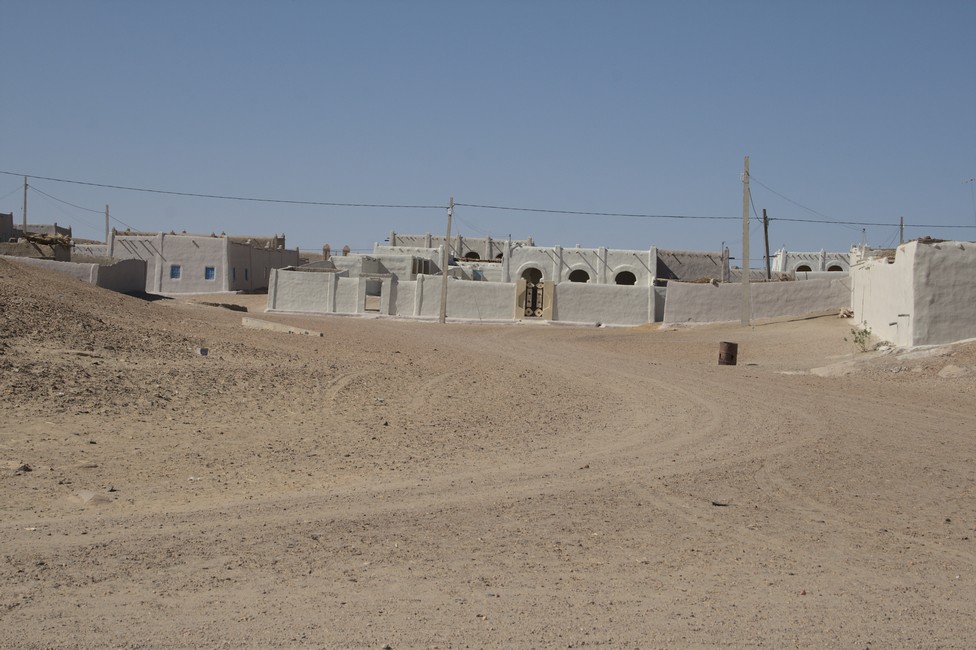
We stop in a village to take a closer look at the houses around us. Here’s a brick house out of clay, there’s always a wall decorated with beautiful entrance gate. The houses, as well as the walls are painted, often white-washed, sometimes decorated with patterns.

Striking is that no people are on the street, but not surprising, because at noon it has well over 40 degrees in the shade and so the people spend their time in the cool courtyards of their buildings and properties.

A special feature is the small brick water or well houses that can be found in front of many houses. There are always water jugs inside ready, which are also available to the passing stranger.

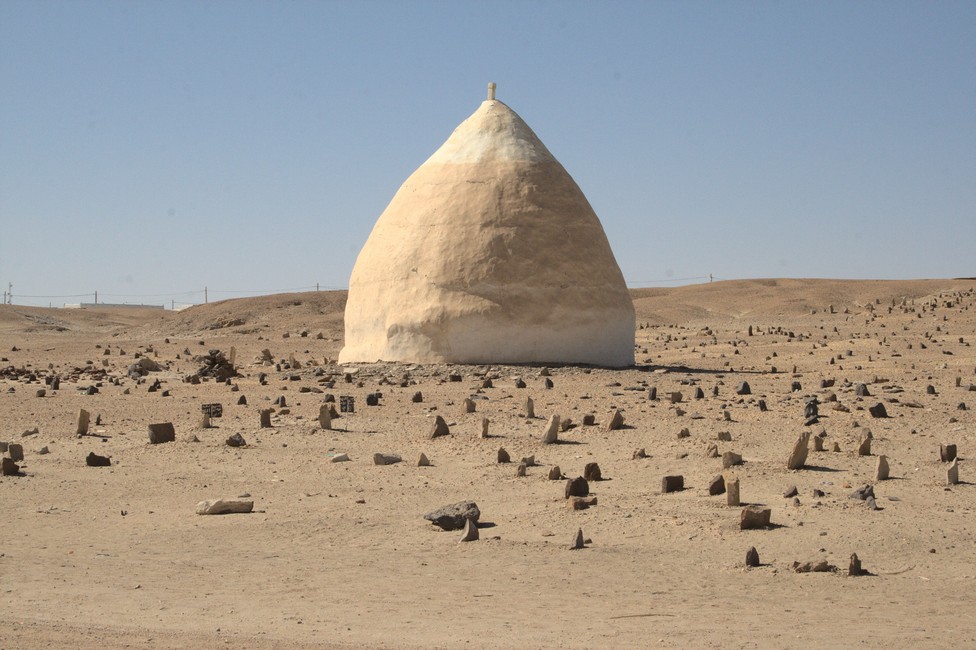
Sudanese cemeteries are always just outside a settlement, the graves are marked only with a stone. Slogans such as name or date of death are missing.

Rural Sudan
Cemetery with tomb stones

The Islamization process was a slow one, since the Arabs held on to their nomadic traditions and originally had no interest to Islamise other areas. Islam was brought in the Sudan by some holy men. Only in the 16th century there was a kind of islamisation established by the Funj kingdom. The Funj were Muslim rulers, which brought stability and attracted missionaries from Cairo and Baghdad. Among them were the Sufis, a new group, which also play an increasingly important role in the Sudan.

Reminded by the green fields of vegetables, we want to shop for dinner. We need eggs and vegetables that we buy in a small shop in a village.

The shop offers the bare essentials, we get eggs and vegetables, as usual communication is difficult in remote areas. Whether here a stranger has ever shopped once is uncertain.

The men are friendly, but confused, with such frequent occurrence of women.

Previous

Next