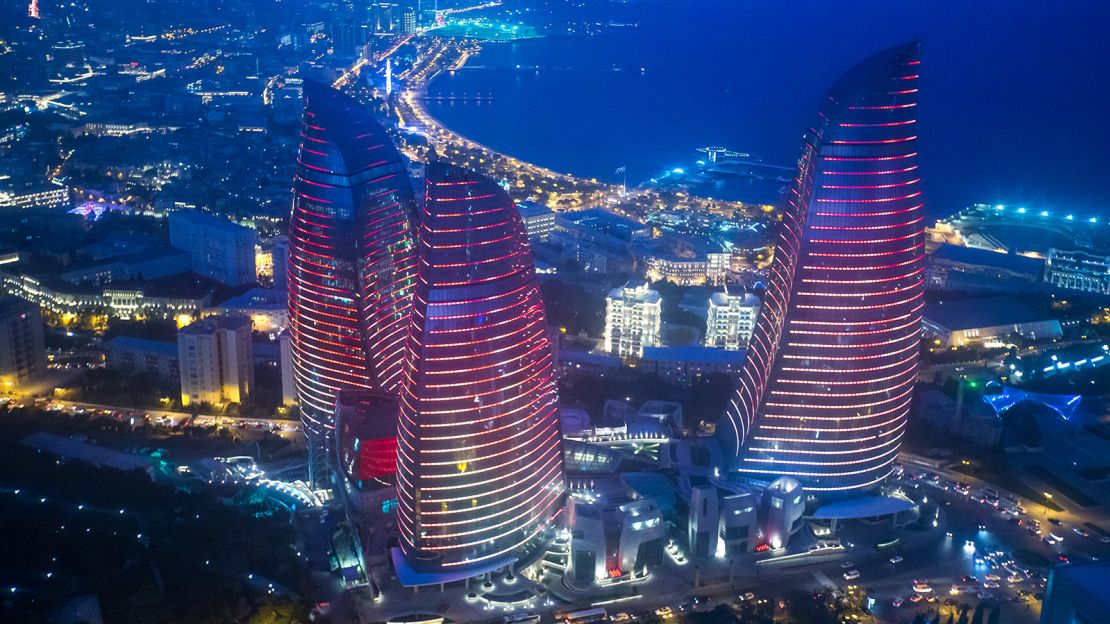
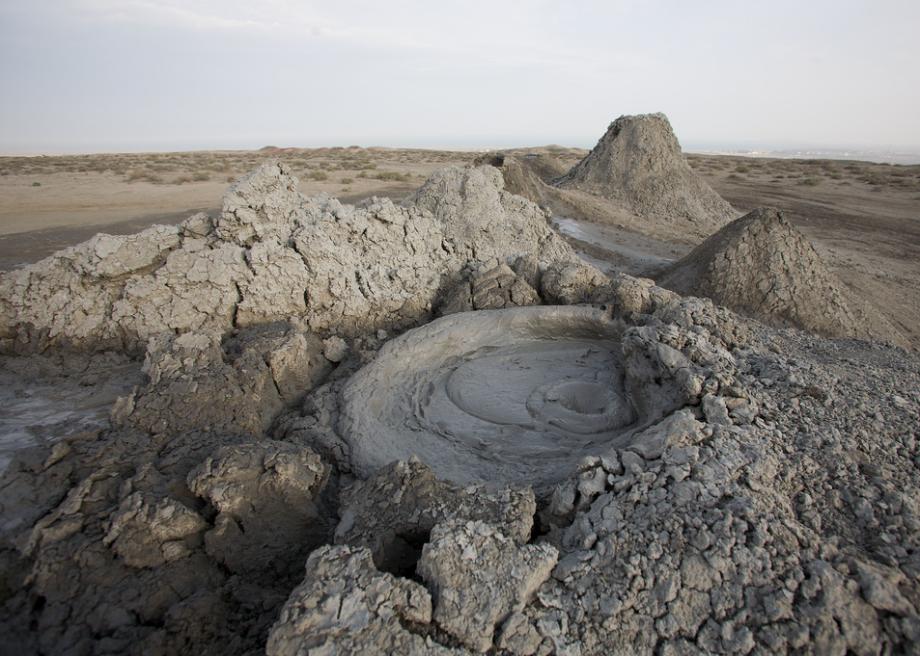
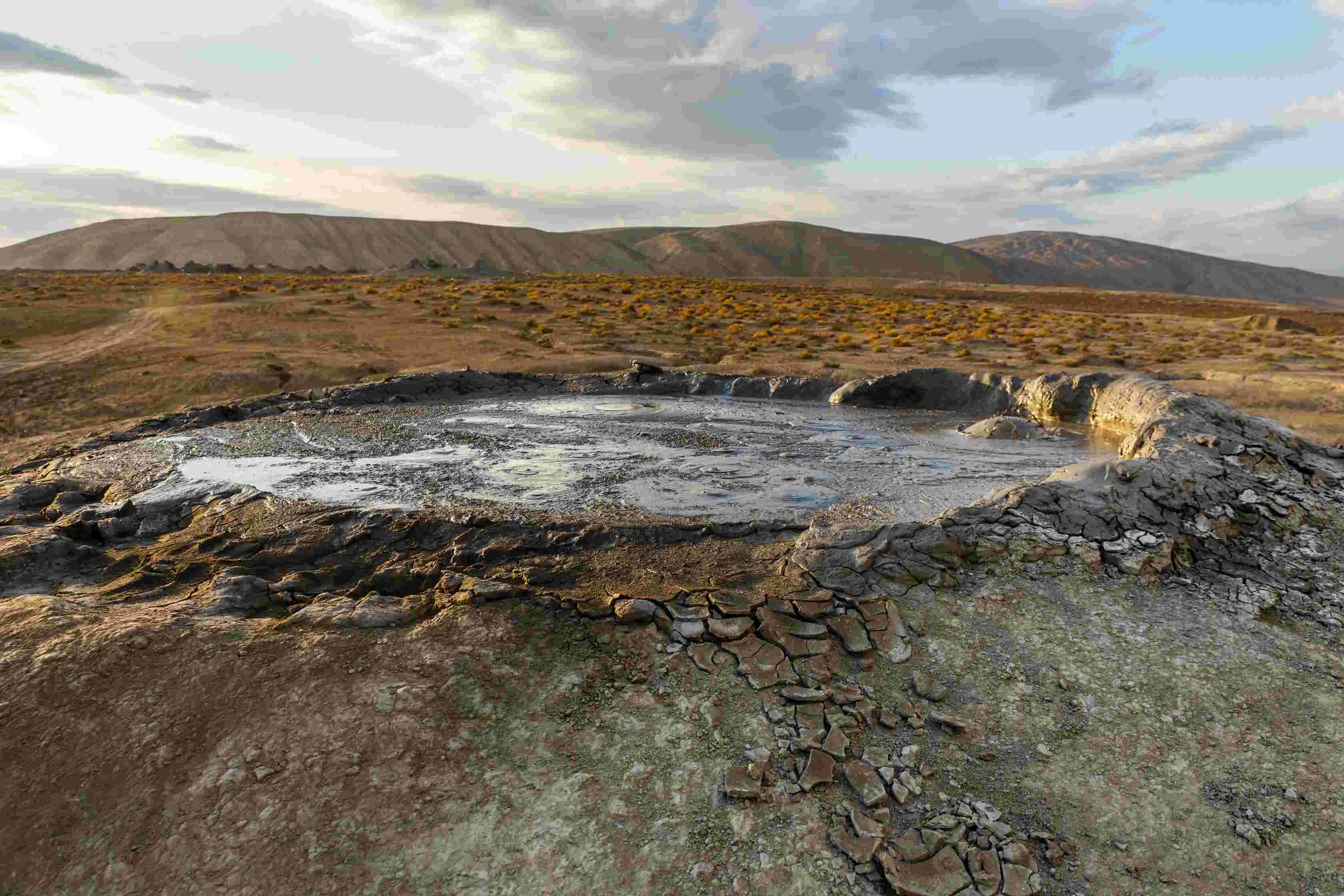
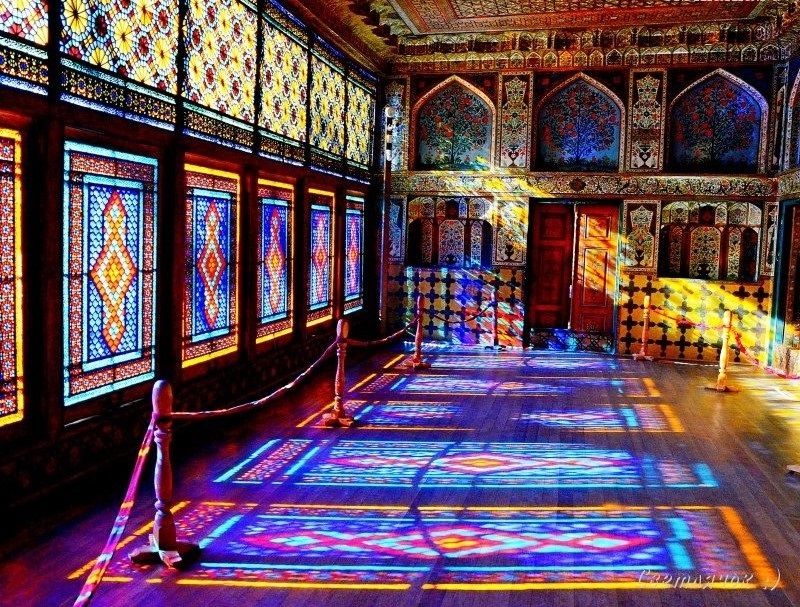
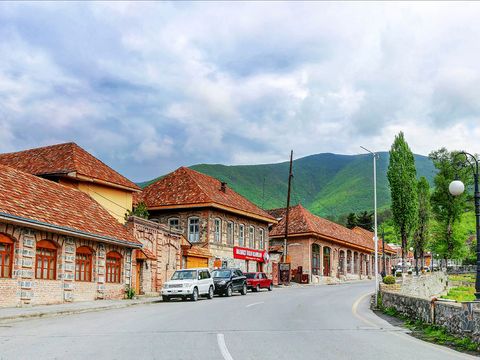
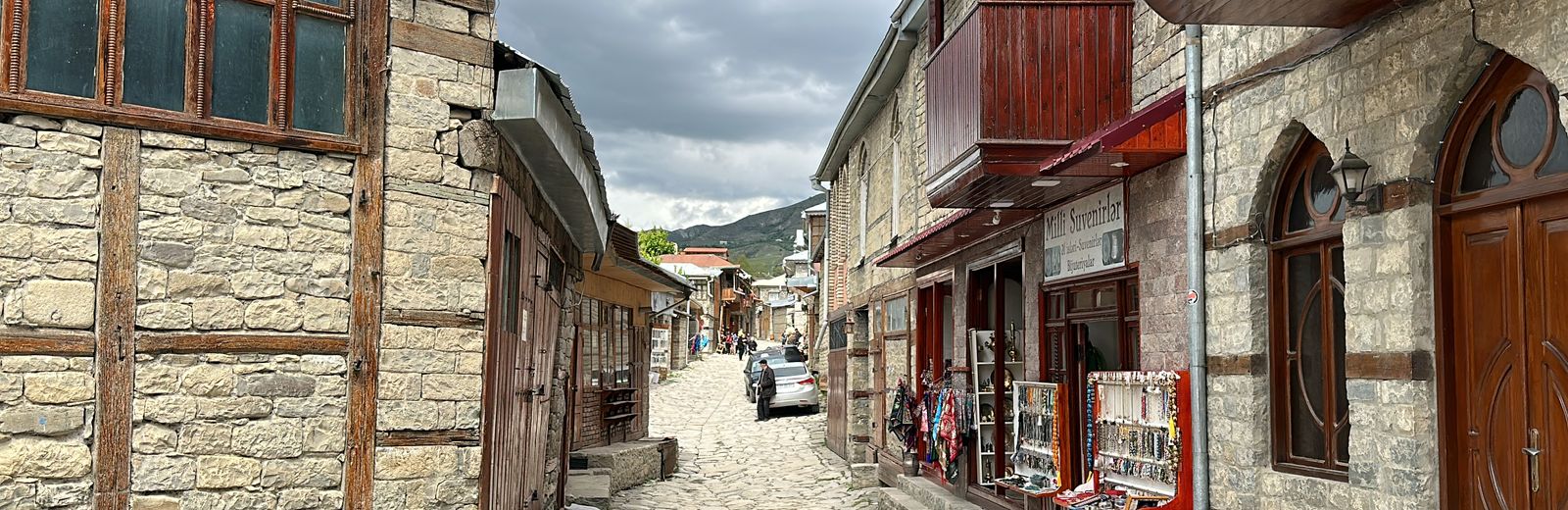
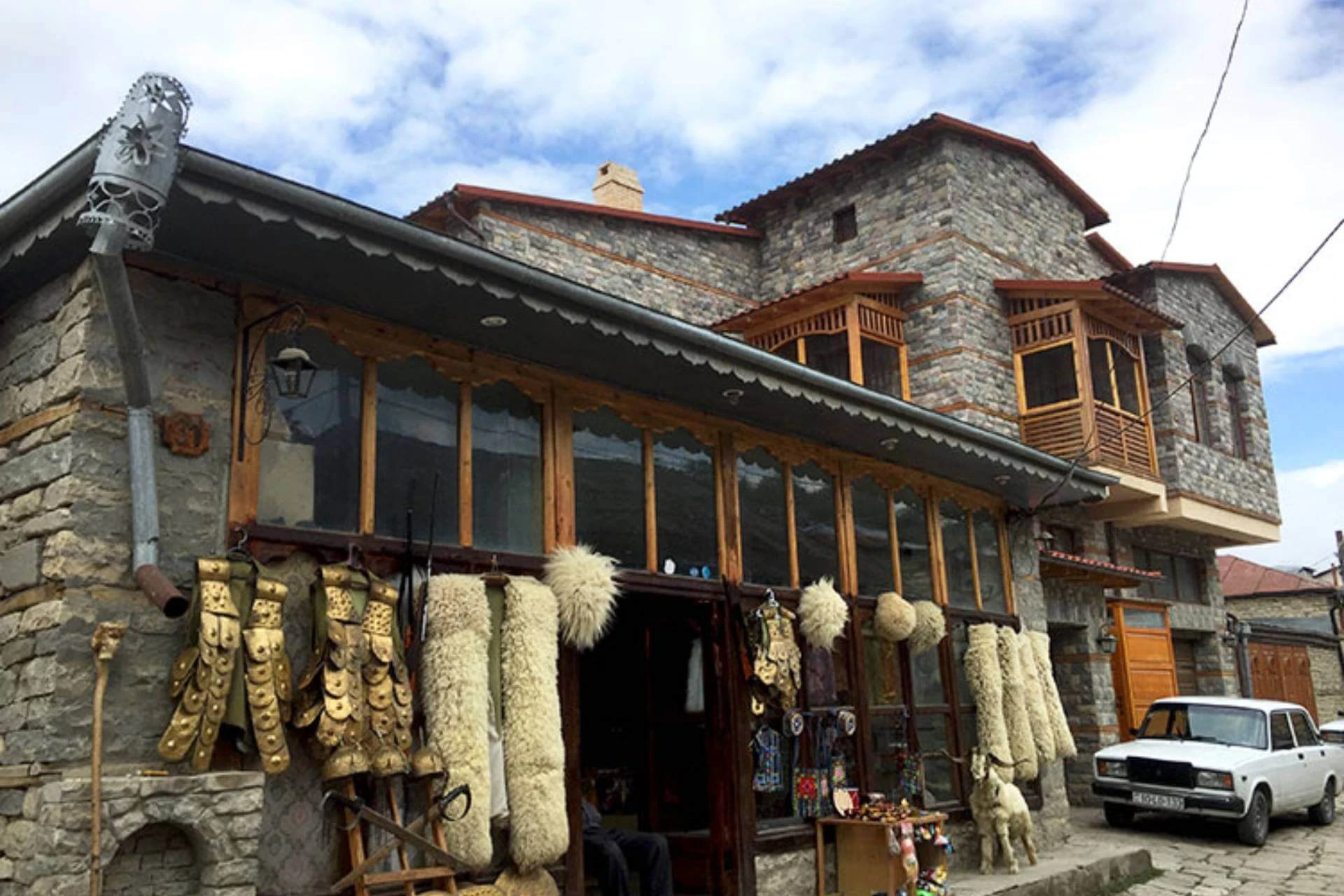
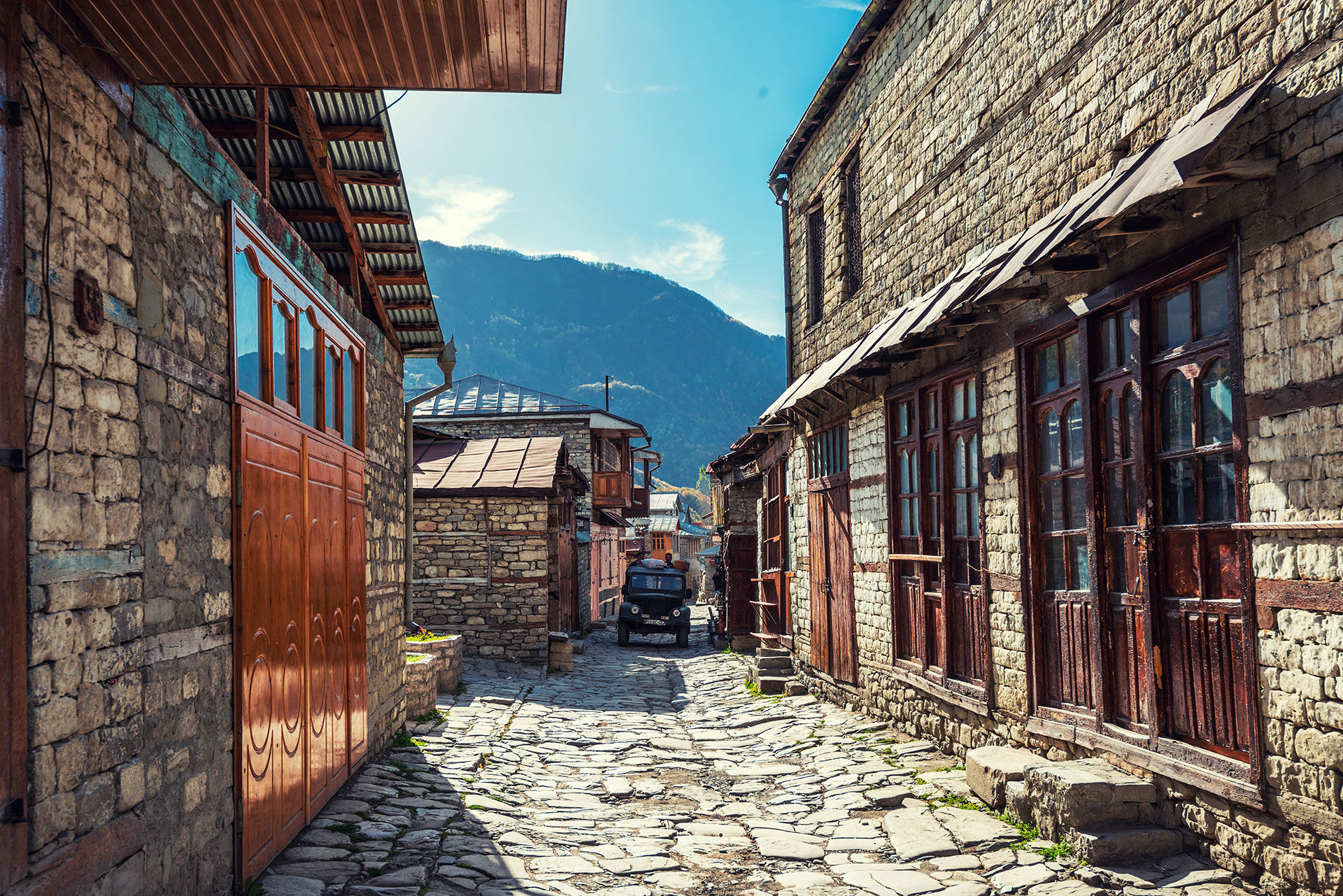
Backpacking Azerbaijan is an underrated adventure—where futuristic cities meet Silk Road history, mountain villages, and semi-desert landscapes. It’s a great choice if you want something less touristy than Southeast Asia but still affordable and diverse.
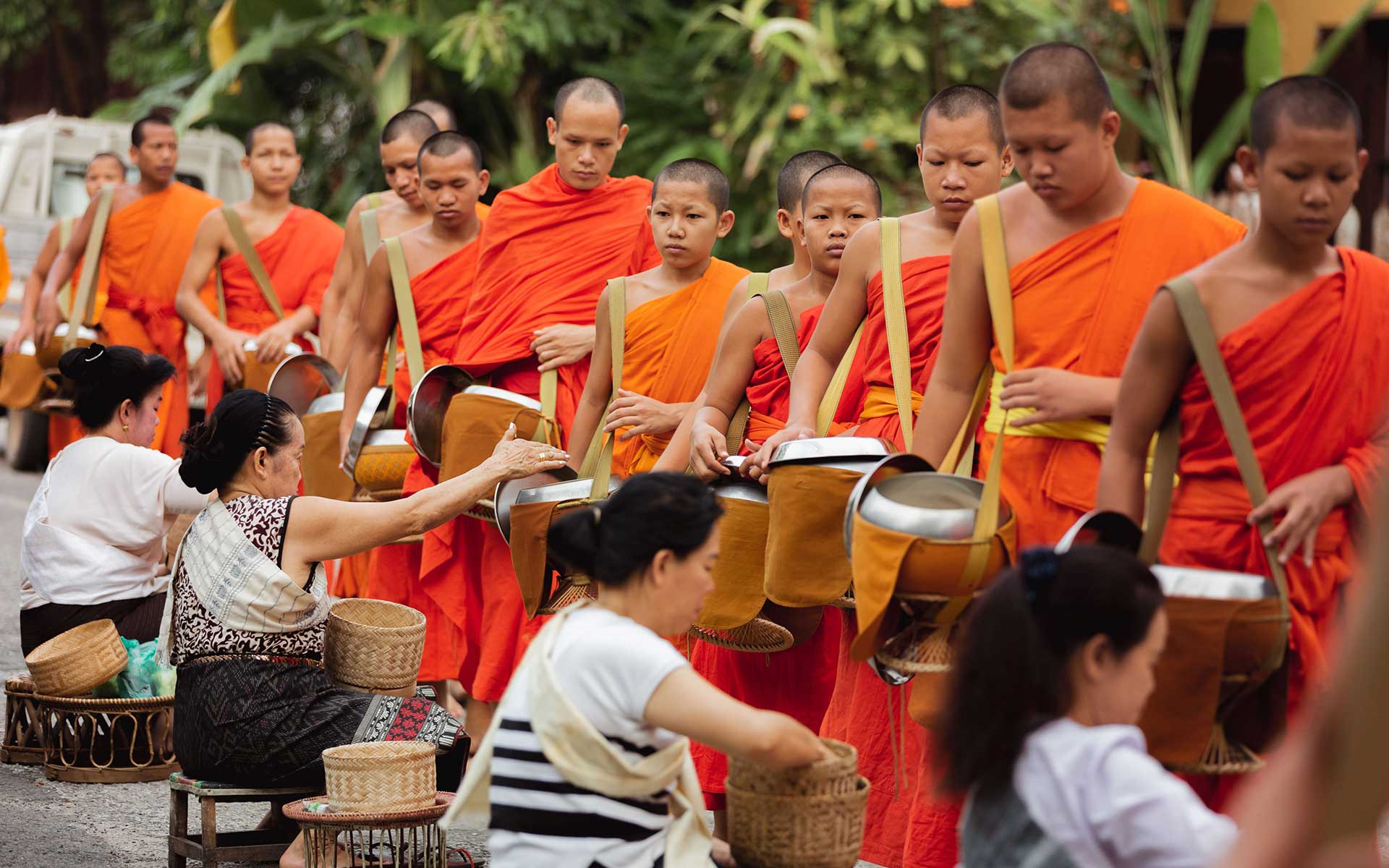
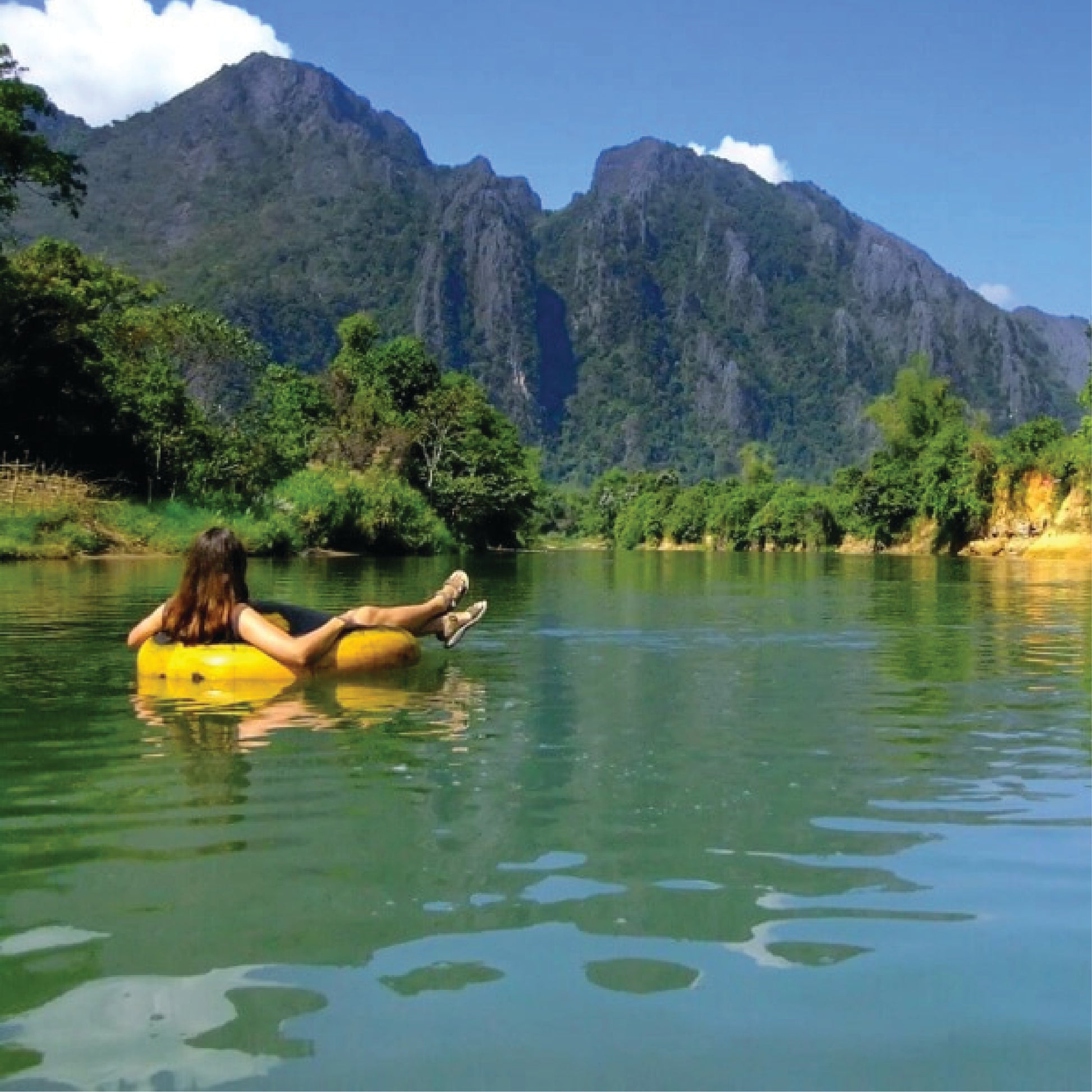
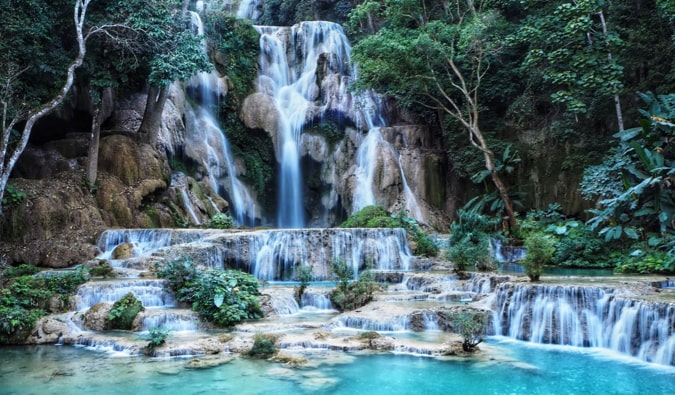
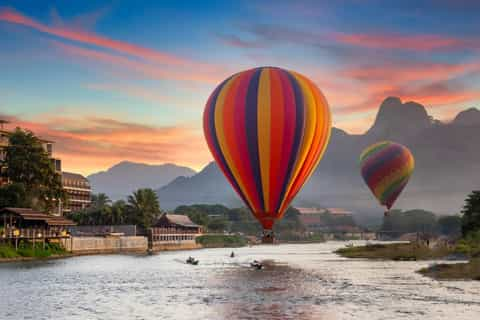
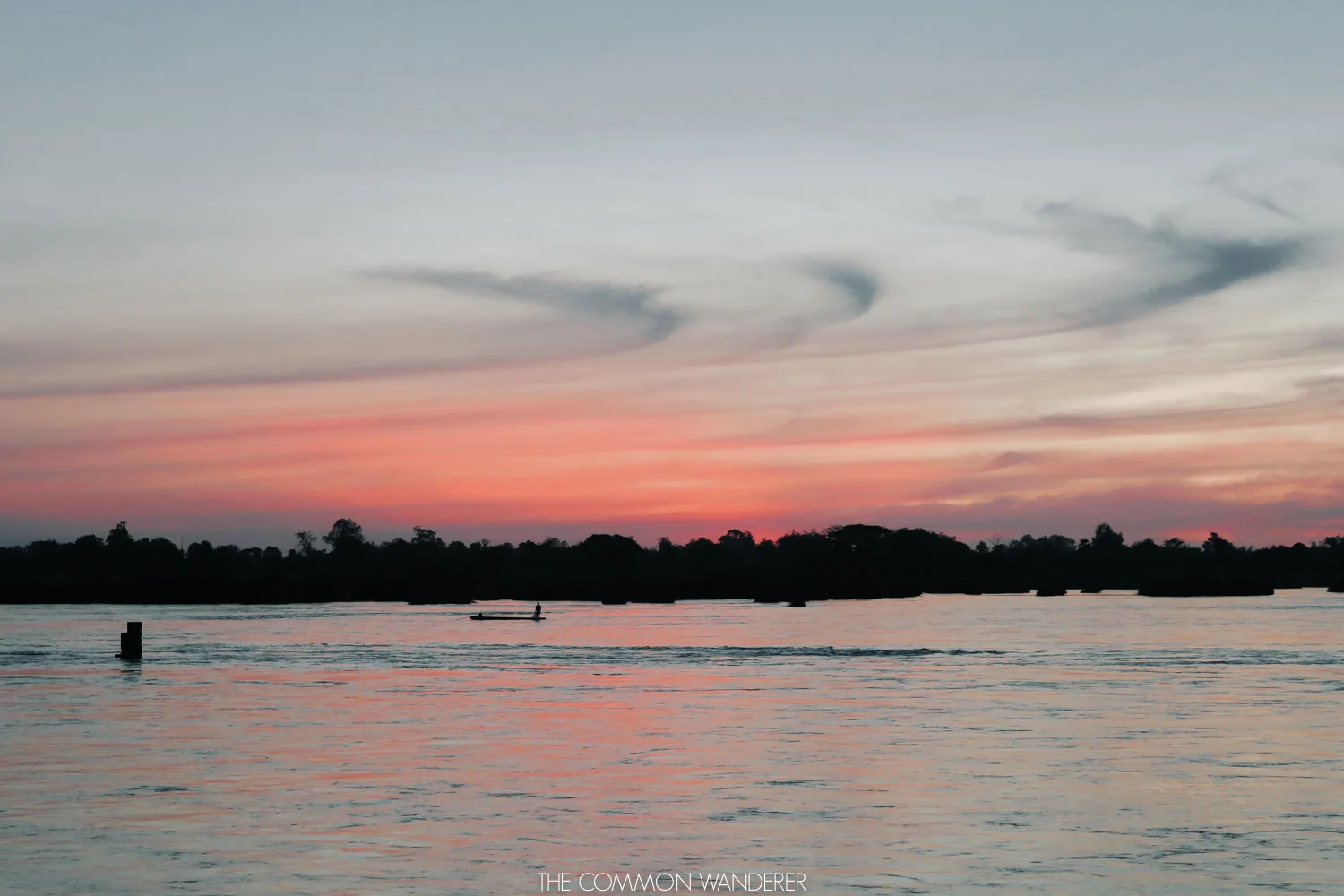
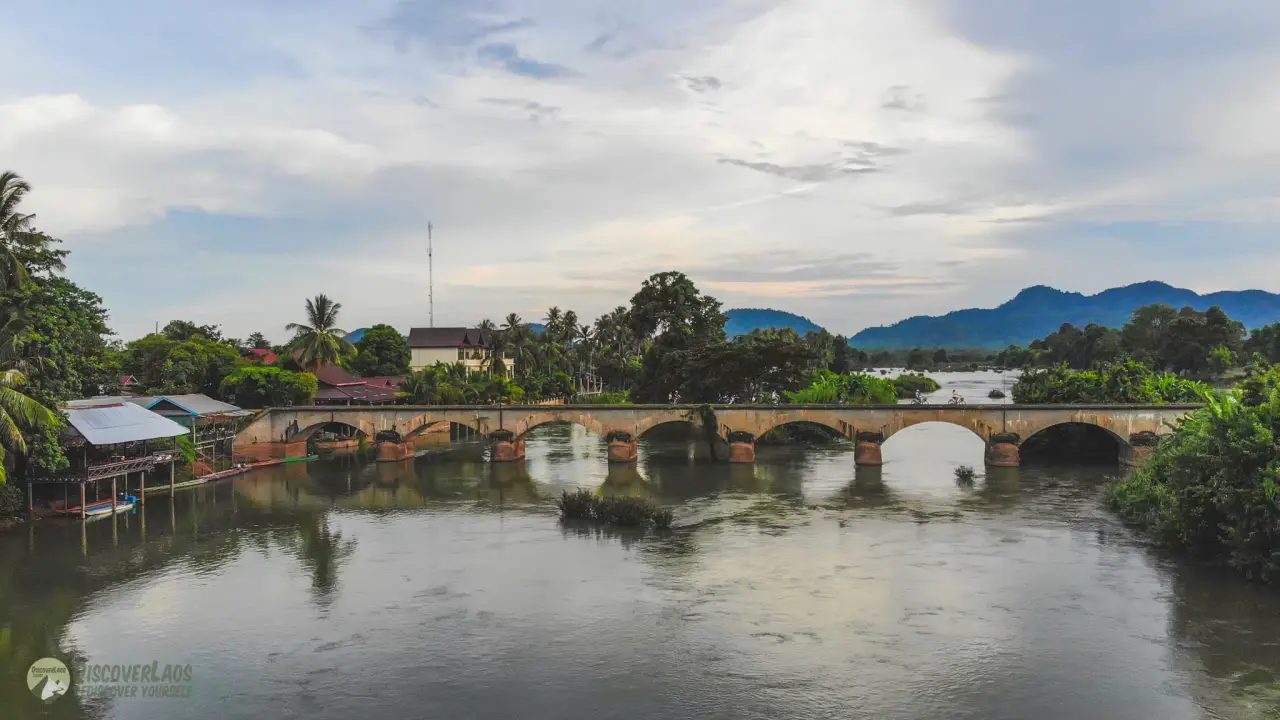
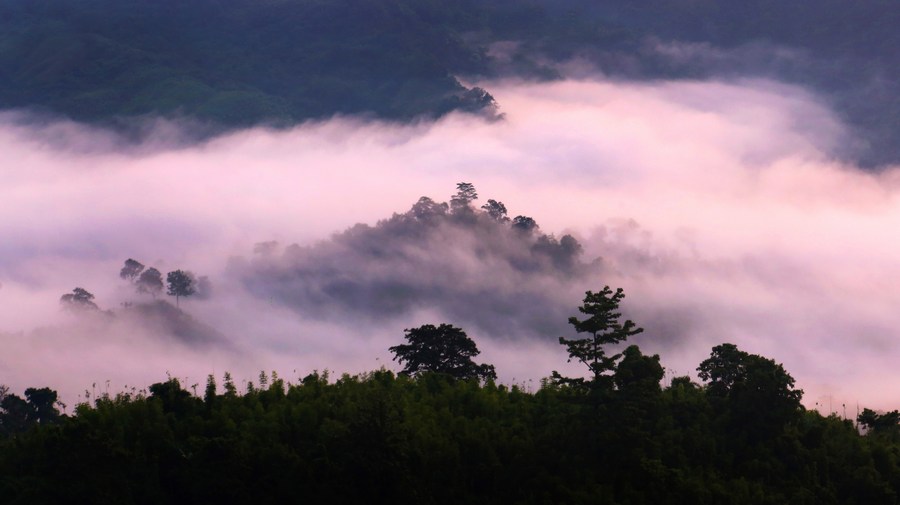
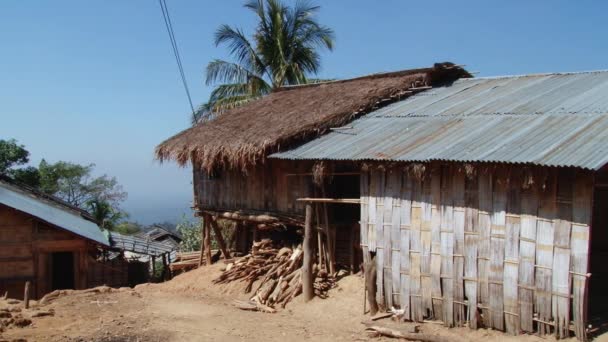
Backpacking Laos is one of Southeast Asia’s most relaxed and rewarding travel experiences—think slow river towns, jungle adventures, waterfalls, and a strong sense of local culture without the chaos of neighboring countries.
Here’s a practical, traveler-focused guide to get you started:
🌄 Why Backpack Laos?
Planning a Backpacking Trip to Laos?
Our detailed Laos Backpacking Guide covers itineraries, transportation, accommodation, budgeting, food, safety, and practical travel tips for independent travelers.
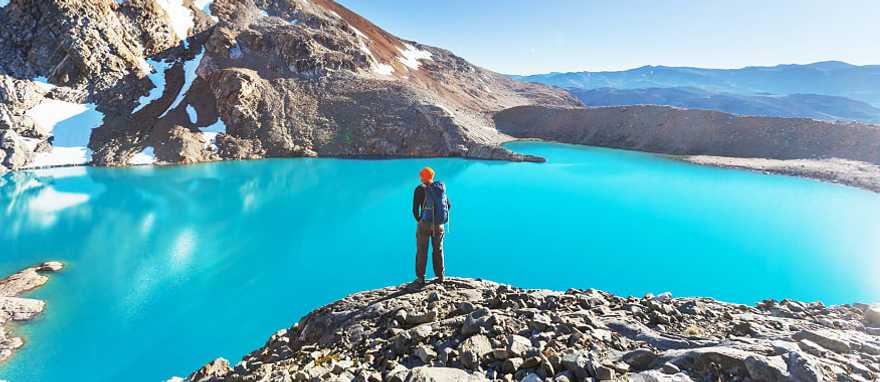
Backpacking Chile is one of the most diverse adventures you can have—stretching from the driest desert on Earth to glaciers in Patagonia. It’s safe, organized, and perfect for independent travel, but not the cheapest in South America.
🌎 Why Backpack Chile?
5
🏜️ Atacama Desert (otherworldly landscapes)
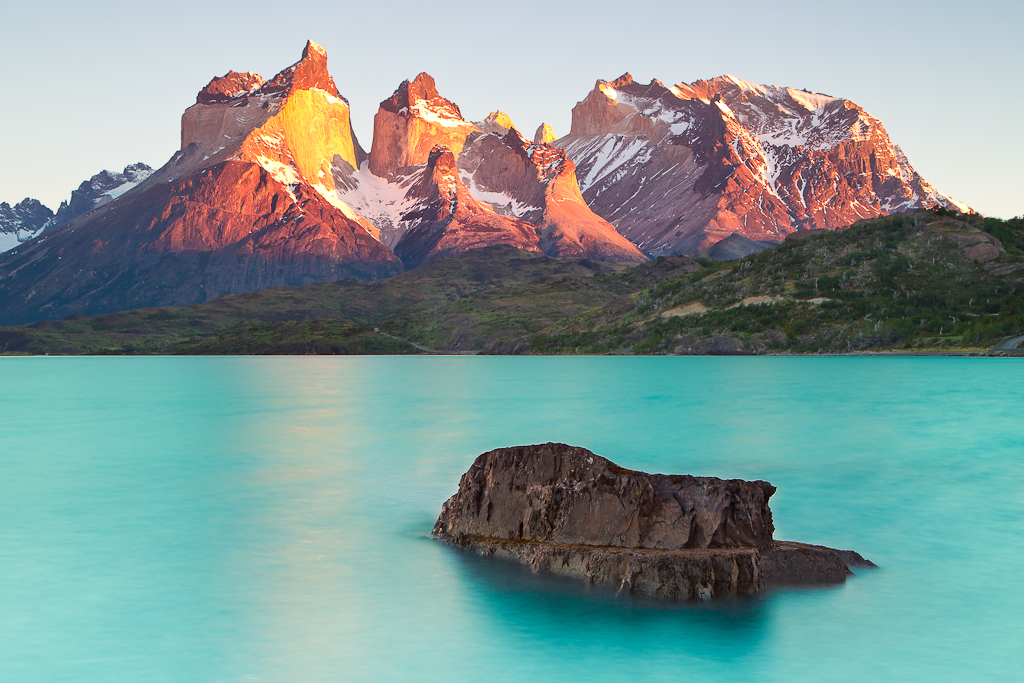
🏔️ Patagonia (iconic trekking)
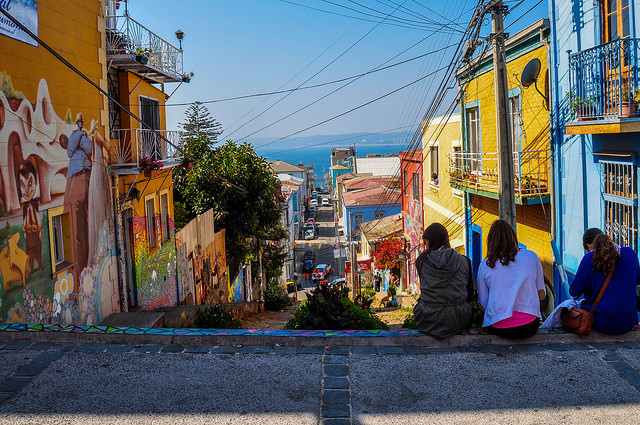
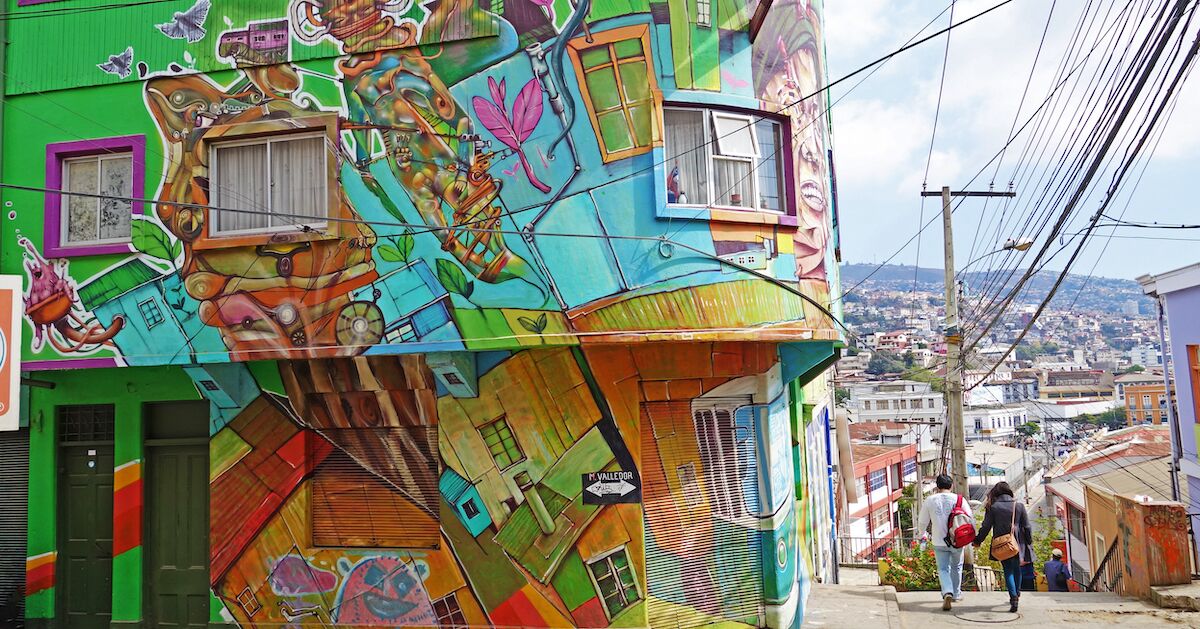
🌈 Colorful coastal cities
🍷 Wine regions
🚍 Excellent infrastructure
👉 Few countries pack this much variety into one trip
🗺️ Classic Backpacking Route (2–4 Weeks)
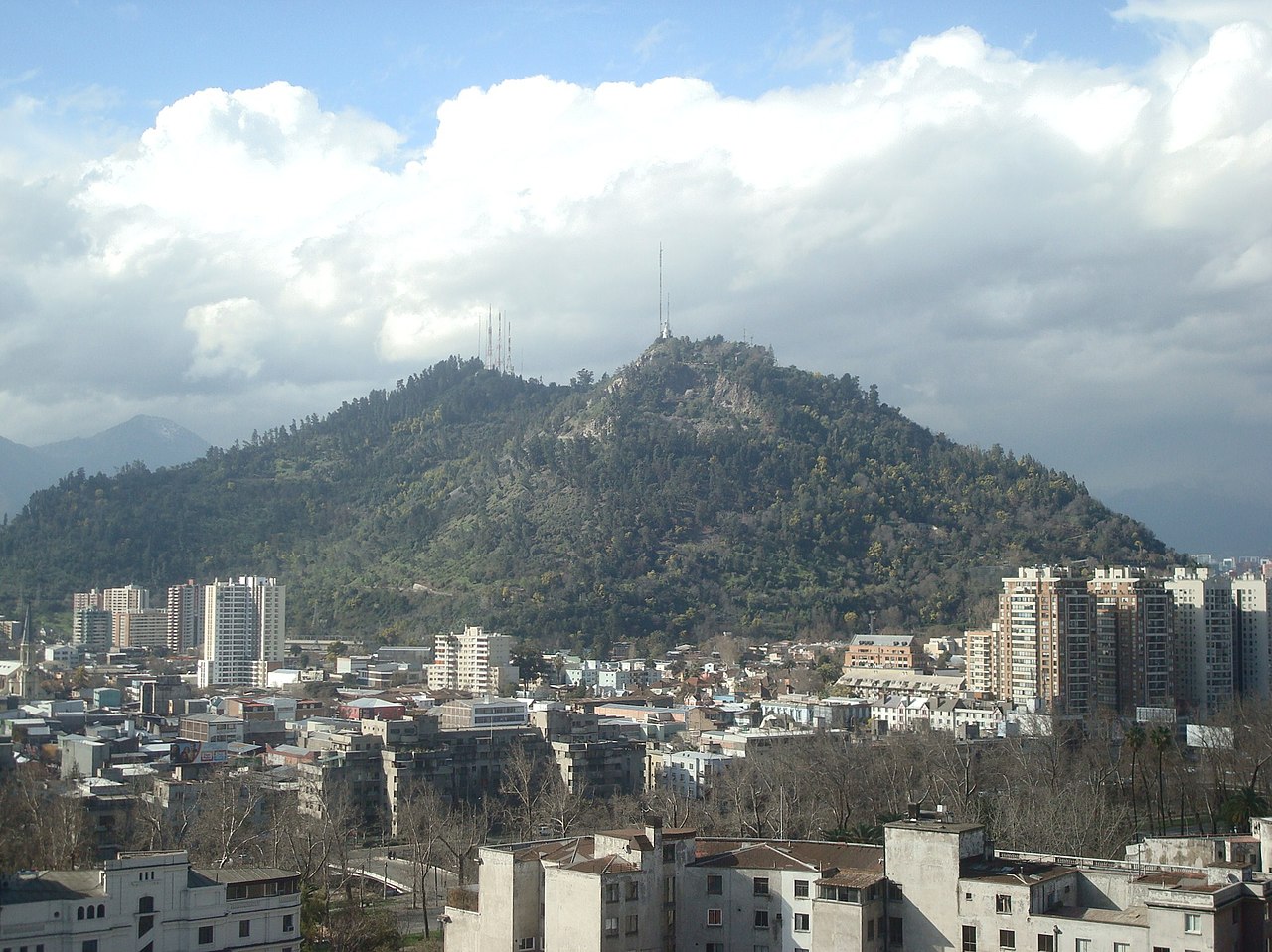
1. Santiago (Start here)
✈️ Main entry point
Visit Santiago
🏙️ Mix of modern + historic
🏔️ Andes views everywhere
👉 Good base but don’t stay too long
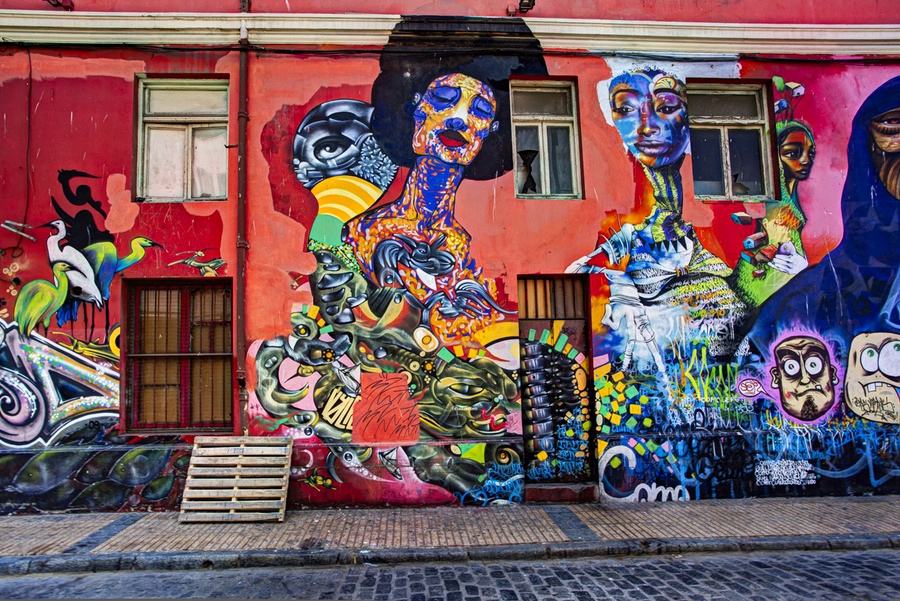
2. Valparaíso 🎨
Visit Valparaíso
🎨 Street art + bohemian vibe
🚠 Funicular elevators
👉 One of South America’s coolest cities
3. Atacama Desert 🏜️
Base in San Pedro de Atacama
🌄 Valle de la Luna
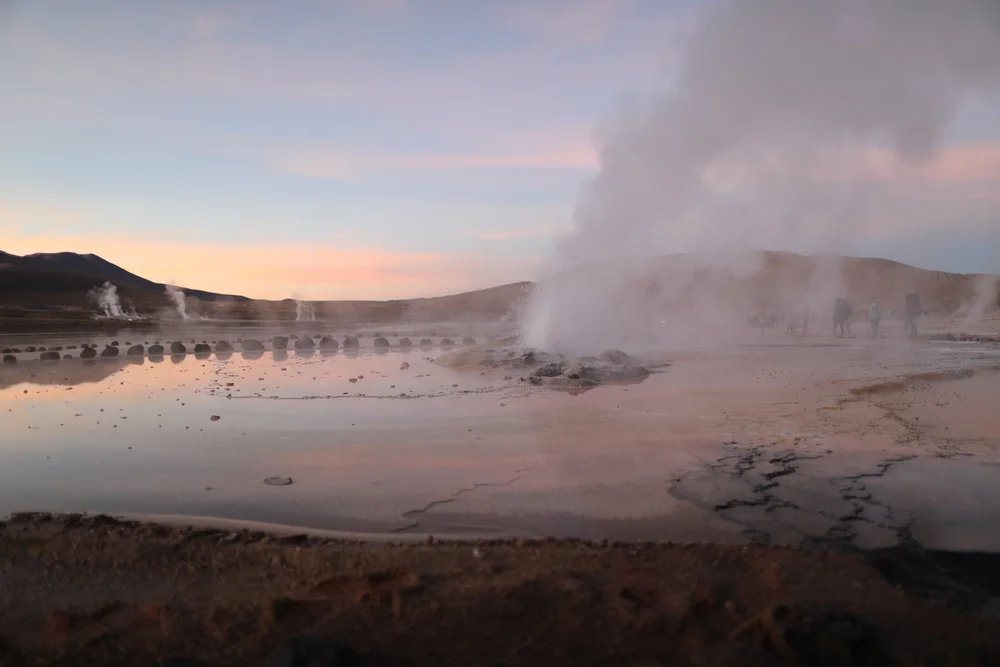
🌋 El Tatio Geysers
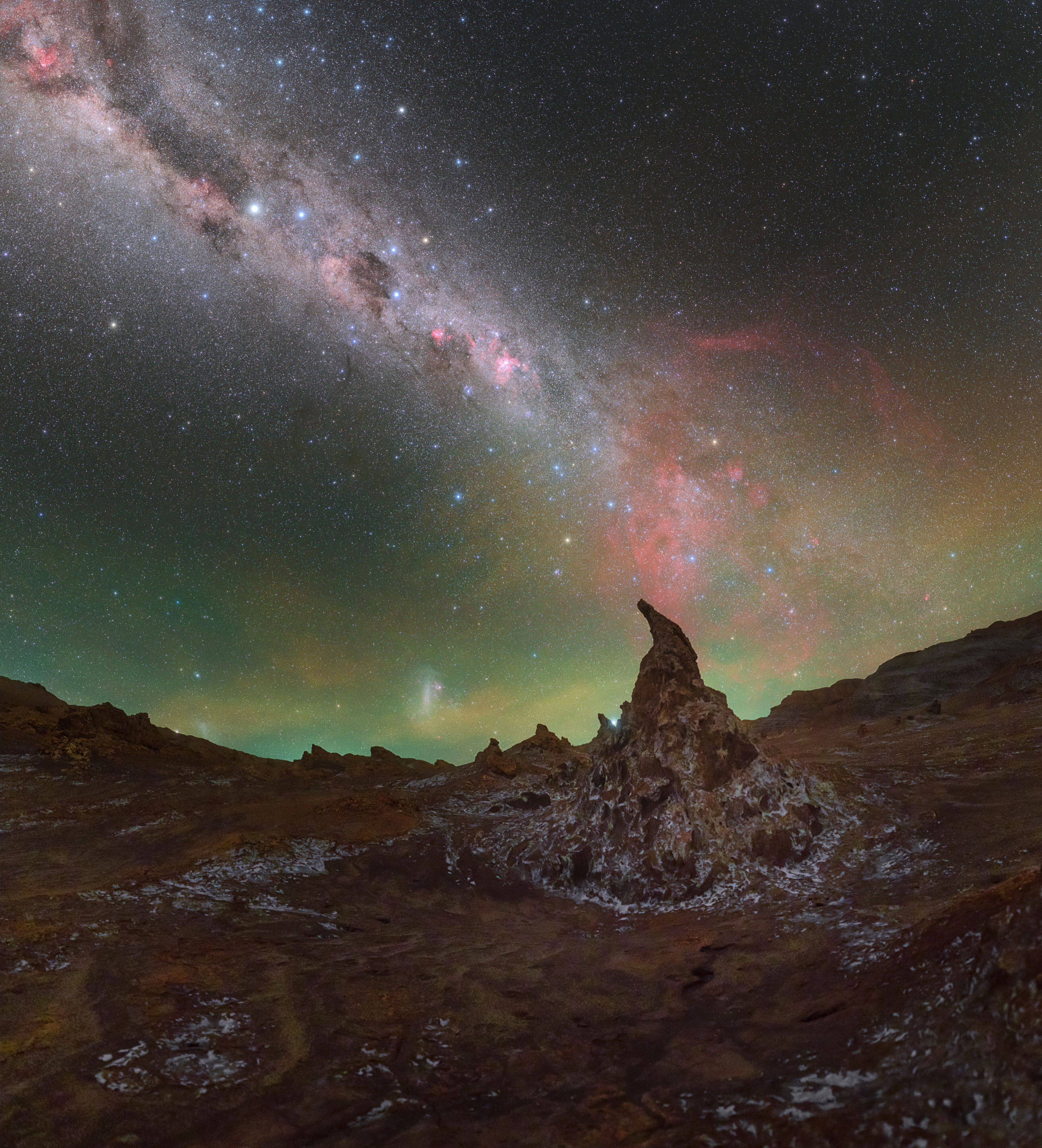
🌌 Some of the best stargazing on Earth
4. Lake District 🌲
Base in Puerto Varas
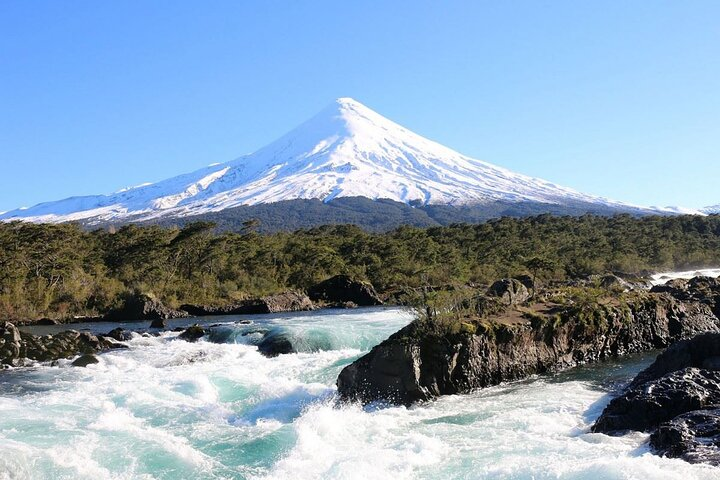
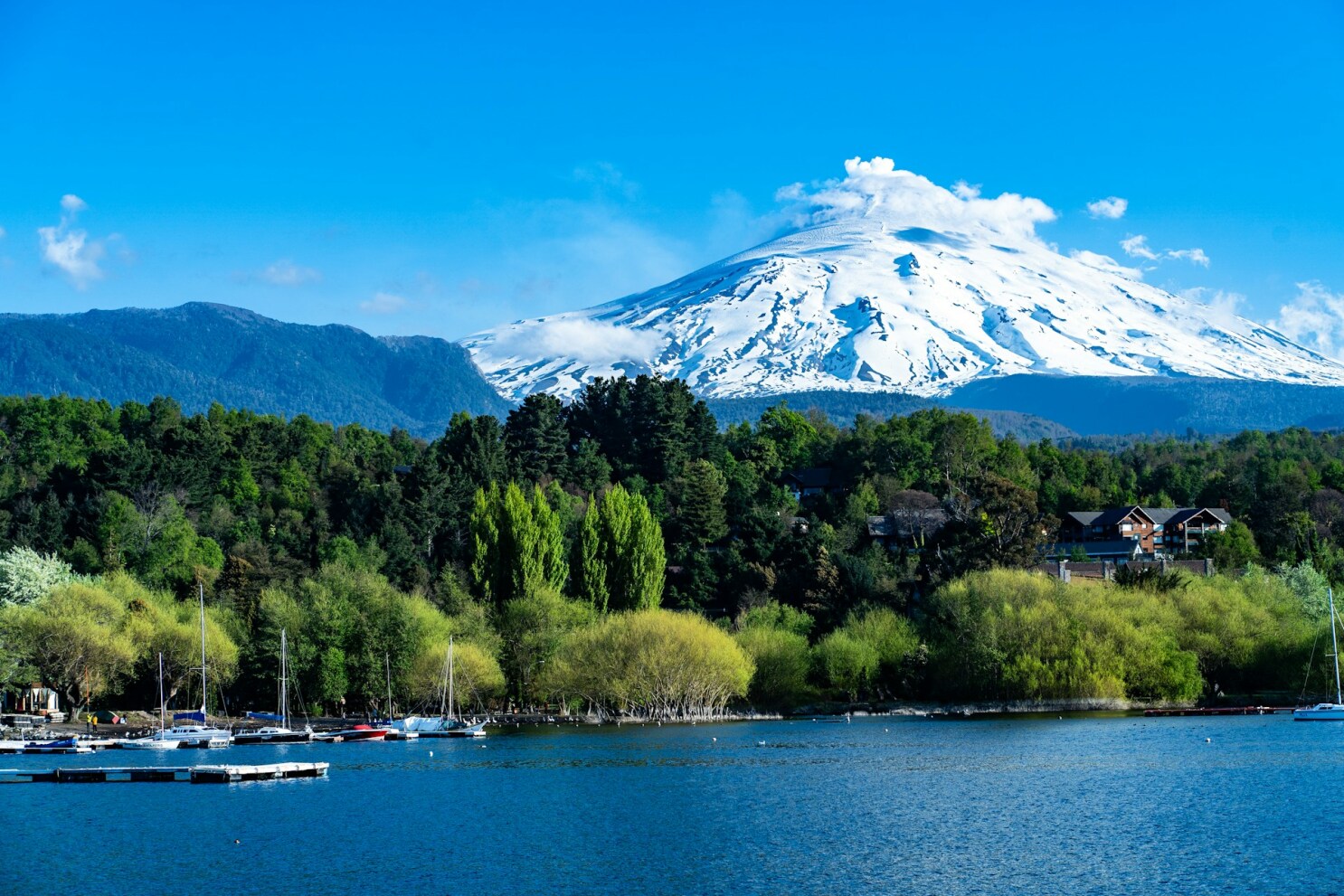
🌋 Volcano hikes + lakes
🏝️ Optional: Chiloé Island
👉 Chill nature + fewer crowds than Patagonia
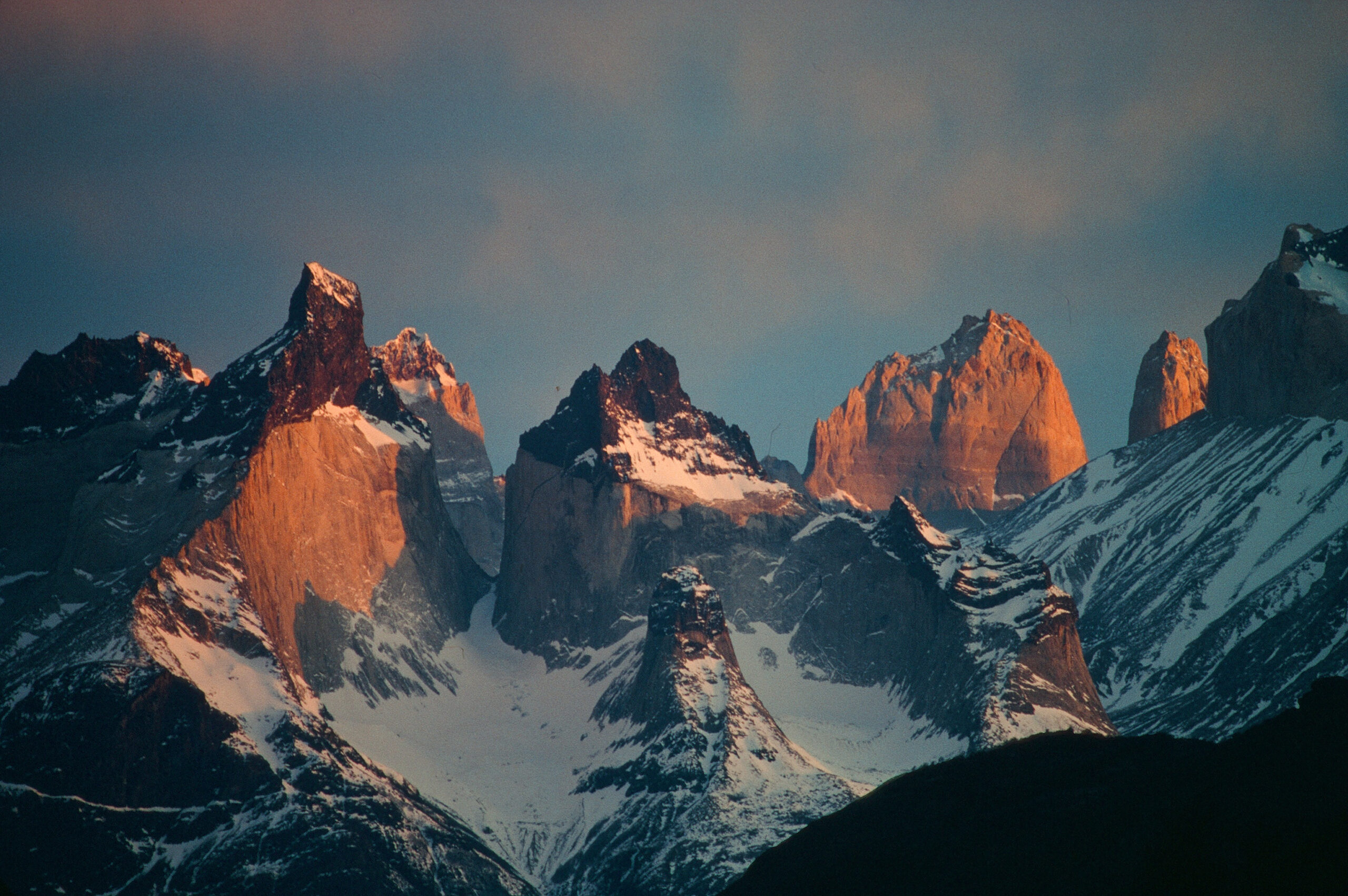
5. Patagonia (Highlight 🏔️)
Visit Torres del Paine National Park
🥾 Famous W Trek / O Circuit
🧊 Glaciers, mountains, wild landscapes
👉 One of the best trekking regions in the world
💸 Budget (Per Day)
Chile is mid-to-expensive for backpacking:
🛏️ Hostels: $15–35
🍔 Food: $10–25
🚌 Transport: $10–50 (long distances!)
🎟️ Tours/parks: $10–100
👉 Typical budget: $40–80/day
🚍 Getting Around
🚌 Long-distance buses (excellent but long rides)
✈️ Domestic flights (worth it for big distances)
🚗 Car rental (great for Patagonia)
⚠️ Things to Know
📏 Chile is HUGE → plan distances carefully
💸 Not as cheap as Bolivia/Peru
🌬️ Patagonia weather = unpredictable
🧭 Book Patagonia accommodation early (peak season)
📅 Best Time to Go
☀️ Oct–April = best overall
🏔️ Patagonia best: Dec–Feb
🏜️ Atacama good year-round
🤔 Is Chile Good for Backpackers?
✔️ Yes if you want:
Nature + trekking
Safe, structured travel
Epic landscapes
❌ Maybe not if:
You’re on a super tight budget
You want party backpacker vibes
🔥 Sample 2-Week Route
Days 1–2: Santiago
Days 3–4: Valparaíso
Days 5–8: Atacama
Days 9–14: Patagonia (Torres del Paine)
🌎 Similar Destinations
Argentina → pairs perfectly with Chile
Peru → cheaper + cultural sites
Bolivia → budget + wild landscapes
🔥 Bottom Line
Chile is one of the best adventure backpacking countries in the world—just be ready for long distances and a slightly higher budget.
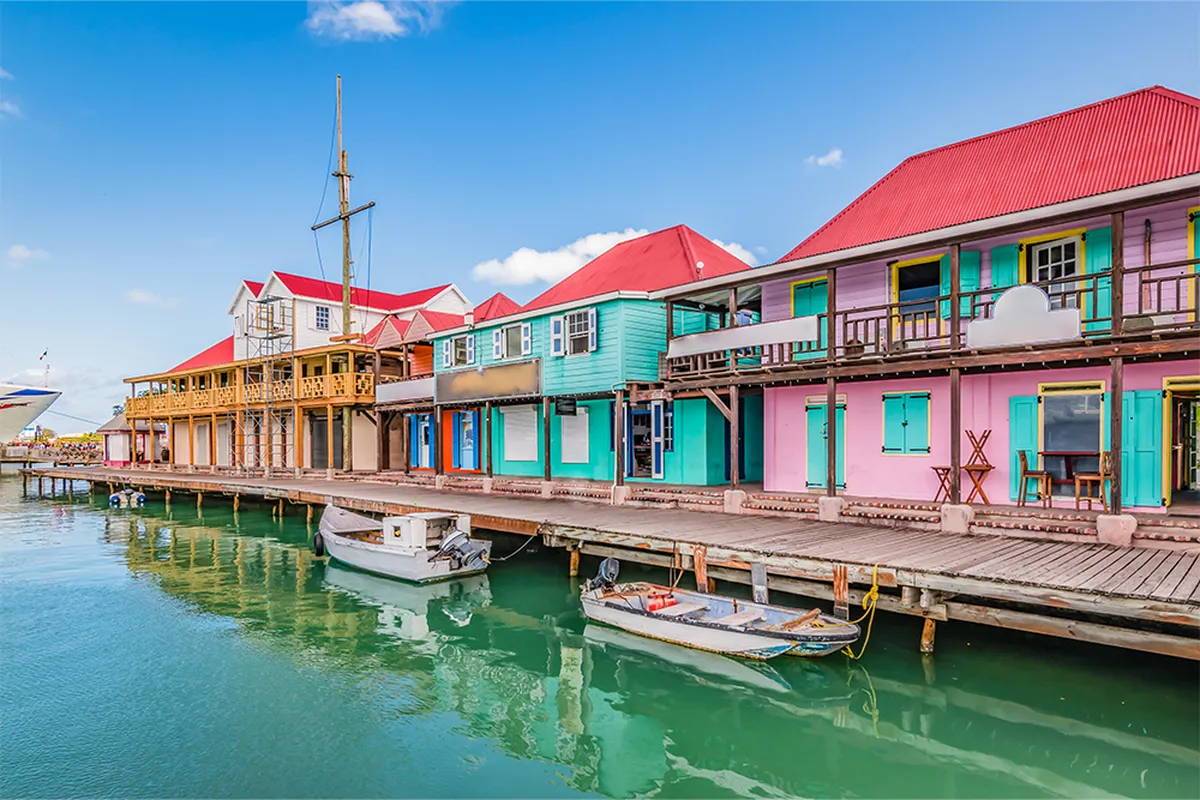
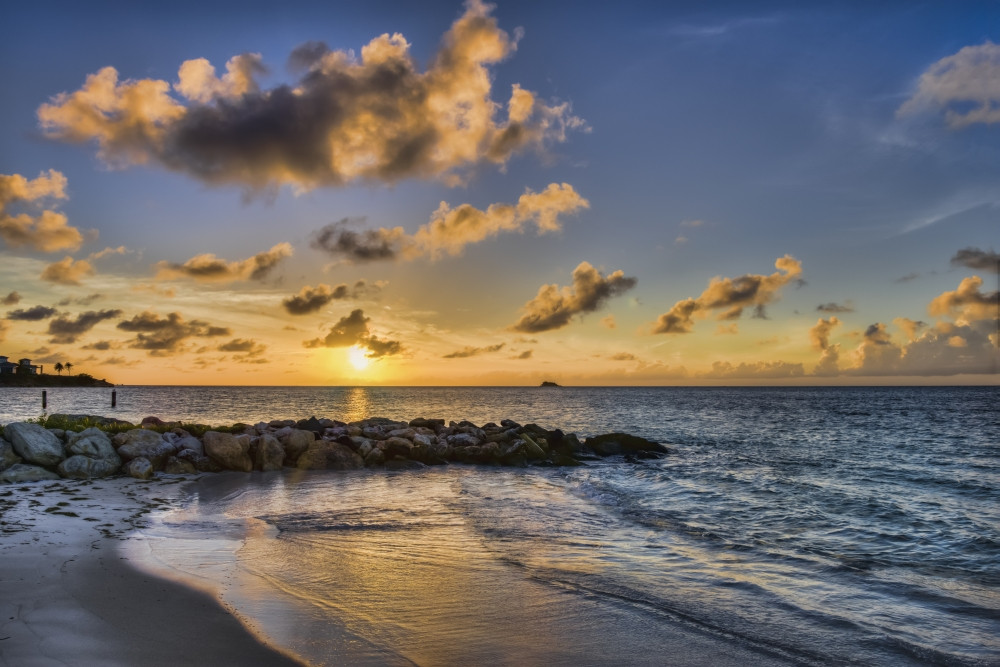
Backpacking Antigua and Barbuda is a bit different from classic backpacker destinations. It’s beautiful but not cheap, and there’s less of a hostel/backpacker scene—but if you plan smart, you can still do it on a reasonable budget.
🌴 Why Go Backpacking Here?
5
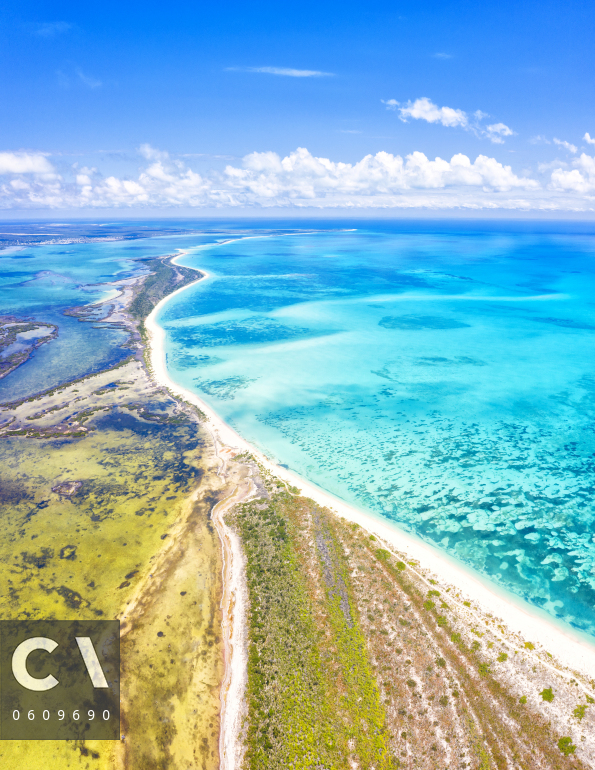
🏝️ 365 beaches (literally one for every day!)
🌊 Crystal-clear Caribbean water
☀️ Perfect weather most of the year
🎶 Laid-back island vibes
🏖️ Mix of history + beach life
👉 This is more chill + scenic than “party backpacking”
🗺️ Main Places to Explore
1. Antigua (Where you’ll spend most time)
4
✈️ Main island + airport
🏖️ Beaches like Dickenson Bay
🏛️ Visit Nelson’s Dockyard
🌅 Sunset at Shirley Heights
👉 Best mix of everything
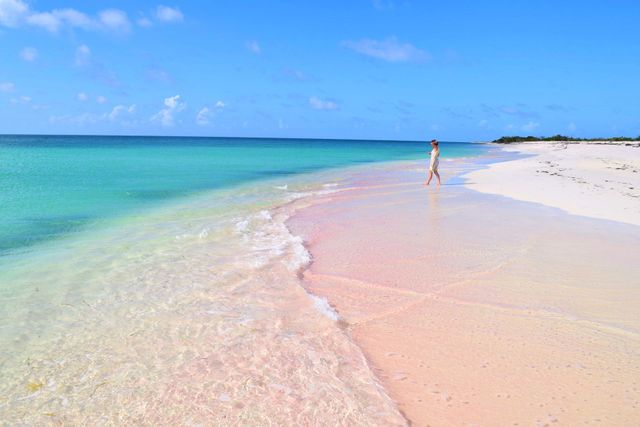
2. Barbuda (Remote Escape 🏝️)
🚤 Ferry or small plane from Antigua
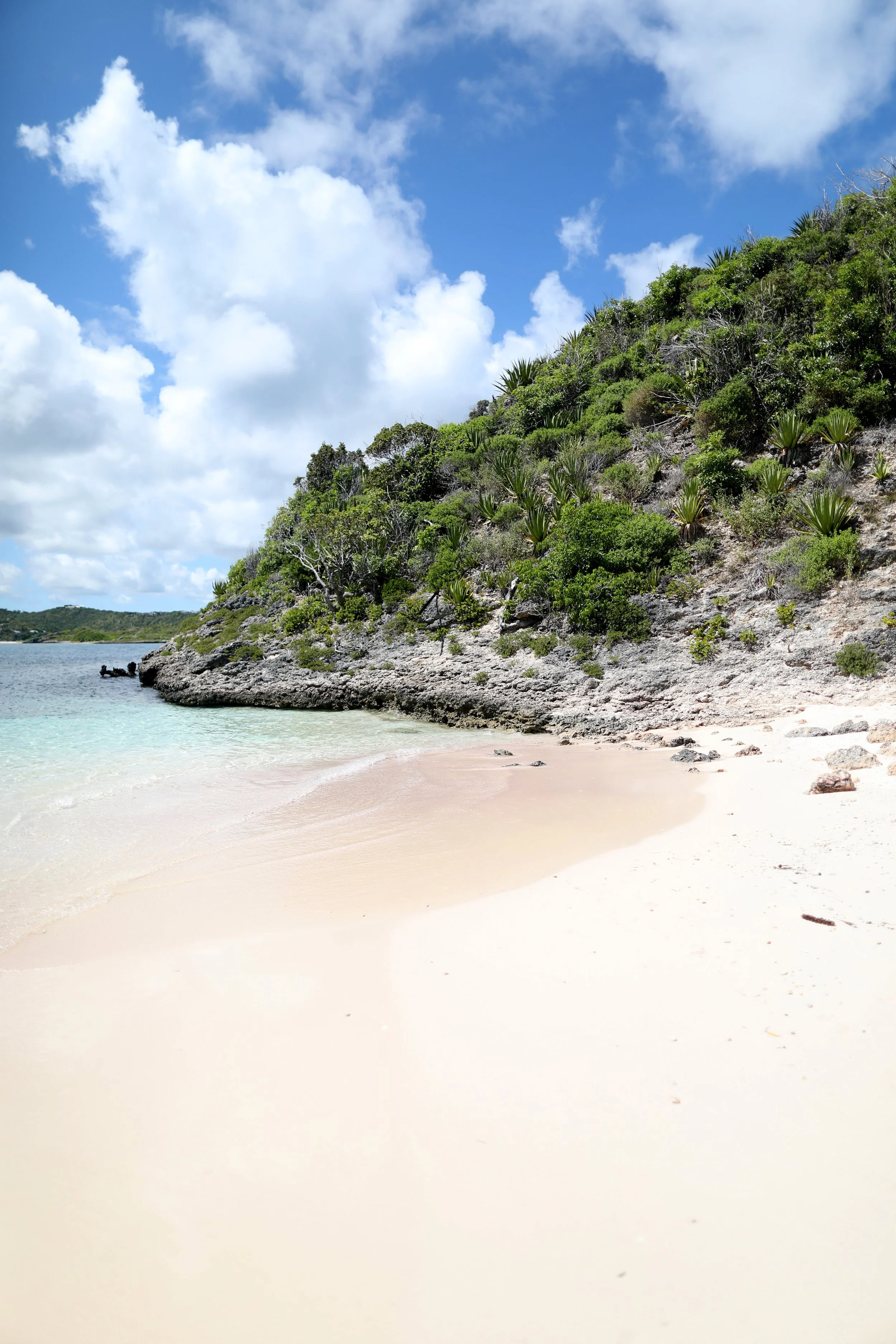
🌸 Famous pink sand beaches
🐦 Visit Frigate Bird Sanctuary
👉 Super quiet, almost untouched
💸 Budget (Reality Check)
This is the biggest challenge 👇
🛏️ Budget rooms/guesthouses: $40–80
🍛 Food: $10–25
🚐 Transport: $2–10 (buses)
🍺 Drinks/activities: $10–50
👉 Typical budget: $60–120/day
💡 Not a “shoestring backpacker” destination
🚌 Getting Around
🚐 Local minibuses (cheap but irregular)
🚕 Taxis (expensive—agree price first)
🚗 Car rental (best for flexibility)
💡 How to Save Money
Stay in guesthouses or Airbnb (not resorts)
Use local buses instead of taxis
Eat at local spots (look for “cookshops”)
Limit tours—enjoy free beaches
⚠️ Challenges
❌ Almost no hostel scene
💸 Prices can be high (Caribbean reality)
🚐 Transport not always reliable
🧭 Less backpacker infrastructure
📅 Best Time to Go
☀️ Dec–April = dry season (best weather, most expensive)
🌦️ May–Nov = cheaper, some rain + hurricane risk
🤔 Is It Good for Backpacking?
✔️ Go if you:
Want relaxed island vibes
Don’t mind spending a bit more
Prefer quiet beaches over party hostels
❌ Skip if you:
Are on a tight budget
Want a social backpacker scene
Prefer fast-paced travel
🔥 Better Budget-Friendly Caribbean Alternatives
If you want similar vibes but cheaper:
Dominican Republic → cheaper + more backpackers
Cuba → culture + budget-friendly
Guatemala → not Caribbean coast everywhere, but great value
🌴 Bottom Line
Antigua and Barbuda is more of a “flashpacker” destination—amazing beaches, relaxed vibes, but not the easiest or cheapest place to backpack.
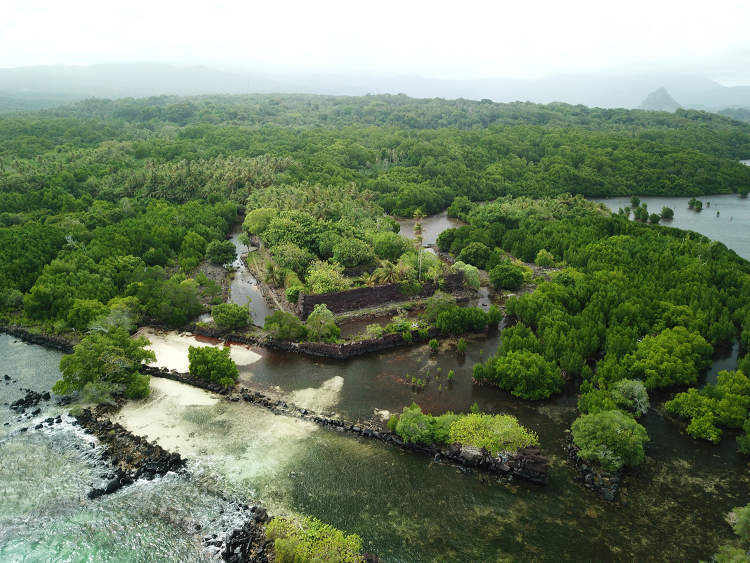
Backpacking Federated States of Micronesia is one of the most remote, untouched travel experiences on Earth. Think WWII wreck diving, jungle islands, and almost no tourist crowds—but also high costs and tricky logistics.
🌴 Why Backpack Micronesia?
4
🌊 World-class diving (especially WWII wrecks)
🏝️ Remote islands with unique cultures
🗿 Ancient ruins lost in the jungle
🐠 Incredible marine biodiversity
👀 Very few tourists
👉 This is true off-grid backpacking
🗺️ The Main Islands (You’ll Pick 1–3)
1. Pohnpei (Best All-Round)
🗿 Visit Nan Madol
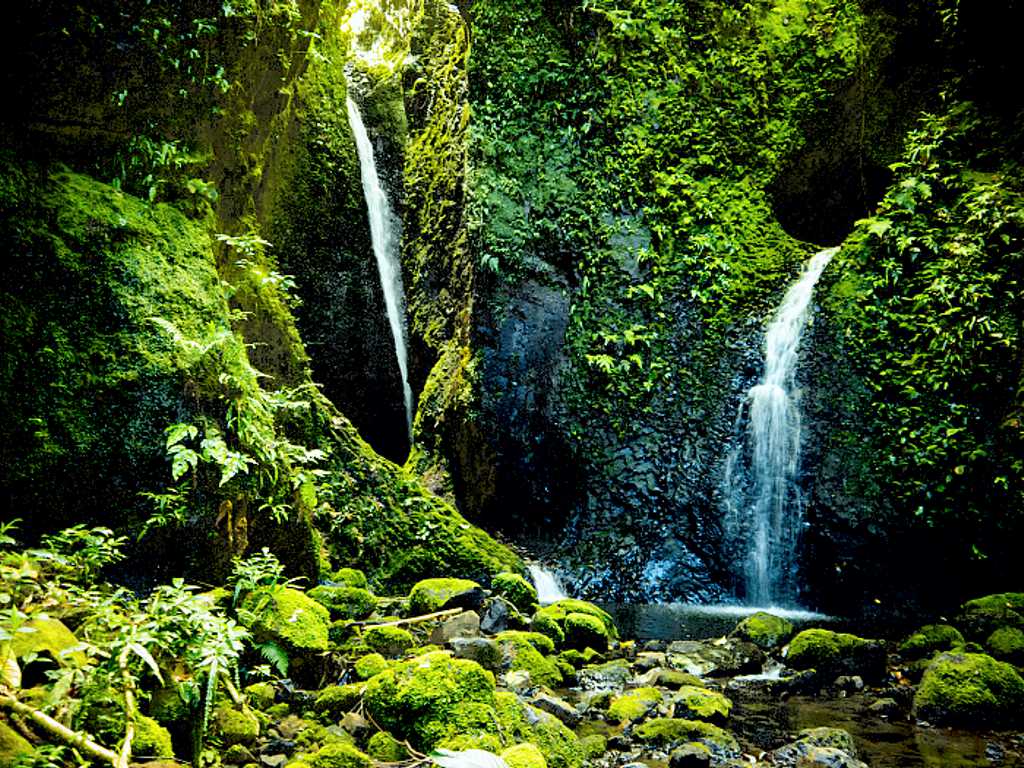
🌧️ Lush jungle + waterfalls
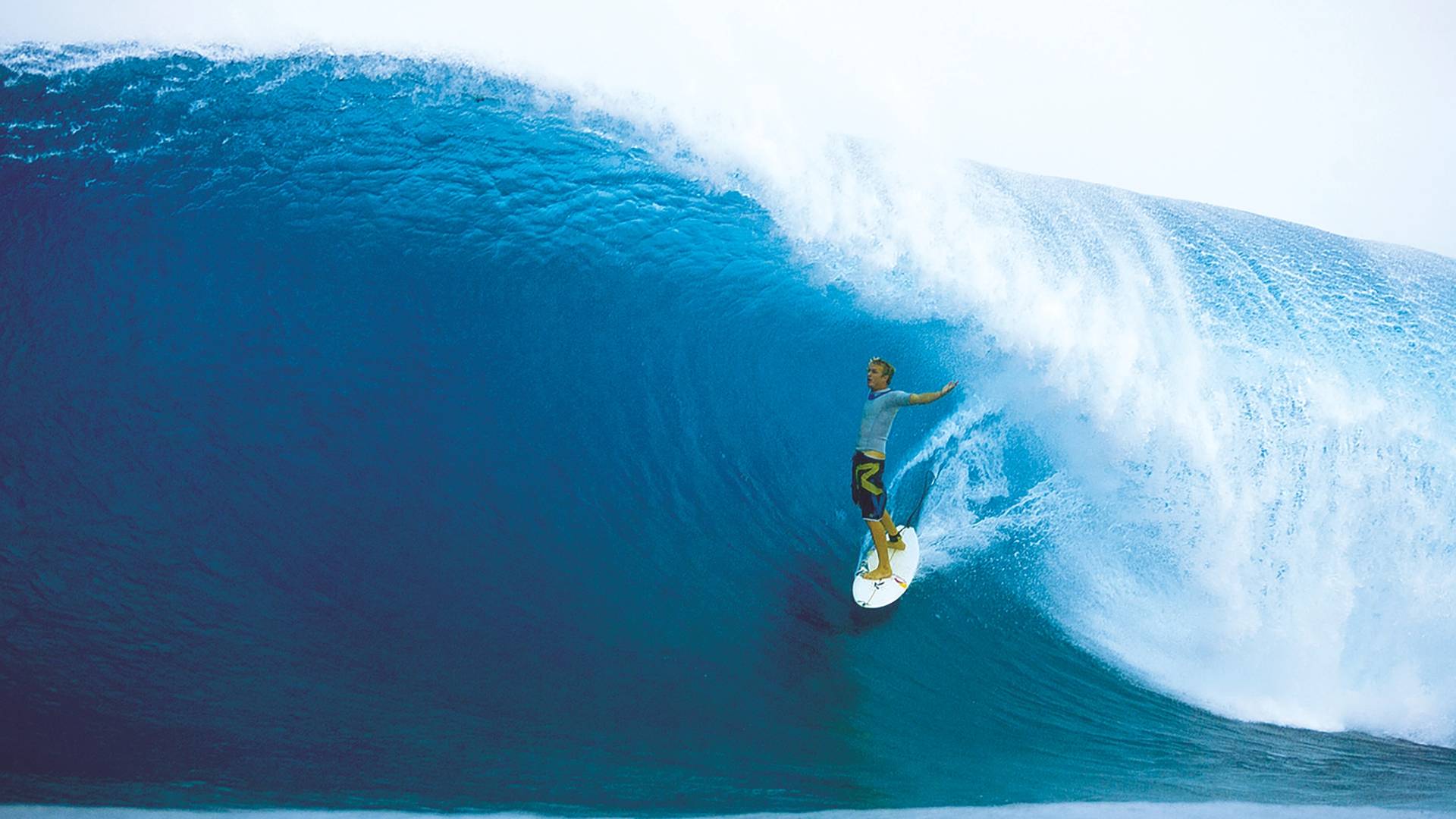
🌊 Surfing + snorkeling
👉 Best mix of culture + nature
2. Chuuk (For Diving 🤿)
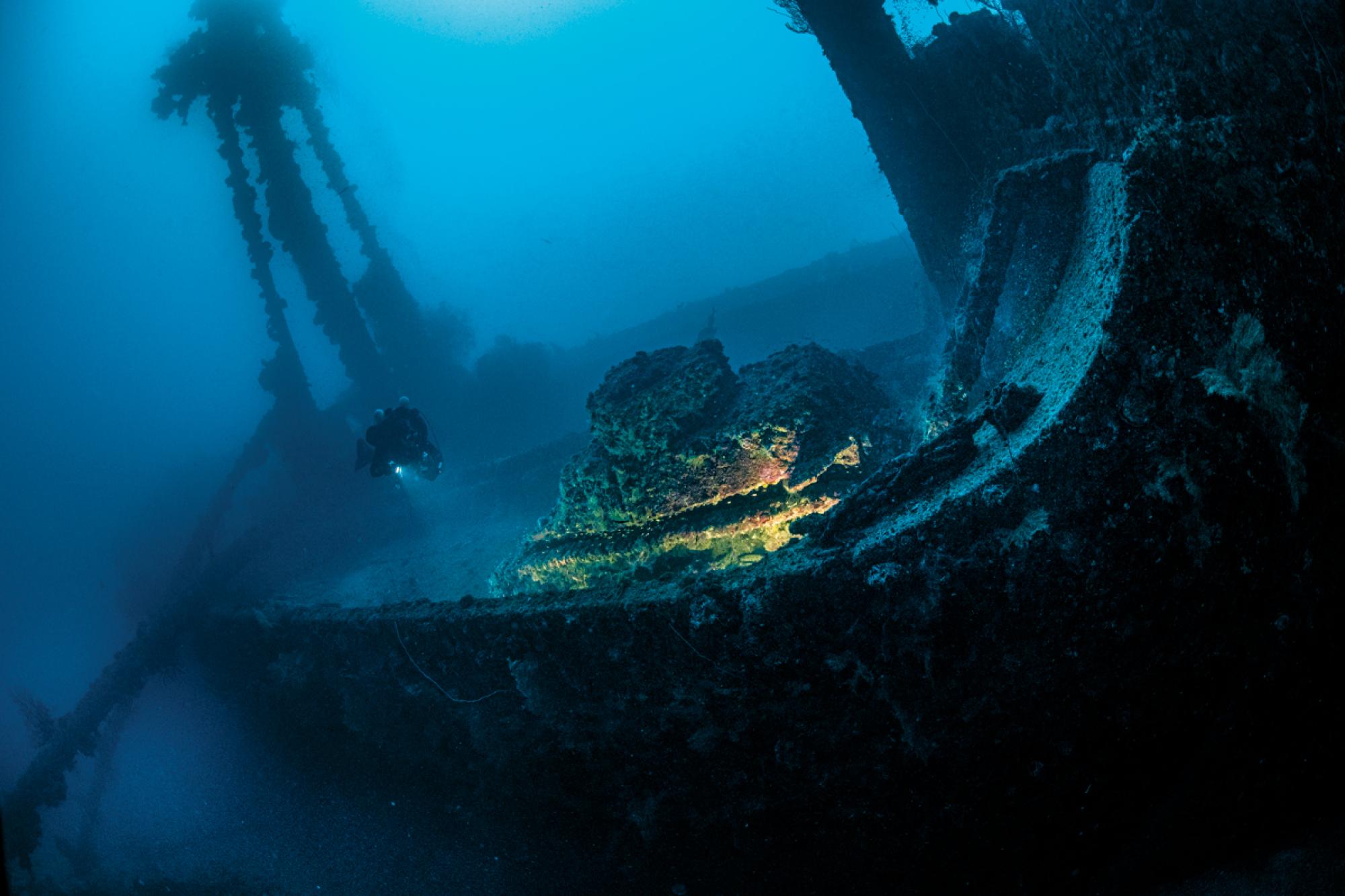
🚢 Chuuk Lagoon
One of the best wreck-diving spots on Earth
👉 Mostly for divers (less to do otherwise)
3. Kosrae (Nature Paradise 🌿)
🌴 Untouched jungle island
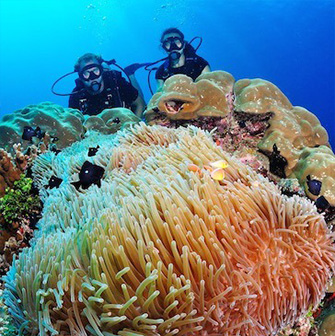
🤿 Amazing reefs
🚶 Quiet, slow-paced life
👉 Most “paradise island” vibe
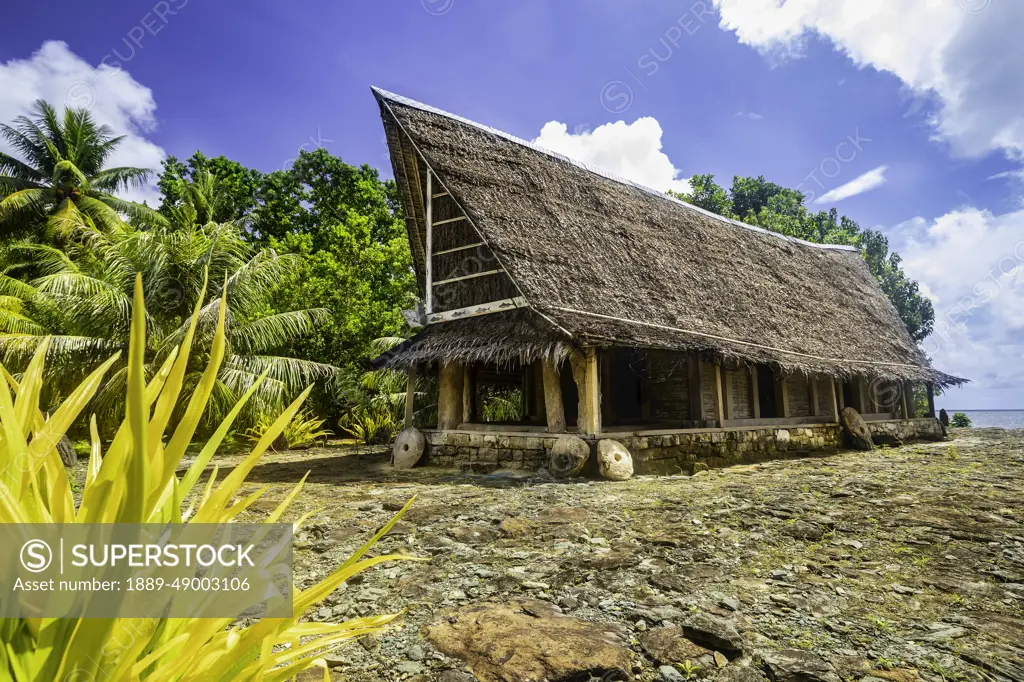
4. Yap (Culture 🪨)
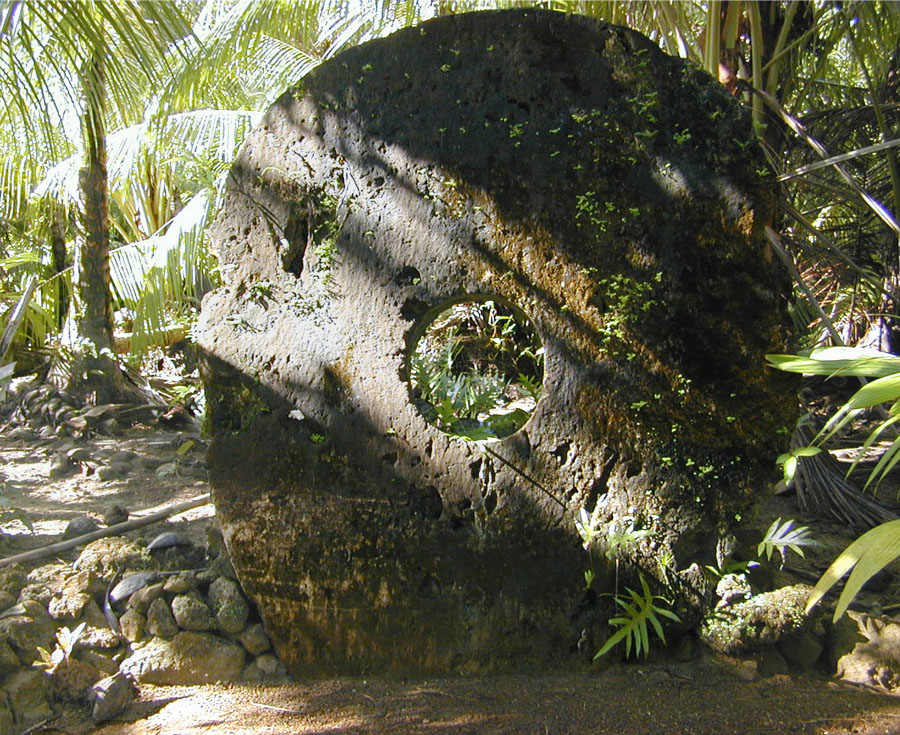
🪨 Famous Rai stones
🏝️ Strong traditional culture
🐋 Manta ray diving
💸 Budget Reality (Important)
Micronesia is NOT cheap backpacking:
🛏️ Accommodation: $30–100
🍽️ Food: $10–25
✈️ Flights between islands: $150–400
🤿 Diving: $50–150
👉 Typical daily budget: $60–120+
✈️ Getting Around
✈️ United Airlines “island hopper” flights (main link)
🚗 Limited local transport → rent or arrange rides
🚤 Boats in some areas
👉 Travel is slow and expensive
⚠️ Challenges
🏝️ Very remote (limited supplies, Wi-Fi, healthcare)
💳 Cards not always accepted
🧭 Minimal tourist infrastructure
⏱️ Flights not frequent → plan carefully
📅 Best Time to Go
☀️ Dec–April = slightly drier
🌧️ Rain possible year-round (tropical climate)
🤔 Is Micronesia Good for Backpackers?
✔️ Go if you:
Want extreme off-the-grid travel
Love diving / nature
Have a flexible budget
❌ Skip if you:
Are on a tight budget
Want social hostels or nightlife
Prefer easy logistics
🔥 Bottom Line
Micronesia is one of the most unique and least-visited backpacking regions in the world—but it’s more like an expedition than a typical backpacking trip.
Backpacking Belarus is very different from typical Europe travel—less touristy, more controlled, and currently highly restricted. It has interesting Soviet-era history and architecture, but right now it’s not a practical or recommended backpacking destination for most travelers.
⚠️ Current Travel Situation
Due to political conditions and regional tensions, many countries advise avoiding travel
Entry rules, visas, and border crossings can be complicated or change quickly
Independent backpacking is limited by regulations
👉 Bottom line: Not ideal right now unless you have a very specific reason
🌆 What Makes Belarus Interesting
5
🏛️ Soviet architecture & wide boulevards
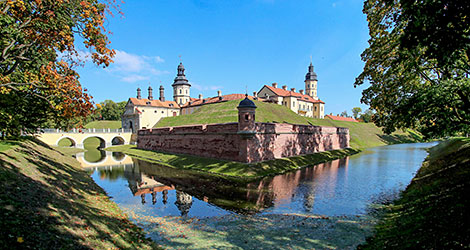
🏰 Fairytale castles
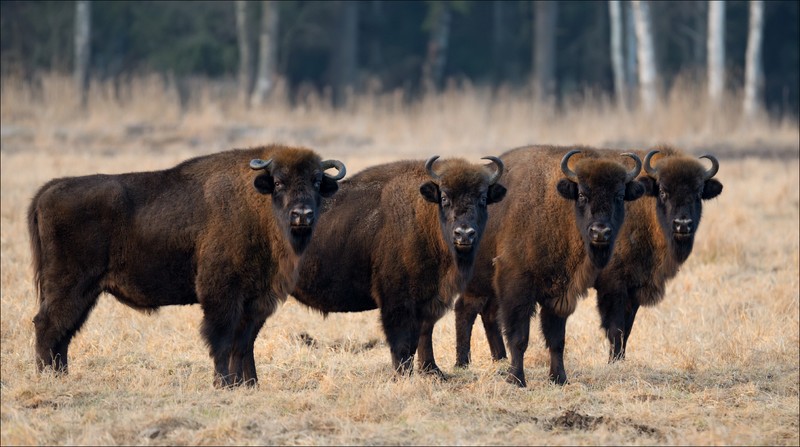
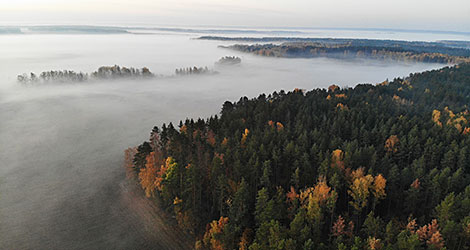
🌲 Primeval forests with rare wildlife
🧊 A very “frozen-in-time” feel compared to Western Europe
🗺️ Key Places (If Travel Becomes Easier)
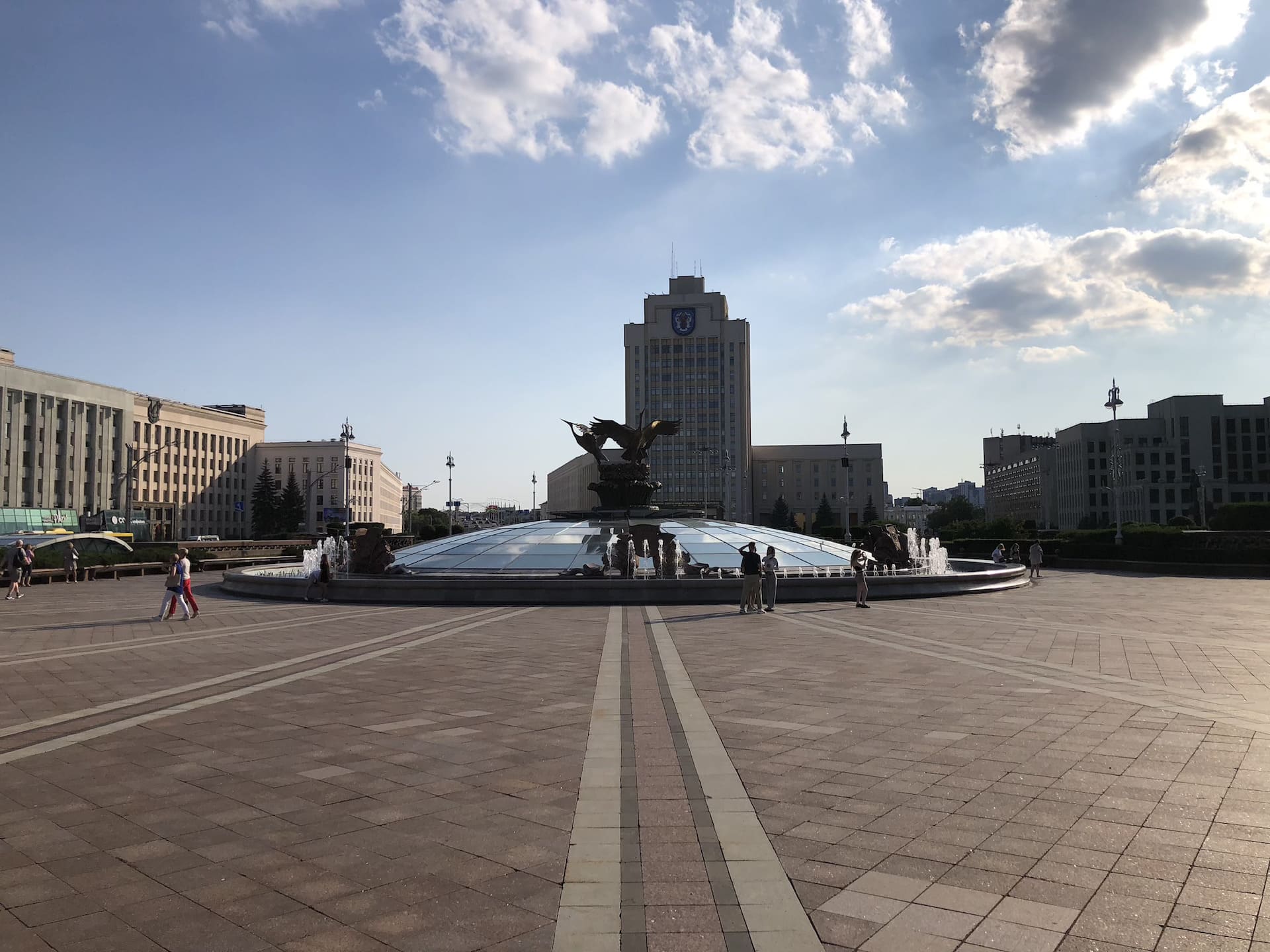
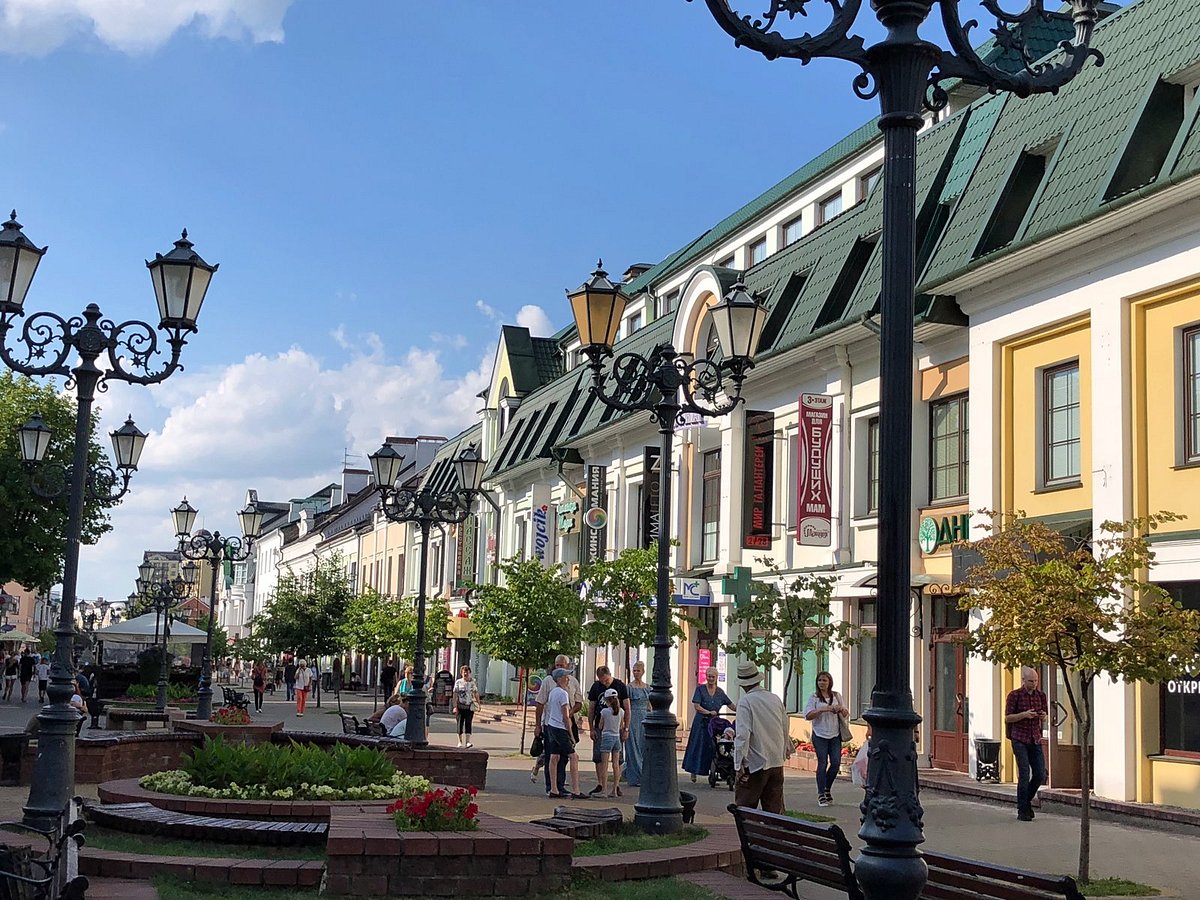
1. Minsk (Capital)
Visit Minsk
Clean, organized, very structured city
Soviet-era design + modern rebuild
2. Mir & Nesvizh Castles 🏰
Mir Castle
Nesvizh Castle
👉 Two of the country’s top highlights
3. Brest & the Polish Border
Brest Fortress
Strong WWII history
4. Belovezhskaya Pushcha 🌲
Belovezhskaya Pushcha National Park
Home of European bison
💸 Budget (When Travel Is Open)
🛏️ Hostels: $10–25
🍽️ Food: $5–15
🚆 Transport: $3–15
👉 Typical budget: $25–50/day
🚍 Getting Around
🚆 Trains (good and cheap)
🚌 Buses between cities
🚇 Metro in Minsk
⚠️ Things to Be Careful About
📸 Photography restrictions in some areas
🪪 Always carry ID/passport
🗣️ Russian/Belarusian more useful than English
🧭 Less flexibility than typical backpacking destinations
Backpacking Angola is a bold choice—raw, beautiful, and still largely untouched by mass tourism. It’s one of Africa’s least-visited countries, which makes it exciting but also logistically challenging.
🌍 Why Backpack Angola?
5
🌊 Dramatic coastline + empty beaches
💦 Massive waterfalls & wild landscapes
🏜️ Desert meets ocean (Namibe)
🎶 Strong music + cultural identity
👀 Very few tourists
👉 Feels like discovering a country before tourism arrives
🗺️ Best Backpacking Route (2–3 Weeks)
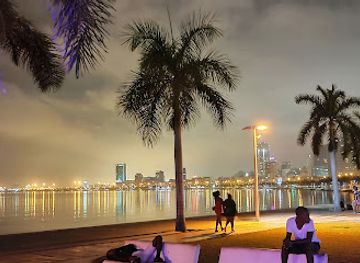
1. Luanda (Start here)
✈️ Capital & entry point
🌆 Mix of modern + chaotic
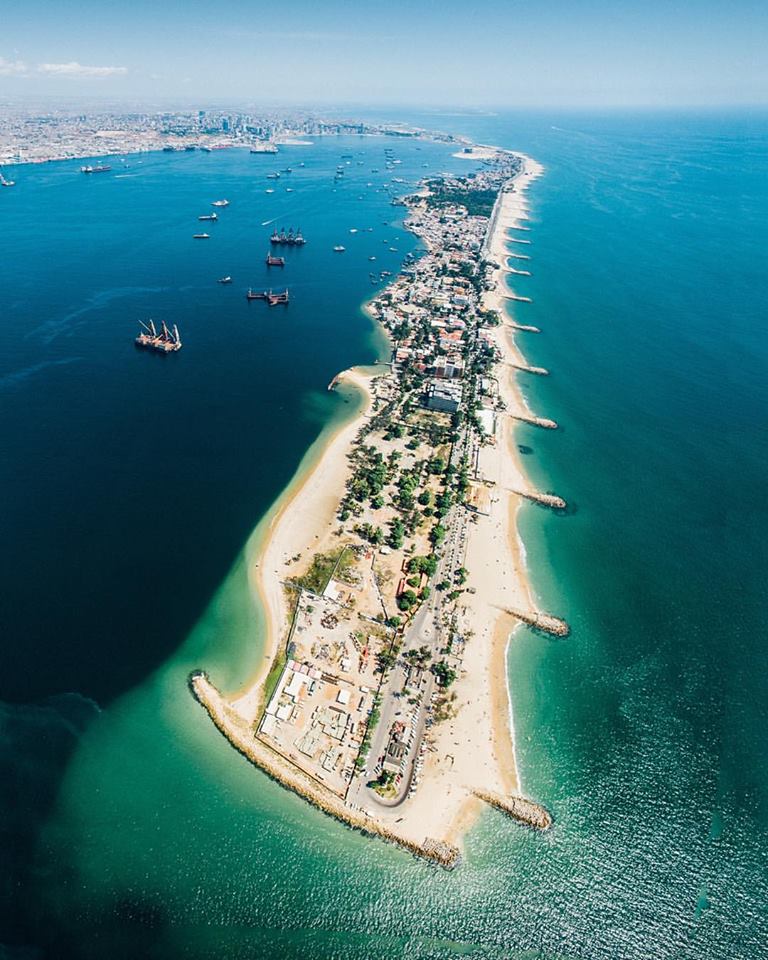
🏝️ Beaches along Ilha do Cabo
👉 Expensive compared to the rest of the country
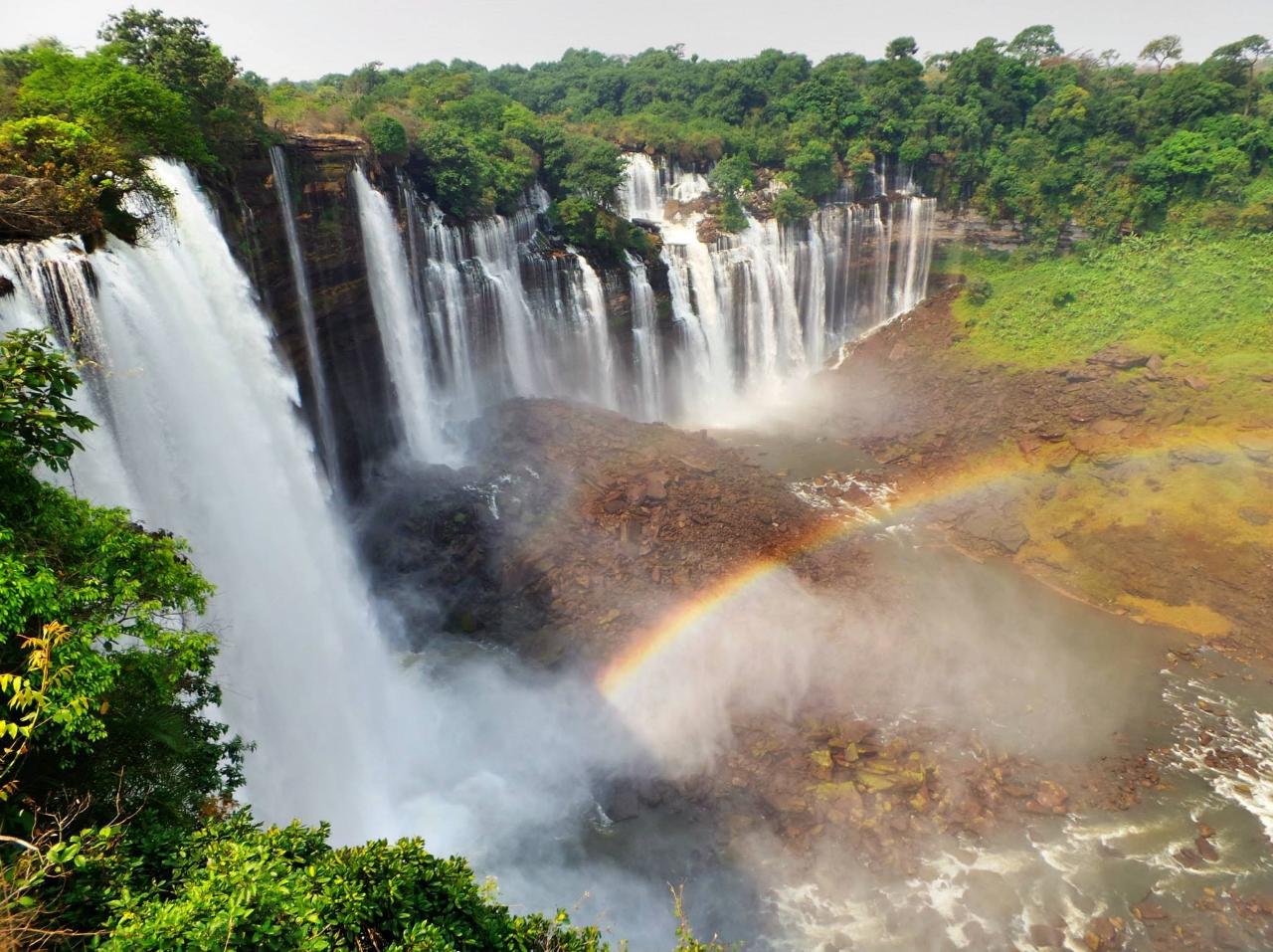
2. Kalandula Falls (Must-See 💦)
Visit Kalandula Falls
One of Africa’s largest waterfalls
Much less crowded than Victoria Falls
3. Miradouro da Lua (Otherworldly 🌙)
Visit Miradouro da Lua
Eroded cliffs that look like the moon
👉 Easy day trip from Luanda
4. Benguela & Lobito (Coastline)
🌊 Relaxed coastal vibe
🏖️ Beaches + colonial towns
🚆 Scenic Benguela railway
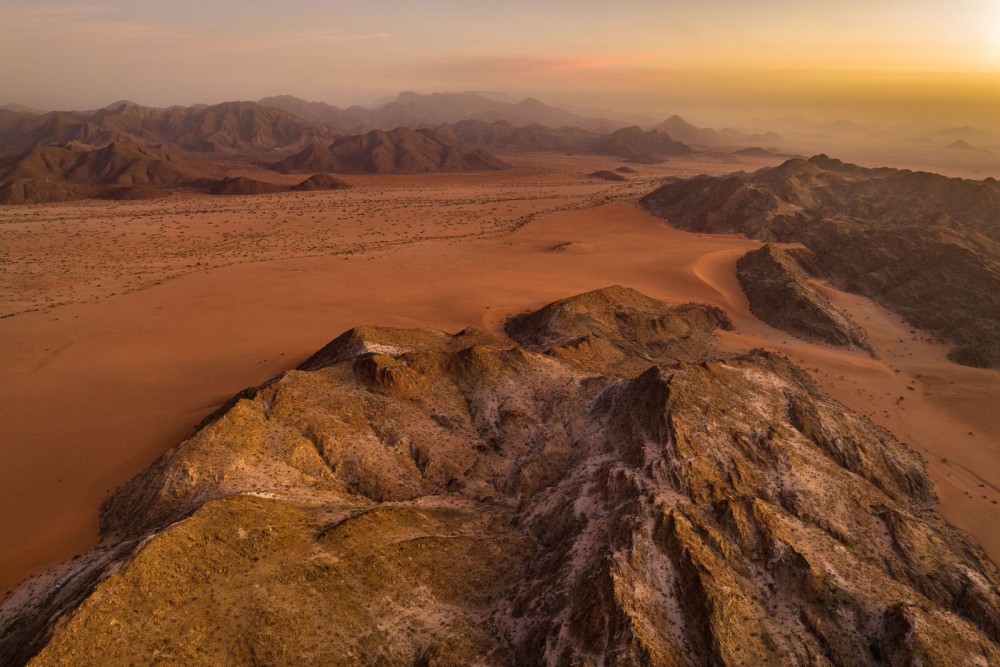
5. Namibe Desert (Epic Landscapes)
🏜️ Explore Iona National Park
🌵 See the unique Welwitschia mirabilis
🌊 Desert meets Atlantic Ocean
👉 One of Angola’s most unique regions
💸 Budget Reality
Angola is not a cheap backpacking destination:
🛏️ Budget stays: $20–50
🍽️ Food: $5–20
🚐 Transport: $10–40
👉 Typical budget: $40–80/day (can be higher in Luanda)
🚍 Getting Around
🚐 Shared taxis (most common)
🚌 Buses between cities
🚆 Limited but scenic train routes
🚗 Renting a 4×4 (best for remote areas)
⚠️ Challenges You Should Expect
🗣️ Portuguese is essential (very little English)
💳 Cards rarely accepted → carry cash
🧾 Visa requirements can be tricky
⚡ Infrastructure varies a lot
💸 Luanda is very expensive
🛂 Safety
Generally safer than some neighboring countries, but:
Avoid walking alone at night in cities
Keep valuables secure
Some regions are very remote → plan carefully
📅 Best Time to Go
☀️ May–October = dry season (best)
🌧️ Nov–April = rainy season
🤔 Is Angola Good for Backpackers?
✔️ Go if you:
Have experience traveling in Africa
Want unique, untouched destinations
Are comfortable with logistics challenges
❌ Skip if you want:
Cheap, easy backpacking
Social hostels / tourist scene
Smooth transport systems
🔥 Bottom Line
Angola is for serious travelers—not the easiest, but incredibly rewarding if you’re patient and prepared.
Backpacking Comoros is a true hidden-gem experience—remote, raw, and far from mass tourism. It’s not the easiest trip, but if you want untouched islands and authentic culture, it’s incredible.
🌴 Why Backpack Comoros?
5
🌋 Active volcano landscapes
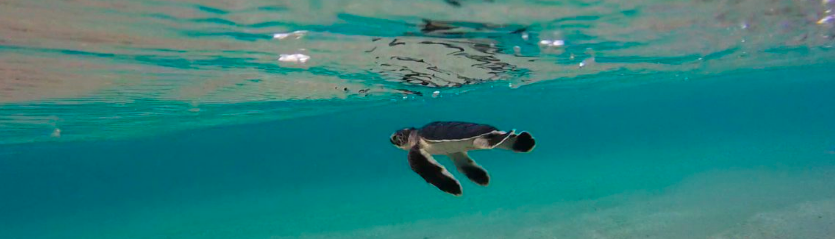
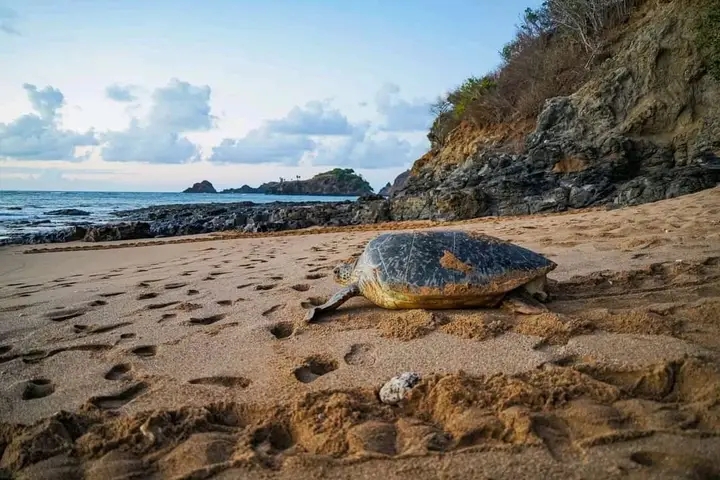
🐢 Turtle nesting beaches
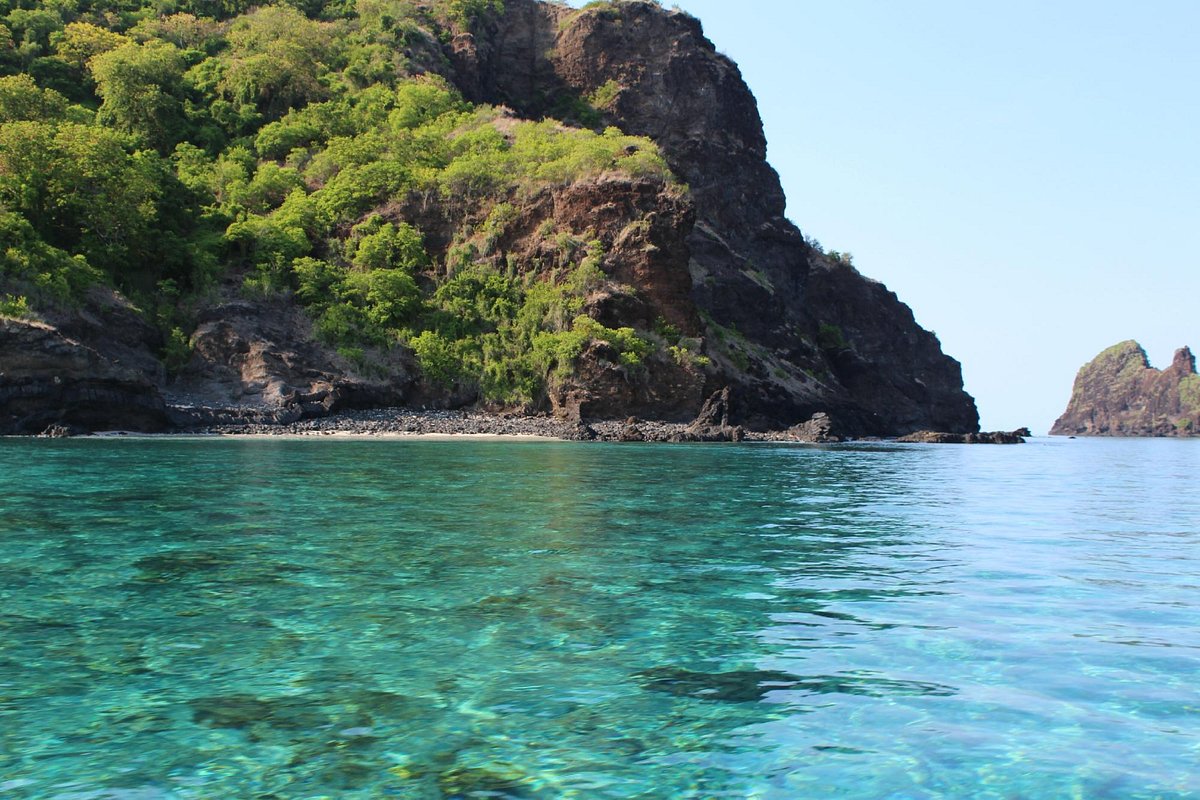
🌊 Clear, uncrowded ocean
🕌 Strong Swahili-Arab-African culture
👀 Almost zero tourism
👉 This is “pre-tourism” travel—what places like Zanzibar used to be
🗺️ The Islands (You’ll Visit 2–3)
1. Grande Comore (Ngazidja)
✈️ Main entry island
🌋 Hike Mount Karthala
🕌 Explore Moroni
👉 Wild, volcanic, rugged
2. Mohéli (Best for Nature 🐢)
🐢 Mohéli Marine Park
🤿 Snorkel with turtles & dolphins
🏝️ Remote island paradise
👉 Highlight of most trips
3. Anjouan (Nzwani)
🌿 Lush + mountainous
💦 Waterfalls & hiking
🏘️ Visit Mutsamudu
👉 More green and dramatic than Grande Comore
💸 Budget (Per Day)
🛏️ Guesthouses: $10–25
🍛 Local food: $3–8
🚤 Inter-island transport: $20–60
🤿 Activities: $10–30
👉 Typical budget: $25–50/day
🚤 Getting Around
✈️ Small domestic flights (unreliable sometimes)
🚤 Boats between islands (weather-dependent)
🚕 Shared taxis on islands
⚠️ What Makes It Challenging
🗣️ French + Comorian (little English)
💳 Almost no card payments → bring cash
⚡ Power/internet can be unreliable
🧭 Limited tourist infrastructure
⏱️ Things don’t run on schedule
👉 You need patience + flexibility
🧕 Cultural Tips
Majority Muslim country → dress modestly
Alcohol is limited
Respect local customs, especially during Ramadan
📅 Best Time to Go
☀️ May–October = dry season (best)
🌧️ Nov–April = hot + humid + rainy
🤔 Is Comoros Good for Backpackers?
✔️ Go if you want:
Remote, untouched destinations
Nature + wildlife
Real cultural immersion
❌ Skip if you want:
Party hostels / social backpacker scene
Easy logistics
Luxury or polished tourism
🔥 Bottom Line
Comoros is for adventurous backpackers who want something few people have done. It’s not easy—but that’s exactly why it’s special.
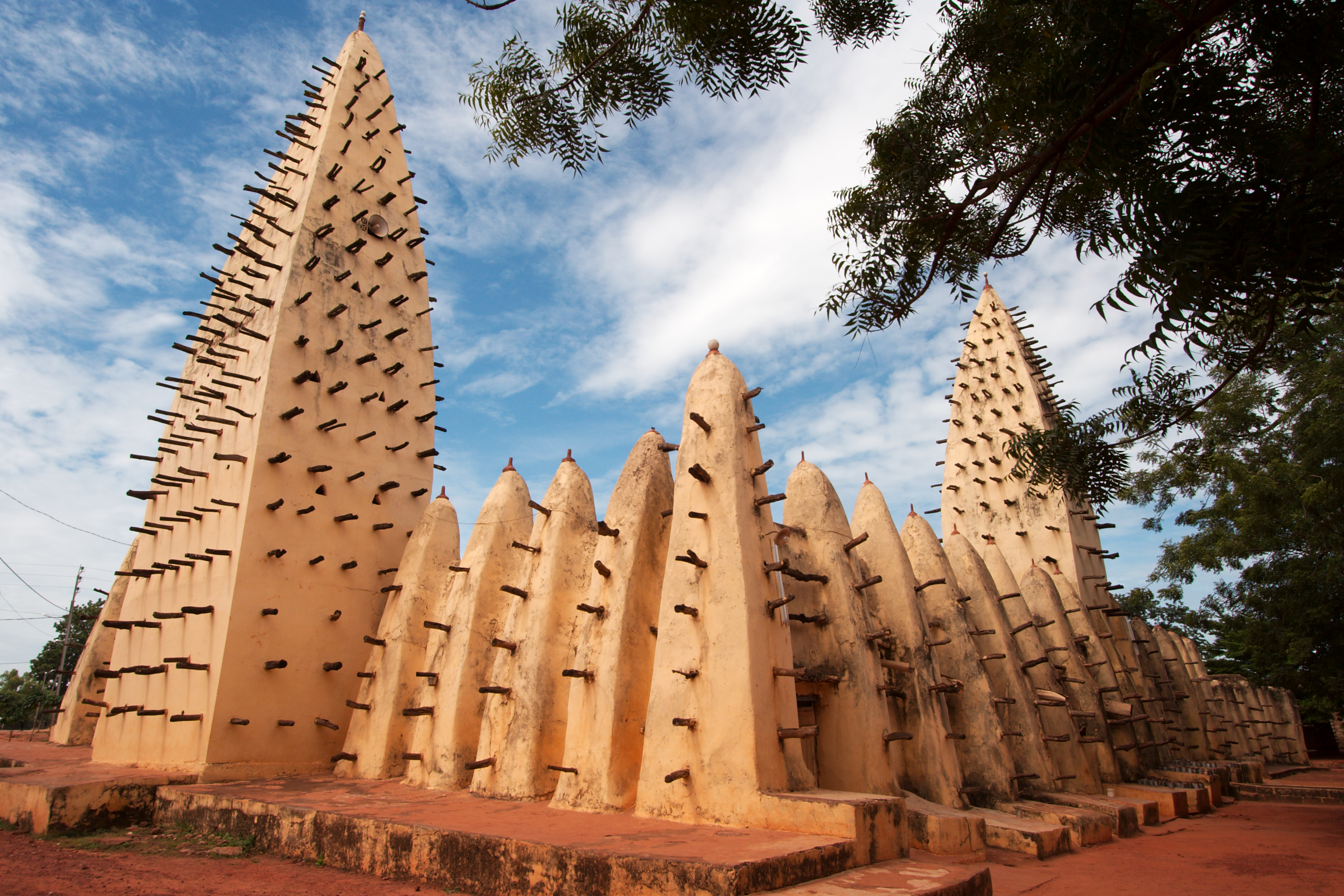
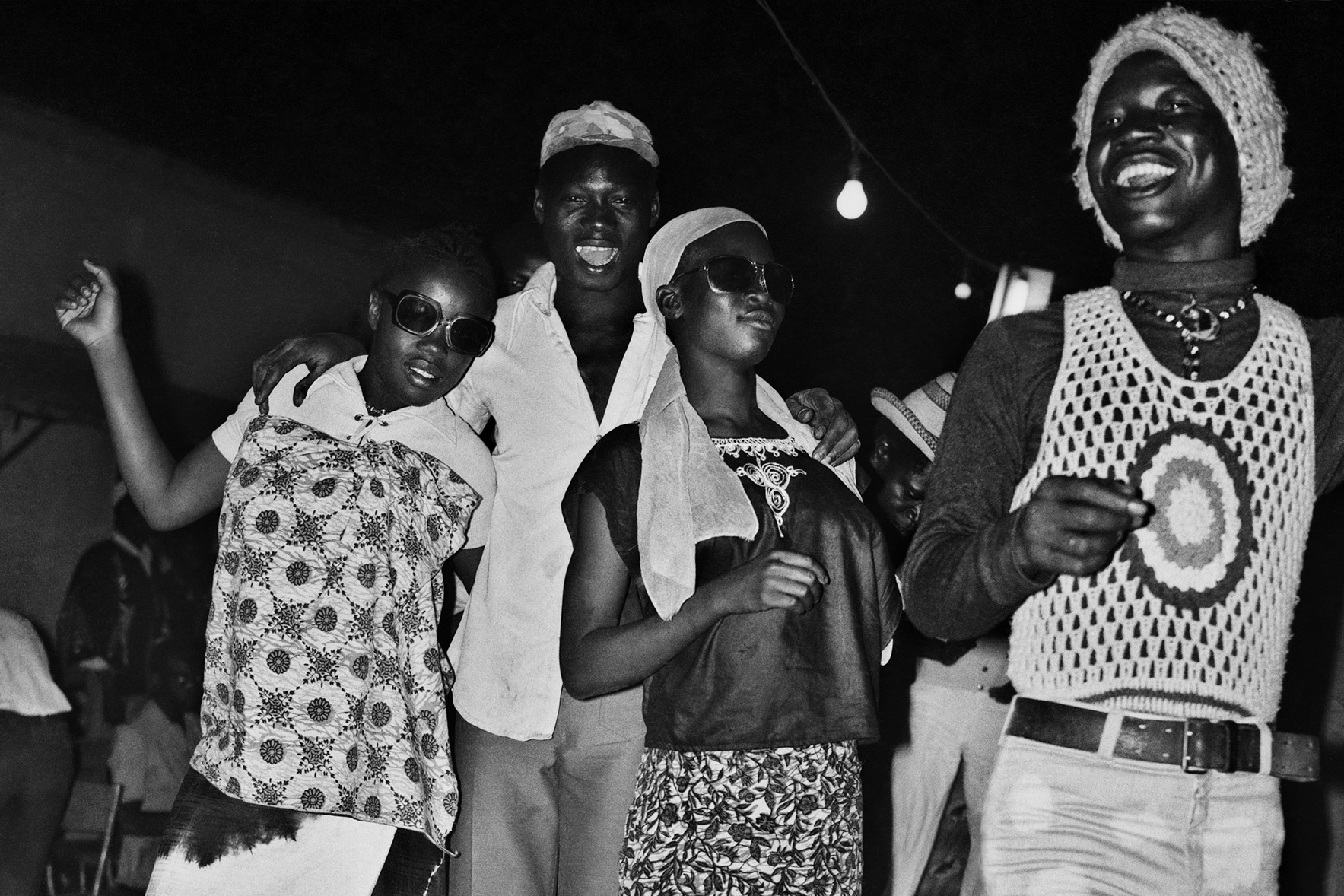
Backpacking Burkina Faso is about as off-the-beaten-path as it gets. It’s culturally rich, welcoming, and fascinating—but right now it comes with serious safety considerations you need to understand before planning.
⚠️ First: Safety Reality (Important)
Burkina Faso has ongoing security issues and instability in several regions
Many governments advise against all or most travel
Infrastructure for tourism is very limited
👉 This is not a beginner backpacking destination right now
Backpacking Bangladesh is raw, intense, and incredibly rewarding—but very different from typical Southeast Asia routes. It’s less touristy, more chaotic, and deeply cultural. If you’re up for real adventure, it’s unforgettable.
🌏 Why Backpack Bangladesh?
5
💸 Very cheap travel
🌿 Unique nature (jungles, rivers, tea hills)
🕌 Rich culture & history
👀 Almost no mass tourism → authentic experience
🤝 Extremely hospitable locals
🗺️ Best Backpacking Route (2–3 Weeks)
1. Dhaka (Start here)
✈️ Main international entry
🏙️ One of the busiest cities in the world
🏛️ Visit Lalbagh Fort and Ahsan Manzil
👉 Expect chaos—but fascinating chaos
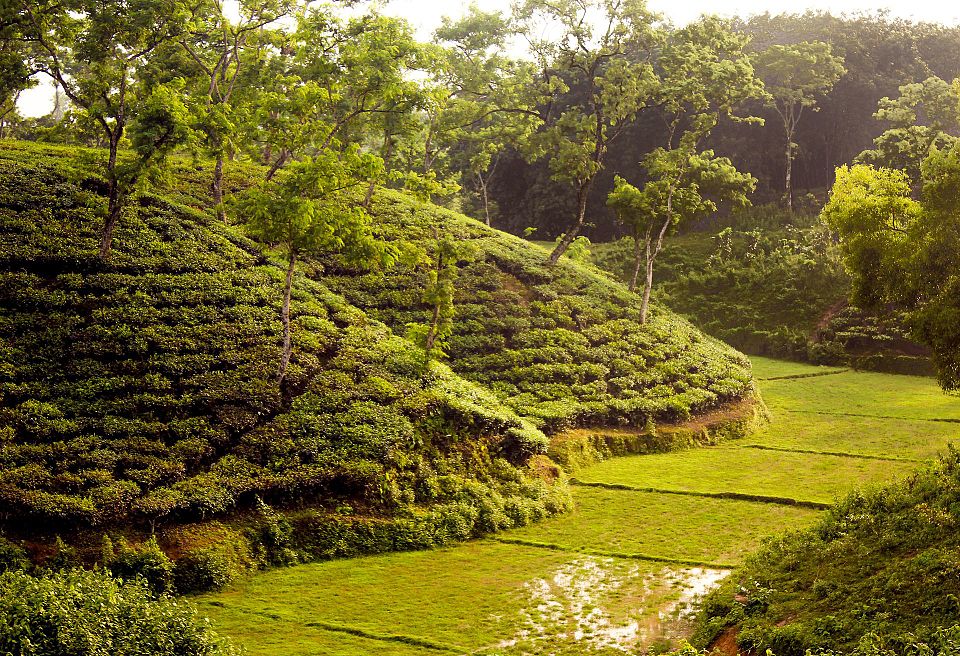
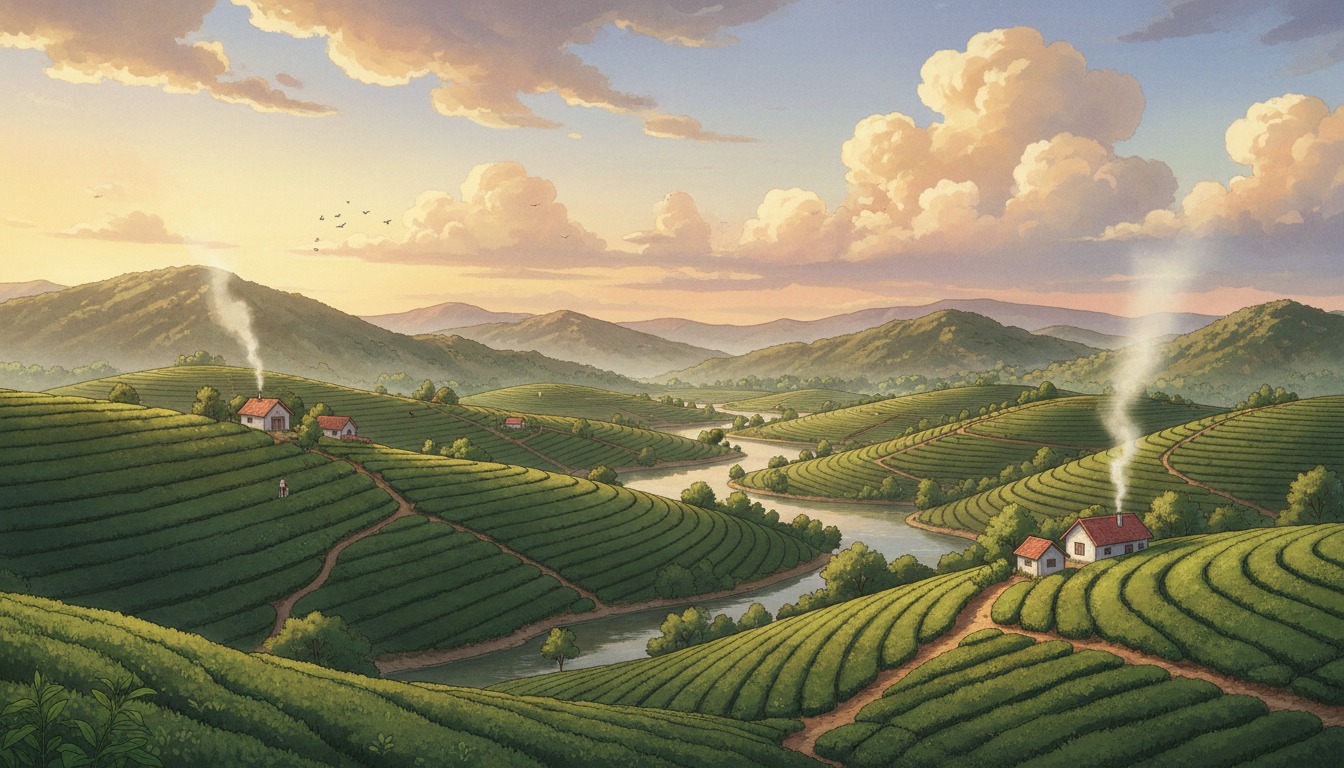
2. Srimangal (Tea Country)
🌿 Tea plantations everywhere
🌳 Explore Lawachara National Park
🍵 Try famous 7-layer tea
👉 Chill, green, and peaceful contrast to Dhaka
3. Sundarbans (Wildlife Adventure)
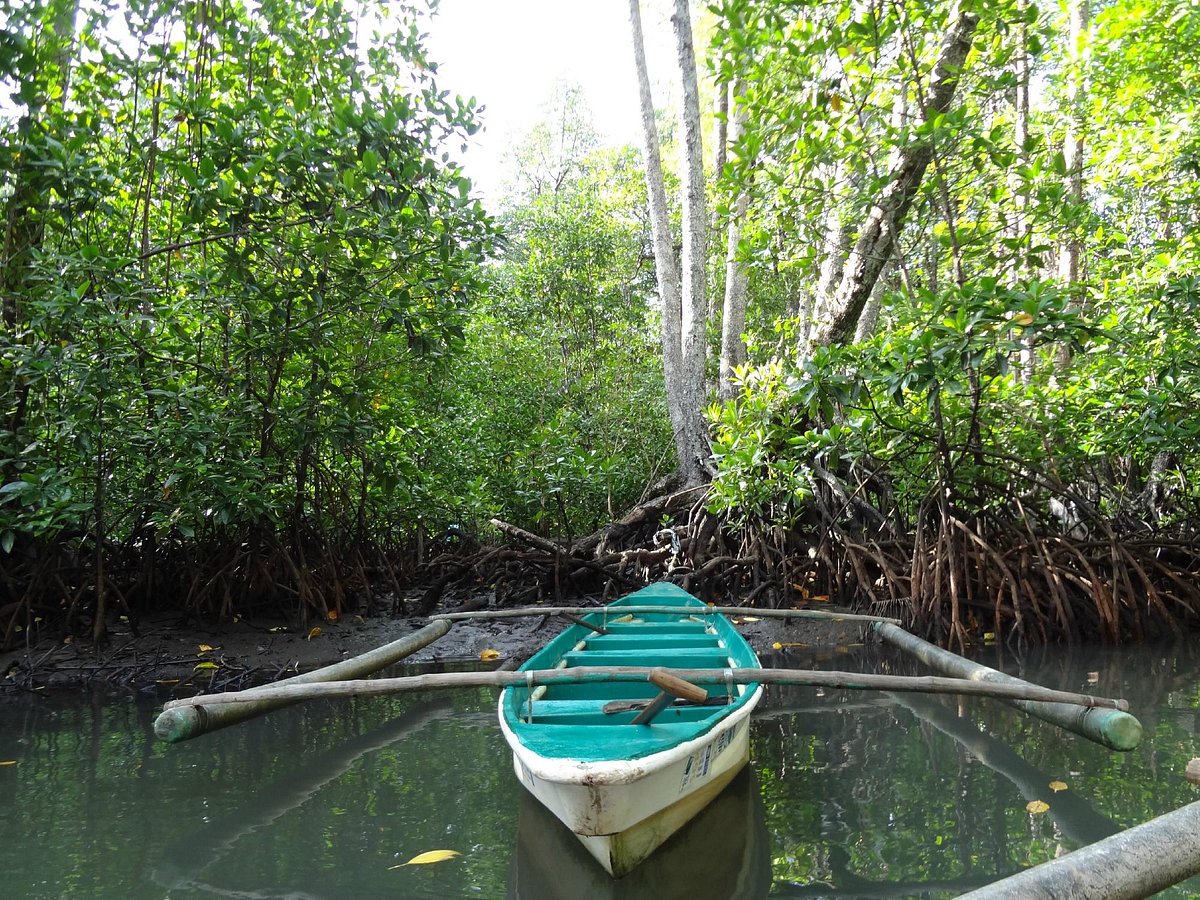
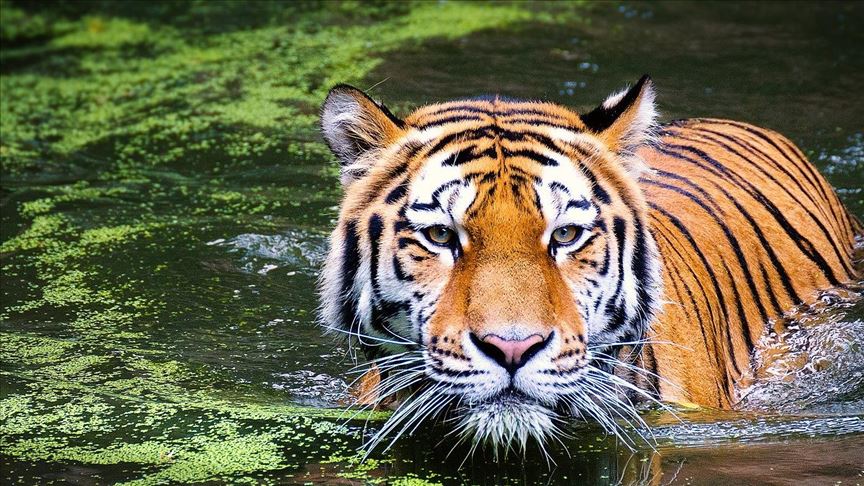
🌊 World’s largest mangrove forest
🐅 Home of the Bengal tiger
🚤 Multi-day boat tours
👉 One of the most unique ecosystems on Earth
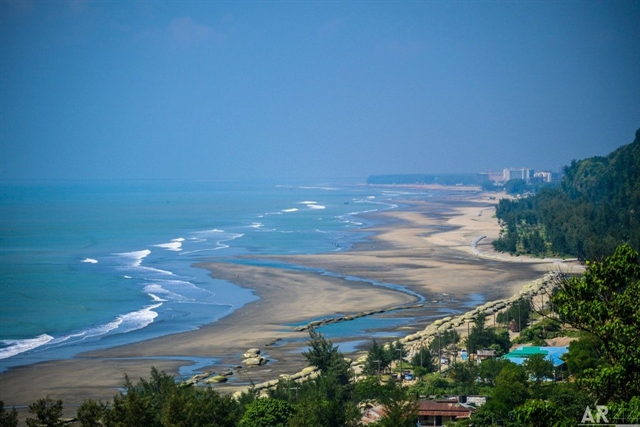
4. Cox’s Bazar (Beach Escape)
🏝️ One of the longest natural beaches in the world
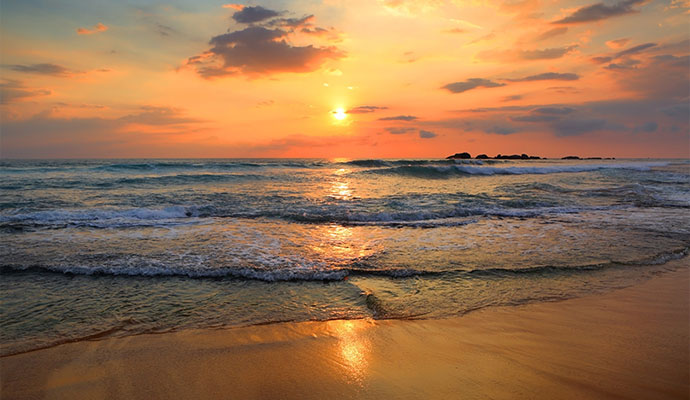
🌅 Chill, seafood, sunsets
Nearby: Inani Beach
5. Bandarban (Hidden Gem 🏔️)
⛰️ Hill tracts + tribal culture
🌄 Visit Nilgiri Hills
🥾 Trekking + waterfalls
👉 Most adventurous part of Bangladesh
💸 Budget (Per Day)
🛏️ Hostel/guesthouse: $5–12
🍛 Food: $2–6
🚍 Transport: $2–10
🎟️ Tours: $10–50
👉 Typical budget: $15–30/day
🚍 Getting Around
🚆 Trains (best for comfort & price)
🚌 Long-distance buses (very common)
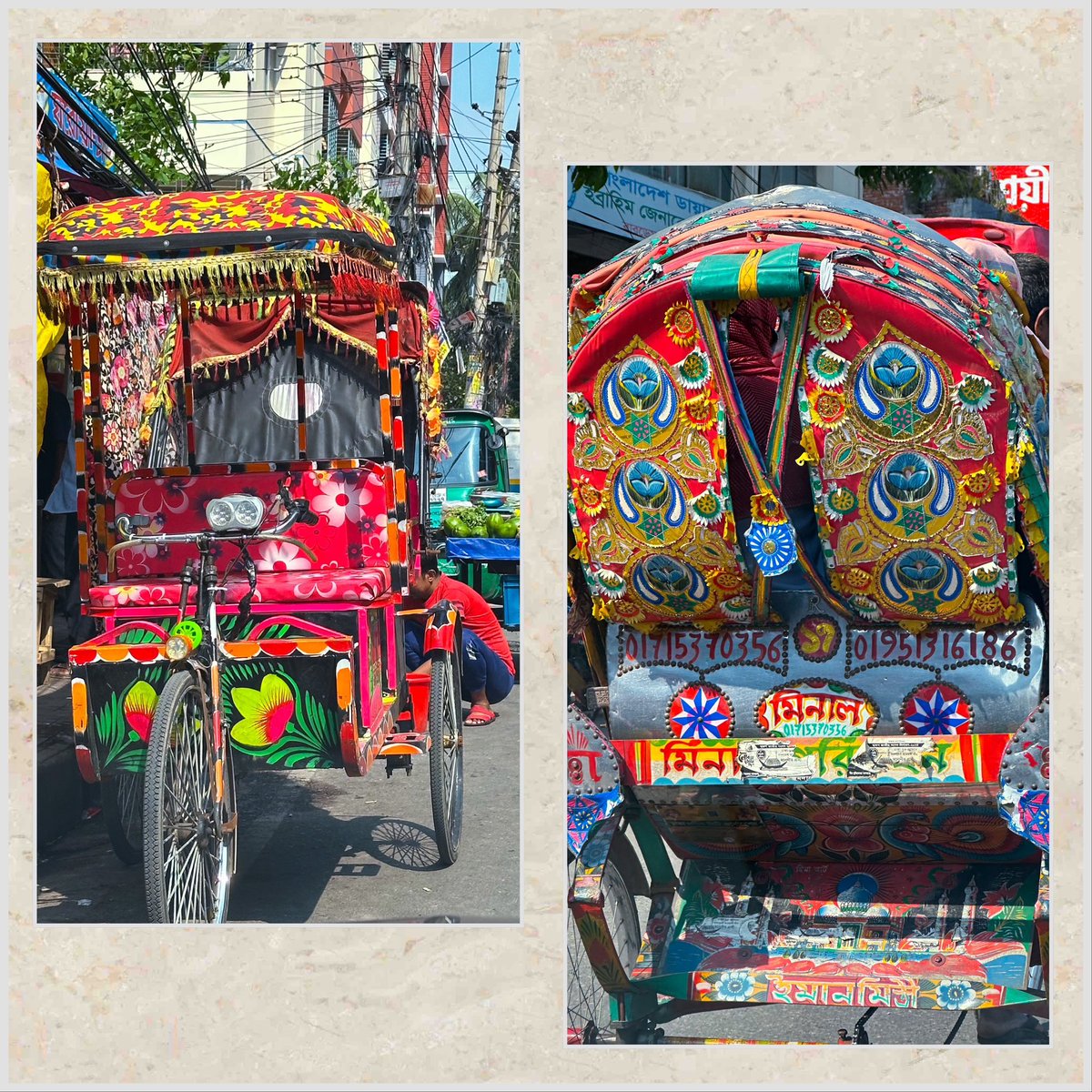
🛺 Rickshaws & tuk-tuks in cities
🚤 Boats in river areas
⚠️ Important Tips (Read This)
👕 Dress modestly (especially outside cities)
🚫 Alcohol is restricted
🚺 Female travelers: expect attention—dress conservatively & consider company
💧 Stick to bottled/filtered water
🧭 Less tourist infrastructure → plan ahead
🗣️ English is limited outside cities
📅 Best Time to Go
☀️ Nov–Feb = best (cool + dry)
🔥 Mar–May = very hot
🌧️ Jun–Oct = monsoon (flooding possible)
🤔 Is Bangladesh Good for Backpackers?
Yes—but not for everyone.
✔️ Go if you want:
Real, off-the-beaten-path travel
Cultural immersion
Unique nature
❌ Skip if you want:
Easy logistics
Party hostels / tourist comfort
🔥 Bottom Line
Bangladesh is one of the most underrated backpacking destinations in the world—but it rewards patience, flexibility, and curiosity.