Category Archives: Uncategorized

Maun


Maun is a town located in the northwestern part of Botswana, in southern Africa. It is the fifth-largest town in Botswana and serves as the administrative center of the Ngamiland District. Maun is often considered the “Gateway to the Okavango Delta,” one of the world’s most famous and pristine wetland ecosystems.

Here are some key features and information about Maun:

  1. Gateway to the Okavango Delta: Maun is the primary starting point for visitors planning to explore the Okavango Delta, a UNESCO World Heritage Site known for its unique ecology and wildlife. Tourists and safari-goers use Maun as a base to access the delta’s various camps and lodges.
  2. Tourism Hub: Due to its proximity to the Okavango Delta and other nearby wildlife reserves and national parks, Maun has developed into a major tourism hub in Botswana. It offers a range of services for travelers, including accommodations, tour operators, restaurants, and shops catering to tourists.
  3. Airport: Maun International Airport serves as a significant transportation hub for visitors flying into the region. Many domestic and international flights connect through Maun, making it convenient for travelers to reach their destinations within Botswana.
  4. Wildlife and Safaris: Maun serves as a launching point for various wildlife safaris and activities in the surrounding areas. Visitors can embark on mokoro (traditional dugout canoe) trips in the delta, take game drives in nearby game reserves, or even go on scenic flights over the delta to appreciate its vastness.
  5. Cultural Experiences: Maun also offers opportunities for cultural experiences. Travelers can visit local communities, learn about the traditional lifestyles of the indigenous people, and participate in cultural activities and workshops.
  6. Accommodation: The town has a range of accommodation options, including hotels, lodges, guesthouses, and campsites, catering to various budgets and preferences.
  7. Shopping: Maun has markets and shops where visitors can purchase traditional crafts, souvenirs, and locally made goods. It’s a great place to shop for mementos of your Botswana trip.
  8. Riverfront: The Thamalakane River runs through Maun, and the riverfront area is a picturesque spot where visitors can relax, take boat trips, or enjoy scenic views.
  9. Conservation: Maun plays a role in conservation efforts in the region, as many conservation organizations and researchers use it as a base for their work in the Okavango Delta and surrounding areas.
  10. Climate: Maun experiences a semi-arid climate with distinct wet and dry seasons. The best time to visit for wildlife viewing in the Okavango Delta is during the dry winter months (May to October) when animals are concentrated around water sources.

Maun is a bustling town that serves as the starting point for unforgettable wilderness adventures in the Okavango Delta and other pristine natural areas of northern Botswana. It’s a destination where visitors can experience the wonders of African wildlife and culture.

Hwange National Park


Hwange National Park is a renowned national park located in the western part of Zimbabwe, in southern Africa. It is the country’s largest and oldest national park, covering an area of approximately 14,650 square kilometers (5,656 square miles). The park was established in 1928 and was originally named Wankie Game Reserve before it was renamed Hwange National Park in 1961.

Hwange National Park

Key features and information about Hwange National Park:

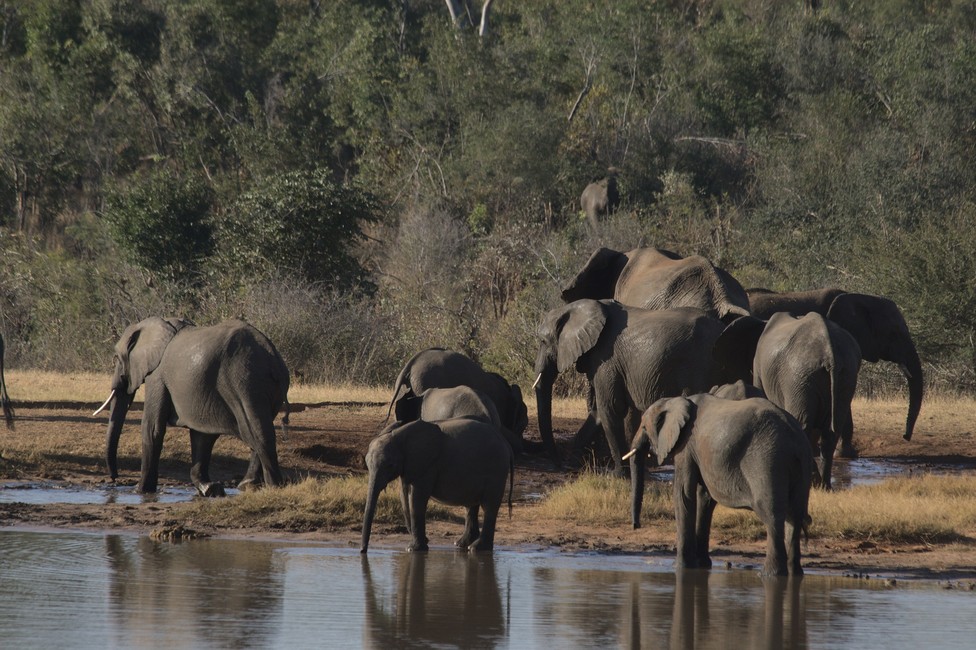
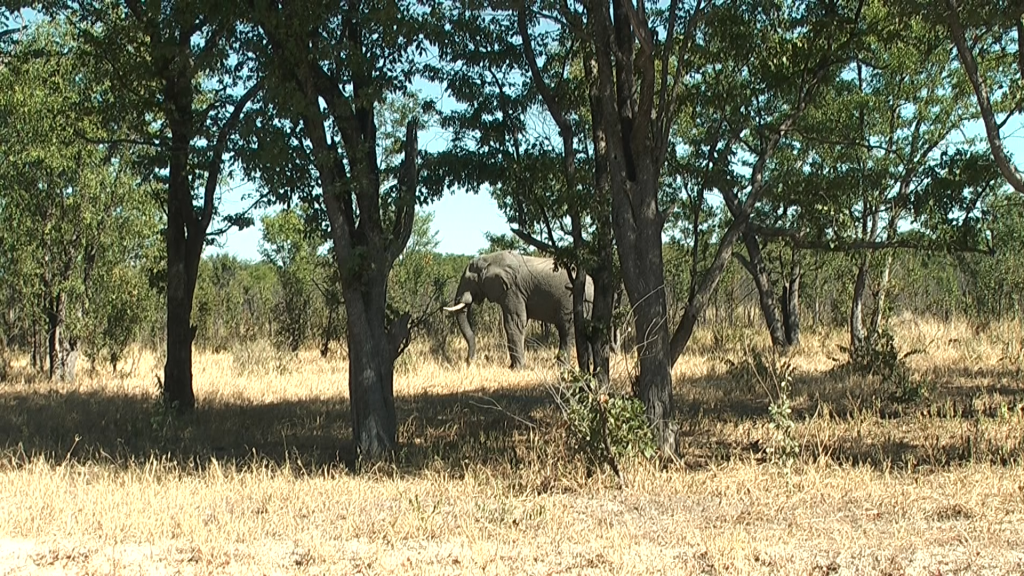
  1. Wildlife: Hwange is famous for its diverse and abundant wildlife, making it one of Africa’s prime safari destinations. The park is home to a wide variety of animals, including elephants (which are particularly numerous and famous in Hwange), lions, leopards, cheetahs, giraffes, zebras, buffaloes, hyenas, and numerous antelope species.
  2. Birdlife: The park boasts a rich birdlife, with over 400 bird species recorded, making it a paradise for birdwatchers.
  3. Landscape: The landscape of Hwange National Park is characterized by a mix of open grasslands, woodland, and savannah, providing diverse habitats for its wildlife. There are also several artificial waterholes and pumped pans, which attract wildlife, especially during the dry season.
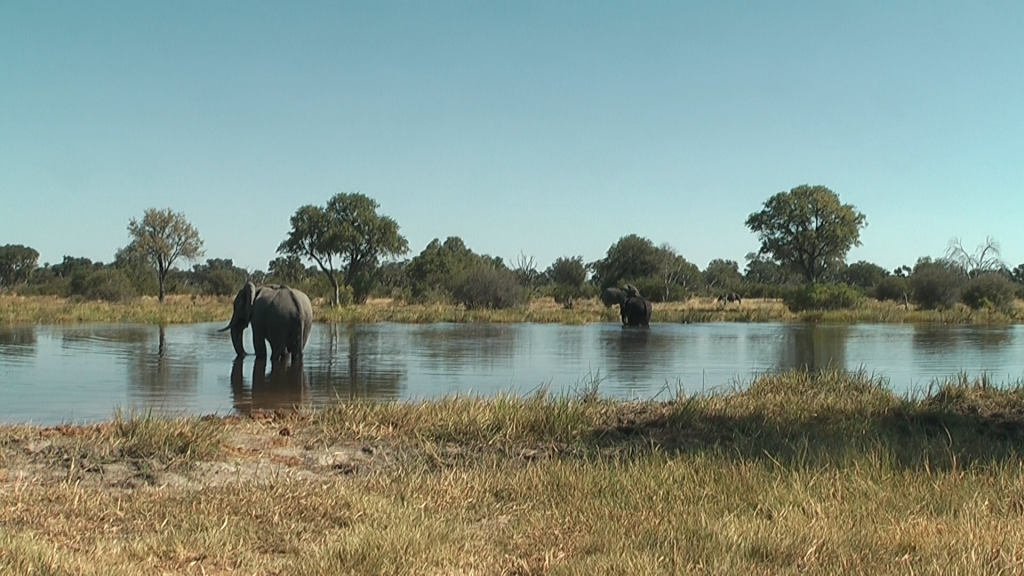
  4. Watering Holes: The park’s waterholes are a focal point for wildlife viewing, as animals gather here for drinking and bathing, providing excellent opportunities for game viewing, especially in the dry season when water is scarce.
  5. Accommodation: Hwange National Park offers a range of accommodation options, from luxury lodges and tented camps to more budget-friendly choices, catering to various types of travelers.
  6. Conservation: The park plays a crucial role in the conservation of Zimbabwe’s wildlife, particularly elephants. Efforts are made to protect and manage the park’s ecosystems and wildlife populations.
  7. Accessibility: Hwange National Park is relatively accessible and is located about 100 kilometers (62 miles) south of Victoria Falls, one of Africa’s most famous tourist destinations. Visitors can easily combine a trip to Hwange with a visit to Victoria Falls.
  8. Activities: In addition to traditional game drives, visitors to Hwange NPcan enjoy guided walking safaris, birdwatching, and cultural interactions with local communities.
  9. Best Time to Visit: The dry season, from May to October, is the best time to visit Hwange NP for wildlife viewing, as animals congregate around waterholes during this period.
  10. Conservation Challenges: Hwange faces conservation challenges, including issues related to poaching and habitat degradation. Conservation organizations and the Zimbabwean government work to address these challenges and protect the park’s natural treasures.

Hwange National Park offers a unique and immersive African safari experience, and its vast wilderness and abundant wildlife make it a popular destination for nature enthusiasts and wildlife lovers from around the world.

Keetmanshoop

Keetmanshoop, a town nestled in the arid landscapes of southern Namibia, carries within its name a history as diverse as its surroundings. A place where the desert’s stark beauty meets the tenacity of human endeavor, Keetmanshoop stands as a testament to the resilience of life in challenging environments.

Named after Johann Keetman and his wife, a missionary couple who played a pivotal role in the town’s early development, Keetmanshoop has grown from its humble beginnings into a vibrant center of culture, commerce, and exploration.

The town’s location on the fringes of the Kalahari Desert imbues it with a sense of rugged beauty. The arid plains, punctuated by rocky outcrops and unique geological formations, create a backdrop that is both unforgiving and awe-inspiring. Keetmanshoop’s surroundings are characterized by their ability to sustain life against all odds, with desert-adapted flora and fauna dotting the landscape.

One of the town’s most iconic attractions is the Quiver Tree Forest, located a short distance from its center. This otherworldly forest is populated by quiver trees, known locally as “kokerbooms,” which are a type of aloe. These trees, with their distinctive branchless trunks and succulent leaves, stand like sentinels against the desert backdrop. The forest is particularly enchanting during sunset, when the warm hues of the fading sun paint the landscape in a golden glow.

Just beyond the Quiver Tree Forest lies the Giant’s Playground, a natural wonder that seems to be the result of some celestial sculptor’s imagination. Boulders are strewn across the ground in formations that resemble a colossal puzzle, inviting visitors to explore the intricate patterns and shapes that nature has carved into the stone.

Keetmanshoop is also home to the Naute Dam, a reservoir that not only serves as a water source but also offers a picturesque setting for outdoor activities such as fishing, boating, and picnicking. The dam’s tranquil waters stand in stark contrast to the surrounding desert, providing a respite for both locals and visitors alike.

The town’s history is woven into its cultural fabric. The Keetmanshoop Museum offers a glimpse into the past, with exhibits that highlight the town’s colonial heritage, its indigenous communities, and its early inhabitants. The museum’s collection of artifacts, photographs, and documents provides a window into the evolution of Keetmanshoop over the decades.

Keetmanshoop’s strategic location as a crossroads in southern Namibia has also made it a hub of commerce and trade. Its bustling marketplaces are a lively testament to the town’s role as a trading center, where locals and tourists alike can sample fresh produce, crafts, and goods.

The town’s spirit of innovation is embodied by the “Garas Park Rest Camp,” a sustainable and eco-friendly establishment that showcases how ingenuity can thrive even in the harshest of environments. This establishment offers a unique blend of accommodations, including luxury lodges and “desert huts,” providing visitors with an opportunity to experience the stark beauty of the desert while enjoying modern comforts.

Keetmanshoop’s cultural diversity is reflected in its people. The town is a melting pot of various ethnicities, languages, and traditions. This mix of cultures contributes to a rich tapestry of experiences, from exploring indigenous arts and crafts to savoring the flavors of Namibian cuisine.

The town’s name, Keetmanshoop, echoes with the stories of those who shaped its history and those who continue to call it home. Its rocky landscapes and desert vistas serve as a canvas for both nature’s artistry and human ambition. Keetmanshoop, a place where past and present converge, invites travelers to delve into its stories, uncover its hidden gems, and experience the captivating rhythm of life in the desert.

In summary, Keetmanshoop is a town that embodies the harmony between human existence and the challenging environment of the desert. With its iconic Quiver Tree Forest, geological marvels like the Giant’s Playground, and a blend of history, culture, and innovation, Keetmanshoop stands as a destination that offers a unique perspective on the coexistence of nature and human endeavor in one of the world’s most unforgiving landscapes.

Kolmanskop


Kolmanskop, an enigmatic and haunting ghost town nestled in the heart of the Namib Desert, carries within its sand-swept walls a tale of opulence, ambition, and the relentless passage of time. Abandoned to the elements, this once-thriving diamond mining settlement now stands as a surreal testament to the impermanence of human endeavor.

In the early 20th century, Kolmanskop emerged as a glittering oasis in the unforgiving desert. Its origins are intimately tied to the diamond rush that swept through Namibia, then known as German South West Africa. Prospectors, lured by the promise of wealth hidden beneath the shifting sands, flocked to the region in search of the precious gems that lay beneath the desert’s surface.

The town’s layout was meticulously planned, reflecting the grandeur of the colonial era. European-style architecture graced the landscape, with imposing buildings constructed from imported materials. Glistening chandeliers, ornate furnishings, and opulent fixtures adorned the interiors, providing a stark contrast to the arid wilderness beyond.

The diamond trade fueled the town’s rapid growth, attracting miners, engineers, and fortune seekers from around the world. Kolmanskop soon became a thriving hub of activity, boasting amenities that included a hospital, a ballroom, a casino, and even the first x-ray station in the southern hemisphere. The diamond wealth that flowed through the town’s veins allowed for a lifestyle of extravagance that seemed incongruous with the surrounding desert.

However, as quickly as Kolmanskop had risen to prominence, its demise was equally swift. By the 1930s, diamond deposits began to deplete, and larger, more accessible sources were discovered further south. The town’s fortunes waned, and residents gradually abandoned their once-glittering abodes. The relentless desert winds began their inexorable process of reclamation, engulfing the buildings in a sea of shifting sand.

Today, Kolmanskop stands as a ghostly reminder of the passage of time. The once-grand structures, now half-buried and weathered by decades of desert winds, evoke a sense of eerie beauty. Broken windows and crumbling walls bear witness to the town’s decline, while the sands have infiltrated every nook and cranny, reshaping the interiors and altering the landscape forever.

Visitors who step through the doors of these deserted buildings enter a realm that seems suspended between past and present. The desert’s relentless march is palpable as sand-covered rooms create an atmosphere of both nostalgia and desolation. Sunlight filters through cracked windows, casting intricate patterns on the decaying walls, as if nature itself is painting a story of its own.

The echoes of the past are most vivid in the town’s diamond recovery plant. The machinery that once sifted through tons of sand in search of precious stones now stands frozen in time, rusted and covered in a layer of desert dust. Conveyor belts, jigs, and sorting rooms bear witness to the labor that once defined Kolmanskop’s existence, now silenced by the passage of years.

Yet, amidst the desolation, there is a sense of haunting beauty. Photographers and artists from around the world are drawn to the stark contrasts offered by the abandoned buildings against the backdrop of the vast desert. The interplay of light and shadow, the intermingling of human-made structures and nature’s artistry, creates a surreal canvas that captures the imagination.

Guided tours offer insight into the history and legacy of Kolmanskop. As visitors walk in the footsteps of those who once sought their fortunes in the sands, the stories of diamond prospectors, miners, and their families come to life. These tales of hope, struggle, and dreams now stand as whispers in the wind, carried by the desert breezes that sweep through the forgotten corridors.

In conclusion, Kolmanskop stands as a poignant reminder of the transient nature of human achievements against the backdrop of nature’s unfaltering force. What was once a symbol of wealth, ambition, and opulence now lies buried beneath the sands of time, a testament to the impermanence of all things. As visitors explore its deserted streets and sand-filled rooms, they are transported to a world suspended between history and the inexorable march of the desert, where the echoes of the past continue to whisper their tales of fleeting grandeur.

Things to do in Luderitz


Things to do in Luderitz: Luderitz, a coastal town nestled along the rugged shores of Namibia, stands as a unique blend of history, natural beauty, and cultural charm. Its captivating landscape and rich heritage have made it a destination that resonates with travelers seeking an authentic experience.

Luderitz’s origins can be traced back to the late 19th century when it was established as a German colonial settlement. Named after its founder, Adolf Lüderitz, the town was strategically situated along the Atlantic Ocean, initially serving as a trading post for guano and minerals. The colonial architecture that still graces the streets serves as a tangible link to its past, reflecting a mix of European influences against the backdrop of the African wilderness.

The town’s location along the coast lends it an otherworldly allure. The Atlantic Ocean crashes against the rocky shores, creating a dramatic juxtaposition of deep blue waters and stark desert landscapes. The windswept beaches are a playground for photographers, capturing the harmonious interplay between the elements. The iconic Felsenkirche, or “Church on the Rocks,” perched on a hill overlooking the town, adds to the picturesque scene.

One of Luderitz’s most famous attractions is Kolmanskop, an abandoned diamond mining town located just a short distance from the center. Once a thriving settlement during the diamond rush, Kolmanskop is now a ghost town, its grand buildings slowly being swallowed by the encroaching sand dunes. Visitors can explore its dilapidated structures, a haunting reminder of a bygone era that speaks to the ebb and flow of fortunes.

The surrounding desert landscape is marked by its stark beauty and unique geological formations. The dunes and rocky terrain are home to a diverse range of desert-adapted flora and fauna. The resilient life that has adapted to this harsh environment offers an insightful glimpse into the tenacity of nature. Desert tours provide opportunities to witness the dance of life in this seemingly barren land.

Luderitz is also a gateway to the renowned Namib-Naukluft National Park, which encompasses the towering sand dunes of Sossusvlei and the iconic Deadvlei pan. These landscapes, characterized by their towering red dunes and desolate salt pans, are a testament to the power of nature’s artistic hand. Visitors often wake before dawn to witness the ethereal sunrise over the dunes, casting shifting shadows and changing colors across the desert canvas.

The town’s maritime history is palpable as well. Fishing remains a cornerstone of Luderitz’s economy, with the cold waters of the Benguela Current teeming with marine life. The harbor is a hive of activity, as fishing vessels set out for their daily catch. The local seafood cuisine, influenced by German traditions, reflects the town’s historical connection to the ocean. Seafood aficionados can savor fresh catches of fish, oysters, and other delectable treasures from the sea.

Luderitz’s vibrant cultural tapestry is woven from a blend of influences. The town’s German colonial heritage is evident in its architecture and some cultural practices. However, it is the indigenous cultures of Namibia that add layers of depth to the town’s identity. The Nama people, with their rich history and traditions, are an integral part of the community. Their cultural expressions, stories, and arts contribute to the town’s diverse ethos.

Whether strolling through its historical streets, gazing at the endless horizons of the Atlantic, or exploring the desert’s mysteries, Luderitz offers a multifaceted experience that transcends time and culture. It stands as a testament to the indomitable spirit of human endeavor in challenging landscapes, as well as a reminder of the impermanence of all things against the backdrop of nature’s grandeur.

The san peoples way of lifestyle


The San people, also known as the Bushmen or Basarwa, are indigenous hunter-gatherer communities that have inhabited the regions of southern Africa for thousands of years. Their way of life is deeply intertwined with the natural world, shaped by their deep understanding of the environment and their unique survival strategies.

Nomadic Existence: The San people traditionally led a nomadic lifestyle, moving in small family groups across vast landscapes in search of food and water. This mobility was essential in their quest to adapt to the changing availability of resources in different seasons. It allowed them to avoid overexploiting any one area and maintained a harmonious relationship with the land.

Hunter-Gatherer Economy: At the heart of the San lifestyle is their remarkable skill in hunting and gathering. Their survival depended on their ability to track and hunt game animals, as well as to gather edible plants, fruits, roots, and nuts. This required an intimate knowledge of animal behavior and plant cycles, passed down through generations. Their profound understanding of the ecosystem enabled them to live sustainably, without permanently altering the environment.

Hunting Techniques: The San people’s hunting methods were marked by their resourcefulness and patience. They used bows and arrows, often equipped with poison-tipped projectiles, to take down animals. Their arrows were carefully crafted to ensure accuracy and lethality. Tracking was another crucial skill, allowing them to follow the movements of animals based on subtle signs like footprints, dung, and broken vegetation.

Gathering Practices: Gathering was equally important to the San’s subsistence. They foraged for a wide variety of plants, which provided them with essential nutrients and water. Some plants were used for medicinal purposes, highlighting their deep connection to the healing properties of nature. Women, in particular, played a vital role in gathering, often passing on their knowledge of edible plants to younger generations.

Social Structure: San society was typically organized into small, closely-knit groups consisting of extended families. These bands ranged in size, typically between 10 and 50 individuals. Their egalitarian social structure was characterized by consensus-based decision-making and a strong sense of cooperation. Elders and experienced hunters were respected for their wisdom, but power was distributed informally.

Languages and Communication: The San people have a rich linguistic heritage, with various groups speaking distinct languages characterized by clicking sounds. These clicks are produced by the tongue against different parts of the mouth and are an integral part of communication. San languages are not only spoken but are also conveyed through a complex system of hand signals and body language, allowing for silent communication during hunting or other situations where noise might be disruptive.

Art and Expression: Art played a significant role in San culture, providing a means of expression and preserving their stories and traditions. Rock paintings and engravings, found in various locations across southern Africa, offer glimpses into their spiritual beliefs, daily life, and interactions with the natural world. These artworks also served as instructional tools, passing on knowledge to younger generations.

Spiritual Beliefs: The San people held a deep spiritual connection with the land, viewing it as a source of sustenance and inspiration. Their belief systems were often animistic, attributing spiritual qualities to animals, plants, and natural features. Rituals, dances, and trance experiences were central to their spiritual practices, helping them commune with the spirit world and seek guidance from ancestral forces.

Challenges and Resilience: In recent times, the traditional San way of life has faced significant challenges due to the encroachment of modernization, land dispossession, and forced resettlement. Their nomadic existence has been constrained by national borders and conservation policies, leading to struggles for cultural survival. Despite these challenges, some San communities continue to preserve their heritage, engaging in advocacy and cultural revitalization efforts.

In essence, the San people’s way of life exemplifies an intricate relationship between humans and nature. Their intimate knowledge of the environment, remarkable hunting and gathering skills, egalitarian social structure, and spiritual beliefs all reflect a harmonious coexistence with the land. The San’s rich cultural legacy stands as a testament to humanity’s profound connection to the natural world and the wisdom that can be gleaned from living in harmony with it.

Kamanjab


Kamanjab, a small town in northwestern Namibia, offers a window into the cultural heritage and natural beauty of the region. Situated in the Kunene Region, Kamanjab serves as a gateway to several captivating destinations and experiences.

The town’s name itself carries historical significance, as it is derived from the Khoekhoegowab language, spoken by the local Damara people. Kamanjab is surrounded by a landscape characterized by rugged hills, dry riverbeds, and vast stretches of savannah. This backdrop forms a striking contrast to the town’s modest but vibrant atmosphere.

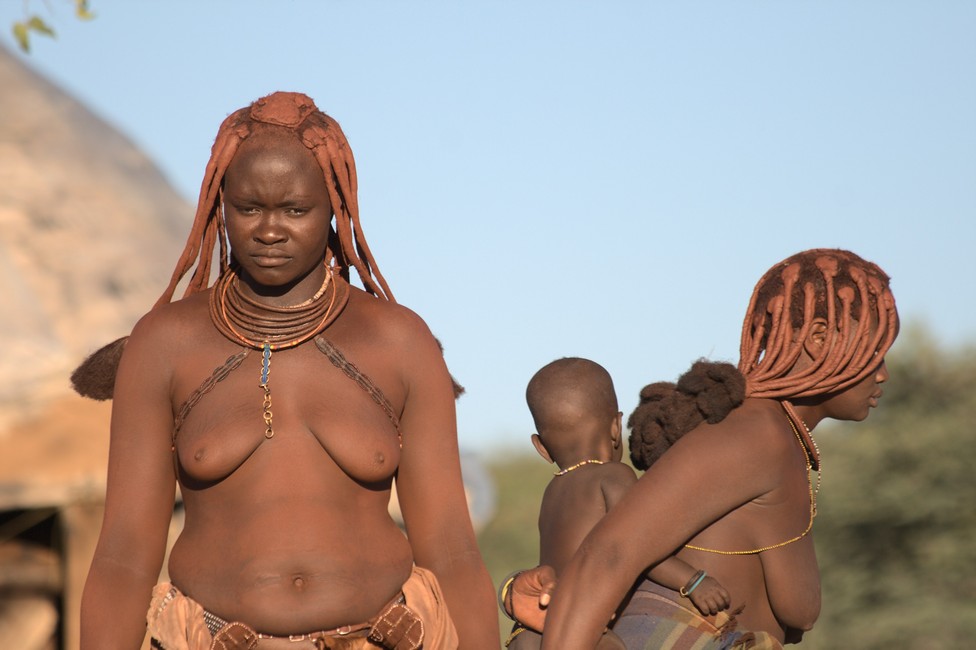
Kamanjab’s cultural diversity is exemplified by its inhabitants. The Damara people, known for their distinct language and rich traditions, inhabit the region alongside other ethnic groups such as the Herero and Himba. These communities have managed to preserve their ancestral customs and ways of life, offering visitors a chance to engage with their heritage.

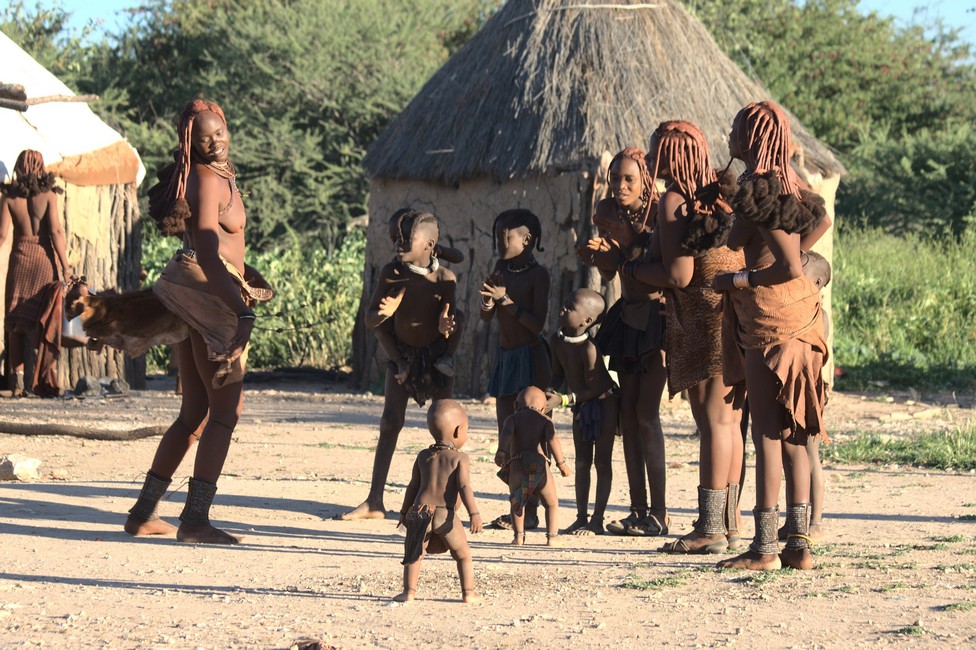
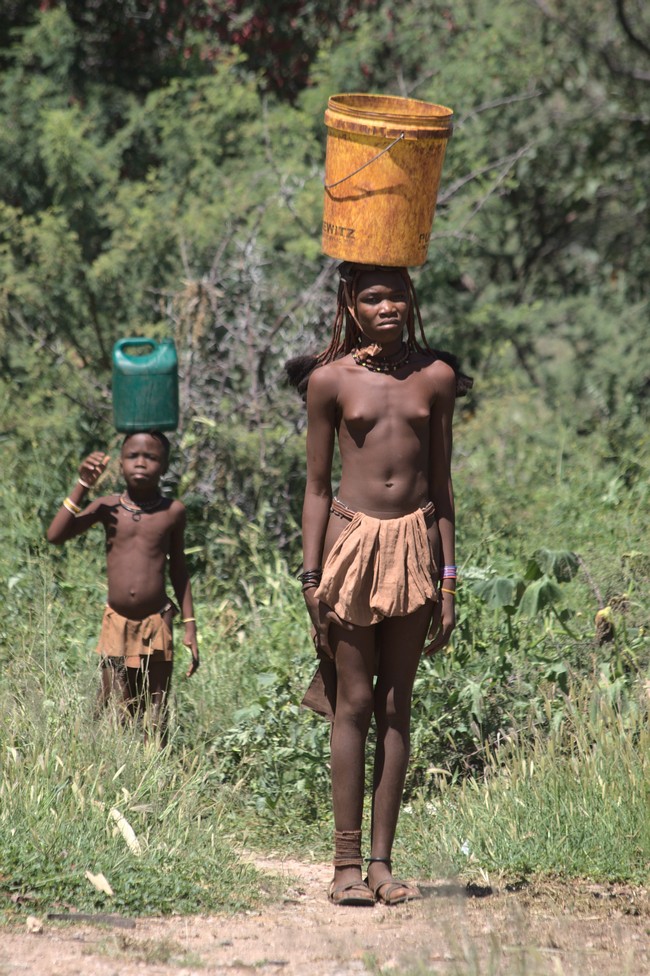
The town serves as a hub for travelers seeking to explore Namibia’s remote and untouched corners. One of the major draws in the area is the presence of the Ovahimba and Ovazemba Himba communities. The Himba are known for their distinctive way of life and appearance. Adorned with intricate hairstyles and elaborate jewelry made from shells and metal, the Himba people have captured the fascination of many travelers intrigued by their unique traditions. Guided cultural tours provide insights into their daily lives and rituals.

For those interested in wildlife and nature, Kamanjab offers access to Etosha National Park, one of Namibia’s most renowned wildlife conservation areas. Etosha’s vast salt pan, surrounded by grasslands and mopane woodlands, provides a backdrop for unforgettable wildlife encounters. From elephants and lions to rhinos and giraffes, the park’s diverse residents roam freely, allowing visitors to witness the rhythm of the African wilderness.

In addition to its cultural and natural attractions, Kamanjab also caters to the practical needs of travelers. Basic amenities such as accommodations, eateries, and local markets can be found here. Lodges and guesthouses offer comfortable stays, while local restaurants provide a taste of Namibian cuisine, often featuring game meat and traditional dishes.

Kamanjab’s location on the fringes of the Himba region has also spurred community-based initiatives that aim to provide sustainable opportunities for both visitors and locals. Some lodges and tourism operations collaborate with nearby communities, offering cultural experiences that benefit the people directly while ensuring the preservation of their heritage.

As the world becomes more connected, Kamanjab’s role as a cultural crossroads becomes even more significant. It stands as a place where modernity meets tradition, where travelers can learn about ancient ways of life while contributing to the well-being of the communities they encounter.

In conclusion, Kamanjab is a small Namibian town with a big heart, offering travelers a glimpse into the country’s cultural tapestry and natural wonders. From engaging with the Himba people and their traditions to embarking on wildlife safaris in Etosha National Park, the town and its surroundings present a captivating blend of experiences. As a doorway to the unique stories of Namibia, Kamanjab invites travelers to embrace both the old and the new in their exploration of this fascinating land.

Popa Falls


Popa Falls, located in the northeastern corner of Namibia, stand as a natural spectacle carved by the relentless flow of the Okavango River. These falls, though not towering like their more famous counterparts, possess a unique charm that draws visitors to their embrace.

The falls are situated near the boundary of the Bwabwata National Park, an expanse of protected land that encompasses a rich diversity of ecosystems. As the Okavango River surges towards the falls, its gentle gradient suddenly encounters a series of rocky outcrops, causing the water to cascade in a frothy display of power and energy.

The name “Popa Falls” can be slightly misleading, as the term “falls” might evoke images of grand waterfalls plummeting from great heights. However, the allure of Popa Falls lies not in their size, but in their character. The water tumbles over and around the rock formations, creating a symphony of splashes and gurgles. The falls consist of multiple channels and cascades that vary in size and shape, forming a complex network that adds to their unique charm.

The surrounding landscape is equally captivating. Lush vegetation lines the banks of the river, providing a contrasting frame to the sparkling waters. Tall trees sway in the breeze, their leaves rustling softly. Birdsong fills the air as avian inhabitants of the region find sanctuary among the branches. The falls are nestled within a tranquil corner of nature, offering a respite from the bustling world beyond.

Popa Falls are not just a visual spectacle; they also play a crucial role in the local ecosystem. The churning waters create habitats for various aquatic creatures. Fish navigate the rapids, using the rocky formations as hiding spots and feeding grounds. Crocodiles and hippos find refuge in the deeper pools, where they can rest and cool off from the African sun. The falls are a microcosm of life, a vibrant tapestry woven from the threads of water, rock, and living beings.

For travelers and explorers, Popa Falls offer a sense of adventure. Wooden walkways and viewing platforms have been built to provide access to the falls while minimizing the impact on the delicate environment. Visitors can stroll along these pathways, taking in the sight, sound, and scent of the falls up close. Photographers are particularly drawn to this site, capturing the dynamic interplay of water and light in their images.

The nearby Bwabwata National Park adds another layer of allure to the Popa Falls experience. The park, which encompasses diverse habitats ranging from floodplains to woodlands, is a haven for wildlife enthusiasts. Safari drives and boat tours allow visitors to encounter Namibia’s remarkable wildlife, including elephants, lions, buffalo, and a kaleidoscope of bird species. The park’s conservation efforts strive to protect these creatures and their habitats from the encroachment of human activity.

A stay in the vicinity of Popa Falls often involves immersing oneself in the rhythm of nature. Accommodation options vary, from campsites that allow for a close communion with the outdoors to lodges that provide a touch of luxury amid the wilderness. Campfires crackle in the evening, and stories are exchanged under the vast African sky, fostering a sense of camaraderie among travelers.

In the broader context, Popa Falls echo the delicate balance between human impact and natural preservation. As tourism to the region grows, efforts are taken to ensure that the falls remain a sustainable attraction. Responsible travel practices and conservation initiatives are key in safeguarding this gem for generations to come.

In conclusion, Popa Falls stand as a testament to the intricate dance of water, rock, and life. Nestled within the embrace of Bwabwata National Park, these falls captivate with their beauty and vitality. They remind us that even in the quieter corners of the world, nature’s wonders are waiting to be discovered and cherished.

Okavango River

The Okavango River is a vital watercourse located in southern Africa, coursing through a diverse range of landscapes and ecosystems. Its origin lies in the highlands of Angola, where rains fuel its inception. A meandering journey ensues as it navigates across the dry plains of Namibia and into Botswana, its final destination. The river’s trajectory defies conventional norms, for instead of finding its terminus in an ocean, it fans out into a vast inland delta known as the Okavango Delta.

This delta is an oasis of life amidst the arid landscapes of the Kalahari Desert. It breathes life into the region, sustaining an intricate web of flora and fauna. Reed beds and papyrus sway in the water, creating a labyrinth of channels and islands that teem with life. The delta’s heart pulses with seasonal floods, replenishing its depths and rejuvenating its surroundings.

The Okavango River supports an unparalleled wealth of biodiversity. Aquatic creatures ranging from the formidable Nile crocodile to playful otters call its waters home. Fish species, adapted to the delta’s ever-changing waters, thrive in abundance, feeding a cycle of life that extends to the numerous bird species that either call the delta home or visit during their migrations.

Terrestrial life thrives on the river’s banks and islands. Elephants, known for their bathing rituals, find solace in the river’s embrace. Buffalo and antelope gather to quench their thirst, always wary of lurking predators. The river is a lifeline for them, sustaining their existence in this harsh environment.

Human communities have flourished along the Okavango River for centuries. Indigenous people have formed intricate relationships with the river, relying on its waters for sustenance and transportation. Fishing, farming, and trade have been interwoven with the river’s flow, shaping cultures and traditions.

Modern challenges cast shadows upon the river’s vitality. Changes in land use, pollution, and climate fluctuations pose threats to its delicate balance. Conservation efforts have risen to the forefront, aiming to preserve this ecological marvel for future generations. National parks and wildlife reserves have been established to safeguard the river’s surroundings, providing sanctuaries for its inhabitants.

Tourism also plays a role in the Okavango’s story. Visitors flock to the delta to witness its splendor firsthand, embarking on safaris that offer glimpses of the incredible diversity that flourishes in this dynamic ecosystem. Guided by local experts, tourists gain insights into the delicate dance between life and water.

In conclusion, the Okavango River is a living testament to nature’s capacity for wonder and resilience. From its humble beginnings in Angola to its transformative journey through Namibia and Botswana, it nurtures life in the arid heart of southern Africa. Its waters sustain a delicate equilibrium of aquatic and terrestrial life, while also shaping human societies that have thrived along its banks. The challenges it faces today underscore the importance of responsible stewardship to ensure that its vibrant legacy endures for generations to come.

Tsetse fly

The Tsetse Fly: Unraveling the Enigma of Africa’s Silent Menace

In the sweltering embrace of Africa’s vast savannahs and dense woodlands, a tiny yet formidable creature commands attention: the tsetse fly. Measuring a mere few millimeters, this unassuming insect carries with it a legacy that intertwines with the very essence of the continent. Behind its delicate exterior lies a potent enigma – a vector of disease and an intricate player in the ecological web. With a quiet buzz, the tsetse fly weaves a narrative that traverses biology, history, and the intricate tapestry of human and animal life.

Found predominantly in sub-Saharan Africa, the tsetse fly belongs to the Glossinidae family. Its name, derived from the Tswana word “tsetse,” signifies the insect’s unsettling and persistent buzzing sound. While its appearance might deceive, its role in shaping ecosystems and human societies has been profound, albeit often unnoticed. What makes the tsetse fly a matter of both curiosity and concern is its association with a debilitating disease – human African trypanosomiasis, commonly known as sleeping sickness.

The tsetse fly’s role as a vector of sleeping sickness traces back to a microscopic foe – the protozoan parasites of the genus Trypanosoma. When an infected tsetse fly feeds on the blood of a mammal, including humans, these parasites enter the bloodstream, initiating a perilous journey within the host’s body. The disease’s early symptoms are often subtle, ranging from fever and headache to joint pain and itching. As the infection advances, however, it can penetrate the central nervous system, leading to severe neurological disorders, disruption of sleep patterns, and even death.

For centuries, the tsetse fly’s silent menace has shadowed the lives of those dwelling in its territories. Entire regions were rendered uninhabitable due to the fear of contracting sleeping sickness. Livestock, particularly cattle, suffered as well, falling victim to a similar disease called nagana, caused by a different species of the parasite. Nagana not only compromised animal health but also disrupted agricultural practices, with far-reaching implications for local economies.

The tsetse fly’s presence, paradoxically, is also a window into the ecosystems it inhabits. Its preference for densely vegetated areas, often near water sources, speaks to its reliance on specific habitats. As a result, the fly’s distribution has been a subtle indicator of the health of these ecosystems. Alterations to landscapes – whether through deforestation, habitat fragmentation, or climate change – have had profound implications for tsetse fly populations, triggering changes in disease transmission dynamics and affecting the delicate balance between vectors, hosts, and parasites.

Understanding and combating the tsetse fly’s impact have proven to be intricate challenges. Over the years, various approaches have been employed to control the fly’s populations and the diseases it spreads. Insecticide-treated traps, targets, and screens have been used to lure and eliminate tsetse flies, while livestock treatments and breeding programs aim to reduce the impact of nagana. Research into the fly’s biology, ecology, and the diseases it transmits continues to illuminate new avenues for control and prevention.

Efforts to eliminate the tsetse fly and its associated diseases have not been without controversy. Approaches such as large-scale insecticide spraying and habitat manipulation have raised concerns about unintended ecological consequences. Balancing the eradication of disease vectors with the preservation of delicate ecosystems requires a nuanced approach that considers the complex interactions within these environments.

The tsetse fly also serves as a symbol of Africa’s intricate connection with nature. Its presence underscores the coexistence of wildlife, livestock, and humans, shaping the ways these groups interact and influencing the development of cultures and economies. In some regions, the presence of tsetse fly-infested areas has led to unique adaptations, such as shifting cultivation practices or the development of specific cattle breeds that are more resilient to nagana.

As science and technology advance, new tools are emerging in the battle against the tsetse fly and the diseases it spreads. Genetic modification and sterile insect techniques show promise in reducing tsetse fly populations without the widespread use of pesticides. These innovative methods, however, come with their own set of challenges and ethical considerations, highlighting the complexity of managing disease vectors in a changing world.

The tsetse fly, with its unassuming demeanor, reveals a complex tapestry of interactions that transcend its tiny size. From the intricate biology of parasites to the delicate balance of ecosystems, its presence echoes through time and space, leaving an indelible mark on both human societies and the natural world. As we continue to unravel the mysteries of this silent menace, we uncover not only the threads of disease transmission but also the threads that connect us all in the intricate web of life.