Category Archives: Uncategorized

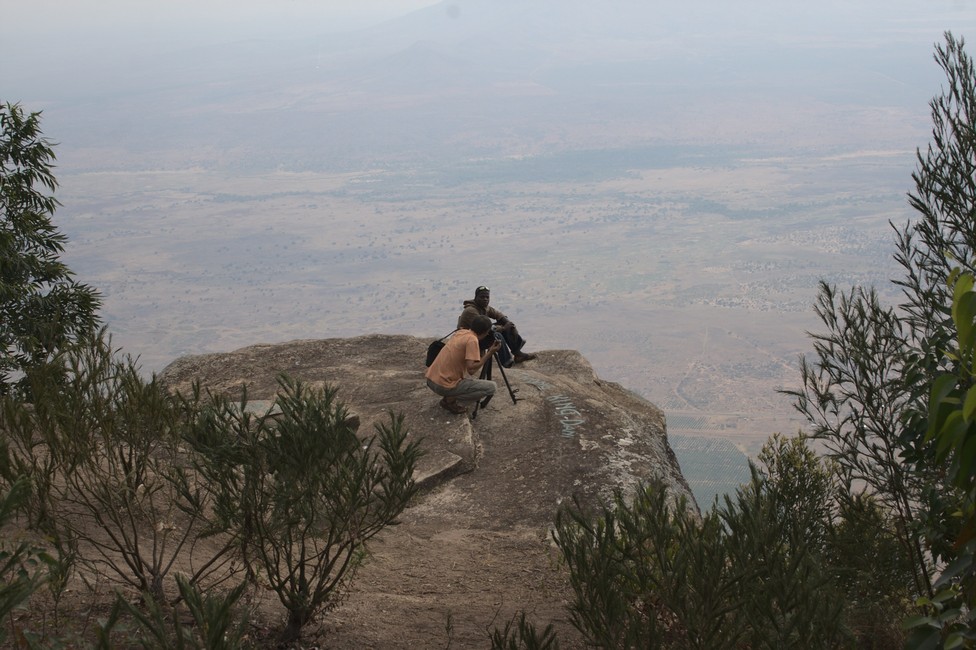
Thuma Forest Reserve

Nestled within the heart of Malawi, the Thuma Forest Reserve stands as a testament to the nation’s commitment to conservation and the delicate balance between human activity and the natural world. This vast expanse of wilderness, spanning over 200 square kilometers, is a haven of biodiversity, a sanctuary for endangered species, and a symbol of the nation’s determination to safeguard its ecological heritage.

Thuma Forest Reserve’s diverse landscapes encompass a range of ecosystems, from pristine woodlands to lush grasslands and rugged hills. The reserve’s topography is a reflection of its location along the Great Rift Valley, characterized by undulating terrain, rocky outcrops, and picturesque valleys. As visitors enter the reserve, they are greeted by the grandeur of ancient trees reaching skyward, creating a cathedral-like ambiance that evokes a sense of awe and wonder.

At the heart of Thuma Forest Reserve’s allure lies its remarkable biodiversity. This sanctuary is home to a rich tapestry of flora and fauna, many of which are endemic to the region. The reserve’s forests shelter an array of tree species, from towering hardwoods to delicate orchids that add a splash of color to the forest floor. These woods provide critical habitat for countless animals, insects, and birds, forming a delicate ecosystem where each species plays a unique role.

Thuma Forest Reserve’s significance extends beyond its natural beauty; it is a refuge for a multitude of wildlife species that are facing threats from habitat loss and human activity. Among the reserve’s residents is the African elephant, a majestic giant whose presence reinforces the importance of Thuma as an ecological stronghold. These elephants, an iconic symbol of Africa’s wilderness, move gracefully through the reserve’s landscapes, leaving behind an indelible mark on the ecosystem.

The reserve’s wildlife extends beyond elephants, encompassing an array of species that call Thuma home. The elusive leopard, an apex predator, stalks its prey through the underbrush, its dappled coat blending seamlessly with the shadows. African buffalo traverse the grassy plains in determined herds, while the elusive African wild dog dashes through the undergrowth, its distinct coat pattern making it a prized sighting for wildlife enthusiasts.

Thuma Forest Reserve also serves as a critical habitat for a variety of primates, reflecting the incredible diversity of life in this protected area. The colorful vervet monkey, the stoic yellow baboon, and the mischievous samango monkey swing through the trees, filling the canopy with their vibrant presence. The distinctive calls of these primates echo through the forest, creating a symphony that underscores the vibrancy of life within the reserve.

For birdwatchers, Thuma Forest Reserve is a veritable paradise. The reserve’s avian inhabitants include a range of species, from the majestic fish eagle to the tiny sunbird that flits among the blossoms. The calls of hornbills reverberate through the trees, while the iridescent plumage of turacos glimmers like jewels in the sunlight. Birdwatchers and nature enthusiasts alike find themselves captivated by the diverse birdlife that thrives within the reserve’s boundaries.

The Thuma Forest Reserve has also become a focal point for conservation efforts aimed at protecting and preserving its unique ecosystems. Conservation organizations, local communities, and governmental bodies have united to create a collaborative approach to safeguarding the reserve’s natural heritage. Initiatives range from anti-poaching patrols to sustainable tourism practices, all designed to ensure that Thuma remains a sanctuary for generations to come.

Sustainable tourism plays a pivotal role in the management of Thuma Forest Reserve. Visitors who venture into its depths experience a true immersion in nature, with the opportunity to explore the reserve’s trails, encounter its wildlife, and appreciate its breathtaking vistas. Eco-friendly accommodations offer a chance to stay amid the tranquility of the wilderness, where the sounds of the forest become a lullaby and the starlit skies a canvas of wonder.

Thuma Forest Reserve’s future hinges on the collective efforts of those who understand the importance of protecting its delicate ecosystems. Through education, advocacy, and responsible land management, the reserve’s guardians work tirelessly to ensure that this haven remains a sanctuary for both wildlife and the people who cherish it. As the sun sets over the landscape and the sounds of the forest come alive, Thuma Forest Reserve stands as a testament to the enduring bond between humanity and the natural world, and the responsibility we hold to safeguard the treasures that lie within our care.

Mango Fly

The Mango Fly: A Curious Intruder in the African Summer

In the balmy embrace of the African summer, a minuscule yet notorious creature emerges from obscurity to capture attention, causing a stir among humans and animals alike – the mango fly. Known by various names across the continent, including the tumbu fly, putzi fly, and skin maggot fly, this tiny insect’s brief appearance belies the discomfort it can bring.

The mango fly, scientifically classified as Cordylobia anthropophaga, belongs to the family Cordylobiidae. Despite its seemingly innocuous name, this fly’s lifecycle and impact on both humans and animals are a study in nature’s intricacies and the delicate balance that exists within ecosystems.

The lifecycle of the mango fly begins with the adult female seeking a suitable host for her eggs. She locates a host – often a mammal, including humans – and alights upon the skin. Using specialized mouthparts, the female fly makes a small incision in the skin, depositing her eggs within. The site is often chosen strategically, with areas such as exposed skin or clothing folds being particularly vulnerable.

Once the eggs are deposited, they hatch into tiny larvae within a matter of hours. These larvae, often referred to as skin maggots, burrow into the subcutaneous layers of the host’s skin. This is where the true discomfort begins, as the presence of the larvae can cause itching, irritation, and even pain. Over the next several days, the larvae continue to grow and feed on the host’s tissue, forming small, raised, and sometimes painful nodules on the skin’s surface.

As the larvae continue to develop, they reach a point where they are ready to pupate and complete their transformation into adult flies. At this stage, they emerge from the host’s skin, fall to the ground, and burrow into the soil. It is within this cocoon that the larvae undergo metamorphosis, eventually emerging as fully formed adult flies.

The emergence of mango flies is often marked by the arrival of the rainy season, a time of increased humidity and favorable conditions for their development. The phenomenon varies across different regions and climates, with some areas experiencing peak mango fly activity during specific months.

Human and animal hosts share an intricate relationship with the mango fly. The flies, seeking hosts for their larvae, inadvertently become vectors for their own dispersal. The experience of hosting mango fly larvae can vary widely, with some hosts remaining unaware of their presence, while others may suffer from painful and itchy skin nodules.

The impact of the mango fly extends to livestock and wildlife, with animals experiencing similar discomfort and irritation from infestations. Domesticated animals, such as dogs and cattle, can be vulnerable to mango fly infestations, leading to skin lesions and health issues. The relationship between mango flies and animal hosts highlights the interplay between species within ecosystems, where even the tiniest creatures play a role in the larger ecological tapestry.

Communities across Africa have developed various strategies to mitigate the impact of mango fly infestations. Traditional practices, such as applying oil or grease to the skin, aim to suffocate the larvae and prevent their development. Clothing choices, including wearing protective garments, also play a role in reducing the risk of infestation. In regions where the mango fly is a recurring presence, awareness campaigns and education about preventive measures are essential tools in minimizing its impact on local populations.

Medical professionals play a critical role in addressing mango fly infestations, providing treatment for those affected and offering guidance on proper wound care. In cases where complications arise, such as secondary infections or allergic reactions, medical intervention becomes even more crucial.

Despite the discomfort and nuisance associated with mango fly infestations, it is important to view these creatures within the larger context of ecosystems. The mango fly’s presence and impact on hosts, both human and animal, serve as a reminder of the intricate web of life that sustains our planet. While the encounters with mango flies may be fleeting and sometimes uncomfortable, they are a testament to the complexities of nature and the constant interactions that shape the world around us.
African Bananas

African Bananas: Nature’s Bounty from the Continent

Amid the lush landscapes and diverse ecosystems of the African continent, a remarkable fruit thrives – the banana. These delectable treasures are not only a staple of African diets but also a testament to the continent’s agricultural heritage, biodiversity, and cultural significance. With their vibrant colors, unique flavors, and versatile uses, African bananas are a symbol of nature’s abundance and the intricate relationship between humans and the land they call home.

Bananas, belonging to the genus Musa, have been a part of Africa’s botanical landscape for centuries. The continent’s varied climates and terrains have given rise to an astonishing array of banana cultivars, each adapted to its specific environment. From the dense rainforests of Central Africa to the arid landscapes of East Africa, bananas have managed to carve out a place for themselves, demonstrating their resilience and adaptability.

One of the most remarkable aspects of African bananas is their sheer diversity. From the diminutive finger bananas to the larger plantains, there exists an incredible spectrum of shapes, sizes, colors, and flavors. The East African Highland bananas, known for their robustness and resistance to diseases, are an integral part of diets across countries like Uganda, Rwanda, and Burundi. These bananas, often cooked before consumption, provide a starchy and satisfying source of sustenance.

In West and Central Africa, plantains take center stage. These starchy relatives of bananas are a dietary staple, enjoyed in various stages of ripeness and prepared in countless ways. Green plantains are commonly fried or boiled, while ripe plantains find their way into sweet dishes and desserts. The plantain’s versatility has made it an essential component of meals, reflecting the resourcefulness of African cuisine.

African bananas extend beyond mere sustenance; they are deeply woven into the cultural fabric of the continent. Festivals, celebrations, and rituals often feature the presence of bananas, signifying abundance, hospitality, and shared connections. In many communities, the act of offering bananas to guests is a gesture of warmth and welcome, fostering a sense of togetherness.

The production of African bananas supports numerous livelihoods, providing employment opportunities for small-scale farmers, harvesters, traders, and distributors. The banana trade, both within Africa and for export, contributes significantly to local economies, creating pathways for economic growth and community development. However, challenges such as pests, diseases, and market fluctuations also underscore the importance of sustainable agricultural practices and diversification of livelihoods.

The journey from farm to table is a complex and interconnected web, involving numerous actors and stages. Bananas are grown in a range of agro-ecological zones, from lowland tropical areas to highland regions with cooler temperatures. The harvesting, sorting, and transport of bananas involve intricate networks that reflect the efforts of both individuals and communities. The collaborative nature of banana production highlights the interconnectedness of African societies and their reliance on shared resources.

In recent years, African countries have explored opportunities to add value to their banana production, moving beyond traditional consumption to develop products like banana chips, flour, and even banana beer. These innovations not only enhance the utilization of bananas but also provide avenues for economic diversification and the empowerment of local entrepreneurs.

Despite their cultural and economic significance, African bananas face challenges that threaten their sustainability. Pests and diseases, such as the devastating Banana Xanthomonas Wilt (BXW) and the Banana Bunchy Top Virus (BBTV), have wreaked havoc on banana crops, leading to reduced yields and economic losses. In response, efforts have been made to develop disease-resistant cultivars, promote better agricultural practices, and provide education on pest and disease management.

The rise of global trade and increased demand for bananas has also led to concerns about the environmental impact of large-scale production. Issues such as pesticide use, water management, and the carbon footprint of transportation are prompting conversations about the need for more sustainable and ethical approaches to banana cultivation and trade.

African bananas, beyond their intrinsic worth, are a microcosm of the complexities that define the continent. They represent the interplay between tradition and innovation, resilience and vulnerability, unity and diversity. As the African agricultural landscape evolves, the journey of bananas continues – from seed to sapling, from flowering to fruition, from harvest to homes. These fruits, nurtured by the sun and rain, embody the spirit of Africa, where nature’s bounty is a reflection of its people’s ingenuity, resourcefulness, and unwavering connection to the land.

Tonga ethnic group

The Tonga ethnic group, a vibrant and diverse community that spans several countries in Southern Africa, is a testament to the rich tapestry of cultures and traditions that define the region. With a history that intertwines with the landscapes of Zambia, Zimbabwe, Mozambique, and Malawi, the Tonga people have crafted a unique identity shaped by their environment, history, and resilience.

Spread across the fertile valleys and plateaus of the Zambezi River Basin, the Tonga have historically relied on agriculture, fishing, and animal husbandry for their sustenance. The fertile soils of the region have supported their livelihoods for generations, with crops like maize, millet, and sorghum forming the backbone of their diet. The mighty Zambezi River, coursing through their territories, provides not only water for irrigation and fishing but also a source of cultural significance.

Language binds the Tonga people together, with their native language, also called Tonga, acting as a vessel for preserving their traditions and stories. This Bantu language has various dialects, reflecting the geographical spread of the Tonga across different countries. Despite linguistic variations, the common threads of their cultural heritage and shared experiences keep their sense of unity intact.

Music and dance are integral to Tonga culture, serving as expressions of joy, sorrow, and communal bonding. The beat of drums, the rhythm of shakers, and the melody of traditional instruments create a captivating symphony during festive occasions, rituals, and ceremonies. The Tonga’s distinctive dance forms, often accompanied by call-and-response singing, are not only a form of entertainment but also a conduit for passing down ancestral knowledge.

The Tonga have a profound spiritual connection to their environment, attributing spiritual significance to natural features, such as mountains, rivers, and forests. Ancestral spirits are believed to play a role in guiding and protecting the living, and rituals to honor these spirits are an essential part of Tonga life. The cultural landscape is punctuated by sacred sites where these rituals are performed, reinforcing the strong bond between the Tonga and their land.

Traditional beliefs coexist with modern practices and the influences of missionary efforts and colonial history. Christianity has left its mark on Tonga culture, and many Tonga people practice various forms of Christianity, with churches often acting as community hubs for social gatherings and spiritual activities.

The Tonga people have faced their share of challenges throughout history, including the displacement caused by dam projects and political shifts. The construction of the Kariba Dam in the 1950s, for instance, resulted in the forced relocation of thousands of Tonga from their ancestral lands, profoundly impacting their way of life. Despite these challenges, the Tonga have demonstrated resilience, adaptability, and a determination to maintain their cultural identity.

Art and craftsmanship offer insights into the Tonga’s aesthetic sensibilities and creative expressions. Traditional basket weaving, pottery, and beadwork reflect their intricate designs and skilled craftsmanship. These crafts are not only utilitarian but also carry a sense of cultural pride, as each piece tells a story and reflects the artistic heritage passed down through generations.

In recent times, efforts have been made to celebrate and preserve Tonga culture. Cultural festivals, storytelling events, and educational initiatives aim to ensure that the younger generation remains connected to their roots. By acknowledging the significance of their traditions, the Tonga people are reinforcing their unique identity in a world that is rapidly changing.

The Tonga ethnic group, with their deep connection to the land, a rich tapestry of traditions, and a resilient spirit, stand as a testament to the human capacity to adapt, preserve, and celebrate cultural heritage. As they continue to navigate the complexities of the modern world, the Tonga people exemplify the enduring importance of cultural diversity and the ways in which it enriches our global fabric.

Lake Malawi

Lake Malawi, a shimmering jewel cradled within the East African Rift Valley, stands as a testament to the captivating beauty and ecological richness of the African continent. With its vast expanse of crystal-clear waters, diverse aquatic life, and picturesque surroundings, Lake Malawi has earned its reputation as the “Lake of Stars,” a title that encapsulates its magical allure.

Stretching over 580 kilometers, Lake Malawi is one of Africa’s largest freshwater lakes and the third-largest in the world by volume. Its sheer size is awe-inspiring, as it stretches across three countries – Malawi, Tanzania, and Mozambique. The lake’s pristine waters span the spectrum of blues and greens, shifting hues with the changing light and weather, and mirroring the vast African skies above.

Lake Malawi’s extraordinary biodiversity is a testament to its ecological significance. Beneath its shimmering surface lies a world of wonder – an aquatic paradise teeming with life found nowhere else on Earth. The lake is home to an estimated 1,000 species of fish, with the majority being cichlids, a diverse family known for their vibrant colors and intricate behaviors. These fish have evolved in isolation, adapting to their unique habitats and developing a remarkable array of forms and behaviors that continue to astound scientists and mesmerize visitors.

The lake’s shores are a mosaic of landscapes that range from sandy beaches to rocky cliffs, from dense forests to rolling hills. Along the shoreline, traditional fishing villages dot the landscape, their thatched-roof huts nestled among coconut palms and baobab trees. These communities have maintained their way of life for generations, relying on the lake’s bounty for sustenance and livelihood.

Water-based activities are at the heart of Lake Malawi’s allure. The warm and inviting waters are perfect for swimming, snorkeling, and diving, allowing visitors to plunge into a world of wonder beneath the surface. Snorkelers are treated to a kaleidoscope of colors as they encounter schools of vibrant cichlids darting among the coral formations. Beneath the gentle waves, divers discover a hidden realm of underwater caves, sheer drop-offs, and ancient shipwrecks that bear witness to the lake’s storied history.

Islands dot the lake’s expanse, adding to its allure and offering opportunities for exploration. Likoma and Chizumulu Islands, part of Malawi, boast serene beaches and lush landscapes, providing a tranquil escape from the hustle and bustle of everyday life. Amid the calm waters, kayakers glide along the surface, admiring the breathtaking views and the occasional sighting of a graceful fish eagle soaring above.

Lake Malawi’s role in local culture and livelihood cannot be overstated. Fishermen set sail in traditional dugout canoes, skillfully casting their nets to capture the lake’s bounty. The lake’s fish not only provide sustenance but also serve as a source of income through local markets and the aquarium trade. As the sun dips below the horizon, vibrant colors paint the sky, reflecting on the water’s surface and casting a magical aura over the tranquil scene.

Beyond its natural wonders, Lake Malawi is a living testament to the resilience of its people. The communities along its shores have thrived for generations, adapting to the ebb and flow of life by the water. Local traditions and crafts flourish, with artisans creating intricate wood carvings, woven baskets, and colorful textiles that reflect the vibrancy of the lake itself.

Lake Malawi’s status as a UNESCO World Heritage Site underscores its global significance and the need for its preservation. As the world grapples with environmental challenges, Lake Malawi stands as a reminder of the fragile balance that sustains our planet’s ecosystems. Efforts to protect the lake, its biodiversity, and the livelihoods it supports are critical to ensuring that future generations can continue to experience its wonders.

In the embrace of Lake Malawi’s beauty, time seems to stand still. The gentle lapping of waves against the shore, the call of birds in the distance, and the feeling of serenity that permeates the air create a sense of profound connection with nature. Whether basking in the warmth of the sun on a pristine beach, exploring the underwater wonderland, or simply gazing out at the vast expanse of water, visitors are touched by the magic of Lake Malawi – a place where the soul finds solace in the symphony of nature’s symphony.

Mikumi National Park

Mikumi National Park, located in the southern part of Tanzania, is a captivating gem within the realm of African wildlife conservation. Spanning approximately 3,230 square kilometers, this park is nestled between the larger Selous Game Reserve and the bustling city of Dar es Salaam, making it a convenient and accessible destination for both local and international visitors. Its diverse ecosystems, abundant wildlife, and breathtaking landscapes make Mikumi a must-visit for anyone seeking an authentic African safari experience.

The park’s landscape is a mesmerizing blend of savannah plains, acacia woodlands, and rugged mountain ranges. As the sun rises over the horizon, the golden grasses of the savannah come alive with a vibrant array of animals beginning their daily routines. The wide-open spaces are punctuated by ancient baobab trees that stand as silent witnesses to the passage of time. These iconic trees, with their stout trunks and gnarled branches, evoke a sense of awe and wonder, casting long shadows in the soft glow of dawn.

Mikumi National Park’s allure lies not only in its scenic beauty but also in its remarkable biodiversity. The park is home to a diverse collection of wildlife species, both large and small, creating a harmonious ecosystem that mirrors the natural rhythm of life in the wild. Towering giraffes stretch their necks to nibble on the tender leaves of acacia trees, while majestic elephants roam the plains, their powerful presence a testament to the park’s commitment to conservation.

One of the park’s distinguishing features is the Mkata Floodplain, a picturesque expanse that transforms into a lush oasis during the rainy season. Here, wildlife gathers to quench their thirst, and predators lurk in the tall grasses, waiting for the perfect opportunity to pounce on unsuspecting prey. The floodplain’s ever-changing colors and the juxtaposition of life and death encapsulate the eternal cycle of survival in the animal kingdom.

The birdlife in Mikumi is equally captivating, with over 400 species gracing the park with their vibrant plumage and melodious calls. The lilac-breasted roller flashes its iridescent hues as it soars through the sky, while the African fish eagle’s distinctive cry pierces the air as it surveys the waters below. The park offers a haven for avid birdwatchers, who can marvel at the diversity of avian life in their natural habitats.

For those seeking a truly immersive safari experience, Mikumi offers a range of accommodations that cater to various preferences. From luxurious lodges overlooking watering holes to cozy tented camps nestled under the star-studded African night sky, visitors can choose the setting that resonates with their idea of an ideal wilderness retreat. The sounds of nocturnal creatures, the distant roar of lions, and the rustling of leaves in the gentle breeze create a symphony of nature that lulls guests into a serene slumber.

Mikumi National Park also serves as a critical haven for species that are under threat due to habitat loss and poaching. Efforts to protect the park’s rhinos, for instance, have led to successful breeding programs, offering a glimmer of hope for the survival of these magnificent creatures. Additionally, the park plays a vital role in educating local communities about the importance of conservation and sustainable tourism, fostering a sense of stewardship among the people who call this region home.

As the sun sets over the horizon, casting an ethereal glow across the landscape, visitors are reminded of the transient nature of time and the interconnectedness of all living beings. Mikumi National Park stands as a testament to the beauty and complexity of the natural world, a sanctuary where the symphony of life unfolds against a backdrop of awe-inspiring vistas. Whether it’s the thundering hooves of a herd of wildebeests or the delicate fluttering of a butterfly’s wings, Mikumi’s story is one of untamed wilderness and the enduring spirit of Africa’s wildlife.

Matatu


Matatu: The Vibrant Heartbeat of Transportation

In the bustling streets of any African City, a unique and colorful form of public transportation takes center stage: the matatu. With its roots tracing back to the 1960s, the matatu has become an essential part of the culture, reflecting the nation’s spirit, creativity, and urban dynamics. This iconic mode of transport weaves a complex tapestry of narratives that stretches beyond its utilitarian purpose, encompassing aspects of art, economy, social connectivity, and urban evolution.

The matatu is not merely a vehicle but an artful canvas that showcases the ingenuity and artistic expression of its operators and passengers. These minivans are adorned with a kaleidoscope of intricate designs, vibrant colors, and dazzling decals that transform each vehicle into a moving work of art. Graffiti-style murals, pop culture icons, and slogans that range from humorous to political grace the exteriors, reflecting the diverse interests and opinions of society. The artistic process behind decorating a matatu involves collaboration between painters, graphic designers, and even passengers, resulting in a visually captivating experience for both passengers and onlookers.

Beyond aesthetics, the matatu plays a pivotal role in economy. It provides livelihoods for a significant number of individuals, including drivers, conductors, mechanics, artists, and fuel station attendants. The intricate web of employment generated by the matatu industry ripples through various sectors, from automotive to creative arts. The industry’s influence is so profound that its economic impact extends even to parts manufacturing and related services.

In a country where connectivity is paramount, the matatu serves as a conduit of social interaction. Passengers from all walks of life, whether blue-collar workers, students, or business executives, find themselves sharing a common space during their journeys. This enforced proximity fosters exchanges that transcend class and age, creating a microcosm of social unity. It’s not uncommon to witness conversations that evolve into lasting friendships or business partnerships. The matatu acts as a democratizing force, leveling social hierarchies and fostering a sense of camaraderie.

As African Cities evolve, the matatu industry evolves with it. The matatu routes adapt to changing demographics and urban planning, reflecting the city’s transformation. The matatu’s adaptability is its strength – routes are adjusted to cater to new developments, thereby serving as an indicator of the city’s growth and urban sprawl. These changes, however, often come with challenges, such as traffic congestion and road safety concerns. Despite these hurdles, the matatu persists, adapting and remaining integral to urban fabric.

Nevertheless, it faces regulatory hurdles and a reputation tarnished by stories of recklessness and lawlessness. In response, efforts have been made to formalize the industry, improve road safety, and instill professionalism among operators. The matatu industry’s resilience is evident as it navigates these challenges, gradually shaping a more regulated and safer transportation ecosystem.

In conclusion, the matatu is more than just a mode of transportation; it is an emblem of identity, creativity, and resourcefulness. Its lively exteriors mirror the vibrancy of the nation’s culture, while its economic impact reverberates through the lives it touches. It creates a unique social space that unites people from various backgrounds, fostering connections that extend beyond its four wheels. While challenges persist, the matatu remains an enduring symbol of dynamism and the spirit of innovation that propels it forward.

Sisal Plantations


Sisal Plantations: The Green Gold of Agriculture

Sisal plantations, a source of economic prosperity and ecological sustainability, have played a vital role in shaping the agricultural landscape of various regions across the world. These hardy agave plants, known for their fibrous leaves and versatile uses, have not only fueled industries but also provided insights into sustainable farming practices that respect the environment and benefit local communities.

Originating in the arid regions of Mexico, sisal (Agave sisalana) quickly captured the attention of agriculturalists and entrepreneurs due to its ability to thrive in challenging climates. The plant’s long, sword-like leaves contain strong, durable fibers that can be extracted and processed into various products, most notably twine, rope, and coarse textiles. This natural resource, often referred to as “green gold,” proved to be a valuable commodity, with growing demand across industries like shipping, construction, and agriculture.

The establishment of sisal plantations was characterized by meticulous planning and meticulous cultivation. The process typically began with selecting suitable land, preferably in semi-arid or arid regions with well-drained soil. Sisal’s resilience to drought and its minimal need for water made it a feasible option for areas where other crops struggled to survive. Once the land was secured, the planting process commenced.

Young sisal plants were carefully transplanted from nurseries into the designated plantation area. These plants required some time to establish themselves before the first leaves could be harvested. As the leaves matured, they were harvested using specialized tools designed to minimize damage and maximize the yield of fibers. The leaves were then subjected to a series of processes to extract and clean the fibers, a labor-intensive endeavor that often involved skilled workers.

Sisal fibers, once processed, were incredibly versatile. They found their way into countless industries, contributing to the construction of ships, bridges, and buildings. The strong and durable nature of sisal fibers made them ideal for use in marine ropes and nets, offering a natural alternative to synthetic materials. Moreover, sisal’s eco-friendliness and biodegradability further boosted its appeal in a world increasingly conscious of sustainable practices.

The economic impact of sisal plantations cannot be understated. Regions that embraced sisal cultivation often experienced increased employment opportunities and enhanced economic growth. Entire communities revolved around the sisal industry, with workers engaged in various stages of production, from planting and harvesting to processing and distribution. This interdependence between agriculture, industry, and local communities formed the backbone of many sisal-producing regions.

The cultivation of sisal also brought about innovative practices in agricultural management. Crop rotation, intercropping, and water conservation techniques were often employed to maintain the health of the plantation and preserve the surrounding environment. These sustainable approaches aimed to minimize soil degradation and prevent desertification, ensuring the long-term viability of sisal cultivation while respecting the fragile ecosystems in which it thrived.

Furthermore, sisal cultivation often acted as a catalyst for technology adoption. Mechanized harvesting and processing methods were introduced to streamline production and reduce labor costs. These advancements not only increased efficiency but also addressed concerns about the exploitation of manual labor. Modernization, when done responsibly, contributed to a more balanced and equitable industry.

Over time, as synthetic materials gained popularity and global markets shifted, the sisal industry faced challenges. The demand for sisal fibers experienced fluctuations, prompting producers to adapt and diversify their products. Research and development efforts explored innovative applications for sisal, including eco-friendly packaging, bioplastics, and even components for the automotive industry.

Despite the shifts in demand, sisal plantations have persisted as essential components of sustainable agriculture. They continue to exemplify the principles of utilizing local resources, promoting economic growth, and preserving the environment. In developing countries, sisal cultivation remains a lifeline for many rural communities, offering employment opportunities and stability in regions where alternatives are scarce.

Sisal plantations also hold ecological significance beyond their economic contributions. In regions with fragile ecosystems, sisal cultivation can serve as a protective barrier against soil erosion and desert encroachment. The plants’ deep roots stabilize soil, preventing degradation and preserving biodiversity. As climate change becomes an ever-pressing concern, the value of such adaptive and environmentally conscious practices becomes increasingly apparent.

In conclusion, sisal plantations stand as a testament to the intricate relationship between agriculture, industry, and sustainability. These hardy agave plants, with their resilient fibers and versatile applications, have woven themselves into the fabric of various economies and communities. From their origins in arid Mexican landscapes to their establishment in distant corners of the world, sisal plantations have demonstrated the potential of responsible agricultural practices to balance economic prosperity with ecological preservation. As societies continue to search for ways to meet their needs without compromising the planet’s health, the story of sisal remains a source of inspiration and guidance.

Chapati

Chapati, a staple in many parts of the world, is a type of unleavened flatbread that transcends cultural boundaries and finds its place on tables from East Africa to South Asia. This simple yet versatile creation is the result of a blend of basic ingredients, skillful techniques, and a shared appreciation for nourishing and satisfying sustenance.

Originating in the Indian subcontinent, chapati’s history is deeply intertwined with the diverse culinary tapestry of the region. Its roots can be traced back centuries, and it has been a constant companion to countless meals, both humble and grand. The basic elements of chapati dough – flour, water, and sometimes a touch of salt or oil – have been consistent, reflecting its status as a food of sustenance, rather than luxury.

The preparation of chapati is an art form in itself. The process begins with the careful mixing of flour and water, creating a pliable dough that’s often divided into small portions. Each portion is then shaped into a smooth ball, the size of which can vary based on personal preference. These dough balls are then flattened into thin discs using a rolling pin and a skillful hand, resulting in the characteristic round shape of chapati.

The cooking stage is where the magic truly happens. Traditionally, chapatis are cooked on a griddle known as a tava or on an open flame. The unleavened nature of the dough means that chapati puffs up delightfully when exposed to the high heat, creating a light and airy texture. Skilled cooks know precisely when to flip the chapati, ensuring an even cooking on both sides, with just the right amount of golden-brown spots that add visual and textural appeal.

Chapati’s versatility shines through in its ability to accompany a wide range of dishes. It can be paired with vegetarian curries, meat stews, or even used as a wrap for various fillings, making it a fundamental part of countless meals. In Indian households, chapati is not just a mere accompaniment; it’s a vessel for flavors and stories, carrying the essence of home-cooked meals and cherished family traditions.

Beyond the Indian subcontinent, chapati has traveled across oceans and borders, adapting to the culinary preferences and available ingredients of different regions. In East Africa, particularly in countries like Kenya, Tanzania, and Uganda, chapati has found a place in the hearts and stomachs of many. Known as “chapatti” or “roti,” it has become an integral part of local cuisine, often enjoyed with meat dishes, vegetables, or simply as a snack.

The popularity of chapati is not solely attributed to its taste and texture; it also holds cultural significance. In many cultures, the act of breaking bread, or in this case, chapati, is a symbol of hospitality and unity. Sharing a meal that includes chapati is a gesture of warmth and friendship, transcending language barriers and cultural differences.

Moreover, the preparation and consumption of chapati offer a tangible connection to tradition and heritage. Families gather in kitchens, passing down generations-old techniques, as the rhythmic process of rolling and cooking chapatis evokes a sense of continuity and identity. Even as modernization sweeps across the world, the comfort of a freshly made chapati retains its timeless appeal.

In conclusion, chapati is far more than a simple flatbread; it’s a representation of culinary heritage, cultural exchange, and the universal need for sustenance. Its humble ingredients and straightforward preparation belie the complex emotions and connections it fosters. Whether enjoyed in a bustling street market in India, a cozy family kitchen in East Africa, or a global restaurant showcasing world cuisines, chapati remains a testament to the power of food to bridge gaps, foster connections, and tell stories. With each bite of this unassuming flatbread, one can savor not just the taste but also the rich tapestry of history, culture, and shared experiences that have made chapati a beloved and enduring culinary treasure.

Pangani Beach

Pangani Beach: A Serene Tropical Paradise

Nestled along the northeastern coast of Tanzania, Pangani Beach stands as a testament to the unspoiled beauty and tranquil charm of a tropical paradise. With its powder-white sands, crystalline turquoise waters, and a rich historical tapestry, Pangani Beach offers an escape from the bustle of modern life into a realm of serenity and natural splendor. This hidden gem, largely untouched by mass tourism, provides a haven for travelers seeking an authentic coastal experience that seamlessly blends relaxation, adventure, and cultural immersion.

Stretching for miles, Pangani’s pristine coastline is a picture-perfect representation of a tropical getaway. The soft sands beckon visitors to stroll barefoot, feeling the gentle embrace of the warm Indian Ocean breeze. Palms sway gracefully along the shore, casting dappled shadows on the sand like a living painting. The beach’s seclusion allows for uninterrupted moments of contemplation, whether it’s watching the sunrise paint the horizon with hues of pink and gold or witnessing the sun sink below the waves in a breathtaking display of vibrant colors.

For those with an adventurous spirit, Pangani Beach offers an array of activities that celebrate the natural wonders of the region. Snorkeling and scuba diving reveal an underwater realm of colorful coral reefs teeming with diverse marine life, from vibrantly hued fish to graceful sea turtles. The Pangani River, which meets the ocean here, presents an opportunity for boat safaris that navigate through lush mangrove forests, providing glimpses of exotic bird species and elusive wildlife. Fishing enthusiasts can also try their luck in the abundant waters, engaging in a pursuit that has sustained local communities for generations.

The allure of Pangani Beach extends beyond its natural beauty, as the area boasts a rich historical heritage that adds depth to its appeal. The town of Pangani, situated just a short distance from the beach, bears witness to centuries of trade and cultural exchange. With its well-preserved architecture showcasing Swahili, Arab, and European influences, Pangani is a living museum that tells the story of its past. Visitors can explore old slave markets, colonial buildings, and ancient mosques, gaining insights into the diverse threads that have woven the tapestry of Pangani’s history.

The local community’s warmth and hospitality further enhance the Pangani experience. Interaction with the local Swahili people provides travelers with an opportunity to learn about their way of life, traditions, and customs. Whether it’s sampling delicious local cuisine, participating in traditional dance and music performances, or engaging in handicraft workshops, visitors are invited to immerse themselves in the cultural vibrancy of the region.

As day turns into evening, Pangani Beach transforms into a realm of romance and enchantment. Beachside bonfires illuminate the darkness, casting a warm glow as stories are shared, and laughter drifts on the night breeze. The absence of light pollution reveals a celestial spectacle above, with stars seeming to twinkle more brightly than ever, creating an atmosphere of wonder and tranquility that soothes the soul.

In conclusion, Pangani Beach stands as a haven of natural beauty, historical significance, and cultural richness. Its pristine shores and azure waters provide a canvas for relaxation and adventure, while the town of Pangani offers a glimpse into the past that is both educational and inspiring. Far from the madding crowds of more popular tourist destinations, Pangani Beach offers a retreat into an untouched paradise where the rhythms of nature and the echoes of history harmoniously converge. A visit to Pangani Beach is an invitation to escape, explore, and embrace the timeless allure of this serene tropical gem.