Category Archives: ENG

Campsites in Africa with GPS

Campsites in Africa are different as they only can be. There are real campsites with good infrastructure but most of the time you will find camping facilities in Lodges, guesthouse or resorts. You can camp there with tent or campervan and give you a key for a room to use the shower and toilet. And there are possibilities for wild camping as well. Here you find all categories of camping facilities:

Campsites in Tunisia

Campsites in Libya

Campsites in Egypt

Campsites in Sudan

Campsites in Ethiopia

Campsites in Kenya

Campsites in Uganda

Campsites in Tanzania

Campsites in Malawi

Campsites in Zambia

Campsites in Namibia

Campsites In South Africa

Campsites in Botswana

Campsites in Zimbabwe

Campsites in Mozambique

Campsites in Rwanda

Campsites in Burundi


Campsites in Africa offer a breathtaking array of natural beauty, wildlife encounters, and cultural experiences that make them some of the most sought-after destinations for travelers seeking adventure and immersion in the continent’s diverse landscapes. Whether you’re a seasoned camper or a novice looking to dip your toes into the world of outdoor exploration, Africa has something for everyone.
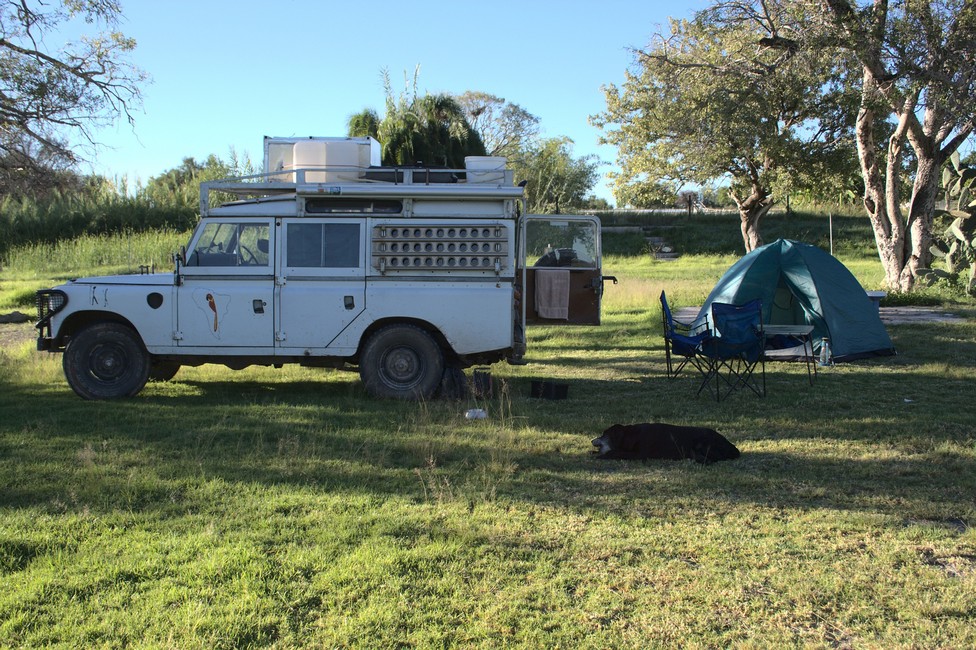
Campsites in Africa

From the rugged deserts of North Africa to the lush rainforests of Central Africa and the savannahs of East and Southern Africa, the continent’s campsites cater to a wide range of tastes and preferences. In this vast and varied landscape, campers can connect with nature in ways that are truly unparalleled.

The Sahara Desert, spanning across North Africa, offers some of the most unique camping experiences on Earth. Its endless sea of golden dunes provides a surreal backdrop for those who dare to venture into this harsh but mesmerizing environment. The dunes of Erg Chebbi in Morocco, for instance, are a favorite spot for intrepid campers. As the sun dips below the horizon, the dunes come alive with fiery hues, creating an unforgettable spectacle. Campers can bed down in traditional Berber-style tents, immersing themselves in the rich culture of the desert nomads.

In stark contrast, the Okavango Delta in Botswana offers a lush oasis in the heart of Southern Africa. Here, campsites are set up along the winding waterways and islands of the delta. Visitors can explore this UNESCO World Heritage Site by mokoro (traditional canoe) or on foot, spotting a wealth of wildlife, including elephants, hippos, and a diverse array of bird species. At night, the delta comes alive with the sounds of nocturnal creatures, creating a symphony of nature that serenades campers.

For those seeking a more temperate climate, the Drakensberg Mountains in South Africa provide a stunning backdrop for camping adventures. The rolling hills and dramatic cliffs offer hikers and climbers endless opportunities to explore the rugged terrain. Campers can set up their tents in designated sites or venture into the wilderness for a more secluded experience. The clear night skies at higher altitudes make stargazing a magical and mesmerizing activity.

East Africa boasts some of the most iconic wildlife destinations on the planet, including the Serengeti National Park in Tanzania. Campers here have the chance to witness the Great Migration, a breathtaking spectacle as thousands of wildebeest and zebras traverse the plains in search of fresh grass. Camping in the heart of the Serengeti allows for an immersive wildlife experience, with lions, leopards, and cheetahs often spotted prowling nearby.

On the shores of Lake Malawi in Central Africa, you’ll find campsites that offer a tranquil escape from the hustle and bustle of everyday life. The clear, freshwater lake is a haven for water sports enthusiasts, with opportunities for snorkeling, kayaking, and fishing. Camping along the lake’s shoreline allows visitors to wake up to the soothing sounds of lapping water and the chirping of birds.

The Namib Desert in Namibia is home to some of the world’s most surreal and ethereal landscapes. The towering sand dunes of Sossusvlei are a photographer’s dream, especially during sunrise and sunset when the dunes appear to be aflame with vibrant hues. Camping in this otherworldly environment is an experience that defies description, as campers find themselves surrounded by nature’s artistry.

For a taste of history and culture, Ethiopia’s Simien Mountains National Park offers a unique camping experience. The park is home to endangered wildlife, including the Ethiopian wolf and the walia ibex. Campers can also explore ancient churches and monasteries carved into the rock face, bearing witness to the country’s rich religious heritage.

In West Africa, Senegal’s Niokolo-Koba National Park provides a unique blend of savannah and forested landscapes. Campers can spot elephants, buffaloes, and a wide variety of bird species in this UNESCO Biosphere Reserve. The park also offers the chance to interact with the local communities, immersing oneself in the traditions and culture of the Bassari, Bedik, and Fula people.

In the remote reaches of Madagascar, the Avenue of the Baobabs is a natural wonder that beckons campers. These towering, ancient baobab trees line the dirt road and create a stunning setting for camping under the starlit sky. Exploring nearby Tsingy de Bemaraha National Park, with its sharp limestone formations, is an adventure that few will forget.

While Africa’s campsites are as diverse as the continent itself, they all share a common thread: the opportunity to connect with nature, wildlife, and local cultures in ways that are deeply enriching and unforgettable. Whether you seek the solitude of the desert, the thrill of wildlife encounters, or the serenity of lakeside camping, Africa’s campsites offer a world of possibilities for those who dare to explore this extraordinary continent.
Maun


Maun is a town located in the northwestern part of Botswana, in southern Africa. It is the fifth-largest town in Botswana and serves as the administrative center of the Ngamiland District. Maun is often considered the “Gateway to the Okavango Delta,” one of the world’s most famous and pristine wetland ecosystems.

Planning a full Kalahari self-drive expedition?

The detailed 93-page Kalahari Overland Route Guide covers route planning, CKGR crossing options, fuel strategy, wildlife safety, and expedition logistics.

👉 View the Kalahari Overland Route Guide

Here are some key features and information about Maun:

  1. Gateway to the Okavango Delta: Maun is the primary starting point for visitors planning to explore the Okavango Delta, a UNESCO World Heritage Site known for its unique ecology and wildlife. Tourists and safari-goers use Maun as a base to access the delta’s various camps and lodges.
  2. Tourism Hub: Due to its proximity to the Okavango Delta and other nearby wildlife reserves and national parks, Maun has developed into a major tourism hub in Botswana. It offers a range of services for travelers, including accommodations, tour operators, restaurants, and shops catering to tourists.
  3. Airport: Maun International Airport serves as a significant transportation hub for visitors flying into the region. Many domestic and international flights connect through Maun, making it convenient for travelers to reach their destinations within Botswana.
  4. Wildlife and Safaris: Maun serves as a launching point for various wildlife safaris and activities in the surrounding areas. Visitors can embark on mokoro (traditional dugout canoe) trips in the delta, take game drives in nearby game reserves, or even go on scenic flights over the delta to appreciate its vastness.
  5. Cultural Experiences: Maun also offers opportunities for cultural experiences. Travelers can visit local communities, learn about the traditional lifestyles of the indigenous people, and participate in cultural activities and workshops.
  6. Accommodation: The town has a range of accommodation options, including hotels, lodges, guesthouses, and campsites, catering to various budgets and preferences.
  7. Shopping: Maun has markets and shops where visitors can purchase traditional crafts, souvenirs, and locally made goods. It’s a great place to shop for mementos of your Botswana trip.
  8. Riverfront: The Thamalakane River runs through Maun, and the riverfront area is a picturesque spot where visitors can relax, take boat trips, or enjoy scenic views.
  9. Conservation: Maun plays a role in conservation efforts in the region, as many conservation organizations and researchers use it as a base for their work in the Okavango Delta and surrounding areas.
  10. Climate: Maun experiences a semi-arid climate with distinct wet and dry seasons. The best time to visit for wildlife viewing in the Okavango Delta is during the dry winter months (May to October) when animals are concentrated around water sources.

Maun is a bustling town that serves as the starting point for unforgettable wilderness adventures in the Okavango Delta and other pristine natural areas of northern Botswana. It’s a destination where visitors can experience the wonders of African wildlife and culture.

Hwange National Park


Hwange National Park is a renowned national park located in the western part of Zimbabwe, in southern Africa. It is the country’s largest and oldest national park, covering an area of approximately 14,650 square kilometers (5,656 square miles). The park was established in 1928 and was originally named Wankie Game Reserve before it was renamed Hwange National Park in 1961.

Hwange National Park

Key features and information about Hwange National Park:

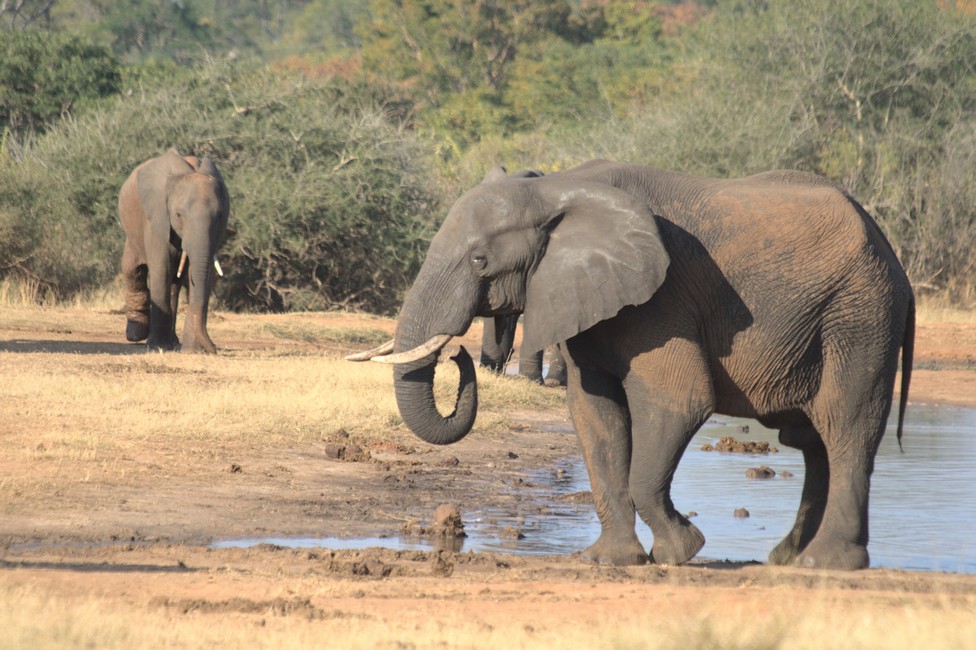
  1. Wildlife: Hwange is famous for its diverse and abundant wildlife, making it one of Africa’s prime safari destinations. The park is home to a wide variety of animals, including elephants (which are particularly numerous and famous in Hwange), lions, leopards, cheetahs, giraffes, zebras, buffaloes, hyenas, and numerous antelope species.
  2. Birdlife: The park boasts a rich birdlife, with over 400 bird species recorded, making it a paradise for birdwatchers.
  3. Landscape: The landscape of Hwange National Park is characterized by a mix of open grasslands, woodland, and savannah, providing diverse habitats for its wildlife. There are also several artificial waterholes and pumped pans, which attract wildlife, especially during the dry season.
  4. Watering Holes: The park’s waterholes are a focal point for wildlife viewing, as animals gather here for drinking and bathing, providing excellent opportunities for game viewing, especially in the dry season when water is scarce.
  5. Accommodation: Hwange National Park offers a range of accommodation options, from luxury lodges and tented camps to more budget-friendly choices, catering to various types of travelers.
  6. Conservation: The park plays a crucial role in the conservation of Zimbabwe’s wildlife, particularly elephants. Efforts are made to protect and manage the park’s ecosystems and wildlife populations.
  7. Accessibility: Hwange National Park is relatively accessible and is located about 100 kilometers (62 miles) south of Victoria Falls, one of Africa’s most famous tourist destinations. Visitors can easily combine a trip to Hwange with a visit to Victoria Falls.
  8. Activities: In addition to traditional game drives, visitors to Hwange NPcan enjoy guided walking safaris, birdwatching, and cultural interactions with local communities.
  9. Best Time to Visit: The dry season, from May to October, is the best time to visit Hwange NP for wildlife viewing, as animals congregate around waterholes during this period.
  10. Conservation Challenges: Hwange faces conservation challenges, including issues related to poaching and habitat degradation. Conservation organizations and the Zimbabwean government work to address these challenges and protect the park’s natural treasures.

Hwange National Park offers a unique and immersive African safari experience, and its vast wilderness and abundant wildlife make it a popular destination for nature enthusiasts and wildlife lovers from around the world.

Keetmanshoop

Keetmanshoop, a town nestled in the arid landscapes of southern Namibia, carries within its name a history as diverse as its surroundings. A place where the desert’s stark beauty meets the tenacity of human endeavor, Keetmanshoop stands as a testament to the resilience of life in challenging environments.

Named after Johann Keetman and his wife, a missionary couple who played a pivotal role in the town’s early development, Keetmanshoop has grown from its humble beginnings into a vibrant center of culture, commerce, and exploration.

The town’s location on the fringes of the Kalahari Desert imbues it with a sense of rugged beauty. The arid plains, punctuated by rocky outcrops and unique geological formations, create a backdrop that is both unforgiving and awe-inspiring. Keetmanshoop’s surroundings are characterized by their ability to sustain life against all odds, with desert-adapted flora and fauna dotting the landscape.

One of the town’s most iconic attractions is the Quiver Tree Forest, located a short distance from its center. This otherworldly forest is populated by quiver trees, known locally as “kokerbooms,” which are a type of aloe. These trees, with their distinctive branchless trunks and succulent leaves, stand like sentinels against the desert backdrop. The forest is particularly enchanting during sunset, when the warm hues of the fading sun paint the landscape in a golden glow.

Just beyond the Quiver Tree Forest lies the Giant’s Playground, a natural wonder that seems to be the result of some celestial sculptor’s imagination. Boulders are strewn across the ground in formations that resemble a colossal puzzle, inviting visitors to explore the intricate patterns and shapes that nature has carved into the stone.

Keetmanshoop is also home to the Naute Dam, a reservoir that not only serves as a water source but also offers a picturesque setting for outdoor activities such as fishing, boating, and picnicking. The dam’s tranquil waters stand in stark contrast to the surrounding desert, providing a respite for both locals and visitors alike.

The town’s history is woven into its cultural fabric. The Keetmanshoop Museum offers a glimpse into the past, with exhibits that highlight the town’s colonial heritage, its indigenous communities, and its early inhabitants. The museum’s collection of artifacts, photographs, and documents provides a window into the evolution of Keetmanshoop over the decades.

Keetmanshoop’s strategic location as a crossroads in southern Namibia has also made it a hub of commerce and trade. Its bustling marketplaces are a lively testament to the town’s role as a trading center, where locals and tourists alike can sample fresh produce, crafts, and goods.

The town’s spirit of innovation is embodied by the “Garas Park Rest Camp,” a sustainable and eco-friendly establishment that showcases how ingenuity can thrive even in the harshest of environments. This establishment offers a unique blend of accommodations, including luxury lodges and “desert huts,” providing visitors with an opportunity to experience the stark beauty of the desert while enjoying modern comforts.

Keetmanshoop’s cultural diversity is reflected in its people. The town is a melting pot of various ethnicities, languages, and traditions. This mix of cultures contributes to a rich tapestry of experiences, from exploring indigenous arts and crafts to savoring the flavors of Namibian cuisine.

The town’s name, Keetmanshoop, echoes with the stories of those who shaped its history and those who continue to call it home. Its rocky landscapes and desert vistas serve as a canvas for both nature’s artistry and human ambition. Keetmanshoop, a place where past and present converge, invites travelers to delve into its stories, uncover its hidden gems, and experience the captivating rhythm of life in the desert.

In summary, Keetmanshoop is a town that embodies the harmony between human existence and the challenging environment of the desert. With its iconic Quiver Tree Forest, geological marvels like the Giant’s Playground, and a blend of history, culture, and innovation, Keetmanshoop stands as a destination that offers a unique perspective on the coexistence of nature and human endeavor in one of the world’s most unforgiving landscapes.

Kolmanskop


Kolmanskop, an enigmatic and haunting ghost town nestled in the heart of the Namib Desert, carries within its sand-swept walls a tale of opulence, ambition, and the relentless passage of time. Abandoned to the elements, this once-thriving diamond mining settlement now stands as a surreal testament to the impermanence of human endeavor.

In the early 20th century, Kolmanskop emerged as a glittering oasis in the unforgiving desert. Its origins are intimately tied to the diamond rush that swept through Namibia, then known as German South West Africa. Prospectors, lured by the promise of wealth hidden beneath the shifting sands, flocked to the region in search of the precious gems that lay beneath the desert’s surface.

The town’s layout was meticulously planned, reflecting the grandeur of the colonial era. European-style architecture graced the landscape, with imposing buildings constructed from imported materials. Glistening chandeliers, ornate furnishings, and opulent fixtures adorned the interiors, providing a stark contrast to the arid wilderness beyond.

The diamond trade fueled the town’s rapid growth, attracting miners, engineers, and fortune seekers from around the world. Kolmanskop soon became a thriving hub of activity, boasting amenities that included a hospital, a ballroom, a casino, and even the first x-ray station in the southern hemisphere. The diamond wealth that flowed through the town’s veins allowed for a lifestyle of extravagance that seemed incongruous with the surrounding desert.

However, as quickly as Kolmanskop had risen to prominence, its demise was equally swift. By the 1930s, diamond deposits began to deplete, and larger, more accessible sources were discovered further south. The town’s fortunes waned, and residents gradually abandoned their once-glittering abodes. The relentless desert winds began their inexorable process of reclamation, engulfing the buildings in a sea of shifting sand.

Today, Kolmanskop stands as a ghostly reminder of the passage of time. The once-grand structures, now half-buried and weathered by decades of desert winds, evoke a sense of eerie beauty. Broken windows and crumbling walls bear witness to the town’s decline, while the sands have infiltrated every nook and cranny, reshaping the interiors and altering the landscape forever.

Visitors who step through the doors of these deserted buildings enter a realm that seems suspended between past and present. The desert’s relentless march is palpable as sand-covered rooms create an atmosphere of both nostalgia and desolation. Sunlight filters through cracked windows, casting intricate patterns on the decaying walls, as if nature itself is painting a story of its own.

The echoes of the past are most vivid in the town’s diamond recovery plant. The machinery that once sifted through tons of sand in search of precious stones now stands frozen in time, rusted and covered in a layer of desert dust. Conveyor belts, jigs, and sorting rooms bear witness to the labor that once defined Kolmanskop’s existence, now silenced by the passage of years.

Yet, amidst the desolation, there is a sense of haunting beauty. Photographers and artists from around the world are drawn to the stark contrasts offered by the abandoned buildings against the backdrop of the vast desert. The interplay of light and shadow, the intermingling of human-made structures and nature’s artistry, creates a surreal canvas that captures the imagination.

Guided tours offer insight into the history and legacy of Kolmanskop. As visitors walk in the footsteps of those who once sought their fortunes in the sands, the stories of diamond prospectors, miners, and their families come to life. These tales of hope, struggle, and dreams now stand as whispers in the wind, carried by the desert breezes that sweep through the forgotten corridors.

In conclusion, Kolmanskop stands as a poignant reminder of the transient nature of human achievements against the backdrop of nature’s unfaltering force. What was once a symbol of wealth, ambition, and opulence now lies buried beneath the sands of time, a testament to the impermanence of all things. As visitors explore its deserted streets and sand-filled rooms, they are transported to a world suspended between history and the inexorable march of the desert, where the echoes of the past continue to whisper their tales of fleeting grandeur.

Things to do in Luderitz


Things to do in Luderitz: Luderitz, a coastal town nestled along the rugged shores of Namibia, stands as a unique blend of history, natural beauty, and cultural charm. Its captivating landscape and rich heritage have made it a destination that resonates with travelers seeking an authentic experience.

Luderitz’s origins can be traced back to the late 19th century when it was established as a German colonial settlement. Named after its founder, Adolf Lüderitz, the town was strategically situated along the Atlantic Ocean, initially serving as a trading post for guano and minerals. The colonial architecture that still graces the streets serves as a tangible link to its past, reflecting a mix of European influences against the backdrop of the African wilderness.

The town’s location along the coast lends it an otherworldly allure. The Atlantic Ocean crashes against the rocky shores, creating a dramatic juxtaposition of deep blue waters and stark desert landscapes. The windswept beaches are a playground for photographers, capturing the harmonious interplay between the elements. The iconic Felsenkirche, or “Church on the Rocks,” perched on a hill overlooking the town, adds to the picturesque scene.

One of Luderitz’s most famous attractions is Kolmanskop, an abandoned diamond mining town located just a short distance from the center. Once a thriving settlement during the diamond rush, Kolmanskop is now a ghost town, its grand buildings slowly being swallowed by the encroaching sand dunes. Visitors can explore its dilapidated structures, a haunting reminder of a bygone era that speaks to the ebb and flow of fortunes.

The surrounding desert landscape is marked by its stark beauty and unique geological formations. The dunes and rocky terrain are home to a diverse range of desert-adapted flora and fauna. The resilient life that has adapted to this harsh environment offers an insightful glimpse into the tenacity of nature. Desert tours provide opportunities to witness the dance of life in this seemingly barren land.

Luderitz is also a gateway to the renowned Namib-Naukluft National Park, which encompasses the towering sand dunes of Sossusvlei and the iconic Deadvlei pan. These landscapes, characterized by their towering red dunes and desolate salt pans, are a testament to the power of nature’s artistic hand. Visitors often wake before dawn to witness the ethereal sunrise over the dunes, casting shifting shadows and changing colors across the desert canvas.

The town’s maritime history is palpable as well. Fishing remains a cornerstone of Luderitz’s economy, with the cold waters of the Benguela Current teeming with marine life. The harbor is a hive of activity, as fishing vessels set out for their daily catch. The local seafood cuisine, influenced by German traditions, reflects the town’s historical connection to the ocean. Seafood aficionados can savor fresh catches of fish, oysters, and other delectable treasures from the sea.

Luderitz’s vibrant cultural tapestry is woven from a blend of influences. The town’s German colonial heritage is evident in its architecture and some cultural practices. However, it is the indigenous cultures of Namibia that add layers of depth to the town’s identity. The Nama people, with their rich history and traditions, are an integral part of the community. Their cultural expressions, stories, and arts contribute to the town’s diverse ethos.

Whether strolling through its historical streets, gazing at the endless horizons of the Atlantic, or exploring the desert’s mysteries, Luderitz offers a multifaceted experience that transcends time and culture. It stands as a testament to the indomitable spirit of human endeavor in challenging landscapes, as well as a reminder of the impermanence of all things against the backdrop of nature’s grandeur.

The san peoples way of lifestyle


The San people, also known as the Bushmen or Basarwa, are indigenous hunter-gatherer communities that have inhabited the regions of southern Africa for thousands of years. Their way of life is deeply intertwined with the natural world, shaped by their deep understanding of the environment and their unique survival strategies.

Nomadic Existence: The San people traditionally led a nomadic lifestyle, moving in small family groups across vast landscapes in search of food and water. This mobility was essential in their quest to adapt to the changing availability of resources in different seasons. It allowed them to avoid overexploiting any one area and maintained a harmonious relationship with the land.

Hunter-Gatherer Economy: At the heart of the San lifestyle is their remarkable skill in hunting and gathering. Their survival depended on their ability to track and hunt game animals, as well as to gather edible plants, fruits, roots, and nuts. This required an intimate knowledge of animal behavior and plant cycles, passed down through generations. Their profound understanding of the ecosystem enabled them to live sustainably, without permanently altering the environment.

Hunting Techniques: The San people’s hunting methods were marked by their resourcefulness and patience. They used bows and arrows, often equipped with poison-tipped projectiles, to take down animals. Their arrows were carefully crafted to ensure accuracy and lethality. Tracking was another crucial skill, allowing them to follow the movements of animals based on subtle signs like footprints, dung, and broken vegetation.

Gathering Practices: Gathering was equally important to the San’s subsistence. They foraged for a wide variety of plants, which provided them with essential nutrients and water. Some plants were used for medicinal purposes, highlighting their deep connection to the healing properties of nature. Women, in particular, played a vital role in gathering, often passing on their knowledge of edible plants to younger generations.

Social Structure: San society was typically organized into small, closely-knit groups consisting of extended families. These bands ranged in size, typically between 10 and 50 individuals. Their egalitarian social structure was characterized by consensus-based decision-making and a strong sense of cooperation. Elders and experienced hunters were respected for their wisdom, but power was distributed informally.

Languages and Communication: The San people have a rich linguistic heritage, with various groups speaking distinct languages characterized by clicking sounds. These clicks are produced by the tongue against different parts of the mouth and are an integral part of communication. San languages are not only spoken but are also conveyed through a complex system of hand signals and body language, allowing for silent communication during hunting or other situations where noise might be disruptive.

Art and Expression: Art played a significant role in San culture, providing a means of expression and preserving their stories and traditions. Rock paintings and engravings, found in various locations across southern Africa, offer glimpses into their spiritual beliefs, daily life, and interactions with the natural world. These artworks also served as instructional tools, passing on knowledge to younger generations.

Spiritual Beliefs: The San people held a deep spiritual connection with the land, viewing it as a source of sustenance and inspiration. Their belief systems were often animistic, attributing spiritual qualities to animals, plants, and natural features. Rituals, dances, and trance experiences were central to their spiritual practices, helping them commune with the spirit world and seek guidance from ancestral forces.

Challenges and Resilience: In recent times, the traditional San way of life has faced significant challenges due to the encroachment of modernization, land dispossession, and forced resettlement. Their nomadic existence has been constrained by national borders and conservation policies, leading to struggles for cultural survival. Despite these challenges, some San communities continue to preserve their heritage, engaging in advocacy and cultural revitalization efforts.

In essence, the San people’s way of life exemplifies an intricate relationship between humans and nature. Their intimate knowledge of the environment, remarkable hunting and gathering skills, egalitarian social structure, and spiritual beliefs all reflect a harmonious coexistence with the land. The San’s rich cultural legacy stands as a testament to humanity’s profound connection to the natural world and the wisdom that can be gleaned from living in harmony with it.