Category Archives: ENG

What does it mean to travel overland?

What does it mean to travel overland?

Introduction:

Traveling overland is a mode of exploration that allows individuals to connect with the world in a unique and immersive way. It involves journeying across the Earth’s surface using primarily land-based modes of transportation, such as cars, buses, trains, bicycles, or even on foot, rather than relying on air or water travel. Overland travel offers a slower, more deliberate approach to exploring diverse landscapes, cultures, and communities, and it often emphasizes adventure, sustainability, and cultural immersion. In this comprehensive overview, we will delve into the various aspects of traveling overland, including its history, motivations, challenges, and the diverse experiences it offers to travelers.
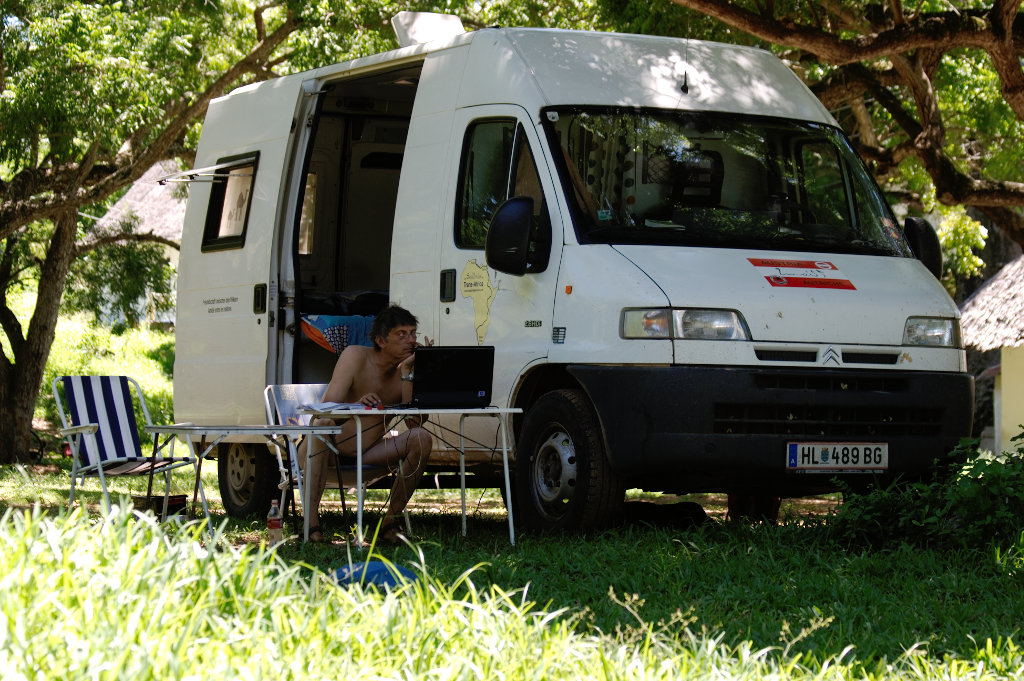
what-does-it-mean-to-travel-overland

Section 1: The Essence of Overland Travel

1.1. The Concept of Overland Travel

At its core, overland travel represents a journey that prioritizes land-based modes of transportation. This form of exploration enables travelers to connect with the land, people, and cultures they encounter along the way. Unlike air travel, which quickly transports passengers from one destination to another, overland travel emphasizes the journey itself. It encourages a slower pace, allowing travelers to savor the experiences, sights, and challenges that come with traversing the Earth’s surface.

1.2. Key Characteristics of Overland Travel

Overland travel is characterized by several key features:

  • Land-Based Transport: Overland travel primarily relies on terrestrial modes of transportation, including cars, buses, trains, bicycles, motorcycles, and even walking.
  • Diverse Routes: Travelers have the flexibility to choose their routes, whether it’s following established road networks, venturing onto off-road paths, taking scenic detours, or adapting their journeys based on their interests and goals.
  • Exploration and Adventure: Overland travel often goes hand in hand with exploration and adventure. It allows travelers to discover new places, experience diverse cultures, and immerse themselves in the landscapes and communities they encounter.
  • Slower Pace: Compared to air travel, overland journeys progress at a slower pace. This slower tempo enables travelers to engage more deeply with the places they visit, interact with locals, and appreciate the evolving scenery.
  • Sustainability: Overland travel is often considered a more environmentally sustainable mode of transportation, as it generally has a lower carbon footprint compared to air travel. Additionally, it can contribute to local economies and communities by utilizing local services and accommodations.
  • Flexibility: Overland travel offers greater flexibility in terms of scheduling and itinerary adjustments. Travelers can decide when and where to stop, extend their stays in interesting locations, and deviate from their original plans as needed.
  • Cultural Immersion: Traveling overland provides opportunities for cultural immersion, as travelers have the chance to interact with locals, sample traditional foods, and gain insights into the customs and traditions of the regions they pass through.

1.3. Motivations for Overland Travel

Overland travel appeals to a diverse range of individuals and adventurers, each with their own motivations and reasons for choosing this mode of exploration:

  • Adventure and Exploration: Many travelers seek the thrill of adventure and the opportunity to explore remote or less-visited areas. The unpredictability and challenges of overland travel add an element of excitement.
  • Slow Travel: Overland travel is a form of “slow travel,” which allows people to disconnect from the fast-paced modern world, embrace a simpler lifestyle, and savor the journey rather than rushing to a destination.
  • Cultural Connection: Those interested in connecting with diverse cultures and communities often choose overland travel. It provides an authentic and immersive cultural experience.
  • Environmental Awareness: Travelers concerned about their environmental impact appreciate the lower carbon footprint associated with overland travel, especially when compared to air travel.
  • Personal Growth: Overland travel can be a transformative experience that fosters personal growth, self-discovery, and resilience. It challenges travelers to adapt to new situations and overcome obstacles.
  • Photography and Documentation: Overland journeys offer countless opportunities for photographers, writers, and documentarians to capture unique scenes, stories, and landscapes.

Section 2: Modes of Overland Travel

2.1. Road Trips

Road trips are a quintessential form of overland travel. They involve embarking on journeys by car or camper, often along highways and scenic routes. Road trippers have the freedom to stop at attractions, natural wonders, and charming towns along the way. Iconic road trips include the Route 66 adventure across the United States, the Great Ocean Road in Australia, and the Silk Road in Central Asia.

2.2. Train Travel

Train travel is another popular mode of overland exploration. Train journeys can cover vast distances, offering passengers the opportunity to relax and enjoy the scenery while traversing diverse landscapes. Notable examples include the Trans-Siberian Railway in Russia, the Orient Express in Europe, and the Ghan in Australia.

2.3. Cycling Expeditions

Cycling expeditions involve long-distance bike journeys across countries or continents. Cyclists carry their gear and supplies, embracing a sense of self-sufficiency. Famous cycling routes include the Pan-American Highway, EuroVelo network in Europe, and the Silk Road by bike.

2.4. Hiking and Trekking

Hiking and trekking overland allow travelers to explore landscapes on foot. These journeys can range from multi-day hikes along well-established trails, such as the Appalachian Trail in the United States, to remote and challenging treks in places like the Himalayas or the Andes.

2.5. Motorcycle Adventures

Motorcycle adventures offer a unique blend of freedom and thrill. Riders explore diverse terrains, from deserts to mountain passes, on two wheels. The Pan-American Highway and the Ho Chi Minh Trail in Southeast Asia are popular routes for motorcycle enthusiasts.

2.6. Overland Expeditions

Overland expeditions involve using specially equipped vehicles, often 4×4 trucks or SUVs, to traverse rugged terrains, including deserts, jungles, and remote wilderness areas. These journeys are often organized with a focus on self-sufficiency and may last for weeks or months.

Section 3: The Historical Significance of Overland Travel

3.1. Early Exploration

Overland travel has played a significant role throughout history, shaping the course of human exploration and cultural exchange. Early explorers and traders, such as Marco Polo and Ibn Battuta, embarked on overland journeys that connected the East and West, facilitating the exchange of ideas, goods, and cultures.

3.2. Silk Road

The Silk Road, a vast network of trade routes, is one of the most iconic examples of overland travel in history. It connected Europe, Asia, and Africa, fostering trade in silk, spices, precious metals, and ideas. The Silk Road facilitated cultural exchanges between East and West, influencing art, religion, and technology.

3.3. Age of Discovery

During the Age of Discovery, explorers like Christopher Columbus, Ferdinand Magellan, and Vasco da Gama undertook overland and sea voyages to explore the New World and establish maritime trade routes. These journeys transformed the global map and reshaped world history.

3.4. Transcontinental Railways

The construction of transcontinental railways, such as the First Transcontinental Railroad in the United States and the Trans-Siberian Railway in Russia, revolutionized overland travel and trade. These railways connected distant regions, facilitated economic growth, and made travel more accessible.

Section 4: Challenges and Considerations

4.1. Navigating Unfamiliar Terrain

One of the challenges of overland travel is navigating unfamiliar terrain, which can include rough roads, remote wilderness, or areas with limited infrastructure. Travelers must be prepared for changing conditions and unexpected obstacles.

4.2. Border Crossings and Documentation

Overland travelers often encounter multiple border crossings when journeying across international boundaries. Navigating visa requirements, customs procedures, and border regulations can be complex and time-consuming.

4.3. Logistics and Supplies

Overland journeys require careful planning regarding supplies, including food, water, fuel, and camping gear. Travelers must consider their self-sufficiency and access to essential resources along the route.

4.4. Cultural Sensitivity

Overland travelers have the opportunity to interact with diverse cultures and communities. Being culturally sensitive, respectful, and aware of local customs and traditions is essential to fostering positive interactions.

4.5. Environmental Responsibility

Sustainability and responsible travel are important considerations for overland travelers. Minimizing environmental impact, practicing Leave No Trace principles, and supporting eco-friendly practices contribute to the preservation of natural landscapes.

Section 5: Experiences and Benefits of Overland Travel

5.1. Deep Connection with Places

Overland travel offers a profound connection with the places visited. Travelers have the time to immerse themselves in the local culture, engage with communities, and gain a deeper understanding of the environment.

5.2. Enhanced Cultural Understanding

Interactions with locals and exposure to diverse cultures enrich travelers’ cultural awareness. These experiences foster empathy, tolerance, and an appreciation for global diversity.

5.3. Self-Discovery and Personal Growth

Overland travel often challenges individuals to adapt to new situations, overcome obstacles, and develop resilience. These experiences can lead to personal growth and self-discovery.

5.4. Unforgettable Landscapes and Sights

Overland travelers have the privilege of witnessing breathtaking landscapes, natural wonders, and unique sights that may not be accessible through other forms of travel.

5.5. Unique Stories and Memories

Overland journeys create a wealth of unique stories and memories that become cherished tales to share with friends and family. These experiences shape the traveler’s narrative.

Section 6: Sustainability and Responsible Overland Travel

6.1. Reducing Environmental Impact

Overland travelers can reduce their environmental impact by choosing eco-friendly vehicles, minimizing waste, practicing responsible camping, and supporting conservation efforts in the areas they visit.

6.2. Supporting Local Economies

Overland travel contributes to local economies by utilizing local accommodations, services, and markets. Travelers can support small businesses and communities along their route.

6.3. Cultural Respect and Responsibility

Responsible overland travelers respect local customs, traditions, and cultural norms. They seek to have a positive and mutually beneficial impact on the communities they encounter.

6.4. Leave No Trace Principles

Travelers should adhere to Leave No Trace principles, which emphasize minimizing human impact on the environment, preserving natural spaces, and leaving landscapes as they were found.

Section 7: Iconic Overland Journeys

7.1. Pan-American Highway

The Pan-American Highway is one of the world’s longest road networks, stretching from Prudhoe Bay, Alaska, to Ushuaia, Argentina. It offers a diverse range of landscapes, climates, and cultures as it traverses the Americas.

7.2. Trans-Siberian Railway

The Trans-Siberian Railway is a legendary train journey that spans the breadth of Russia, from Moscow to Vladivostok. It is renowned for its stunning scenery, including Lake Baikal, the world’s deepest freshwater lake.

7.3. Great Silk Road

The Great Silk Road was a historic network of trade routes that connected East and West, from China to Europe. Travelers can explore remnants of this ancient route, visiting cities like Samarkand, Uzbekistan, and Bukhara, which were once vibrant Silk Road trading centers.

7.4. Sahara Desert Crossing

Crossing the Sahara Desert is an epic overland adventure that challenges travelers with extreme temperatures, vast sand dunes, and remote oases. It offers a glimpse into the stark beauty and harsh conditions of this iconic desert.

Section 8: Conclusion

Traveling overland is a timeless and enriching mode of exploration that connects people with the world’s diverse landscapes, cultures, and communities. It fosters a sense of adventure, cultural awareness, and environmental responsibility. Whether embarking on a cross-country road trip, a transcontinental train journey, or an epic cycling expedition, overland travel offers a unique opportunity to savor the journey and create lasting memories. While it comes with challenges, the rewards of overland travel are immeasurable, making it a cherished and enduring form of exploration for adventurers and wanderers alike.
Our Overlanding Africa – How it began

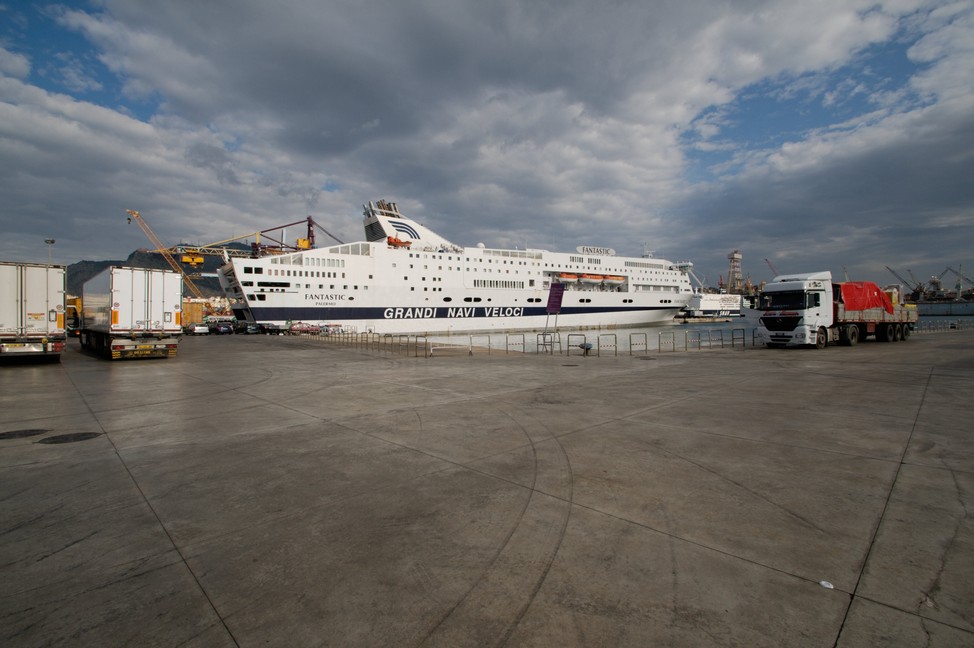
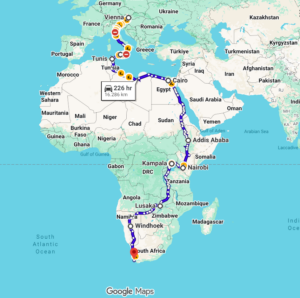
In 2009 our overlanding Africa started in Sicily where we took the car ferry to Tunesia. We planned to travel to Cap Town within 4 month, but everything turned out differently and our journey lasted for almost 8 years. Read on how it happened.

overland travel
Overlanding Africa – Our Start in Sicily
Our Overlanding Africa Countries:

The first trip from 2009 to 2011

Tunisia, Libya, Egypt, Sudan, Ethiopia, Kenya, Uganda, Tanzania, Malawi, Zambia, Namibia, South Africa

The Second Circuit:

South Africa, Botswana, Namibia, Botswana, Zimbabwe, Mozambique, Tanzania,

The Third Circuit:

What is overlanding Africa about?

Overlanding in Africa can be an incredible adventure, allowing you to explore the vast and diverse landscapes, experience unique cultures, and encounter wildlife in their natural habitats. However, it’s important to plan your trip carefully to ensure a safe and enjoyable journey. Here are some tips to consider:

  1. Research and plan your route: Africa is a vast continent with diverse countries and regions. Research the areas you want to visit, consider the political stability and safety conditions, and plan your route accordingly. Consult travel guides, online resources, and local authorities to gather information about road conditions, border crossings, and necessary permits.
  2. Choose a suitable vehicle: Overlanding in Africa requires a reliable and sturdy vehicle that can handle various terrains. A 4×4 vehicle with high ground clearance is recommended to navigate through rough roads and off-road tracks. Make sure you have a well-maintained and equipped vehicle with essential tools, spare parts, and recovery equipment.
  3. Pack essential gear: Pack camping equipment such as tents, sleeping bags, cooking gear, and water storage containers. Carry a first-aid kit, mosquito repellent, sunscreen, and a comprehensive toolkit. It’s also crucial to have sufficient food, water, and fuel supplies, as well as spare tires and extra fuel containers.
  4. Obtain necessary documents: Check the visa requirements for the countries you plan to visit and ensure you have all the necessary travel documents, including passports, visas, driver’s licenses, and an International Driving Permit (IDP) if required. Carry photocopies or digital backups of your documents, and keep them in a secure place.
  5. Plan for accommodations: While overlanding often involves camping, it’s a good idea to have a mix of camping and occasional hotel stays for comfort and safety. Research and identify campsites along your route, and make reservations in advance if possible. In some remote areas, wild camping might be the only option, so be prepared with appropriate camping gear and knowledge of local regulations.
  6. Stay informed about safety: Africa is a diverse continent with varying safety conditions. Stay updated on travel advisories and monitor the local situation before and during your trip. Be cautious in urban areas, especially at night, and follow the advice of locals and authorities. It’s also recommended to travel in a group or join organized overlanding tours for added safety.
  7. Respect local cultures and wildlife: Africa is rich in cultural heritage and wildlife. Respect local customs, traditions, and dress codes, and interact with locals in a polite and friendly manner. When encountering wildlife, maintain a safe distance, avoid disturbing their natural behavior, and follow the guidance of experienced guides or park rangers.
  8. Practice responsible tourism: Overlanding in Africa should prioritize sustainability and responsible tourism. Minimize your environmental impact by properly disposing of waste, using biodegradable products, and respecting wildlife habitats. Support local communities by purchasing locally made products and using local services.

Remember, overlanding in Africa requires careful planning and preparation, but it can offer unforgettable experiences and a deeper connection with the continent’s natural wonders and cultural diversity. Enjoy your adventure and stay safe!

NEXT

Namibia


Overland Namibia is a journey through a land of stunning contrasts and natural beauty. This southwestern African country is renowned for its vast desert landscapes, unique wildlife, and a rich tapestry of cultures. Whether you’re a nature enthusiast, an adventure seeker, or a cultural explorer, Namibia has something for everyone. In this comprehensive guide, we’ll explore the diverse aspects of overland travel in Namibia, from transportation options and top destinations to cultural experiences and essential travel tips.

Transportation Options:

  1. 4×4 Vehicles: Namibia’s road infrastructure varies from well-maintained highways to rugged off-road tracks. A 4×4 vehicle is the ideal choice for exploring the country, as it allows you to access remote areas like the Namib Desert, Kaokoland, and Damaraland. Rental agencies in major cities offer 4×4 vehicles equipped for camping.
  2. Car Rentals: If you prefer a more comfortable and flexible mode of transportation, you can rent a regular car. However, some destinations may be inaccessible without a 4×4, so plan your itinerary accordingly.
  3. Buses: Scheduled bus services connect major cities and towns in Namibia, providing a budget-friendly option for overland travel. Intercape, Eagle Liner, and other companies offer long-distance routes.
  4. Minibuses: Minibuses are commonly used for short-distance travel within cities and towns. They are economical but may not be as comfortable for long journeys.
  5. Trains: The Namibian passenger train network connects towns such as Windhoek, Swakopmund, and Walvis Bay. Although not as fast as buses or cars, train travel offers a unique and scenic experience.

Top Destinations:

  1. Namib-Naukluft National Park: This vast park is home to some of the world’s tallest sand dunes in the Sossusvlei area, including the famous Dune 45. It’s a must-visit for photographers and nature lovers.
  2. Etosha National Park: Etosha is one of Africa’s premier wildlife destinations, known for its salt pans and an abundance of wildlife, including lions, elephants, and rhinos.
  3. Skeleton Coast: The Skeleton Coast is a remote and otherworldly region with its desolate landscapes, shipwrecks, and unique desert-adapted wildlife. It’s a haven for adventure seekers.
  4. Swakopmund: This coastal town is a hub for adventure activities, with options for quad biking, sandboarding, and skydiving. It also offers a glimpse into Namibia’s German colonial history.
  5. Damaraland: Damaraland is known for its striking desert scenery and unique geological formations. It’s also a great place to see desert-adapted elephants and the iconic Brandberg Mountain.
  6. Fish River Canyon: The Fish River Canyon is the second-largest canyon in the world. Hiking along its rim or, for the more adventurous, a multi-day hike within the canyon, offers a breathtaking experience.
  7. Caprivi Strip: This narrow strip in the northeast of Namibia is a lush, green region with waterways, national parks, and a rich biodiversity. It’s an excellent destination for birdwatching and river safaris.

Cultural Experiences:

  1. Himba Villages: The semi-nomadic Himba people live in the remote areas of northwestern Namibia. You can visit their villages to learn about their customs, traditional clothing, and way of life.
  2. San Bushmen: The San Bushmen, also known as the Basarwa or Bushmen, are indigenous people of the Kalahari Desert. You can arrange guided tours to interact with and learn from these skilled hunters and gatherers.
  3. Local Markets: Namibia’s markets are a great place to immerse yourself in local culture. The Windhoek Craft Market, for example, offers a variety of crafts, jewelry, and traditional items.
  4. Cultural Festivals: Check the local event calendar for cultural festivals and celebrations. The annual Windhoek Karneval, Oktoberfest, and various traditional festivals provide opportunities to engage with local traditions.
  5. Rock Art: Namibia is rich in rock art, with examples dating back thousands of years. Explore sites like Twyfelfontein, a UNESCO World Heritage site, to see intricate engravings and paintings.

Travel Tips:

  1. Visa and Entry Requirements: Ensure you have the appropriate visa for your nationality before traveling to Namibia. Make sure your passport is valid for at least six months.
  2. Health Precautions: Consult a travel clinic for required vaccinations and carry necessary medications and insect repellent, as some areas have malaria.
  3. Currency: The Namibian Dollar (NAD) is the official currency, and it is interchangeable with the South African Rand (ZAR). Credit cards are widely accepted in urban areas.
  4. Language: English is the official language, but there are several indigenous languages spoken. Learning a few basic phrases in local languages, such as Oshiwambo or Herero, can enhance your travel experience.
  5. Safety: Namibia is generally a safe country for travelers, but it’s advisable to take standard precautions like securing your belongings and avoiding walking alone at night in urban areas.
  6. Wildlife Viewing: When viewing wildlife, especially in national parks, follow the guidance of your guides and respect the animals’ natural behavior. Do not feed or approach wild animals.
  7. Camping: If you plan to camp, make sure to book campsites in advance, particularly in popular areas like Etosha and Namib-Naukluft National Park. Carry sufficient water and supplies, as some remote areas have limited services.
  8. Weather and Climate: Namibia experiences varying climates, from the arid Namib Desert to the subtropical regions in the northeast. Be prepared for extreme temperatures, especially in the desert regions.

In conclusion, overland travel in Namibia promises a captivating journey through a land of stark beauty and unique experiences. From the otherworldly landscapes of the Namib Desert to the abundance of wildlife in Etosha, Namibia is a country that captures the hearts of adventurers and nature enthusiasts. As you explore the diverse cultures, dramatic scenery, and captivating wildlife, you’ll discover that Namibia is an exceptional destination that truly embodies the spirit of Africa. So, pack your bags, prepare for adventure, and embark on an unforgettable overland journey through the heart of this remarkable nation.

Places we visited:

Zambia


Overland Zambia is a journey of exploration and adventure in the heart of Africa. Known for its incredible wildlife, diverse landscapes, and the mighty Zambezi River, Zambia offers a unique and authentic African experience for travelers. In this comprehensive guide, we’ll delve into the various aspects of overland travel in Zambia, from transportation options and top destinations to cultural experiences and essential travel tips.

Transportation Options:

  1. Buses: Buses are the most common form of long-distance public transportation in Zambia. They connect major cities and towns, making them an affordable and reliable option for overland travel.
  2. Minibuses: Minibuses are widely used for short-distance travel within cities and towns. They are often crowded but provide an opportunity to interact with locals and experience the culture up close.
  3. Trains: Zambia’s railway system offers a unique way to explore the country. The Tazara Railway, connecting Dar es Salaam in Tanzania to Kapiri Mposhi in Zambia, provides a scenic journey with stops in various towns along the way.
  4. Self-Drive: Renting a car is an option for those seeking more independence and flexibility in their travels. However, road conditions can vary, so it’s essential to choose a suitable vehicle and be prepared for challenging terrains in some areas.
  5. Boats: Given its numerous rivers and lakes, Zambia offers opportunities for boat travel. You can explore the Zambezi River and visit national parks like Liuwa Plain by boat.

Top Destinations:

  1. Victoria Falls: No visit to Zambia is complete without experiencing the awe-inspiring Victoria Falls. Known locally as “Mosi-oa-Tunya,” meaning “The Smoke That Thunders,” this UNESCO World Heritage site is one of the world’s largest waterfalls. You can witness its beauty from both the Zambian and Zimbabwean sides.
  2. South Luangwa National Park: For wildlife enthusiasts, South Luangwa National Park is a top destination. It’s one of Africa’s premier safari destinations, home to diverse wildlife, including elephants, leopards, and the famous walking safaris.
  3. Lower Zambezi National Park: Located along the Zambezi River, this park offers excellent opportunities for wildlife viewing, fishing, and canoe safaris. You can spot hippos, crocodiles, and a variety of bird species.
  4. Kafue National Park: Kafue is one of the largest national parks in Africa, offering pristine wilderness and abundant wildlife, including lions, leopards, and numerous antelope species.
  5. Lusaka: Zambia’s capital city, Lusaka, provides a mix of modern amenities and cultural experiences. Visit the Lusaka National Museum, explore local markets, and enjoy the city’s vibrant atmosphere.
  6. Livingstone: Named after the famous explorer David Livingstone, this town is the gateway to Victoria Falls. It offers adventure activities like bungee jumping, white-water rafting, and wildlife encounters at nearby sanctuaries.
  7. Lake Tanganyika: Zambia shares a part of Lake Tanganyika’s shoreline, and the town of Mpulungu is a great place to experience the tranquility and beauty of the lake.
  8. Camping:

Cultural Experiences:

  1. Local Markets: Zambia’s markets are vibrant and full of life. You can find traditional crafts, clothing, and fresh produce. Visit Lusaka’s Soweto Market or Livingstone’s Maramba Market for an authentic shopping experience.
  2. Traditional Dances: Zambia is home to various ethnic groups, each with its own dances and cultural traditions. Don’t miss the opportunity to witness and even participate in traditional dance performances.
  3. Village Visits: Many tour operators offer guided village visits where you can learn about the daily lives of local communities, their traditions, and even participate in activities like cooking traditional meals.
  4. Kuomboka Ceremony: If you’re in the Western Province, the Kuomboka Ceremony of the Lozi people is a unique cultural event. It involves the King of the Lozi people moving to higher ground by boat during the annual flooding of the Barotse Plains.
  5. Art and Craft Centers: Explore art and craft centers like the Henry Tayali Visual Arts Centre in Lusaka to appreciate the work of local artists and purchase unique pieces.

Travel Tips:

  1. Visa and Entry Requirements: Check the visa requirements for your nationality before traveling to Zambia. Make sure your passport is valid for at least six months when you go overland Zambia.
  2. Health Precautions: Consult a travel clinic for necessary vaccinations and carry insect repellent, as malaria is prevalent in many parts of Zambia.
  3. Currency: The Zambian Kwacha (ZMW) is the official currency. Credit cards are accepted in larger cities, but it’s advisable to carry cash for remote areas.
  4. Language: English is the official language, but there are over 70 local languages. Learning a few basic phrases in Bemba, Nyanja, or Tonga can be a great way to connect with locals.
  5. Safety: Zambia is generally safe for travelers, but it’s essential to take common-sense precautions, such as securing your belongings and avoiding walking alone at night.
  6. Wildlife Viewing: When on safari or in national parks, always follow the guidance of your guides and respect the animals’ space. Never approach or provoke wild animals.
  7. Electricity: Zambia uses Type C, D, and G electrical outlets. It’s advisable to bring suitable adapters for your devices.

In conclusion, overland travel in Zambia offers a rich tapestry of wildlife, landscapes, and cultural experiences. From the thundering Victoria Falls to the untamed beauty of national parks, Zambia provides a diverse range of attractions for travelers. Whether you’re on a wildlife safari, exploring local markets, or engaging with vibrant communities, Zambia is a country that will leave you with unforgettable memories of Africa at its best. So, pack your bags, prepare for adventure, and embark on a journey through the heart of this remarkable African nation.

Places we visited:

Malawi


Overland Malawi offers a unique and unforgettable experience. This small, landlocked country in southeastern Africa is often referred to as the “Warm Heart of Africa” due to its friendly people, stunning landscapes, and rich culture. Whether you’re a backpacker, an adventure seeker, or a nature lover, Malawi has something to offer for everyone. In this guide, we’ll explore the diverse and exciting options for overland travel in Malawi, covering everything from transportation to top destinations and cultural experiences.

overland Malawi

Transportation Options overland Malawi:

  1. Minibuses: Minibuses are the most common form of public transportation in Malawi. They are colorful, packed with passengers, and can be an adventure in themselves. They connect most towns and cities and are a budget-friendly way to travel.
  2. Bicycles: Cycling is a popular and eco-friendly way to explore the country. Malawi’s scenic roads make it a great destination for cyclists. You can either bring your bike or rent one locally.
  3. Hitchhiking: While it might not be the most conventional form of travel, hitchhiking is common in Malawi, and locals are generally friendly and willing to give you a lift.
  4. Car Rental: If you prefer more independence, you can rent a car in major cities like Lilongwe and Blantyre. Be prepared for rough roads in some areas, and it’s essential to have a valid driver’s license and understand local driving conditions.
  5. Boats: With its beautiful lake, Lake Malawi, water transport is a must. You can take ferries, rent a canoe, or even go on boat safaris to explore the lake and its islands.

Top Destinations:

  1. Lake Malawi: Lake Malawi is one of Africa’s Great Lakes and the country’s most iconic attraction. It offers crystal-clear waters, sandy beaches, and a variety of water sports. Cape Maclear, Nkhata Bay, and Likoma Island are popular spots along the lake for relaxation and adventure.
  2. Lilongwe: The capital city of Malawi is a vibrant place with a mix of modern and traditional elements. You can explore markets, visit the Lilongwe Wildlife Centre, and enjoy the city’s nightlife.
  3. Blantyre: This city is the country’s economic hub and offers a taste of urban life in Malawi. It’s known for its colonial architecture, vibrant markets, and the thriving art scene.
  4. Mount Mulanje: For nature enthusiasts and trekkers, Mount Mulanje is a must-visit. It’s the highest peak in southern Central Africa and offers hiking trails, waterfalls, and diverse flora and fauna.
  5. Zomba: The former capital of Malawi, Zomba, is surrounded by lush forests and the picturesque Zomba Plateau. It’s a great place for hiking, exploring colonial-era buildings, and enjoying the local culture.
  6. Liwonde National Park: If you’re into wildlife, Liwonde National Park is a prime destination. You can go on a safari here and see elephants, hippos, crocodiles, and a variety of bird species.
  7. Nkhata Bay: A popular stop on the shores of Lake Malawi, Nkhata Bay offers a laid-back atmosphere, water sports, and a thriving backpacker scene.

Cultural Experiences:

  1. Local Markets: Malawi is famous for its vibrant markets. Visit markets like Lilongwe’s Old Town Market or Blantyre’s Limbe Market to experience the lively atmosphere, buy local crafts, and interact with the friendly vendors.
  2. Traditional Dances: Malawi is rich in cultural diversity, and each ethnic group has its own traditional dances and ceremonies. You can witness these performances in various parts of the country.
  3. Homestays: To get a true taste of Malawian hospitality, consider staying with a local family in a village. This will give you a unique insight into the daily life, customs, and traditions of the people.
  4. Cultural Festivals: Check the calendar for local festivals and events. The Lake of Stars Festival, for example, is a popular music and arts festival that draws both locals and international visitors.
  5. Mua Mission: Located near Dedza, Mua Mission is a cultural center that showcases the heritage and art of the Chewa people. It’s a great place to learn about traditional beliefs, art, and history.

Travel Tips:

  1. Visa and Entry Requirements: Check the latest visa requirements for Malawi, and ensure you have the necessary visas and permits before you travel.
  2. Health Precautions: Consult a travel clinic for vaccinations and advice on health precautions, including malaria prevention.
  3. Currency: The official currency is the Malawian Kwacha. Credit cards are accepted in larger towns, but it’s a good idea to carry cash in smaller villages.
  4. Language: The official languages are Chichewa and English. Learning a few basic Chichewa phrases can be helpful and endearing.
  5. Safety: Malawi is generally a safe country for travelers, but be cautious with your belongings and avoid walking alone at night in cities.
  6. Respect Local Customs: Malawi is a conservative country, so it’s important to dress modestly, especially in rural areas and villages.
  7. Electricity: Malawi uses Type G electrical outlets. Bring the appropriate adapters for your devices.
  8. Camping:

In conclusion, overland travel in Malawi promises an adventure filled with cultural immersion, natural beauty, and warm hospitality. The diversity of landscapes, from the stunning Lake Malawi to the lush plateaus and mountains, offers a wide range of experiences for travelers. Whether you’re seeking relaxation on the beach, trekking in the highlands, or exploring local culture, Malawi has it all. So, pack your bags, plan your route, and get ready to discover the “Warm Heart of Africa.”

Places we visited:

Tanzania


Overlanding in Tanzania is an adventure of a lifetime. This East African gem is renowned for its remarkable landscapes, abundant wildlife, vibrant culture, and warm hospitality. From the iconic plains of the Serengeti to the stunning beaches of Zanzibar, Tanzania offers a diverse range of experiences for overland travelers.

Introduction to Overland Tanzania

Tanzania is a land of superlatives, home to the highest mountain in Africa, Mount Kilimanjaro, and the continent’s largest game reserve, the Selous. It’s a country that boasts diverse ecosystems, from the vast savannahs of the Serengeti to the pristine beaches of Zanzibar. Whether you’re a seasoned overlander or a first-time adventurer, Tanzania has something for everyone. Let’s explore the details of planning your overland journey through this magnificent country.

1. Preparing for Your Overland Adventure

Before embarking on an overland journey in Tanzania, it’s crucial to make the necessary preparations to ensure a smooth and enjoyable experience.

a. Visa and Entry Requirements

Check the visa requirements for your nationality. Tanzania offers visa-on-arrival options for many travelers, but it’s important to ensure you have the appropriate visa and necessary permits.

b. Travel Insurance

Travel insurance is essential for covering medical emergencies, trip cancellations, and lost or stolen belongings. Make sure your policy includes coverage for outdoor activities and safaris.

c. Health Considerations

Visit a travel clinic for recommended vaccinations, including those for yellow fever and typhoid. Malaria is prevalent in many areas of Tanzania, so take anti-malarial medication and use mosquito repellent. Stay hydrated and carry a basic first-aid kit.

d. Currency and Money Matters

The currency in Tanzania is the Tanzanian Shilling (TZS). Credit cards are widely accepted in major cities, but you should carry cash for remote areas and markets. ATMs are available in urban centers for cash withdrawal.

e. Language

Swahili and English are the official languages in Tanzania. Swahili is commonly spoken, particularly in the tourism industry. Learning a few basic Swahili phrases can enhance your interactions with locals.

2. Planning Your Itinerary

Tanzania offers a wide range of destinations and experiences for overland travelers. Here are some must-visit places and activities for your journey:

a. Serengeti National Park

The Serengeti is one of Africa’s most iconic wildlife destinations. It’s renowned for the annual wildebeest migration, a spectacle of nature. Game drives in the Serengeti offer the chance to witness the “Big Five” and much more.

b. Ngorongoro Conservation Area

Explore the Ngorongoro Crater, a UNESCO World Heritage site and the world’s largest unbroken caldera. It’s a natural amphitheater filled with diverse wildlife, including lions, elephants, and rhinos.

c. Mount Kilimanjaro

Trek to the “Roof of Africa” and summit Mount Kilimanjaro. It’s a challenging but rewarding experience, with routes of varying difficulty.

d. Zanzibar Archipelago

Relax on the pristine beaches of Zanzibar, explore the historical Stone Town, and indulge in water activities like snorkeling, scuba diving, and sailing.

e. Tarangire National Park

Known for its large elephant herds and iconic baobab trees, Tarangire National Park offers excellent game viewing and birdwatching.

f. Selous Game Reserve

Visit the largest game reserve in Africa, Selous, for a more remote and less crowded safari experience. Boat safaris on the Rufiji River are a highlight.

g. Lake Manyara National Park

Discover the diverse birdlife and tree-climbing lions of Lake Manyara National Park. The alkaline Lake Manyara itself is a haven for flamingos.

h. Ruaha National Park

Ruaha is Tanzania’s largest national park and is known for its rugged landscapes and abundant wildlife, including lions, elephants, and leopards.

3. Transportation and Getting Around

Getting around Tanzania involves a mix of transportation options, depending on the terrain and your preferences.

a. Road Travel

Tanzania has an extensive road network. While major highways are generally well-maintained, secondary roads may be rough and unpaved. Overland travelers often use 4×4 vehicles, especially in national parks and remote areas. Renting a vehicle or hiring a local driver-guide are common options.

b. Dala Dalas and Public Transportation

Dala dalas are shared minibuses or vans frequently used for short-distance travel within cities and towns. They are a budget-friendly way to get around, but conditions can be cramped and drivers may have a reputation for aggressive driving.

c. Domestic Flights

For long distances, domestic flights can be more efficient. Several airlines offer services connecting major cities and safari destinations. Air travel is a convenient way to cover extensive distances within Tanzania.

4. Accommodation

Tanzania offers a variety of accommodation options to cater to different budgets and preferences:

a. Lodges and Safari Camps

For a quintessential African safari experience, stay at lodges and safari camps located within or near national parks. These accommodations often provide all-inclusive packages with game drives and other activities.

b. Hotels and Resorts

In cities and coastal areas, you’ll find a variety of hotels, from luxury to budget options. These establishments typically offer modern amenities and a comfortable stay.

c. Campgrounds and Bush Camping

Camping is popular among overland travelers. Many national parks and reserves have designated campsites where you can set up your tent. Bush camping in the wilderness is also an option for a more immersive experience.

5. Food and Dining

Tanzanian cuisine is diverse and flavorful, influenced by various ethnic groups and cultures. Some Tanzanian food highlights include:

a. Ugali: A staple food made from maize flour, similar to polenta, often served with a side of vegetables or meat.

b. Nyama Choma: Grilled meat, often served with a side of vegetables and ugali.

c. Pilau: A spiced rice dish often cooked with meat, vegetables, and fragrant spices.

d. Chapati: A flatbread that is often served with stews and curries.

e. Mishkaki: Skewered and grilled meat, similar to kebabs.

f. Zanzibari Cuisine: In Zanzibar, savor the rich flavors of Swahili and Arab-influenced cuisine, including dishes like biryani and coconut-based curries.

While dining, be mindful of food safety and drink bottled water to avoid waterborne illnesses.

6. Cultural Etiquette

Respecting local customs and traditions is important during your overland journey in Tanzania:

a. Dress Modestly

In rural areas and around religious sites, it’s appreciated to dress modestly by covering shoulders and knees.

b. Respect for Local Cultures

Tanzania is home to numerous ethnic groups, each with its own traditions and customs. When interacting with local communities, be respectful and ask for permission before taking photos.

c. Greetings and Politeness

Greetings are essential in Tanzanian culture. A simple “Jambo” (hello) with a smile goes a long way. Using polite language and showing patience is appreciated.

7. Safety

Tanzania is generally safe for tourists, but it’s important to be aware of your surroundings and take safety precautions:

a. Wildlife Encounters

While on safari, keep a safe distance from wild animals and follow the instructions of your guide. Wildlife can be unpredictable.

b. Petty Theft

In urban areas, be vigilant against pickpocketing and keep an eye on your belongings. Avoid displaying expensive items or large amounts of cash.

c. Water Safety

Tanzania offers opportunities for water-based activities, such as snorkeling and scuba diving. Follow safety guidelines and wear appropriate gear.

d. Altitude Sickness

If you plan to visit high-altitude areas, such as Mount Kilimanjaro, be aware of altitude sickness symptoms and take precautions.

8. Best Times to Visit Tanzania

The best time to visit Tanzania depends on your interests:

  • Wildlife Safari: The dry season (June to October) is the prime time for wildlife viewing in parks like the Serengeti and Ngorongoro, as animals congregate around water sources.
  • Kilimanjaro Trek: Climbing Mount Kilimanjaro is most comfortable during the dry season, as trails are less muddy and conditions are generally pleasant.
  • Zanzibar and Coastal Areas: December to March is ideal for beach activities along the Tanzanian coast, as the weather is sunny and the ocean is calm.

9. Tanzanian Culture and Festivals

Tanzania’s culture is diverse, and its festivals reflect this diversity. Some notable festivals include:

  • Sauti za Busara: An annual music festival celebrating African music and culture in Zanzibar.
  • Kilimanjaro Marathon: An international marathon held at the foothills of Mount Kilimanjaro.
  • Karibu Music Festival: Showcases traditional and contemporary Tanzanian music and dance.
  • Mwaka Kogwa: A traditional celebration by the Shirazi people in Zanzibar featuring traditional music, dance, and rituals.

10. Historical and Natural Sites

Tanzania boasts a wealth of historical and natural sites to explore:

a. Stone Town, Zanzibar

The historical center of Zanzibar City, Stone Town, is a UNESCO World Heritage site with narrow winding streets, historic buildings, and a rich cultural heritage.

b. Olduvai Gorge

Known as the “Cradle of Humankind,” Olduvai Gorge is an archaeological site where the Leakey family made significant discoveries about early human history.

c. Bagamoyo

A historic coastal town, Bagamoyo was a center of the slave and ivory trade. It offers a glimpse into the country’s colonial history.

d. Lake Victoria

Lake Victoria, one of the African Great Lakes, is known for its fishing communities and scenic islands.

e. Udzungwa Mountains National Park

Explore this biodiversity hotspot, home to unique flora and fauna, hiking trails, and stunning waterfalls.

11. Wildlife and Nature

Tanzania is renowned for its diverse wildlife and natural beauty. Safaris are a highlight of any overland journey:

a. The “Big Five”

The Serengeti, Ngorongoro, Tarangire, and other parks offer opportunities to spot the “Big Five”: lion, leopard, elephant, buffalo, and rhinoceros.

b. The Great Migration

Witnessing the wildebeest migration in the Serengeti is one of the world’s most iconic wildlife experiences.

c. Birdwatching

Tanzania is a paradise for birdwatchers, with hundreds of bird species to be seen in various national parks and conservation areas.

d. Marine Life

Explore the rich marine life along the coast of Tanzania. Zanzibar and Mafia Island are renowned for their snorkeling and diving opportunities.

12. Practical Considerations

To make the most of your overland journey through Tanzania, here are some practical considerations:

a. Weather

Tanzania’s climate varies by region, so check the weather for your specific destinations. Conditions can range from arid in the interior to tropical on the coast and temperate in the highlands.

b. Internet and Connectivity

Major cities and towns have internet access and mobile phone coverage, but remote areas may have limited connectivity. Consider purchasing a local SIM card for better communication options.

c. Power Outlets

Tanzania uses Type D and Type G power outlets. You may need adapters to charge your electronic devices.

d. Negotiation and Bargaining

In markets and when dealing with services such as transportation, bargaining is common. Negotiating prices is part of the local culture.

Conclusion

Overlanding in Tanzania is an expedition into a world of awe-inspiring natural beauty and thrilling adventure. From the endless savannahs of the Serengeti to the summit of Mount Kilimanjaro, Tanzania offers a blend of natural wonders, cultural richness, and warm hospitality that will leave you with lasting memories.

As you traverse the landscapes of Tanzania, from the depths of the Ngorongoro Crater to the pristine beaches of Zanzibar, you’ll encounter the astounding diversity of its wildlife and the genuine warmth of its people. Tanzania’s remarkable wildlife, breathtaking scenery, and vibrant culture make it a destination that will remain etched in your memory long after your overland journey concludes. So, pack your bags, embark on your overland adventure, and get ready for an extraordinary journey through the heart of East Africa.

Our Trip:

Uganda


Overland Uganda is a thrilling and enriching experience. Known as the “Pearl of Africa,” Uganda is a country of remarkable biodiversity, diverse landscapes, and a rich cultural heritage. From tracking mountain gorillas in the misty forests of Bwindi Impenetrable National Park to exploring the vast savannahs of Murchison Falls National Park, Uganda offers a wide range of adventures for overland travelers. In this comprehensive guide, we will take you on a 2000-word journey through overland Uganda, covering everything you need to know to plan a memorable and rewarding trip.

Introduction to Overland Uganda

Uganda, located in East Africa, is a land of lush forests, vibrant cities, and stunning natural beauty. It is renowned for its exceptional wildlife, including the rare and endangered mountain gorillas, as well as its diverse culture and warm hospitality. Whether you’re a seasoned overlander or a first-time explorer, Uganda’s unique attractions and experiences are sure to captivate your heart. Let’s dive into the details of planning your overland adventure in this remarkable country.

1. Preparing for Your Overland Journey

Before you set out on your overland adventure in Uganda, it’s important to make necessary preparations to ensure a smooth and enjoyable trip.

a. Visa and Entry Requirements

Check the visa requirements for your nationality. Uganda offers e-visas and visa-on-arrival options for many travelers, but it’s essential to ensure you have the appropriate visa and necessary permits.

b. Travel Insurance

Travel insurance is essential for covering medical emergencies, trip cancellations, and lost or stolen belongings. Make sure your policy includes coverage for outdoor activities and safaris.

c. Health Considerations

Visit a travel clinic for recommended vaccinations, including those for yellow fever and typhoid. Malaria is prevalent in many areas of Uganda, so take anti-malarial medication and use mosquito repellent. Stay hydrated and carry a basic first-aid kit.

d. Currency and Money Matters

The currency in Uganda is the Ugandan Shilling (UGX). Credit cards are widely accepted in major cities, but it’s advisable to carry cash for remote areas and markets. ATMs are available in urban centers for cash withdrawal.

e. Language

English is the official language in Uganda and is widely spoken. Learning a few basic words and phrases in Luganda, one of the country’s local languages, can enhance your interactions with locals.

2. Planning Your Itinerary

Uganda offers a wealth of destinations and experiences. Here are some must-visit places and activities for your overland journey:

a. Kampala

Start your journey in the capital city, Kampala. Explore the bustling markets, historical sites, and cultural attractions, including the Kasubi Tombs and the Uganda Museum.

b. Bwindi Impenetrable National Park

Bwindi is one of the last refuges of the critically endangered mountain gorillas. Trekking through the dense forest to observe these magnificent creatures is an unforgettable experience.

c. Queen Elizabeth National Park

This park is known for its diverse wildlife, including elephants, lions, leopards, and an incredible variety of bird species. Take a boat safari on the Kazinga Channel and go on game drives to witness the rich biodiversity.

d. Murchison Falls National Park

Murchison Falls is Uganda’s largest national park and is home to the stunning Murchison Falls, where the Nile River narrows and plunges through a 43-meter-wide gorge. Enjoy game drives, boat safaris, and hiking.

e. Kibale National Park

Kibale is a haven for primates, with the highest concentration of chimpanzees in East Africa. Trekking through the forest to see these primates is a highlight.

f. Jinja

Jinja is the source of the Nile River and a hub for adventure activities. You can go white-water rafting, kayaking, or simply enjoy the beautiful scenery along the river.

g. Rwenzori Mountains National Park

Explore the “Mountains of the Moon” in this UNESCO World Heritage site. Hike through lush forests, alpine meadows, and glaciers for an awe-inspiring adventure.

h. Lake Bunyonyi

Lake Bunyonyi is known for its stunning scenery and tranquil waters. It’s a great place to relax, take a canoe trip, or explore the islands on the lake.

3. Transportation and Getting Around

Overlanding in Uganda typically involves a mix of transportation modes to accommodate the varied terrain.

a. Road Travel

Uganda has an extensive road network, and major highways are generally in good condition. However, secondary roads may be unpaved and rough. Overland travelers often use 4×4 vehicles, especially for national park visits. Renting a vehicle or hiring a local driver-guide is common.

b. Matatus and Public Transportation

Matatus are shared minivans commonly used for short-distance travel within cities and towns. They are budget-friendly but can be cramped and may not adhere to strict schedules.

c. Domestic Flights

For long distances, domestic flights are a practical option. Several airlines provide services connecting major cities and safari destinations. Air travel can save time when covering extensive distances within Uganda.

4. Accommodation

Uganda offers a variety of accommodation options to suit different budgets and preferences:

a. Lodges and Safari Camps

For a classic safari experience, stay at lodges and safari camps located within or near national parks. These accommodations often provide all-inclusive packages with game drives and other activities.

b. Hotels and Resorts

In cities and tourist hubs, you’ll find a range of hotels, from luxury to budget options. These establishments typically offer modern amenities and comfortable stays.

c. Campgrounds and Bush Camping

Camping is popular among overland travelers. Many national parks and reserves have designated campsites where you can set up your tent. Bush camping in the wilderness is also an option for a more immersive experience.

5. Food and Dining

Ugandan cuisine is diverse and flavorful, influenced by the country’s various ethnic groups. Some Ugandan food highlights include:

a. Matoke: Matoke is a dish made from green cooking bananas, often mashed and cooked with spices.

b. Posho: Posho is a maize porridge, similar to ugali, and is commonly served as a side dish.

c. Rolex: A popular street food, the rolex is a chapati filled with omelet and various fillings, such as vegetables or meat.

d. Luwombo: A stew made with meat, groundnuts (peanuts), and vegetables, cooked in banana leaves.

e. Grilled Tilapia: Along Lake Victoria, you can enjoy fresh tilapia grilled to perfection.

f. Rolek: A local beer made from sorghum, millet, or maize, often brewed in rural areas.

While dining, be cautious about food safety and drink bottled water to avoid waterborne illnesses.

6. Cultural Etiquette

Respecting local customs and traditions is important during your overland journey in Uganda:

a. Dress Modestly

Uganda is a relatively conservative country, especially in rural areas and around religious sites. It’s appreciated to dress modestly by covering your shoulders and knees.

b. Respect for Local Cultures

Uganda is home to a multitude of ethnic groups, each with its own customs and traditions. When interacting with local communities, be respectful and seek permission before taking photographs.

c. Greetings and Politeness

Greetings are a vital aspect of Ugandan culture. A warm “Hello” or “How are you?” accompanied by a smile goes a long way. Politeness and patience are valued.

7. Safety

Uganda is generally safe for tourists, but like any destination, it’s important to be aware of your surroundings and take precautions:

a. Wildlife Encounters

While on safari, keep a safe distance from wild animals and follow the instructions of your guide. Wild animals can be unpredictable.

b. Petty Theft

In urban areas, be vigilant against pickpocketing and keep an eye on your belongings. Avoid displaying expensive items or large amounts of cash.

c. Water Safety

Uganda offers opportunities for water-based activities, such as rafting on the Nile. Follow safety guidelines and wear appropriate gear.

d. Altitude Sickness

If you plan to visit high-altitude areas, like the Rwenzori Mountains, be aware of altitude sickness symptoms and take precautions.

8. Best Times to Visit Uganda

The best time to visit Uganda depends on your interests:

  • Gorilla Trekking: The dry seasons (June to August and December to February) are ideal for gorilla trekking, as the trails are less muddy, and the weather is generally pleasant.
  • Wildlife Safari: The dry seasons are also perfect for game drives in national parks like Queen Elizabeth and Murchison Falls, as wildlife congregates around water sources.
  • Birdwatching: Uganda is a year-round birdwatching destination, but the wetter months (March to May and September to November) are especially good for migratory birds.
  • Hiking and Trekking: For hiking and trekking in the Rwenzori Mountains, the drier months are preferred.

9. Ugandan Culture and Festivals

Uganda’s culture is diverse and vibrant, with numerous festivals and events reflecting its traditions and history. Some noteworthy festivals include:

  • Nyege Nyege Festival: A music and arts festival celebrating African and international culture.
  • Kampala International Theatre Festival: Showcases the diversity of African and international theater.
  • Imbalu Festival: A cultural festival celebrated by the Bagisu people, featuring circumcision rituals and dances.
  • Kampala City Festival: An annual event celebrating the culture, food, and arts of Kampala.

10. Historical and Natural Sites

Uganda is home to a variety of historical and natural attractions to explore:

a. Kasubi Tombs

A UNESCO World Heritage site, the Kasubi Tombs are a burial site for the Buganda kings and a significant cultural and historical landmark.

b. Equator Crossing

Uganda boasts the unique experience of crossing the equator. There are several markers and roadside attractions for photo opportunities.

c. Lake Victoria

Visit Africa’s largest lake for boat trips, fishing, and exploring the islands, such as Ngamba Island Chimpanzee Sanctuary.

d. Ssese Islands

Relax on the sandy beaches of the Ssese Islands in Lake Victoria, known for their tranquility and natural beauty.

e. Jinja Source of the Nile

Explore the source of the Nile River in Jinja, where you can take boat rides, go white-water rafting, and visit the historical Owen Falls Dam.

11. Wildlife and Nature

Uganda’s extraordinary biodiversity and natural beauty make it a paradise for wildlife enthusiasts:

a. Mountain Gorillas

Tracking mountain gorillas in Bwindi Impenetrable National Park is a once-in-a-lifetime experience. There are only a few places in the world where you can see these magnificent creatures up close.

b. Chimpanzees

Uganda offers numerous opportunities for chimpanzee trekking, with Kibale National Park being a prime location. Other parks, such as Budongo Forest and Kyambura Gorge, also provide chimpanzee tracking experiences.

c. Game Viewing

Queen Elizabeth National Park and Murchison Falls National Park are famous for their diverse wildlife, including lions, elephants, buffalo, and a variety of antelope species.

d. Birdwatching

Uganda is a birdwatcher’s paradise, with over 1,000 bird species. Mabamba Swamp and Bwindi Impenetrable National Park are excellent birding destinations.

12. Practical Considerations

To make the most of your overland journey through Uganda, here are some practical considerations:

a. Weather

Uganda’s climate varies by region, so check the weather for your specific destinations. Conditions can range from tropical in the north to temperate in the highlands.

b. Internet and Connectivity

Major cities and towns have internet access and mobile phone coverage, but remote areas may have limited connectivity. Consider purchasing a local SIM card for better communication options.

c. Power Outlets

Uganda uses Type G power outlets. You may need an adapter to charge your electronic devices.

d. Negotiation and Bargaining

In markets and when dealing with services such as transportation, bargaining is common. Don’t hesitate to negotiate prices; it’s a part of the local culture.

Conclusion

Overland Uganda is an expedition into a world of unparalleled beauty and adventure. From tracking gorillas in the dense forests to cruising along the Nile River, Uganda offers a blend of natural wonders, cultural diversity, and warm hospitality that will leave you with enduring memories.

As you traverse the scenic landscapes of Uganda, from the mystical mist-covered forests to the vast savannahs, you’ll encounter the incredible richness of its wildlife and the genuine warmth of its people. Uganda’s exceptional wildlife, stunning scenery, and vibrant culture make it a destination that promises to stay with you long after your overland journey comes to an end. So, pack your bags, embark on your overland adventure, and get ready for an extraordinary journey through the heart of the “Pearl of Africa.”

Stops on our trip: