Did you know that the Silk Road was not actually a single road, but a network of trade routes that connected Asia with the Mediterranean world? This ancient trade route dates back over 2,000 years and played a crucial role in the exchange of goods, ideas, and cultures between the East and West. Today, travelers can still follow in the footsteps of the merchants who once traversed these historic paths, experiencing the rich history and diverse landscapes along the way.
The Silk Road holds immense cultural significance, serving as a bridge between different civilizations and fostering the exchange of goods such as silk, spices, and precious metals. This trade network facilitated the spread of religion, technology, and art, shaping the development of societies across Eurasia. While the original Silk Road may no longer be in use, modern travelers can embark on a journey to explore the remnants of this ancient route, immersing themselves in the heritage and traditions of the regions it once connected.
For those seeking adventure and cultural enrichment, traveling the Silk Road offers a unique opportunity to gain a deeper understanding of the interconnectedness of humanity. With overland routes spanning thousands of miles through countries like China, Uzbekistan, and Iran, travelers can witness breathtaking landscapes, visit historical sites, and engage with local communities. By embarking on this journey, individuals can discover the common threads that bind us together as global citizens and gain a newfound appreciation for our shared heritage and diversity.
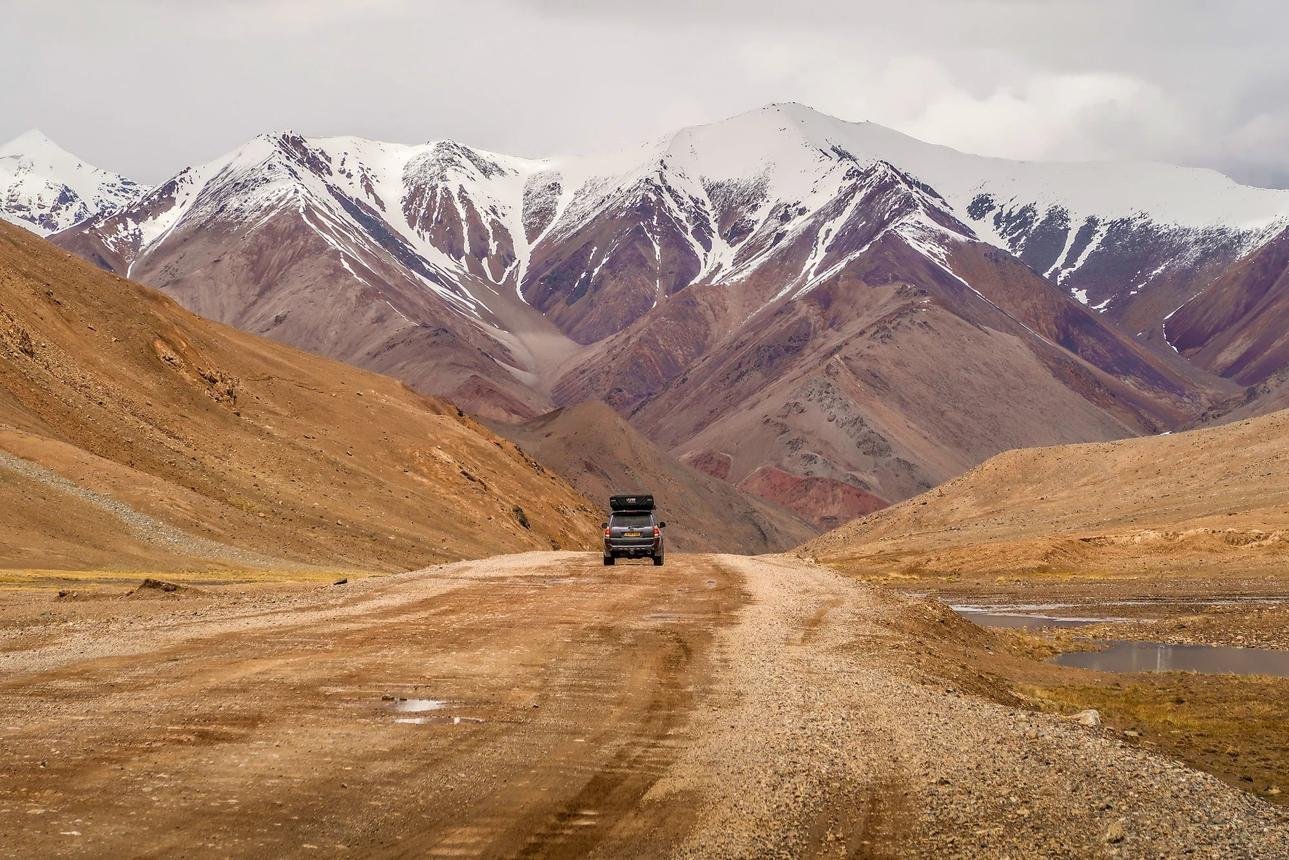
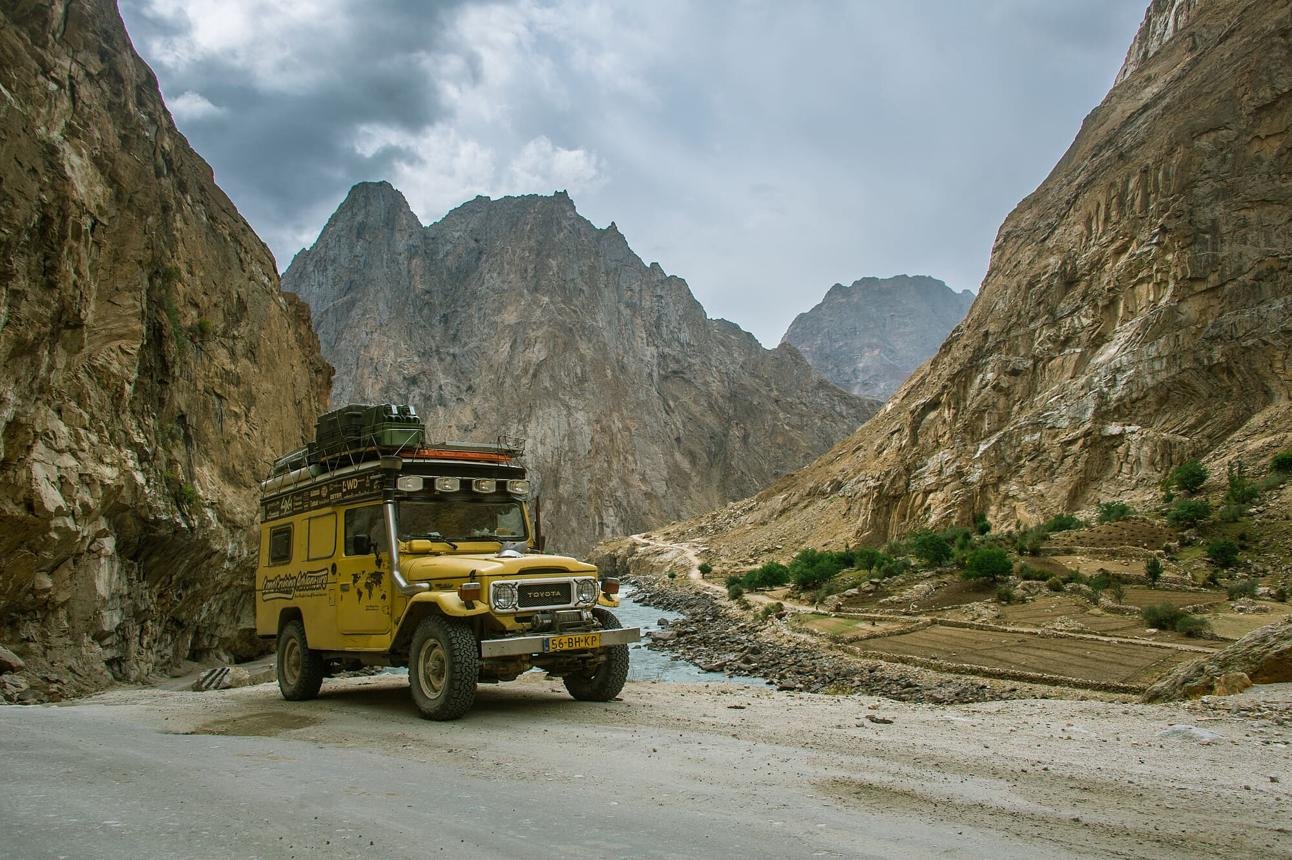
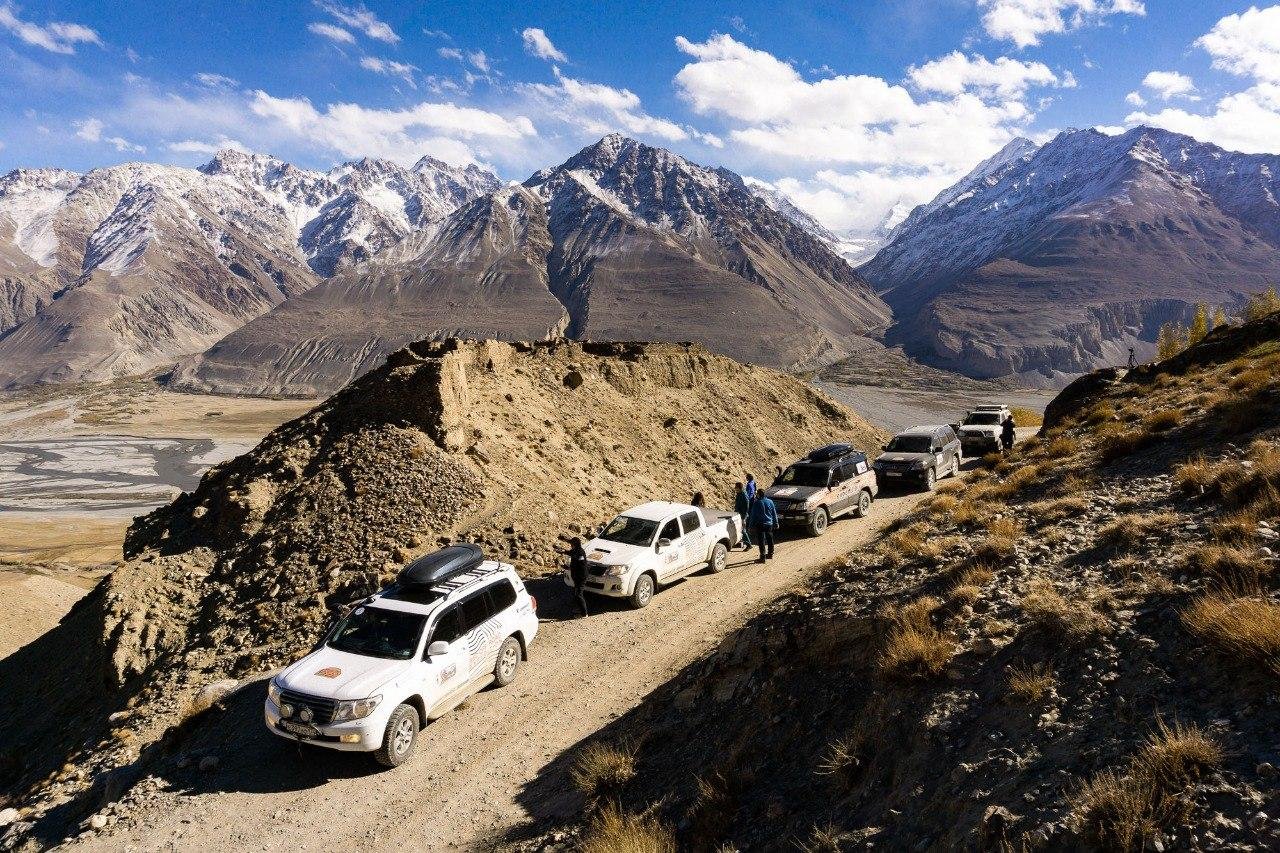
Looking to Explore the Silk Road? Learn Why Traveling the Silk Route is a Must-Do Adventure!
The Silk Road was a historic network of trade routes that connected the East and West, facilitating the exchange of goods, culture, and ideas between the different civilizations along the way. Traveling the Silk Route today allows modern-day travelers to follow in the footsteps of ancient traders and explorers, immersing themselves in the rich history and diverse landscapes of the region. From the bustling markets of Istanbul to the breathtaking mountain passes of Central Asia, there is so much to see and experience along this legendary route. Stay tuned as we delve deeper into the allure of traveling the Silk Road and uncover the hidden treasures that await adventurous souls.
History of the Silk Route
The Silk Route has a rich history that dates back to around 100 BCE when it was established as a trade route between China and the Mediterranean. The route got its name from the lucrative silk trade that flourished along its path. Traders from different civilizations traveled this route, exchanging not only silk but also other goods such as spices, precious metals, and even ideas and culture.
Why Travel the Silk Route?
Traveling the Silk Route today offers a unique opportunity to retrace the ancient footsteps of these traders and explore the diverse cultures and landscapes along the way. From the bustling markets of Xi’an, China to the stunning architecture of Samarkand, Uzbekistan, there is so much to see and experience on this historic route. Whether you’re interested in history, culture, or simply seeking an off-the-beaten-path adventure, traveling the Silk Route is sure to be a memorable journey.
Must-Visit Destinations on the Silk Route
- Xi’an, China – The starting point of the Silk Route, Xi’an is home to the famous Terracotta Army and the ancient city walls.
- Samarkand, Uzbekistan – Known as the “Crossroad of Cultures,” Samarkand boasts stunning Islamic architecture and a rich history.
- Bukhara, Uzbekistan – Another ancient city along the Silk Route, Bukhara is a UNESCO World Heritage site with well-preserved historic buildings.
- Isfahan, Iran – With its beautiful mosques and palaces, Isfahan is a must-visit destination for anyone traveling the Silk Route.
- Istanbul, Turkey – The final stop on the Silk Route, Istanbul offers a blend of Eastern and Western cultures with its historic sites and vibrant markets.
Challenges and Considerations
While traveling the Silk Route can be a rewarding experience, it also comes with its challenges. From visa requirements to language barriers and long travel distances, proper planning and preparation are essential for a smooth journey. It’s also important to respect the local customs and traditions of the countries you visit along the route.
Interesting Fact
According to UNESCO, the Silk Route was not just a single road but a network of interconnected trade routes that stretched over 7,000 kilometers, linking East and West.
What is the Silk Route?
The Silk Route was a network of ancient trade routes that connected the East and West, facilitating the exchange of goods, ideas, and culture between regions.
What countries does the Silk Route pass through?
The Silk Route passes through China, India, Pakistan, Iran, Central Asia, the Middle East, and Europe.
What are some must-visit stops along the Silk Route?
- Xi’an, China
- Samarkand, Uzbekistan
- Isfahan, Iran
- Istanbul, Turkey
Is it safe to travel the Silk Route?
Generally, the countries along the Silk Route are safe for travelers. However, it’s always a good idea to check travel advisories and take necessary precautions.
What is the best time of year to travel the Silk Route?
The best time to travel the Silk Route is during the spring or fall when the weather is mild and comfortable.
How long does it take to travel the entire Silk Route?
It can take several weeks to travel the entire Silk Route, depending on your pace and the stops you make along the way.
What is the best way to travel the Silk Route?
The best way to travel the Silk Route is by a combination of train, bus, and car, as well as by foot in certain areas.
What are some challenges of traveling the Silk Route?
- Language barriers
- Cultural differences
- Changing weather conditions
What should I pack for a trip along the Silk Route?
When packing for a trip along the Silk Route, be sure to include comfortable clothing, sturdy shoes, sunscreen, insect repellent, and any necessary medications.
Are there tour companies that offer guided trips along the Silk Route?
Yes, there are tour companies that offer guided trips along the Silk Route, providing travelers with a hassle-free way to experience this historic route.
Conclusion
Traveling the Silk Route is a truly unique experience that allows one to immerse themselves in the rich history, culture, and landscapes of the ancient trade route. From the bustling markets of Xi’an to the ancient city of Bukhara, each stop along the way offers a glimpse into the diverse and vibrant traditions of the regions that once thrived on the trade of silk. The Silk Route also provides a fascinating insight into the historical significance of trade and cultural exchange, highlighting the interconnectedness of different civilizations and the enduring impact of the Silk Road on our modern world.
Exploring the Silk Route is not just a physical journey, but a journey through time and space, connecting us to the past while also shaping our future. By retracing the footsteps of merchants and travelers who once traversed this legendary route, we gain a deeper understanding of the complexities of cross-cultural exchange and the enduring legacy of the Silk Road. As we navigate the ancient pathways and marvel at the architectural wonders left behind by centuries of trade and interaction, we are reminded of the importance of cultural heritage and the power of travel to bridge divides and foster mutual understanding. Traveling the Silk Route is not just a trip through history, but a transformative experience that leaves a lasting impression on all who embark on this remarkable adventure.