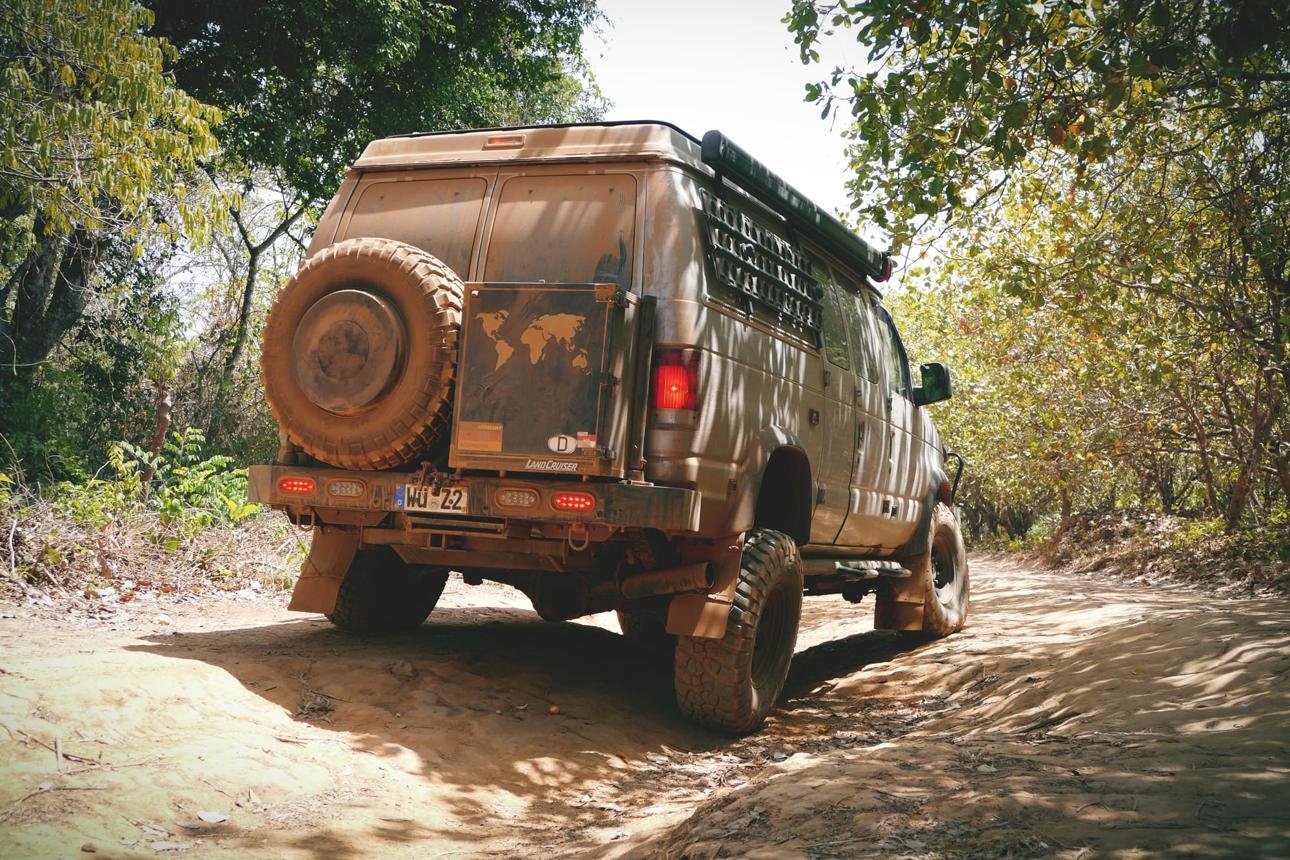

Quick Facts
Best time to visit: November–May
Difficulty: 3.5/5
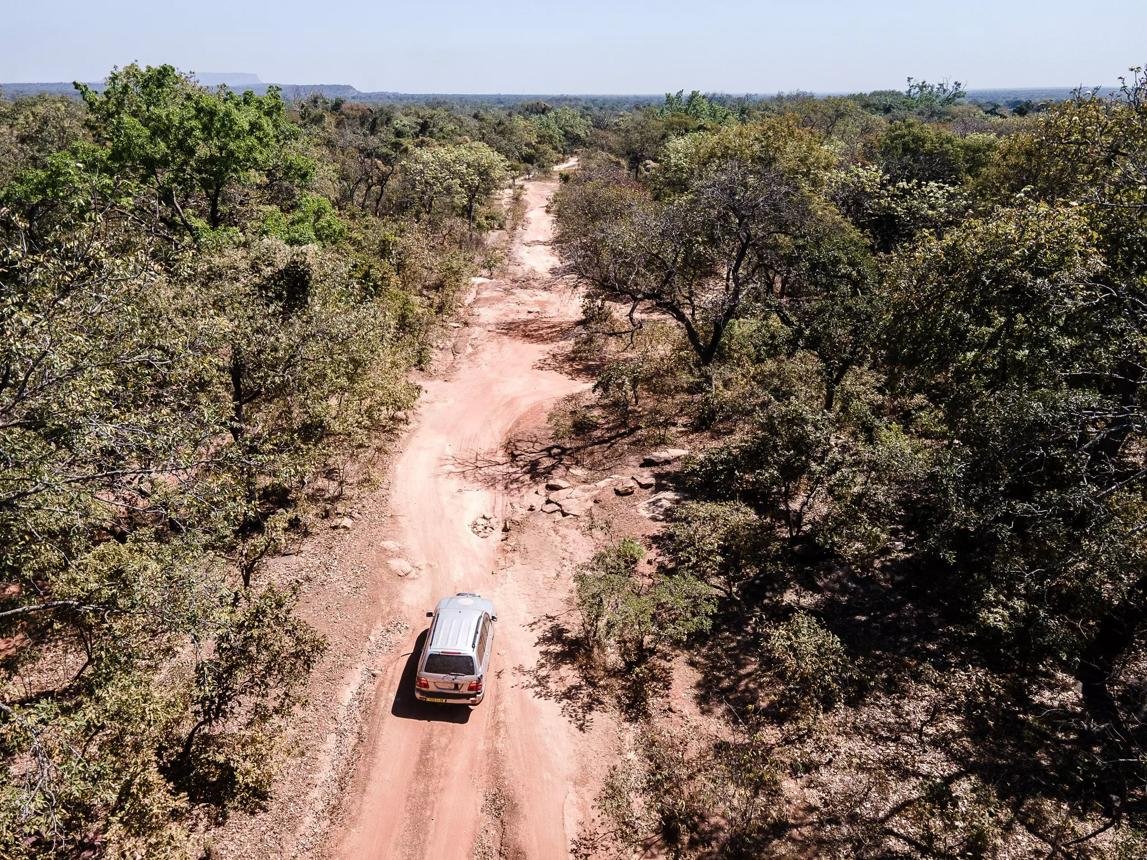
Road conditions: Paved roads near major towns, rough and sandy roads in rural areas
Visa situation: Visa required for many nationalities; vehicle import paperwork required
Why Overland Guinea-Bissau?
Guinea-Bissau is one of West Africa’s least-visited countries and a rewarding destination for adventurous overlanders.
Known for its laid-back atmosphere, Portuguese colonial heritage, remote villages, abundant wildlife, and the spectacular Bijagós Archipelago, Guinea-Bissau offers a very different experience from many neighboring countries.
Why it stands out:
- very low tourist numbers
- authentic cultural experiences
- tropical islands
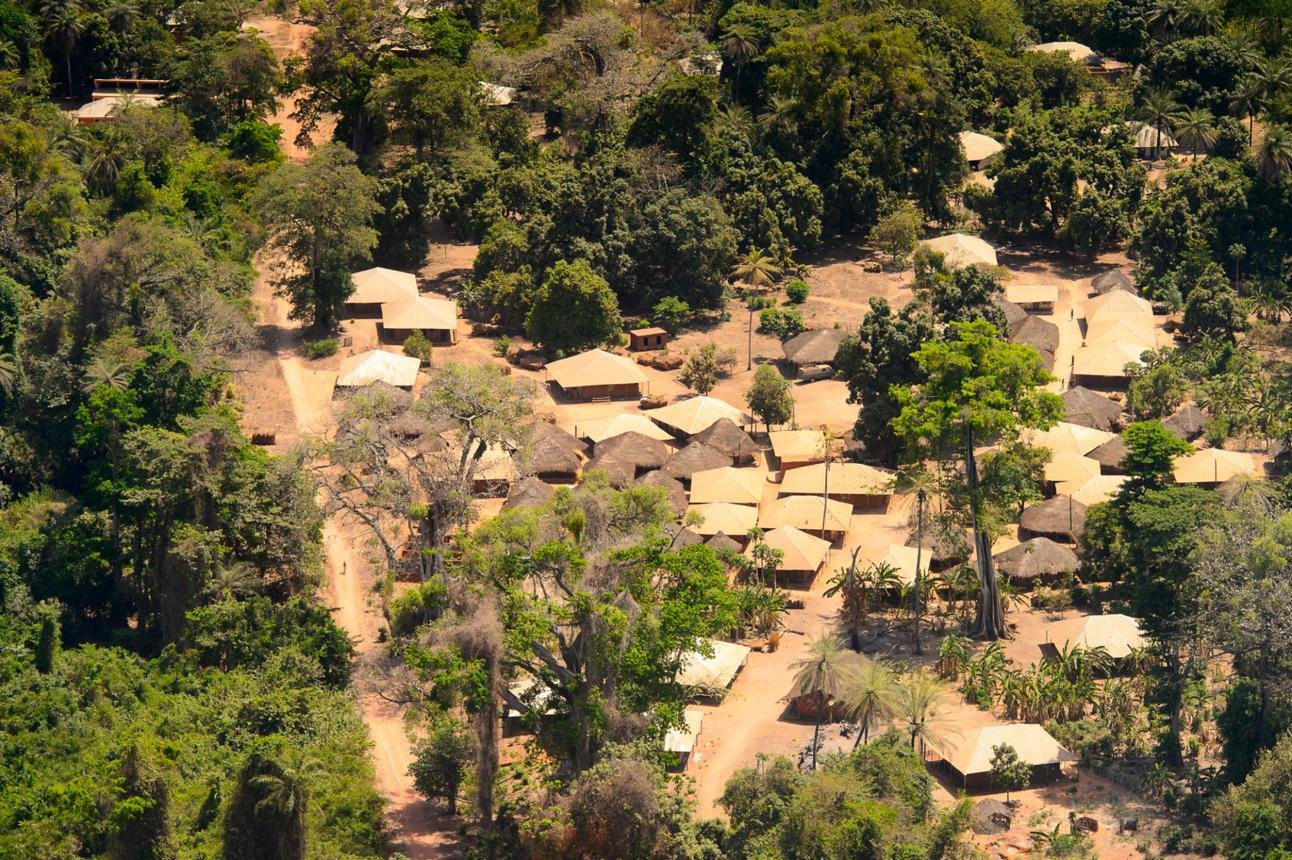
- traditional villages
- excellent birdwatching
- relaxed atmosphere
- Portuguese influence
- genuine off-the-beaten-path travel
Overlanding Guinea-Bissau is more about slow travel and cultural discovery than ticking off major attractions.
Main Overlanding Routes
1. Bissau to Gabu Route

7
Route: Bissau – Bafatá – Gabu
Distance: approx. 300 km
Road type: paved roads and regional roads
Fuel: available in larger towns
The country’s primary overland corridor.
Highlights:
- rural villages
- traditional culture
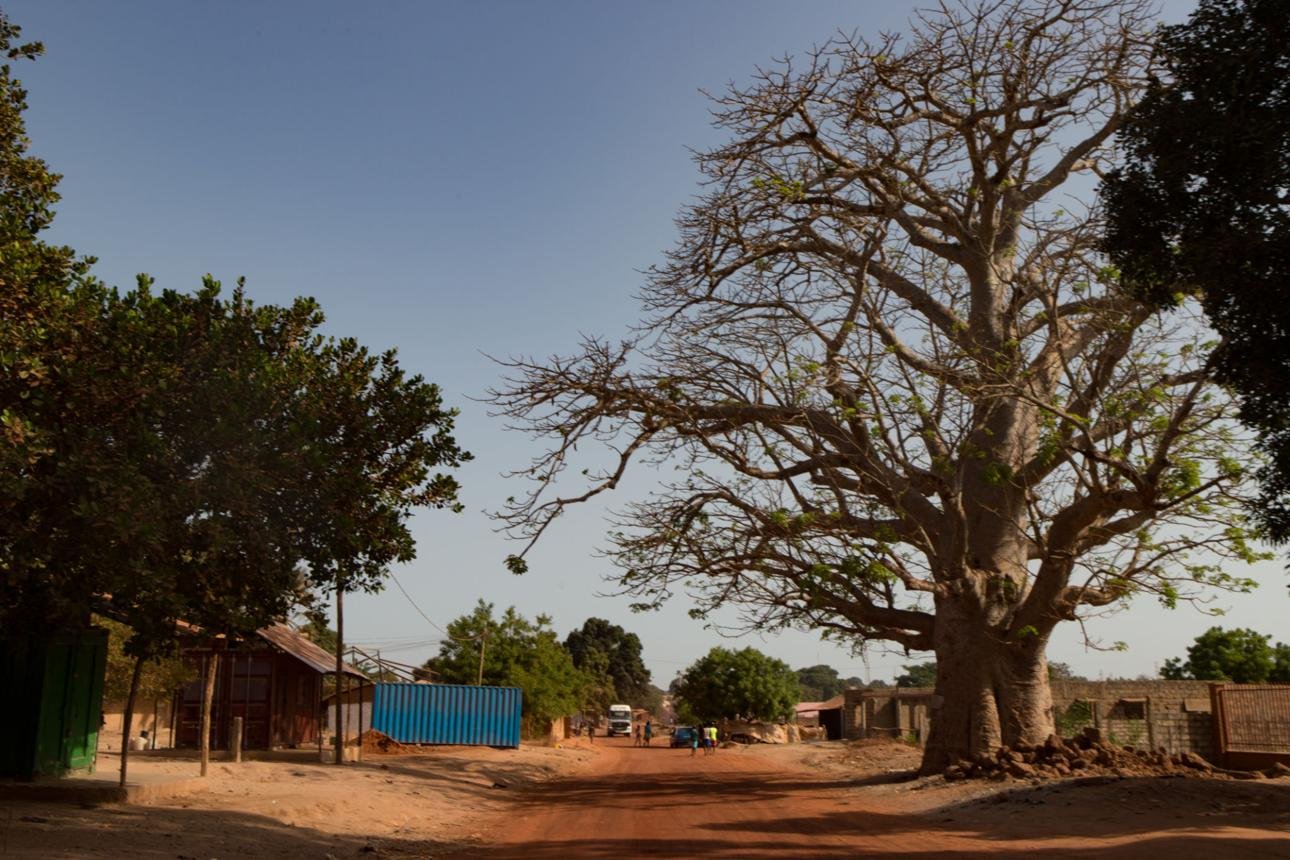
- local markets
- agricultural landscapes
Major stops include:
- Bafatá
- Gabu
Perfect for:
- first-time visitors
- cultural travelers
- West Africa expeditions
2. Coastal Guinea-Bissau Route

7
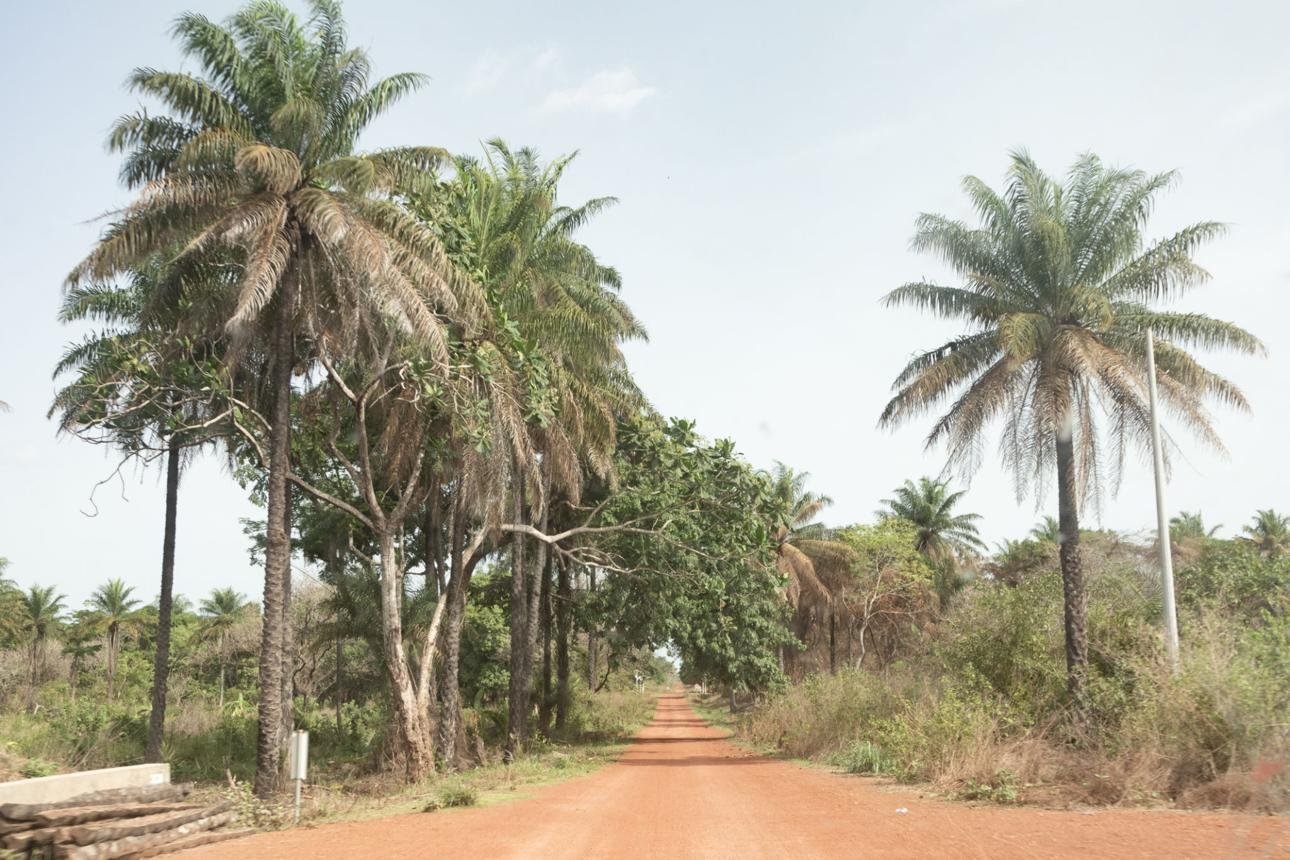
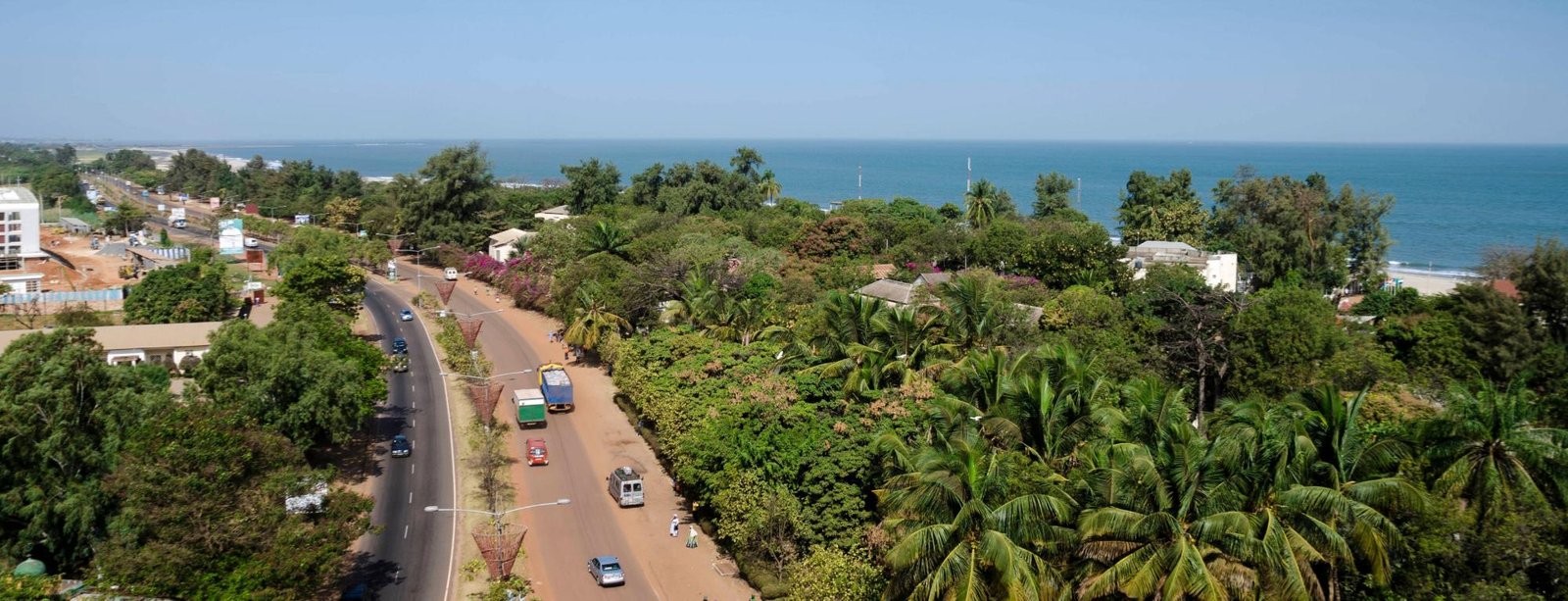
A rewarding route through mangrove and coastal regions.
Highlights:
- coastal villages
- mangrove ecosystems
- birdlife
- historic settlements
Major attraction:
- Cacheu
One of the country’s oldest colonial settlements.
3. Bijagós Islands Expedition

9
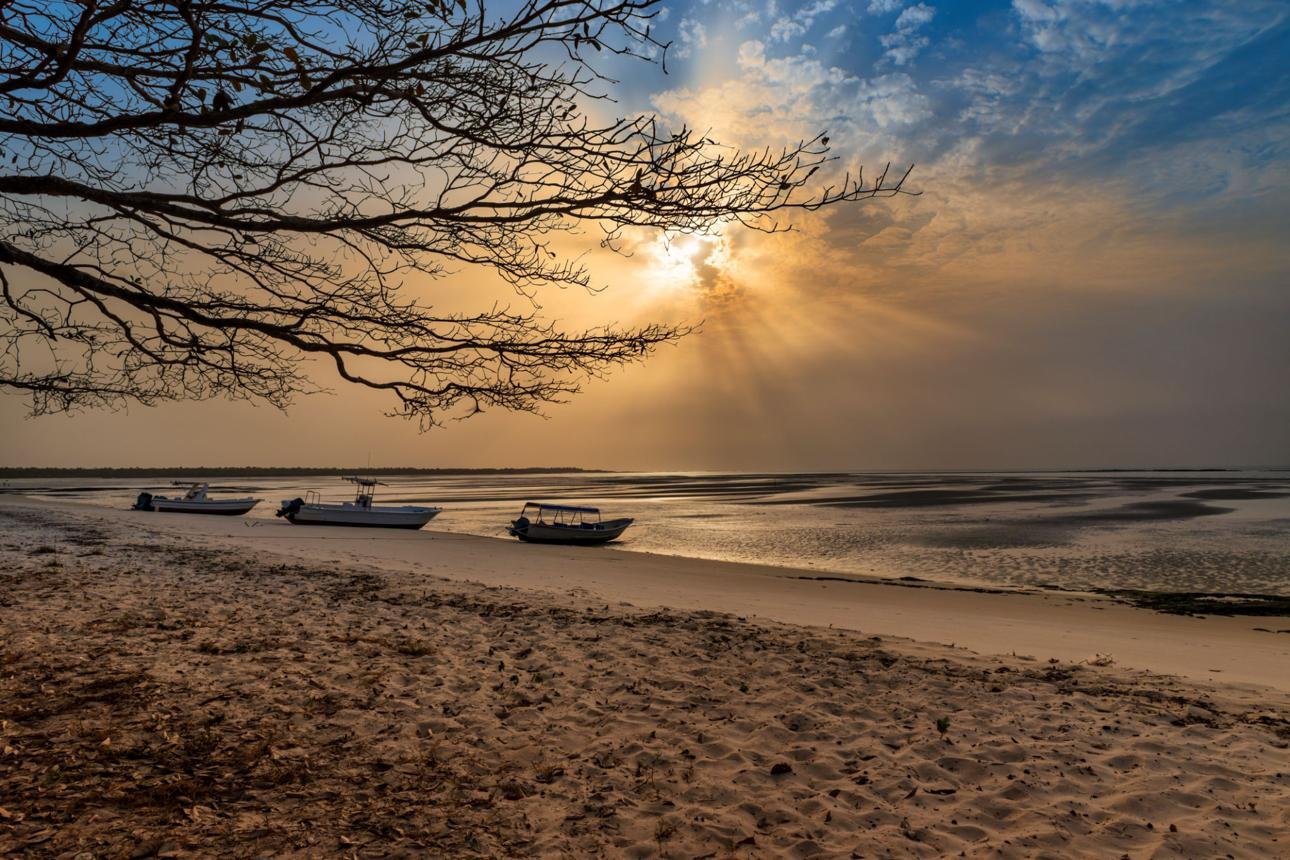
The country’s most famous destination.
Highlights:
- remote islands
- wildlife
- beaches
- traditional communities
- marine ecosystems
Major attractions:
- Bijagós Archipelago
- Orango National Park
Vehicles generally remain on the mainland while travelers visit the islands by boat.
4. Southern Guinea-Bissau Route
6
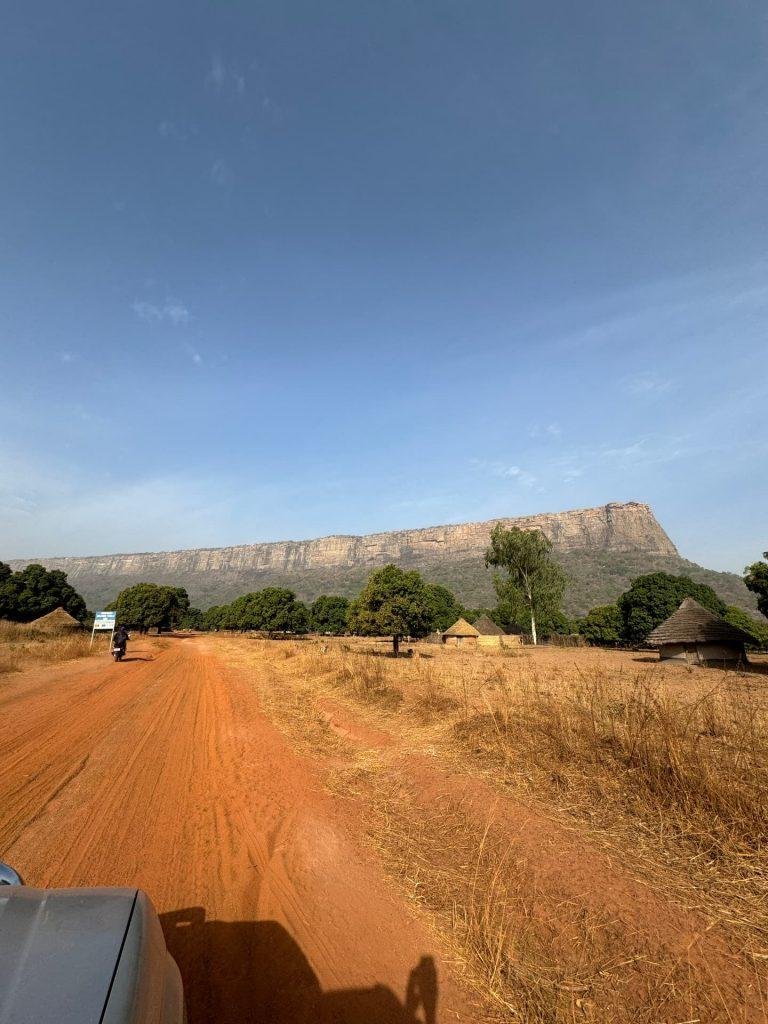
Less visited than the central corridor.
Highlights:
- forests
- villages
- traditional culture
- remote travel
Road conditions can be challenging, especially during the rainy season.
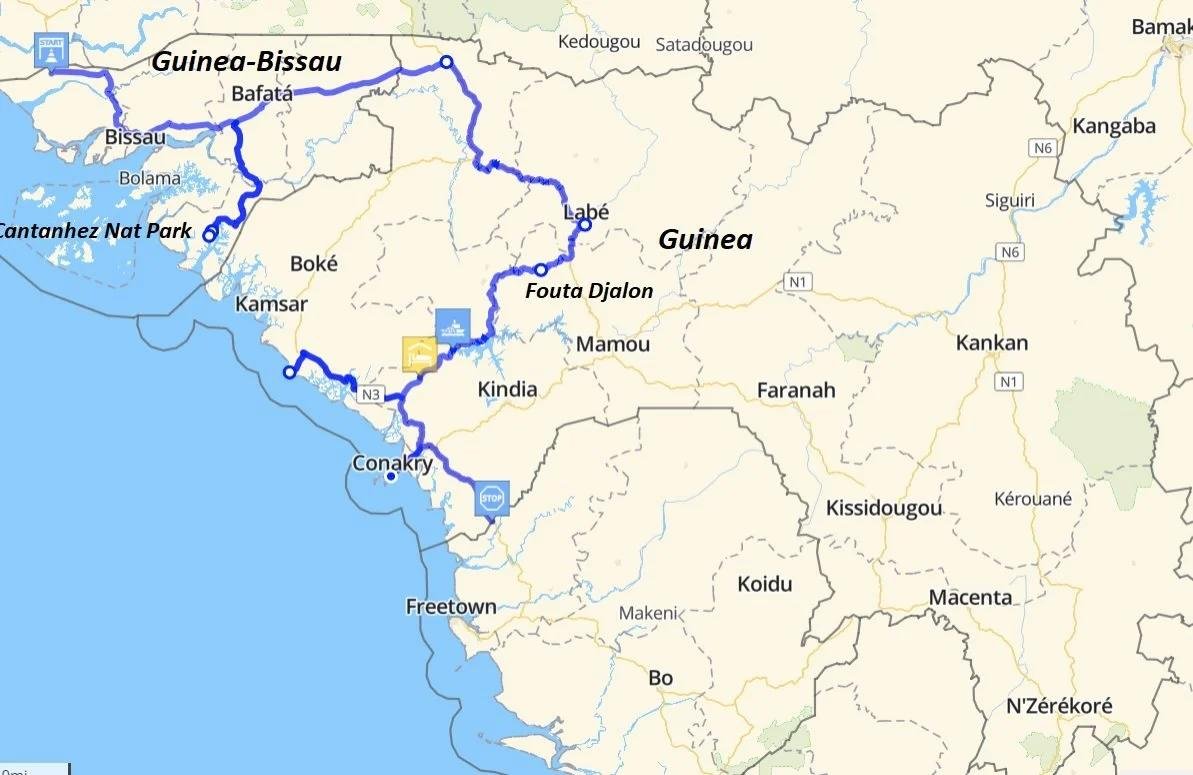
5. Cross-Country West Africa Route
6
Many overlanders visit Guinea-Bissau as part of a larger West African journey.
Popular route:
Senegal → Guinea-Bissau → Guinea
A rewarding combination for travelers exploring the region.
Borders & Entry Points
Guinea-Bissau borders:
- Senegal
- Guinea
Senegal
The most common overland entry point.
Excellent route connection with Casamance in southern Senegal.
Guinea
Popular continuation for overlanders heading deeper into West Africa.
Road conditions may vary significantly.
Vehicle Entry Requirements
Usually required:
- passport
- visa
- vehicle registration
- insurance
- temporary import permit
- driver’s license
Portuguese is the official language, though Creole and local languages are widely spoken.
French can sometimes be useful near borders.
Driving Conditions
Road conditions vary considerably.
Easy:
- Bissau region
- major highways
Moderate:
- regional roads
- dry-season routes
Difficult:
- rural roads
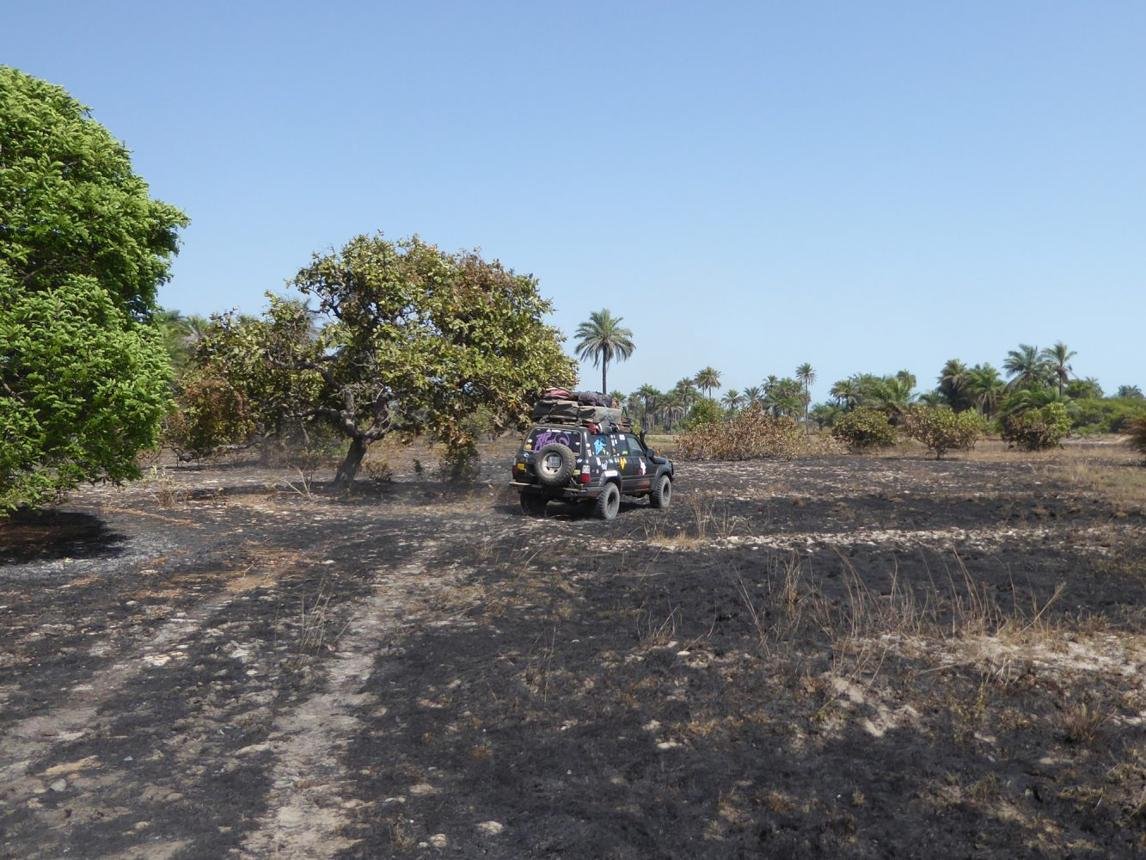
- sandy tracks
- rainy-season routes
A 4×4 is useful but not always essential during the dry season.
Fuel & Logistics
Manageable but basic.
Expect:
- fuel available in major towns
- limited mechanics
- few spare-parts suppliers
- patchy mobile coverage
Carry:
- spare tires
- extra water
- emergency supplies
Distances are relatively short.
Camping & Accommodation
Wild Camping
Possible in many rural areas.
Always seek local permission when possible.
The country’s low population density creates good opportunities for remote camping.
Campsites
Formal campsites are very limited.
Most overlanders rely on:
- guesthouses
- bush camps
- lodges
- community accommodations
Budget Accommodation
Available in larger towns.
Facilities are generally basic but affordable.
Safety & Risks
Guinea-Bissau is generally relaxed and friendly.
Main concerns:
- poor road conditions
- rainy-season flooding
- limited healthcare facilities
- vehicle breakdowns
- bureaucracy
Most visitors encounter very few security problems.
Best Time to Visit
Ideal
November–May
Dry season.
Best road conditions.
Most comfortable weather.
Rainy Season
June–October
Roads can become muddy and difficult.
Some remote routes may become inaccessible.
Sample 10-Day Itinerary
Days 1–2: Bissau
Days 3–4: Cacheu
Days 5–6: Bafatá
Days 7–8: Gabu
Days 9–10: Bijagós Archipelago
FAQ
Is Guinea-Bissau good for overlanding?
Yes, particularly for travelers looking for authentic and little-visited destinations.
Need a 4×4?
Recommended, especially during the rainy season.
Can you wild camp?
Yes, in many rural areas.
Good for beginners?
Moderately challenging but easier than some Central African destinations.
Best highlight?
The Bijagós Archipelago.
Related Pages
- Backpacking Guinea-Bissau
- RV Travel Guinea-Bissau
- Bissau
- Bafatá
- Gabu
- Cacheu
- Bijagós Archipelago
- Orango National Park
- Senegal Overlanding Guide
- Guinea Overlanding Guide
- West Africa Overlanding Guide
- Guinea-Bissau Campsites Guide
- Getting around
- Further Reading