Lakes, Forests, Arctic Adventures & Scenic Scandinavian Road Trips
7
Sweden Travel Guide
Sweden is one of Europe’s most diverse travel destinations, offering vibrant cities, vast forests, crystal-clear lakes, Arctic wilderness, thousands of islands, and some of Scandinavia’s most spectacular road trips. Stretching more than 1,500 kilometers from the beaches of Skåne in the south to the Arctic landscapes of Lapland in the north, Sweden rewards visitors with extraordinary natural beauty, rich cultural heritage, and world-class outdoor adventures.
Bordering Norway and Finland and connected to Denmark by the famous Øresund Bridge, Sweden occupies much of the Scandinavian Peninsula and is the largest country in Northern Europe. Despite its size, the population is relatively small, leaving huge areas of untouched wilderness perfect for hiking, canoeing, wildlife watching, skiing, and overlanding.
Nature defines Sweden. More than two-thirds of the country is covered by forests, while around 100,000 lakes provide endless opportunities for kayaking, fishing, swimming, and camping. Thirty national parks protect everything from mountain landscapes and glaciers to wetlands, ancient forests, and dramatic coastlines. Wildlife enthusiasts may encounter moose, reindeer, lynx, wolves, brown bears, musk oxen, and countless bird species.
Sweden is equally rich in history and culture. Medieval towns, Viking sites, royal palaces, modern Scandinavian design, and innovative cuisine combine to create a fascinating destination where tradition meets contemporary life. Stockholm, spread across fourteen islands, is often regarded as one of Europe’s most beautiful capitals, while Gothenburg, Malmö, and Uppsala each offer their own unique attractions.
For independent travelers, Sweden is one of Europe’s finest destinations for road trips and campervan travel. Modern highways, scenic country roads, excellent campsites, and extensive ferry connections make exploring easy. Backpackers benefit from efficient public transport, comfortable hostels, and a strong outdoor culture. Sweden’s Right of Public Access (Allemansrätten) also allows responsible access to much of the countryside, making it one of Europe’s best destinations for hiking and camping.
This guide covers everything you need to plan an unforgettable journey through Sweden.
Quick Facts
| Item | Information |
|---|---|
| Capital | Stockholm |
| Currency | Swedish Krona (SEK) |
| Official Language | Swedish |
| Population | Approximately 10.6 million |
| Time Zone | UTC+1 (UTC+2 during daylight saving time) |
| Driving | Right-hand side |
| Country Code | +46 |
Why Visit Sweden?
Sweden combines beautiful cities with outstanding wilderness and year-round outdoor adventures.
Highlights include:
- Stockholm
- Swedish Lapland
- Abisko National Park
- High Coast
- Gothenburg
- Stockholm Archipelago
- Icehotel
- Midnight Sun
- Northern Lights
- Thousands of lakes
- Viking heritage
- Scenic road trips
Sweden is ideal for travelers seeking nature, culture, wildlife, photography, and outdoor activities.
Best Places to Visit
7
Stockholm
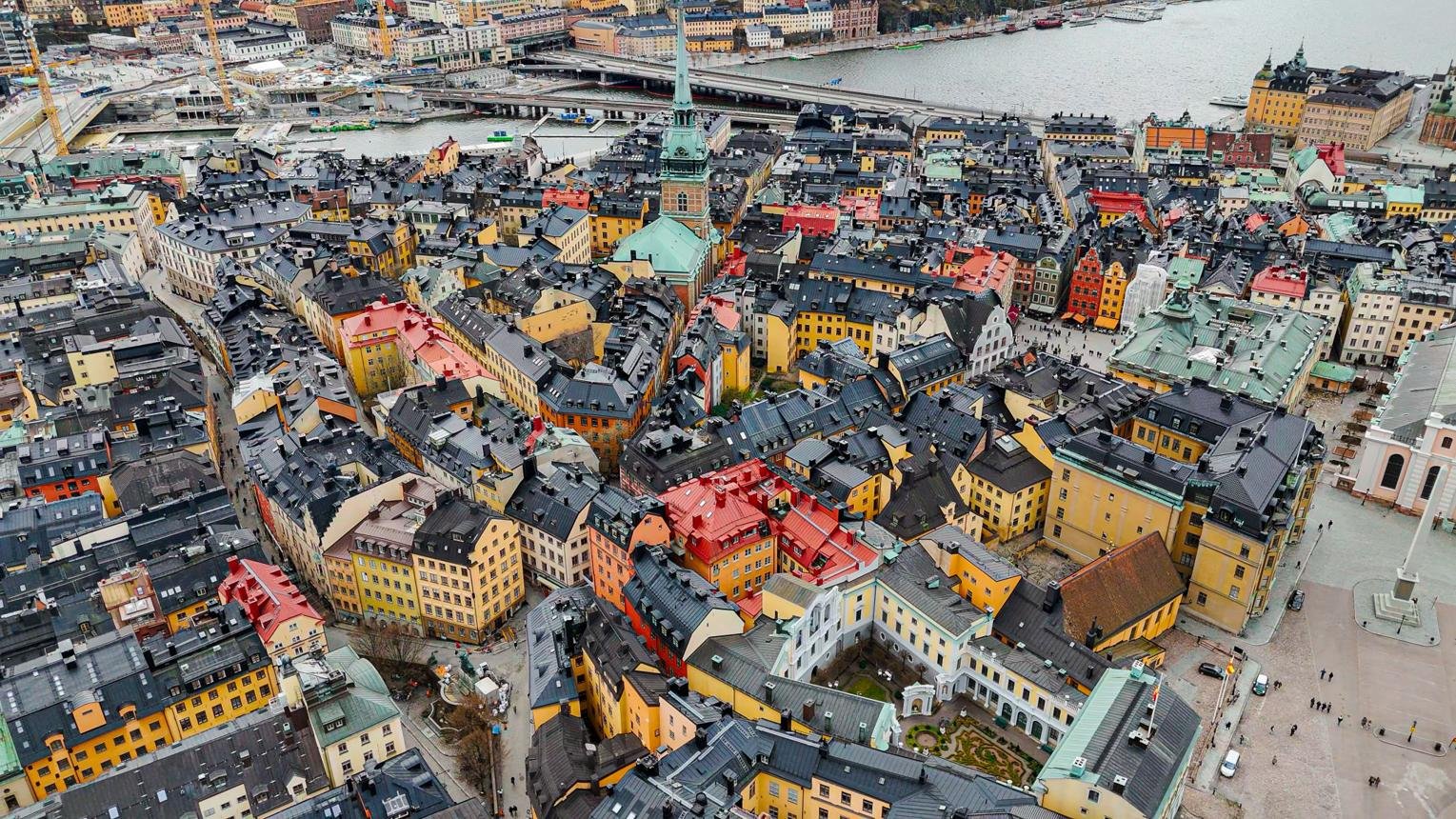
Built across fourteen islands, Stockholm is one of Europe’s most beautiful capitals.
Highlights include:
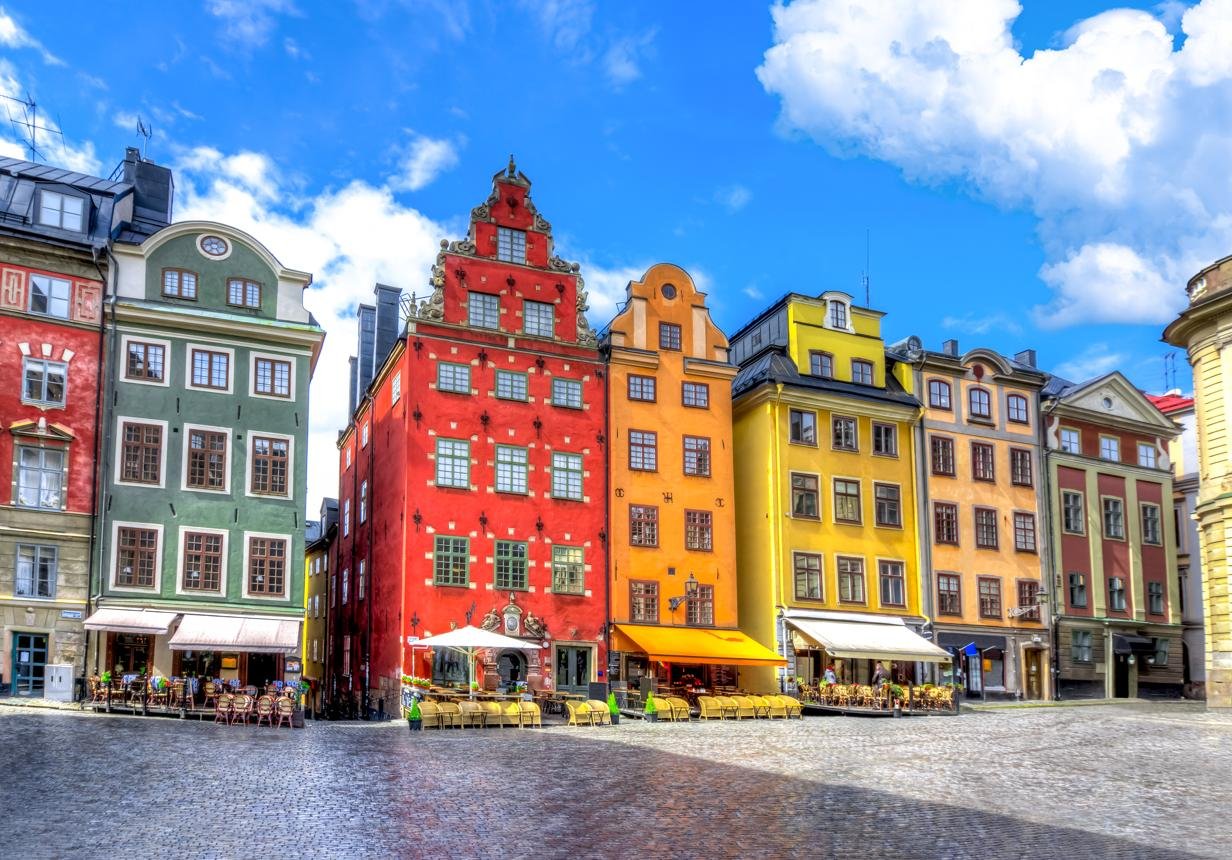
- Gamla Stan (Old Town)
- Royal Palace
- Vasa Museum
- Skansen Open-Air Museum
- Djurgården
- City Hall
- Stockholm Archipelago
The city combines historic architecture with modern Scandinavian design and excellent waterfront dining.
Swedish Lapland
Northern Sweden offers unforgettable Arctic experiences.
Visitors enjoy:
- Northern Lights
- Midnight Sun
- Dog sledding
- Snowmobiling
- Sami culture
- Reindeer encounters
- Arctic hiking
It is one of Europe’s premier winter destinations.
Abisko National Park
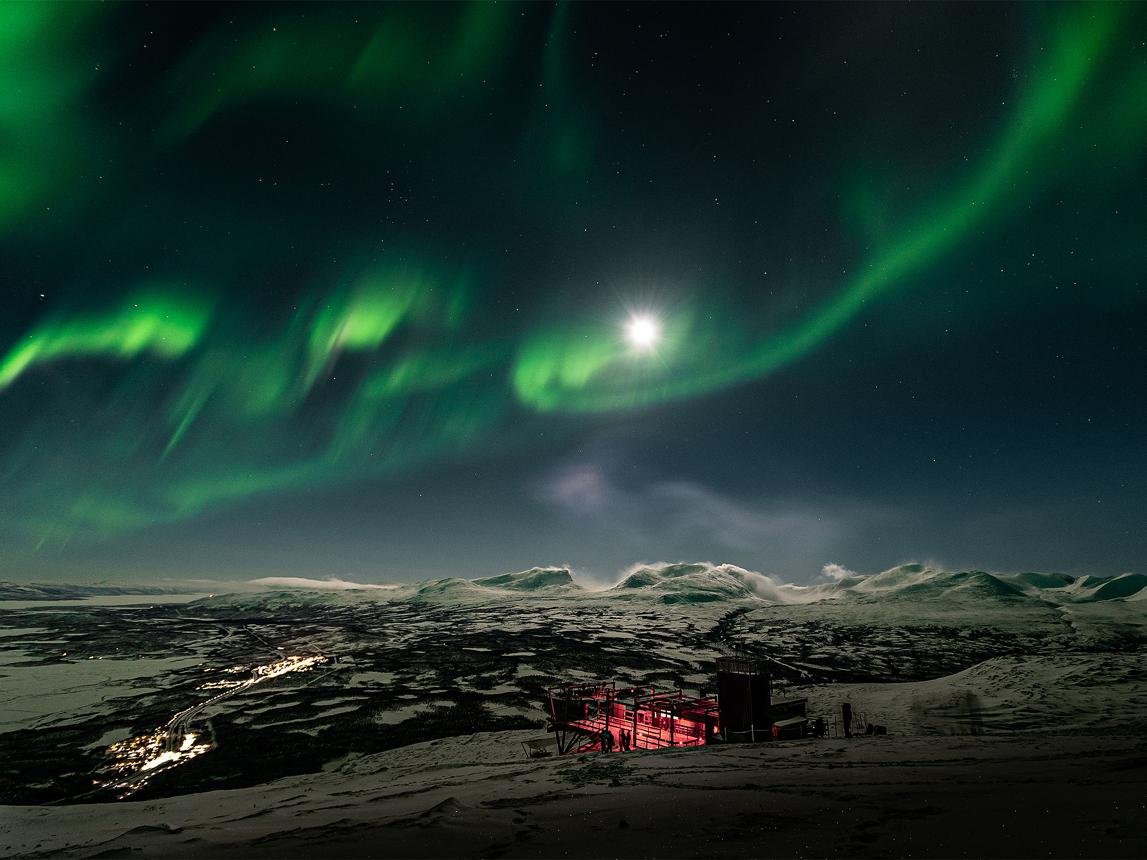
Known worldwide as one of the best places to see the Northern Lights.
Popular activities include:
- Hiking
- Aurora photography
- Ski touring
- Wildlife watching
- Kungsleden Trail
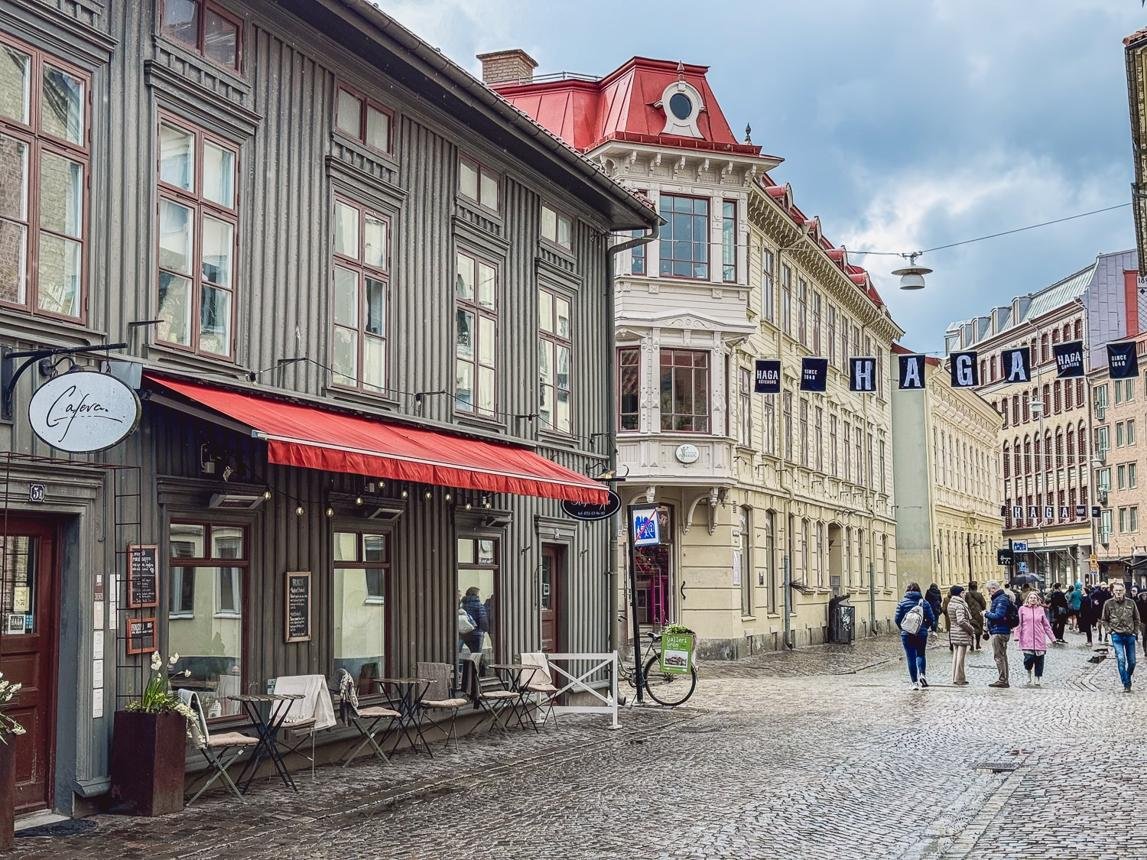
Gothenburg
Sweden’s second-largest city is famous for its relaxed atmosphere.
Highlights include:
- Haga District
- Liseberg Amusement Park
- Fish Market
- Botanical Garden
- Waterfront
- Excellent seafood restaurants
High Coast (Höga Kusten)
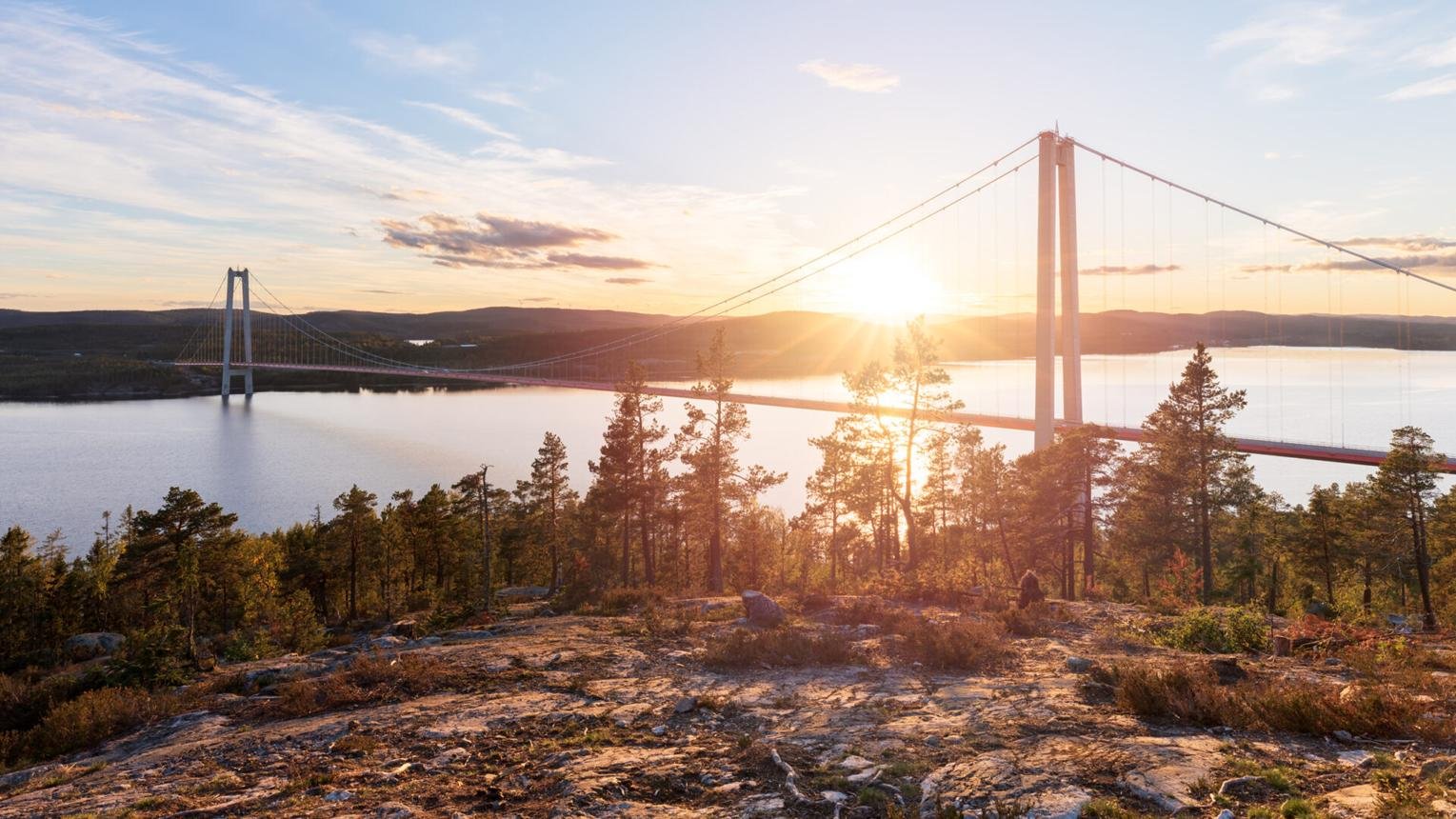
A UNESCO World Heritage Site featuring dramatic cliffs and Baltic coastal scenery.
Activities include:
- Hiking
- Scenic drives
- Kayaking
- Island hopping
- Photography
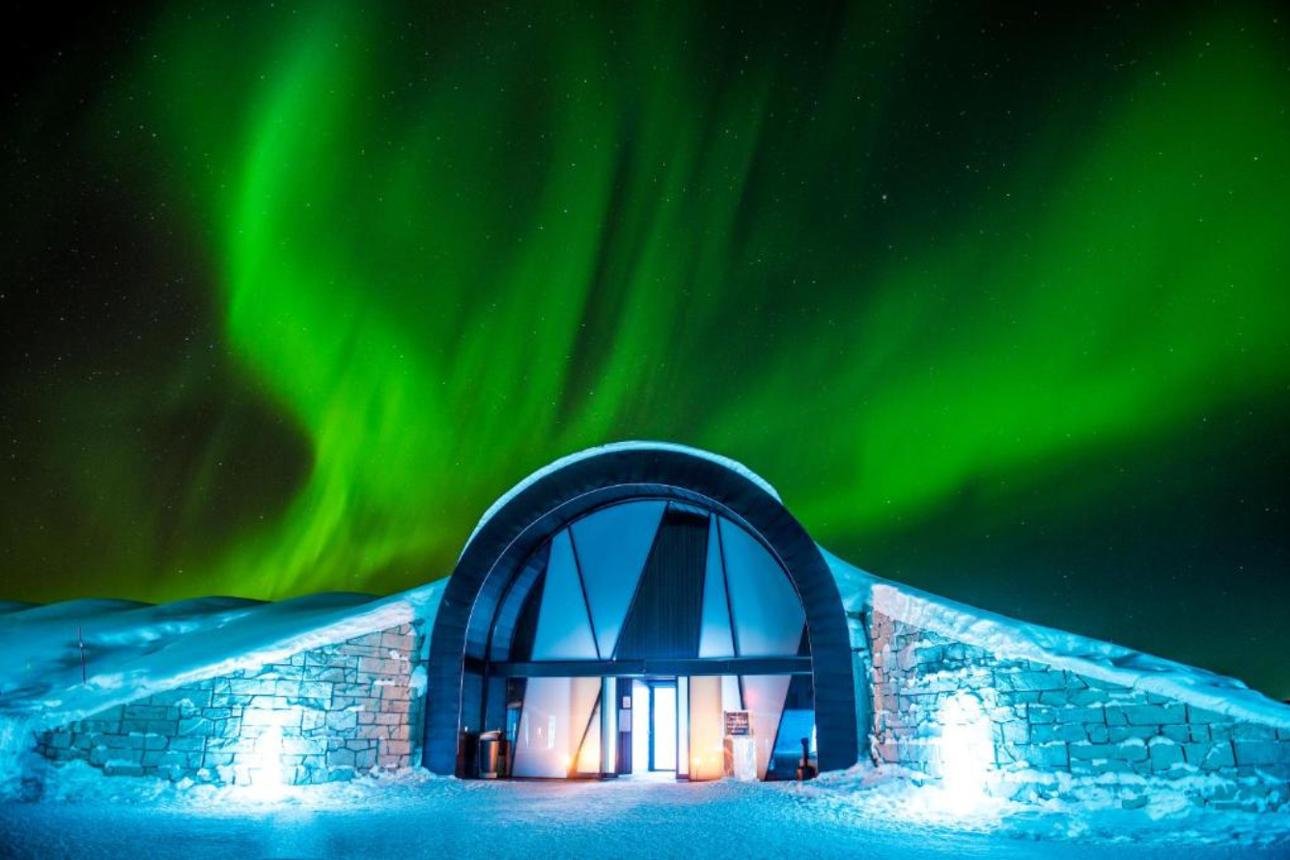
Icehotel, Jukkasjärvi
One of Sweden’s most famous attractions.
Visitors can:
- Sleep in ice rooms
- Experience ice art
- Join winter excursions
- Learn about Arctic life
Gotland
Sweden’s largest island offers:
- Medieval Visby (UNESCO World Heritage Site)
- Sandy beaches
- Coastal cliffs
- Cycling
- Historic churches
Sarek National Park
One of Europe’s last true wilderness areas.
Known for:
- Remote mountain hiking
- Glaciers
- Wildlife
- Untouched landscapes
It is best suited to experienced hikers.
Best Time to Visit
Sweden offers unique experiences throughout the year.
| Season | Conditions |
|---|---|
| June – August | Hiking, lakes, road trips, Midnight Sun |
| September – October | Autumn colors and Northern Lights begin |
| November – March | Snow, skiing, Northern Lights, winter activities |
| April – May | Spring wildlife and fewer visitors |
Summer is perfect for exploring national parks, while winter attracts visitors seeking Arctic adventures.
Regions of Sweden
Stockholm Region
Home to:
- Stockholm
- Archipelago
- Historic attractions
Southern Sweden
Known for:
- Malmö
- Lund
- Castles
- Beaches
Western Sweden
Features:
- Gothenburg
- Bohuslän Coast
- Islands
- Seafood
Central Sweden
Offers:
- Lakes
- Forests
- National parks
- Traditional villages
Swedish Lapland
Known for:
- Arctic wilderness
- Northern Lights
- Sami culture
- National parks
Suggested Itineraries
4-Day Stockholm City Break
Day 1
- Gamla Stan
- Royal Palace
- Nobel Prize Museum
Day 2
- Vasa Museum
- Skansen
- Djurgården
Day 3
- Stockholm Archipelago
Day 4
- Uppsala day trip
One-Week Sweden Highlights
Explore:
- Stockholm
- Uppsala
- Gothenburg
- High Coast
Perfect for first-time visitors.
Two-Week Sweden Road Trip
Travel through:
- Stockholm
- Dalarna
- High Coast
- Umeå
- Abisko
- Kiruna
- Swedish Lapland
Ideal for travelers seeking both cities and wilderness.
Three-Week Grand Sweden Adventure
Continue north through Lapland before returning south via the Norwegian border or the Gulf of Bothnia coastline.
Overlanding in Sweden
7
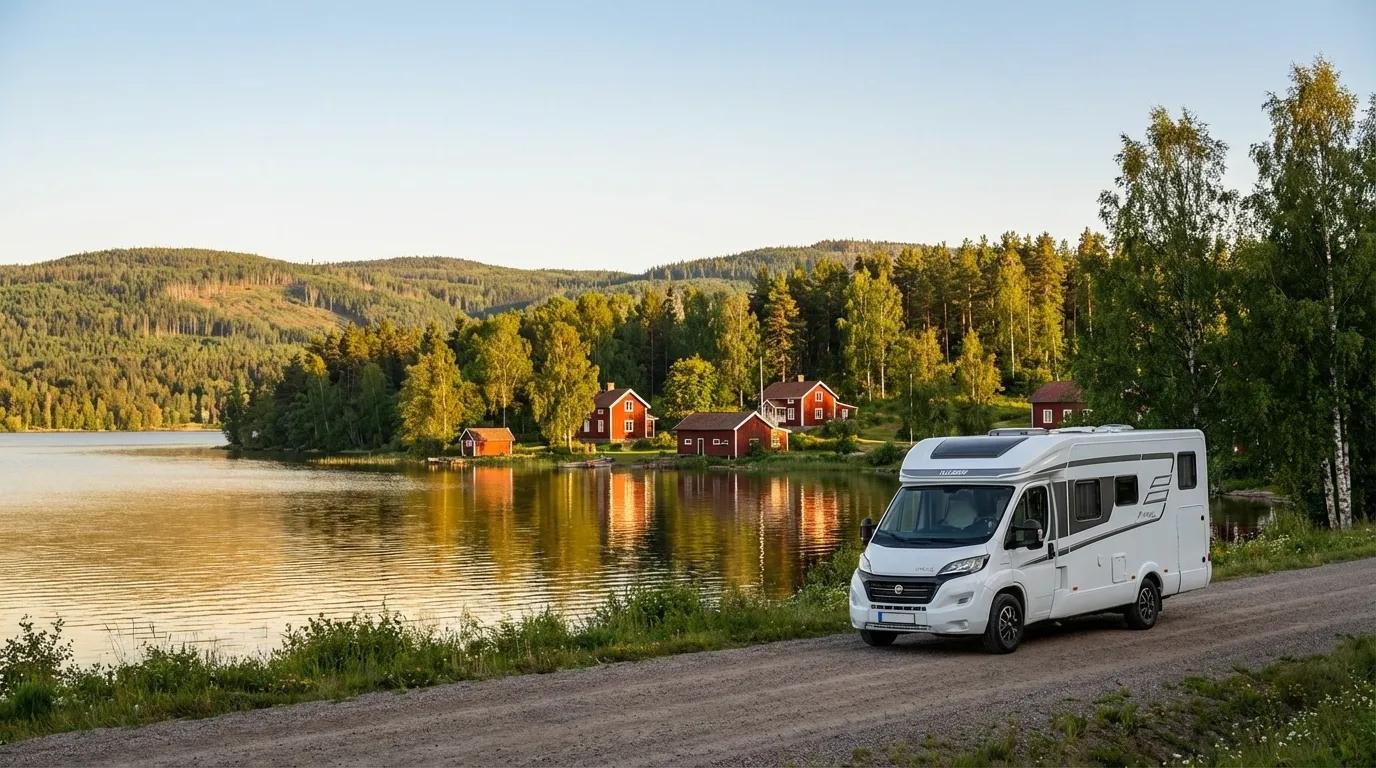
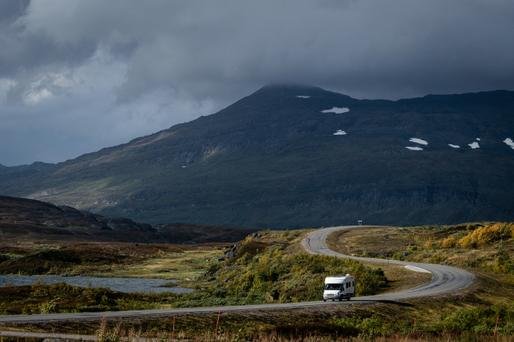
Sweden is one of Europe’s finest overlanding and campervan destinations.
Why Overlanders Love Sweden
- Excellent highways
- Quiet forest roads
- Lakes
- National parks
- Modern campsites
- Ferry connections
- Arctic landscapes
Sweden is an essential destination for Scandinavian road trips.
Popular Routes
Southern Sweden Explorer
Malmö → Gothenburg → Stockholm
Ideal for first-time visitors.
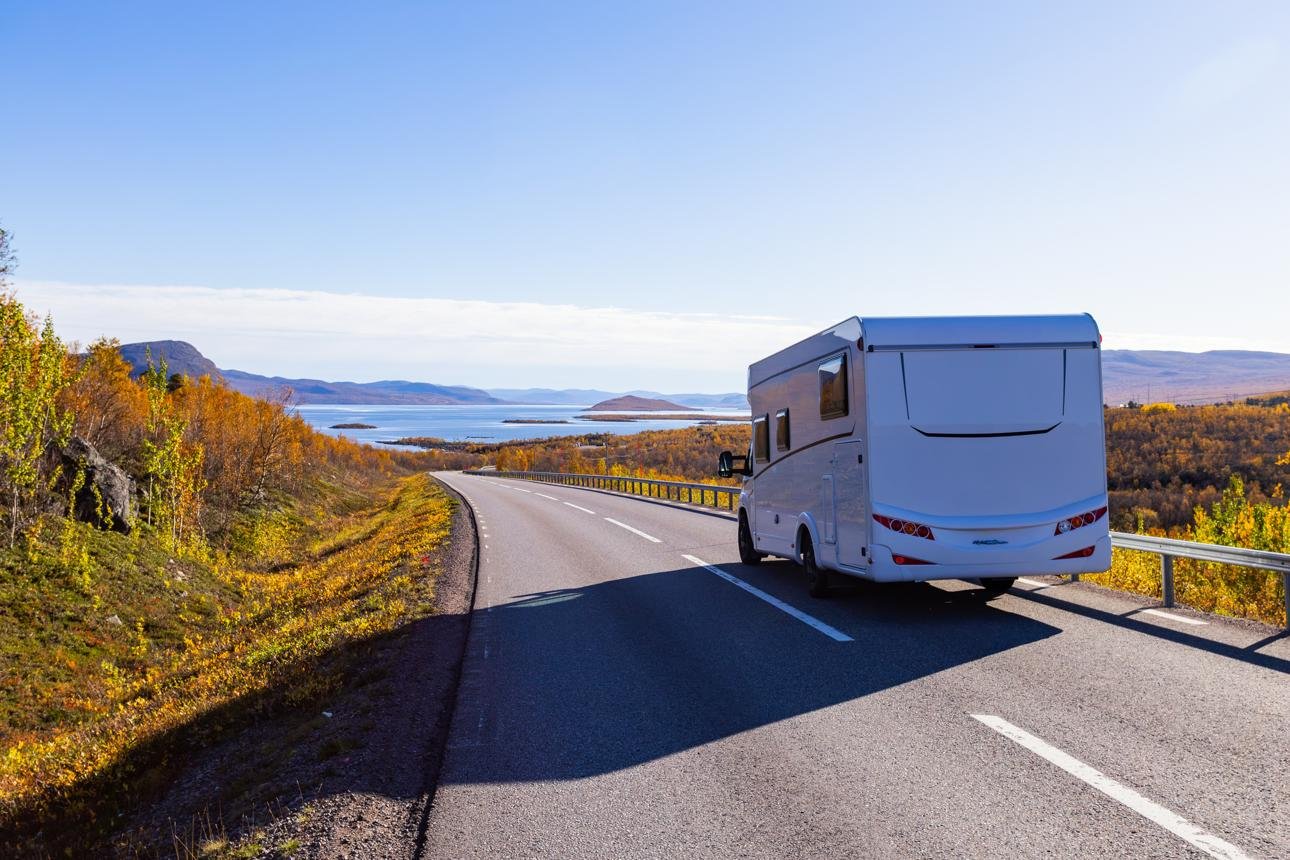
Arctic Route
Stockholm → Umeå → Kiruna → Abisko
One of Europe’s greatest northern road trips.
Inland Wilderness Route
Follow the Inlandsvägen (E45), which runs through forests, lakes, and small communities from southern Sweden to Lapland, offering a quieter alternative to the coastal highways.
High Coast Drive
Sundsvall → Höga Kusten → Umeå
Perfect for dramatic coastal scenery.
Road Conditions
Expect:
- Excellent highways
- Scenic rural roads
- Gravel roads in remote areas
- Winter snow and ice in northern regions
Road quality is consistently excellent throughout Sweden.
Backpacking in Sweden
Sweden is a fantastic destination for independent travelers.
Accommodation
Options include:
- Hostels
- Guesthouses
- Hotels
- Cabins
- Campsites
Swedish hostels are known for their high standards and excellent facilities.
Transportation
Travel around Sweden using:
- Trains
- Long-distance buses
- Ferries
- Domestic flights
- Bicycle rentals
Public transport is efficient and reaches almost every part of the country.
Backpacking Highlights
- Stockholm
- Gothenburg
- Hiking
- National parks
- Northern Lights
- Archipelagos
- Lakes
Camping
Camping is deeply rooted in Swedish outdoor culture.
Campsites
Excellent campgrounds are available throughout:
- National parks
- Lake districts
- Coastal regions
- Swedish Lapland
Facilities often include:
- Hot showers
- Kitchens
- Laundry
- Electricity
- Camper services
Wild Camping
Sweden’s Right of Public Access (Allemansrätten) allows responsible wild camping on most uncultivated land for short stays, provided you respect nature, avoid disturbing residents, and leave no trace. Protected areas and private gardens have additional restrictions, so always follow local regulations.
RV & Motorhome Travel
Sweden is one of Europe’s best destinations for campervan travel.
Popular RV Routes
Southern Coast
Malmö → Gothenburg
Stockholm to Lapland
Stockholm → Uppsala → Sundsvall → Kiruna → Abisko
Baltic Coast
Stockholm → Kalmar → Öland
Practical Information
Motorhome travelers benefit from:
- Excellent roads
- Modern campsites
- Reliable fuel stations
- Scenic overnight locations
Driving distances become much longer in northern Sweden, so plan fuel and overnight stops carefully.
Driving in Sweden
Driving is easy and enjoyable.
Main Roads
Modern highways connect:
- Stockholm
- Gothenburg
- Malmö
- Uppsala
- Sundsvall
The E4 and E45 are the country’s principal long-distance routes.
Things to Know
- Headlights must be used at all times.
- Winter tires are mandatory during the winter season when winter road conditions prevail.
- Watch for moose and reindeer on rural roads.
- Speed limits are strictly enforced.
Border Crossings
Sweden shares land borders with:
- Norway
- Finland
The Øresund Bridge connects Sweden with Denmark, providing direct road and rail access to continental Europe.
Regular ferry services also connect Sweden with:
- Finland
- Germany
- Poland
- Latvia
- Estonia
These connections make Sweden an important hub for Scandinavian and Baltic road trips.
Visa & Entry Requirements
Sweden is part of the Schengen Area.
Many travelers can enter visa-free for short stays depending on nationality, while others require a Schengen visa.
Before traveling, ensure you have:
- A valid passport
- Any required visa
- Proof of accommodation if requested
- Return or onward travel documentation
Always verify the latest entry requirements before departure.
Budget & Costs
Estimated daily travel expenses:
| Travel Style | Daily Budget |
|---|---|
| Budget traveler | €70–120 |
| Mid-range | €180–300 |
| Comfortable | €400+ |
| Motorhome traveler | €90–180 |
Camping, self-catering, and supermarket shopping can help reduce costs, although Sweden remains one of Northern Europe’s more expensive destinations.
Safety
Sweden is considered one of the safest countries in the world.
Travel tips include:
- Prepare for changing weather, particularly in the mountains.
- Watch for wildlife while driving, especially at dawn and dusk.
- Carry insect repellent when hiking during summer.
- Check trail and weather conditions before entering remote areas.
Emergency services are excellent, and English is widely spoken throughout the country.
Food & Culture
Swedish cuisine combines fresh local ingredients with centuries-old traditions.
Popular dishes include:
- Swedish meatballs
- Gravlax
- Cinnamon buns (Kanelbullar)
- Toast Skagen
- Reindeer
- Lingonberry jam
- Smoked fish
- Princess cake
Swedish culture emphasizes sustainability, outdoor recreation, and the concept of fika—a daily coffee break enjoyed with pastries and conversation. Visitors can also explore Viking history, royal palaces, world-class museums, and vibrant midsummer celebrations.
Frequently Asked Questions
Is Sweden expensive?
Yes. Sweden is one of Northern Europe’s more expensive destinations, but camping, cooking your own meals, and using public transport can help reduce travel costs.
Is Sweden safe?
Yes. Sweden is considered one of the safest countries in Europe and is well suited to solo travelers, families, and campervan holidays.
Is Sweden good for road trips?
Absolutely. Excellent roads, beautiful forests, lakes, Arctic landscapes, and scenic coastal routes make Sweden one of Europe’s finest self-drive destinations.
Can you travel Sweden by campervan?
Yes. Sweden has outstanding camping infrastructure, scenic driving routes, and the Right of Public Access, making it an excellent destination for campervan travel.
When is the best time to see the Northern Lights?
The Northern Lights are generally visible from late September to early April, with the best viewing opportunities in Swedish Lapland around Abisko, Kiruna, and Jokkmokk.
What is Sweden famous for?
Sweden is best known for:
- Stockholm
- Swedish Lapland
- Northern Lights
- Abisko National Park
- Stockholm Archipelago
- High Coast
- Thousands of lakes
- Scenic Scandinavian road trips