Icebergs, Arctic Wilderness, Inuit Culture & Expedition Roadless Adventures
6
Greenland Travel Guide
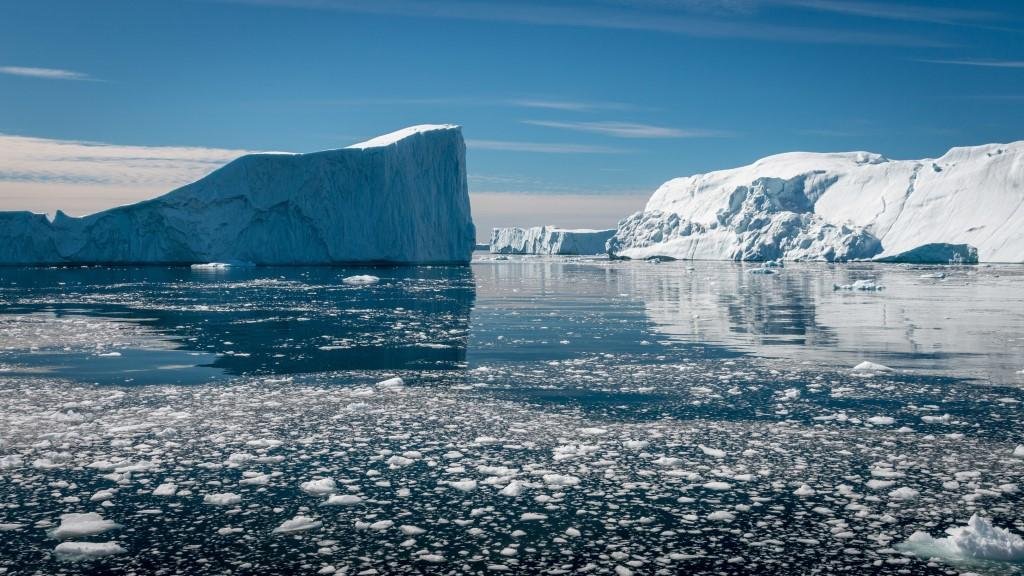
Greenland is one of the world’s last true frontiers. The largest island on Earth is a land of towering glaciers, immense icebergs, dramatic fjords, colorful coastal settlements, Arctic wildlife, and one of the oldest living Indigenous cultures. Covering more than 2.1 million square kilometers—over 80% of which is covered by the Greenland Ice Sheet—it offers an experience unlike anywhere else on the planet.
An autonomous territory within the Kingdom of Denmark, Greenland lies between the Arctic and Atlantic Oceans. Despite its enormous size, fewer than 60,000 people live here, almost all in small communities scattered along the ice-free coastline. There are no roads connecting towns, so travel is by aircraft, helicopter, boat, dog sled, or snowmobile depending on the season. This unique geography makes every journey an expedition.
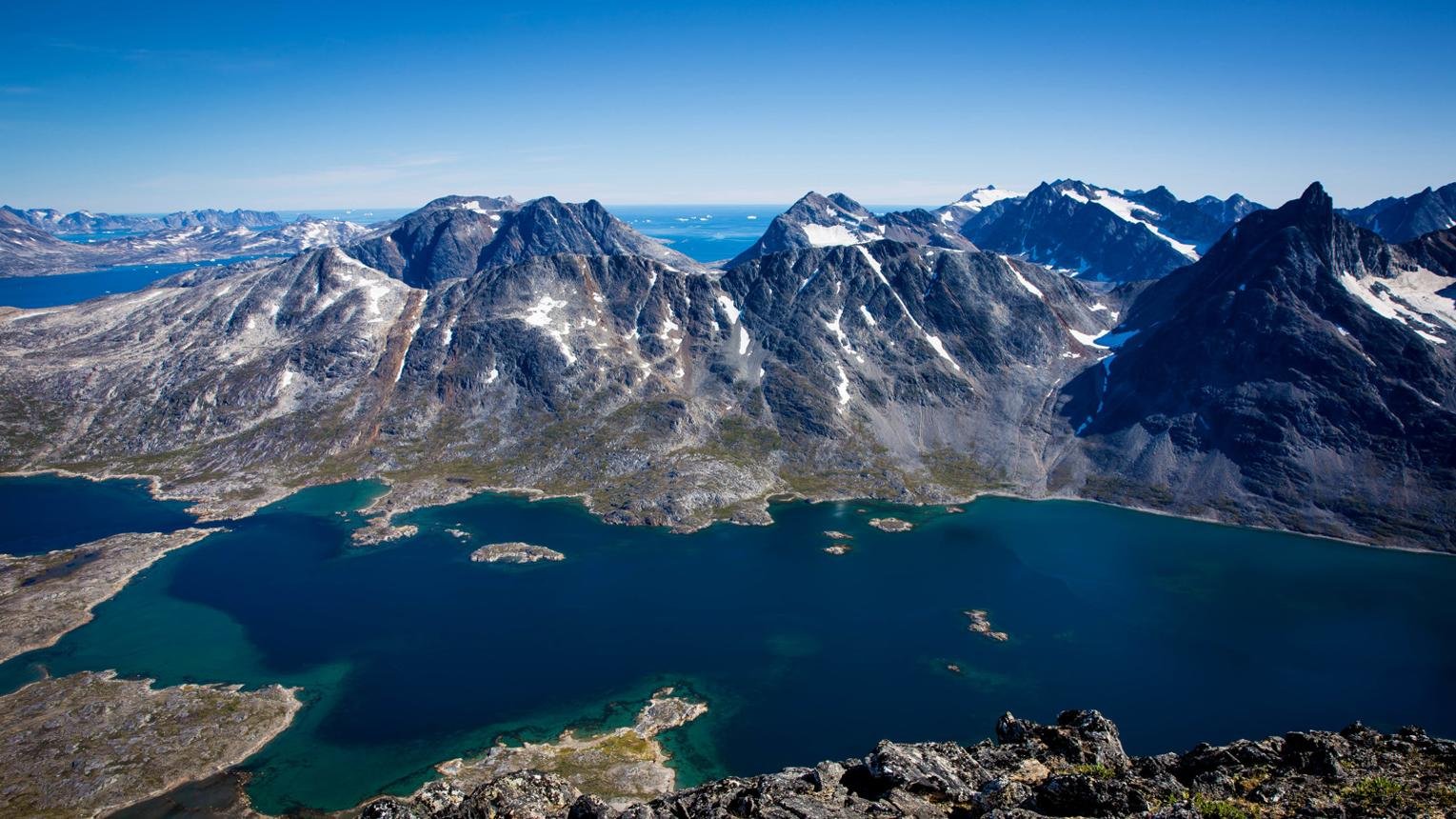
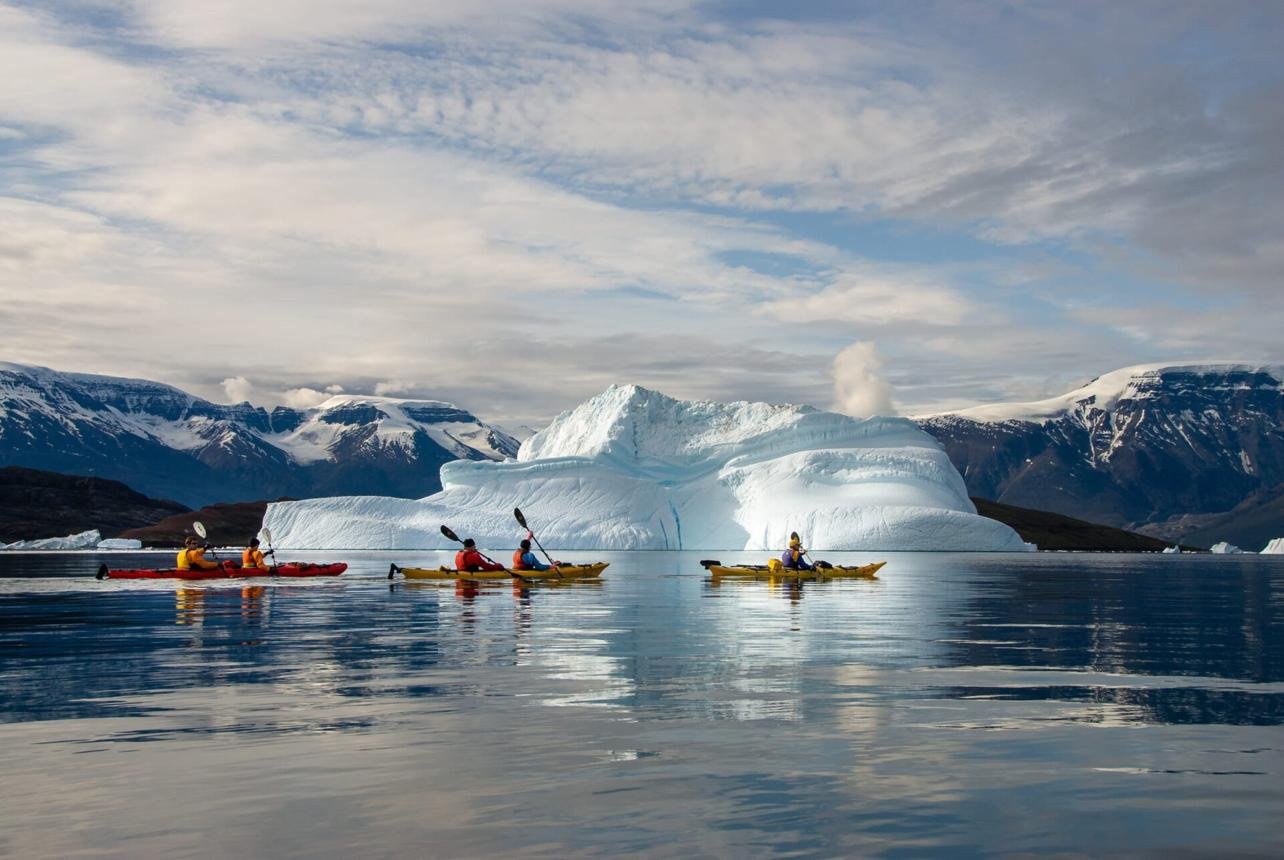
Nature dominates every aspect of life. Visitors encounter glaciers larger than entire countries, towering mountains, deep fjords, drifting icebergs, Arctic tundra, and some of the world’s cleanest air. Depending on the season, you can experience the Midnight Sun, witness the Northern Lights, watch whales from a small fishing boat, hike through untouched valleys, or kayak among enormous floating icebergs.
Greenland’s Inuit culture stretches back thousands of years and remains an integral part of modern life. Traditional hunting, fishing, kayaking, dog sledding, storytelling, and local crafts continue to shape everyday life throughout the island. Visitors are welcomed into communities where Arctic traditions coexist with contemporary Scandinavian influences.
For adventure travelers, Greenland is one of the world’s premier expedition destinations. While it is not a traditional road-trip country, it offers extraordinary opportunities for hiking, backpacking, boat expeditions, kayaking, photography, and remote camping. Those seeking true wilderness will find few places that compare.
This guide covers everything you need to plan an unforgettable journey through Greenland.
Quick Facts
| Item | Information |
|---|---|
| Capital | Nuuk |
| Currency | Danish Krone (DKK) |
| Official Language | Greenlandic (Kalaallisut) |
| Population | Approximately 57,000 |
| Time Zones | UTC−1 to UTC−4 |
| Driving | Right-hand side |
| Country Code | +299 |
Why Visit Greenland?
Greenland offers one of the world’s greatest wilderness experiences.
Highlights include:
- Ilulissat Icefjord
- Nuuk
- Disko Bay
- East Greenland
- Northern Lights
- Midnight Sun
- Arctic wildlife
- Massive glaciers
- Inuit culture
- Whale watching
- Sea kayaking
- Expedition travel
Greenland is ideal for adventurous travelers seeking remote landscapes and unforgettable Arctic experiences.
Best Places to Visit
6
Nuuk
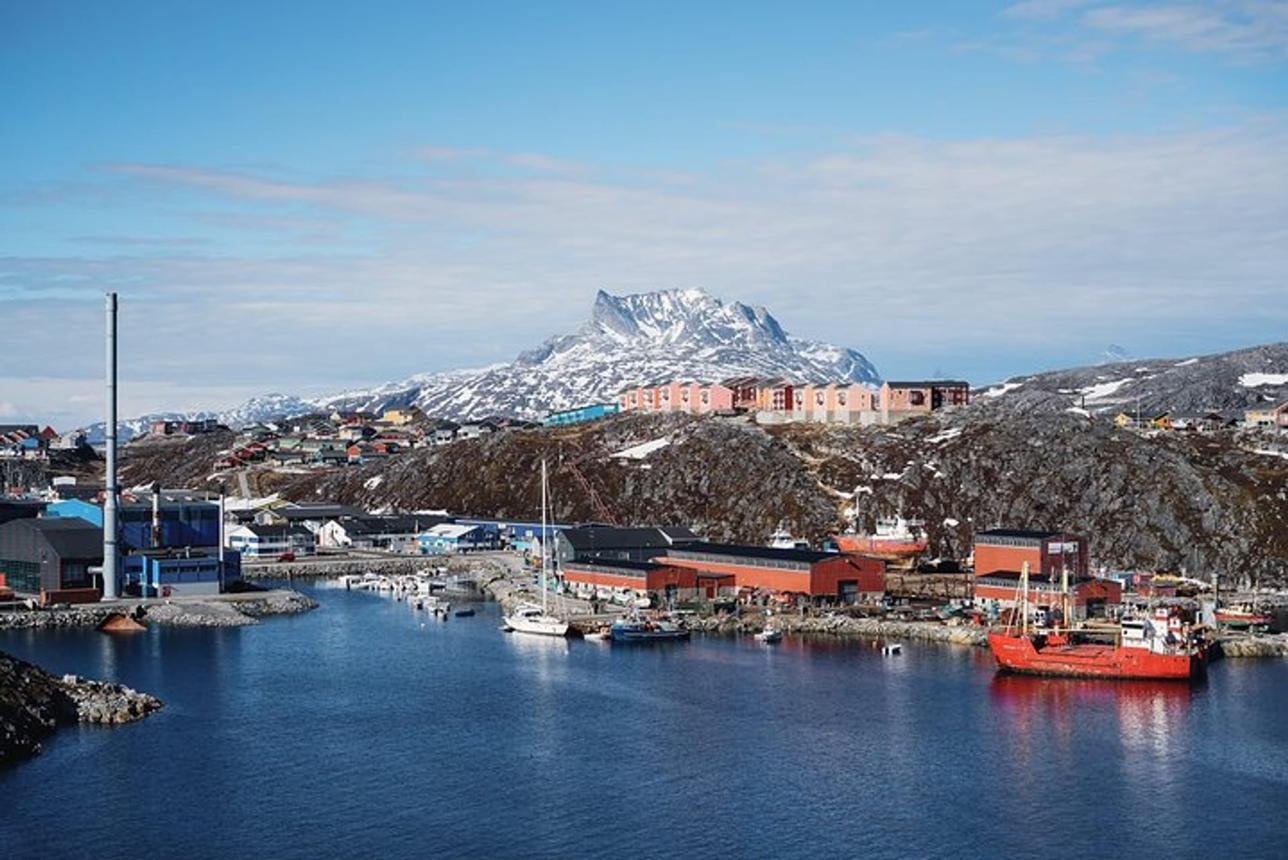
Greenland’s capital combines modern Nordic life with Inuit traditions.
Highlights include:
- Greenland National Museum
- Nuuk Harbor
- Sermitsiaq Mountain views
- Local art galleries
- Cafés
- Whale watching excursions
- Fjord cruises
Nuuk is the main gateway for international visitors.
Ilulissat
Greenland’s most famous destination.
Highlights include:
- Ilulissat Icefjord (UNESCO World Heritage Site)
- Massive icebergs
- Boat cruises
- Hiking trails
- Whale watching
- Midnight Sun
The nearby Sermeq Kujalleq Glacier is one of the world’s fastest-moving glaciers.
Disko Island
Located in Disko Bay, the island offers:
- Volcanic landscapes
- Basalt cliffs
- Hiking
- Whale watching
- Arctic wildlife
- Small settlements
East Greenland
One of the most remote inhabited regions on Earth.
Visitors experience:
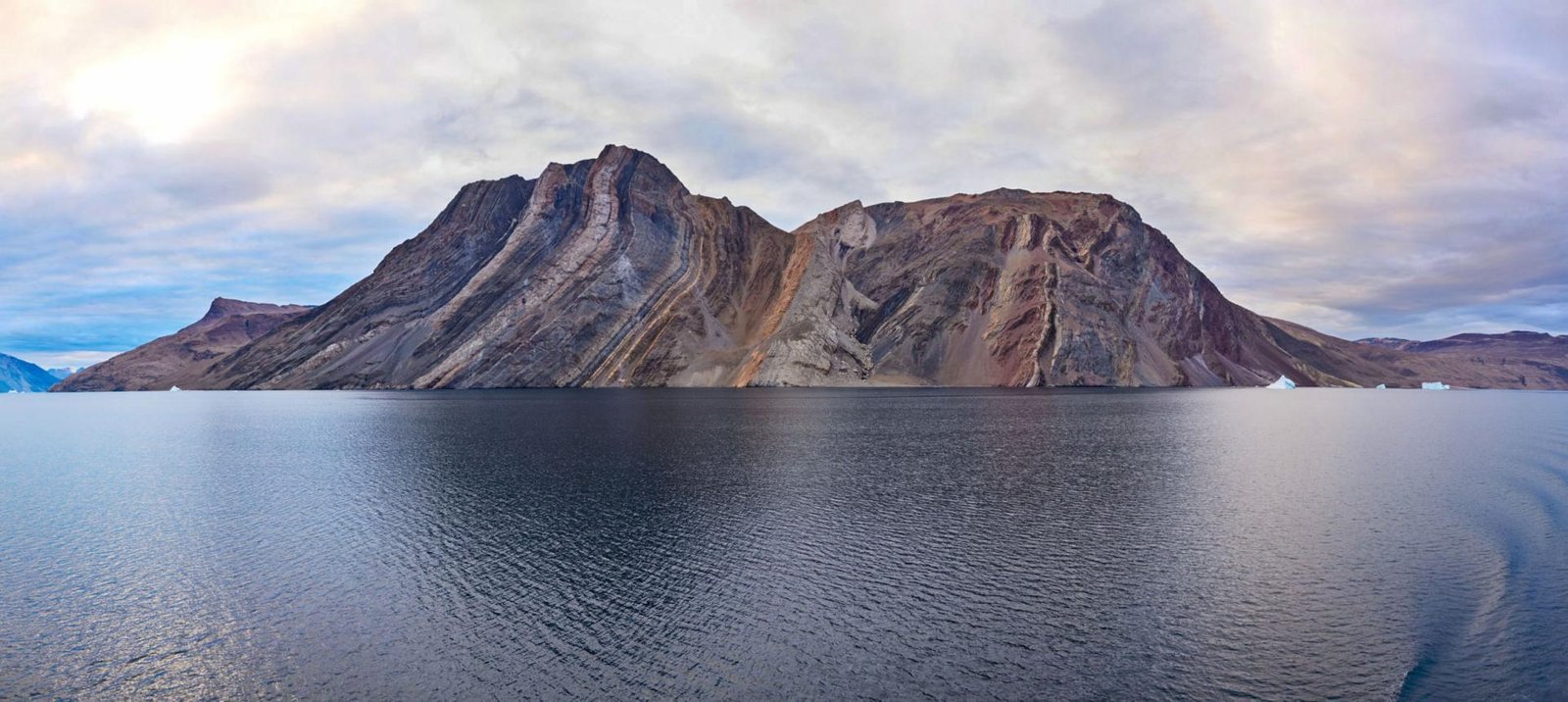
- Giant fjords
- Inuit communities
- Icebergs
- Polar scenery
- Dog sledding
- Mountain trekking
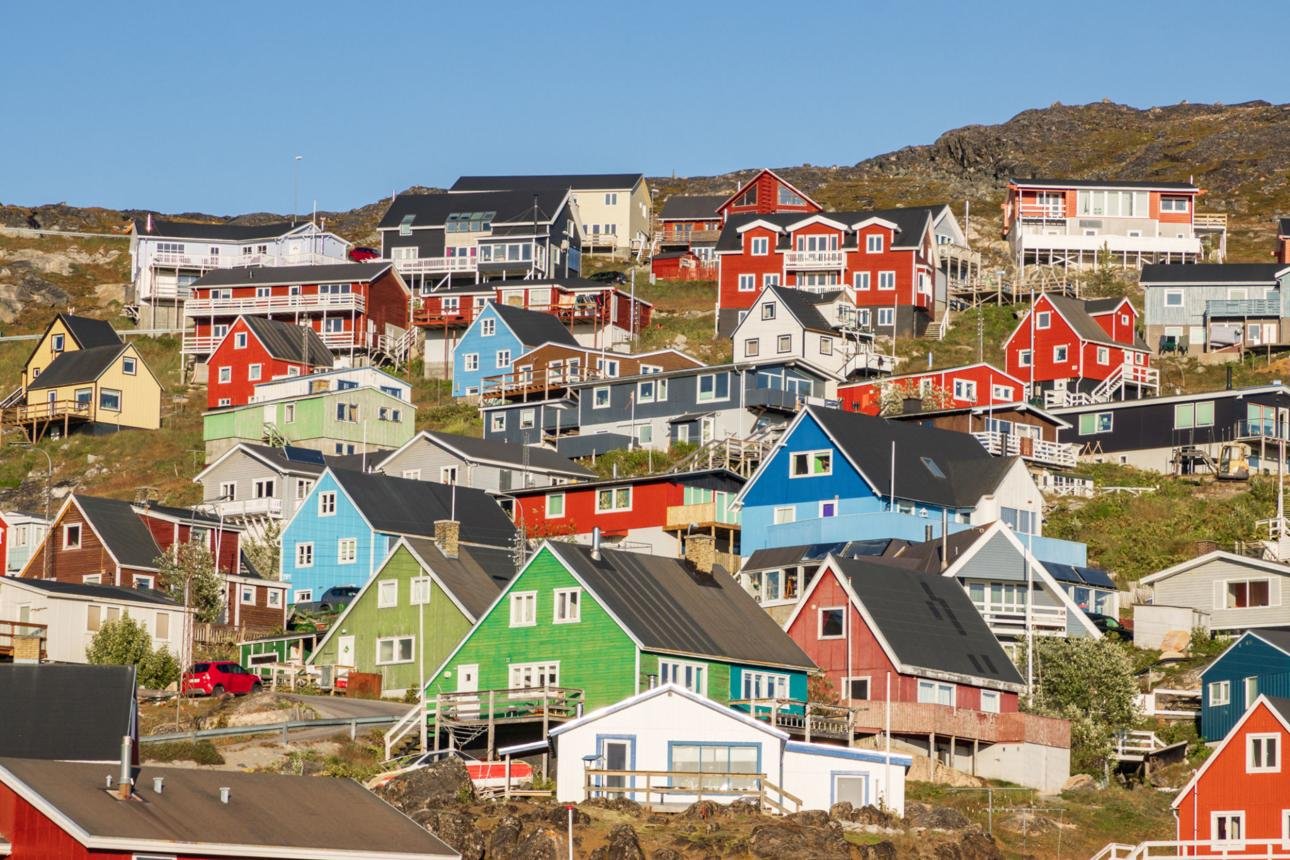
Qaqortoq
Southern Greenland’s largest town.
Known for:
- Colorful houses
- Stone sculptures
- Viking history
- Nearby hot springs
- Hiking
Sisimiut
Greenland’s second-largest town.
Popular activities include:
- Hiking
- Dog sledding
- Snowmobiling
- Fishing
- Backcountry skiing
Scoresby Sund
The world’s largest fjord system.
Visitors enjoy:
- Icebergs
- Polar wildlife
- Boat expeditions
- Photography
- Remote exploration
Greenland Ice Sheet
The island’s defining natural feature.
Guided tours allow visitors to walk on parts of the immense ice sheet near Kangerlussuaq.
Best Time to Visit
Greenland offers unique experiences throughout the year.
| Season | Conditions |
|---|---|
| June – August | Hiking, Midnight Sun, boating, whale watching |
| September – October | Autumn colors and Northern Lights begin |
| November – March | Dog sledding, Northern Lights, winter adventures |
| April – May | Spring snow conditions and longer daylight |
Summer is best for hiking and boat trips, while winter is ideal for Arctic experiences and aurora viewing.
Regions of Greenland
West Greenland
Home to:
- Nuuk
- Ilulissat
- Sisimiut
- Disko Bay
The most accessible and frequently visited region.
South Greenland
Known for:
- Qaqortoq
- Viking ruins
- Sheep farms
- Green valleys
East Greenland
Features:
- Remote villages
- Massive fjords
- Icebergs
- Arctic wildlife
North Greenland
Offers:
- Extreme Arctic landscapes
- Polar expeditions
- Dog sledding
- Remote settlements
Suggested Itineraries
5-Day Greenland Highlights
Day 1
- Nuuk
Day 2
- Ilulissat
Day 3
- Icefjord cruise
Day 4
- Whale watching
Day 5
- Hiking around Ilulissat
Perfect for first-time visitors.
One-Week Arctic Adventure
Explore:
- Nuuk
- Ilulissat
- Disko Bay
Ideal for combining culture with nature.
Two-Week Greenland Expedition
Travel through:
- Nuuk
- Sisimiut
- Ilulissat
- Disko Island
- South Greenland
Perfect for experiencing Greenland’s diversity.
Three-Week Grand Arctic Journey
Continue into:
- East Greenland
- Scoresby Sund
- Remote expedition cruises
Ideal for experienced adventure travelers.
Expedition & Overlanding in Greenland
7
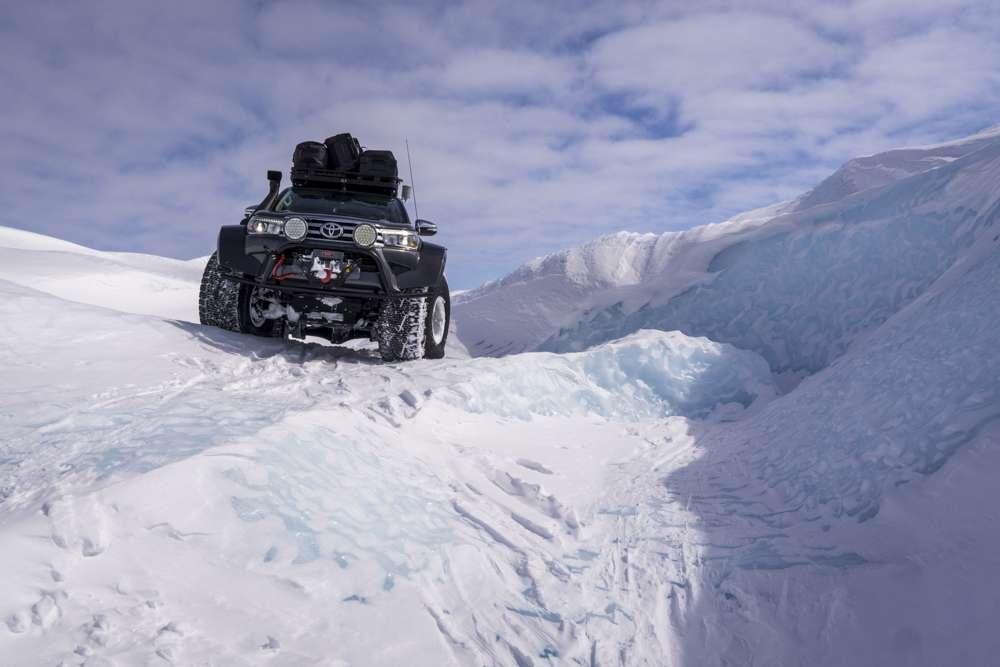
Greenland is not a conventional overlanding destination because there are no road networks linking its towns and settlements.
Why Expedition Travelers Love Greenland
- Vast Arctic wilderness
- Gigantic glaciers
- Icebergs
- Inuit culture
- Dog sledding
- Sea kayaking
- Remote hiking
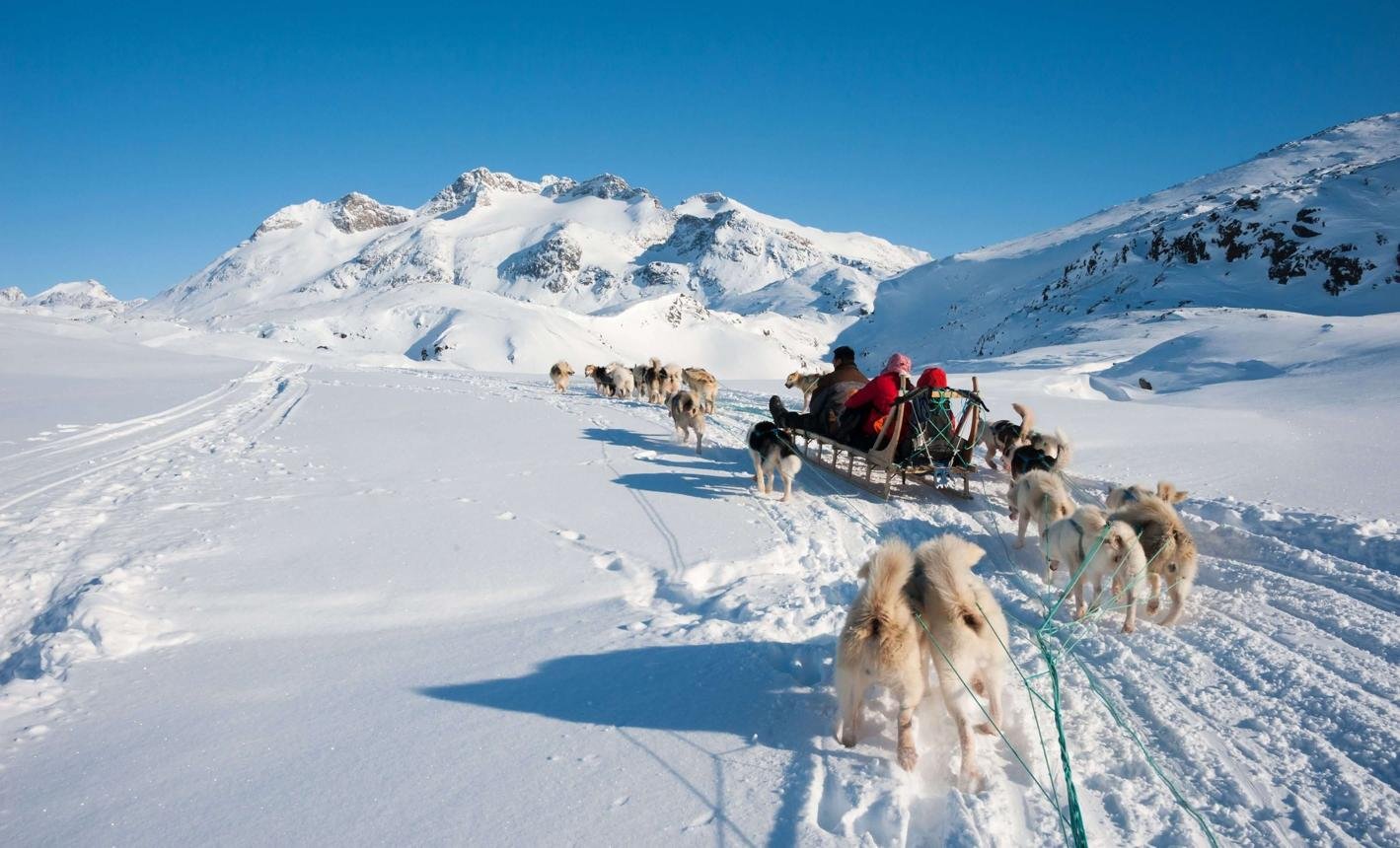
Instead of road trips, Greenland offers expedition-style travel by boat, aircraft, helicopter, snowmobile, and dog sled.
Popular Expedition Routes
Disko Bay
Nuuk → Ilulissat → Disko Island
Perfect for icebergs and whale watching.
South Greenland
Qaqortoq → Norse ruins → Fjords
Ideal for combining history and hiking.
East Greenland Expedition
Tasiilaq → Scoresby Sund
One of the world’s most remote Arctic journeys.
Transportation
Expect travel by:
- Domestic aircraft
- Helicopters
- Ferries
- Small boats
- Expedition ships
- Snowmobiles (winter)
- Dog sleds (winter)
There are no intercity highways connecting Greenland’s settlements.
Backpacking in Greenland
Greenland appeals to experienced backpackers seeking remote wilderness rather than budget city travel.
Accommodation
Options include:
- Hostels
- Guesthouses
- Hotels
- Expedition lodges
- Remote huts
Accommodation should be booked well in advance during summer.
Transportation
Travel using:
- Domestic flights
- Ferries
- Helicopters
- Boats
Schedules may change because of weather conditions.
Backpacking Highlights
- Ilulissat
- Nuuk
- Arctic hiking
- Inuit villages
- Icefjord
- Whale watching
- Northern Lights
Camping
Camping is one of Greenland’s greatest outdoor experiences.
Campsites
A few designated campsites exist near larger towns, but facilities are limited.
Wild Camping
Wild camping is generally possible in many remote areas when carried out responsibly. Campers must be fully self-sufficient, prepare for rapidly changing Arctic weather, respect wildlife, and follow Leave No Trace principles. Because of the remote environment, proper planning and experience are essential.
RV & Motorhome Travel
Greenland is not suitable for traditional RV or motorhome travel.
The lack of an island-wide road network means campervans are practical only for very limited local driving around a few towns. Travelers looking for self-supported exploration generally rely on expedition boats, hiking, or organized Arctic tours instead.
Getting Around
Travel between towns is part of the adventure.
Main Transportation
Visitors move around Greenland by:
- Domestic airlines
- Helicopters
- Coastal ferries
- Water taxis
- Expedition ships
There are no roads connecting Greenland’s communities, making air and sea transport essential. Recent airport expansions have improved international access, particularly through Nuuk, with additional gateways opening in recent years.
Entry Requirements
Greenland is an autonomous territory within the Kingdom of Denmark but is not part of the Schengen Area. Entry rules differ from those for mainland Denmark in some cases. Many travelers who do not require a visa for Denmark can also enter Greenland without a visa, while travelers who require a visa generally need authorization that specifically covers Greenland. Always verify the latest requirements before departure.
Before traveling, ensure you have:
- A valid passport
- Any required visa or Greenland entry authorization
- Travel insurance
- Proof of onward travel if requested
Budget & Costs
Estimated daily travel expenses:
| Travel Style | Daily Budget |
|---|---|
| Budget traveler | DKK 900–1,500 |
| Mid-range | DKK 2,000–3,800 |
| Comfortable | DKK 5,000+ |
| Expedition traveler | DKK 4,000–10,000+ |
Greenland is one of the world’s more expensive travel destinations due to transportation, accommodation, and logistics.
Safety
Greenland is very safe regarding crime, but the Arctic environment presents significant natural hazards.
Travel tips include:
- Prepare carefully for extreme weather.
- Build flexibility into your itinerary, as flights and boats may be delayed by weather.
- Never hike remote areas without proper equipment and planning.
- Follow local guidance around glaciers and icebergs.
- Carry emergency supplies when venturing into the wilderness.
Weather-related disruptions are common, so allowing extra travel days is strongly recommended.
Food & Culture
Greenlandic cuisine reflects Arctic traditions and locally sourced ingredients.
Popular dishes include:
- Musk ox
- Reindeer
- Arctic char
- Halibut
- Shrimp
- Whale (where legally and traditionally consumed)
- Seal (in some communities)
- Crowberries
Kalaallit Inuit culture remains central to Greenlandic identity. Traditional kayaking, dog sledding, hunting, fishing, storytelling, drum dancing, and intricate handicrafts continue to play an important role alongside modern Scandinavian influences.
Frequently Asked Questions
Is Greenland expensive?
Yes. Greenland is one of the world’s more expensive destinations because transportation and accommodation are costly.
Is Greenland safe?
Yes. Crime levels are low, but travelers must prepare carefully for Arctic weather and remote conditions.
Is Greenland good for road trips?
Not in the traditional sense. There are no roads connecting towns, so exploration is primarily by aircraft, boat, helicopter, or on foot.
Can you travel Greenland by campervan?
Only to a very limited extent around individual towns. Greenland does not have an island-wide road network, so campervan travel is not a practical way to explore the country.
How many days do you need in Greenland?
A week is enough to experience Nuuk and Ilulissat, while two to three weeks allows for exploration of multiple regions and Arctic expeditions.
What is Greenland famous for?
Greenland is best known for:
- Ilulissat Icefjord
- Massive icebergs
- Greenland Ice Sheet
- Northern Lights
- Midnight Sun
- Inuit culture
- Arctic wildlife
- Remote expedition adventures