Wildlife, Mountains, Culture & Scenic Southern African Road Trips
6
Eswatini Travel Guide
Eswatini is one of Africa’s smallest countries, yet it offers an impressive variety of landscapes, wildlife, and cultural experiences packed into a compact and easily explored destination. Formerly known as Swaziland, Eswatini combines scenic mountain passes, rolling hills, traditional villages, wildlife reserves, and vibrant cultural festivals, making it an excellent stop on any Southern African road trip.
Bordered by South Africa on three sides and Mozambique to the east, Eswatini is one of the easiest African countries to explore independently. Well-maintained roads connect charming towns, national parks, craft markets, and mountain viewpoints, allowing visitors to discover the country’s highlights in just a few days or to linger longer while enjoying its relaxed pace and welcoming atmosphere.
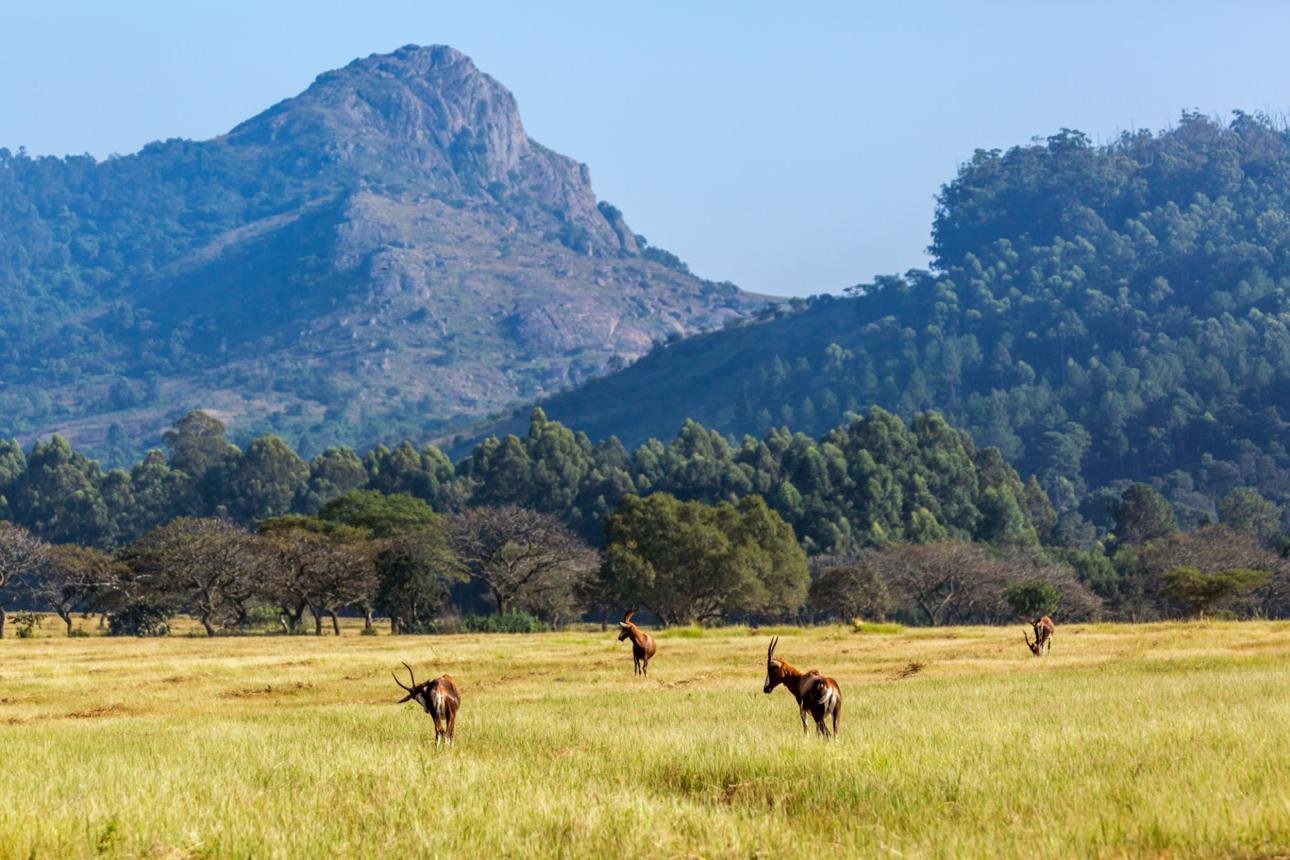
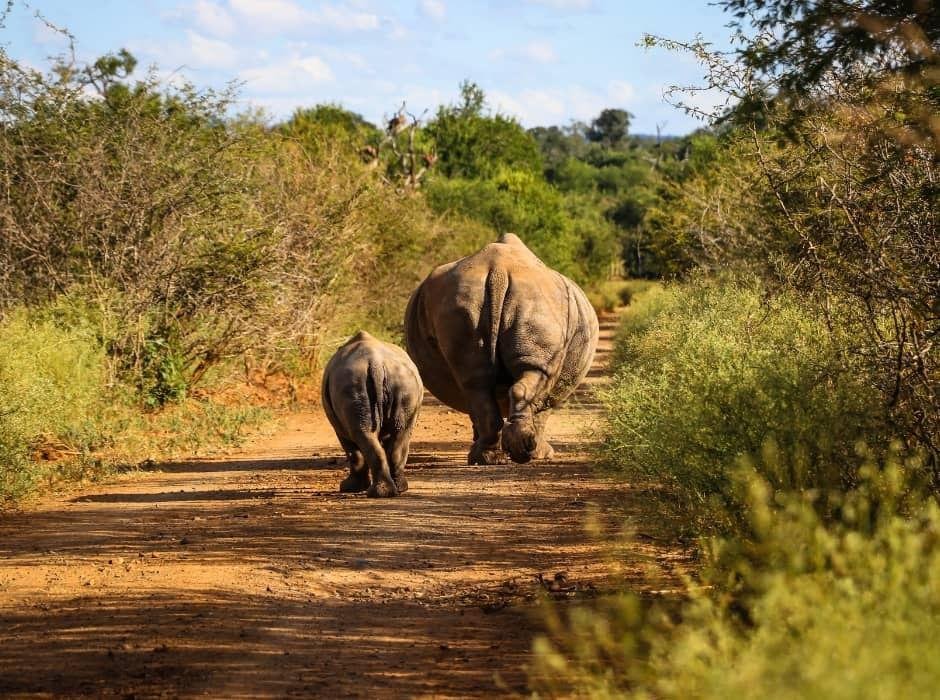
Although Eswatini lacks the vast wilderness areas of neighboring South Africa or Botswana, it offers outstanding wildlife experiences in parks such as Hlane Royal National Park, Mkhaya Game Reserve, Mlilwane Wildlife Sanctuary, and Malolotja Nature Reserve. These protected areas support rhinos, elephants, giraffes, zebras, antelope, and hundreds of bird species, often with far fewer visitors than better-known safari destinations.
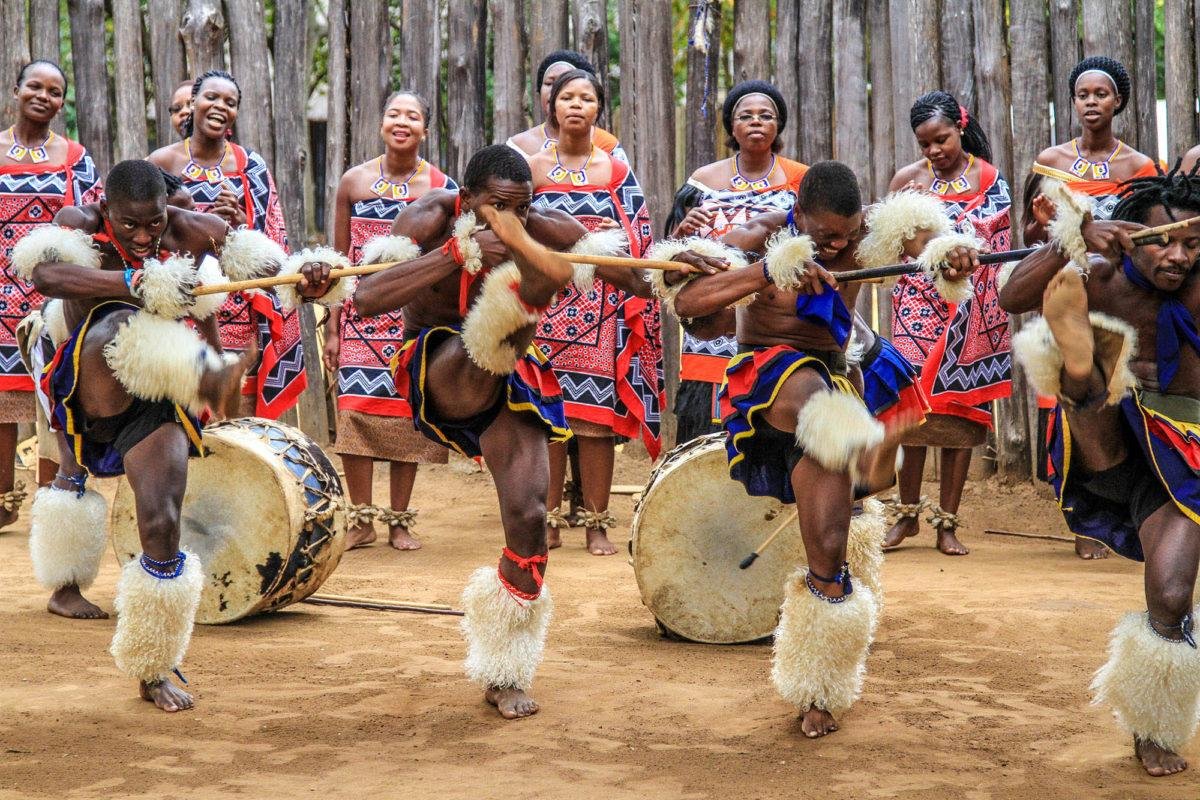
The country is equally renowned for preserving its cultural traditions. Annual ceremonies such as the Umhlanga Reed Dance and Incwala attract visitors interested in Swazi customs, music, dance, and royal heritage. Local craft centers produce internationally recognized glasswork, candles, woven baskets, and wood carvings, offering excellent opportunities to support community enterprises.
For overlanders, Eswatini is a rewarding destination that fits naturally into Southern African itineraries between South Africa, Mozambique, and the Kruger region. Backpackers appreciate the affordable accommodation, compact size, and excellent hiking opportunities, while RV travelers benefit from good roads, organized campsites, and scenic driving routes through mountains and wildlife reserves.
This guide introduces Eswatini’s highlights while serving as the cornerstone travel hub for future in-depth guides covering overlanding, backpacking, camping, driving, wildlife, visas, border crossings, and destination-specific travel planning.
Quick Facts
| Item | Information |
|---|---|
| Capital | Mbabane (administrative) |
| Legislative Capital | Lobamba |
| Currency | Lilangeni (SZL), alongside the South African Rand |
| Official Languages | siSwati and English |
| Population | Approximately 1.3 million |
| Time Zone | UTC+2 |
| Driving | Left-hand side |
| Country Code | +268 |
Why Visit Eswatini?
Eswatini combines authentic culture, scenic landscapes, and accessible wildlife within one of Africa’s friendliest destinations.
Reasons to visit include:
- Hlane Royal National Park
- Mlilwane Wildlife Sanctuary
- Malolotja Nature Reserve
- Mkhaya Game Reserve
- Traditional Swazi culture
- Scenic mountain drives
- Craft markets
- Hiking
- Rhino conservation
- Cultural festivals
- Excellent overland routes
- Friendly hospitality
Its compact size allows visitors to experience wildlife, mountains, culture, and adventure without covering enormous distances.
Best Places to Visit
6
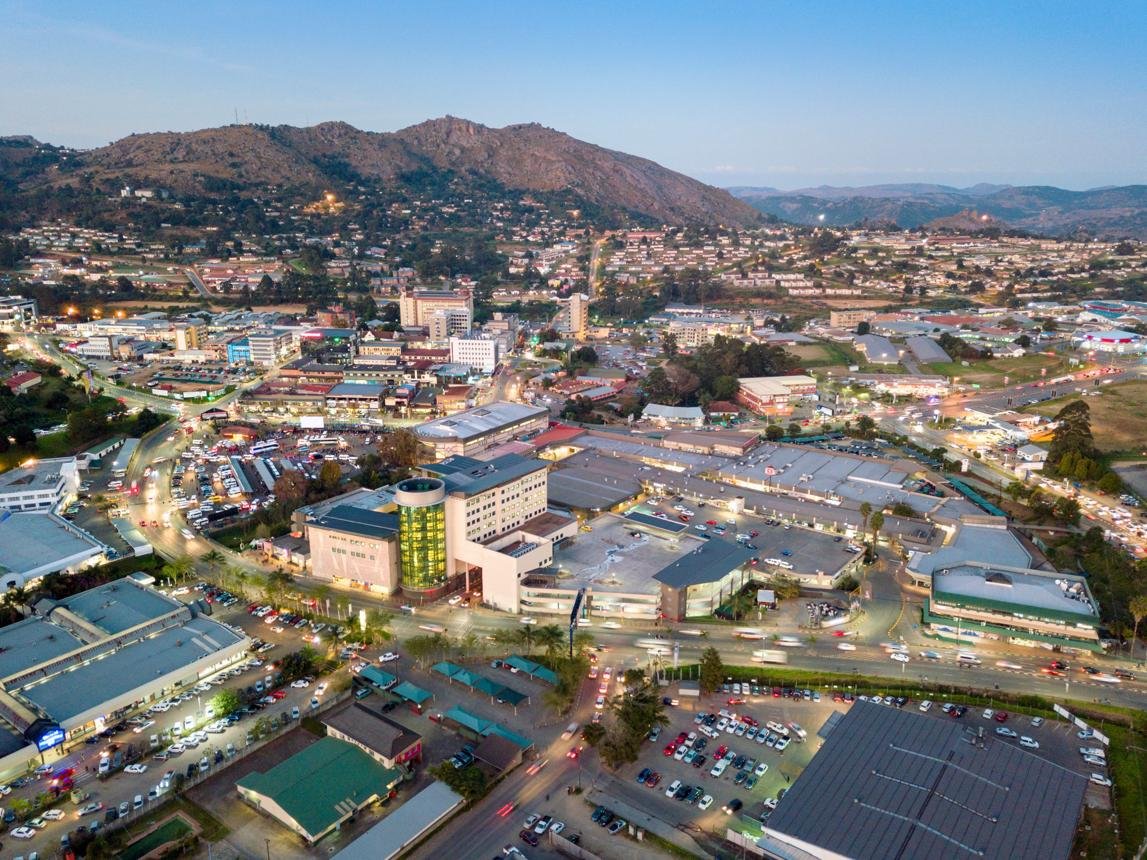
Mbabane
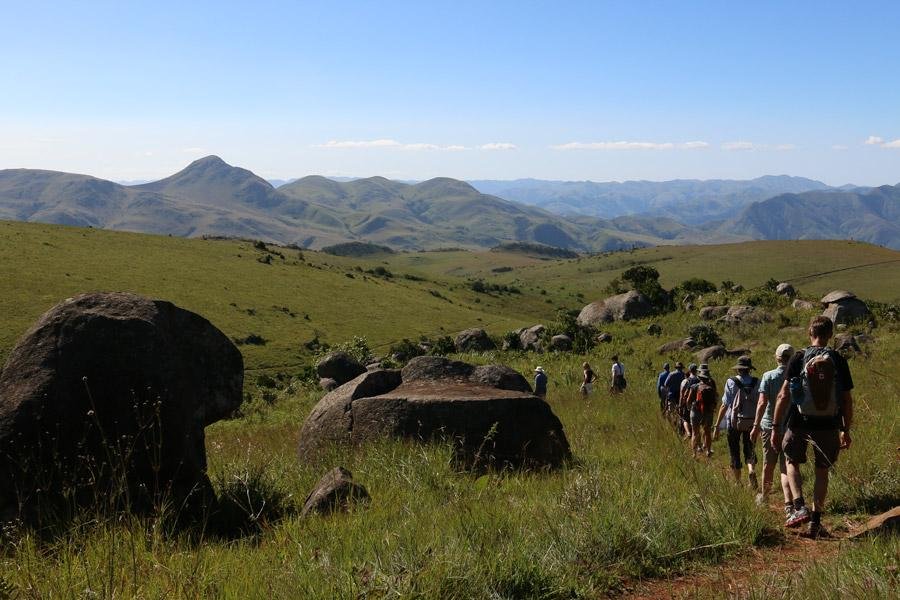
Eswatini’s administrative capital is surrounded by green hills and serves as the country’s main commercial center.
Highlights include:
- Local markets
- Restaurants
- Craft shops
- Art galleries
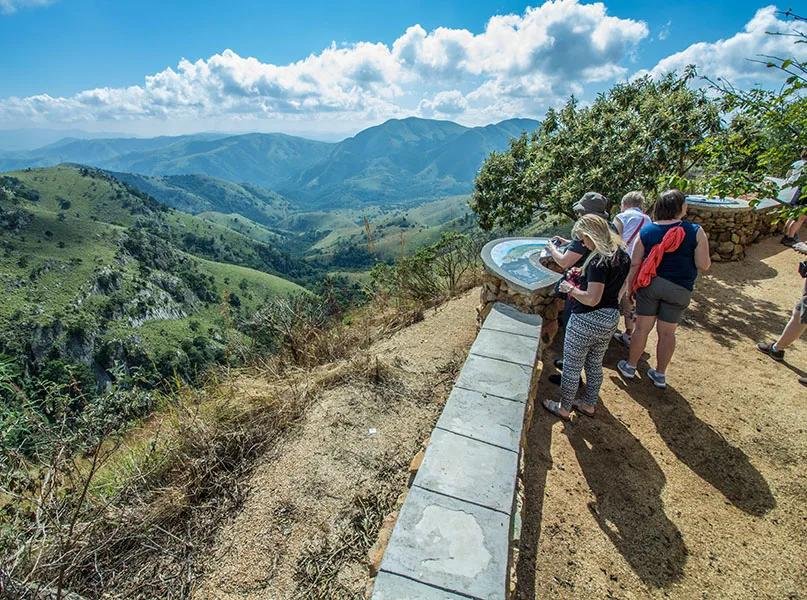
- Scenic viewpoints
Mbabane provides an excellent base for exploring western Eswatini.
Lobamba
The country’s traditional and royal capital offers insight into Eswatini’s history and culture.
Visitors can explore:
- Royal residences
- Parliament buildings
- National Museum
- Cultural centers
- Annual festivals
Mlilwane Wildlife Sanctuary
One of Southern Africa’s oldest protected areas, Mlilwane is ideal for self-guided exploration.
Activities include:
- Walking safaris
- Cycling
- Horse riding
- Wildlife viewing
- Birdwatching
Visitors commonly encounter zebras, antelope, warthogs, and hippos.
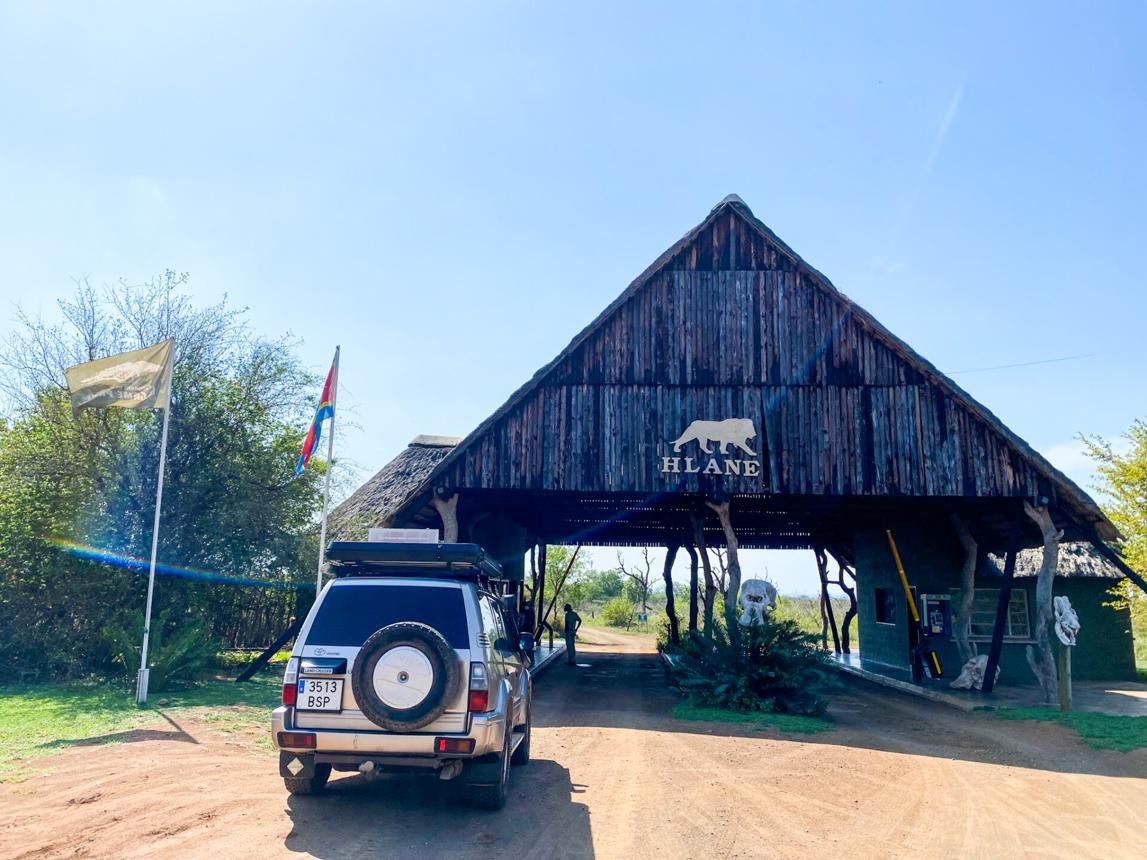
Hlane Royal National Park
Eswatini’s largest protected area is famous for:
- White rhinos
- Lions
- Elephants
- Giraffes
- Guided game drives
- Birdlife
The park offers one of the country’s best safari experiences.
Malolotja Nature Reserve
Located in the northwest, Malolotja is renowned for:
- Mountain scenery
- Hiking trails
- Waterfalls
- Wildflowers
- Canopy tours
It protects one of Southern Africa’s most scenic highland landscapes.
Mkhaya Game Reserve
This conservation-focused reserve specializes in protecting endangered species, particularly rhinos and antelope.
Visits are generally guided to minimize environmental impact.
Ngwenya
One of Eswatini’s oldest settlements is famous for:
- Ngwenya Glass
- Scenic viewpoints
- Historic iron ore mine
- Craft shopping
Mantenga Cultural Village
Visitors experience:
- Traditional homesteads
- Dance performances
- Swazi customs
- Local history
The village offers one of the country’s most popular cultural attractions.
Best Time to Visit
Eswatini enjoys a pleasant subtropical climate.
| Season | Conditions |
|---|---|
| May – September | Cool, dry season, excellent for wildlife |
| October – November | Warm and increasingly green |
| December – February | Summer rains and lush landscapes |
| March – April | Mild weather with good hiking conditions |
The dry season is generally the best time for safaris and road trips, while the rainy season offers vibrant scenery and excellent birdwatching.
Regions of Eswatini
Western Highlands
Home to:
- Mbabane
- Malolotja
- Scenic mountain roads
Central Eswatini
Known for:
- Lobamba
- Cultural attractions
- Mlilwane Wildlife Sanctuary
Eastern Lowveld
Features:
- Hlane Royal National Park
- Mkhaya Game Reserve
- Savannah landscapes
Southern Eswatini
Offers:
- Rural villages
- Sugar plantations
- Scenic drives
Suggested Road Trips & Itineraries
3-Day Highlights Tour
Explore:
- Mbabane
- Lobamba
- Mlilwane
Perfect for a short introduction.
One-Week Wildlife & Culture
Continue to:
- Hlane
- Mkhaya
- Malolotja
Experience Eswatini’s best wildlife and landscapes.
Two-Week Southern Africa Extension
Combine Eswatini with:
- South Africa
- Kruger National Park
- Mozambique
Ideal for self-drive travelers.
Three-Week Regional Expedition
Explore:
- Eswatini
- KwaZulu-Natal
- Mozambique coast
- Panorama Route
A rewarding overland adventure.
Overlanding in Eswatini
4
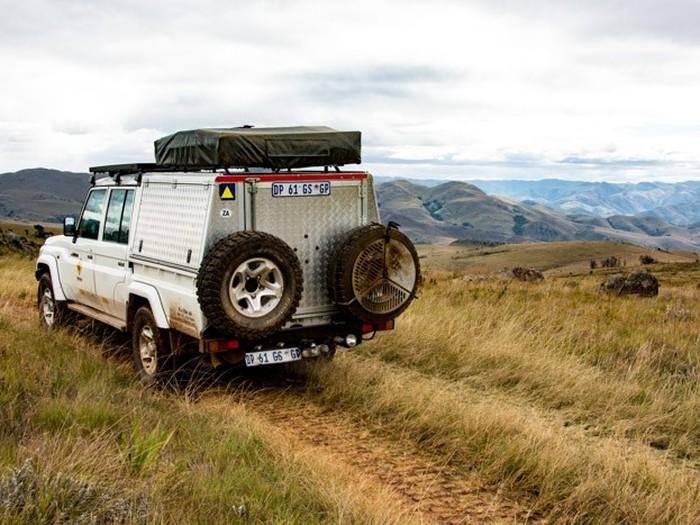
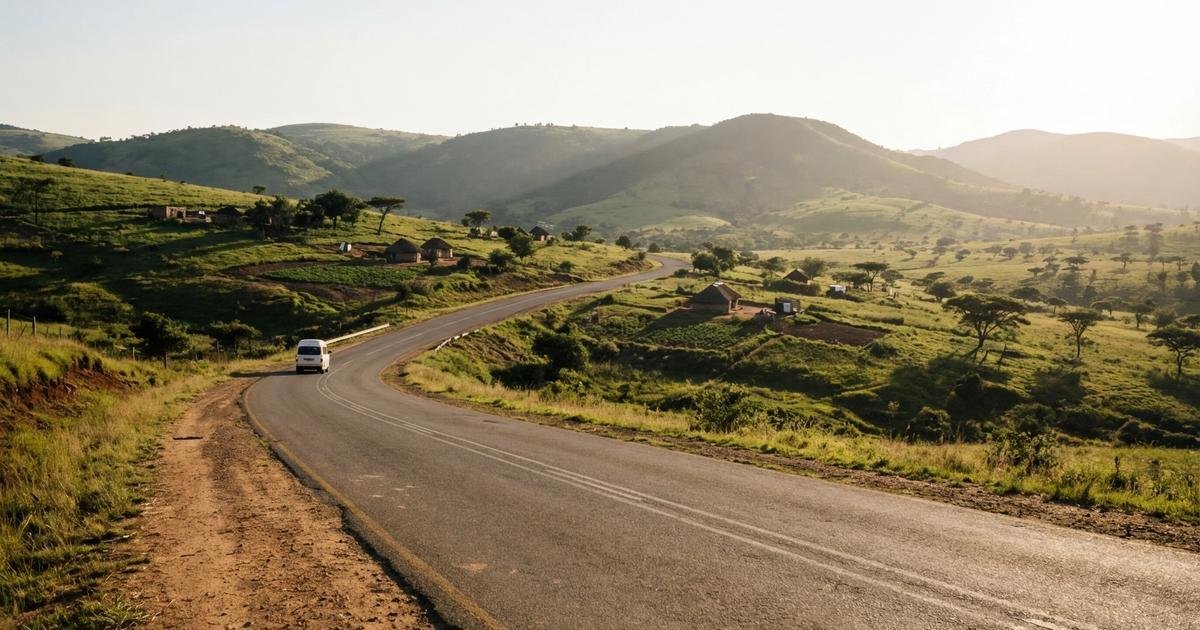
Eswatini is one of Southern Africa’s easiest and most enjoyable overlanding destinations.
Why Overlanders Visit
Highlights include:
- Excellent roads
- Wildlife reserves
- Mountain scenery
- Friendly border crossings
- Compact distances
- Scenic campsites
- Cultural experiences
The country fits naturally into overland journeys between South Africa and Mozambique.
Popular Overland Routes
South Africa – Mbabane – Mozambique
One of the country’s classic transit routes.
Kruger – Hlane – Mlilwane
Combines major wildlife destinations across two countries.
Malolotja Scenic Drive
One of Eswatini’s finest mountain road trips.
Road Conditions
Travelers generally enjoy:
- Good paved highways
- Scenic mountain roads
- Short driving distances
- Well-maintained secondary roads
Most destinations are accessible with a standard vehicle, although some remote lodge access roads may be unpaved.
Vehicle Preparation
Carry:
- Spare tire
- Drinking water
- Offline navigation
- Camping equipment
- Vehicle documentation for border crossings
Continue Planning
Future supporting pages:
- Overlanding Eswatini
- South Africa–Mozambique Route
- Eswatini Border Crossings
- Kruger to Eswatini Road Trip
Backpacking in Eswatini
Eswatini is ideal for travelers seeking a relaxed and affordable destination.
Accommodation
Options include:
- Backpacker hostels
- Guesthouses
- Budget lodges
- Eco-lodges
- Campsites
Many accommodations emphasize local hospitality and nature-based experiences.
Transportation
Travel options include:
- Shared minibuses
- Long-distance buses
- Rental vehicles
- Guided tours
Independent travel is relatively straightforward thanks to the country’s compact size.
Backpacking Highlights
Popular experiences include:
- Hiking
- Wildlife
- Craft markets
- Cultural villages
- Scenic viewpoints
Continue Planning
Future cluster pages:
- Backpacking Eswatini
- Budget Travel Eswatini
- Mbabane Travel Guide
- Cultural Travel in Eswatini
Camping
Camping is one of the best ways to enjoy Eswatini’s wildlife and mountain scenery.
Wildlife Parks
Excellent campsites are available in:
- Mlilwane
- Hlane
- Malolotja
Facilities range from basic bush camps to fully serviced campgrounds.
Mountain Camping
Several reserves offer scenic campsites surrounded by forests and hiking trails.
Wild Camping
Wild camping is generally discouraged outside designated areas because of private land ownership and wildlife conservation regulations.
Camping Equipment
Bring:
- Tent
- Sleeping bag
- Cooking equipment
- Headlamp
- Water purification supplies
Continue Planning
Future guides:
- Camping in Eswatini
- Best Campsites in Eswatini
- Wildlife Camping Guide
RV & Motorhome Travel
Eswatini is an excellent destination for expedition-style camper travel.
Suggested RV Routes
Wildlife Circuit
Mbabane → Mlilwane → Hlane
Mountain Explorer
Mbabane → Malolotja → Ngwenya
Southern Africa Loop
Kruger → Eswatini → Mozambique
Practical Considerations
Motorhome travelers benefit from:
- Good road conditions
- Compact travel distances
- Established campsites
- Readily available fuel
Border crossings into neighboring countries require the appropriate vehicle documentation and insurance.
Continue Planning
Future supporting guides:
- Motorhome Travel in Eswatini
- RV Routes in Southern Africa
- Campervan Guide Eswatini
Driving in Eswatini
Driving is the easiest way to explore the country.
Main Roads
Modern highways connect:
- Mbabane
- Lobamba
- Manzini
- Big Bend
- Major wildlife reserves
Most roads are paved and well maintained.
Driving Challenges
Expect:
- Mountain passes
- Livestock on rural roads
- Seasonal rain
- Slow-moving farm vehicles
- Wildlife near protected areas
Driving after dark should be approached with caution due to animals on the roads.
Border Crossings
Eswatini shares land borders with:
- South Africa
- Mozambique
Several well-established border crossings connect Eswatini with neighboring countries, making it an excellent stop on Southern African road trips. Before departure, confirm visa requirements, temporary vehicle import procedures, insurance requirements, and the operating status of your intended border crossing.
Visa & Entry Requirements
Many visitors can enter Eswatini visa-free for short stays, while others require a visa depending on nationality.
Travelers should prepare:
- Passport valid for at least six months
- Visa if required
- Proof of accommodation
- Return or onward travel
- Evidence of sufficient funds if requested
Vehicle travelers should ensure they have the necessary registration documents and cross-border insurance.
Always verify current immigration requirements before departure.
Budget & Costs
Estimated daily travel expenses:
| Travel Style | Daily Budget |
|---|---|
| Budget traveler | US$30–60 |
| Mid-range | US$100–180 |
| Comfortable | US$250+ |
| Overlander (excluding vehicle costs) | US$50–100 |
Eswatini offers good value compared with many neighboring safari destinations, particularly for accommodation, camping, and local attractions.
Safety
Eswatini is generally considered one of Southern Africa’s safer travel destinations.
Travelers should:
- Take sensible precautions against petty theft
- Avoid displaying valuables in urban areas
- Follow wildlife safety rules in reserves
- Drive carefully on rural roads
- Monitor weather conditions during the rainy season
Comprehensive travel insurance is recommended, particularly for hiking, wildlife activities, and cross-border road trips.
Food & Culture
Eswatini’s culture is deeply rooted in Swazi traditions and community life.
Popular dishes include:
- Sishwala (maize porridge)
- Grilled meats
- Stews
- Fresh vegetables
- Local cheeses
- Seasonal fruits
Traditional dance, music, storytelling, and handicrafts remain central to cultural life. Visitors can experience these traditions at cultural villages, festivals, local markets, and community events throughout the country.
Frequently Asked Questions
Is Eswatini safe for tourists?
Yes. Eswatini is generally considered a safe destination for travelers who take normal precautions and follow local advice.
Can you overland through Eswatini?
Absolutely. Eswatini is one of Southern Africa’s easiest overlanding destinations, with excellent roads, straightforward border crossings, and scenic routes linking South Africa and Mozambique.
Is Eswatini suitable for backpacking?
Yes. Backpackers appreciate Eswatini’s affordable accommodation, compact size, friendly people, hiking opportunities, and wildlife reserves.
Can you travel by motorhome?
Yes. Eswatini is well suited to expedition-style RV travel, offering good highways, organized campsites, and convenient self-drive routes throughout the country.
What is Eswatini famous for?
Eswatini is renowned for:
- Hlane Royal National Park
- Mlilwane Wildlife Sanctuary
- Malolotja Nature Reserve
- Traditional Swazi culture
- Umhlanga Reed Dance
- Rhino conservation
- Scenic mountain landscapes
- Craft markets
Continue Planning
This cornerstone guide serves as the central travel hub for Eswatini. Continue planning your adventure with these detailed resources:
- Overlanding Eswatini
- Backpacking Eswatini
- Motorhome & RV Travel in Eswatini
- Camping in Eswatini
- Driving in Eswatini
- Border Crossings in Eswatini
- Eswatini Visa Guide
- Hlane Royal National Park Guide
- Mlilwane Wildlife Sanctuary Guide
- Malolotja Nature Reserve Guide
- Mkhaya Game Reserve Guide
- Mbabane Travel Guide
- Lobamba Cultural Guide
- Ngwenya Glass Guide
- South Africa to Mozambique Road Trip
- Southern Africa Overlanding Guide
- Overlanding in Eswatini (formerly Swaziland)
- Getting around in Eswatini (formerly Swaziland)