Rainforests, Volcanoes, Wildlife & Central African Overland Adventures
6
Cameroon Travel Guide
Often described as “Africa in Miniature,” Cameroon is one of the continent’s most geographically and culturally diverse destinations. Stretching from the Gulf of Guinea to the southern edge of Lake Chad, the country encompasses tropical beaches, active volcanoes, dense equatorial rainforests, rolling highlands, vast savannahs, wildlife-rich national parks, and more than 250 distinct ethnic groups. Few African countries offer such a remarkable variety of landscapes and cultures within a single journey.
Bordered by Nigeria, Chad, the Central African Republic, the Republic of the Congo, Gabon, and Equatorial Guinea, Cameroon occupies a strategic position between West and Central Africa. For independent travelers, it serves as both a destination and an important crossroads for regional overlanding routes.
Cameroon appeals to a wide range of travelers. Backpackers are drawn by affordable travel costs, dramatic scenery, and authentic cultural experiences. Nature lovers can climb Central Africa’s highest peak, trek through rainforests inhabited by gorillas and forest elephants, or explore wildlife-rich savannah reserves. Overlanders value the country’s diverse road network and its connections between West and Central Africa, while RV travelers enjoy long scenic drives through mountains, forests, and coastal regions.
Tourism infrastructure continues to improve, particularly around larger cities and national parks. However, travel conditions vary considerably between regions, and some parts of the country—particularly near certain international borders and in areas affected by security concerns—may not be suitable for tourism. Travelers should always consult current official travel advisories before departure and remain flexible when planning longer journeys.
Whether you dream of climbing an active volcano, relaxing on black-sand beaches, tracking wildlife, or driving across one of Africa’s most diverse landscapes, Cameroon delivers experiences unlike almost anywhere else on the continent.
Quick Facts
| Item | Information |
|---|---|
| Capital | Yaoundé |
| Largest City | Douala |
| Currency | Central African CFA Franc (XAF) |
| Official Languages | French and English |
| Major Local Languages | Fulfulde, Ewondo, Duala, Bassa and more than 250 others |
| Population | Approximately 31 million |
| Time Zone | UTC+1 |
| Driving | Right-hand side |
| Country Code | +237 |
Why Visit Cameroon?
Cameroon combines nearly every landscape found across tropical Africa into one remarkably diverse country.
Reasons to visit include:
- Mount Cameroon
- Atlantic beaches
- Dense rainforests
- National parks
- Traditional kingdoms
- Waterfalls
- Highland villages
- Rare wildlife
- Diverse cultures
- Excellent hiking
- Scenic road trips
- Outstanding birdwatching
For adventurous travelers seeking destinations beyond East and Southern Africa, Cameroon is one of the continent’s hidden gems.
Best Places to Visit
7
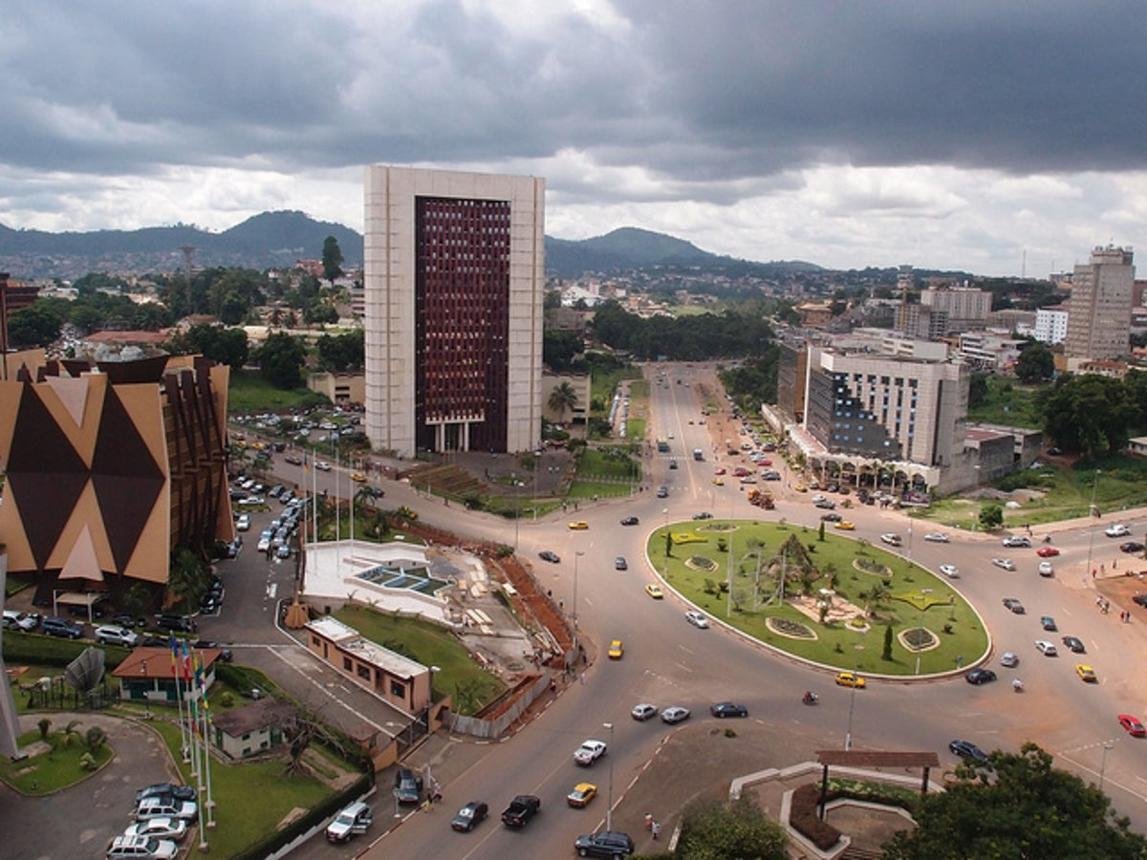
Yaoundé
Cameroon’s capital is built across seven hills and offers a relaxed atmosphere compared to many African capitals.
Highlights include:
- National Museum
- Mvog-Betsi Zoo
- Reunification Monument
- Craft markets
- Botanical gardens
- Panoramic viewpoints
It also serves as an excellent base for exploring central Cameroon.
Douala
As Cameroon’s largest city and economic hub, Douala is a vibrant gateway to the country.
Visitors enjoy:
- Douala Port
- Cathedral of Saints Peter and Paul
- Art galleries
- Seafood restaurants
- Lively nightlife
- Markets
Most international flights arrive here.
Mount Cameroon
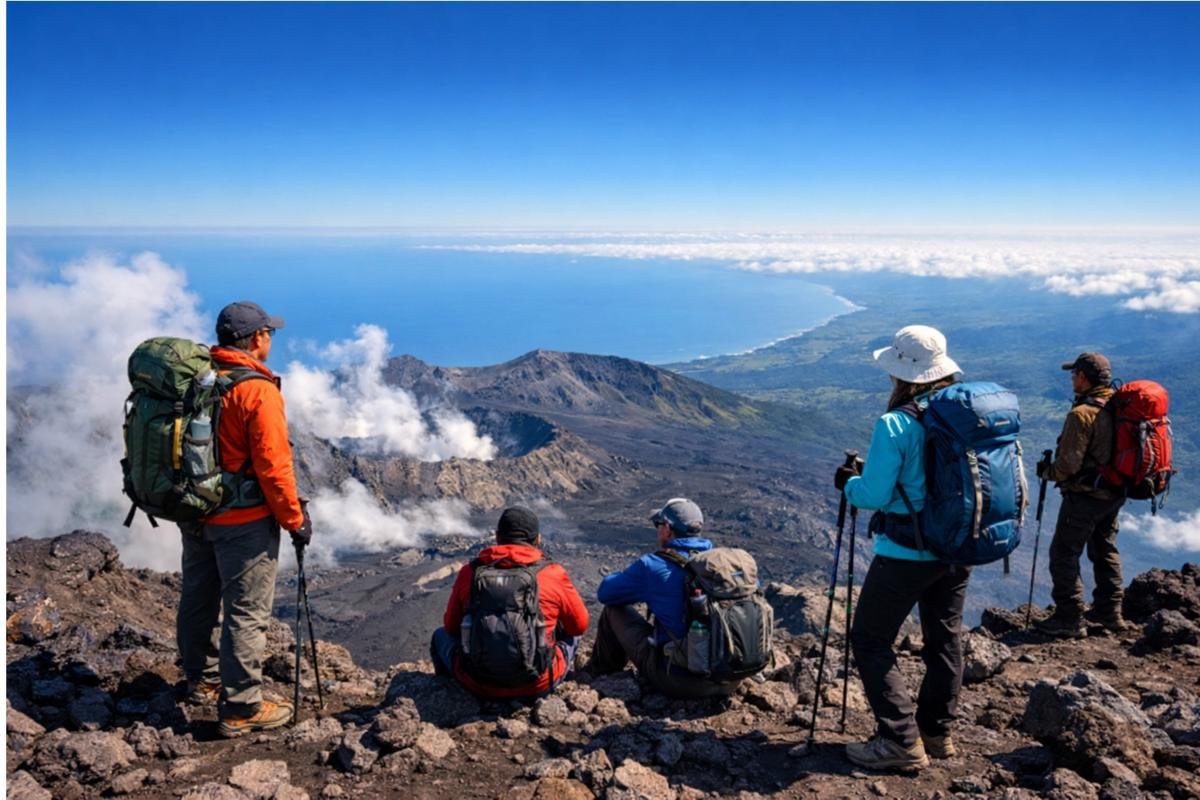
Rising to 4,095 meters (13,435 feet), Mount Cameroon is the highest mountain in West and Central Africa and one of Africa’s few active volcanoes.
Activities include:
- Multi-day summit treks
- Rainforest hiking
- Birdwatching
- Lava flow exploration
The annual Mount Cameroon Race of Hope attracts athletes from around the world.
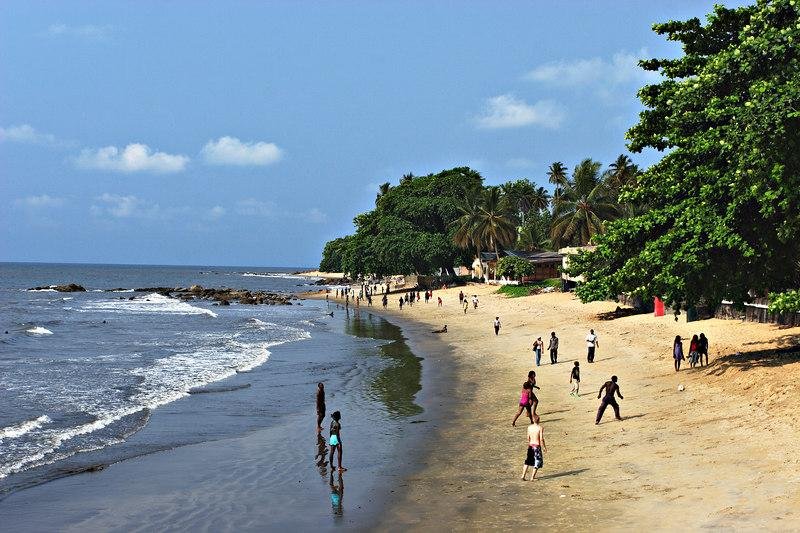
Kribi
Kribi is famous for its palm-lined beaches and relaxed coastal atmosphere.
Popular attractions include:
- White-sand beaches
- Seafood restaurants
- Lobe Waterfalls
- Boat excursions
- Fishing villages
Unlike many tropical beaches, Kribi remains relatively uncrowded.
Limbe
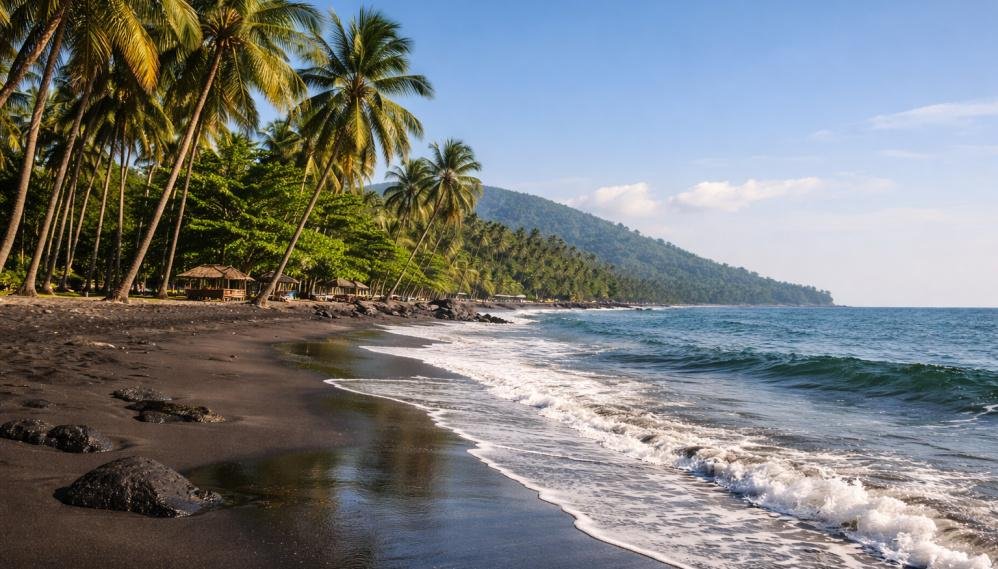
Located on the slopes of Mount Cameroon, Limbe combines volcanic scenery with Atlantic beaches.
Highlights include:
- Black-sand beaches
- Limbe Wildlife Centre
- Botanical Garden
- Seafood markets
- Mountain views
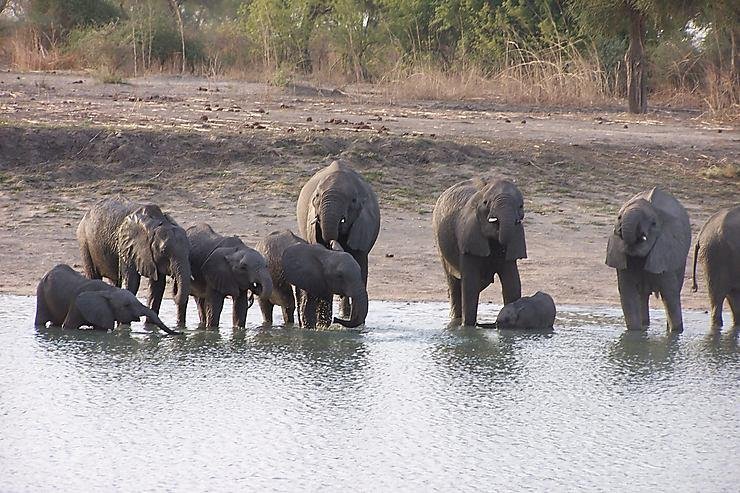
Waza National Park
One of Central Africa’s premier safari destinations.
Wildlife includes:
- Elephants
- Lions
- Giraffes
- Antelope
- Hyenas
- Hundreds of bird species
The dry season provides the best wildlife viewing opportunities.
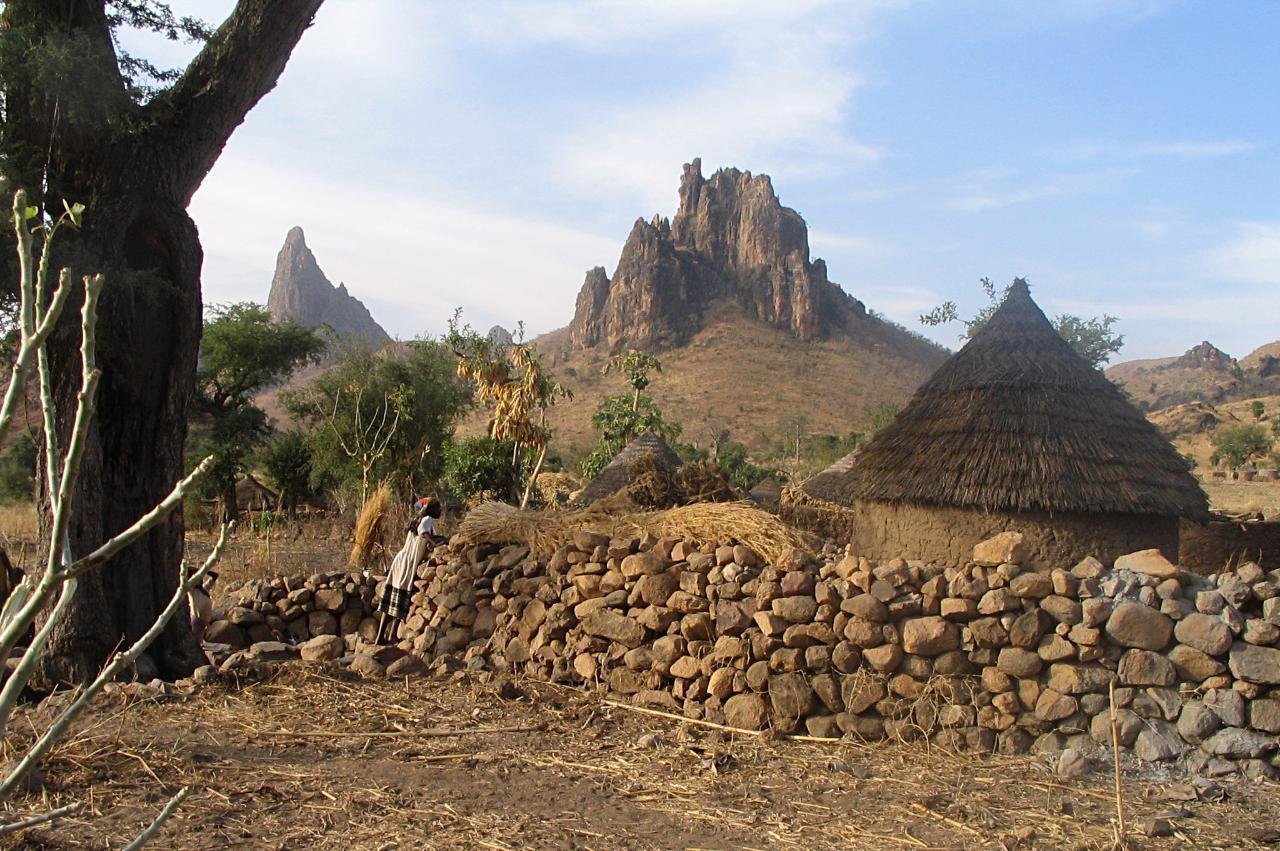
Rhumsiki
Located in the Mandara Mountains near the Nigerian border, Rhumsiki is known for its dramatic volcanic landscapes and traditional villages.
Activities include:
- Hiking
- Photography
- Cultural experiences
- Scenic viewpoints
Dja Faunal Reserve
A UNESCO World Heritage Site protecting one of Africa’s largest intact rainforests.
Visitors may encounter:
- Gorillas
- Chimpanzees
- Forest elephants
- Rare birds
- Rich biodiversity
Best Time to Visit
Cameroon’s climate varies significantly by region.
| Season | Conditions |
|---|---|
| November – February | Dry season, best for most travel |
| March – May | Hot and humid |
| June – October | Rainy season, especially in the south and west |
Northern Cameroon remains much drier than the rainforest regions of the south.
Regions of Cameroon
Coastal Region
Home to:
- Douala
- Limbe
- Kribi
- Atlantic beaches
Central Region
Features:
- Yaoundé
- Rainforests
- Cultural attractions
Western Highlands
Known for:
- Mountains
- Tea plantations
- Traditional kingdoms
- Cooler climate
Northern Cameroon
Characterized by:
- Savannah
- Waza National Park
- Mandara Mountains
- Sahel landscapes
Southern Rainforests
Includes:
- Dja Reserve
- Dense tropical forests
- Wildlife
- Indigenous communities
Suggested Road Trips & Itineraries
7-Day Highlights
- Douala
- Limbe
- Mount Cameroon
- Kribi
Perfect for first-time visitors.
10-Day Nature Explorer
Continue to:
- Yaoundé
- Dja Reserve
- Coastal waterfalls
Two-Week Cameroon Explorer
Travel through:
- Coast
- Highlands
- Rainforests
- National parks
Three-Week Grand Cameroon Journey
Explore:
- Atlantic coast
- Western Highlands
- Yaoundé
- Northern savannah
- Waza National Park
- Mandara Mountains
Ideal for overlanders and self-drive travelers.
Overlanding in Cameroon
6
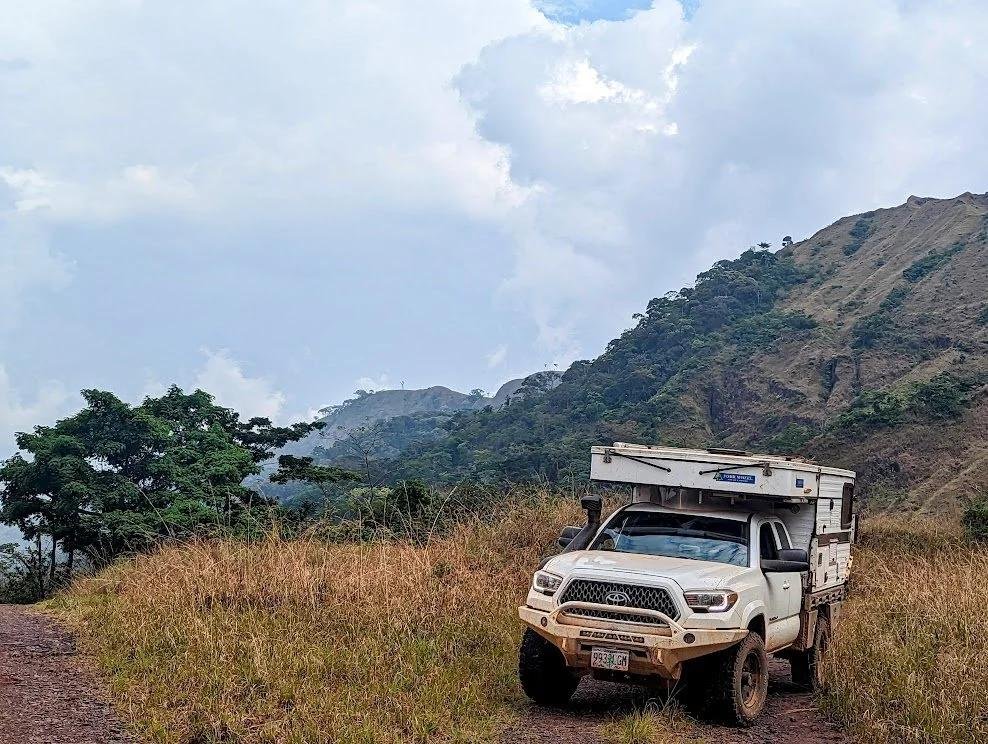
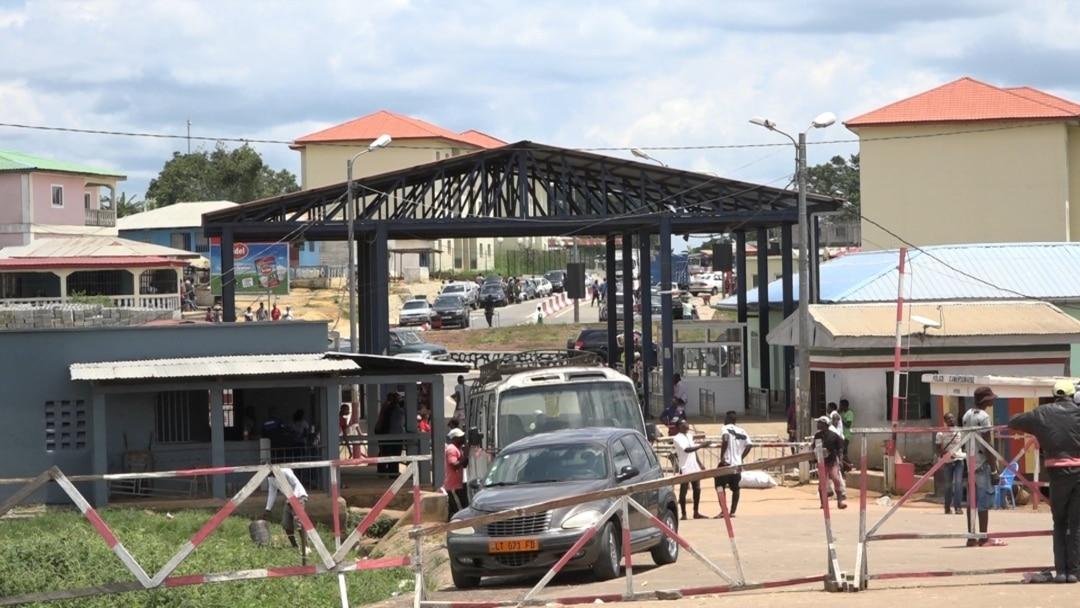
Cameroon occupies a strategic position between West and Central Africa, making it an important destination for trans-African overland expeditions.
Why Overlanders Choose Cameroon
Highlights include:
- Diverse landscapes
- Excellent scenery
- Mountain roads
- Rainforest tracks
- Wildlife
- Coastal routes
- Cultural diversity
- Multiple international borders
The country’s variety allows travelers to experience beaches, volcanoes, forests, and savannahs during a single journey.
Popular Overland Routes
Nigeria Border – Limbe – Douala
The western gateway connecting West Africa with Cameroon.
Douala – Yaoundé
Cameroon’s busiest highway.
Yaoundé – Bertoua
Leading toward eastern rainforests.
Yaoundé – Garoua – Waza
One of Africa’s classic north-south overland routes.
Cameroon – Chad
Popular among experienced overlanders exploring Central Africa.
Cameroon – Gabon
A scenic rainforest route toward southern Central Africa.
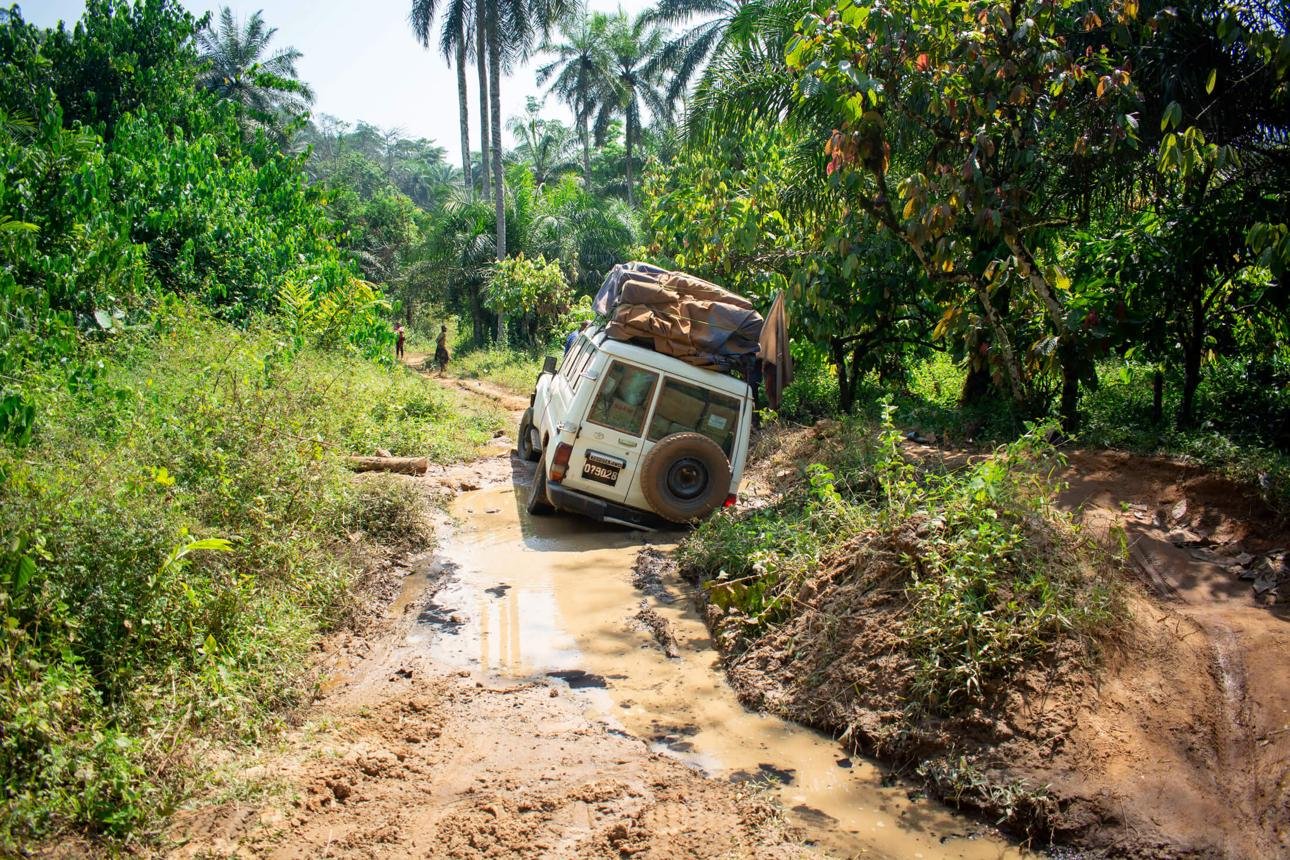
Road Conditions
Road quality varies considerably.
Travelers encounter:
- Modern paved highways
- Mountain roads
- Gravel roads
- Forest tracks
- Seasonal mud
Four-wheel drive is recommended for remote regions, particularly during the rainy season.
Fuel & Vehicle Preparation
Fuel is widely available in larger towns, although travelers venturing into remote regions should carry extra reserves.
Recommended equipment:
- Recovery gear
- Spare tires
- Water
- Satellite communication device
- Comprehensive tool kit
Continue Planning
Future supporting articles:
- Overlanding Cameroon
- Central Africa Overland Route
- Driving Across Cameroon
- Vehicle Preparation
- Border Crossings Guide
Backpacking in Cameroon
Cameroon is one of Central Africa’s most rewarding backpacking destinations.
Budget Accommodation
Travelers find:
- Guesthouses
- Budget hotels
- Auberges
- Eco-lodges
- Family-run accommodations
Accommodation is available in most towns.
Transportation
Options include:
- Long-distance buses
- Shared taxis
- Bush taxis
- Domestic flights
- Motorcycle taxis
Road journeys often provide spectacular scenery.
Backpacking Highlights
Popular experiences include:
- Volcano trekking
- Wildlife safaris
- Rainforest hiking
- Highland villages
- Beaches
- Local cuisine
- Cultural festivals
Continue Planning
Future cluster pages:
- Backpacking Cameroon
- Budget Travel Cameroon
- Mount Cameroon Trekking Guide
- Yaoundé Backpacking Guide
Camping
Camping opportunities vary considerably throughout Cameroon.
National Parks
Some parks provide designated camping areas.
Mountain Camping
Mount Cameroon expeditions usually include overnight camps on the mountain.
Wild Camping
Wild camping is possible in remote regions with appropriate permissions and local knowledge.
Camping Tips
Bring:
- Mosquito protection
- Water purification
- Rain gear
- Lightweight tent
- Warm clothing for high elevations
Continue Planning
Future pages:
- Camping in Cameroon
- Mount Cameroon Camping
- National Park Camping
RV & Motorhome Travel
Cameroon is an exciting destination for experienced campervan and RV travelers.
Suggested RV Routes
Coastal Explorer
Douala → Limbe → Kribi
Highlands Route
Douala → Bafoussam → Bamenda (subject to current local conditions)
Wildlife Route
Yaoundé → Garoua → Waza National Park
Grand Cameroon Tour
A three-week circuit linking coast, rainforest, mountains, and savannah.
Practical Considerations
Motorhome travelers should plan for:
- Limited RV infrastructure
- Secure overnight parking
- Seasonal road conditions
- Fuel planning
- Vehicle maintenance
Hotels and lodges often provide parking suitable for self-contained vehicles.
Continue Planning
- Motorhome Travel in Cameroon
- RV Routes in Central Africa
- Campervan Guide Cameroon
Driving in Cameroon
Driving conditions vary dramatically by region.
Main Highways
Paved roads connect:
- Douala
- Yaoundé
- Bafoussam
- Garoua
Rural Roads
Travelers may encounter:
- Gravel roads
- Mud
- River crossings
- Livestock
- Heavy trucks
- Mountain switchbacks
Driving after dark is generally discouraged due to road hazards and limited lighting.
Border Crossings
Cameroon shares borders with:
- Nigeria
- Chad
- Central African Republic
- Republic of the Congo
- Gabon
- Equatorial Guinea
Cameroon serves as a major transit country between West and Central Africa. Border opening hours, security conditions, visa requirements, and temporary vehicle import procedures vary considerably and should be confirmed before travel.
Visa & Entry Requirements
Most foreign visitors require a visa before entering Cameroon.
Travelers should prepare:
- Passport valid for at least six months
- Visa or eVisa (where applicable)
- Proof of accommodation
- Return or onward travel
- Yellow fever vaccination certificate, which is generally required
Always verify the latest entry requirements before departure.
Budget & Costs
Estimated daily travel expenses:
| Travel Style | Daily Budget |
|---|---|
| Backpacker | US$35–65 |
| Mid-range | US$80–160 |
| Comfortable | US$180+ |
| Overlander (excluding vehicle costs) | US$45–90 |
Safari activities, guided treks, and domestic flights increase overall travel costs.
Safety
Cameroon offers exceptional travel opportunities, but conditions vary considerably across the country.
Travelers should:
- Monitor official travel advisories
- Research destinations individually
- Avoid unnecessary night travel
- Secure valuables
- Remain flexible with itineraries
- Follow local guidance in remote regions
Some border areas and parts of the Far North, Northwest, and Southwest regions may be affected by security issues. Travelers should assess current conditions carefully before visiting these areas.
Food & Culture
Cameroon’s cuisine reflects influences from both West and Central Africa.
Popular dishes include:
- Ndolé
- Poulet DG
- Grilled fish
- Plantains
- Eru
- Koki beans
- Pepper soups
- Tropical fruits
The country’s remarkable cultural diversity is expressed through traditional music, dance, festivals, colorful textiles, and more than 250 ethnic communities. French and English are both official languages, while numerous local languages remain widely spoken.
Hospitality is an important part of Cameroonian culture, and visitors who show respect for local customs are generally welcomed warmly.
Frequently Asked Questions
Is Cameroon safe for tourists?
Many regions can be visited safely with good planning, while others are affected by security concerns. Travelers should consult current official travel advisories and tailor their itinerary accordingly.
Can you overland through Cameroon?
Yes. Cameroon is a major link between West and Central Africa and is a popular destination for experienced overlanders.
Is Cameroon suitable for backpacking?
Yes. Cameroon offers excellent opportunities for backpackers interested in hiking, wildlife, culture, and diverse landscapes.
Can you travel by motorhome?
Experienced RV travelers can explore much of the country, although careful planning is recommended due to varying road conditions and limited dedicated motorhome facilities.
What is Cameroon famous for?
Cameroon is renowned for:
- Mount Cameroon
- Kribi
- Limbe
- Waza National Park
- Dja Faunal Reserve
- Rhumsiki
- Cultural diversity
- Rainforests and volcanoes
Continue Planning
This cornerstone guide serves as the central hub for exploring Cameroon. Continue with these detailed travel resources:
- Overlanding in Cameroon
- Backpacking Cameroon
- Motorhome & RV Travel in Cameroon
- Camping in Cameroon
- Driving in Cameroon
- Border Crossings in Cameroon
- Cameroon Visa Guide
- Mount Cameroon Trekking Guide
- Kribi Travel Guide
- Limbe Travel Guide
- Yaoundé Travel Guide
- Waza National Park Guide
- Dja Faunal Reserve Guide
- Central Africa Overlanding Guide
- West & Central Africa Backpacking Guide
- Overlanding in Cameroon
- Getting around in Cameroon