Beaches, Mountains, Coral Reefs & Indian Ocean Island Adventures

6
Mauritius Travel Guide
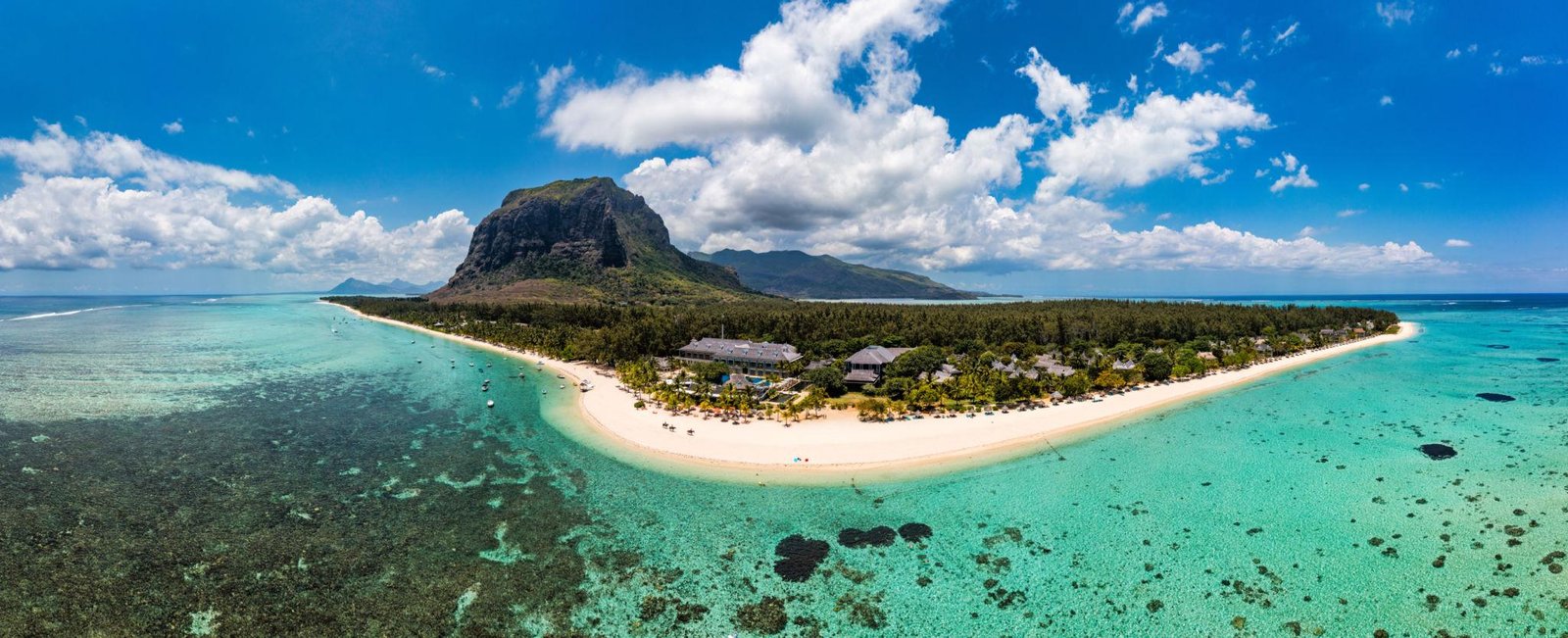
Mauritius is one of the Indian Ocean’s most beautiful island destinations, combining white-sand beaches, turquoise lagoons, volcanic mountains, lush rainforests, and a remarkably diverse cultural heritage. Although often associated with luxury resorts and honeymoon holidays, Mauritius offers far more than idyllic beaches. Independent travelers can discover scenic hiking trails, waterfalls, vibrant markets, colonial towns, coral reefs, wildlife parks, and picturesque coastal roads that circle the island.
Located around 2,000 kilometers (1,240 miles) off Africa’s southeast coast, Mauritius is part of the Mascarene Islands together with Réunion and Rodrigues. Formed by ancient volcanic activity, the island’s rugged interior contrasts dramatically with its calm coastal lagoons protected by one of the world’s largest barrier reef systems. This combination of mountains and sea makes Mauritius a year-round destination for hiking, snorkeling, diving, kayaking, surfing, sailing, and wildlife watching.
Mauritius also reflects centuries of cultural influences. African, Indian, Chinese, French, and British traditions have blended into a unique society known for its hospitality, colorful festivals, and outstanding cuisine. Visitors can explore Hindu temples, colonial mansions, bustling food markets, botanical gardens, tea plantations, and historic sugar estates while experiencing one of Africa’s most stable and welcoming destinations.
For independent travelers, Mauritius is surprisingly accessible. Backpackers benefit from an expanding range of guesthouses and budget accommodation, while self-drive visitors enjoy excellent roads and short travel distances between attractions. Although conventional overlanding is not possible on an island, Mauritius is an excellent destination for road trips by rental vehicle or camper-style travel, allowing visitors to explore the island at a relaxed pace.
This guide introduces Mauritius’ highlights while serving as the cornerstone travel hub for future in-depth articles covering backpacking, self-drive routes, camping, driving, beaches, hiking, visas, ferry connections, and destination-specific travel planning.
Quick Facts
| Item | Information |
|---|---|
| Capital | Port Louis |
| Currency | Mauritian Rupee (MUR) |
| Official Language | English |
| Widely Spoken Languages | French and Mauritian Creole |
| Population | Approximately 1.3 million |
| Time Zone | UTC+4 |
| Driving | Left-hand side |
| Country Code | +230 |
Why Visit Mauritius?
Mauritius combines tropical beaches, volcanic landscapes, and rich multicultural heritage.
Reasons to visit include:
- Le Morne Brabant
- Black River Gorges National Park
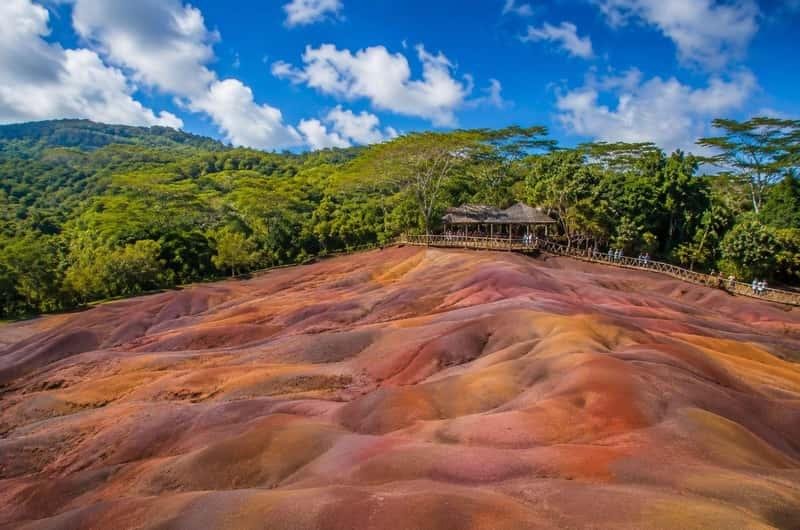
- Chamarel Seven Colored Earth
- Coral reefs
- White-sand beaches
- Waterfalls
- Hiking
- Diving and snorkeling
- Botanical gardens
- Scenic coastal drives
- Luxury and budget travel
- Outstanding cuisine
Whether you’re looking for adventure, relaxation, or cultural discovery, Mauritius offers a remarkably varied travel experience within a compact island.
Best Places to Visit
6
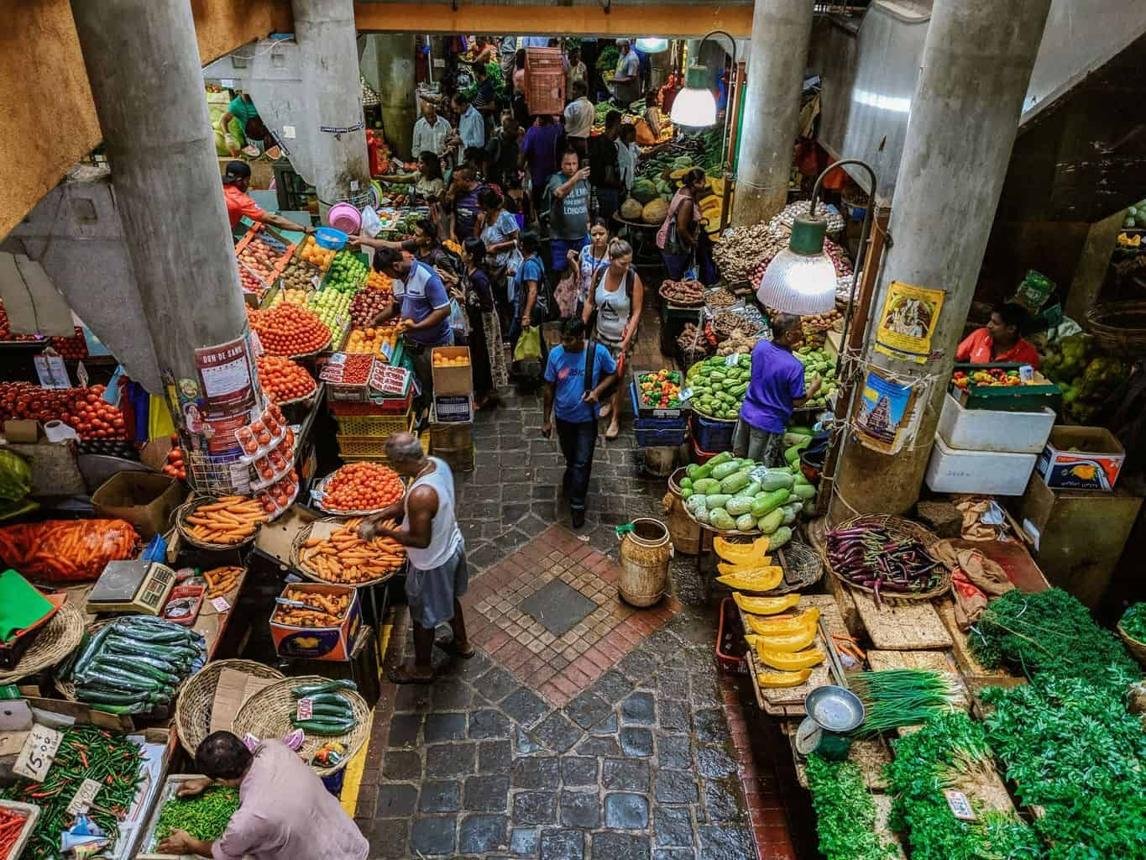
Port Louis
Mauritius’ capital blends colonial history with modern business districts.
Highlights include:
- Central Market
- Caudan Waterfront
- Blue Penny Museum
- Fort Adelaide
- Chinatown
- Street food
The city provides an excellent introduction to Mauritian culture.
Le Morne Brabant
This UNESCO World Heritage Site dominates the island’s southwest coast.
Visitors enjoy:
- Hiking
- Panoramic views
- Beaches
- Kitesurfing
- Historical significance
The mountain symbolizes the island’s history and offers one of Mauritius’ finest viewpoints.
Black River Gorges National Park
The island’s largest protected area preserves native forests and endemic wildlife.
Activities include:
- Hiking
- Birdwatching
- Waterfalls
- Scenic viewpoints
- Nature photography
Chamarel
One of Mauritius’ most famous attractions, Chamarel features:
- Seven Colored Earth
- Chamarel Waterfall
- Rum distilleries
- Mountain scenery
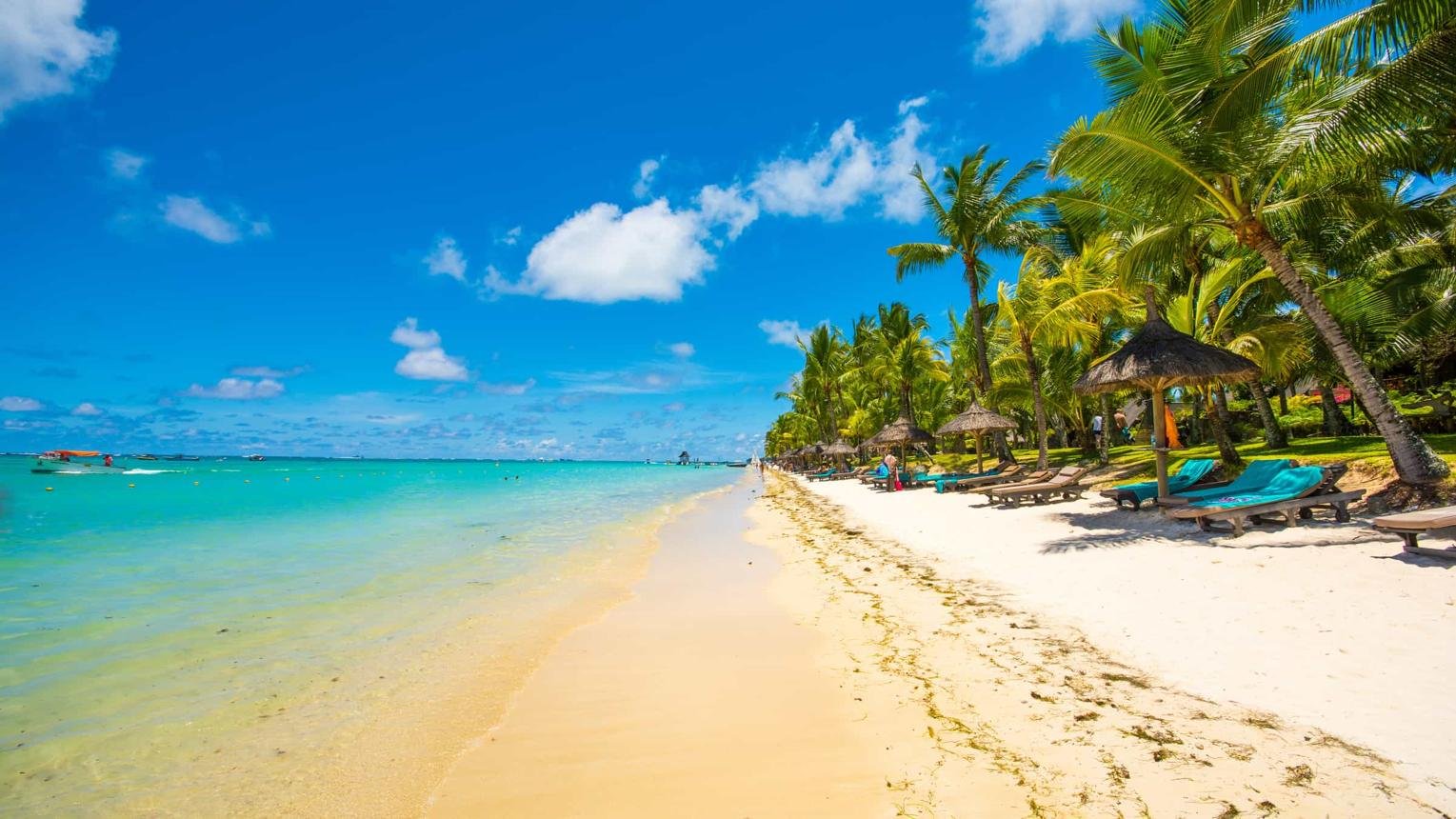
Trou aux Biches
A beautiful beach famous for:
- Calm lagoon
- Snorkeling
- Diving
- Family-friendly atmosphere
Grand Baie
The island’s most popular resort town offers:
- Beaches
- Restaurants
- Nightlife
- Boat trips
- Shopping
Île aux Cerfs
A small offshore island known for:
- White-sand beaches
- Water sports
- Golf course
- Crystal-clear lagoons
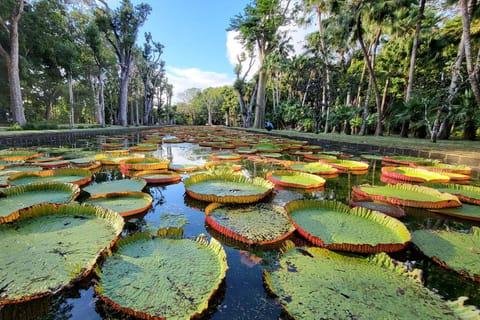
Sir Seewoosagur Ramgoolam Botanical Garden
One of the Southern Hemisphere’s oldest botanical gardens.
Highlights include:
- Giant water lilies
- Palm collections
- Tropical plants
- Historic monuments
Best Time to Visit
Mauritius enjoys a tropical climate throughout the year.
| Season | Conditions |
|---|---|
| May – November | Cooler, drier weather, ideal for hiking |
| December – April | Warm, humid summer with occasional cyclones |
| July – October | Excellent for diving and whale watching |
| November – December | Warm seas and pleasant weather |
The island can be visited year-round, although the dry season is generally the most comfortable for sightseeing and outdoor activities.
Regions of Mauritius
North Coast
Home to:
- Grand Baie
- Trou aux Biches
- Popular beaches
- Nightlife
West Coast
Known for:
- Le Morne
- Black River
- Dolphin watching
- Sunsets
East Coast
Features:
- Île aux Cerfs
- Long beaches
- Luxury resorts
South Coast
Offers:
- Rugged coastline
- Gris Gris
- Nature reserves
Central Plateau
Known for:
- Chamarel
- Botanical gardens
- Tea plantations
- Cooler climate
Suggested Road Trips & Itineraries
3-Day Mauritius Highlights
Explore:
- Port Louis
- Grand Baie
- Chamarel
Ideal for a short visit.
One-Week Island Explorer
Continue to:
- Black River Gorges
- Le Morne
- East Coast beaches
Perfect for first-time visitors.
Two-Week Complete Mauritius Journey
Visit:
- Beaches
- Mountains
- Nature parks
- Villages
- Botanical gardens
Enjoy a balanced mix of relaxation and adventure.
Mauritius & Rodrigues Island
Combine Mauritius with nearby Rodrigues for a longer island-hopping adventure.
Self-Drive & Overland-Style Travel in Mauritius
6
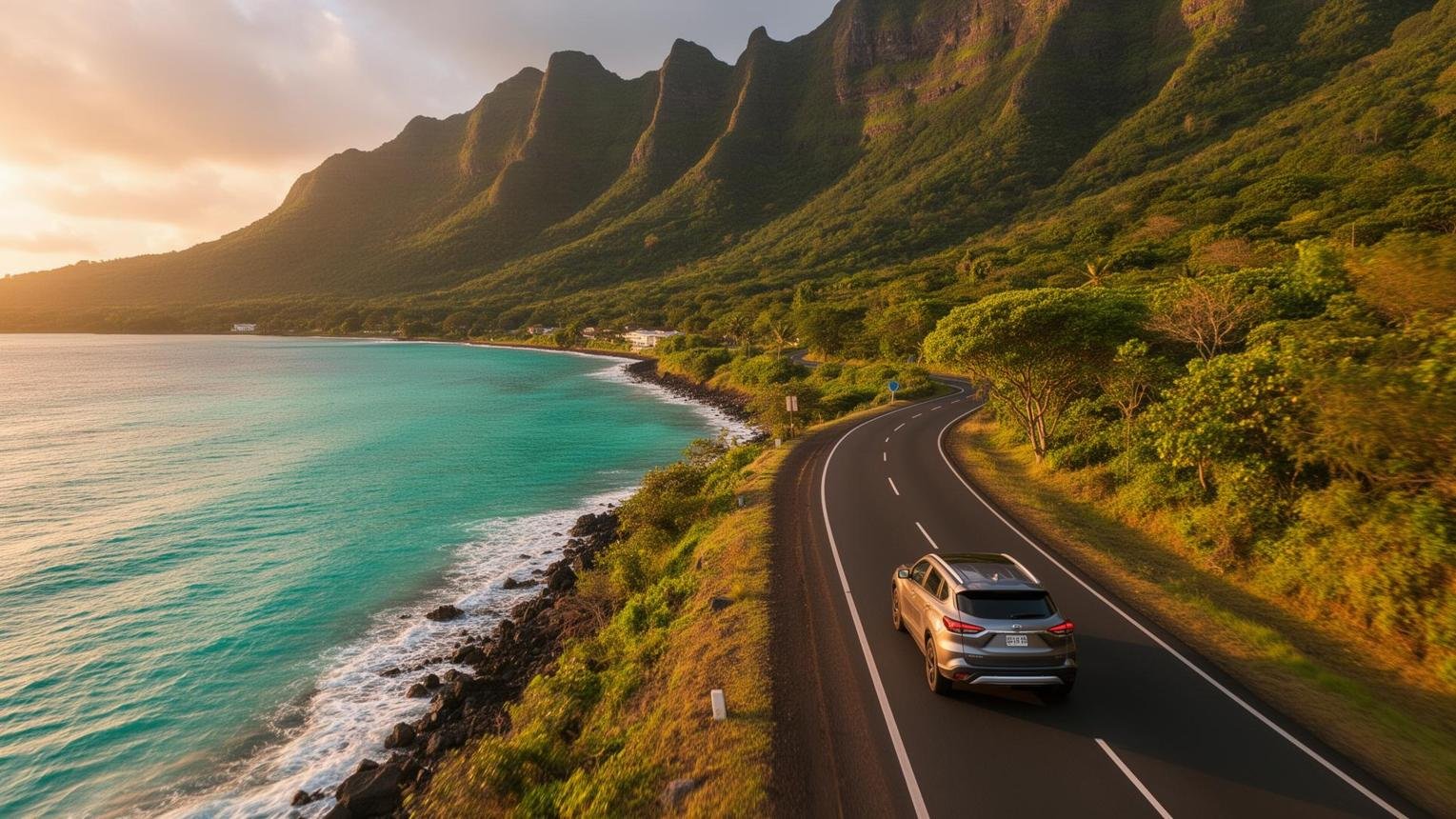
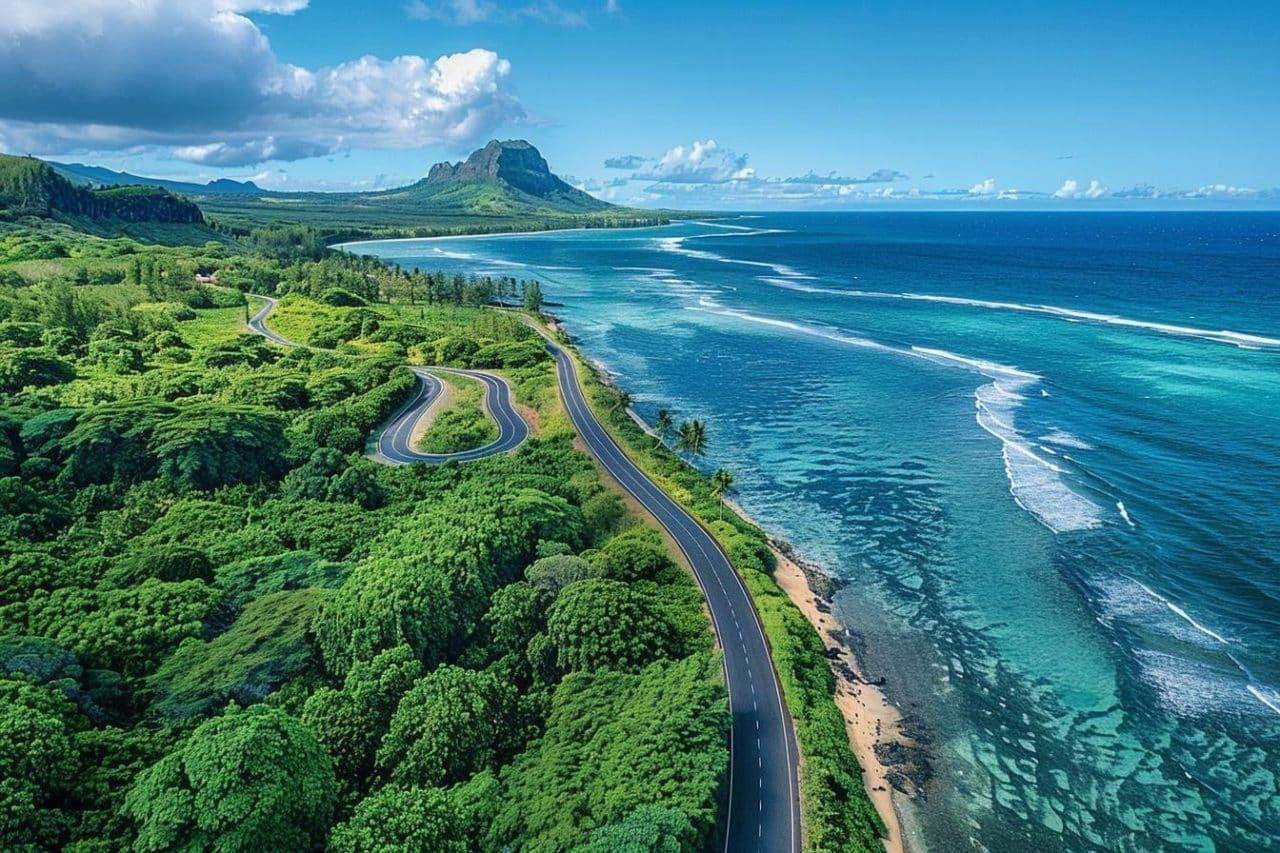
Although Mauritius is an island without international land borders, it is an outstanding destination for independent self-drive exploration.
Why Independent Travelers Love Mauritius
Highlights include:
- Excellent roads
- Scenic coastal drives
- Short travel distances
- Mountain viewpoints
- Beaches
- National parks
- Historic towns
The island can comfortably be explored in one to two weeks, although many visitors choose to stay longer.
Popular Self-Drive Routes
Coastal Circle
Port Louis → Grand Baie → East Coast → Le Morne → Black River → Port Louis
One of the island’s classic scenic drives.
Southwest Nature Route
Chamarel → Black River Gorges → Le Morne
Combines mountains, forests, waterfalls, and beaches.
East Coast Explorer
Port Louis → Belle Mare → Île aux Cerfs
Ideal for beach lovers and water sports.
Road Conditions
Travelers generally enjoy:
- Excellent paved highways
- Scenic secondary roads
- Mountain roads
- Well-signposted attractions
Traffic can become busy around Port Louis during weekday commuting hours.
Vehicle Preparation
Carry:
- Offline navigation
- Drinking water
- Beach equipment
- Hiking gear
- Sun protection
Standard rental cars are suitable for nearly all roads on the island.
Continue Planning
Future supporting pages:
- Self-Drive Mauritius
- Mauritius Scenic Drives
- Mauritius Ferry Guide
- Mauritius Island Road Trip
Backpacking in Mauritius
Mauritius offers much more than luxury resorts.
Accommodation
Travelers can choose from:
- Backpacker hostels
- Guesthouses
- Boutique hotels
- Beach lodges
- Apartments
Budget accommodation is available across much of the island.
Transportation
Popular travel options include:
- Public buses
- Rental cars
- Taxis
- Boat excursions
- Bicycle rentals
Public transport reaches most tourist attractions.
Backpacking Highlights
Popular experiences include:
- Hiking
- Beaches
- Snorkeling
- Markets
- Waterfalls
- Street food
- Island hopping
Continue Planning
Future cluster pages:
- Backpacking Mauritius
- Budget Travel Mauritius
- Port Louis Backpacking Guide
- Mauritius Beaches Guide
Camping
Camping opportunities are more limited than on mainland African destinations but remain possible in selected areas and designated campgrounds.
Designated Camping Areas
Some private campgrounds and outdoor recreation sites offer facilities for:
- Tent camping
- Family camping
- Beach camping
- Eco-camping
Advance reservations are recommended during holiday periods.
Beach Camping
Camping directly on beaches is generally restricted unless specifically permitted by local authorities or private operators.
Camping Equipment
Bring:
- Lightweight tent
- Sun protection
- Mosquito repellent
- Cooking equipment where permitted
- Plenty of drinking water
Continue Planning
Future guides:
- Camping in Mauritius
- Best Campsites in Mauritius
- Outdoor Adventures Mauritius
RV & Motorhome Travel
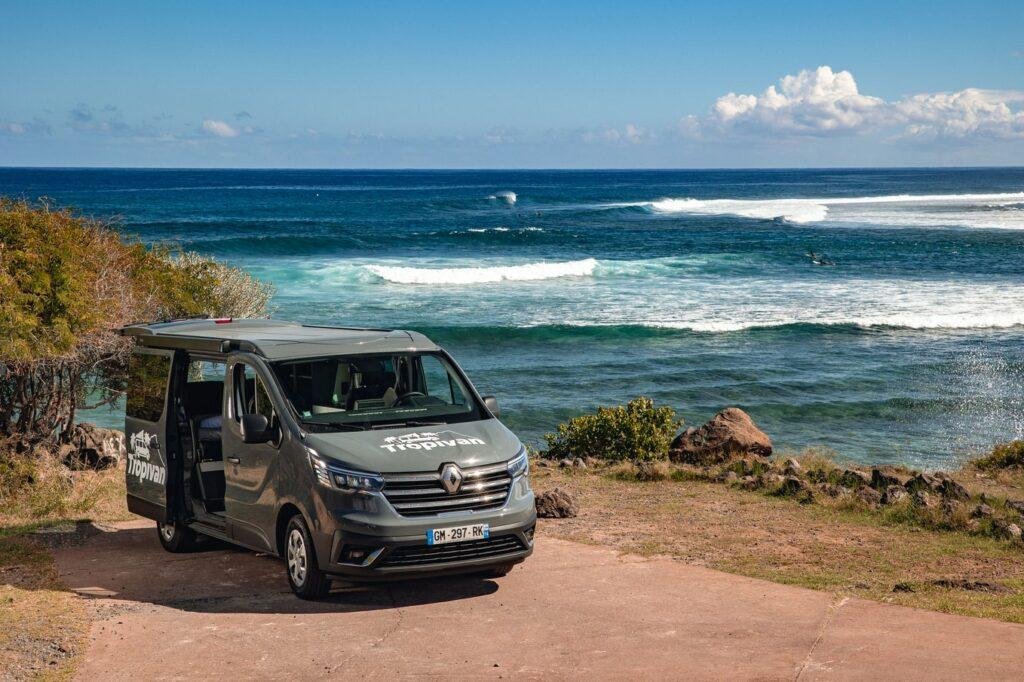
Traditional RV tourism is relatively limited because of Mauritius’ compact size and the lack of a large motorhome rental network. However, the island is well suited to self-drive holidays using rental cars, small camper-style vehicles where available, or holiday apartments as touring bases.
Suggested Touring Routes
Northern Beaches
Port Louis → Grand Baie → Trou aux Biches
Nature Explorer
Chamarel → Black River → Le Morne
Island Circuit
A complete clockwise or anticlockwise drive around Mauritius showcases beaches, villages, mountain scenery, and cultural attractions.
Practical Considerations
Independent travelers benefit from:
- Short driving distances
- Reliable fuel stations
- Well-maintained roads
- Plenty of accommodation options
Parking is generally straightforward outside major urban centers.
Continue Planning
Future supporting guides:
- Road Trip Mauritius
- Self-Drive Holidays Mauritius
- Camper Travel Mauritius
Driving in Mauritius
Driving provides maximum flexibility for exploring the island.
Main Roads
Modern highways connect:
- Port Louis
- Grand Baie
- Curepipe
- Mahebourg
- Major tourist areas
Most attractions are easily accessible by paved roads.
Driving Challenges
Expect:
- Busy traffic around Port Louis
- Narrow roads in villages
- Mountain bends
- Tropical rain showers
- Increased holiday traffic during peak seasons
Driving after dark is generally safe on main roads, although additional caution is advisable on rural routes.
Entry Points
As an island nation, Mauritius has no land borders.
Visitors arrive via:
- International flights
- Cruise ships
- Passenger ferries to selected nearby islands when operating
Private yachts also visit designated marinas after completing immigration and customs procedures.
Visa & Entry Requirements
Many nationalities can enter Mauritius visa-free for tourism, while others require a visa depending on citizenship.
Travelers should prepare:
- Passport valid for the required period
- Return or onward travel
- Proof of accommodation
- Evidence of sufficient funds if requested
Always verify current immigration requirements before departure.
Budget & Costs
Estimated daily travel expenses:
| Travel Style | Daily Budget |
|---|---|
| Budget traveler | US$40–80 |
| Mid-range | US$140–250 |
| Comfortable | US$350+ |
| Independent self-drive traveler | US$80–180 |
Mauritius can accommodate a wide range of budgets, from backpacker guesthouses to luxury beachfront resorts.
Safety
Mauritius is considered one of Africa’s safest travel destinations.
Travelers should:
- Take normal precautions against petty theft
- Protect valuables on beaches
- Follow local swimming advice regarding currents
- Monitor tropical weather forecasts during cyclone season
- Respect marine conservation areas while snorkeling or diving
Comprehensive travel insurance is recommended, particularly for water sports and outdoor activities.
Food & Culture
Mauritian cuisine reflects Indian, African, Chinese, French, and Creole influences.
Popular dishes include:
- Dholl puri
- Fish vindaye
- Rougaille
- Mine frit
- Fresh seafood
- Tropical fruits
- Gateaux piments
- Curries
Visitors can also experience colorful Hindu festivals, Chinese New Year celebrations, Creole music, Sega dancing, bustling markets, tea plantations, and rum distilleries throughout the island.
Frequently Asked Questions
Is Mauritius safe for tourists?
Yes. Mauritius is widely regarded as one of Africa’s safest travel destinations, and most visits are trouble-free with normal travel precautions.
Can you overland in Mauritius?
Mauritius has no international overland routes because it is an island. However, it is an excellent destination for independent self-drive road trips, allowing visitors to explore the island’s beaches, mountains, and cultural attractions at their own pace.
Is Mauritius suitable for backpacking?
Absolutely. Beyond its luxury resorts, Mauritius offers affordable guesthouses, hostels, public transport, hiking trails, beaches, and cultural experiences that appeal to backpackers.
Can you travel by motorhome?
Traditional RV travel is uncommon, but self-drive holidays using rental cars or compact camper-style vehicles provide an excellent way to tour the island.
What is Mauritius famous for?
Mauritius is renowned for:
- Le Morne Brabant
- White-sand beaches
- Coral reefs
- Black River Gorges National Park
- Chamarel Seven Colored Earth
- Luxury resorts
- Multicultural cuisine
- Crystal-clear lagoons
Continue Planning
This cornerstone guide serves as the central travel hub for Mauritius. Continue planning your adventure with these detailed resources:
- Self-Drive Mauritius
- Backpacking Mauritius
- Road Trip Mauritius
- Camping in Mauritius
- Driving in Mauritius
- Mauritius Visa Guide
- Best Beaches in Mauritius
- Le Morne Brabant Guide
- Black River Gorges National Park Guide
- Chamarel Guide
- Port Louis Travel Guide
- Grand Baie Guide
- Île aux Cerfs Guide
- Mauritius Hiking Guide
- Mauritius Diving & Snorkeling Guide
- Rodrigues Island Travel Guide
- Indian Ocean Island Travel Guide
- Overlanding Mauritius: Coastal Roads, Mountains & Travel Guide
- Transport in Mauritius
- Overlanding in Mauritius