Quick Facts
Best time to visit: April–June and September–November
Difficulty: 2/5
Road conditions: Excellent nationwide road network with some toll roads
Visa situation: Visa-free access for many nationalities for short stays
Why Overland Japan?
Japan is one of the world’s most rewarding and surprisingly easy overlanding destinations.
From snow-covered mountains and volcanic landscapes to coastal roads, ancient temples, futuristic cities, and remote islands, Japan offers an incredible variety of experiences connected by excellent roads and ferries.
Why it stands out:
- world-class road infrastructure
- exceptional safety
- spectacular mountain scenery
- unique culture
- excellent camping facilities
- volcanic landscapes
- efficient ferry network
- outstanding food
Japan is ideal for campervans, motorcycles, bicycles, and expedition vehicles.
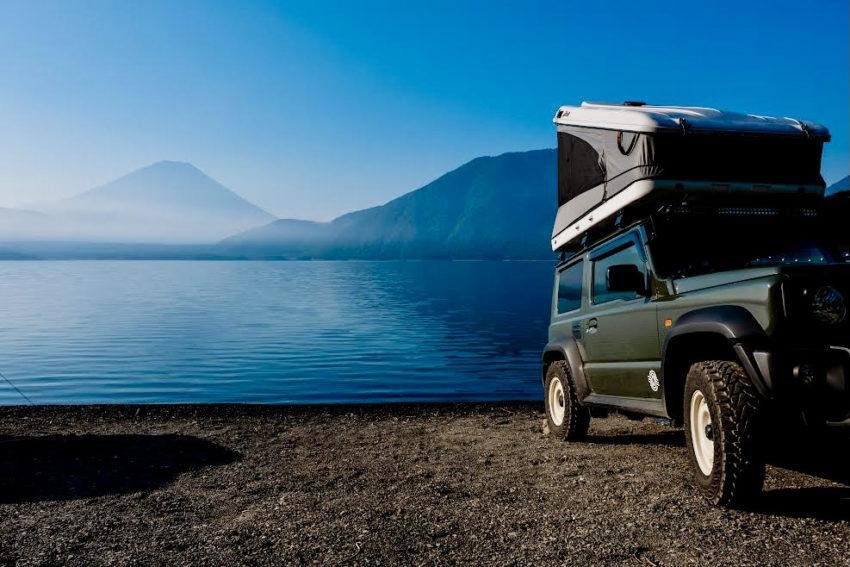
One day you can be driving through the Japanese Alps, the next camping beside a volcanic lake in Hokkaido, and later exploring subtropical beaches in Okinawa.
Main Overlanding Routes
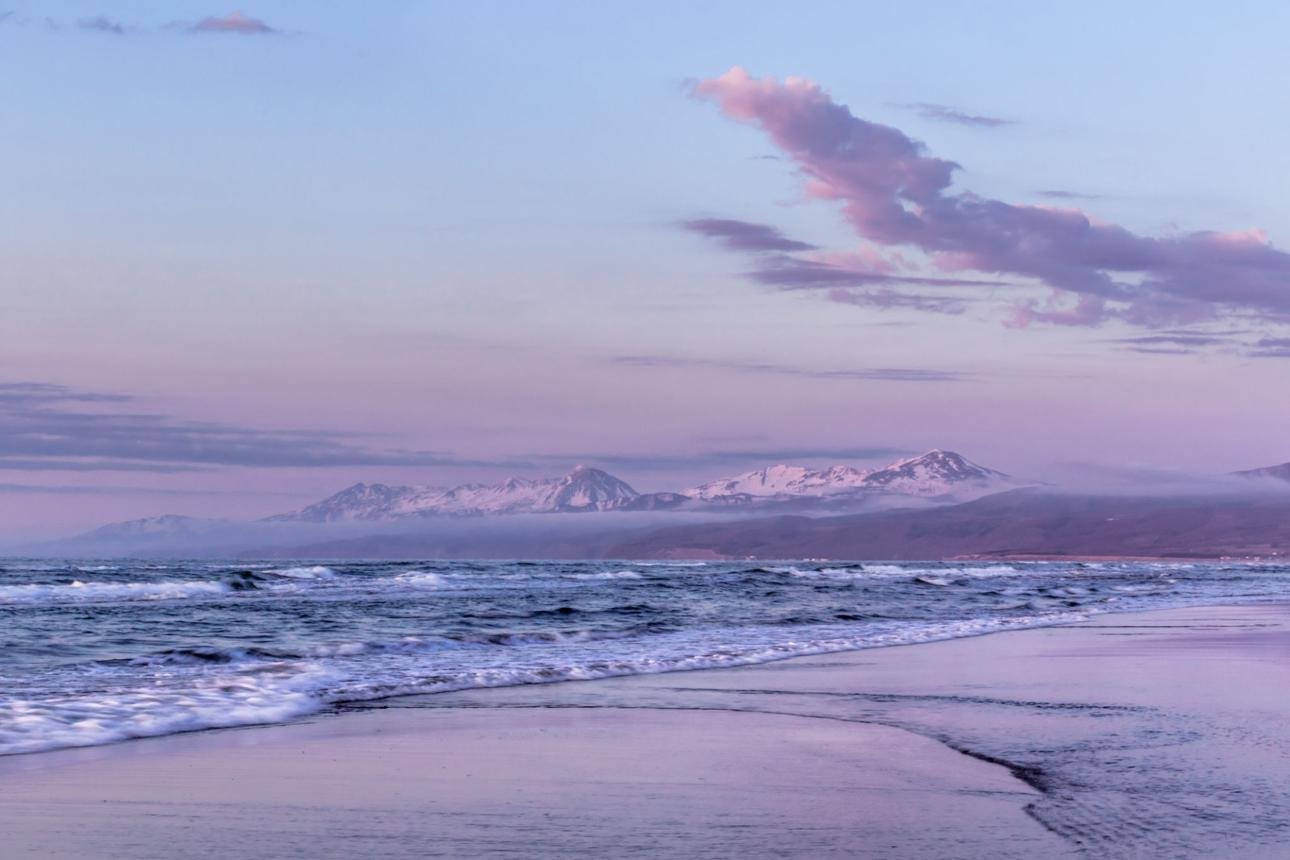
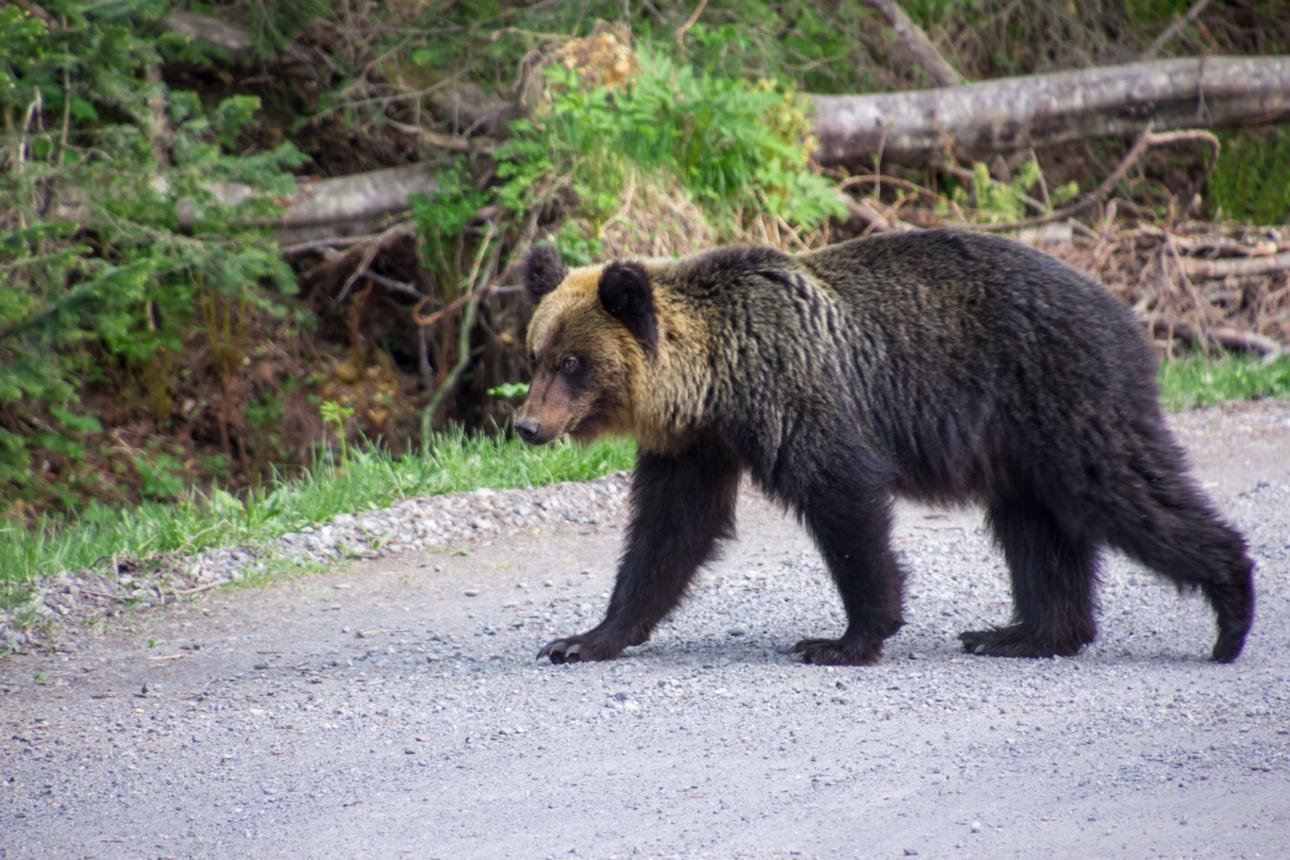
1. Hokkaido Grand Tour
7
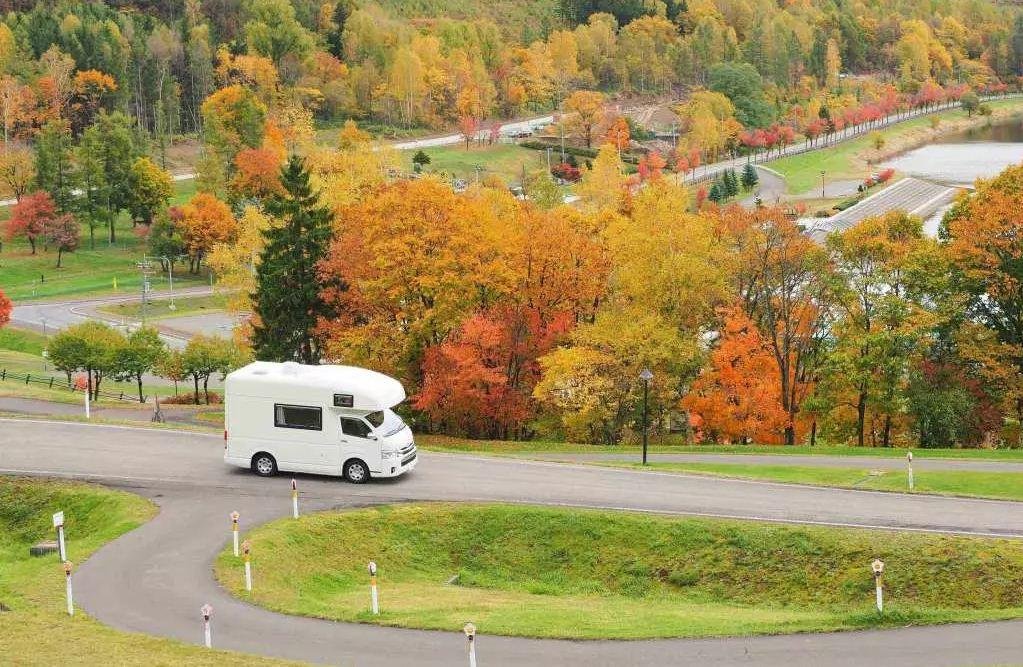
Route: Hakodate – Sapporo – Furano – Abashiri – Shiretoko – Kushiro
Distance: approx. 2,000 km
Road type: excellent highways and scenic roads
Fuel: widely available
Japan’s best overlanding destination.
Highlights:
- national parks
- volcanoes
- wildlife
- lakes
- open landscapes
Major attractions:
- Shiretoko National Park
- Lake Akan
- Furano
Many overlanders consider Hokkaido the country’s highlight.
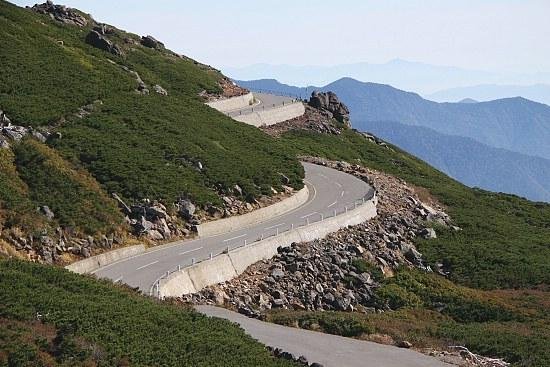
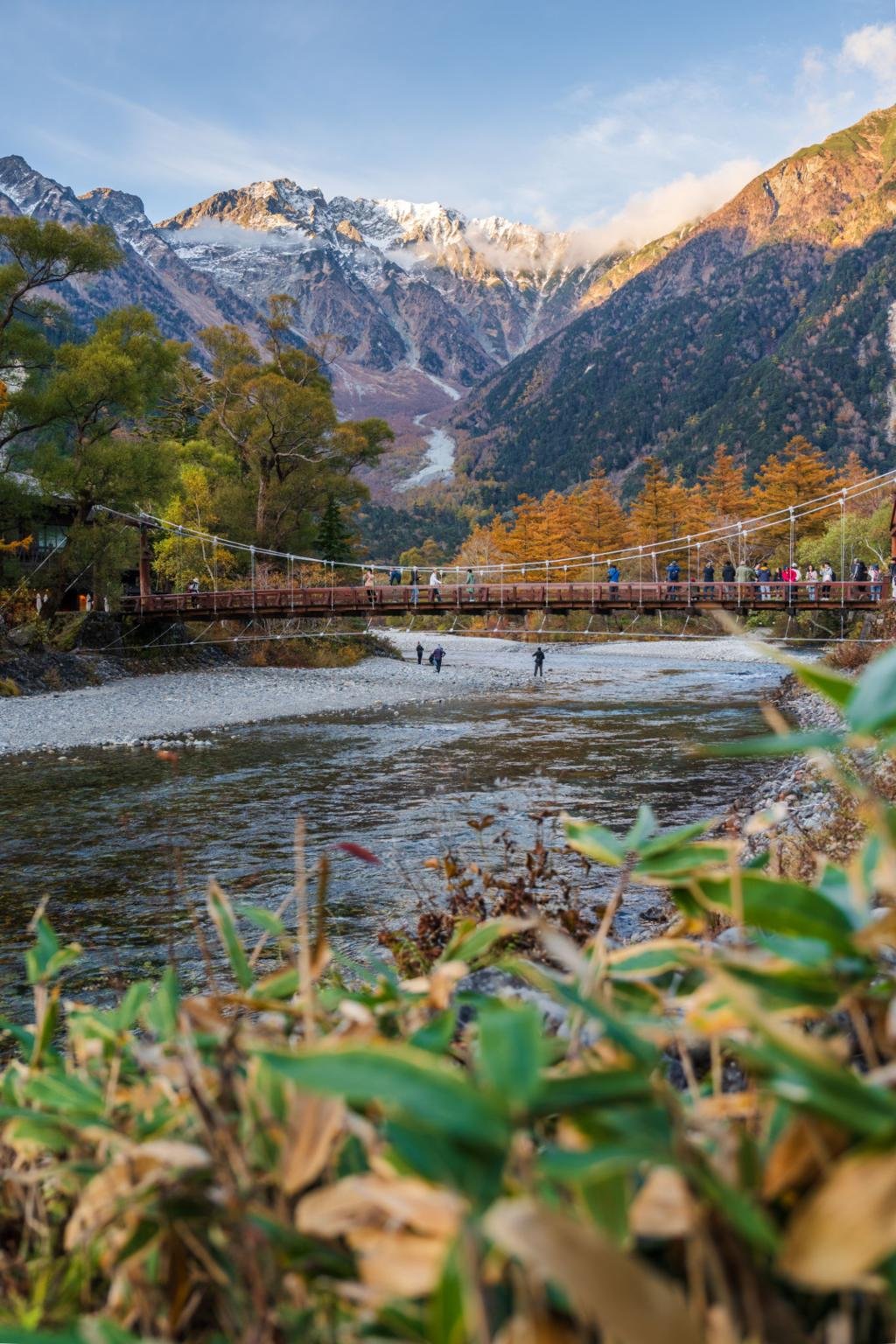
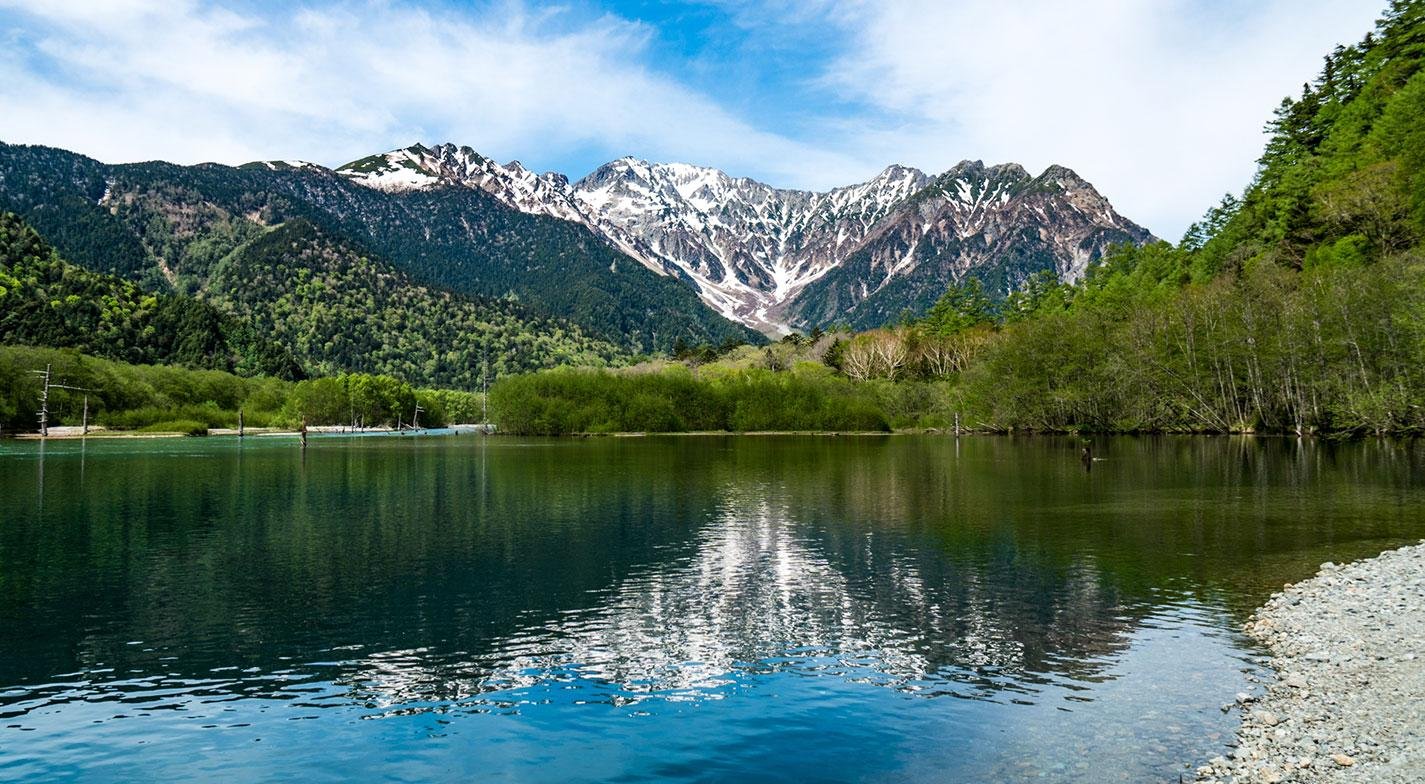
2. Japanese Alps Route
7
One of Japan’s most scenic routes.
Route: Nagano – Matsumoto – Takayama – Shirakawa-go
Highlights:
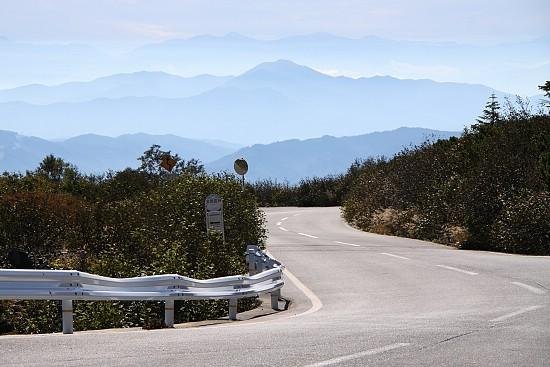
- mountain roads
- alpine scenery
- traditional villages
- hiking opportunities
Major attractions:
- Takayama
- Shirakawa-go
- Japanese Alps
Perfect during spring and autumn.
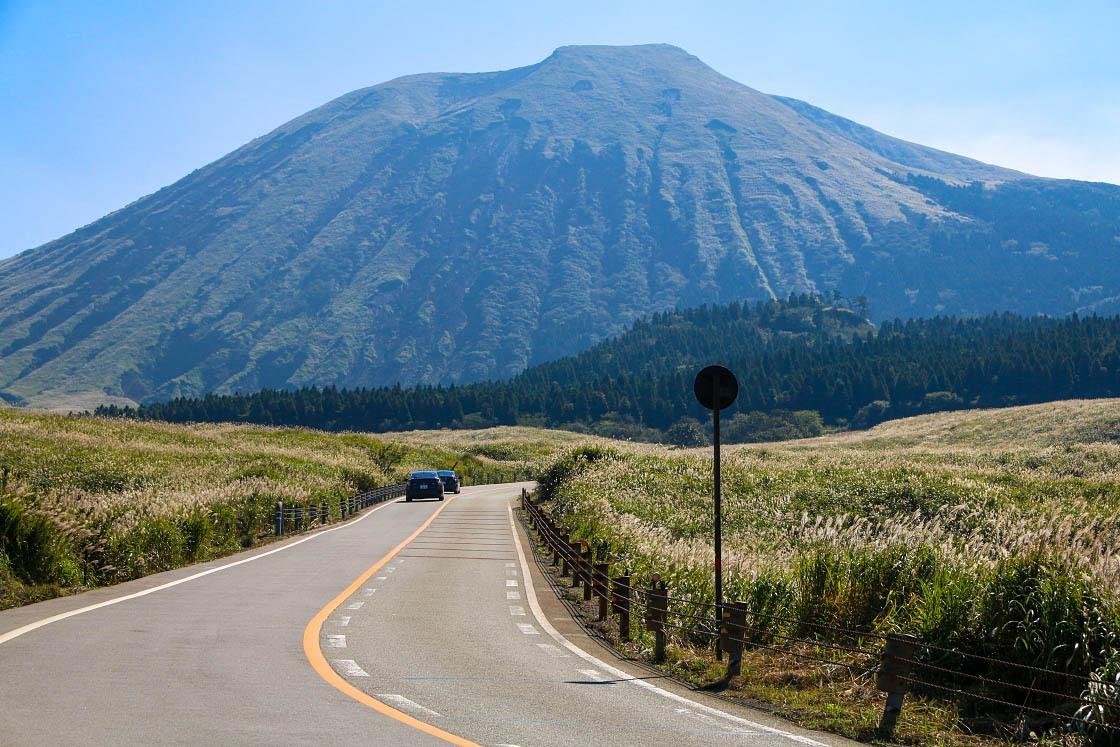
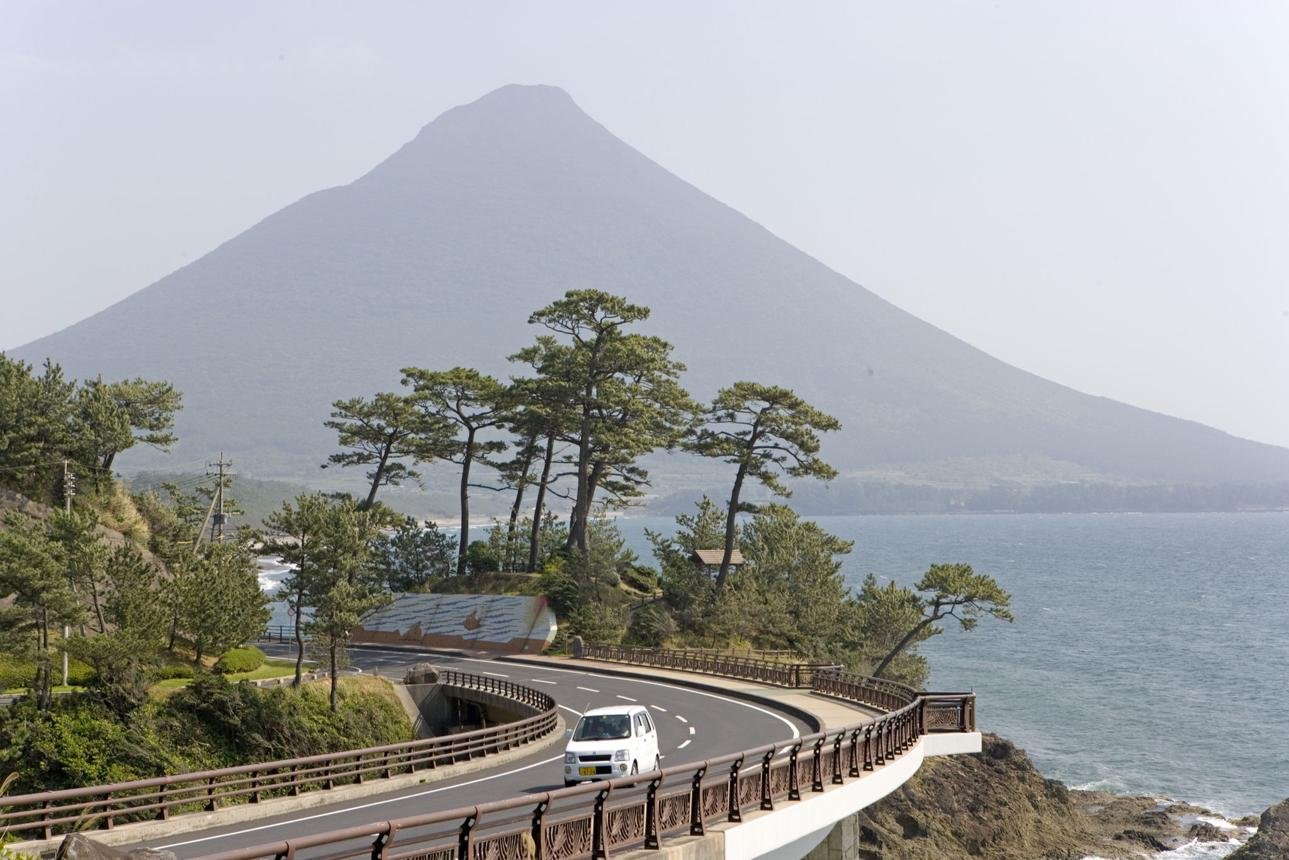
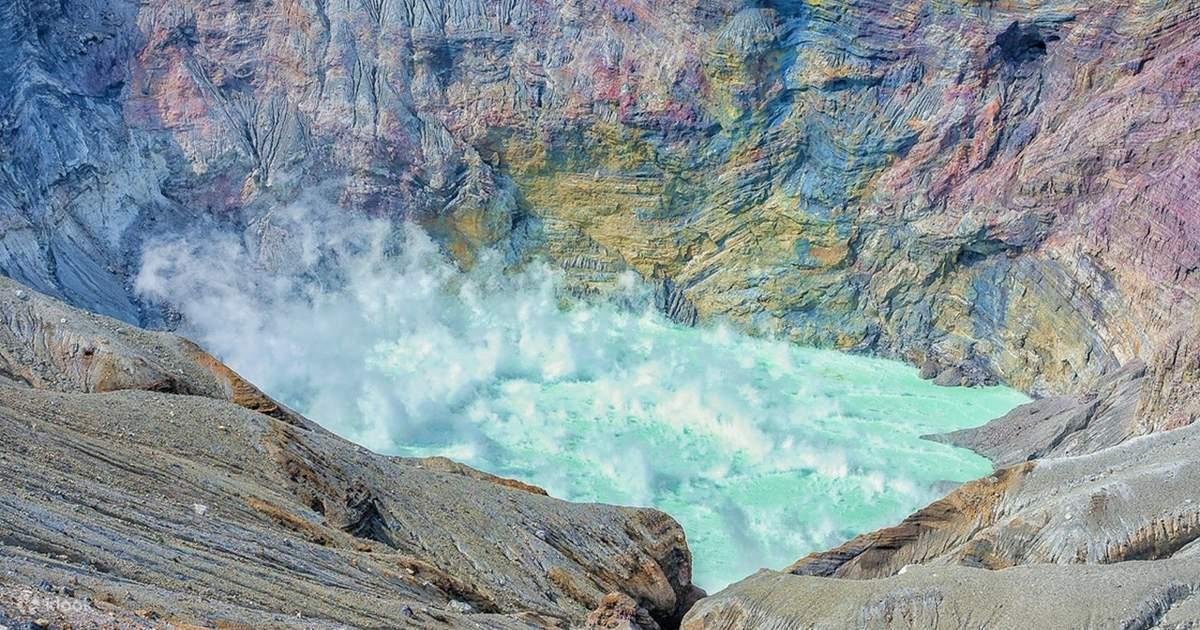
3. Kyushu Volcano Route
7
A favorite among road travelers.
Highlights:
- volcanoes
- hot springs
- coastal scenery
- mountain roads
Major attractions:
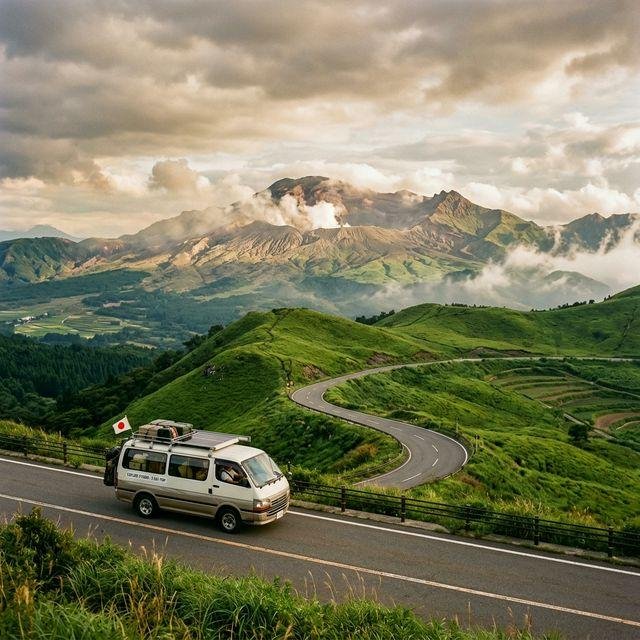
- Mount Aso
- Kirishima National Park
One of Japan’s most diverse islands.
4. Tohoku Explorer Route
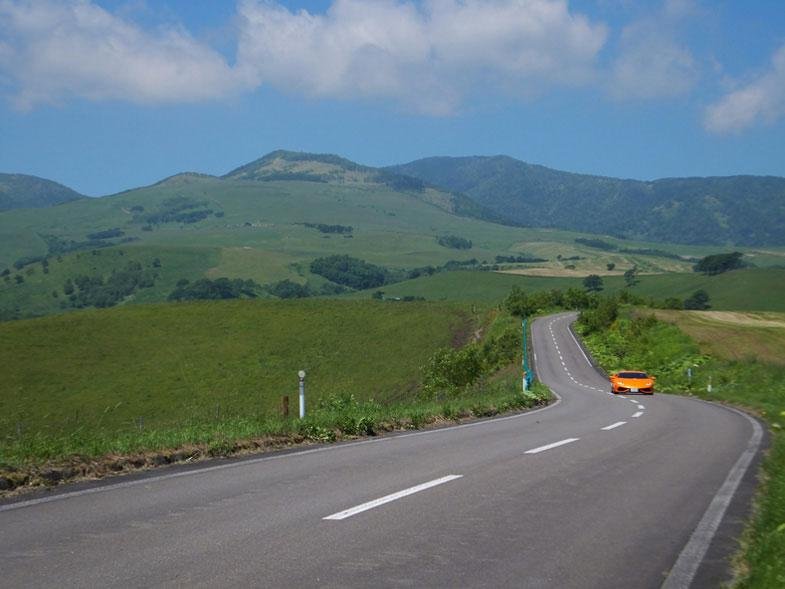

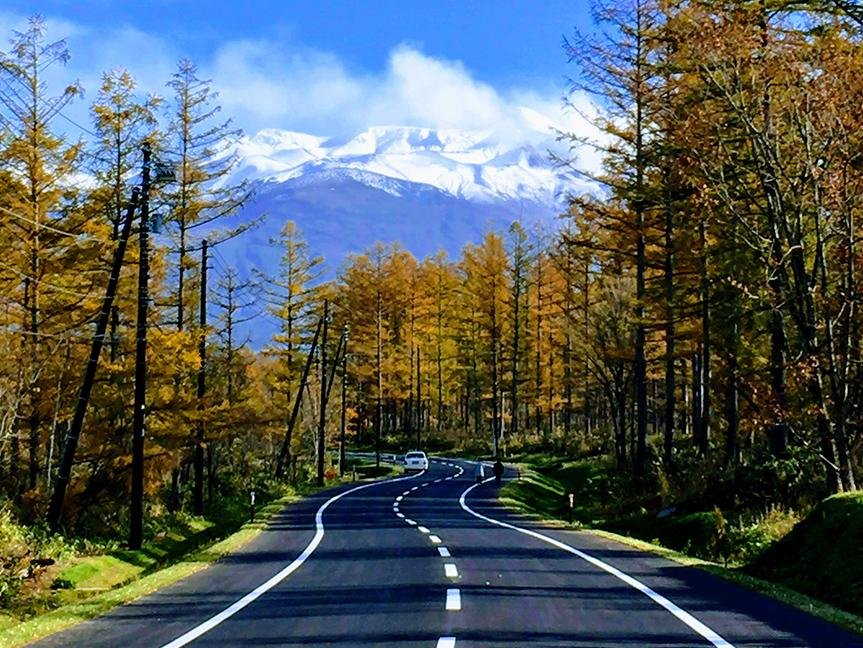
6
A quieter alternative to central Japan.
Highlights:
- mountains
- coastlines
- lakes
- historic towns
Major attractions:
- Towada-Hachimantai National Park
- Oirase Gorge
Ideal for travelers seeking fewer crowds.
5. Shikoku Pilgrimage Route
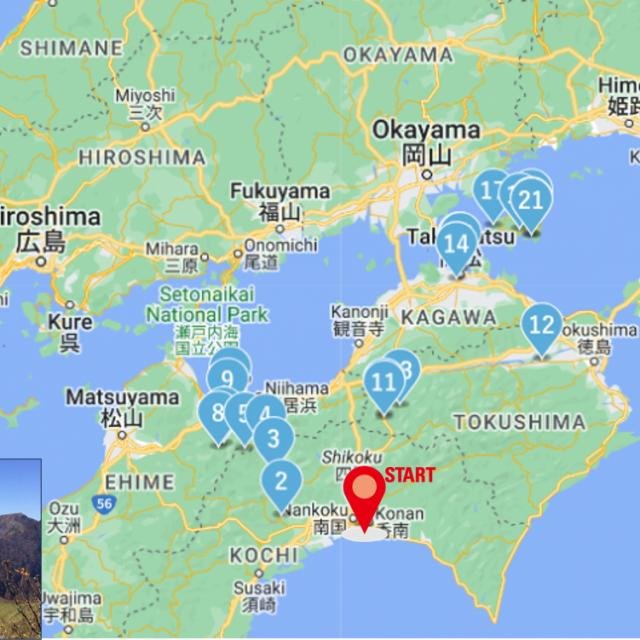
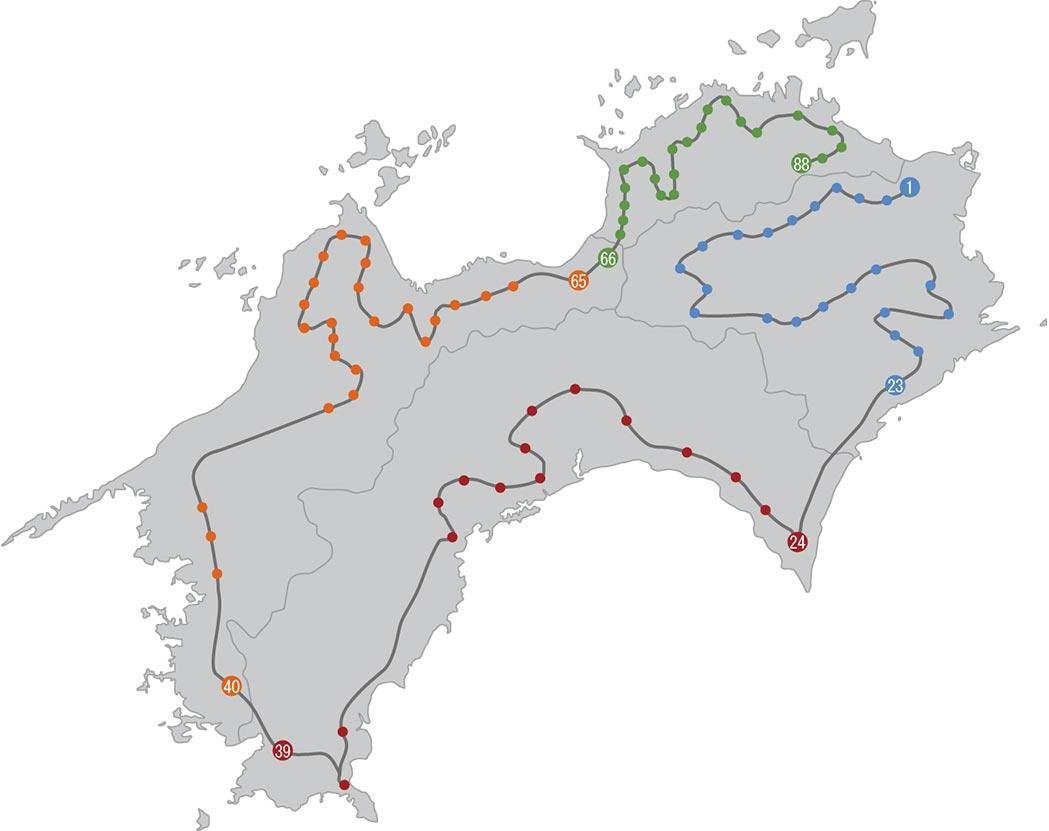
One of Japan’s hidden gems.
Highlights:
- coastal roads
- mountain passes
- temples
- traditional villages
Excellent for slow travel.
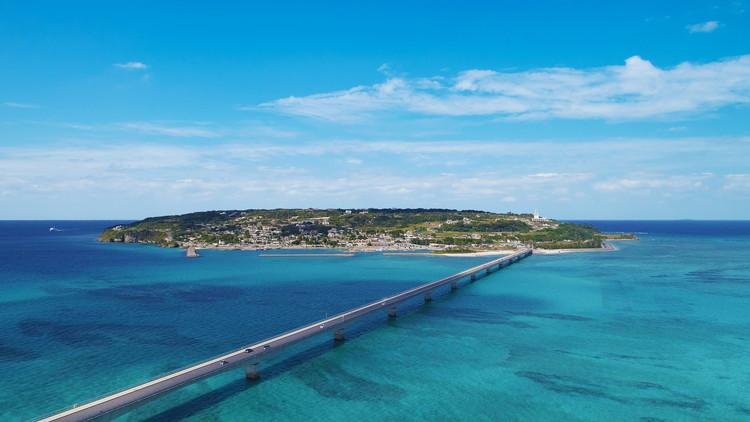
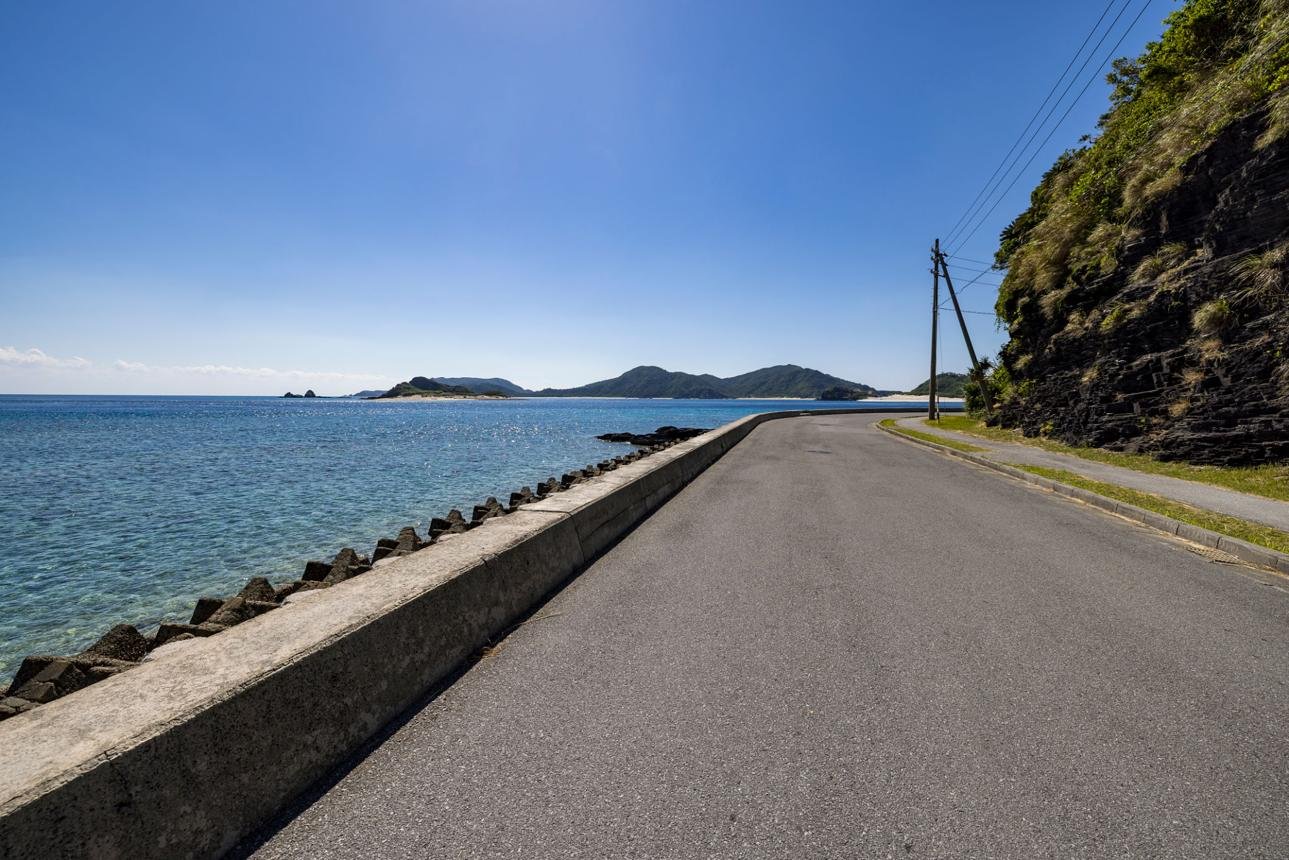
6. Okinawa Island Route

6
A completely different side of Japan.
Highlights:
- tropical beaches
- coral reefs
- island culture
- coastal drives
Best explored by rental vehicle or camper.
Ferry Network
Japan’s extensive ferry system makes island-hopping easy.
Popular vehicle ferry routes include:
- Honshu ↔ Hokkaido
- Honshu ↔ Shikoku
- Honshu ↔ Kyushu
- Kyushu ↔ Okinawa (via island chains)
Ferries are an essential part of long-distance overlanding in Japan.
Vehicle Entry Requirements
Usually required:
- passport
- vehicle registration
- international driving permit
- insurance
- temporary vehicle import documentation
Foreign vehicles may require a Carnet de Passages depending on circumstances.
Always verify current import regulations before travel.
Driving Conditions
Japan is one of the easiest countries in Asia for road travel.
Easy:
- highways
- national roads
- rural routes
Moderate:
- mountain roads
- city traffic
More difficult:
- narrow village roads
- winter driving in northern regions
Driving is on the left-hand side.
Road signs often include English translations.
Fuel & Logistics
Outstanding nationwide.
Expect:
- fuel stations everywhere
- excellent mechanics
- convenience stores nationwide
- excellent mobile coverage
- reliable services
One of the easiest countries in the world for vehicle travel.
Camping & Accommodation
Wild Camping
Japan is generally more tolerant of discreet overnight stays than many travelers expect.
Always respect local regulations and private property.
Campsites
Excellent network.
Options include:
- mountain campgrounds
- lakeside campsites
- beach camps
- RV parks
Facilities are usually very clean and well maintained.
Roadside Stations (Michi-no-Eki)
One of Japan’s greatest advantages for overlanders.
Thousands of roadside stations provide:
- parking
- toilets
- local information
- food
- rest areas
Many overlanders use them for overnight stops.
Budget Accommodation
Widely available:
- guesthouses
- hostels
- capsule hotels
- business hotels
Safety & Risks
Japan is one of the safest countries in the world.
Main concerns:
- winter snow
- typhoons
- earthquakes
- volcanic activity
- expensive toll roads
Crime affecting travelers is extremely rare.
Best Time to Visit
Ideal
April–June
and
September–November
Comfortable temperatures and excellent scenery.
Summer
Excellent for Hokkaido and alpine regions.
Hot and humid in much of southern Japan.
Winter
Outstanding for snow landscapes and winter sports.
Particularly attractive in Hokkaido.
Sample 4-Week Itinerary
Days 1–4: Tokyo
Days 5–8: Japanese Alps and Takayama
Days 9–12: Kyoto
Days 13–16: Shikoku
Days 17–21: Mount Aso and Kyushu
Days 22–28: Hokkaido and Shiretoko National Park
FAQ
Is Japan good for overlanding?
Excellent. It is one of the safest and most rewarding road-trip destinations in the world.
Need a 4×4?
No, not for most routes.
Can you wild camp?
Discreet overnight stays are often possible, but local regulations should always be respected.
Good for campervans?
Outstanding.
Best highlight?
Hokkaido and the Japanese Alps.
Related Pages
- Backpacking Japan
- Backpacking Japan Guide (google play ebook)
- RV Travel Japan
- Tokyo
- Kyoto
- Hokkaido
- Shiretoko National Park
- Mount Aso
- Shirakawa-go
- East Asia Overlanding Guide
- Japan Campsites Guide
- Driving in Japan Guide
- Getting around
- Further Reading