According to the World Bank, Guinea is one of the poorest countries in West Africa, with limited infrastructure and challenging terrain that makes transportation difficult. The country relies heavily on road transport to connect its cities and rural areas, with only a small percentage of roads being paved.
Transport in Guinea plays a crucial role in the country’s economy, facilitating the movement of goods and people across different regions. However, the lack of adequate infrastructure and maintenance has led to frequent delays and accidents, affecting the overall efficiency of the transportation system.
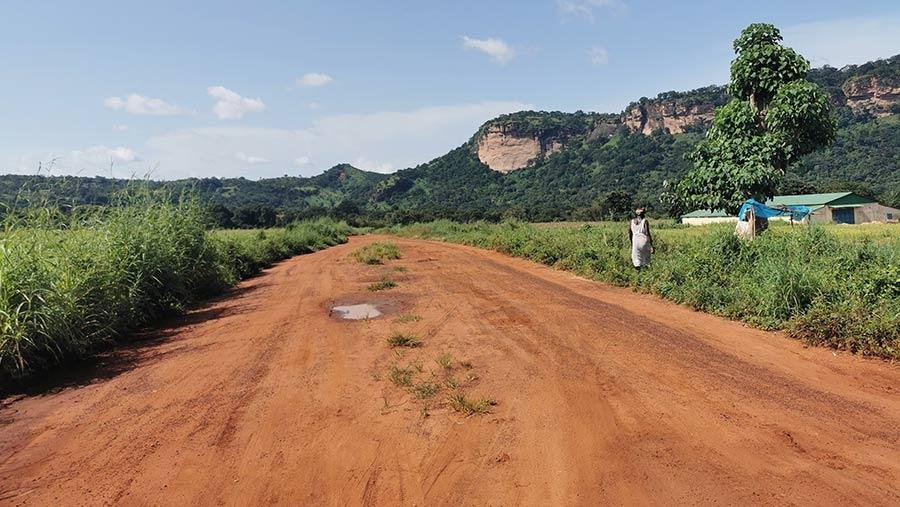
One of the solutions to improve transport in Guinea is to invest in the expansion and maintenance of its road network. Currently, only a small percentage of the country’s road network is paved, leading to poor road conditions and limited access to remote areas. By investing in road infrastructure, Guinea can enhance connectivity and promote economic growth.
Despite the challenges, there have been some improvements in recent years, such as the construction of new roads and bridges. However, there is still a long way to go to ensure safe and efficient transport for all Guineans. By addressing the infrastructure gaps and investing in sustainable transportation solutions, Guinea can enhance its connectivity and improve the overall quality of life for its citizens.

What are the transport options available in Guinea?
Transport in Guinea refers to the various modes of transportation available in the country, including road, rail, air, and waterways. In this article, we will explore the different transportation options in Guinea and how they can be utilized for travel and logistical purposes. Stay tuned to learn more about the diverse and evolving transport landscape in Guinea.
Transport in Guinea
Transport in Guinea plays a crucial role in the economic development of the country. As a West African nation, Guinea relies on a variety of transportation modes to connect its cities, towns, and rural areas.
Road Transport
Road transport is the most common form of transportation in Guinea, accounting for a large portion of passenger and freight movements. The road network in Guinea consists of paved and unpaved roads, with the major highways connecting the major cities such as Conakry, Kindia, and Kankan. However, many roads are in poor condition, making transportation challenging, especially during the rainy season.
Rail Transport
Guinea also has a railway system that plays a significant role in transporting bauxite, iron ore, and other minerals from mining sites to the ports for export. The railway network is operated by the Société Nationale des Chemins de Fer de Guinée (SNCFG) and has the potential to improve transportation infrastructure in the country.
Maritime Transport
Maritime transport is vital for Guinea, considering the country has 320 kilometers of coastline along the Atlantic Ocean. The major port of Conakry serves as the gateway for imports and exports, handling a large volume of cargo each year. The government has made efforts to improve port facilities to enhance maritime transport and boost trade.
Air Transport
Air transport in Guinea is served by several airports, with the Conakry International Airport being the main gateway to the country. Domestic flights connect the capital city with regional airports, facilitating air travel within the country. The government has made investments in airport infrastructure to accommodate the growing demand for air transport.
Key Statistics:
- According to the World Bank, only 18% of Guinea’s roads are paved, making road transport challenging in many areas.
Is public transportation easily accessible in Guinea?
Yes, public transportation in Guinea is easily accessible. The most common forms of public transportation are taxis, buses, and minibuses.
Are taxis readily available in Guinea?
Yes, taxis are readily available in Guinea, especially in major cities like Conakry. It is advisable to negotiate the fare before starting your journey.
What is the condition of roads like in Guinea?
The condition of roads in Guinea can vary. While major roads are usually in good condition, rural roads may be poorly maintained and difficult to navigate.
Are there any safety concerns when using public transportation in Guinea?
While public transportation in Guinea is generally safe, it is important to remain vigilant and cautious, especially at night. Make sure to secure your belongings and be aware of your surroundings.
Can I rent a car in Guinea?
Yes, you can rent a car in Guinea. However, it is recommended to choose a reputable car rental company and familiarize yourself with local driving laws and conditions.
Are there any restrictions on driving in Guinea?
Foreign visitors can drive in Guinea with an international driving permit. It is important to drive defensively and be aware of the sometimes unpredictable driving habits of other road users.
What is the most common form of transportation for long-distance travel in Guinea?
The most common form of transportation for long-distance travel in Guinea is by bus. Several bus companies offer services to various destinations within the country.
Can I travel by train in Guinea?
Yes, Guinea has a limited railway network that connects some major cities. However, the train services may not be as reliable or frequent as other forms of transportation.
Are there any special considerations for traveling in Guinea?
It is advisable to plan your travel in advance, especially if you are visiting remote areas. Keep important documents and emergency contact information handy at all times.
What is the cost of transportation in Guinea?
Transportation costs in Guinea can vary depending on the mode of transportation and the distance traveled. Taxis and buses are generally affordable, while renting a car may be more expensive.
Conclusion
Overall, transportation in Guinea presents a complex and challenging landscape. The country’s infrastructure is in dire need of improvements to facilitate better access for its citizens and drive economic growth. The reliance on outdated modes of transport, such as road networks and railways, hinders connectivity and accessibility, particularly in rural areas. Additionally, the limited availability of public transport options exacerbates congestion in urban centers, leading to increased travel times and safety concerns.
Despite these challenges, there are opportunities for improvement through investments in modernizing infrastructure, enhancing public transport systems, and integrating technology for more efficient transportation solutions. By addressing these issues, Guinea has the potential to unlock new economic opportunities, improve quality of life for its citizens, and promote sustainable development. Collaboration between the government, private sector, and international partners will be crucial in driving these initiatives forward and transforming the transportation sector in Guinea for the better.