Quick Facts
Best time to visit: October–February
Difficulty: 4/5
Road conditions: Good highways between major cities, rough gravel roads and challenging tracks in remote regions
Visa situation: eVisa available for many nationalities; vehicle import paperwork required
Why Overland Ethiopia?
Ethiopia is one of Africa’s most diverse and rewarding overlanding destinations.
From the dramatic highlands and ancient rock-hewn churches to remote tribal regions, active volcanoes, and vast savannahs, Ethiopia offers experiences unlike anywhere else on the continent.
Why it stands out:
- spectacular mountain scenery
- ancient history and culture
- unique wildlife
- Danakil Depression expeditions
- Simien Mountains
- Omo Valley tribal cultures
- affordable travel
- authentic overland adventure
Ethiopia feels more like a continent than a country.
One day you can be driving through cool mountain landscapes at 3,000 meters, the next crossing arid deserts near the Eritrean border, and later exploring remote villages in the south.
Main Overlanding Routes
1. Historic Northern Circuit

7
Route: Addis Ababa – Bahir Dar – Gondar – Simien Mountains – Axum – Lalibela
Distance: approx. 1,500–2,000 km
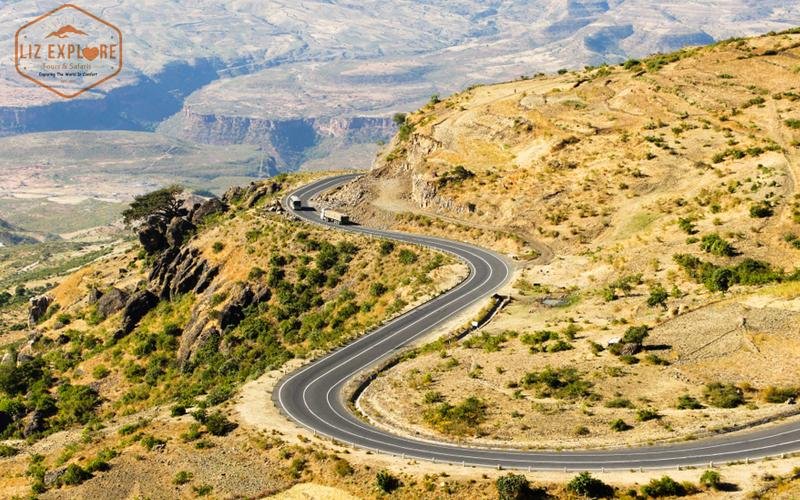
Road type: paved highways and mountain roads
Fuel: generally available
Ethiopia’s most famous overland route.
Highlights:
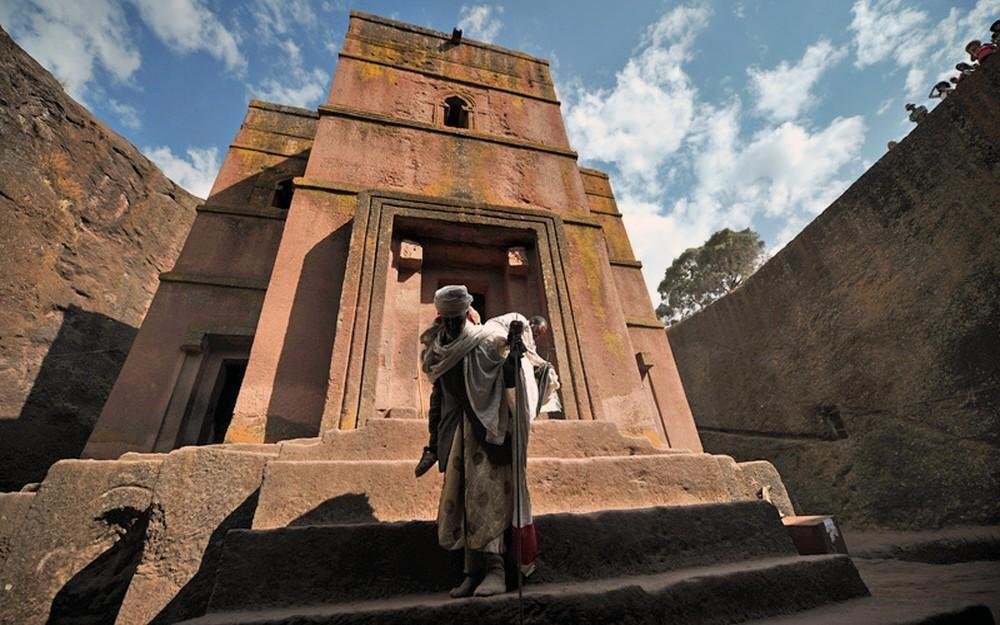
- ancient churches
- medieval castles
- mountain scenery
- cultural heritage
- traditional villages
Major attractions include:
- Lalibela
- Fasil Ghebbi
- Axum
Perfect for:
- first-time visitors
- cultural travelers
- campervan road trips
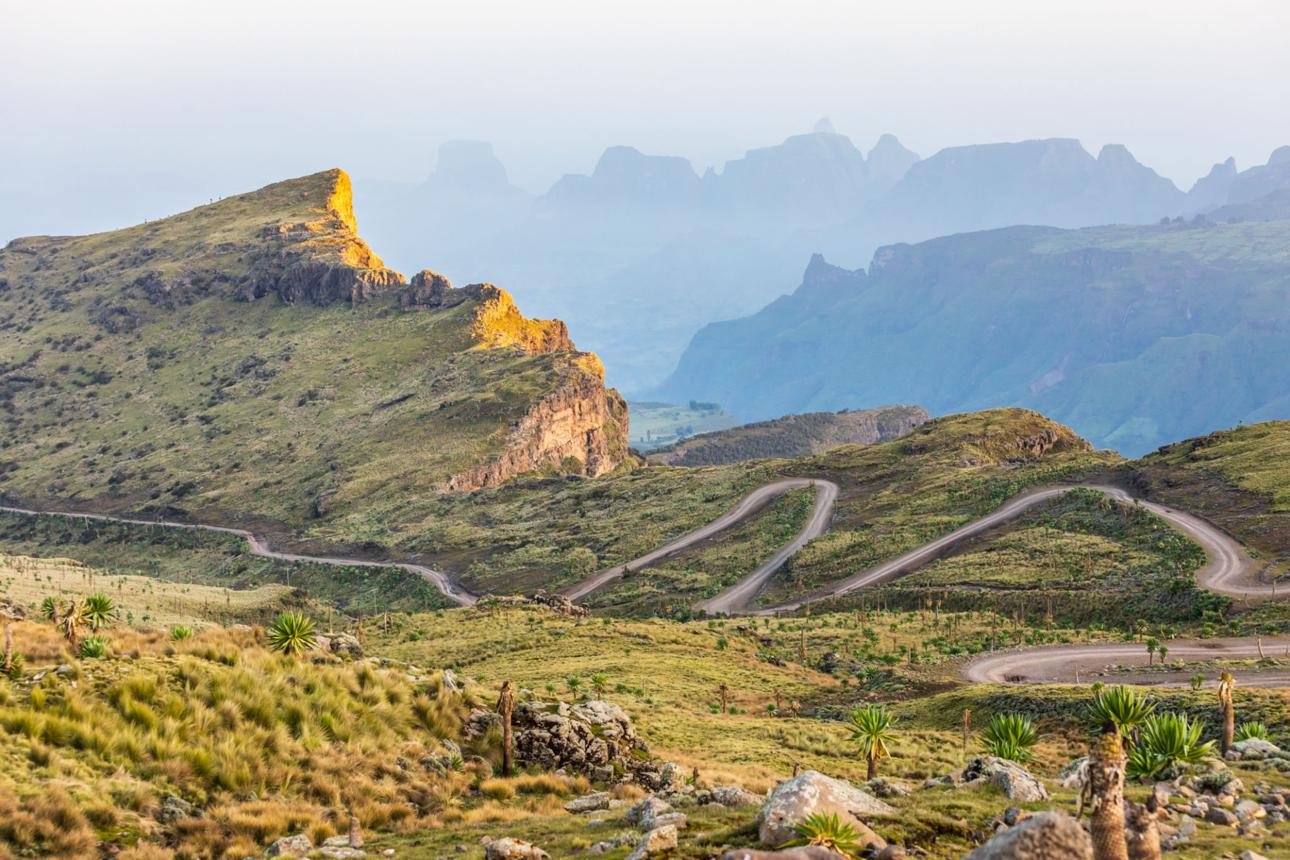
2. Simien Mountains Route
6
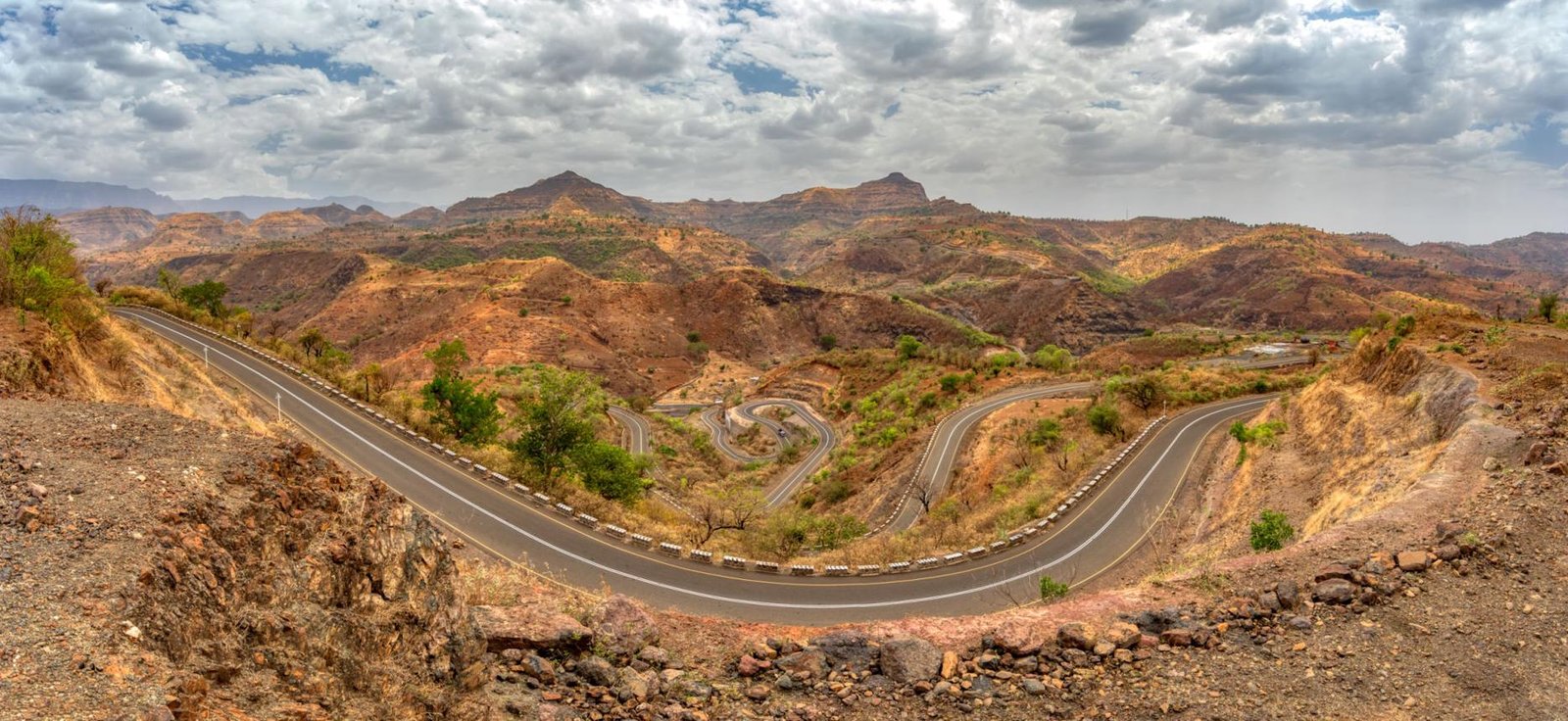
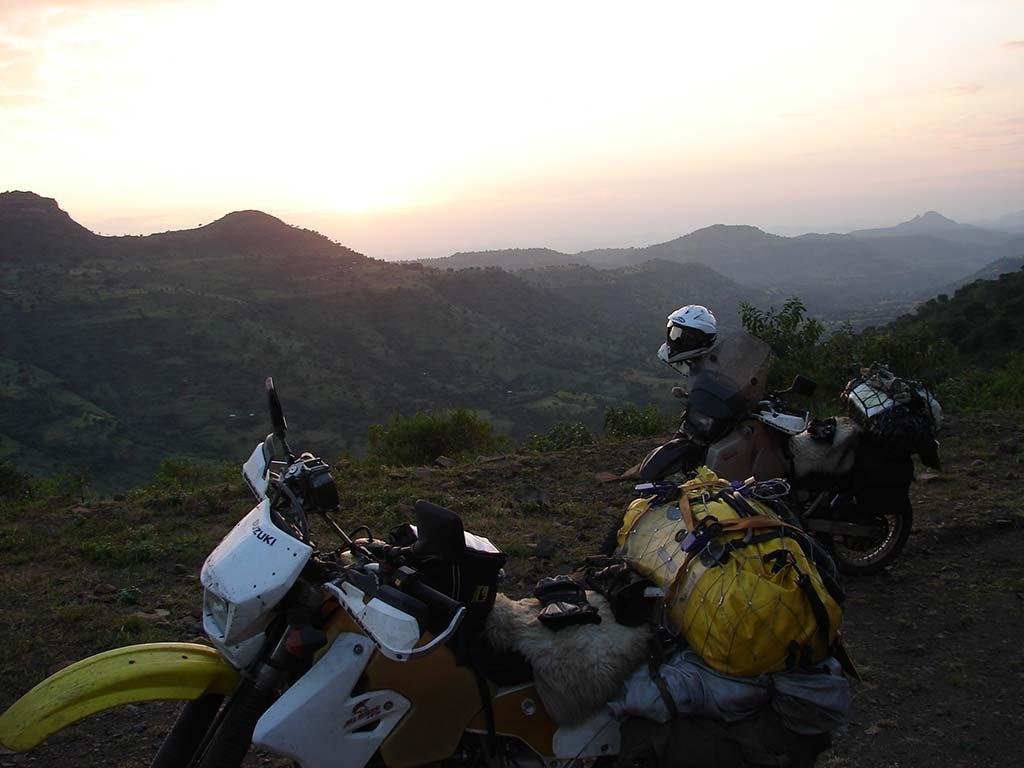
One of Africa’s most spectacular mountain regions.
Highlights:
- dramatic escarpments
- mountain wildlife
- hiking opportunities
- breathtaking viewpoints
Wildlife includes:
- Gelada baboons
- Ethiopian wolves
- Walia ibex
A must-visit destination.
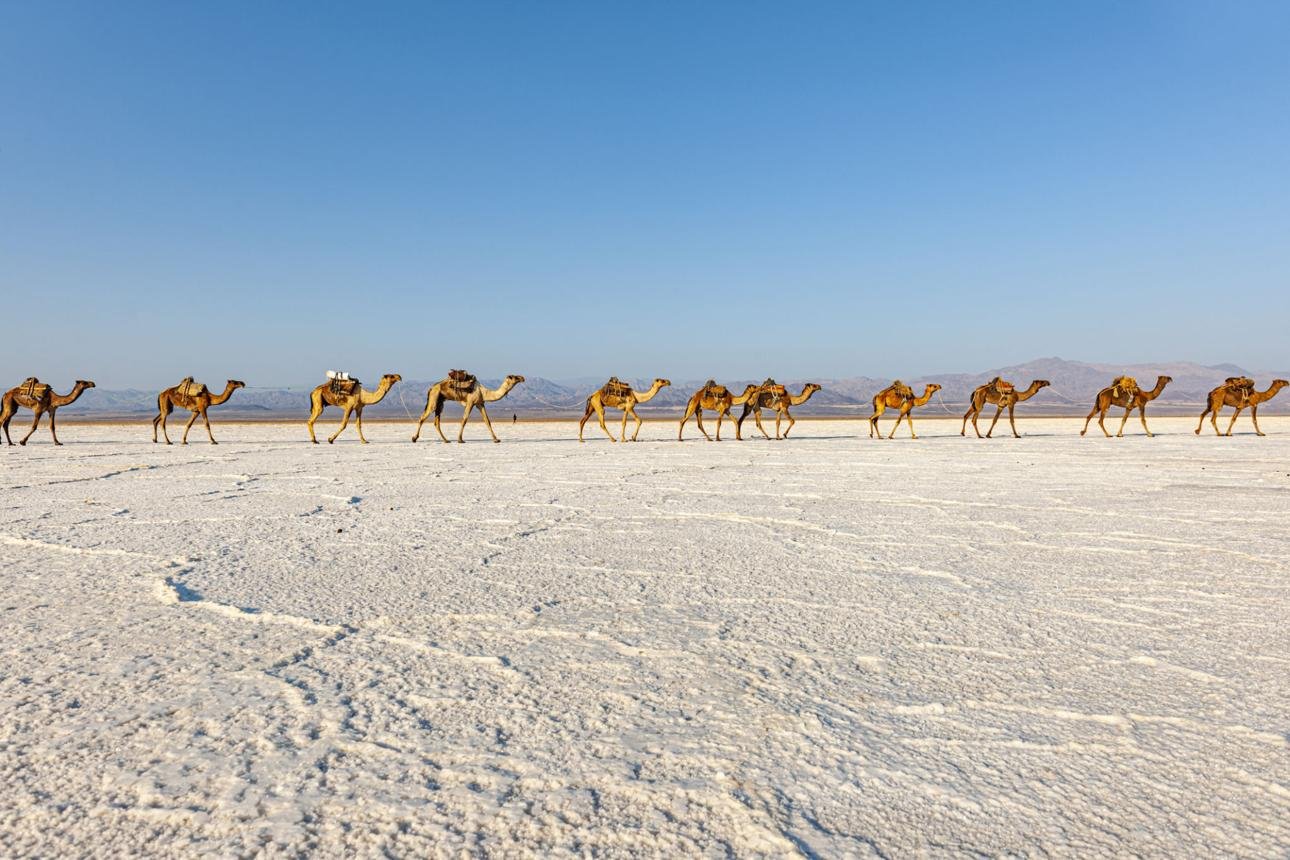
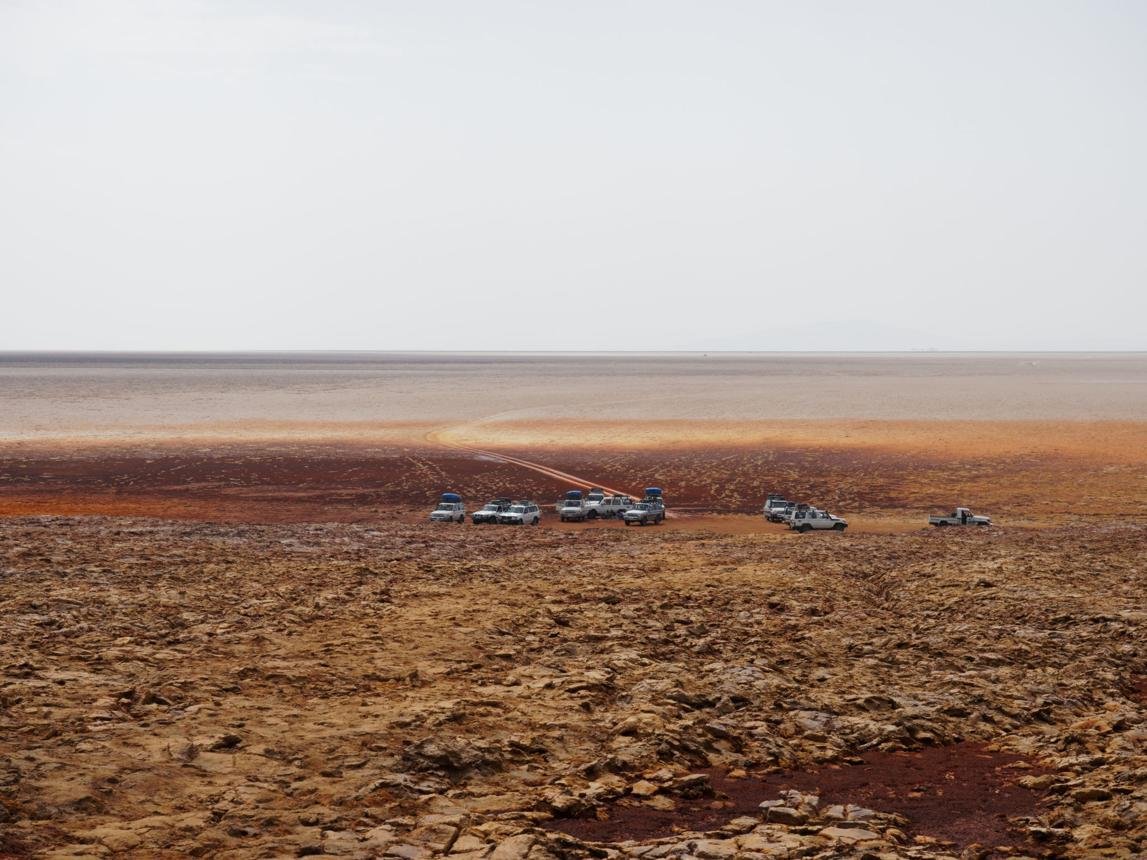
3. Danakil Depression Expedition
7
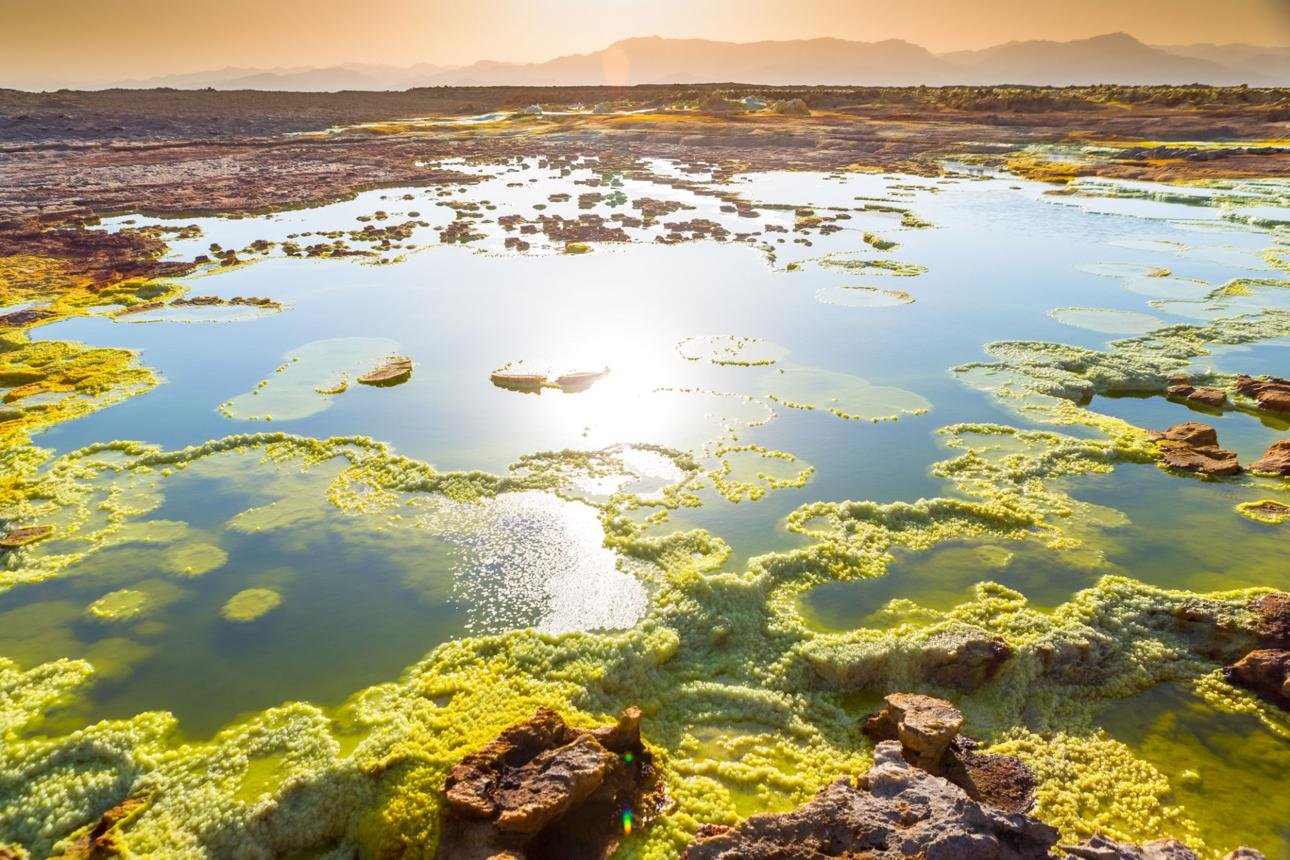
One of the most extreme overland adventures on Earth.
Highlights:
- colorful geothermal landscapes
- active volcanic regions
- salt flats
- extreme desert scenery
Major attractions:
- Dallol
- Erta Ale
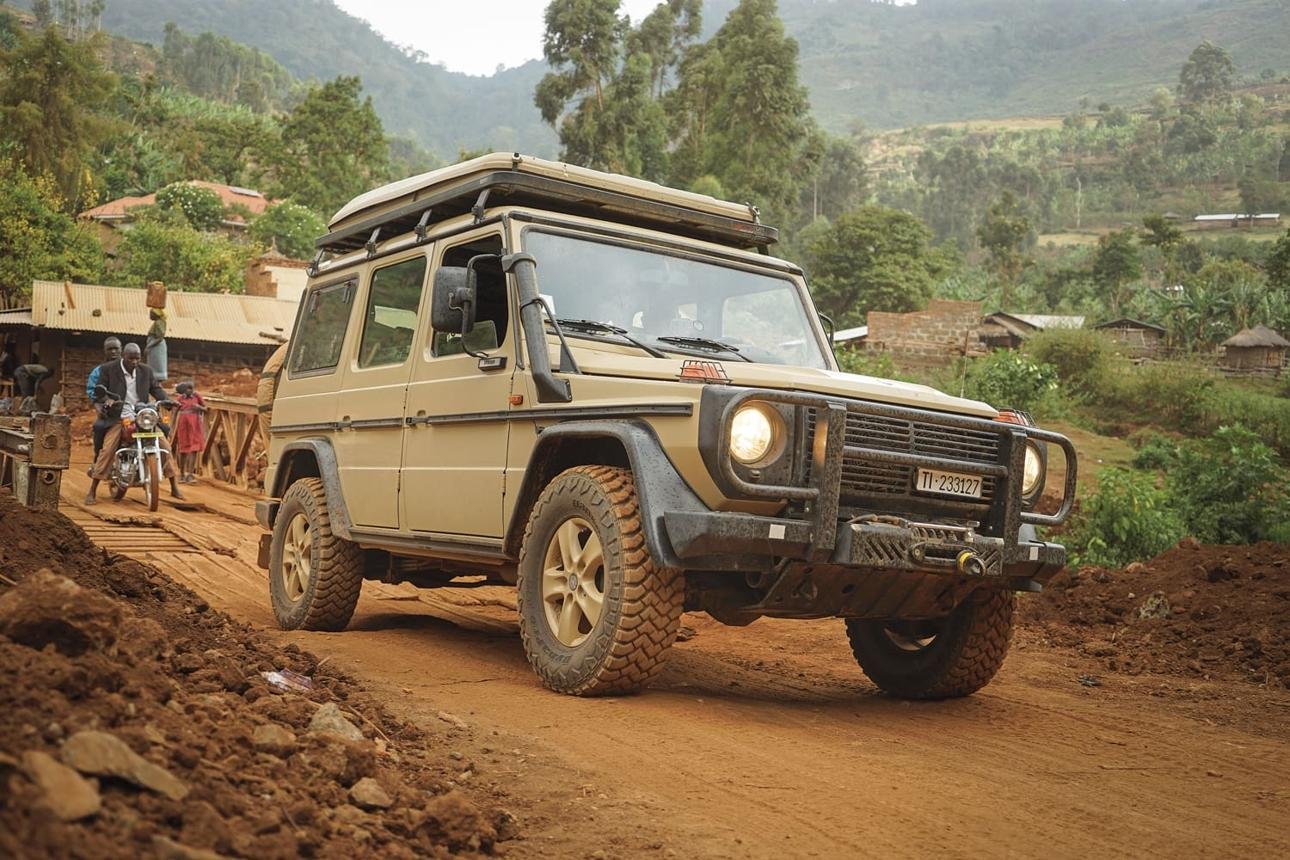
A 4×4 is essential.
Travel often requires local arrangements and permits.
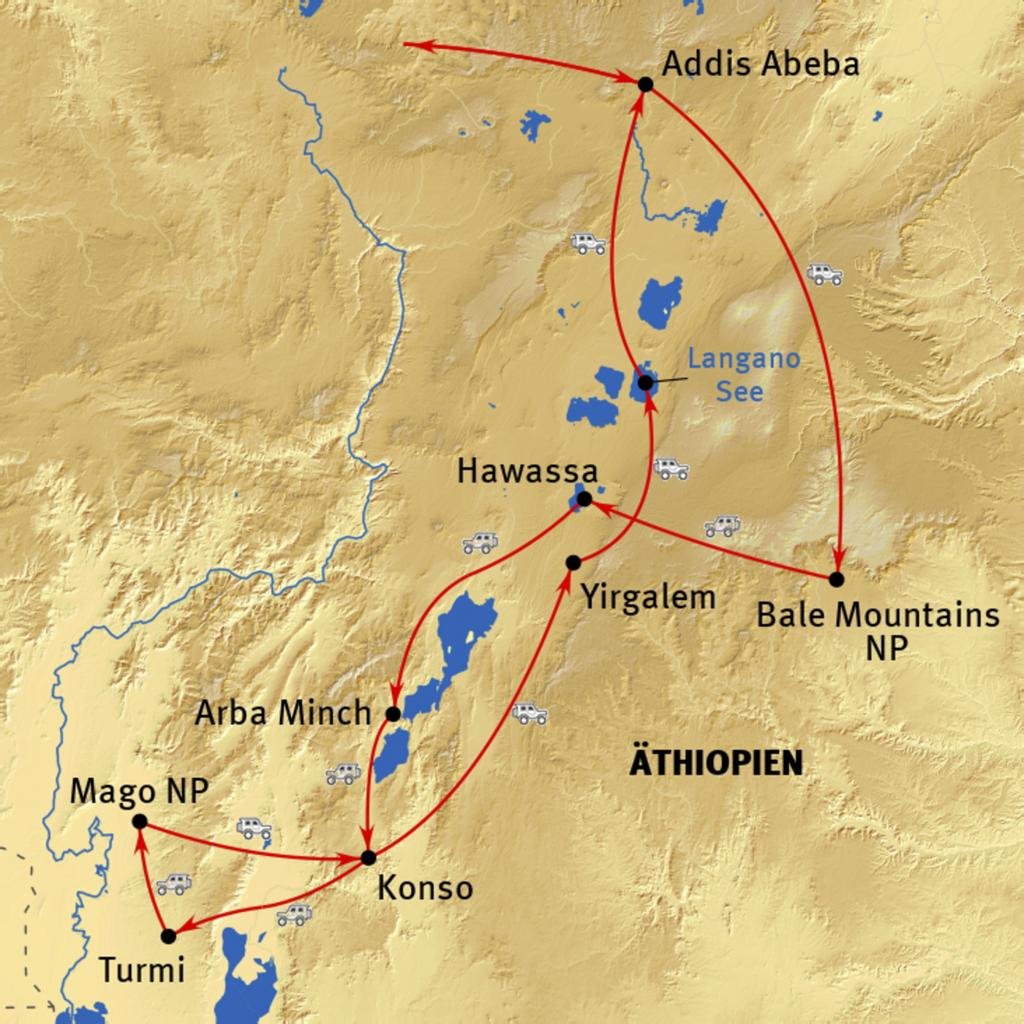
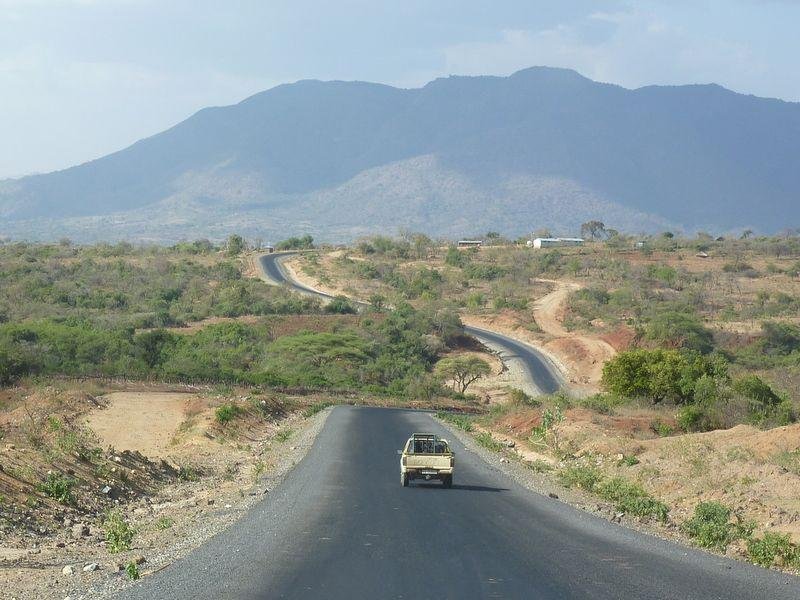
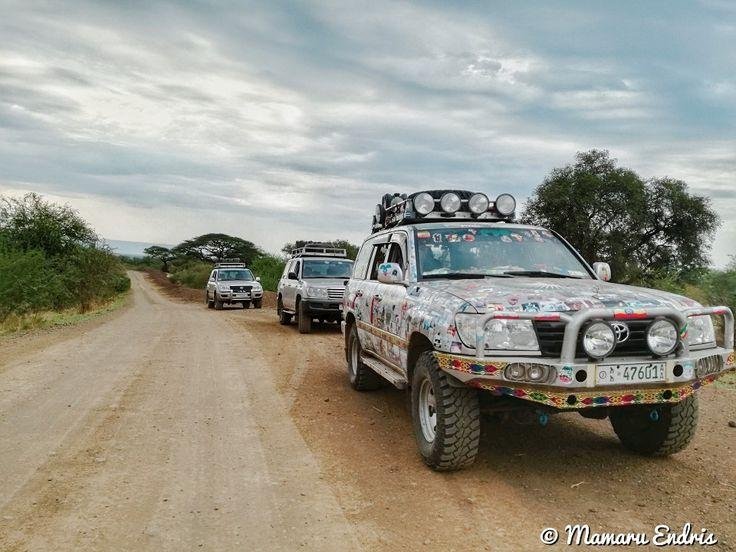
4. Omo Valley Route
9
One of Africa’s most culturally fascinating regions.
Highlights:
- tribal communities
- remote villages
- wildlife areas
- dramatic landscapes
Expect rough roads and long driving days.
Ideal for experienced overlanders.
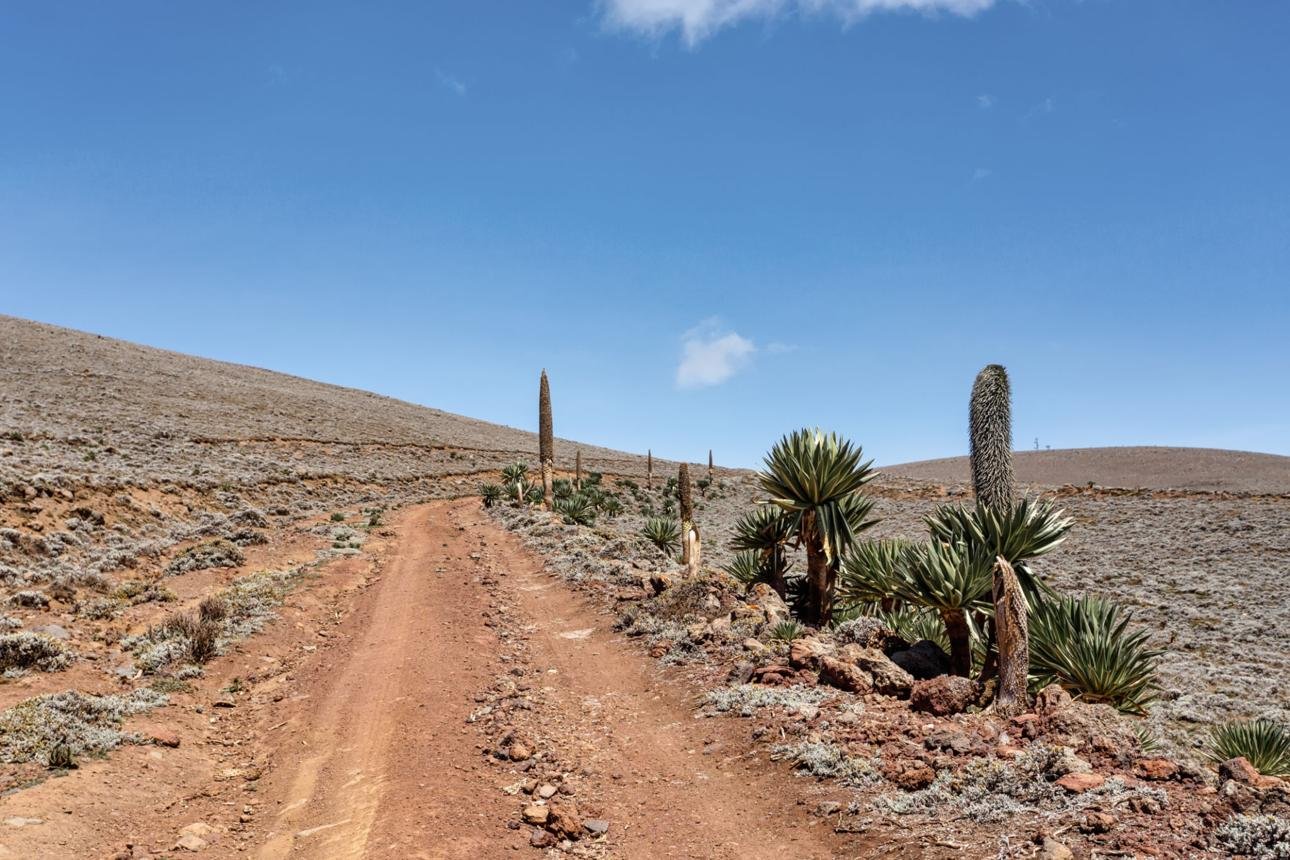
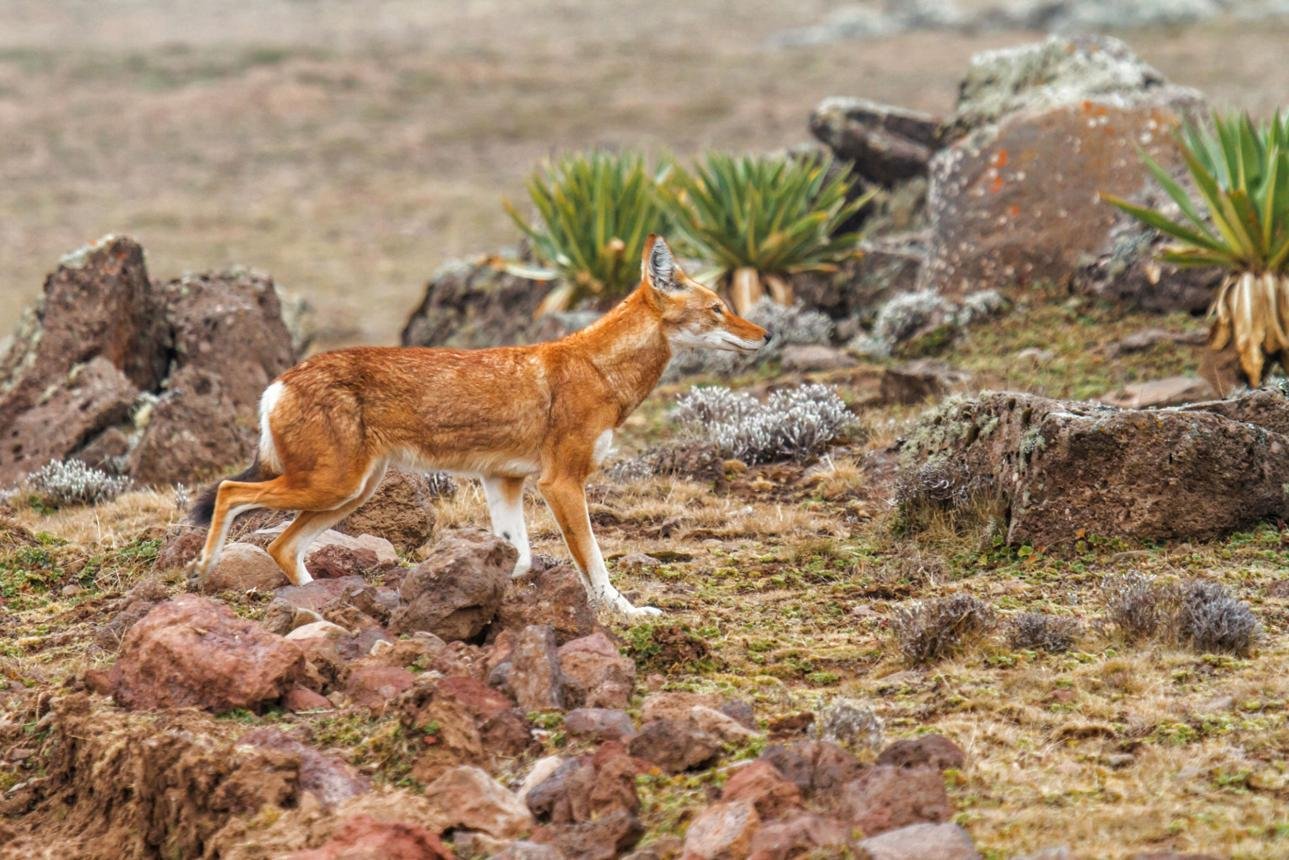
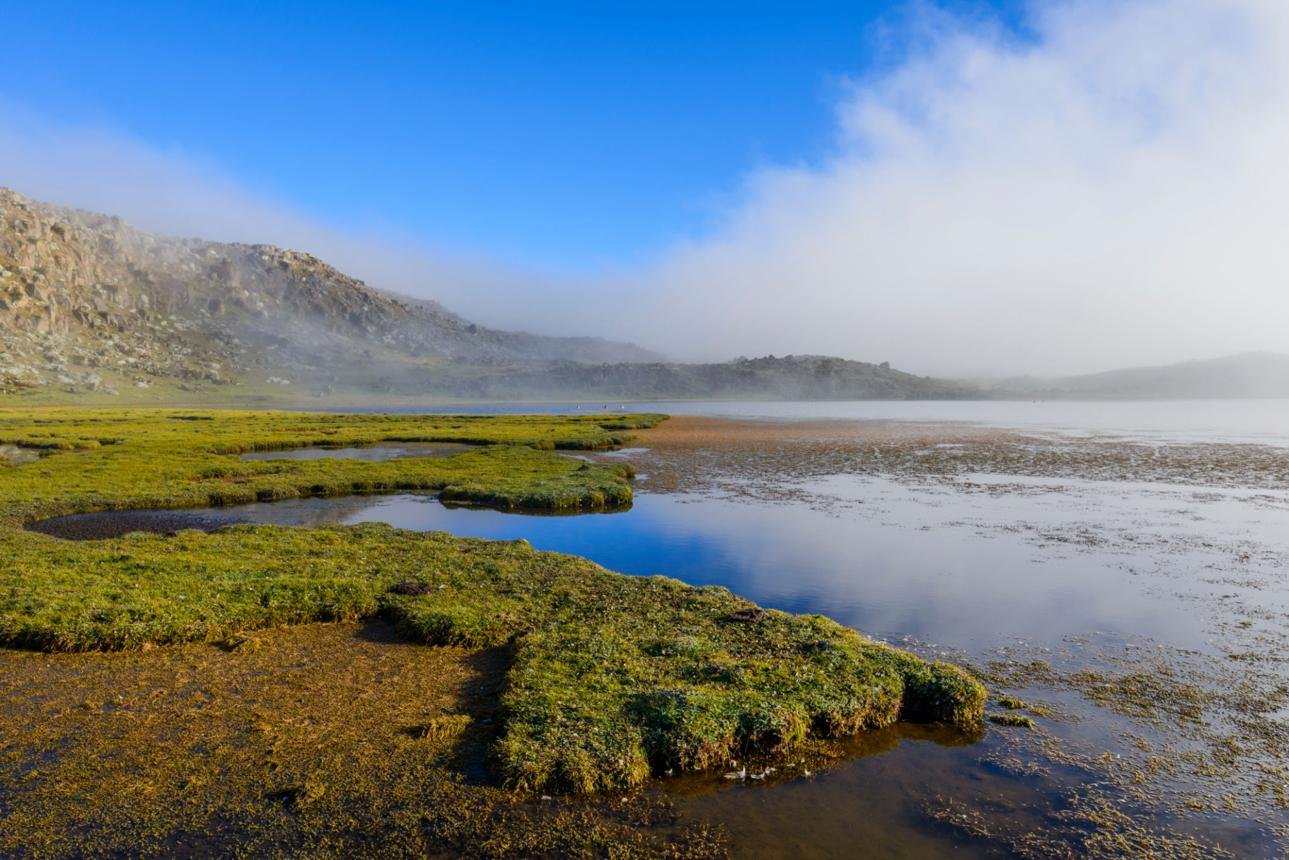
5. Bale Mountains Route
7
A lesser-known but outstanding route.
Highlights:
- alpine landscapes
- Ethiopian wolves
- high-altitude plateaus
- scenic mountain roads
One of East Africa’s hidden gems.
Borders & Entry Points
Ethiopia borders:
- Kenya
- Sudan
- South Sudan
- Eritrea
- Djibouti
- Somalia
Kenya
Most popular overland connection.
Part of the famous Cairo-to-Cape route.
Djibouti
Important trade corridor and overland route.
Good road connections.
Sudan
Historically a major overland route between North and East Africa.
Current conditions should always be verified.
Eritrea
Border procedures can change and should be checked before travel.
Vehicle Entry Requirements
Usually required:
- passport
- visa or eVisa
- vehicle registration
- insurance
- temporary import permit
- driver’s license
Carnet de Passages may be required depending on vehicle and route.
Driving Conditions
Driving conditions vary considerably.
Easy:
- major highways
- Addis Ababa region
- northern circuit
Moderate:
- mountain roads
- regional highways
Difficult:
- Omo Valley
- Danakil Depression
- remote desert tracks
- rainy-season routes
Livestock on roads is common.
Driving after dark is generally discouraged.
Fuel & Logistics
Generally manageable.
Expect:
- fuel in major towns
- mechanics widely available
- basic supplies in rural areas
- good mobile coverage in populated regions
Remote regions require:
- extra fuel
- spare tires
- additional water
- recovery equipment
Camping & Accommodation
Wild Camping
Possible in many remote regions.
Always seek local advice and assess security conditions.
Campsites
Formal campsites are limited.
Most overlanders combine:
- wild camping
- lodges
- guesthouses
- hotels
Budget Accommodation
Widely available and affordable.
Safety & Risks
Conditions can vary significantly by region.
Main concerns:
- road safety
- livestock on roads
- remote breakdowns
- altitude
- seasonal weather
- changing regional security situations
Research current conditions carefully before departure.
Best Time to Visit
Ideal
October–February
Dry season.
Best road conditions.
Shoulder Seasons
March–May
Good for many regions.
Rainy Season
June–September
Mountain roads and remote tracks may become difficult.
Sample 3-Week Itinerary
Days 1–3: Addis Ababa
Days 4–6: Bahir Dar and Lake Tana
Days 7–9: Gondar and Simien Mountains National Park
Days 10–13: Axum
Days 14–16: Lalibela
Days 17–21: Omo Valley or Bale Mountains extension
FAQ
Is Ethiopia good for overlanding?
Excellent. It is one of Africa’s most rewarding overland destinations.
Need a 4×4?
Not for the main northern circuit, but highly recommended for remote regions.
Can you wild camp?
Yes, in many rural and remote areas.
Good for campervans?
Yes, though infrastructure is limited compared with Southern Africa.
Best highlight?
The Simien Mountains, Lalibela, and the Danakil Depression.
Related Pages
- Backpacking Ethiopia
- RV Travel Ethiopia
- Addis Ababa
- Lalibela
- Simien Mountains National Park
- Dallol
- Erta Ale
- Omo Valley Travel Guide
- Bale Mountains Guide
- East Africa Overlanding Guide
- Ethiopia Campsites Guide
- Ethiopian Roads 050
- Papyrus boats in Ethiopia
- Getting around
- Further Reading