Quick Facts
Best time to visit: November–February
Difficulty: 3.5/5
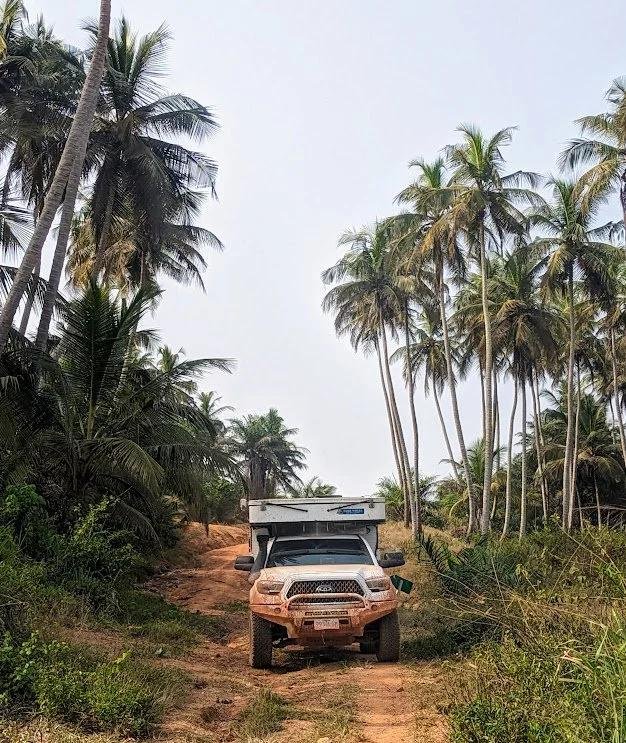
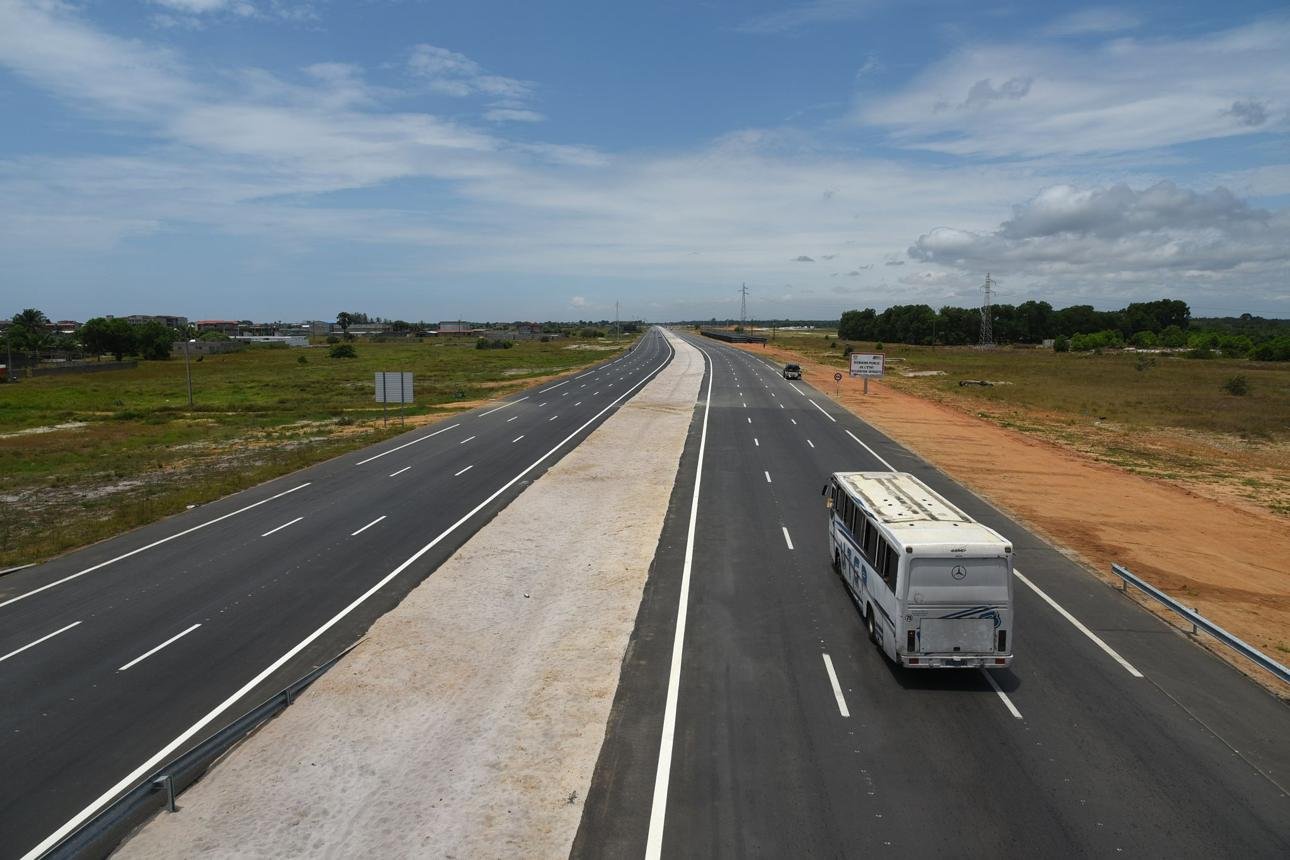
Road conditions: Good paved highways on major routes, rougher roads in rural and forest regions
Visa situation: eVisa available for many nationalities; vehicle paperwork required
Why Overland Ivory Coast?
Ivory Coast, officially known as Côte d’Ivoire, is one of West Africa’s most developed and rewarding overlanding destinations.
After years of political instability, the country has invested heavily in infrastructure, making road travel significantly easier than in many neighboring countries.
Why it stands out:
- excellent road network
- vibrant cities
- tropical coastlines
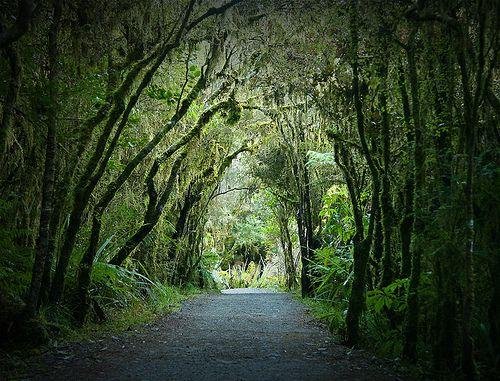
- rainforest regions
- diverse cultures
- growing tourism infrastructure
- easy long-distance driving
- strategic West Africa overland location
Ivory Coast offers a very different experience from classic safari destinations.
The attraction lies in the mix of modern cities, traditional villages, Atlantic beaches, and tropical landscapes.
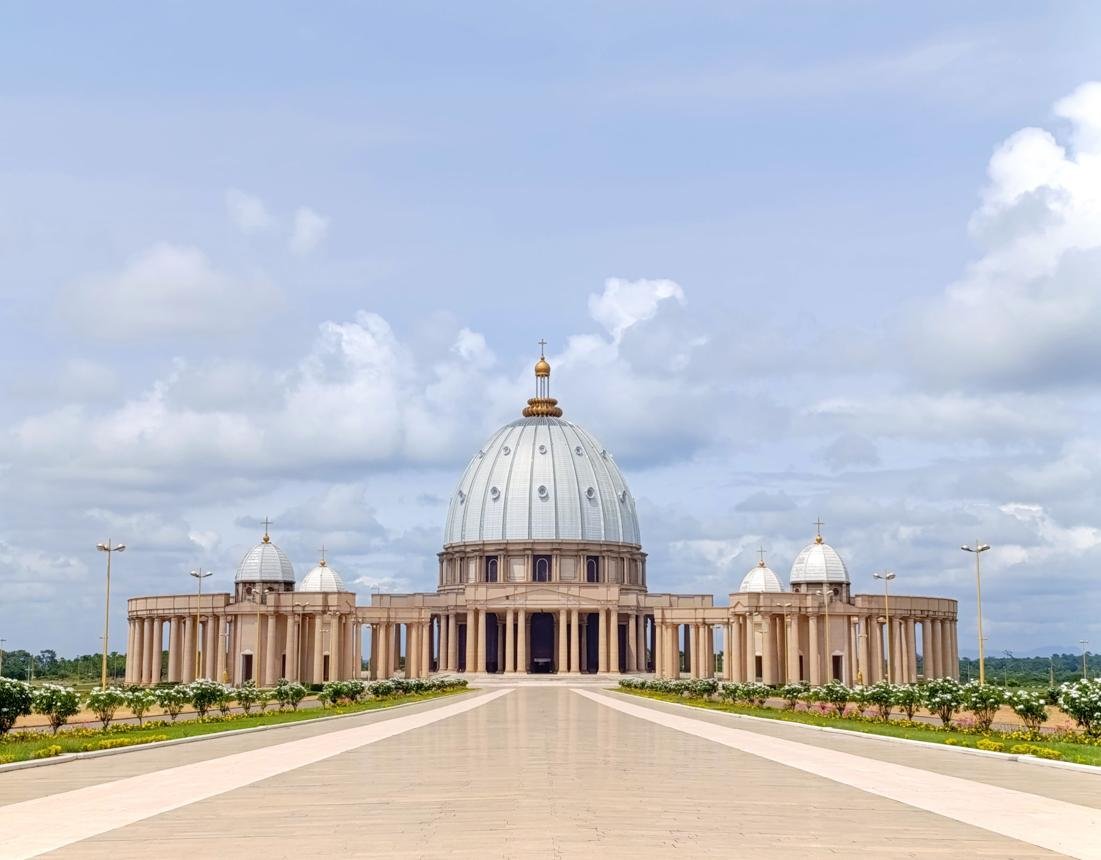
One day you can be exploring the futuristic basilica in Yamoussoukro, the next driving through rainforest regions toward Taï National Park, and later relaxing along the Gulf of Guinea.
Main Overlanding Routes
1. Southern Coast Route
8
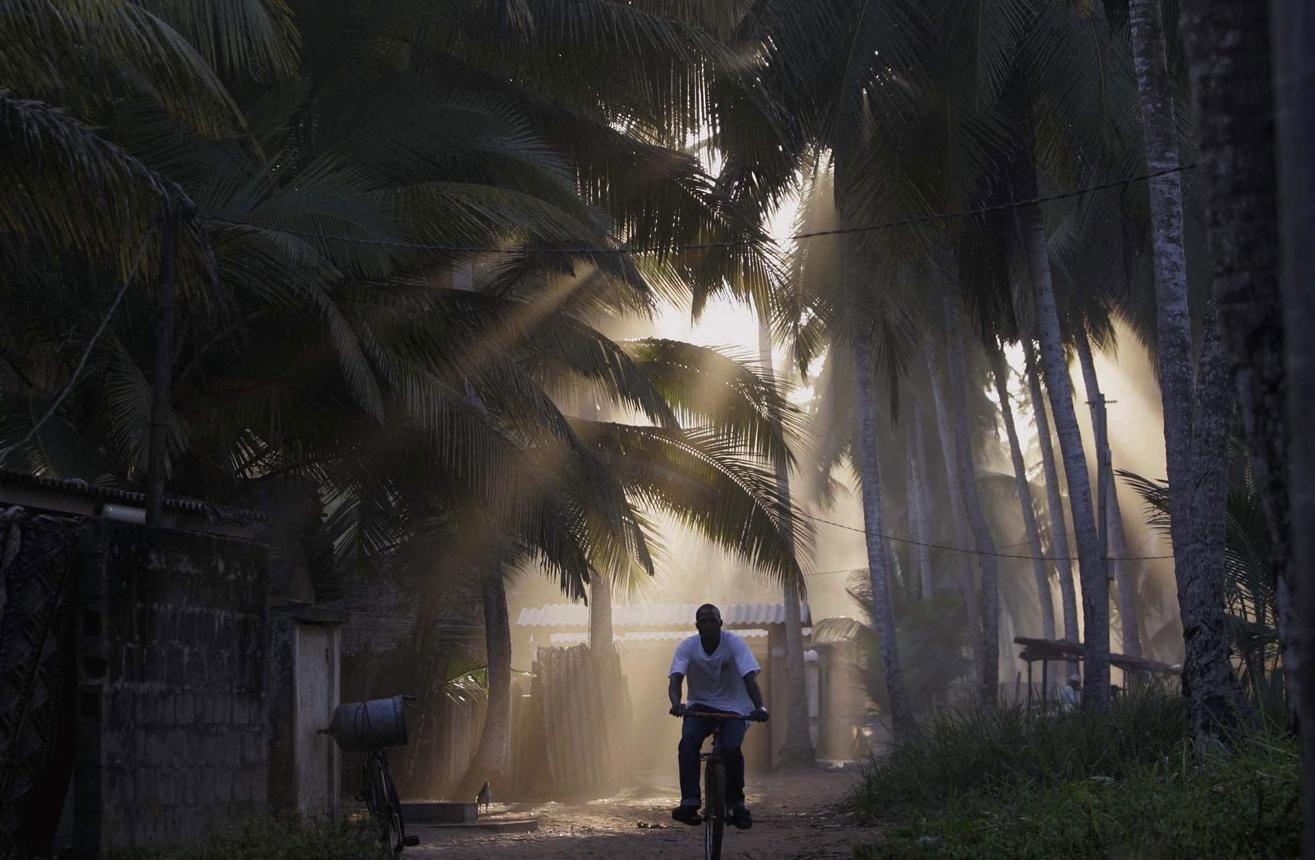
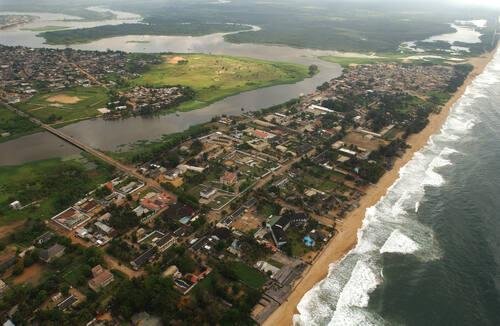
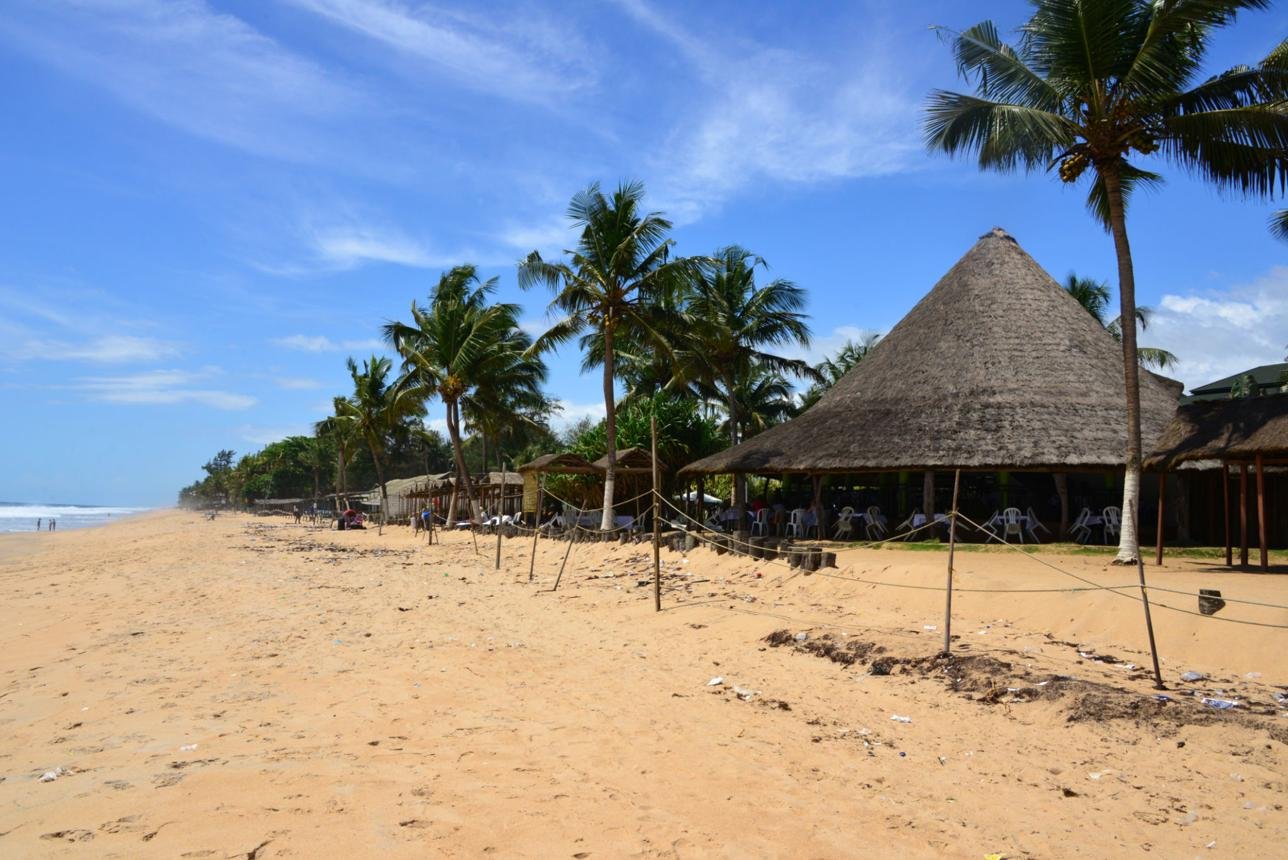
Route: Abidjan – Grand-Bassam – Assinie – eastern coastline
Distance: approx. 150–300 km
Road type: paved highways
Fuel: excellent availability
One of the easiest and most enjoyable routes in the country.
Highlights:
- Atlantic beaches
- colonial architecture
- lagoon scenery
- coastal resorts
- cultural attractions
Grand-Bassam is a particular highlight with its historic district and seaside atmosphere.
Best for:
- first-time visitors
- campervan travelers
- relaxed road trips
2. Abidjan to Yamoussoukro Route
7
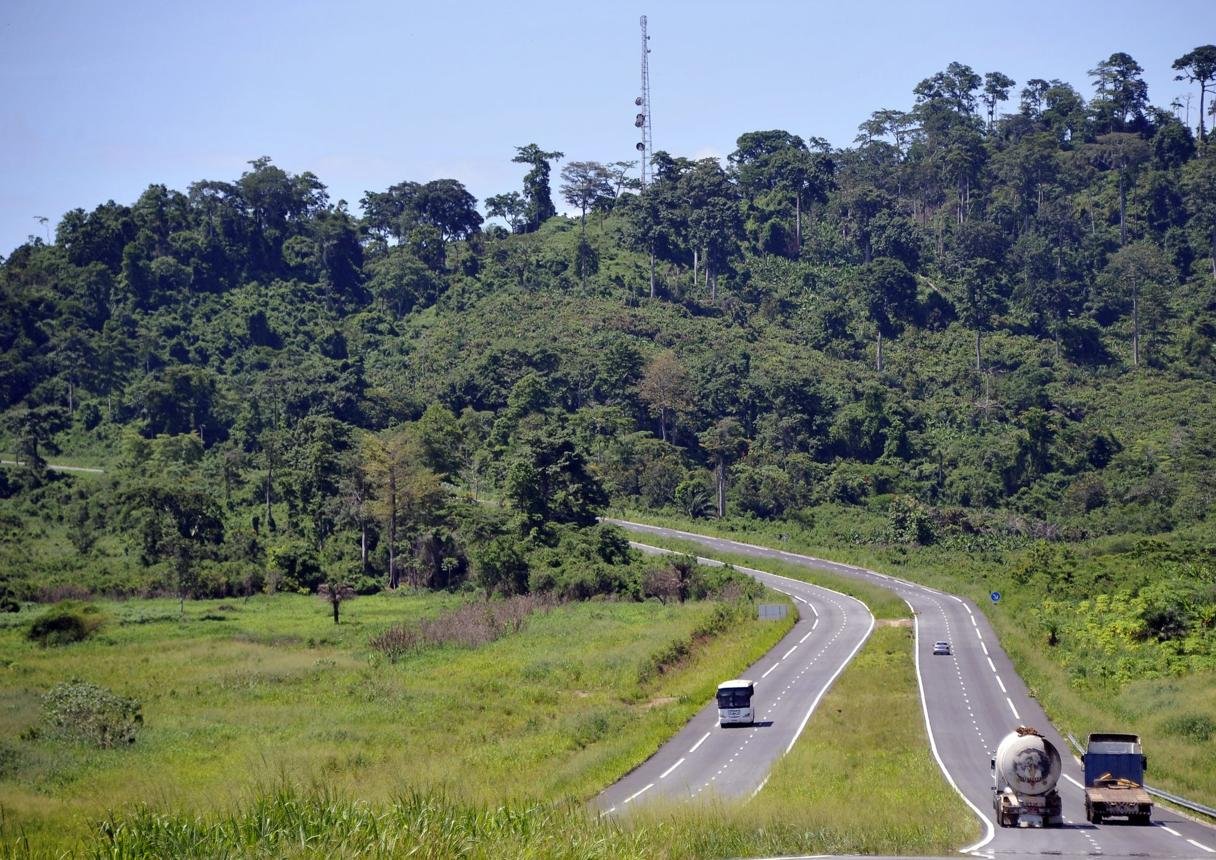
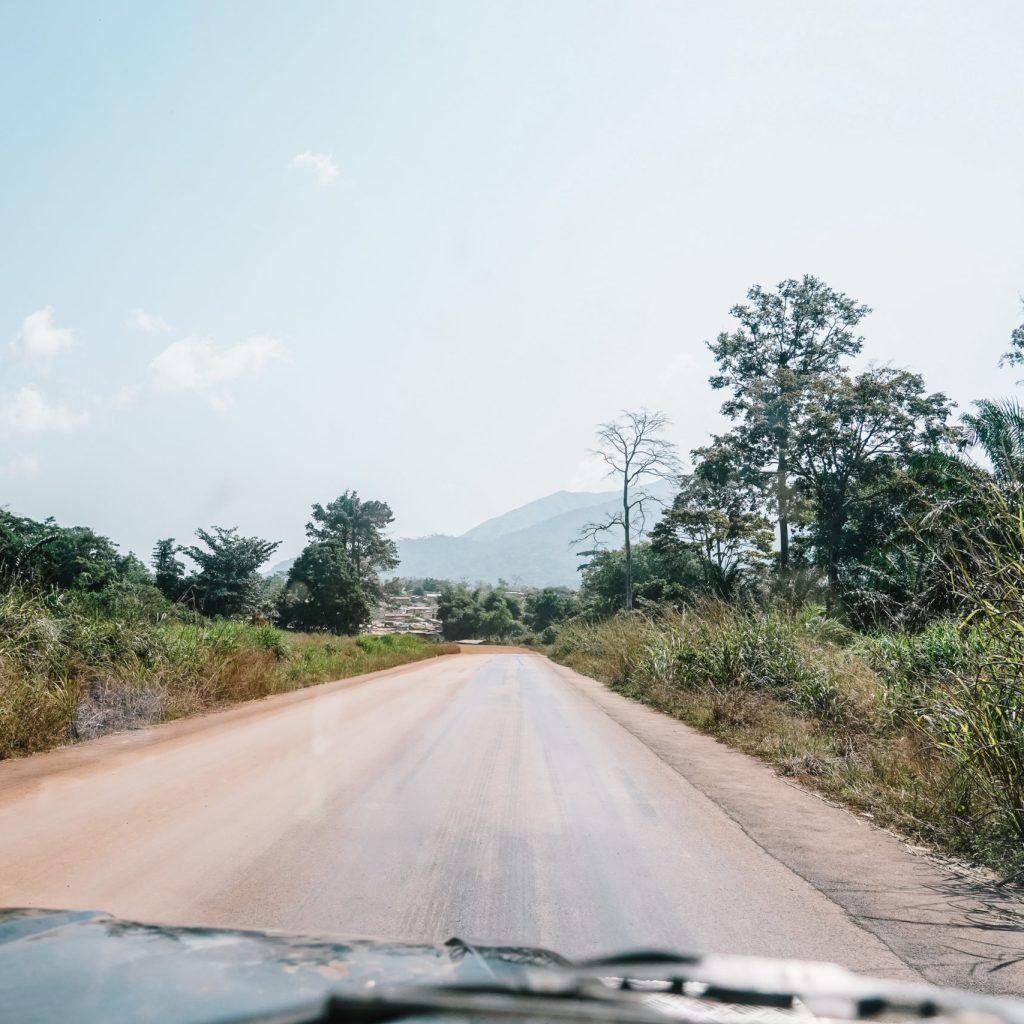
Route: Abidjan – Yamoussoukro
The country’s most important inland route.
Highlights:
- modern highways
- rural landscapes
- the enormous Basilica of Our Lady of Peace
- political capital atmosphere
One of the easiest long-distance drives in West Africa.
3. Western Rainforest Route
9
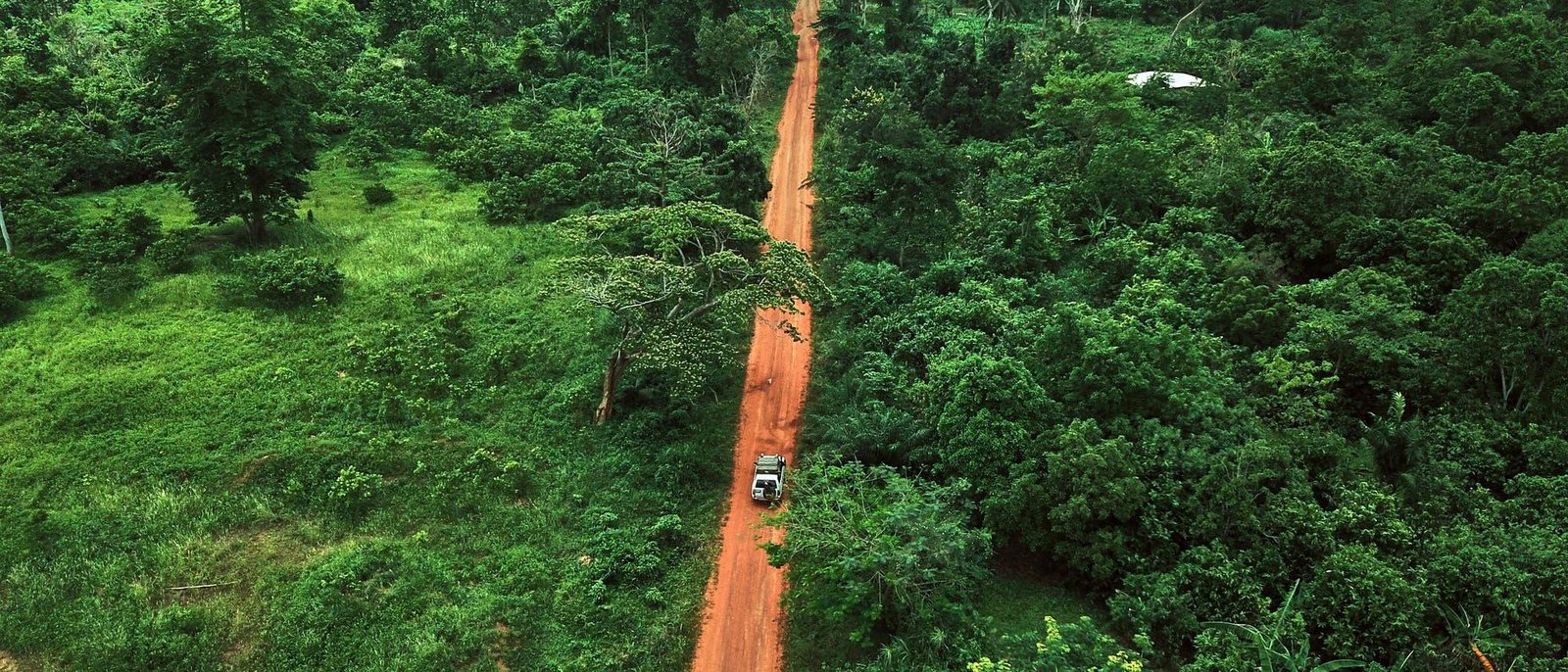
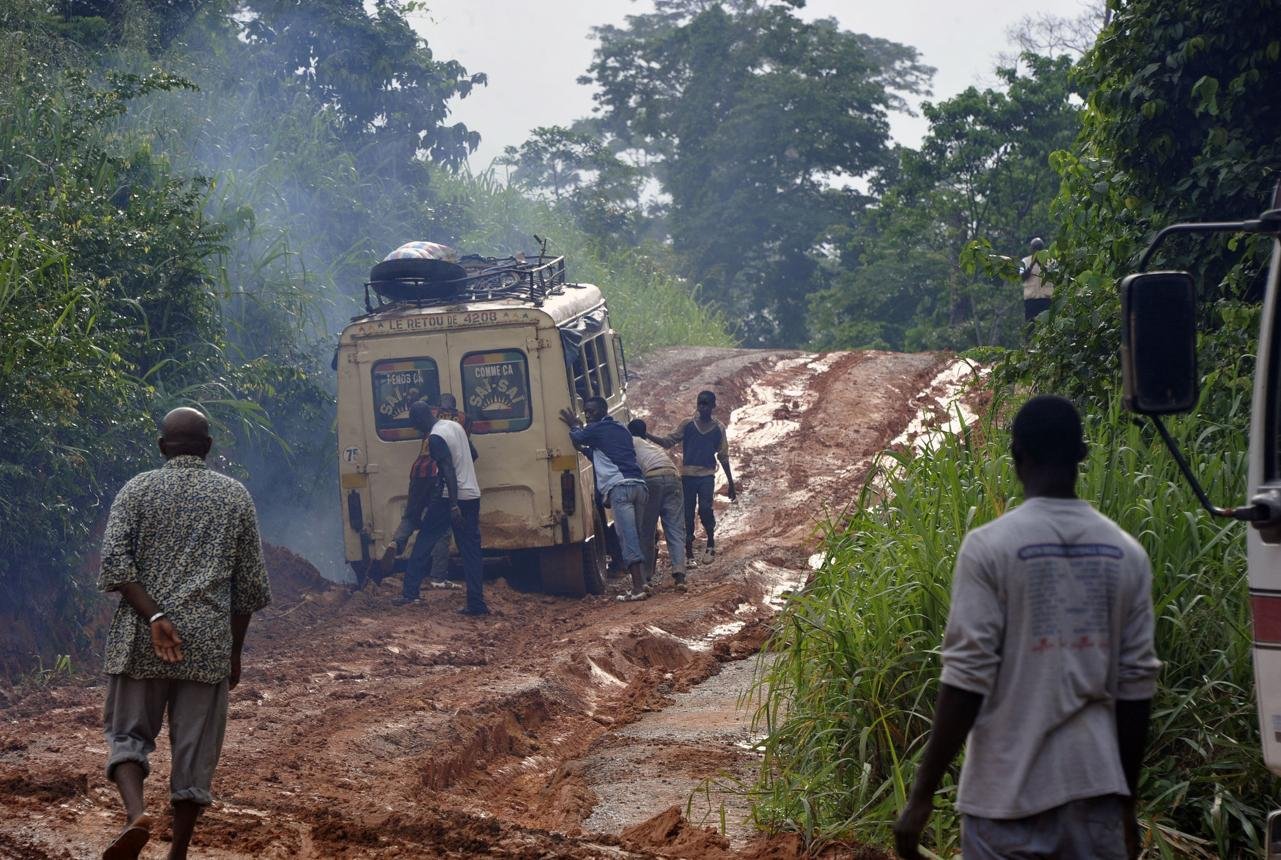
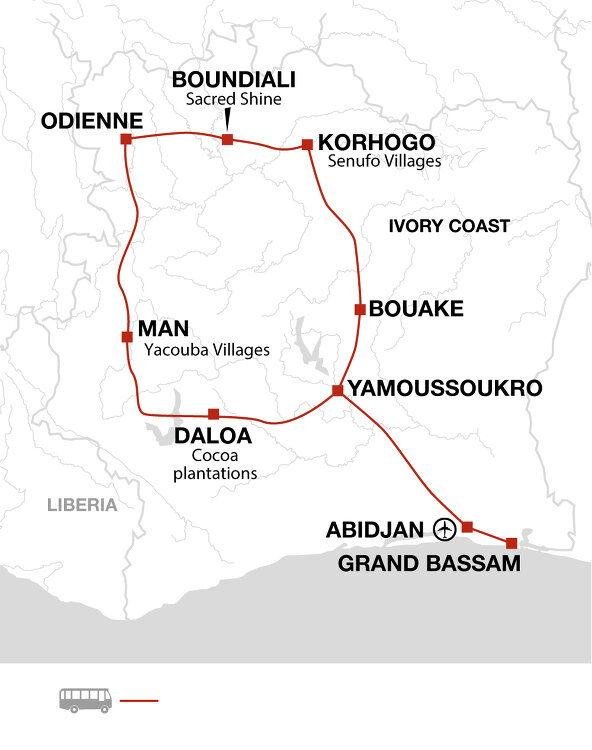
Route: Yamoussoukro – Daloa – Man – Taï region
A scenic and adventurous route.
Highlights:
- rainforest scenery
- mountain landscapes
- waterfalls
- traditional villages
- wildlife areas
The western region offers some of the country’s most beautiful scenery.
4. Northern Savannah Route
7
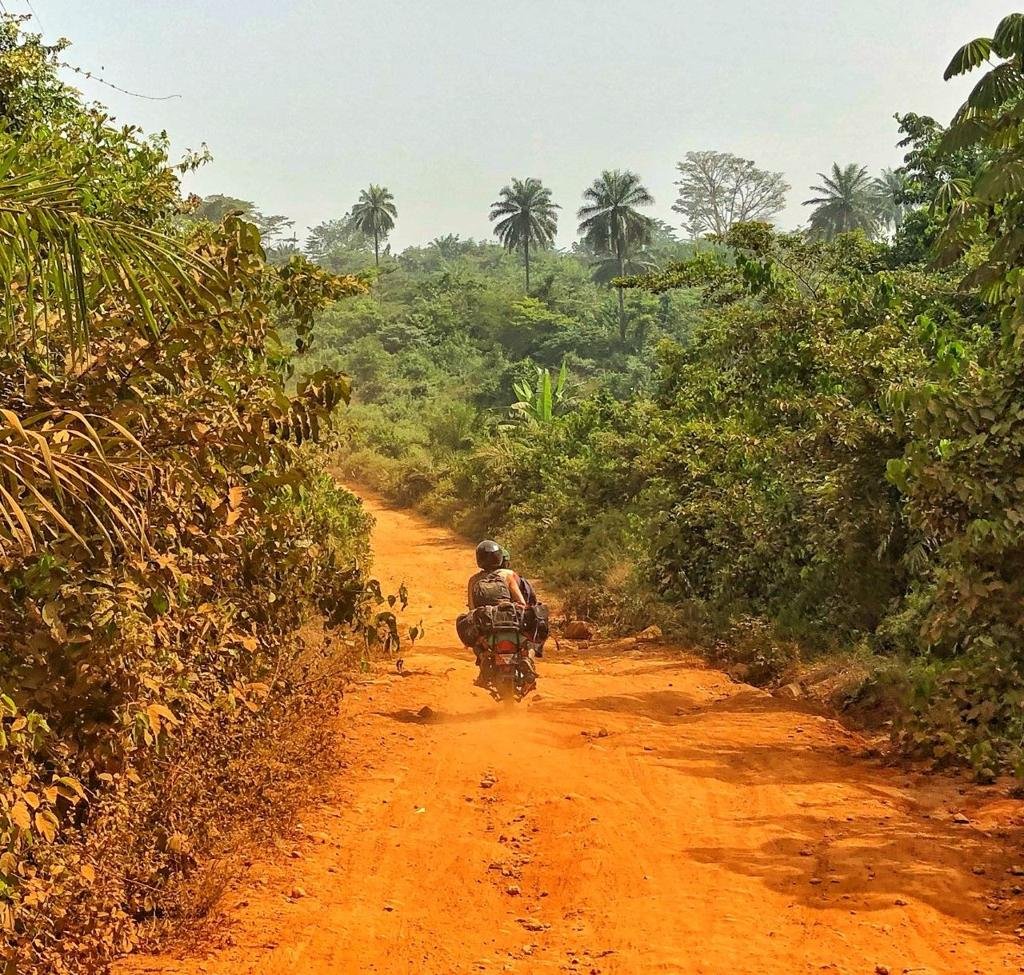
Route: Yamoussoukro – Bouaké – Korhogo
A less-visited overland route.
Highlights:
- traditional cultures
- savannah landscapes
- artisan villages
- quieter roads
Excellent for travelers seeking a deeper look at the country.
Borders & Entry Points
Ivory Coast borders:
- Ghana
- Liberia
- Guinea
- Mali
- Burkina Faso
Ghana
Most popular overland connection.
Excellent road infrastructure.
Common West Africa route.
Liberia
Interesting regional extension.
Road conditions can vary significantly.
Burkina Faso
Major northbound overland corridor.
Popular for long-distance West Africa travel.
Mali
Possible depending on current security conditions.
Guinea
Scenic but more demanding route.
Vehicle Entry Requirements
Usually required:
- passport
- visa / eVisa
- vehicle registration
- insurance
- temporary import documentation
- driver’s license
French language ability is helpful.
Driving Conditions
Ivory Coast is relatively easy by West African standards.
Easy:
- major highways
- Abidjan–Yamoussoukro corridor
- coastal routes
Moderate:
- regional roads
- western mountain regions
Difficult:
- remote rural roads
- rainy season travel
- border regions
Traffic around Abidjan can be intense.
Fuel & Logistics
One of West Africa’s stronger countries for logistics.
Advantages:
- reliable fuel availability
- good road network
- mechanics in larger towns
- supermarkets
- mobile coverage
- banking infrastructure
Long-distance travel is relatively straightforward.
Camping & Accommodation
Wild Camping
Possible in some remote areas with caution.
Less common than in southern Africa.
Seek local advice when possible.
Campsites
Limited formal overlanding infrastructure.
Most travelers use:
- hotels
- guesthouses
- lodges
- beach accommodations
Budget Accommodation
Available throughout the country.
Generally affordable.
Safety & Risks
Ivory Coast is considerably more stable than in previous decades.
Main concerns:
- traffic accidents
- petty theft
- bureaucracy
- rainy-season road conditions
Security conditions should always be checked before border-region travel.
Best Time to Visit
Ideal
November–February
Dry season.
More comfortable temperatures.
Best road conditions.
Shoulder Season
October and March.
Generally manageable.
Rainy Season
Road conditions can deteriorate in rural regions.
Sample 2-Week Itinerary
Days 1–3: Abidjan / Grand-Bassam
Days 4–6: Yamoussoukro
Days 7–10: Man and western highlands
Days 11–14: Taï region or northern extension
FAQ
Is Ivory Coast good for overlanding?
Yes, one of West Africa’s easier overland destinations.
Need 4×4?
Not for most major routes.
Good for beginners?
Reasonably, especially for travelers with some Africa experience.
Best highlight?
The western highlands and Grand-Bassam.
Can you wild camp?
Possible in remote regions with caution.
Related Pages
- Backpacking Ivory Coast
- RV Travel Ivory Coast
- Abidjan
- Grand-Bassam
- Yamoussoukro
- Taï National Park
- Man
- Korhogo
- West Africa Overlanding Guide
- Getting around
- Further Reading