Quick Facts
Best time to visit: November–February
Difficulty: 3.5/5
Road conditions: Good highways near major corridors, rough desert tracks in remote regions
Visa situation: eVisa available for many nationalities; vehicle paperwork required for overland entry
Why Overland Djibouti?
Djibouti is one of Africa’s smallest and least-visited countries, yet it offers some of the continent’s most unusual landscapes.
Located at the entrance to the Red Sea, Djibouti combines volcanic deserts, salt lakes, dramatic canyons, mountain scenery, and one of the hottest climates on Earth.
Why it stands out:
- spectacular desert landscapes
- Lake Assal, Africa’s lowest point
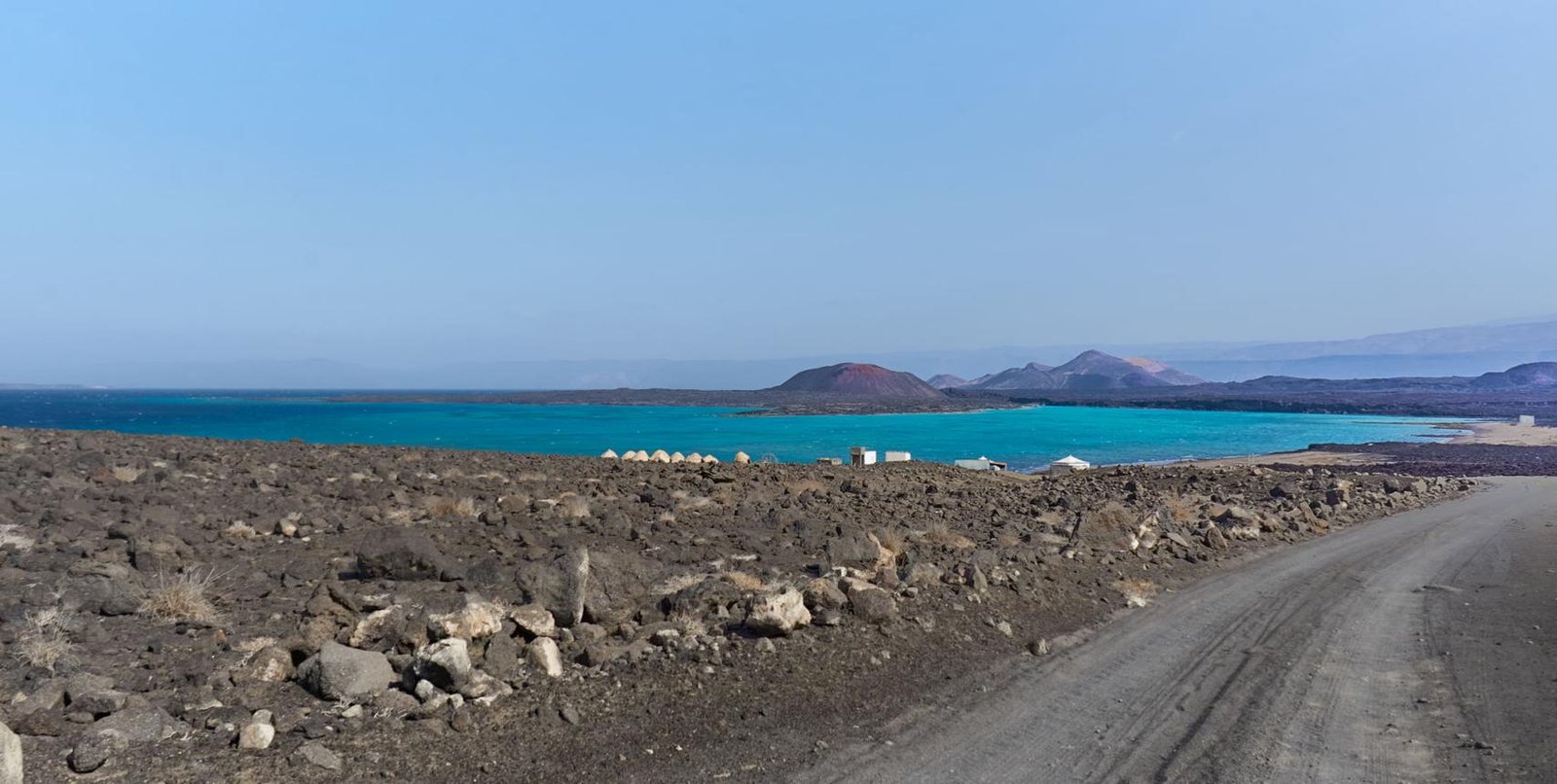
- volcanic scenery
- unique geological formations
- Red Sea coastline
- compact and easy to explore
- gateway between East Africa and the Arabian Peninsula
- very few tourists
Although small, Djibouti feels like another planet in places.
One day you can be driving across lava fields near Lake Abbé, the next descending toward the salt flats of Lake Assal, and later exploring cooler mountain forests near the Eritrean border.
Main Overlanding Routes
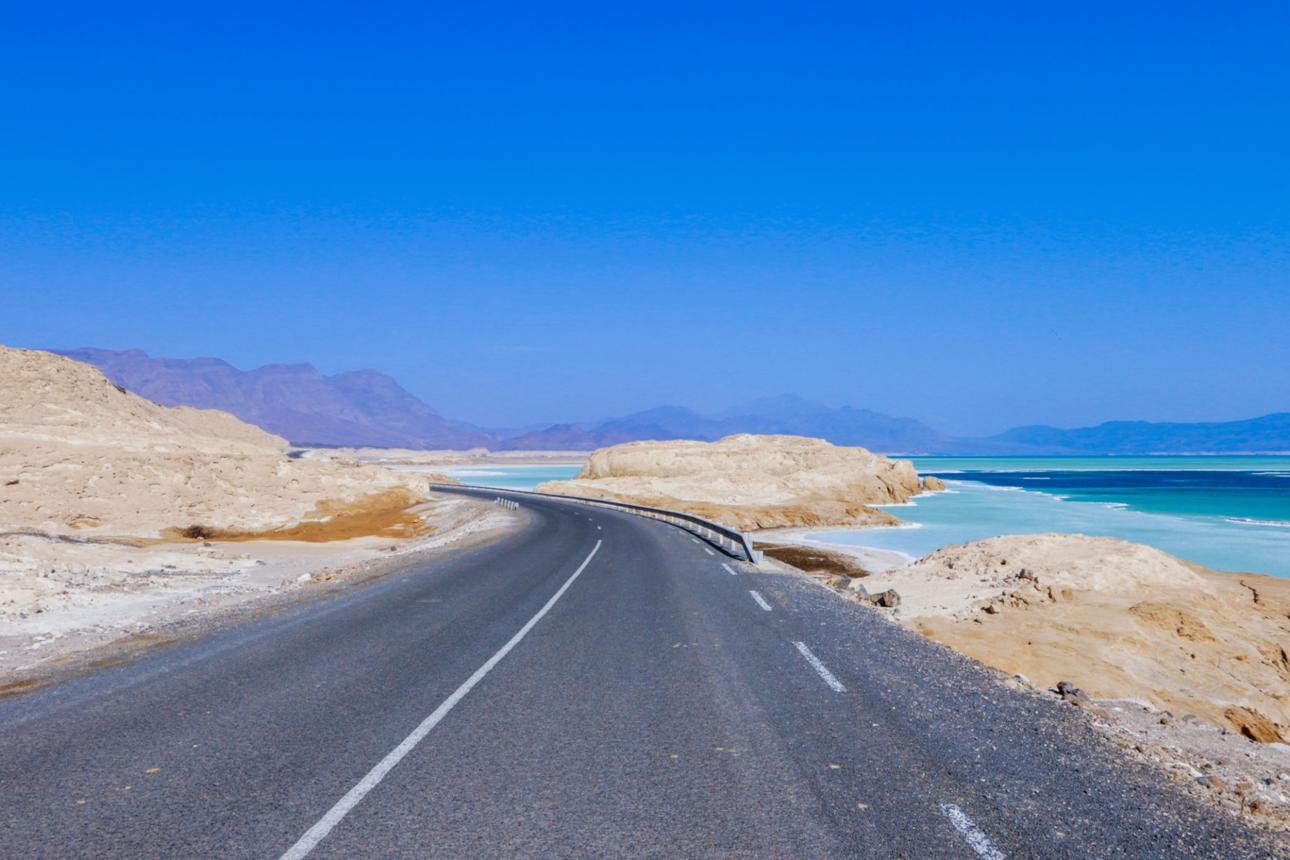
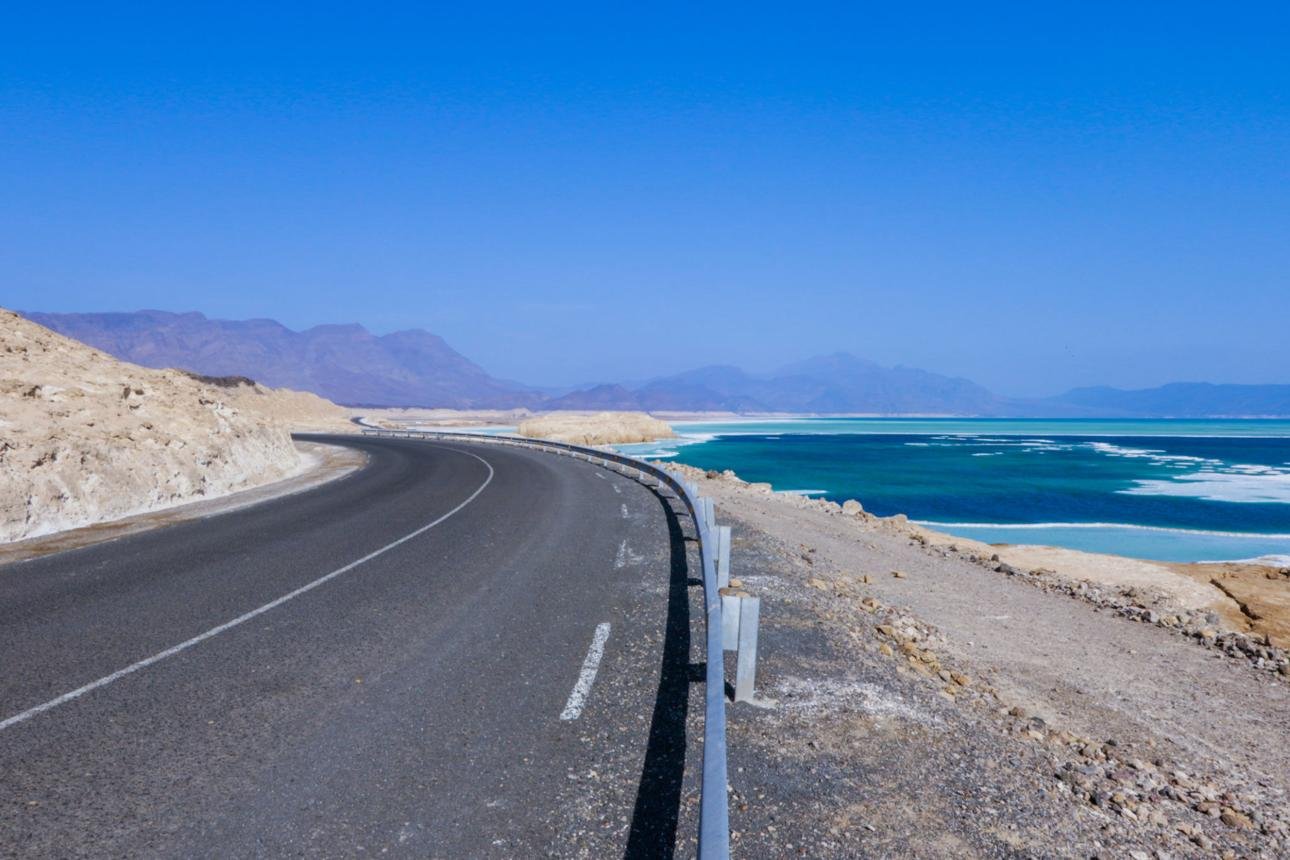
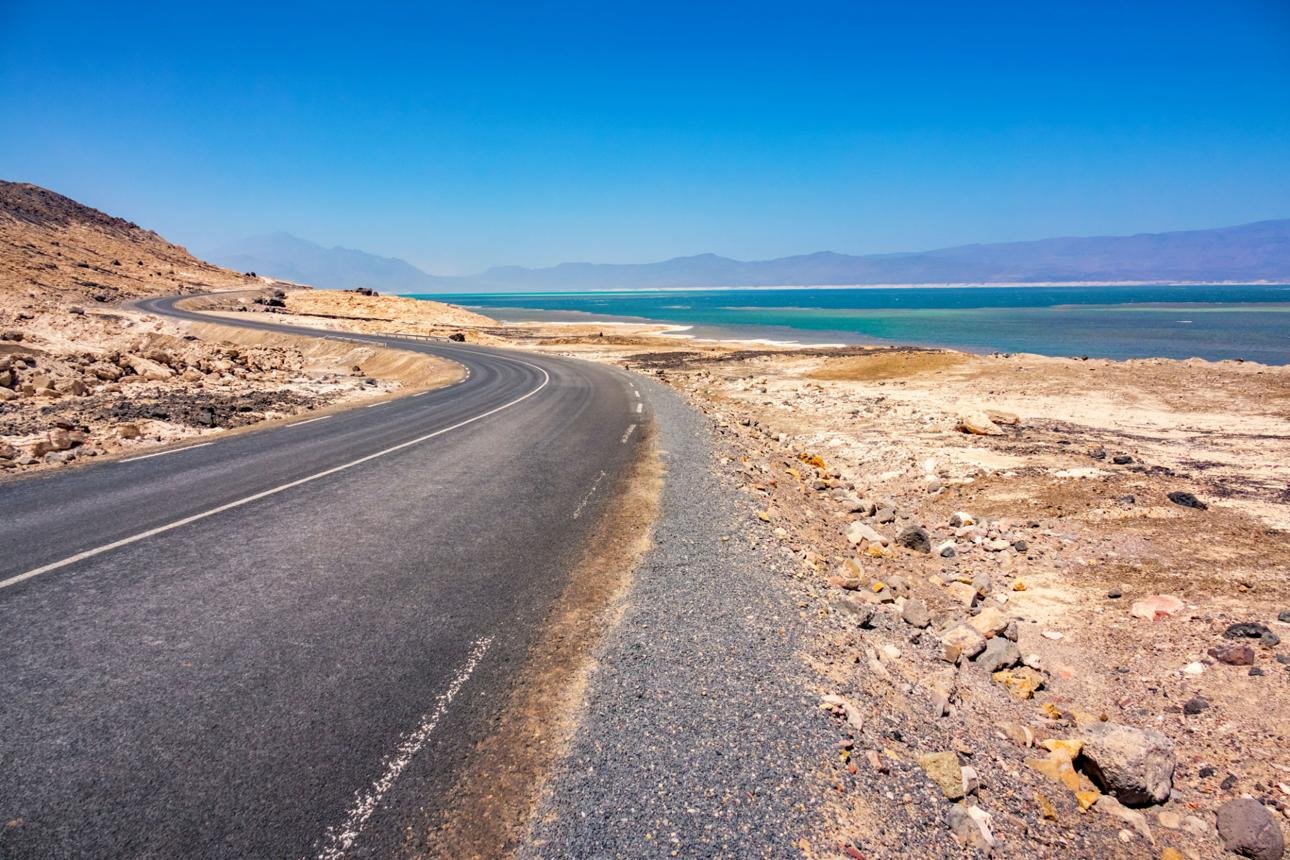
1. Lake Assal Route
6
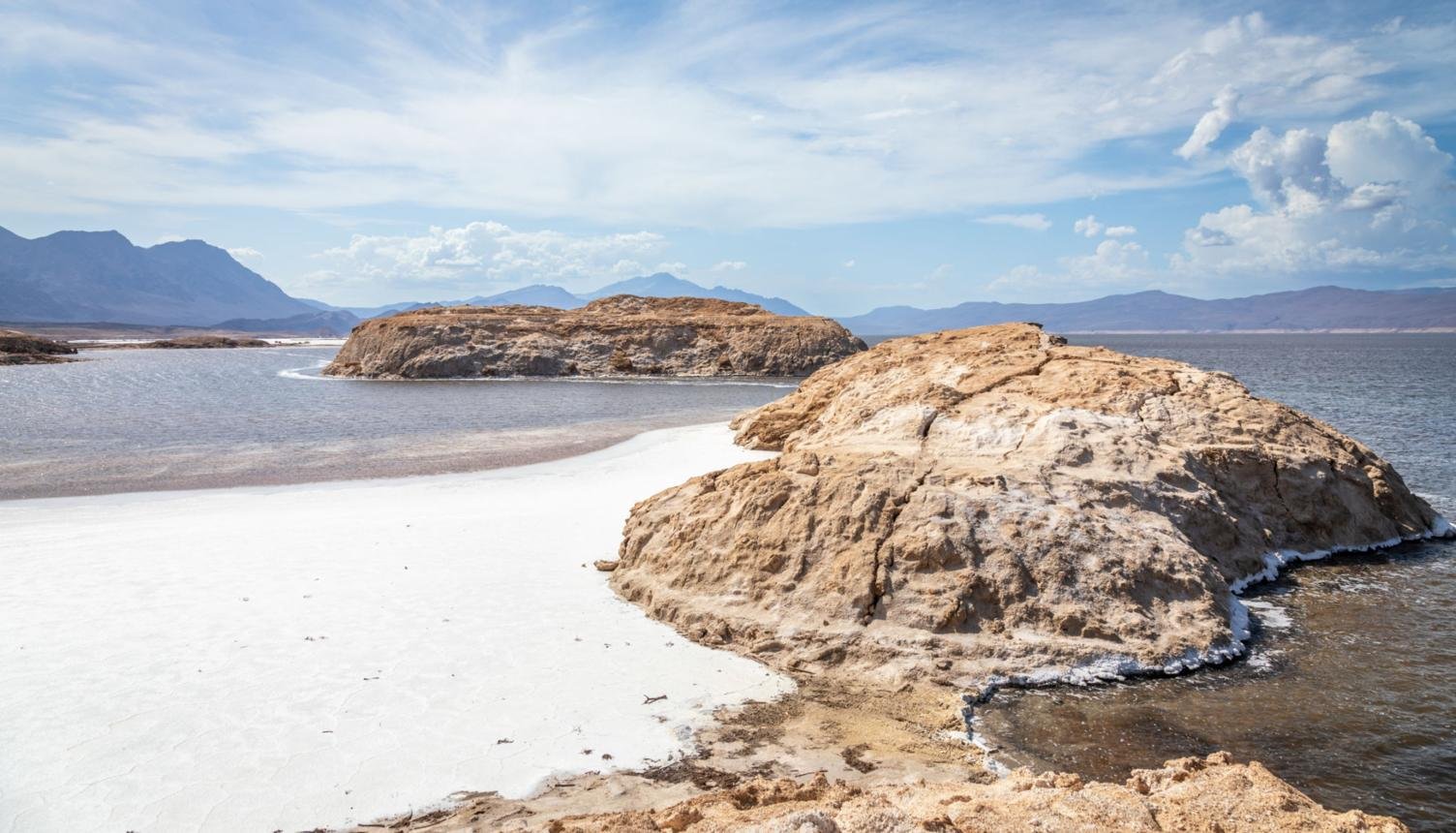
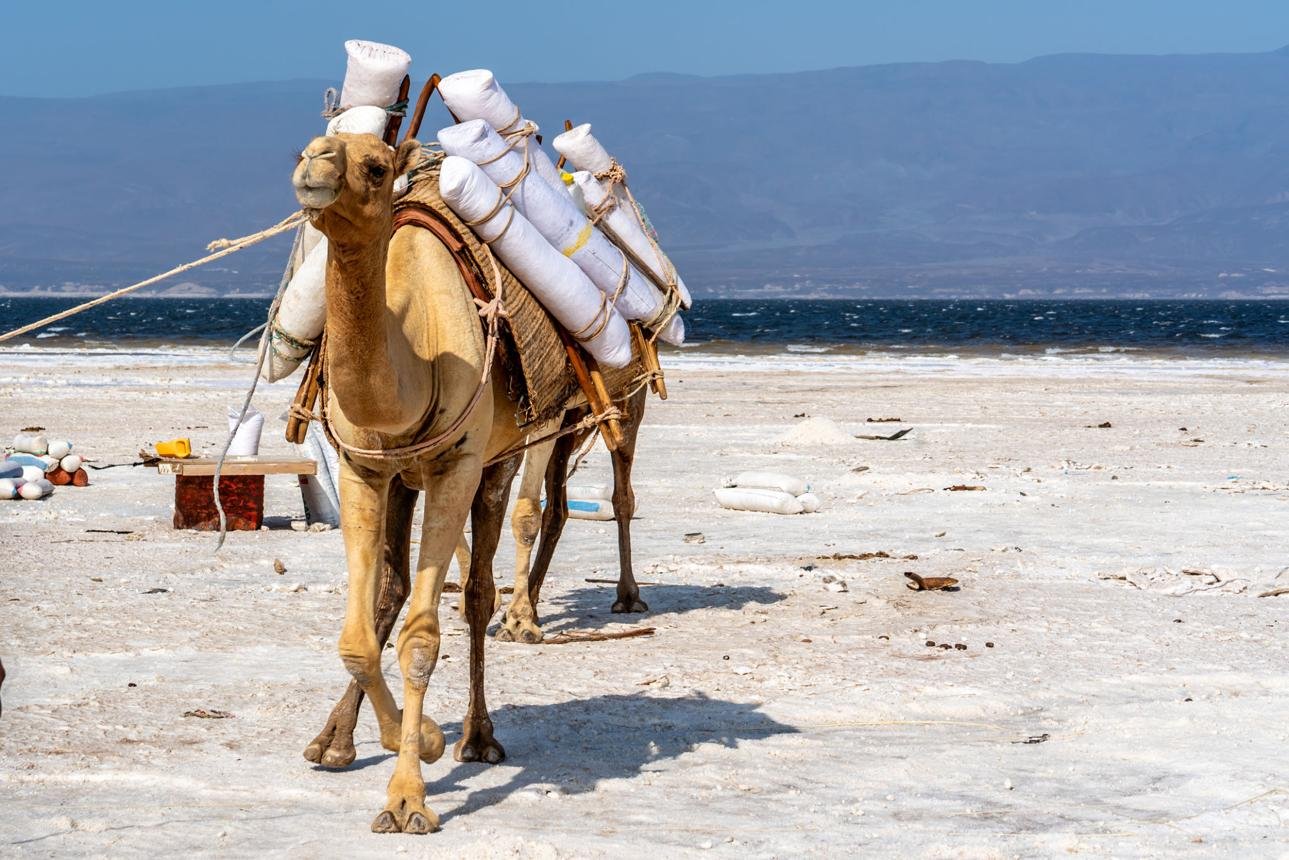
Route: Djibouti City – Lake Assal – Gulf of Tadjoura
Distance: approx. 250–350 km
Road type: paved roads and gravel tracks
Fuel: readily available near the capital
The country’s most famous overland route.
Highlights:
- Africa’s lowest point
- salt flats
- volcanic scenery
- dramatic escarpments
- turquoise waters of the Gulf of Tadjoura
A must-see destination.
Best for:
- first-time visitors
- camper travelers
- photographers
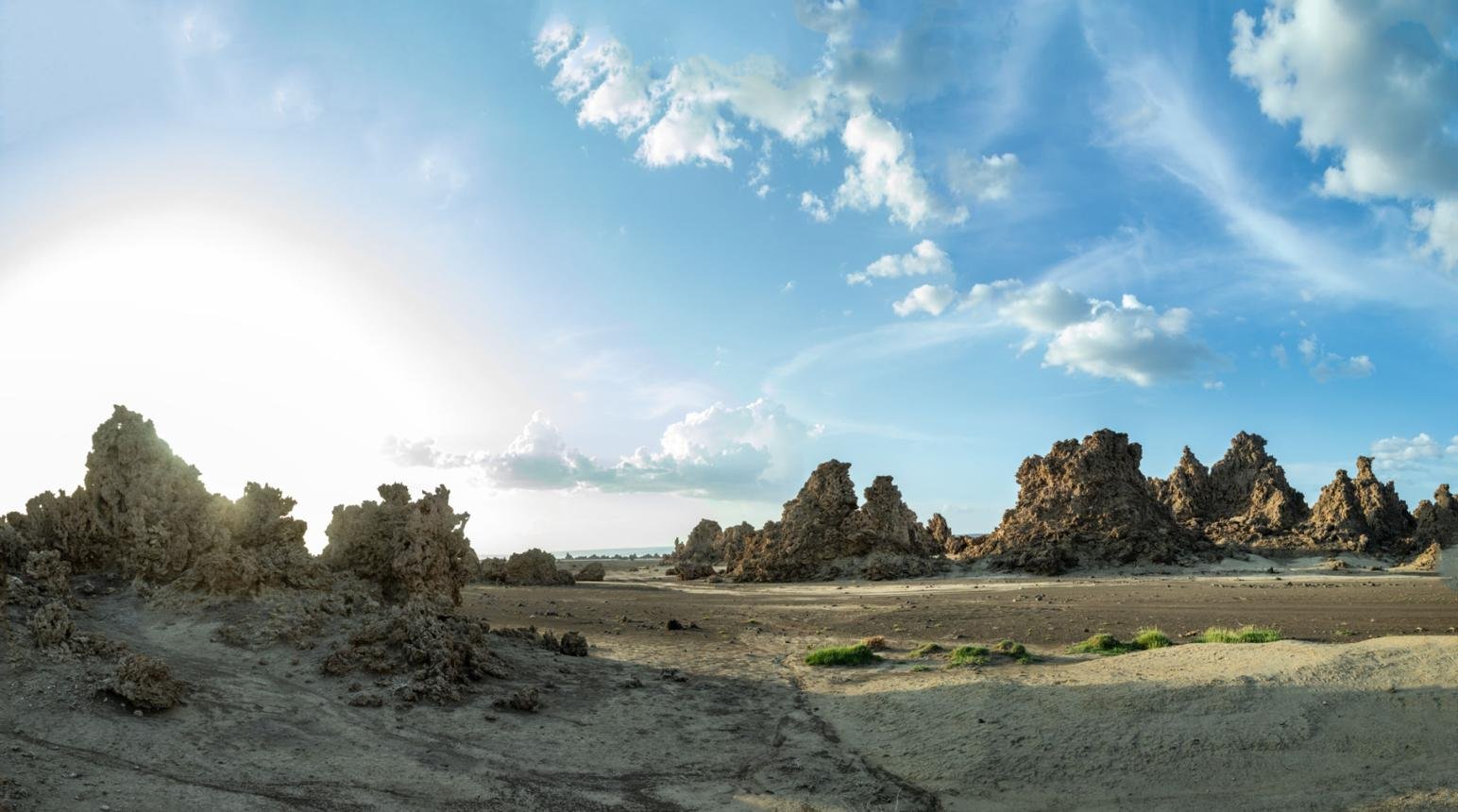
2. Lake Abbé Expedition Route
6
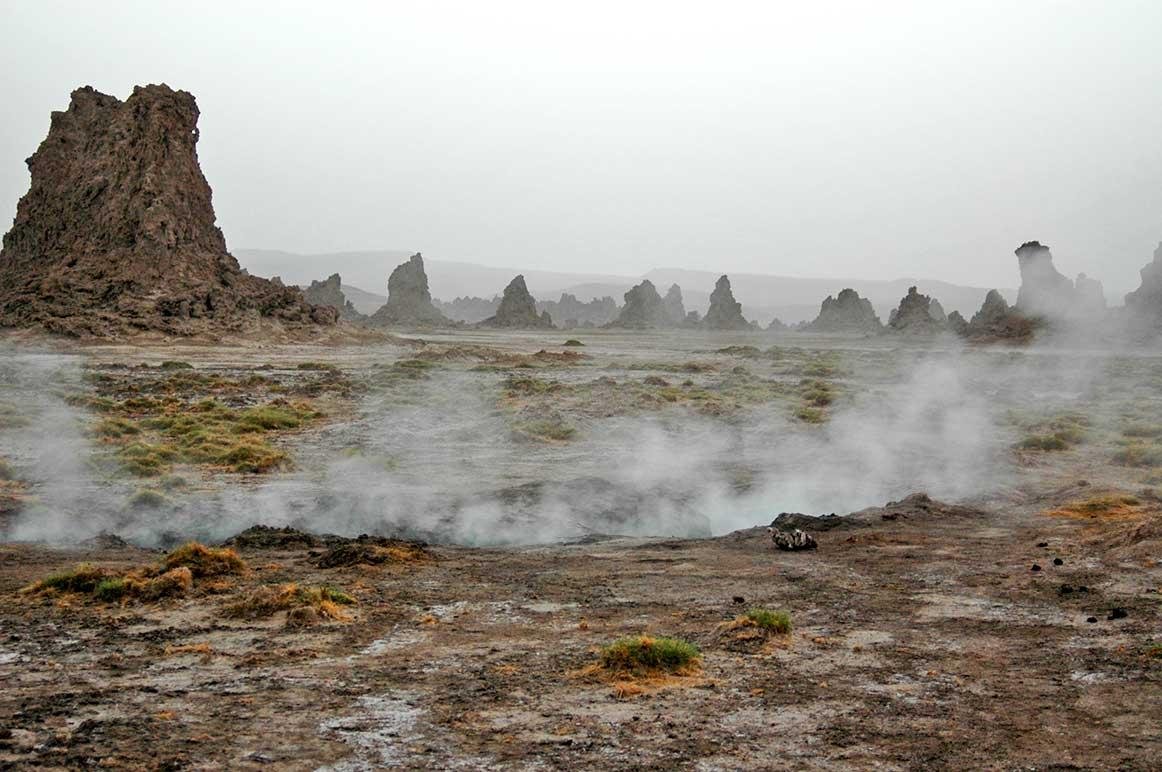
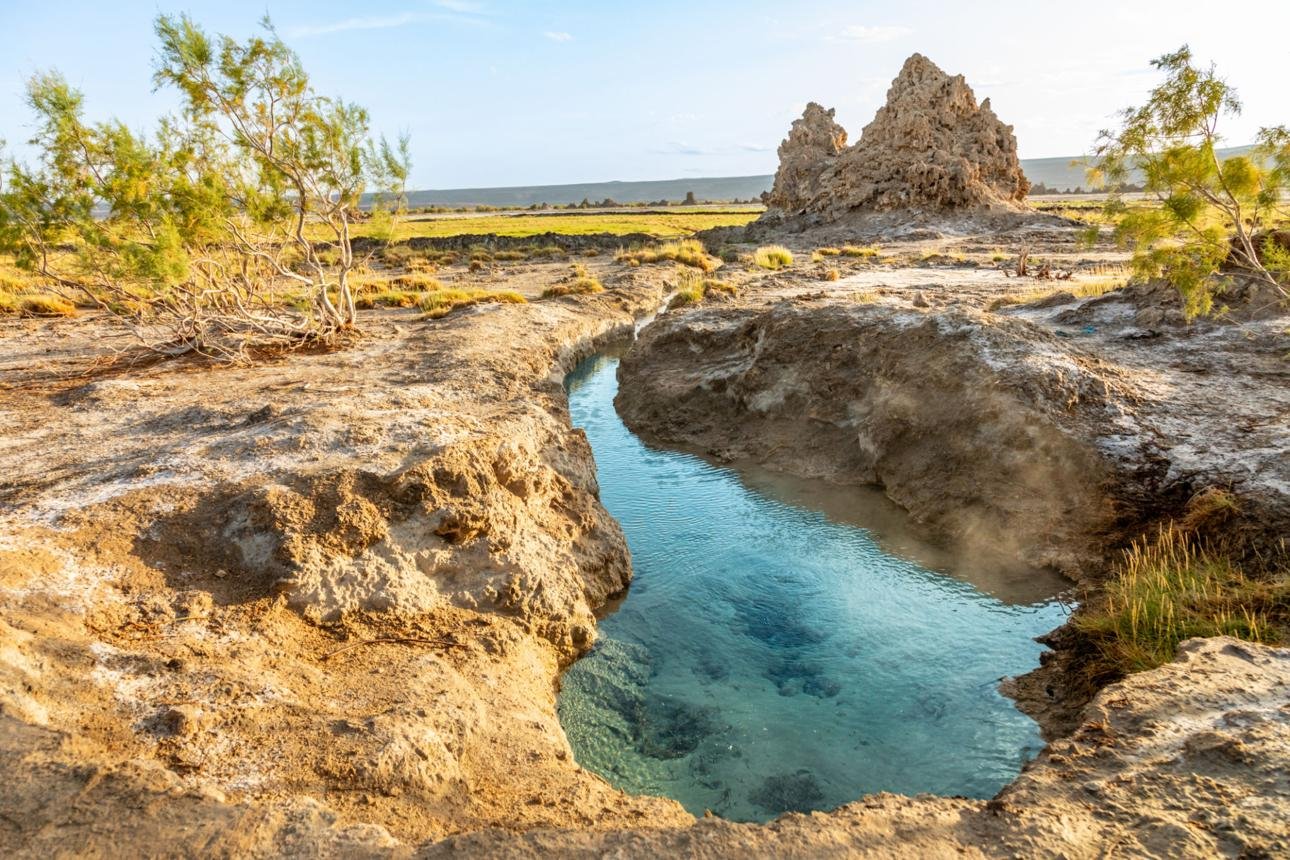
One of East Africa’s most surreal landscapes.
Highlights:
- limestone chimneys
- volcanic formations
- desert scenery
- remote campsites
- spectacular sunsets
The landscape famously inspired scenes in the original Planet of the Apes movie.
A 4×4 is highly recommended.
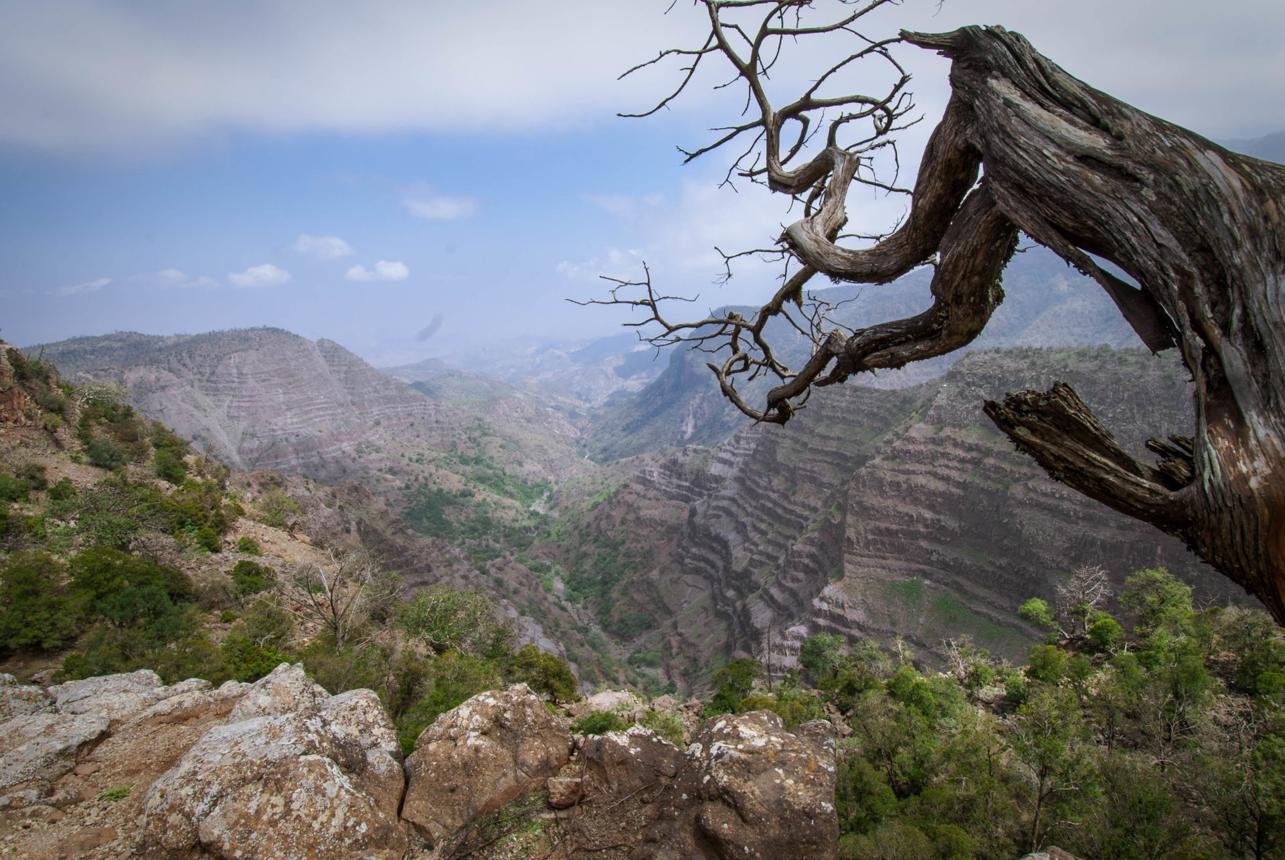
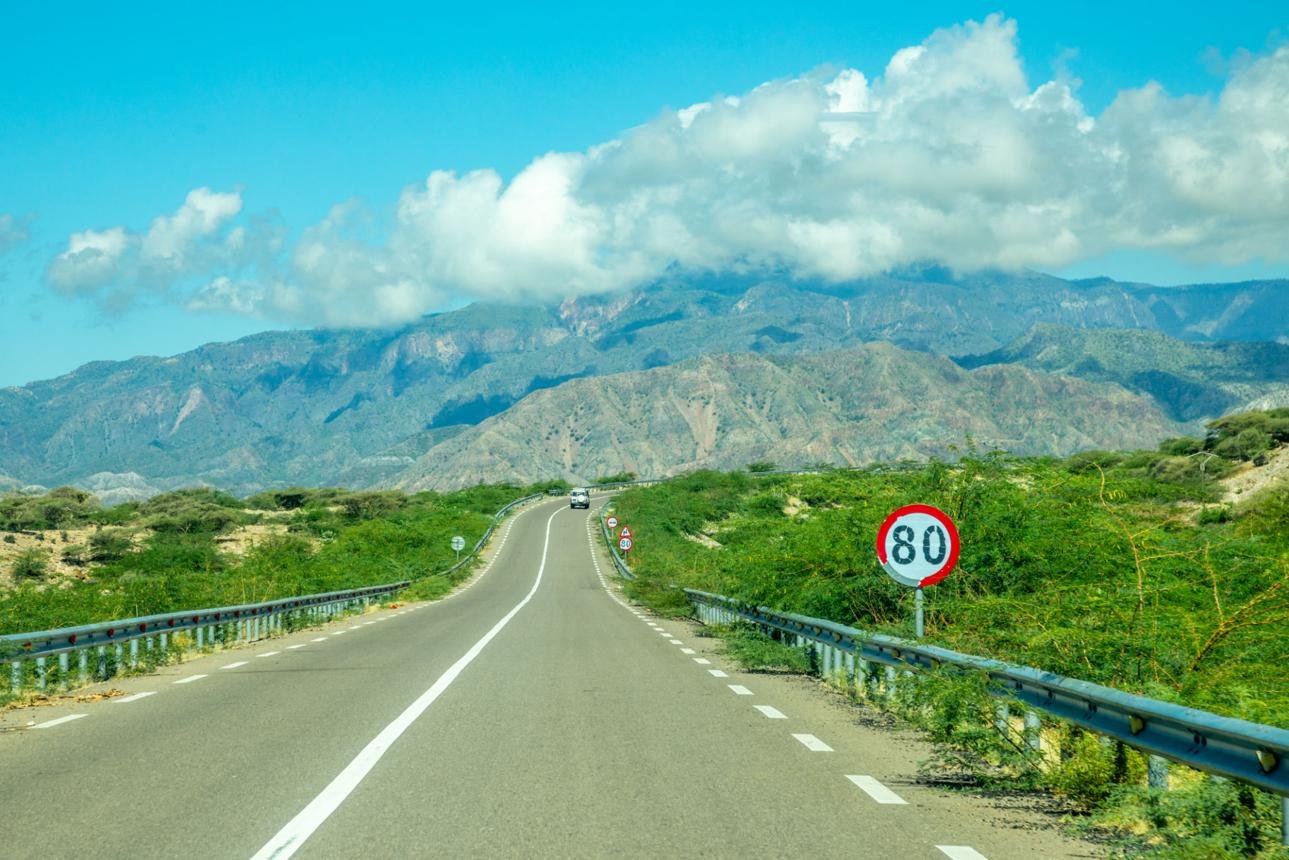
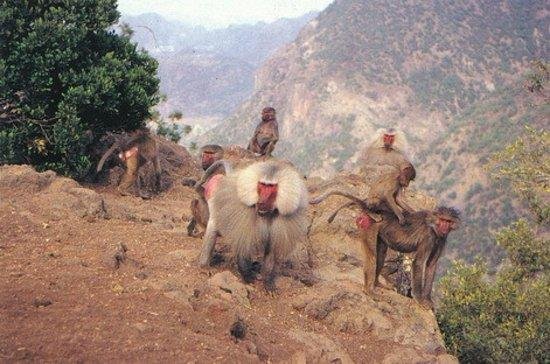
3. Day Forest & Goda Mountains Route
9
A completely different side of Djibouti.
Highlights:
- mountain roads
- cooler temperatures
- forests
- panoramic viewpoints
- wildlife
The Goda Mountains provide relief from the extreme desert heat.
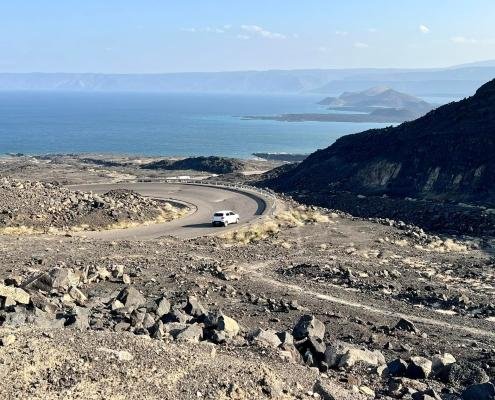
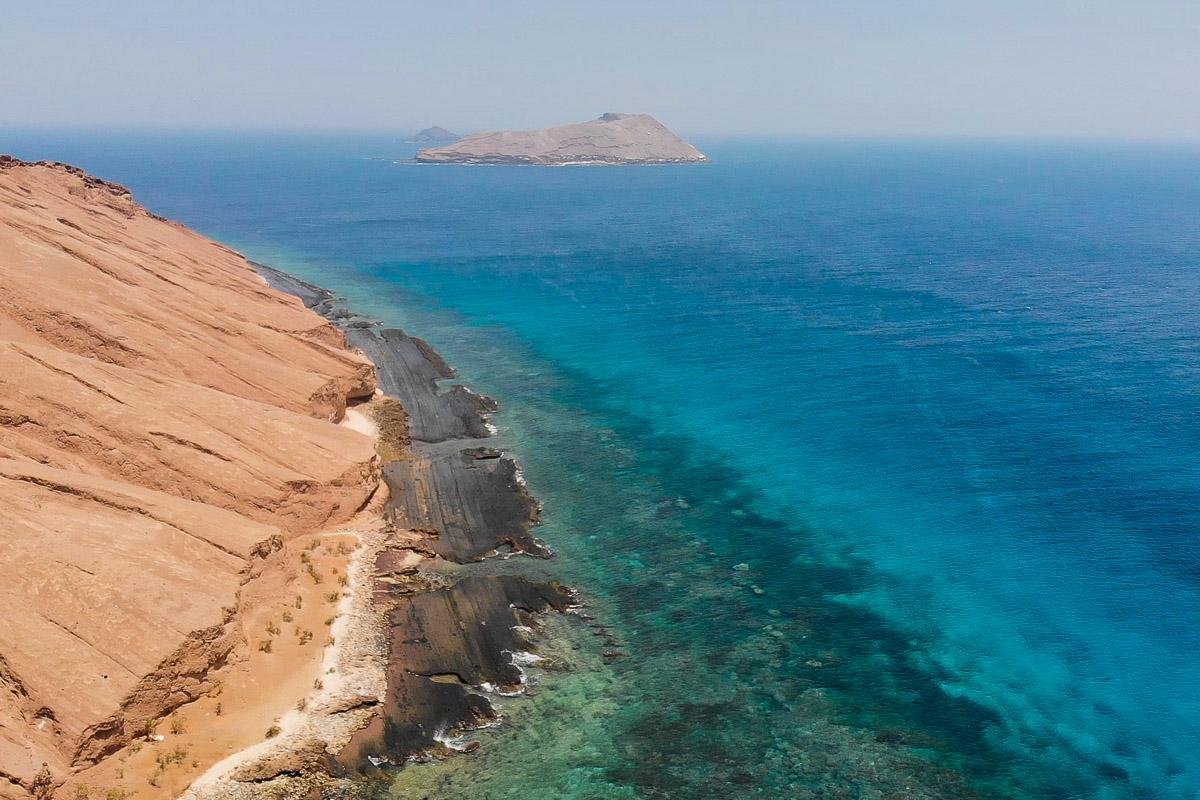
4. Gulf of Tadjoura Coastal Route
7
Route: Djibouti City – Tadjoura – Obock
Highlights:
- Red Sea scenery
- coastal villages
- ferry crossings
- remote beaches
Excellent for relaxed exploration.
Borders & Entry Points
Djibouti borders:
- Ethiopia
- Eritrea
- Somaliland (Somalia)
Ethiopia
The most important overland connection.
Popular route for East Africa overlanders.
Somaliland
Possible depending on current border procedures.
A common Horn of Africa route.
Eritrea
Border access can be restricted and should be researched carefully.
Vehicle Entry Requirements
Usually required:
- passport
- visa or eVisa
- vehicle registration
- insurance
- temporary import permit
- driver’s license
Border procedures are generally simpler than in many African countries.
Driving Conditions
Driving in Djibouti is relatively straightforward.
Easy:
- highways near Djibouti City
- major routes to Tadjoura
Moderate:
- mountain roads
- regional gravel roads
Difficult:
- remote desert tracks
- Lake Abbé routes
- extreme heat conditions
Temperatures can exceed 45°C during summer.
Fuel & Logistics
Good near major population centers.
Expect:
- fuel stations around Djibouti City
- limited services in remote areas
- basic mechanics
- reliable mobile coverage near towns
Carry:
- extra water
- sun protection
- emergency supplies
The climate is often the biggest challenge.
Camping & Accommodation
Wild Camping
One of Djibouti’s great attractions.
Wild camping is possible in many remote desert areas.
Highlights include:
- Lake Abbé
- desert plateaus
- coastal locations
Always consider local advice and security conditions.
Campsites
Formal campsites are limited.
Most overlanders rely on:
- wild camping
- guesthouses
- hotels
Budget Accommodation
Available mainly in larger towns.
Safety & Risks
Djibouti is generally considered one of the more stable countries in the Horn of Africa.
Main concerns:
- extreme heat
- dehydration
- remote breakdowns
- limited services
- desert driving
Security conditions are generally better than in several neighboring countries.
Best Time to Visit
Ideal
November–February
Cooler temperatures.
Best for camping and road travel.
Avoid
June–September
Extremely hot conditions.
Sample 7–10 Day Itinerary
Days 1–2: Djibouti City
Days 3–4: Lake Assal
Days 5–6: Lake Abbé
Days 7–8: Day Forest National Park
Days 9–10: Tadjoura and Gulf of Tadjoura
FAQ
Is Djibouti good for overlanding?
Yes, especially for desert and geological landscapes.
Need a 4×4?
Recommended for Lake Abbé and remote routes.
Can you wild camp?
Yes, in many remote areas.
Good for beginners?
More manageable than many African expedition destinations.
Best highlight?
Lake Assal and Lake Abbé.
Related Pages
- Backpacking Djibouti
- RV Travel Djibouti
- Djibouti City
- Lake Assal
- Lake Abbé
- Day Forest National Park
- Tadjoura
- Horn of Africa Overlanding Guide
- East Africa Overlanding Guide (on Goggle Pay Books)
- Getting around
- Further Reading