Quick Facts
Best time to visit: May–October
Difficulty: 5/5
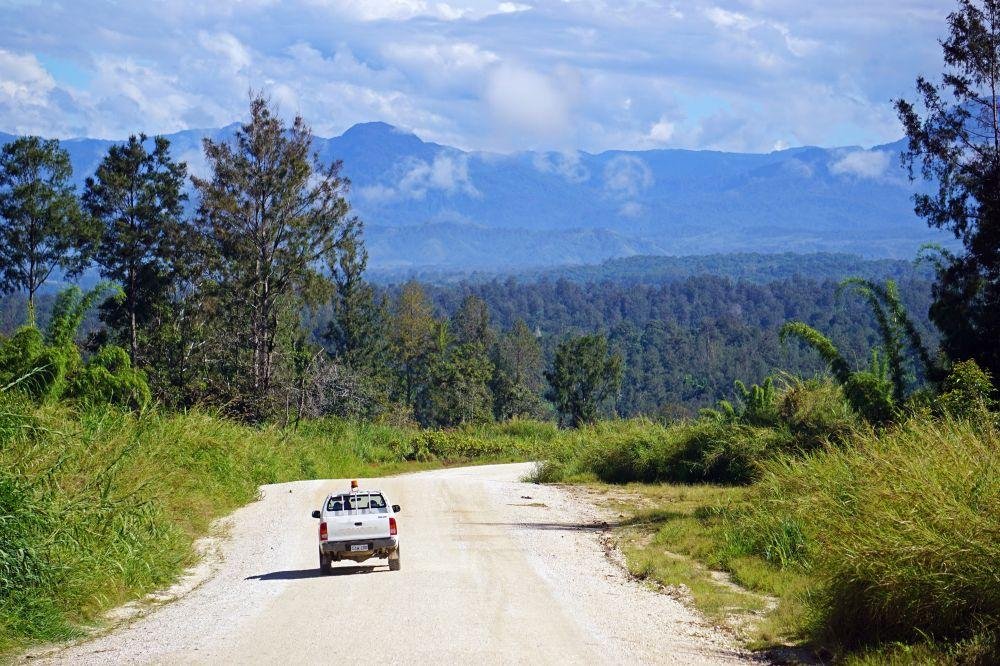
Road conditions: Limited road network, many rough roads and 4×4 tracks
Visa situation: eVisa available for many nationalities
Why Overland Papua New Guinea?
Papua New Guinea is one of the world’s last true overlanding frontiers.
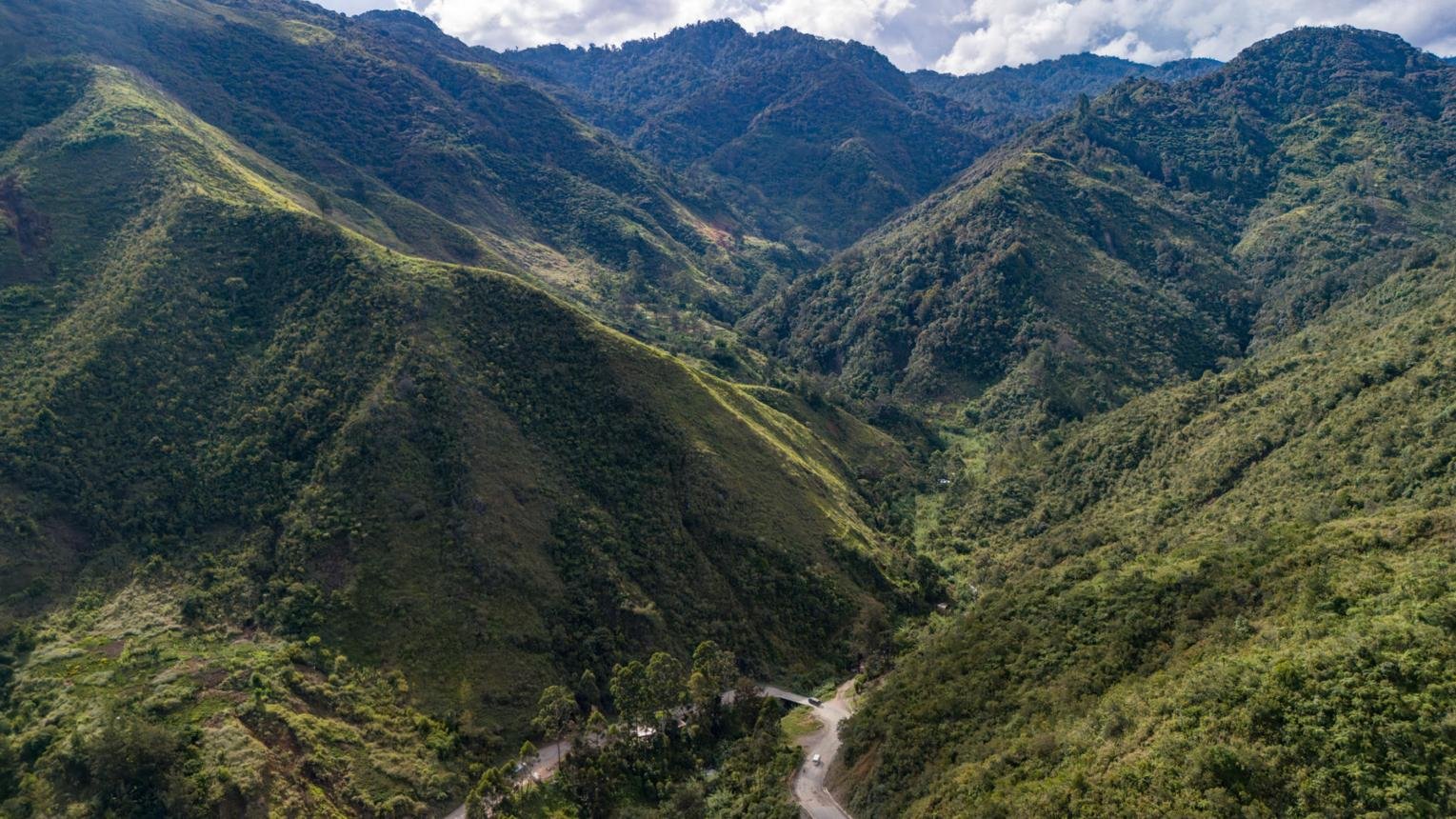
Home to dense rainforests, rugged mountains, active volcanoes, remote tribal cultures, and extraordinary biodiversity, Papua New Guinea offers adventures unlike anywhere else on Earth. Unlike most countries, PNG has a fragmented road network, with many regions isolated from each other and accessible only by air or boat.
Why it stands out:
- genuine expedition travel
- remote tribal cultures
- spectacular mountain scenery
- active volcanoes
- tropical rainforests
- unique wildlife
- extremely low tourist numbers
- authentic adventure travel
For experienced overlanders, Papua New Guinea is one of the most challenging and rewarding destinations in the Pacific.
Main Overlanding Routes
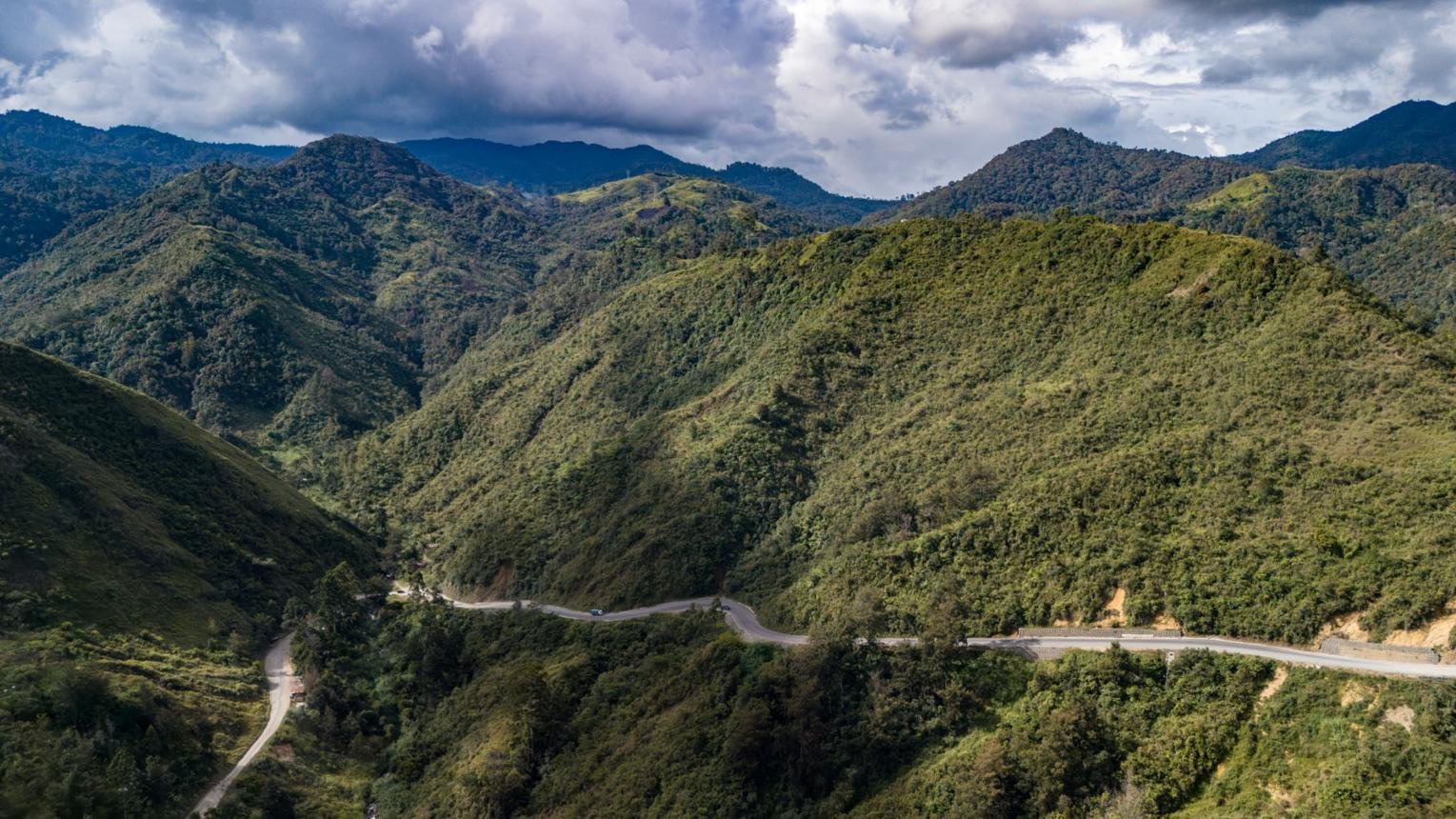
1. Highlands Highway Expedition
6
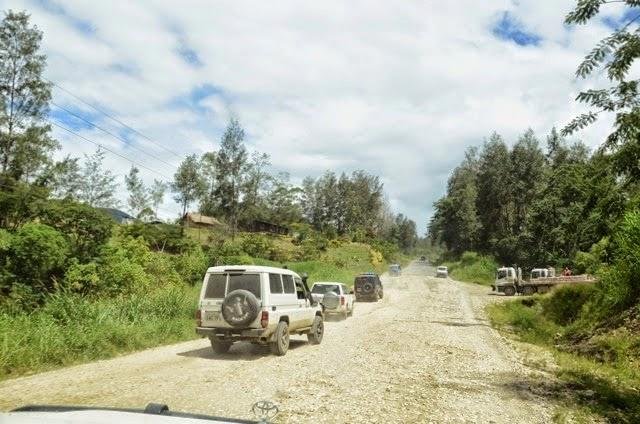
Route: Lae – Goroka – Kundiawa – Mount Hagen
Distance: approx. 700 km
Road type: paved and rough mountain roads
Fuel: available in major towns
Papua New Guinea’s most important overland route.
Highlights:
- mountain scenery
- tribal cultures
- traditional villages
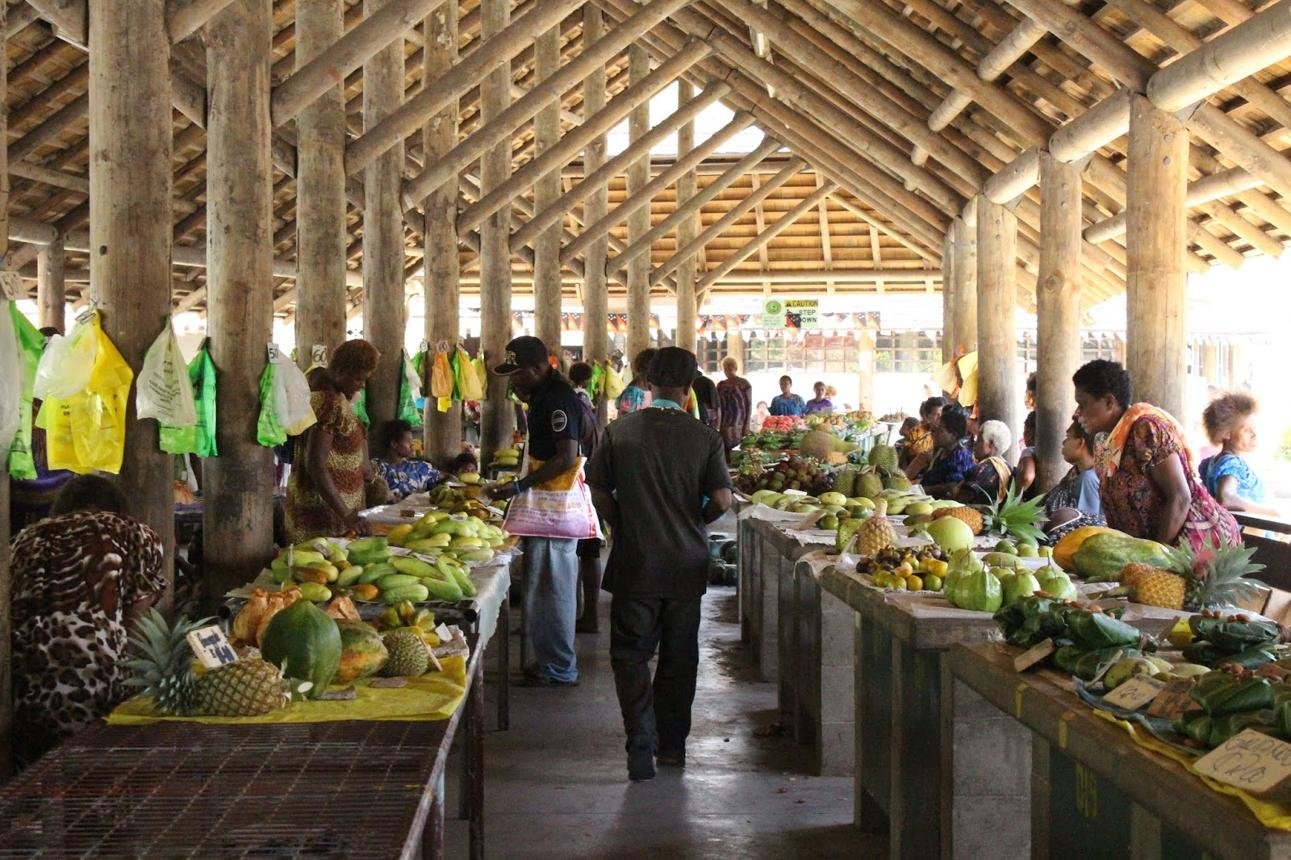
- local markets
- highland landscapes
Major destinations:
- Lae
- Goroka
- Mount Hagen
The Highlands Highway is the backbone of road travel in PNG.
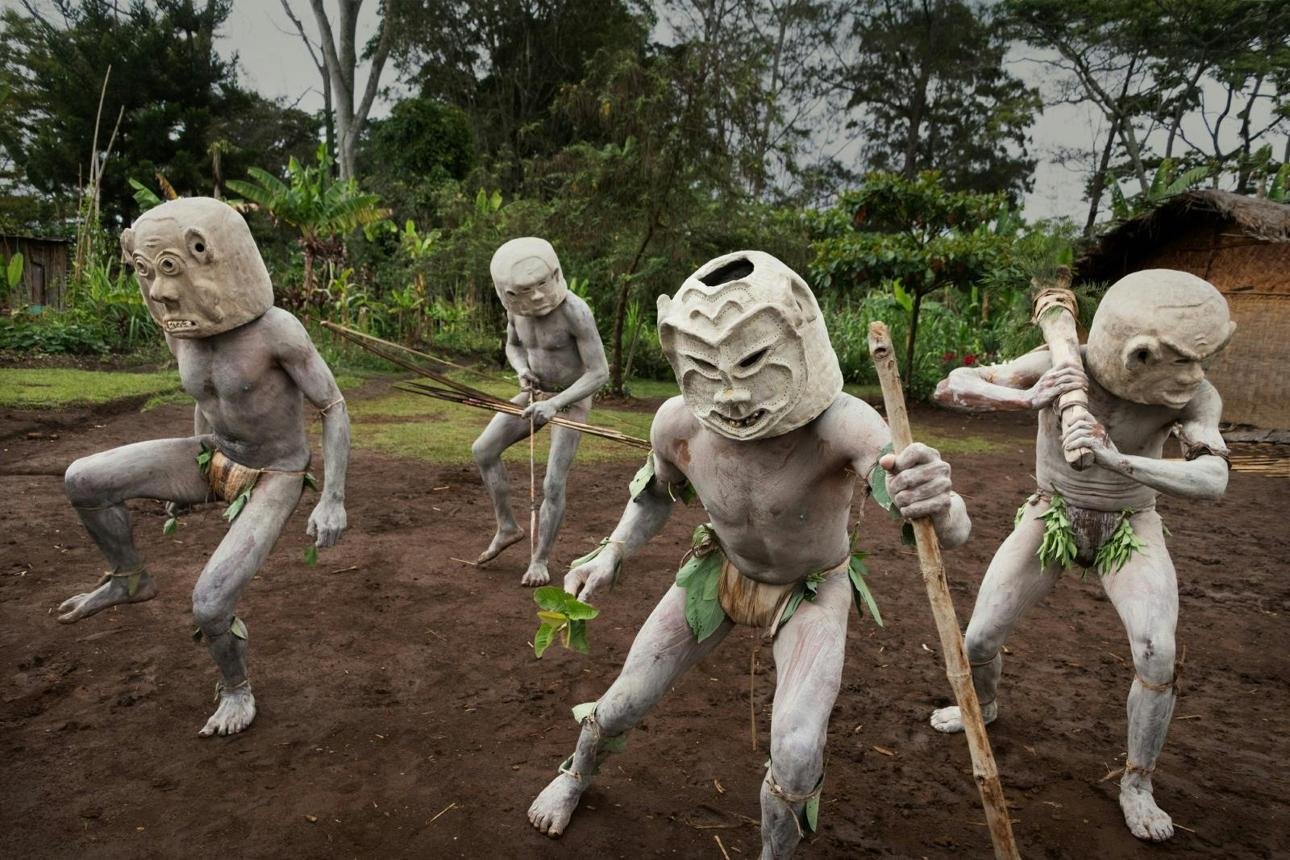
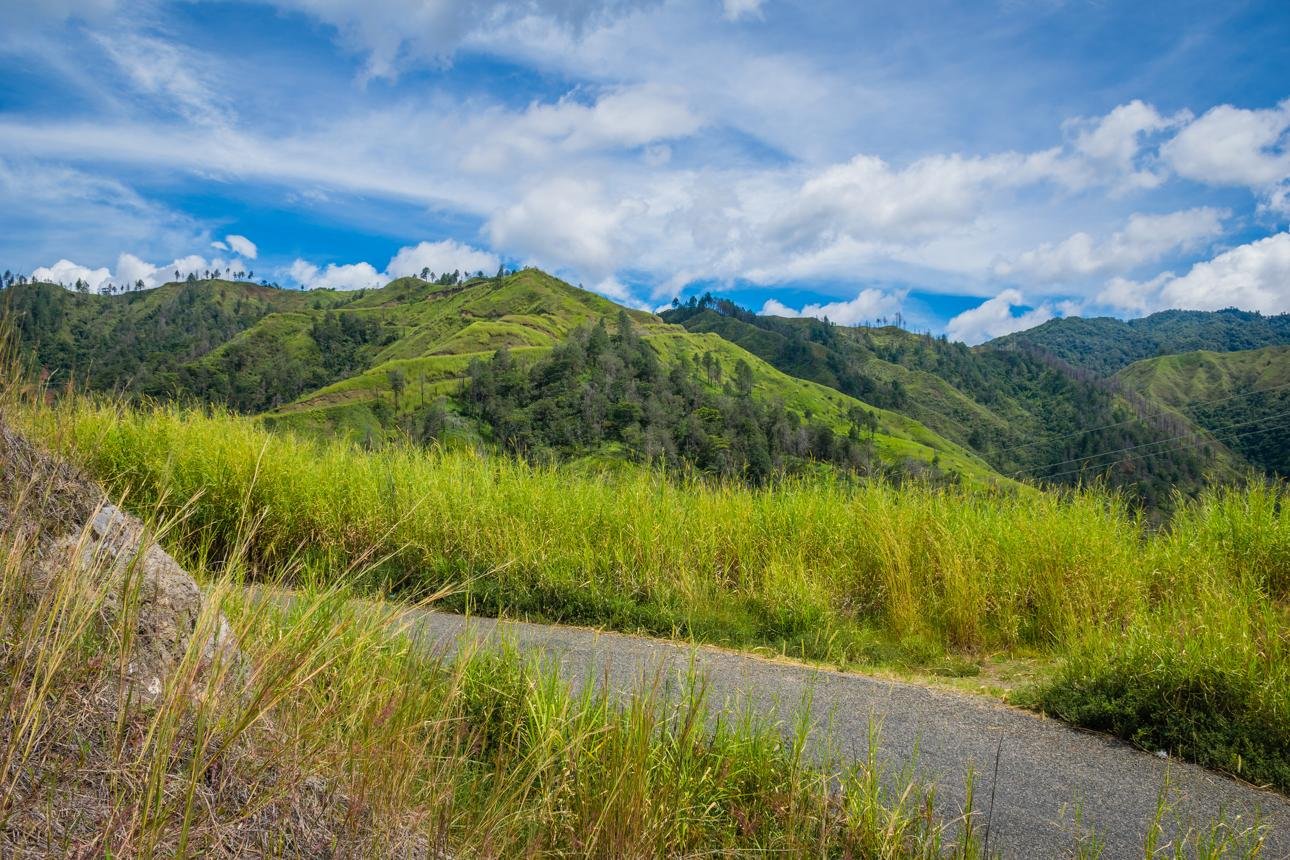
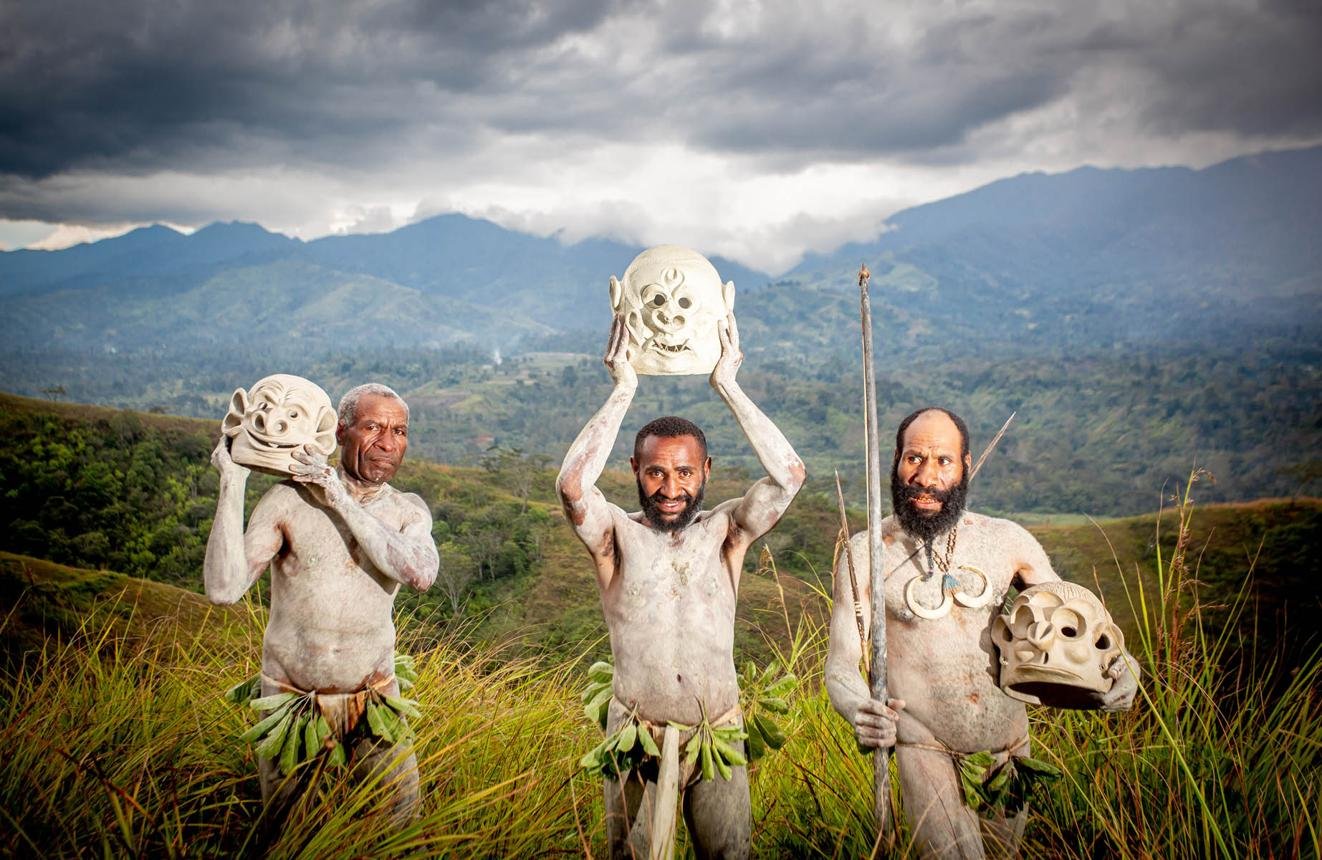
2. Goroka & Asaro Valley Route
6
One of the country’s most famous cultural routes.
Highlights:
- traditional highland culture
- mountain scenery
- tribal heritage
- village visits
Major attraction:
- Asaro Mudmen Cultural Area
One of Papua New Guinea’s most iconic cultural experiences.
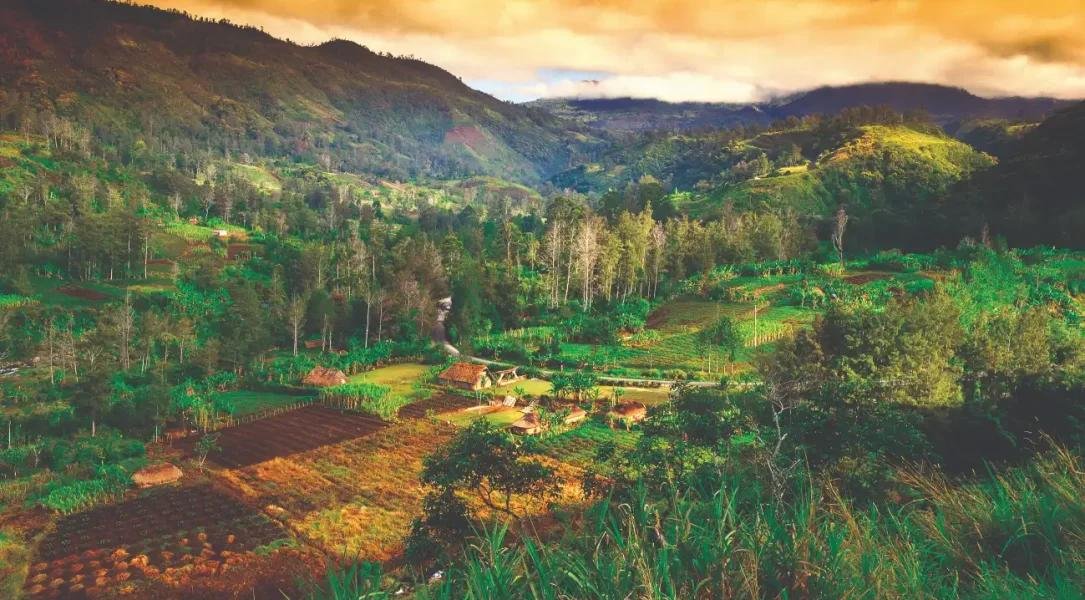
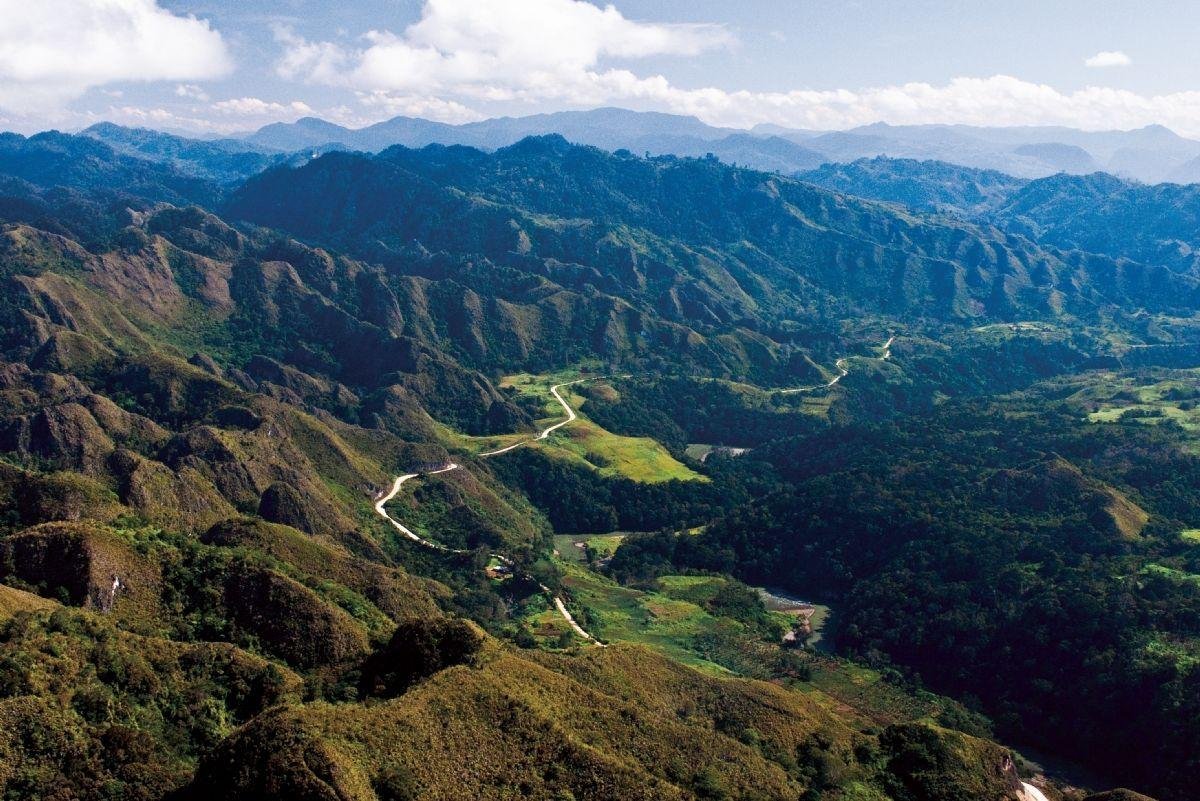
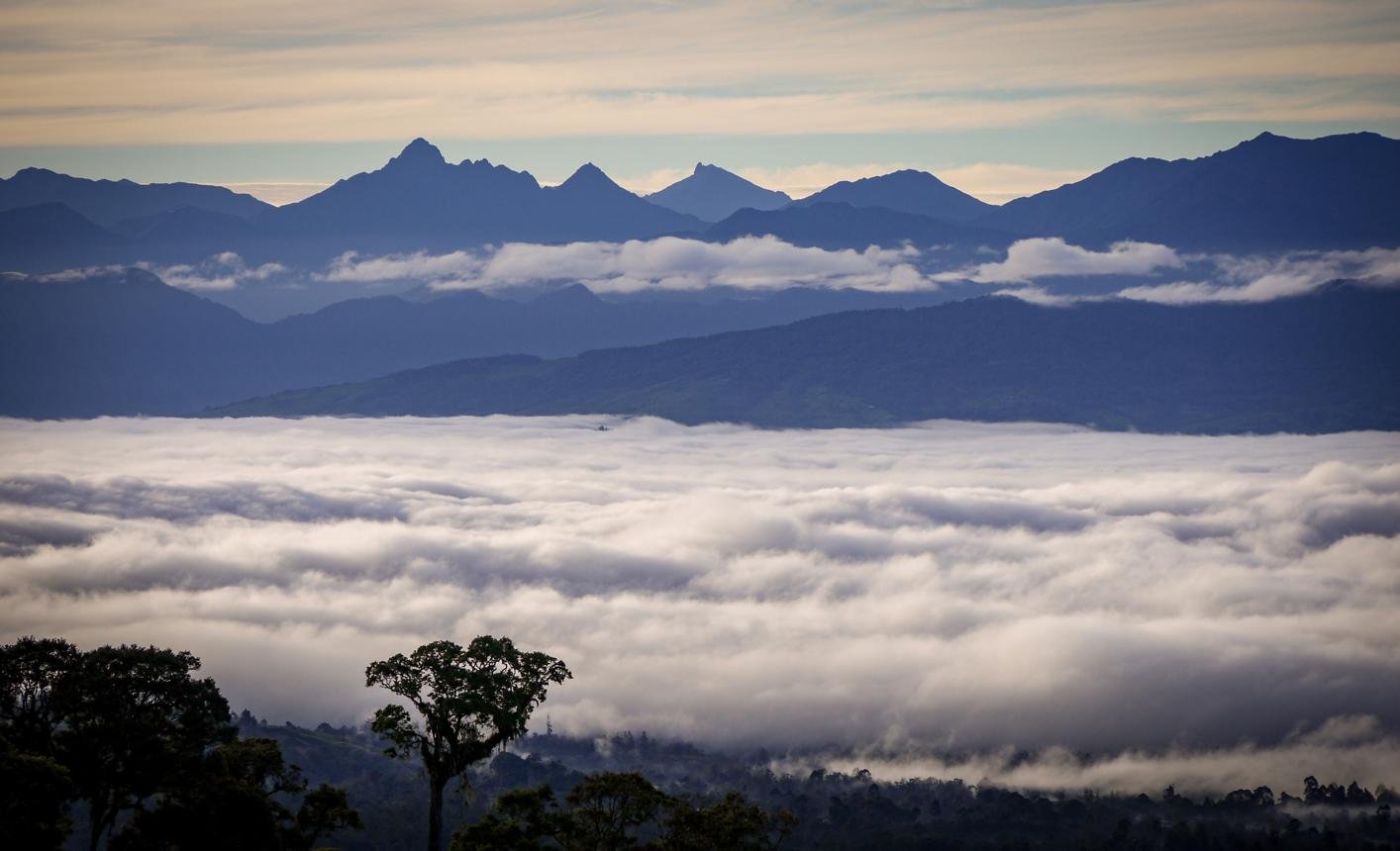
3. Mount Hagen Highlands Route
6
A journey through the heart of the Western Highlands.
Highlights:
- mountain valleys
- coffee plantations
- traditional communities
- spectacular scenery
Major destination:
- Mount Hagen
The region hosts one of the country’s most famous cultural festivals.
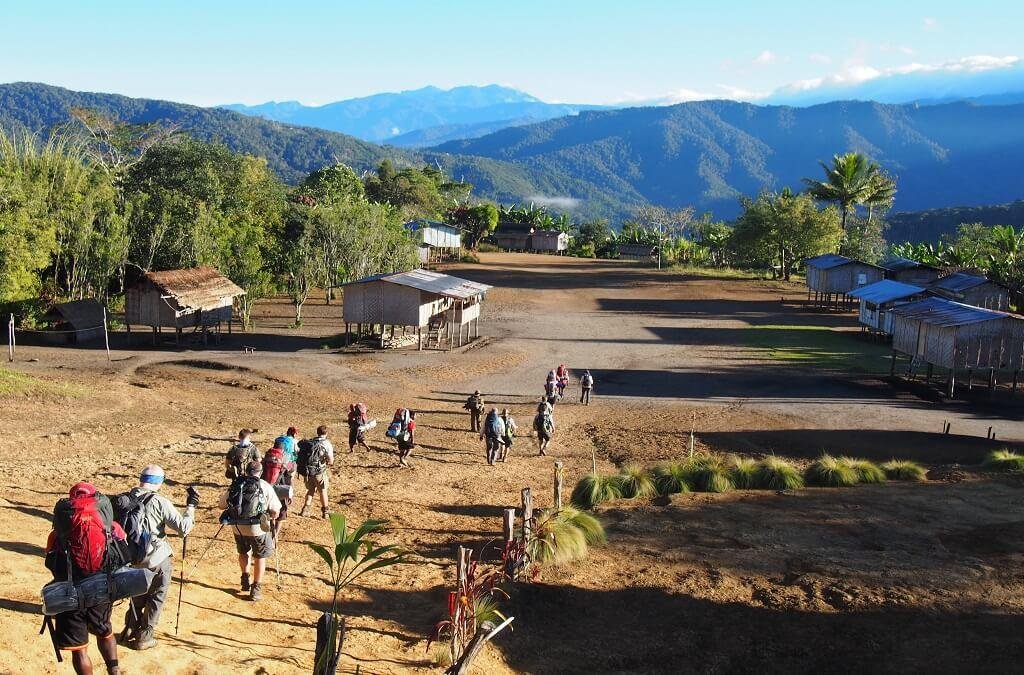
4. Kokoda Access Route
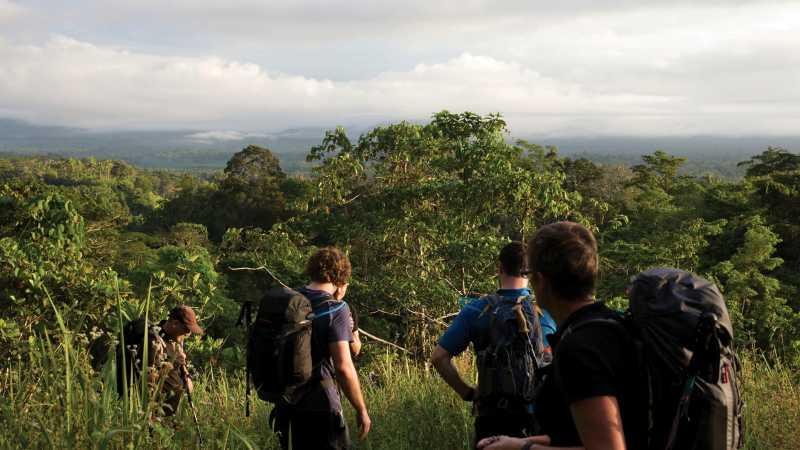
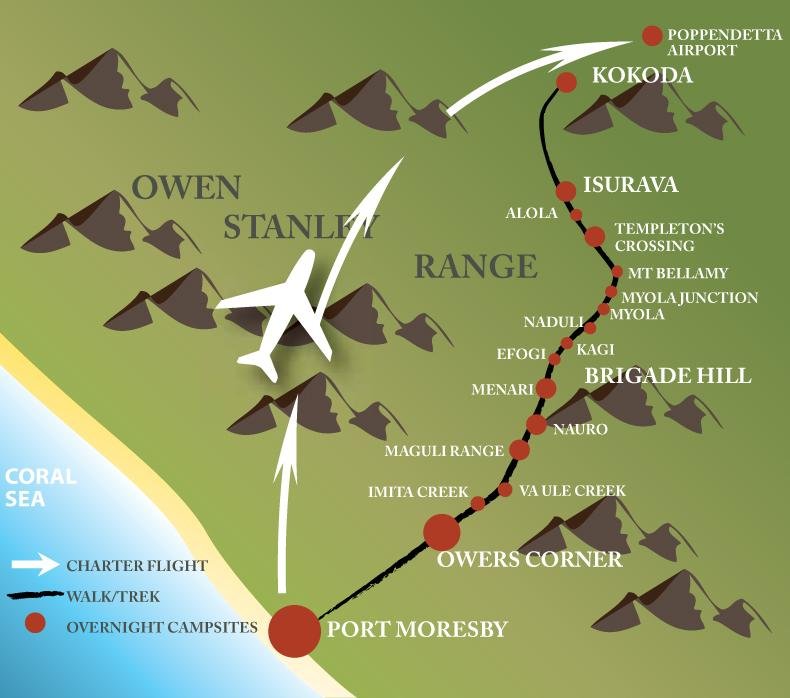
5
A route rich in history.
Highlights:
- WWII heritage
- rainforest landscapes
- mountain scenery
- historical sites
Major attraction:
- Kokoda Track
Although primarily a trekking destination, surrounding roads provide access to parts of the region.
5. Madang Coastal Route
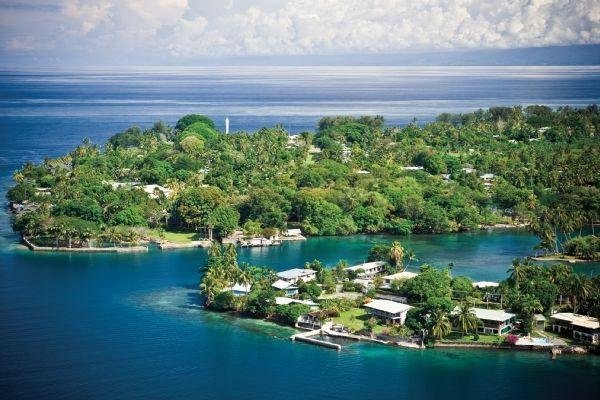
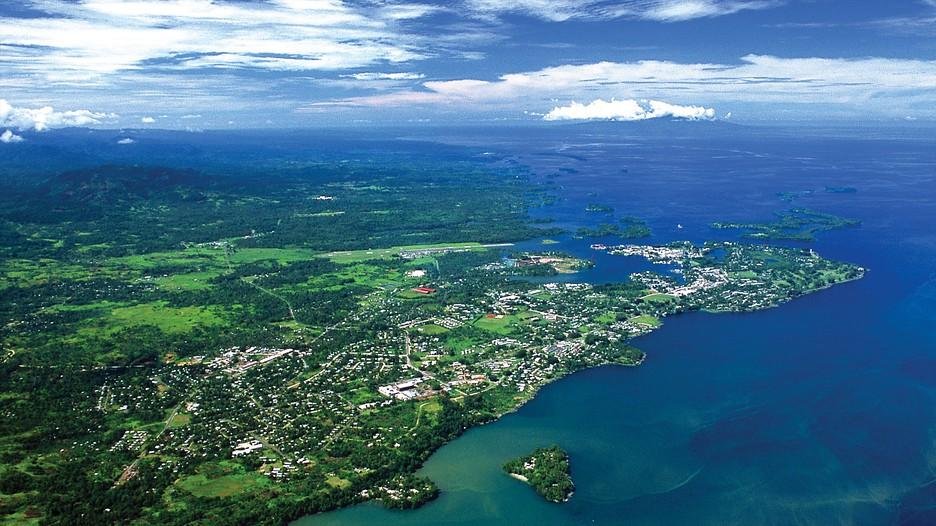
5
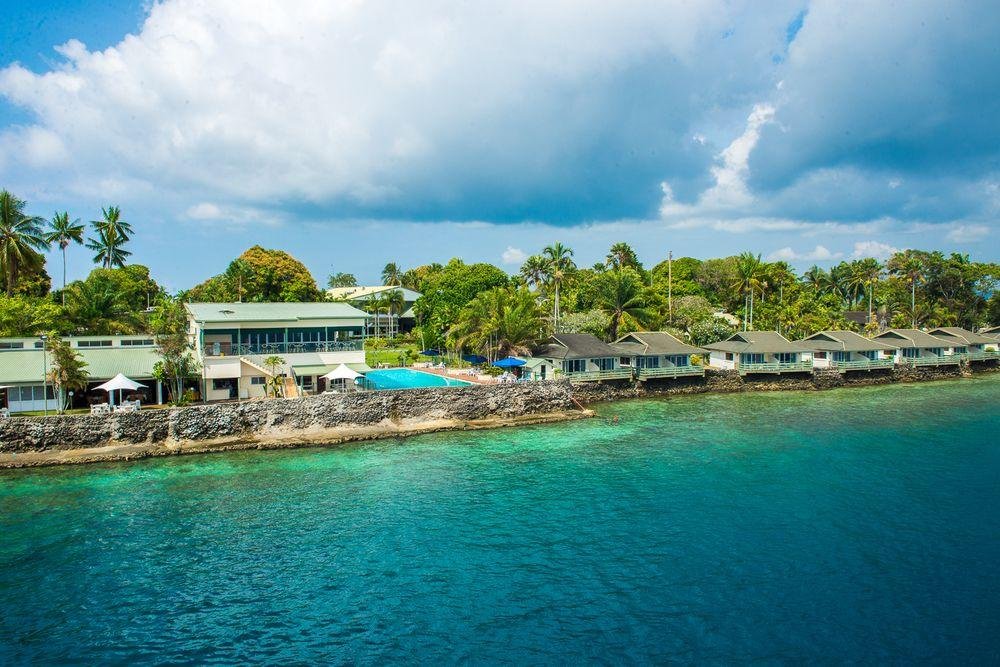
One of the country’s most scenic coastal journeys.
Highlights:
- tropical coastline
- coral reefs
- fishing villages
- rainforest scenery
Major destination:
- Madang
A beautiful coastal base for exploration.
6. East New Britain Route
6
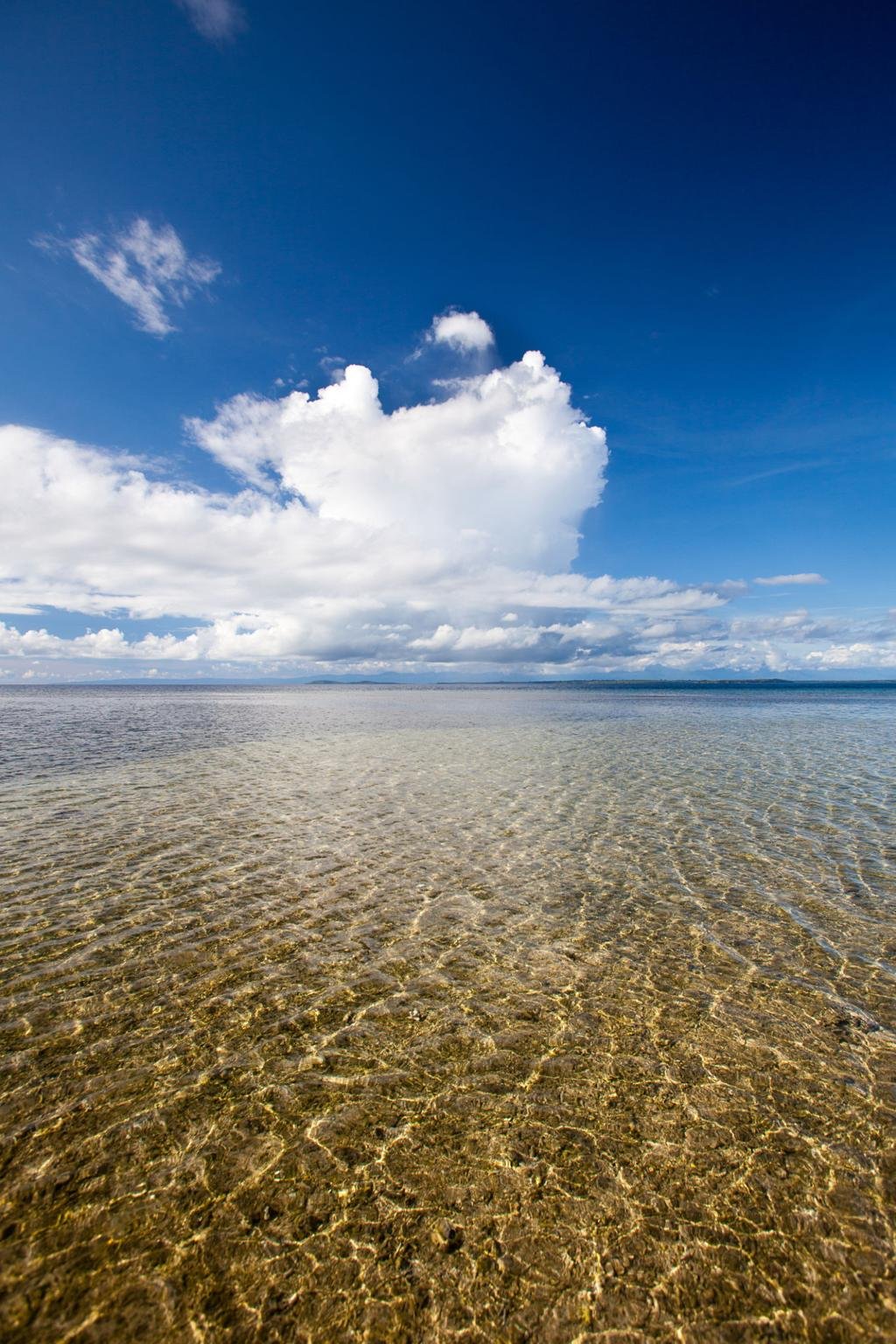
One of the most spectacular regions in PNG.
Highlights:
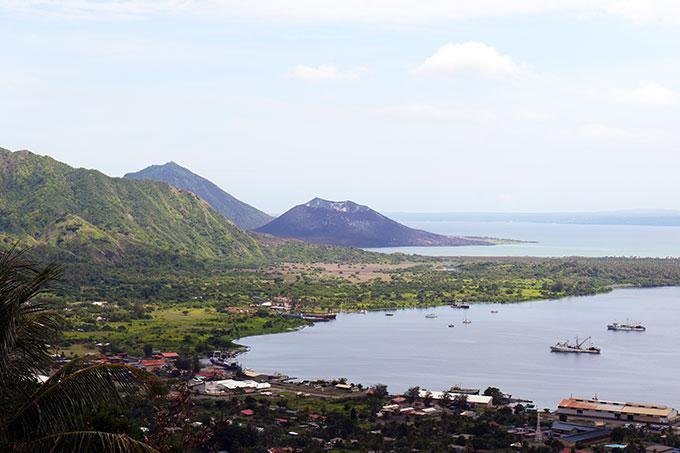
- volcanic landscapes
- WWII history
- tropical beaches
- island scenery
Major destinations:
- Rabaul
- Kokopo
Home to some of the most dramatic volcanic scenery in the Pacific.
Borders & Entry Points
Papua New Guinea shares a land border with:
- Indonesia
Indonesia Border
Main crossing:
- Wutung–Skouw Border
This crossing connects Papua New Guinea with Indonesian Papua and is the country’s only international land border.
Vehicle Entry Requirements
Usually required:
- passport
- visa or eVisa
- vehicle registration
- temporary import permit
- insurance
- driver’s license
Requirements should always be verified before travel.
Driving Conditions
Driving in Papua New Guinea can be extremely challenging.
Easy:
- roads around larger towns
- some sections of the Highlands Highway
Moderate:
- mountain roads
- secondary routes
Difficult:
- jungle tracks
- river crossings
- remote mountain roads
- rainy-season routes
A 4×4 vehicle is strongly recommended for serious exploration.
Fuel & Logistics
Careful planning is essential.
Expect:
- fuel availability in major towns
- long distances between services
- limited vehicle repair facilities
- occasional supply shortages
Carry:
- spare tires
- recovery gear
- extra fuel
- emergency supplies
Remote travel requires self-sufficiency.
Camping & Accommodation
Wild Camping
Wild camping is generally not recommended without local knowledge and permission.
Security considerations vary significantly between regions.
Accommodation
Most travelers use:
- hotels
- guesthouses
- lodges
Accommodation is available in larger towns but can be limited in remote areas.
Motorhome Travel
Possible but uncommon.
Well-equipped expedition vehicles are far better suited than conventional motorhomes.
Safety & Risks
Papua New Guinea requires careful planning.
Main considerations:
- difficult road conditions
- remote travel
- heavy rainfall
- vehicle breakdowns
- security concerns in some areas
Always seek current local advice before traveling into remote regions.
Best Time to Visit
Ideal
May–October
Dry season with the most reliable road conditions.
Wet Season
November–April
Heavy rainfall can make roads muddy and difficult.
Some remote routes may become impassable.
Sample 2–3 Week Itinerary
Days 1–3: Port Moresby
Days 4–7: Goroka and Asaro Valley
Days 8–11: Mount Hagen
Days 12–15: Madang
Days 16–21: Rabaul and Kokopo
FAQ
Is Papua New Guinea good for overlanding?
Yes, but it is best suited for experienced expedition travelers.
Need a 4×4?
Highly recommended.
Can you wild camp?
Generally not advised without local knowledge and permission.
Good for campervans?
Only expedition-equipped vehicles are practical.
Best highlight?
The Highlands Highway, the tribal cultures of the Highlands, and the volcanic landscapes around Rabaul.
Related Pages
- Backpacking Papua New Guinea
- RV Travel Papua New Guinea
- Port Moresby
- Lae
- Goroka
- Mount Hagen
- Madang
- Rabaul
- Kokoda Track
- Indonesia Overlanding Guide
- Oceania Overlanding Guide
- Papua New Guinea Campsites Guide
- Highlands Highway Travel Guide
- PNG Adventure Travel Guide