Atlantic Coast, Mountain Villages, Wildlife & West African Road Trips
6
Togo Travel Guide
Togo may be one of Africa’s smallest countries, but it offers an impressive variety of landscapes, cultures, and travel experiences packed into a narrow strip stretching from the Gulf of Guinea to the savannahs of the far north. Measuring just over 600 kilometers (370 miles) from south to north, the country can easily be explored on a two- or three-week journey, making it an excellent destination for independent travelers looking to experience West Africa without covering enormous distances.
Bordered by Ghana to the west, Benin to the east, Burkina Faso to the north, and the Atlantic Ocean to the south, Togo has long served as a crossroads for trade, migration, and cultural exchange. Modern cities, traditional villages, tropical forests, waterfalls, mountain landscapes, sacred forests, and UNESCO World Heritage Sites all lie within a day’s drive of one another.
For overlanders, Togo is an important link in the classic West African route connecting Morocco and Mauritania with Ghana, Benin, Nigeria, and beyond. Backpackers appreciate the country’s affordable accommodation, friendly atmosphere, lively markets, and reliable transport network, while RV travelers enjoy manageable driving distances and relatively straightforward road conditions.
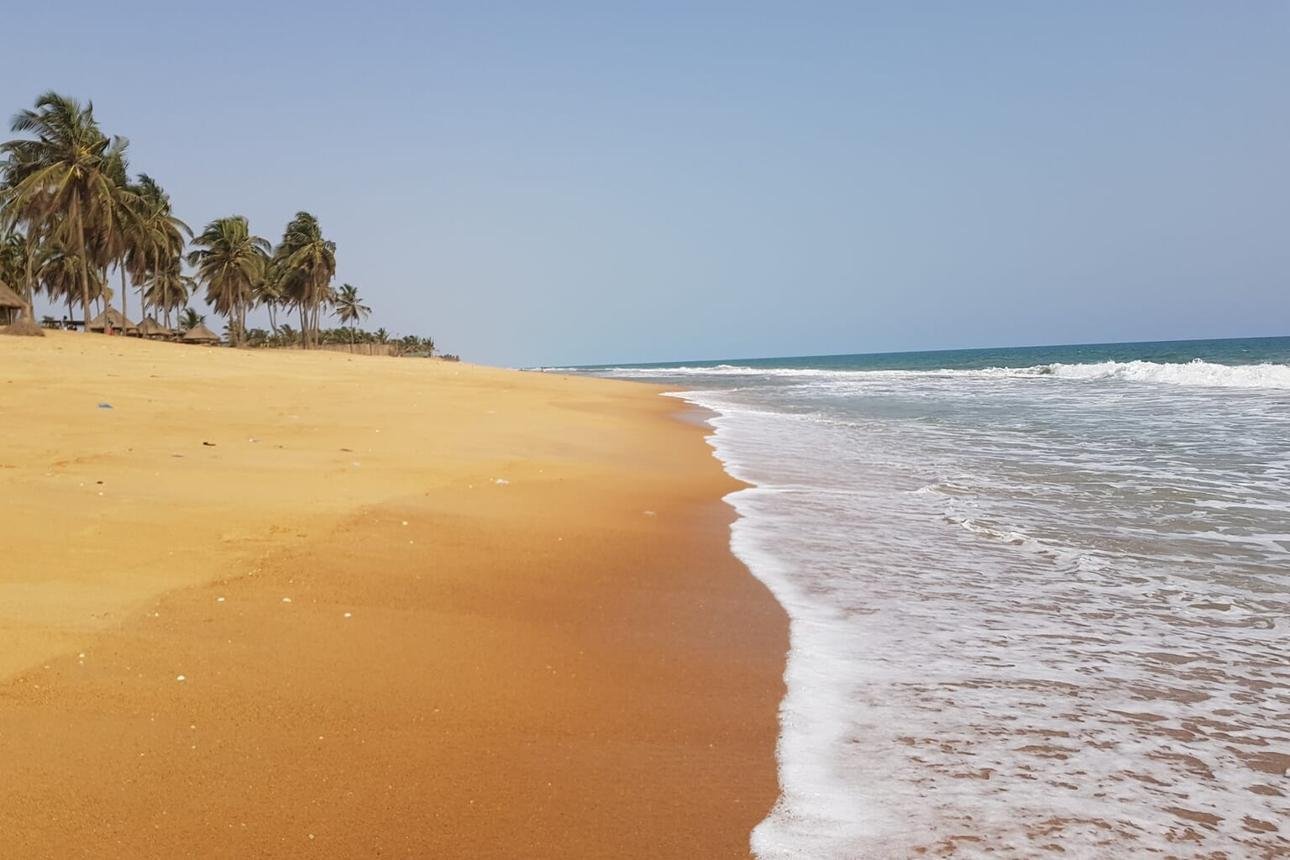
Although tourism remains modest compared with neighboring Ghana, Togo rewards visitors with authentic experiences, diverse ethnic traditions, colorful festivals, and landscapes ranging from palm-fringed beaches to rugged highlands. The country’s compact size allows travelers to combine cultural exploration, wildlife viewing, hiking, and coastal relaxation within a single itinerary.
Whether you are planning a cross-Africa overland expedition or simply searching for one of West Africa’s most underrated destinations, Togo offers a rewarding blend of adventure and accessibility.
Quick Facts
| Item | Information |
|---|---|
| Capital | Lomé |
| Currency | West African CFA Franc (XOF) |
| Official Language | French |
| Widely Spoken | Ewe, Kabye and many regional languages |
| Population | Approximately 9 million |
| Time Zone | UTC±0 |
| Driving | Right-hand side |
| Country Code | +228 |
Why Visit Togo?
Togo offers remarkable cultural diversity and natural beauty despite its relatively small size.
Reasons to visit include:
- Atlantic beaches
- Traditional villages
- Mountain landscapes
- UNESCO World Heritage Sites
- Waterfalls
- Wildlife reserves
- Vibrant markets
- Rich cultural traditions
- Excellent road trips
- Friendly local communities
- Affordable travel
For travelers exploring West Africa, Togo provides an ideal balance of adventure, convenience, and authentic local experiences.
Best Places to Visit
5
Lomé
Togo’s lively capital stretches along the Atlantic coast and serves as the country’s commercial and cultural center.
Highlights include:
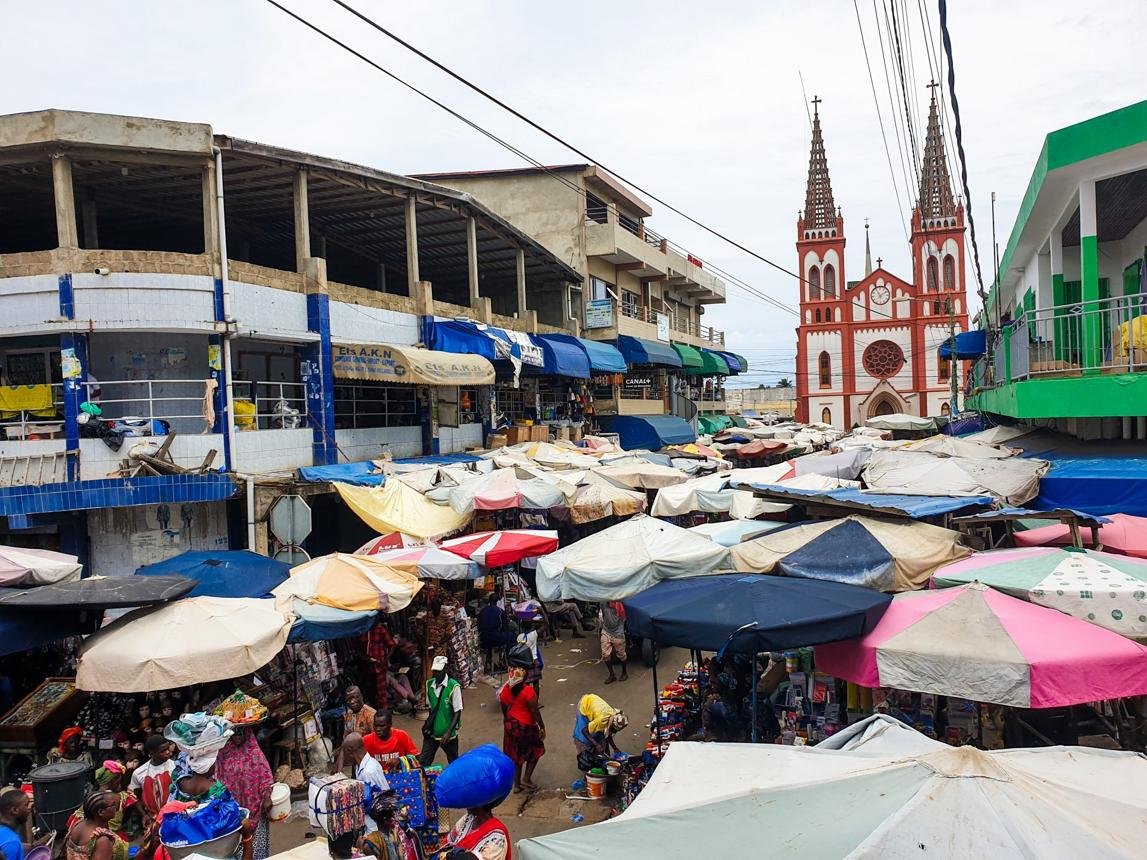
- Grand Marché (Grand Market)
- Independence Monument
- National Museum
- Artisan Village
- Lomé Cathedral
- Palm-lined beaches
- Seafood restaurants
Lomé also serves as the main arrival point for international visitors and overlanders entering from Ghana.
Kpalimé
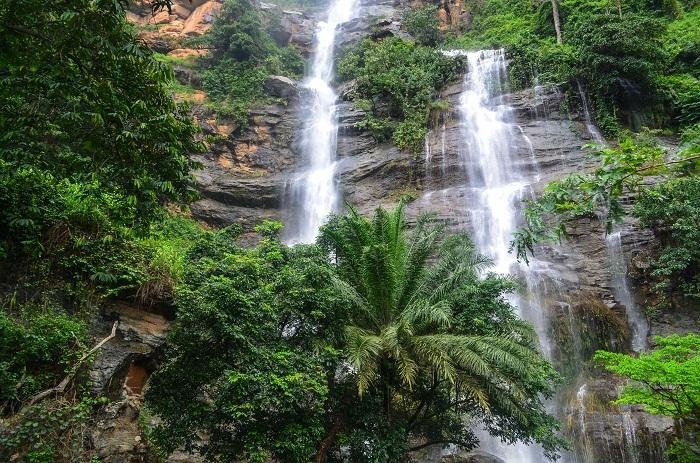
Nestled in the lush highlands near the Ghanaian border, Kpalimé is one of Togo’s most scenic destinations.
Visitors enjoy:
- Waterfalls
- Coffee plantations
- Butterfly farms
- Hiking trails
- Forest reserves
- Local handicrafts
Its cooler climate makes it a popular escape from the coastal heat.
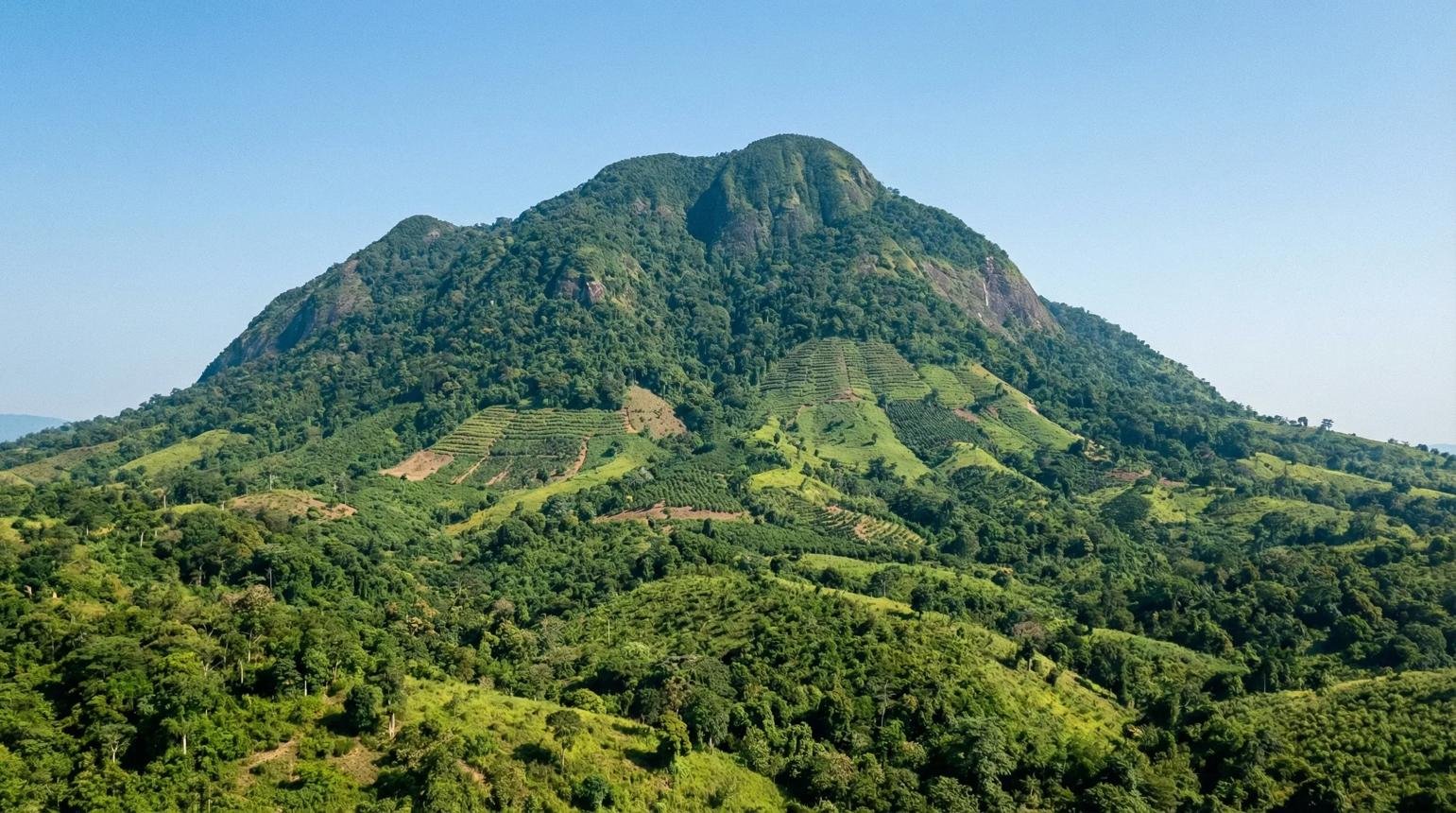
Mount Agou
At approximately 986 meters (3,235 feet), Mount Agou is Togo’s highest peak.
The surrounding region offers:
- Hiking
- Panoramic viewpoints
- Traditional villages
- Forest scenery
- Birdwatching
Togoville
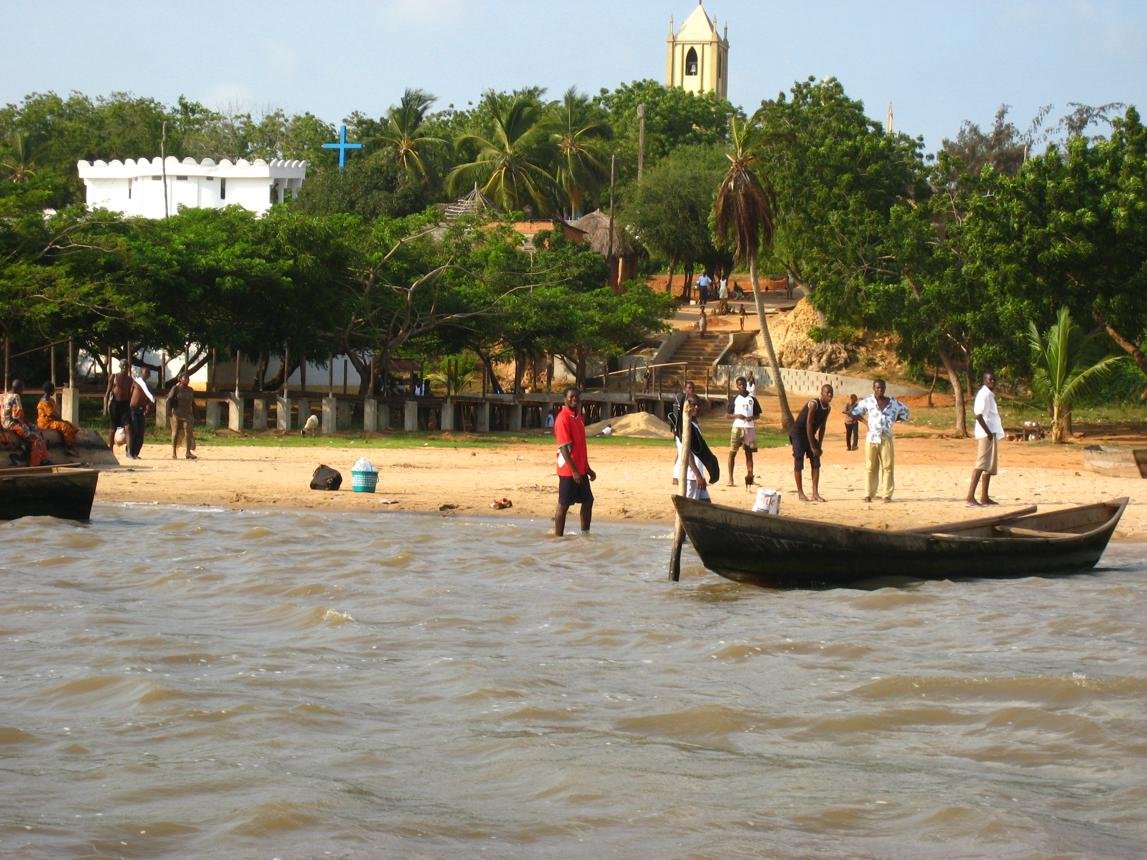
Situated on the shores of Lake Togo, Togoville is known for its spiritual significance and colonial history.
Highlights include:
- Historic churches
- Traditional shrines
- Boat crossings
- Lakeside scenery
- Voodoo traditions
Koutammakou
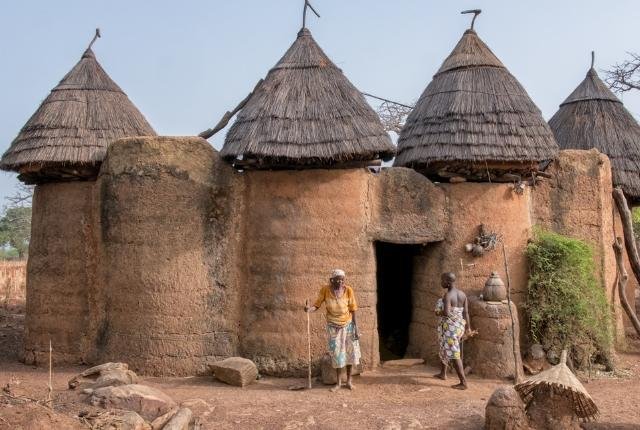
A UNESCO World Heritage Site, Koutammakou is home to the Batammariba people and their distinctive mud tower houses known as Takienta.
Visitors experience:
- Traditional architecture
- Cultural heritage
- Rural landscapes
- Community-based tourism
Fazao-Malfakassa National Park
Togo’s largest protected area includes:
- Savannah
- Forest
- Mountains
- Monkeys
- Antelope
- Birdlife
Lake Togo
A peaceful freshwater lagoon ideal for:
- Canoeing
- Birdwatching
- Fishing
- Village visits
Aneho
Once the colonial capital, Aneho combines beaches, historic buildings, and a relaxed atmosphere.
Best Time to Visit
Climate varies between the humid south and the drier north.
| Season | Conditions |
|---|---|
| November – February | Dry season, ideal for travel |
| March – May | Warm and humid |
| June – September | Main rainy season in the south |
| October | Pleasant transition period |
The dry season generally offers the best conditions for hiking, wildlife viewing, and road trips.
Regions of Togo
Maritime Region
Home to:
- Lomé
- Atlantic beaches
- Lake Togo
Plateaux Region
Known for:
- Kpalimé
- Waterfalls
- Forests
- Coffee plantations
Central Region
Offers:
- Rolling hills
- Traditional villages
- Wildlife
Kara Region
Features:
- Koutammakou
- Kabye culture
- Mountains
Savanes Region
Characterized by:
- Savannah
- National parks
- Burkina Faso border
Suggested Road Trips & Itineraries
7-Day Highlights
- Lomé
- Togoville
- Kpalimé
- Mount Agou
Perfect for first-time visitors.
10-Day Nature & Culture Tour
Continue to:
- Fazao-Malfakassa National Park
- Kara
- Koutammakou
Two-Week Togo Explorer
Visit:
- Lomé
- Atlantic coast
- Highlands
- National parks
- UNESCO sites
- Northern villages
Three-Week West Africa Circuit
Combine Togo with:
- Ghana
- Benin
Ideal for overlanders and backpackers exploring the Gulf of Guinea.
Overlanding in Togo
6
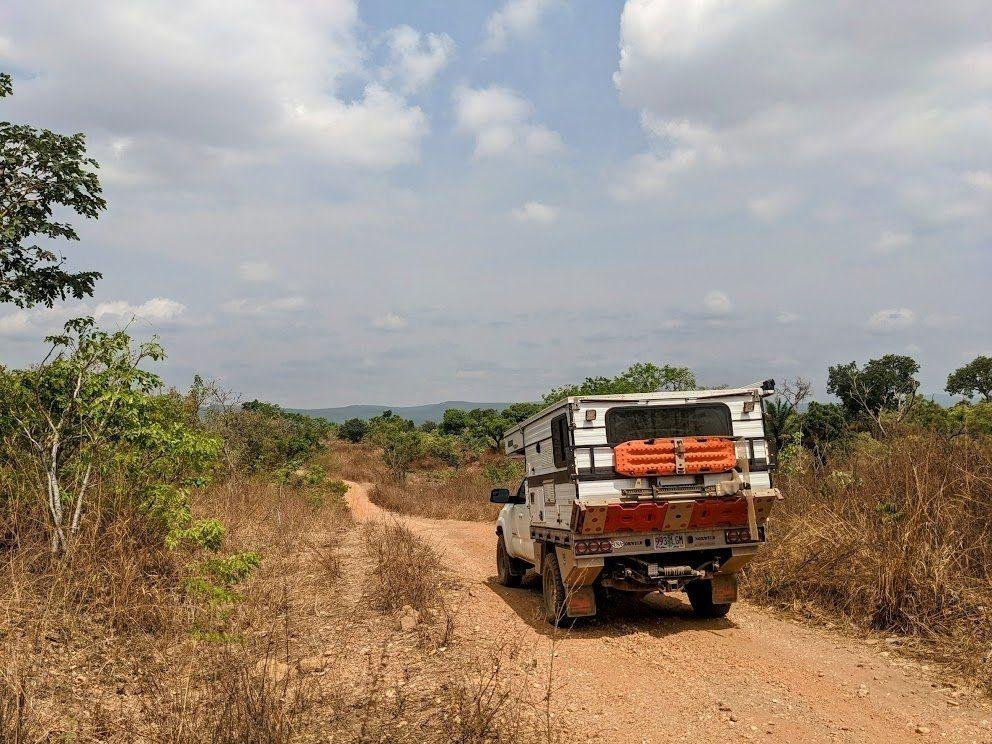
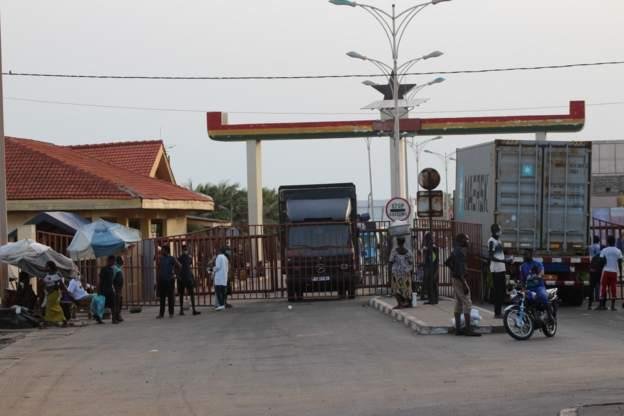
Togo is an important country on the classic West African overland route. Its compact size, generally good roads, and strategic location make it a popular transit country as well as a destination in its own right.
Why Overlanders Visit
Togo offers:
- Reliable highway network
- Short driving distances
- Diverse landscapes
- Mountain roads
- Cultural attractions
- Friendly villages
- Easy regional connections
Many travelers combine Togo with Ghana and Benin during a broader West African expedition.
Popular Overland Routes
Ghana Border – Lomé
The principal western entry point connecting Accra with Lomé.
Lomé – Kpalimé
One of Togo’s most scenic drives through forests and coffee-growing regions.
Kpalimé – Kara
A cross-country journey through the central plateau.
Kara – Koutammakou
The country’s most famous cultural route.
Northern Togo – Burkina Faso
Popular for travelers continuing into the Sahel.
Benin Border
Eastern routes connect seamlessly with Benin’s highway network.
Road Conditions
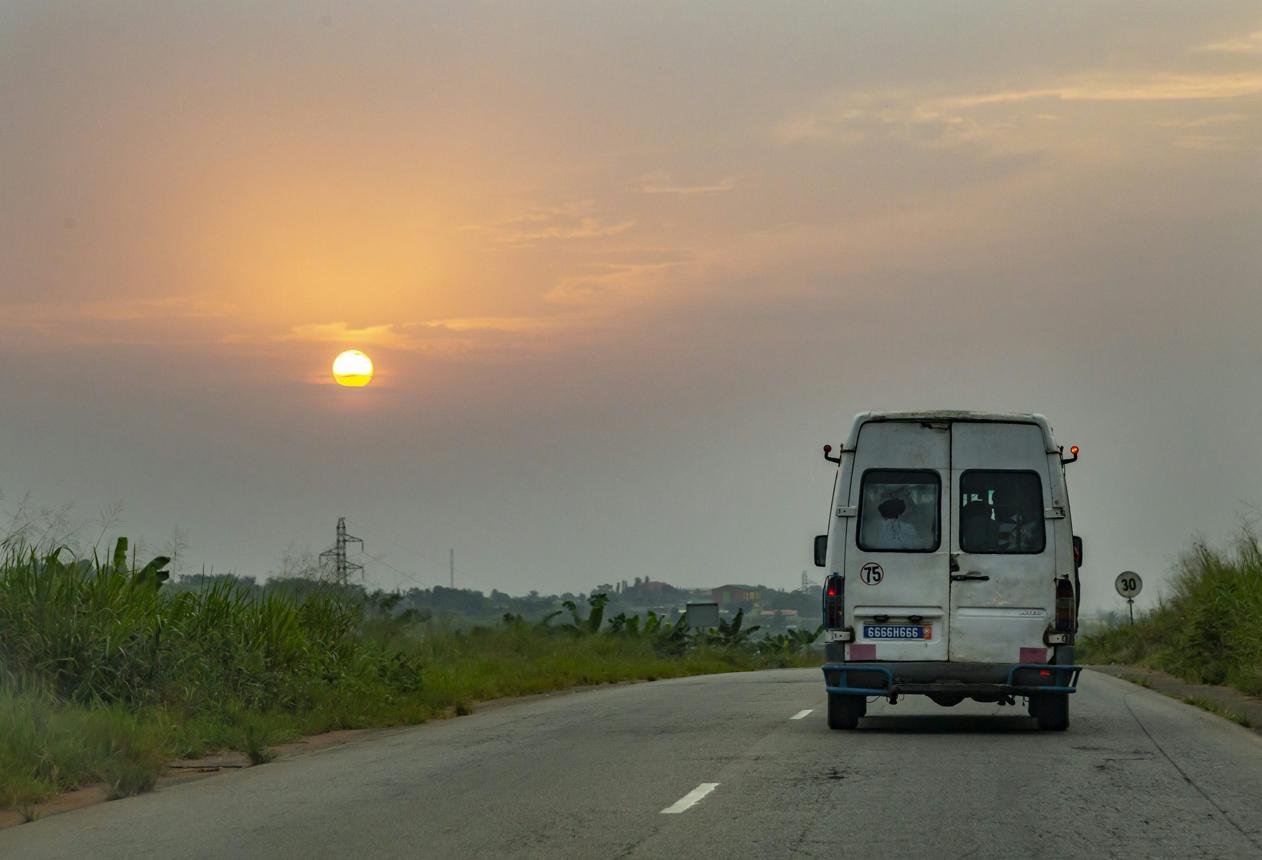
Togo’s primary highways are paved and generally maintained.
Travelers may encounter:
- Mountain roads
- Rural gravel roads
- Seasonal flooding
- Livestock
- Speed bumps through villages
Fuel & Services
Fuel stations are widely available along the national highway, and repair workshops can be found in larger towns such as Lomé, Atakpamé, Sokodé, and Kara.
Continue Planning
Future supporting articles:
- Overlanding Togo
- Driving Across Togo
- West Africa Overland Route
- Border Crossings in Togo
- Vehicle Preparation
Backpacking in Togo
Togo is one of West Africa’s most accessible destinations for independent backpackers.
Budget Accommodation
Travelers can choose from:
- Guesthouses
- Auberges
- Budget hotels
- Eco-lodges
- Small family-run accommodations
Prices remain affordable throughout most of the country.
Transportation
Backpackers commonly travel by:
- Shared taxis
- Bush taxis
- Minibuses
- Long-distance buses
- Motorcycle taxis
Transport is inexpensive and connects nearly every major town.
Backpacking Highlights
Popular experiences include:
- Lomé markets
- Beach relaxation
- Waterfall hikes
- Mountain villages
- Cultural festivals
- Coffee plantations
- Traditional architecture
Continue Planning
Future guides:
- Backpacking Togo
- Budget Travel Togo
- Lomé Backpacking Guide
- Kpalimé Travel Guide
Camping
Camping is possible throughout much of Togo, although formal campsites remain limited.
National Parks
Protected areas occasionally provide designated camping locations.
Wild Camping
Wild camping is feasible in rural areas with permission from local communities and appropriate safety precautions.
Eco-Lodges
Several eco-lodges offer camping facilities together with basic services.
Camping Tips
Bring:
- Mosquito protection
- Water purification
- Lightweight shelter
- Rain protection during the wet season
Continue Planning
Supporting articles:
- Camping in Togo
- Wild Camping Guide
- Eco-Lodges in Togo
RV & Motorhome Travel
Togo is well suited to compact campervans and motorhomes exploring West Africa.
Suggested RV Routes
Coastal Route
Ghana Border → Lomé → Aneho
Highlands Route
Lomé → Kpalimé → Mount Agou
Northern Heritage Route
Kara → Koutammakou
Grand Togo Tour
Travel the entire length of the country from the Atlantic coast to Burkina Faso.
Practical Considerations
Motorhome travelers should plan for:
- Limited RV parks
- Secure overnight parking
- Fuel availability
- Seasonal weather
- Border paperwork
Many hotels and guesthouses allow overnight parking for self-contained vehicles.
Continue Planning
Future cluster pages:
- Motorhome Travel in Togo
- RV Routes in West Africa
- Campervan Travel Guide
Driving in Togo
Driving is relatively easy compared to many neighboring countries.
Main Highways
Excellent paved roads connect:
- Lomé
- Atakpamé
- Sokodé
- Kara
- Dapaong
Driving Challenges
Expect:
- Speed bumps
- Livestock
- Motorcycles
- Heavy rain during the wet season
- Busy city traffic in Lomé
Night driving is best avoided outside urban areas.
Border Crossings
Togo shares borders with:
- Ghana
- Benin
- Burkina Faso
Major crossings include:
- Aflao–Lomé from Ghana
- Eastern crossings into Benin
- Northern crossings toward Burkina Faso
Vehicle travelers should ensure they have valid insurance, registration documents, and any required temporary vehicle import permits. Border procedures are generally straightforward but can take time during busy periods.
Visa & Entry Requirements
Many nationalities require a visa or electronic visa before arriving in Togo, while some regional travelers benefit from visa exemptions.
Visitors should ensure they have:
- A passport valid for at least six months
- Appropriate visa or eVisa if required
- Proof of onward travel if requested
- Accommodation details
- Yellow fever vaccination certificate, which is generally required for entry
Always verify the latest entry requirements before departure.
Budget & Costs
Estimated daily travel expenses:
| Travel Style | Daily Budget |
|---|---|
| Backpacker | US$30–55 |
| Mid-range | US$70–140 |
| Comfortable | US$160+ |
| Overlander (excluding vehicle costs) | US$35–75 |
Street food, local transport, and guesthouses make Togo one of the more affordable countries in West Africa.
Safety
Togo is generally regarded as one of the more stable destinations in West Africa, although travelers should remain aware of local conditions.
Practical safety advice includes:
- Keep valuables secure in crowded markets
- Avoid isolated beaches after dark
- Exercise caution while driving at night
- Monitor weather during the rainy season
- Stay informed about conditions near international borders
Healthcare facilities are best in Lomé, while services become more limited in rural regions.
Food & Culture
Togolese cuisine combines West African flavors with French influences.
Popular dishes include:
- Fufu
- Pâte (maize or millet dough)
- Grilled fish
- Peanut sauces
- Akoumé
- Plantains
- Fresh tropical fruit
Markets are central to daily life, offering colorful displays of spices, textiles, crafts, and locally grown produce.
Traditional music, drumming, and dance remain an important part of Togolese culture, while Voodoo (Vodun) traditions continue to influence ceremonies and festivals, particularly in the south. Visitors are encouraged to respect local customs and seek permission before photographing ceremonies or individuals.
Frequently Asked Questions
Is Togo safe for tourists?
Togo is generally considered one of the safer destinations in West Africa for independent travel. Normal precautions are recommended, and travelers should consult current official travel advisories before departure.
Can you overland through Togo?
Yes. Togo is a key country on the West African overland route and is popular with travelers driving between Ghana, Benin, and Burkina Faso.
Is Togo good for backpacking?
Yes. Affordable accommodation, reliable transport, and diverse attractions make Togo an excellent backpacking destination.
Can you travel by motorhome?
Experienced RV travelers can comfortably explore Togo using its main highway network, although dedicated motorhome facilities are limited.
What is Togo famous for?
Togo is best known for:
- Lomé
- Kpalimé
- Mount Agou
- Koutammakou UNESCO World Heritage Site
- Lake Togo
- Togoville
- Atlantic beaches
- Traditional Vodun culture
Continue Planning
This cornerstone guide provides an introduction to Togo and links naturally to a comprehensive collection of supporting travel resources:
- Overlanding in Togo
- Backpacking Togo
- Motorhome & RV Travel in Togo
- Camping in Togo
- Driving in Togo
- Border Crossings in Togo
- Togo Visa Guide
- Lomé Travel Guide
- Kpalimé Travel Guide
- Mount Agou Hiking Guide
- Koutammakou UNESCO Guide
- Fazao-Malfakassa National Park Guide
- West Africa Overlanding Guide
- West Africa Backpacking Guide
- Overlanding in Togo
- Getting around in Togo