Quick Facts
Best time to visit: Varies massively by region (generally April–October for the interior, spring/autumn for the south)
Difficulty: 3/5 for standard routes, 5/5 for remote outback expeditions
Road conditions: Excellent highways, rough outback tracks, remote corrugated roads
Visa situation: ETA / visa required for most international visitors; vehicle import rules apply
Why Overland Australia?
Australia is one of the world’s greatest overlanding destinations.
This is a country made for road travel.
Huge distances, iconic outback tracks, tropical coasts, desert crossings, mountain roads, world-class camper infrastructure, and extraordinary freedom make Australia a dream for overlanders.
Why it stands out:
- legendary outback routes
- epic long-distance driving
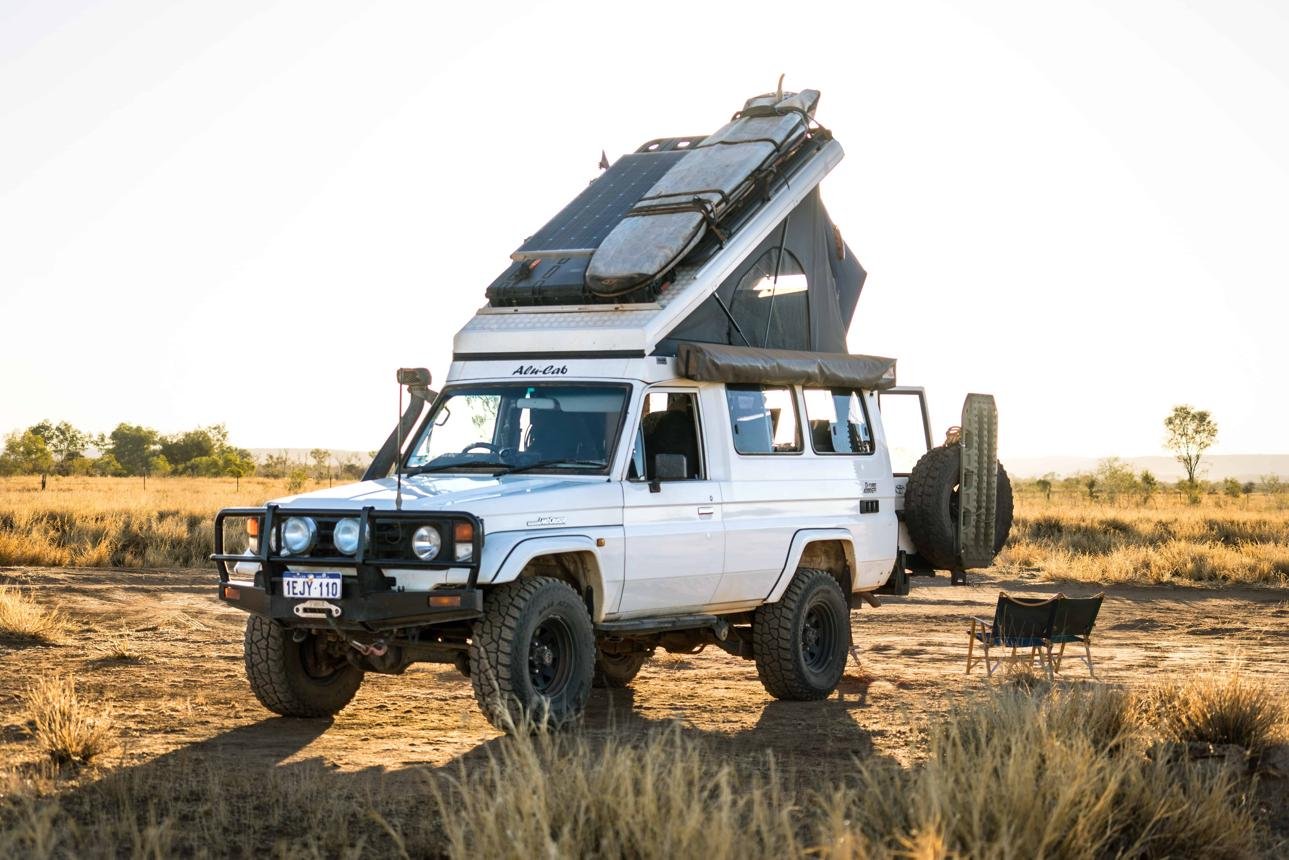
- 4×4 expedition tracks
- excellent campervan culture
- wild remote camping
- varied climates
- strong logistics in populated areas
- unforgettable landscapes
Australia can be relaxed and easy—or genuinely expedition-level depending on the route.
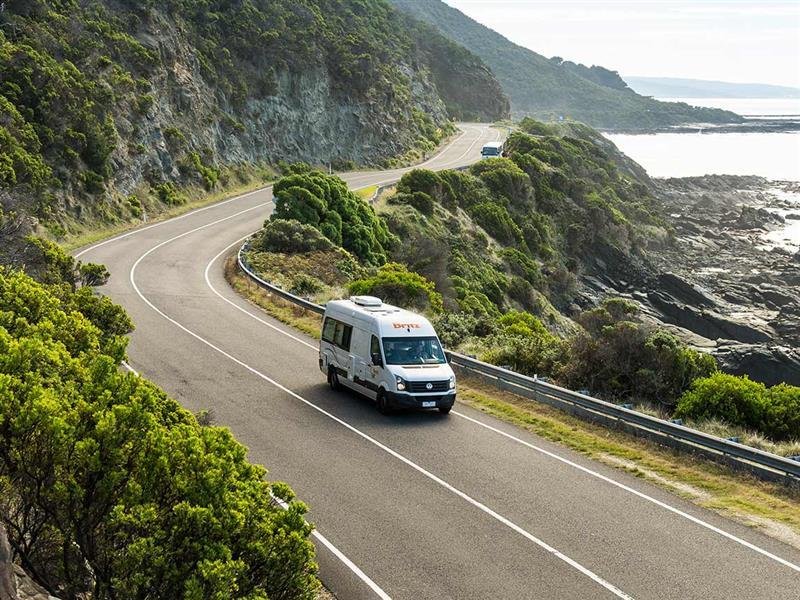
One week you can cruise the Great Ocean Road in a campervan. The next you’re crossing isolated red-dirt tracks with satellite communications and fuel caches.
Scale is the defining factor.
Main Overlanding Routes
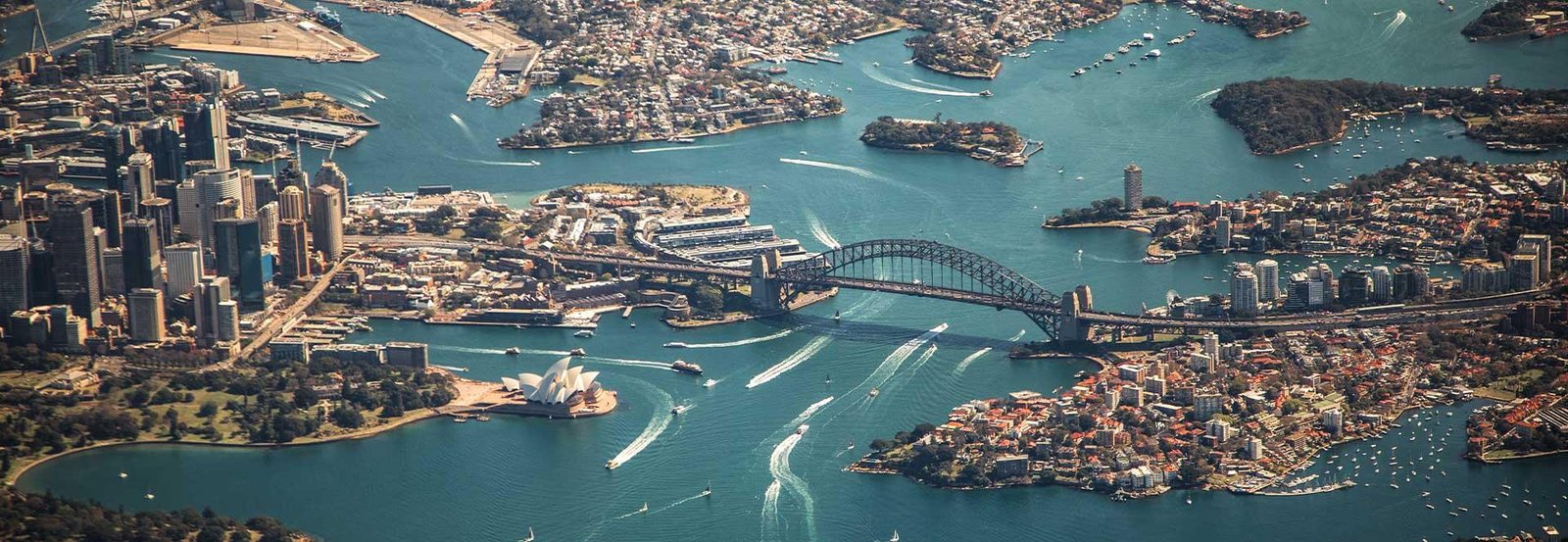
1. East Coast Touring Route

6
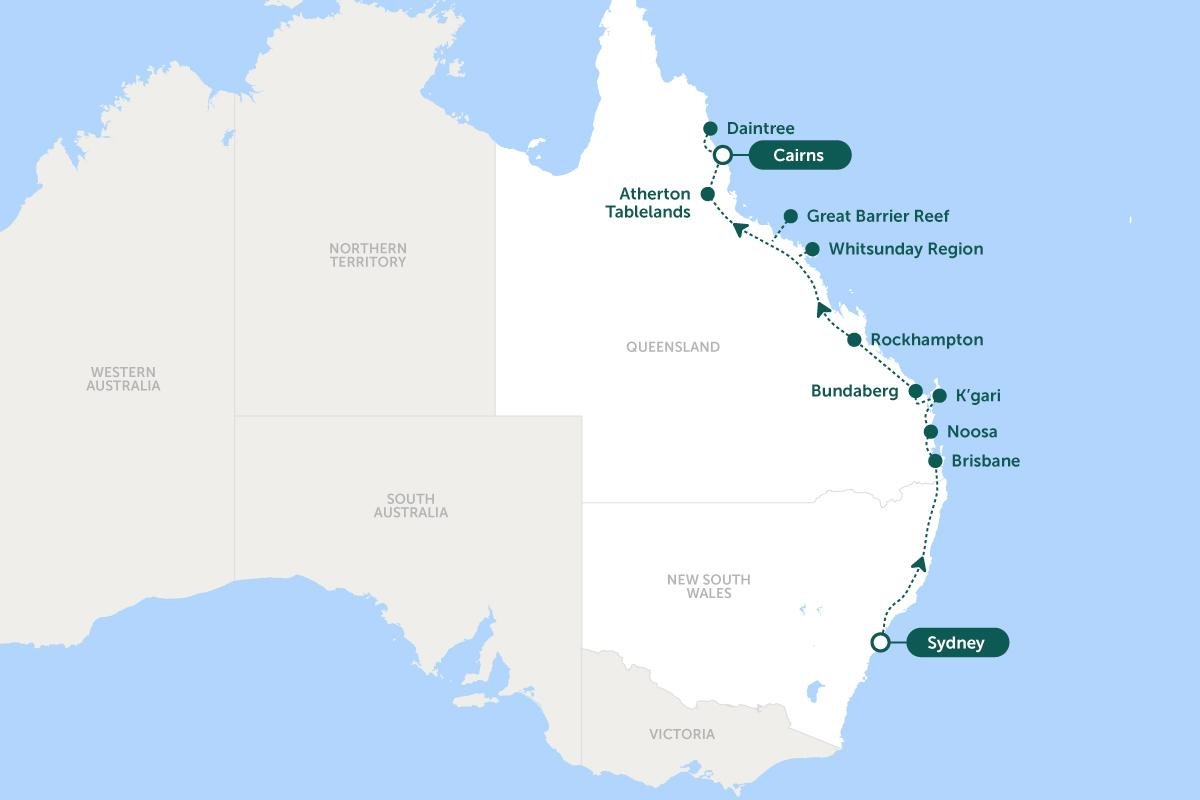
Route: Melbourne – Sydney – Byron Bay – Brisbane – Airlie Beach – Cairns
Distance: 3,000+ km
Road type: paved highways
Fuel: excellent availability
Australia’s easiest major overland route.
Highlights:
- surf towns
- beaches
- rainforests
- major cities
- reef access
Perfect for:
- campervans
- first-time visitors
- long road trips
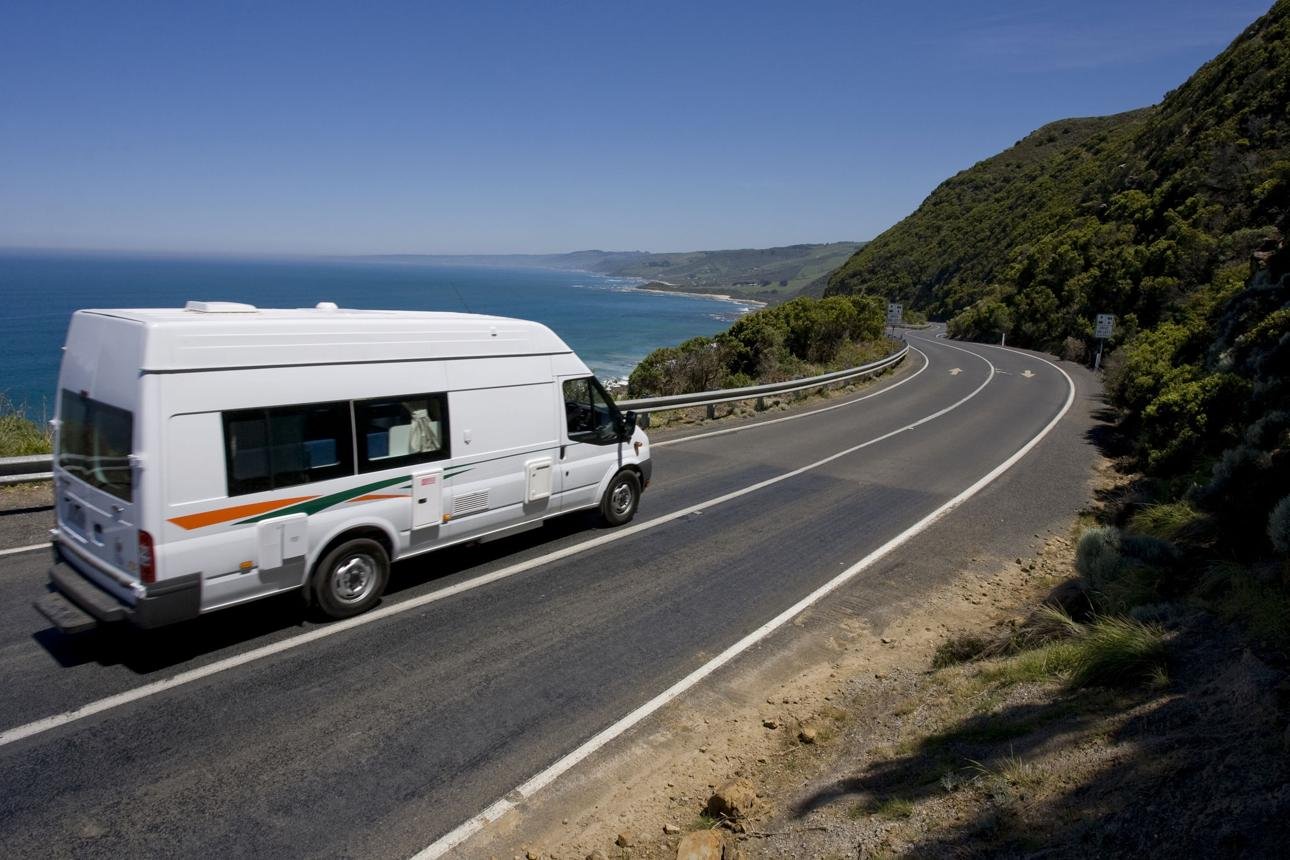
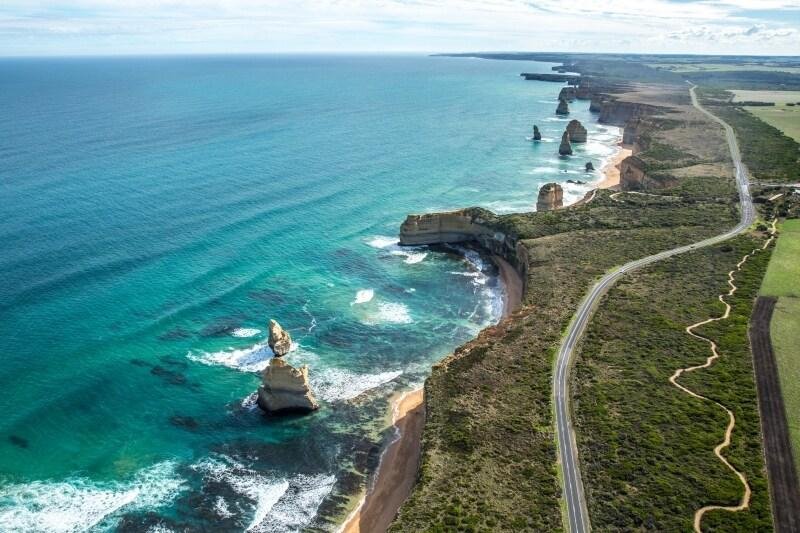
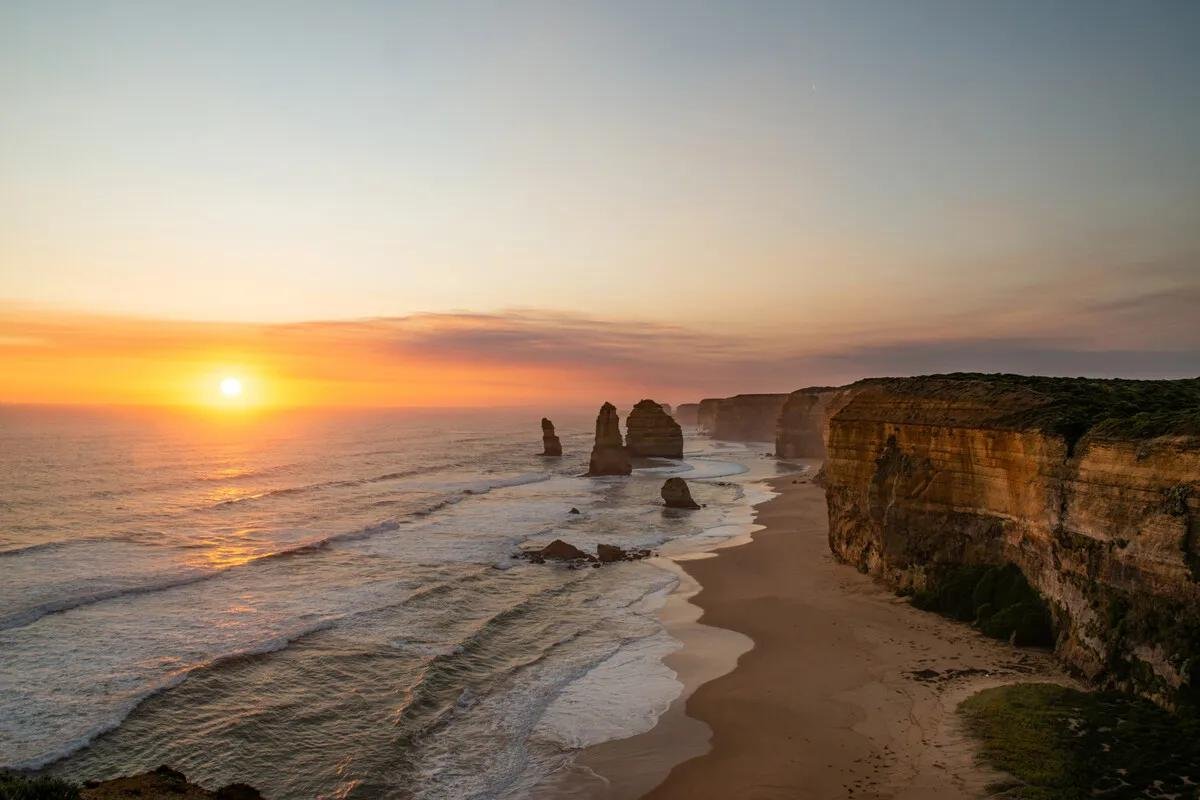
2. Great Ocean Road & Southern Route
6
Route: Melbourne – Great Ocean Road – Adelaide
One of Australia’s most iconic drives.
Highlights:
- coastal cliffs
- beaches
- scenic viewpoints
- relaxed touring
Excellent for motorhome travel.
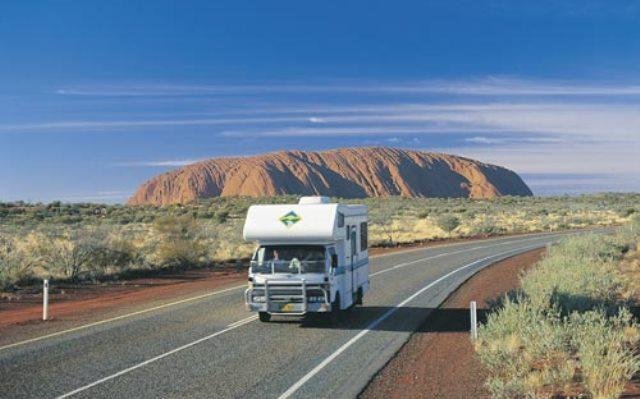
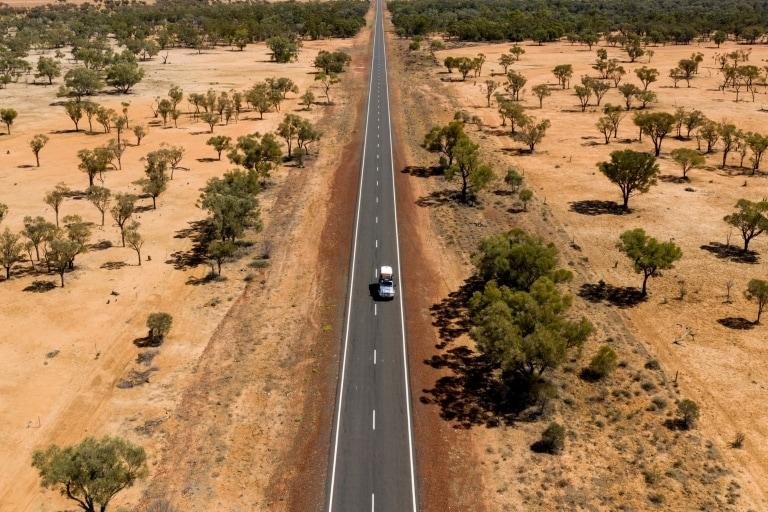
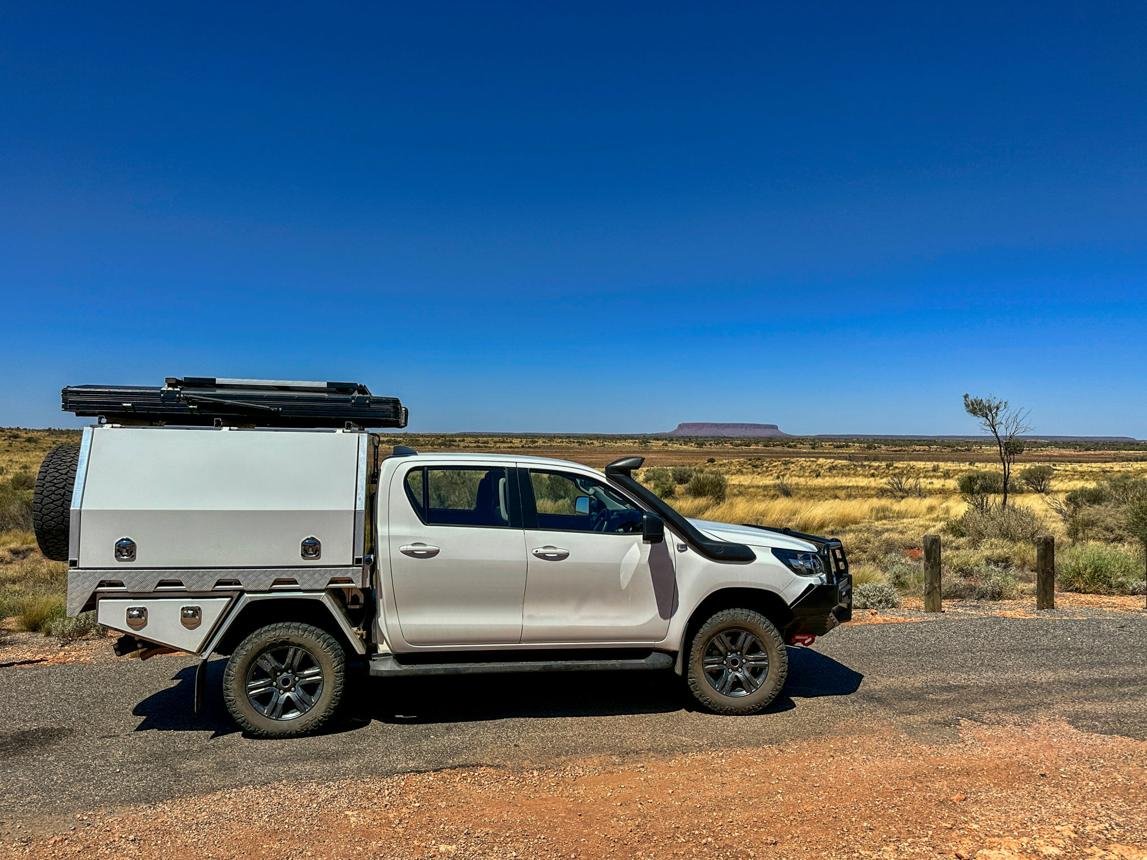
3. Red Centre Expedition
7
Route: Adelaide – Coober Pedy – Alice Springs – Uluru
Classic interior overlanding.
Challenges:
- heat
- distance
- fuel planning
- mechanical preparation
Rewards:
- desert landscapes
- iconic outback scenery
- expedition atmosphere
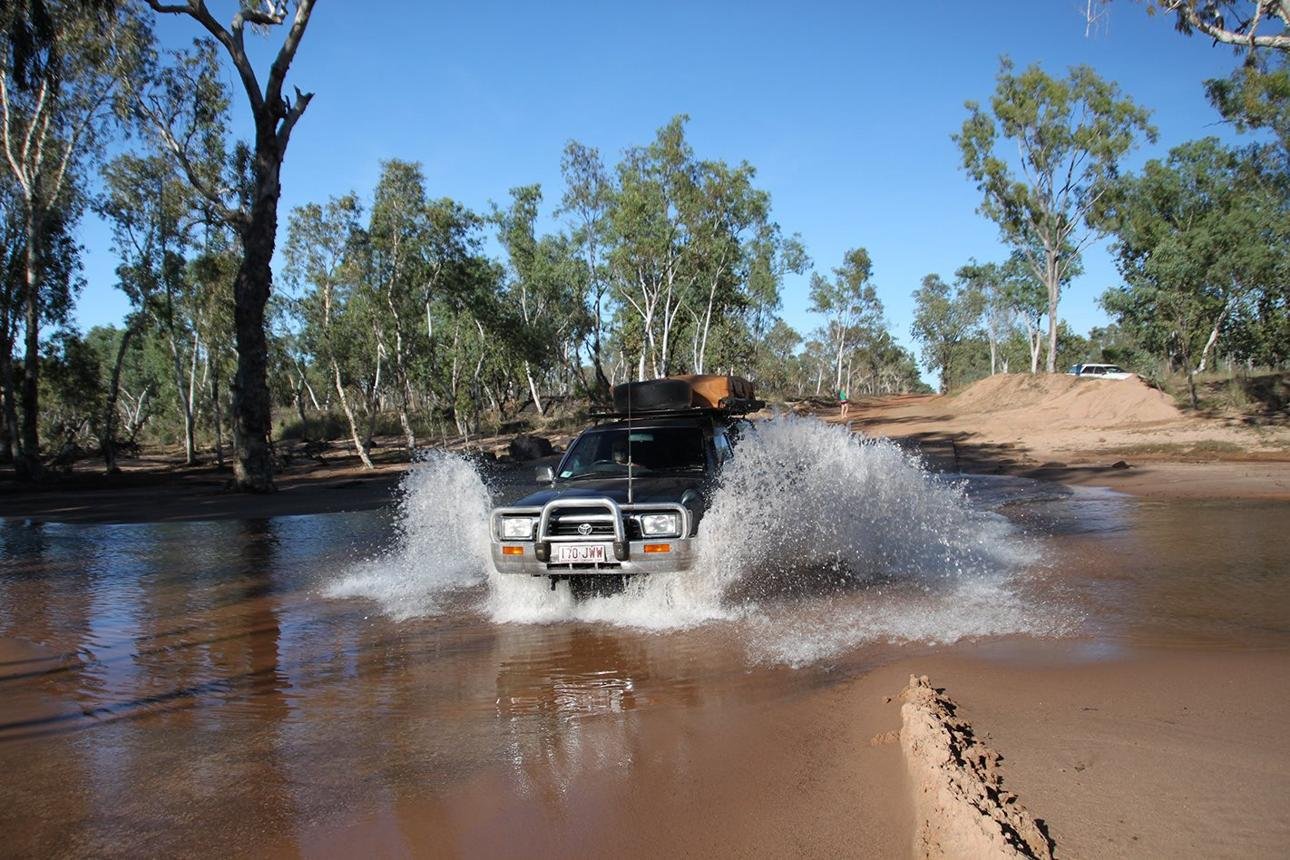
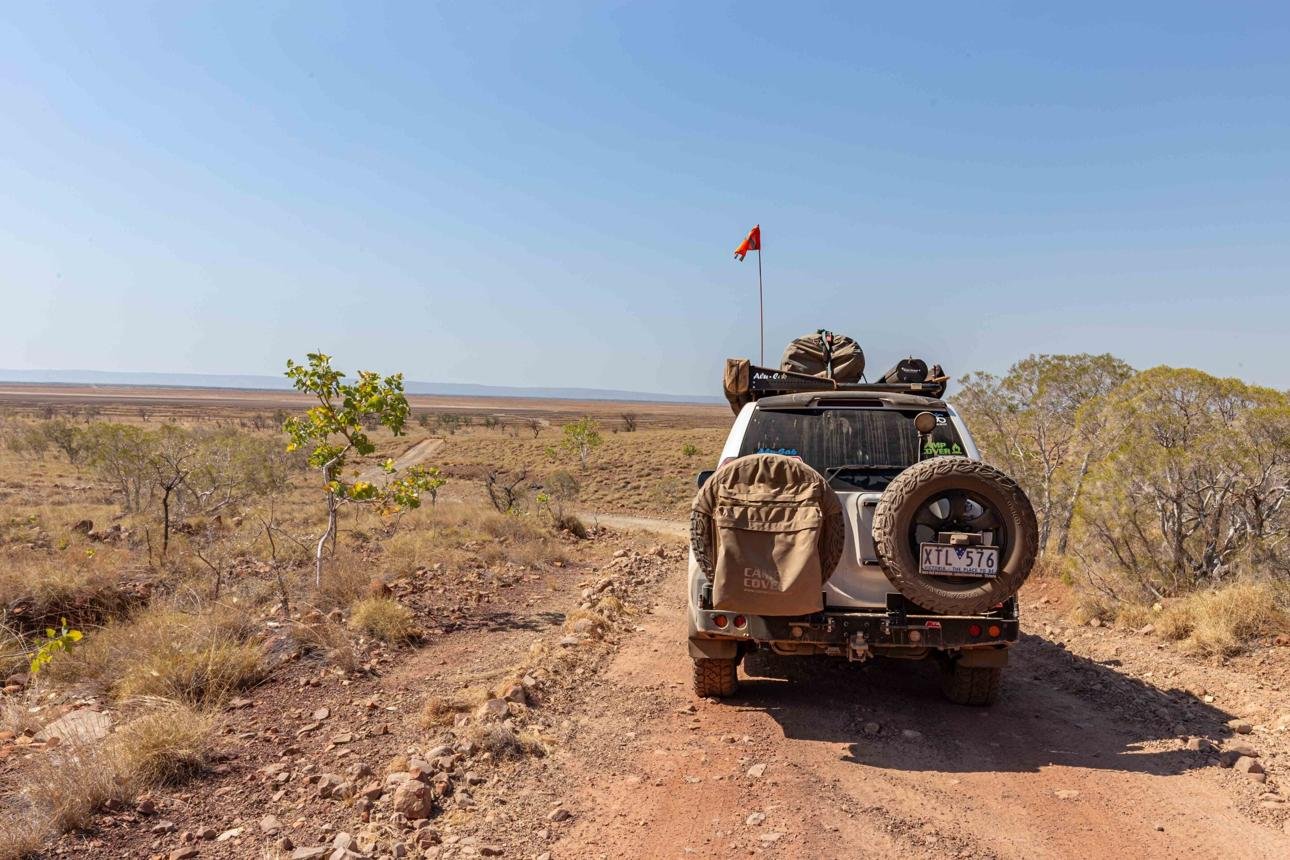
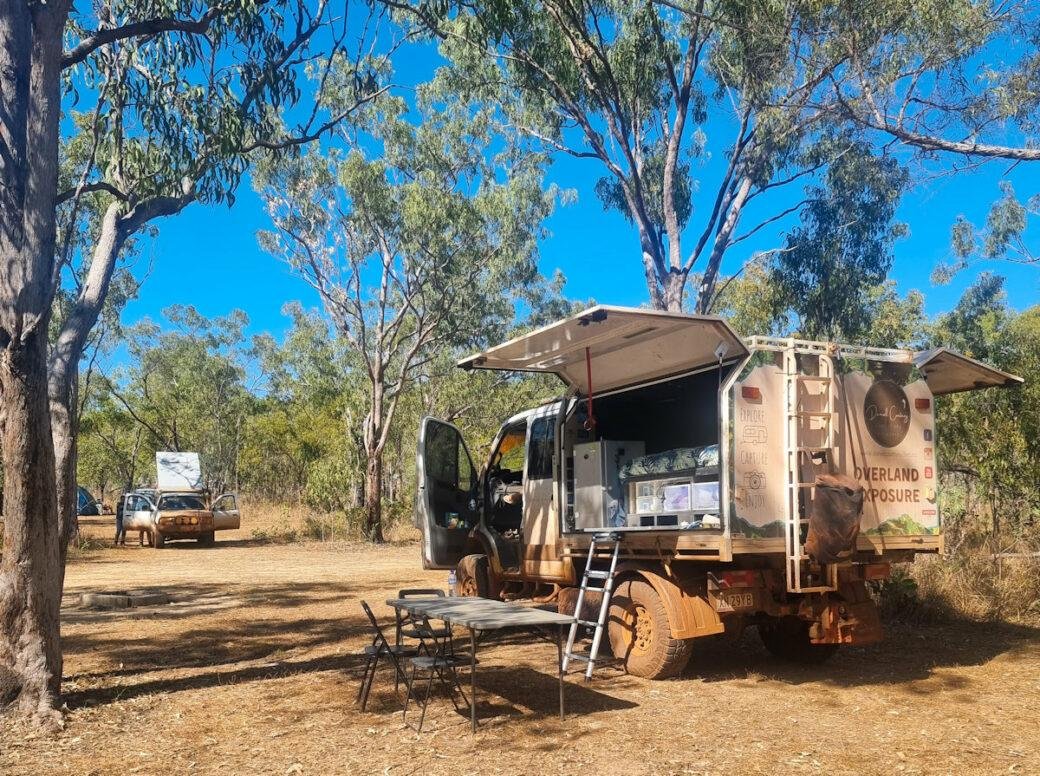
4. Gibb River Road Expedition
6
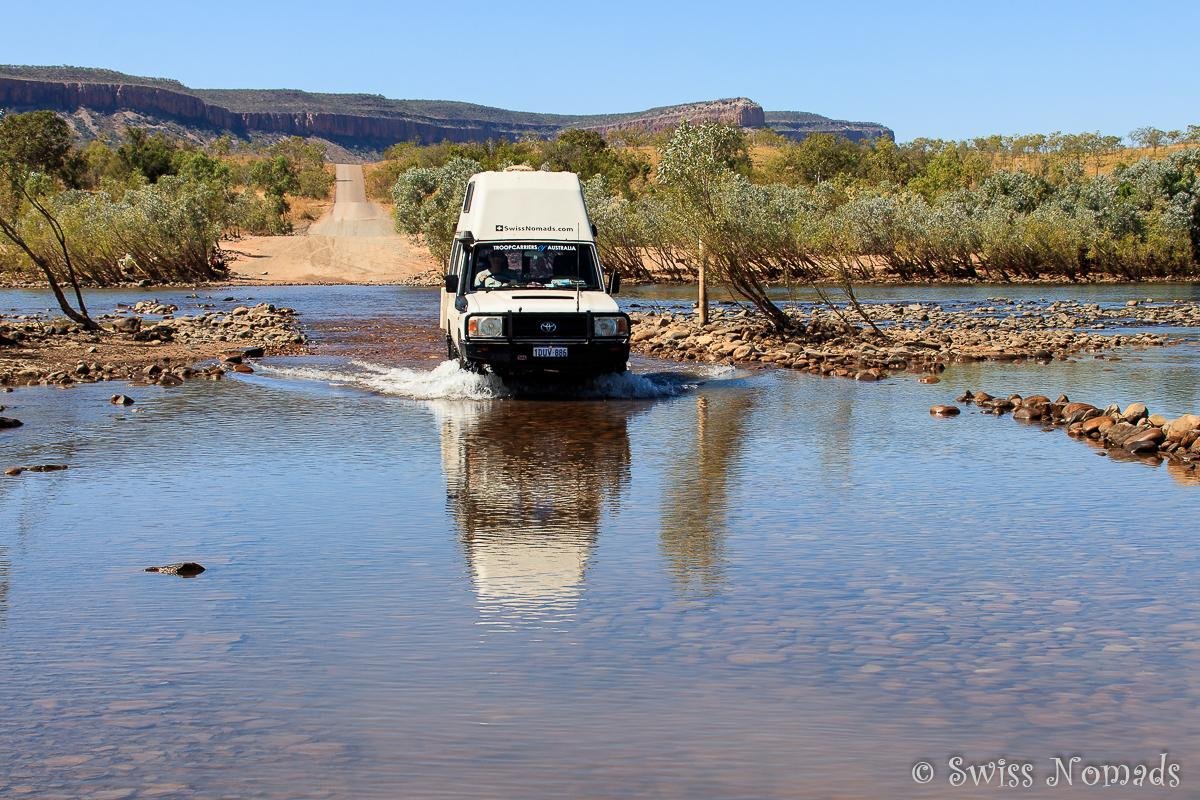
One of Australia’s true expedition routes.
Best for:
- serious 4×4 overlanders
- expedition campers
- experienced remote travelers
Expect:
- corrugations
- river crossings
- recovery risks
- isolation
5. Nullarbor Crossing
Route: Adelaide – Perth
A legendary long-distance crossing.
Highlights:
- immense emptiness
- long straight roads
- dramatic southern coast
A classic Australia overland experience.
Borders & Entry Points
Island nation.
Main access:
By Sea
Vehicle shipping possible.
Common for international overlanders.
Domestic Overlanding
Most travelers buy/rent locally.
Vehicle Entry Requirements
For imported vehicles:
Usually required:
- carnet or temporary import arrangements
- insurance
- quarantine compliance
- customs clearance
Australia’s biosecurity rules are strict.
Clean vehicles carefully before arrival.
Driving Conditions
Extremely varied.
Easy:
- highways
- coastal routes
- populated states
Moderate:
- secondary inland roads
Difficult:
- remote outback
- corrugated tracks
- flood-prone roads
- heat exposure
Wildlife hazards:
- kangaroos
- cattle
- camels in remote areas
Avoid night driving in rural regions.
Fuel & Logistics
Excellent in populated areas.
Serious planning needed remotely.
Bring for expedition routes:
- extra fuel
- extra water
- satellite communication
- recovery gear
- spare tires
- mechanical essentials
Mobile coverage disappears quickly inland.
Camping & Accommodation
Wild Camping
Widely possible depending on local rules.
Major overlanding advantage.
Campsites
Excellent infrastructure.
Options include:
- holiday parks
- bush camps
- station stays
- national park camping
Budget Accommodation
Available nationwide.
Safety & Risks
Main concerns:
- heat
- dehydration
- remoteness
- breakdowns
- wildlife collisions
- floods
- bushfire season
Urban crime is a minor issue compared with environmental risks.
Best Time to Visit
South
Spring / autumn ideal.
Tropical North
Dry season best.
Outback
Cooler months only.
Sample 3-Week Itinerary
Days 1–4: Melbourne / Great Ocean Road
Days 5–8: Adelaide / outback transition
Days 9–14: Red Centre
Days 15–21: optional east coast or westbound extension
FAQ
Is Australia good for overlanding?
World-class destination.
Can you wild camp?
Often yes.
Need 4×4?
Not for standard routes, yes for serious expeditions.
Is Australia beginner-friendly?
Yes on major routes, no for remote outback expeditions.
Biggest challenge?
Distance.
Related Pages
- Backpacking Australia
- City Trips Australia
- RV Travel Australia
- Further Reading