8
Overlanding Tanzania: Routes, Borders & Travel Guide
Quick Facts
Best time to visit: June–October and January–February
Difficulty: 4/5
Road conditions: Good highways on major corridors, rough secondary roads, remote expedition tracks in some regions
Visa situation: Visa required for many nationalities; vehicle paperwork required for overland entry
Why Overland Tanzania?
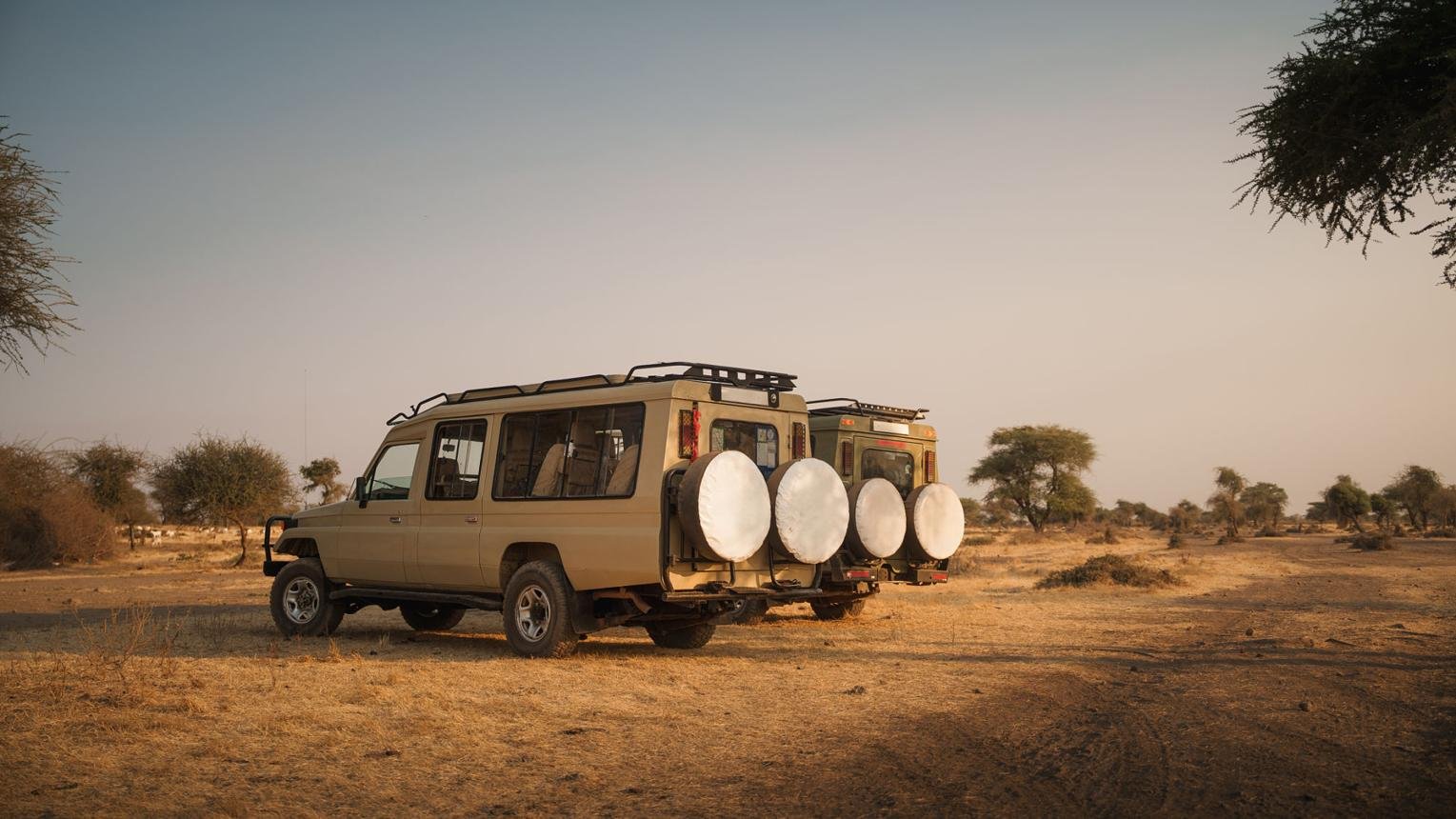
Tanzania is one of Africa’s most spectacular overlanding destinations.
It combines world-famous safari country, Indian Ocean coastline, remote expedition routes, huge national parks, mountain landscapes, and major East African transit connections into one extraordinary road-travel destination.
Compared with Kenya, Tanzania often feels wilder, less polished, and more expansive.
Why it stands out:
- world-class safari destinations
- iconic wildlife experiences
- Serengeti and Ngorongoro access
- Indian Ocean coastlines
- remote southern expedition routes
- major East Africa overland hub
- mountain scenery including Kilimanjaro regions
- unforgettable long-distance travel
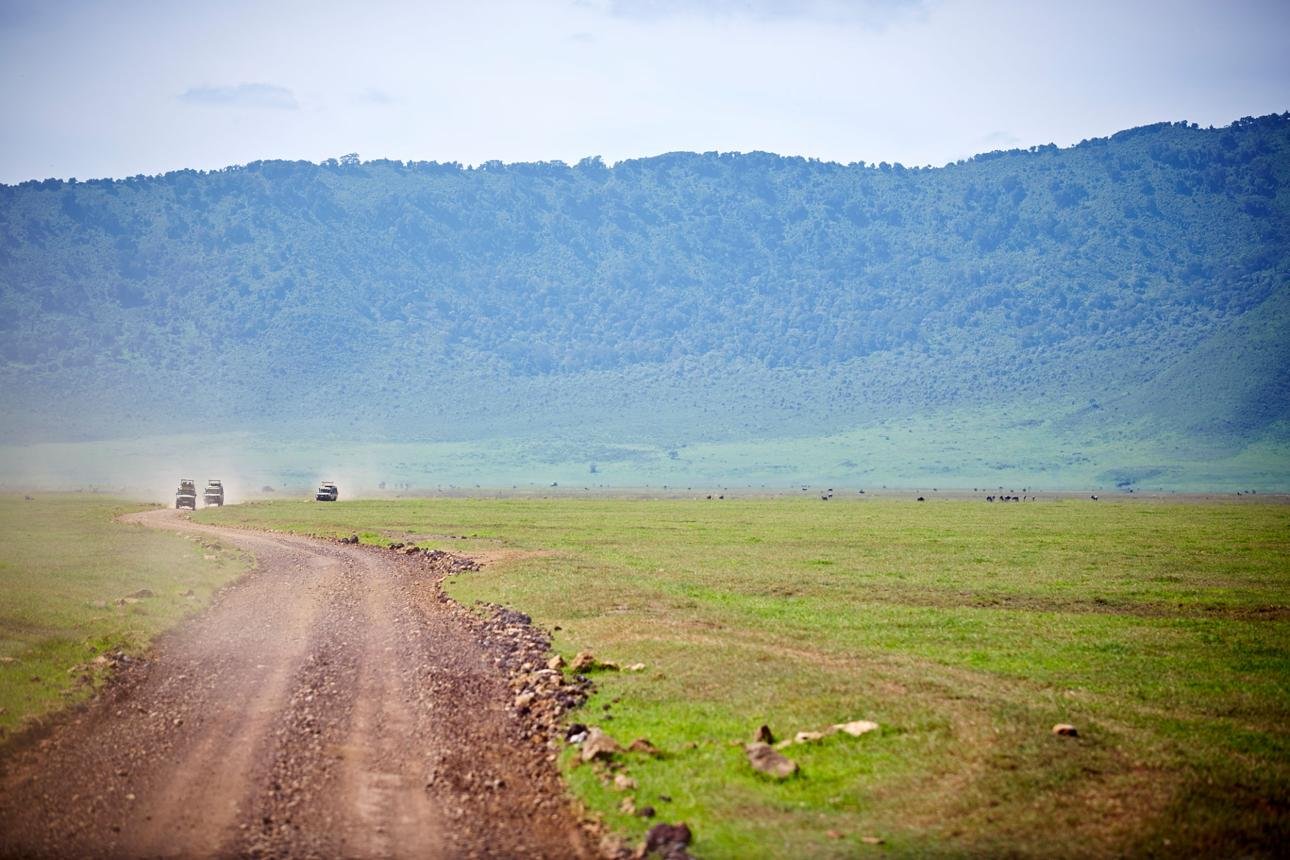
One day you can be self-driving through safari country near the Ngorongoro Highlands, the next crossing vast remote landscapes toward Ruaha, and later relaxing on the Indian Ocean coast near Pangani or Dar es Salaam.
Main Overlanding Routes
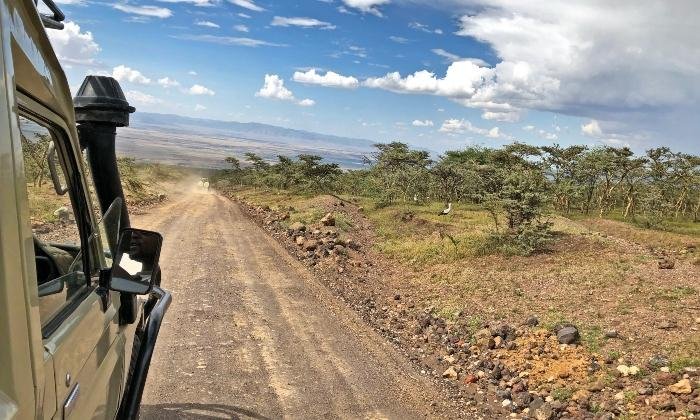
1. Northern Safari Circuit
6
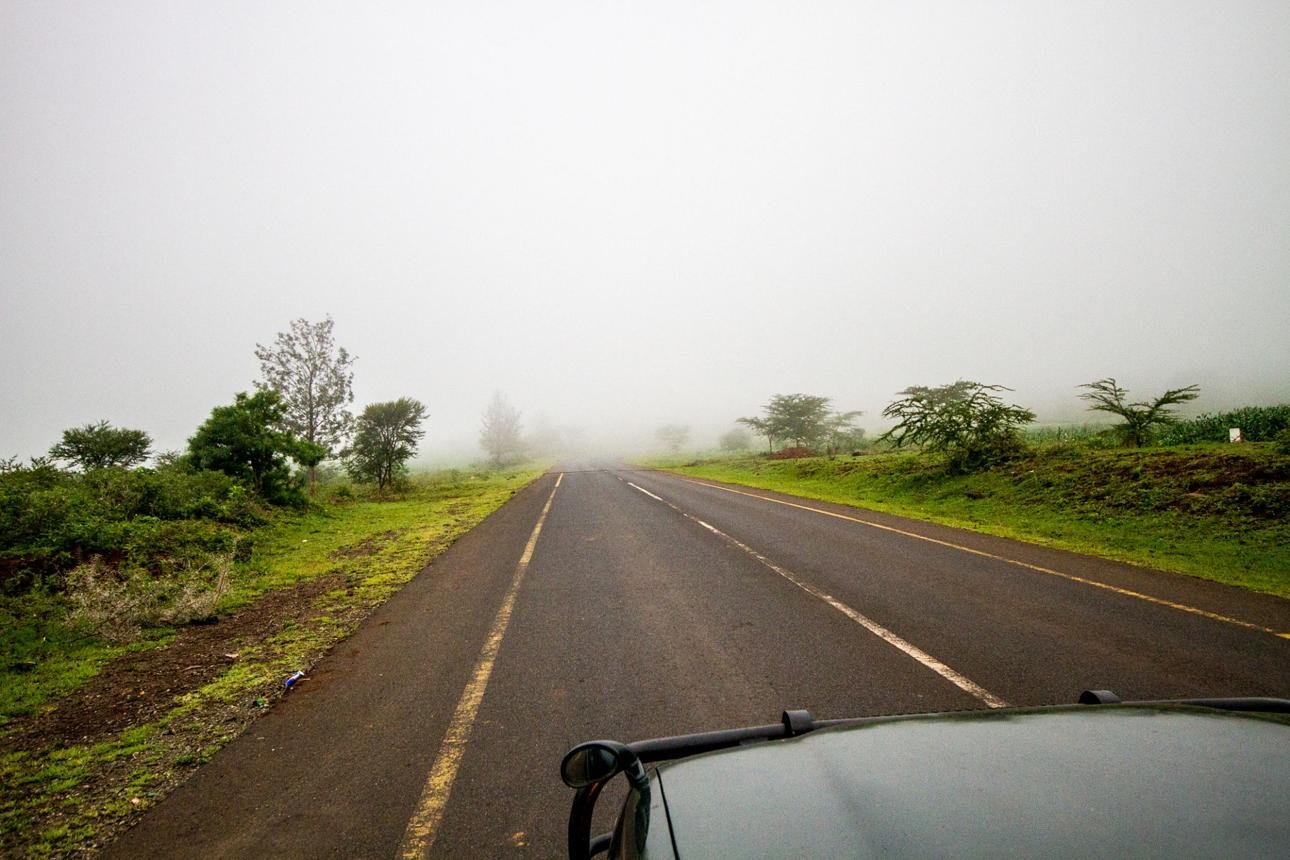
Route: Arusha – Lake Manyara – Ngorongoro – Serengeti
Distance: approx. 600–1,200 km depending on park routing
Road type: paved + safari access roads + rough tracks
Fuel: manageable with planning
Tanzania’s most famous overland route.
Highlights:
- Serengeti wildlife
- Ngorongoro landscapes
- Lake Manyara
- classic East Africa safari driving
- Maasai country scenery
Best for:
- safari-focused overlanders
- experienced self-drivers
- wildlife expeditions
2. Southern Tanzania Expedition Route
6
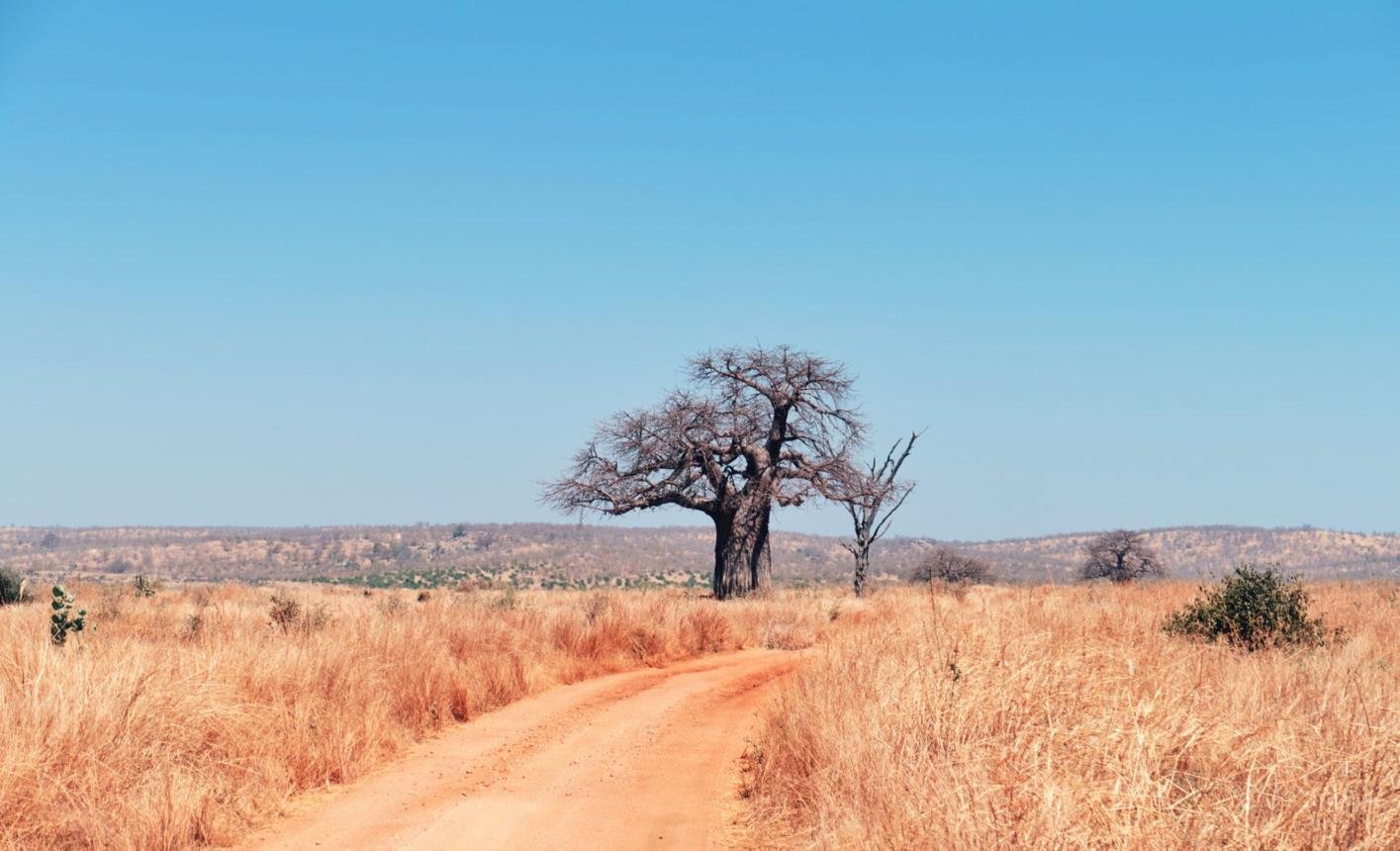
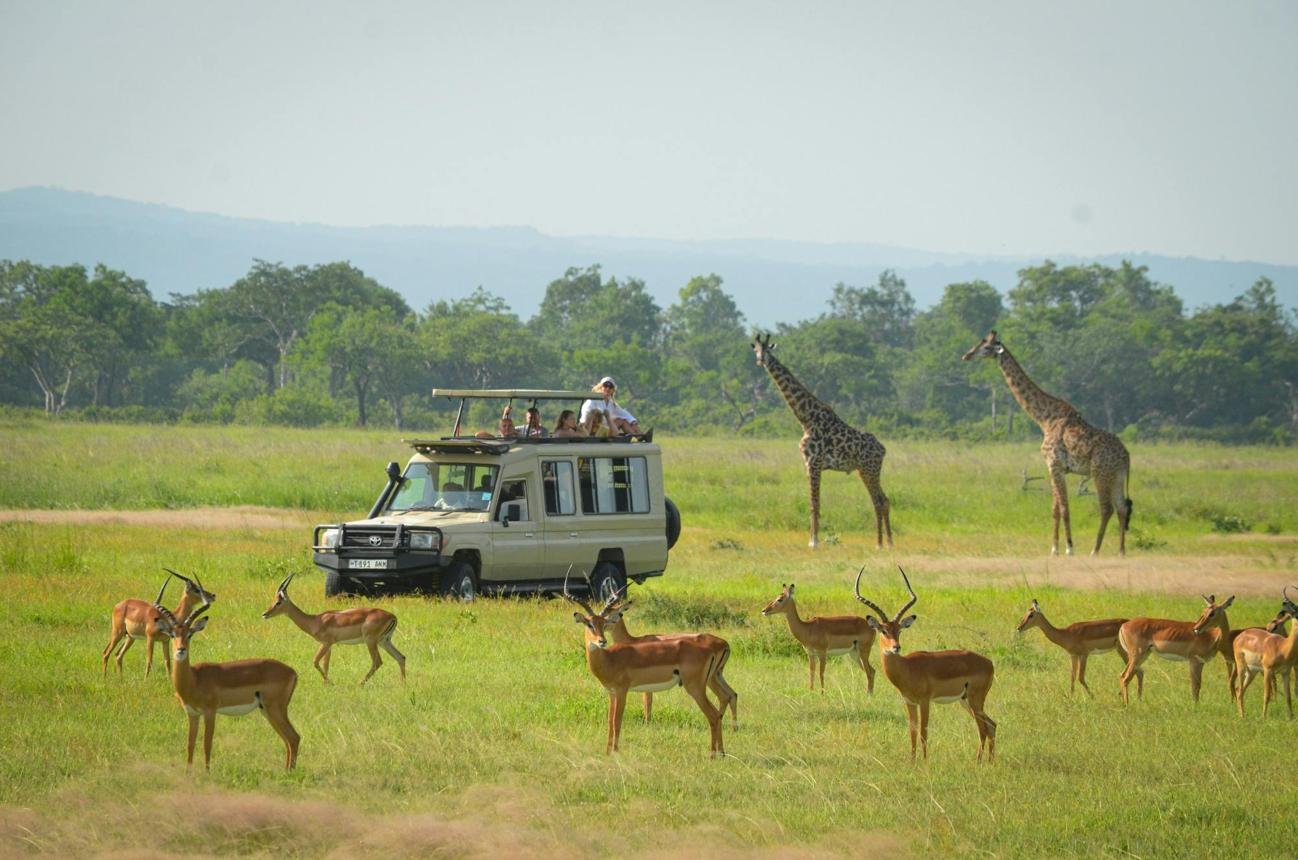
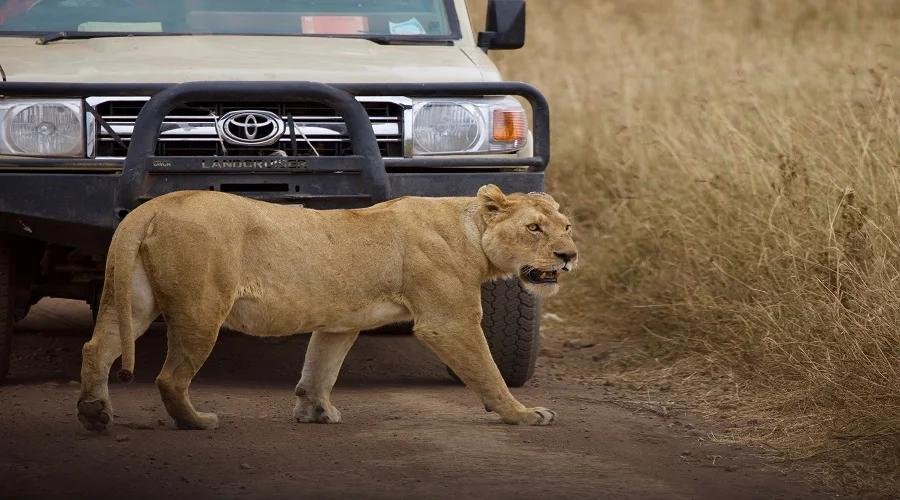
Route: Dar es Salaam – Mikumi – Iringa – Ruaha
A more adventurous and less crowded safari route.
Highlights:
- remote wildlife experiences
- fewer tourists
- rougher roads
- authentic expedition atmosphere
Excellent for overlanders wanting something beyond the northern circuit.
3. Coast Route

6
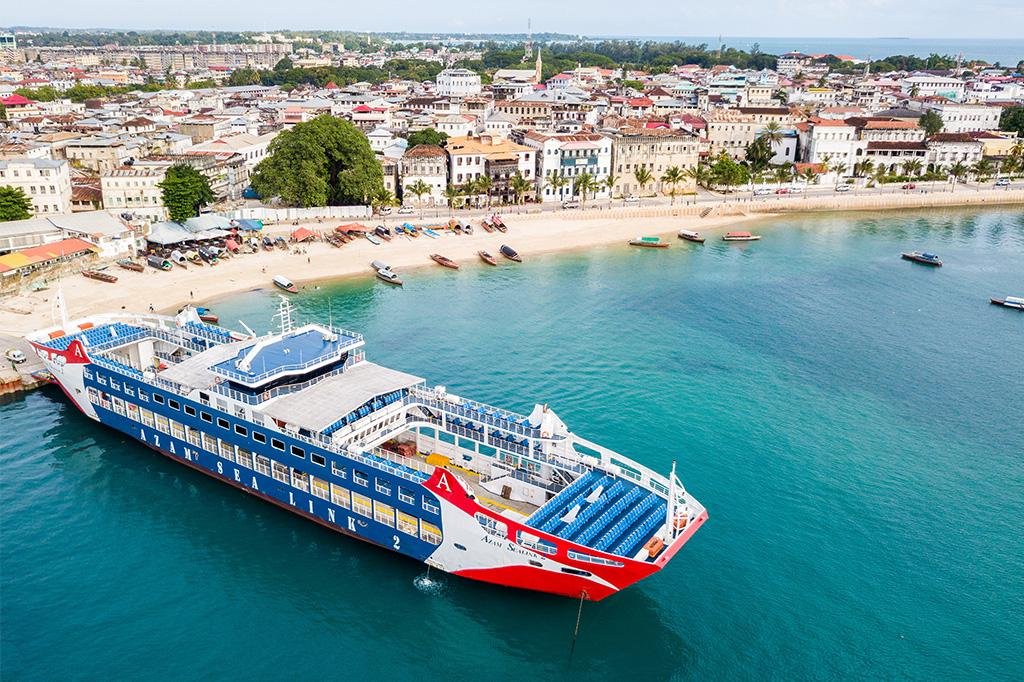
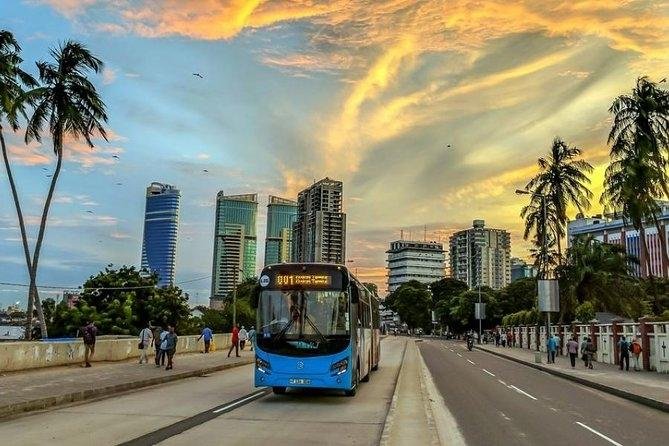
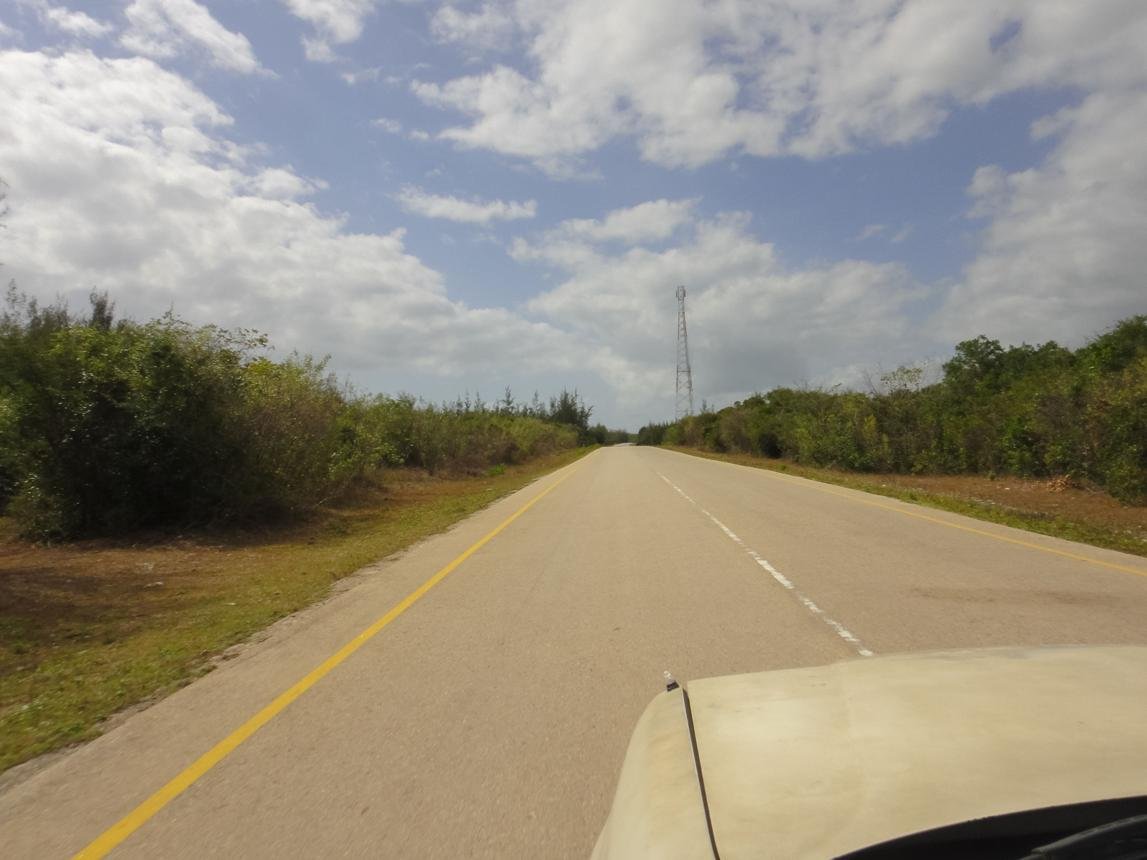
Route: Tanga – Pangani – Dar es Salaam – Kilwa – southern coast
A completely different Tanzania experience.
Highlights:
- Indian Ocean beaches
- Swahili culture
- coastal road travel
- ferry connections
- historical sites
Ideal for slower scenic exploration.
4. Western / Expedition Route

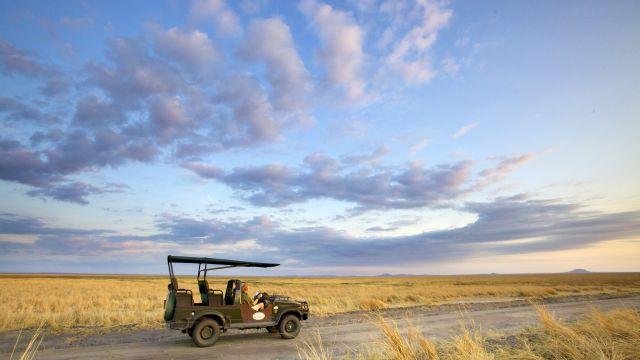
7
For serious overlanders.
Possible highlights:
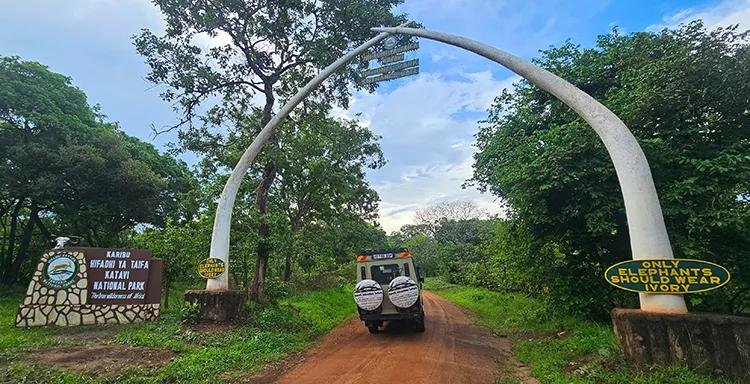
- Katavi region
- western Tanzania
- long isolated roads
- true expedition logistics
Best for:
- 4×4 overlanders
- experienced Africa travelers
- highly self-sufficient expeditions
5. Kilimanjaro & Highlands Route
Route: Arusha – Moshi – Kilimanjaro foothills – interior highlands
A more relaxed scenic route.
Highlights:
- mountain views
- coffee country
- cooler climates
- easier road travel
Borders & Entry Points
Tanzania borders:
- Kenya
- Uganda (via regional routing)
- Rwanda
- Burundi
- Democratic Republic of the Congo
- Zambia
- Malawi
- Mozambique
Kenya
Most popular East Africa overland connection.
Excellent safari combination.
Zambia
Major southern Africa expedition route.
Important TAZARA corridor region.
Malawi
Excellent scenic regional extension.
Rwanda / Burundi
Possible regional combinations.
Mozambique
Longer expedition route.
DRC
Advanced overlanding only.
Vehicle Entry Requirements
Usually required:
- passport
- visa
- vehicle registration
- insurance
- temporary import paperwork
- driver’s license
Border procedures can be slow and bureaucratic.
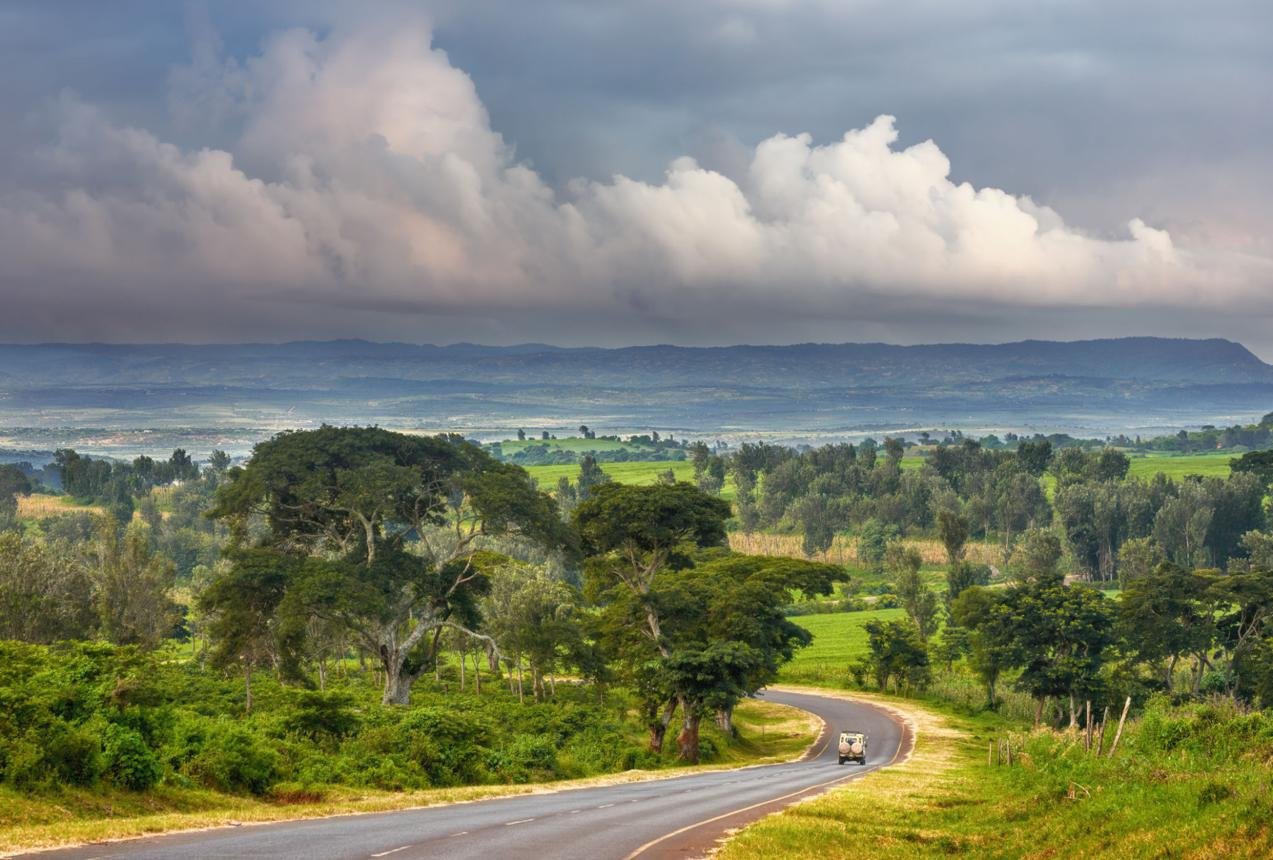
Driving Conditions
Tanzania varies dramatically.
Easy:
- major highways
- Arusha corridor
- main tourism routes
Moderate:
- regional roads
- coastal routes
Difficult:
- safari tracks
- rainy season mud
- remote western routes
- expedition recovery challenges
Traffic around Dar es Salaam can be intense.
Night driving outside cities is not recommended.
Fuel & Logistics
Good on major routes.
Expect:
- fuel in towns
- mechanics
- mobile coverage in populated areas
- supermarkets
- banking access
Remote expedition travel requires:
- fuel reserves
- water reserves
- spare tires
- recovery gear
Camping & Accommodation
Wild Camping
Possible in some remote areas with caution.
Less straightforward near villages, parks, or populated regions.
Campsites
Good overlander infrastructure in key travel corridors.
Includes:
- safari camps
- overlander camps
- beach camps
- lodge camping
Budget Accommodation
Widely available in towns.
Safety & Risks
Tanzania requires route awareness.
Main concerns:
- road safety
- wildlife hazards
- bureaucracy
- petty theft
- regional road conditions
- remote breakdowns
Crime risk varies by area.
Environmental and driving risks are often more significant.
Best Time to Visit
Ideal
June–October
Dry season.
Best safari conditions.
Secondary Good Season
January–February
Strong wildlife period.
Rainy Seasons
Remote roads become much more difficult.
Sample 2–3 Week Itinerary
Days 1–3: Arusha / Kilimanjaro region
Days 4–9: Northern safari circuit
Days 10–14: coast extension
Days 15–21: southern expedition route
FAQ
Is Tanzania good for overlanding?
Excellent—one of Africa’s great overland destinations.
Need 4×4?
Strongly recommended for safari and expedition routes.
Good for beginners?
Main routes manageable, remote routes much harder.
Best highlight?
Serengeti / Ngorongoro plus huge route diversity.
Can you wild camp?
Possible in remote regions with caution.