Quick Facts
Best time to visit: December–April
Difficulty: 3/5
Road conditions: Good paved roads on Majuro and Ebeye, limited roads on outer islands
Visa situation: Visa-free or visa on arrival for many nationalities
Why Overland the Marshall Islands?
Marshall Islands is one of the world’s most remote island nations.
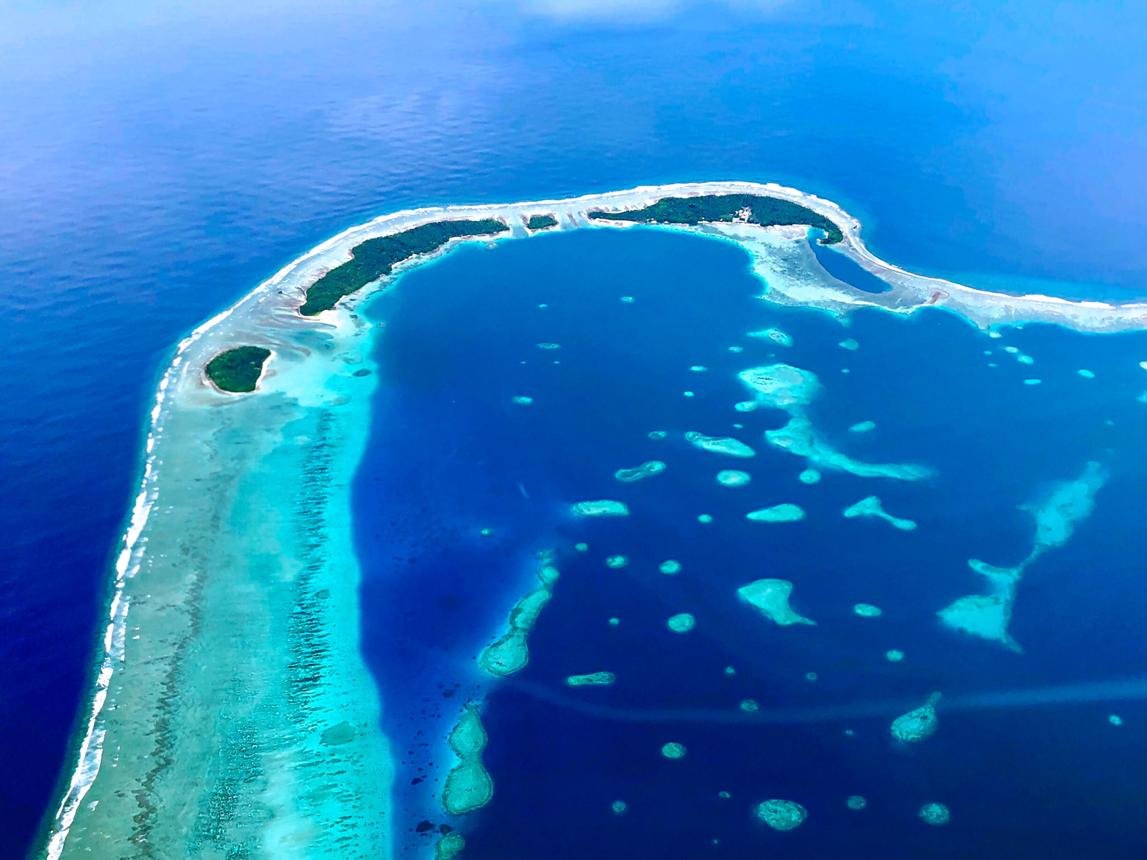
Consisting of 29 coral atolls and over 1,000 islands spread across a vast area of the Pacific Ocean, the Marshall Islands offers a unique travel experience focused on island exploration rather than traditional long-distance overlanding.
Why it stands out:
- remote Pacific destination
- stunning coral atolls
- fascinating World War II history
- beautiful lagoons
- authentic island culture
- very few tourists
- tropical scenery
- unique island-hopping adventures
Travel here is about exploring individual islands, using ferries, domestic flights, bicycles, scooters, and local vehicles.
Understanding Travel in the Marshall Islands
Unlike continental overlanding destinations, the Marshall Islands consists of scattered atolls separated by large distances of ocean.
Travel usually combines:
- domestic flights
- inter-island ships
- ferries
- bicycles
- scooters
- local vehicles
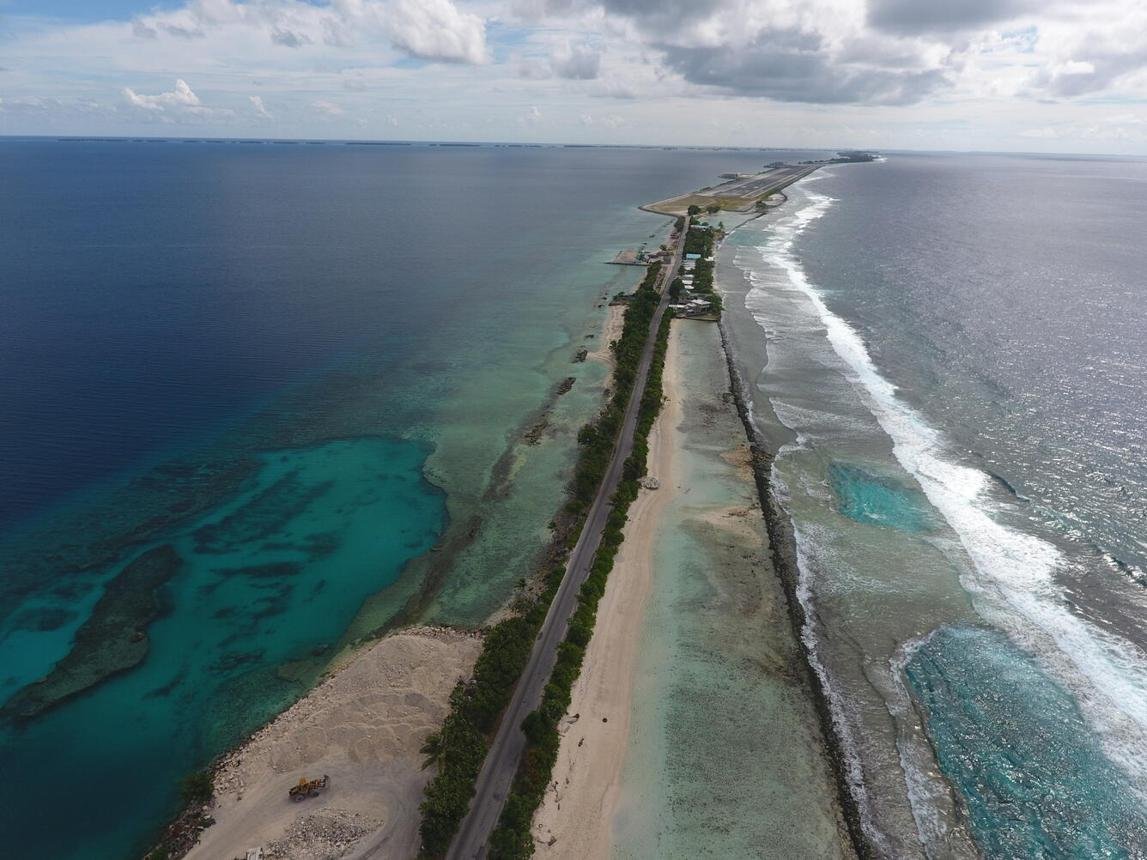
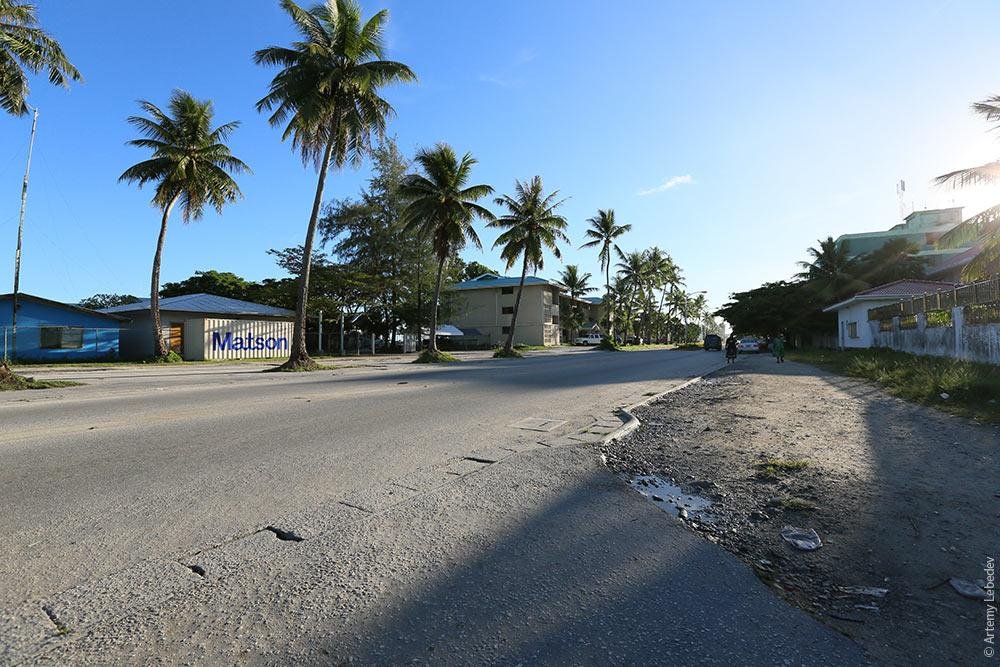
The largest road networks are found on Majuro and Ebeye.
Main Travel Routes
1. Majuro Atoll Route
5
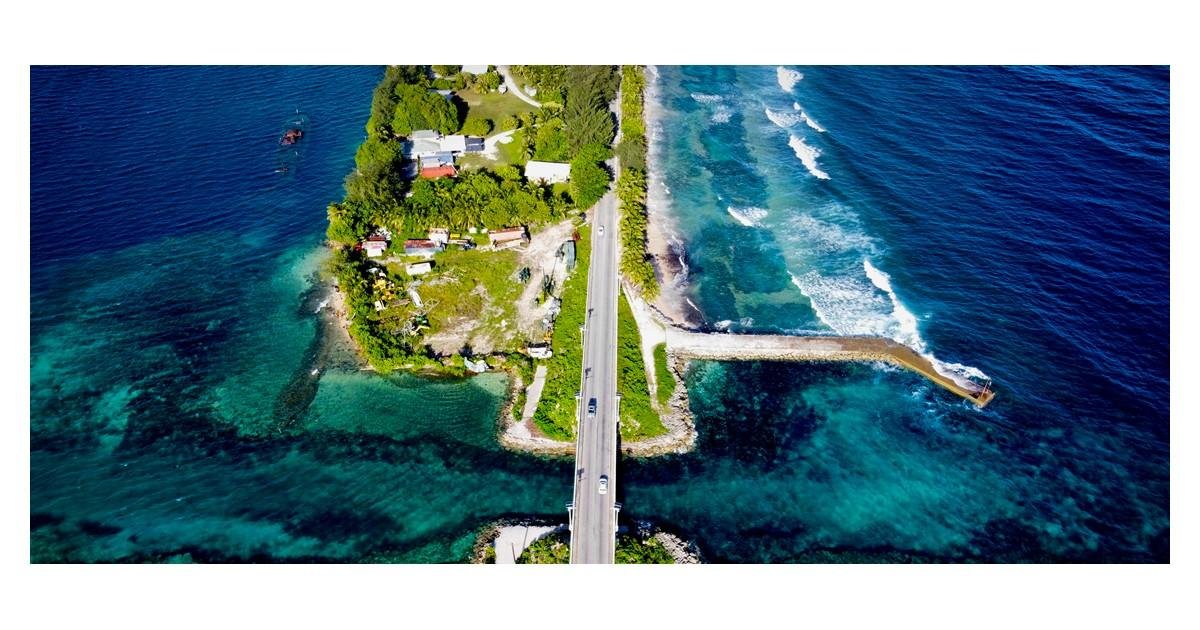
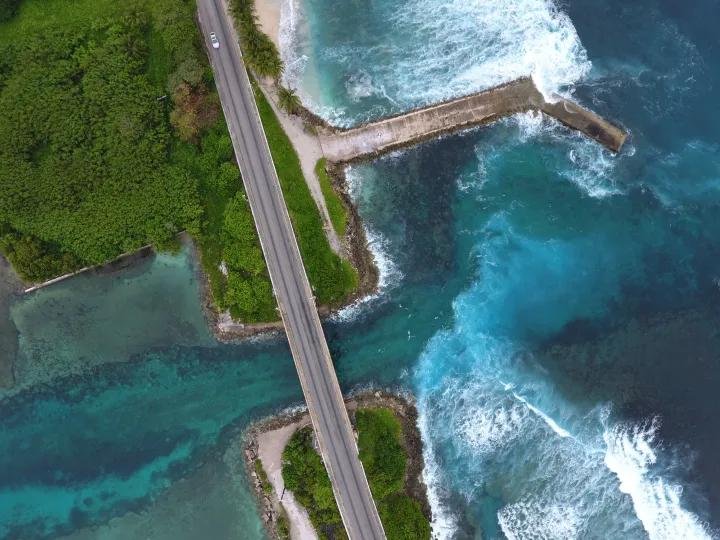
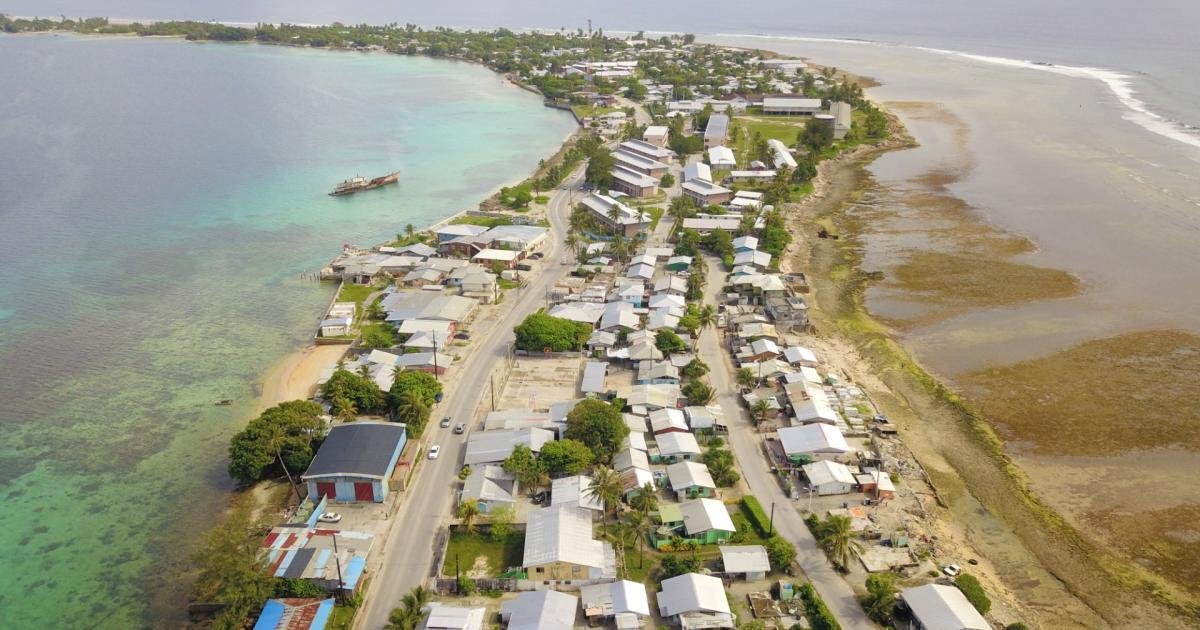
Route: Rita – Delap – Uliga – Laura
Distance: approx. 50 km
Road type: paved roads and causeways
Fuel: available
The country’s longest continuous road journey.
Highlights:
- lagoon views
- local villages
- beaches
- island life
Major destination:
- Majuro
Most visitors spend the majority of their time here.
2. Laura Village Route
6
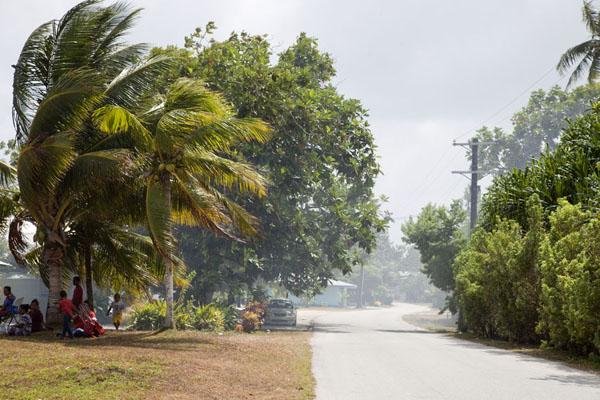
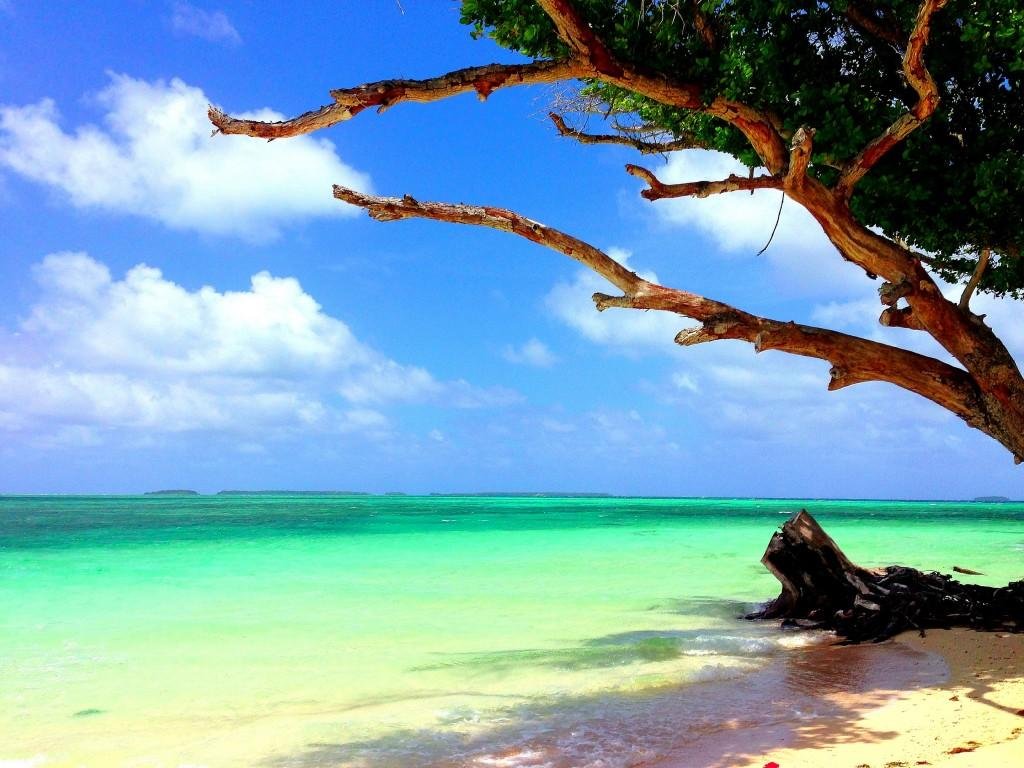
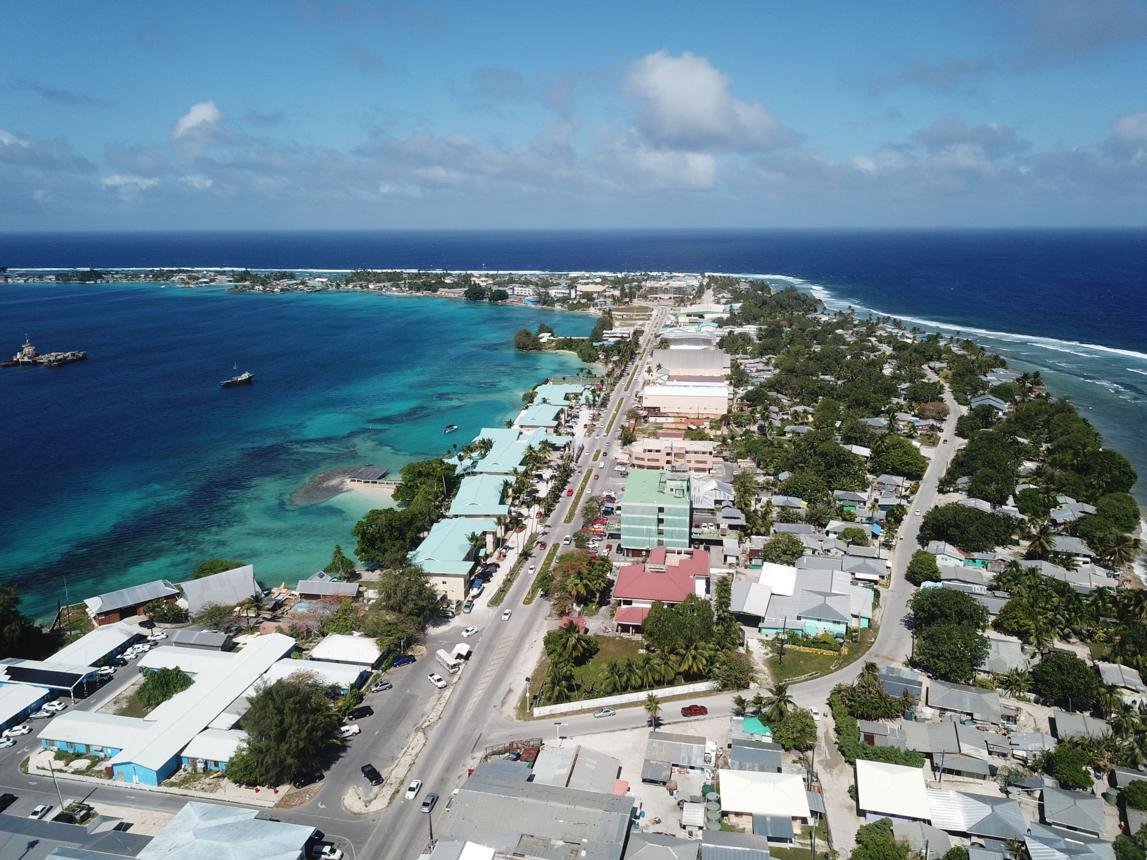
A scenic drive to the quieter end of Majuro Atoll.
Highlights:
- coconut groves
- beaches
- traditional communities
- lagoon scenery
One of the most pleasant drives in the country.
3. Ebeye Island Route
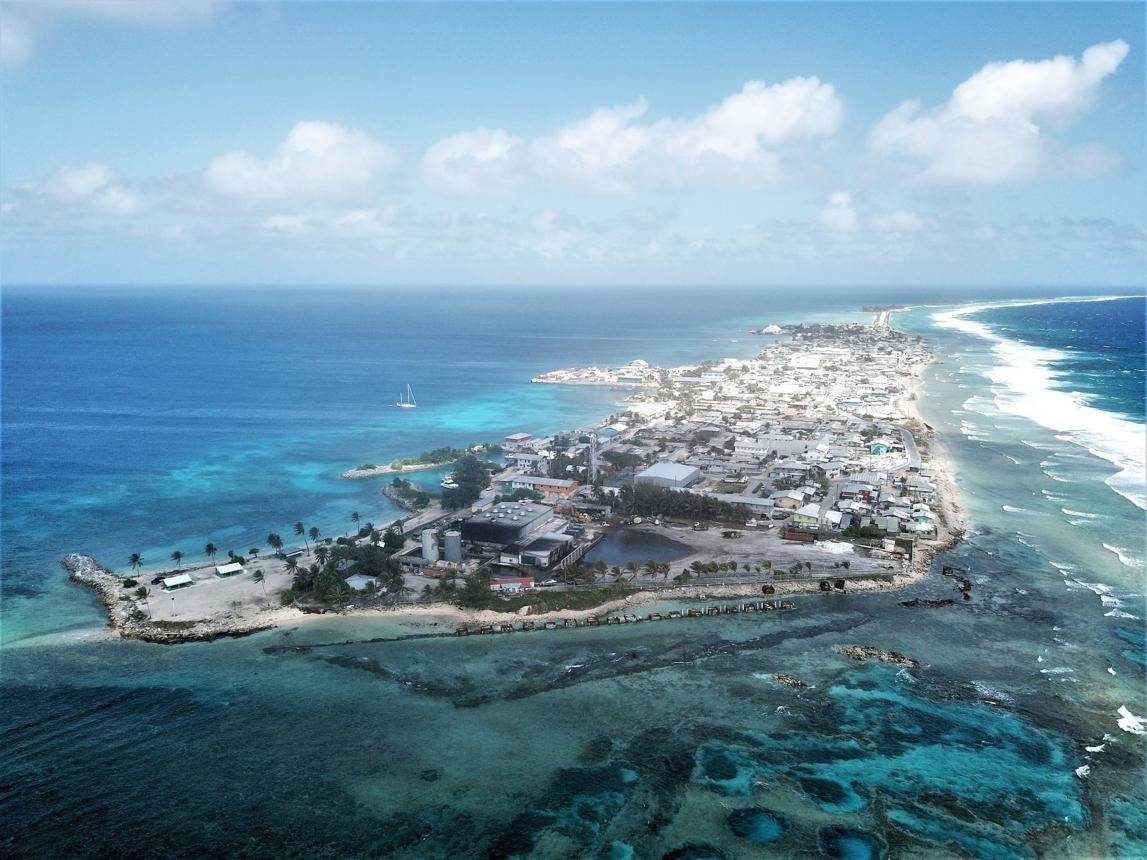
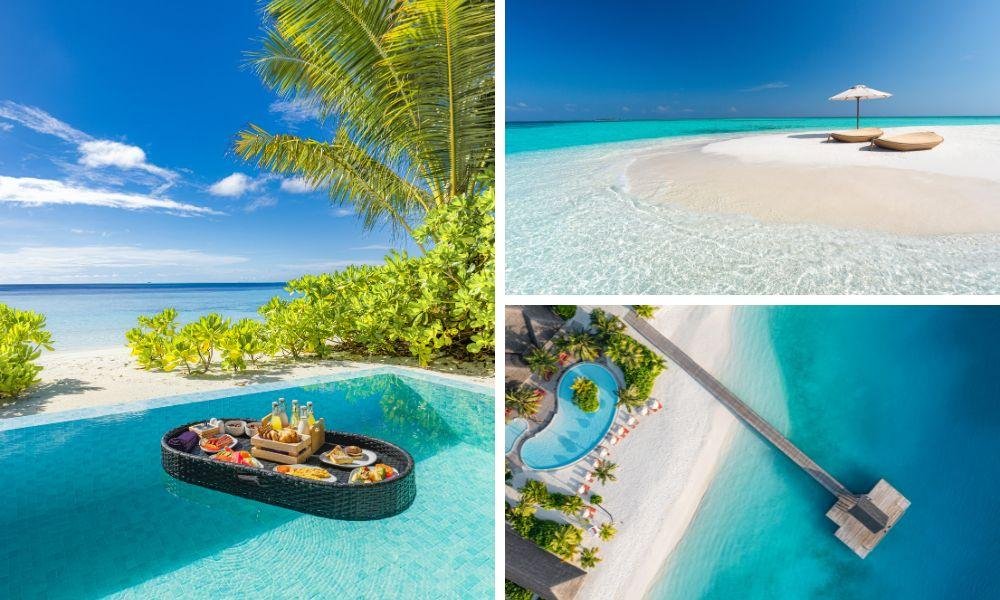
A glimpse into everyday Marshallese life.
Highlights:
- local culture
- island communities
- lagoon views
Major destination:
- Ebeye
Located within Kwajalein Atoll.
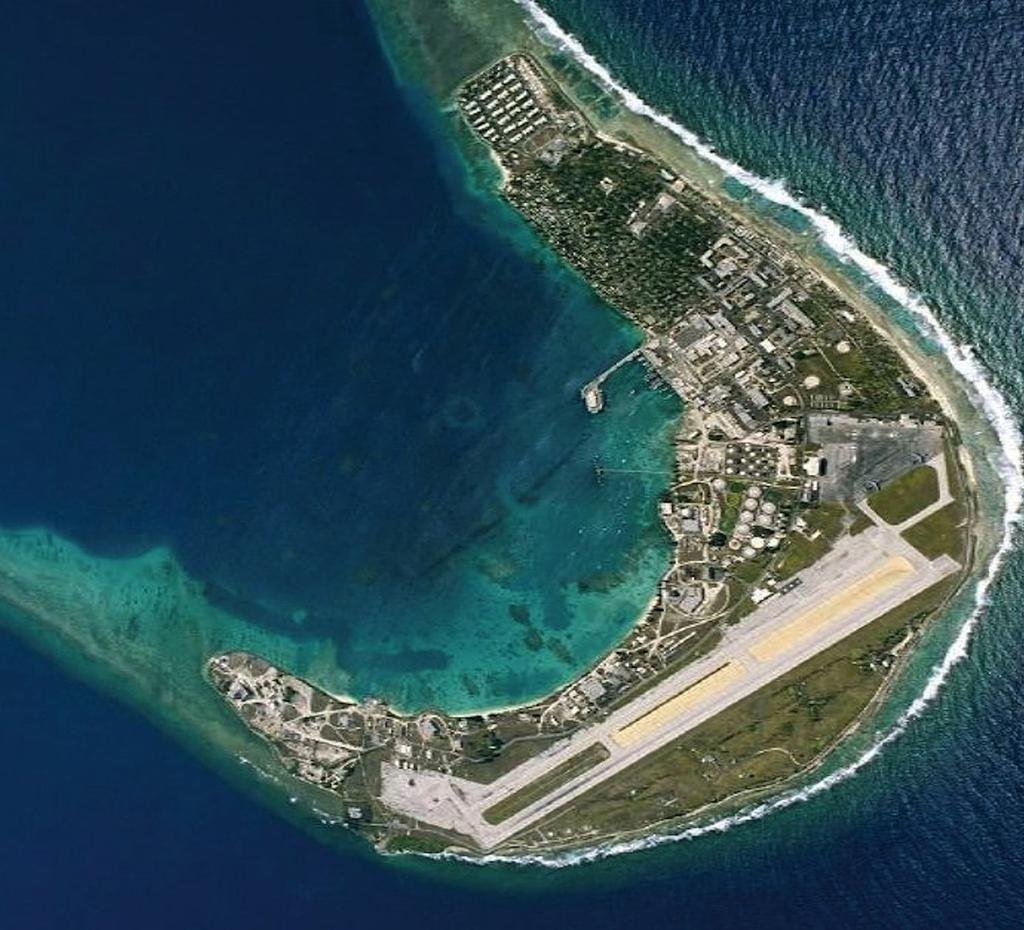
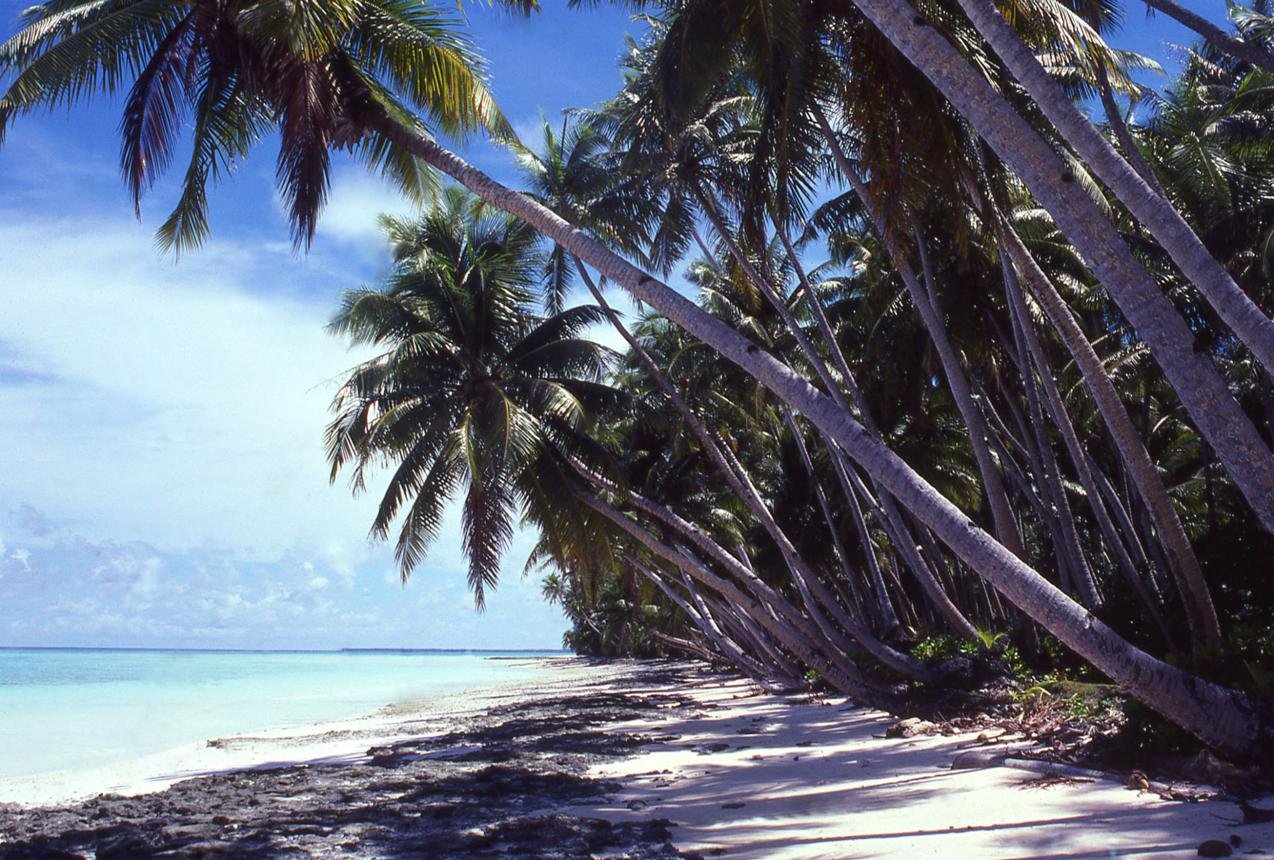
4. Kwajalein Atoll Exploration
5
One of the world’s largest coral atolls.
Highlights:
- marine scenery
- World War II history
- island landscapes
Major attraction:
- Kwajalein Atoll
Access may be restricted in some areas.
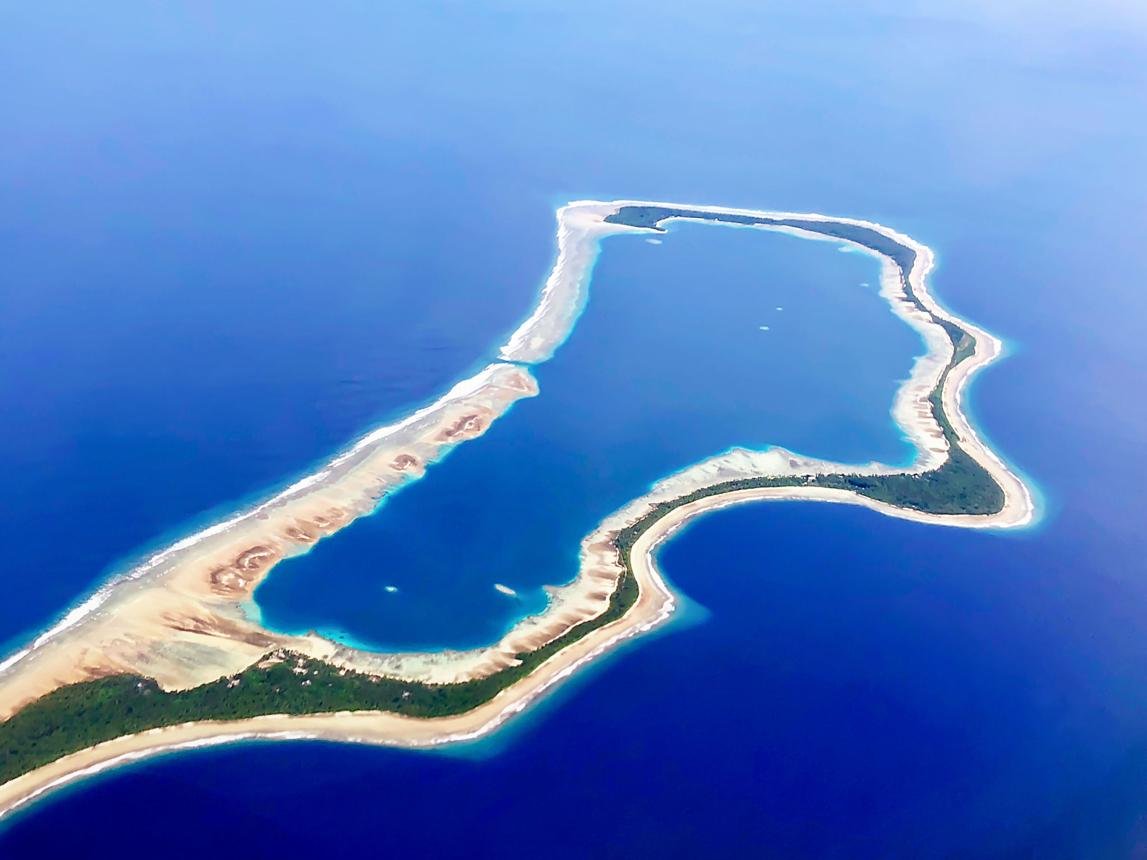
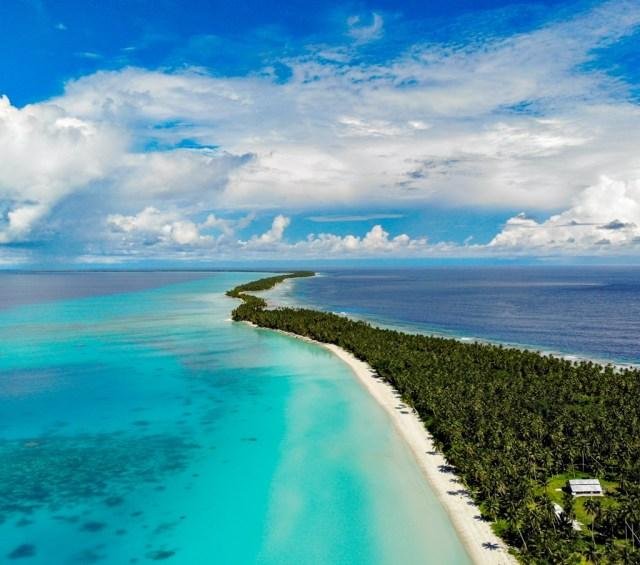
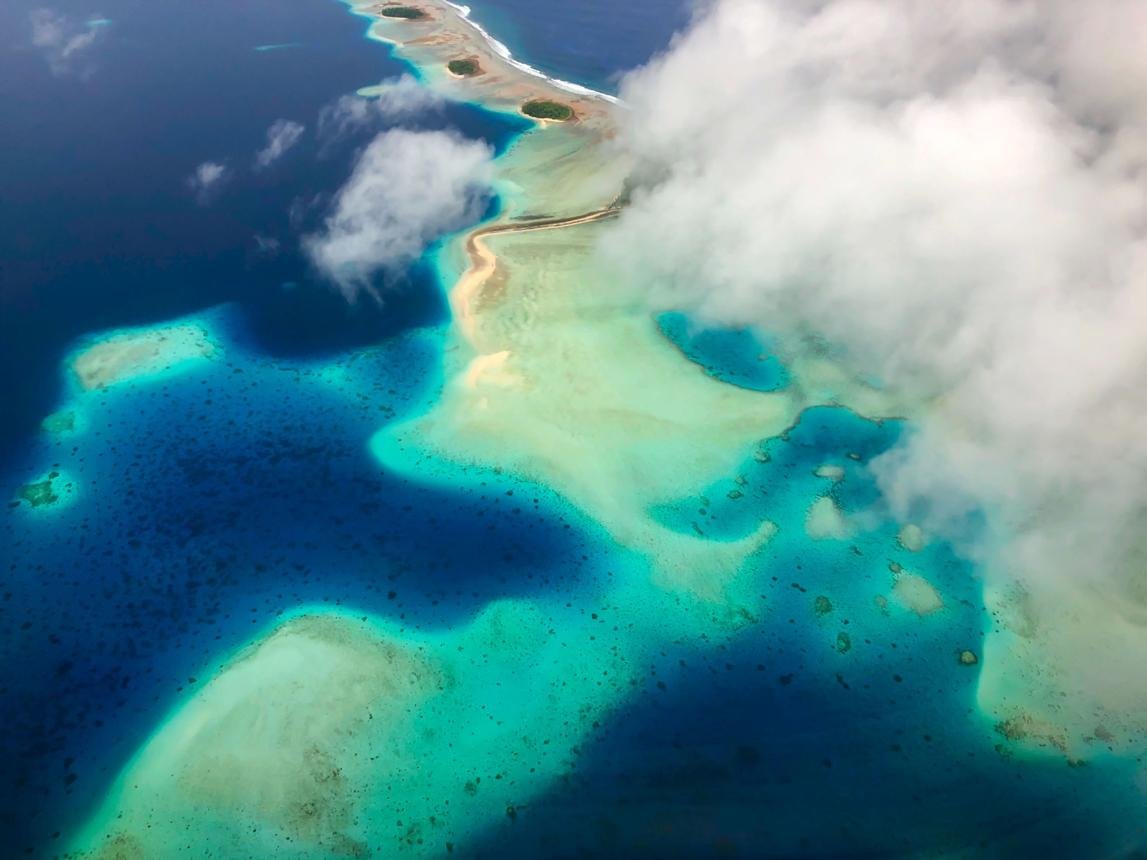
5. Arno Atoll Adventure
5
A popular excursion from Majuro.
Highlights:
- traditional villages
- coral reefs
- tropical beaches
Major destination:
- Arno Atoll
An excellent introduction to outer-island life.
6. Bikini Atoll Expedition
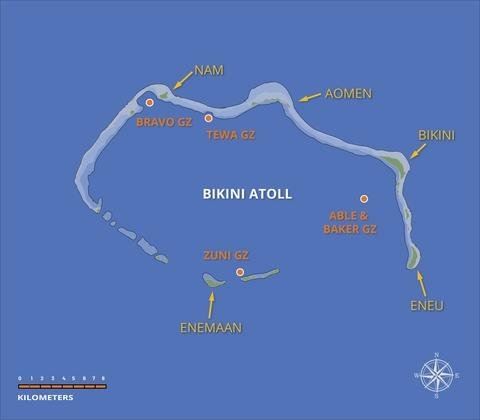
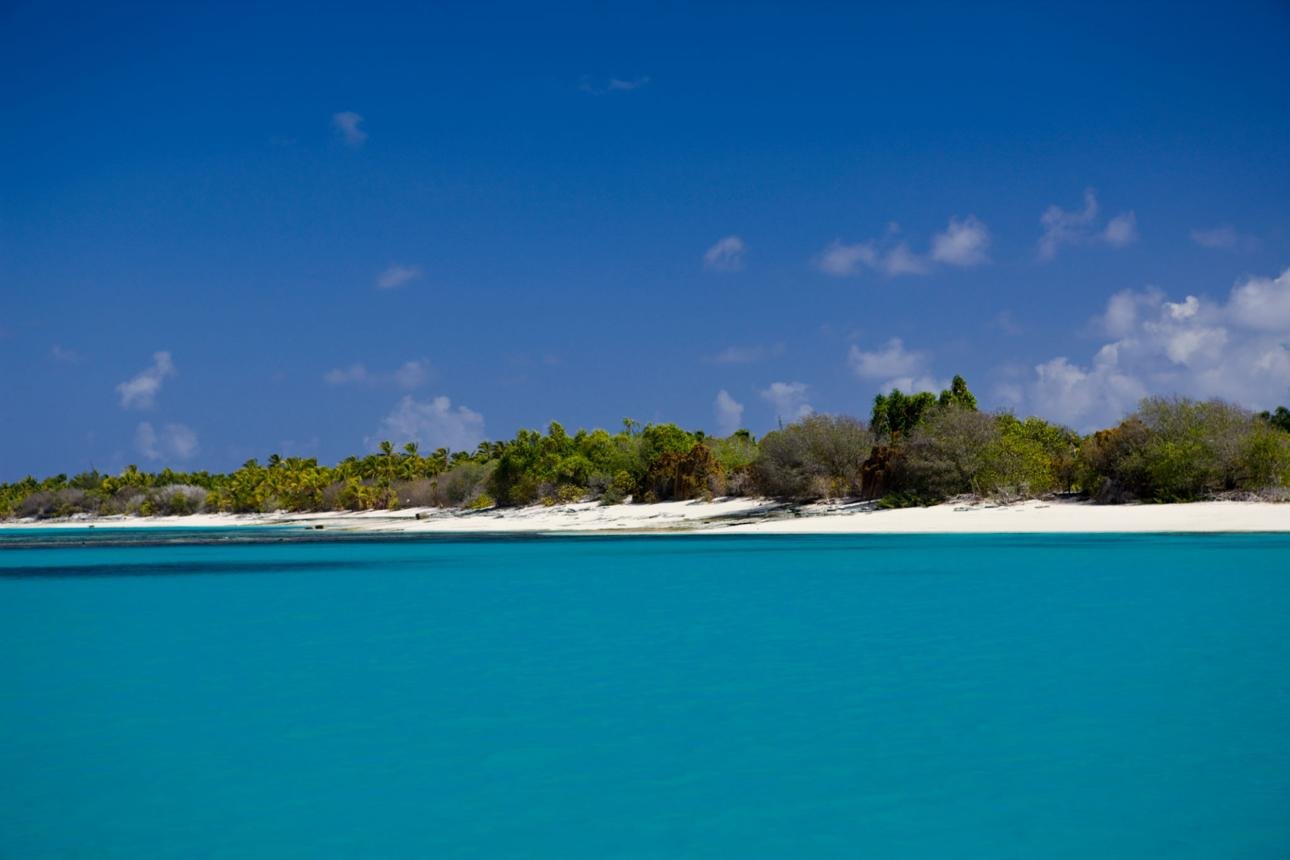
One of the Pacific’s most historically significant locations.
Highlights:
- diving
- shipwrecks
- Cold War history
- remote island scenery
Major attraction:
- Bikini Atoll
Known worldwide for its nuclear testing history.
Entry & Transport
The Marshall Islands has no land borders.
Most visitors arrive via:
- international flights to Majuro
Inter-island travel relies on:
- domestic airlines
- cargo ships
- ferries
Schedules can be infrequent, particularly for remote atolls.
Vehicle Travel
Most travelers use:
- rental cars
- scooters
- bicycles
Bringing a foreign overland vehicle is generally impractical and uncommon.
Road networks are limited and separated by ocean.
Driving Conditions
Driving is easy.
Easy:
- Majuro roads
- Ebeye roads
Moderate:
- smaller island roads
- coral-surface tracks
Distances are very short compared to traditional overlanding destinations.
Fuel & Logistics
Good on major populated atolls.
Expect:
- fuel availability in Majuro
- limited vehicle services on outer islands
- basic shopping facilities
- reliable services in the capital
Planning is important when visiting remote atolls.
Camping & Accommodation
Wild Camping
Possible on some islands with permission from local communities.
Always respect local customs and land ownership.
Accommodation
Most visitors stay in:
- guesthouses
- small hotels
- island lodges
Accommodation options are concentrated in Majuro.
Budget Travel
Possible but requires flexibility regarding transport schedules.
Safety & Risks
The Marshall Islands is generally safe.
Main concerns include:
- tropical storms
- transport delays
- limited healthcare on outer islands
- sun exposure
- remoteness
Crime affecting visitors is uncommon.
Best Time to Visit
Ideal
December–April
Drier weather and calmer travel conditions.
Wet Season
May–November
More rainfall and occasional tropical storms.
Travel remains possible year-round.
Sample 7–10 Day Itinerary
Days 1–3: Majuro
Days 4–5: Arno Atoll
Days 6–7: Laura Village and western Majuro
Days 8–10: Kwajalein Atoll (subject to access and transport availability)
FAQ
Is the Marshall Islands good for overlanding?
Not in the traditional sense, but it offers a fascinating island-hopping travel experience.
Need a 4×4?
No.
Can you wild camp?
Sometimes, with local permission.
Good for campervans?
No. Road networks are limited and separated across multiple islands.
Best highlight?
Majuro Atoll, Bikini Atoll, and the authentic outer-island experience.
Related Pages
- Backpacking Marshall Islands
- Pacific Islands Travel Guide
- Majuro
- Ebeye
- Kwajalein Atoll
- Arno Atoll
- Bikini Atoll
- Micronesia Travel Guide
- Pacific Ocean Islands Guide
- Island Hopping in the Pacific
- Marshall Islands Accommodation Guide