Salt Lakes, Volcanoes, Desert Landscapes & the Horn of Africa
6
Djibouti Travel Guide
Djibouti is one of Africa’s smallest countries, yet it offers some of the continent’s most dramatic and unusual landscapes. Located in the Horn of Africa at the entrance to the Red Sea, Djibouti sits at the crossroads of Africa and the Arabian Peninsula. Bordered by Eritrea, Ethiopia, Somalia (Somaliland), and the Gulf of Aden, the country combines volcanic deserts, salt lakes, rugged mountains, coral reefs, and pristine coastlines within a surprisingly compact area.
Despite its strategic importance as one of the world’s busiest shipping corridors, Djibouti remains one of Africa’s least-visited travel destinations. Adventurous travelers are rewarded with spectacular scenery, remarkable geological formations, exceptional diving opportunities, and fascinating Afar and Somali cultures. From the dazzling white salt flats of Lake Assal, one of the lowest points on Earth, to the towering limestone cliffs of the Goda Mountains and the underwater world of the Gulf of Tadjoura, Djibouti offers unforgettable experiences for nature lovers and outdoor enthusiasts.
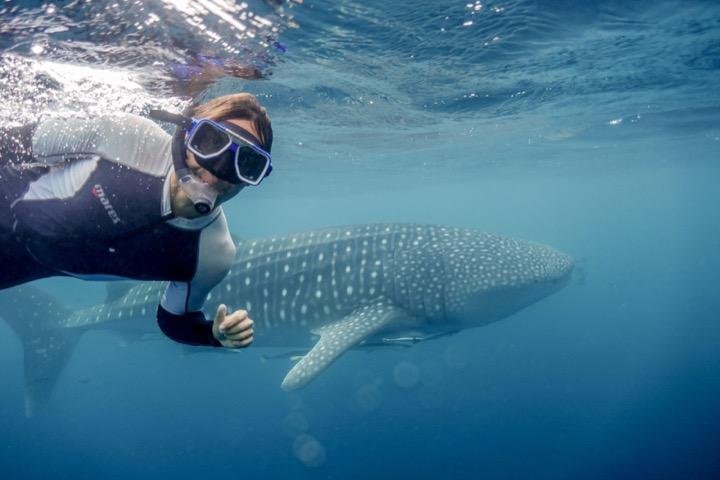
The capital, Djibouti City, is the country’s cultural and commercial center. It serves as the main gateway for exploring the country’s national parks, volcanic landscapes, remote beaches, and marine reserves. Whale sharks visit Djibouti’s waters seasonally, attracting divers and snorkelers from around the world, while desert expeditions reveal lava fields, canyons, and some of Africa’s most photogenic landscapes.
For overlanders, Djibouti forms an important link between East Africa and the Arabian Peninsula, particularly for travelers crossing Ethiopia or using ferry connections toward the Middle East. Backpackers enjoy the country’s compact size, unique scenery, and relatively easy logistics, while RV travelers can comfortably explore the main road network with a well-equipped expedition vehicle.
This guide introduces Djibouti’s highlights while serving as the central travel hub for more detailed articles covering overlanding, backpacking, camping, driving, visas, border crossings, diving, and regional travel planning.
Quick Facts
| Item | Information |
|---|---|
| Capital | Djibouti City |
| Currency | Djiboutian Franc (DJF) |
| Official Languages | French and Arabic |
| Widely Spoken | Somali and Afar |
| Population | Approximately 1.2 million |
| Time Zone | UTC+3 |
| Driving | Right-hand side |
| Country Code | +253 |
Why Visit Djibouti?
Djibouti offers some of Africa’s most spectacular geological and marine landscapes.
Reasons to visit include:
- Lake Assal
- Whale sharks
- Gulf of Tadjoura
- Ardoukoba Volcano
- Day Forest National Park
- Salt flats
- Desert landscapes
- Coral reefs
- Snorkeling and diving
- Scenic mountain drives
- Afar culture
- Adventure travel
Its combination of volcanic geology, marine biodiversity, and dramatic desert scenery makes Djibouti unlike anywhere else on the continent.
Best Places to Visit
6
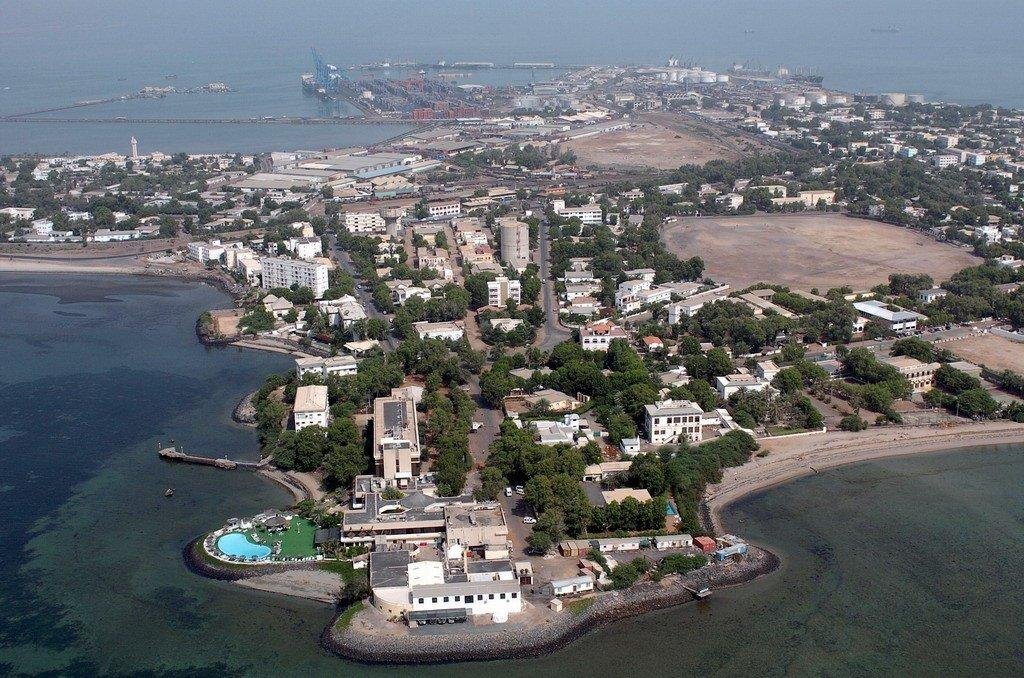
Djibouti City
The country’s capital sits on the Gulf of Tadjoura and serves as the main transport hub.
Highlights include:
- Central Market
- European Quarter
- Hamoudi Mosque
- Port area
- Local cafés
- Seafront promenade
The city offers an interesting blend of African, Arab, and French influences.
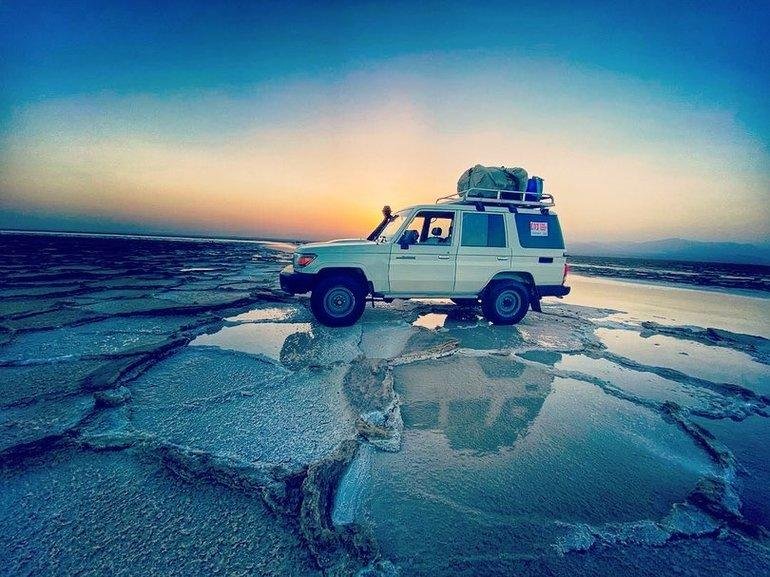
Lake Assal
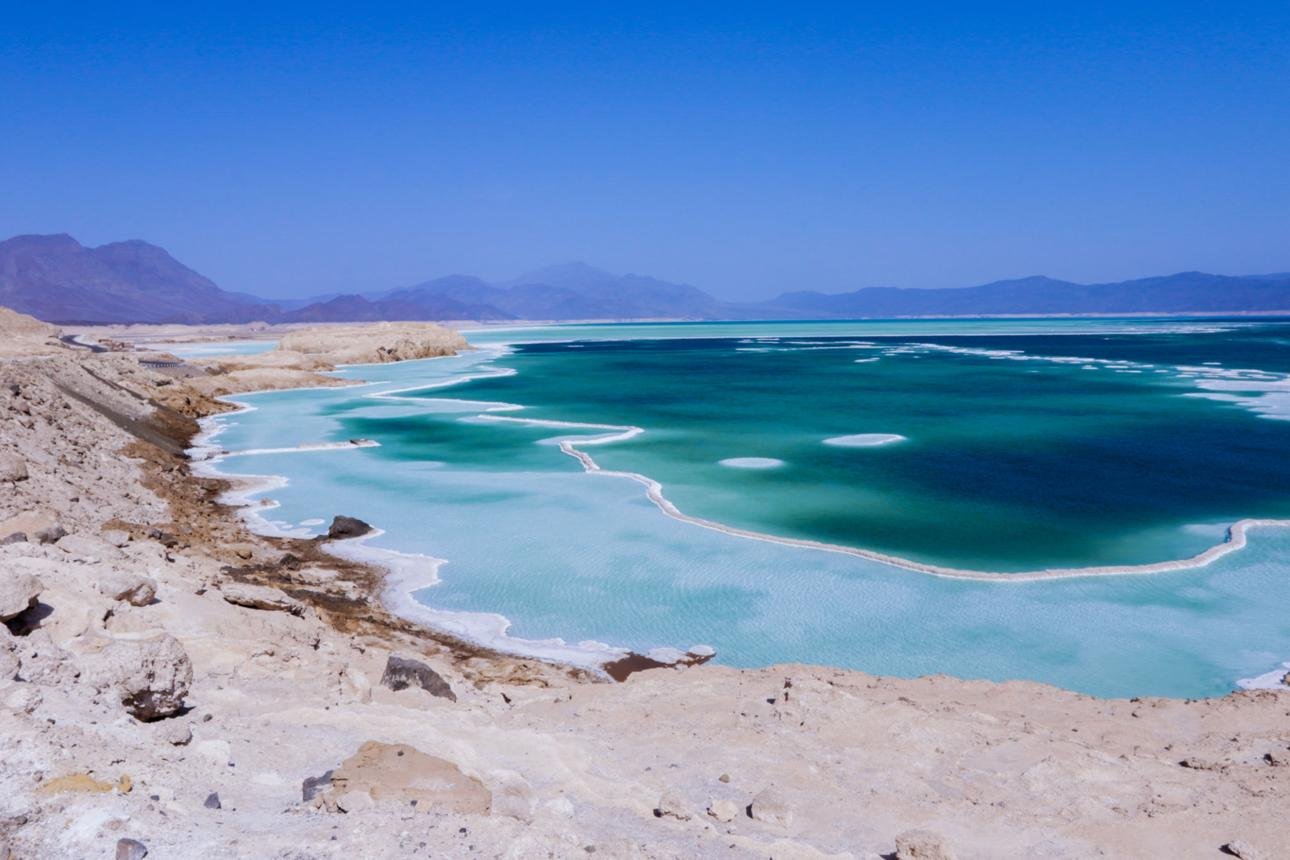
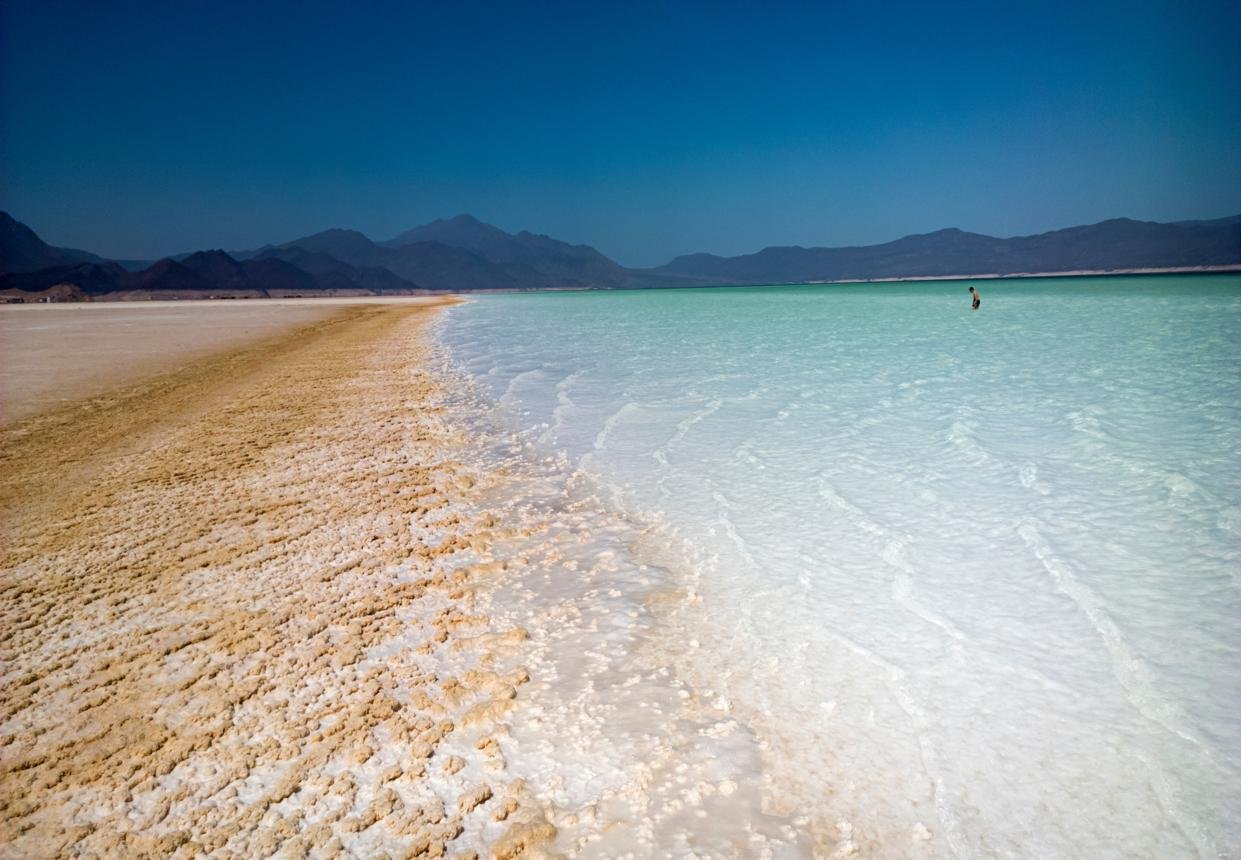
Located around 155 meters (509 feet) below sea level, Lake Assal is Africa’s lowest point and one of the saltiest lakes in the world.
Visitors enjoy:
- Brilliant white salt flats
- Turquoise water
- Volcanic scenery
- Photography
- Geological formations
It is widely regarded as Djibouti’s most iconic attraction.
Gulf of Tadjoura
The gulf offers exceptional marine biodiversity.
Popular activities include:
- Whale shark snorkeling (seasonal)
- Diving
- Boat trips
- Dolphin watching
- Beach relaxation
The calm, warm waters make it one of the best diving destinations in the Red Sea region.
Ardoukoba Volcano
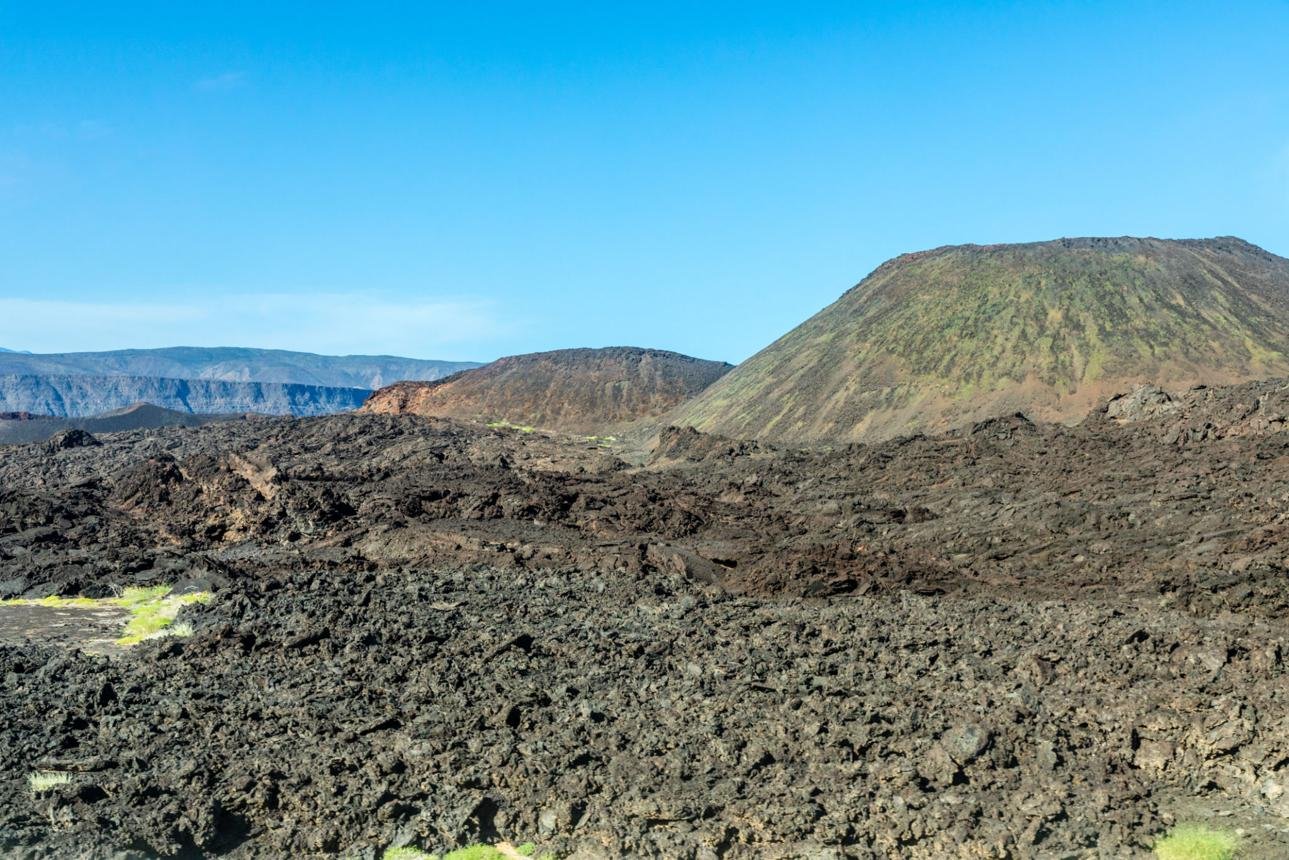
This young volcano erupted as recently as 1978 and remains one of Djibouti’s most fascinating geological sites.
Visitors explore:
- Lava fields
- Volcanic cones
- Desert landscapes
- Hiking routes
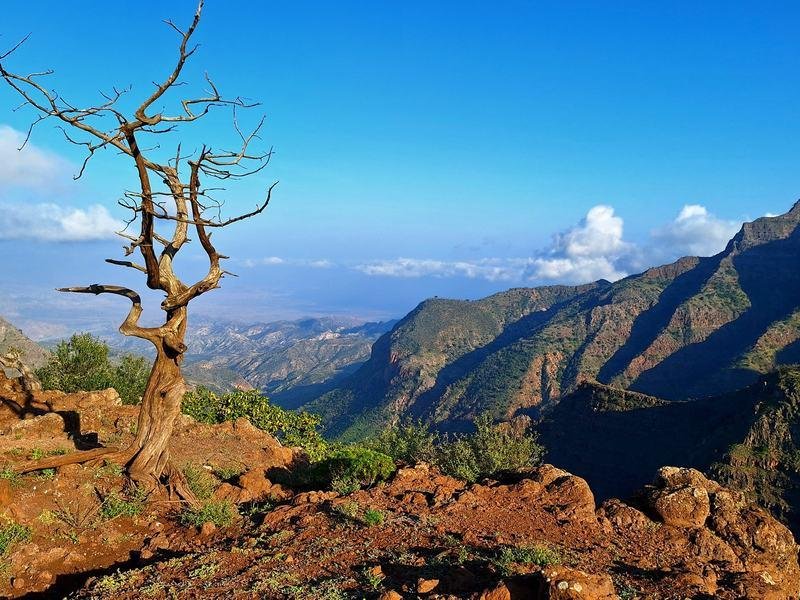
Day Forest National Park
Situated in the Goda Mountains, this protected area preserves Djibouti’s largest remaining forest.
Highlights include:
- Juniper forests
- Birdwatching
- Hiking
- Cooler mountain climate
- Scenic viewpoints
Lac Abbé
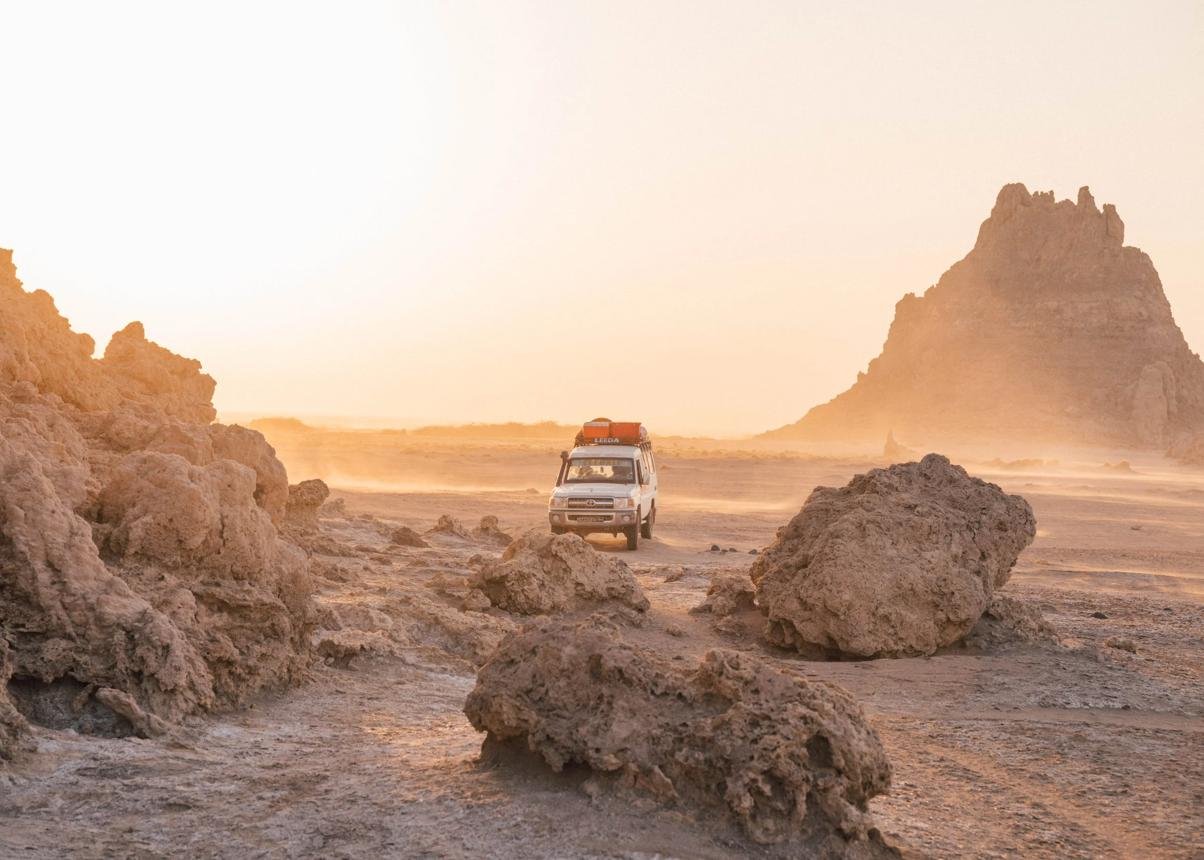
Straddling the border with Ethiopia, Lac Abbé is famous for its towering limestone chimneys and surreal landscapes.
The area is particularly spectacular at sunrise and sunset.
Moucha Island
A favorite destination for divers and snorkelers, Moucha Island features:
- Coral reefs
- White beaches
- Clear water
- Marine wildlife
Best Time to Visit
Djibouti has an arid desert climate with hot temperatures throughout much of the year.
| Season | Conditions |
|---|---|
| November – February | Cooler weather, best for travel |
| March – May | Warm and generally dry |
| June – September | Extremely hot, especially inland |
| October | Transition toward cooler temperatures |
Whale shark season generally runs from late autumn through winter, making this an excellent time for marine activities.
Regions of Djibouti
Gulf of Tadjoura
Known for:
- Diving
- Whale sharks
- Beaches
- Marine reserves
Central Volcanic Region
Home to:
- Lake Assal
- Ardoukoba Volcano
- Salt flats
Goda Mountains
Features:
- Day Forest National Park
- Hiking
- Scenic viewpoints
- Cooler climate
Western Djibouti
Offers:
- Lac Abbé
- Desert scenery
- Limestone chimneys
- Geological attractions
Suggested Road Trips & Itineraries
4-Day Highlights
Explore:
- Djibouti City
- Lake Assal
- Gulf of Tadjoura
Ideal for first-time visitors.
7-Day Adventure
Continue to:
- Ardoukoba Volcano
- Day Forest National Park
- Tadjoura
10-Day Djibouti Explorer
Visit:
- Lac Abbé
- Moucha Island
- Mountain villages
- Coastal landscapes
Two-Week Complete Journey
Combine:
- Volcanoes
- Diving
- Whale sharks
- Desert expeditions
- Mountain hiking
Perfect for self-drive travelers.
Overlanding in Djibouti
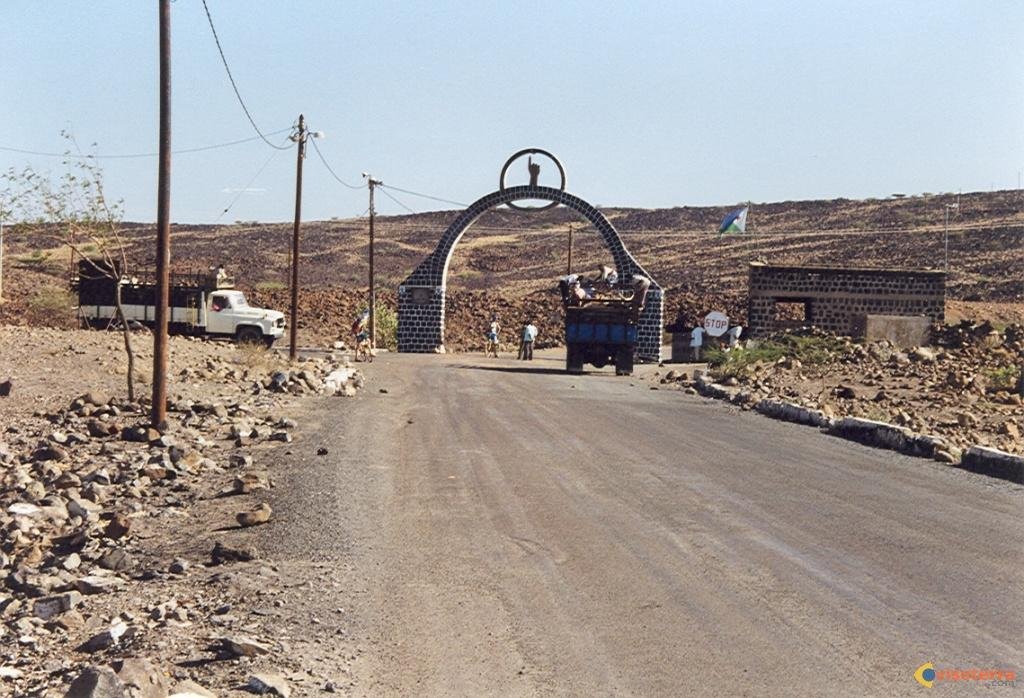
5
Djibouti is an important destination for overlanders exploring the Horn of Africa. Although relatively small, it offers spectacular scenery and strategic connections with neighboring Ethiopia and maritime routes across the Red Sea.
Why Overlanders Visit
Highlights include:
- Salt lakes
- Volcanoes
- Desert roads
- Scenic coastal highways
- Marine activities
- Border crossings
- Compact travel distances
Many travelers include Djibouti as part of longer East Africa or Africa-to-Middle East expeditions.
Popular Overland Routes
Ethiopia Border – Lake Assal – Djibouti City
The country’s classic overland route.
Djibouti City – Tadjoura
A scenic coastal drive with opportunities for diving and snorkeling.
Djibouti City – Lac Abbé
One of the Horn of Africa’s most spectacular desert journeys.
Ethiopia – Djibouti – Ferry Connections
Many overlanders use Djibouti as a logistical hub for onward shipping or ferry transport to the Arabian Peninsula, depending on available services and current regulations.
Road Conditions
The main highways are generally paved and in good condition.
Travelers should expect:
- Gravel roads to remote attractions
- Desert tracks
- Sand
- Sharp volcanic rock
- High temperatures
A four-wheel-drive vehicle is recommended for exploring Lake Assal, Lac Abbé, and remote volcanic areas.
Vehicle Preparation
Carry:
- Extra drinking water
- Spare tires
- Recovery equipment
- Extra fuel
- Sun protection
- Offline maps
Mechanical assistance becomes increasingly limited away from Djibouti City.
Continue Planning
Future supporting articles:
- Overlanding Djibouti
- Horn of Africa Overland Route
- Driving to Lake Assal
- Ethiopia–Djibouti Border Guide
Backpacking in Djibouti
Djibouti is well suited to adventurous backpackers interested in geology, marine life, and hiking.
Accommodation
Travelers can choose from:
- Budget hotels
- Guesthouses
- Boutique hotels
- Beach resorts
- Eco-lodges
Hostels are limited but affordable accommodation is available in the capital and several regional towns.
Transportation
Popular options include:
- Shared minibuses
- Taxis
- Rental cars
- Organized tours
Many remote attractions are easiest to reach with a guide or private vehicle.
Backpacking Highlights
Popular experiences include:
- Lake Assal
- Whale shark snorkeling
- Desert trekking
- Volcanoes
- Coastal villages
- Local markets
Continue Planning
Future cluster pages:
- Backpacking Djibouti
- Budget Travel Djibouti
- Djibouti City Guide
- Tadjoura Travel Guide
Camping
Camping is one of the best ways to experience Djibouti’s desert landscapes.
Desert Camping
Guided expeditions often include overnight camping near:
- Lake Assal
- Lac Abbé
- Volcanic landscapes
The clear skies provide exceptional opportunities for stargazing.
Coastal Camping
Camping is possible in selected coastal areas with local permission and appropriate preparation.
Wild Camping
Wild camping is generally feasible in remote desert regions but should only be undertaken with careful planning, sufficient water, and awareness of environmental conditions.
Camping Equipment
Bring:
- Desert tent
- Sun shelter
- Plenty of drinking water
- Warm clothing for cool nights
- Navigation equipment
Continue Planning
Future pages:
- Camping in Djibouti
- Desert Camping Guide
- Lake Assal Camping
RV & Motorhome Travel
Djibouti is well suited to expedition-style motorhome travel thanks to its compact road network and manageable distances.
Suggested RV Routes
Classic Circuit
Djibouti City → Lake Assal → Tadjoura
Mountain Route
Djibouti City → Day Forest National Park
Desert Explorer
Djibouti City → Lac Abbé
Practical Considerations
Motorhome travelers should prepare for:
- Limited RV facilities
- High daytime temperatures
- Fuel planning for remote regions
- Secure overnight parking
Hotels and guesthouses often provide parking suitable for expedition vehicles.
Continue Planning
Future supporting guides:
- Motorhome Travel in Djibouti
- RV Routes in the Horn of Africa
- Campervan Guide Djibouti
Driving in Djibouti
Driving is generally straightforward on the country’s main highways.
Main Roads
Good paved roads connect:
- Djibouti City
- Tadjoura
- Ali Sabieh
- Dikhil
- Ethiopian border
Remote attractions may require four-wheel drive.
Driving Challenges
Expect:
- Extreme heat
- Livestock
- Desert winds
- Loose gravel
- Sharp volcanic rock
Driving after dark is generally discouraged outside urban areas.
Border Crossings
Djibouti shares land borders with:
- Eritrea (subject to current border policies and accessibility)
- Ethiopia
- Somalia (Somaliland region)
The Ethiopia–Djibouti border is the principal overland gateway for international travelers. Before traveling, confirm visa requirements, temporary vehicle import procedures, insurance requirements, and the operational status of your chosen crossing.
Visa & Entry Requirements
Many visitors require a visa before entering Djibouti, although an electronic visa (eVisa) is available for many nationalities.
Travelers should prepare:
- Passport valid for at least six months
- Approved visa or eVisa where required
- Proof of accommodation
- Return or onward travel
- Sufficient funds for the visit
Entry requirements can change, so verify the latest information before departure.
Budget & Costs
Estimated daily travel expenses:
| Travel Style | Daily Budget |
|---|---|
| Budget traveler | US$50–90 |
| Mid-range | US$120–220 |
| Comfortable | US$250+ |
| Overlander (excluding vehicle costs) | US$60–130 |
Diving, whale shark excursions, and guided desert expeditions account for the largest travel expenses.
Safety
Djibouti is generally considered one of the more stable countries in the Horn of Africa, but travelers should remain informed about regional developments and follow official travel advisories.
Recommended precautions include:
- Stay hydrated in the desert climate
- Avoid unnecessary travel after dark in remote areas
- Monitor weather conditions before desert expeditions
- Use experienced guides for isolated regions
- Carry adequate water, fuel, and communication equipment
Healthcare facilities are best in Djibouti City. Comprehensive travel insurance with medical evacuation coverage is recommended.
Food & Culture
Djiboutian cuisine reflects African, Arab, French, and Somali influences.
Popular dishes include:
- Grilled fish
- Camel meat
- Skoudehkaris (spiced rice and meat)
- Flatbread
- Lentil dishes
- Fresh seafood
- Dates
- Tropical fruit
Traditional Afar and Somali hospitality plays a central role in local culture. Tea ceremonies, colorful markets, and coastal fishing communities offer visitors insight into everyday life, while French colonial influences remain visible in architecture and cuisine.
Frequently Asked Questions
Is Djibouti safe for tourists?
Djibouti is generally considered one of the safer destinations in the Horn of Africa. Travelers should nevertheless monitor official travel advisories, prepare for desert conditions, and take normal travel precautions.
Can you overland through Djibouti?
Yes. Djibouti is an important destination for overlanders exploring the Horn of Africa and provides connections with Ethiopia as well as maritime routes toward the Arabian Peninsula.
Is Djibouti suitable for backpacking?
Yes. Backpackers interested in unique geological landscapes, diving, desert adventures, and marine wildlife will find plenty to explore.
Can you travel by motorhome?
Yes. Expedition-style motorhomes are well suited to Djibouti’s main roads, although dedicated RV infrastructure remains limited.
What is Djibouti famous for?
Djibouti is best known for:
- Lake Assal
- Whale sharks
- Gulf of Tadjoura
- Lac Abbé
- Ardoukoba Volcano
- Day Forest National Park
- Desert landscapes
- Coral reefs
Continue Planning
This cornerstone guide serves as the central travel hub for Djibouti. Continue planning your adventure with these detailed resources:
- Overlanding in Djibouti
- Backpacking Djibouti
- Motorhome & RV Travel in Djibouti
- Camping in Djibouti
- Driving in Djibouti
- Border Crossings in Djibouti
- Djibouti Visa Guide
- Djibouti City Travel Guide
- Lake Assal Guide
- Lac Abbé Guide
- Day Forest National Park Guide
- Whale Shark Snorkeling Guide
- Gulf of Tadjoura Diving Guide
- Horn of Africa Overlanding Guide
- Overlanding in Djibouti
- Getting around in Djibouti