Quick Facts
Best time to visit: November–February
Difficulty: 2.5/5
Road conditions: Good highways and paved roads, rough tracks in remote regions
Visa situation: Visa-free entry for many nationalities
Why Overland Senegal?
Senegal is one of West Africa’s most accessible and rewarding overlanding destinations.
Known for its friendly people, vibrant culture, Atlantic coastline, wildlife reserves, and excellent road network, Senegal is often considered one of the easiest countries for travelers entering West Africa. From the bustling capital Dakar to remote national parks and desert landscapes near the Mauritanian border, Senegal offers a diverse overland experience.
Why it stands out:
- welcoming culture
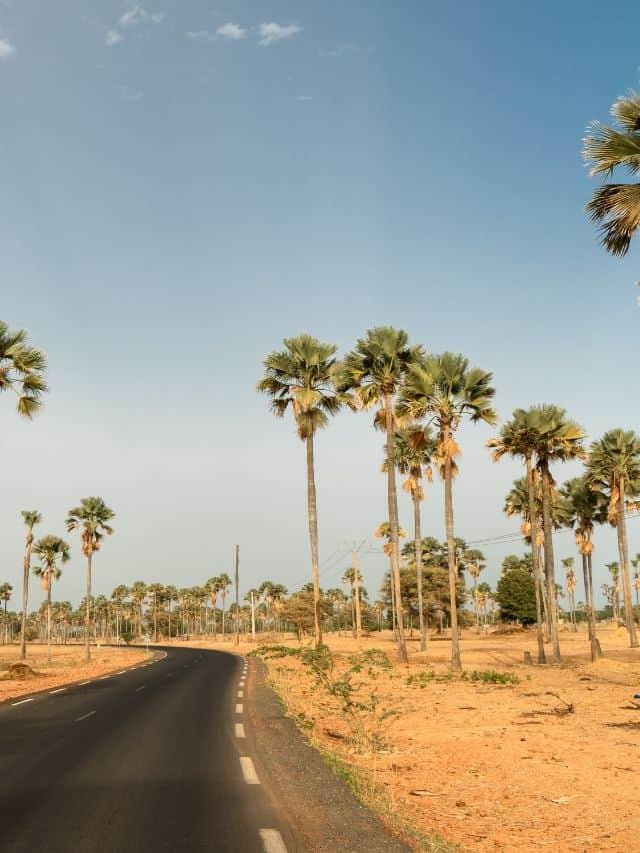
- good road infrastructure
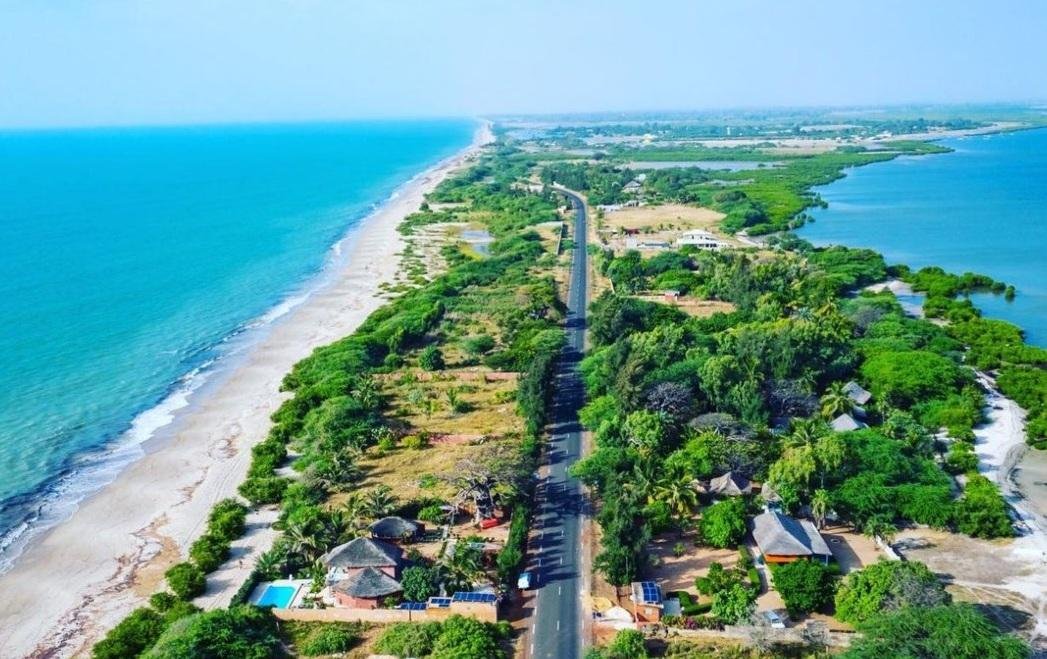
- Atlantic coastline
- wildlife reserves
- vibrant music and food scene
- historic sites
- relatively easy logistics
- gateway to West Africa
Senegal is often the first West African country visited by trans-African overlanders.
Main Overlanding Routes
1. Senegal Grand Tour
6
Route: Dakar – Saint-Louis – Podor – Tambacounda – Niokolo-Koba – Casamance – Dakar
Distance: approx. 2,200 km
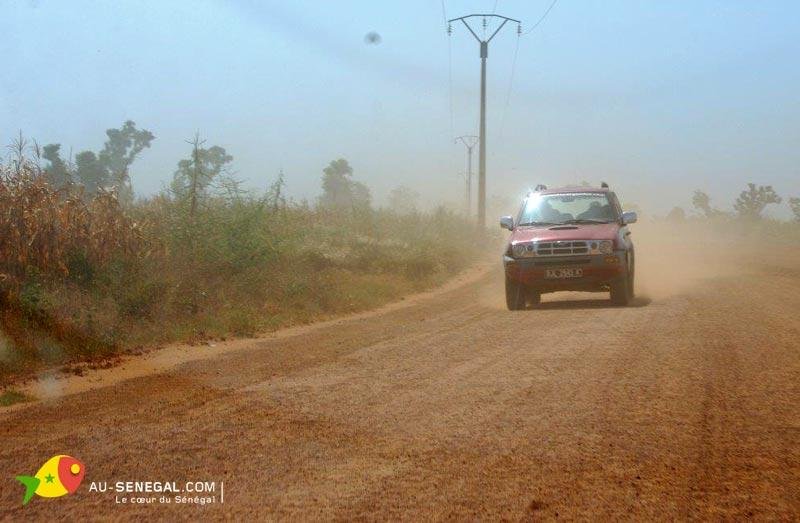
Road type: highways, secondary roads, and some dirt roads
Fuel: available in major towns
The ultimate Senegal overland journey.
Highlights:
- coastline
- wildlife
- national parks
- historic cities
- traditional villages
Perfect for a 2–4 week trip.
2. Dakar & Lac Rose Route
6
The classic introduction to Senegal.
Highlights:
- Atlantic beaches
- cultural attractions
- desert scenery
- local markets
Major attractions:
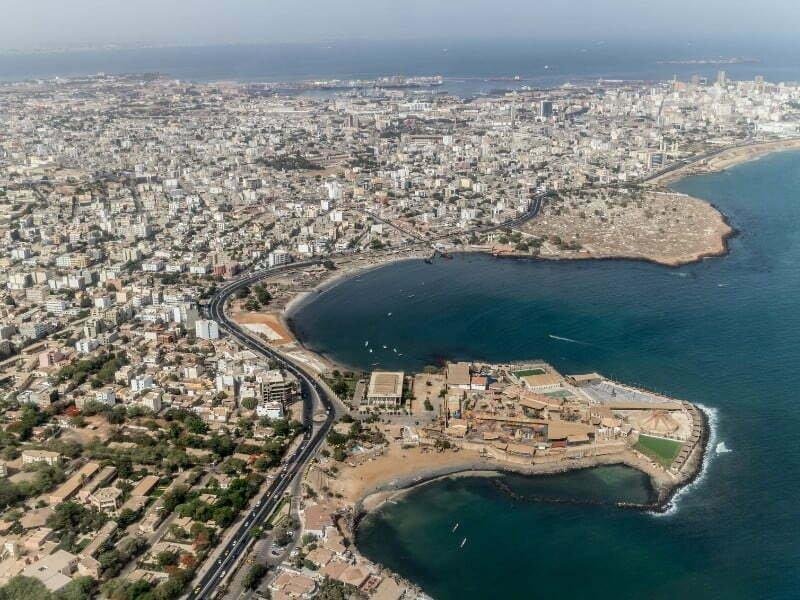
- Dakar
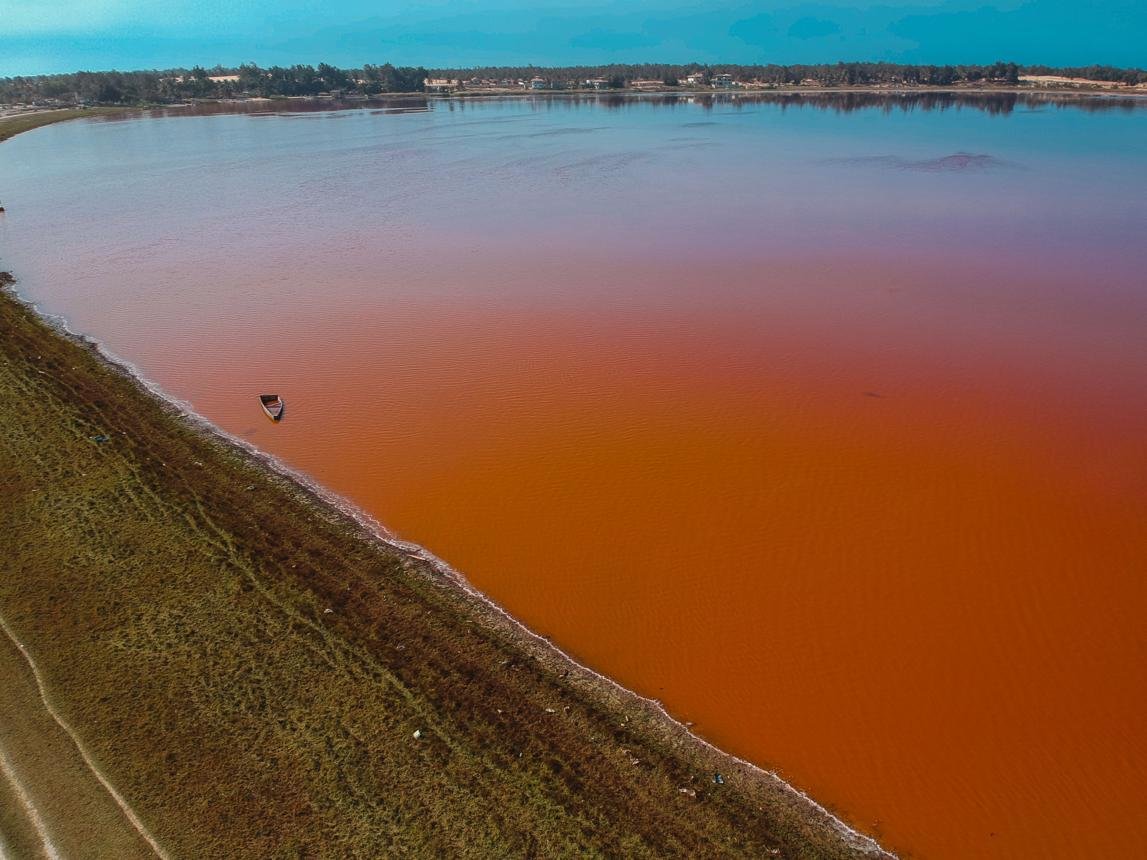
- Lac Rose
Lac Rose was once the finishing point of the famous Paris-Dakar Rally.
3. Saint-Louis Route
7
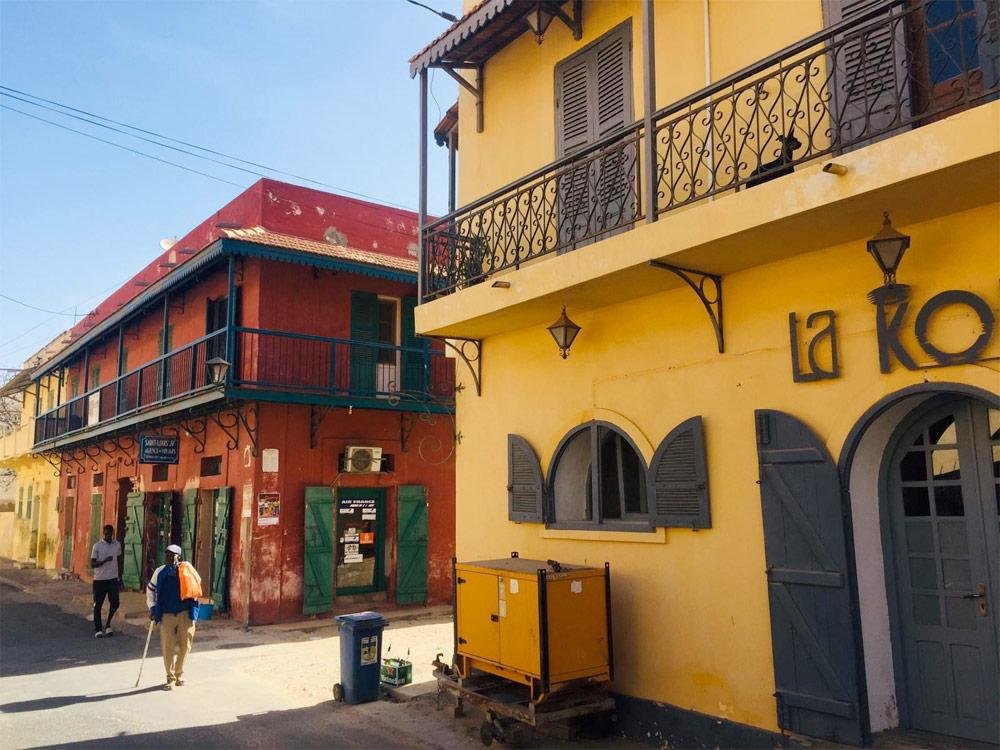
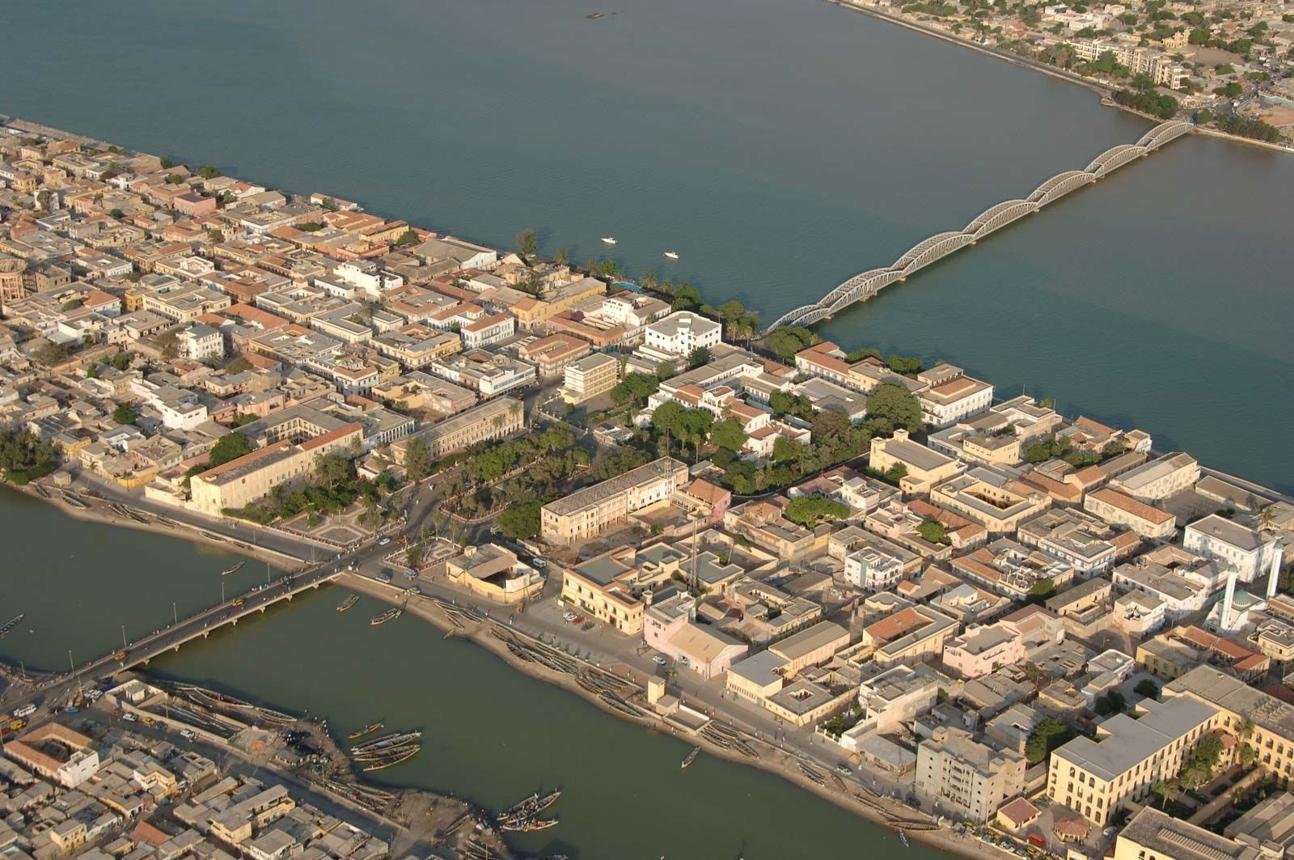
A journey through Senegal’s colonial history.
Highlights:
- UNESCO-listed architecture
- fishing communities
- coastal scenery
- cultural heritage
Major destination:
- Saint-Louis
One of West Africa’s most historic cities.
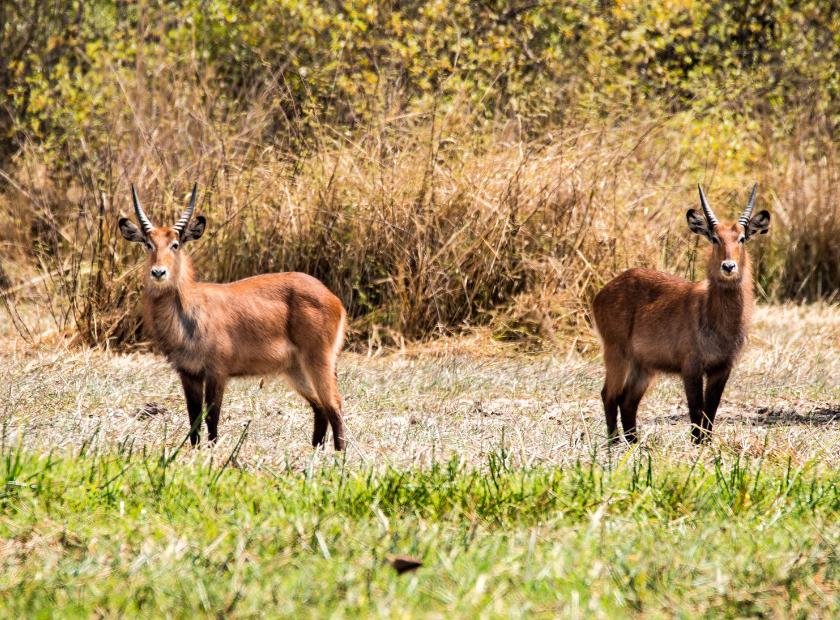
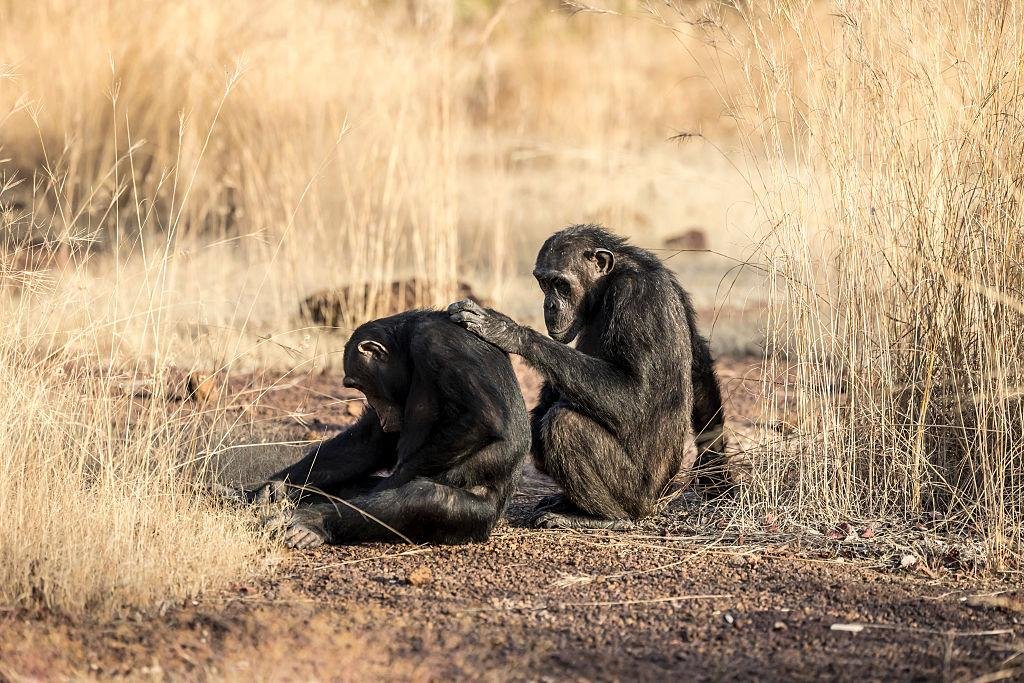
4. Niokolo-Koba National Park Route
6
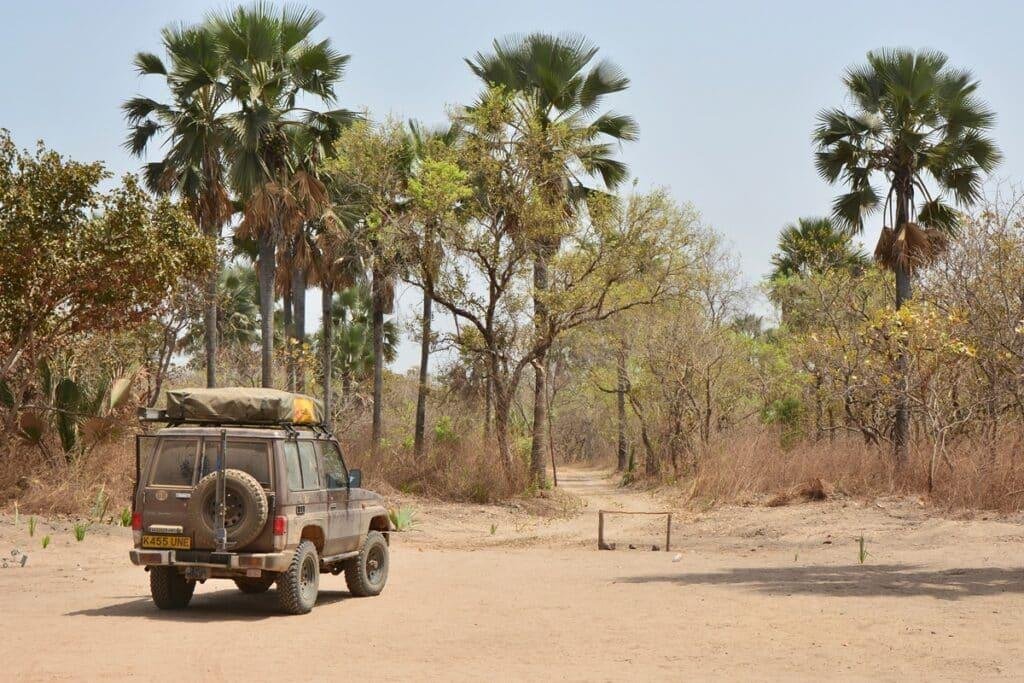
Senegal’s premier wildlife destination.
Highlights:
- elephants
- antelope
- monkeys
- birdlife
Major attraction:
- Niokolo-Koba National Park
One of West Africa’s most important protected areas.
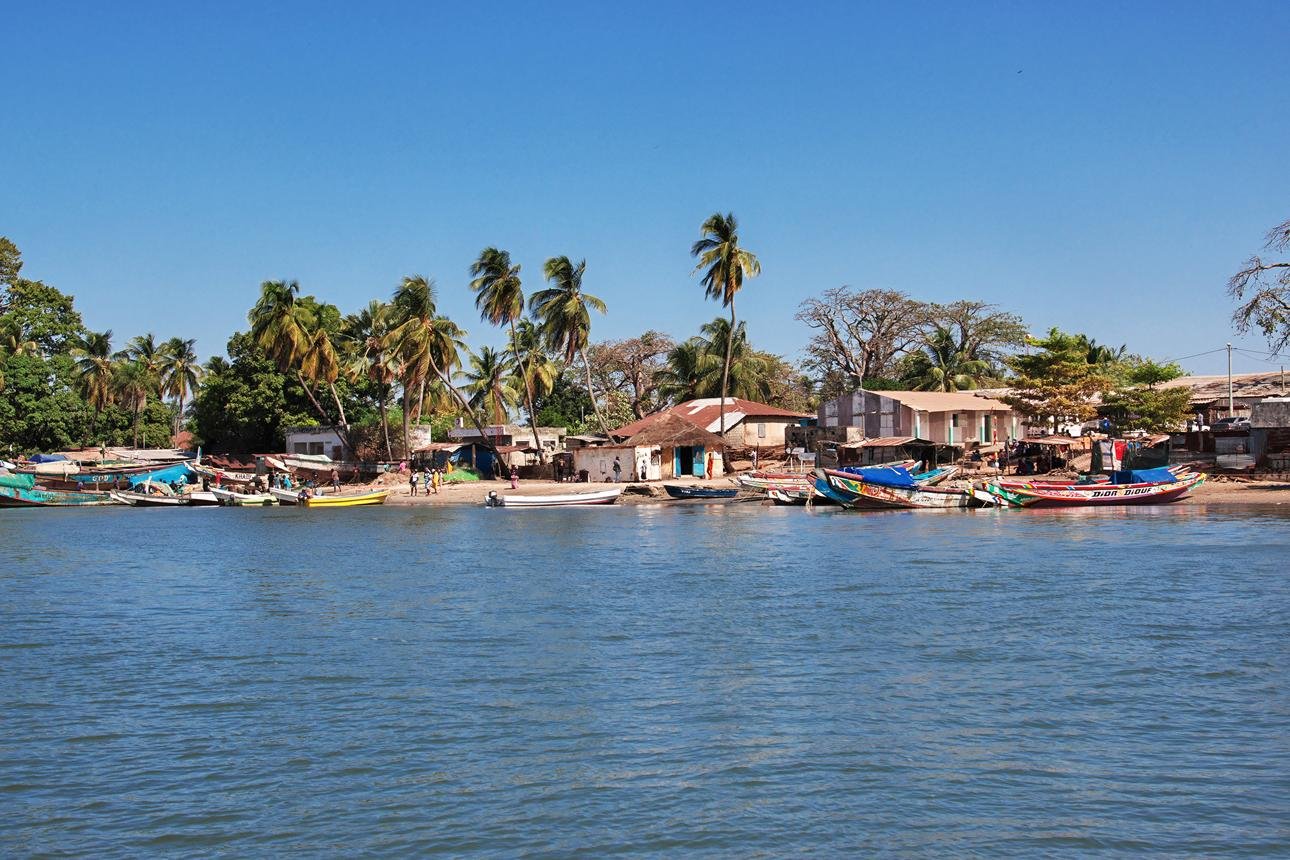
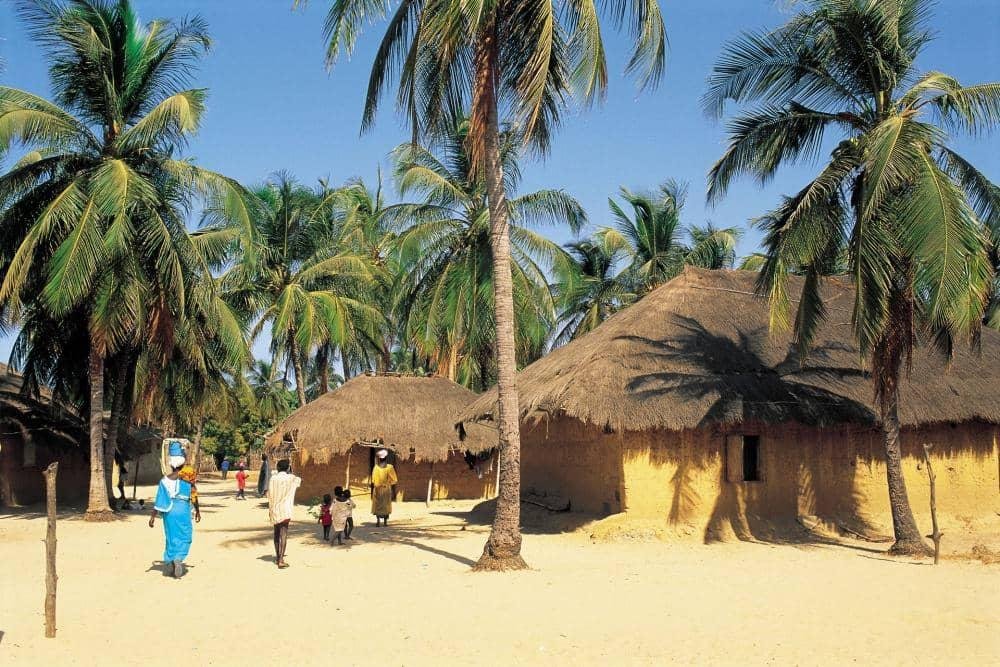
5. Casamance Route
6
A lush and culturally distinct region.
Highlights:
- tropical landscapes
- beaches
- mangroves
- traditional villages
Major destination:
- Ziguinchor
One of Senegal’s most beautiful regions.
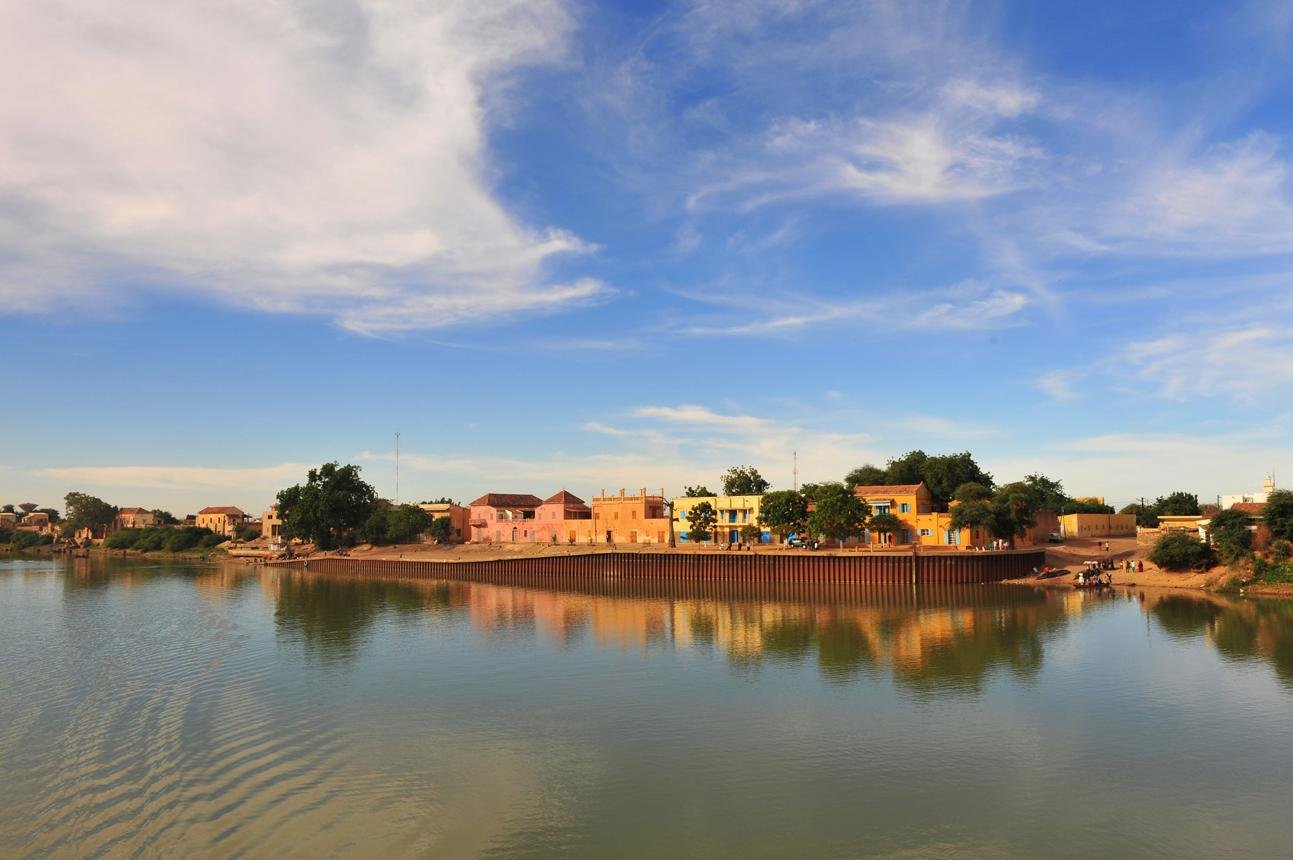
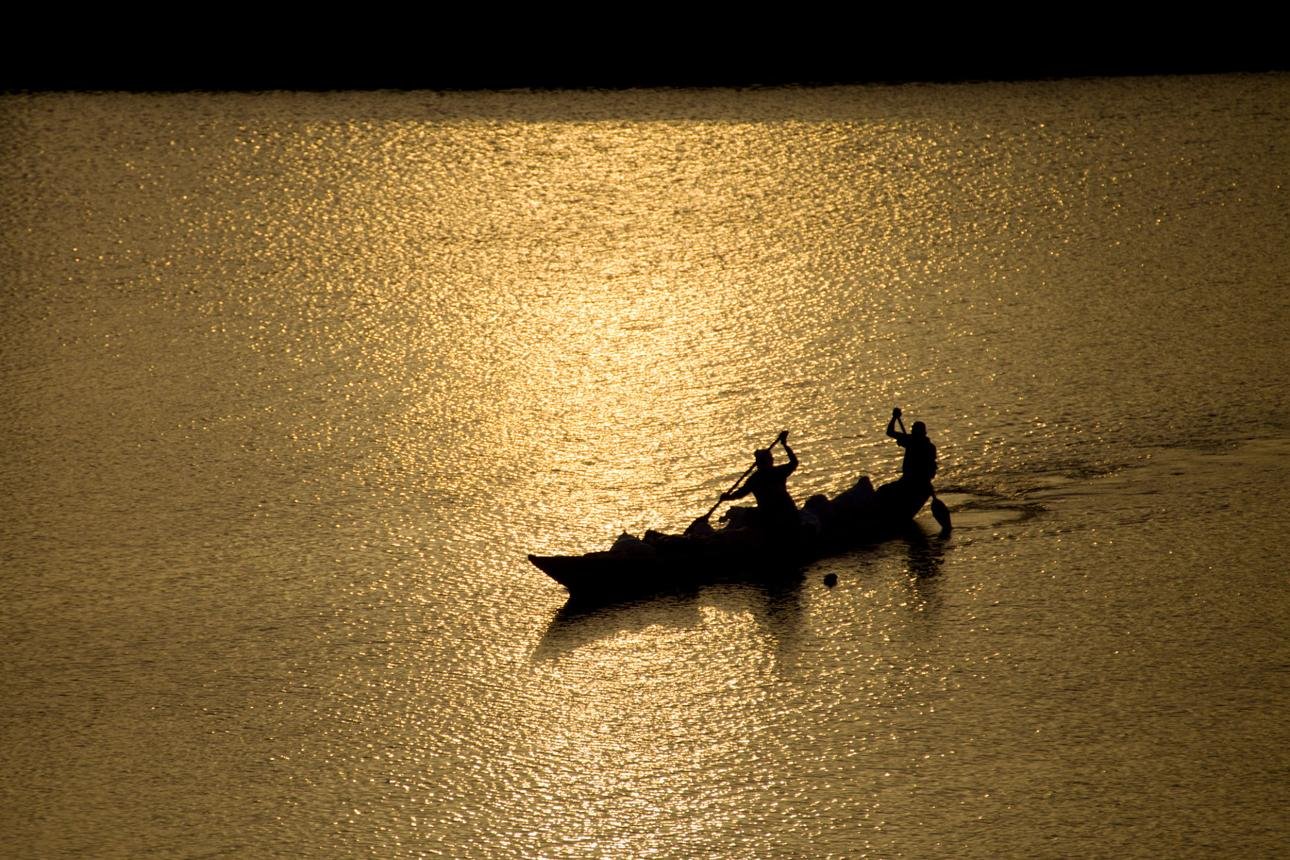
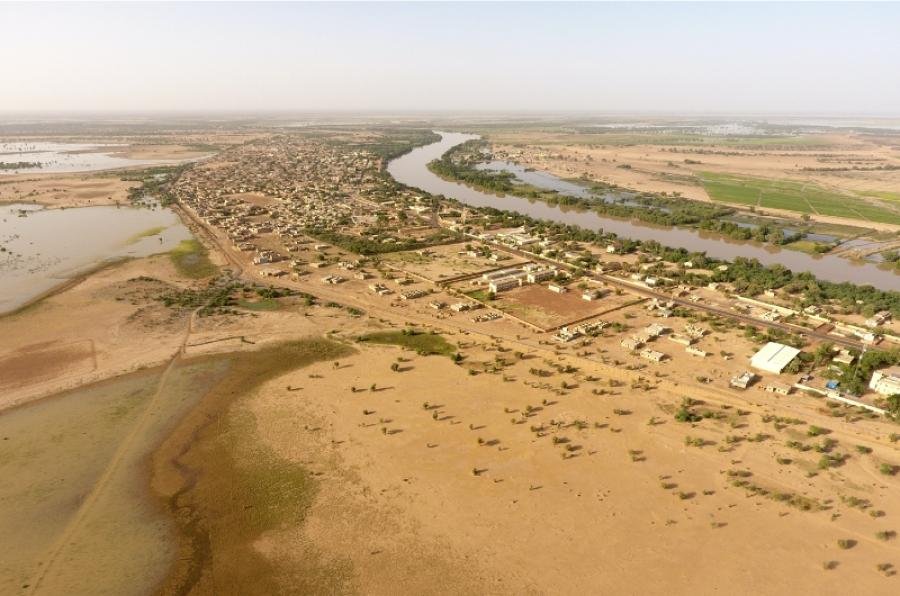
6. Podor & Senegal River Route
5
A remote northern adventure.
Highlights:
- desert scenery
- river landscapes
- traditional settlements
- historic trading towns
Major destination:
- Podor
A fascinating stop near the Mauritanian border.
Borders & Entry Points
Senegal borders:
- Mauritania
- Mali
- Guinea
- Guinea-Bissau
- Gambia
Mauritania
The most common route for trans-African overlanders.
Popular crossing:
- Rosso
Gambia
A frequently used crossing when traveling to Casamance.
Guinea-Bissau
Popular with travelers exploring coastal West Africa.
Vehicle Entry Requirements
Usually required:
- passport
- visa (if applicable)
- vehicle registration
- temporary import permit
- ECOWAS insurance
- driver’s license
Requirements should always be checked before travel.
Driving Conditions
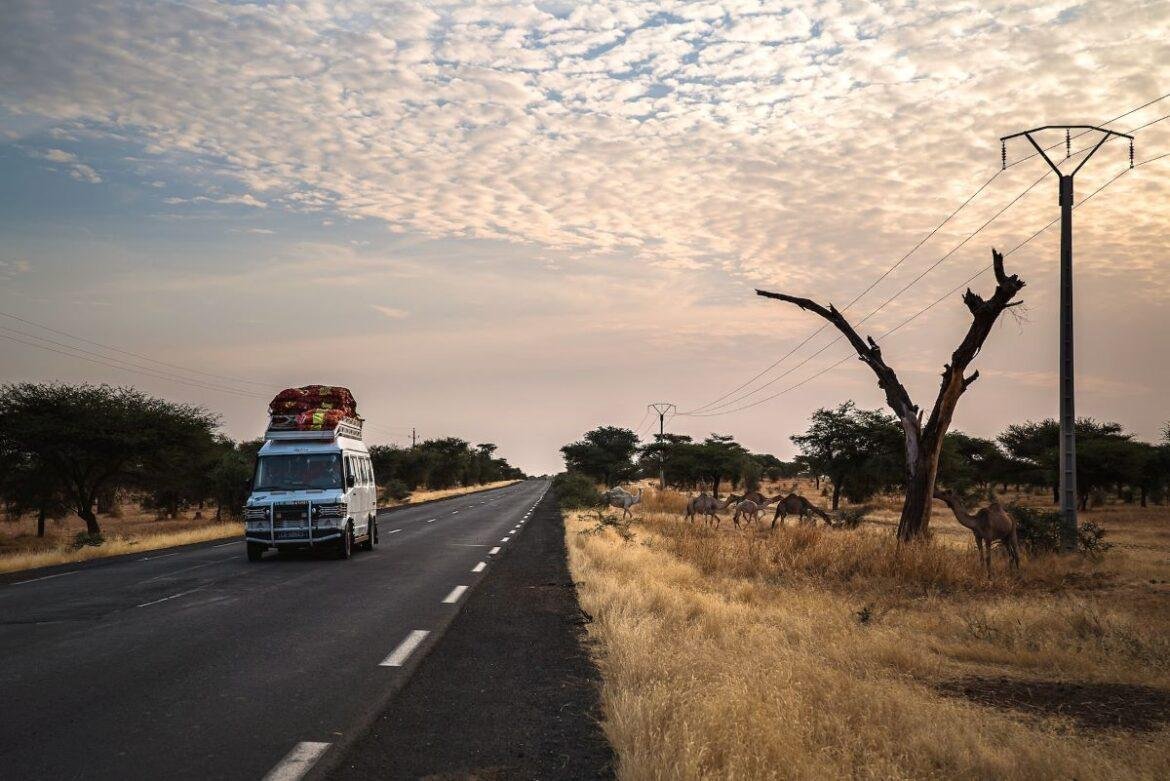
Driving is generally straightforward.
Easy:
- Dakar–Saint-Louis highway
- major national roads
Moderate:
- rural roads
- Casamance region
Difficult:
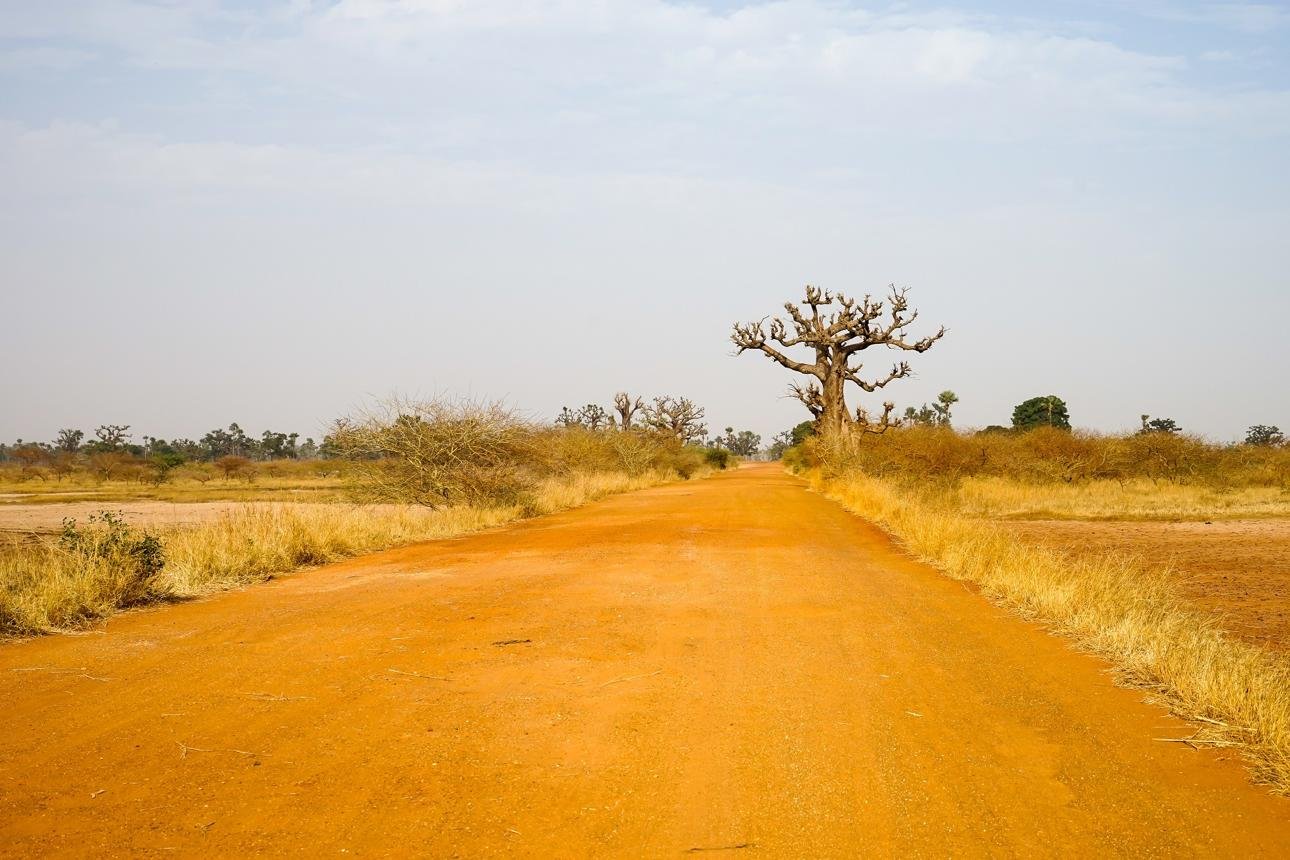
- sandy tracks
- remote national park roads
- rainy-season routes
A 4×4 is useful but not essential for most routes.
Fuel & Logistics
Good throughout most of the country.
Expect:
- fuel stations in towns
- mechanics in larger cities
- markets and supermarkets
- mobile coverage on major routes
Remote regions require additional planning.
Camping & Accommodation
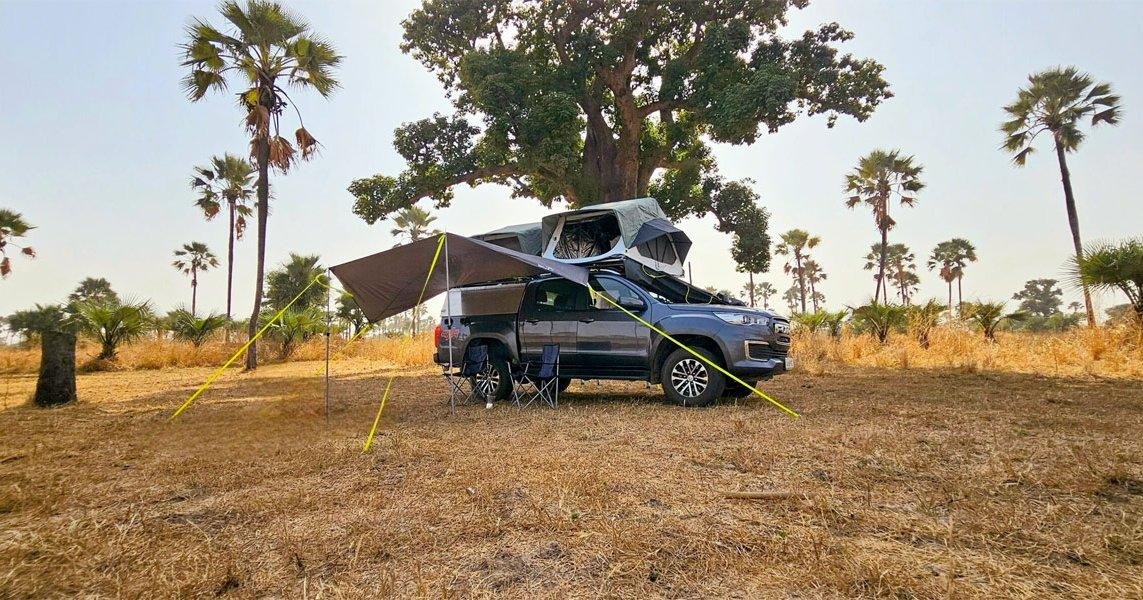
Wild Camping
Wild camping is possible in many rural regions.
Always seek local permission and avoid camping near villages without informing residents.
Campsites
Available in:
- Dakar region
- Saint-Louis
- Casamance
- national park areas
Many overlanders also use hotels and auberges.
Motorhome Travel
Very good.
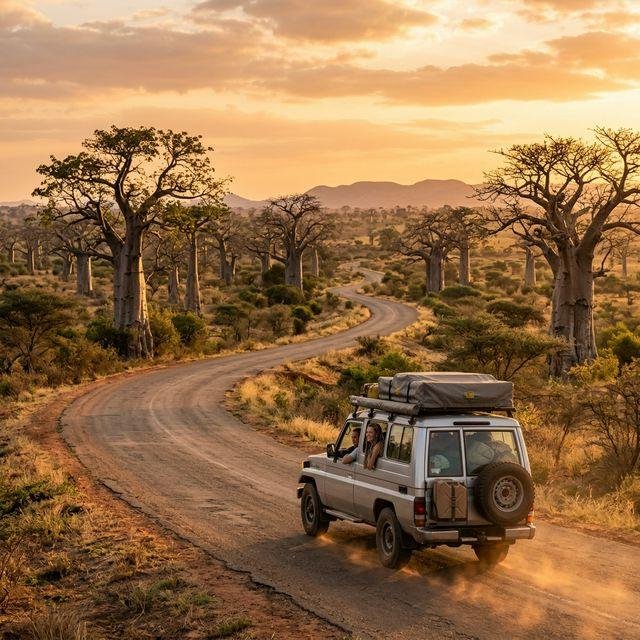
Senegal is one of the easier West African countries for campervans and expedition vehicles.
Safety & Risks
Senegal is generally regarded as one of West Africa’s safest destinations.
Main concerns:
- traffic in Dakar
- petty theft in cities
- remote road conditions
- seasonal flooding during the rainy season
Most overlanders experience few problems.
Best Time to Visit
Ideal
November–February
Cooler temperatures and dry weather.
Hot Season
March–May
Temperatures can become very high inland.
Rainy Season
June–October
Heavy rain can affect rural roads.
Sample 3-Week Itinerary
Days 1–3: Dakar and Lac Rose
Days 4–6: Saint-Louis
Days 7–10: Podor and Senegal River Valley
Days 11–15: Niokolo-Koba National Park
Days 16–21: Ziguinchor and Casamance
FAQ
Is Senegal good for overlanding?
Excellent. It is one of the easiest and most welcoming countries in West Africa.
Need a 4×4?
Not essential, but useful for national parks and sandy tracks.
Can you wild camp?
Yes, in many rural areas with appropriate permission.
Good for campervans?
Yes. Senegal is well suited for expedition vehicles and campervans.
Best highlight?
Saint-Louis, Lac Rose, Casamance, and Niokolo-Koba National Park.
Related Pages
- Backpacking Senegal
- RV Travel Senegal
- Dakar
- Saint-Louis
- Ziguinchor
- Podor
- Lac Rose
- Niokolo-Koba National Park
- Mauritania Overlanding Guide
- Gambia Overlanding Guide
- Guinea-Bissau Overlanding Guide
- West Africa Overlanding Guide
- Senegal Campsites Guide
- Dakar to Cape Town Overland Route Guide
- Transport in Senegal
- Overlanding in Senegal