Did you know that Mongolia is one of the least densely populated countries in the world, with vast open landscapes covering its territory? This unique geographical feature has significantly influenced the development of transportation in the country. Throughout history, Mongolia has relied heavily on traditional forms of transportation, such as horseback riding and camel caravans, to navigate its rugged terrain. However, in recent years, modern transportation infrastructure has become increasingly important in connecting remote areas and facilitating economic development.
The transportation sector in Mongolia has undergone significant advancements in recent years, with a focus on improving road networks, railways, and air travel. The government has invested in expanding and upgrading the country’s transportation infrastructure to enhance connectivity and promote economic growth. As a result, transportation plays a crucial role in supporting Mongolia’s mining industry, tourism sector, and overall economic development.
One of the key challenges facing Mongolia’s transportation sector is the vast distances between populated areas and the limited infrastructure in rural regions. To address this issue, the government has been working on implementing initiatives to improve connectivity and accessibility, such as building new roads and bridges, upgrading airports, and enhancing public transportation services. These efforts aim to strengthen the country’s transportation network and promote inclusive development across all regions of Mongolia.
As of 2020, Mongolia had a total road network of approximately 48,000 kilometers, with a significant portion of it consisting of unpaved roads. The country also has a well-developed railway system, connecting major cities and mining sites. Additionally, Mongolia has several international airports that serve as key gateways for travelers and cargo shipments. These transportation facilities play a vital role in supporting the country’s trade, tourism, and overall economic activities.
What is the Transport System like in Mongolia?
Transport in Mongolia encompasses a wide range of options, from traditional horseback riding to modern automobiles and trains. The rugged terrain and vast distances in the country make transportation a crucial aspect of daily life for many Mongolians. To learn more about the various methods of transportation in Mongolia and how they impact the daily lives of its inhabitants, continue reading below.
Transport in Mongolia
Mongolia, a landlocked country located in Central Asia, faces unique challenges in terms of transportation due to its vast and rugged terrain. The country relies on a combination of road, rail, air, and horse transport to connect its remote regions and urban centers.
Road Transport in Mongolia
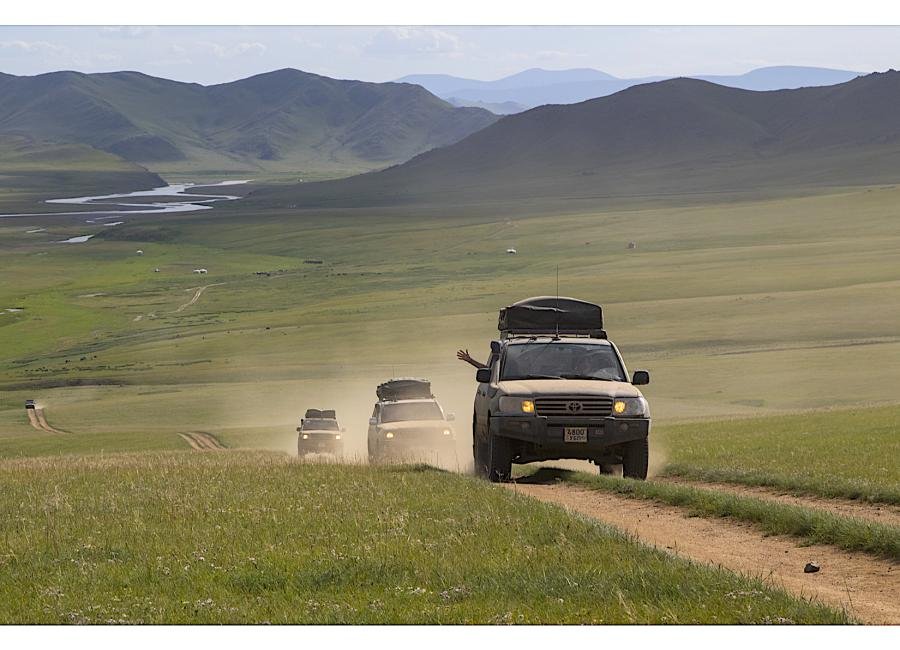
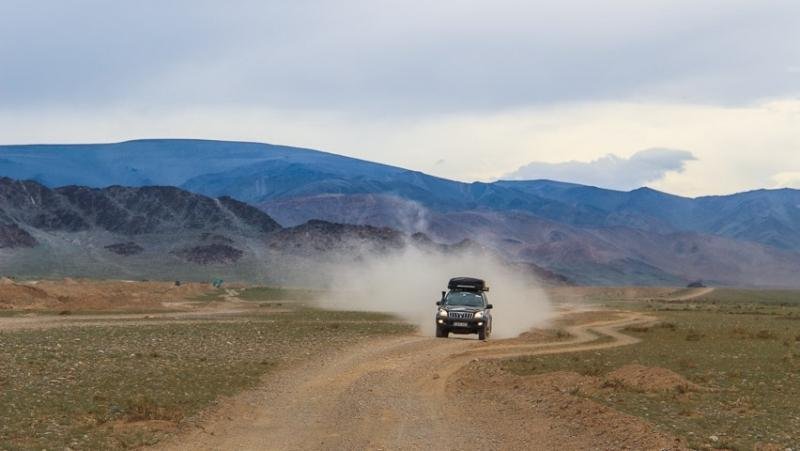
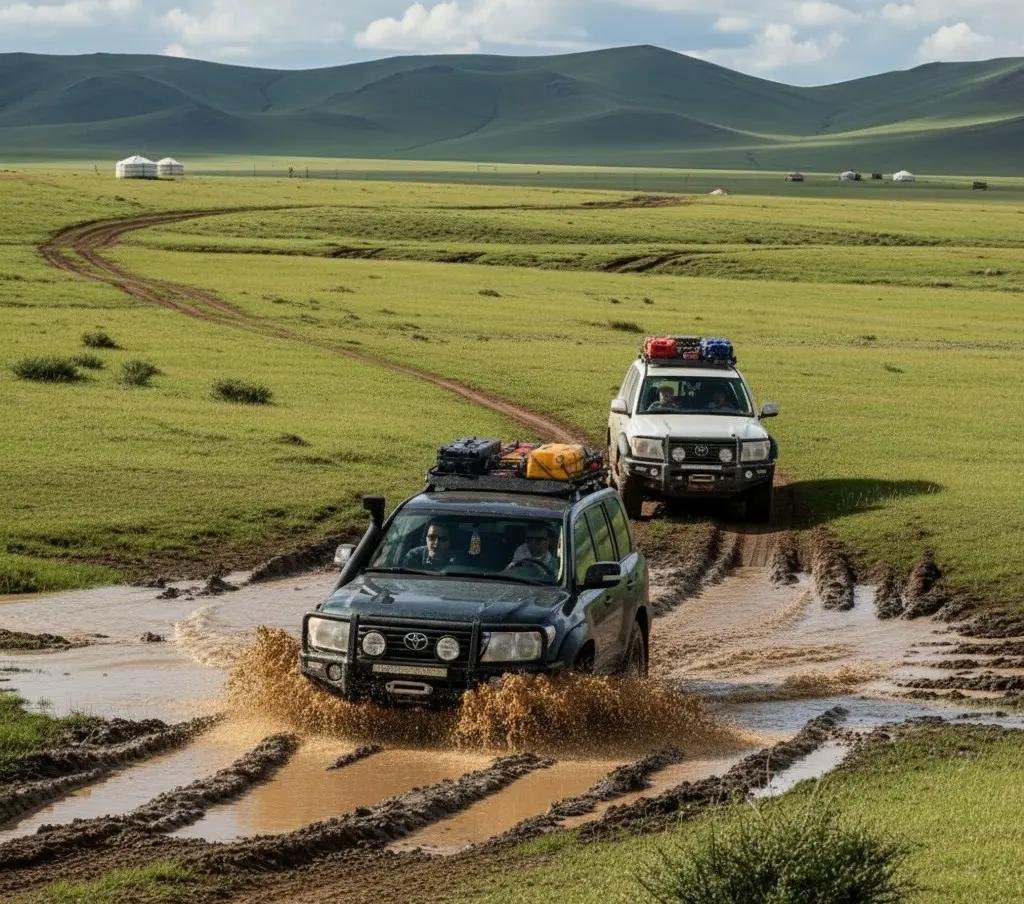
The road network in Mongolia is relatively underdeveloped compared to other countries, with many unpaved roads and tracks. The main arterial roads connecting the capital city, Ulaanbaatar, to other provinces are generally in good condition. However, roads in rural areas can be challenging to navigate, especially during the harsh winter months when snow and ice cover the landscape.
Rail Transport in Mongolia
Mongolia has a limited railway network, with the Trans-Mongolian Railway being the main line connecting the country to Russia and China. The railway system plays a crucial role in transporting coal and other goods from Mongolia’s mines to the international market. However, passenger train services are limited, and many areas of the country are not serviced by rail.
Air Transport in Mongolia
Air transport is vital for connecting Mongolia’s remote regions to the capital and other urban centers. The country has several domestic airports, with the Chinggis Khaan International Airport in Ulaanbaatar being the main international gateway. Local airlines provide regular flights to domestic destinations, including popular tourist spots like Khovd, Olgii, and Dalanzadgad.
Horse Transport in Mongolia
Horse transport remains an essential mode of travel for many Mongolians, especially in rural areas where modern transportation infrastructure is lacking. Nomadic herders rely on horses for moving their livestock and belongings across the vast Mongolian steppe. The annual Naadam Festival showcases traditional horse racing, reflecting the enduring importance of horses in Mongolian culture.
Mongolia’s transportation infrastructure is continually evolving to meet the needs of its growing population and expanding economy. Investments in road upgrades, railway expansions, and air transport facilities are crucial for improving connectivity within the country and enhancing Mongolia’s integration into the global economy.
Statistic: According to the World Bank, Mongolia had approximately 83,200 kilometers of roads in 2018.
FAQs for Transport in Mongolia
1. How reliable is the public transportation system in Mongolia?
The public transportation system in Mongolia can be unreliable due to the vastness of the country and the limited infrastructure in some areas.
2. Are there taxis available in Mongolia?
Yes, taxis are available in major cities like Ulaanbaatar. It is recommended to use reputable taxi companies or ride-sharing apps for safety.
3. What are the main modes of transportation in Mongolia?
The main modes of transportation in Mongolia are buses, taxis, and private cars. In rural areas, horseback riding and camel riding are also common.
4. Is it safe to drive in Mongolia?
Driving in Mongolia can be challenging due to road conditions and lack of signage. It is recommended to hire a local driver if you are not familiar with the area.
5. Are there any train services in Mongolia?
Yes, there are train services available in Mongolia, with the Trans-Siberian Railway being a popular option for travelers.
6. How expensive is transportation in Mongolia?
Transportation in Mongolia can vary in cost depending on the mode of transportation and the distance traveled. Budget travelers may find buses to be the most cost-effective option.
7. Are there any domestic flights in Mongolia?
Yes, there are domestic flights available in Mongolia, connecting major cities and remote areas. It is recommended to book flights in advance, especially during peak travel seasons.
8. Can I rent a car in Mongolia?
Yes, you can rent a car in Mongolia, but it is important to have the necessary permits and insurance coverage. It is also advisable to have a local guide or driver if you are not familiar with the area.
9. What is the best way to travel between cities in Mongolia?
The best way to travel between cities in Mongolia is by bus or train. These options are affordable and provide a unique way to see the countryside.
10. Are there any international bus services in Mongolia?
Yes, there are international bus services available in Mongolia, connecting major cities with neighboring countries like China and Russia. It is recommended to check schedules and book tickets in advance.
Conclusion
Overall, transport in Mongolia poses unique challenges due to its vast, rugged landscape and extreme weather conditions. The reliance on traditional modes of transport such as horseback riding and camel caravans in rural areas has been slowly giving way to modern transportation systems like railways and highways. The government of Mongolia has been investing in infrastructure improvements to develop a more efficient and reliable transportation network to support the country’s economic growth and connectivity with neighboring countries.
Despite the progress made in recent years, transportation infrastructure in Mongolia still requires further development to meet the demands of a growing population and economy. Investments in modernizing roads, ports, and airports, as well as promoting sustainable transport options, will be crucial in ensuring Mongolia’s continued development and integration into the global economy. By addressing the challenges and opportunities in transport, Mongolia can enhance its competitiveness and improve the quality of life for its citizens.