Caribbean Beaches, Colonial History, Mountains & Island Adventures
6
Dominican Republic Travel Guide
The Dominican Republic is one of the Caribbean’s most diverse destinations, combining spectacular beaches, historic colonial cities, rugged mountain landscapes, tropical forests, waterfalls, and vibrant Caribbean culture. Occupying the eastern portion of the island of Hispaniola, it offers far more than the all-inclusive resorts for which it is famous.
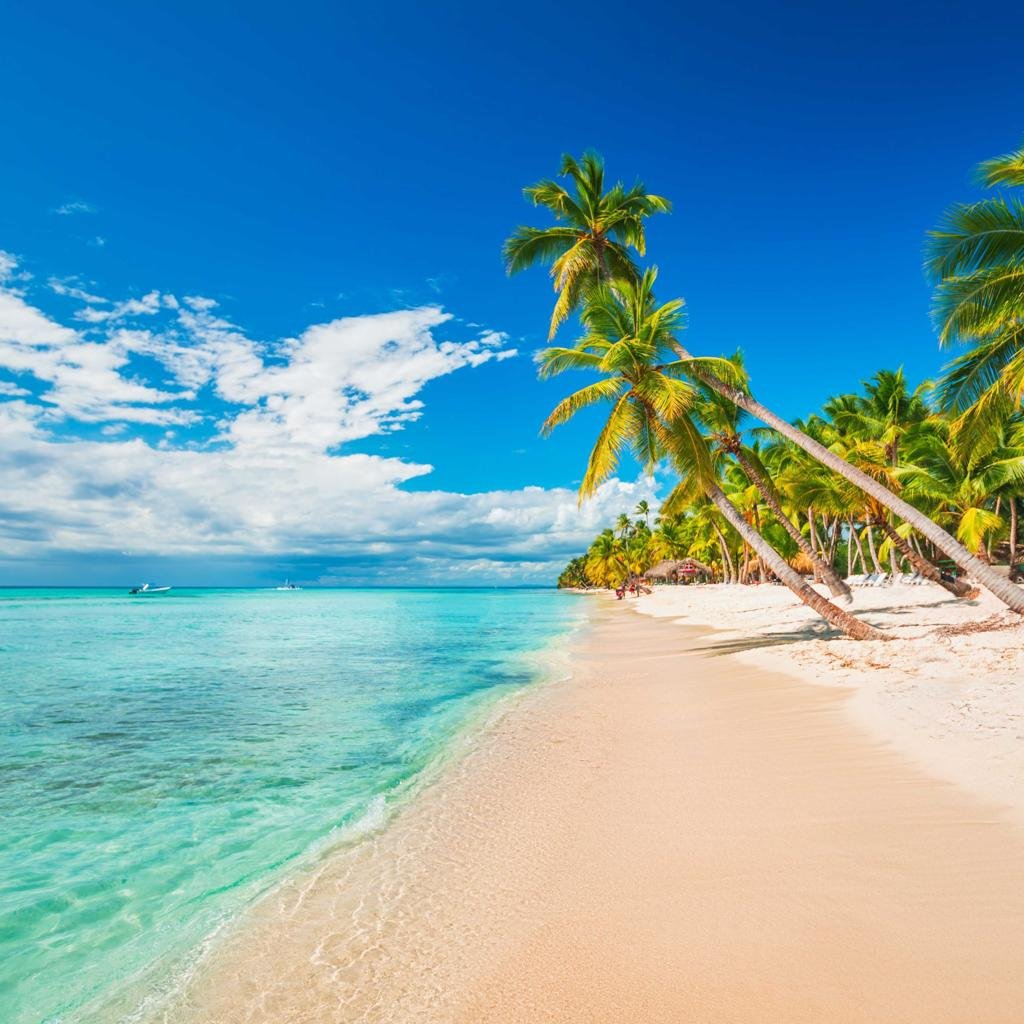
The country has a remarkable variety of landscapes. Along the Caribbean and Atlantic coasts are long white-sand beaches, palm-lined bays, coral reefs, and offshore islands. Inland, the Cordillera Central rises into the Caribbean’s highest mountains, while tropical valleys, coffee plantations, pine forests, and waterfalls provide opportunities for hiking and adventure.
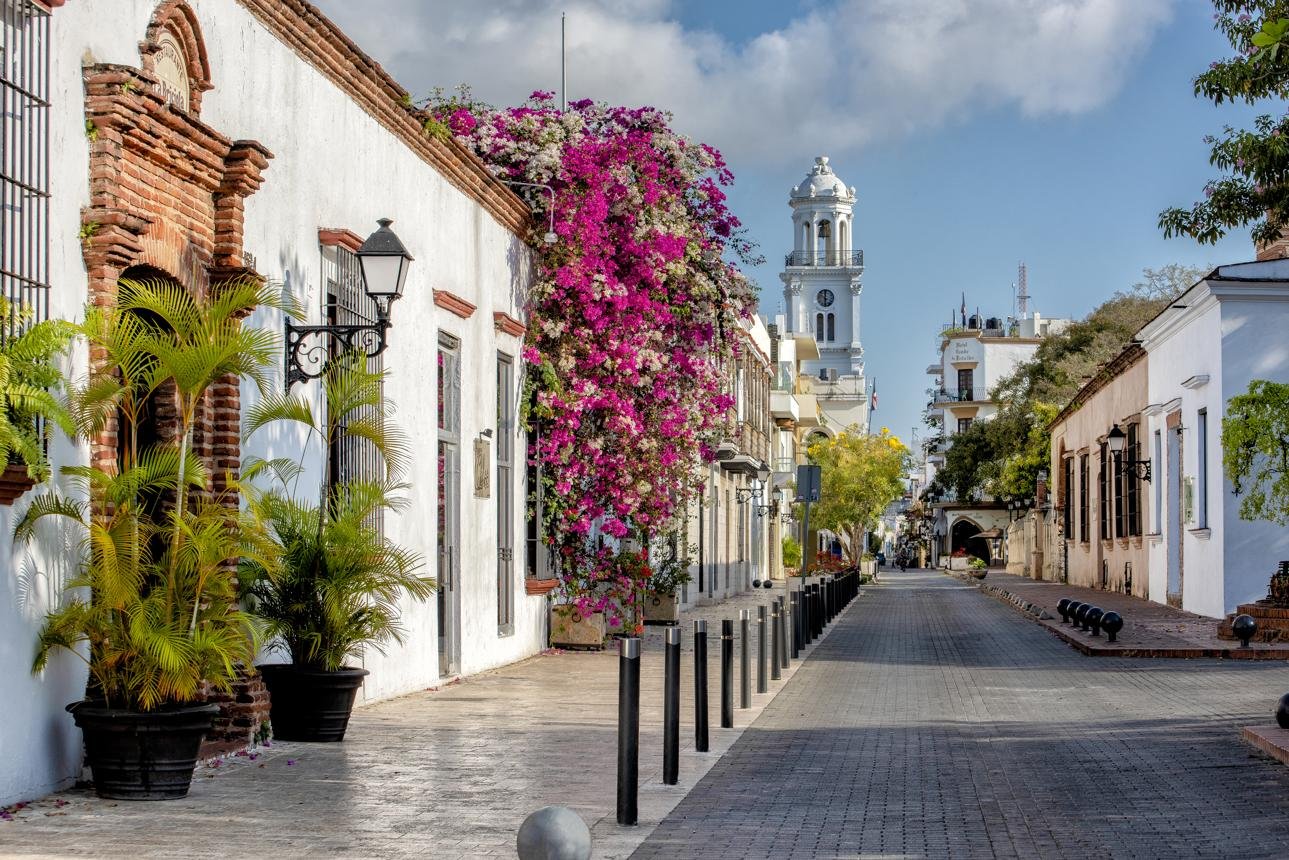
Santo Domingo, the capital, is the cultural and historical heart of the country. Its Zona Colonial contains some of the oldest European buildings in the Americas, including historic churches, fortifications, plazas, and colonial houses dating back to the earliest years of European settlement.
The northern coast has a very different character. Puerto Plata combines beaches with mountains, while Cabarete is famous for windsurfing and kitesurfing. The Samaná Peninsula offers lush scenery, waterfalls, beaches, and seasonal humpback whale watching. On the southern coast, destinations such as Bayahibe and the remote beaches of Pedernales provide access to marine parks and some of the country’s most spectacular coastal landscapes.
For road trippers, the Dominican Republic offers a fascinating mix of modern highways, mountain roads, coastal routes, and rural landscapes. Travelers with a campervan or RV can explore independently, although dedicated motorhome infrastructure is limited. Backpackers can use buses, shared minibuses, taxis, and affordable guesthouses to travel between major destinations.
The Dominican Republic is also one of the Caribbean’s best destinations for active travel. Hiking, canyoning, diving, snorkeling, surfing, whale watching, horseback riding, and mountain adventures can all be combined with a traditional beach holiday.
This guide covers the most important destinations, regions, routes, beaches, outdoor activities, backpacking, overlanding, RV travel, and practical information for planning a trip through the Dominican Republic.
Quick Facts
| Item | Information |
|---|---|
| Capital | Santo Domingo |
| Currency | Dominican Peso (DOP) |
| Official Language | Spanish |
| Population | Approximately 11 million |
| Time Zone | UTC−4 |
| Driving | Right-hand side |
| Country Code | +1-809, +1-829, +1-849 |
Why Visit the Dominican Republic?
The Dominican Republic offers exceptional variety within one Caribbean country.
Highlights include:
- Santo Domingo
- Punta Cana
- Samaná Peninsula
- Puerto Plata
- Las Terrenas
- Bayahibe
- Isla Saona
- Jarabacoa
- Pico Duarte
- Bahia de las Aguilas
- Los Haitises National Park
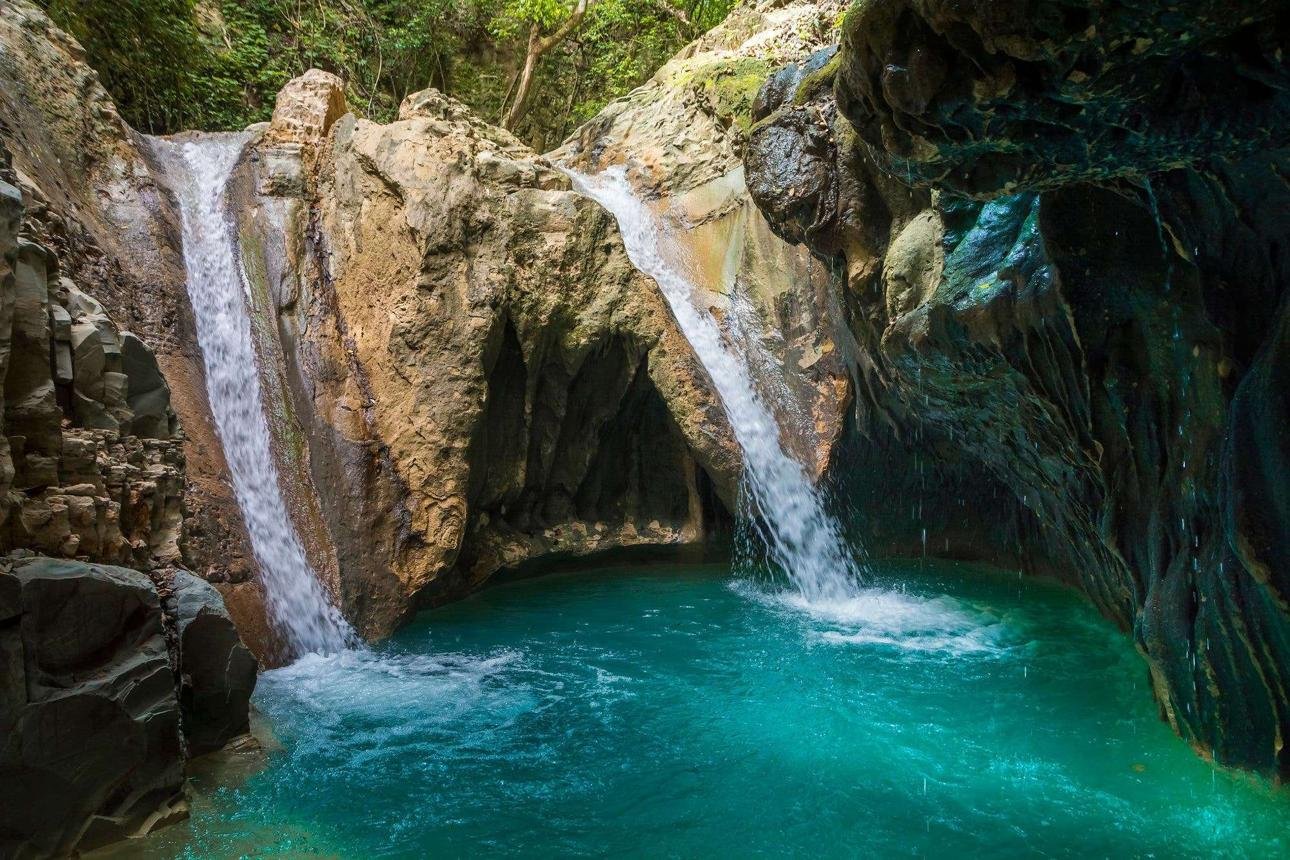
- 27 Charcos de Damajagua
- Colonial architecture
- Caribbean beaches
- Mountain landscapes
It is particularly suitable for beach holidays, backpacking, road trips, diving, hiking, and cultural travel.
Best Places to Visit
6
Santo Domingo
Santo Domingo is the oldest continuously inhabited European-established city in the Americas.
The historic Zona Colonial is its main attraction.
Highlights include:
- Catedral Primada de América
- Alcázar de Colón
- Fortaleza Ozama
- Parque Colón
- Calle Las Damas
- Plaza de España
- Malecón
The city combines historic architecture with lively restaurants, music, museums, and nightlife.
Punta Cana
Punta Cana is the Dominican Republic’s most famous beach destination.
Known for:
- Long sandy beaches
- Palm trees
- Resorts
- Golf
- Water sports
- Excursions
Popular beaches include Bávaro Beach, Arena Gorda, and Macao Beach.
Macao is particularly attractive for travelers looking for a more natural beach environment away from the largest resort complexes.
Samaná Peninsula
One of the country’s most beautiful regions.
Highlights include:
- Las Terrenas
- El Limón Waterfall
- Los Haitises
- Playa Rincón
- Whale watching
- Tropical forests
The region is especially popular between January and March, when humpback whales migrate into the surrounding waters.
Las Terrenas
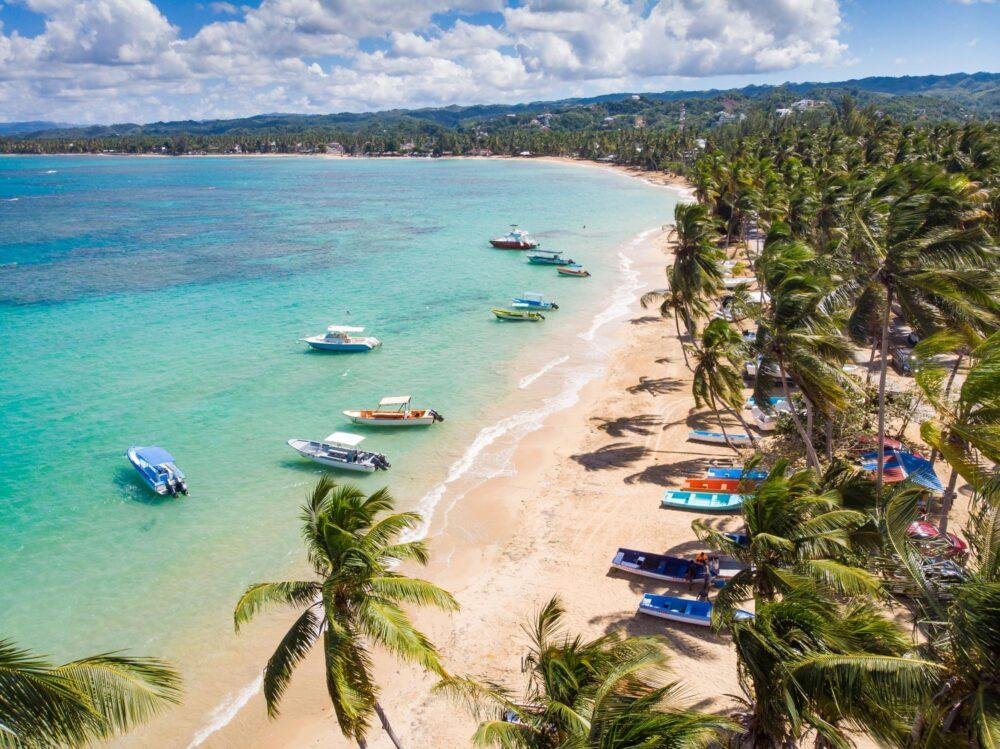
A lively coastal town surrounded by beautiful beaches.
Visitors enjoy:
- Playa Bonita
- Playa Cosón
- Restaurants
- Water sports
- Nightlife
- Day trips
Puerto Plata
Located on the northern coast beneath the Cordillera Septentrional.
Highlights include:
- Historic center
- Fortaleza San Felipe
- Mount Isabel de Torres
- Cable car
- Beaches
- Amber Museum
Cabarete
One of the Caribbean’s leading wind and water sports destinations.
Known for:
- Kitesurfing
- Windsurfing
- Surfing
- Beach restaurants
- Nightlife
Bayahibe
A fishing village and gateway to several marine attractions.
Visitors can explore:
- Saona Island
- Cotubanamá National Park
- Diving sites
- Coral reefs
- Beaches
Jarabacoa
Located in the mountains of the interior.
Popular activities include:
- Hiking
- Canyoning
- Rafting
- Mountain biking
- Waterfalls
- Coffee tours
The cooler mountain climate provides a welcome contrast to the tropical coast.
Pico Duarte
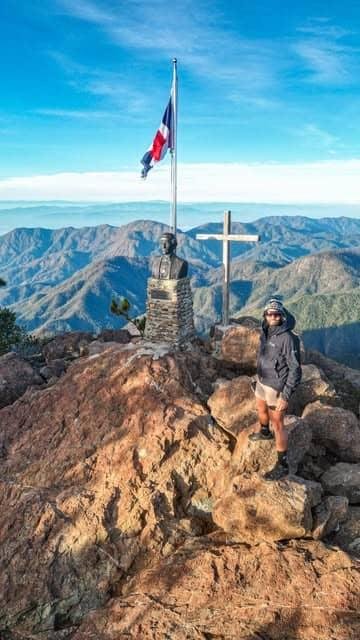
At approximately 3,101 meters, Pico Duarte is the highest mountain in the Caribbean.
The trek typically requires several days and is generally undertaken with an experienced guide.
Bahia de las Aguilas
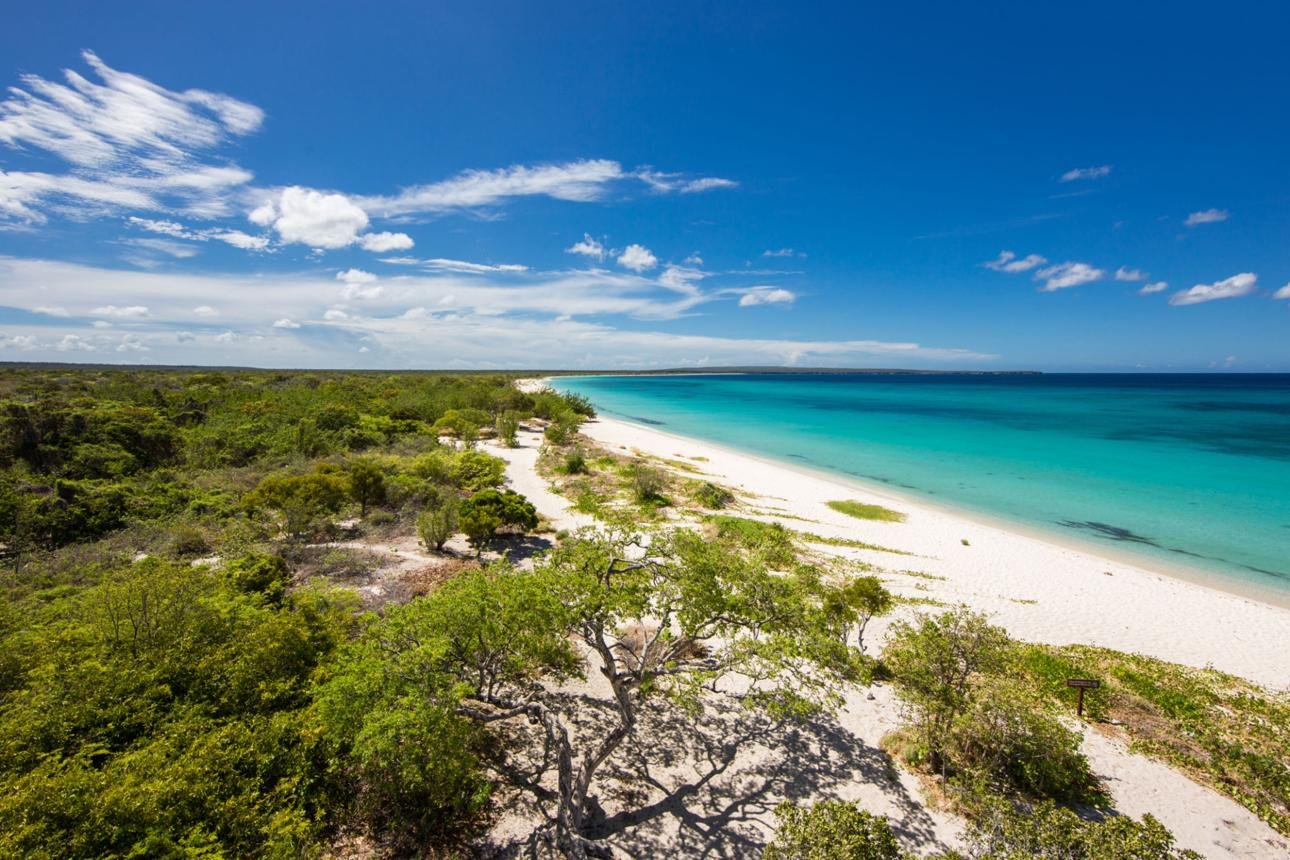
One of the country’s most spectacular beaches.
Located in the remote southwest near Pedernales, it features:
- White sand
- Turquoise water
- Dry forest
- Dramatic coastline
- Very limited development
It is one of the best destinations for travelers seeking a quieter Caribbean experience.
Best Time to Visit
The Dominican Republic has a tropical climate, with regional variations.
| Season | Conditions |
|---|---|
| December–April | Generally drier and popular |
| May–June | Warm with occasional rain |
| July–October | Hot, humid and wetter |
| November | Transition toward drier conditions |
| January–March | Humpback whale season |
The Atlantic hurricane season officially runs from June through November.
Regions of the Dominican Republic
Santo Domingo & South Coast
Known for:
- Colonial history
- Beaches
- Cultural attractions
Punta Cana & East
Features:
- Resorts
- Beaches
- Marine parks
- Isla Saona
Samaná Peninsula
Known for:
- Rainforests
- Waterfalls
- Beaches
- Whales
North Coast
Home to:
- Puerto Plata
- Cabarete
- Sosúa
Central Mountains
Features:
- Jarabacoa
- Constanza
- Pico Duarte
- Pine forests
Southwest
Known for:
- Pedernales
- Bahia de las Aguilas
- Lago Enriquillo
- Dry forests
Suggested Itineraries
5-Day Dominican Republic Highlights
Day 1 – Santo Domingo
Explore the Zona Colonial.
Day 2 – Santo Domingo
Visit museums and the Malecón.
Day 3 – Punta Cana
Travel east and relax on the beach.
Day 4 – Punta Cana
Enjoy snorkeling or a boat excursion.
Day 5 – Isla Saona
Take a day trip before continuing your journey.
One-Week Dominican Republic Road Trip
Santo Domingo → Bayahibe → Punta Cana → Samaná → Las Terrenas → Puerto Plata
This route combines historic cities, beaches, mountains, and the northern coast.
Two-Week Explorer
Consider:
Santo Domingo → Bayahibe → Punta Cana → Samaná → Las Terrenas → Puerto Plata → Cabarete → Jarabacoa
This provides a broad overview of the country’s main landscapes.
Three-Week Road Trip
With three weeks, add:
- Pico Duarte region
- Constanza
- Barahona
- Bahia de las Aguilas
- Pedernales
- Lago Enriquillo
This allows you to experience some of the country’s less-developed regions.
Overlanding in the Dominican Republic
6
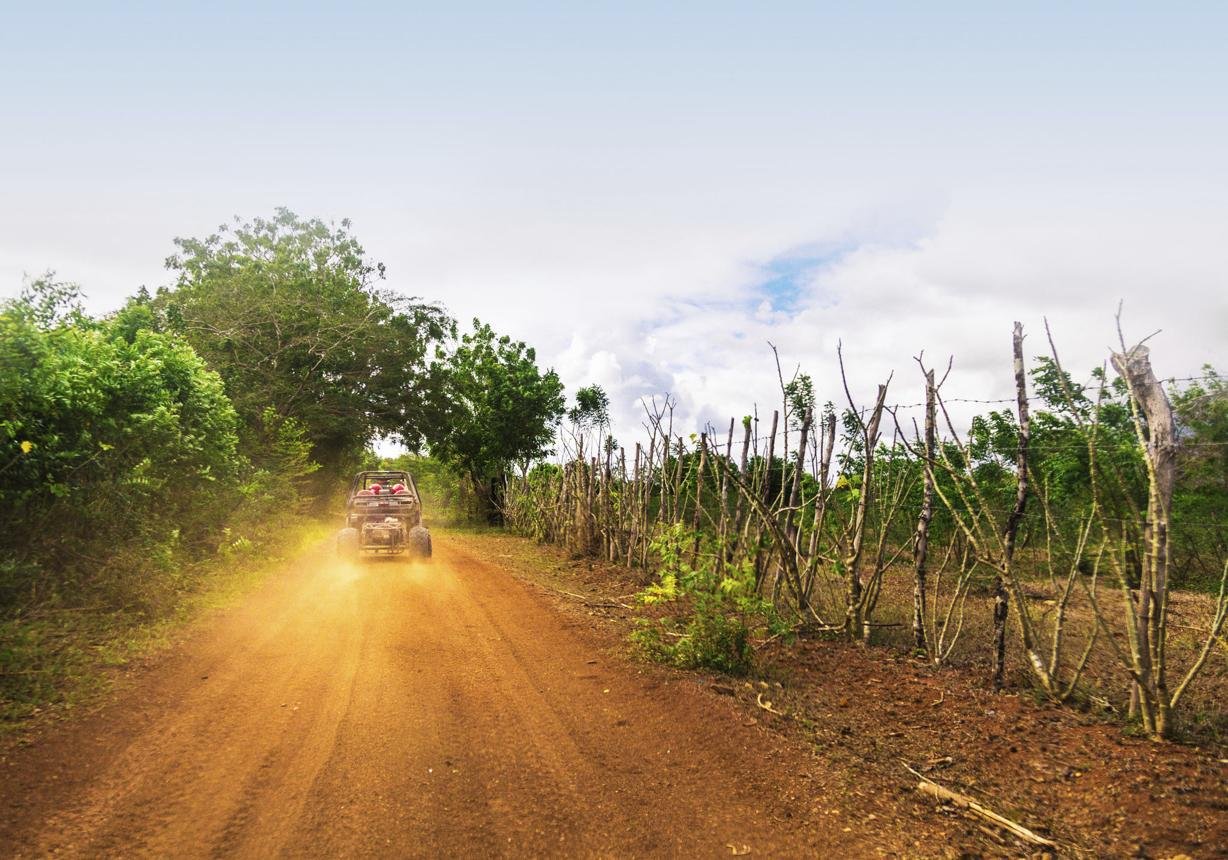
The Dominican Republic offers interesting opportunities for adventurous road trippers, although it is not a traditional RV destination. The main highways make it possible to cover considerable distances, while secondary roads lead to beaches, mountain villages, plantations, and remote landscapes.
Popular Overland Routes
Santo Domingo to Samaná
Santo Domingo → Samaná → Las Terrenas
A convenient introduction to the country’s northeastern coast.
North Coast
Puerto Plata → Sosúa → Cabarete → Río San Juan → Nagua
A scenic coastal journey combining beaches and water sports.
Mountain Route
Santo Domingo → Jarabacoa → Constanza
Ideal for cooler temperatures, mountain scenery, and outdoor activities.
Southwest Explorer
Santo Domingo → Barahona → Pedernales → Bahia de las Aguilas
One of the country’s most spectacular road trips.
Road Conditions
Main highways are generally good, while secondary roads can vary significantly.
Expect:
- Paved highways
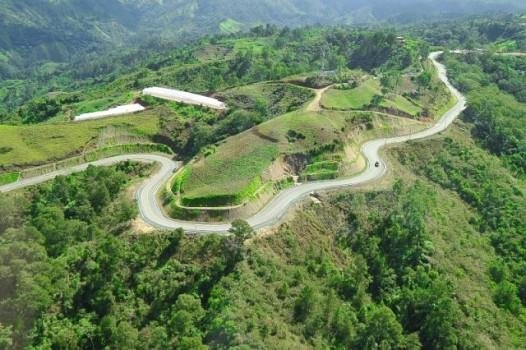
- Narrow mountain roads
- Potholes
- Rural roads
- Heavy urban traffic
- Motorcycles
Driving requires more attention than in many European destinations.
Backpacking in the Dominican Republic
The Dominican Republic is suitable for independent travelers and offers a wide range of accommodation.
Accommodation
Options include:
- Hostels
- Guesthouses
- Budget hotels
- Beach hostels
- Eco-lodges
Popular backpacker bases include Santo Domingo, Las Terrenas, Cabarete, and Puerto Plata.
Transportation
Travel using:
- Public buses
- Long-distance coaches
- Guaguas
- Shared taxis
- Ferries
- Domestic flights
Long-distance buses are useful for connecting major cities.
Backpacking Highlights
- Santo Domingo
- Las Terrenas
- Samaná
- Cabarete
- Puerto Plata
- Jarabacoa
- Bayahibe
Camping
Camping is possible but less developed than in North America or Europe.
Campgrounds
Some eco-lodges, rural properties, and adventure destinations offer camping.
Wild Camping
Wild camping should be approached cautiously. Obtain permission from landowners and avoid protected areas unless camping is specifically permitted.
The country’s tropical climate also means travelers should consider mosquitoes, heavy rainfall, heat, and access to drinking water.
RV & Motorhome Travel
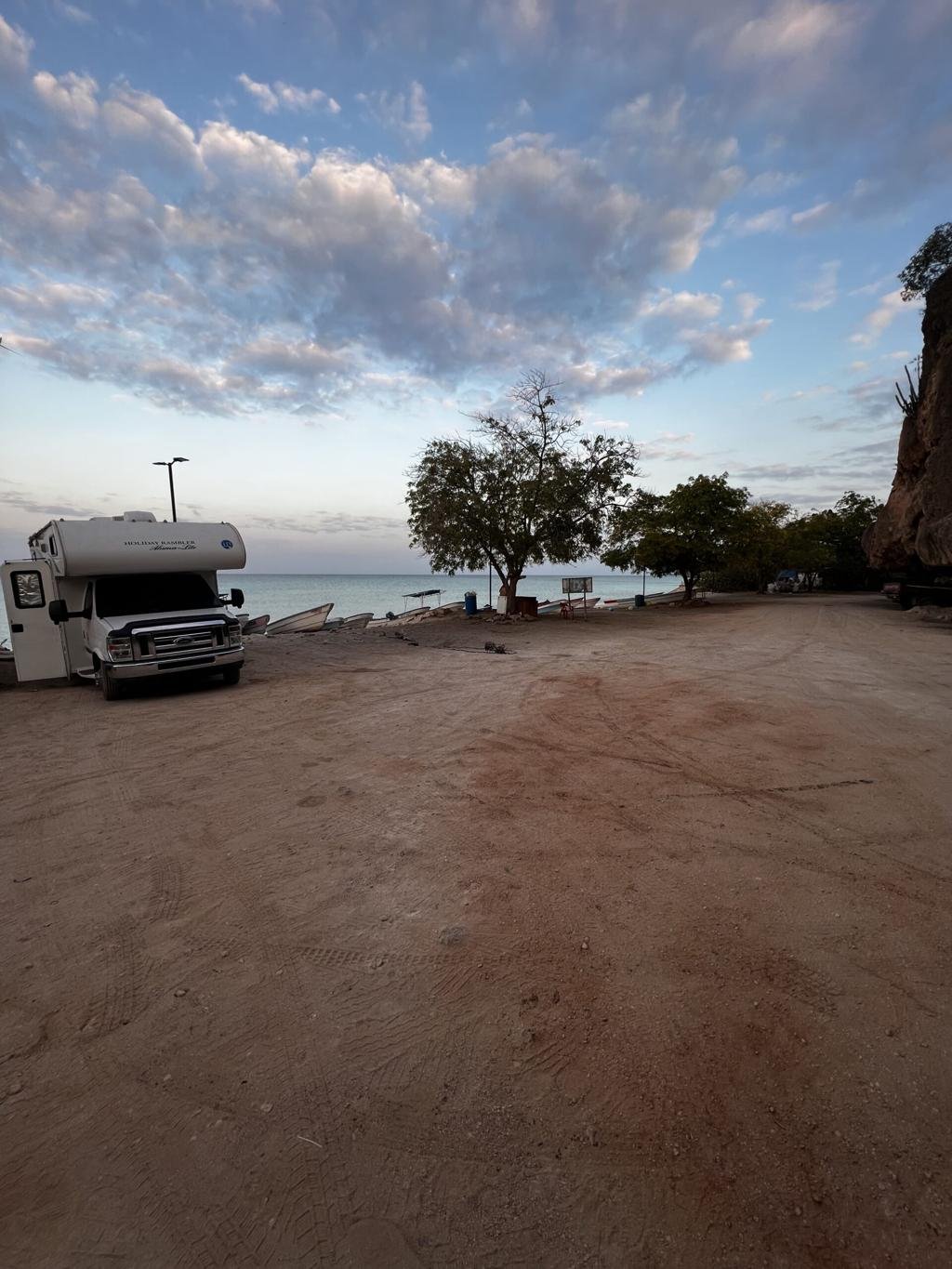
The Dominican Republic has limited dedicated RV infrastructure.
A small campervan or four-wheel-drive camper is generally more practical than a large motorhome.
Practical Considerations
Motorhome travelers should expect:
- Limited RV parks
- Narrow roads in rural areas
- Limited dump stations
- Few dedicated motorhome services
- Challenging urban traffic
For travelers bringing a vehicle into the country, shipping and import procedures need to be arranged in advance.
Driving in the Dominican Republic
Driving allows access to many destinations that are difficult to reach by public transportation.
Things to Know
- Drive on the right.
- Motorcycles are common.
- Traffic can be unpredictable.
- Rural roads may have potholes.
- Mountain roads can be narrow.
- Avoid unnecessary night driving in unfamiliar areas.
The major highways provide much easier driving than smaller rural roads.
Border Crossings
The Dominican Republic shares the island of Hispaniola with Haiti.
The principal land crossings include routes around:
- Dajabón
- Jimaní
- Elías Piña
- Pedernales
Border conditions and crossing procedures can change, and travelers should verify current requirements before attempting an overland crossing.
The Dominican Republic is also accessible by international ferry connections from other Caribbean destinations, depending on current services.
Visa & Entry Requirements
Entry requirements vary according to nationality.
Many tourists can enter without obtaining a traditional visa in advance, while some nationalities require visas.
Visitors should check:
- Passport validity
- Visa requirements
- Length of permitted stay
- Return or onward travel requirements
- Entry procedures
The Dominican Republic uses an electronic entry and exit process for travelers, and current requirements should be checked before departure.
Budget & Costs
The Dominican Republic offers a broad range of travel costs.
| Travel Style | Approximate Daily Budget |
|---|---|
| Backpacker | US$40–70 |
| Mid-range | US$90–180 |
| Comfortable | US$250+ |
| Campervan/RV | US$60–120 |
Resort areas such as Punta Cana can be considerably more expensive than rural destinations.
Beaches
The Dominican Republic has hundreds of kilometers of coastline.
Punta Cana
Best known for:
- Bávaro Beach
- Arena Gorda
- Macao
Samaná
Known for:
- Playa Rincón
- Playa Bonita
- Playa Cosón
Southwest
Bahia de las Aguilas provides one of the country’s most spectacular undeveloped coastal landscapes.
Diving & Snorkeling
The Dominican Republic offers excellent marine activities.
Popular destinations include:
- Bayahibe
- Punta Cana
- Sosúa
- Catalina Island
- Saona Island
Marine life includes:
- Sea turtles
- Rays
- Tropical fish
- Reef sharks
- Dolphins
- Humpback whales
Catalina Island is particularly popular for diving and snorkeling.
Hiking & Adventure
The mountains provide an entirely different side of the country.
Popular activities include:
- Hiking
- Canyoning
- Rafting
- Mountain biking
- Zip-lining
- Horse riding
Jarabacoa is the country’s main adventure center.
The Pico Duarte trek is the ultimate hiking challenge.
Wildlife & Nature
The Dominican Republic contains diverse tropical ecosystems.
Wildlife includes:
- Hispaniolan solenodon
- Hispaniolan hutia
- Rhinoceros iguana
- Flamingos
- Pelicans
- Humpback whales
- Sea turtles
- Dolphins
Important protected areas include:
- Los Haitises National Park
- Jaragua National Park
- Cotubanamá National Park
- Valle Nuevo National Park
- José Armando Bermúdez National Park
Food & Culture
Dominican cuisine combines Indigenous Taíno, African, Spanish, and Caribbean influences.
Popular dishes include:
- La bandera
- Sancocho
- Mangu
- Mofongo
- Tostones
- Pollo guisado
- Fresh seafood
- Habichuelas
- Dulce de leche
Music and dance are central to Dominican culture.
The country is internationally famous for:
- Merengue
- Bachata
- Baseball
- Carnival
Visitors will encounter lively music throughout towns, restaurants, and local celebrations.
History
The Dominican Republic has played a central role in Caribbean history.
Santo Domingo was established in the late 15th century and became an important center of Spanish colonial expansion in the Americas.
The country’s history subsequently included:
- Spanish colonial rule
- French influence on Hispaniola
- Haitian occupation
- Dominican independence
- Political instability
- Modern democratic development
The Zona Colonial of Santo Domingo provides the best introduction to the country’s colonial heritage.
Safety
The Dominican Republic is a popular tourist destination, but travelers should take sensible precautions.
Travelers should:
- Protect valuables in crowded areas.
- Use reputable transportation providers.
- Be particularly cautious with belongings in busy tourist areas.
- Take care when driving.
- Avoid isolated areas after dark.
- Follow local advice during tropical storms and hurricanes.
Road safety deserves particular attention because traffic patterns can be unpredictable.
Frequently Asked Questions
Is the Dominican Republic worth visiting?
Absolutely. Beyond its famous resorts, the country offers colonial cities, mountains, rainforests, waterfalls, remote beaches, marine parks, and a vibrant Caribbean culture.
Is the Dominican Republic safe?
Millions of tourists visit every year, but normal precautions are advisable. Travelers should pay particular attention to valuables, transportation, and road safety.
Is the Dominican Republic good for road trips?
Yes. A road trip is an excellent way to experience destinations beyond the major resorts. The Samaná Peninsula, northern coast, central mountains, and southwest are particularly rewarding.
Can you travel the Dominican Republic by campervan?
It is possible, but RV infrastructure is limited. Smaller campervans and four-wheel-drive vehicles are more practical than large motorhomes.
Can you cross the Dominican Republic by land?
Yes. The Dominican Republic shares its only land border with Haiti. Border conditions and procedures should be checked before travel.
What are the best places to visit?
Major highlights include:
- Santo Domingo
- Punta Cana
- Samaná
- Las Terrenas
- Puerto Plata
- Cabarete
- Bayahibe
- Jarabacoa
- Pico Duarte
- Bahia de las Aguilas
- Los Haitises National Park
How many days do you need?
A week is enough for a beach-and-city introduction. Two weeks allows a road trip combining the coast, mountains, and historic sites, while three weeks or more allows time to explore the remote southwest and interior.
What is the Dominican Republic famous for?
The country is best known for:
- Caribbean beaches
- Punta Cana
- Santo Domingo’s Colonial Zone
- Merengue and bachata
- Baseball
- Samaná’s humpback whales
- Pico Duarte
- Tropical mountains
- Waterfalls
- Dominican cuisine
- Vibrant Caribbean culture