Quick Facts
Best time to visit: April–June and September–November
Difficulty: 2.5/5
Road conditions: Good highways and mountain roads, heavy traffic around major cities
Visa situation: Visa requirements vary by nationality; many travelers can obtain a visa on arrival
Why Overland Lebanon?
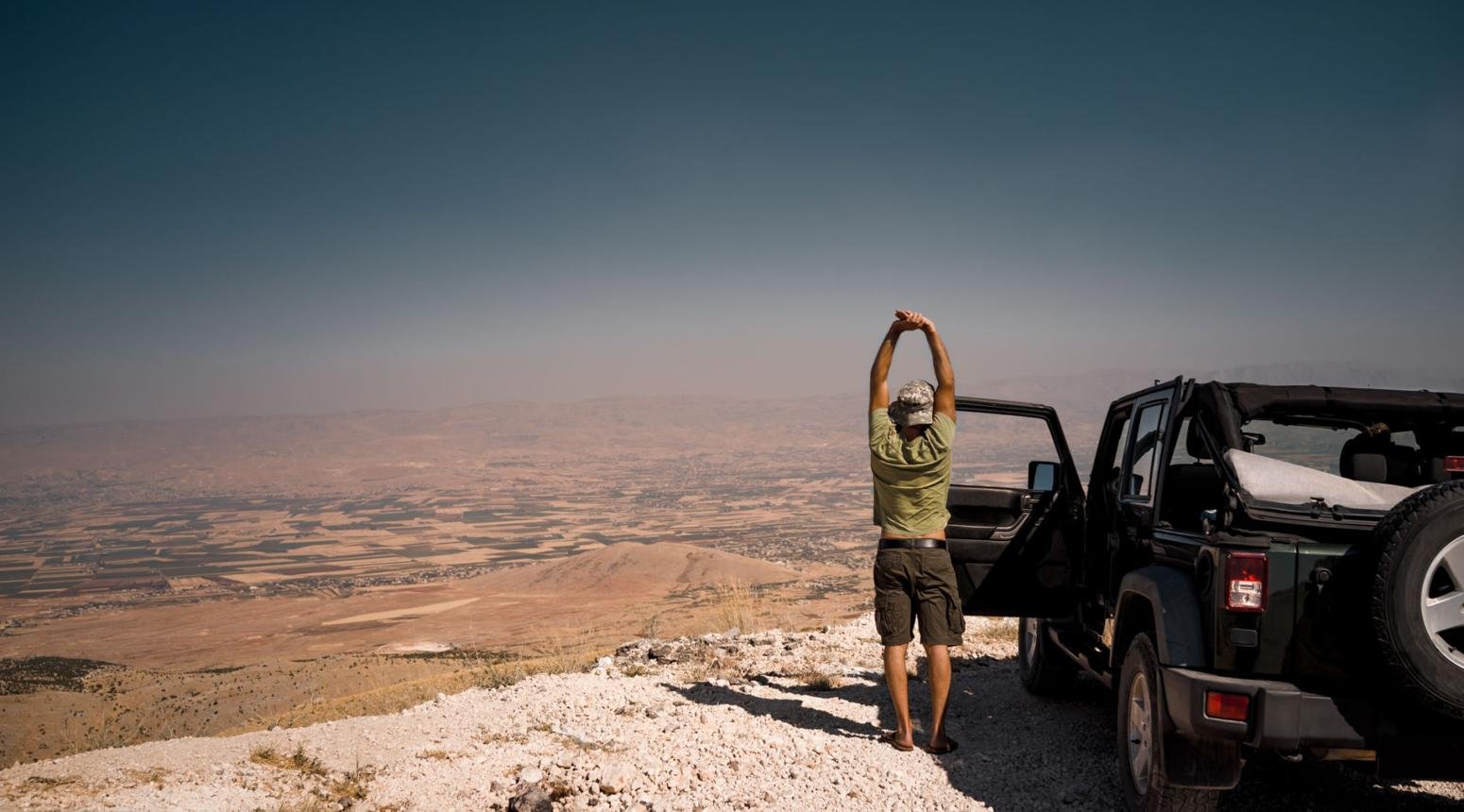
Lebanon may be small, but it offers one of the highest concentrations of scenery, history, and culture in the Middle East.
Within a few hours of driving, travelers can move from Mediterranean beaches to snow-capped mountains, ancient Roman ruins, cedar forests, wine regions, and vibrant cities.
Why it stands out:
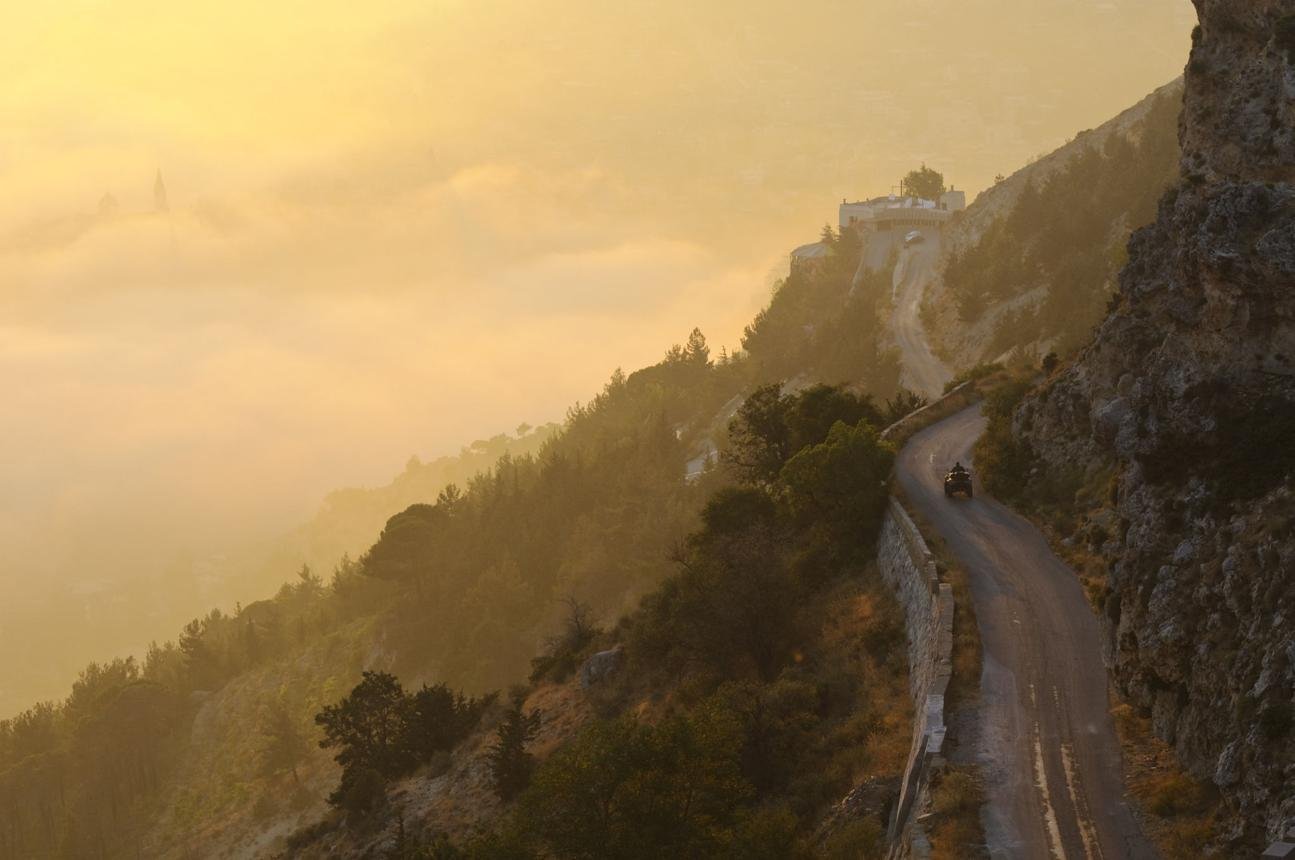
- spectacular mountain roads
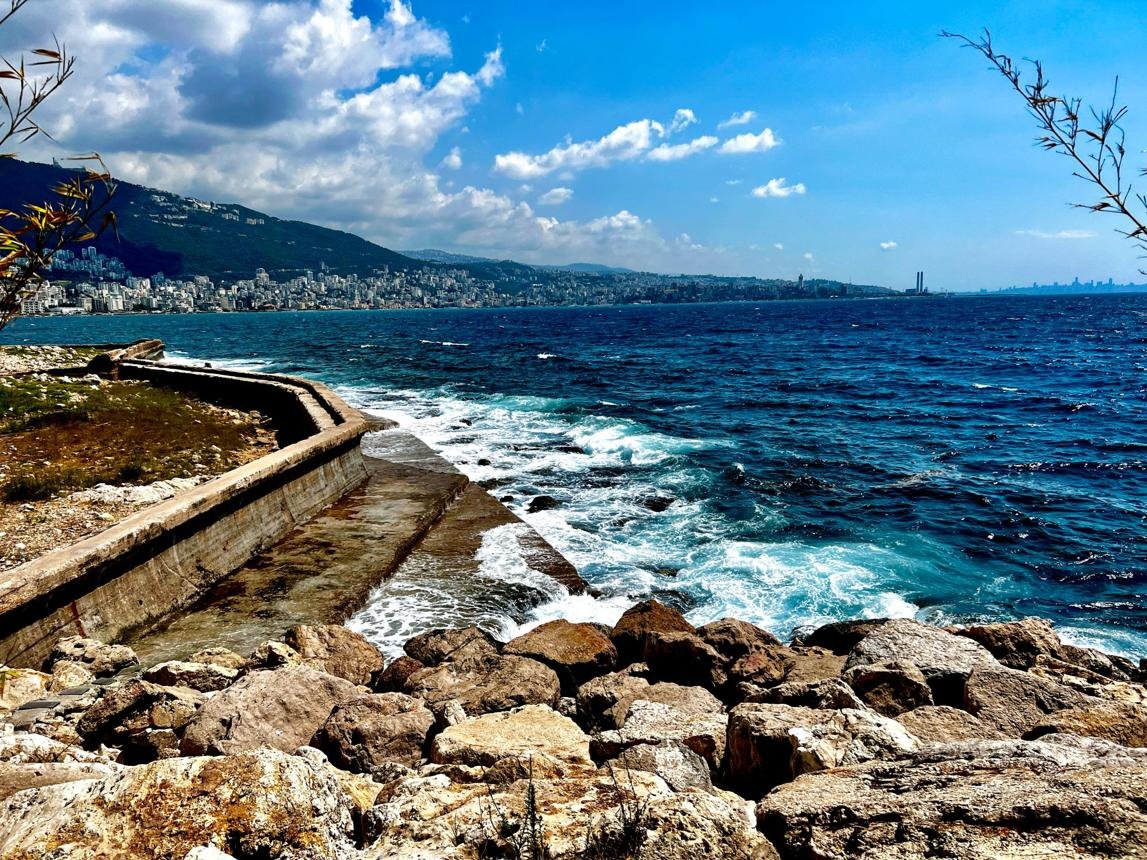
- Mediterranean coastline
- ancient history
- world-famous cuisine
- cedar forests
- Roman ruins
- vibrant culture
- compact travel distances
Lebanon is ideal for travelers who enjoy scenic driving and cultural exploration.
One day you can be exploring Roman temples in Baalbek, the next driving through cedar forests, and later watching the sunset along the Mediterranean coast.
Main Overlanding Routes
1. Lebanon Grand Tour
8
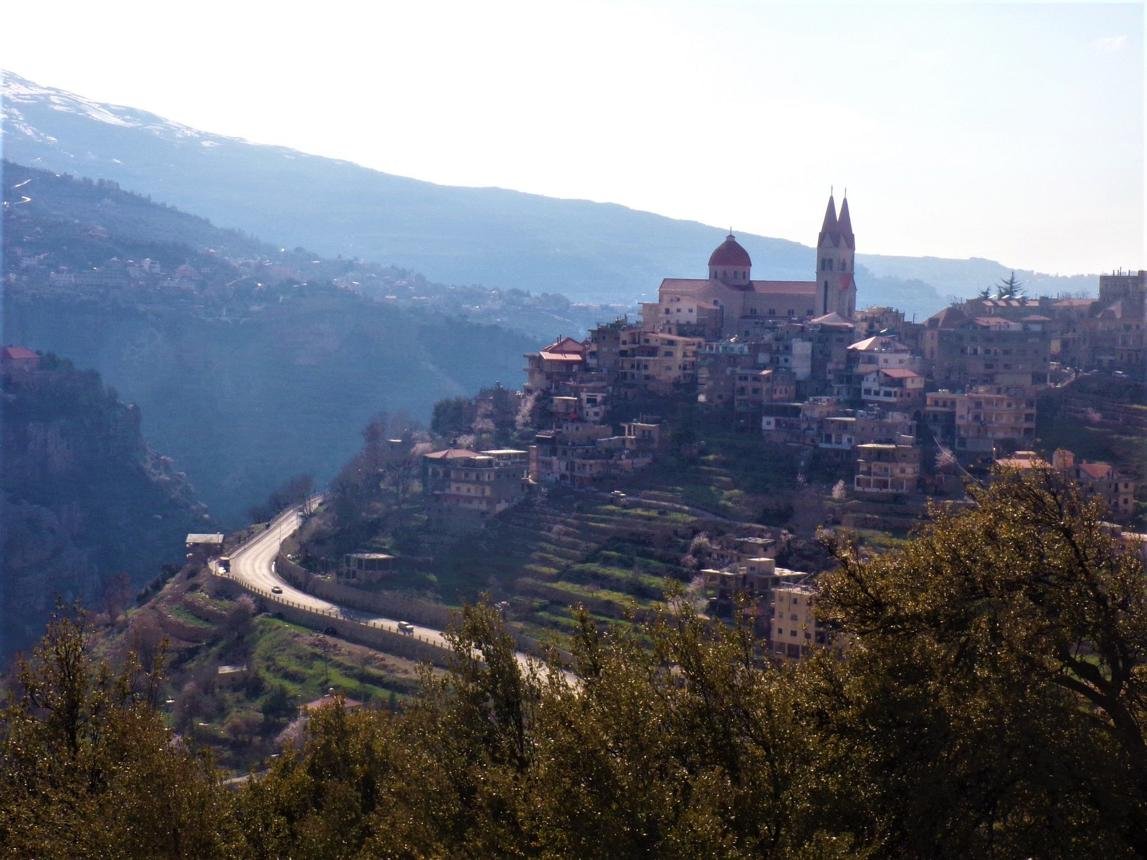
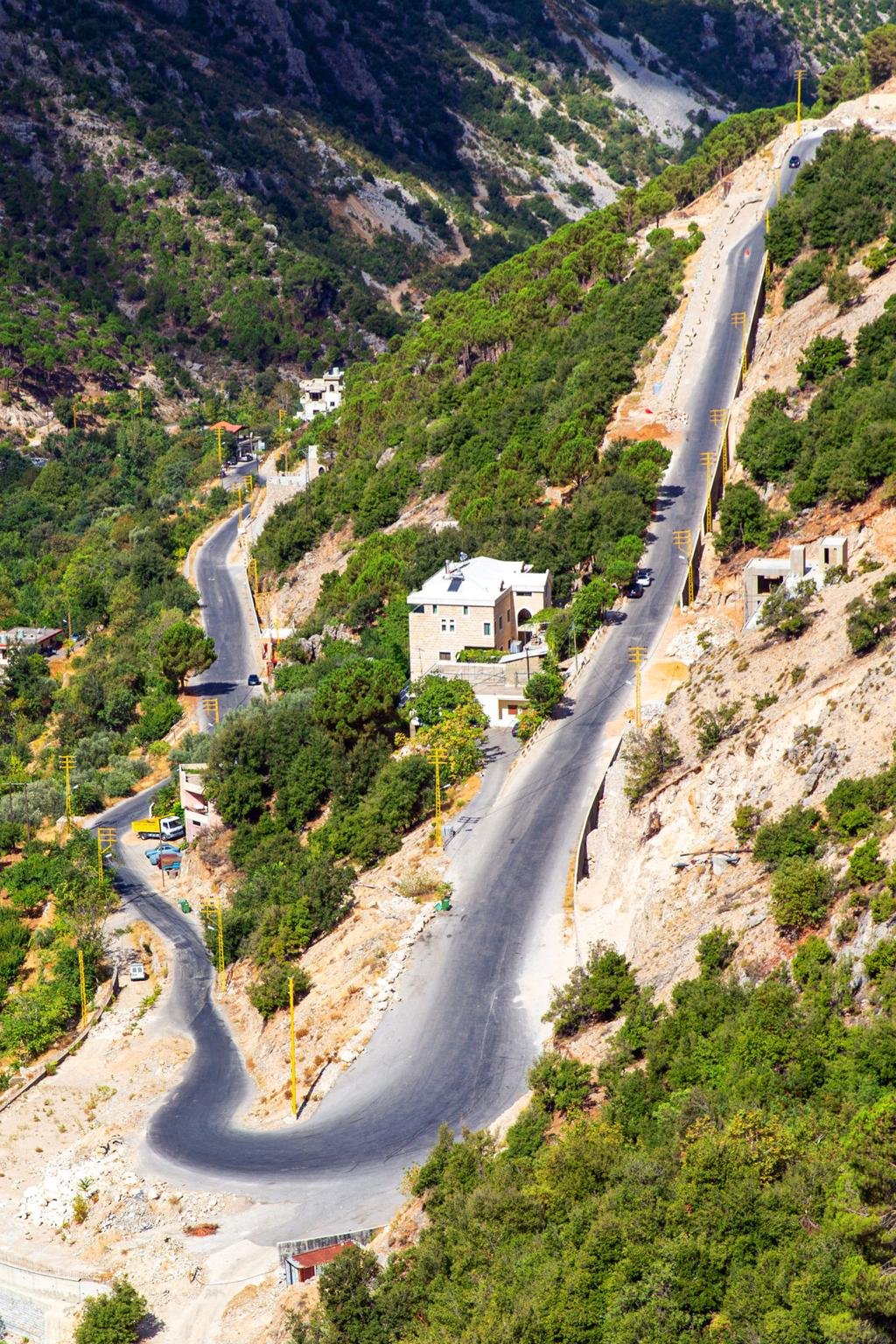
Route: Beirut – Byblos – Cedars – Baalbek – Bekaa Valley – Beirut
Distance: approx. 600–800 km
Road type: highways and mountain roads
Fuel: widely available
The ultimate Lebanon road trip.
Highlights:
- mountains
- Roman ruins
- cedar forests
- coastal towns
- vineyards
Perfect for:
- campervans
- 4x4s
- independent travelers
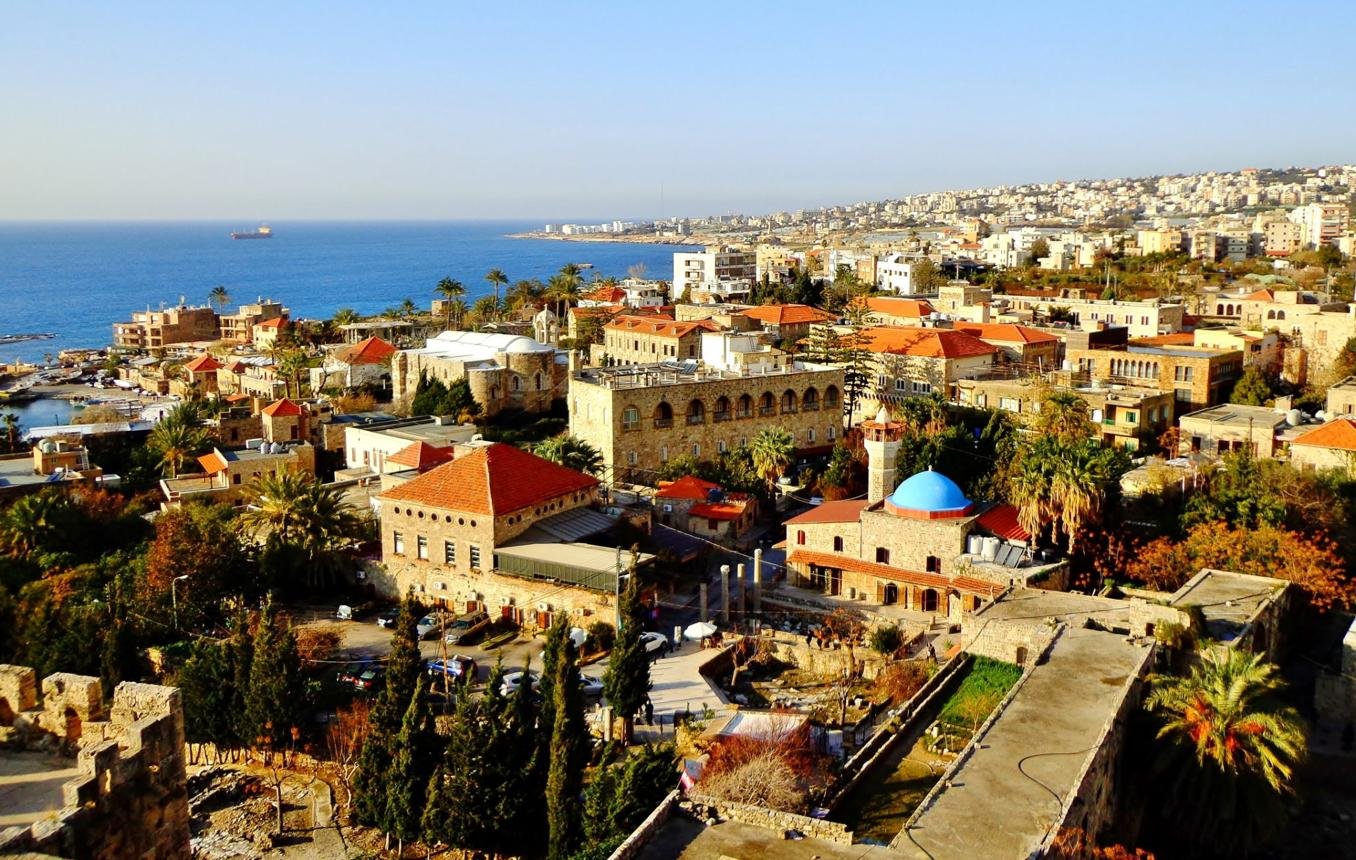
2. Coastal Route
8
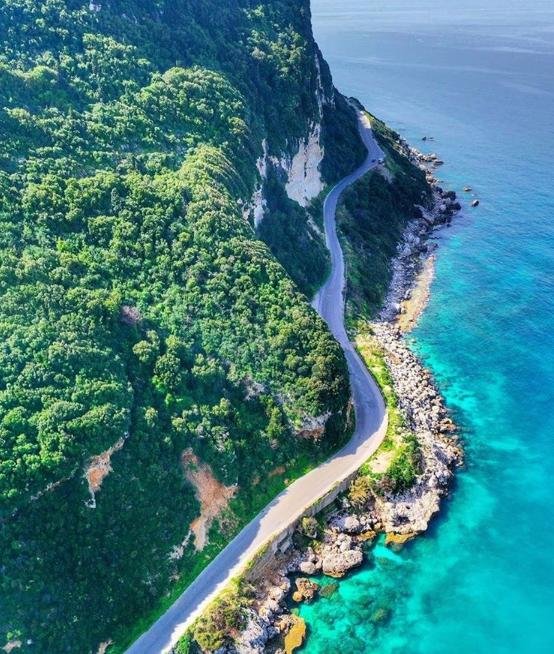
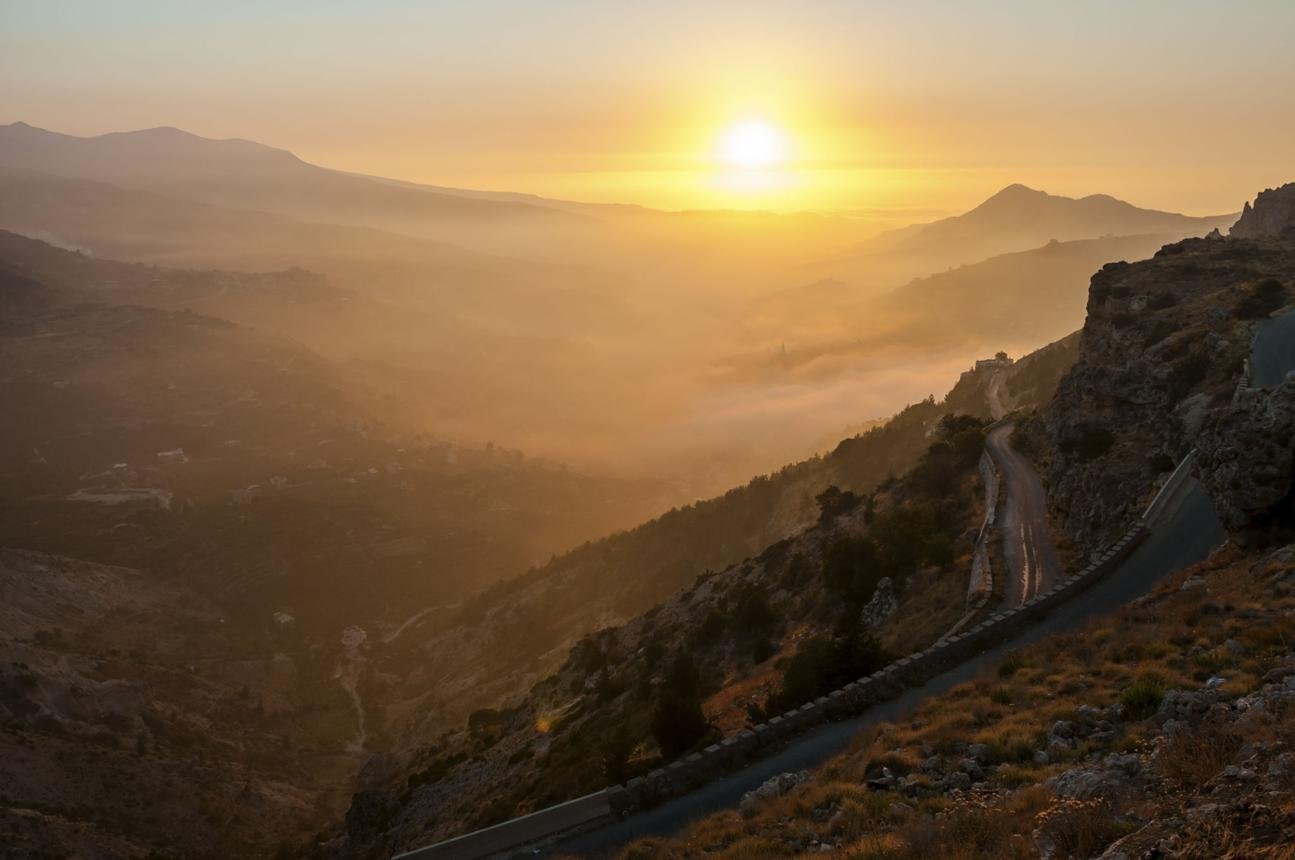
One of the country’s most enjoyable drives.
Route: Tripoli – Byblos – Beirut – Sidon – Tyre
Highlights:
- Mediterranean views
- historic ports
- beaches
- seafood restaurants
Major attractions:
- Byblos
- Sidon
- Tyre
Excellent for a leisurely road trip.
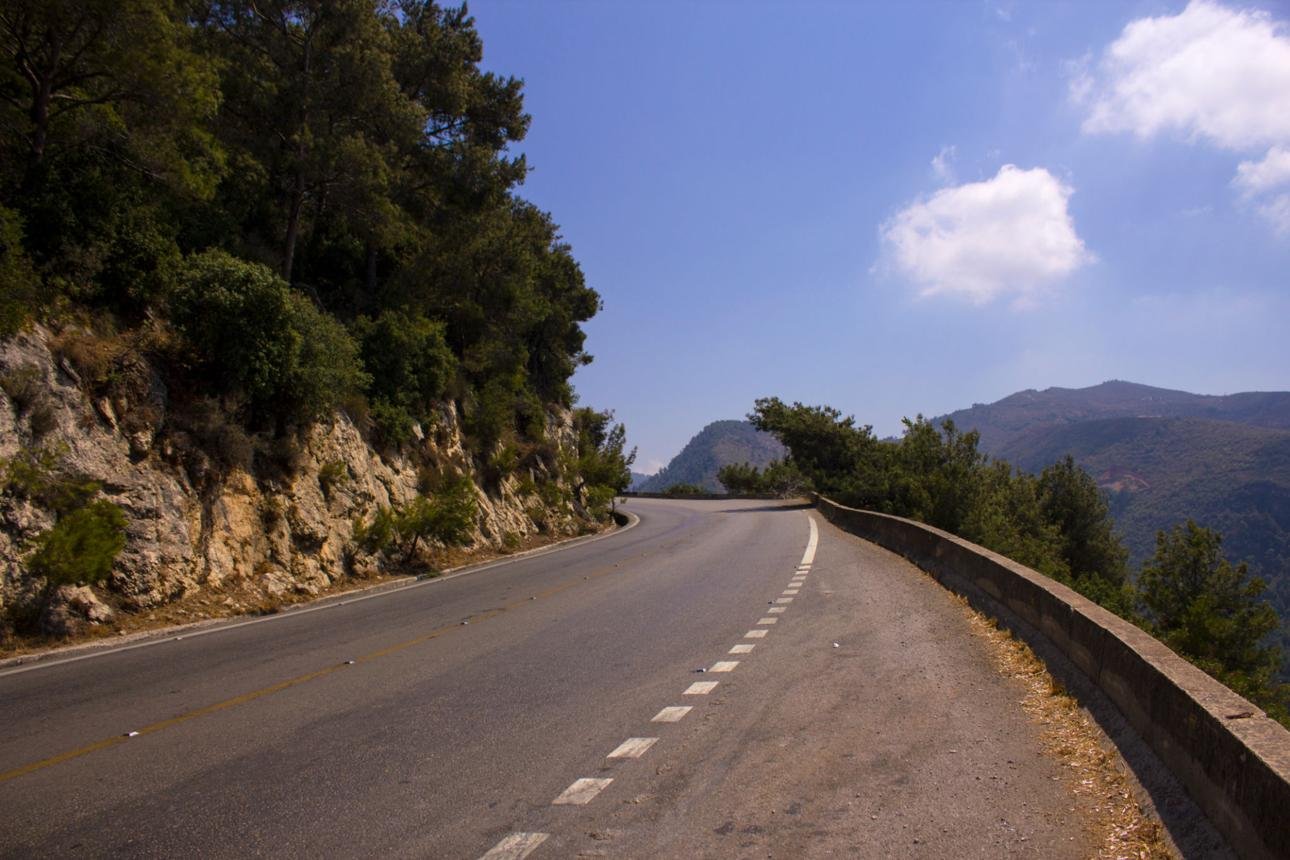
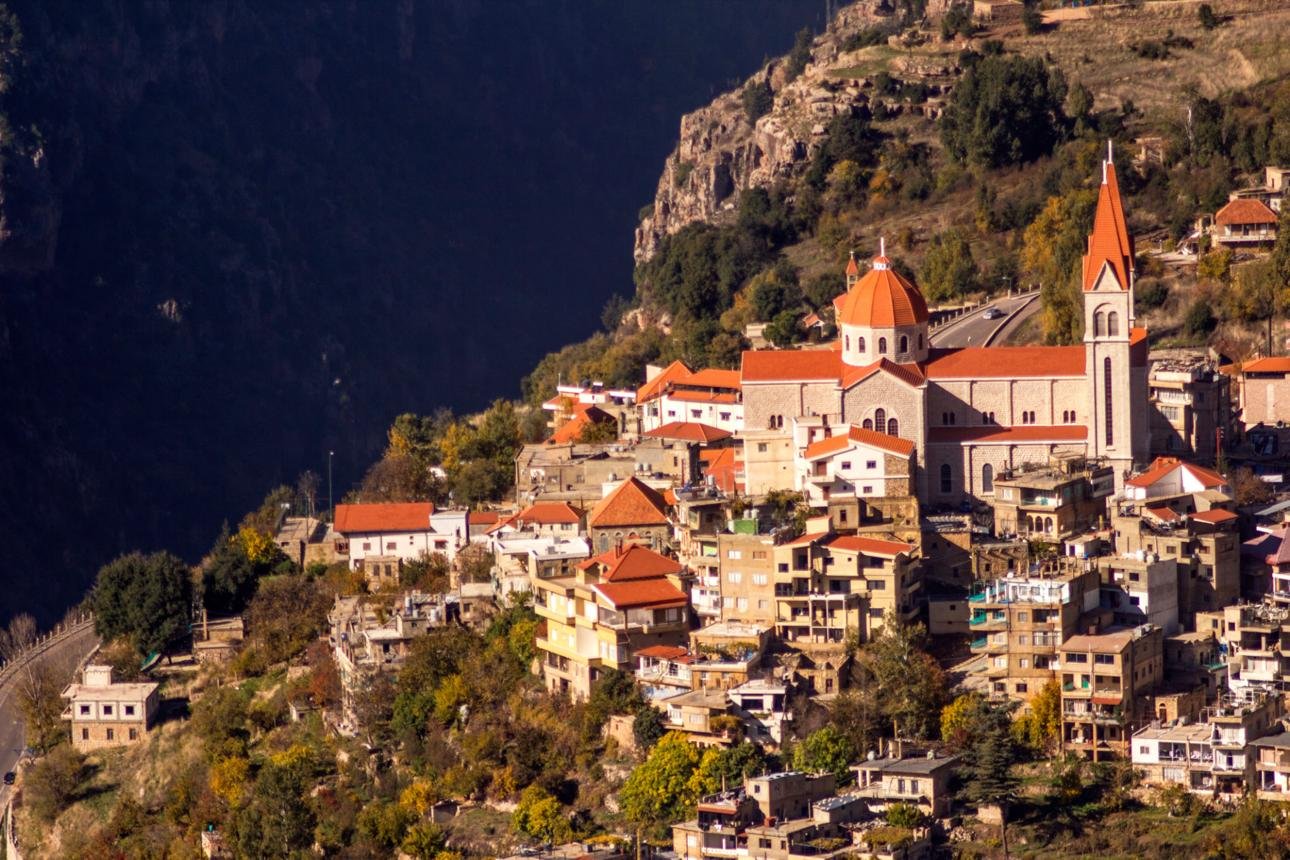
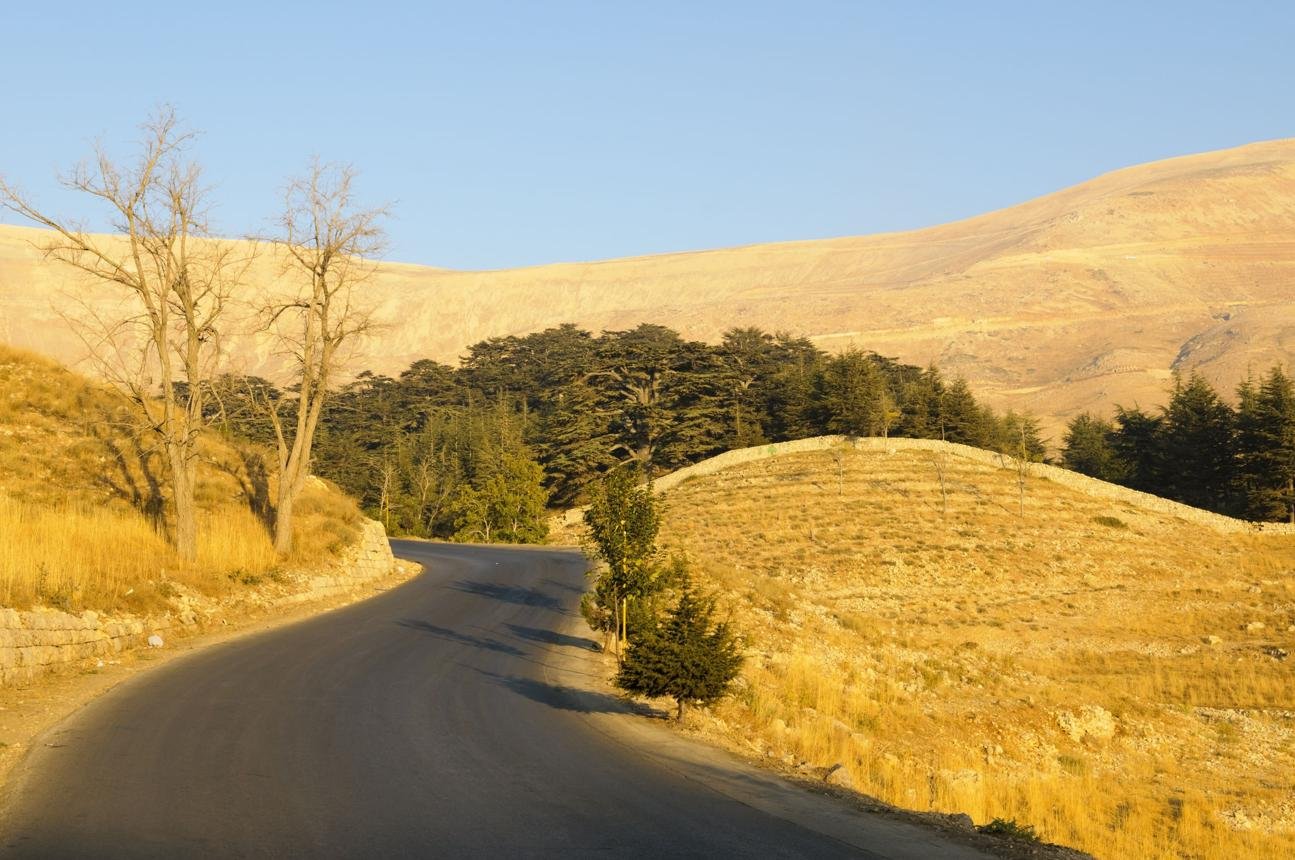
3. Cedars of Lebanon Route
7
One of the country’s most famous journeys.
Highlights:
- mountain scenery
- cedar forests
- alpine villages
- hiking trails
Major attractions:
- Cedars of God
- Bsharri
Among the most beautiful drives in Lebanon.
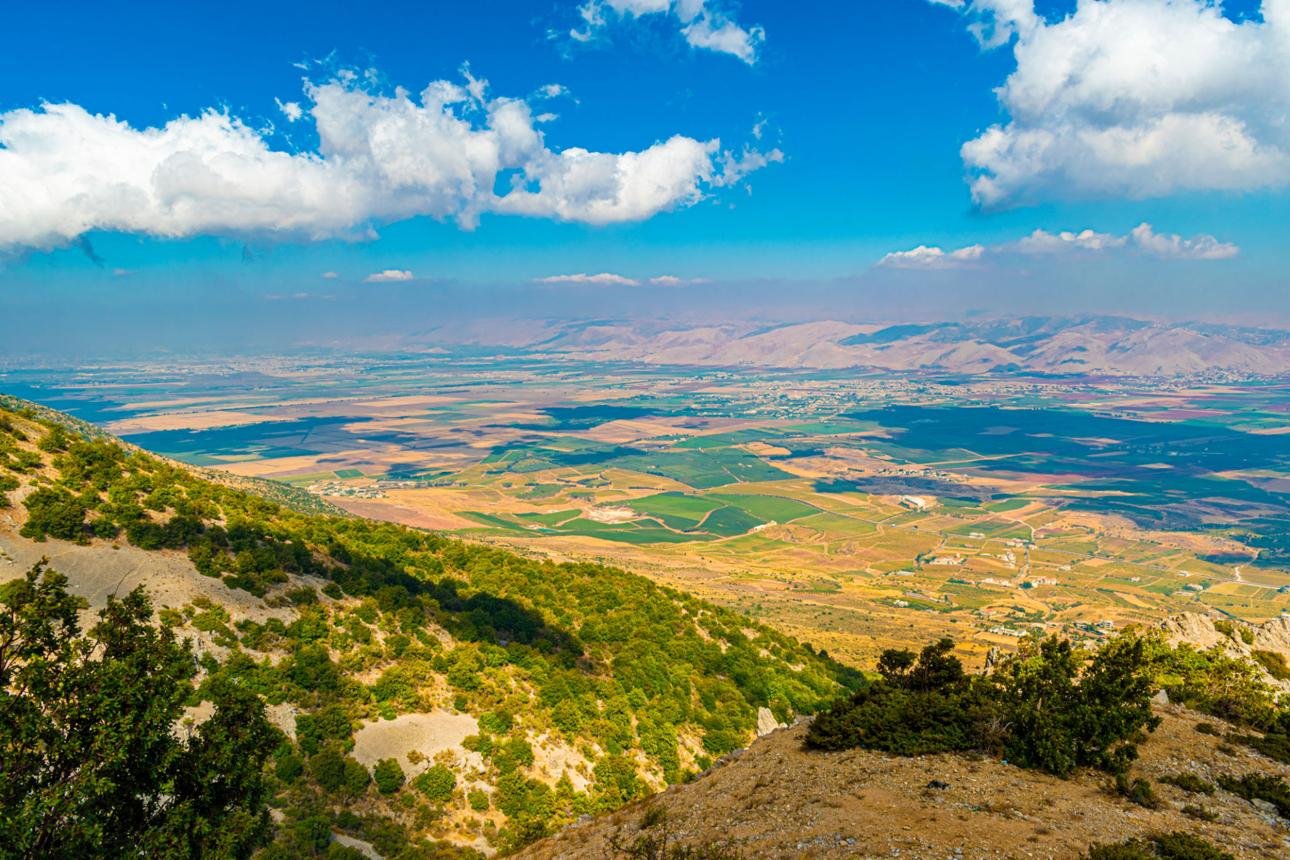
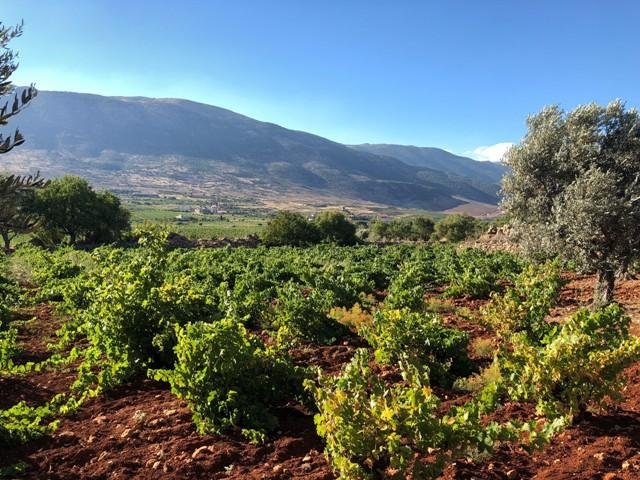
4. Bekaa Valley Route

8
A scenic inland route.
Highlights:
- vineyards
- mountain views
- archaeological sites
- traditional villages
Major attractions:
- Zahle
- Baalbek
One of the country’s most culturally rich regions.
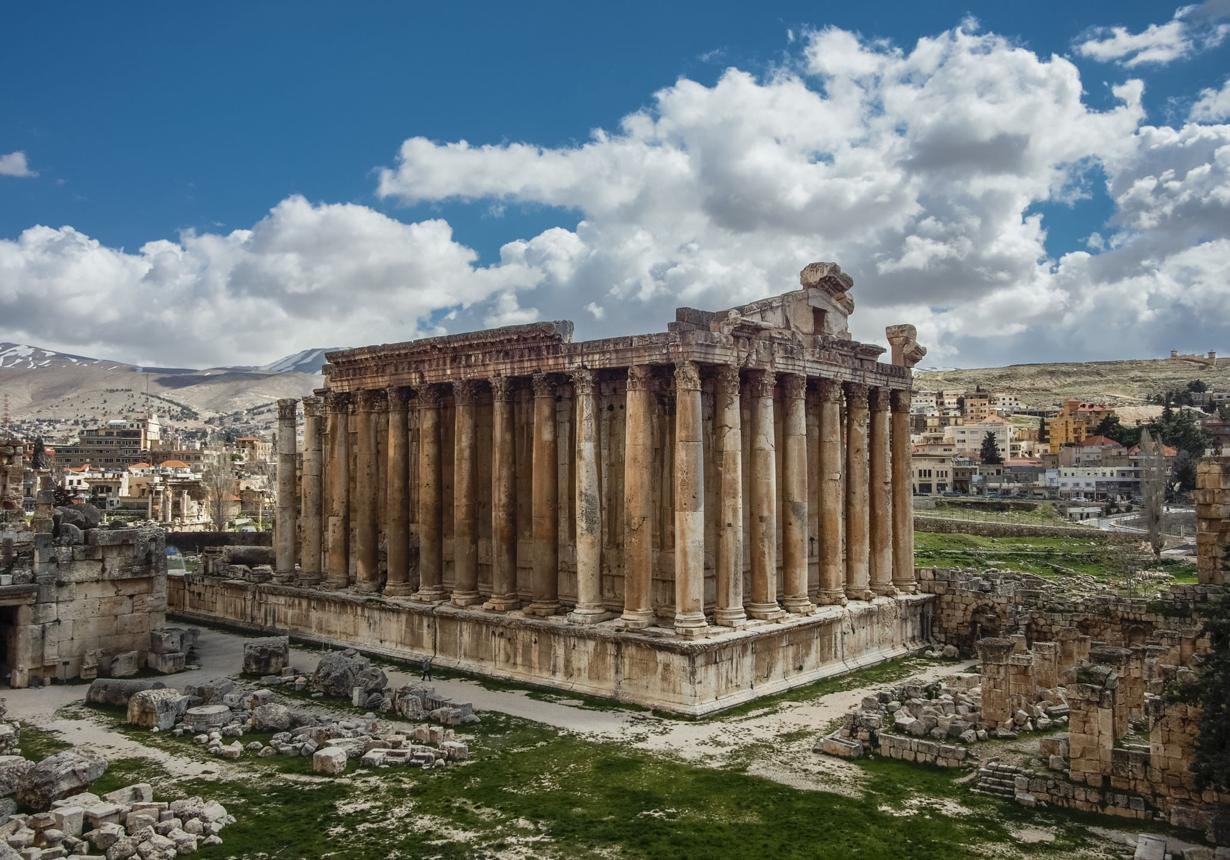
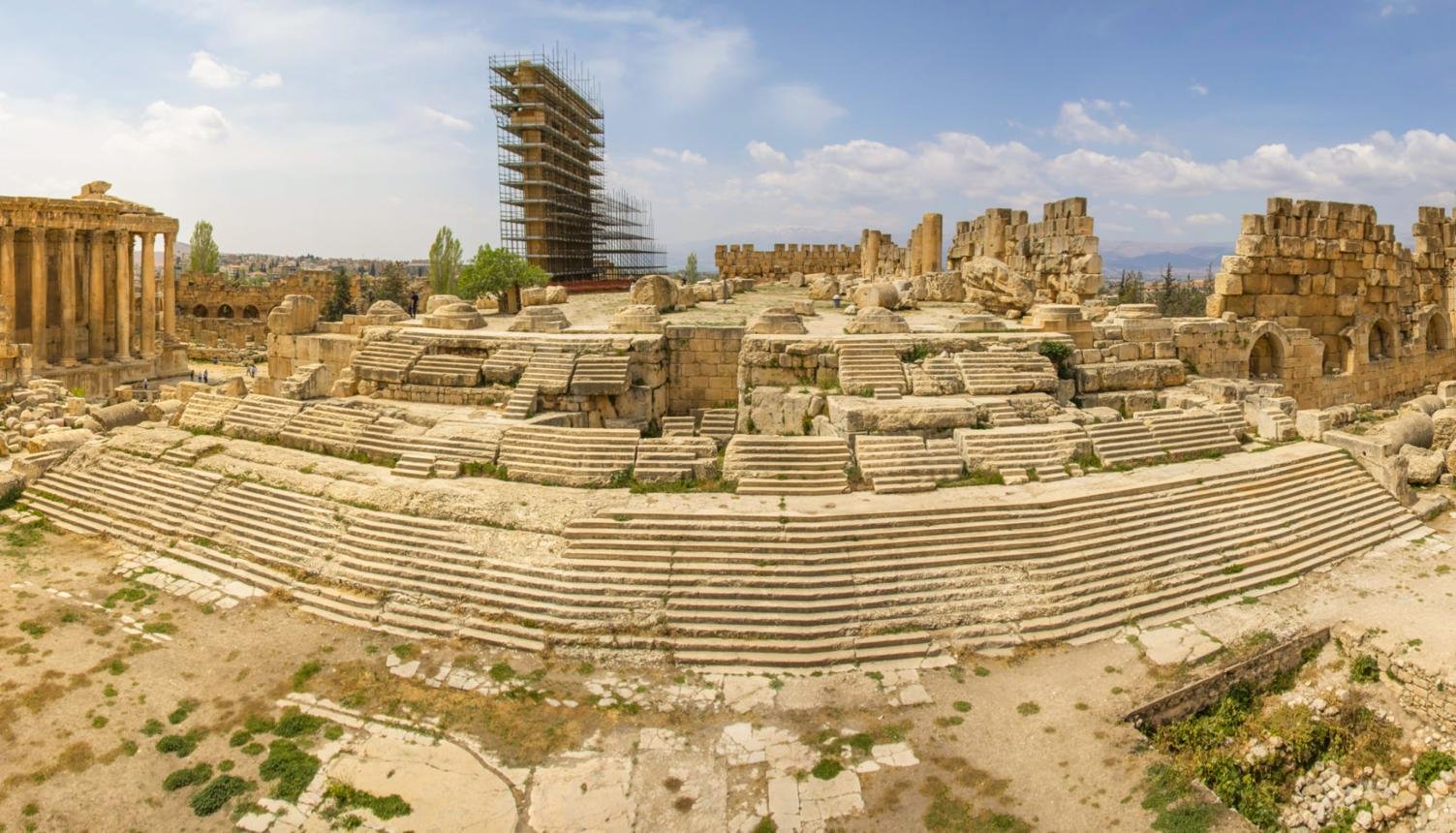
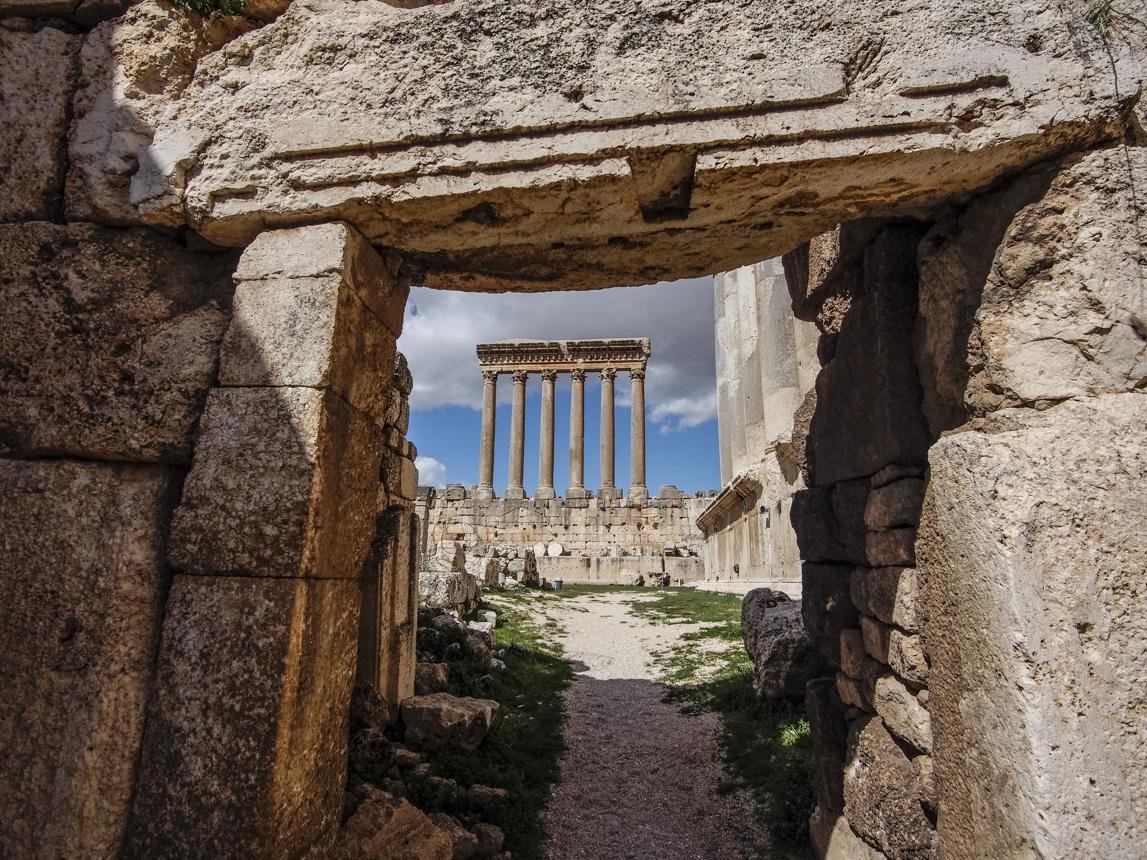
5. Baalbek Route
8
A must for history enthusiasts.
Highlights:
- Roman architecture
- archaeological sites
- mountain scenery
Major attraction:
- Baalbek
Home to some of the largest Roman temples ever built.
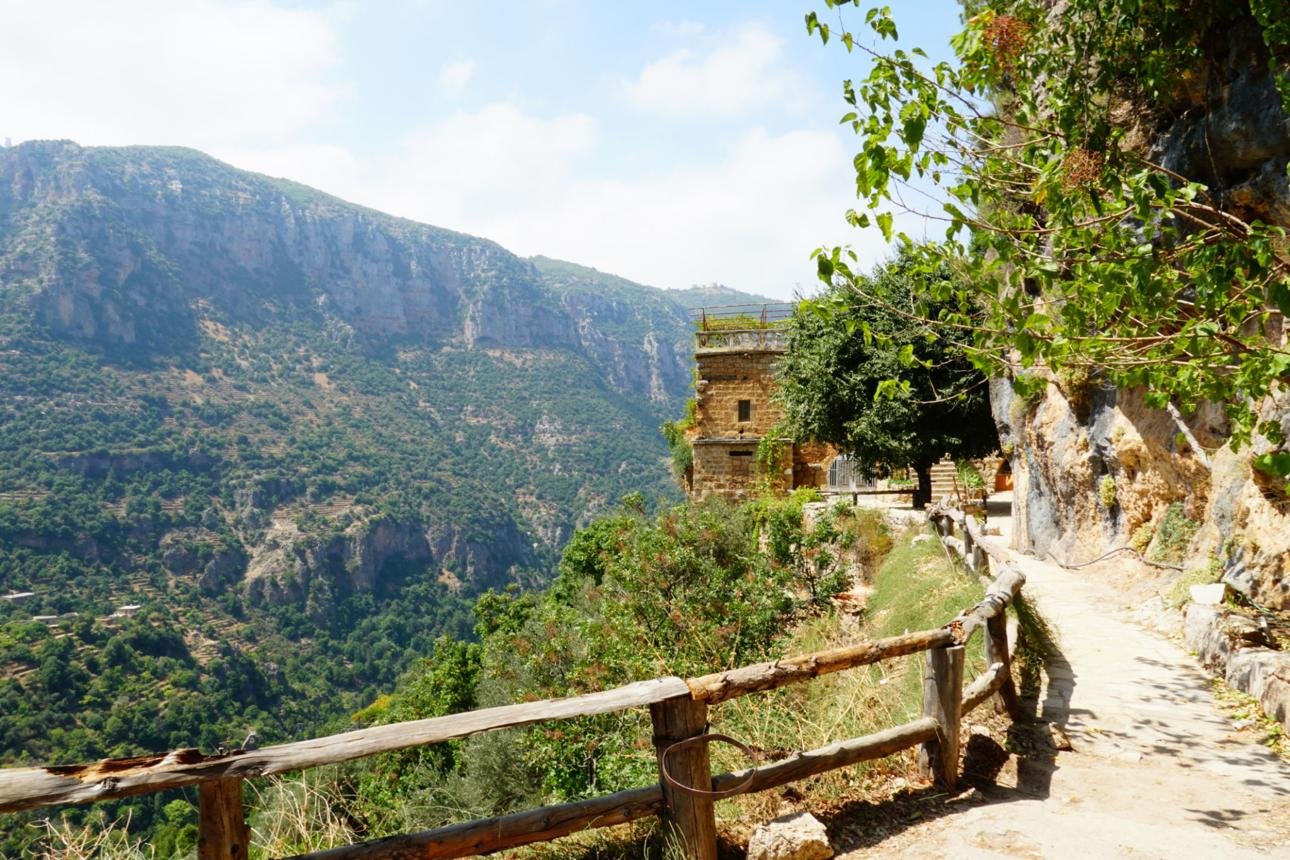
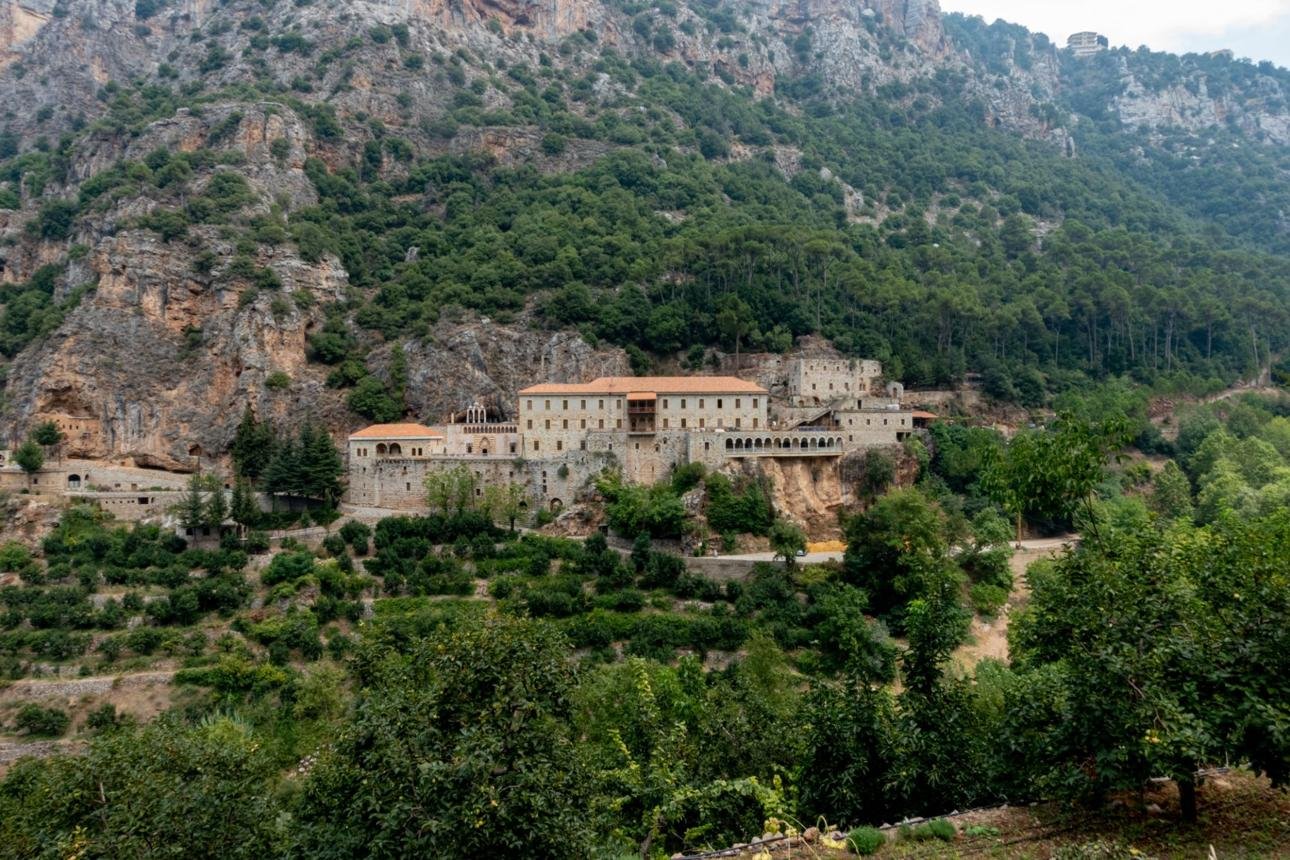
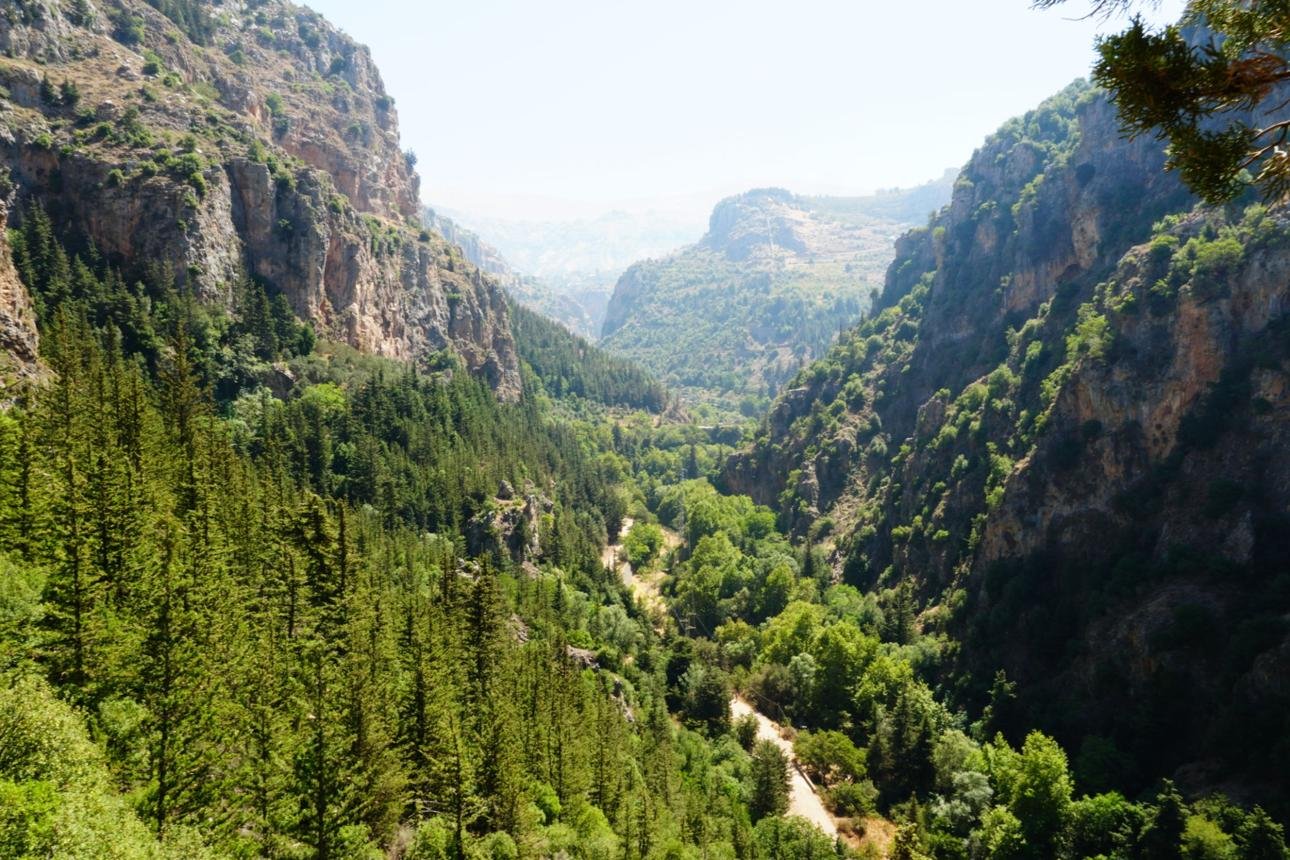
6. Qadisha Valley Route
7
One of Lebanon’s most scenic regions.
Highlights:
- deep gorges
- monasteries
- hiking
- mountain villages
Major attraction:
- Qadisha Valley
A UNESCO World Heritage Site.
Borders & Entry Points
Lebanon borders:
- Syria
- Israel
Syria
The primary overland entry and exit route.
Border procedures and regulations should always be checked before travel.
Regional Considerations
Border regulations and regional security situations can change rapidly.
Travelers should verify the latest information before planning an overland journey.
Vehicle Entry Requirements
Usually required:
- passport
- visa (if applicable)
- vehicle registration
- insurance
- temporary import permit
- driver’s license
Regulations may change and should always be confirmed before travel.
Driving Conditions
Driving in Lebanon can be an adventure.
Easy:
- major highways
- coastal routes
Moderate:
- mountain roads
Challenging:
- urban traffic
- narrow village streets
- rush-hour driving around Beirut
Drivers should expect assertive local driving styles.
Fuel & Logistics
Generally good.
Expect:
- fuel stations nationwide
- mechanics in major towns
- supermarkets and supplies readily available
- excellent road access to most attractions
Most destinations are only a few hours apart.
Camping & Accommodation
Wild Camping
Possible in some mountain areas.
The best opportunities are found in:
- Cedars region
- Qadisha Valley
- remote mountain areas
Always seek permission where appropriate.
Campsites
Limited but available in selected regions.
Many travelers prefer:
- guesthouses
- mountain lodges
- eco-lodges
- hotels
Budget Accommodation
Widely available.
Options include:
- hostels
- guesthouses
- family-run hotels
Safety & Risks
Travel conditions can change depending on regional developments.
Potential considerations include:
- changing security situations
- traffic conditions
- mountain weather
- road closures
Travelers should always check current travel advisories before departure.
Best Time to Visit
Ideal
April–June
and
September–November
Comfortable temperatures and excellent driving conditions.
Summer
Excellent for mountain travel.
Coastal regions can be hot and busy.
Winter
Snow affects higher mountain routes.
Popular for skiing in the mountains.
Sample 10–14 Day Itinerary
Days 1–2: Beirut
Days 3–4: Byblos
Days 5–6: Cedars of God and Qadisha Valley
Days 7–8: Baalbek
Days 9–10: Zahle and Bekaa Valley
Days 11–14: Tyre and southern coast
FAQ
Is Lebanon good for overlanding?
Yes. It offers an outstanding combination of mountains, history, culture, and coastal scenery.
Need a 4×4?
No, though useful for remote mountain tracks.
Can you wild camp?
Possible in some mountain regions, subject to local conditions and regulations.
Good for campervans?
Reasonably good, although dedicated camper infrastructure is limited.
Best highlight?
The Cedars of Lebanon, Qadisha Valley, and Baalbek.
Related Pages
- Backpacking Lebanon
- RV Travel Lebanon
- Beirut
- Byblos
- Baalbek
- Tyre
- Cedars of God
- Qadisha Valley
- Zahle
- Middle East Overlanding Guide
- Jordan Overlanding Guide
- Turkey Overlanding Guide
- Lebanon Campsites Guide
- Getting around in Lebanon
- Overlanding in Lebanon