Quick Facts
Best time to visit: June–September and December–February
Difficulty: 5/5
Road conditions: Extremely variable, from paved highways to remote jungle tracks and roads that become impassable during rains
Visa situation: Visa required for most nationalities; vehicle paperwork mandatory
Why Overland the DRC?
Democratic Republic of the Congo is one of Africa’s ultimate overlanding challenges.
This vast country covers an area larger than Western Europe and contains some of the world’s largest rainforests, mighty rivers, active volcanoes, wildlife reserves, and remote regions rarely visited by international travelers.
Why it stands out:
- true expedition overlanding
- enormous scale
- Congo Basin rainforest
- active volcanoes
- remote wilderness
- challenging logistics
- very low tourism numbers
- some of Africa’s last frontier routes
The DRC is not a destination for casual road trips.
Road conditions, infrastructure limitations, security considerations, and huge distances mean that successful overlanding requires significant preparation and flexibility.
For experienced expedition travelers, however, the rewards can be extraordinary.
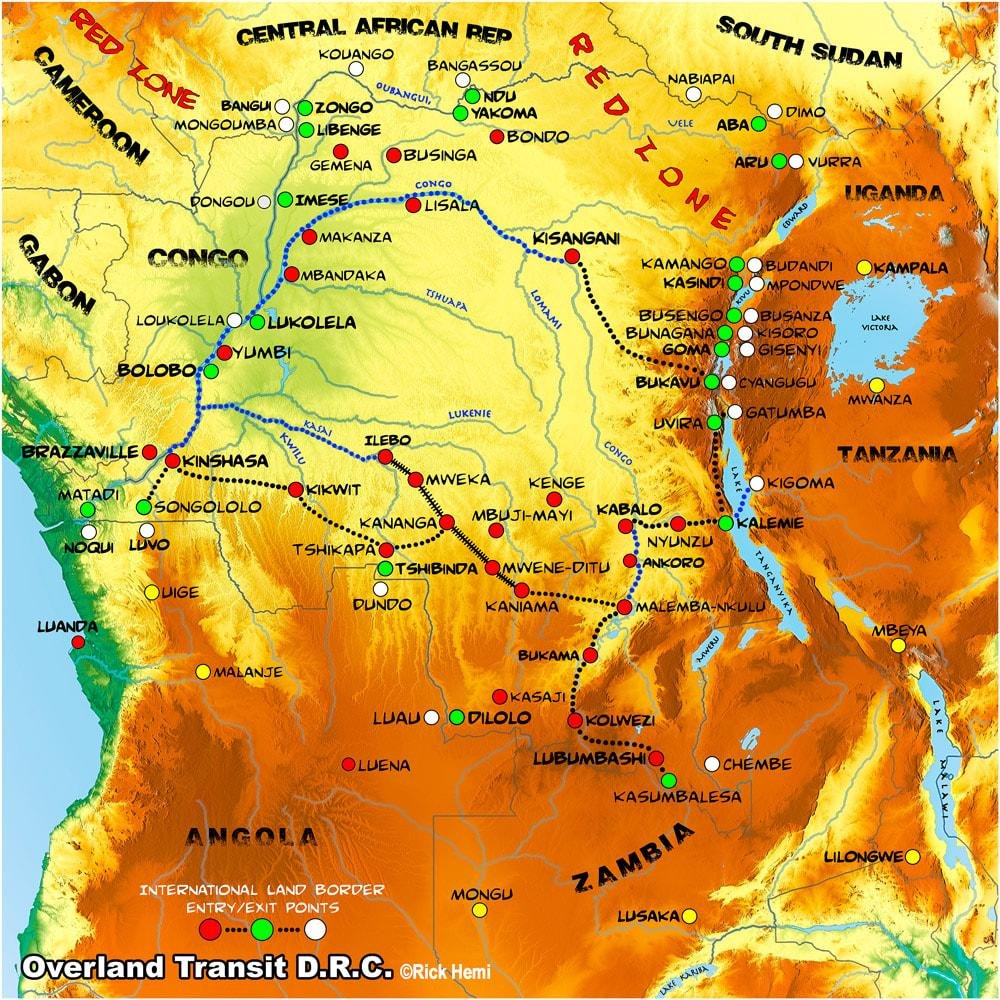
Main Overlanding Routes
1. Eastern Congo Route
9
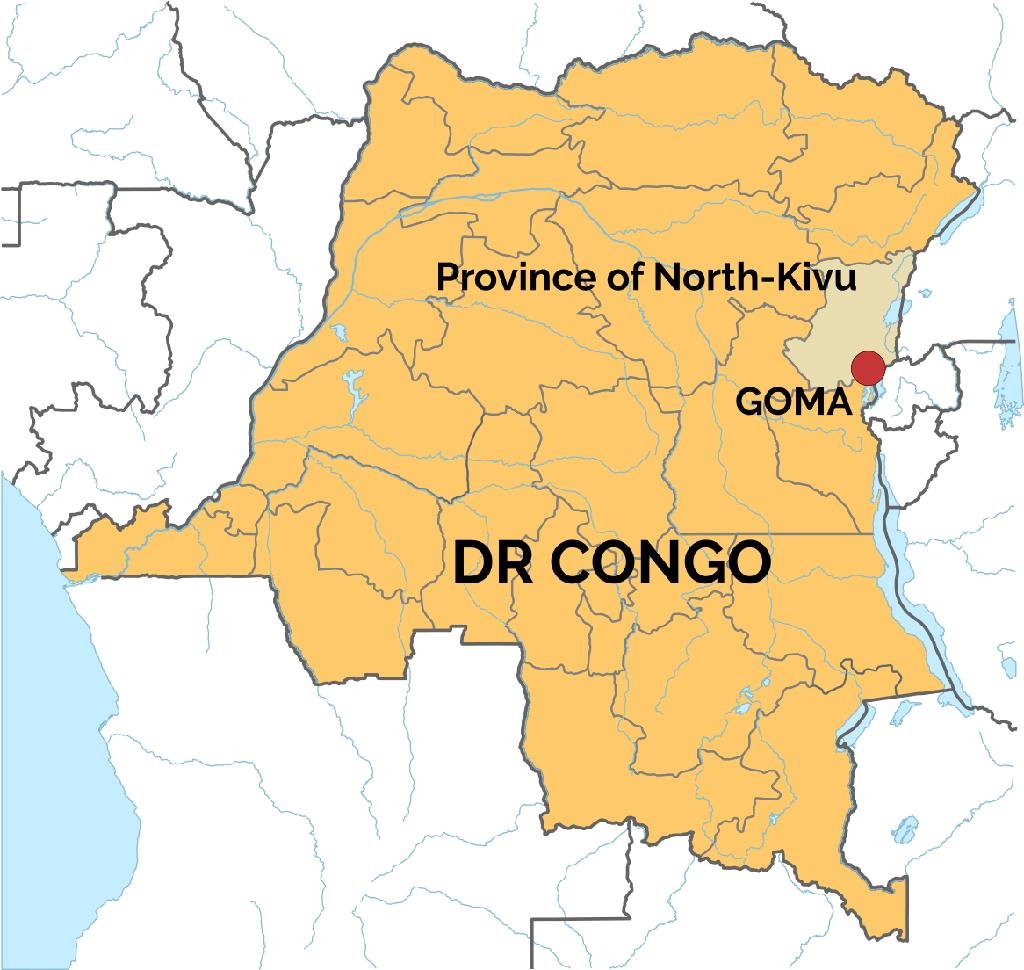
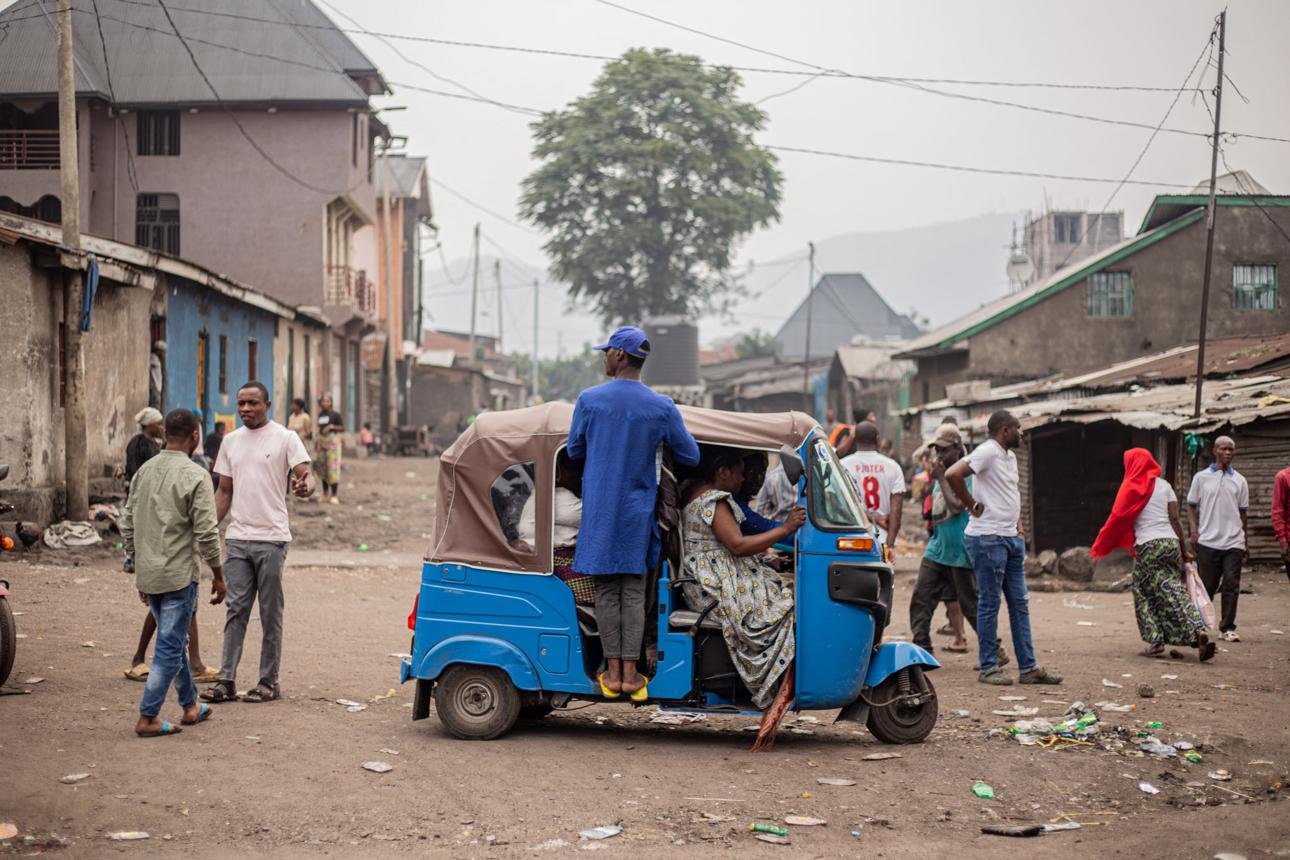
Route: Goma – Virunga region – Bukavu
Distance: highly variable
Road type: paved roads, rough mountain roads, regional tracks
Fuel: available in larger towns
The most visited overlanding region in the DRC.
Highlights:
- Virunga volcanoes
- mountain scenery
- Lake Kivu
- rainforest landscapes
- regional culture
Historically, this region has attracted adventurous travelers due to its natural beauty, though security conditions can change significantly.
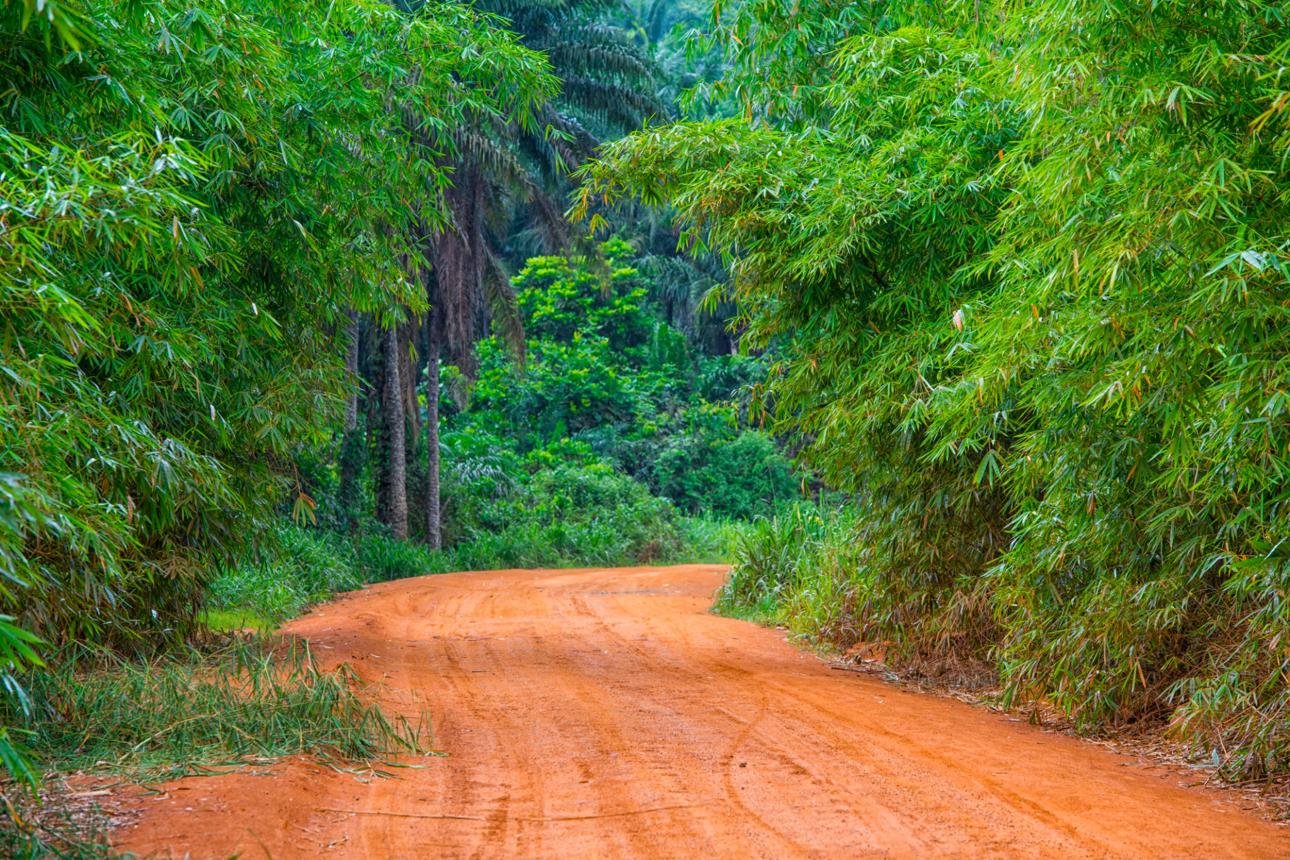
2. Congo Basin Expedition Route
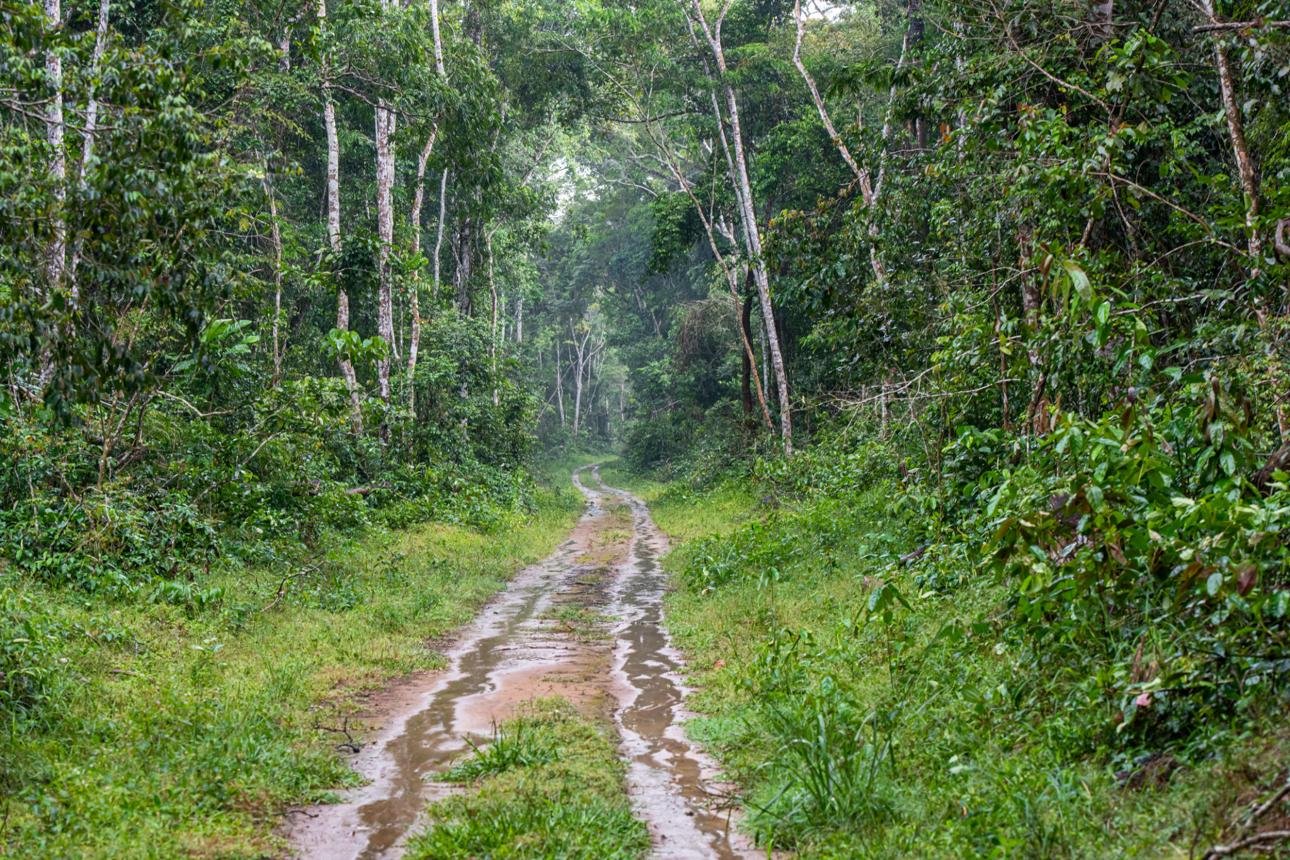
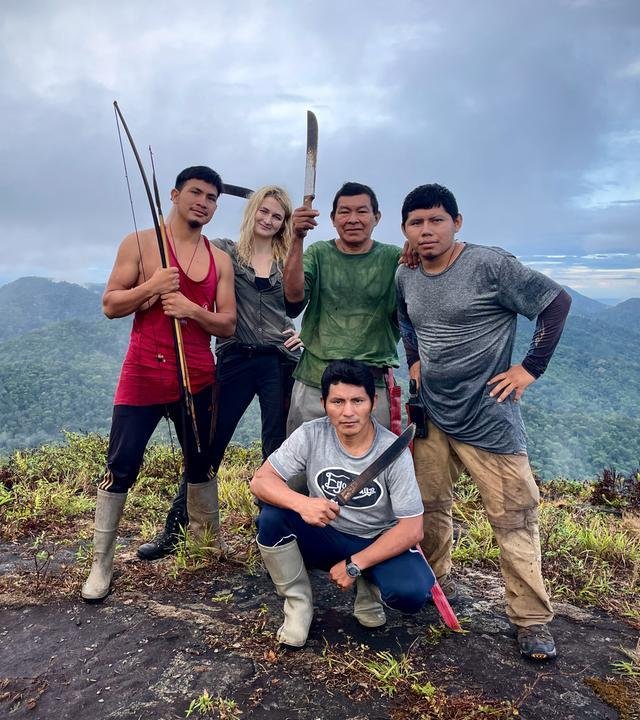
One of Africa’s most remote overland adventures.
Highlights:
- dense rainforest
- isolated communities
- river crossings
- expedition logistics
- true wilderness travel
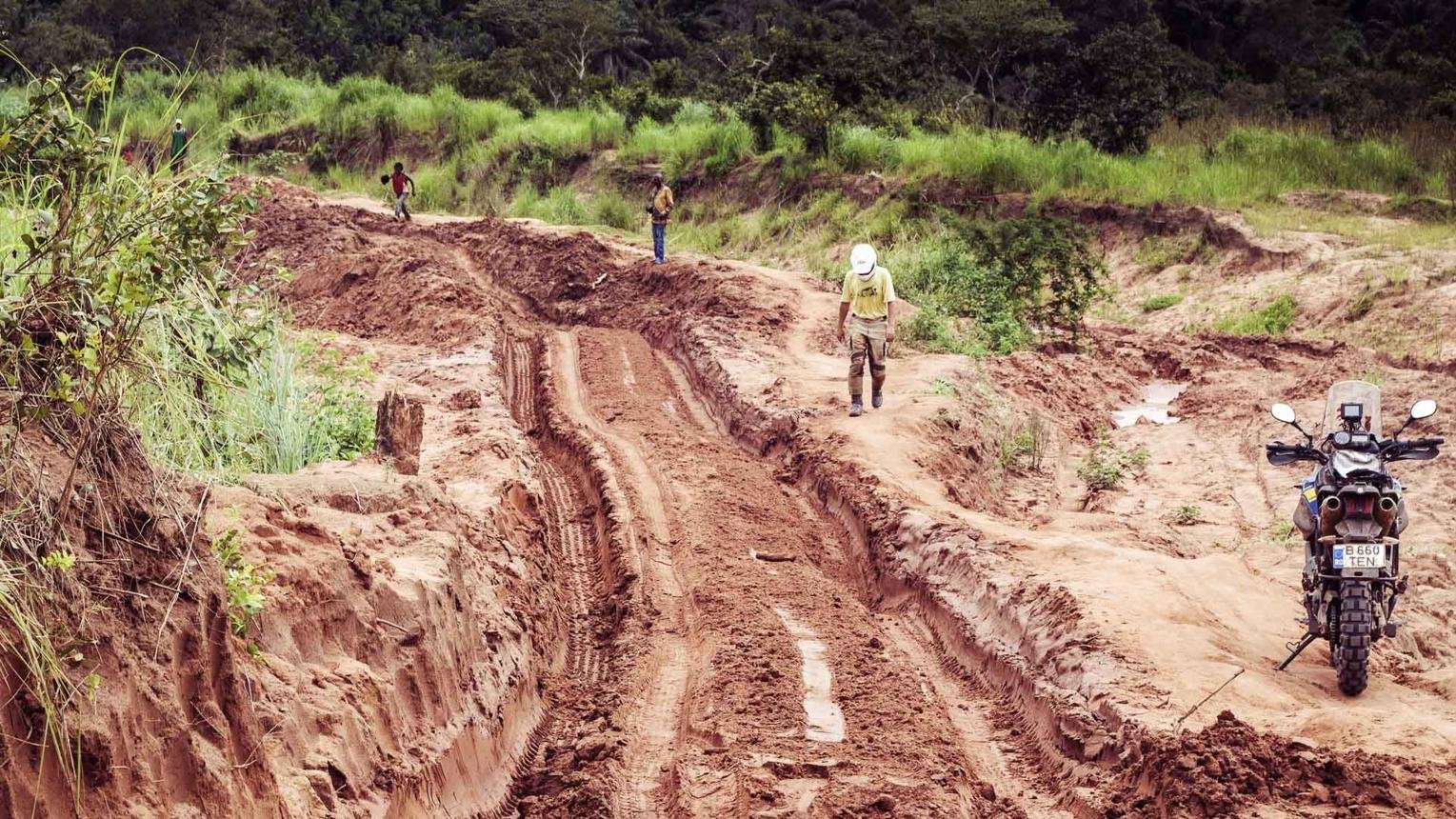
Expect:
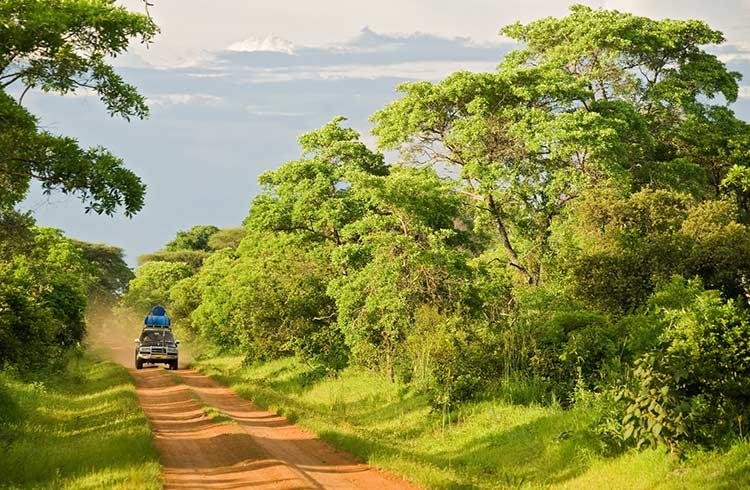
- difficult roads
- muddy tracks
- bridges in poor condition
- long delays
A serious expedition route.
3. Southern Katanga Route
8
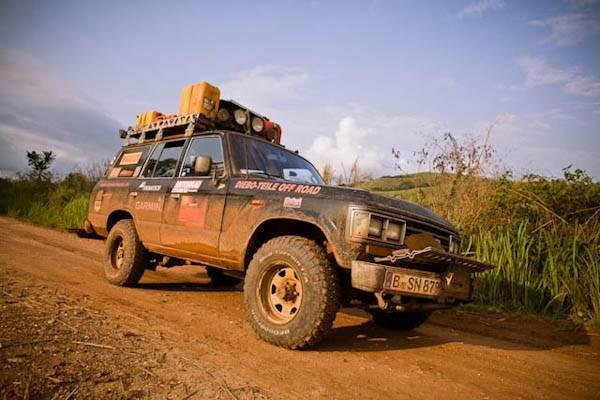
Route: Lubumbashi – Likasi – regional southern routes
The south generally offers better infrastructure than many central regions.
Highlights:
- mining landscapes
- savannah regions
- border access toward Zambia
- easier logistics
A common route for travelers entering from southern Africa.
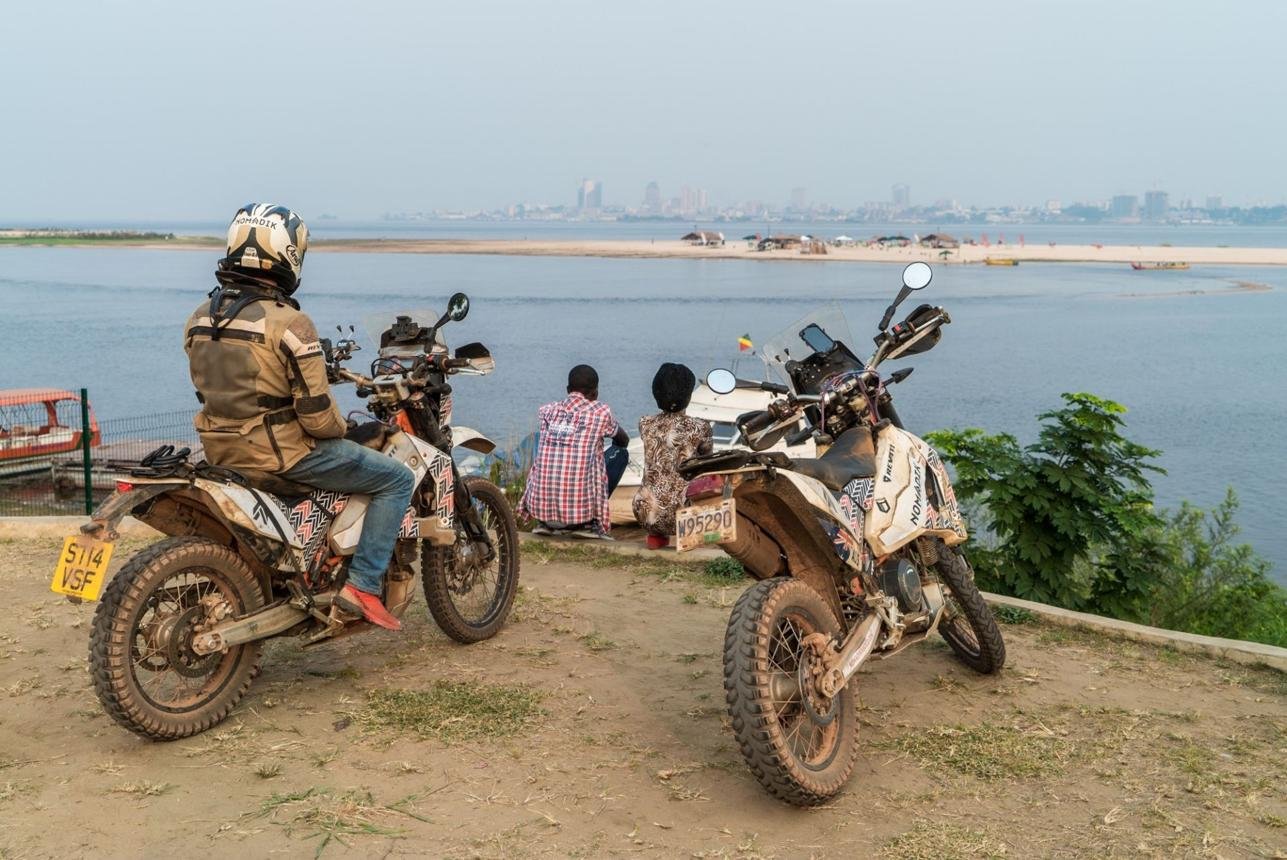
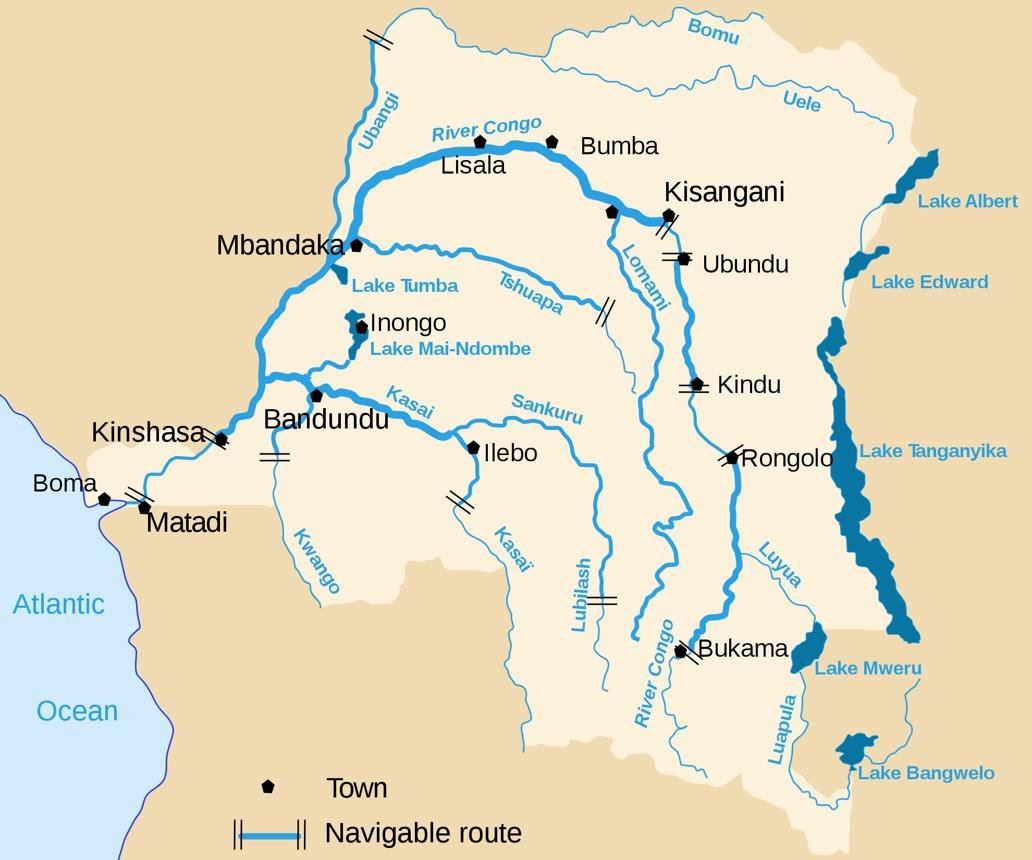
4. Kinshasa & Western Congo Route
6
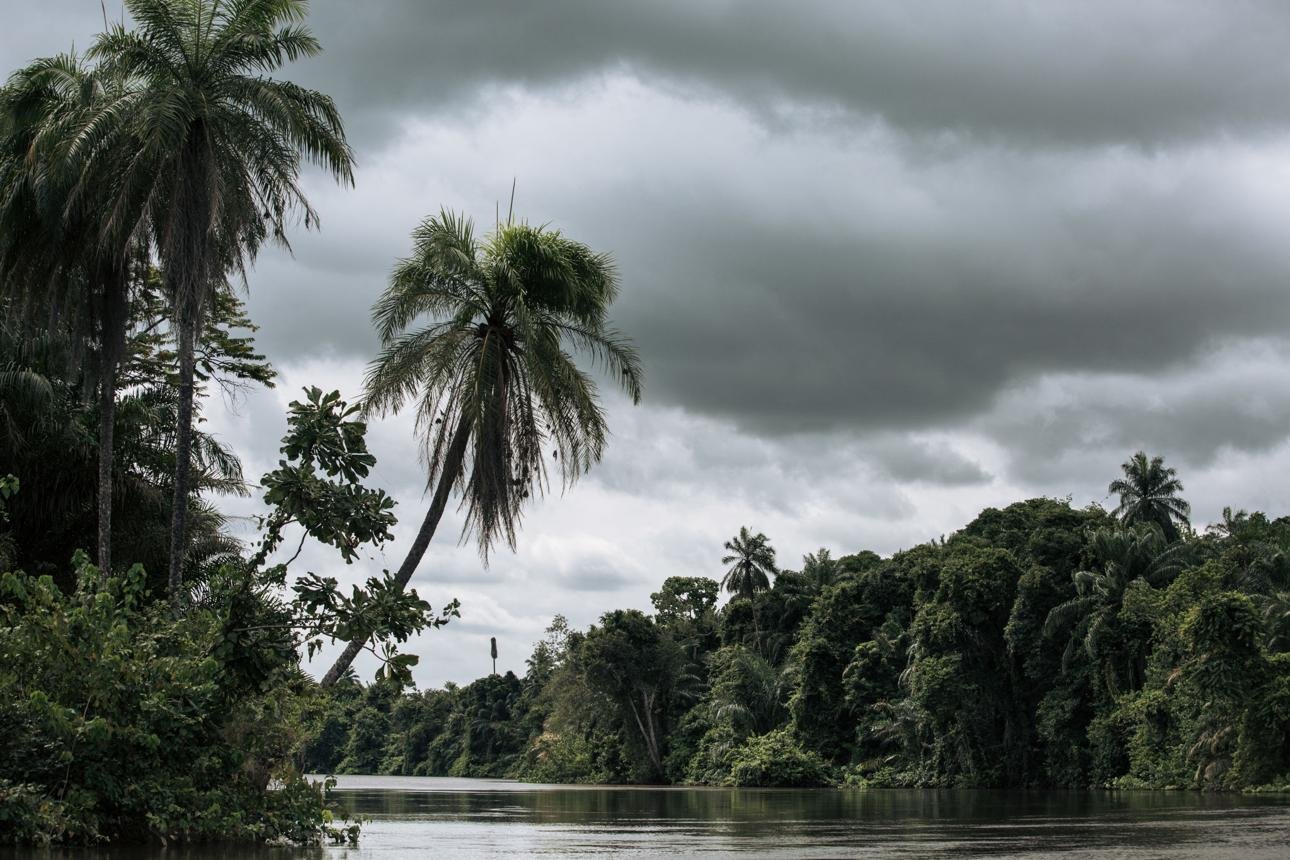
The western region revolves around the massive Congo River.
Highlights:
- Kinshasa
- river transport
- cultural experiences
- Atlantic access via Matadi
Road travel can still be challenging despite proximity to major population centers.
Borders & Entry Points
The DRC borders:
- Angola
- Zambia
- Tanzania
- Burundi
- Rwanda
- Uganda
- South Sudan
- Central African Republic
- Republic of the Congo
Zambia
One of the most common overland entry points.
Popular southern Africa connection.
Rwanda
Frequently used access point to eastern Congo.
Uganda
Common route into the Virunga region.
Republic of the Congo
Possible via the Kinshasa–Brazzaville corridor.
Angola
Useful for longer Central Africa expeditions.
Vehicle Entry Requirements
Usually required:
- passport
- visa
- vehicle registration
- insurance
- temporary import documentation
- driver’s license
Border procedures can be lengthy and bureaucratic.
French is extremely useful.
Driving Conditions
The DRC presents some of Africa’s most difficult road conditions.
Easy (relative):
- selected paved highways
- urban regions
Moderate:
- dry-season regional roads
Difficult:
- rainforest tracks
- muddy roads
- damaged bridges
- remote crossings
- seasonal flooding
Travel times are often far longer than map distances suggest.
Fuel & Logistics
A major expedition challenge.
Expect:
- fuel availability in larger towns
- limited services in remote areas
- inconsistent road conditions
- patchy communications
- difficult spare-parts sourcing
Bring:
- recovery equipment
- spare tires
- spare parts
- water reserves
- fuel reserves
- satellite communication
Self-sufficiency is essential.
Camping & Accommodation
Wild Camping
Often necessary in remote regions.
Security assessment is important.
Campsites
Formal overlanding infrastructure is extremely limited.
Accommodation
Available mainly in:
- larger cities
- regional centers
- mission stations
- lodges
- guesthouses
Standards vary considerably.
Safety & Risks
Security conditions are the primary concern.
Regional conditions can vary dramatically and may change quickly.
Main concerns:
- security incidents
- road conditions
- remote breakdowns
- bureaucracy
- limited medical facilities
- communication difficulties
Current security research is absolutely essential before attempting overland travel in the DRC.
Best Time to Visit
Ideal
June–September
Drier conditions in many regions.
Secondary Season
December–February
Can be favorable depending on region.
Avoid
Peak rainy seasons.
Many roads become extremely difficult or impassable.
Sample Expedition Itinerary
Because of changing conditions, most overlanders focus on one region:
Option 1: Eastern Congo and Lake Kivu region
Option 2: Southern Katanga routes
Option 3: Congo Basin expedition
Flexible planning is essential.
FAQ
Is the DRC good for overlanding?
Excellent for experienced expedition travelers.
Need 4×4?
Absolutely essential.
Can you wild camp?
Often necessary in remote areas.
Good for beginners?
No.
Biggest challenge?
Logistics, infrastructure, and security.
Related Pages
- Backpacking Democratic Republic of the Congo
- RV Travel Democratic Republic of the Congo
- Kinshasa
- Goma
- Lubumbashi
- Virunga National Park
- Lake Kivu
- Congo Basin Travel Guide
- Central Africa Overlanding Guide
- Getting around
- Further Reading